
All about Drought


What is Drought?

It is an extended period of time when there is shortage of water availability with respect to atmospheric (below average precipitation), surface water or ground water. It can last for months or years.

source: worldatlas.com


Types of Drought

It is classified mainly into three types, they are as follows:

  1. Meteorological Drought :- It is a condition when there is a prolong period of inadequate precipitation. It usually precedes other kind of drought.

  2. Agricultural Drought :- It can be also called as Soil Moisture Drought, characterized by low soil moisture that is necessary to support crops. Due to which there is crop failure in the area affected by this drought. There are many reasons for this drought to occur such as erosion, and events that cause depletion in nutritious content of soil.

  3. Hydrological Drought :- It is a situation where availability of water in reserves like aquifiers, lakes and reservoirs falls below the level, which precipitation can replenish. This drought tends to show up more slowly.

Causes

There are many causes of drought, some are explained below:

  • Precipation Deficiency :- Precipation can be of three types, they are ice, liquid water and water that freezes on contact. Low level precipation can lead to drought. It mainly occurs in region where normal level of rainfall is low.

  • Dry Season :- Dry season causes drying of rivers, lakes and other water bodies due to which it increases drought occurences.

  • Human Activities :- The ability of land to capture and hold water reduces due to overfarming, excessive irragation, deforestation and erosion. As water holding capacity of land is reduced there is depletion in ground water levels which further affects vegetation.

Can First Rainfall break the drought?

As mentioned above drought is a situation where there is shortage of water for an extended period of time, So First rain cannot break the drought but it is capable of providing temporary relief. A light or moderate rainfall can reduce temperature and provide cooling whilethe rain will be quickly evaporated or used by plants as it seeps into soil, which will provide more relief. Soaking of rain in land is best against drought as it increases ground water due to which plants can grow properly; It also feeds streams i.e. provides water to lakes, rivers, etc.

Consequences

There are many consequences some are mentioned below:

  • Famine :- Drought destroys food sources, as it has less water to support plants, crops, fodder crops, etc. Due to which animals, cattles, poultry cannot have enough food to eat. Even human beings has less food available. When this condition continues for long time period then it may lead to famines.

  • Decrease in drinking water :- Most of natural and man-made reserves dry up or has very less water to quench thirst of living beings. At this times many animals and birds either die or migrate to some other places.

Measures

  • Dams :- additional water can be supplied at time of drought with help of dams.

  • Desalination :- sea water can be used for irrigation or consumption.

  • Inter-connectivity of water bodies can help reduce severity of drought. For example if there is a drought like situation then water from other bodies can be provided to that region so that upto some extent water needs can be fulfilled.

  • Drought severity can be reduced by rainwater harvesting on individual basis.

p { margin-bottom: 0.25cm; line-height: 115% }
A new membrane production could desalinate water with 99.9% efficiency.

According to the World Health Organization, more than 785 million people lack clean drinking water. Although 71% of the Earth’s surface is covered with seawater, we can’t drink it. Scientists around the world are working to find effective means of desalinating seawater at a low cost. Now, a team of Korean scientists may have figured out how to do it in a matter of minutes.

The freshwater necessary for most human activities represents only 2.5 percent of the total water available on the planet. Rivers and lakes hold only a fraction of them, but that is what life on Earth depends so much on.. Unfortunately, human activities are putting this vital resource under tremendous strain.

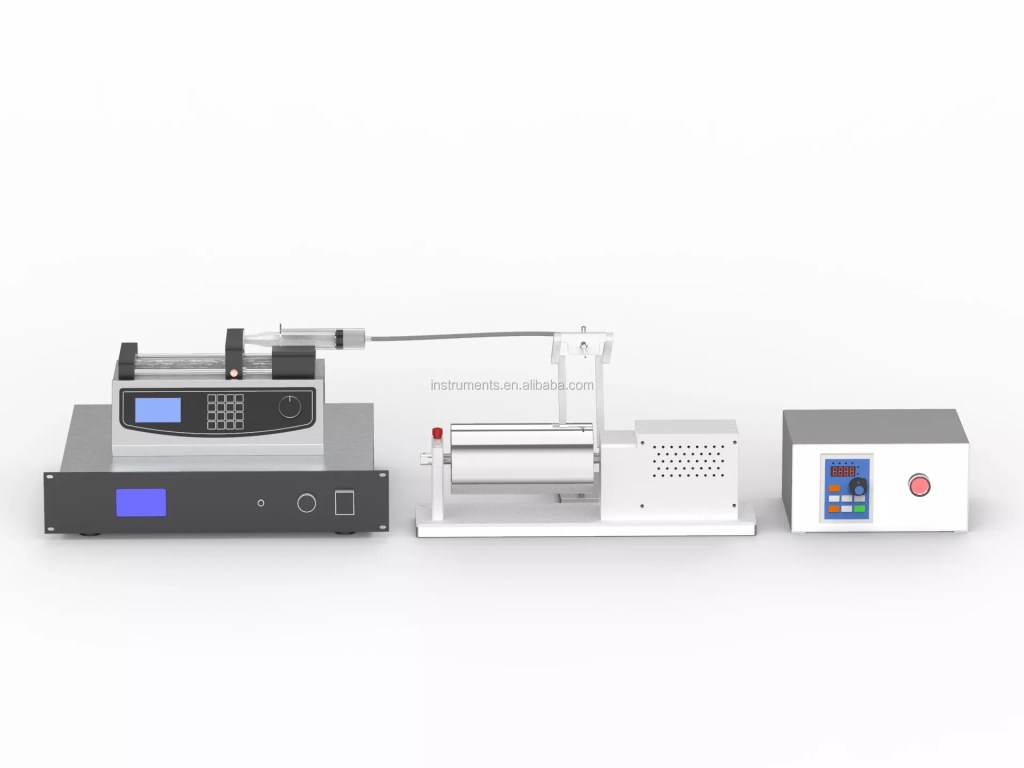
Diagram of the electrothreading device used to make this membrane from nanofibres.

It is hardly surprising that desalination of seawater is the easiest way to address this issue. But these processes have their limitations. One such limitation is membrane wetting.  Wetting the membrane pores eliminates dry pathways where contaminants, like particles, gels, or bubbles could pass through, resulting in high defect levels in your process. Polymer membranes are natively hydrophobic or hydrophilic.

•           Hydrophobic – having a natural aversion to water

•           Hydrophilic – having a natural affinity to water

If a membrane is hydrophobic, it is difficult to wet with water. This results in a high contact angle, or a very round bead of water sitting on top of the membrane. If a membrane is hydrophilic, it is easily wet with water, and the water will penetrate the pores of the membrane.

When using membranes to filter seawater, the membrane must remain dry for long periods. If the membrane becomes moist, the filtration process becomes inefficient and permits large quantities of salt to pass through the membrane. For long-term operations, progressive membrane wetting has been observed regularly, which be resolved by changing the membrane.

Researcher Yunchul Woo and his team at the Korea Institute of engineering and Building Technology (KICT) have now developed a membrane that’s less vulnerable to wetting and is stable within the future .

The membrane is formed of nanofibres that are fabricated into a three-dimensional hierarchical data structure , This was achieved by employing a sort of nanotechnology called electrospinning. Using this technology, the researchers were ready to fabricate a highly hydrophobic membrane — i.e. water repellent.

The hydrophobic nature of the membrane is valuable because it is designed to keep water molecules from passing through. Instead, a temperature differential is applied on both sides of the membrane which causes the water to evaporate from one end to the water vapor. The membrane allows water vapor to pass, which then condenses onto the cooler side. Called, membrane distillation, this is a commonly used method of desalination using membranes. Because salt particles are not transformed into gas, they are set aside on one side of the membrane, giving highly purified water on the other side.

The Korean researchers also used silica aerogel in their membrane fabrication process which further enhanced the flow of water vapor through the membrane, providing quicker access to desalinated water.

In tests, the team ran the new membrane for 30 days, and found that it still filtered out 99.99 percent of the salt after that time. That’s a far longer runtime than other electrospun nanofiber membranes, which the team says struggle to last more than 50 hours of continuous use before they begin to leak.

The co-axial electrospun nanofiber membrane have strong potential for the treatment of seawater solutions without suffering from wetting issues and may be the appropriate membrane for pilot-scale and real-scale membrane distillation applications,” says Dr. Yunchul Woo, lead researcher on the study.