E-Commerce and it’s Impacts on Market and Retailers in India…

The internet is quite crucial in our everyday lives. We utilise the internet practically every day for almost every task. Before e-commerce, purchase and sale were done physically in marketplaces, but with the introduction of e-commerce in India, our lives have become more comfortable due to a variety of benefits. Online shopping is a subset of ecommerce that is primarily done by users thanks to e-commerce websites in India that allow us to purchase and sell items of our choosing at reasonable prices. E-commerce websites have a wide range of effects on various marketplaces and merchants. In this article, we will explore the various marketplaces and merchants, as well as the effects of ecommerce on them.

INTRODUCTION:-
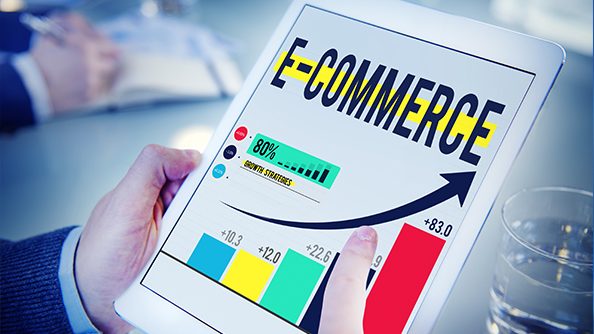
E-commerce is the purchase and sale of products and services through the internet.  Earlier e-commerce, buying and selling were done physically in marketplaces, but with the introduction of e-commerce in India, our lives have become more comfortable due to a variety of benefits. The benefits of e-commerce include online purchasing of anything at any time and from any location; buyers may find items on e-commerce websites that are not accessible in physical marketplaces; it saves money and time; and we can obtain our product without leaving our homes. Along with e-commerce, there is also a common word known as e-business, which refers to how businesses have expanded electronically with the assistance of the internet, allowing them to reach a larger number of consumers and so improve their sales. The phrases E-commerce and E-business are used interchangeably and have no precise definition. In reality, E-commerce is a subset of E-business that focuses on external operations, whereas E-business focuses on a company’s internal and external activities. Ecommerce has a variety of positive and negative effects in many sectors. The key to establishing a successful e-commerce is to limit the negative consequences while increasing the advantages.

DIFFERENT MARKETS AND RETAILERS IN INDIA:-

[A] Markets

  1. Physical Markets:- A physical market is one in which clients come to the market and engage with the vendor face to face before purchasing a product or service in return for money. Shopping malls, department stores, and other physical markets are examples.
  2. Non-Physical Markets/Virtual Markets:- Non-Physical Market is a market in which clients do not go to the vendor physically and do not engage face-to-face. The customer purchases the merchandise via the internet and exchanges money electronically. These markets include Flipkart, Amazon, and eBay, among others.
  3. Knowledge Market:- In this market Information and knowledge based products are sold.
  4. Market for Intermediate Goods:- In these markets, raw materials are offered, while final products are created by combining them.
  5. Auction Market:- The auction market is one in which items are auctioned to the highest bidder while lower bids are disregarded.
  6. Black Market:- Unauthorized items like as narcotics, guns, and alcohol are sold at these markets, which are controlled by illegal vendors.
  7. Financial Market:- This market exchanges liquid assets or money. Financial markets are classified into three types: Stock exchange, where equities are traded; Bond market, in which debt securities in the form of bonds are exchanged; The foreign exchange market, often known as the currency market, is where currencies are exchanged.

[B] Retailer

  1. Department Store–A department business is a store that combines several small stores under one corporation and offers a large range of items. It offers value for clients by providing a diverse range of items at one location.
  2. Supermarkets–Supermarkets traditionally sell food and drinks, but owing to client demand, they increasingly now sell fashion and electronic products. It has strong purchasing power, which explains why it sells at low prices.
  3. Warehouse Retailers–Warehouse retailers are located in areas where the premises rent is relatively inexpensive, allowing them to store, display, and sell a huge number of items.
  4. Convenience Store–These stores can be found in residential areas. sells a restricted number of items at a premium price because they bring value in the form of convenience
  5. Discount Retailer–Discount retailers are those that give discounts on less trendy goods by purchasing them from suppliers, reselling them till the end of the line, and then returning the remaining products at the discounted price to the source.
  6. Specialty Retailers–Specialty retailers provide a unique service or product and give consumers with professional expertise and excellent service. They offer value by selling accessories and related items at the same location.
  7. E-tailer–E-tailers are vendors who allow clients to buy products via the internet and offer home delivery, allowing them to reach customers in a large geographic region and supply items to them. Because they have little rent and overhead, they can provide reasonable pricing.

IMPACT OF E-COMMERCE ON MARKETS AND RETAILERS:-

Impact on Markets

  1. Product Promotion-Through Ecommerce, products can be promoted in an interesting way and with lots of information directly to customers, lowering the cost of offline promotion because the internet can interact with a large number of customers and save money on advertisements that can be used in other areas of business.
  2. Customer Service-Customer service may be improved since customers can look for specific information about a product or marketplace that sells the product and compare pricing from other market places.
  3. Brand Image– New business owners may develop their brands on the internet by employing beautiful pictures at a low cost.
  4. Advertisement– Traditionally, advertisements were one-way to attract customers and inform them about a new product or market place; however, with the advent of e-commerce, advertisements are now two-way, allowing customers to browse the market place and products, compare prices, and ask questions to online retailers.
  5. Customization-Customized items can be made accessible to consumers based on their specific requirements. It will be an excellent site to do business in the market, and new consumers will be drawn in.
  6. Ordering Process-Traditionally, intermediaries are employed to take orders from consumers, which takes a lot of time and money, but with ecommerce, order taking is so simple that it saves a lot of time and money, and they can generate more sales.
  7. Customer Value-Traditionally, obtaining a high value from consumers was the primary goal. Consumers were the only ones who were drawn, and they were the most important goal, but now sellers cultivate long-term connections with customers in order to achieve long-term value by providing them with unique discounts.

Impact on Retailers

  1. Customer Service– Offline businesses provide a variety of services that internet stores do not. Repair and items of services, home delivery, and after sales services, as well as online stores, are examples of such services.
  2. Window Shopping– Due to the low costs given by internet retailers, people visit physical locations to window shop before purchasing a product online. As a result, they have more prospective consumers than actual customers.
  3. Advertisement– Offline shops concentrate only on ads in order to attract customers and improve sales. They don’t miss a single opportunity to market.
  4. Discount– Offline merchants sell their items at reduced prices since online stores provide substantial discounts to customers, and in order to remain competitive and attract customers, they must sell their products at reduced prices.
  5. Variety of Stocks– Online stores provide a wide range of items that offline merchants cannot compete with since excess stock at the end of the year might result in a significant loss for the retailer.
  6. Turnover– As a result of e-commerce, the turnover of offline shops has decreased, which is a warning indicator for the business.
  7. Profit Margin– With the introduction of internet stores into the market, traditional businesses have suffered from price issues. To stay in business, businesses must offer their products at legal rates that cover only their operating expenses, with no profit margin.

CONCLUSION:-

This paper concludes that e-commerce is highly beneficial to us since it offers us with a broad range of items and services, as well as a wealth of information and appealing images, at a cheap price, right at our doorstep. It is convenient for clients and helps businesses to extend their operations over the internet. Ecommerce has a positive impact on markets because it reduces the cost of advertising because many customers can be attracted through the internet, it allows for the development of new brands, it allows for the maintenance of good relationships with customers, and it allows for the creation of customized products based on the needs of the customers. However, e-commerce has a negative influence on offline retailers since people buy at low prices from online shops, forcing them to cut their prices as well, resulting in no profit. Retailers cannot maintain a vast stock like online shops have stores because it would cost them a tremendous loss. To entice customers, they must spend more money on offline marketing. Along with the benefits, e-commerce has some limitations in terms of markets and retailers. These limitations include website cost, which is required to create and maintain a website; infrastructure cost, which is required to fulfil orders online retailers must maintain a large stock in a large warehouse, which is costly; security and fraud, which is due to the popularity of online shops. Criminal elements are also drawn to them, since they may hack personal information and exploit it; consumer trust, it is difficult for customers to trust a new brand without viewing, touching, and face-to-face connection.

Ways to Manage Stress

Stress is part of being human, and it can help motivate you to get things done. Even high stress from serious illness, job loss, a death in the family, or a painful life event can be a natural part of life. You may feel down or anxious, and that’s normal too for a while. Talk to your doctor if you feel down or anxious for more than several weeks or if it starts to interfere with your home or work life. Therapy, medication, and other stategies help. In the meantime, there are things you can learn to manage stress before it gets to be too much. Consider these suggestions:

Exercise

To start with, physical activity can help improve your sleep. And better sleep means better stress management. Doctors don’t yet know exactly why, but people who exercise more tend to get better deep “slow wave” sleep that helps renew the brain and body. Just take care not to exercise too close to bedtime, which disrupts sleep for some people. Exercise also seems to help mood. Part of the reason may be that it stimulates your body to release a number of hormones like endorphins and endocannabinoids that help block pain, improve sleep, and sedate you. Some of them (endocannabinoids) may be responsible for the euphoric feeling, or “runner’s high,” that some people report after long runs.

People who exercise also tend to feel less anxious and more positive about themselves. When your body feels good, your mind often follows. Get a dose of stress relief with these exercises:

Applications

Property Rights

What Are Property Rights?

Property rights define the theoretical and legal ownership of resources and how they can be used. These resources can be both tangible or intangible and can be owned by individuals, businesses, and governments. In many countries, including the United States, individuals generally exercise private property rights or the rights of private persons to accumulate, hold, delegate, rent, or sell their property. In economics property rights form the basis for all market exchange, and the allocation of property rights in a society affects the efficiency of resource use.

Understanding Property Rights

Property is secured by laws that are clearly defined and enforced by the state. These laws define ownership and any associated benefits that come with holding the property. The term property is very expansive, though the legal protection for certain kinds of property varies between jurisdictions.Property is generally owned by individuals or a small group of people. The rights of property ownership can be extended by using patents and copyrights to protect:

  • Scarce physical resources such as houses, cars, books, and cellphones
  • Non-human creatures like dogs, cats, horses or birds
  • Intellectual property such as inventions, ideas, or words

Other types of property, such as communal or government property, are legally owned by well-defined groups. These are typically deemed public property. Ownership is enforced by individuals in positions of political or cultural power. Property rights give the owner or right holder the ability to do with the property what they choose. That includes holding on to it, selling or renting it out for profit, or transferring it to another party.

Acquiring Rights to a Property

Individuals in a private property rights regime acquire and transfer in mutually agreed-upon transfers, or else through homesteading. Mutual transfers include rents, sales, voluntary sharing, inheritances, gambling, and charity. Homesteading is the unique case; an individual may acquire a previously unowned resource by mixing his labor with the resource over a period of time. Examples of homesteading acts include plowing a field, carving stone, and domesticating a wild animal. In areas where property rights don’t exist, the ownership and use of resources are allocated by force, normally by the government. That means these resources are allocated by political ends rather than economic ones. Such governments determine who may interact with, can be excluded from, or may benefit from the use of the property.

Private Property Rights

Private property rights are one of the pillars of capitalist economies, as well as many legal systems, and moral philosophies. Within a private property rights regime, individuals need the ability to exclude others from the uses and benefits of their property. All privately owned resources are rivalrous, meaning only a single user may possess the title and legal claim to the property. Private property owners also have the exclusive right to use and benefit from the services or products. Private property owners may exchange the resource on a voluntary basis.

Private Property Rights and Market Prices

Every market price in a voluntary, capitalist society originates through transfers of private property. Each transaction takes place between one property owner and someone interested in acquiring the property. The value at which the property exchanges depends on how valuable it is to each party. Suppose an investor purchases $1,000 in shares of stock in Apple. In this case, Apple values owning the $1,000 more than the stock. The investor has the opposite preference, and values ownership of Apple stock more than $1,000.

Financial Literacy

What Is Financial Literacy?

Financial literacy is the ability to understand and effectively use various financial skills, including personal financial management, budgeting, and investing. Financial literacy is the foundation of your relationship with money, and it is a lifelong journey of learning. The earlier you start, the better off you will be, because education is the key to success when it comes to money.

Read on to discover how you can become financially literate and able to navigate the challenging but critical waters of personal finance. And when you have educated yourself, try to pass your knowledge on to your family and friends. Many people find money matters intimidating, but they don’t have to be, so spread the news by example.

Understanding Financial Literacy

In recent decades financial products and services have become increasingly widespread throughout society. Whereas earlier generations of Americans may have purchased goods primarily in cash, today various credit products are popular, such as credit and debit cards and electronic transfers. Indeed, a 2019 survey from the Federal Reserve Bank of San Francisco showed that consumers preferred cash payments in only 22% of transactions, favoring debit cards for 42% and credit cards for 29%.

Other products, such as mortgages, student loans, health insurance, and self-directed accounts, have also grown in importance. This has made it even more imperative for individuals to understand how to use them responsibly. Although there are many skills that might fall under the umbrella of financial literacy, popular examples include household budgeting, learning how to manage and pay off debts, and evaluating the tradeoffs between different credit and investment products. These skills often require at least a working knowledge of key financial concepts, such as compound interest and the time value of money. Given the importance of finance in modern society, lacking financial literacy can be very damaging to an individual’s long-term financial success.

Being financially illiterate can lead to a number of pitfalls, such as being more likely to accumulate unsustainable debt burdens, either through poor spending decisions or a lack of long-term preparation. This in turn can lead to poor credit, bankruptcy, housing foreclosure, and other negative consequences. Thankfully, there are now more resources than ever for those wishing to educate themselves about the world of finance. One such example is the government-sponsored Financial Literacy and Education Commission, which offers a range of free learning resources.

Strategies to Improve Your Financial Literacy Skills

Developing financial literacy to improve your personal finances involves learning and practicing a variety of skills related to budgeting, managing and paying off debts, and understanding credit and investment products. Here are several practical strategies to consider.

Create a Budget—Track how much money you receive each month against how much you spend in an Excel sheet, on paper, or with a budgeting app. Your budget should include income (paychecks, investments, alimony), fixed expenses (rent/mortgage payments, utilities, loan payments), discretionary spending (nonessentials such as eating out, shopping, and travel), and savings.

Pay Yourself First—To build savings, this reverse budgeting strategy involves choosing a savings goal (say, a down payment for a home), deciding how much you want to contribute toward it each month, and setting that amount aside before you divvy up the rest of your expenses.

Pay Bills Promptly—Stay on top of monthly bills, making sure that payments consistently arrive on time. Consider taking advantage of automatic debits from a checking account or bill-pay apps and sign up for payment reminders (by email, phone, or text).

Economic Development

The field of development economics is concerned with the causes of underdevelopment and with policies that may accelerate the rate of growth of per capita income. While these two concerns are related to each other, it is possible to devise policies that are likely to accelerate growth (through, for example, an analysis of the experiences of other developing countries) without fully understanding the causes of underdevelopment.
Studies of both the causes of underdevelopment and of policies and actions that may accelerate development are undertaken for a variety of reasons. There are those who are concerned with the developing countries on humanitarian grounds; that is, with the problem of helping the people of these countries to attain certain minimum material standards of living in terms of such factors as food, clothing, shelter, and nutrition. For them, low per capita income is the measure of the problem of poverty in a material sense. The aim of economic development is to improve the material standards of living by raising the absolute level of per capita incomes. Raising per capita incomes is also a stated objective of policy of the governments of all developing countries. For policymakers and economists attempting to achieve their governments’ objectives, therefore, an understanding of economic development, especially in its policy dimensions, is important. Finally, there are those who are concerned with economic development either because they believe it is what people in developing countries want or because they believe that political stability can be assured only with satisfactory rates of economic growth. These motives are not mutually exclusive. Since World War II many industrial countries have extended foreign aid to developing countries for a combination of humanitarian and political reasons.
Those who are concerned with political stability tend to see the low per capita incomes of the developing countries in relative terms; that is, in relation to the high per capita incomes of the developed countries. For them, even if a developing country is able to improve its material standards of living through a rise in the level of its per capita income, it may still be faced with the more intractable subjective problem of the discontent created by the widening gap in the relative levels between itself and the richer countries. (This effect arises simply from the operation of the arithmetic of growth on the large initial gap between the income levels of the developed and the underdeveloped countries. As an example, an underdeveloped country with a per capita income of $100 and a developed country with a per capita income of $1,000 may be considered. The initial gap in their incomes is $900. Let the incomes in both countries grow at 5 percent. After one year, the income of the underdeveloped country is $105, and the income of the developed country is $1,050. The gap has widened to $945. The income of the underdeveloped country would have to grow by 50 percent to maintain the same absolute gap of $900.) Although there was once in development economics a debate as to whether raising living standards or reducing the relative gap in living standards was the true desideratum of policy, experience during the 1960–80 period convinced most observers that developing countries could, with appropriate policies, achieve sufficiently high rates of growth both to raise their living standards fairly rapidly and to begin closing the gap.
The impact of discontent
Although concern over the question of a subjective sense of discontent among the underdeveloped and developing countries has waxed and waned, it has never wholly disappeared. The underdeveloped countries’ sense of dissatisfaction and grievance arises not only from measurable differences in national incomes but also from the less easily measurable factors, such as their reaction against the colonial past and their complex drives to raise their national prestige and achieve equality in the broadest sense with the developed countries. Thus, it is not uncommon to find their governments using a considerable proportion of their resources in prestige projects, ranging from steel mills, hydroelectric dams, universities, and defense expenditure to international athletics. These symbols of modernization may contribute a nationally shared satisfaction and pride but may or may not contribute to an increase in the measurable national income. Second, it is possible to argue that in many cases the internal gap in incomes within individual underdeveloped countries may be a more potent source of the subjective level of discontent than the international gap in income. Faster economic growth may help to reduce the internal economic disparities in a less painful way, but it must be remembered that faster economic growth also tends to introduce greater disruption and the need for making bigger readjustments in previous ways of life and may thus increase the subjective sense of frustration and discontent. Finally, it is difficult to establish that the subjective problem of discontent will bear a simple and direct relationship to the size of the international gap in incomes. Some of the apparently most discontented countries are to be found in Latin America, where the per capita incomes are generally higher than in Asia and Africa. A skeptic can turn the whole approach to a reductio ad absurdum by pointing out that even the developed countries with their high and rising levels of per capita income have not been able to solve the subjective problem of discontent and frustration among various sections of their population.
Two conclusions may be drawn from the above points. First, the subjective problem of discontent in the underdeveloped countries is a genuine and important problem in international relations. But economic policy acting on measurable economic magnitudes can play only a small part in the solution of what essentially is a problem in international politics. Second, for the narrower purpose of economic policy there is no choice but to fall back on the interpretation of the low per capita incomes of the underdeveloped countries as an index of their poverty in a material sense. This can be defended by explicitly adopting the humanitarian value judgment that the underdeveloped countries ought to give priority to improving the material standards of living of the mass of their people. But, even if this value judgment is not accepted, the conventional measure of economic development in terms of a rise in per capita income still retains its usefulness. The governments of the underdeveloped countries may wish to pursue other, nonmaterial goals, but they could make clearer decisions if they knew the economic cost of their decisions. The most significant measure of this economic cost can be expressed in terms of the foregone opportunity to raise the level of per capita income.
Shortage of savings:
Given the broad relationship between capital accumulation and economic growth established in growth theory, it was plausible for growth theorists and development economists to argue that the developing countries were held back mainly by a shortage in the supply of capital. These countries were then saving only 5–7 percent of their total product, and it was manifest (and it remains true) that satisfactory growth cannot be supported by so low a level of investment. It was therefore thought that raising the savings ratio to 10–12 percent was the central problem for developing countries. Early development policy therefore focused on raising resources for investment. Steps toward this end were highly successful in most developing countries, and savings ratios rose to the 15–25 percent range. However, growth rates failed even to approximate the savings rates, and theorists were forced to search for other explanations of differences in growth rates.

The central problem of countries with low per capita output is that they have not as yet succeeded in making use of their potential economic opportunities. To do so, they must achieve an efficient allocation of the available resources and provide incentives for resource accumulation. But efficient allocation of resources is not merely a matter of the formal optimum conditions of economic theory. It requires the building up of an effective institutional and organizational framework to carry out the allocation of resources. In the private sector this requires the development of a well-articulated market system that embraces the markets for final products and the markets for factors of production. In the public sector the development of the organizational framework requires improvements in the administrative machinery of the government, especially in its fiscal machinery.
In the setting of the developing countries, one is concerned not only with the once for all problem of efficient allocation of resources but also with improving the capacity of these countries to make a more effective use of their resources over a period of time. That is to say, one is concerned not only with the static problem of the efficient allocation of given resources with the given organizational framework but also with dynamic problems of improving the capability of this framework. From this point of view, there is no conflict, as some have maintained, between the static, or the short-run, considerations and the dynamic, or long-run, considerations. The two sets of requirements move in the same direction.
Unemployment

Unemployment has become one of the biggest problems around the world. When an individual is an implied, he or she will know very less about the mankind. It is so difficult to face situation and handle situations when the individual is unemployed. Unemployment leads to many silly mistakes. And an unemployed person cannot take over the family and lead the family as well. There is a huge competition in highly populated countries like India. In order to be employed, the only method is to study hard and improve the skills and score better. Basically, the students are not showing good amount of interest towards the studies. Let us now see how to motivate them.

Covid crisis has made many people unemployed. It has taken away the basic need of living. Many people are left with the unfilled stomachs. Some people are dead about by not finding a way to live.

Types of unemployment :

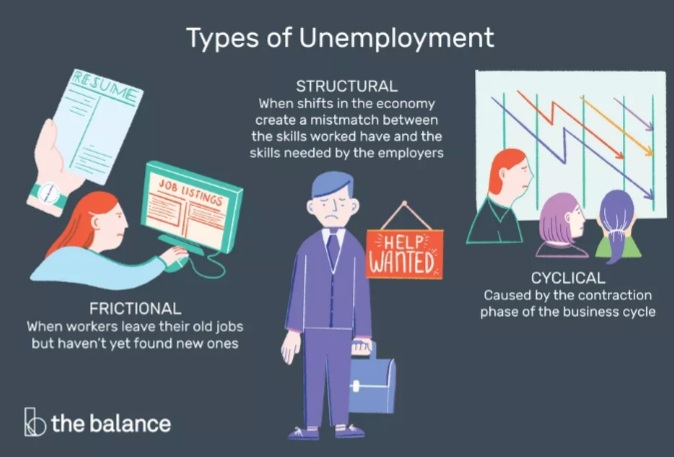
There are four main types of unemployment in an economy frictional, structural, cyclical, and seasonal and each has a different cause.

1. Frictional unemployment :

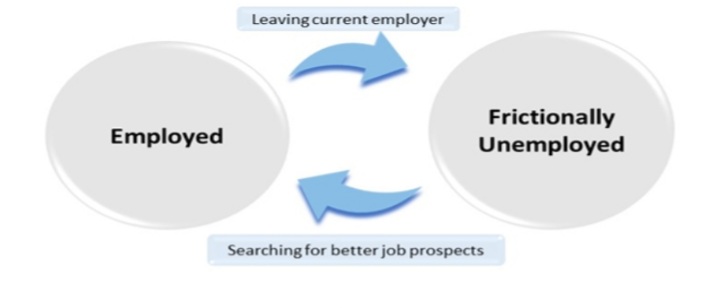
Frictional unemployment is caused by temporary transitions in workers lives, such as when a worker moves to a new city and has to find a new job. Frictional unemployment also includes people just entering the labor force, such as freshly graduated college students. It is the most common cause of unemployment, and it is always in effect in an economy.

2. Structural unemployment :

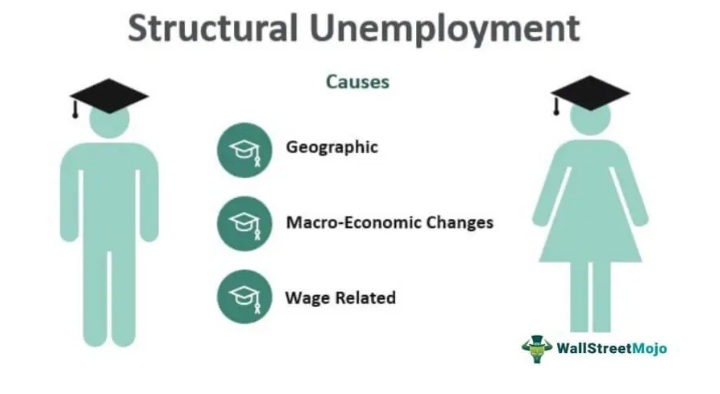
Structural unemployment is caused by a mismatch in the demographics of workers and the types of jobs available, either when there are jobs available that workers don’t have the skills for, or when there are workers availabes but no jobs to fill. Structural unemployment is most obvious in industries undergoing technological advancements.

3. Cyclical unemployment :

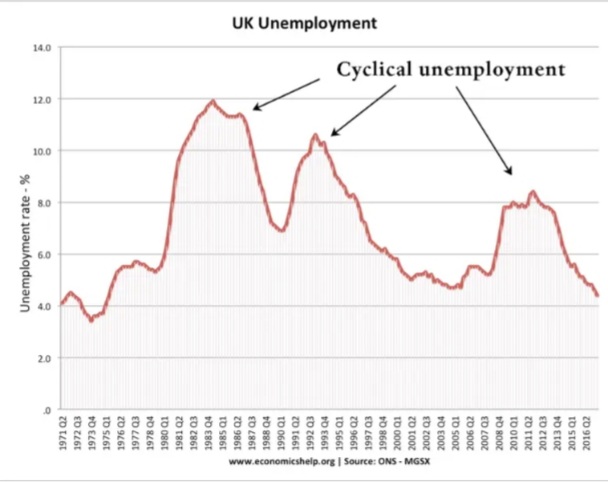
Cyclical unemployment is caused by declining demand. When there is not enough demand in an economy for goods and services, businesses cannot offer jobs . According to keynesian economics , cyclical unemployment is a natural result of the business cycle in times of recession: if all consumers become fearful at once, consumers will attempt to increase their saving at the same time, which means there will be a decrease in spending, and businesses will not be able to employ all employable workers.

4. Seasonal unemployment :

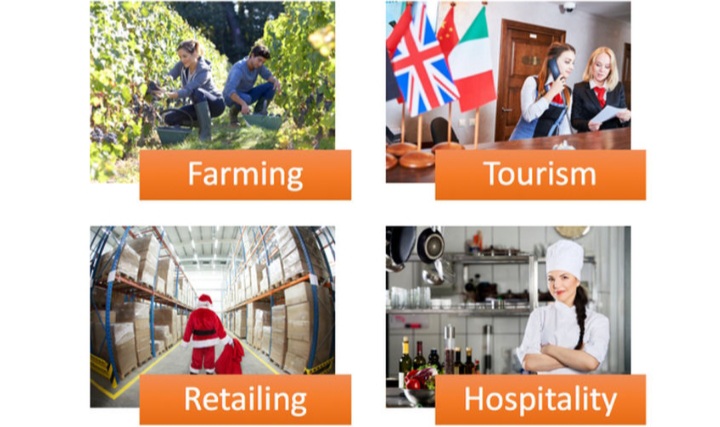
Seasonal unemployment is caused by different industries or parts of the labor market being available during different seasons. Fot instance, unemployment goes up in the winter months, because many agricultural jobs end oncr crops are have harvested in the fall, and those wotkers are left to find new jobs.

Consequences of unemployment in an Economy :

Low unemployment is key to economic stability High and long- term unemployment can cause significant stress on a nation in three key areas.

* Individuals :

Unemployed people have no ability to fulfill their financial obligations and can become mentally stressed, ill, and even homeless.

* Economic efficiency :

During times of high unemployment many job seekers will accept new jobs below their skill level, a situation called “underemployment ” which translates to a loss of human capital for an economys labor market. Unemployed workers will also significantly decreases their consumer spending, which is one of the driving forces of economic growth. Without consumer spending, the economy will slow dramatically.

* socio- political stability :

If unemployment remains high, citizen dissatisfaction can rise to the point of widespread civil unrest.

Possible solutions for Unemployment :

Solving unemployment is a hotly debated topic, and no economists agree on one simple way to do it. However, in the U.S ,if unemployment rises noticeably, the government usually steps in with specific policies designed to lower the total number of unemployed people.

1. Monetary policy :

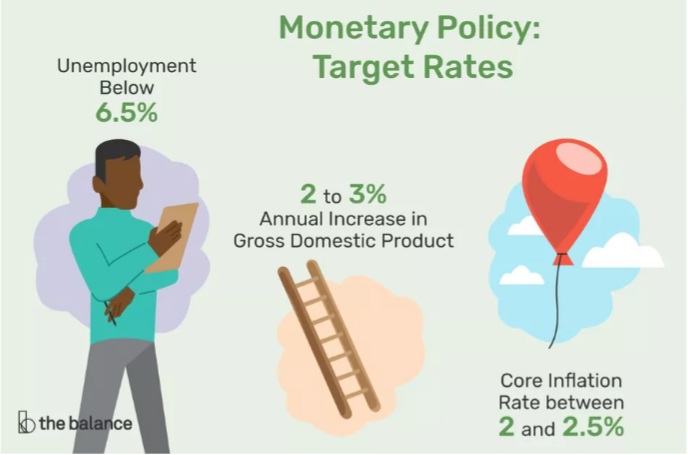
Monetary policy is financial influence implemented by a central bank . Monetary policies usually come in the form of lower interest rates, which increase the total money supply within an economy by allowing banks and businesses more access to loans and therefore, more accessible spending power.

2. Fiscal policy :

If expansionary monetary policy doesn’t adequately lower the unemployment rate government agencies will turn to fiscal policy. Fiscal policy is fiscal stimulus implemented by the national government and fiscal policies include spending on infrastructure, proposingtax cuts , increasing the minimum wage, or implementing unemployment benefits. These methods are designed to inject more demand into private economy and strengthen economic activity.

Let us now see some of the ways to motivate the students to study and get employeed.

Make things easier :

Showing the things easier and explaining them with clarity helps the students to show better interest on the subject and makes them to pay more attention on what the teacher is trying to convey. When the topics are shown easier for the students, they start learning them and they feel achieved and they pay more attention to study. When a student learns a particular topic or a question, he/she feels comfortable and happy for getting it. Once if they start reading, they develop the interest in them and they continue to read more and more.

Tell the importance :

The students must be motivated with good number of words to understand the need of studying and what happens if they don’t study. A student is like a bird without the wings when they don’t study. So, it is very important to motivate students to study and to make them understand the need of the situation. Motivation brings the right change in the students who are not interested in learning. It develops the interest in them to study.
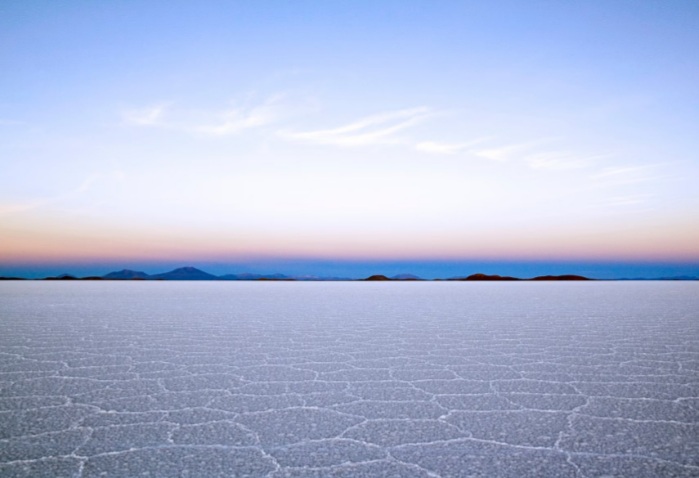
It seems good if the government provides good number of jobs.

Brazilian economy is in a “jobless recovery” following a spike in inflation

According to a Reuters poll, the Brazilian economy will continue to experience a so-called “jobless recovery” following this year’s inflation spike, while forecasts for recovery in Mexico appear stronger amid concerns about a possibly tougher monetary policy in the United States.

On the outside, Brazil’s macroeconomic picture appears to have improved as consumers shake off the COVID-19 epidemic, firms experience a resurgence of M&A activity, and the agriculture industry flourishes on huge international demand. Recent increases in GDP estimates, however, are at conflict with a number of issues. Rising inflation, which is presently the major topic, is expected to be followed by consistently high levels of joblessness into next year’s national elections in Brazil.

Because the economy will need some more time to reabsorb people and restore jobs, average unemployment is estimated to stay in the double digits this year, reaching around 13.6 percent. The rising unemployment rate will restrain services inflation, which accounts for nearly 40% of the headline figure.

According to the median estimate of 20 economists surveyed between July 5 and July 13, Brazil’s average jobless rate for 2021 was projected at a record 14.2 percent in the Reuters survey. This is in contrast to a large increase in GDP estimates.

According to a larger group of 40 respondents, Latin America’s No. 1 economy is expected to grow 5.1 percent in 2021, considerably above the relatively moderate 3.2 percent growth rate recorded in April’s survey. Inflation forecasts have also risen, reaching 6.5 percent from 5.1 percent in the previous quarter.

Many Brazilians have lost their livelihoods as a result of the virus. Many also point the finger to President Jair Bolsonaro’s pro-business stance. Other figures suggest robust employment creation, according to the government.

Bolsonaro and his expected opponent, former center-left President Luiz Inacio Lula da Silva, have not formally announced their candidacies yet, despite the fact that the 2022 presidential election remains just a year away.

President Andres Manuel Lopez Obrador of Mexico, however, looks to be on a more solid foundation than his Brazilian counterpart. Although both are embroiled in corruption allegations, Lopez Obrador is under far less scrutiny. Similarly, Mexico’s economy is getting better, with stronger growth and relatively low inflation than that of Brazil. Mexico’s GDP and consumer pricing are anticipated to grow 5.9 percent and 5.1 percent this year, respectfully, compared to 4.7 percent and 3.9 percent in the April survey.

Mexicans are keeping a very close eye on the Federal Reserve of the United States’ intention to gradually phase off its massive assistance. Thus far, this has been welcomed positively from across the border, instead of as a hindrance to financial movements.

In contrast to a drop in Brazil’s anticipated growth in 2022 to 2.2 percent from 2.3 percent, the study predicts Mexico’s GDP would increase 2.9 percent next year, up from 2.5 percent in April.

Analysts at BBVA Mexico said in a statement that they have raised their 2022 GDP projection to 3.0 percent from 2.8 percent due to a better investment picture. This increase will most probably encourage formal private employment to return to pre-pandemic levels in 1Q22.”

Brazilian economy is in a "jobless recovery" following a spike in inflation

According to a Reuters poll, the Brazilian economy will continue to experience a so-called “jobless recovery” following this year’s inflation spike, while forecasts for recovery in Mexico appear stronger amid concerns about a possibly tougher monetary policy in the United States.

On the outside, Brazil’s macroeconomic picture appears to have improved as consumers shake off the COVID-19 epidemic, firms experience a resurgence of M&A activity, and the agriculture industry flourishes on huge international demand. Recent increases in GDP estimates, however, are at conflict with a number of issues. Rising inflation, which is presently the major topic, is expected to be followed by consistently high levels of joblessness into next year’s national elections in Brazil.

Because the economy will need some more time to reabsorb people and restore jobs, average unemployment is estimated to stay in the double digits this year, reaching around 13.6 percent. The rising unemployment rate will restrain services inflation, which accounts for nearly 40% of the headline figure.

According to the median estimate of 20 economists surveyed between July 5 and July 13, Brazil’s average jobless rate for 2021 was projected at a record 14.2 percent in the Reuters survey. This is in contrast to a large increase in GDP estimates.

According to a larger group of 40 respondents, Latin America’s No. 1 economy is expected to grow 5.1 percent in 2021, considerably above the relatively moderate 3.2 percent growth rate recorded in April’s survey. Inflation forecasts have also risen, reaching 6.5 percent from 5.1 percent in the previous quarter.

Many Brazilians have lost their livelihoods as a result of the virus. Many also point the finger to President Jair Bolsonaro’s pro-business stance. Other figures suggest robust employment creation, according to the government.

Bolsonaro and his expected opponent, former center-left President Luiz Inacio Lula da Silva, have not formally announced their candidacies yet, despite the fact that the 2022 presidential election remains just a year away.

President Andres Manuel Lopez Obrador of Mexico, however, looks to be on a more solid foundation than his Brazilian counterpart. Although both are embroiled in corruption allegations, Lopez Obrador is under far less scrutiny. Similarly, Mexico’s economy is getting better, with stronger growth and relatively low inflation than that of Brazil. Mexico’s GDP and consumer pricing are anticipated to grow 5.9 percent and 5.1 percent this year, respectfully, compared to 4.7 percent and 3.9 percent in the April survey.

Mexicans are keeping a very close eye on the Federal Reserve of the United States’ intention to gradually phase off its massive assistance. Thus far, this has been welcomed positively from across the border, instead of as a hindrance to financial movements.

In contrast to a drop in Brazil’s anticipated growth in 2022 to 2.2 percent from 2.3 percent, the study predicts Mexico’s GDP would increase 2.9 percent next year, up from 2.5 percent in April.

Analysts at BBVA Mexico said in a statement that they have raised their 2022 GDP projection to 3.0 percent from 2.8 percent due to a better investment picture. This increase will most probably encourage formal private employment to return to pre-pandemic levels in 1Q22.”

Deserts

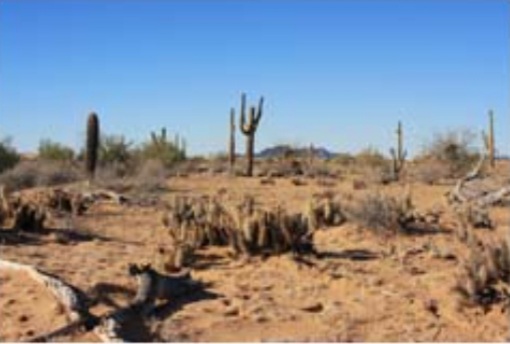
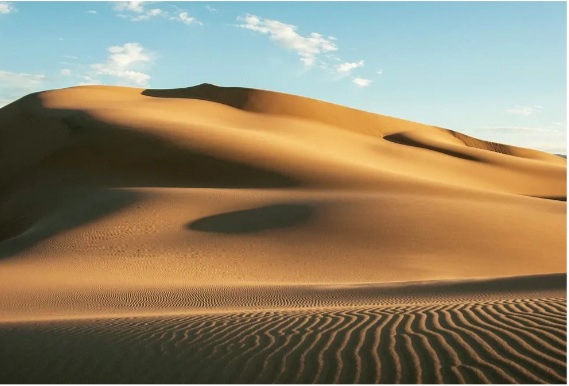
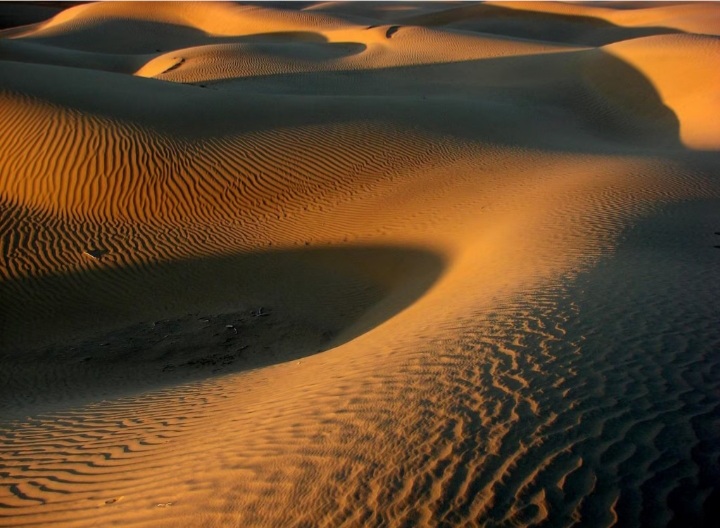
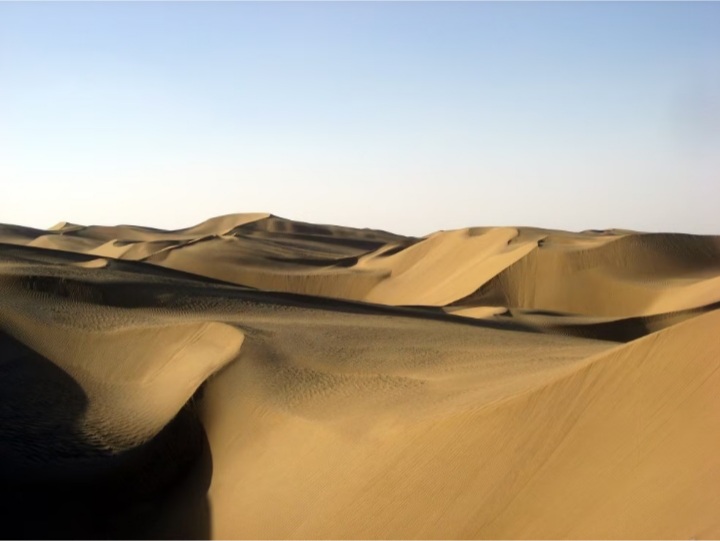
In the world we find varied geographical regions which includes mountains, plains, deserts, plateaus all with their own physical features. Desert is basically a piece of barren land which is filled with sand and lacks water bodies and have dry weather all along. In day time deserts are extremely heated up and at night it becomes chilling cold at the same place. In the Indian subcontinent we find desert in the western part of the subcontinent in the state of Rajasthan.

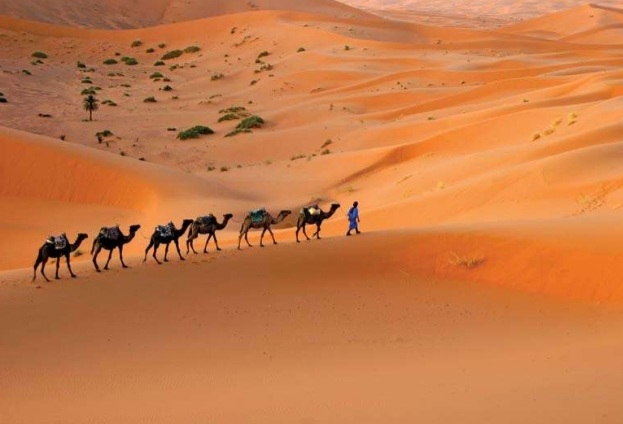
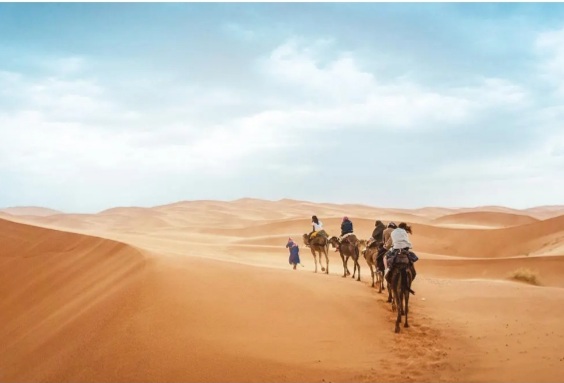
The animals and plants in the deserts have their own adaptations, among plants we find a variety of cactus, cactus plants have special adaptations to survive in the desert, they have fleshy stem which holds water in them which turns out to be useful when there is scarcity of water also they have very long roots which can penetrate deep inside the soil in search of water also they don’t have leaves and have thorns in place of them in cactus the food is prepared in the step as it contains chlorophyll and is green in color. Also, we find camel in desert their feet have adaptation to walk on the sand also they can survive with less water and they have long eyelashes to protect their eyes from dust storms.

Types of Deserts :

1. Coastal Deserts :

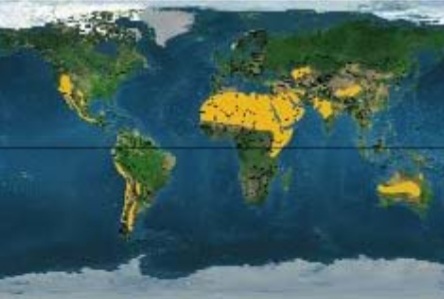
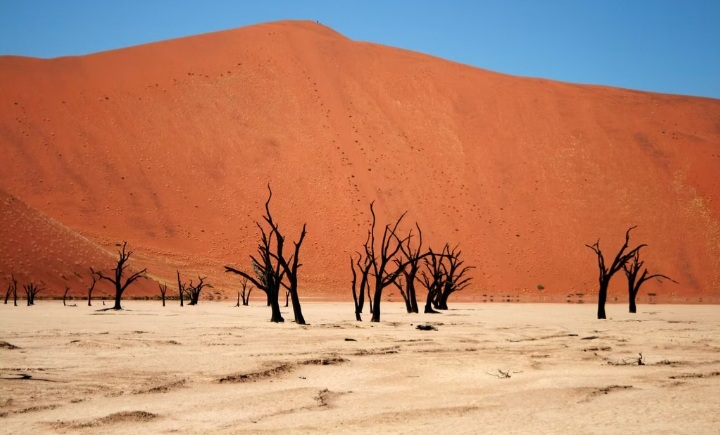
Coastal deserts occur in cool to warm areas along the coast. They have cool winters and long, warm summers. Coastal deserts are located on the west coasts of continents between 20° to 30° lattitude. Winds off the coast blows in an easterly pattern and prevents the moisture from moving onto the land. The Namib desert in Africa and the Atacama desert in chile are coastal deserts.

2. Subtropical Deserts :

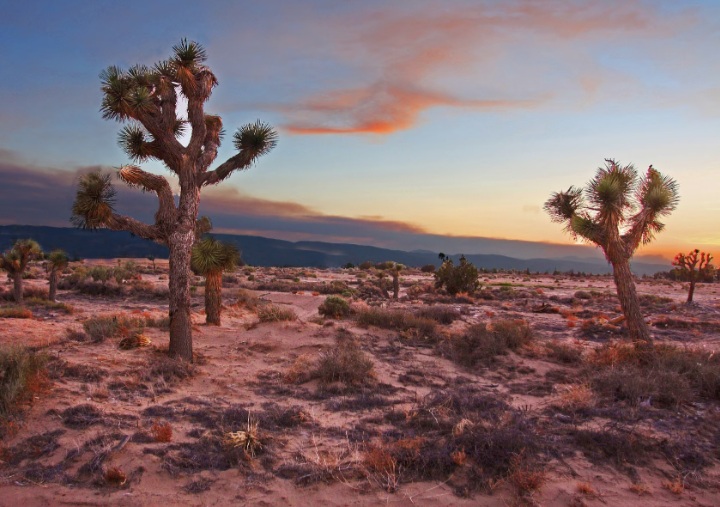
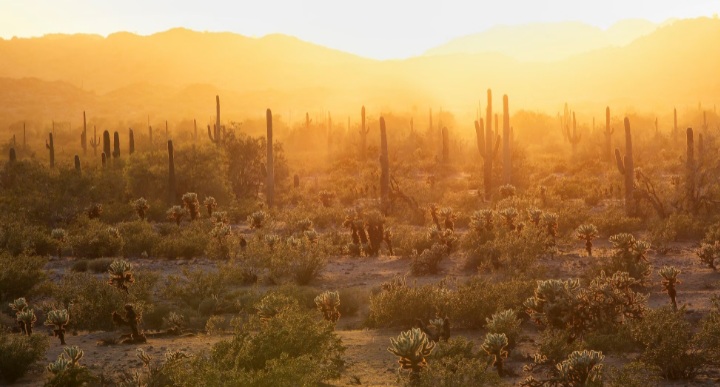
Subtropical deserts the hottest deserts. They are found in Asia, Australia, Africa and North and south America. In the united states, the chilhuahuan, sonoran and Mojave are all subtropical deserts. Subtropical deserts are very hot and dry in the summner and cooler but still dry in the winter. Rainfall happens in short bursts. The air is so hot and dry in these deserts that sometimes rain evaportaes before it even has a chance to hit the ground. The soil in subtropical deserts is usually either sandy or coarse and rocky.

Plants and animals in subtropical deserts must be able to withstand the hot temperatures and lack of moisture. Shrubs and small trees in the subtropical desert usually have leaves adapted to retain moisture. Animals in sbtropical deserts are usually active at night, when it is cooler.

3. Cold wintet Deserts :

Cold winter deserts are also known as semiarid deserts . They have long, dry summers and cold winters with low rain or snowfall. In the united states the Great basin, the colorado plateau and the Red Desert are all cold winter deserts. Other cold winter deserts include the Gobi desert in china and Mongolia and the patagonian desert in Argentina. The lack of rainfall in cloud winter deserts is often caused by the rainshadow effect. The rainshadow effect happens when a high mountain range stops moisture from reaching an area. The Himalayan Mountain prevent rainfall from reaching the Gobi desert.

4. Ploar Deserts :

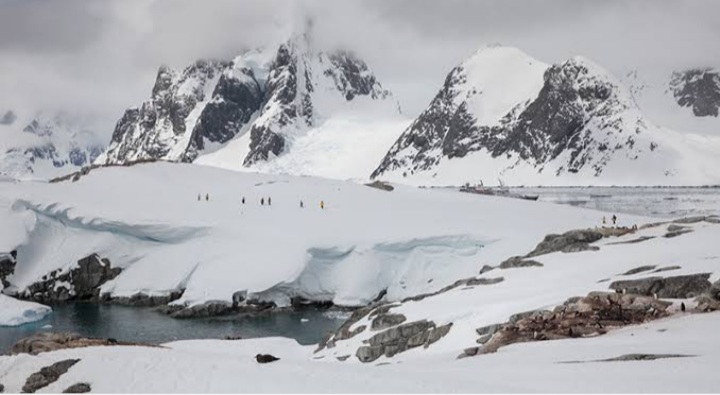
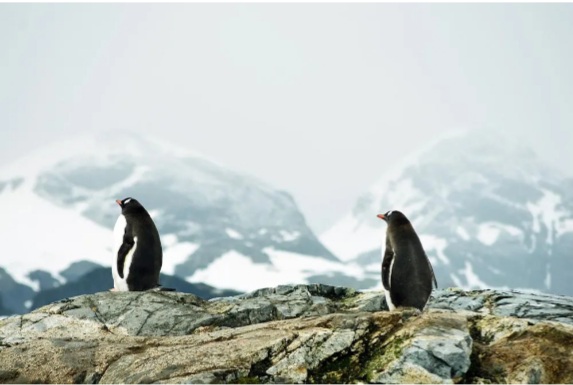
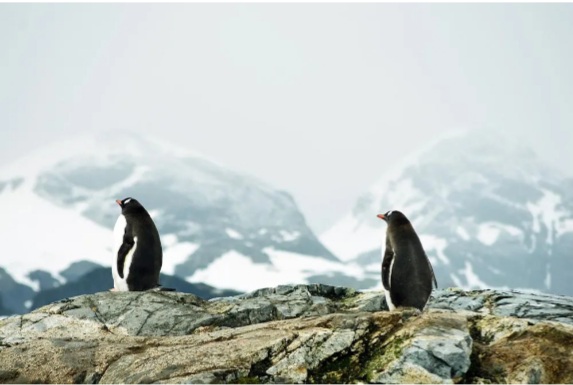
Polar deserts are found in the Arctic and Antarctic regions. Like warmer deserts, they also get very little precipitation.polar deserts are cold year- round.

Largest Desert in the world :

The antarctic polar Desert, which makes up the vast majority of Antarctica, is the largest desert in the world. In fact this single desert is larger than the combined size of the Gobi Desert, the Arabian Desert, and the sahara Desert.

* The driest desert of the world Atacama is surely the most dangerous desert of all.

The strongest animal in the Desert :

Based on strength to weight ratio, the dung beetle of the scarab is the strongest creature on earth. They can lift 1141 times their own body weight. It helps them a lot in finding the mate and food. The dung beetles also constitute a large percentage of scarab family.

The 7 hardest Animals to Hunt :

* Leopards

* Mountain Goats.

* Elk

* Eland.

* cape Buffalo

* Roan and sable

* Bears.

what can kill you in the Desert?

Aside from the oppressive heat and lack of water, the desert is also full of critters that can bite and sting. Some of these guys can even kill you if you aren’t able to find medical help. Spiders, scorpions, centipedes, and snakes are all found in dark places , abandoned builidings and under rocks.

Most Famous Deserts :

* Namib Desert – Africa

* Atacama Desert – South Americs.

* sahara Desert – Africa

* Gobi Desert – china

* Mojave Desert – Nevada

* Antarctic Desert – Antarctica

* Sonoran Desert – USA

* Thar Desert – India

* Rub’al khali – saudi Arabia

* Tabernas Desert – spain

* Taklamakan Desert – central Asia

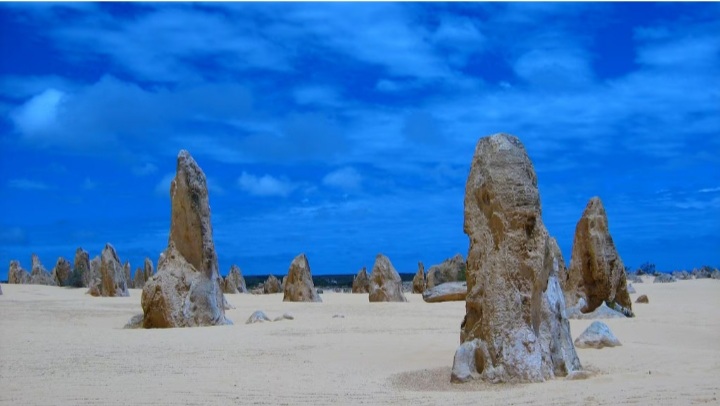
* pinnacles Desert – Australia

* Salar de uyuni Desert – Bolivia

* Dasht- e kavir – Iran

* Chihuahuan Desert –New Mexico

* White Desert, Farafra – Egypt

WHAT IF 1RUPPEE IS EQUAL TO 1 DOLLAR ?

Before we get to that point we need to know the contrast between the two currencies. Dollar is considered as the strongest currency in the World. Each country in this World needs to have their cash as solid as Dollar since it is accepted that Stronger money = Stronger Economy. Be that as it may, is it in every case valid ? Since Countries like Japan and China have lower cash yet they are checked under nations with Strongest Economy.

So how is that conceivable that notwithstanding having the more fragile cash they have solid economy ? Fundamentally it relies upon , regardless of whether a nation is trade(export) orientated or import orientated ? The nations which purchases items or work from different nations are called import situated nations and these nations like to keep their money esteem higher so they can purchase merchandise from different nations at modest expense. Then again , nations which offer merchandise to different nations are called send out(export) orientated nations and these nations like to keep their cash esteem low so different nations purchase more and their creation builds which befits the economy. Nations like USA are import orientated while nations like China are trade orientated.

Currency - Overview, Origin, Foreign Exchange Trading

So what kind of nation is India is it import orientated or trade orientated ? India purchases products from different nations so it is significantly import orientated, yet larger part of India’s economy comes from exportation. India gives best specialists to I.T Sectors . At the point when organizations of different nations visit India they employ our people to work for them which consequently offers advantage to our economy. Numerous financial analyst accept that our economy ought to be more lower , while some accept that it ought to be higher.
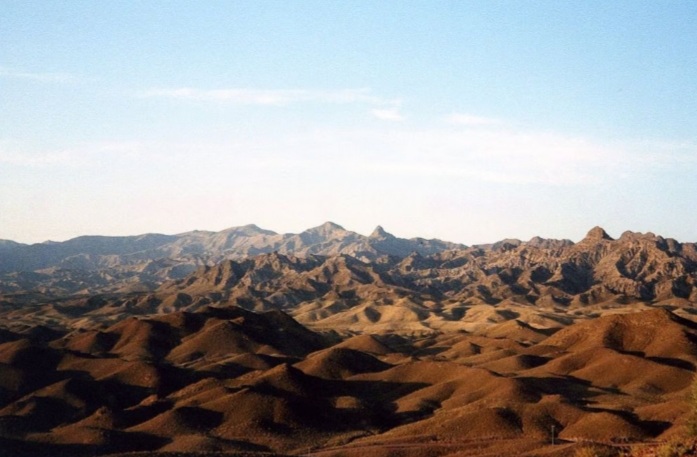
india gdp growth: Indian economy to contract by 7 pc in FY21: SBI Research  - The Economic Times

PROS OF THE SITUATION:

*With more grounded rupee imports would be less expensive; you could now get the most recent iPhone for only 1000 INR. So everybody would claim an iPhone if 1 USD rises to 1 INR.

*Purchasing products from different nations in a global market will be less expensive which is advantageous for a non-industrial nation.
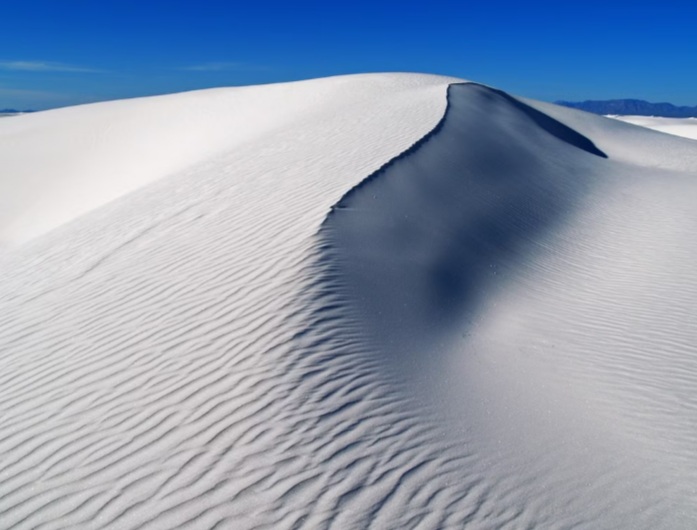
*Unrefined petroleum costs would go down significantly which we import the most, in this way the cost of petroleum and diesel will fall making the transportation cost modest if 1 USD approaches 1 INR.

*As the transportation cost would diminish the items that are made in India would be less expensive and effectively accessible to purchase.

*One would not travel abroad for a task. For instance, in the event that they get 3000$ abroad that will simply be equivalent to 3000 INR. So why bother voyaging? Yet, there is another side to it as well.

CONS OF THE SITUATION:

*Full stop on sends out we can trade merchandise due to the money contrast. The fares will become costly and on the off chance that we contrast Indian items if and other cutthroat nations, we will turn out to be far more costly and this will hamper our fares which isn’t useful for our economy.

*No unfamiliar venture: unfamiliar organizations put resources into India because of modest work now if an organization used to pay the laborer Rs20000 that is 300$ now they need to pay them 20000$ so they would begin putting resources into different nations as opposed to in our own if 1 USD approaches 1 INR.

*We will confront financial closure and expansion in joblessness for instance if my organization beneficiaries a designer from India for Rs75000 that is around 1000$ and if 1INR = 1 $ for what reason will I pay quite a lot more to the Indian specialist when I have choices. In this way, the Indian laborers need to deal with less expense or leave the work. The equivalent would occur with different callings too.

*In case they are chipping away at such a lot of lower compensation how might they pay their EMI? They proved unable. Joblessness will influence the banks as advances would be left neglected.

*We will confront financial log jam as cash would not be exchanged at a similar speed if 1 USD approaches 1 INR.

RESOUCES:

  1. https://infokoala.com/what-if-1-usd-equals-1-inr/
  2. https://www.youtube.com/watch?v=tfLd329ovRI

Profitable pearl farming

  • All farmers do farming, but nowadays Pearl farming trend is rising rapidly. Fewer labor and greater benefits are proving to be a bargain. Earlier, training for Pearl farming was given at Central Institute of Fresh Water Aquaculture, Bhubaneswar (Odisha), but now many other organizations are providing the training in the state.

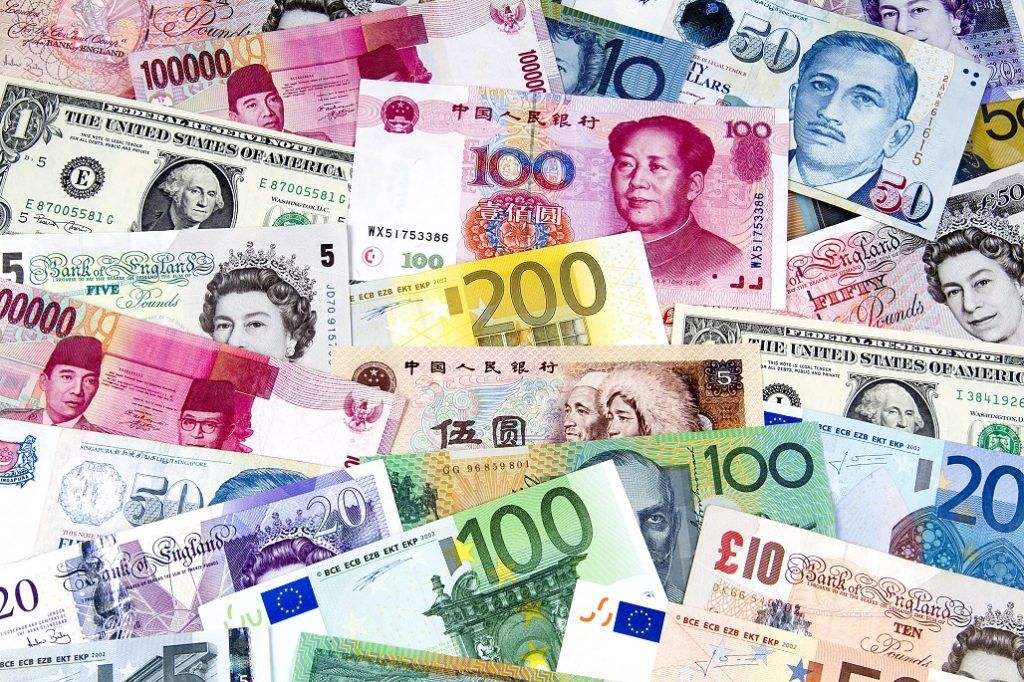
  • The most advantageous season for pearl cultivation is the time of autumn i.e. October to December. Beads can be cultivated in a pond of at least 10 x 10 feet or larger. For pearl cultivation, pearls can be generated from a maximum of 25000 oysters in a tiny pond like 0.4 ha. To start farming, the farmer has to gather oysters from pond, river etc. or they can also be purchased.
  • After this, after every minor operation in each oyster, simple or designed beads with diameter of four to six mm like Ganesha, Buddha, floral shape etc. are put inside it. The oyster is then closed. These oysters are kept in nylon bags for 10 days on anti-biotic and natural feed. These are scrutinized daily and dead oysters are eliminated

Profits of pearl farming

  • A single oyster costs around 20 to 30 rupees at a lesser cost. The price of one mm to 20 mm oyster pearl in the market is around Rs 300 to Rs 1500. Nowadays designer beads are being liked very much, which get good price in the market place. Much better income can be earned by trading pearls in overseas market than Indian market. After eliminating the pearl from the oyster, the oyster can also be marketed. Many decorative items are made by oyster. The work of obtaining fragrance oil from oysters in Kannauj is also done on a huge scale. Due to which oyster can also be sold in the local market instantly. The water of streams and ponds is also filtered by oysters, so that the problem of water contamination can be dealt with to a great extent as oysters are voracious filter feeders, they keep the water clear of pelagic algae & floating detritus
  • It is a Source of income for pearl farmers
  • While pearl oysters are edible, they are rarely consumed. This means they can be bred in murky, possibly polluted water to achieve points 1 & 2
  • If they are to be eaten as well as to produce pearls, then they need to be bred in unpolluted water. However, selling them as food, if not for humans then at least as pet food, after harvesting the pearls provide the farmers with an additional source of income
  • It usually takes 20 to 24 months to give you results but if cultivated properly it usually gives you an income of 10-12 lakhs that is around a profit of 8 lakhs.
  • Pearl cultivation gives you a large amount of profit while only requiring your skill and will to give you such good results.

Other prospects of pearl farming

  • For handling a pearl farm effectively, one needs to check the farm consistently. By doing so, you will know if there are any broken or missing lines. Also, check for any absent shells from the site. 
  • Next step is to regularly clean the site since of the amount of useless organisms that breed on the lines, shells and other hanging materials. While cleansing, you have to take special care as pearl oysters tend to get stressed out after cleaning is done. Frequent cleaning can be prevented and should be done once in a month. 

reference- https://agrifarmingtips.com/profitable-pearl-moti-farming-info-and-guide-for-beginners/

https://link.springer.com/chapter/10.1007/978-3-319-96776-9_5

The Role of Media in the Business Sector

 The media platform is considered to be strong because it is the sole reason through which various different business opportunities are flourished by providing them many wide opportunities in the process. Thus, to conclude in simple words media contributes a lot and it helps to improvise the conditions of many businesses and such media laws are very much crucial and relevant. They are required to be Amended as and when needed in the business sector. Different ways through which media can heavily benefit businesses are –:

  • : Advertisements which are preparing in educational advertisements are a logical way of spreading the voices in masses concerning the particular business. As the spheres of media are growing and are branching out, the most important branch of it is social media which has the potential to uplift businesses from a root level. With addition to the standard media sources and social media strategies many customers can be invited and give people what they want and deliver their services.
  • Better Responsiveness: The method of input and distribution by way of media is made simpler. If the clients have queries, questions, or any issues with, what the company does, they will let the company know in a prompt way. Social networking in businesses provides people a possible means to convey their thoughts and it allows businesses an incentive to react accordingly. Through such sources companies will see lawless stuff and verify to their clients that their questions and queries can be answered.
  • Information: Social networking which is presently emerging to be the most helpful source for new business opportunities is insightful and allows individuals to see an insight to what the target audience is and what other consumers share in terms of goods and services share online. This offers a better insight into the industry and many variables that impact the business.
  • Branding and Communication: Communication is the most crucial aspect for any businesses success and if they frequently engage with customers it helps to improve the company’s image. On can connect and handle their clients in a private level through social networks mediums. When the company is engaged in debates, the consumer finds the company as available, free and sensitive. The way that the company is viewed and consumers are gradually linked to the information that one gets, is largely impacted by this type of presentation. Both personal tales and social media can help boost the technology retail.
  • Social Media for growth in business sector: One has to make sure that their social media approach and presence is suitable for mobile phones which helps to guarantee a useful user experience to the consumers. Social media advertising sites generally generate popularity at a very fast pace, and the use of those particular websites in advertising and is used to promote what they have offered will also be beneficial for them.

WHAT MAKES FINLAND THE HAPPIEST COUNTRY

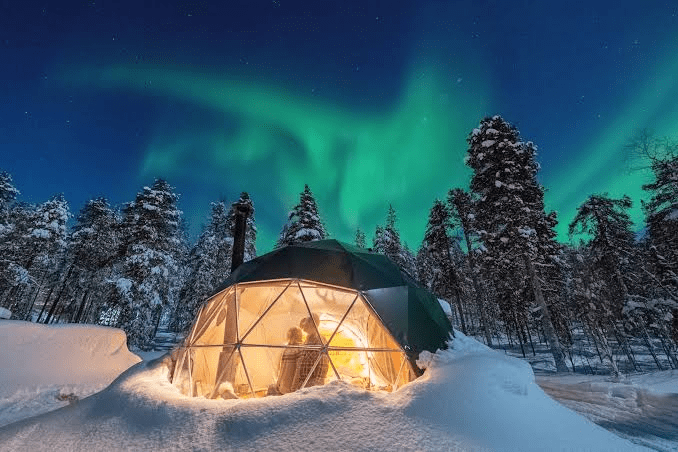
Irrespective of experiencing 200 days of winter with complete absence of sun, Finland has maintained it’s position to be the Happiest Country in the World for the last four years. It has been named the most stable, freest and the safest country by various international bodies because of the socio-economic and welfare policies of the nation.
Finland is a natural beauty with forests, crystal clear lakes and wildlife. It has low pollution levels which makes the air clean and encourages more citizens to be amidst the nature. Hence, a large number of outdoor activities like kayaking, canoe, horse back riding and others can be experienced. Nature in itself is known to have immense healing power that can cheer people and lift their spirits.

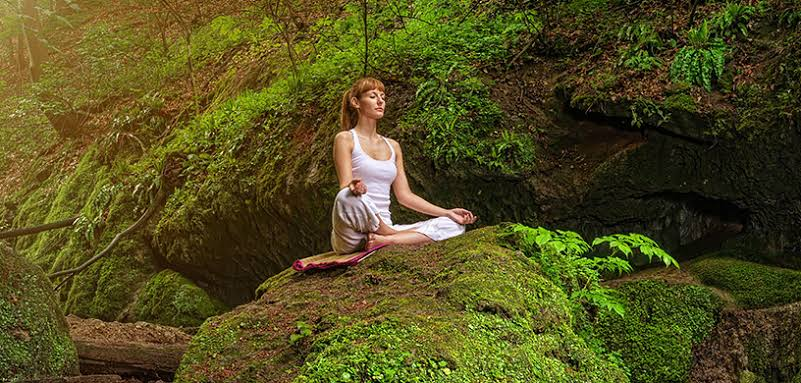
Finland offers free Forest Therapy to it’s citizens where the general public is allowed to roam freely in natural areas like forests, lakes, and rivers without any permission from the landowners (if the areas fall under a private land). This traditional legal concept is called ‘’Everyman’s Right ‘’. However, the only condition applied is that no damage or disturbance should be faced by the landowner.

Finns have a warm culture and enjoy a relaxed way of living. Unlike other Western countries they believe in cooperation over competition. The follow minimalistic approach to life and prefer well-made, sustainable, functional items that will stand the test of time. Finns are not considered to be happy bubbly people with cheerful smiley faces. In fact, they are the least expressive people who take life as it comes.

Coming to the most important topic, what makes them the happiest country in the world?
Well, there cannot be a single factor to happiness. However, the main cause of it is self-satisfaction and inner peace, which in term is an outcome of various factors.

Finns follow a relaxed way of living and are at peace with themselves. Finland may not be the most powerful or wealthy economy but what makes them happy is the fact that they are at peace with their present situation. They are not too ambitious about what life should offer them and this helps them to feel satisfied with what they currently have.

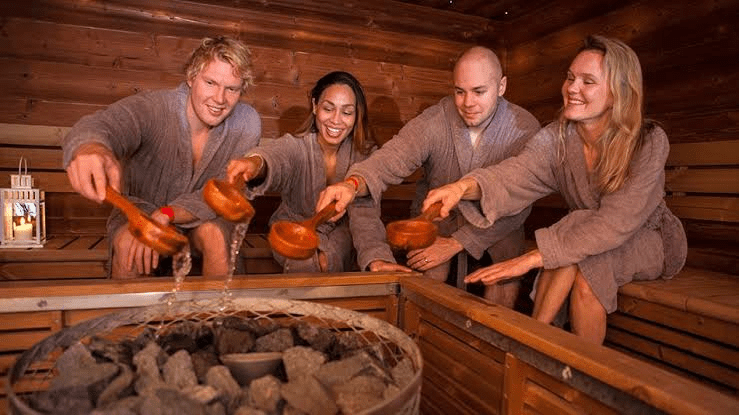
The national pass time for Finns is enjoying sauna baths. The fact that they have over 2 million saunas explains their love for the tradition. Saunas are places that purifies one’s body and soul. Sauna creates a sense of community and equality for the citizens as people from all backgrounds come together to enjoy the experience. Finns are used to being naked in the sauna with their family and friends, which can help create a comfort with and acceptance of their bodies, too.

Fins follow the philosophy of ‘Sisu’ that is focused on persevering when the odds are against us and viewing challenges as an opportunity. “Instead of waiting for a warm sunny day, many Finns practice daily sisu by heading out in any kind of weather for a brisk walk or cycle, or to spend time in nature.” They believe that happiness does not come from searching for it, but by living.

Finns value time over money. They choose a healthy work – life balance over wealth. A good personal life gives them the chance to pursue their personal interests and feed their creativity. This further contributes to the low inequality levels in Finland. The society majorly consists of middle-class households with very less poverty and more social security. They have few rich families but since the people are satisfied with themselves, they don’t believe in excessive show off of their wealth. This promotes the feeling of content and satisfaction amongst the low-income groups as well.

One of the main reasons why Finns are satisfied and happy with their lives is social equality. The government provides each new born a equal and healthy start to life. They distribute packages of clothing and other useful items to all new mothers. This was initially started to reduce the declining birth rate and high infant mortality but on a broader picture it reduces the difference and provides an equal start to all the new citizens. Equal opportunities are given to every citizen in terms of best education in schools and universities without any cost. This helps each child shape their own future without any form of economic hindrances. (A happy childhood breeds happy adults) The presence of best of health care opportunities to all the citizens at no cost reduces further disparity and makes them more secure and stress-free.

Under the ‘Housing first’ principle, it is ensured that even the rough sleepers are given the right support and a roof above them. The presence of equal opportunities for all makes people more satisfied with their lives, hence there is no need for people to adapt criminal offences. Low crime rates, in turn makes people more safe, secure and happy.

Finland strongly emphasises on closing gender equality as a means to promote the feeling of satisfaction and oneness amongst all citizens. Some of the measures includes providing new fathers with nine weeks of paternity leave at 70 percent of their salary and closing the gender pay gap. (Hence proving that a rising tide lifts all boats). Finland is one amongst the few Nordic countries where fathers spend more time with school-aged children compared to their mothers.

The extent of equality and freedom amongst the nation is such that they follow Flat Working Model in commercial world. For those who don’t know, a flat working model is one where there are few or no hierarchal levels between management and staff. This leads to less supervision and increased involvement with organizational decision-making, enabling open communication between all departments. Hence, increasing workplace productivity and team-cohesion. This worker-centric approach to business has served Finland well for more than a decade. Moreover, Finland is the only country that provides 25 paid workdays off in addition to the paid national holidays.

Finns are least active on social-media platforms that indulge in putting forward a polished view of their lives. They don’t brag about their success and wealth or show an outwardly exuberant zest for life. Rather, they believe in being reserved and accepting both the good and the bad as it comes. They believe that if they are truly happy, they don’t need to shove it in anyone’s faces.

Even after being the happiest country in the world, Finns have an emotionless exterior and prefer melancholic songs to express themselves. This is because they accept negative emotions as part of life. Trying to suppress one’s negative emotions is considered bad for one’s well-being. They are taught to embrace such emotions and learn to accept one’s life for what it is. This in turn has a positive impact on their life and help them feel more satisfied. They believe in expressing their negative emotions to such an extent that they celebrate a national event called “The International Day of Failure” (celebrated annually on 13 October), that carries an important message that without the possibility of failure there is no success, and occasional failure is therefore acceptable.

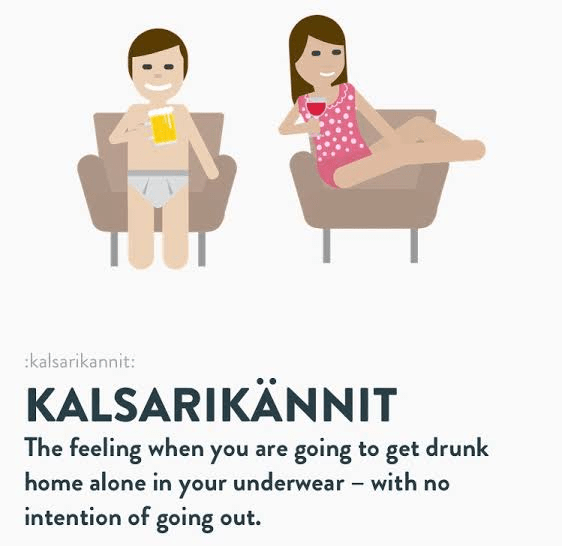
They follow the culture of Kalsarikännit or Pantsdrunk which is the practice of binge drinking alone in your home in your underpants. To a large extent, it is still considered a way of life in Finland, probably because of the stereotyped lack of social contacts among Finns.

Another reason why nordic countries are most at peace with themselves may be the not mentioned, but always present, “Law of Jante” that is silently enforced by everybody in unison. Law of Jante explain the egalitarian nature of Nordic countries where they support a harmonious and happy society.

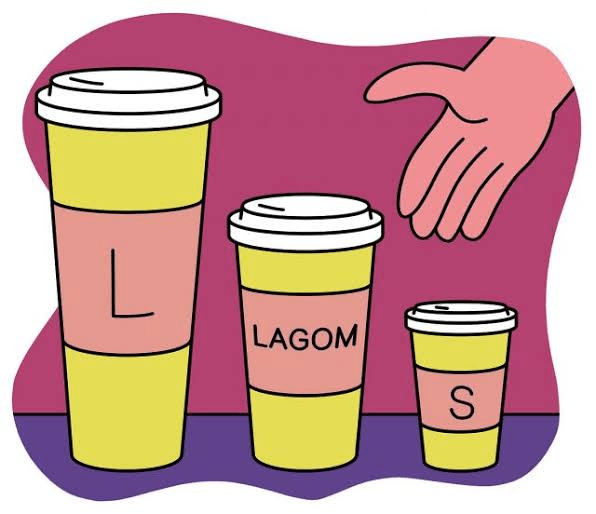
Finns are socialized to believe that what they have is as good as it gets—or close enough. Finns believe in the Norwegian term Lagom, which can be translated as “just the right amount,” i.e., neither too much nor too little. They believe that what they have is as good as it gets—or close enough. This mindset makes them the happiest people in the world despite living in small apartments, earning modest incomes, with even more limited purchasing power because of the high prices and taxation.

Hence, one thing that the world could learn from them is their willingness to embrace the less-sunny aspects of living i.e., to accept negative feelings as a normal part of life.

Stock Exchange India

Stock exchange is something about which many people are still unaware, here I am talking specifically about India its stock exchange and other facts related to it. A stock exchange is basically a place where an individual can buy and sell stocks. The oldest stock exchange in India happened in the year 1857 in Bombay (Mumbai)
A stock which is also known as an equity lets a common man invest into a corporation and they get a share in companies’ asset and profit depending upon how much share they own. The costliest share in India is approximately seventy-two thousand for one, it is of MRF and the costliest share of the world is Berkshire Hathaway. If we go into the technicality of the topic there are number of concept and terms.

Bull and Bear
This concept of Bull and Bear is the most common one it basically reflects the condition of stock market just like the name a bull is considered an active and fierce animal and a bear is lazy, a bull here stands for a purchaser who invest in stocks and earns great profit as he invested at the right time where as a bear is just the opposite, he sells stock. Both resembles different condition.

Rule of 72
Which is a beginner rule, used to calculate the time required to double the capital, the calculation is done by number 72.

In India there are two popular stock exchange venue The Bombay Stock exchange and the national stock exchange. Out of the two BSE is the older one it was established back in 1875 and it is the first ever stock exchange of Asia, apart from this on-line trading was introduced through Bombay stock Exchange, it is the 12th biggest market place for stock exchange in world.
Then, there is National Stock exchange, which came in 1992 and bought electronic exchange with it, this changed the traditional style. It is the 10th biggest stock exchange market. It is more advanced as compared to Bombay stock exchange in terms of facilities and both are separate. Both have different value as in capital and enjoy different position in the world and Indian market. There are in total 9 stock exchange in India including Bombay Stock Exchange and National Stock Exchange.
A stock market plays a significant role in an economy that is why they exist, it is a platform that links a buyer, a seller, a company and most importantly they reflect the condition of a country’s economy.
Stock marked is termed risky because in case the market falls a purchaser will have to face high loss but, if the value of share increases it will lead to profit.
But as a responsible citizen we should always be aware about the ongoing trends and condition of stock market even if we don’t want to invest. There is a small population that invest into stock market reason can be many like the risk associated etc. but, at the same time we have great investors like Rakesh Jhunjhunwala and others.

Pilpantri: a model of environmentalism and feminism

Pilpantri, a village with a population of 8000 , located in Rajasmand district of Rajasthan has been a matter of pride for the entire nation. It is the perfect example of how the cycle of change starts from one person itself. This small village has been attracting attention from all over the world due to its efforts of saving the environment and promoting the girl child birth and education. Now, feminism and Rajasthan in one sentence may be shocking to some as Rajasthan has a tanned image for female infanticide, child marriage and is considered to be one of the least progressive state for females. However, times are changing. Pilpantri, itself being an example of this change which has made it a role model of eco feminism.

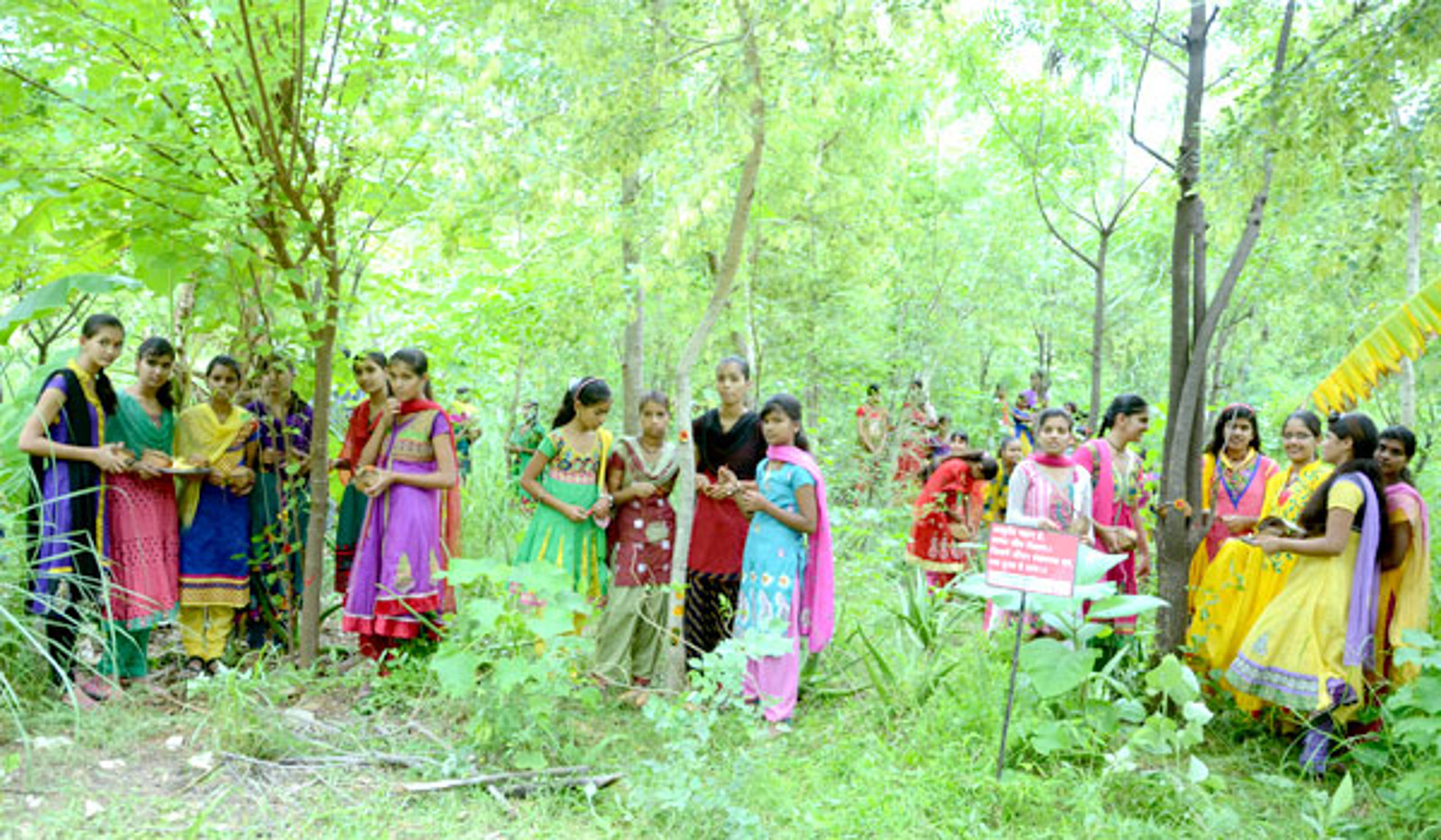
This village plants 111 trees for every single girl child being born there. The number of trees being “111” for every girl child has a different story behind it. India is a land of traditions which is what makes us unique. It is a tradition in India that on every auspicious occasion a donation of 101, 111, 1100 or the similar numbers being made ,which is termed as “shagun” in Indian terms. The traditions when used in an innovative way may prove extremely beneficial for the present times. The plantation of such a huge number for every girl child born increases the green cover around the village protecting the people there from the pollution and its aftermath, which is one of the biggest problems in India. The saying “Nature has solution to every problem provided you regard it well” holds true.

History of the plantation drive

In 2005, when Shyam Sunder Paliwal had taken over as the village sarpanch, the entire area surrounded by hills was denuded for mining. The district of Rajasmand is known for marble block mining and is the largest producer of marble in the entire country. Mining leads to the loss of vegetation and invites several problems in the mined areas such as floods, water logging, soil erosion as the natural protectors of environment i.e. the trees are sacrificed in mining and no or least attempt is made to restore them.

Two years later, when Kiran , Paliwal’s 17 year old darling daughter died due to dehydration, he decided to honor her by planting a tree in her name on the village entrance. He then thought of implying this scheme for the birth of every daughter in the village . Not only to celebrate the birth of a girl (which is a very rare practice in India) are trees planted but also to commemorate the lives of those who died. The village plants 11 trees in the memory of every person that dies here.

Pilpantri as a model of feminism

In India, where patriarchy has a strong hold, females are neglected since birth and are seen only as an institution to carry on the generations forward. The birth of the female becomes a matter of shame for the family while some starts to worry about the dowry of a new born girl. To put a stop to all these problems, the people came with a very “horrifying” solution which is to kill the girl before she is born. A report suggests that in Rajasthan, the child sex ratio is 888 girls per 1000 boys. The census also revealed that of total deaths in Rajasthan, over 20% of them were infant deaths. Overall, the female child population (age 0-6) between 2001 and 2011 dropped by 3 million. One journalist referred to this as “the silent genocide.” Female infants are sometimes tragically killed by opium poisoning, starvation, or even being crushed with stones or drowned in water.

Pilpantri , a small hamlet not only cares for the environment with every girl born but also secures her future through the various schemes implemented by the village. As reported by The Hindu, Rs. 21,000 is collected from the village residents at the birth of a girl child and Rs.10,000 from the girl’s father and this sum of Rs. 31,000 is made into a fixed deposit for the girl, with a maturity period of 20 years. Also, the village authorities make these parents sign an affidavit promising that they would not marry her off before the legal age, send her to school regularly and take care of the trees planted in her name.

When the girls grow up, they tie Rakhi( a holy sibling bond signifying the protection of each other) to the trees.

Pilpantri as a model for environmentalism

According to a report by BBC, the region now has more than 350,000 trees, from mango and gooseberry to sandalwood, neem, peepal and bamboo, growing across the once-barren lands and covering an estimated 1,000 hectares. To plant the trees what is required is soil and water along with the saplings. The more the greenery, it will attract higher numbers of birds , bring more rain and prosperity to the region.

The village has also developed a water harvesting system , where the run off rain water is collected through ditches, bunds and dams. Now, clear pools of water shone and adorn the village attracting animals like geese and rabbits.

Also, to protect the large number of trees from termites villagers plants aloe vera in large amounts near the trees which in turn is utilized by the women of the village to make aloe juice ,gels and cosmetics for sale in the market, increasing the village economy and their independency.

In 2018 the state government instituted a training center there to educate people on the “Piplantri Model”. The building hosts engineers, officials and residents from other districts who hope to replicate Piplantri’s model of water harvesting and tree planting elsewhere in Rajasthan and the country. As many as 50 to 60 visitors come to Piplantri some days – most of whom come to attend workshops in the training center – and the village even has a set of cottages to house them. 

Now, the birth of a daughter is no more considered to be a burden but a matter of pride and celebration. It is the efforts of Shyam Sunder Paliwal which have adorned the earlier dried village considering females as a burden , into a developed hamlet which is an inspiration for the entire country in more than one ways. The woman has been associated with “fertile lands” in literary terms by many poets since ancient times . It is not only because of her ability to reproduce which gives her this association but also her ability to nurture and regrow an arid land of which Pilpantri is the best example.