PROS AND CONS OF PRIVATIZATION OF BANKS

The word ‘Bank’ does not need any kind of introduction. Everyone, now a day, is familiar to what Bank is. It is a financial institution that works according to the structure of the economy and helps to promote it. Banks have proved to be very helpful in connecting the people directly to the economy of the nation. Banks are mainly authorized to receive the deposits of the people and also provide them loans easily and according to their need. Banks are the key to drive the economy smoothly and efficiently.

History of Banks in India

The Bank of Hindostan”, established in 1770, was the first Bank of India which ran for about 60 years and soon failed. The modern day “State Bank of India” was established in 1806 and was first named “Bank of Calcutta”. It was later renamed as the “Bank of Bengal” by the British Government. Soon this bank merged with “Bank of Madras” and “Bank of Bombay” and formed a new bank called “Imperial Bank of India”. “Reserve Bank of India (RBI)” which is the central banking institution in India, was established on 1st April 1935 with the RBI act 1934. In succeeding years, India got many other private banks working well with the economy. The Government of India took a step to nationalize the 14 major banks of India in 1964 after independence. After the 6 years, 6 more banks were nationalized in 1970 and thus we got 20 nationalized banks in India but soon “The New Bank of India” merged with the “Punjab National Bank” and now we have all over 19 nationalized banks in India.

Functions of Bank

The basic functions of all the banks are to deposit the savings of the customers through opening their Bank accounts and also providing them loans. These are the functions that every bank in India works on. Apart from these two basic operations, the modern day Banks also work on many other financial activities. The functions of a bank are as follows:

  1. Deposit Savings
  2. Providing loans
  3. Insurance
  4. Mutual fund
  5. Providing lockers
  6. Conducting social welfare programs
  7. Transferring funds
  8. Collecting cheques

As it will not be wrong to say that The Banks absorb the excess capital from the economy stopping them from being circulated and use them in the right direction properly to increase the productivity and the growth of the nation.

Public Sector and Private Sector Banks

A public sector bank is a bank in which the majority of its stake is held by the Government. In other words, we can say that a public sector bank is such a bank which has its majority of shares under the hand of the Government. The Public Sector Banks are classified into two groups as:

  1. Nationalized Banks
  2. State Bank and Associates

In the other hands, a private sector bank is a bank in which the majority of the shares of the bank are under the control of its share holders. There are currently 22 Private Sector Banks working in India.

PRIVATIZATION OF PUBLIC SECTOR BANKS IN INDIA

The privatization of any institution is the process of transferring the ownership from the government to the private hands. As we all know that India has 19 Nationalized Banks which act under The Reserve Bank of India and Indian Government.

PROS OF PRIVATIZATION OF BANKS

Many Organisations in India conducted surveys and found that the privatization of the Banks will result quite positive outcomes. It led the Indian Government to think about the privatization of all the Banks. Let’s see why privatization of Indian Banks has become indispensable for the Government of India:

  1. It is found that the Private sector banks are more advanced than Public sector Banks and are also working more efficiently.
  2. The foreign investors prefer to invest in private sector banks rather than the public sector banks.
  3. The private sector banks are much strict against loans and frauds.
  4. Public Sector banks are usually less competitive than the private sector banks.
  5. Private sector banks are obedient and quite serious towards their work and responsibility which lacks in the most of the Public sector banks.
  6. The private sector banks follow the concept of lowest risk.
  7. Privatization will also help to reduce the burden of the Government of India.

CONS OF PRIVATIZATION OF BANKS

No doubt the private sector banks are very efficient but they also fail somewhere. Privatization of the banks leads to several undesirable situations. Some of these are:

  1. The privatized banks will focus on maximizing their benefit and it will put an adverse effect on the middle class and poor people of the society.
  2. Every organisation, whether government sector or private sector, has some issues within its structure. It is not necessary that a private sector bank will never go with any fraud.
  3. The people in present India mostly believe on Public Sector Banks and don’t prefer to deposit their savings in private sector Banks.
  4. The public sector banks usually work on social welfare while the motive of private sector banks is generation of profit.
  5. Many government schemes like “Jan-Dhan Yojna” and “Pension Yojna” worked well and also became successful only because they were applied in Public Sector Banks.
  6. Another disadvantage of privatization is the excess use of nepotism which will affect the banking services.

IMPACT OF PRIVATIZATION OF BANKS IN INDIA

Privatization of Banks will definitely have some positive and also some adverse effect directly on society and indirectly on economy. Privatization of banks will be helpful in getting a better customer service. It will also affect the economy and helps in growth. It may be said that the privatization of Indian Banks will remove irregularity and bring punctuality and will led to accountability in the service. It is obviously seen that the private institutions provide incentives to the employees according to their work so Privatization of Banks will definitely increase the productivity of the employees. One of the most adverse affect of privatization will be the widespread economic gap. It will support the rich people of the society leaving poor behind. This concept will make poor poorer. Also the Privatized banks will mainly focus on urban areas and it will slowly diminish in rural areas of the nation.

CONCLUSION

As we all know that the Banks are the backbone of the economy. The Indian Constitution says “Every economic activity in the nation should be centred at the welfare of the people” but, in my view, privatization will violate this concept because it is obvious that the Private Bank will be aimed at maximizing their own profit. Where there are some bad aspects of privatization of banks there are also some good aspects of it. We must examine on our own and decided whether Privatization of Banks should be supported or opposed.

COVID 19 on INDIAN ECONOMY

COVID’s IMPACT

The outburst of COVID 19 became a challenge to Indian economy by the potential downfall in the GDP. However, the second wave was much severe when compared to the first which made a downside risk to the economic activity due to National level lockdown.  Several segments like manufacturing, small scale, Information technology, small unions are lost in the pandemic. The supply chain management with the global economy along with the procurement was drastically affected. The immensity of the impact is directly proportional to the health crisis and duration of the lockdown. In this the analysis had been done on the affected segments and the Government concentrations of lockdown to increase the capital expenditure and to implement the structured reforms as well.

CHANGES

There are several sectors which are impacted by the COVID-19 and the chances of their revival are not in the near future. Their profitability is continuously decreasing and fixed cost is intact. Like media and entertainment industry; all multiplexes are closed and people do not want to visit the multiplexes in the near future. Many organizations have taken loan from the commercial banks and other financial institutions. They have to pay interest on the loan despite of poor financial position.

Increase in the income provisions for the supportive measures of the rural and urban population The productive way is to increase recovery rate by emergency approval of the foreign vaccines when the demand for the vaccines increases in India. The Government and the RBI need to keep interest rate low despite borrowing on policy basis. The Success of the borrowing program depends on RBI support, by providing indirect liquidity which is really big as this is pandemic. But the liquidity expansions has its own limits.

FORECOMING CHALLENGES

The sectors like construction, trade and transport, hotel, mining, quarrying sectors and some other services are having a strong base effect on the challenging recovery part. These kind of hard situation are monitored clearly and the demand for those kind of sectors are faltering due to the crisis which would become more aggressive and would be the most unavoidable once for the upcoming years. The country’s long term goal is affected badly and the performance needed to with held by hard efforts for the further improved output.

LGBT RIGHTS IN INDIA


                                                                   (Photo: iPleaders Blog)

Every cloud has a silver lining.” This proverb goes well with the historic judgement passed by the Supreme court on 6th September 2018 in the favor of LGBT community rights. This has been much debated topic since a long time. Nothing could be more blessing than the enactment of Article 377 for the relief of LGBT community. The hearing of the petitions began with a bench consisting of Chief justice Dipak Misra and justices DY Chandrachud, AM Khanwilkar, Indu Malhotra, and Rohinton Fali Nariman. It was truly a landmark decision which struck down a 19th century law criminalizing homosexuality in India.


What role does the Indian Constitution play towards the emancipation of the society’s most marginalized and excluded? What vision does the Constitution espouse with respect to basic fundamental rights and freedoms? And what conception of inclusion and pluralism does the Constitution pursue in a society that remains deeply divided and disjointed? All these searching questions came to form a distinct part of the decision of the Indian Supreme Court (Court) when it was called upon to rule on the constitutional validly of Section 377 of the Indian Penal Code, 1860. It was not the first time however, that the Court was examining Section 377 on the touchstone of the Constitution, as the case previously travelled through several levels of judicial adjudication involving different jurisdictional procedures.


Embodying the ethos of Victorian morality, Section 377, a colonial-era law, criminalized ‘…carnal intercourse against the order of nature with any man, woman or animal…’. Anything that was not penal-vaginal sexual encounter was ‘against the order of nature’ and as a consequence ‘unnatural’. Through this provision, homosexual acts even between consenting adults was considered and proscribed as a criminal offense punishable with imprisonment. Thus, a significant section of the population comprising the LGBT+ community remained perpetually ostracized by the Indian society, persecuted by State authorities and marginalized in the discourse of constitutional rights. Therefore, when the Court decided in Navtej Johar v Union of India that Section 377 in so far as it criminalizes same sex acts between consenting adults, violates the constitutional mandate enshrined under the Fundamental Rights chapter, especially, Art. 21 (life and personal liberty), Art. 14 (equality and equal protection of laws), Art. 15 (non-discrimination) and Art. 19 (Freedom of expression), truly, it was a historic undoing of injustice towards the LGBT+ people. In other words, as a result of this decision, LGBT+ people who were historically and by default considered ‘criminals’ under the law, came a bit closer to acquiring an ‘equal moral membership’ of the society and the State. It was a tough as well as a long road but at the end everything seemed to be mightier.

Let us look back into the history of India from where the seeds of this discrimination were actually sown. India has a long tradition of tolerance for all kinds of beliefs, faiths, philosophies, and ways of living. This takes us back to the 1800s. Lord Macauley first created this law in 1860 when he was the President of the Indian Law Commission. The reason for this law was because the British WANTED TO “impose Victorian values” on the colony of India. Not only were such values trying to be inflicted on the Indian society but also the Constitution of India wanted to “…narrow constructions of patriarchal gender relations and heteronormativity” (Ramasubhan 91).

 What’s important and a reflection of the movement itself is that the support has come not just from the queer people, but across a range of actors, movements and institutions.  Progressive groups, state bodies like the National Human Rights Commission, teacher’s associations, professional associations including the medical and mental health establishments, women’s groups, student groups, trade unionists and private companies came out publicly against the judgement. Thousands across the country stood together, repeating the chant that brought together our resistance: ‘No Going Back’.


In declaring Section 377 to be unconstitutional, however, the Court was deeply reflective about the fact that for Constitutional rights to acquire a meaningful purpose for the marginalized communities, disciplining State action alone will not be sufficient. In this regard, the Court did not mince words when it stated that it is both, criminality of the law and the ‘silence and stigmatization’ of the society towards the LGBT+ community that orchestrates the marginalization and the exclusion of the former. Implicit in that claim was the understanding that inequality, hierarchy and prejudice transpires as much from State action as it does from societal sanctions, community conventions and private relationships. In the context of such social realities, what is the stated role of the Constitution and the laws? Is the mandate of the Constitution simply confined towards ordering the relationship between the State and the individual (vertical) or does the Constitution have an equal role to play in shaping normative values among individuals within the society?


The Court unequivocally embraced the latter narrative and found that the Indian Constitution envisions an expansive role for both the State and the individual to actively promote social change within the contours of the Constitution. It seeks transformative change ‘in the order of relations not just between the State and the individual, but also between individuals’. The transformative potential in Indian Constitution is a conscious ‘attempt to reverse the socializing of prejudice, discrimination, and power hegemony in a disjointed society’. Therefore, the Constitution, the Court surmises, obliges not only the State not to violate fundamental rights, but also individuals to ‘act in a manner that advances and promotes the Constitutional order of values’.


“Sexual orientation” is an essential attribute of privacy. Discrimination against an individual on the basis of sexual orientation is deeply offensive to the dignity and self-worth of the individual. This judgement can be considered as a revolutionary one in a society like India. But every judgement has two parts, one is written and other is its execution. The written part is progressive and reformist and its execution includes sensitizing the society and institutions in accepting what is written in this judgement. That may take time. Till then I would like to put forth some suggestions. The first step is sex education in schools and at homes. The second step is that the law enforcement agencies such as the police needs to be more sensitized towards the LGBT people. Similarly, our media and film fraternity can play a very important role in imparting knowledge and disseminating true information about LGBT people.


To conclude, we all are equal.  Nobody should be discriminated on whatsoever ground.  In the last few years LGBT are gaining acceptance in many parts of India. Many Bollywood films have dealt with homosexuality. They have also fair well at the box office. There’s a transformative constitutionalism which is happening and the real import of transformative constitutionalism lies in positive measures that the State ought to take in bringing the Constitution closer to the most deprived. Indian society needs to shrug off its old thinking and come out of the widely prevailing homophobia.


Taj – the strongest hotel brand

In its annual report ‘Hotels 50 2021,’ Indian Hotels Business (IHCL), the biggest hospitality company in South Asia, has revealed that its famous brand, Taj, has been recognized as the world’s Strongest Hotels Brand by Brand Finance, the world’s top brand evaluation consultants.

The most valued and powerful hotel brands are recognized in this study worldwide.

“For the Indian hospitality sector, this is a proud occasion on the world stage. Taj being named the Strongest Hotel Brand in the World is a tribute to the constant confidence that our guests have shown and that our staff has personified day-to-day warmth and honest care. We continue our commitment to raise the global premium hospitality experience and to provide all our stakeholders the enchantment of Tajness “Puneet Chhatwal, Chief Executive Officer and Managing Director of the Indian Hotels Company, stated.

Out of 100, Taj got an overall brand strength index of 89.3 with the AAA’s matching consumer acquaintance, staff satisfaction, and reputation as well as its world-class customer service.

Source: businessstandard

What Is Fast Fashion?

Clothes shopping used to be an occasional event—something that happened a few times a year when the seasons changed or when we outgrew what we had. But about 20 years ago, something changed. Clothes became cheaper, trend cycles sped up, and shopping became a hobby. Enter fast fashion and the global chains that now dominate our high streets and online shopping. But what is fast fashion? And how does it impact people, the planet, and animals?

It was all too good to be true. All these stores selling cool, trendy clothing you could buy with your loose change, wear a handful of times, and then throw away. Suddenly everyone could afford to dress like their favourite celebrity or wear the latest trends fresh from the catwalk.

Then in 2013, the world had a reality check when the Rana Plaza clothing manufacturing complex in Bangladesh collapsed, killing over 1,000 workers. That’s when consumers really started questioning fast fashion and wondering at the true cost of those affordable t-shirts. If you’re reading this article, you might already be aware of fast fashion’s dark side, but it’s worth exploring how the industry got to this point—and how we can help to change it.

What is fast fashion?

Fast fashion can be defined as cheap, trendy clothing that samples ideas from the catwalk or celebrity culture and turns them into garments in high street stores at breakneck speed to meet consumer demand. The idea is to get the newest styles on the market as fast as possible, so shoppers can snap them up while they are still at the height of their popularity and then, sadly, discard them after a few wears. It plays into the idea that outfit repeating is a fashion faux pas and that if you want to stay relevant, you have to sport the latest looks as they happen. It forms a key part of the toxic system of overproduction and consumption that has made fashion one of the world’s largest polluters. Before we can go about changing it, let’s take a look at the history.

How did fast fashion happen?

To understand how fast fashion came to be, we need to rewind a bit. Before the 1800s, fashion was slow. You had to source your own materials like wool or leather, prepare them, weave them, and then make the clothes.The Industrial Revolution introduced new technology—like the sewing machine. Clothes became easier, quicker, and cheaper to make. Dressmaking shops emerged to cater to the middle classes.

Many of these dressmaking shops used teams of garment workers or home workers. Around this time, sweatshops emerged, along with some familiar safety issues. The first significant garment factory disaster was when a fire broke out in New York’s Triangle Shirtwaist Factory in 1911. It claimed the lives of 146 garment workers, many of whom were young female immigrants. By the 1960s and 70s, young people were creating new trends, and clothing became a form of personal expression, but there was still a distinction between high fashion and high street.

In the late 1990s and 2000s, low-cost fashion reached its zenith. Online shopping took off, and fast-fashion retailers like H&M, Zara, and Topshop took over the high street. These brands took the looks and design elements from the top fashion houses and reproduced them quickly and cheaply. With everyone now able to shop for on-trend clothes whenever they wanted, it’s easy to understand how the phenomenon caught on.

How to spot a fast fashion brand

Some key factors are common to fast fashion brands:

  • Thousands of styles, which touch on all the latest trends.
  • Extremely short turnaround time between when a trend or garment is seen on the catwalk or in celebrity media and when it hits the shelves.
  • Offshore manufacturing where labour is the cheapest, with the use of workers on low wages without adequate rights or safety and complex supply chains with poor visibility beyond the first tier.
  • A limited quantity of a particular garment—this is an idea pioneered by Zara. With new stock arriving in store every few days, shoppers know if they don’t buy something they like, they’ll probably miss their chance.
  • Cheap, low quality materials like polyester, causing clothes to degrade after just a few wears and get thrown away.

What’s the impact of fast fashion?

On the planet: Fast fashion’s impact on the planet is immense. The pressure to reduce costs and speed up production time means that environmental corners are more likely to be cut. Fast fashion’s negative impact includes its use of cheap, toxic textile dyes—making the fashion industry the second largest polluter of clean water globally after agriculture. That’s why Greenpeace has been pressuring brands to remove dangerous chemicals from their supply chains through its detoxing fashion campaigns through the years.

Cheap textiles also increase fast fashion’s impact. Polyester is one of the most popular fabrics. It is derived from fossil fuels, contributes to global warming, and can shed microfibers that add to the increasing levels of plastic in our oceans when washed. But even ‘natural fabrics’ can be a problem at the scale fast fashion demands. Conventional cotton requires enormous quantities of water and pesticides in developing countries. This results in drought risks and creates extreme stress on water basins and competition for resources between companies and local communities.

The constant speed and demand mean increased stress on other environmental areas such as land clearing, biodiversity, and soil quality. The processing of leather also impacts the environment, with 300kg of cehmicals added to every 900kg of animal hides tanned. The speed at which garments are produced also means that more and more clothes are disposed of by consumers, creating massive textile waste. In Australia alone, more than 500 million kilos of unwanted clothing ends up in landfill every year.

On workers: As well as the environmental cost of fast fashion, there’s a human cost. Fast fashion impacts garments workers who work in dangerous environments, for low wages, and without fundamental human rights. Further down the supply chain, the farmers may work with toxic chemicals and brutal practices that can have devastating impacts on their physical and mental health, a plight highlighted by the documentary The True Cost.

On animals: Animals are also impacted by fast fashion. In the wild, the toxic dyes and microfibres released in waterways are ingested by land and marine life alike through the food chain to devastating effect. And when animal products such as leather, fur, and even wool are used in fashion directly, animal welfare is put at risk. As an example, numerous scandals reveal that real fur, including cat and dog fur, is often being passed off as a faux fur to unknowing shoppers. The truth is that there is so much real fur being produced under terrible conditions in fur farms that it’s become cheaper to produce and buy than faux fur!

On consumers: Finally, fast fashion can impact consumers themselves, encouraging a ‘throw-away’ culture because of both the built-in obsolescence of the products and the speed at which trends emerge. Fast fashion makes us believe we need to shop more and more to stay on top of trends, creating a constant sense of need and ultimate dissatisfaction. The trend has also been criticized on intellectual property grounds, with some designers alleging that retailers have illegally mass-produced their designs.

Building a learning culture for Remote employees?

Learning is an important part in the growth of any organization, and building a culture that encourages and empowers this is essential.

Photo by fauxels on Pexels.com

Through adaptive learning an organisation can build a learning culture for remote employees. They can be given a set of problems to solve online and make observations on qualitative and quantitative financial parameters such as rating, growth and financial stress.

With the flexibility to take the test multiple times, employees are motivated to acquire relevant skills. Instructors can review, curate, and assign multiple projects for employees to solve and enhance skills.

This solution is approved by the Ministry of Education under NEAT program and was implemented with learners at Indian School of Business.

Moreover, when employees are rewarded for enhancing their skills – with better roles or pay – there is always incentive for these remote workers to keep signing up for more workshops, courses and adaptive learning.

Photo by Christina Morillo on Pexels.com

To build a future – ready remote workforce, one needs to go an extra mile to ensure learning in the virtual environment

Reference

http://www.timesofindia

http://www.badrinarayan.com

Role of IBC in the credit sector


                                                                (Photo: SignalX)
As per the Reserve Bank of India (RBI), India’s banking sector is sufficiently capitalized and well – regulated. Credit, market and liquidity risk studies suggest that Indian banks are generally resilient and have withstood the global downturn well. The Indian economy is a mixed economy. It is known to be the world’s sixth largest in terms of nominal GDP. The legal environment plays a vital role in the economic development of a country.

After GST, IBC is the second most crucial reform in the legal setting of India. It was implemented through an act of Parliament. The law was necessitated due to huge pile up of non-performing loans of banks and delay in debt resolution. Insolvency resolution in India took 4.3 years on an average against other countries such as U.K (1 year) and U.S.A (1.5 years), which is sought to be reduced besides facilitating the resolution of big-ticket loan accounts. Two years on the IBC has succeeded in a large measure in preventing corporates from defaulting on their loans. The IBC process has changed the debtor-creditor relationship. A number of major cases have been resolved in two years, while some others are in advanced stages of resolution. 

With a strict 180+90 days ‘resolve-or-liquidate’ diktat, the Code has received commendation, not only from the Indian Industry, but from the global fraternity, including The World Bank and IMF, and has materially contributed to India’s 30 place jump in 2018’s Ease of Doing Business ranking. IBC truly enforces the concept of ‘creditor in control’ instead of ‘debtor in possession’, and maximize value recovery potential corporate debtors.  “Capitalism without Bankruptcy is like Catholicism without Hell,” said Frank Borman, renowned astronaut and erstwhile chairman of a failed US airline. As such, the institutions established by the state should promote freedom to start a business (entry), to run the business (level playing field) and to exit/discontinue the business. The reforms of the 1990s focused on freedom of entry (dismantling the license-quota raj) and then, from the beginning of this century, the focus shifted to freedom of continuing business. The third leg, which is freedom to exit, has now been provided in the shape of the IBC, to provide a mechanism to stressed businesses to resolve insolvency in an orderly manner.

The IBC seeks to consolidate scattered and unstructured jurisprudence on insolvency prevalent in various Acts, like the Presidency Towns Insolvency Act, 1909, Sick Industrial Companies Act, 1985, Limited Liability Partnership Act, 2008, Companies Act, 2013, etc. On the positive side, we have witnessed that debtors were reconciling with the ‘creditor in control’ scenario, with the committee of creditors (CoC) becoming all- powerful in the resolution process.

It was the first time that the government and Reserve Bank of India were on the same page for effective resolution of the problem of bad debt and improving overall financial discipline in the way business is conducted in India. As Nelson Mandela said, “I never lose; I either win or I learn.” The jury is still out on the IBC even though the World Bank has acknowledged the efforts.

WHAT IS INSOLVENCY AND BANKRUPTCY CODE, 2016?

“In One line we can say that in case of a default by the equity owners to meet their debt obligations, control is transferred to the creditors and equity owners take a back seat.”

The insolvency and Bankruptcy code, 2016 (IBC) is the bankruptcy law in India and whose aim is to consolidate the existing framework by creating a single law for insolvency and bankruptcy and amend the laws relating to the entities in India with the time being enforce. The consolidation of laws in India is not a new concept like GST was framed by consolidating 17 laws into one. This code was introduced in Lok Sabha in December 2015. It was passes by Lok Sabha on 5 May 2016. 

The purpose of this act can be divided into the following two goals:

 1. Making sure that the insolvency proceedings can be completed within a minimum amount of time.

 2. Making sure that the financial risks to the foreign investors is decreased.
Its primary goal was to consolidate insolvency resolution process for LLPs. Companies, individuals and partnerships.
 That being said, the purposes of these codes, being a part of The Companies (Amendment) Act 2017, are the following:

 1.  Establishing and amending the laws associated with reorganizing and resolving the insolvency of entities like partnership firms, individuals and corporate persons.

 2.  Providing resolution in a time bound manner.

3.  Promoting entrepreneurship in India.

4.  Maximizing the availability of credit in the Indian market.

5.  Establishing Insolvency and Bankruptcy Board in India.

The four pillars of supporting institutional infrastructure, to make the Insolvency and Bankruptcy Process work efficiently are:

  1. The regulator – The Insolvency and Bankruptcy Board of India (IBBI)
  2. Adjudicating Authority (AA):
    1. National Company Law Tribunal (NCLT) – For Corporate, i.e., Companies and Limited Liability Partnerships
    2. National Company Law Appellate Tribunal (NCLAT) will act as Appellate Authority.
    3. Debt Recovery Tribunal (DRT) – For Individuals and Unlimited Partnership Firms
  3. A private industry of Insolvency Professionals (IPs) with oversight by private Insolvency Professional Agencies (IPAs)
  4. A private industry of Information Utilities (Ius)

THE ROUTE TO THE IBC

The main objective of the act is to consolidate and amend the laws relating to reorganization and insolvency resolution of corporate persons, partnership firms and individuals in a time bound manner for maximization of value of assets of such persons, to promote entrepreneurship, availability of credit and balance the interests of all the stakeholders including alteration in the order of priority of payment of Government dues and to establish an Insolvency and Bankruptcy Board of India, and for matters connected therewith or incidental thereto.

IBC provides for a time-bound process to resolve insolvency. When a default in repayment occurs, creditors gain control over debtor’s assets and must make decisions to resolve insolvency. When a default in repayment occurs, creditors gain control over debtor’s assets and must make decisions to resolve insolvency. Under IBC, debtor and creditor both can start ‘recovery’proceedings against each other.


It is a comprehensive Code enacted as the Preamble states, to

“consolidate and amend the laws relating to reorganization and insolvency resolution of corporate persons, partnership firms and individuals in a time bound manner for maximization of value of assets of such persons, to promote entrepreneurship, availability of credit and balance the interests of all the stakeholders including alteration in the order of priority of payment of Government dues and to establish an Insolvency and Bankruptcy Board of India, and for matters connected therewith or incidental thereto”.

The Preamble clearly states that the legislative intent to incorporate this code is

Firstly, to remove the ambiguity that had been prevailing in the previous legislations;

Secondly, to prevent unnecessary delays and to ensure fast dismissal of matters, i.e., within 180 days;

Thirdly, to prevent loss to corporate creditors due to depreciation of assets of the insolvent company;

Fourthly, to establish a balance among the interests of the various stakeholders, and

Lastly, to create a common forum to deal with such matters.

IMPACT OF IBC

The Covid-19 pandemic has been driving corporate failures around the world, including in India. The global financial news reveals an increase in bankruptcies due to the Covid-19 induced global lockdowns. While the bankruptcies are unfortunate, a recognition of the bankruptcies facing companies in the face of the collapse and an efficient resolution of such bankruptcies (which will allow both the companies and creditors involved to move along) is vital to rejuvenating the economy.

 In the light of the Covid-19 pandemic and business failures globally, it is important that financially distressed companies can still access the credit market thanks to a strong bankruptcy system and survive under stressed scenarios. Using a panel of 33,845 non-financial firms for the period of 2008-19 and by exploiting a difference-in-differences analysis, a study has been undertaken revealing the impact of the IBC policy on the availability of long- and short-term financing for, and the cost of, credit of distressed firms as compared to their non-distressed counterparts. As in most emerging markets, India’s debt market is dominated by state-owned banks and the domestic credit to private sector by banks (percentage of GDP) is 50 per cent in 2019 compared to a world average of 90.5 per cent (Source: World Development Indicators). Recent statistics from World Bank’s Doing Business Data show the creditor rights index in India improving from 6 in 2014 to 9 in 2019 compared to the world average of 5.67 in 2019.

Bose et al. (2021) study shows that after the introduction of the IBC reform, the access to long-term debt increased by 6.3 per cent, short-term debt increased by 1.4 per cent, while the cost of borrowing declined for distressed firms. This is the first study that provides evidence on the impact of the IBC policy on the “credit channels” of distressed firms. The enactment of the code has helped to enforce discipline in the country’s credit culture. IBC has created a credit culture that discourages defaults. There has been a change in the business culture as well: there is now an understanding that when things go wrong, companies will not get an automatic rescue package from the taxpayer funds. The objective of IBC was to create conditions so that credit could be generated from the domestic market and investments drawn from the international market. In order to achieve those objectives, it was necessary to create a culture of deterrence against default. The practice of dragging lenders to court to delay the repayments of outstanding loans is slowly coming to an end. India’s Insolvency and Bankruptcy Code is ensuring that lenders get repaid on time and this is making India a more attractive investment destination.

IBC has played a great role in macroeconomic objectives providing India a strong stand in the global platform. After the enactment of the code, the FDI has substantially increased. In 2012-13, the FDI of India was 34298 US$ Million and just after enactment of the code it rose to 61463 US$ Million in 2017-18 which is growing by approximately 80%. There has been an increase in Mergers and Acquisitions activity in the country. It also led to the establishment of Information Utilities (IUs) which further accelerated the development of the credit market of India.

In previous, no law prevented the operational creditors but under the code, there is a provision that the operational creditors (domestic as well as international) have right to file suit against the default. Thus, the code provides right to the foreign creditors which will enhance the economic transactions of India and others.

 MEASURES TAKEN DUE TO COVID

The global COVID-19 pandemic and its consequential lockdown are having an economic ripple effect on the business of Indian citizens. To mitigate its impact, in the last tranche of economic reforms, the Central Government made numerous changes upon the Insolvency and Bankruptcy Code, 2016 (“IBC”), and its adjudicatory processes, which will have wide-ranging ramifications. In exercise of its powers under Section 4 of the IBC, the Central Government has raised the threshold for invoking insolvency to Rs 1 crore from the existing Rs 1 lakh. This provision will relegate MSMEs to civil remedies for debt recovery and may have an effect of excluding it under the IBC. At this cost, the amendment may have successfully addressed the issue of frivolous recovery claims initiated under the grab of insolvency processes due to the seemingly low original threshold of rupees one lakh.

The government has come up with IBC 2020 to streamline the CIRP, protect last-mile funding, and boost investment in financially distressed sectors. The changes put a threshold condition for initiating CIRP by the financial creditors, who are allottees under a real estate project. It also imports safeguards for successful bidders, the corporate debtors, and its assets from the offenses of the former promoters or management.

India took decades to implement such an effective insolvency regime and improve its global ranking of doing business. It promotes entrepreneurship and tries to balance the interest of the various stakeholders.

CONCLUSION

Resolving insolvency in a strict time bound manner is an important challenge for any country to maintain a healthy and robust economic system. This study has made an attempt to understand and analyze the impact of the IBC on the credit sector of the economy. The study emphasizes the fact that IBC is a big step in the direction of resolving the issues of Non-Performing Assets and hence will act to the rescue of banks which have been facing a lot of difficulties due to corporate defaults. The number of companies that have benefitted from this law is large, there has been improvement in the speed as well as the success rate of the resolution process.

There is still a long way to go ahead and as the saying goes,

“We have to acknowledge the progress we made, but understand that we still have a long way to go. That things are better, but still not good enough.”


Legal and policy challenges in space technology


                                                           (Photo: Outlook India)

History is agreed upon as an uninterrupted process in time and space.”

India before independence was very different from the India that we see today. Of course, it is common knowledge that pre 1947 India consisted of modern day, Pakistan and Bangladesh. The after-independence chase of India faced major developments and changes that we can see today. India has an impressive array of achievements in the development of space transport as well as aviation industry for various applications. From a humble beginning with a small RH 75 rocket in the sixties to the successful launch of PSLV-D2 with 804 kg IRS-P2 in October, 1994, the Indian space programme has made remarkable progress through a well-integrated, self-reliant programme. On the other hand, the civil aviation industry of India has emerged as one of the fastest growing industries in the country during the last three years. India has become the third largest domestic aviation market in the world and is expected to overtake UK to become the third largest air passenger market by 2024.

Every country’s success depends upon its government. The way it handles the whole economy largely affect its economic environment. In such a globalized environment, the governmental policies act as the key factor in determining its real success, be it in field of aviation, space technology or any other. The government however has reviewed its aviation policies from time to time and tried to make it friendlier however it lagged in certain jurisprudence. In the recent past, the outlook of the government of India has undergone substantial change. It has tried to adopt emerging trends and include different terminologies, ownership of private companies, more new projects, financing, hassle free management and its operations. The government has increased its investment in this sector. Moreover, it has tried to devise the privatization method to solve many problems attached to this sector. Privatization is needed for solving the problem of “distressed state syndrome”. The complete or partial privatization will give positive impact on efficiency, productivity and profitability. Trends of privatization is rising all around the world and it is important to analyze all consequences and specific results, which will be helpful to understand better difficulties and structural changes.

During the COVID time, there was a dramatic drop in demand for passenger air transport. This threatened the viability of many firms, putting many jobs at stake. While the aviation industry has often been a target of government policies, the COVID-19 crisis has precipitated a new suite of loans, loan guarantees, wage subsidies and equity injections, raising concerns about efficient use of public resources. The COVID-19 crisis has hit hard to the economy.

Although the aviation and space sector contribute a lot to the economy, however every coin has two sides. The other side of the story is that we have grown, but grown at the cost of our mother nature. The question that we need to dwell into is: “Do we belong to this earth or does this earth belong to us”. Commercial aviation is experiencing dramatic growth in various regions throughout the world but at the cost of what. It is leading to the pollution of the environment. Over the past 50 years global demand for air travel has risen by 9 per cent per annum. The environmental impact it has caused is very degrading. This has become a cause of concern.

INVESTMENT

According to the data released by Department for Promotion of Industry and Internal Trade (DPIIT), FDI inflow in India’s air transport sector (including air freight) reached US$ 2.79 billion between April 2000 and June 2020. The government has allowed 100% FDI under the automatic route in scheduled air transport service, regional air transport service and domestic scheduled passenger airline. However, FDI over 49% would require government approval.

India’s aviation industry is expected to witness Rs. 35,000 crore (US$ 4.99 billion) investment in the next four years. The Indian Government is planning to invest US$ 1.83 billion for development of airport infrastructure along with aviation navigation services by 2026.

Key investments and developments in India’s aviation industry includes:

  • In October 2020, Zurich Airport International signed the concession agreement for the development of Jewar Airport on the outskirts of Delhi. The agreement has granted Zurich Airport International the license to design, build and operate Noida International Airport (NIAL) for the next 40 years.
  • In October 2020, the Airports Authority of India (AAI) announced plan to upgrade runways at seven airports across the country by March 2022.
  • In January 2020, IndiGo became first Indian carrier to have an aircraft fleet size of 250 planes and became the first airline to operate 1,500 flights per day.
  • In December 2019, AAI announced its plans to set up India’s first three water aerodromes in Andaman & Nicobar.
  • As of December 2019, France-based Safran Group planned an investment of US$ 150 million in a new aircraft engine maintenance, repair and overhaul (MRO) unit in India to cater to its airline customers.
  • AAI plans to invest Rs. 25,000crore (US$ 3.58 billion) in next the five years to augment facilities and infrastructure at air transport.

THE NEED FOR SPACE LEGISLATION

What we can sketch out is that there’s a greater need for space legislation. With no legal obligation, the dream of ‘DIGITAL INDIA’ can’t be achieved. A robust legal regime would instill investor confidence, attract FDI and new technologies, reduce administrative and regulatory uncertainties, provide clarity on stamp duty, registration requirements, insurance, transfer of property, contractual obligation, space debris liability and intellectual property rights concerning space-related issues, and flourish space entrepreneurship by providing a level playing field to the private entities. 

The policymakers need to resolve the following issues in virtue of requisite space legislation:

·       Single Independent Regulator – In contradiction to the present multiple ministries, agencies and departments, namely, the Ministry of Home Affairs, the Department of Space, the satellite divisions of Department of Telecom, the Department of Telecommunications, the Telecom Engineering Centre, the Network Operation and Control Centre, the Ministry of Defense, and the Ministry of Defense, a single independent regulator is required to perform regulatory processes including the issuance of a place in orbit to launch a satellite and/or rocket, mandatory licenses to launch it, spectrum to communicate with it, and clearance for the technology and/or space equipment to be used. 

·       Space debris – Space debris or space junk encompasses both man-made and natural (meteoroid) particles that enhance the probability of disastrous collision that may cause damage to space vehicles. Although there is no specific international treaty or convention dealing with the imposition of liability, some long-standing guidelines were issued by NASA, on ‘how to deal with space debris’ which were later adopted by the UN General Assembly and COPUOS. However, well-defined provisions on liability of the launching state need to be formulated to reduce the persisting or potential conflicts among countries.

·       Security measures – With the rising threats to national peace and security by potential space and cyber warfare possibilities, countries need to invest adequately in adopting cyber and military security measures. Rules and regulations on lines with the Data protection laws need to be formulated to ensure that adequate cyber security measures are in place.

·       Granting of license – The process for granting a license is yet to be developed, but section 5 of the Bill envisages that there will be eligibility criteria, and a fee to pay, without giving any detail or indication as to what those criteria or fees might be. In particular, it sets out the obligation to provide a financial guarantee or insurance, which essentially addresses the broader liability question and the principles of liability that flow under the international space regime.

·        Intellectual property rights- Section 25 of the Bill states, Any invention, or other form of intellectual property rights, developed, generated or created during the course of any space activity shall be protected by any law for the time being in force, with the primary objective of safe guarding national security. such a provision might deter the potential participation of the private sector in the Indian space industry and thus needs to be looked into by the policymakers to enable innovation in the space industry.    

CONCLUSION

“Without your involvement you can’t succeed. With your involvement you can’t fail.”

Well said by APJ Abdul Kalam.India’s aviation and space transport are largely untapped with huge growth opportunities. It’s the need of the hour to grab these opportunities and the government should deeply involve in this process by making key changes in its policy and legal framework. A single policy should be adopted. In aviation industry, a lot of digital transformation is required. A big vision and strategy are needed to get through stormy waters. Cost pressure should be taken into account. New technology should be adopted. With the increase in competition and entry of private players, only the companies who do best will be able to survive. On the other hand, in space industry, policy changes are needed to make the space sector more accessible to private players. There’s a need of single space legislation. Changes are needed in New Space India Limited (NSIL). Last year, the finance minister announced the opening up of the ISRO’s facilities to the country’s private sector as part of its COVID-19 special economic stimulus. This was an early but a commendable step. Many a thing have changed since COVID.

As it is said, “Every cloud has a silver lining.” We should also hope for the best. It is at these times when the government was able to realize its incapability and failure and hopefully it has started considering legal and policy aspect that needs deeper consideration


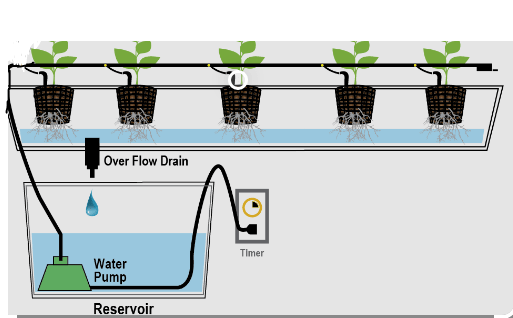
Drip Irrigation System

Micro Irrigation has gained attention during recent years because of its potential to increase yields and decrease water , fertilizer and labour requirements if managed properly.

Principal characteristics distinguishing the micro Irrigation with other pressurized technologies are:

  • Low flow rate
  • Localized , partial wetting of the soil volume
  • Frequent water application due to the limited wetted volume
  • Low operating pressure ,compared to sprinkler irrigation

Drip Irrigation involves technology for irrigating plants at the root zone through emitters fitted on a network of pipes( mains ,sub-mains and laterals). The emitting devices could be drippers ,micro sprinklers, mini sprinklers ,micro jets, misters ,fan jets, micro sprayers, foggers and emitting pipes, which are designed upon specific requirements , which may vary from crop to crop . Water requirement, age of plant spacing ,soil type , water quality and availability are some of the factors which would decide the choice of the emitting system .

In cases where the water sources is an open well or tubewell / borewell , then for assessment of water availability and pumping power requirement it is necessary to compute the following:

  • Depth of the water table
  • Discharge of the well
  • Total pumping level
  1. The depth of water level below the ground level, before pumping begins ,is the depth of the water table . It can be measure by a simple procedure using a rope with a stone tied at one end .
  2. The discharge of the well / tubewell is measured after running the pump for a period of 30 minutes to 1 hour . It can be measure by adopting volumetric measure.Under this method , the discharge is emptied into a ditch of container of know dimensions for a certain length of time . the rate of discharge is calculated by dividing the total volume of water discharged by the time taken. This method works for low discharge say upto 5 litres per second. For higher discharges volumetric measurement may be difficult and therefore standard devices like water meter/c.notch/flume may be used.
  3. Total pumping level includes the depth of the water level, drawdown and height of the outlet above the ground level. To measure the drawdown the pump installed over the well/tubewell is run for a period of 30 minutes to one hour so that constant water level is attained in the well/tubewell. The new depth of the water level is measured. The difference between the depth and level above the ground level is also to be measured . Once the total pumping level is determined , the horsepower .

HP= Q*H/75*n

where Q = Discharge ,Ips

H=Total head ,m

n = Efficiency of the pump and motor

Depending up on the water availability and water requirement of the crop (as given in the table ) for the entire area in calculated .Then the piping network and number of sections will be decided accordingly.

The climate is changing , why aren't we ?

Our climate is changing around us faster than predicted. From more frequent and extreme storms to unprecedented heatwaves, from landslides to earthquake , we’re feeling the impacts of human-caused global warming. Global warming is the long-term heating of Earth’s climate system observed since the pre-industrial period (between 1850 and 1900) due to human activities, primarily fossil fuel burning, which increases heat-trapping greenhouse gas levels in Earth’s atmosphere. Certain gases in the atmosphere block heat from escaping. Long-lived gases that remain semi-permanently in the atmosphere and do not respond physically or chemically to changes in temperature are described as “forcing” climate change. Gases, such as water vapor, which respond physically or chemically to changes in temperature are seen as “feedbacks.”

SOME OF THE GASSES THAT CONTRIBUTE TO CLIMATE CHANGE ARE :

  • Water vapor. The most abundant greenhouse gas, but importantly, it acts as a feedback to the climate. Water vapor increases as the Earth’s atmosphere warms, but so does the possibility of clouds and precipitation, making these some of the most important feedback mechanisms to the greenhouse effect.
  • Carbon dioxide (CO2). A minor but very important component of the atmosphere, carbon dioxide is released through natural processes such as respiration and volcano eruptions and through human activities such as deforestation, land use changes, and burning fossil fuels. Humans have increased atmospheric CO2 concentration by 48% since the Industrial Revolution began. This is the most important long-lived “forcing” of climate change.
  • Methane. A hydrocarbon gas produced both through natural sources and human activities, including the decomposition of wastes in landfills, agriculture, and especially rice cultivation, as well as ruminant digestion and manure management associated with domestic livestock. On a molecule-for-molecule basis, methane is a far more active greenhouse gas than carbon dioxide, but also one which is much less abundant in the atmosphere.
  • Nitrous oxide. A powerful greenhouse gas produced by soil cultivation practices, especially the use of commercial and organic fertilizers, fossil fuel combustion, nitric acid production, and biomass burning.
  • Chlorofluorocarbons (CFCs). Synthetic compounds entirely of industrial origin used in a number of applications, but now largely regulated in production and release to the atmosphere by international agreement for their ability to contribute to destruction of the ozone layer. They are also greenhouse gases.

The consequences of changing the natural atmospheric greenhouse are difficult to predict, but some effects seem likely:

  • Earth becomes warmer .
  • Stronger green house effect will warm the earth , melt the glaciers , increasing sea levels
  • Outside of a greenhouse, higher atmospheric carbon dioxide (CO2) levels can have both positive and negative effects on crop yields. Some laboratory experiments suggest that elevated CO2 levels can increase plant growth. However, other factors, such as changing temperatures, ozone, and water and nutrient constraints, may more than counteract any potential increase in yield. 

Corporate Governance in Indian Companies

Introduction

Corporate Governance refers to the framework in a company comprising the generally accepted practices, policies and processes according to which the firm operates and is managed.

Corporate governance has become an essential component in the functioning of a company, and it has the potential of causing an improved or enhanced market performance. Corporate governance primarily focusses on creating transparency, accountability, and disclosure in the corporate environment. In other words, it promotes ethical practices in the company, allows for efficient communication of information, and proper allocation of responsibility. Another important function of corporate governance is to maintain a judicious balance between the interests of the stakeholders and board of directors. The board of directors are primarily responsible for the operational decisions and processes of the company, and it is imperative to outline their authority with respect to the stakeholders to ensure mutual cooperation and corporate success.

With regard to India, corporate governance has been on the up rise mainly due to globalization and liberalization. The SEBI had made the first ever regulations on corporate governance in 2000, based on the recommendations of the Kumar Mangalam Birla Committee Report and Narayan Murthy Committee Report. With the many national and multinational corporations coming up in India in the face of globalization, there was a need to introduce corporate governance so as to confront the competition that has arisen. Therefore, it is apparent that good corporate governance ensures mutual cooperation and protects the long-term interests of the shareholders. The question then arises whether good corporate governance is also proactively helping companies in their regular financial performance.

The Effects of Corporate Governance on Financial Performance

The financial performance of a firm indicates how successful it has been in its business, and whether it has been able to effectively use its assets in generating revenue. The role that corporate governance plays in benefiting financial performance of Indian companies has been studied extensively over the past years, and varying conclusions can be derived from these studies. The many variables and principles of corporate governance have been studied in the Indian corporate environment so as to ascertain their impact on financial performance. These can be consolidated as such:

  • Board Size: A study conducted by researchers Kathuria and Dash observed the influence of the Board size on financial performance of Indian companies. The results showed that performance improved when the size of the board increased, and that a smaller board of directors was generally not influential in financial growth. Corporate governance principles necessitate that the board of directors collaborate with the other corporate entities so as to ensure better performance.
  • Board Independence: An independent director is one who does not have any vested interest in the company, and works solely to improve the corporate position and credibility of the firm. They also play a large role in enforcing corporate governance standards. Numerous studies conducted with regard to board independence in the Indian context have showed that a larger proportion of independent board directors is associated with improved financial performance.
  • Board Meetings and Committees: As corporate governance principles require the company to maintain transparency and disclosure, conduction of regular board meetings is required. It has been found that Indian companies conducting regular board meetings has caused a better financial performance, as there is constant discussion of the company’s operations and decisions are made that positively impact the company.

Therefore, from the research conducted, it is evident that sound corporate governance and its implementation in Indian companies has the potential of positively impacting financial performance and growth. Some of the more general reasons why corporate governance is seen as a stimulant of financial growth are:

  • Increased access to financing
  • Higher firm valuation
  • Improvement in operational performance
  • Reduced risk of financial crises

Conclusion

Ultimately, it can be inferred that the impact of corporate governance on Indian companies has been known to be favourable for the most part. However, it is important to highlight an important point here. It cannot be concluded that corporate governance has a positive effect on all Indian companies, or for all companies in general. For some there may be an insignificant impact, while for others there might be no impact at all. However, for most companies in most industries, corporate governance implies support in the financial position. Factors mentioned in this paper such as board size, independency, composition, meetings and committees mostly seem to show a positive relationship with financial performance of Indian companies.

The primary goal with which corporate governance is introduced into a company is to increase transparency, disclosure and accountability, which subsequently gives way to other long-term benefits including financial stability and growth. Therefore, many Indian companies are increasingly looking to practice corporate governance. In conclusion, despite the fact that there is no consensus on whether corporate governance has an undeniable positive impact on financial and firm performance, it can be said that it helps the company in many facets regardless.

Jobs for the Future

There are two reasons why students are interested in sustainable management studies.

Photo by Magnetme on Pexels.com

Youngsters are now facing the impact of climate change themselves. Many of them have experienced-led disasters such as floods and cyclones, more than their previous generation did.

Second, there is growing awareness on the regulatory requirement and the investor’s demand, said Jagdish Ratnani, a Professor.

Nevertheless, the fact is that many jobs of the future will require hordes of managerial talent who understand ESG. Its a great career opportunity, Aditya Shelar, a student at IIM Lucknow, thinks that business in future will think beyond numbers and they would need people who under- stand a range of issues.

The transition to electric vehicles, higher solar power adoption, green practices in real-estate as well as carbon neutral policies will all require manpower that drive these shifts.

Environment and sustainability will have to be embedded in both corporate thought and actions. Its a requirement for branding, for raising funds, and to capture young and aware consumers. Institutions will increasingly adopt that in the classroom and beyond. It was said by Gopal Sarangi of TERI Institute of Advance Studies.

Photo by Angela Roma on Pexels.com

Some firms want to evaluate if their manpower is conscious about ethical business strategies. Some firms want to evaluate if their manpower is conscious about ethical sourcing, environment reservation, SGD goals like equality at workspace, the side effects of child labour and fair wage.

All this will fuel demand for more courses in B- Schools.

Reference

http://www.intershala.com

http://www.timesofindia.com

Skills of the Future

The new world order, brought on by the fourth Industrial Revolution, demands that today’s children acquire skills that will serve them well in the future.

Photo by Andrea Piacquadio on Pexels.com

The world we live in will change so fundamentally that students who come out of school by 2030 will make careers in fields that we have no idea about in the present.

As all of these trends happen, the winners will be those who are able to participate fully in innovation-driven ecosystems by providing new ideas, business models, products, and services, rather than those who can offer only low-skilled labor or ordinary capital, points out Klaus Schwab, founder and executive chairman of the World Economic Forum, in his seminal work, the Fourth Industrial Revolution.

This view is supported by other experts.

According to David Deming, associate professor of education and economics at Harvard University, Soft Skills like sharing and negotiating will be crucial. Modern workplace, where people move different roles and projects, closely resembles pre- school classrooms where we learn social skills such as empathy and cooperation. =

In effect, the skills and traits that must be inculcated in our children include : Social Intelligence

Photo by Polina Zimmerman on Pexels.com

This set of skill include empathy or the awareness of self and others perspective collaboration, negotiations and conflicts resolution, persuasive communication that can change minds and hearts.

A sense of service mindedness, trustworthiness and transparency.

Reference

http://www.timesofindia.com

http://www.wikipedia.com

INDIA OVER CHINA IN 2024 , IN OVERPOPULATION

Whether you are in a metro station, airport, railway station, road, highway, bus stop, hospital, shopping mall, market, temple, or even in a social/ religious gathering, we see all these places are overcrowded at any time of the day. This is a clear indication of overpopulation in the country. This is the major issue of , India is facing right now. Food production is limited & population is unlimited , we can say wants are unlimited & resources are limited & population is unlimited hence can be concluded that the reason behind poverty in India is over population.

Some of the common effects of overpopulation are :

  1. Unemployment : Every body knows India’s state of employment , employment rate is decreasing & unemployment rate is increasing . Since their is no employment people are starving , their is no living , literacy rate is also decreasing . This one problem of over population is bringing so many more problems with it .
  2. Manpower utilization: The number of jobless people is on the rise in India due to economic depression and slow business development and expansion activities.
  3. Pressure on infrastructure: Development of infrastructural facilities is unfortunately not keeping pace with the growth of population. The result is lack of transportation, communication, housing, education, healthcare etc. There has been an increase in the number of slums, overcrowded houses, traffic congestion etc.
  4. Resource utilization: resource are already scare , & they are being exploited . Land areas , water , trees are being exploited due to overpopulation .
  5. Inequitable income distribution: In the face of an increasing population, there is an unequal distribution of income and inequalities within the country widen.

STEPS TO CONTROL OVER POPULATION

Indian government should take bold steps to control overpopulation because if they want to improve economic growth they should control overpopulation . Major steps which have been already implemented but still need to be emphasized more control population. Increasing the welfare and status of women and girls, spread of education, increasing awareness for the use of contraceptives and family planning methods, sex education, encouraging male sterilization and spacing births, free distribution of contraceptives and condoms among the poor, encouraging female empowerment, more health care centers for the poor, to name a few, can play a major role in controlling the population. India’s growth in the whole world cannot be ignored , whether it is in science & technology , medicine , health , communication , entertainment , literature or military . So experts believe that if people of India will follow the strict population control norms , it will be able to overcome this problem too .

School vs Workspace

Our children must learn how to acquire knowledge that can be applied across domains and situations.

Photo by samer daboul on Pexels.com

Traditionally, schools and colleges have been cloistered enrollments where students only acquire knowledge. They then move to the next stage of their lives – into work places – where they may or may not apply the knowlege they have.

This separation has ensured that young people who join the work force have no idea about the exigencies of the work environment and are completely unprepared to deal with this situation.

However, future workplaces are likely to be far removes from conventional or current experiences.

In fact, it is estimated that most of tomorrow’s workforce may be contractual. In fact, already many large organizations are tapping into on-demand talent of the gig economy.

Increasingly, these new economy workers will be required to rely on their own knowledge and the skills to provide services and produce products that solve businesses’ and society’s pressing problems.

Photo by Burst on Pexels.com

Our children, therefore, must learn how to acquire relevant knowledge that can be applied in different domains and circumstances. They must discover the joy learning so that they can become learners for life as well as independent learners, capable of handling uncertainty with flexibility.

Schools must therefore re-engineer their systems, curricular and pedagogies to ensure that students have agency over their own learning and lives and learn to learn, unlearn and re-learn with agility.

Schools, therefore, must teach children to be entrepreneurs, expose them to real life work and social environments through projects and experiences so that they know how to tackle challenges that lie ahead and are capable of solving problems independently.

Reference

http://www.timesofindia.com

http://www.wilipedia.com

http://www.hindustantimes.com