BIT COIN CASH:

WHAT IS BIT COIN CASH?

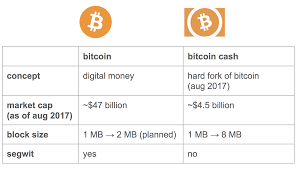
Bit coin cash is a crypto currency, from a fork of Bit coin that was created in August 2017. Bit coin cash was created to accommodate a larger block size compared to Bit coin, allowing more transactions into a single block.

Later in November 2017 it split into 2 crypto currency

  • Bit coin Cash ABC and
  • Bit coin Cash SV (Satoshi Vision)

Despite their philosophical differences, both Bit coin and Bit coin cash share several similarities.

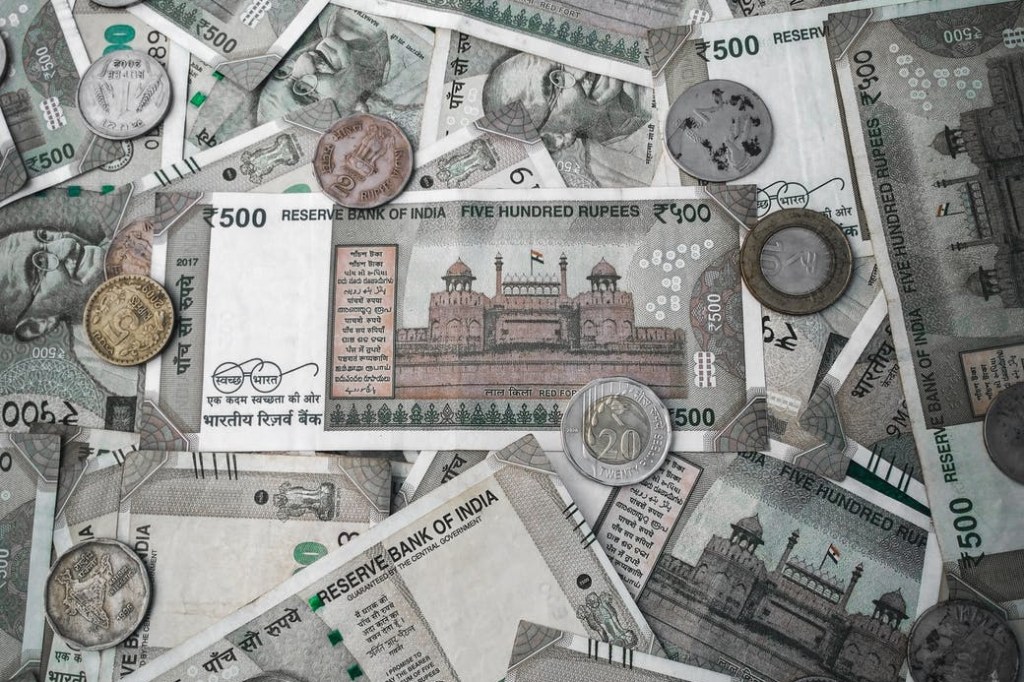
 1 BITCOIN CASH = 36683.18 INDIAN RUPEE

HISTORY OF BIT COIN TO BIT COIN CASH:

Bit coin was meant to be a peer-to-peer crypto currency that was used for daily transactions. But over the years it became an investment vehicle instead of a currency. Its block chain witnessed scalability issues because it could not handle the increased number of transactions. The confirmation time and fees for a transaction was urged. It’s due to 1MB block size limitation for bit coin which results in queued transactions.

As a remedy to this situation Bit coin cash was proposed by increasing the size of blocks to between 8 MB and 32 MB, thereby enabling more transactions per block. “Bitcoin cash is the version of bitcoin that implemented an increase in the transaction capacity,”

DIFFERENCE IN BIT COIN AND BIT COIN CASH:

  • Unlike bit coin, bit coin cash uses a separate hash algorithm which eliminates the possibility of a replay between the two block chains.
  • Bit coin is difficult to beat in terms of price when compared to bit coin cash.
  • Bit coin cash is well ahead of bit coin in terms of transaction speed.
  • Bit coin cash has lower transaction cost than Bit coin.

BIT COIN CASH IN INDIA:

Binance is one of the world’s largest and best known crypto currency exchanges. As an Indian trader, one can buy Bit coin cash on binance.

As per reports, Bit coin cash worth will rise to $2000 by the year 2025.Supply of Bit coin is limited to 21 million.

IS IT A GOOD INVESTMENT?

Investing in bit coin is like a roller coaster ride. Bit coin Cash offers the potential for otherworldly profit but at the same time it has high risks and crazy price swings.

CRYPTO CRASH:

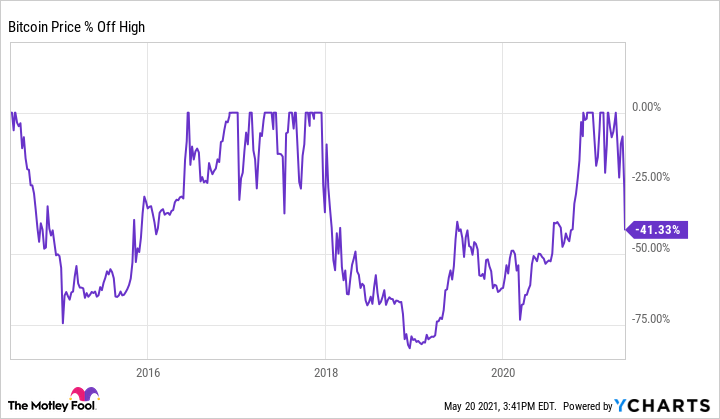
According to Visual Capitalist, Bit coin has crashed 80% or more three different times since 2012. Therefore today’s crypto crash is nothing new. No one knows the future, so no one can say whether Bit coin is going up or down in the near term. However, it is good to say the odds are high that the price of Bit coin will be higher following the next halving event, which is expected in 2024.

TRADING OVERVIEW:

Exchange Pair Price
Binance BCH/TUSD $ 447.04
Kucoin BCH/USDC $ 445.73
Huobi Global BCH/USDT $ 448.22
UPbit BCH/KRW $ 462.65

BIT COIN CASH PRICE CHART:

24 Hour High 24 Hour High                 Market Capitalization
476.98 USD  444.80 USD   8,632,223,279.93 USD

CONCLUSION:

If Bitcoin’s history teaches us anything, it’s to expect the unexpected. If Bit coin’s history teaches us anything, it’s to expect the unexpected. If you’re willing to hold a small position for the long term, then it is recommended to buy some Bit coin. But one mustn’t buy today hoping to get rich tomorrow.

Foreign Aid and Economic Dependency

Introduction

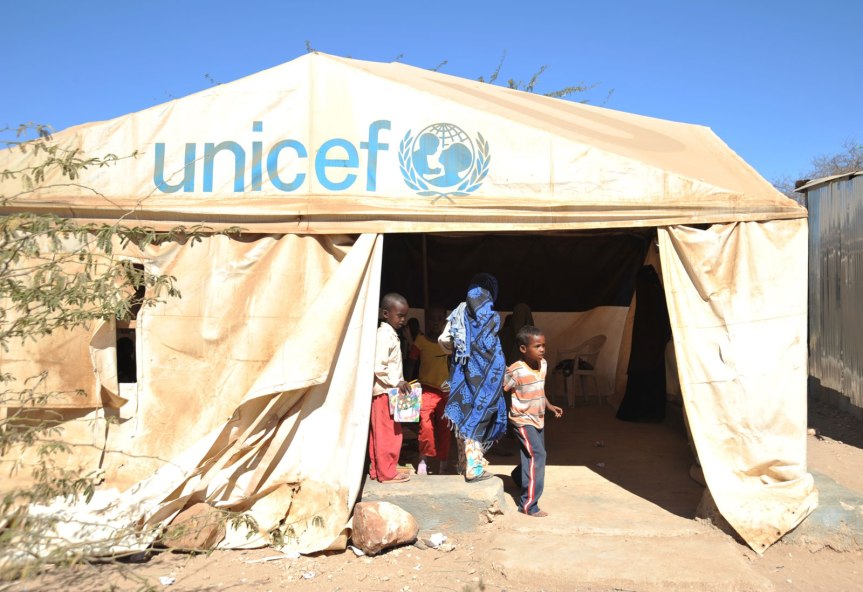
Foreign aid is the voluntary transfer of money, resources, or services (in the form of a gift, grant, or loan) from one country to another, or from an international organization to a certain country, for the ultimate benefit of the recipient country. Hence, the implication here is that the recipient country is in a position of debt, shortage, or some economic strife, such that it requires the assistance of other countries or international organizations (UN, NGOs, and other foundations). It is commonly seen when the more developed countries of the world provide aid to the developing nations, especially after they have suffered from some natural disasters, economic crisis situations or serious conflicts that have caused widespread damage.

Foreign aid, however, is not a purely humanitarian practice, and many countries engage in it with varying objectives. Some countries provide foreign assistance with the objective of furthering the political agenda of a government, thereby allowing it to attain diplomatic recognition. Thus, apart from solely providing economic and social support to the country, many donors provide aid as a means to strengthen and consolidate their political and strategic interests in the country or region.

Many economists argue that foreign aid fosters dependency and corruption in recipient countries, while others argue that it fosters economic growth and helps countries in their development. It is thereby a two-handed conclusion that is arrived at here, where we can say that foreign aid can have strong positive effects, but it clearly depends on what it is used for by the recipient, and whether it is invested efficiently and effectively.

What is Foreign Economic Dependency?

Foreign economic dependency is an international power structure in which weaker countries end up relying on economically stronger countries for financial support, which thereby allows the stronger countries to exercise a certain degree of economic and political control over the weaker nation.

Foreign economic dependency is one of the most important ways in which a country can regrow and rebuild itself after a natural disaster. It does this by getting foreign medical aid and disaster aid, and it helps in rebuilding livelihoods by helping the victims of the calamity directly. Without foreign economic aid a country would definitely have a much more difficult time to rebuild itself. However, dependency on foreign aid also often plays a significant role in shaping the economic and political framework of the weaker nation. The donor countries often use the aid they provide to push forward the economic and political policies preferred by them in the target countries. The receiving nation cannot do much in this case as there is the threat of the powerful nation ending the aid if the receiving nation does not comply with them.

Foreign aid is not only from countries but also from international organizations like the World Bank, but these organizations also might force their economic policies on the receiving nation. For example, the country must agree to adjust its economic structure, liberalize and privatize its economy and also increase its financial accountability. Moreover, paying back these huge loans is a difficult task for the receiving nation while trying to maintain/build a healthy economy at the same time, which leads to their economy taking significant damage.

Hence, foreign dependency usually leads to lesser development in the economically dependent country because it has to tailor its policies to the interest of the stronger country, and this usually leads to the weaker country neglecting to do things which are best for its own development. This causes things like faster environmental destruction and creation of only temporary growth that prevents sustainable development and economic independence.

Conclusion

It can be concluded that the ultimate question about whether foreign aid is really effective or not has not yet been fully settled. This is due to the fact that there is enough evidence to convince a person of both sides of the argument. While there have been cases where foreign aid has done wonders, like in Ethiopia, there are also cases where foreign aid has worsened countries, like Somalia. It is essential for recipient countries to give due importance not only to their economic policies, but also in ensuring that foreign aid is directed towards productive and beneficial causes in the country.

The unfavorable result, as discussed in this article, is when foreign aid leads to economic dependency. In such cases, countries are left with little to no autonomy, and the stronger countries get a say in how to operate them for their own benefit. As long as such a situation is avoided, and foreign aid is mainly helpful for the purposes of resolving humanitarian crises and assisting underdeveloped countries, then it is a helpful practice.

Segmenting a market?

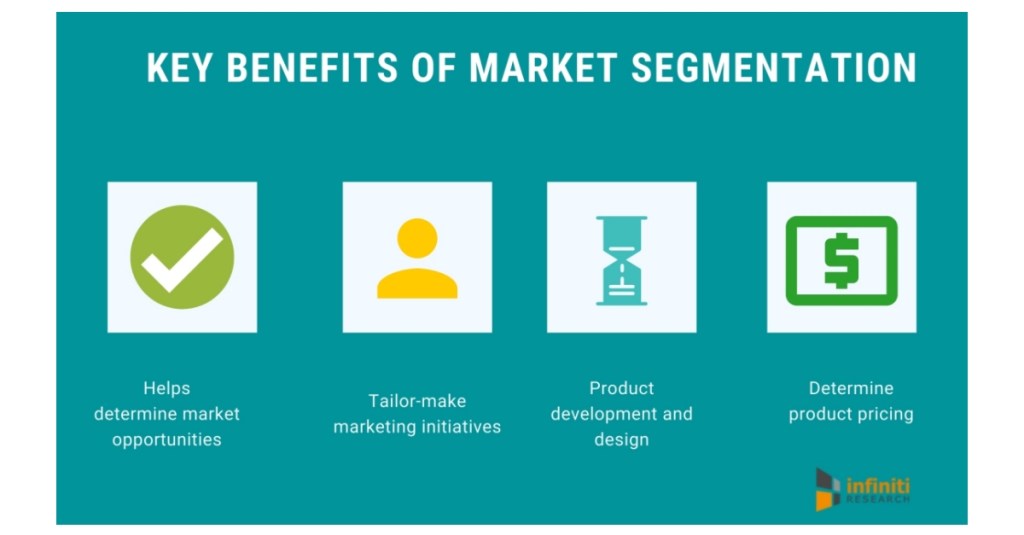
See everybody has their own likes and dislikes right? It is always possible that my need and your need can be different or even similar also. Market segmentation is just the most useful aspect in which a marketer can divide the whole market into subgroups of people having the same needs and wants. Must be wondering why it is done? So by this concept marketer gets the clear idea of the group demanding the same products and can easily satisfy their demand on that basis. Suppose if their is a group of teenagers than obviously their demand and needs about a product will be different from that of old age group. Likewise we have many different basis for market segmentation let us just understand them one by one:

  • Geographic Segmentation: This is the most simple method of market segmentation as in this the people living in one region of the country have different buying behaviours from that of the people living in some other region and thus this becomes the base for dividing the market .
  • Demographic Segmentation: Demographic elements such as age(teenagers/adults/retired), occupation, education, sex and income are used here for Segmentation.
  • Psycho-graphic Segmentation: Under this basis the consumers are divided into subgroups on the basis of their psychological attitude and also includes their personality and lifestyle.
  • Behavioral Segmentation: Consumers are here divided on the basis of the knowledge , attitude and use of actual products.
  • Volume Segmentation: It is assumed that most of the product is sold to a certain percentage of people. There are light , medium and heavy users of products. It is important for the business to give due consideration to the heavy users so that they must not switch to some other brand and also along with that they are required to adopt various techniques to convert light , medium and non users into the heavy one.
Easy explaination of its benefits.

Why physical activity is important in this pandemic

Pandemic has changed our lifestyles , made us stuck in our phones & laptops , & left us with no physical activity .

The COVID-19 pandemic is an unprecedented time all across the world. Worldwide, extensive social distancing policies are put into place, restricting people’s daily activities and worldwide pleas from governments asking people to stay safe and stay at home. This of course means that most people will spend much of their time (if not all) at home.

These social distancing measures mean that people have far fewer opportunities to be physically active, especially if activities such as walking or cycling as transportation, or taking part in a leisurely activity (e.g. jogging, walking the dog, going to the gym) are being restricted. Furthermore, these drastic measures also make it so much easier to be sedentary at home for long periods of time. The impact of this physical inactivity may very likely be seen in many areas such as health and social care and the mental well-being of people all across the globe Though this social distancing is the need of now , but physical activities are also the need of now.

In light of the current situation worldwide, certain benefits of physical activity may be specifically pertinent to the COVID-19 Pandemic. These benefits are:

  • Physical activity enhances immune function and reduces inflammation therefore it could reduce the severity of infections which will automatically leads to good health.
  • Physical activity improves common chronic conditions that increase the risk for severe COVID-19 (i.e. Cardiovascular Disease, Diabetes) , but taking these physical activities in your daily lives , risk of death due to corona virus will reduce .
  • Physical activity is a great stress management tool by reducing symptoms of anxiety and depression.
  • Physical activity helps bring cortisol levels in balance. Stress and distress (such as during a pandemic) creates an imbalance in cortisol levels and this negatively influences immune function and inflammation.
  • Instead of always keeping an eye on your phone & laptops keeping an eye on your physical activities will leads to rest for your eyes, neck, & back.

We all know that this pandemic will stay with us for a long go , even if you are save with no corona virus symptoms , poor physical health will lead you to major heath issues . Instead of surrounding yourself with heath problems , indulge yourself into physical exercise, like yoga , meditation , exercise ,etc. ” STAK HOME , STAY SAFE , INDULGE YOUR SELF WITH INDOOR PHYSICAL ACTIVITES & HENCE SATY FIT”.

Poverty in India

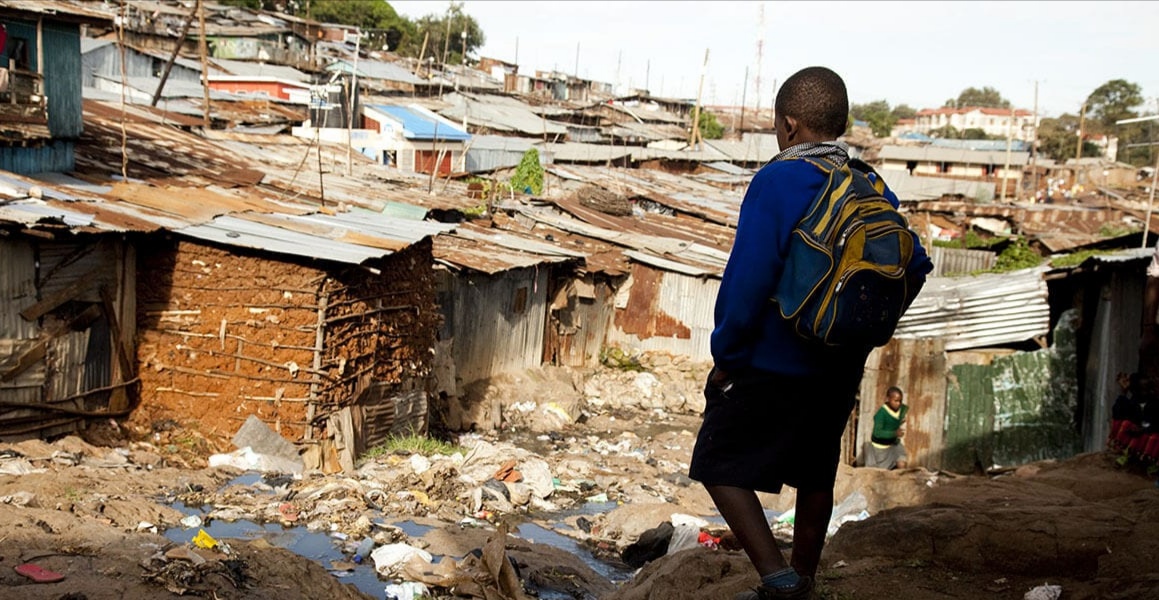
Poverty one of the major problem in India. India is the second most populous country after China with 1.2 billion people and it is the seventh largest country in the world in terms of area.

Around ⅔rd of people in India live in poverty in which 68.9 % of Indian population lives on less than 2 dollar a day and over 30% even have less than 1.25 dollar per day. And thus they are considered extremely poor.

India subcontinent is one of the poorest country in the world.

The most poor section of our country is children and Womens. They are considered as the weakest member of Indian society and that’s why they suffer the most.

In India womens are not considered as the strongest member of the society because of a patriarchy.

Education and job for womens are not considered important in our society.

By preventing education for Childrens and womens leads to the poverty and poverty is also preventing children from getting an education

Poverty in India impacts children and families in a variety of different ways:-

  • High infant mortality
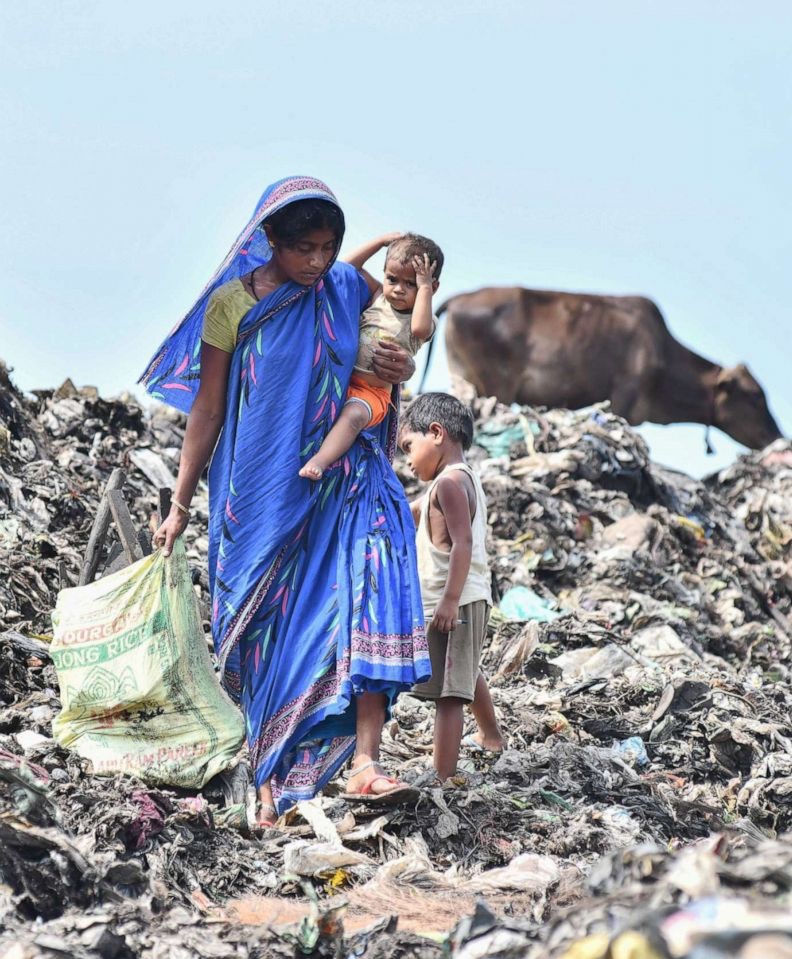
  • Child labour
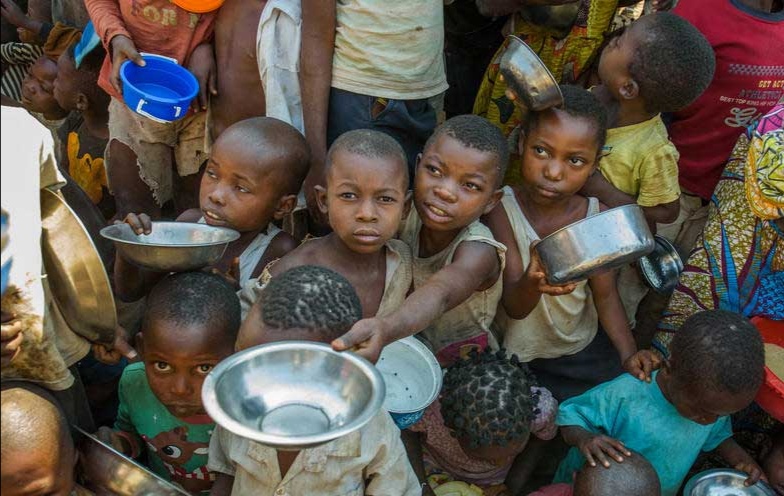
  • Malnutrition
  • Lack of education
  • Child marriage

High infant mortality rate

  • India is one of the country with highest child mortality rate.
  • Around 1.4 million children die each year in India their fifth birthday.
  • Major causes of death are due to pneumonia, malaria, diarrhoeal diseases as well as chronic Malnutrition.

Child labour

  • Child labour for children under the age of 14 in India is prohibited by law.
  • According to official figures 12.5 nilganj children between the age of 5 to 14 are working.
  • It is believed that Indian children’s contribute to the living wood of their poor family.
  • Children’s work in the field in factories, in quarries, private households .

Malnutrition

  • India is one of the world’s top countries when it comes to Malnutrition.
  • 7.8 infants were found to have birth weight less than 2.5Kg
  • More than 200 million people don’t have sufficient access food.

Lack of Education

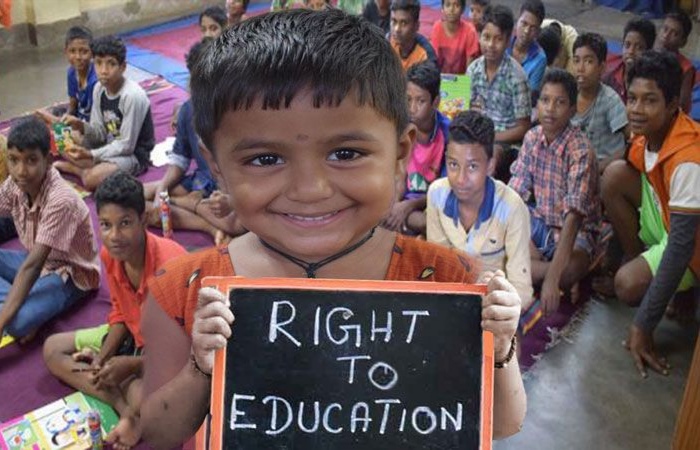
  • Most of childrens have no access to education in India.
  • Girls are excluded from the school in higher numbers with respect to boys.
  • We should have to treat them equally but it is believed to be inferior on lower caste.
  • Without education, chances of finding living from employment in India is impossible.
  • If educated peoples start teaching childrens at free of cost then it also be very useful in making a better world.
  • Like If 30 college students are studying in 1 course and they start teaching poor childrens only 1 day per month then the childrens study 1 month at free of costs.
  • We also have to put some efforts in making better world not for others, but for ourselves as well.

Child marriage

  • As we know Child marriage is crime according to Child marriage Restraint Act, 1929.
  • But it is still widespread in many regions of India.
  • Poverty is also the main reason behind this.

Overpopulation

  • Overpopulation leads to high competition in every aspects of life.
  • We see lack of job opportunities, education.
  • Food production is not as much to fulfill the need of this higher population.
  • Due to overpopulation, and not doing work after having such high population in India is main reason behind poverty.
  • If we utilise this overpopulation as the opportunity to increase country’s financial condition then it actually going to worth it.

Jobs For People Who Don't Know What To Do.

First of all you need to evaluate what you love and what you want to do. Figure out your skills and interests and what you are good at. If you are not able to identify yourself then ask your friend or peers to help you out. Evaluating your past can also help you recall your critical moments you might have overlooked that would have made it clear you were not happy with your existing work. Also get in touch with personalities of the field in which you are interested and gain as much information as you can regarding demands from the job, their professional past and aspirations. Before actually pursuing that career you must attend workshops, take online classes, Read books and watch YouTube tutorials so that you may find out that you’re really into that career or not. Consider in which work environment you would like to work and which type of colleagues you want around, are you capable of cooperating with those people or not.
And in the end think, what is that one thing that you will love doing and willing to do it for free and then start connecting it to paid possibilities in the same field. A job must be something which you love to do and will also provide a great pay in return and let you lead a prestigious life. Below are some suggestions you are looking for.

First Step

There are times when one is not able to pursue career which they always wished to do. There could be many reasons behind this. Not getting successful, family issues, financial problem or any such circumstances. One should always be passionate about their career, as quoted by Australian leadership coach Simon Reynolds in his book Why People Fail, “We need to understand failure if we are ever to master success”. Sometimes youngsters get demotivated and don’t find future anymore in the career they wanted and wish to switch their career but have no clue about what to pursue next. Worry not! We are here to suggest you some amazing jobs that could do wonders in your career life. So let’s begin.

1) Medical and Health Services Manager

While they work in the Healthcare sector, Medical and Health Services managers don’t provide clinical care. Instead, they manage how Healthcare businesses are run. Their work is to prepare budgets, oversea stuffing decisions and develop strategic goals for a hospital clinic or a similar organisations they are also known as executives or administrators.
Medical and Health Services managers need a bachelor’s degree and largest organisations may prefer to hire someone with a masters degree. In some cases managers may begin in a clinical role such as nursing and later be promoted to an administrative position

2) Information Security Analyst
Median Salary : $99,730
Expected Job growth by 2029 : 31.2%

The technology industry is another sector that has many jobs with unfamiliar titles. They are specialised workers who design and implement security measures for computer systems and networks. They research the latest security technology and educate system users on security protocols.
Information Security analyst often have a bachelor’s degree in computer science or a similar field. Some companies may prefer to hire analysts who have a master’s degree.

3) Operations Research Analyst
Median Salary : $84,810
Expected Job growth by 2029 : 24.8%

Operations research analysts have a straightforward job. They are given a problem, such as how to reduce costs or improve efficiency and ask to solve it to do so they may need to conduct extensive research, use some software and run hypothetical models using a variety of scenarios. It can be a challenging job, and operations research analyst are paid well for their problem solving ability.
Workers in this occupation are expected to have at least a bachelor’s degree in a technical field such as engineering, analytics, computer science or mathematics. A few schools have dedicated degrees and operations research.

4) Computer System Analyst
Median Salary : $90,920
Expected Job Growth by 2029 : 7.4%

They are also known as System architects, computer systems analysts are responsible for ensuring a business or organisation’s technology is appropriate for its needs. They identify Technology requirements, configure Software and Hardware and make recommendations to help systems operate more efficiently and effectively.
A bachelor’s degree in a computer related field is the standard education for computer systems analyst. However, some employees may hire analyst with a variety of educational backgrounds.

5) Logistician
Median salary : $74,750
Expected Job Growth by 2029 : 4.4%

These professionals are experts in supply chains. In other words they are the people who make sure products move smoothly from suppliers to consumers. They can oversee all aspects of acquiring product materials, storing inventory and transporting it to buyers. Some logisticians may be responsible for moving people as well, such as military personnel.
Some people may become logisticians through work experience or by earning an associate degree. However, a bachelor’s degree is a more common entry point into this occupation.

6) Environmental science and protection technician
Median salary : $46,540
Expected Job Growth by 2029 : 8.4%

Environmental science and protection technicians may be employed by consulting firms, the government or testing laboratories. Technicians may collect air, soil and water samples for analysis and present their findings to verify a site’s compliance with environmental regulations.
To land one of these interesting jobs, workers typically need an associate degree or two years of post Secondary education. Majors in the field include environmental science environmental health and the public health.

7) Construction Managers
Medium annual pay : $93,370
Projected Job growth through 2026 : 11%
Also called general contractors or product managers these workers co-ordinate and supervise a wide variety of building projects from start to finish. the prepare cost estimates budgets and work time tables for the project collaborate with Architects engineers and other construction specialist select subcontractors and co-ordinate their activities in sure compliance with legal regulations and safety standards.
You can enter this occupation in a variety of ways but it is becoming increasingly important for construction managers to have a bachelor’s degree in construction science, construction management, architecture or engineering as construction processes become more Complex and employers plays greater importance on specialised education.

8) Detectives and criminal investigators
Median annual wage : $79.970
Projected job growth through 2026 : 5%

These types of law enforcement of officers collect evidence and gather facts for criminal cases. They conduct interviews, examine records, observe the activities of suspects and participate in raids and arrests. They typically specialize in one type of crime such as homicide or fraud and work on a case until an arrest and trial are completed or the cases is dropped.
To become a detective you will need at least a high school diploma, although many federal agencies and some police departments require collage coursework or a college degree.

9) Elevator installers and repairs
Median annual wage : $79,780
Projected job growth through 2026 : 12%
These workers install, fix and maintain elevators and escalators moving walkways, chairlift and other lift. Elevator repairers typically earn a little more as their job requires a greater knowledge of Electronics, hydraulics and electricity than do installers, since a large part of maintenance and repair work is troubleshooting.
Becoming an elevator installer or repairer starts with the four year apprenticeship program sponsored by union, industry association or individual contractor. To enter such a program, you will need a high school diploma, Even after the program, on-going training is required and 35 states, currently require an installer or repairer to be licensed.

10) First line supervisors of fire fighters
Median annual wage : $76,330
Projected job growth through 2026 : 7%

As the name suggests, these fire fighters are responsible for supervising and coordinating the actions of other fire fighters engaged in battling blazes for those working on the prevention measures. They may also need to oversee rescue operations. Enforcing correct departmental procedures fall to them as well.
To take this rank in a fire house, workers typically have attended some college but no degree is required and have done a fair bit of on-the-job training.

A LIST TO PREPARE

You must also know your skills and strengths, and not just the technical ones for that you must make a list as following:
•Great at leading others
•Organized
•Hard working
•Great at building new relationships
•Quick learner
•Excellent at multitasking
•Proficient at Excel
•Strong writing skills
•Public speaking
•Hard-working

Separating your career path from academics and identifying your key skills and positive past experiences will help you in exploring companies and reading through job descriptions. You might find yourself considering a role you did not even realise you were qualified for!

All the best for achieving great laurels in your near future.

How to find a job during the pandemic?

Not only has the coronavirus pandemic had a big influence on the world economy, but it has also had a significant impact on your employment search. It has wreaked havoc on the stock market and harmed a variety of businesses. If you have a present employment, you are most likely working from home.

Small businesses have been forced to close temporarily, while large corporations have been impacted by the stress of losing customers and a disrupted supply chain. According to NBC News, there are estimates that the jobless rate in the United States will hit 20%.

Layoffs, furloughs, reduced hours and overtime pay, and hiring freezes have all been used by certain companies in response to the health crisis. Other businesses are actively hiring and publishing new job openings on a daily basis.

There’s a lot of uncertainty right now about what the national and global impact on hiring will be, but there are ways to stay positive and proactive about your job search at this turbulent time.

Photo by Andrea Piacquadio on Pexels.com

Engage your network

People recognise that this is a terrible time and want to assist in any way they can. Let your friends and relatives know you’re looking for work and tell them what kinds of employment you’re looking for and which companies you’re targeting so they can keep an eye out for openings. If they hear anything, they’ll let you know. 

Even if human resources isn’t through sorting through the applications that come in through the ATS, those email intros, or having individuals in your network send your resume and cover letter on your behalf, can boost your application to the top of the pile.

If you find openings at a company where you previously worked, don’t be afraid to contact former coworkers and superiors. Because they know your skills and work ethic, they are more inclined to hire you than the competition. Even if they aren’t hiring, they can serve as references for other applications you are submitting.

Because they work in the sector, they may be aware of other opportunities through their own network and can refer you.

Practice phone and video job interviews

Because so many people now work remotely, job interviews are now conducted over the phone or by video rather than in person. A phone interview can be more difficult because it is more difficult to understand someone’s reaction and establish a dialogue that flows organically.

It can be more difficult to do a video interview because being on camera can be uncomfortable.

Take on a temp or freelance gig

If you don’t have a job right now, look for temp and freelance employment to help pay the bills. When you impress your coworkers, it could lead to a full-time employment. Working for a temp agency is also a good way to pick up some in-demand skills.

Employers are searching for employees who are self-disciplined enough to work from home and have outstanding writing skills, so if you’re currently working from home, keep that in mind.

Photo by Pixabay on Pexels.com

Show off your transferrable skills

Because there is so much competition for jobs right now, it’s critical to step up your game. First, look for positions that have been posted recently, as this indicates that the organisation is looking to fill a current position. If a job posting has been up for several weeks, it may no longer be a top priority for the organisation.

When perusing job listings, remain confident in yourself and realise that you can still acquire a job.

Customize your application for each job

Spend more work on each cover letter and resume so that your resume and cover letter are noticed. Modifying them for each job application takes extra effort, but it is important. When you apply for a job online, your resume is typically entered into an Applicant Tracking System (ATS), which analyses your resume to see if you meet the job posting’s requirements. 

Don’t replicate everything word for word, but make sure your resume and cover letter include the bulk of the most significant parts of the job. According to Monster data, nearly 75% of applications that go through an ATS are rejected because they don’t fulfil the hiring manager’s standards, such as the correct abilities, education level, or job titles, so it’s critical to get your resume in the door.

Stay up to date

Read about the companies and the world of market. Make this a habit to stay up to date without any obstacle. This will help you to be spontaneous and aware.

References

http://www.monster.com

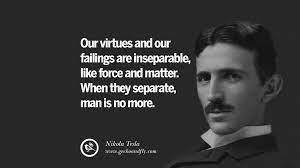
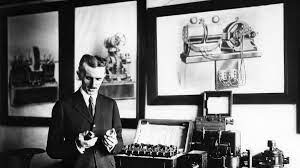
NIKOLA TESLA!!!

Many scientists have left their mark in the field of science. Their hardwork have led us to this development. Yes, if those scientists wern’t think of those different ideas, will you be able to live in this cosy and comfortable world. Think of those days, there were no mobile phones, mixer grinder, car and even current. When we think of this, the fullest credits goes to the scientists who invented this right? If there is no Edison, will there be any current now? If there is no Graham Bell, will there be a telephone? Have you ever thought if you can live without current and mobile phones? The answer would be no. Okay, let me get the point. You know about Edison, Graham Bell, Albert Einstein etc., and you know something about them. I will tell you about a scientist who left his mark in the field of physics. Yes. I’m to talk about our Nikola Tesla. He made many breakthrough in the production, application and transmission of the electric power. The first alternating current motor was invented by him. This made a breakthrough in the field of engineering. Come on! Let’s know something about him.

NIKOLA TESLA (1856 – 1943)

Nikola Tesla was born on 10th July 1856 in Croatia, America. His father, Milutin Tesla was preist in Eastern Orthodox Church. His mother,Đuka Mandić was very talented and she has the power to memorise Serbian epic poems. The crave for knowledge in Tesla came from his mother. Tesla was the fourth child of the family. He had three sisters and an older brother. His brother died when Tesla was five years old.

Tesla said that his interest in demonstration of electricity came from his physics teacher. He has a talent to calculate integral calculus in his head which prompted his teachers to believe that he was cheating. In 1875, Tesla enrolled at the Imperial Royal Technical College, Gauz, on a Military Frontier scholarship. During his first year, Tesla never missed a lecture, earned the highest grades possible, passed nine exams. He even got the letter of recommendations from his dean. After his father’s death in 1879, Tesla lost his scholarship and addicted to gambling. He never get through the final semester exams and didn’t finish of his degree. To hide fact, he severed the ties with his family and his friends thought that he was dead.

TESLA IN THE FIELD OF ELECTRICITY

  • In 1884, he reached America with the letter of inrtoduction to work with Thomas Edison, whose DC-based electrical works were fast becoming the standard in the country. Edison hired Tesla and the two worked hard tirelessly on Edion’s inventions. After some months, they two parted their ways due to some issues related to their business.
  • Tesla discovered, designed and developed ideas for a number of important inventions which were officially patented by other inventors including dynamos and the induction motor. Tesla designed the alternating-current (AC) electrical system, which had become the prominent power system of the 20th century and has remained the worldwide standard ever since.
  • In 1887, Tesla found funding for his new Tesla Electric Company, and by the end of the year, he had successfully filed several patents for AC-based inventions.
  • In 1895, Tesla designed what was among the first AC hydroelectric power plants in the United States.
  • In the 19th century, Tesla patented Tesla coil, which laid the foundation for wireless technologies and is still used in radio technology today. The heart of an electrical circuit, the Tesla coil is an inductor used in many early radio transmission antennas. The coil works with a capacitor to resonate current and voltage from a power source across the circuit.

Tesla died due to Chronic Thrombosis on 7th January 1943. He died in New York where he lived for sixty years. He worked hard to prove himself in the field of electricity. As the result of his hardwork, he was able to leave his marks in the field of elctricity. These are just a few information given by me. If you began to search on him, you can know various interesting facts about him.

Read more;

ETHOS OF VEDANTA IN MANAGEMENT

Ethos of Vedanta are based on supreme truth & supreme soul. If you do good to someone , you will get good . If you are good , the whole world is good to you . Management ethics is the ethical treatment of employees, stockholders, owners and the public by a company. A company, while needing to make a profit, should have good ethics. Employees should be treated well, whether they are employed here or overseas. By being respectful of the environment in the community a compound ethics, and good, honest records also show respect to stockholders and owners. Most of us would agree that it is ethics in practice that makes sense; just having it carefully drafted and redrafted in books may not serve the purpose. Of course all of us want businesses to be fair, clean and beneficial to the society. For that to happen, organizations need to abide by ethics or rule of law, engage themselves in fair practices and competition; all of which will benefit the consumer, the society and organization.

When ethics are used in management , organization grow at a different level .

In these days of globalization, Vedanta-based values will surely have to make a sympathetic assessment of values of those brought up according to Islamic or Christian faith. However desirable it may be to universalize the teachings culled from the Vedanta philosophy, ultimately one will have to find in that same school the lessons of co-existence with alien cultures and roots.

Ethics are about making choices that may not always feel good or seem like they benefit you but are the ‘right’ choices to make. They are the choices that are examples of ‘model citizen’ and are the examples of ‘golden rules’ like; don’t hurt, don’t steal, don’t be dishonest, don’t lie. But if we take Ethics as a subjective philosophy then what will happen to these golden rules. Especially at the time of facing any ethical dilemma how one should decide-what is ethical and what’s unethical? Organization provides rules, regulations, code of conduct, protocols which provide guidelines to work, it shows how to walk, but it does not show the correct path to walk on. Ethical dilemmas faced by managers are often more real to life and highly complex with no clear guidelines, whether in law or often in religion. Ethics gives us a message to always look forward , which gives a message to look at a long go . Ethics teaches a management the most important thing that is forward looking approach . With this forward looking approach , it teaches to be always true to the organization .

Some of the principles of Indian ethos are :

  1. Know who you are & what is your purpose of existence , this concept is used in management because a management’s main motive is to know what who they have to manage & what they have to deal through
  2. Holistic approach : We should behave with others in the manner which we expect from them . Effectiveness & efficiency of an organization increases when the employees are highly motivated.
  3. Service motive : A person should have service motive & at the same time should have a smiling face while providing that service . An organizations main motive is to provide service to other , & they should not be profit oriented .
  4. Self sacrifice : One should have self sacrifice attitude , means sacrificing self ego , & should always be helpful to others

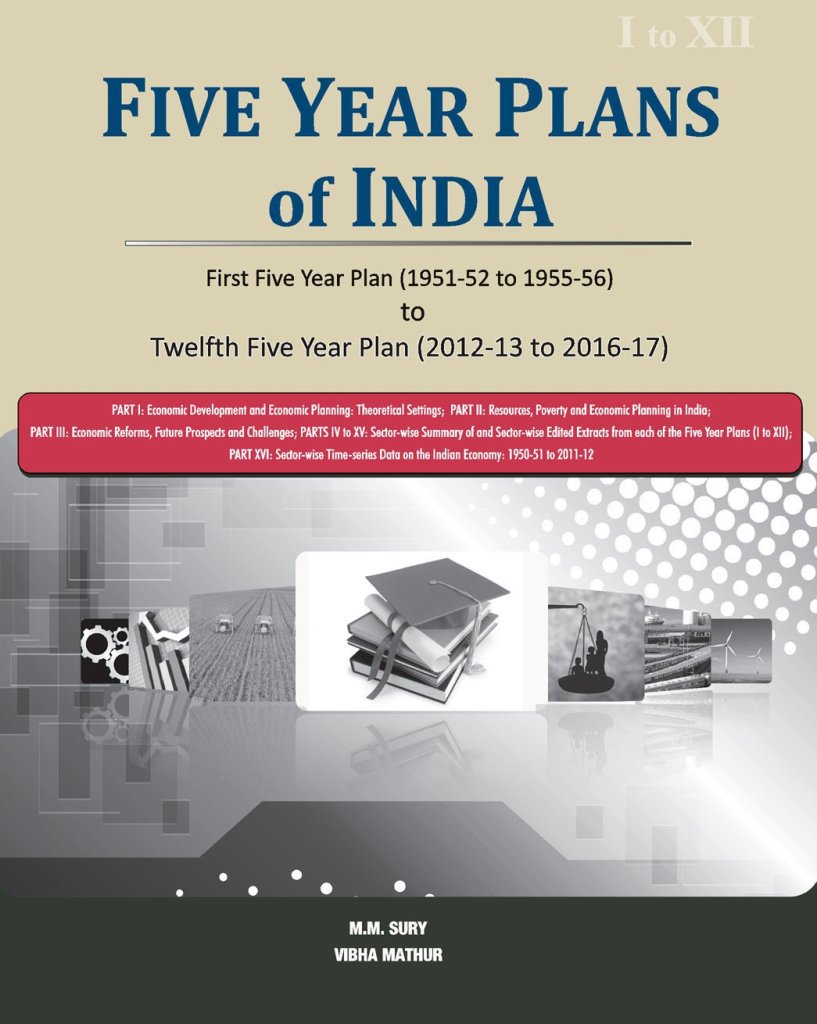
FIVE YEAR PLANS IN INDIA

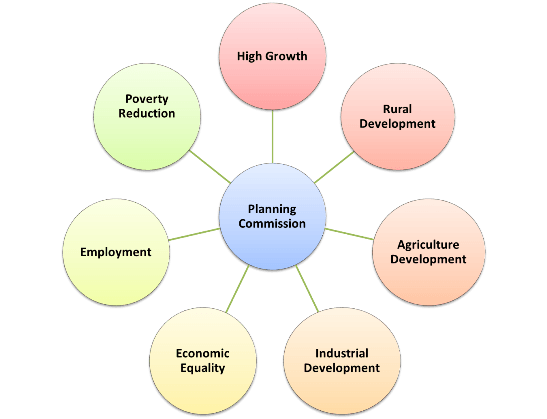
From 1947 to 2017, the Indian economy was premised on the concept of planning. This was carried through the Five-Year Plans, developed, executed, and monitored by the Planning Commission (1951-2014) and the NITI Aayog (2015-2017). With the prime minister as the ex-officio chairman, the commission has a nominated deputy chairman, who holds the rank of a cabinet minister. The first year plan was Harrod – Domar model of development economics. FYP had a target of 2.1% PA growth in national income. Top priority was given to the development of agricultural sector. The idea was agricultural development would lead to higher rate of economic growth.

FIRST PLAN (1951-1956)

Based on Harrod-Domar model. There were arrival of large number of refugees, severe food shortage and mounting inflation confronted the country at the onset of the first five year plan. High priority was given to agriculture, price stability, power and transport. It was a successful plan primarily because of good harvest in the last two years of the plan. Objectives of normal life of refugee, food self-sufficiency and control of prices were more or less achieved. The target growth rate was 2.1 and actual growth rate achieved was 3.7.

SECOND PLAN (1956-61)

Second plan was prepared by Prof. P.C. Mahalanobis. It has s also called Mahalanobis plan. Second plan was conceived in an atmosphere of economic stability. The plan was focused on rapid industrialization by setting up of heavy and basic industries. Importance was given to the public sector. The industrial policy was based on establishment of a socialistic pattern of society as the goal of economic policy. The target growth rate was 4.5 and the actual growth rate achieved was 4.3.

THIRD PLAN (1961-1966)

When this plan was started it was felt that Indian economy has entered a “takeoff stage”. Therefore it’s aim was to make India a self-reliant and self- generating economy. Based on the experience of first two plans, agriculture was given top priority to support the the exports and industry. The plan was thorough failure in reaching the targets due to Chinese aggression (1962), Indo-Park (1965), severe drought (1965-66), food shortage, inflation and adverse balance of payments, Devaluation of the rupee happened in 1966. The target growth rate was 5.6 and the actual growth rate achieved was 2.8.

ANNUAL PLANS (1966-69)

Failure of Third plan and that of the Devaluation of rupee along with inflationary recession led to postponement of fourth FYP. Three annual plans were introduced instead. During the Annual plan a whole new agricultural strategy called the High Yielding Variety Program also known as Green Revolution was implemented.

FOURTH PLAN (1969-74)

The main objective of the fourth plan was “growth with stability” and “progressive achievement of self- reliance. First two years of the plan saw record production. The plan was to improve the standard of living of the weaker sections of the society through employment programmes. The target growth rate was 5.7 and the actual growth rate achieved was 3.3.

FIFTH PLAN (1974-79)

The fifth plan was prepared and launched by D.P. Dhar in the backdrop of economic crisis arising out of run-away fuelled by hike in oil prices and failure of the Government takeover of the wholesome trade in wheat. The two main objectives of this plan is ‘removal of poverty’ (Garibihatao) and ‘attainment of self-reliance’. But due to high inflation, cost calculations for the plan proved to be completely wrong. The target growth rate was 4.4 and the actual growth rate achieved was 4.8.

ANNUAL PLANS (1978-80) AND HINDU RATE OF GROWTH

There were two annual plans 1978-79 and 1978-80. The objectives of first plan were removal of unemployment and provision of basic necessities of drinking water, primary education and health care. Second plan was focused on the rural sector with importance accorded to agriculture.
The phrase Hindu rate of growth, economist Raj Krishna who used it to describe India’s unsatisfactory growth trend in 1950-80 was stuck at 3.5 to 4 per cent per year. The word ‘Hindu’ was used to refer the inactive growth rate of Indian economy.

SIXTH PLAN (1980-85)

The plan was focused in national income and modernization of technology. Sixth plan was considered as success as most of the target were realised even though during the last year (1984-1985) many parts faced severe famine conditions and agricultural output was less than the record output of previous year. The target growth rate was 5.2 and the actual growth rate achieved was 5.7.

SEVENTH PLAN (1985-90)

The plan aimed at accelerating food grain production, increasing employment opportunities and raising productivity with focus on food, work and productivity. The plan was successful. The target growth rate was 5 per cent and the achieved growth rate was 6.

ANNUAL PLAN (1990-92)

The eight plan was postponed by two years because of political uncertainty at the centre. The focus of the plans was to increase employment opportunities and social transformation.

EIGHTH PLAN (1992-97)

There was issues during the launch of plan were Worsening Balance of Payment position, rising debt burden, widening budget deficits, recession in industry and inflation. The plan undertook drastic policy measures to combat the bad economic situation and to undertake an annual average growth of 5.6 percent under Prime Minister of Shri P V Narasimha Rao. The annual growth rate was 6.5 per cent and the achieved growth rate was 34 percent.

NINTH PLAN (1997-2002)

The plan prepared under United Front Government focused on “Growth with Social Justice and Equality”. The plan aimed to demand predominantly on the private sector, India as well as foreign (FDI). It assigned  priority to agriculture and rural development with a view to generate productive employment and eradicate poverty. The target growth rate was 6.5 and the actual growth rate achieved was 5.4.

TENTH PLAN (2002-2007)

Other than the economical growth, tenth plan had set “monitorable targets” in reduction in gender gaps in literacy and wage rate, reduction in infant and maternal mortality rates, improvement in literacy, access to potable drinking water cleaning of major polluted rivers. The target growth rate was 8.0 and the actual growth rate achieved was 7.6.

ELEVENTH PLAN (2007-2012)

Eleventh Plan was aimed “Towards Faster and More Inclusive Growth”. The vision of Eleventh Plan included several inter related components like rapid growth reducing poverty and creating employment opportunities. Access to essential services in health and education, specially for poor, extension of employment opportunities using National Rural Employment Guarantee Programme, environmental sustainability and reduction of gender inequality. Its growth rate was 8.1 per cent but it achieved only 7.9 per cent.

TWELFTH FIVE YEAR PLAN (2012-2017)

The Twelfth Plan commenced at a time when the global economy was going through a second financial crisis. This crisis affected all countries including India. Growth rate slowed down to 6.2 per cent. Therefore the plan emphasizes that the first priority must to bring economy back to rapid growth in all fields. The aim was bring back economic growth faster, more inclusive and with sustainable growth. The target growth rate was 8.0

With the Planning Commission dissolved, no more formal plans are made for the economy, but Five-Year Defence Plans continue to be made. The latest would have been 2017–2022. However, there is no Thirteenth Five-Year Plan.

European Debt Crisis

European debt crisis is a debt crisis that has affected European Union (EU). Many European zone members could not repay government debt that had severe impact on their economies. These states could not prevent macroeconomic imbalances that caused exceeding debt crisis.

Since, European zone stopped foreign investment in the countries, it was difficult for the member states economies to survive due to excessive dependent on foreign countries. Debt-to-equity ratio had also increased which caused intensive borrowing and spending. France and Germany were involved spent more than the limit.

Member states of the Eurozone adopted similar monetary policies and currencies. However, the fiscal policies of each country were different, which encouraged country like Greece to borrow and spend more.

International trade imbalances led to economic problems. The Great Recession of 2008-2012 worsened the fiscal policies that were adopted to control government expenses. Private debt burdened the existing debt. European Central Bank chose that interest rates in Germany were high, whereas interest rate was lower in Southern eurozone. Germany would lend to Southern states. This gave rise to wages and prices and exports had become less competitive. They had to boost their spending capacity to protect people who were unemployed and needed support. They borrowed more and spent more than what they borrowed.

European governance did not structure the policies that were initiated to control growing debts. Fiscal policies were not implemented properly by the government. In Greece, the governments could not handle the situation due to lack of support from the citizens.

Due to rising unemployment, consumers had to reduce their spending. Unemployment increased because of austerity measures like budget cuts, lower spending. These measures did not work in the favor of protecting the nation from expanding debts.

Foreign investments reduced with ascending debts. Investing in a country that is stuck with a pile of debt was not profitable. Lower investments did not encourage job opportunities and growth of the economy
High unemployment, lower wages, shutting down of businesses was the result of the debt crisis. Lack of permanent jobs encouraged people to move to other countries. Adopted policies had reverse effect on the economies. Higher exports and lower imports created even higher debts.

Greece has the highest debts compared to other states. Greek debt crisis originated from heavy spending and borrowing that escalated its overall debt. Improper structure of taxation caused loss of taxes. The debt piled up and Greece was not in a position to pay back all its debt.

This crisis arrived in late 2009 because of Greek governments disclosure that it has higher budget deficits. Greece was helped by European countries by support them with measures to control the deficits like European Financial Stability Facility (EFSF). Greece has repaid 41.6 billion euros as of 2019.

European Debt crisis had profound impact on countries despite stringent measures were taken to stabilize economies. While European nations were gradually recovering from this crisis, coronavirus has concerned these nations again. Effect of Covid-19 is affecting economies and imperative measures are being taken to prevent forthcoming crisis.

India's long road: Rural development


“The village is the cell of the national body and the cell-life must be healthy and developed for the national body to be healthy and developed.” – well alluded by SRI AUROBINDO.

India as it is said is the “land of villages.” The heart of our nation resides in the rural areas. As quoted by the father of our nation, Mahatma Gandhi, “India lives in her seven hundred thousand villages.” Although the term “Rural development” has been widely used, what constitutes it seems to have changed significantly. So, the question is what exactly is rural development. Rural development means improving the living conditions of the people living in rural areas. There are many definitions to it. The fact is that today more than half of the Indian population lives in rural areas and most of them depends upon agriculture as their primary source of income. Agriculture is an integral part of many world economies, especially the developing ones, and hence plays a significant role in the rural development. The strength and prosperity of our nation depends upon the strength and prosperity of rural areas. Therefore, it is important to free the rural India from poverty.

Our government is trying its best to bring rapid growth and development in the villages. We derive major contributions to GDP from rural workers. Upwelling schemes for rural electrification, open defecation free villages, skill development, Prime Minister rural housing mission, Prime Minister Gram Sadak Yojana, Deen Dayal Upadhyaya Grameen Kaushalya Yojana, National Rural Livelihood Mission, National Rural Employment Guarantee Act, Sampoorna Grameen Rozgar Yojana, Sarv Siksha Abhiyan, Sansad Adarsh Gram Yojana, National Social Assistance Programme etc., has modified the doddering face of Indian villages.

Empowering rural economy through digitalization schemes, regeneration of traditional industries schemes, entrepreneurship schemes, water conservation schemes, MGNREGS, has further added to the rural development and has brought direct benefit transfer. Achieving hygiene and sanitation through government initiatives like SWACHH BHARAT MISSION has further added to the list.

According to the World Bank, “Rural development as a strategy designed to improve the economic and social life of a specific group of people – The rural (people) poor. It involves extending the benefits of development to the poorer among those who seek a livelihood in rural areas. The group includes small-scale farmers, tenants and the landless.” Rural development is a strategy that encompasses all the aspects and factors to achieve an overall spectrum of development and growth. This development is needed to benefit the poor and weaker sections of the society. Rural development seeks to transform all the sectors of rural economy – the primary sector, the secondary sector and the tertiary sector. It is concerned with the improvement of the standard of living of the rural people through the provision of health and medical facilities, employment opportunities including vocational training, educational facilities, etc. It brings about significant improvement in the socio-economic conditions of the scheduled castes, scheduled tribes, the landless agricultural labourers and the marginal and small farmers.

The village land of India is adorned with lush green land, protected livestock and unexplored pool of species which needs special attention of the government. The recent extent of India from the Regional Comprehensive Economic Partnership (RCEP) did mark the promise of self-sustained indigenous production of India. The decision was to safeguard the interests of industries like agriculture and dairy.

Rural development should include social, economic and overall development of a rural area. It should be an all- round project. Employment creation is the main component of rural development. Therefore, to generate employment opportunities in villages, there is a need to strengthen agriculture sector and also set up other industries. A digital platform should be built for active labourers to check the process of employment generation. Integrated and organic farming methods should be promoted. Economic models like Gig’s – economy must be brought in action to counter seasonal as well as disguised unemployment from rural economy. Better planning must be done by the government, to boost up local economy of a village. Better roads connectivity should be put in the major plan of action. Basic amenities should be made available.

“Education is the most powerful weapon which you can use to change the world”, well said by Nelson Mandela. Six Indian states account for about 70per cent of all illiterates in India. India currently has the largest population of illiterate adults in the world with 287 million people, with major proportion in the rural India. While India’s literacy rate rose from 48 per cent in 1991 to 63 per cent in 2006, “population growth cancelled the gains so there was no change in the number of illiterate adults”, says the UNESCO report.

Thus, education is the most important tool which can pave the way for the development of every other factors. The government has been trying to come up with schemes to strengthen education and integrated skill development of youth of rural India. Primary education has been made free and compulsory for the rural people so that the maximum number of the villages may be literate. Schemes like Beti Bachao Beti Padhao, has been proved effective. Women in rural India are still devoid of their ‘fare-share’ in the field of agriculture and labour. Strengthening of service sector has emerged as a boon for women. The problem of the ownership of the land should be resolved. The cottage industries should be established to further accelerate the growth. The villages should be in sync with the urban areas.

Another matter of concern is the crime rate which has increased in rural areas and specially against the marginalized sections of society. The death rates in rural areas due to domestic violence has also not seen any change. Banning of liquor consumption in states like Bihar has provided to be an effective step. People should be made aware and educated about the rights and wrongs. Proper healthcare facilities should also be provided with adequate number of doctors and nurses. Other robust steps should be adopted towards rural development.

It is often felt that the migration of people from rural to urban, in search of employment or better lifestyle, is putting severe pressure on urban amenities. The low wage migrants are thus left with no other option than to live in unhygienic condition. There is a need to make rural economy stronger and create employment opportunities in rural India. This will help in reducing the disparity in per capita income of rural and urban which has always remained high.  A significant growth is required in rural area. Non farming activities should also be encouraged.

The development of rural India is of utmost importance for the development of the country. If India needs to become the next superpower in the world, it needs to tap into the potential of rural India. Given its size and population, no business house can afford to neglect the consumer spending power of rural India. India has many heroes that rural population should look up, like M.S. Swaminathan, the father of the green revolution in India, Varghese Kurien, the father of the white revolution in India. The progress of a nation depends upon the progress of its villages. We can say that the rural areas are the backbone of a nation.

Our rural areas have undergone major changes since independence. We should try to keep in mind the Sustainable Development Goals (SDGs) while trying to achieve the rural development goal. We need to join our hands with the government in embellishing its goal of the development of rural India.


Consumer Rights and Responsibilities

Consumer Rights:

  1. Right to safety:- Means the right to be protected from the marketing of goods and services that endanger life and property. The items and services acquired should not only suit their current requirements, but also their long-term interests. Consumers should insist on the quality of the items as well as the guarantee of the products and services before making a purchase. They should rather choose quality-marked items such as ISI, AGMARK, and so on.
  2. Right to choose:- Means the right to be guaranteed, whenever feasible, of access to a diverse range of products and services at a reasonable price. In the case of monopolies, it entails the right to expect good quality and service at a reasonable price. It also covers the right to fundamental goods and services. This is because the minority’s unfettered ability to choose might imply a rejection of the majority’s fair share. This right is better exercised in a competitive market when a wide range of items are accessible at reasonable costs.
  3. Right to be informed:- Means the customer has the right to be informed about the quality, amount, potency, purity, standard, and price of goods in order to defend themselves from unfair commercial practises. Before making a choice or decision, consumers should insist on receiving all available information about the product or service. This will allow him to behave intelligently and responsibly, as well as avoid falling victim to high-pressure marketing methods.
  4. Right to consumer education:- The right to gain the information and skills necessary to be an educated consumer throughout one’s life. Consumer ignorance, particularly among rural customers, is largely to blame for their exploitation. They should be aware of their rights and should exercise them. Only then can successful consumer protection be achieved.
  5. Right to be heard:- This means that the interests of consumers will be taken into account in relevant forums. It also involves the right to be represented in different forums established to examine the welfare of consumers. Consumers should create non-political and non-commercial consumer groups that may be represented in various consumer committees formed by the government and other entities.
  6. Right to Seek redressal:- Means the right to seek remedy for unjust trade practises or unethical consumer exploitation. It also includes the consumer’s right to a fair resolution of legitimate issues. Consumers must file a complaint if they have legitimate issues. Many times, their complaint may be of minor importance, but its influence on society as a whole may be significant. They can also seek resolution of their concerns via consumer organisations.
  7. Consumer Protection Act:- An Act to provide for the protection of consumers’ interests and, for that purpose, to create agencies for the prompt and effective administration and resolution of consumer disputes, as well as for matters associated therewith.” (From the Consumer Protection Act of 2019.) “An Act to provide for greater consumer protection and to make provision for the formation of consumer councils and other agencies for the resolution of consumer disputes and for issues connected therewith.”(From the Consumer Protection Act of 1986.) The Consumer Protection Act of 1986 aims to promote and defend customers’ interests against inadequacies and faults in goods or services. It also aims to protect consumers’ rights against unfair or restrictive trade practises. This act was passed in the Lok Sabha on December 9, 1986, and the Rajya Sabha on December 10, 1986, and it was signed by the President of India on December 24, 1986, and it was published in the Gazette of India on December 26, 1986.

Consumer Responsibilities:

  1. Ask Yourself!:-
  • Have you had any issues as a consumer?
  • Have you ever complained about an issue like this?
  • Do you aware that you may seek the help of a consumer organization to safeguard your interests?

2. Be Critically Aware:- The responsibility to be more alert and to question more – about prices, about quantity and quality of goods bought and services used.

3. Be Involved:- The obligation to be forceful – to guarantee that you, as a customer, get a fair bargain. Remember that if you remain passive, you will most likely be exploited.

4. Be Organized:- The duty to join hands and raise one’s voice as a customer; to fight as a group and to build the power and influence necessary to promote and safeguard consumer interests.

5. Practice Sustainable Consumption:- The responsibility to be aware of the impact of your consumption on other citizens, especially the disadvantaged or powerless groups; and to consume based on needs – not wants.

6. Be Responsible to the Environment:- The obligation to be aware of and comprehend the environmental repercussions of our consumption. We must acknowledge our personal and social duty to conserve natural resources and maintain the environment for future generations.

A Reliable Learning Via Robotics and machines….

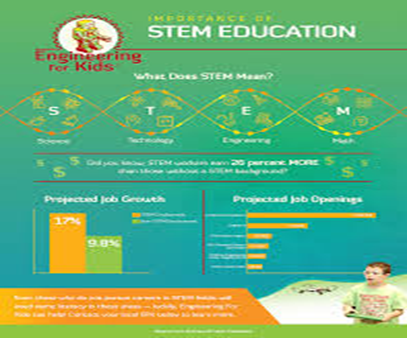
                                    IMPORTANCE OF STEM EDUCATION FOR AN ENHANCED LEARNING

  • Definition Of Stem

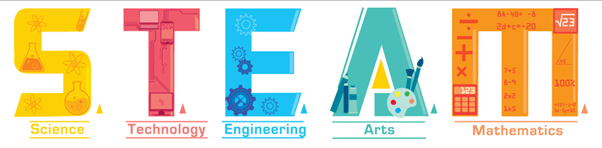
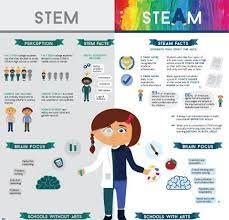
STEM is an artificial intelligence related to Science, Technology, Engineering and mathematics but it is a vast concept of more than these. It integrates and builds an advanced system of education taking into account every individual’s attention. STEM kind of learning needs to be paid attention as it has an improved technology with enclosing subjects that teaches moral values and discipline in inter-relating one another.

The main motive is to build advanced geniuses in the teenage able to tackle subject and real-time oriented issues. This tech unites with pupils making them to be well-versed and multi-talented in all occasions.

  • Benefits of STEM related education

This kind of learning is focused on building higher order of thinking among students by connecting them a classroom experience to the modern world. A future model is built under campuses for upgrading their problem-solving ability, thinking skill, communication skills and creativity to sort out various critical circumstances in reality.

Generally, focuses on practical experience with real-time applications that gradually builds the skills ability level and shaping them to utilize a sense od outstanding creativity in a competitive world of 21st century.

The students brought up from this kind of teaching can tackle the reality as well as social media/virtual world simultaneously with their brilliance and social skills that comprises of curiosity, social skills, leadership, management and acceptance of up and downs in life.

In a specific period of life people will undergo circumstances where they become puzzled to take decision as choices will cause effects on their career which has to be made wisely. At that stage without realizing they randomly choose a false decision making them fall in a pit, which will be realized on later times by the same individual after which nothing can be undone.

This system basically concentrates on those kinds of cases so the growing kids can be exclusively intelligence while handling such experiences. This AI creates a similar kind illusion to make them think and decide their choices accordingly so they can adopt to changes or select a decision more preciously.

  • Differences from normal learning and AI integrated learning

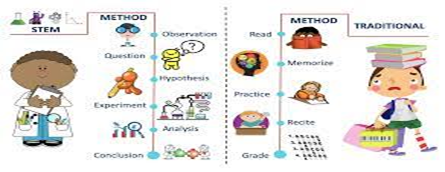
In a standard learning taught by faculties they can give you their knowledge ask them to explore it on your way but mostly pupils memorize concepts that will be totally vanished in this type of system where a machine will broaden every word and concept of subject and explaining the facts deeper by triggering your anxiety to grasp the entire knowledge.

They also become as Book-worms instead of knowing the working behind every concept thus it becomes like mugging/memorizing and vomiting/producing in exam papers just for marks rather than knowledge or skill developed education.

STEM education is the path of future learning making upcoming generation as innovative ones.

These AI models create crucial real-time happenings thus testing their initial level of thinking and providing solutions to the same. By doing this they actually promote their working of brain at a younger age which we call as maturity and experience at small ages.

It is also a known to contribute steps towards economic growth by this deep level thinking knowledge (innovation) which is unique in every kid. That is why each one is special but as they discover their innovative skill it becomes too late for individuals so by enhancing them to bring up their key skills so they are ready to face out life and unavoidable circumstances.

  • Ways to spread an idea to enlarge the importance about it to the Society

There are various ways through which you can advertise and spread the initiative taken by you. The only thing you require is an account in media platforms that will enroll your ads in various random posts that people may be searching for.

 The only purpose of using social media is because the reach is tremendous while compared manually or just by recommendations. You need to focus on how you can market them by discussing their features and how it helps in the improvement of a teenager.

By adding relevant pictures or short clips of the same, people can get to know about the functionalities and capabilities of the system and the working.

Awareness can also be made and posters shall be published to keep a track of viewers and connect with them mutually to improve a knowledge of better learning among several institutions in exploring the skills of a teenager in their adolescent ages that support them vitally.

The base of any product to be recognized is how you explain and elaborate the advantages and benefits that grasps attention to every single student in a whole crowd or in a classroom.

If you are self-motivated to prove and provide minute specifications for the useful machine integrated model (AI/STEM education) it can be an added information for users so they support and promote in various different ways.

  • Social Media Channels

The enlarged platform of these trending applications has several unique features under each portal those are different from one another. From audience till owners of some companies have adopted to this virtual world that helps growing merchants to develop and stand tall of their product.

The only difficulty is not all the things are encouraged in these sites, if you want a product to be wide-spread then its uniqueness and features must grab the reader/visitor’s attention in such a way so they start marketing your brand as an affiliate or recommend your goods in some required places.

 You as a producer can share things that will be helpful for any individual before trying it out. Social platforms like helps you to enrich with the fruitfulness of customers especially YouTube. There are millions of people from various continents utilizing this open platform for various entertainment.

From this article you can get to know some ideas and the importance of the STEM education as an effective way of building up the mental thinking ability by teaching them in a provoking way that enhances of building an IQ that is an advanced level for teenagers to think in a multi-tasking way.

STRATEGY PLANS FOR THE DEVELOPMENT OF INDIA AND ITS ACHIEVEMENTS:

India has achieved self-sufficiency in almost all basic and capital good industries and consumer good industries. There is a considerable rise in net domestic product, saving and investment. Self sufficiency in food grain production is achieved. There is a good deal of diversification in industrial structure.

STRATEGY PLANS :

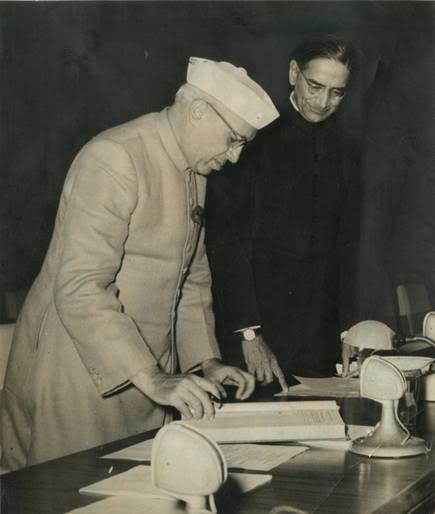
1. Nehru-Mahalanobis Model of Growth: Prof. P.C Mahalabonis is under the guidance of Prime Minister Jawaharlal Nehru developed the heavy industry model based on the Soviet experience. This model is popularly known as Nehru-Mahalanobis model formed the basis of the second plan. Jawaharlal Nehru emphasised that “The development of heavy industry in synonymous with industrialisation”. Mahalanobis was of the opinion that without adequate investment in basic heavy industries, it would not be possible to achieve a rapid self reliant economic growth. to achieve rapid economic growth and self reliance, it is necessary to give the highest priority to basic capital goods industries in the development strategy of a plan. It was during the second plan major steel plants were set up at Durgapur, Bhilai and Rourkela. ONGC, Ranchi Heavy Engineering Corporation, Neyveli Lignite Corporation were also set up during this plan.


JAWAHARLAL NEHRU AND MAHALABONIS

2. Gandhian Model of Growth: Gandhi called his ideal society Sarvodaya. It is a society that ensures the welfare and well-being of all its members. It emphasizes is on all the three components of well being material, mental and more spiritual he believed that “India lives in its villages”. This plan was based on truth and nonviolence. village is considered as the focal point of development and it is considered to be self-sufficient and self regulating economy. Importance given to small scale and cottage industries to reduce unemployment. Mechanization was opposed as it would displaced people out of employment.

3. Wage Goods Strategy of Growth: According to Vakil and Brahmananda, for removal of poverty, promotion of economic growth or capital accumulation alone in is not enough. “The way out of poverty is, therefore, to pay immediate attention to making good the capital gap in respect of wage goods capacity.

4. Rao- Manmohan Model of Growth: This growth model was introduced in 1991 with emphasis on privatisation and globalisation. There was severe economic crisis since 1990 in the Indian economy issues such as low foreign exchange reserves, balance of payments problem, public sector undertaking losses compelled the then Finance Minister Manmohan Singh and Prime Minister P.V Narasimha Rao to initiate various reforms. A market driven and pattern of development was adopted. Manmohan model of development in emphasized a bigger role for the private sector. A strategy of export led growth was propagated rather than import substitution.

5. Providing Urban-Amenities in Rural Areas: A strategy of developing rural areas this model of development was initiated by the former President APJ Abdul kalam. His vision was to transform rural areas and bring it on par with urban areas. Dr. A.P.J Abdul kalam visualised for connectivities namely physical electronic knowledge that would lead to economic connectivity of rural areas. In the first phase The ministry of Rural development implemented seven pirate projects from 2004 to 2005 and 2006 to 2007 with a total outlay of rupees three billion in the states of Assam, Andhra Pradesh, Bihar, Maharashtra, Rajasthan, Orissa and uttar Pradesh. The scheme was also relaunched as a central government scheme during the remaining period of Eleventh five- year plan.

6. Five year plans: From 1947 to 2017, the Indian economy was premised on the concept of planning. This was carried through the Five-Year Plans, developed, executed, and monitored by the Planning Commission (1951-2014) and the NITI Aayog (2015-2017). With the prime minister as the ex-officio chairman, the commission has a nominated deputy chairman, who holds the rank of a cabinet minister. The first year plan was Harrod – Domar model of development economics. FYP had a target of 2.1% PA growth in national income. Top priority was given to the development of agricultural sector. The idea was agricultural development would lead to higher rate of economic growth.

ACHIEVEMENTS:

1. A Higher Growth Rate: The Indian economy has reached rapid development in all sectors. India’s macroeconomic performance has been only moderately good in terms of GDP growth rates.

2. Increase in National Income: The national income of India has increased manifold. The average annual increase in national income was registered to be 1.2% from 1901 to 1947, 3% in 1950-70, 4% in 1970-80, 5% in 1980-90 and 5.8% in 1980-81 to 2000-01. the Gross income is estimated to have risen by 7% during 2016-17 in comparison to the growth rate of 8% in 2015-16.

3. Increase in per capita: Before independence increase in per capita income was almost zero. But after the adoption of economic planning in free India per capita income has continuously be increased.

4. Growth of Economic infrastructure: India’s performance in building up the necessary economic infrastructure is really praiseworthy At the Inception of economic planning, road kilometre was 4 lakh km. India has now more than 3 million km of road network making it one of the largest in the world.

5. Development of Basic and Capital Goods Industries: Major area of success of Indian planning is the growth of basic and capital goods industries. With the adoption of the Mahalanobis strategy of the development during the second plan period some basic and capital good industries like iron and steel witnessed spectacular growth.

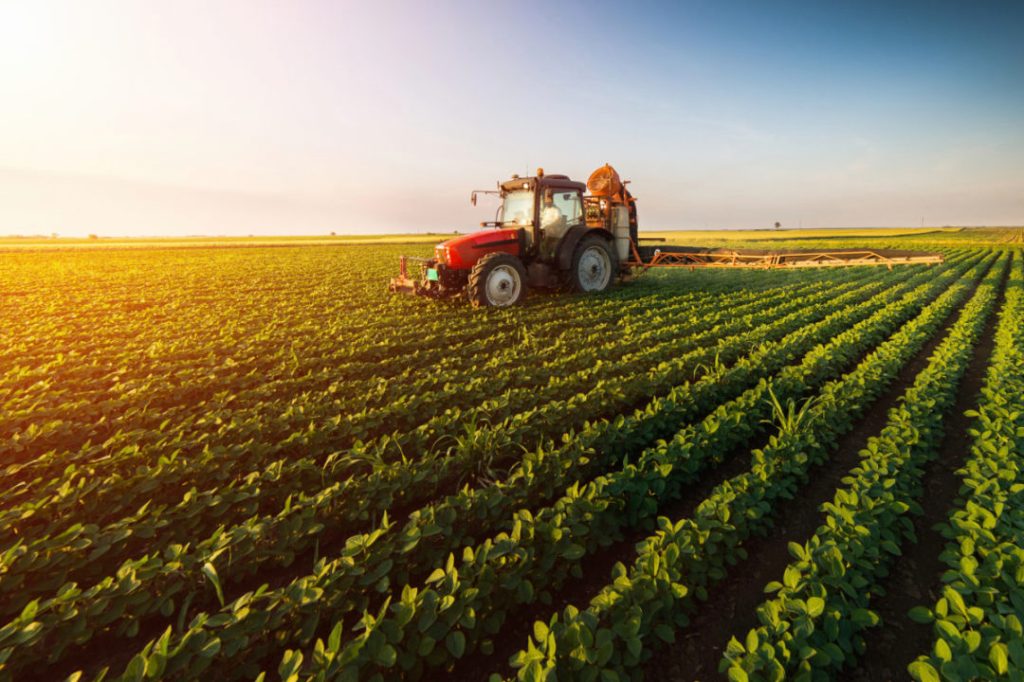
6. Higher Growth of Agriculture: The most significant aspect of India’s five year plans is that their overall rate of growth of food production has now exceeded the rate of growth of population. Although in the early years of planning agricultural performance was measurable resulting in the emergence of food crisis.

7. Savings and Investment: The rise in the domestic savings rate from 10 % of GDP (Gross Domestic Capital) at the initial stages of planning to around 19% in 1980-81 is definitely impressive. The GDP of India has started to increase step by step in the following years and it rose to 36% in 2006 to 2007.

Those strategy plants also faced major failures, in spite of planning, poverty also exists and unemployment has risen. Inequalities of income have not been reduced. There is unequal land ownership, land reforms are inadequately implemented.