Several educational management tools are invaluable for teachers, enhancing efficiency, organization, and communication within classrooms. Here are some top picks:
Google Classroom: This platform integrates seamlessly with Google Workspace (formerly G Suite) and allows teachers to create, distribute, and grade assignments digitally. It facilitates communication with students, provides a centralized location for resources, and offers collaboration features.
Canvas: Canvas is a learning management system (LMS) that offers a wide range of tools for course management, including assignment creation, grading, discussions, and multimedia content integration. It provides a customizable interface and supports mobile access for both teachers and students.
Schoology: Schoology is another popular LMS that streamlines classroom management tasks such as lesson planning, grading, and communication. It offers features for creating interactive assignments, quizzes, and discussions, as well as tools for tracking student progress and performance.
Edmodo: Edmodo is a user-friendly platform that enables teachers to create a virtual classroom environment for engaging students in discussions, assignments, and collaborative projects. It also offers features for parent communication and professional development.
Microsoft Teams: Teams is a collaboration platform that integrates with Microsoft Office 365, providing tools for communication, file sharing, and project management. It allows teachers to host virtual meetings, share resources, and collaborate with students in real time.
ClassDojo: ClassDojo is a communication platform that strengthens the connection between teachers, students, and parents. It offers features for behavior tracking, messaging, and sharing updates and announcements, fostering a positive classroom culture.
Remind: Remind is a messaging app designed specifically for communication between teachers, students, and parents. It allows teachers to send announcements, reminders, and assignments via text message or email, ensuring that important information reaches everyone efficiently.
Nearpod: Nearpod is an interactive presentation platform that engages students with multimedia content, polls, quizzes, and collaborative activities. It allows teachers to create dynamic lessons and assess student understanding in real time.
Kahoot!: Kahoot! is a game-based learning platform that makes learning fun and interactive. Teachers can create quizzes, surveys, and discussions to assess student knowledge and engagement, fostering a competitive yet supportive learning environment.
Flipgrid: Flipgrid is a video discussion platform that encourages student voice and participation. Teachers can create discussion prompts, and students respond with short video clips, promoting communication and collaboration among classmates.
These educational management tools empower teachers to streamline administrative tasks, enhance communication and collaboration, and create engaging learning experiences for their students. By leveraging these tools effectively, teachers can maximize their impact in the classroom and support student success.
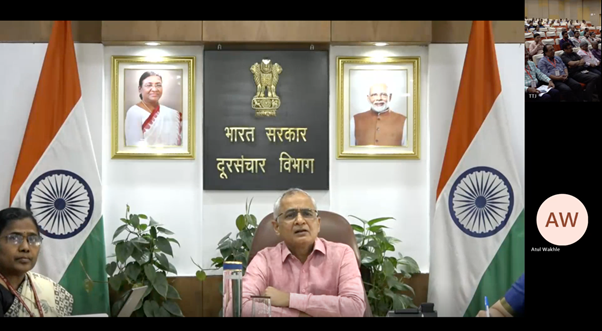
In a move to smoothen the processes for 100 5G Labs across academic institutions in India, Secretary (Telecom), Dr Neeraj Mittal, virtually launched one of the “Experimental Licence module for 100 5G Labs” during a 5G workshop at IIT Madras. This initiative aims to simplify the experimental licence requirements for these institutions, facilitating smoother operations and fostering innovation in the 5G domain.
Department of Telecommunications (DoT) has awarded ‘100 5G Use Case Labs’ to educational institutions across the country. The primary objective behind this initiative is to cultivate competencies and engagement in 5G technologies among students and start-up communities.
These labs will be using 5G frequency bands for carrying out various experiments and testing use cases. Hence, they need to obtain Experimental (Non-Radiating) category of license from the Department of Telecommunication to ensure interference-free operations to licensed TSPs.
This license is currently being issued on “Self-declaration Mode” from the Saralsanchar portal of DoT through National Single Window System (NSWS). Till date around 1500 licenses have been granted since the launch of this module on Saralsanchar portal in July 2021.
As per the current process, applicant has to fill necessary details regarding the experiment to be carried out, schematic of the setup, details of the equipment, frequency band of operation etc. to obtain the experimental license.
The DoT has now introduced a simplified mechanism for issuance of this license through a specific Approval Type, ‘Experimental License for 100 5G Labs’ on the NSWS Portal (https://www.nsws.gov.in/). The key features of the new process are:
Efficiency: This automates the application process by pre-filling technical specifications and schematic details, reducing manual effort and time.
Instantaneous Licensing: Applicants can now obtain the experimental license through a “Self-declaration Mode” and download it instantaneously with a single click, ensuring prompt commencement of operations.
Simplified Application: With only basic information required such as institute address, authorized personnel, and a nominal fee of Rs. 5000, the application process is streamlined, making it more accessible to a wider range of institutions.
Support for Innovation: This initiative is poised to significantly support innovation, cultivate competencies and represents a step forward in democratizing access to 5G technology and empowering educational institutions and startups to explore its potential for transformative applications.
Education stands as a beacon of hope and a pathway to a better future, especially for those born into impoverished circumstances. In the fight against poverty, education emerges as a powerful tool that not only offers immediate benefits but also creates a ripple effect of positive change across generations. The transformative role of education in improving the lives of the poor is multifaceted, addressing economic, social, and individual empowerment aspects.
Breaking the Cycle of Poverty:
Education serves as a key mechanism for breaking the cycle of poverty. By providing individuals with knowledge, skills, and opportunities for personal development, education equips them to escape the constraints of their socio-economic backgrounds. Access to quality education empowers individuals to pursue higher-paying jobs, secure stable employment, and achieve financial independence, thus lifting themselves and their families out of poverty.
Enhancing Economic Opportunities:
Education opens doors to a wide range of economic opportunities that would otherwise be inaccessible to the poor. Through formal schooling, vocational training, and skill development programs, individuals acquire the expertise and qualifications needed to compete in the job market. Moreover, education fosters entrepreneurship by equipping aspiring entrepreneurs with the knowledge and business acumen necessary to start and sustain successful ventures, thereby generating income and creating employment opportunities within their communities.
Promoting Social Mobility and Equality:
Education plays a crucial role in promoting social mobility and equality by leveling the playing field for individuals from disadvantaged backgrounds. By providing equal access to education regardless of socio-economic status, societies can mitigate the disparities that perpetuate poverty and marginalization. Education empowers individuals to challenge systemic inequalities, advocate for their rights, and participate actively in civic and political processes, thereby fostering a more inclusive and equitable society.
Improving Health and Well-being:
Education has a profound impact on health outcomes and overall well-being. Educated individuals are more likely to adopt healthier lifestyles, make informed decisions about healthcare, and access preventive services. Furthermore, education empowers individuals to understand and address pressing health issues such as sanitation, nutrition, and disease prevention within their communities. By promoting health literacy and behavior change, education contributes to improved health outcomes and reduced healthcare disparities among the poor.
Fostering Personal Empowerment and Resilience:
Beyond its socio-economic benefits, education fosters personal empowerment and resilience among the poor. Through education, individuals develop critical thinking skills, self-confidence, and a sense of agency to navigate life’s challenges and seize opportunities for growth. Education instills values such as perseverance, discipline, and adaptability, enabling individuals to overcome adversity and pursue their aspirations despite the odds stacked against them.
In conclusion, the role of education in improving the lives of the poor cannot be overstated. Education serves as a catalyst for socio-economic development, promoting empowerment, equality, and upward mobility among disadvantaged populations. By investing in education, societies can break the cycle of poverty, unlock human potential, and create a more just and prosperous future for all. As Nelson Mandela aptly said, “Education is the most powerful weapon which you can use to change the world.”
Africa, a continent rich in diversity and culture, is also home to some of the most prestigious academic institutions. Over the years, these universities have made significant contributions to research, education, and innovation, both locally and globally. In this article, we’ll delve into the top universities across Africa, highlighting their strengths, rankings, and notable achievements.
Methodology
To identify the top universities in Africa, we refer to various reputable international ranking systems such as QS World University Rankings, Times Higher Education World University Rankings, and Academic Ranking of World Universities (ARWU). These rankings consider factors such as academic reputation, research output, faculty-student ratio, and international outlook.
Top Universities in Africa (2024)
Below is a list of some of the leading universities in Africa, along with their respective rankings as per QS World University Rankings 2024:
Rank
University
Location
1
University of Cape Town
South Africa
2
University of Witwatersrand
South Africa
3
Stellenbosch University
South Africa
4
University of Johannesburg
South Africa
5
Cairo University
Egypt
6
American University in Cairo
Egypt
7
University of Pretoria
South Africa
8
University of Nairobi
Kenya
9
University of Ghana
Ghana
10
Makerere University
Uganda
Insights and Highlights
University of Cape Town (UCT):
Rank: 1st in Africa.
Location: Cape Town, South Africa.
Notable Achievements: UCT is renowned for its research output and academic excellence. It’s consistently ranked as one of the top universities globally.
University of Witwatersrand:
Rank: 2nd in Africa.
Location: Johannesburg, South Africa.
Notable Achievements: Known for its commitment to social justice and impactful research, Wits is a leading institution in Africa.
Cairo University:
Rank: 5th in Africa.
Location: Cairo, Egypt.
Notable Achievements: As one of the oldest and largest universities in Egypt, Cairo University is a hub of academic and cultural significance in the region.
Research Output Comparison
Now, let’s compare the research output of these universities using a pie chart:
This chart illustrates the distribution of research output among the top universities. University of Cape Town and University of Witwatersrand exhibit significant research contributions, reflecting their strong academic programs and faculty.
Conclusion
The top universities in Africa play a pivotal role in shaping the future of the continent through education, research, and innovation. As they continue to excel in various fields, they contribute not only to the advancement of knowledge but also to the socioeconomic development of their respective countries and the continent as a whole.
Several scholarships in the United States specifically target African students. Here are some of the top ones:
Mastercard Foundation Scholars Program: This program provides full scholarships to African students to pursue undergraduate and master’s degrees at partner universities in the United States. It focuses on leadership development and community engagement.
Fulbright Foreign Student Program: Administered by the Bureau of Educational and Cultural Affairs of the United States Department of State, the Fulbright Program provides funding for graduate-level study, research, and teaching in the United States for students from various countries, including African nations.
African Women in Agricultural Research and Development (AWARD) Fellowship: This fellowship program aims to strengthen the research and leadership skills of African women in agricultural sciences. It provides opportunities for postgraduate training and research at various institutions in the United States.
Aga Khan Foundation International Scholarship Program: While not exclusively for African students, this program provides scholarships to outstanding students from developing countries, including many African nations, to pursue postgraduate studies in the United States.
Master’s in Development Practice Fellowship at Columbia University: This fellowship program at Columbia University offers partial to full tuition scholarships to students from low and middle-income countries, including African nations, to pursue a Master’s in Development Practice degree.
Rotary Foundation Global Grant Scholarships: These scholarships support graduate-level coursework or research for one to four academic years. Rotary Clubs and Districts worldwide offer these scholarships to students pursuing careers in fields related to Rotary’s mission, including peace and conflict resolution, disease prevention and treatment, water and sanitation, maternal and child health, basic education and literacy, and economic and community development.
The Africa-America Institute (AAI) Scholarships: AAI offers scholarships to African students for undergraduate, graduate, and doctoral studies in the United States. The scholarships are awarded based on academic achievement and financial need.
Joint Japan/World Bank Graduate Scholarship Program: This program awards scholarships to individuals from World Bank member countries, including several African nations, to pursue graduate studies in development-related fields at universities around the world, including the United States.
These scholarships provide opportunities for African students to pursue higher education in the United States and contribute to their home countries’ development upon completion of their studies.
“Life is as dear to a mute creature as it is to a man. Just as one wants happiness and fears pain, just as one wants to live and not to die, so do other creatures.” – Dalai Lama
Is being human a privilege? This is the question that strikes the mind when regular occurrences of animal abuse are brought into the news, the recent one being the violent assault of a dog at a pet clinic in Mumbai.
We, humans, the species with highly evolved minds, the backbone of existence, and yet so oblivious about how futile our existence is for the world at large. Millions of years of evolution and here we are, assaulting helpless creatures for establishing the supremacy of our race. Why do we think so highly of ourselves? Do we inherently believe that the earth would stop revolving around the sun if humans ceased to exist? How come are we so fixated on this bubble of denial that all the lifeforms, the flora and fauna, and the whole of nature were barely striving to survive without us and would not flourish on their own?
The recent cases can shake a normal human to the core- a dog being mercilessly punched by two groomers, a lactating mother beaten to death by a mob of people, a street dog tied by a doctor to his car and dragged along for miles, doctors- who apparently should be recognized as Gods and to top them all- animals being raped by deranged humans. These cases give a reality check about the standard of society to which we are heading. Cinema constantly loves to reflect on the idea of a dystopian future for the human race, where freely breathing would be beyond the realm of reason and meanwhile, every species has been cursed to live its present in this constant dystopia owing to our actions, the actions of the most supreme beings.
The laws punishing the abuse of animals in our country are so fragile that one with sadistic tendencies ought to commit the crime repeatedly, for a few moments of amusement.
In India, it is the fundamental duty of every citizen to have compassion for all living creatures. The Indian Constitution recognizes animal rights under Article 51(A)(g) and Article 48(A), which mandate every Indian citizen to show compassion towards animals and wildlife.
Article 48A: The state shall endeavour to protect and improve the environment and safeguard the wildlife.
Article 51(A)(g): To protect and improve the natural environment, including forests, lakes, rivers, and wildlife, and to have compassion for living creatures.
Fundamental duties in the constitution of India are not legally binding upon the citizens, hence these are as good as the textbooks of moral values of a primary student. You won’t get punished if you refuse to follow these duties.
Under the Prevention of Cruelty to Animal Act, of 1960, The punishments can vary from a fine of Rs.10 to a fine of Rs.50 and sometimes the culprit may also be imprisoned for a period of three months or more. Section 428 states that any person who commits a cruel act such as killing, poisoning, or rendering useless any animal of the value of Rs.10 or more shall be imprisoned for 2 years including a fine in most cases.
It is to be noted that imprisonment rarely occurs in these cases and usually the culprits are out on bail, the same day they are arrested by paying a “hefty” fine of Rs.50. This is the cost of the life of an animal- mere Rs. 50.
The silent, voiceless beings around us ask for nothing- not your sympathy, not your mercy. Just for you to live and let them live. Is it too much to ask for? It is not arduous and certainly not incomprehensible for us to respect the lifeforms that were initially responsible for the creation of the whole of life as it is today. Live and let live.
“There is little that separates humans from other sentient beings. We all feel joy, we all crave to be alive and to live freely and we all share this planet together.” – Mahatma Gandhi
“Quality Education” the fourth goal among the seventeen Sustainable Development Goals (SDG) outlined by the United Nations, is “to ensure inclusive and equitable quality education and promote lifelong learning opportunities for all”. These descriptions are remarkably similar to the focus identified through this research and, with this in mind, the three dimensions of this research are further explained as being; (1) the ‘Importance of Interaction’ – referring to the various levels of interaction between individuals within the school environment, accounting for behaviour, atmosphere, and types of communication, (2) the ‘Dynamics of Individuation’ – referring to the way in which the differing needs of individuals are personalised and catered for, accounting for classroom pedagogical approaches and student diversification, and (3) the ‘Need for Psychological Support’ – referring to the way in which individuals within the school and the school as a whole is supported by its community, from both an educational and psychological perspective. By suggesting that these research directions are intertwined concepts, they propose a holistic observation of contributing factors that influence the educational process.
This assessment could be used to identify teacher strengths from a personal, interpersonal, psychological, and pedagogical perspective. The Questionnaire of Teacher Interaction (QTI), Technological Pedagogical and Content Knowledge (TPaCK), and Mental Health Inventory (MHI) were used in the pilot study and were considered to be suitable for the needs of this research stage.
The ‘Educational Bubble’
In a recent talk, Seema Bansal (2016) mentioned being asked by the then head of the Department of Education in the state of Haryana (India), for help in addressing issues in their public schools. These ‘issues’ ranged in detail and complexity, including that up to 50% of students fall so far behind their peers before the age of eleven that they will be unable to recover. Despite public schools offering free meals or books to students, it was also found that 40% of parents would pull their children out of these public schools and register them into private schools. Bansal (2016), representing BCG (Boston Consulting Group), was asked to assist in the education renovation of an Indian state of Haryana, which consists of 15,000 public schools with over 2 million students. Bansal mentions needing to uncover the factors that have caused the educational issues in the first place and, in identifying the goals necessary to develop strategies for reaching this particular goal, decided to go directly into classrooms and observe the way educators were teaching. Reporting that the problem within Indian schools was the quality of education, not access to education, mentions that Bansals’ BCG team devised a three-year plan that was based around student learning outcomes and explicit focusing of accountability, data systems, and organizational capacity.
Bansal (2016) reports that Haryana teachers were very capable of teaching a class but, the majority of their time was spent outside of the classroom; this was interesting as, before physically entering a classroom, non-educators had apparently viewed teachers being ‘lazy’ or ‘incapable’. Although Bansal (2016) reported teachers not necessarily teaching, she mentions that it was because they were supervising the construction of new classroom buildings, supervising the cooking of student lunches, or visiting a bank to deposit scholarship money for students. This particular insight was (and is) incredible; Bansal asked teachers why they were not teaching and the teachers answered by saying that “when a supervisor comes to visit us, these are exactly the things that he checks” (5:29). This particular finding shows that in the provision of government programmes in Haryana, designed to motivate students to stay in school and give greater access, had become an additional point of accountability for teachers and had started to impede classroom instruction. Seeing this as an issue, Bansal and her team began to look at the literature at various educational programmes and pilot programmes that have been shown to improve instructional practice. However, what a large proportion of individuals fail to recognise is how the implementation of these programmes will always come at a cost. For example, schools that take part in a pilot that explores the use of innovative technologies on student learning might show that this programme does indeed result in higher levels of academic outcomes.
In Bansal’s (2016) talk she mentions that, with regards to studies and interventions, researchers will typically bring in resources such as money, experience, research assistants, or products. Unless researchers intend to roll out this innovation across every classroom in the country, the findings are most likely going to be un-scalable, ungeneralisable, unusable, and does not reflect a real-world classroom setting. It has been previously mentioned that “teaching requires being responsive to real-world conditions and constraints that shape the activities of the classroom and students” (Motoca et al., 2014, pg. 120). This view is similar to schools being ‘learning organisations’ where the “emphasis of research might be more upon the selection and differentiation of pupils and on their subculture rather than on the authority structure or the decision-making processes within the school” (Bell, 1980, pg.183). Hamzah, Yakop, Nordin and Rahman (2011) explain that, like all organisations, there is a strong emphasis on schools to adapt to their surroundings, encourage flexibility, and to be responsive to the various societal and cultural changes across an educational landscape.
While there is a large body of evidence favouring schools as learning organisations (Mulford, 1997; Stoll and Fink, 1996), research concerning how a school should go about this change is not as prevailing (Silins, Zarins, & Mulford, 2002). While it is clear that there are similarities between a school and an ‘organisation’, both have structure, both have management, there is leadership, interaction, and varying levels of accountability, it is also clear that many factors influence the way in which both operate. Johnston (1998) sought to investigate the key characteristics that involved a school identifying itself as being a ‘learning organisation’. Although focusing exclusively on post-primary schools based in Austrailia, it was found that inclusive, collaborative structures, effective communication channels, integrated professional development, and learning-focused leadership were the four main characteristics of schools being one of these ‘learning organisations’.
Under the three guiding topics of this research, explicitly outlined through questions and hypotheses, this current research sought to discover what the Irish educational environment needs and how a piece of research could be used practically to support school systems and the individuals within them. This research is looking towards the perception of a school being a learning organisation; considering the way which Silins, Zarins and Mulford’s (2002) express the four factors of ‘learning organisations’ above. These descriptions are remarkably similar to the focus identified through this research and, with this in mind, the three dimensions of this research are further explained as being; (1) the ‘Importance of Interaction’ – referring to the various levels of interaction between individuals within the school environment, accounting for behaviour, atmosphere, and types of communication, (2) the ‘Dynamics of Individuation’ – referring to the way in which the differing needs of individuals are personalised and catered for, accounting for classroom pedagogical approaches and student diversification, and (3) the ‘Need for Psychological Support’ – referring to the way in which individuals within the school and the school as a whole is supported by its community, from both an educational and psychological perspective. By suggesting that these research directions are intertwined concepts, they propose a holistic observation of contributing factors that influence the educational process.
While research in an Irish context has found that only 33.1% of schools regularly engage with SSE (Brown, 2010), this dispute between the DES and teaching unions will cause frustration, anxiety, and confusion throughout the educational community. The SSE is a thorough research process that requires considerable resources, the problem is one of ‘lack of support’, almost mirroring the issues faced by Bansal’s (2016) team in Haryana. Additionally, this lack of support echoes in other ways. For example, on 30th of March 2016, the INTO released a press release that argued against the cut in government funding for education and highlighted that schools are being forced to fundraise themselves, that they are “kept running on cake sales, raffles and sponsored walks” (2016b), despite having no empirical evidence to support.
3.6. Conclusion – The Individualised Teacher Report
This claim within the press release itself, it does clearly articulate the many problems experienced in Irish Education.
Despite focusing on the individual educator, rather than the collective school environment, this Ph.D. project somewhat resembles the development of a self-evaluation process; it requires educators to compete measures that evaluate their subjective instructional and psychological resources. Although the issues surrounding self-evaluation may be a possible limitation, this research would argue the opposite. This study could provide a process that allows schools to self-evaluate in a way that takes the workload away from schools, provides tailored feedback to individual educators, has a standardised methodological approach, and is evidence based and research driven. A new model of self-evaluation may be considered a momentous task; however, it is not beyond the scope of this project.
According to Collins and Pratt (2011), “there is a move to adopt a single, dominant view of effective teaching … [where] teachers are asked to reflect on who they are and how they teach but with an implied message that reflection should conform to some preconceived notion of a ‘good’ teacher” (pg. 359). It is naïve to assume that there is a ‘single view’ of what it means to be an effective educator, as the requirements and needs of one classroom group will differ that than of another. What is arguably more appropriate for education, rather than training educators to teach in the same way and conform to a preconceived notion of what a ‘good teacher’ is, is to encourage and train teachers to be self-reflective and adapt their teaching to suit the needs of their students. Boud, Keogh, and Walker (1985) mentioned that reflective practice is an important human activity where provision is given for individuals to recapture their experiences and evaluate them to improve on one’s abilities. One consistency throughout the literature of educator training and interaction is the importance of self-reflection; Paterson and Chapman (2013), for example, argue that self-reflection that motivates an individual to learn from their experiences and is the key towards the maintenance and development of competency throughout their work practices. Others, such as or Hendrickx et al. (2016), mentions that reflective teachers who are aware of their influence on student behaviour can tailor their interactions to benefit their instructional practices.
According to Patil (2013), reflective practices are self-regulated processes that aim to enhance an individuals’ ability to communicate and make balanced decisions. Educational researchers, such as Valli (1997), describe reflective teachers as being individuals that can “look back on events, make judgments about them, and alter their teaching behaviors in light of craft, research, and ethical knowledge” (pg. 70). Other researchers argue that reflective action “involves intuition, emotion, and passion and is not something that can be neatly packaged as a set of techniques for teachers to use” (Zeichner & Liston 1996, pg. 9). These quotes would suggest that reflective practice in education is an ideal that pedagogics and educational researchers would encourage teachers to become accustomed to, but that the practical implementation of may be somewhat difficult to achieve.
Kay and Johnson (2002), speaking about the University of Washington’s teacher education programme, mention that the reflective seminars and completion of reflective portfolios are a useful method to provide support to student teachers in developing the skills necessary to reflect on their practices. Kay and Johnson (2002) do mention that the limitation of these methods is the way they categorise dimensions of reflection into a teachable concept, or that the use of typologies naturally constrain teachers towards ‘thinking like a teacher’. But, similar to Pratt and Collins (2010) view of the TPI, the concept of using this approach as a tool is quite useful. Without the opportunity and a way for teachers to systematically reflect on their instructional practices, they may be unable to view the importance of their instructional decisions, interactions, and relationships with students.
REFERENCES:
Bansal, S. (2016, May). TED Paris: How to fix a broken education system without any more money. Retrieved 1/7/2016 from TED.com at https://www.ted.com/talks/ seema_bansal_how_to_fix_a_broken_education_system_without_any_more_money?language=en.
Motoca, L. M., Farmer, T. W., Hamm, J. V., Byun, S. Y., Lee, D. L., Brooks, D. S., … & Moohr, M. M. (2014). Directed consultation, the SEALS model, and teachers’ classroom management. Journal of Emotional and Behavioural Disorders, 22(2): 119-129.
Bell, L. A. (1980). The School as an Organisation: a re‐appraisal. British Journal of Sociology of Education, 1(2), 183-192.
Hamzah, M., Yakop, F. M., Nordin, N. M., & Rahman, S. (2011). School as learning organisation: The role of principal’s transformational leadership in promoting teacher engagement. World Applied Sciences, 14, 58-63.
Mulford, B. (1998). Organisational learning and educational change. In A. Hargreaves, A. Lieberman, M. Fullan and D. Hopkins (Eds). International Handbook of Educational Change. Norwell, MA: Kluwer Academic Publishers.
Silins, H., Zarins, S., & Mulford, W. R. (2002). What characteristics and processes define a school as a learning organisation? Is this a useful concept to apply to schools? International Education Journal, 3(1): 24-32.
Johnston, C. (1998). Leadership and the learning organisation in self-managing schools. Unpublished doctoral dissertation, University of Melbourne, Victoria.
Brown, (2010). A mixed methods analysis of a mixed methods system: attitudes of Post Primary school Principals to internal/external evaluation: The Case of Ireland. Cited In McNamara, G., & O’Hara, J. (2012). From looking at our schools (LAOS) to whole school evaluation-management, leadership and learning (WSE-MLL): the evolution of inspection in Irish schools over the past decade. Educational Assessment, Evaluation and Accountability, 24(2), 79-97.
Collins, J. B., & Pratt, D. D. (2011). The teaching perspectives inventory at 10 years and 100,000 respondents: Reliability and validity of a teacher self-report inventory. Adult Education Quarterly, 61(4); 358-375.
Boud, D., Keogh, R., & Walker, D. (1985). Reflection, Turning Experience into Learning. Routledge.
Paterson, C., & Chapman, J. (2013). Enhancing skills of critical reflection to evidence learning in professional practice. Physical Therapy in Sport, 14(3): 133-138.
Hendrickx, M. M., Mainhard, M. T., Boor-Klip, H. J., Cillessen, A. H., & Brekelmans, M. (2016). Social dynamics in the classroom: Teacher support and conflict and the peer ecology. Teaching and Teacher Education, 53, 30-40.
Patil, S.S.J. (2013). Reflective practice in education. Global Online Electron Int Interdi Res J, 2(1): 356-358.
Valli, L. (1997). Listening to other voices: A description of teacher reflection in the United States. Peabody Journal of Education, 72(1): 67–88.
Zeichner, K. M., & &Liston, D. P. (1996). Reflective teaching: An introduction. Mahwah, New Jersey: Lawrence Erlbaum Associates.
Johnson, B.R., & Kay, A.J. (2002). Mixed Methods Research: A Research Paradigm whose Time Has Come. Educational Researcher, 33(7): 14-26.
Several universities around the world offer doctoral and post-doctoral programs in the fields of Health Economics, Economic Integration, and Sustainable Development. These programs are designed to equip students with advanced knowledge and research skills to address the complex challenges related to healthcare systems, economic cooperation, and sustainable practices. Here are some notable universities known for their expertise in these areas:
Harvard University – USA:
Programs: Harvard offers a Ph.D. in Health Policy, which covers Health Economics as a major component. They also have programs in Economics and Sustainable Development.
Research Focus: The university emphasizes interdisciplinary research, exploring the intersection of health, economics, and sustainability.
University of California, Berkeley – USA:
Programs: UC Berkeley provides a Ph.D. in Health Policy and Management, as well as programs in Environmental Economics and Sustainable Development.
Research Focus: The university is renowned for its research on health policy, environmental economics, and sustainable urban development.
Erasmus University Rotterdam – Netherlands:
Programs: Erasmus offers a Ph.D. in Health Economics and Management. Additionally, they have programs focusing on International Economics and Sustainable Development.
Research Focus: The university is recognized for its contributions to health economics research and its commitment to sustainability.
London School of Economics and Political Science (LSE) – UK:
Programs: LSE provides a Ph.D. in Health Policy, Economics, and Management. They also have programs related to International Economics and Sustainable Development.
Research Focus: LSE is known for its rigorous research in health economics and its exploration of economic integration and sustainable policies.
University of Geneva – Switzerland:
Programs: The University of Geneva offers a Ph.D. in Economics, with specializations in Health Economics, Economic Integration, and Sustainable Development.
Research Focus: The university is situated in a hub for international organizations, allowing students to engage in cutting-edge research on economic integration and sustainability.
University of Tokyo – Japan:
Programs: The University of Tokyo provides doctoral programs in Health Economics and Environmental Economics, contributing to the broader field of sustainable development.
Research Focus: The university is known for its research on the economic aspects of healthcare systems and its commitment to environmental sustainability.
University of Sydney – Australia:
Programs: The University of Sydney offers a Ph.D. in Health Economics and programs in International Economics and Sustainable Development.
Research Focus: The university conducts research addressing health policy challenges, economic integration, and sustainable development, particularly in the Asia-Pacific region.
These universities stand out for their commitment to advancing knowledge in Health Economics, Economic Integration, and Sustainable Development, offering students opportunities to engage in impactful research and contribute to addressing global challenges in these critical areas. Prospective students should explore specific program details, faculty expertise, and research opportunities when considering these institutions for their doctoral or post-doctoral studies.
body {
font-family: Arial, sans-serif;
line-height: 1.6;
margin: 20px;
}
    h1 {
        color: #333;
    }

    img {
        max-width: 100%;
        height: auto;
        margin-bottom: 15px;
    }

    .rating {
        display: inline-block;
        unicode-bidi: bidi-override;
        color: #888;
        font-size: 24px;
        height: 1em;
        position: relative;
    }

    .rating span {
        display: inline-block;
        position: absolute;
        overflow: hidden;
        color: #FFD700;
    }

    .rating input {
        display: none;
    }

    .rating label {
        cursor: pointer;
        width: 1em;
        font-size: 24px;
        text-align: center;
        line-height: 1.6;
    }

    .rating label:before {
        content: '★';
    }

    .rating input:checked ~ label,
    .rating input:checked ~ label ~ label {
        color: #FFD700;
    }


<h1>Embark on a journey through an array of educational portals that cater to various facets of learning, research, and literary exploration in the digital age. Join us as we explore these platforms individually, each contributing uniquely to the wealth of knowledge available at our fingertips.</p><div class="separator" style="clear: both;text-align: center"><a href="https://blogger.googleusercontent.com/img/b/R29vZ2xl/AVvXsEjestI42kejgV-Nd97VDDinfio3JQTw4K85fe3XW4s7i5GFoexgDZdKE4I0UbHU0fNHcMFarKs6-NJ24PZjOxF06rlR2uJz5NWKDfPnoWAyoMPHezfwAPsiS2WTcuRf2STi1r7VqGHvG2Gj92rrzcJFCNQeHHJp1fZiQJi1iYmBUeeOuXAOpdSMTk90NMQ/s600/education-portal1.jpg" style="margin-left: 1em;margin-right: 1em"><img border="0" height="426" src="https://blogger.googleusercontent.com/img/b/R29vZ2xl/AVvXsEjestI42kejgV-Nd97VDDinfio3JQTw4K85fe3XW4s7i5GFoexgDZdKE4I0UbHU0fNHcMFarKs6-NJ24PZjOxF06rlR2uJz5NWKDfPnoWAyoMPHezfwAPsiS2WTcuRf2STi1r7VqGHvG2Gj92rrzcJFCNQeHHJp1fZiQJi1iYmBUeeOuXAOpdSMTk90NMQ/w640-h426/education-portal1.jpg" width="640" /></a></div><br /><p>
Eduindex (https://eduindex.org/):
Eduindex serves as a comprehensive educational hub, offering a vast array of academic articles and research papers. This platform is a valuable resource for learners and scholars seeking insights and resources across diverse topics.
International Journal of Research (http://internationaljournalofresearch.com/):
For those engaged in scholarly pursuits, the International Journal of Research stands as a distinguished platform. It provides a global space for academicians and researchers to publish their findings and foster knowledge exchange.
Pen2Print (http://www.pen2print.org/):
Venturing into the world of literary expression, Pen2Print is a versatile platform for authors and writers. Specializing in both print and digital publications, this site encourages creativity and the sharing of literary works.
Edupedia Publications (http://edupediapublications.org/):
Edupedia Publications takes us into the realm of academic publishing, acting as a bridge between researchers and readers. This platform is dedicated to the dissemination of scholarly content and contributing to academic discourse.
International Journal of Research (http://internationaljournalofresearch.org/):
Returning to the International Journal of Research, we delve deeper into its commitment to academic excellence, facilitating high-quality research across various fields of study.
Track2Training (http://track2training.com/ and http://track2training.org/):
Moving into the arena of skill development and training, Track2Training serves as a valuable resource with dual online presences. It offers courses, insights, and opportunities for personal and professional growth.
Edupedia Publications (http://edupediapublications.com/):
Edupedia Publications, with its additional domain, reinforces its dedication to scholarly communication, facilitating the exchange of knowledge through various channels.
Sahitya Samhita (http://sahityasamhita.org/):
Transitioning into the world of literature, Sahitya Samhita celebrates creativity. This platform provides a space for writers and enthusiasts to explore and showcase their literary prowess.
EduPub (www.edupub.org):
Our journey concludes with EduPub, a multifaceted platform encompassing education and publishing. EduPub contributes to the educational landscape by offering a broad range of resources and services.
In this interconnected digital era, these educational portals stand as pillars of knowledge, collectively contributing to the growth and enlightenment of individuals worldwide. Whether you are a student, researcher, writer, or enthusiast, these platforms offer a wealth of resources to explore, enhancing your understanding of the vast world of academia.
Is it easy to stick to being an aspirant for several years? I guess it’s the toughest job not everyone understands. Because when you become an aspirant of any competitive exam you just delve into the field and keep on hustling. But when you don’t succeed what then? Then either you lose yourself or leave the preparation.
One who doesn’t lose themselves and shines back again and restarts; is the true Aspirant I believe. Life cannot be an easy road to travel it will always have thorns to break you and hurt you. It’s on us how we deal with it and move forward, as the person who struggles then falls back and then again stands up is the one for whom everyone stands up and applauds.
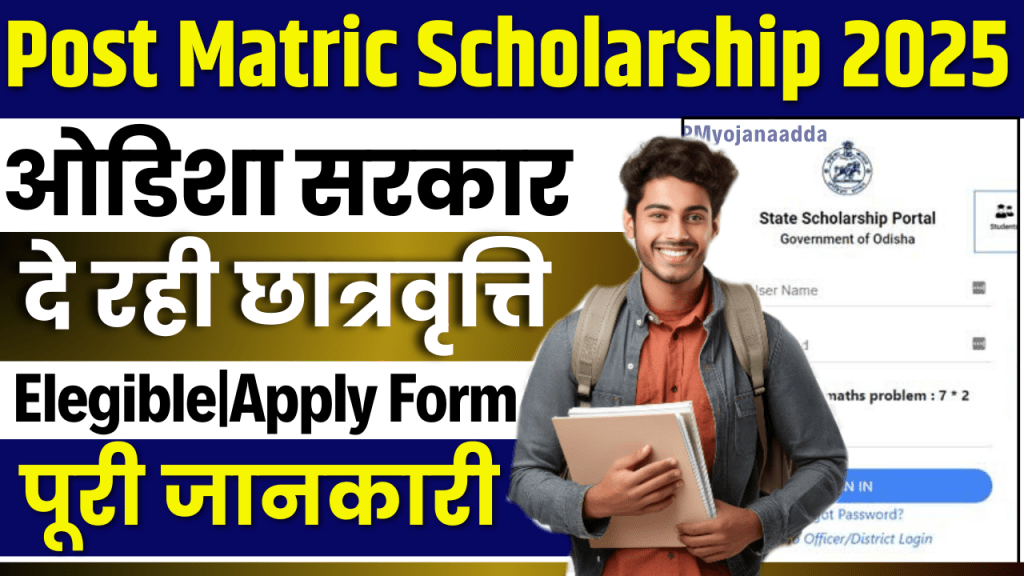
The Post Matric Scholarship Scheme for Scheduled Castes, Scheduled Tribes, and Other Backward Classes is a significant initiative of the Government of India designed to provide financial assistance to students from economically weaker sections of society for pursuing post-matriculation education. Below are detailed aspects of this scheme:
1. Objective
The primary objective of the scheme is to remove financial barriers for students belonging to marginalized sections so that they can continue higher education after matriculation (Class 10). It aims to increase the literacy rate and reduce drop-out rates among these categories.
2. Target Beneficiaries
The scheme targets students belonging to:
Scheduled Castes (SC)
Scheduled Tribes (ST)
Other Backward Classes (OBC)
In some cases, students from Economically Backward Classes (EBC) may also be covered under certain states’ schemes.
3. Eligibility Criteria
Nationality: The applicant must be an Indian citizen.
Education Level: The student must have passed Class 10 and be pursuing studies in post-matriculation (Class 11 and above) up to postgraduate or professional courses.
Annual Family Income:
For SC/ST students: Family income should generally not exceed ₹2.5 lakhs per annum.
For OBC students: Family income limit is typically around ₹1 lakh to ₹1.5 lakhs per annum, depending on the state.
4. Scope of Assistance
The assistance covers:
Maintenance Allowance: Monthly financial aid for lodging and boarding.
Tuition Fees: Full reimbursement or payment of tuition and other compulsory fees charged by the educational institution.
Book and Equipment Allowance: For students enrolled in professional courses.
Special Allowance: For students with disabilities to support their educational needs.
Study Tours and Thesis Preparation Allowance: Provided under certain conditions.
5. Key Features
Direct Benefit Transfer (DBT): The scholarship amount is transferred directly to the bank account of the eligible students.
Renewal of Scholarships: Students need to apply for renewal each year provided they fulfill the academic requirements.
Categorization of Courses: The amount disbursed depends on the level and category of the course. Courses are divided into groups such as Group I (engineering, medical), Group II (nursing, pharmacy), etc.
6. Application Process
Online Registration: Most states and institutions require students to register online through national or state-level portals like the National Scholarship Portal (NSP).
Submission of Documents:
Caste certificate
Income certificate
Academic certificates
Bank passbook details
Aadhaar card
Verification Process: Applications are verified by the educational institution and state authorities before approval.
7. State and Central Responsibility
The Central Government bears 100% of the expenditure for SC and ST scholarships in Union Territories and a significant portion in other states.
State Governments share the expenditure for OBC scholarships.
8. Challenges and Reforms
Some challenges with the scheme include delays in fund disbursement, non-compliance by institutions, and lack of awareness. Efforts are being made to simplify the process and ensure timely payments through technology-enabled platforms like the NSP and integrating Aadhaar for verification.
The Post Matric Scholarship Scheme plays a crucial role in enabling students from disadvantaged backgrounds to access higher education, thereby promoting social equity and empowerment. It has a significant impact on reducing drop-out rates and improving the socio-economic conditions of marginalized communities.
References
Lama, M. (2019). An Evaluation of the Post Matric Scholarship Scheme provided to the tribal students of Darjeeling Municipality. International Journal of Advanced Scientific Research and Management, 4(4), 155-161.
Sikligar, P. C., & Madurai, N. V. (2006). Provision of Post Matric Scholarship for Development of Weaker Sections: A Study in Andhra Pradesh and Pondicherry. Indian Journal of Public Administration, 52(2), 190-201.
Sharma, S. N. Unveiling the Benefits of Turnitin Software in Academic Writing.
Sharma, S. N. (2018). Transformation of Aspirational Districts Programme: A Bold Endeavor Towards Progress. Think India Journal, 21(4), 197-206.
Umapathi, A., & Venkatramana, C. Higher Education Opportunities in Enhancing Capabilities–The Case of Reimbursement of Tuition Fee Scheme under Post-Matric Scholarships in Andhra Pradesh, India (2008–2012).
Attending college offers a multitude of benefits that extend beyond acquiring knowledge within a specialized field. Here are several key advantages:
Higher Earning Potential: College graduates typically earn higher salaries than those with only a high school diploma. A degree can significantly enhance career opportunities and earning potential over a lifetime.
Expanded Career Opportunities: A college education opens doors to a broader array of career paths. Many professions require specialized knowledge and skills that are obtained through higher education.
Personal Growth and Development: College fosters personal growth by encouraging critical thinking, problem-solving, and decision-making skills. It’s an environment that promotes independence, responsibility, and self-discovery.
Networking and Social Connections: College provides an invaluable opportunity to connect with a diverse range of people, including professors, peers, and professionals. These connections often translate into lifelong friendships and professional networks.
Enhanced Skill Set: Beyond subject-specific knowledge, college hones various skills like communication, teamwork, time management, and research abilities that are invaluable in both professional and personal spheres.
Access to Resources and Facilities: Colleges offer access to libraries, laboratories, research facilities, and expert faculty, providing resources essential for in-depth learning and skill development.
Cultural Exposure and Diversity: Colleges are melting pots of cultures, beliefs, and perspectives. Exposure to this diversity enriches one’s understanding of the world and fosters a global mindset.
Opportunities for Innovation and Entrepreneurship: Colleges often encourage innovation and entrepreneurship through research programs, startup incubators, and partnerships, fostering a culture of creativity and problem-solving.
Higher Job Stability: College graduates tend to have more job stability and are often better equipped to adapt to changing job markets due to their diverse skill set and adaptability.
Personal Fulfillment and Confidence: Achieving a college degree instills a sense of accomplishment and confidence. It often leads to increased satisfaction and a sense of fulfillment in one’s personal and professional life.
While the benefits of attending college are vast, the experience and outcomes can vary for each individual. Nonetheless, higher education remains a transformative journey that equips individuals with skills, knowledge, and opportunities that can shape their futures in numerous positive ways.
Educational videos have become an integral part of modern learning methodologies, offering a myriad of benefits that significantly enhance the educational experience:
Visual Learning Aid: Videos engage visual and auditory senses simultaneously, making complex concepts more understandable and memorable. They cater to various learning styles, aiding visual learners by illustrating concepts in a tangible, relatable manner.
Enhanced Comprehension: Abstract or intricate topics are simplified through animations, demonstrations, and real-life examples, fostering deeper understanding and comprehension among learners.
Accessibility and Convenience: Educational videos can be accessed anytime, anywhere, making learning more convenient and flexible. Learners can revisit content, pause, rewind, or fast-forward at their own pace, facilitating self-paced learning.
Engagement and Retention: Videos captivate attention and maintain engagement, reducing boredom and fatigue commonly associated with traditional lectures. Dynamic visuals, storytelling, and interactive elements help in retaining information more effectively.
Global Reach and Diversity: They provide access to diverse perspectives, global experts, and resources that might not be readily available in a local setting. This exposure broadens horizons and enriches learning experiences.
Adaptability and Personalization: Educational videos can be tailored to different proficiency levels, allowing educators to cater to individual learning needs. They offer the flexibility to modify content, language, and pace to suit diverse audiences.
Facilitate Conceptualization and Application: Complex theories or practical subjects are made tangible through visual representations, aiding in the application of knowledge to real-world scenarios.
Improved Collaboration and Interaction: Videos can be used as a catalyst for discussions, collaborative projects, or interactive activities among students, fostering a more engaging and participative learning environment.
Cost-Effective and Sustainable: Compared to traditional teaching materials, educational videos can be a cost-effective solution for educational institutions. They can be reused, updated, and shared without significant additional expenses.
Technological Integration: As technology advances, educational videos evolve with interactive elements, virtual reality, augmented reality, and gamification, making learning more immersive and interactive.
In essence, educational videos revolutionize learning by offering a dynamic, engaging, and versatile medium that empowers learners, educators, and institutions alike in the pursuit of knowledge acquisition and skill development.
“EduPub” refer to an educational publishing company or platform. Educational publishing involves the creation, development, and distribution of educational materials, including textbooks, academic journals, e-books, and other educational resources. Many educational publishers operate with the goal of providing quality content to support learning and education at various levels, from primary school to higher education.
Here are some aspects that an organization named “EduPub” focus on:
Educational Content Creation:
EduPub engage in the creation of educational content, which may include textbooks, reference materials, and digital resources. The organization might collaborate with authors, subject matter experts, and educators to develop content that aligns with educational standards and curricula.
Digital Platforms and E-Learning:
In the modern era, educational publishing often extends to digital platforms and e-learning solutions. EduPub might offer online resources, interactive learning modules, or e-books to facilitate digital learning experiences for students and educators.
Open Access Journals:
Edupub publishing focus on open-access academic journals, allowing researchers and academics to access scholarly articles and research findings without financial barriers. EduPub could potentially be involved in the publication of open-access journals in various academic disciplines.
Conference Proceedings:
Educational publishers often publish conference proceedings, compiling research papers and presentations from academic conferences. This dissemination of knowledge contributes to the sharing of research findings within specific academic communities.
Custom Publishing Solutions:
EduPub might offer custom publishing solutions for educational institutions, allowing them to create tailored educational materials that suit their specific curriculum and teaching requirements.
International Collaboration:
Educational publishing entities often engage in international collaboration, working with authors, researchers, and educators from around the world. This global perspective can enrich the content and contribute to a diverse range of educational resources.
EduPub has the mission and focus of the providing affordable publication services to scholars. EduPub is a specific entity, you may want to visit its official website or contact the organization directly for the most accurate and up-to-date information about its activities and offerings.
King\’s College London is one of the top 25 universities in the world (2016/17 QS World University Rankings) and among the oldest in England. King\’s has more than 27,600 students (of whom nearly 10,500 are graduate students) from some 150 countries worldwide, and some 6,800 staff.
King\’s has an outstanding reputation for world-class teaching and cutting-edge research. In the 2014 Research Excellence Framework (REF) King’s was ranked 6th nationally in the ‘power’ ranking, which takes into account both the quality and quantity of research activity, and 7th for quality according to Times Higher Education rankings. Eighty-four per cent of research at King’s was deemed ‘world-leading’ or ‘internationally excellent’ (3* and 4*). The university is in the top seven UK universities for research earnings and has an overall annual income of more than £684 million.
King\’s has a particularly distinguished reputation in the humanities, law, the sciences (including a wide range of health areas such as psychiatry, medicine, nursing and dentistry) and social sciences including international affairs. It has played a major role in many of the advances that have shaped modern life, such as the discovery of the structure of DNA and research that led to the development of radio, television, mobile phones and radar.
King\’s College London and Guy\’s and St Thomas\’, King\’s College Hospital and South London and Maudsley NHS Foundation Trusts are part of King\’s Health Partners. King\’s Health Partners Academic Health Sciences Centre (AHSC) is a pioneering global collaboration between one of the world\’s leading research-led universities and three of London\’s most successful NHS Foundation Trusts, including leading teaching hospitals and comprehensive mental health services. For more information, visit: www.kingshealthpartners.org.
King’s £600 million campaign, World questions|KING’s answers, has delivered huge global impact in areas where King’s has particular expertise. Philanthropic support has funded new research to save young lives at Evelina London Children’s Hospital; established the King’s Dickson Poon School of Law as a worldwide leader in transnational law; built a new Cancer Centre at Guy’s Hospital; allowed unique collaboration between leading neuroscientists to fast-track new treatments for Alzheimer’s, Parkinson’s, motor neurone disease, depression and schizophrenia at the new Maurice Wohl Clinical Neuroscience Institute; created the Cicely Saunders Institute: the first academic institution in the world dedicated to palliative care, and supported the King’s Sierra Leone Partnership in the Ebola crisis. Donations provide over 300 of the most promising students with scholarships and bursaries each year.More information about the campaign is available at www.kcl.ac.uk/kingsanswers.








.jpeg)





 Eduindex
You must be logged in to post a comment.