Hydroponics

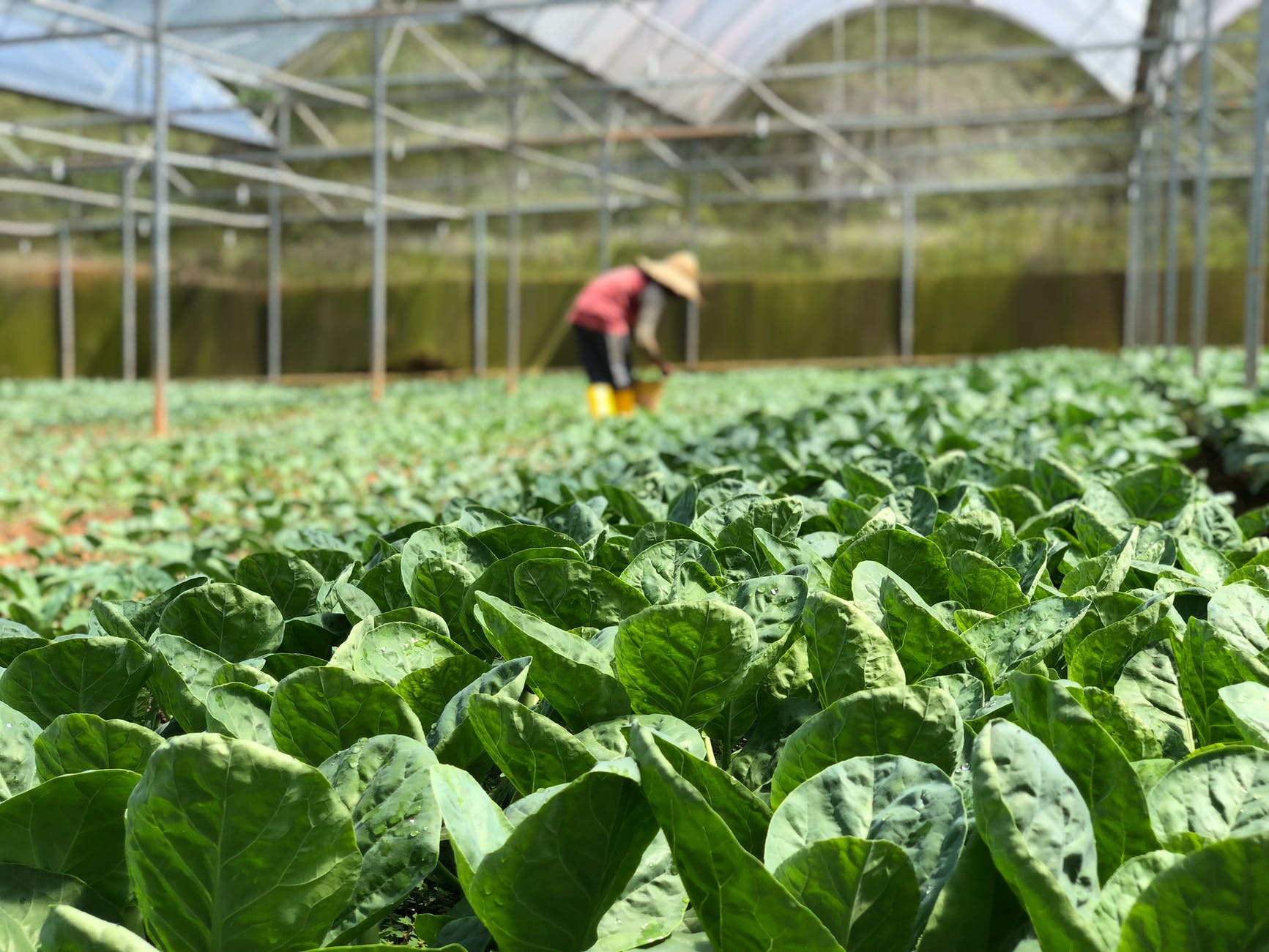
Hydroponics is the method of growing plants without soil. It generally uses less water as compared to traditional soil system. It allows faster growth and higher yield.

William Frederick Gericke is known as father of hydroponics. He grew tomato vines in his backyard in nutrient solution.

The nutrients used in hydroponics include fish and poultry excreta , duck manure, chemical fertilizers, artificial nutrient solution etc.

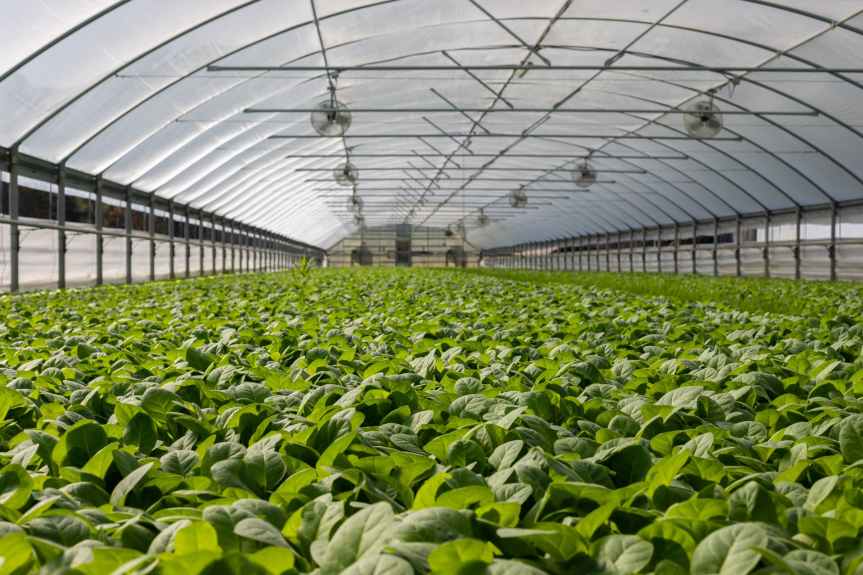
Plants are commonly grown hydroponically in a greenhouse, on inert media, include tomatoes, peppers, cucumbers, strawberries, lettuces, and cannabis, usually for commercial use, and Arabidopsis thaliana, which serves as a model organism in plant science and genetics.

Advantages:

  • Does not require soil for cultivation.
  • Promotes faster and efficient plant growth.
  • It uses less water as compared to conventionally grown plants. Hence, helps to save water.
  • It does not depend on climate for favourable growing conditions.
  • Saves labour due to automatic watering and fertilizing capability.
  • Have fewer pest can can be grown closely.
Photo by Pragyan Bezbaruah on Pexels.com
  • The plant has less root and nutrient competition than grown in soil.

There are six main types of hydroponic system for garden: wicking, deep water culture (DWC), nutrient film technique (NFT), ebb and flow, aeroponics, and drip systems.

Disadvantages:

  • Involves high installation cost.
  • Need to test the solution frequently to avoid infection and damage.
  • System are prone to equipment failure and power outage.
  • Prone to water borne infection.
  • Requires constant monitoring and assistance.

Some systems, known as aquaponics involves use of nutrient-rich wastewater from aquaculture to fertilize hydroponic plants. Freshwater fish, such as tilapia, and crayfish are common aquatic animals utilized for these hybrid systems.

Nowadays, hydroponics is being implemented in large scale as a start up to meet the demand of fresh leafy vegetables as is a part of urban farming.

Central Bureau of Investigation

The CBI is the main investigating agency of the GOI. It is not a statutory body; it derives its powers from the Delhi Special Police Establishment Act, 1946.
Its important role is to prevent corruption and maintain integrity in administration. It works under the supervision of the CVC (Central Vigilance Commission) in matters pertaining to the Prevention of Corruption Act, 1988. Investigate cases connected to infringement of economic and fiscal laws, i.e., breach of laws concerning customs and central excise, export and import control, income tax, foreign exchange regulations, etc. But cases of this nature are taken up by the CBI either at the request of the department concerned or in consultation with the concerned department.Investigate crimes of a serious nature, that have national and international ramifications, and committed by professional criminals or organised gangs.To coordinate the activities of the various state police forces and anti-corruption agencies.
At the behest of a state govt., the CBI can also take up any case of public importance and investigate it.Maintaining crime statistics and disseminating criminal information.The agency is dependent on the home ministry for staffing since many of its investigators come from the Indian Police Service. The CBI also relies on the ministry of law for lawyers and also doesn’t have functional autonomy to some extent. The CBI, run by IPS officers on deputation, is also vulnerable to the government’s ability to manipulate the senior officers because they are dependent on the Central government for future postings. Since police is a State subject under the Constitution, and the CBI acts as per the procedure prescribed  by the Code of Criminal Procedure (CrPC), which makes it a police agency, the CBI needs the consent of the State government in question before it can make its presence in that State. This can lead to certain cases not being investigated and seeing a silent deadlock. Recently, states like Andhra Pradesh (consent is again given after change of government in-state) and West Bengal withdrew consent.

The CBI was not one of the organizations included in the exempted category. It was much later in 2012 that the CBI was brought in. There was a purpose as to why the CBI was not brought into the ambit of the RTI- this was because the CBI was not considered to be one of those organizations which really looks into the strategic interests of India. Section 8 of the RTI Act, which guarantees various forms of exemption, begins by saying that all the information which has a strategic significance should not be disclosed. Further, since the Intelligence Bureau (IB), the Research & Analysis Wing or RAW and such organizations which gather intelligence, are dealing with strategic matters and so they were from the very beginning kept in the exempt category. The CBI was never considered to be one which collects or maintains such information which are of strategic importance for the country.However, the CBI made out a case that they are also investigating into all kinds of cases- and that these cases include those which are of strategic importance for India and therefore, if they would be subjected to the RTI, much of that information would go out into the public domain.

CYBERSECURITY IS A SHARED RESPONSIBILITY, AND IT BOILS DOWN TO THIS: IN CYBERSECURITY, THE MORE SYSTEMS WE SECURE, THE MORE SECURE WE ALL ARE.

The rising burden of E- waste

E- waste or electronic waste refers to the waste created by discarding the electronic devices which is rather caused due to its end of useful life, high repair cost , outdated technologies etc. which makes it underrated for further use. These waste includes TV, mobile phones, computer/ desktop, electronic items, wires, machineries etc. This is one of the fastest waste generated.

Everyday lakhs and lakhs of e-waste is generated. The country’s e-waste output is growing at over 30 per cent year on year, and stood at over 10 lakh tonnes in 2019-20, according to government data, comparable to about one lakh six-wheeled truckloads of waste.

It is the third largest in volume globally and growing at a rate ten times faster than its plastic waste output.

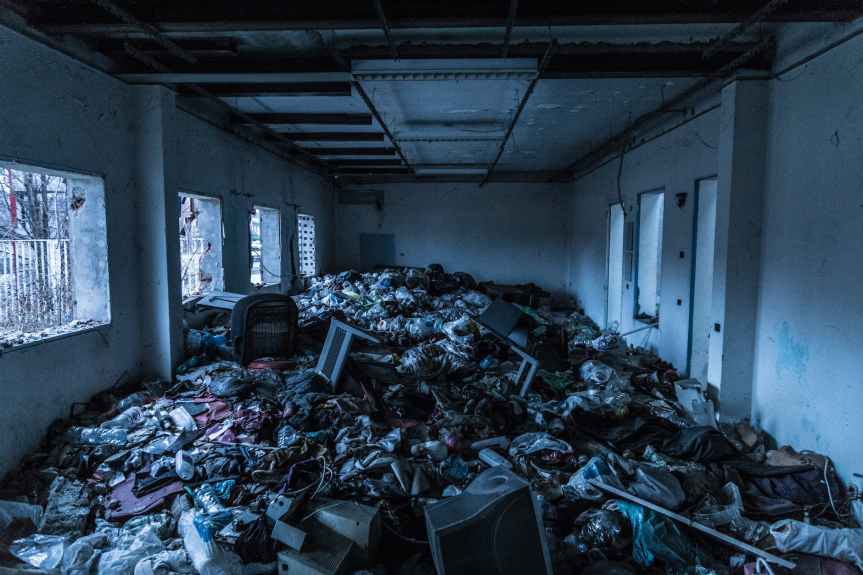
Mountains of e-waste pile up, which are as much a threat to the environment as they are to the health of their handlers .It proves vulnerable as people are sifting and processing the waste of the privileged without knowing that it could cause them cancer, reproductive disorders, endocrine disruption and other health complications.

Problems:

The most alarming aspect of e-waste is that less than a quarter of it is being processed.It possess hazardous metals and can contaminate soil, air, water, posing significant risk to human health by entering the food chain.

Unsafe disposal of e waste: About 95% of e waste is recycled by informal sectors and scrap developers without knowing the hazardous effect and use of safe handling practice.

Concern : Majority of e waste are imported to developing countries like India, China, Ghana etc from developed countries for recycling purpose.

With advancement in technologies, standard of living people are more inclined towards use of more gadgets, phones and tend to change them more frequently.

Way forward

E waste clinics for proper segregation, processing and disposal of e waste. Effective ways to implement proper and safe handling of waste.

Initiative taken by government includes: Prime Minister Narendra Modi launched the LiFE or Lifestyle for Environment movement in June—a concept that he said is borrowed from the past and focuses on the future.

The right to repair is introduced to reduce the e waste and it’s proper management as it is environmental friendly too. But this also concerns the major industries involved in sector as it could lead to their loss and some technologies can’t be added to existing devices .

New Education Policy : Key Highlights.

The Union Cabinet chaired by the Prime Minister have approved the new National Education Policy 2020, making way for large scale, transformational reforms in both school and higher education sectors. This is the first education policy of the 21st century and replaces the 34-year-old National Policy on Education (NPE), 1986.

The New Education Policy 2020 has come up as a in the education sector as it aims at creating an equitable and vibrant knowledge for the society by providing high-quality education to all. Also it encourages to develop a deep sense of respect towards the fundamental rights, duties and Constitutional values, bonding with one’s country, and a conscious awareness of one’s role and responsibilities in a changing world. The New Education Policy believes in instilling skills, values, and dispositions that support responsible commitment to human rights, sustainable development and living, and global well-being, thereby reflecting a truly global citizen.

The key highlights of NEP are.

Early Childhood Care Education

The policy focuses on the importance of providing education to children between the age group of 3-6 years at an early age. The kids in the age group 3-5 years will be provided education through the current set-up of pre-schools and anganwadis, and those between the ages of 5-6 years will be included in the schooling system by 2025.

School Education for All

Aiming to make education from pre-primary level till the 12th grade universally accessible, NEP 2020 is looking to achieve 100% Gross Enrollment Ratio in providing the school education by 2030.
New Curriculum & Pedagogical Structure.

The new policy has eliminated the 10+2 education system and replaced it with a more organized 5+3+3+4 structure, that is, 5 years of primary education (for the age group 3-8 years), 3 years of preparatory stage (for the age group 8-11 years), 3 years of middle stage (for the age group 11-14 years), and 4 years of secondary stage (for the age group 14-18 years).

The Flexibility of Choosing Courses

There will be no rigid demarcations between vocational and non-vocational, science and arts, curricular and extra-curricular activities, thus providing equal emphasis on all the subjects and courses. Also, the students will have more choices and flexibility while picking up the subjects they want to study so that their educational path is more focused on their skills and interests.

Emphasis on Mother Tongue & Multilingualism

The policy emphasizes on the inclusion of local language in the curriculum with the medium of instructions in all the schools till at least class 5 (but preferably till 8th standard and beyond) to be either in mother tongue or regional language. Subsequently, foreign languages will be offered as options for students in secondary schools. It also states that Indian Sign Language (ISL) will be standardized across the country.

Assessment System

As per the new policy, though the board examination for 10th and 12th grades will continue to be in place, the structure of the exams will be reformed to make them easier by focusing on core competencies of the students, thus eliminating the need of coaching classes at these stages. Also, the school examinations will be conducted by proper authorities only in grades 3, 5, and 8.

Multidisciplinary Education

The students will be provided with multi-disciplinary holistic education at the undergraduate level to ensure an integrated exposure with multiple entry and exit options. The 3 or 4-year duration undergraduate degree will have exit options (with certifications) during the entire course – a certificate after 1 year, diploma after 2 years and/or a bachelor’s degree after 3 years.

PSYCHOLOGY: DEFINITION, APPLICATION & ITS IMPORTANCE


DEFINITION :
Psychology is the study of mind and behavior. It encompasses the biological influences, social pressures, and environmental factors that affect how people think, act, and feel.
Psychology encompasses in just a brief definition, but topics such as development, personality, thoughts, feelings, emotions, motivations, and social behaviors represent just a portion of what psychology seeks to understand, predict, and explain.

Psychology is a broad and diverse field that encompasses the study of human thought, behavior, development, personality, emotion, motivation, and more. As a result, some different subfields and specialty areas have emerged.
Some of the major areas of research in Psychology are
• Abnormal psychology is the study of abnormal behavior and psychopathology. This specialty area is focused on research and treatment of a variety of mental disorders and is linked to psychotherapy and clinical psychology.
• Biological psychology (biopsychology) studies how biological processes influence the mind and behavior. This area is closely linked to neuroscience and utilizes tools such as MRI and PET scans to look at brain injury or brain abnormalities.
• Developmental psychology is an area that looks at human growth and development over the lifespan including cognitive abilities, morality, social functioning, identity, and other life areas.
• Forensic psychology is an applied field focused on using psychological research and principles in the legal and criminal justice system.
• Industrial-organizational psychology is a field that uses psychological research to enhance work performance and select employees.
• Personality psychology focuses on understanding how personality develops as well as the patterns of thoughts, behaviors, and characteristics that make each individual unique.
• Social psychology focuses on group behavior, social influences on individual behavior, attitudes, prejudice, conformity, aggression, and related topics.
• Clinical psychology is focused on the assessment, diagnosis, and treatment of mental disorders.
• Cognitive psychology is the study of human thought processes including attention, memory, perception, decision-making, problem-solving, and language acquisition.
• Comparative psychology is the branch of psychology concerned with the study of animal behavior.

APPLICATION OF PSYCHOLOGY:
The most obvious application for psychology is in the field of mental health where psychologists use principles, research, and clinical findings to help clients manage and overcome symptoms of mental distress and psychological illness.

IMPORTANCE OF PSYCHOLOGY:
Psychology is both an applied and academic field that benefits both individuals and society as a whole. A large part of psychology is devoted to the diagnosis and treatment of mental health issues.
Some of the ways that psychology contributes to individuals and society include:
• Improving our understanding of why people behave as they do
• Understanding the different factors that can impact the human mind and behavior
• Understanding issues that impact health, daily life, and well-being
• Improving ergonomics to improve product design
• Creating safer and more efficient workspaces
• Helping motivate people to achieve their goals
• Improving productivity

Psychologists seek to understand many different aspects of the human mind and behavior, adding new knowledge to our understanding of how people think as well as developing practical applications that have an important impact on everyday human lives.

National Educational Policy

Education is a fundamental requirement for the development of a just and just society and for achieving the full human potential for promoting national development. The whole world is passing through a rapid change in the knowledge landscape.In this context, the New National Policy 2020 was approved by the government of India on July 29, 2020 and approval was also given to change the name of Ministry of Human Resource Development to Ministry of Education. This New Education Policy 2020 will replace the 34 year old National Education Policy 1986.The vision of this New Education Policy 2020 should be to make students proud of being Indian not only in thought but also in behaviour, intellect and action as well as in knowledge, skills, values and thinking, which are important for human rights, sustainable development and be committed to the cause of survival and global well-being, so that they become truly global citizens.Built on the fundamental principles of easy access, equity, quality, affordability, and accountability for all, this New National Policy 2020 is in line with the 3030 Agenda for Sustainable Development.

Principles of the National Education Policy
•Flexibility: It seeks to provide flexibility to the learners to choose their pace of learning and choose their own path as per their talent.
•Multi-disciplinary: To provide holistic education in all fields like science, social science, coding, arts, humanities, sports, etc.
•Ethical and Constitutional Values: It aims to inculcate the values of empathy, respect for others, cleanliness, courtesy, scientific temper, liberty, responsibility, equality and justice. •Sustainable Policy: Formulation of policies based on regular assessment of ground reality. Keeping in mind the rich, diverse, ancient and modern culture and knowledge system and tradition of India.
•Equality and Inclusion: This will be the objective of all educational decisions, ensuring that all students can thrive in the education system.
•Life Skills: Focusing on building life skills such as collaboration, teamwork, communication, resilience, etc.
•Professional Value: All teachers and educators will be recruited through rigorous preparation. Emphasis will be placed on preparedness, continuous professional development, positive work environment & service development.
•Education as a Fundamental Right: Education is a public service and not a commercial activity. It should be available with sufficient quality to all. There must be strong and sustainable investment in a vibrant public education system as well as an ethical human and philanthropic private system.


Education is fundamental for achieving full human. potential, developing an equitable and just society, and promoting national development.

MICROBIOLOGY AND ITS BRANCHES

MICROBIOLOGY:
microbiology, study of microorganisms, or microbes, a diverse group of generally minute simple life-forms that include bacteria, archaea, algae, fungi, protozoa, and viruses. The field is concerned with the structure, function, and classification of such organisms and with ways of both exploiting and controlling their activities.

HISTORY OF MICROBIOLOGY:

The 17th-century discovery of living forms existing invisible to the naked eye was a significant milestone in the history of science, for from the 13th century onward it had been postulated that “invisible” entities were responsible for decay and disease. The word microbe was coined in the last quarter of the 19th century to describe these organisms, all of which were thought to be related. As microbiology eventually developed into a specialized science, it was found that microbes are a very large group of extremely diverse organisms.
Microorganisms have played a key role in the evolution of the planet earth.
Microorganisms affect animals, the environment, the food supply and also the healthcare industry. There are many different areas of microbiology including environmental, veterinary, food, pharmaceutical and medical microbiology, which is the most prominent.
Microorganisms are very important to the environment, human health and the economy. Few have immense beneficial effects without which we could not exist. Others are really harmful, and our effort to overcome their effects tests our understanding and skills. Certain microorganisms can be beneficial or harmful depending on what we require from them.
There are both useful and harmful microorganisms in the environment.

Microbiology Careers :
Most jobs in microbiology require at least a bachelor’s degree. An individual who is interested in microbiology may obtain a bachelor’s degree in biology or microbiology. The courseload is very similar for each of these majors; while a microbiology major may be more specific to the interests of someone who wants to study microbiology, it is also possible to achieve a similar level of specificity in the biology major by taking upper-level microbiology courses. The biology major may be preferred if one has interests in other subfields of biology, or if he or she is double majoring in biology and in another field. In both the microbiology and biology majors, students must take numerous biology courses and laboratories, and usually they must also take courses in chemistry (including organic), physics, mathematics, and statistics.
With a bachelor’s degree, one can become employed as a research technician in an academic or industry laboratory and provide technical support. One could also become a quality assurance technician in the food, environmental, pharmaceutical, or biotechnology industries, or with some additional training, become a medical technologist. However, many individuals with bachelor’s degrees in microbiology or biology go on to do further schooling. With a master’s degree in microbiology, an individual may go on to become a laboratory manager/coordinator or a biosafety officer. Further schooling leading to a PhD opens up opportunities in teaching and doing research at a university. Being a professor requires a PhD. Most heads of research laboratories in industry have PhDs as well. Other high-level careers involving microbiology include becoming a consultant/adviser, administrator, or lab director.

BRANCHES OF MICROBIOLOGY:
There are various different branches of microbiology and these include the following:
1. Bacteriology- The study of bacteria
2. Mycology –The study of fungi
3. Phycology- The study of photosynthetic eukaryotes. (Algae- Seaweed)
4. Protozoology – The study of protozoa (Single-celled eukaryotes)
5. Virology- The study of viruses, non-cellular particles which parasitize cells.
6. Parasitology- The study of parasites which include pathogenic protozoa certain insects and helminth worms.
7. Nematology- The study of nematodes.

Online Platforms for Learning.

An online learning platform is a webspace or portal for educational content and resources that offers a student everything they need in one place: lectures, resources, opportunities to meet and chat with other students, and more. It is also an excellent way for the student and the teacher to monitor student progress. Whether you want to learn a new language or obtain career-advancing certifications, signing up for an online course could be just the perfect solution. The online class is typically provided through online learning platforms. 

Online learning has numerous advantages over traditional learning methods. Some of these include the possibility for students to make use of self-paced learning and to choose their own learning environments. Additionally, e-learning is both cost-effective and cost-efficient, as it removes the geographical obstacles often associated with traditional classrooms and education. The benefits of an online course platform are that both students and teachers can track the students’ progress through the course material, and everything is neatly organized in one place. Additionally, students may also have an option of interacting with each other on the platform.

Some of the popular Online learning (e-learning) platforms.

Coursera.

Coursera isn’t just a place to take classes that are like college courses—it actually offers real academic courses from real professors and universities at a fraction of the cost of getting an online degree. The platform partners with over 200 universities and companies to provide real learning experiences that can connect to real-world benefits. In some cases, you can even earn certifications or degrees entirely through Coursera, which can then potentially lead to professional benefits like raises, promotions, and more. 

Course Hero.

Course Hero is home to study resources, 24/7 homework help and textbook guides to provide students across top institutions with tailored reinforcement of the courses in which they are enrolled. The library of materials uploaded to Course Hero’s platform can be searched by either school or textbook to find the exact resource a student needs, with tutors available to provide total support.

Edx.

Generally, this online learning platform has a high-end pedigree. edX was established by graduates from both MIT and Harvard University. Real college courses that are generated and taught by real college tutors are available in a vast array of topics and fields. They have a slight leaning toward the Science, Technology, Mathematics, and Engineering fields. Nonetheless, there are plenty of topics in the humanities, arts, and languages as well. By partnering with the universities, this course provides professional degree certificates as well as the “micro” degree programs at both the bachelor’s and the master’s levels. In this sense, they largely serve as tools for professional development. 

Skill Share.

Whereas many online class platforms do confer college-style classes, Skillshare is not formal and is mainly targeted at boosting creative skills. Some business and marketing classes exist on this online education platform. Most of the courses though tend to have a focus on the creative fields and are administered by practicing experts in various fields. Common examples of these fields are interior design, visual arts, animations, films, and photography. 

LinkedIn Learning.

Formerly called Lynda.com, LinkedIn Learning is an educational platform that confers professional course training in the fields of technology, business, creative fields, and technology-related areas mainly in the form of videos. The online learning marketplace is largely available as a premium service for the users of LinkedIn and has so far provided well over 16,000 courses in a whopping 7 languages. Its focus is mainly to aid individuals in investing in their professional development. 

Udemy.

If you want to learn something, it’s probably on Udemy. The site is less of a unified platform and more of a portal or repository where students can access well over 100,000 courses on every topic imaginable. There’s not one standard format for a Udemy course—the platform allows instructors to design multimedia lectures with audio, video, and text elements, plus readings, quizzes, and other activities. Udemy allows students to preview classes they’re interested in and does offer a 30-day refund if you’re dissatisfied.

FutureLearn.

FutureLearn lets you learn online from universities and companies all over the world, including Anglia Ruskin University, King’s College London, Monash University, and the University of Wollongong. On top of their university partnerships, they also partner with specialist organizations such as Accenture, Amnesty International, the British Library, and UNESCO. From personal development video lessons to employment-related course content, FutureLearn definitely deserves its place near the top of our best online learning platforms list.

Key skills one should learn.

Learning new skills is a habit that helps in career, profession, business, and daily life. It can be a technological skill, business management, resume writing, designing, marketing, advertising skills or basic computer skills. Consistent learning and skills development is important for everyone. It’s not only important for students, job seekers, professionals but also important for housewives, seniors citizens and leaders of various field.

Learning means, one self is practicing existing skills, experimenting with new imaginations, reading from books, learning from the internet, doing online and offline courses, learning by observing others, learning from failures and success of others and learning from the problems that you’re facing. Learning new skills is like watering a plant. Its connect to growth. And to grow in business, career and a student it’s important to learn new skills. So that you will become fruitful for companies, people and nation.

Some of the key soft skills are.

Communication skills

Communication skills are the most common and frequently used professional skills in our life. You use communication skills to give and receive different kinds of information, and it helps you to understand and be understood by others while communicating. These skills may include sharing ideas with others, actively listening to conversations, responding, and public speaking.

Teamwork skills

Teamwork skills are the qualities and abilities that allow you to work with a group of people during conversations, projects, meetings or other collaborations to achieve a common goal. Your teamwork skills are dependent on your ability to communicate well, actively listen and be responsible and honest. 

Time management

Time management is the process of organising, planning, and dividing your time between specific activities. Good time management skills enable you to work smarter, not harder. If you work smartly, you will get more done in less time, even when time is tight and pressures are high. Failing to manage your time while performing a task will damage your effectiveness and cause stress. 

Creative Thinking

Creative thinking means your ability to use the imagination to generate new ideas or ability to think about a task or a problem in a new or different way. Creative thinkers look at things from a unique perspective which is invisible to others. They can find patterns and make connections to find opportunities in complex systems. If you are a creative thinker, it will assist you to solve complex problems or find interesting ways to approach tasks.

Interpersonal skills

Interpersonal skills are the traits you rely on when you are interacting and communicating with others. These skills often indicate your ability to communicate and build relationships with others. Interpersonal skills are often called people skills. Because they combine both your innate personality characteristics and how you’ve learned to handle certain social situations. If you use interpersonal skills effectively, these skills can help you during the job interview process and can also have a positive impact on your career advancement.

Leadership skills

Leadership skills are those skills you often use when organizing other people to reach a shared goal or complete a task. It doesn’t matter if you are in a management position or leading a project, leadership skills require you to motivate others to complete a series of tasks before the deadline.

Some of the professional skills, one should learn are.

Graphics Designing

Graphic design is the art of making visual content to communicate messages. Designers apply different page layout methods and visual hierarchy by using letters and pictures to meet the need of end-users. Most companies use graphic design to sell their product or services and to convey complicated information by using infographics.

Web Development

It refers to developing and maintaining web pages, including bits and pieces of concepts like web design, web programming, web publishing, and database management. Further, it includes various types of web development tools and techniques such as text editors for manually coding the websites, Dreamweaver for developing a web page, using a blogging website to update blogs, and more. Having web development language skills will help candidates stand out from the rest. Prominent web developer skills include understanding HTML, design skills, and analytical knowledge.

Animation Designer

Animation design requires a balance of computer software and creativity skills to create animating graphics for an array of industries, including film, television, and marketing. Animation design is the act of creating visual effects and animations for a variety of multimedia, including video games, videos, and digital assets like websites and apps. These effects and animations can be 2D or 3D (CGI) and range from a simple loading icon that indicates something is happening behind the scenes to a full-scale animated video. 

Audio and Video editing

Knowing how to alter video and audio files can be a useful skill, especially for jobs in marketing and entertainment. This capability often requires expertise in editing software, which allows you to manipulate individual clips or add special effects. 

Search Engine Optimization

Search engine optimization (SEO) is a digital marketing strategy that allows companies to improve their website content so it might appear higher on the first page of a search engine’s results. This may involve using best technical practices to compose text, select image formats and include links that connect between two separate pages on a website.

Millets: Future Superfood

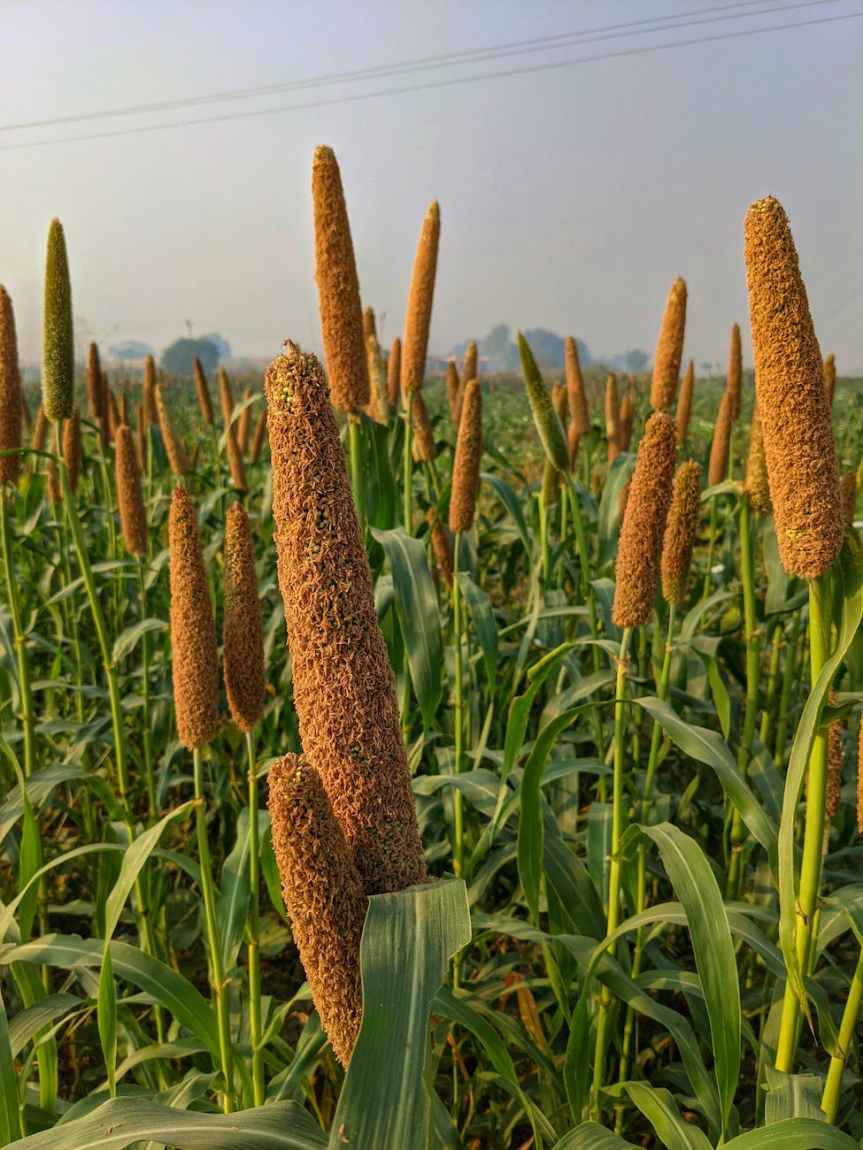
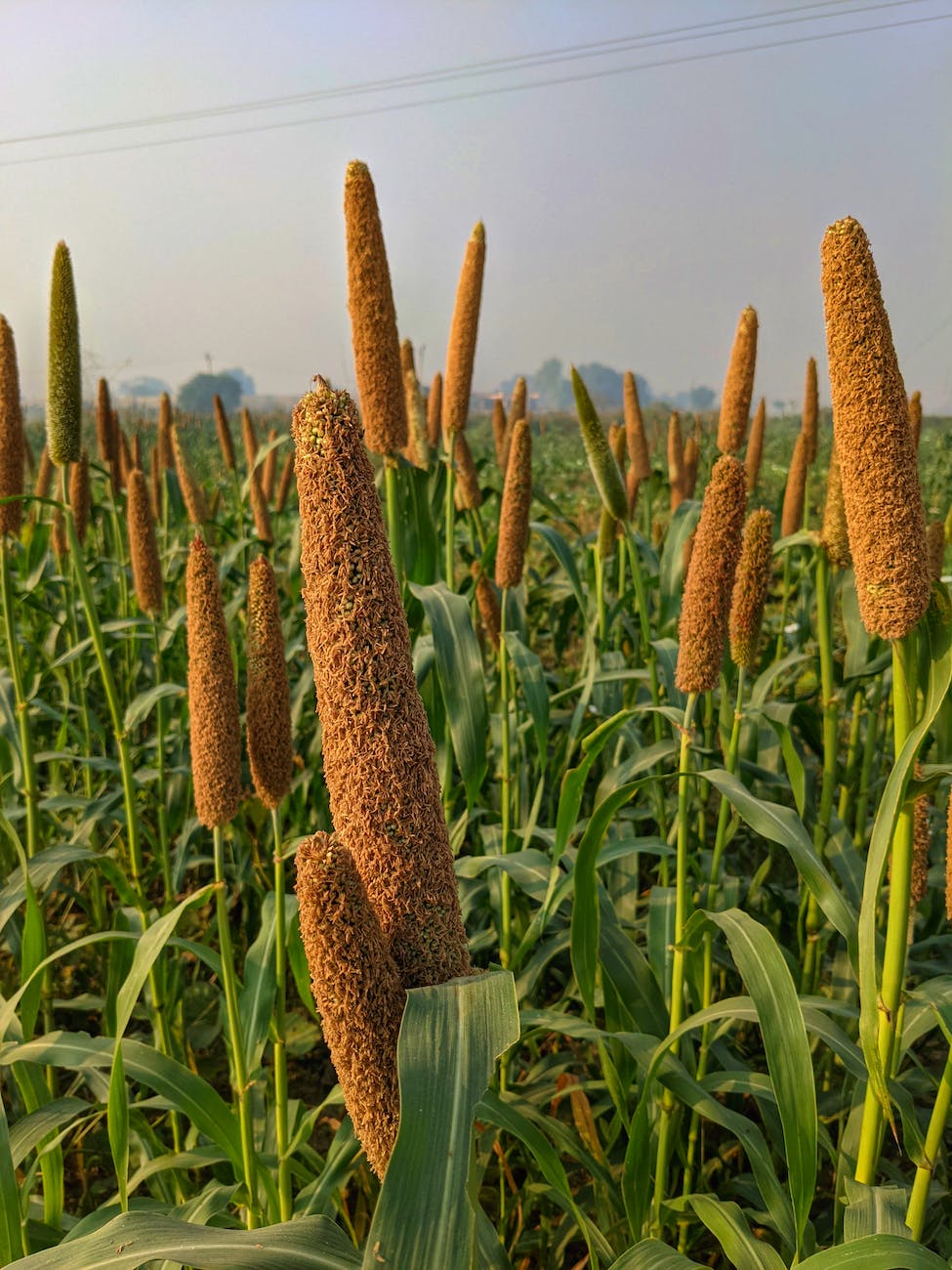
Millets are one of the oldest food known to mankind.These are group of highly variable small-seeded grasses, widely grown around the world as cereal crops or grains for fodder and human food.

Types of millet: Sorghum (jowar), Pearl millet (bajra), Foxtail millet (kangni), Finger millet (ragi), Barnyard millet, Kodo millet, Little Millet, Proso Millet are amongst the healthiest millet grains available.

Nutritional value: They are good sources of proteins, carbohydrates, dietary fibre and essential amino acids.

Millets have 65% carbohydrates, 9% proteins, 3% fat, and 2-7% crude fibre.

They are rich in various vitamins such as vitamin A, C and B-complex vitamins and minerals such as magnesium, manganese, phosphorus and also iron.

Major producers include Rajasthan, Andhra Pradesh, Telangana, Karnataka, Tamil Nadu, Maharashtra, Gujarat and Haryana.

Significance: Release of 13 High Yielding varieties including 4 bio-fortified varieties of millets. declaring 2023 as International Year of Millets (IYOM).

This proposal of India was supported by 72 countries and United Nation’s General Assembly (UNGA) declared 2023 as International Year of Millets on 5th March,2021.

Photo by Deep Malik on Pexels.com

Millets are climate resilient crop as they can be grown in rainfed area and are resistant to climatic stress, pest and disease as well. So it plays major role in sustainable agriculture.

People possess a perception of millet being poor man food but owing to it’s nutritional value it is rich in dietary fibres, amino acid, calcium, zinc, folate and various nutrients. It can even be easily consumed by diabetic people as it possess low glycemic index. Nowadays, being consumed by many more people it helps to provide food security.

They even provide economic security to farmers growing millet in dry, low fertile, rainfed area as it requires less investment and involves less cost of cultivation.

Initiatives are taken by government to promote millet production by farmers as they promote sustainable agriculture as well as generate employment opportunities by promoting value addition of millets.

why Vocational Studies is the right choice for present generation

What Is Vocational Education? 


Theoretical knowledge is not everything in today’s world,
rather skills are becoming more valuable. This term skill is what is talked
about these days, but how to acquire them?  

While traditional colleges/universities provide students
with theoretical knowledge which can be applied to certain fields, vocational
education provides the students with hands-on training. Vocational education is
a great opportunity for students who are looking to acquire specific skills to
get a job that better aligns with their career goals and dreams, as they learn
the fundamentals of a specific occupation under the supervision of an
experienced professional.


Skills offered by vocational training courses


Vocational training focuses on developing technical
skills which make you instantly job-ready for example electrician, artisan,
emergency medical technician, plumber, woodworking and carpentry, automobile
technician, welding training, etc.

Differences between vocational education and university
education


The differences between traditional education and
vocational education are:-


Program
focus


Programs offering vocational education focus on teaching
the students specific skills which can directly be applied to a specific job.
These programs offer technical skills for a job like plumbers, electricians,
etc. on the other hand university education programs are focused on providing
theoretical knowledge to the students and focus less on applicable skills.
These students gain more academic knowledge compared to a vocational education
program.


Time to complete


As vocational courses focus less on theoretical-based
learning, the students gain the desired amount of qualifications in a much
shorter period. On the other hand, traditional university students usually need
to spend around two to four years completing their education before they are
qualified enough to apply for a job 


Costs

Because vocational courses can be completed in a much
shorter duration they are more cost-effective when compared to traditional
education programs. These courses are the perfect opportunity for people with a
limited budget. Universities on the other hand can be a lot more expensive as
they have a longer duration and the universities with better education and
access to competent job opportunities usually charge more.

Types of job opportunities

Vocational education programs prepare their students for
blue-collar and physical labor jobs. Gaining expertise in the respective field
will enable you to move up to a better role like a supervisor or a manager.
Contemporary university programs prepare their students for white-collar and
desk jobs, which do not require physical labor rather, they involve more mental
work and internet-based technologies.

Different types of vocational education

There are a lot of different sources which provide
vocational training programmes, some of these are-

High school CTE programs

The CTE program is for high school students who want to
gain work experience in different professions and go on to college. This type
of vocational training is usually part of the high school curriculum, but
students can also attend separate vocational centers. These career training
programs allow students to explore different career options and prepare them
for industry or graduate school-specific work. In most vocational training
programs at this level, students continue their intermediate education while
completing their training. 

Tech Prep education

Tech Prep programs serve as a bridge between general and
post-secondary vocational training to prepare students to pursue careers in the
high-tech sector. Thanks to a partnership between the two institutions, Tech
Prep programs combine at least two years of high school and two years of
post-secondary. The program usually culminates in a certificate or associate’s
degree in a particular field of study.


Apprenticeship
programs

Apprenticeship programs are specific to the trade and can
last up to four or five years. In these types of programs, apprentices or
students work under the supervision of an expert in their trade and get paid
for their work. This type of vocational training is most common in highly
skilled and practical occupations. Apprenticeships often combine on-the-job
training with classroom instruction. Since some apprenticeships include
classroom courses, they can lead to a certificate or diploma. A major advantage
of this type of training is that it is an educational program in which the
student also receives remuneration for his or her work.


Distance
learning programs

Another great option to learn or develop a skill set is
to enroll in a distance learning program. Many distance learning courses allow
students to work on materials and lesson plans at their own pace, making it
perfect for working professionals. However, some programs may require students
to log in at specific times or according to the class schedule. Before
enrolling in a distance learning program, be sure to thoroughly research the
training institution, making sure it is legitimate and accredited.


jobs you can get with a vocational education


Here are four examples of jobs you can pursue with this
type of education:


1. Auto mechanic: 

Automotive Mechanic service and repair vehicles with
minor problems or complex mechanical problems. They help customers determine
the cause of a problem, such as a leaking gas tank or a blown headlight. In
addition to performing repairs, they may also recommend additional repairs to
the customer to improve vehicle performance. 

2. Electrician Primary:

 Electricians use specialized equipment to repair
and maintain electrical equipment in many buildings, such as corporate offices
and homes. They also work on power lines and other electrical systems to ensure
they function as expected. Electricians must follow strict safety procedures to
avoid injury to themselves, colleagues, or civilians. 

3. First aid instructor:

 First Aid Instructor educates teenagers and adults
on how to give someone emergency first aid in a critical situation. Students
can also learn how to respond appropriately to emergencies and heal superficial
injuries. 

4. Web Designer: 

Web designers use their creativity and software expertise
to design and create websites that meet the needs of their clients. They
develop the overall look and feel of the website and how it works. A good
website should be easy for customers to navigate.


 

Horticulture

The word horticulture is derived from Latin word -‘ hortus’ meaning garden and ‘ cultura’ meaning culture or growing.

Horticulture is the branch of plant agricultural science involving cultivation of fruits, vegetables, flowers, ornamental plants, medicinal plants, gardening etc. It even involves landscaping and gardening.

It includes components like:

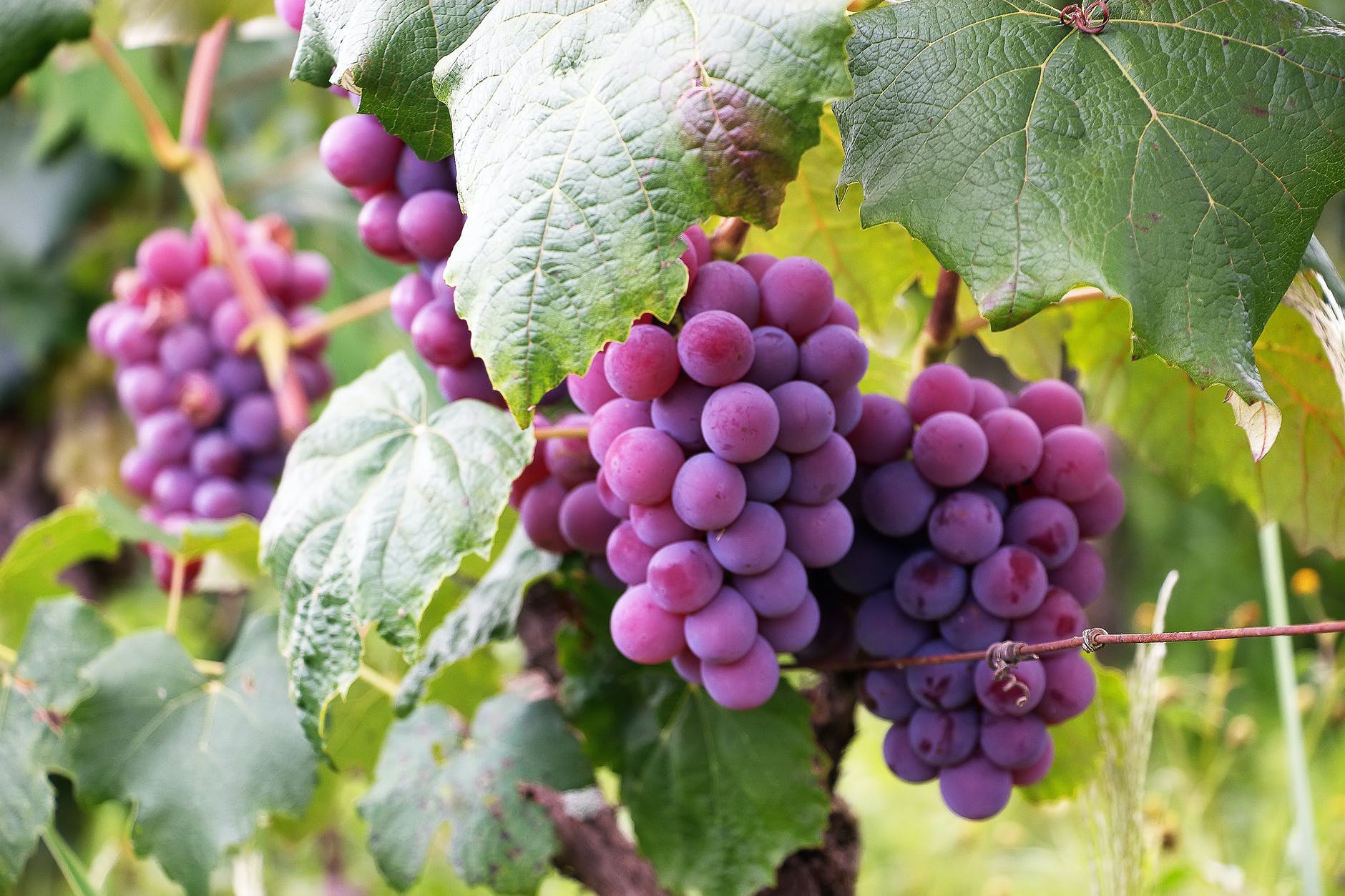
Olericulture : production of vegetables; Pomology: production of fruits ; viticulture: growing of grape vines for wine making and good quality grapes production; Floriculture: production of flowers and ornamental plants; production of aromatic plants, spices, medicinal plants , Arboriculture: cultivation of herbs, shrubs, woody plants for landscape and beautification. It even involves nursery management of plants by using techniques like grafting, cutting, pruning etc, bonsai etc..

Fruits

Scope of horticulture:

It involves propagation of plants, landscaping and garden designing, cultivation of exotic and indigeneous fruits and vegetables, nursery production, topiary { it is an art of training, cutting, trimming trees or shrubs into various shape for ornamental purpose}, growing plantation crops like rubber, tea, coffee, coconut etc, production of spices like black pepper, cardamom, ginger, turmeric etc ,cultivation of aromatic and medicinal plants like patchouli, stevia, aloe vera, tulsi, lemon grass, rosemerry etc. , cultivation of flowers, involves greenhouse cultivation of crops too, bonsai ( Japanese art to cultivate small tree that mimicss large tree) , turf and lawn preparation etc.

Importance of Horticulture:

It helps us to meet the nutritional aspects through consumption of fruits and vegetables.

It provides us medicinal plants, herbs to cure ailments. It too provides spices that adds aroma and flavour.

It increases asthetic value through landscaping and beautification.

Gardening helps us to destress and relax and can be done as a habit too.

Urban gardening through use of nursery and kitchen gardening to meet everyday kitchen needs.

It can be used to beautify our indoor places in house and adds asthetic value to it.

Helps to increase income and generate employment opportunities through value addition and food processing industry.

So, it serves as an all purpose as well as recreational activities in our daily life.

The Real Heroes

 The Real Heroes

‘Hero’, is a term that is very familiar to everyone. For kids, their favorite cartoon character is a real hero, for adults the main character of their favorite movie is a real hero. Whenever we listen to or read the word ‘Hero’, we just think about the movie character. But really, is it true that they are heroes? They are just celebrities who do their job in films, being an actor. The act they perform is just for entertainment purposes, not the real one.  

Hero 

If we find the real meaning of hero then according to the oxford dictionary, ‘Hero is a person who is admired for their courage, outstanding achievements, or noble qualities’. Then according to this definition any person who does extraordinary work in real life, that normal people don’t perform in real life is considered to be a hero. These people are known as real heroes and they live with us in our surroundings. 

The Real heroes

The real heroes are ordinary people with extraordinary thoughts and skills. They dare to do what others are afraid to do so. They dare to achieve something for the betterment of society or nation. We can relate this to anyone in our surroundings whose actions are doing well for our society. 


There are a lot of people who are working hard for the growth and change of society. They are trying to remove the roots of social evils like dowery, child labor, female feticides, exploitation, etc., from our society. We can see a lot of people who start NGOs for social welfare and working for poor people, they are real heroes.

We can proudly say that the soldiers, who are working day and night to protect our country are real heroes. They left their house and family to perform their duties and they don’t know will they met their family again or not. They are doing an extraordinary job that cannot be performed by an ordinary person.

Our freedom fighters who sacrifice their life for the freedom of our country are real heroes because their goal was just to save their nation. They didn’t care for their life or their future, they just cared for the country. Due to their efforts and sacrifices, we are living happily.

During the time of the pandemic, the doctors and nurses who work day and night to save the life of people are real heroes. The sports persons who won awards for their nation are real heroes because they are inspirations for our future generation. Our teachers who teach us to become better people are real heroes. Anyone whose acting does well for others is a real hero. 

Many people are still there in this world, who are working effortlessly for the benefit of the better nations but they don’t get consideration. They are hidden behind the ordinaries in everyday life but their acts of compassion make them special. So, if you find such people in your surrounding then consider them real heroes and get inspiration from them to do something great for your society. The more we work effortlessly for the welfare of others the more heroes we get who have the courage to change the world.

Academic Degrees in India.

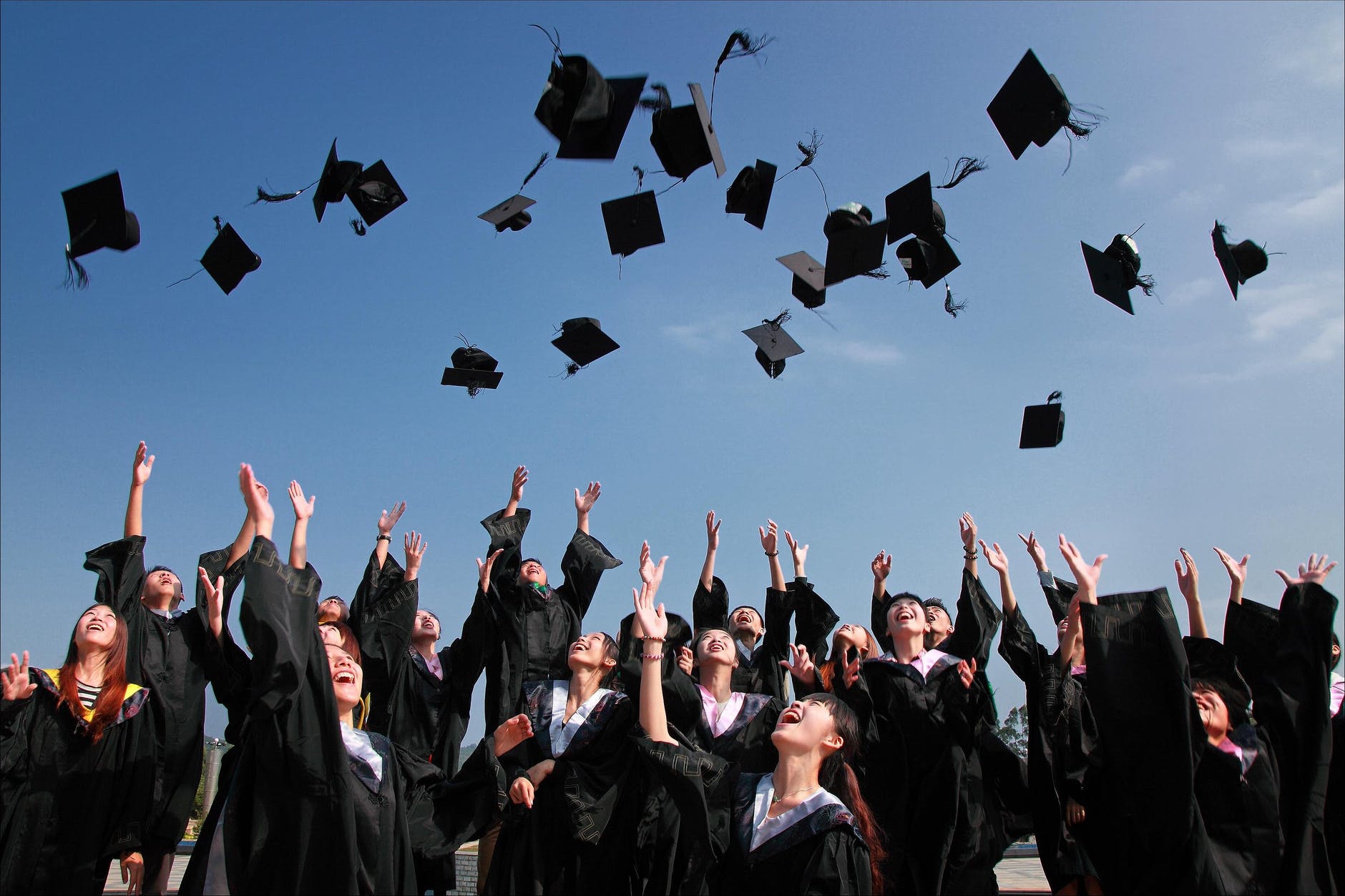
An academic degree is a college or university diploma, often associated with a title and sometimes associated with an academic position, which is usually awarded in recognition of the recipient having either satisfactorily completed a prescribed course of study or having conducted a scholarly endeavour deemed worthy of his or her admission to the degree. It is a qualification awarded to students upon successful completion of a course of study in higher education, usually at a college or university. These institutions commonly offer degrees at various levels, usually including bachelor’s, master’s and doctorates, often alongside other academic certificates and professional degrees. The most common degrees awarded today are associate, bachelor’s, master’s, and doctoral degrees. 

Some of the popular academic degrees pursued in India are:

Bachelor of Arts (BA)

A BA represents the completion of an undergraduate program that focuses on a discipline in the arts or humanities. What distinguishes a BA from other types of bachelor’s degrees is that it tends to emphasize each student’s exploration of a given subject.

Bachelor of Commerce(B.Com)

B.Com stands for Bachelor of Commerce which is a three year undergraduate program. B Com subjects impart Analytical skills, Financial Literacy, Business Acumen, Business Laws, Taxation knowledge etc, with aim to make the student job ready in the field of Banking, Accounting, Insurance and Finance. 

Bachelor of Technology (B.Tech)

B.Tech or Bachelor of Technology is one of the prestigious and most popular courses opted by science students. It is a 4-year full-time undergraduate course and is offered in various disciplines such as Computer Science, Civil, Mechanical, Electronics, and Information Technology.

Master of Business Administration (MBA)

The Master of Business Administration (MBA) is an internationally-recognized graduate-level degree that develops the skills required for careers in business and management. The value of the MBA, however, is not limited strictly to the business world. An MBA can also be useful for those pursuing a managerial career in the public sector, as well as government and the nonprofit sectors. 

Bachelor of Science (BSc)

BSc or Bachelor of Science is an undergraduate degree of three years duration which is universally offered across institutes and universities across India. BSc is one of the most popular courses opted by students who have a flair for scientific aptitude and zeal for research-oriented and calculative approaches based on a proven systematic method. Science is all about experimentation, research and discovery. A BSc degree is a culmination of both theoretical and practical ways of learning. 

Academic Degree and its types

Education is the most important in our life. Without education we are nothing. Education is the field where you can’t stop learning and it will go on forever. For education, it has no years, gender, caste or class. Whoever you are if you want to learn and get educated you can do that.

An academic degree is a qualification that students are assigned after completing their higher education levels at schools, colleges and universities. After their higher education, many students opt for an academic degree or professional degree. Here we will discuss the various levels and their types of degrees.

Bachelor’s degree ( undergraduate)

This degree comes after completing the higher secondary level. Every college and university offers a bachelor’s degree program. This is a recognized degree and many students opt for a bachelor’s degree after their high secondary level. Bachelor’s degree course duration is 4 years. 

This degree includes the following various program –

1. Bachelor of Arts

2. Bachelor of Science

3. Bachelor of Fine Arts 

4. Bachelor of Library Science

5. Bachelor of Business Administration

6. Bachelor of Health Science

7. Bachelor of Fine Arts 

Master’s degree ( post-graduation)

After completing your bachelor’s degree you can do your master’s degree. This master’s degree program is not had in all colleges and universities. It depends on your subject.  For example, if you choose a subject English for doing master’s it might not be available in all the colleges and universities you want because some colleges and universities have specific subjects which they offer for master’s degrees. So after choosing your subject you can see which college you have that subject and apply for that. This course duration is 2 years.

This degree includes the following various programs –

1. Master of Arts

2. Master of Science

3. Master of Library Science

4. Master of Information System Management

5. Master of Business Administration

6. Master of Health Science

7. Master of Fine Arts

Doctorate / PhD

A doctorate is the highest level of degree in an average person’s life. The most common type of degree is a Doctor of Philosophy (PhD). At this degree level as students can enrol either after their bachelor’s or master depending upon the university. In this degree, you have to do practicals based on real life or it is a research program. The course duration is 2-4 years or more depending on which field you are choosing. 

This degree includes the following various programs – 

1. Doctor of Nursing Practice ( DNP )

2. Doctor of Education

3. Doctor of Philosophy

Professional Degree

A professional degree is advanced learning leading to a governed occupation. The course duration is up to you in which field you choose. The various degree has their course durations. In a professional degree, you will choose a profession in which you will make your career. There are various private and government institutions for various professional degrees.

This degree includes the following various programs – 

1. Doctor of Pharmacy

2. Medical Doctor

3. Doctor of Dental Surgery

4. Law

5. Graphic Designing

6. Interior Designing

7. Event Management

8. Cabin crew

9. Journalism

10. Digital Marketing

There are various degrees and various programs available throughout the world. So whatever field you choose make sure that it is the right field for you. Work hard and you will get success in your life.