Ministry of Education organised Post Budget Webinar on the theme ‘Investing in People’, today. The Prime Minister Shri Narendra Modi delivered a special address at the inaugural session. Union Education Minister Shri Dharmendra Pradhan along with Secretary, Department of School Education & Literacy (DoSEL), Shri Sanjay Kumar; UGC Chairman Professor M. Jagadesh Kumar ; Secretary, Dept. of Higher Education, Shri Vineet Joshi; Secretary, Ministry of Health and Family Welfare Smt. Punya Salila Srivastava; Secretary Labour & Employment Ms. Sumita Dawra participated in the session.
The webinar brought together experts from the government, industry, and academia to discuss key reforms in job creation, academic flexibility, credit mobility, and future-ready skills—paving the way for a highly skilled and globally competitive workforce in line with Viksit Bharat 2047.
Speaking about the webinar, Shri Pradhan said that investment is one of the engines outlined in the Union Budget 2025-2026 which will turbocharge our journey to Viksit Bharat by 2047. He further said that the insightful special address by the Prime Minister Shri Narendra Modi has put forth new ideas for realising aspirations, future-proofing our population, accelerating inclusive development and ensuring benefits of Union Budget reaches every citizen of the country.
He expressed his gratitude to the Prime Minister for drawing attention to the vast potential of ‘Education Tourism’ and its key role in facilitating employment-linked growth and development. The Minister assured that the academic community will engage in comprehensive deliberations to chart out a strong roadmap for moving ahead in this direction. He further said that, together, with the spirit of jan-bhagidari and right investment in right direction, academia and industry will work together for bridging skills gap, harnessing demographic dividend, leveraging AI in education, catalysing research landscape and strengthening deep-tech start-up ecosystem for a future-ready workforce, stronger economy and Viksit Bharat.
Prof M. Jagadesh Kumar opened the session by emphasizing the transformative role of higher education. He highlighted that the implementation of NEP 2020 provided a unique opportunity to reshape India’s higher education landscape. During the webinar, Prof M. Jagadesh Kumar, Chairman, UGC stated that the policy was not merely reformative but transformative, designed to empower youth with the skills, knowledge, and adaptability required to thrive in the 21st century. He stressed that investing in people through quality education, research, and innovation was central to building a self-reliant, inclusive, and globally competitive economy.
Shri Sanjay Kumar stated that education is fundamentally about investing in people. He acknowledged the broad perspective provided by the UGC Chairman on higher education and noted that the 2025-26 Budget included key announcements regarding the establishment of 50,000 Atal Tinkering Labs in government schools over the next five years and the provision of broadband internet connectivity to government schools in rural areas. He further highlighted a significant trend observed over the last decade, noting that the proportion of female teachers has increased. He mentioned that in 2014-15, male teachers comprised 52 percent of the total, while female teachers accounted for 48 percent. By 2025, these figures have reversed, with female teachers now making up 52 percent and male teachers 48 percent, reflecting a move towards greater gender parity in the education sector.
The discussions reinforced the need for strategic investments in human capital to ensure sustainable economic growth, social equity, and global leadership. The government remained committed to fostering a skilled workforce, ensuring India’s continued rise as an innovation and technology hub.
Prime Minister’s address the Post-Budget Webinar on boosting job creation- Investing in People, Economy, and Innovation
Have you ever found yourself humming along to your favorite song and wishing you could sing it better? Perhaps you’ve been told you’re “tone-deaf” or feel hopeless about your singing abilities. The truth is, anyone can improve with the right voice training, and this article will explain why. Voice training is not just for aspiring professionals; it’s for anyone who wants to sing with confidence, accuracy, and joy.
Whether you dream of singing on stage, joining a choir, or just impressing friends at karaoke, voice training can help you unlock your vocal potential. Thanks to advancements in technology, training your voice has never been more accessible. From apps that provide real-time feedback to structured courses, there are countless ways to improve. In this article, we’ll explore the key benefits of voice training, the best formats to choose, and why consistency is the real secret to progress.
Hitting the Right Notes: A Skill Anyone Can Learn
Hitting notes accurately might seem daunting, especially if you’ve struggled in the past. However, just like any physical skill, it can be trained. The ability to match pitch is not an innate talent but a skill that develops with practice. Voice training focuses on ear training, pitch matching exercises, and muscle memory to help you hit the right notes and intervals consistently.
Thanks to recent advancements in technology, voice training has become more interactive and user-friendly. Many apps now offer visual feedback and recording features to help you assess your pitch accuracy. Unlike traditional methods, these tools gamify the process, making practice feel more like a game than a chore. By turning practice into a series of small, achievable challenges, they help you stay motivated and track your progress.
One such online voice training service, Singing Carrots, has shared data showing that consistent practice—even just 2-3 days a week—can lead to noticeable improvements in a few weeks. According to their data, users often manage to hit one semitone or even a whole tone higher after just 4-6 weeks of practice. While we can’t guarantee that you’ll see the same rapid progress with any online voice training, it’s worth noting that Singing Carrots goes a step further by integrating theory explanations with visual feedback. This approach helps users understand why they hit or miss certain notes. At the very least, their data suggests that this method is effective. You can explore their program here.
Expanding Your Vocal Range: It’s Like Going to the Gym for Your Voice
One of the most sought-after benefits of voice training is expanding your vocal range. Whether you aspire to hit those soaring high notes or develop a richer, lower tone, voice lessons can help. Just like going to the gym to build muscle, expanding your range requires consistent practice. Effective singing exercises that focus on breath control, diaphragmatic support, and resonance can gradually help you unlock new notes. Incorporating fun exercises can also make the process more enjoyable, helping you stick to your routine.
Voice training not only improves range but also enhances vocal agility—the ability to switch between notes smoothly and accurately. It helps you understand and navigate through different vocal registers—chest voice, head voice, and mix voice. By mastering these registers and practicing appropriate pitches, you can sing higher and lower notes with more control and less strain. Learning to manage vowel sounds and articulation effectively can also refine your technique, ensuring that each note sounds clear and intentional.
Regular practice is crucial here. Similar to a workout routine, sticking to your exercises and keeping track of your progress will help you see results. Apps and platforms like Singing Carrots make it easy to keep track of progress by offering instant feedback and progress-tracking tools. By setting small, incremental goals—like adding one note to your upper or lower range every few weeks—you can stay motivated. These platforms also provide pitch analyses and even pitch challenges to help you refine your skills over time.
For those preparing for music grade exams or aiming to sing at advanced levels, structured voice training can make a significant difference. Tools that offer effective pitch detection and immediate feedback can help you correct mistakes in real-time, making your practice sessions more productive. By following a systematic approach, you can move beyond just hitting the right notes to achieving great singing with confidence and precision.
Boosting Confidence Through Voice Training
Voice training doesn’t just enhance your vocal skills—it also builds confidence. As you learn to hit the right tune and master diction and articulation, you’ll naturally feel more assured in your singing. This newfound confidence can extend beyond music, positively impacting other areas of your life such as public speaking, social interactions, and overall self-esteem. Developing a sense of harmony and mastering prosody can also help you express emotions more effectively, making your singing more compelling and authentic.
The act of learning and improving is itself a confidence booster. Each time you hit a challenging note, navigate a pitch challenge, or master a tricky exercise suggested by professional vocal coaches, it reinforces the idea that you’re capable of growth. Practicing in a singing class environment or using platforms that offer backing tracks and note games can make your practice sessions feel more dynamic and engaging.
Online platforms provide progress tracking and milestone achievements, helping you see just how far you’ve come. They also incorporate suggested famous singing riffs and exercises at appropriate levels, making it easier to set and reach realistic goals. This tangible evidence of progress can be incredibly motivating, encouraging you to keep practicing. For those who aspire to reach advanced levels or even become professional singers, these tools offer a clear path forward.
By following a structured practice routine that includes diaphragmatic breathing and mastering different vocal registers, you can transform your singing skills and your self-confidence. Whether you’re preparing for singing lessons with a professional singing teacher or working independently, voice training can help you achieve a sense of perfection and control in your performances.
Choosing the Right Format for Your Voice Training
Voice training isn’t one-size-fits-all. Depending on your goals, budget, and schedule, different formats might work better for you. Here’s a quick guide to help you choose:
Online Courses: Best for those who want a structured approach with video lessons and clear learning paths. Ideal if you like self-paced learning but need some guidance.
Apps: Great for busy schedules. They offer gamified learning with visual feedback, making practice both convenient and engaging.
In-Person Lessons: Recommended if you thrive with direct feedback and personalized coaching. Working with a teacher can accelerate your progress but can be more costly.
Self-Study: Perfect for independent learners who enjoy exploring techniques and exercises on their own. However, it requires more discipline to stay on track.
Regardless of the format you choose, the key to effective voice training is regular practice. Consistency is more important than how much time you spend in each session. Even short, focused practice sessions a few times a week can yield significant results over time.
The Importance of Consistency and Practice
Consistency is the cornerstone of effective voice training. Just like building any other skill, small but regular efforts produce the best results. Setting aside time for practice, whether it’s 15 minutes a day or a few focused sessions each week, makes a big difference. Voice training apps that offer reminders and streak features can help you maintain a routine.
It’s also important to measure your progress. Keeping a practice journal or using progress-tracking features on apps can show you how much you’ve improved, which in turn boosts your motivation. Voice Training Platforms not only track your pitch accuracy and range but also provide feedback on areas that need improvement, helping you practice smarter, not just harder.
Conclusion
Voice training is for everyone—whether you’re a complete beginner who’s been told you can’t sing or an experienced vocalist looking to refine your skills. By focusing on consistent practice, choosing the right format for your learning style, and leveraging modern tools that provide real-time feedback, you can unlock your vocal potential.
So why wait? Start your voice training journey today and discover just how far your voice can go!
The President of India, Smt Droupadi Murmu inaugurated the two-day Visitor’s Conference 2024-25 at Rashtrapati Bhavan today (March 3, 2025). The President of India is the Visitor of 184 Central Institutes of Higher Education.
In her inaugural address, the President said that the level of development of any country is reflected in the quality of its education system. She told the heads of the institutions of higher learning that they have a crucial role in achieving the goal of establishing India as an important centre of the knowledge economy. She highlighted the need to pay a lot of attention to research along with education. She said that the Government of India has established the National Research Fund with a very good objective. She expressed confidence that institutions of higher learning would make good use of this important initiative and encourage research.
The President said that the ambition of our higher education community should be that researchers from our institutions get recognition at the world level, patents of our institutions can bring change in the world, and students from developed countries choose India as a preferred destination for higher education.
The President said that students from India enrich the world’s leading educational institutions and developed economies with their talent. She emphasised the need of making efforts to utilize their talent in our country. She stated that our national goal of establishing India as a Global Knowledge Super Power would be achieved only when the world community is eager to adopt the work being done in our laboratories.
The President said that many higher education institutions of our country have global brand value. The students of these institutions get big responsibilities in the best institutions and companies of the world. However, all our institutions should move ahead very fast. The leadership of heads of institutions of higher learning would be recognised by developing and utilising the immense talent of our large youth population.
The President said that along with excellence, social inclusion and sensitivity should also be an essential aspect of our education system. No economic, social, or psychological limitation of any kind should be a hindrance in getting higher education. She said that heads and teachers of institutions of higher learning should take care of young students, remove any insecurity from their minds and provide them moral and spiritual strength. She urged them to make every possible effort to provide counselling and inspiration to students and spread positive energy in the campuses.
The President said that our country has a rich tradition of scientific achievements. The branches and sub-branches of Indian knowledge and science have flourished in every region of the country. It would be very useful to rediscover the invaluable but extinct streams of knowledge and science by doing intense research. She stated that it is the responsibility of the higher education ecosystem to find ways to use such organically grown knowledge systems in today’s context.
The President said that educational institutions shape the future of the nation. Young students learn from the conduct of our policy makers, teachers, heads of institutions, and senior students. She expressed confidence that with their global thinking, the heads of higher learning institutions would prepare a generation of builders of a developed India.
During the inaugural session, the President presented the eighth Visitor’s Awards in the categories of Innovation, Research, and Technology Development.
The Visitor’s Award for Innovation was given to Prof Saripella Srikrishna, Banaras Hindu University, for developing Novel Indigenous Innovation in Quantum Technology to boost the National Green Hydrogen Mission.
The Visitor’s Award for Research in the field of Physical Sciences was conferred upon Prof Ashwini Kumar Nangia, University of Hyderabad, for his seminal research in the discovery and development of high bioavailability drugs and pharmaceuticals with enhanced efficacy at affordable cost.
The Visitor’s Award for Research in Biological Sciences was jointly presented to Prof Rina Chakrabarti, University of Delhi and Prof Raj Kumar, Central University of Punjab. Prof Chakrabarti has been conferred the Award for her research contributions to Sustainable Freshwater Aquaculture while Prof Raj Kumar has been presented the Award for his research contributions to exploring various cancer hallmarks and the development of synthetic anticancer lead molecules.
The Visitor’s Award for Technology Development was presented to Dr Venkateswarlu Chintala, Gati Shakti Vishwavidyalaya, for his research contributions to the petrol and diesel production at commercial scale from landfill municipal mixed plastic waste.
Tomorrow, the Conference will deliberate on issues such as – Flexibility in academic courses, Credit Sharing and Credit Transfer with multiple entry and exit options; Internationalisation efforts and collaboration; Translation Research and Innovation related to converting research or innovation into useful products and services; Effective student selection processes and respecting student choices in context of NEP; and Effective assessments and evaluation. The outcome of these deliberations will be presented before the President in the closing session of the Conference.
Shri Dharmendra Pradhan, while presenting the opening remarks, expressed his gratitude to the President, Smt. Droupadi Murmu, for guiding the academic fraternity with constant guidance, steady support, and visionary leadership. He also congratulated all the distinguished recipients of the 8th Visitor’s Awards.
Shri Pradhan mentioned that Smt. Droupadi Murmu’s leadership has always shown the way forward in breaking new ground in education, achieving national educational priorities, navigating the ever-evolving learning landscape, as well as taking significant strides toward making India the epicentre of knowledge, research, and innovation.
He urged the participants of the Conference to share their concerns, discuss best practices, and envision the future of higher education. He also highlighted that NEP 2020 stands at the heart of today’s discussions, a transformative blueprint reshaping the country’s education system.
The Minister urged everyone to create an ecosystem that empowers the youth, strengthens the workforce, and accelerates India’s journey toward Viksit Bharat 2047.
Expressing his gratitude to Prime Minister Shri Narendra Modi for his clarion call of Viksit Bharat by 2047, the Minister said the nation ought to be self-reliant, innovative, and knowledge-driven. Education must go beyond degrees; it must create thinkers, innovators, solution-givers, and job creators, for which the implementation of NEP 2020 in letter and spirit is essential, he noted. He emphasized the importance of rising above institutional silos to ensure that NEP 2020 translates into real and long-lasting impact.
He stressed the importance of working collaboratively and sharing best practices to optimize academic strength, strengthen policies, and execute them well with a real impact on the ground.
Showing his optimism, he said that academic institutions will emerge as the lighthouse of Viksit Bharat, anchoring the developmental journey in the Amrit Kaal and beyond. He also expressed confidence that the Visitor’s Conference will provide a clear roadmap for holistically transforming the education system, empowering the youth, strengthening the workforce, and establishing India’s higher education ecosystem as a global benchmark.
Prof. Brian Greene, renowned Theoretical Physicist, Author, and Professor of Mathematics & Physics, Columbia University, visited Indian Institute of Technology (IIT) Delhi today and interacted with the students. Director of IIT Delhi, Dr. Rangan Banerjee, faculty and students were present at the event. Prof. Greene also visited the Research & Innovation Park of the Institute and appreciated the facilities.
While interacting with the students, Prof. Greene expressed his gratitude for the wonderful visit and the engaging discussions with both the faculty and students. He appreciated their energy, creativity, and zeal for innovation. He also emphasized that their keen interest in scientific and technological development is highly significant, as it will pave the way for a better future.
Acknowledging India’s rapid advancements in scientific innovation, Prof. Greene expressed his hope that this progress would position the country as a global leader in science and technology. He praised IIT as a world-class institute, highlighting the remarkable faculty dedicated to nurturing some of India’s greatest minds.
During the session, students posed intriguing questions, including where, in his opinion, subjects such as physics and mathematics diverge and converge, as well as inquiries about string theory. In response, he elaborated on his work related to the mathematics of string theory.
Prof. Greene visited the Research & Innovation Park of IIT Delhi. The establishment was inaugurated by President of India Smt. Droupadi Murmu during the Diamond Jubilee Celebrations of the Institute. It focuses on innovation and product development where IIT Delhi, industry, entrepreneurs and government agencies interact and enable creation of advanced technological solutions. The Park works towards accelerating research translation, providing avenues for IIT Delhi students and faculty to interact more closely with industry and bring to market technological breakthroughs through incubation, amplifying technological and societal impact of R&D, and galvanizing entrepreneurial aspirations. It has facilities including labs for start-ups, board rooms, conference hall, meeting and training rooms, etc.
Union Minister for Education, Shri Dharmendra Pradhan, attended an event celebrating Hindu College’s 126th Founder’s Day in New Delhi today. Academicians, staff members and students also were present at the event. He engaged with the students and faculty of the college during his visit to the exhibition on Skill Development and Entrepreneurship activities. While exploring ideas, prototypes, and business models, he expressed confidence that they will serve as flag-bearers of innovation, entrepreneurship, job creation, and wealth generation in the times ahead.
While addressing the event, Shri Dharmendra Pradhan highlighted the esteemed legacy of Hindu College, describing it as a temple of learning and a cradle of educational excellence, innovation, diversity, plurality, democratic ethos, nationalistic spirit, and nation-building.
He reflected on the college’s founding by Shri Krishan Dass Ji Gurwale, who sought to counter Macaulay’s efforts to dismantle India’s education system and culture. He emphasized how Hindu College has since carved an unparalleled legacy in shaping India’s intellectual, cultural, and national identity. The path of progress and prosperity on which India stands today, he asserted, has been paved by Hindu College.
Shri Pradhan also remarked that while creating a legacy is easier, sustaining it requires relentless dedication. Congratulating the students, faculty, and staff for their unwavering ‘Sadhna’ in upholding the college’s tradition of excellence, he urged them to continue this commitment, striving to transform the institution into a global hub of solutions.
He also underscored that Viksit Bharat 2047 is a collective goal for all Indians. The next 22-25 years, he noted, mark the Amrit Kaal, a crucial period for the Hindu College community. He emphasized that as India celebrates the centenary of its independence, Hindu College will also mark its 150th Founder’s Day. During this pivotal phase, the college must aspire to establish itself as an epicentre of research, innovation, entrepreneurship, and solutions to 21st-century challenges, he added.
Expressing confidence in Hindu College’s role in shaping India’s future, he envisioned it emerging as a ‘Captain’ of India’s transformation in the coming decades. He expressed hope that its students will evolve into wealth-creators, job-creators, deep-tech innovators, policymakers, and global citizens of tomorrow.
2 PhD Candidates for the project “Climate Citizenship
Vacancy number15477Job typePhD positionsHours (in fte)1,0External/ internalExternalLocationLeidenPlaced on18 February 2025Closing date31 March 2025 38 more days to apply
Leiden University’s Institute of Cultural Anthropology and Development Sociology (CADS) is looking for
2 PhD Candidates for the project “Climate Citizenship (4 years, full time)
We welcome applications for two PHD candidates for the research project “Climate Citizenship: Infrastructures, Environments, and Democracy in the Era of Climate Change,” funded by a European Research Council Starting Grant (ERC-StG).
Climate Citizenship explores how adapting environments to climate change through new forms of nature-based infrastructure reshapes people’s relationships with each other and the state. Examples range from green roofs and vertical gardens to urban parks, flood plains and more ambitious efforts to transform landscapes. The project treats these infrastructures as social and political as well as environmental experiments. It asks: when and how do they stimulate behavioural change, create new alliances between stakeholders, or transform the division of rights and responsibilities within a society?
As a PhD candidate, you will conduct ethnographic research on these questions in either the Louisiana Delta (the United States) or the Tokyo Bay area (Japan). You will employ an “ecographic” research design, combining ethnographic methods with those from the ecological sciences in order to track how new forms of climate adaptation alter both environment and society. Your primary supervisor will be the project’s Principal Investigator, Dr. Andrew Littlejohn. The project is hosted by Leiden University’s Institute of Cultural Anthropology & Development Sociology.
What you will do You will conduct independent ethnographic research in either the Louisiana Delta (the United States) or Tokyo Bay area (Japan) within the frame of this project:
You will conduct ethnographic research, entailing at least 10 months of fieldwork in one of the two research sites, using an “ecographic” protocol developed together with the Postdoc;
Submit a PhD thesis, publish at least one peer-reviewed journal article, and produce one work of audio-visual media;
Co-produce a podcast series designed for a public audience on the results of the project;
Participate in the meetings and proceedings of the project (e.g. reading groups, seminars, workshops) and wider activities of the Institute of Cultural Anthropology & Development Sociology, including training requirements of the institute and faculty;
Co-organise and participate in academic and public events, such as an international conference organized by the project.
You will be part of a team comprising two PhD candidates, a postdoctoral researcher, and the PI. The entire team is expected to reside in the Netherlands and work from Leiden for the duration of the project, except during fieldwork.
Where you will work The Faculty of Social and Behavioural Sciences consists of five institutes: Centre for Science and Technology Studies, Cultural Anthropology and Development Sociology, Education and Child Studies, Political Science, and Psychology. The faculty has approximately 7000 students and 1000 staff members. Within the institutes, not only education is provided but also groundbreaking research is conducted that pushes the boundaries of our understanding of human behaviour and societal structures. What makes our faculty unique is the diversity of research topics, the various styles of teaching, and the way professional support is organized; this provides you with the opportunity to explore and develop your interests and expertise. Visit our website for an impression: Welcome to the Leiden Faculty of Social and Behavioural Sciences – Leiden University.
Leiden University’s Institute of Cultural Anthropology and Development Sociology (CADS) Leiden University’s Institute of Cultural Anthropology and Development Sociology concentrates on ‘global vulnerability and social resilience’. The institute has three main themes: diversity, sustainability, and digitalisation. CADS is dedicated to making a real-world impact, not just studying change, but also working with communities to promote positive change through education and research. We use a unique approach that blends qualitative, quantitative, audiovisual, and digital methods based on ethnographic fieldwork.
With our unique blend of interdisciplinary interests, comparative regional studies, and social science research methods, we emphasize our role in the extensive collaborative network within Leiden University. In both our research and education, we engage in extensive interdisciplinary and international networks.
What you bring
(Research) Master’s degree in Cultural Anthropology or another relevant social science;
Excellent research skills as demonstrated by an outstanding master’s thesis or research papers;
Enthusiasm, passion, and commitment for long-term fieldwork in the United States or Japan;
Speaking, reading, and writing skills in Japanese in the case of research in Japan, for example as demonstrated by the Japanese-Language Proficiency Test;
Excellent command of English (speaking and writing);
Independent work attitude and demonstrable ability to work in a team.
Some interest and/or experience in ecological and acoustic research methods and outputs is an advantage but not a requirement.
What we offer Our goal is to work together to create a transparent and inclusive work environment in which everyone feels welcome and appreciated. Our organisation is always evolving, and we need your ideas for improvement and innovation to take us further. We want to devote attention to your personal development.
You can expect an enjoyable job within the socially relevant world of education and research. The University’s challenging and international work environment is located just steps away from Leiden’s lively city centre or the bustling city centre of The Hague. We also want to work with you to devote attention to your health and vitality, for example with the fun activities we organise through Healthy University.
We also offer:
A temporary employment contract for (38 hours per week) as a PhD candidate, initially for a period of 1 year, with the possibility of extension for 3 years after a positive evaluation. This contract falls under the Collective Labour Agreements (CLA) of Dutch Universities;
A salary of a minimum of € 2,901 and a maximum of € 3,707 gross per month, based on a full-time appointment (38 hours) (scale P); with increments based on the CLA.
A holiday allowance (8%), an end-of-year bonus (8,3%), and an attractive pension scheme at ABP;
Flexible working hours: as a standard, you are entitled to a minimum of 29 leave days on the basis of a full-time working week of 38 hours;
If your work allows it, hybrid working is possible within the Netherlands;
A home-working allowance (day and internet allowance) and attention for good workplaces. The University will also provide you with a laptop and a mobile telephone (if applicable for the position).
What we find important Promoting an inclusive community is central to Leiden University’s values and vision. Leiden University aims to be an inclusive community in which all students and staff members feel valued and respected and are able to develop to their full potential. Diversity in experiences and perspectives enriches our teaching and strengthens our research. High-quality education and research mean inclusive education and research.
Want to apply or find out more? If you want to apply straight away, click the application button. If you would like more information about what the job entails, please contact: Dr. Andrew Littlejohn, Assistant Professor at a.l.littlejohn@fsw.leidenuniv.nl
You can apply until March 31, 2025; applications will be processed immediately. Online interviews will be held with shortlisted candidates in April 2025. The intended starting date is August 2025.
To apply, please submit:
A motivation letter (maximum 2 pages), explaining your motivation for pursuing a PhD and for working in the climate citizenship project, indicating where you would like to do research (U.S. or Japan) and how your experience and skills make you suitable;
A curriculum vitae (CV) (maximum 2 pages);
Copies of academic transcripts from prior study at Bachelor’s and Master’s levels;
A short research statement, explaining how you imagine addressing the subproject’s questions (maximum 500 words);
In education, discipline refers to the rules and practices that help students learn and grow in a safe environment. It helps students stay organized and focused, and can help them develop good study habits.
Daily writing prompt
Describe the most ambitious DIY project you’ve ever taken on.
Discipline is a crucial component of the Indian education system, shaping the moral, ethical, and academic foundation of students. It is not just about maintaining order but also about instilling values such as responsibility, respect, and self-regulation. The Indian education system, rooted in ancient traditions and evolving through modern reforms, has always emphasized discipline in various forms.
1. Historical Perspective on Discipline in Indian Education
a. Ancient Gurukul System
The Gurukul system was the earliest form of education in India, where students (shishyas) lived with their teachers (gurus) in an ashram.
Discipline was strictly maintained through rules that emphasized obedience, humility, and rigorous academic and physical training.
Punishments were minimal as self-discipline was encouraged through spiritual learning and practical wisdom.
b. Colonial Influence on Discipline
The British education system introduced structured discipline in schools through strict rules, uniforms, and punishments.
Corporal punishment was common, and the system focused more on rote learning and obedience rather than creativity and critical thinking.
c. Post-Independence Reforms
After independence, India adopted a more balanced approach, incorporating discipline with democratic values.
Policies promoted student-friendly environments while maintaining classroom order and respect for authority.
2. Forms of Discipline in Indian Schools and Colleges
a. Self-Discipline
Encouraged from an early age, students are taught to take responsibility for their actions.
Morning assemblies, yoga, meditation, and moral education help in self-discipline.
b. Institutional Discipline
Schools and colleges follow strict codes of conduct regarding attendance, uniforms, behavior, and academic performance.
Rules are set to ensure order, such as punctuality, respect for teachers, and adherence to dress codes.
c. Teacher-Imposed Discipline
Teachers play a major role in enforcing discipline through classroom management and behavioral guidance.
Positive reinforcement, mentorship, and counseling are increasingly replacing traditional punitive methods.
d. Parental and Societal Influence
Indian parents place significant emphasis on discipline, ensuring that children follow rules at school and home.
Society also plays a role in shaping student behavior through cultural expectations and moral upbringing.
3. Role of Discipline in the Indian Education System
a. Academic Excellence
A disciplined environment ensures that students focus on studies, complete assignments on time, and respect deadlines.
Punctuality and time management are key aspects of academic discipline.
b. Character Development
Discipline instills values like honesty, responsibility, and perseverance.
It prepares students to face real-world challenges with resilience and determination.
c. Social Harmony
Schools promote discipline to foster mutual respect, teamwork, and cooperation among students from diverse backgrounds.
It helps in reducing conflicts and promoting a peaceful learning atmosphere.
d. Preparation for Professional Life
The disciplined environment of educational institutions prepares students for the workforce, where punctuality, work ethics, and responsibility are essential.
4. Challenges in Maintaining Discipline
a. Changing Societal Norms
The influence of social media and digital platforms has impacted traditional discipline methods.
Students are more independent but also more prone to distractions and indiscipline.
b. Issues of Corporal Punishment
Though banned, corporal punishment still exists in some schools, leading to psychological stress among students.
The focus is now shifting toward counseling and positive discipline strategies.
c. Parental Overindulgence
Some parents are overprotective, interfering in school disciplinary actions and making it difficult for institutions to enforce rules.
d. Teacher Shortages and Workload
Overburdened teachers struggle to maintain discipline effectively while handling large class sizes.
5. Modern Approaches to Discipline in Education
a. Positive Discipline Strategies
Encouraging students through rewards and appreciation rather than punishments.
Engaging students in decision-making to develop accountability.
b. Digital Monitoring and AI-Based Discipline
Schools use digital attendance, CCTV cameras, and AI-driven behavior monitoring to track and enforce discipline.
c. Student Counseling and Emotional Support
Schools and colleges now focus on mental health and counseling to address behavioral issues rather than harsh disciplinary measures.
d. Legal Framework for Student Discipline
The Right to Education (RTE) Act, 2009, and guidelines from CBSE, ICSE, and UGC ensure that discipline policies align with child rights and ethical standards.
6. Conclusion
Discipline in the Indian education system has evolved from rigid control to a more balanced, student-friendly approach. While maintaining order and respect remains essential, modern education policies emphasize holistic development, self-regulation, and psychological well-being. Moving forward, India must continue to balance traditional discipline with progressive, positive reinforcement strategies to create responsible, well-rounded individuals.
References
Amare, G. (1967). Aims and Purposes of Church Educaiton in Ethiopia. The Ethiopian Journal of Education, 1(1), 1-11.
Adaobi, E. M., & Abigail, O. M. (2021). Effect of problem-based learning on achievement of secondary school computer studies sudents in nnewi educaiton zone. International Journal of Innovative Research and Advanced Studies (IJIRAS), 8(6), 93-97.
Harman, G. (2000). Institutional Mergers in Australian Higher education since 1960. Higher Education Quarterly, 54(4), 343-366.
Cavanagh, D. M. (1985). Teacher Curriculum: A Failed Paradigm of Practise and Proceedure. Australian Journal of Teacher Education, 10(2), 5.
Ping, H., & Liu, Y. (2010, March). Notice of Retraction: Demonstrative Analysis of Undergraduate Hospitality Management Education in Research-oriented Universities of China and of America. In 2010 Second International Workshop on Education Technology and Computer Science (Vol. 1, pp. 735-738). IEEE.
Yorke, M. (2000). Developing a Quality Culture in Higher Educaiton. Tertiary Education and Management, 6(1), 19-36.
In today’s fast-paced digital world, staying updated with the latest educational trends, research developments, and academic opportunities is crucial for students, educators, and researchers. Eduindex.org is your one-stop destination for all things education, offering timely and relevant news across various domains. Here’s why you should make it a habit to visit Eduindex News daily and follow our WhatsApp channel for instant updates.
1. Comprehensive Coverage of Educational News
Eduindex News provides a wide range of educational updates, including:
Latest research findings and academic papers.
University admissions, scholarships, and funding opportunities.
Government policies related to education.
Online learning resources and technology trends in education.
Interviews with top educators and scholars.
2. Timely and Reliable Information
We ensure that the news published on Eduindex.org is well-researched and verified from credible sources. Whether you are looking for information on faculty development programs, peer-reviewed journals, or eBook publications, you can trust our platform to provide accurate and up-to-date information.
3. Opportunities for Researchers and Scholars
For academicians and researchers, Eduindex News offers exclusive insights into research publication opportunities, edited book proposals, and call for papers from reputed journals like the International Journal of Research (IJR). Our platform also highlights discounted publication offers for scholars from developing countries and NGOs.
4. Daily Updates via WhatsApp Channel
To ensure you never miss an important update, Eduindex News has launched an exclusive WhatsApp channel. By subscribing, you will:
Receive daily educational news directly on your phone.
Get notified about upcoming academic conferences and workshops.
Access publication discounts and research funding alerts.
Stay ahead with the latest trends in online education and eBook publishing.
5. User-Friendly and Ad-Free Experience
Unlike many news portals cluttered with ads, Eduindex.org ensures a clean and user-friendly reading experience. Our website is optimized for easy navigation, making it convenient for readers to access educational content anytime, anywhere.
How to Join Our WhatsApp Channel?
Following our WhatsApp channel is simple and free! Click the link below and subscribe to get educational news delivered instantly to your device.
If you are passionate about education and want to stay informed about academic opportunities, Eduindex.org is the ultimate platform for you. Make it a habit to visit our website daily and subscribe to our WhatsApp channel to stay updated with the latest in the world of education.
Bhopal, India – Maulana Azad National Institute of Technology (MANIT) Bhopal, in collaboration with CSIR-Central Road Research Institute (CRRI), New Delhi, is set to host the 11th International Conference on Transportation Systems Engineering & Management (CTSEM 2025) on July 4-5, 2025. The conference aims to bring together researchers, academicians, scientists, and transportation professionals to discuss emerging challenges and advancements in transportation engineering and management.
Conference Leadership
Chief Patron: Dr. Manoranjan Parida, Director, CSIR-CRRI, New Delhi
Conference Chairperson: Dr. P.K. Agarwal, MANIT Bhopal
Conference Secretaries:
Dr. Siddhartha Rokade, MANIT Bhopal
Dr. Pritikana Das, MANIT Bhopal
Dr. Bivina G.R., MANIT Bhopal
Conference Highlights
CTSEM 2025 will provide a platform for experts to discuss key issues related to transportation systems, including:
Sustainable and Intelligent Transportation Solutions
Traffic Management and Congestion Mitigation
Road Safety and Infrastructure Development
AI, Big Data, and IoT in Transportation
Public Transport Planning & Management
Urban Mobility and Non-Motorized Transport (NMT)
Freight Transport and Logistics
The event will feature pre-conference workshops, networking sessions, technical visits, and best paper awards, making it a valuable gathering for professionals in the field.
Paper Submission and Publication Opportunities
Authors are invited to submit their full papers via the MSCMT platform by April 15, 2025, with final acceptance notifications to be sent by June 1, 2025. Selected high-quality papers will be published in SCOPUS-indexed conference proceedings by Springer, and some outstanding papers will be considered for publication in the Journal of Traffic and Transportation Engineering (JTTE) by Elsevier.
Sponsorship Opportunities
CTSEM 2025 welcomes industry sponsors to participate, with sponsorship categories ranging from Platinum (INR 3 lakhs) to Bronze (INR 0.5 lakh). Sponsors will receive branding and promotional benefits, exhibition space, and recognition during the conference.
About MANIT Bhopal and CSIR-CRRI
MANIT Bhopal, one of India’s premier technical institutions, has been at the forefront of engineering education and research. The Civil Engineering Department is a key center for academic excellence, fostering innovative solutions for urban and rural transportation challenges. CSIR-CRRI, a leading research institute, is known for its contributions to road and transportation planning, playing a crucial role in shaping India’s infrastructure.
Venue and Connectivity
The conference will be held at MANIT Bhopal, located in the heart of Bhopal City, known as the City of Lakes. Bhopal is well-connected by air, rail, and road, with the campus just 20 km from the airport and 8 km from the railway station.
Contact Information
CTSEM 2025 Organizing Committee Transportation Engineering Division, Civil Engineering Department Maulana Azad National Institute of Technology (MANIT), Bhopal, India Email:ctsem2025manit@gmail.com Website:CTSEM 2025
With a rich history of successful editions hosted by reputed institutions across India, CTSEM 2025 at MANIT Bhopal promises to be an enriching event for professionals in the transportation sector. Don’t miss the opportunity to be part of this significant international conference!
Date: 12th February 2025 Venue: Vivekanand Conference Hall, MANIT Bhopal
Bhopal, 12th February 2025 – An interactive session between the Director, esteemed experts, and PhD scholars of MANIT was conducted at the Vivekanand Conference Hall. The session focused on providing guidance on crucial aspects of research, including research metrics, journal selection, societal and industrial relevance of research, and the importance of timely completion of PhD programs.
Fig. Research Publication Trends of MANIT indexed in Scopus
The session began with a discussion on the basics of research metrics, where the significance of impact factor, h-index, citation index, and other evaluation parameters was highlighted. Scholars were advised to focus on the quality and novelty of their research rather than solely on numerical metrics. Following this, scholars presented their research progress and received constructive feedback from the experts. The importance of structured research planning and setting regular milestones was emphasized to ensure timely completion.
Experts then provided guidance on selecting reputable journals based on indexing, peer-review standards, and relevance to the research domain. Scholars were encouraged to avoid predatory journals and aim for Scopus, Web of Science, and UGC-CARE-listed journals. The discussion also underscored the need to align research with real-world problems and societal needs. Opportunities for collaboration with industries and governmental bodies were explored to enhance practical applications, and scholars were encouraged to explore patents, technology transfers, and start-up ideas arising from their research.
One of the key concerns addressed was the timely completion of PhD programs and avoiding the ‘slow poison’ of prolonged stipend dependency. The adverse effects of extended PhD durations and over-reliance on stipends were highlighted, and scholars were motivated to complete their research within the stipulated timeframe to contribute effectively to academia, industry, or policy-making. The importance of skill development and networking for post-PhD career opportunities was also stressed.
The session was highly interactive and insightful, offering scholars valuable perspectives from the Director and experts. The discussion reinforced the importance of quality research, timely completion, and the broader impact of scholarly work on society and industry. Scholars were encouraged to remain dedicated, innovative, and socially responsible in their research endeavors.
The Annual Status of Education Report (ASER) 2024 is a nationwide rural household survey that reached 649,491 children in 17,997 villages across 605 rural districts in India. Further, ASER surveyors visited 15,728 government schools with primary sections. 8,504 were primary schools and 7,224 were schools which also had upper primary or higher grades.
Key Findings for Pre-primary (age group 3-5 years)
Enrollment in pre-primary institutions
Among children aged 3-5 years, enrollment in some type of pre-primary institution (Anganwadi centre, government pre-primary class, or private LKG/UKG) has improved steadily between 2018 and 2024.
Among 3-year-olds, enrollment in pre-primary institutions increased from 68.1% in 2018 to 77.4% in 2024. Gujarat, Maharashtra, Odisha, and Telangana have achieved near-universal enrollment for this age group.
Among 4-year-olds, the all-India figure for enrollment in pre-primary institutions increased from 76% in 2018 to 83.3% in 2024. In 2024, enrollment rates in pre-primary for this age exceed 95% in states like Gujarat, Maharashtra, Karnataka, Tamil Nadu, and Odisha.
Among 5-year-olds, this figure also showed big increases, rising from 58.5% in 2018 to 71.4% in 2024. The states with enrollment exceeding 90% in pre-primary institutions for this age include Karnataka, Gujarat, Maharashtra, Kerala, and Nagaland.
Type of pre-primary institution
Anganwadi centres continue to be the biggest provider of services in pre-primary age group in India.
Approximately one-third of all 5-year-olds attend a private school or pre-school in 2024. This figure was 37.3% in 2018, fell to 30.8% in 2022, and returned to 37.5% in 2024.
Age of entry to Standard (Std) I
The proportion of children who are “underage” (age 5 or below) is decreasing over time. In 2018, this figure was 25.6%, in 2022 it stood at 22.7%, and in 2024, nationally the percentage of underage children in Std I was at its lowest ever at 16.7%. On average, this proportion has either declined or remained stable across all states in India.
Key Findings for Elementary (age group 6-14 years)
Enrollment
Overall school enrollment rates among the 6-14 age group have exceeded 95% for close to 20 years. This proportion has stayed almost the same, from 98.4% in 2022 to 98.1% in 2024. Across all states, enrollment in this age group is above 95% in 2024.
In 2018, 65.5% of children in the 6-14 age group in India were enrolled in government schools. By 2024, the all-India figure increased to 66.8%.
Reading
Std III: The percentage of Std III children able to read Std II level text was 20.9% in 2018. This figure increased to 23.4% in 2024. The improvement in government schools is higher than the corresponding recovery for private schools. Following a decline in Std III reading levels in government schools in most states in 2022, all states haveshown a recovery in 2024. States with more than a 10-percentage point increase in this proportion between 2022 and 2024 in government schools include Himachal Pradesh, Uttarakhand, Kerala, Uttar Pradesh, Haryana, Odisha, and Maharashtra.
Std V: Reading levels improved substantially among Std V children, especially for those who are enrolled in government schools. The proportion of Std V children in government schools who can read a Std II level text fell from 44.2% in 2018 to 38.5% in 2022 and then recovered to 44.8% in 2024. In 2024, Mizoram (64.9%) and Himachal Pradesh (64.8%) had the highest proportions of Std V children in government schools able to read Std II level text. States with over a 10-percentage point increase in this proportion in government schools include Uttarakhand, Uttar Pradesh, Gujarat, and Tamil Nadu.
Std VIII: Reading levels increased among children enrolled in Std VIII in government schools, which fell from 69% in 2018 to 66.2% in 2022 but then rose to 67.5% in 2024. Government schools in states such as Gujarat, Uttar Pradesh, and Sikkim show notable improvements.
Arithmetic
Std III: The all-India figure for children in Std III who are able to do a numerical subtraction problem was 28.2%. This figure has increased to 33.7% in 2024. Among government school students, this figure went from 20.9% in 2018 to 27.6% in 2024. For private school students, this number showed a smaller improvement since 2022. Government schools across most states have shown gains since 2022, with over 15-percentage point increases recorded in states like Tamil Nadu and Himachal Pradesh.
Std V: At the all-India level, the proportion of children in Std V who can do a numerical division problem has also improved. This figure was 27.9% in 2018 and then rose to 30.7% in 2024. This change is also driven mainly by government schools. States with the showing most improvement (more than 10-percentage points) in government schools include Punjab and Uttarakhand.
Std VIII: The performance of Std VIII students in basic arithmetic remains similar to earlier levels, going from 44.1% in 2018 to 45.8% in 2024.
Key Findings for Older children (age group 15-16 years)
Enrollment
The proportion of 15-16-year-old children who are not enrolled in school dropped sharply from 13.1% in 2018 to 7.9% in 2024 at the all-India level.
Digital literacy
Access to smartphones is close to universal among the 14-16 age group. Almost 90% of both girls and boys report having a smartphone at home. More than 80% report knowing how to use a smartphone.
Of the children who could use a smartphone, 27% of 14-year-olds and 37.8% of 16-year-olds reported having their own phone.
82.2% of all children in the 14-16 age group reported knowing how to use a smartphone. Of these, 57% reported using it for an educational activity in the preceding week while 76% said that they had used it for social media during the same period. While the use of a smartphone for educational activities was similar among girls and boys, girls were less likely than boys to report using social media (78.8% of boys as compared to 73.4% of girls). Kerala stands out in this respect, with over 80% children who reported that they used the smartphone for educational activity and over 90% using it for social media.
Among children who used social media, knowledge of basic ways to protect themselves online was relatively high. 62% knew how to block or report a profile, 55.2% knew how to make a profile private, and 57.7% knew how to change a password.
Key Findings of School Observations
Foundational Literacy and Numeracy (FLN) activities
Over 80% of schools had received a directive from the government to implement Foundational Literacy and Numeracy (FLN) activities with Std I-II/III, both in the previous as well as in the current academic year. A similar proportion had at least one teacher who had received in-person training on FLN.
More than 75% schools had received Teaching Learning Material (TLM) and/or funds to make or purchase TLM for FLN activities.
More than 75% schools reported implementing a school readiness program for students prior to entering Std I, in both the previous and the current academic year.
More than 95% schools reported having distributed textbooks to all grades in the school, a substantial increase over 2022 levels.
Student and teacher attendance
Student and teacher attendance in government primary schools show small but consistent improvements since 2018. Average student attendanceincreased from 72.4% in 2018 to 75.9% in 2024.
Average teacher attendanceincreased from 85.1% in 2018 to 87.5% in 2024. This trend is largely driven by changes in teacher and student attendance in Uttar Pradesh.
Small schools and multigrade classrooms
The proportion of government primary schools with less than 60 students enrolled shows a sharp increase, rising from 44% in 2022 to 52.1% in 2024. More than 80% primary schools in these states are small schools: Jammu and Kashmir, Himachal Pradesh, Uttarakhand, Nagaland, and Karnataka.Himachal Pradesh has the highest proportion of small Upper primary schools at 75%.
Two-thirds of Std I and Std II classrooms in primary schools were multigrade, with students from more than one grade sitting together.
School facilities
Nationally, all Right to Education-related indicators included in ASER have shown small improvements between 2018 and 2024 levels. For example, the fraction of schools with useable girls’ toilets increased from 66.4% in 2018 to 72% in 2024.
The proportion of schools with drinking water available increased from 74.8% to 77.7%, and the proportion of schools with books other than textbooks being used by students increased from 36.9% to 51.3% over the same period.
Sports-related indicatorsremain at close to the levels observed in 2018. For example, in 2024, 66.2% schools have a playground, similar to 66.5% in 2018.
On 10th February 2025, Prime Minister Shri Narendra Modi interacted with students at Sunder Nursery, New Delhi, during the first episode of the 8th edition of Pariksha Pe Charcha (PPC). In this informal yet insightful session, the Prime Minister engaged with students from across the country, discussing a variety of topics. The 36 students present learned from the Prime Minister valuable lessons on Nutrition and Wellness; Mastering Pressure; Challenging Oneself; The Art of Leadership; Beyond Books – 360º Growth; Finding Positives and more. This interactive session provided students with valuable insights and practical strategies to navigate academic challenges with confidence and a growth mind set.
Today, renowned actor and mental health champion Deepika Padukone participated in the second episode of the 8th edition of Pariksha Pe Charcha. Around 60 students attended the interactive session.
Deepika shared how addressing mental health challenges can be empowering and spoke about the valuable lessons she learned from her own struggles. Sharing her stress management strategies, she emphasized the importance of getting enough sleep, spending time outdoors in natural sunlight and fresh air, and maintaining a healthy daily routine to effectively reduce stress. She further emphasized that self-confidence and a positive mind set are key to success. Encouraging students to see failures as learning opportunities, she inspired them to keep moving forward with determination.
Reiterating Prime Minister Shri Narendra Modi’s message—”Express, Never Suppress”—Deepika stressed the importance of seeking help when needed. She engaged with students in an interactive activity, where they wrote down their strengths and pinned them on a board on the stage, reinforcing the significance of self-awareness and recognizing one’s strengths. She conducted a live grounding session through an activity called 54321, demonstrating a technique to improve concentration during exams.
Students physically present at the program posed their queries, and Deepika responded by drawing from her personal experiences, offering valuable insights and practical advice. Additionally, a student from an international CBSE school also had the opportunity to ask a question, further enriching the discussion with a wider perspective.
The 8th edition of PPC had set a new benchmark. With over 5 crore participation, this year’s program exemplifies its status as a Jan Andolan, inspiring collective celebration of learning. For the episode with the Prime Minister, 36 students from all State and UT were selected from State/UT Board Government schools, Kendriya Vidyalaya, Sainik School, Eklavya Model Residential School, CBSE and Navodaya Vidyalaya. Pariksha Pe Charcha 2025 will feature additional six insightful episodes, bringing together renowned personalities from diverse fields to guide students on essential aspects of life and learning. Each episode will address key themes:
Education is not only the foundation upon which our civilization has been built, but it is also the architect of humanity’s future.”
~Prime Minister Shri Narendra Modi
Education has always been a key priority for the government and with the vision to make India a global education hub, the Union Budget 2025-26 introduces innovative initiatives. Focused on expanding medical seats, enhancing skilling infrastructure and growing IITs, these measures aim to provide more opportunities and equip youth with essential skills for the future.
Announcements for a Smarter, Inclusive India
Bharatiya Bhasha Pustak Scheme: To provide digital-form Indian language books for school and higher education. This aims to help students understand their subjects better.
National Centres of Excellence for Skilling: Building on the July 2024 Budget, five National Centres of Excellence for skilling will be established with global partnerships to equip youth with skills. These centres will focus on curriculum design, trainer training, skills certification, and regular reviews.
Expansion of Capacity in IITs: Additional infrastructure will be created in the 5 IITs started after 2014 to facilitate education for 6,500 more students. Hostel and other infrastructure capacity at IIT, Patna will also be expanded. Total number of students in 23 IITs has increased 100 per cent from 65,000 to 1.35 lakh in the past 10 years.
Centre of Excellence in AI for Education: A Centre of Excellence in Artificial Intelligence for education will be set up with a total outlay of 500 crore.
Expansion of Medical Education: The government had added almost 1.1 lakh UG and PG medical education seats in ten years, an increase of 130 per cent. In the next year, 10,000 additional seats will be added in medical colleges and hospitals, towards the goal of adding 75,000 seats in the next 5 years.
Inside India’s Education System
The Indian education system has undergone significant transformation over the years. Serving 24.8 crore students across 14.72 lakh schools, it is supported by a dedicated workforce of 98 lakh teachers, as reported by the UDISE+ (Unified District Information System for Education Plus 2023-24). Government schools form the backbone of the system, comprising 69% of the total, enrolling 50% of students and employing 51% of teachers. On the other hand, private schools make up 22.5% of institutions, catering to 32.6% of students and employing 38% of teachers. This growing structure reflects the dynamic changes in the Indian education landscape, paving the way for continuous improvements in enrollment and access over the years.
Enrollment Trends in India
The NEP 2020 aims for a 100% Gross Enrollment Ratio (GER) by 2030. The GER is near universal at the primary (93 %) and the efforts are underway to bridge the gaps at the secondary (77.4 %) and higher secondary level (56.2 %), driving the nation closer to its vision of inclusive and equitable education for all. In the realm of higher education, India has seen a dramatic rise in student enrollment. The total number of students enrolled in higher education reached 4.33 crore in 2021-22, a 26.5% increase from 3.42 crore in 2014-15. The Gross Enrollment Ratio (GER) for the 18-23 age group also rose from 23.7% to 28.4% in the same period.
Women’s participation in higher education has also witnessed significant growth, with female enrollment rising from 1.57 crore in 2014-15 to 2.07 crore in 2021-22, marking a 32% increase. This progress is especially evident in fields like Medical Science, Social Science, and Arts, where women are now leading the charge in enrollment.
Decline in Dropout Rate
However, challenges still persist and the dropout rate remains a critical concern. While there has been a steady decline in dropout rates. School dropout rates have steadily declined in recent years, standing at 1.9 per cent for primary, 5.2 per cent for upper primary and 14.1 per cent for secondary levels. According to AISHE report the dropout rate at the secondary level has also decreased significantly from 21% in 2013-14 to 13% in 2021-22.
Transforming India’s Education Landscape
Over the years, India has seen a remarkable transformation in its higher education ecosystem. The number of Higher Education Institutions (HEIs) has grown significantly, increasing by 13.8% from 51,534 in 2014-15 to 58,643 in 2022-23. This expansion reflects the country’s commitment to making higher education more accessible and diverse.
Growth in Medical Education and Workforce: Medical Colleges grew from 499 in FY19 to 780 in FY25.
Candidates aspiring to study MBBS increased from 16 lakh in 2019 to 24 lakh in 2024.
MBBS Seats increased from 70,012 in FY19 to 1,18,137 in FY25.
Postgraduate Medical Seats grew from 39,583 in FY19 to 73,157 in FY25.
Doctors Available: 13.86 lakh registered practitioners as of July 2024, with a current ratio of 1:1263 per person. The WHO norm of 1:1000 could be met by 2030 with an annual increase of 50,000 doctors.
Growth of Indian Institutes of Technology (IITs): The number of IITs increased from 16 in 2014 to 23 in 2023.
Growth of Indian Institutes of Management (IIMs):The number of IIMs grew from 13 in 2014 to 20 in 2023.
Expansion of Universities:The number of Universities grew from 723 in 2014 to 1,213 in 2024, marking a 59.6% increase.
Increase in Higher Education Institutions (HEIs): Total HEIs increased by 13.8%, from 51,534 in 2014-15 to 58,643 in 2022-23.
Progress in Basic Facilities
Education infrastructure has significantly improved, with a rise in the number of higher education institutions. Key areas like medical check-ups, sanitation, and ICT availability have also seen substantial upgrades, highlighting positive progress in school facilities to enhance the quality of education. From 2019-20 to 2023-24, there have been notable improvements in school infrastructure. The percentage of schools with girls’ toilets increased slightly from 96.9% to 97.2%, while access to libraries/reading rooms rose from 84.1% to 89%. The availability of electricity improved from 83.4% to 91.8%, and computers in schools increased from 38.5% to 57.2%. Additionally, internet access grew significantly from 22.3% to 53.9%, marking a positive shift toward better-equipped schools.
Conclusion
The education sector in India is being strengthened through various government initiatives aligned with NEP 2020. Programs like Samagra Shiksha Abhiyan, PM SHRI (Pradhan Mantri Schools for Rising India) and PM POSHAN (Pradhan Mantri Poshan Shakti Nirman) are driving improvements in infrastructure, teacher training and learning outcomes. The Economic Survey highlights the progress and the government’s commitment to making education more inclusive and accessible.
The University Grants Commission (UGC) has officially announced the discontinuation of its UGC-Consortium for Academic and Research Ethics (CARE) journal listing. This significant shift marks a transition toward a more decentralized and flexible framework for evaluating academic journals.
Introduction of Suggestive Parameters for Journal Selection
In lieu of the UGC-CARE list, the UGC has developed a set of suggestive parameters aimed at guiding faculty members and students in selecting credible and peer-reviewed academic journals for research and publication. These parameters were meticulously crafted by a panel of experts and academicians and have now been made publicly available for feedback. Stakeholders, including Higher Educational Institutions (HEIs) and faculty members, are invited to share their opinions by February 25, 2025, via email at journal@ugc.gov.in.
This decision follows the recommendations made by an expert committee and was formalized during the UGC’s 584th meeting on October 3, 2024. The new guidelines are intended to replace the previous CARE system outlined in the Public Notice dated November 28, 2018.
Focus on High-Quality Research and Institutional Review Mechanisms
To foster high-quality research, HEIs are encouraged to adopt these suggestive parameters and customize them based on their academic requirements. The UGC recommends that institutions establish internal review committees to ensure compliance with these evolving quality benchmarks. This move aims to empower institutions to take ownership of journal evaluation processes while promoting scholarly excellence.
Rationale Behind Discontinuing the UGC-CARE List
Mamidala Jagadesh Kumar, Chairman of the UGC, explained that the UGC-CARE list was initially introduced in 2018 to address concerns over the proliferation of predatory journals and to ensure that only reputable publications were recognized for faculty selections, promotions, and research funding applications. However, the system faced numerous challenges, including:
Over-centralization and bureaucratic delays in updating the journal list.
Lack of transparency in decision-making processes.
Exclusion of respected journals, particularly those in Indian languages, while less credible ones were included.
Pressure on researchers to publish exclusively in UGC-CARE listed journals.
NEP 2020 and the Shift Toward Decentralization
The National Education Policy (NEP) 2020 highlighted the need to reduce heavy regulation in academic publishing. In response, the UGC formed an expert committee in December 2023 to review the UGC-CARE scheme. Based on its recommendations, the UGC decided to discontinue the central list and encourage HEIs to develop their own robust mechanisms for evaluating journals.
“This new approach provides institutions with greater flexibility,” stated Prof. Kumar. “It allows them to develop models that align with academic norms and the specific needs of various disciplines. Researchers will no longer be bound by a centralized list of journals.”
Combating Predatory Journals and Protecting Academic Standards
Under the new system, HEIs will bear the responsibility for combating predatory journals by establishing credible evaluation mechanisms. This will help protect the academic reputation of institutions and maintain scholarly integrity. Experienced faculty members are expected to mentor younger researchers in identifying legitimate journals and avoiding predatory ones.
A Step Toward Academic Freedom and Autonomy
The discontinuation of the UGC-CARE list is seen as a step toward restoring academic freedom and institutional autonomy. “By transferring the responsibility for journal evaluation back to HEIs, the UGC has empowered institutions and researchers to make publication choices that best suit their disciplines and target audiences,” Prof. Kumar emphasized.
HEIs will also need to accommodate emerging and interdisciplinary fields by creating dynamic evaluation models that recognize journals beyond traditional indexing frameworks. This adaptability is crucial to addressing the rapidly evolving landscape of academic publishing.
Stakeholder Engagement and Feedback
The UGC encourages stakeholders to carefully review the proposed parameters and provide their feedback before the deadline. This inclusive approach aims to foster a collaborative environment for enhancing academic publishing standards.
For further information, stakeholders are advised to refer to the UGC’s official communications and actively participate in shaping the future of academic journal evaluation in India.
Examinations are often a source of stress for students and their families, but the “Pariksha Pe Charcha” (PPC) initiative by Prime Minister Narendra Modi has been transforming this narrative. Scheduled for 11 AM on February 10, 2025, this year’s PPC will once again serve as an interactive platform where the Prime Minister directly engages with students, teachers, and parents. Each edition of PPC highlights innovative approaches to tackle exam-related anxiety, fostering a celebratory attitude toward learning and life.
The Record-Breaking PPC 2025
The 8th edition of PPC, scheduled on 10 February 2025, has already set a new benchmark. With over 5 crore participation, this year’s program exemplifies its status as a Jan Andolan, inspiring collective celebration of learning This year, 36 students from all State and UT, have been selected from State / UT Board Government schools, Kendriya Vidyalaya, Sainik School, Eklavya Model Residential School, CBSE and Navodaya Vidyalaya. Pariksha Pe Charcha 2025 will feature seven insightful episodes, bringing together renowned personalities from diverse fields to guide students on essential aspects of life and learning. Each episode will address key themes:
Sports & Discipline – M.C. Mary Kom, Avani Lekhara, and Suhas Yathiraj will discuss goal setting, resilience, and stress management through discipline.
Mental Health – Deepika Padukone will emphasize the importance of emotional well-being and self-expression.
Nutrition – Experts Shonali Sabherwal, Rujuta Diwekar, and Revant Himatsingka (Food Farmer) will highlight healthy eating habits, sleep, and overall well-being.
Technology & Finance – Gaurav Chaudhary (Technical Guruji) and Radhika Gupta will explore technology as a learning tool and financial literacy.
Creativity & Positivity – Vikrant Massey and Bhumi Pednekar will inspire students to cultivate positivity and manage negative thoughts.
Mindfulness & Mental Peace – Sadhguru will introduce practical mindfulness techniques for mental clarity and focus.
Stories of Success – Toppers from UPSC, IIT-JEE, CLAT, CBSE, NDA, ICSE, and past PPC participants will share how PPC shaped their preparation and mindset.
A Journey Through the Years
2024: Nationwide participation.
The seventh edition of PPC, held on January 29, 2024, was expansive with 2.26 crore registrations on the MyGov portal, it reflects the program’s immense popularity and relevance. For the first time, 100 students from Eklavya Model Residential Schools (EMRS) participated, symbolizing the inclusivity of the initiative. The event was held in a town-hall format at Bharat Mandapam, ITPO, Pragati Maidan, New Delhi, with approximately 3,000 participants, including students, teachers, parents, and winners of the Kala Utsav.
Pariksha Par Charcha 2024
2023: Widening Participation
The 6th Edition of PPC was conducted on 27 January 2023 at Talkatora Stadium, New Delhi. Hon’ble Prime Minister of India interacted with students, teachers and parents during this programme and gave his valuable suggestions/ inputs to all stakeholders. The programme was telecast live by many TV Channels and YouTube channels. 718110 students, 42337 employees and 88544 Parents viewed the live programme of PPC-2023. The interaction of the Hon’ble Prime Minister of India with students, teachers and parents was inspiring, motivating thought-provoking for all.
Pariksha Par Charcha 2023
2022: The Revival of Physical Interactions
5th Edition of PPC was conducted on 1st April 2022 at Talkatora Stadium, New Delhi. Hon’ble Prime Minister of India has interacted with students, teachers and parents in this programme and has given them his valuable suggestions/ inputs. 9,69,836 students, 47,200 employee and 1,86,517 parents viewed the live programme of Pariksha Pe Charcha-2022. The programme was telecast live by the many TV Channels and YouTube channel etc
Pariksha Par Charcha 2022
2021: The Virtual Connection
In response to the COVID-19 pandemic, the fourth edition of PPC was held online on 7 April 2021. Despite the challenges posed by the pandemic, the interaction continued to inspire students and their families. The focus shifted to resilience and adaptability, teaching life skills to help students navigate uncertain times.
Pariksha Par Charcha 2021
2020: Expanding Participation
The unique Town Hall format of the event in which the Hon’ble Prime Minister directly interacted with school students at the Talkatora Stadium, New Delhi was held on 20th January, 2020. The event broadened its scope with an online competition for students that received 2.63 lakh entries. Students from all over India and also Indian students residing abroad from 25 countries participated. The event highlighted the need to embrace challenges as stepping stones for success.
Pariksha Par Charcha 2020
2019: Growing Reach
On January 29, 2019, the second edition of PPC took place at the same venue, witnessing an even greater level of participation. The interaction, which lasted for over ninety minutes, saw students, teachers and parents relax, laugh, and repeatedly applaud the Prime Minister’s observations, which included a touch of humour and wit.
Pariksha Par Charcha 2019
2018: The Inaugural Interaction
The first-ever Pariksha Pe Charcha was held on February 16, 2018, at Talkatora Stadium, New Delhi. There were more than 2500 students from schools and colleges who were present in Talkatora Stadium of 16th February, 2018 for the interaction and more than 8.5 Crore students from across the country viewed or heard the programme on DD/TV Channels/ Radio Channels. The Prime Minister emphasized holistic development, resilience, and the importance of maintaining balance during exams. The event’s success set the tone for future editions.
Pariksha Par Charcha 2018
The Impact of Pariksha Pe Charcha
Over the years, PPC has evolved into an opportunity aimed at transforming exam-related stress into positive energy. By addressing real questions and offering actionable solutions, Prime Minister Modi has bridged the gap between policy and practice, empowering students to thrive under pressure. The program’s inclusivity, digital reach, and innovative approaches ensure its continued success as a cornerstone of student engagement in India. With each passing year, PPC reinforces the message that exams are not the end but a beginning!




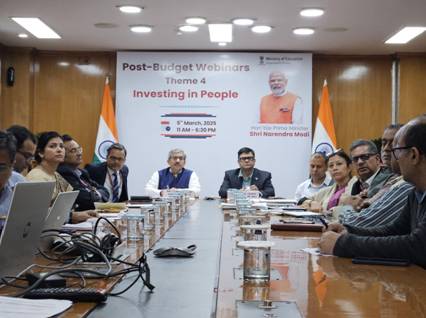
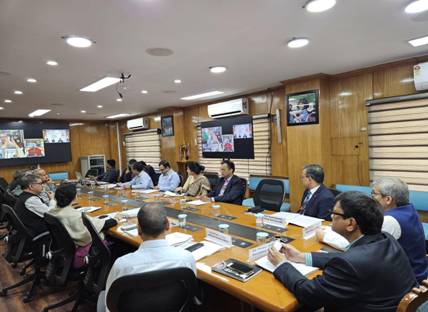





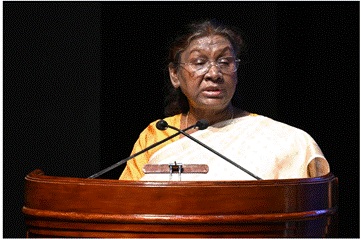
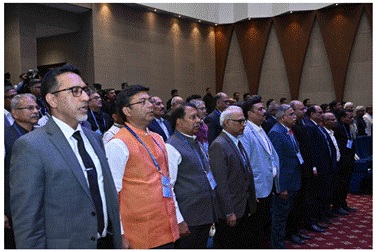
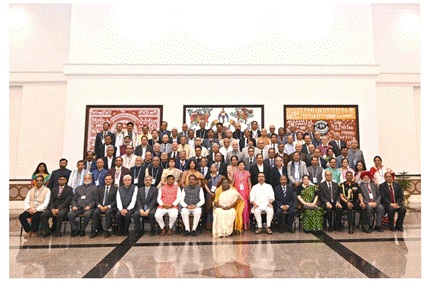
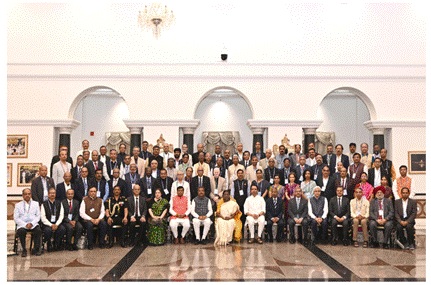


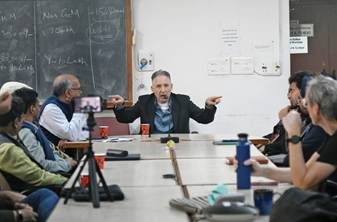
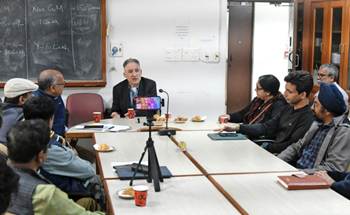
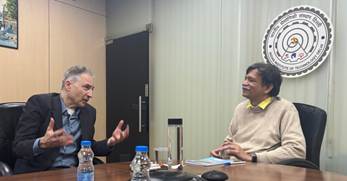
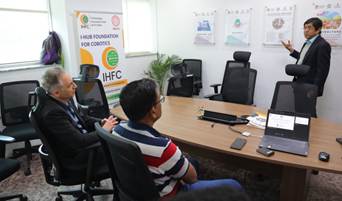


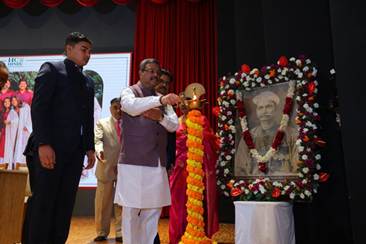
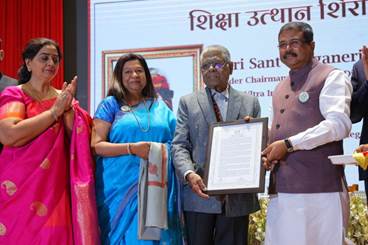
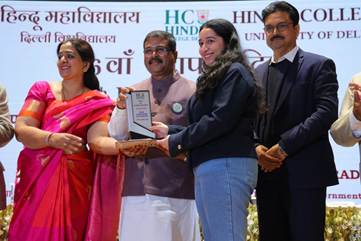




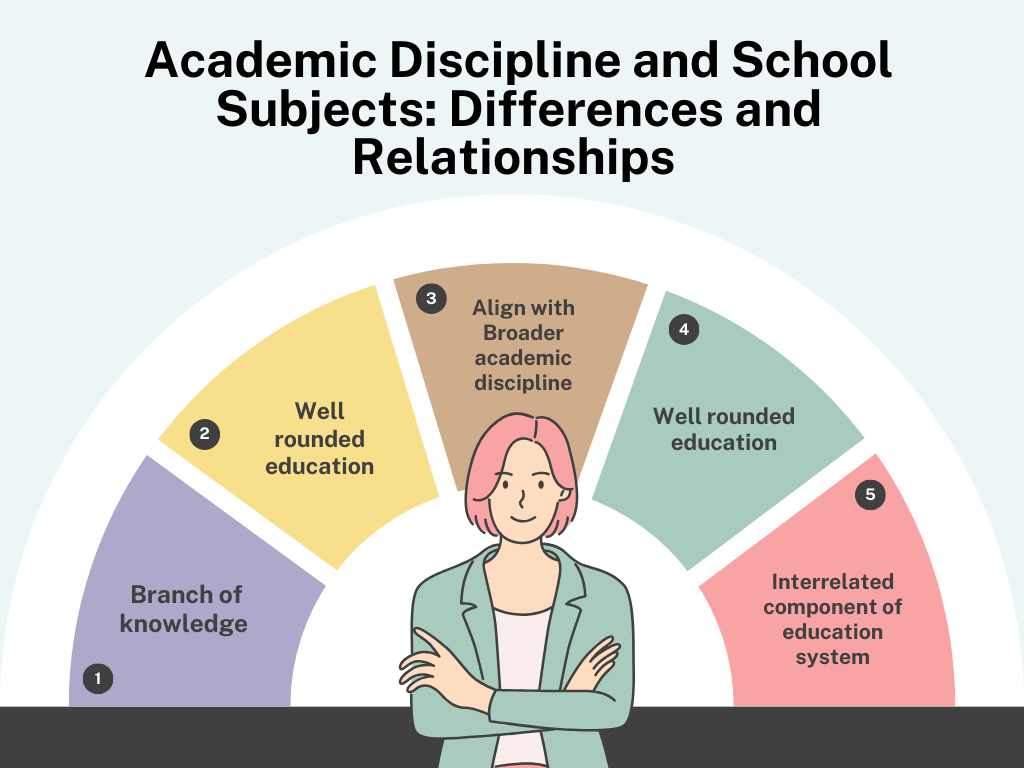
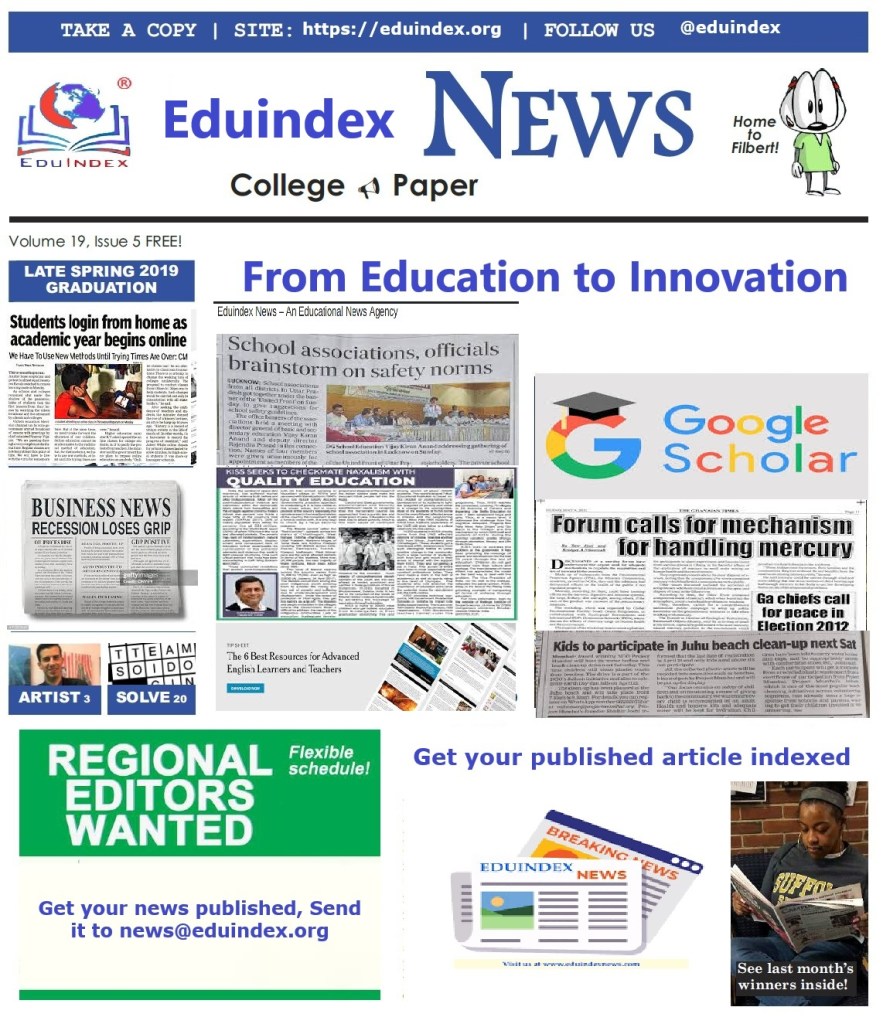


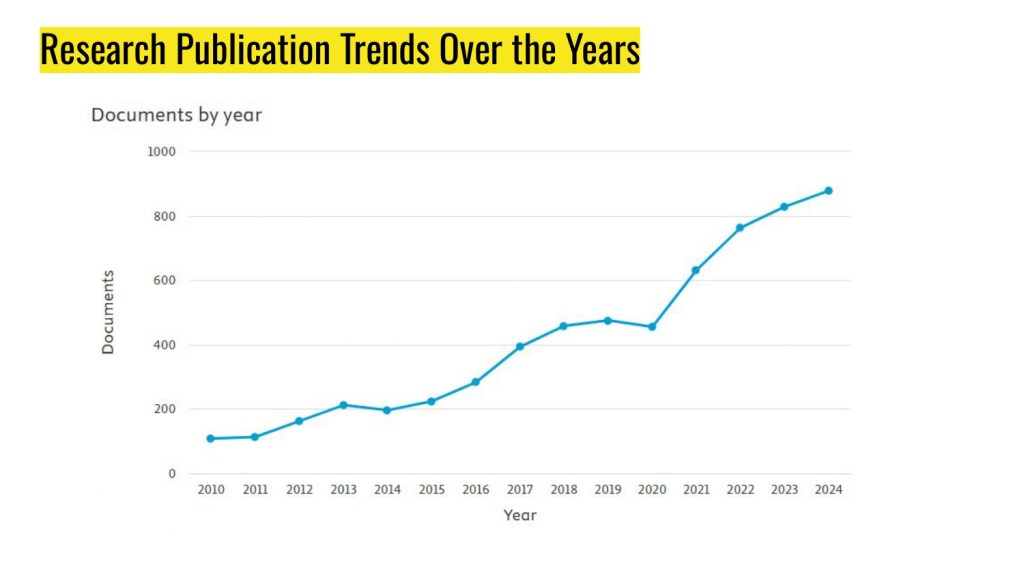



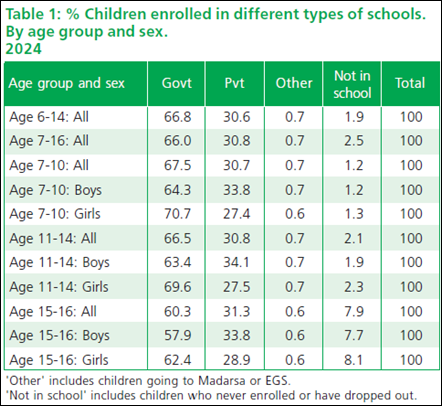



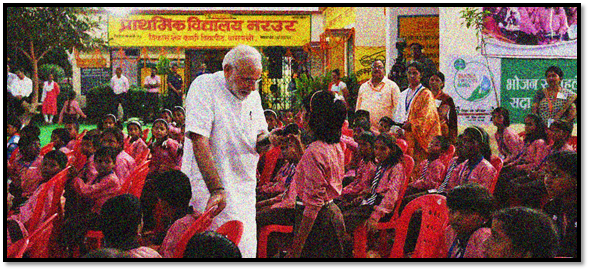
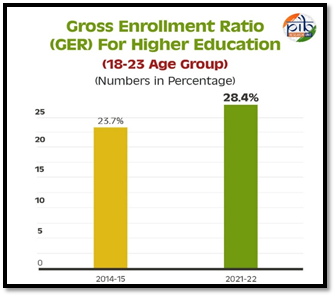
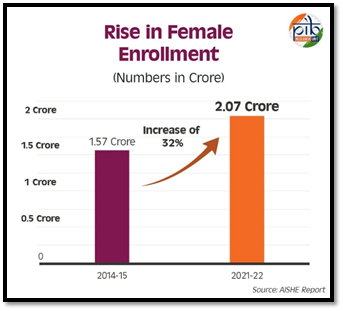
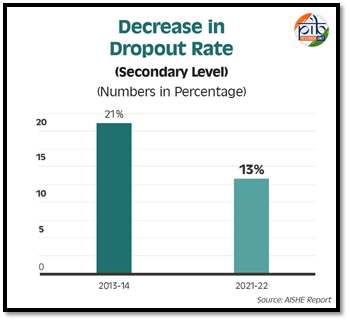
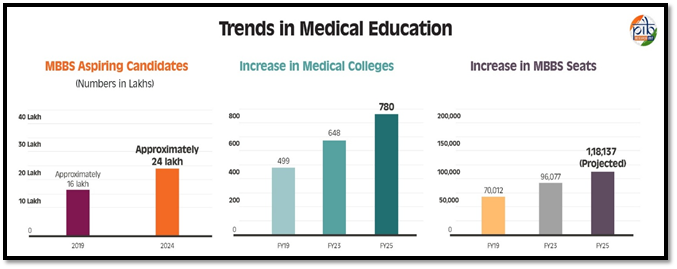
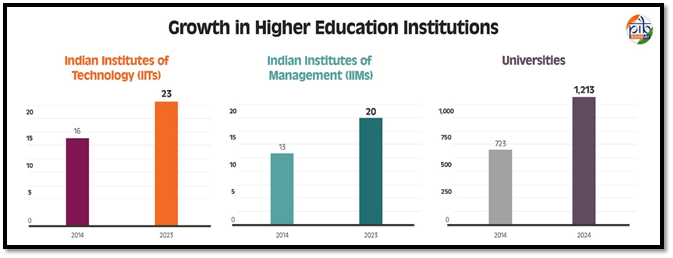
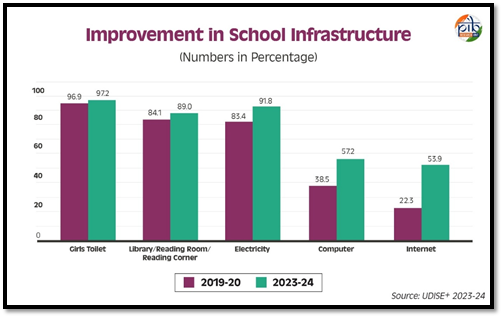



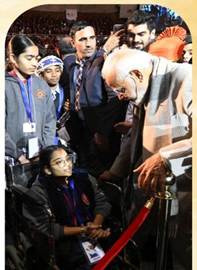
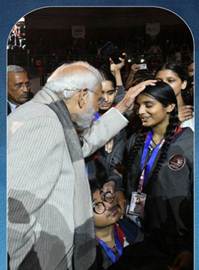
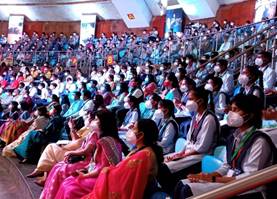

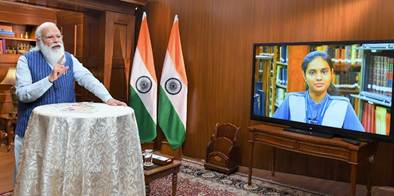
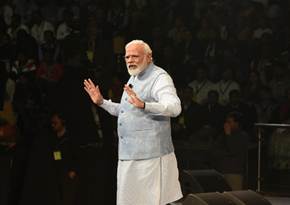
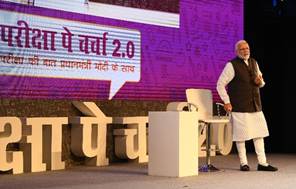
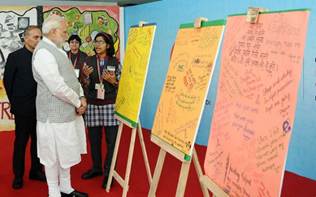
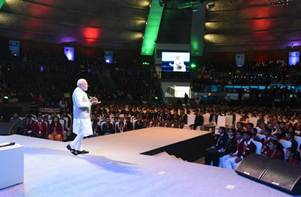


 Eduindex News
You must be logged in to post a comment.