Top Medical Colleges in African countries

Daily writing prompt
What major historical events do you remember?

Africa is home to several top-tier medical institutions that offer quality medical education and are renowned for their research contributions and clinical training. Many African medical colleges produce skilled professionals who contribute significantly to the healthcare systems in their countries and globally. Below are some of the top medical colleges across various African nations:
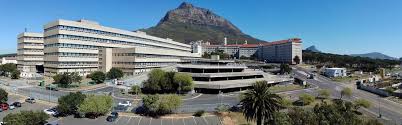
1. University of Cape Town (UCT) Faculty of Health Sciences – South Africa

The University of Cape Town is one of the most prestigious institutions in Africa. Its Faculty of Health Sciences offers a range of medical programs, including MBChB (Bachelor of Medicine and Bachelor of Surgery). UCT’s medical school is well-known for its world-class research, particularly in areas such as HIV/AIDS, tuberculosis, and cardiovascular diseases. Its affiliation with Groote Schuur Hospital, where the first successful heart transplant was performed, adds to its prestige.

2. Stellenbosch University Faculty of Medicine and Health Sciences – South Africa

Another top medical college in South Africa, Stellenbosch University is recognized for its academic excellence and medical research. Its Faculty of Medicine and Health Sciences offers comprehensive training in medicine, with a strong emphasis on research and clinical experience. The university has a global reputation in fields like immunology and health sciences.

3. University of Nairobi School of Medicine – Kenya

The University of Nairobi’s School of Medicine is one of the leading medical schools in East Africa. It is known for its robust medical programs and contribution to healthcare research. The school plays a pivotal role in training medical professionals who serve in Kenya’s healthcare sector, and it has made strides in research on infectious diseases, including malaria and HIV.

4. Makerere University College of Health Sciences – Uganda

Makerere University in Uganda is among the oldest and most prestigious universities in Africa. Its College of Health Sciences offers medical degrees and is known for its pioneering work in health research, particularly in HIV/AIDS and other infectious diseases. Makerere’s medical school has been instrumental in producing skilled healthcare professionals for Uganda and the East African region.

5. Cairo University Faculty of Medicine – Egypt

Cairo University’s Faculty of Medicine is one of the top medical schools in North Africa. Established in 1827, it offers high-quality education in medicine and surgery. Cairo University is known for its comprehensive medical curriculum, with strong research initiatives in fields like oncology and neurology. It has collaborations with various international medical institutions, enhancing its global profile.

6. University of Ibadan College of Medicine – Nigeria

The University of Ibadan’s College of Medicine is the premier medical school in Nigeria. It offers undergraduate and postgraduate medical programs and is well-respected for its contributions to medical research and healthcare training in West Africa. The college has made significant contributions to research in areas like sickle cell anemia and maternal health.

7. Addis Ababa University College of Health Sciences – Ethiopia

The College of Health Sciences at Addis Ababa University is the leading medical school in Ethiopia. It offers a wide range of medical programs and has been instrumental in training healthcare professionals for the country. The university is also involved in critical health research projects, including those focused on public health and infectious diseases.

8. Kwame Nkrumah University of Science and Technology (KNUST) School of Medical Sciences – Ghana

KNUST’s School of Medical Sciences is one of the top medical schools in Ghana and West Africa. The institution is known for its comprehensive medical education programs and research initiatives. KNUST has partnerships with international medical organizations and is highly regarded for its work in tropical medicine and public health.

9. Cheikh Anta Diop University Faculty of Medicine, Pharmacy, and Dentistry – Senegal

This prestigious medical school in Senegal offers high-quality medical education and training in various health-related disciplines. Cheikh Anta Diop University is a leader in health sciences in West Africa, with strong programs in medicine, pharmacy, and dentistry. The university contributes significantly to research in tropical diseases and public health in Francophone Africa.

10. Muhimbili University of Health and Allied Sciences (MUHAS) – Tanzania

MUHAS is the top medical university in Tanzania, offering a variety of medical programs, including MBBS, nursing, and public health. The university is known for its clinical training and medical research, particularly in infectious diseases and non-communicable diseases such as diabetes and hypertension.

Conclusion

African medical colleges are making significant strides in global health, education, and research. Institutions such as UCT, Makerere University, and Cairo University not only provide excellent medical training but also contribute to cutting-edge research in fields critical to Africa’s health challenges. These universities produce healthcare professionals who play a vital role in improving the healthcare landscape in Africa and beyond.
Top Schools for kids in USA

The U.S. is home to many top-tier schools offering high-quality education. Here are some of the best schools for kids, covering both public and private institutions:

Public Schools

1. Thomas Jefferson High School for Science and Technology (Virginia)

Known for its emphasis on science, technology, engineering, and math (STEM).

2. Stuyvesant High School (New York)

One of New York City’s specialized high schools, famous for its rigorous academics.

3. Adlai E. Stevenson High School (Illinois)

Consistently ranked as one of the best public schools in the U.S.

4. Harker School (California)

Offers K-12 education, emphasizing STEM, arts, and extracurriculars.

5. School for Advanced Studies (Florida)

A highly-rated public school known for its early college program.

Private Schools

1. Phillips Exeter Academy (New Hampshire)

Offers a prestigious education with an emphasis on critical thinking and leadership.

2. Trinity School (New York)

One of the oldest schools in the U.S., known for academic excellence.

3. Harvard-Westlake School (California)

Famous for both its rigorous academic programs and its athletics.

4. Sidwell Friends School (Washington, D.C.)

Known for its academic rigor and association with prominent families.

5. The Lawrenceville School (New Jersey)

Offers a unique house system and a broad range of extracurricular activities.

Factors to Consider

When choosing a school for kids in the U.S., consider the academic programs, extracurricular activities, location, and your child’s learning style. Public schools may be excellent if you live in states like Massachusetts, New Jersey, or Virginia, which have top-performing public school systems.

Nurturing Creativity and Curiosity in Young Minds

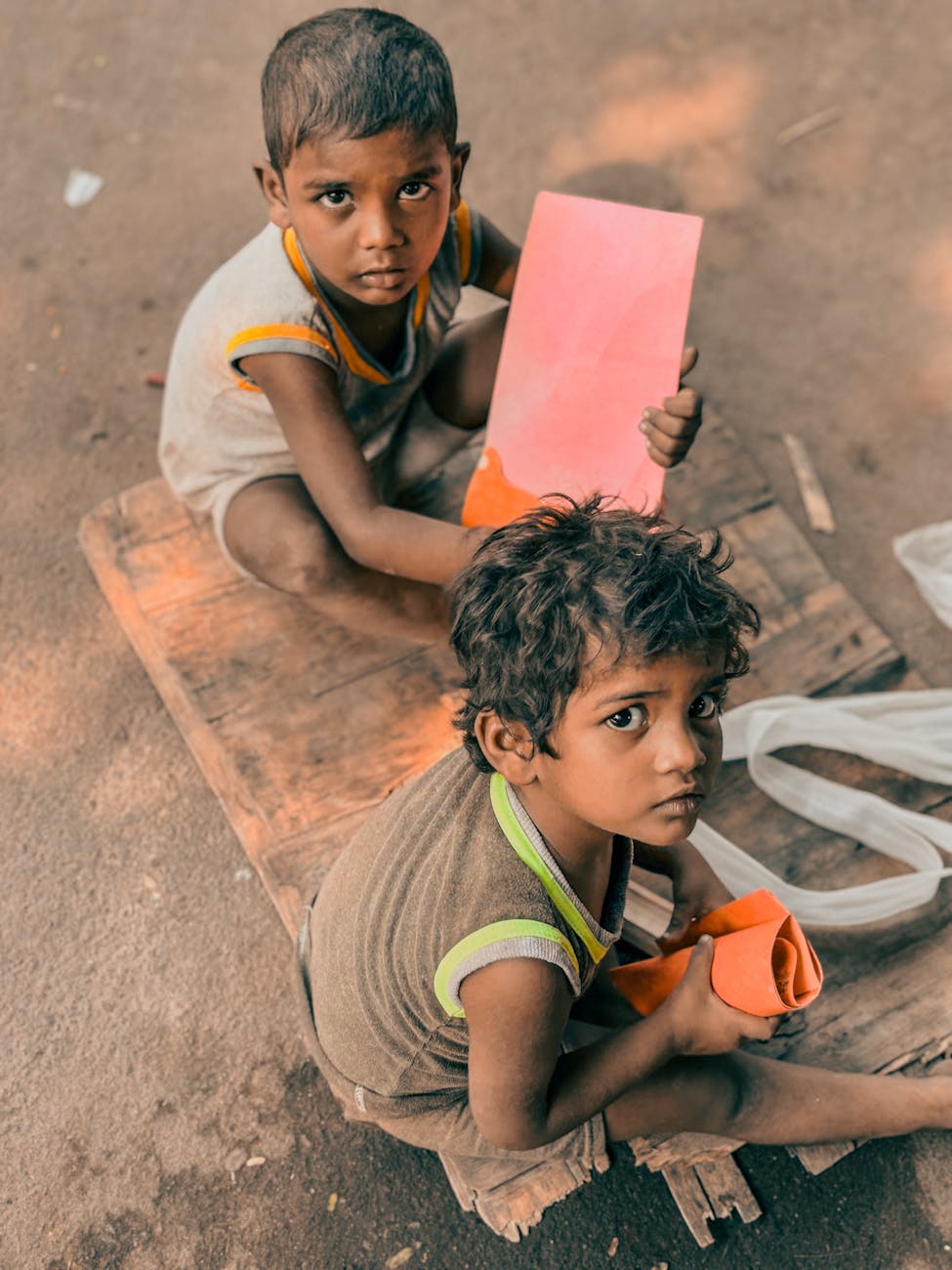
In a rapidly changing world, creativity and curiosity are crucial skills for young minds. These traits not only enhance learning but also equip children with the tools they need to thrive in an unpredictable future. By fostering an environment that nurtures these qualities, we can help unlock each child’s potential and prepare them for lifelong success.

Photo by Wevlog VIjay on Pexels.com

The Importance of Creativity in Childhood

Creativity is more than just artistic expression. It encompasses problem-solving, critical thinking, and the ability to see things from different perspectives. Encouraging creativity in children helps them adapt to new situations and challenges, enhancing their ability to innovate and think independently.

Curiosity as a Catalyst for Learning

Curiosity is the driving force behind exploration and discovery. When children are curious, they are motivated to learn and seek answers. This intrinsic motivation leads to deeper understanding and retention of knowledge, making curiosity a vital component of effective learning.

Creating a Stimulating Environment

To nurture creativity and curiosity, it’s essential to create an environment rich with opportunities for exploration. This includes providing diverse materials and experiences that spark interest and encourage experimentation. A variety of art supplies, building blocks, and open-ended play items can inspire imaginative play and critical thinking.

Encouraging Open-Ended Questions

One of the most effective ways to nurture curiosity is by asking open-ended questions. These types of questions prompt children to think deeply and express their ideas, fostering a sense of wonder and exploration. Instead of asking yes-or-no questions, encourage children to explain their reasoning and expand on their thoughts.

The Role of Play in Creative Development

Play is a powerful tool for nurturing creativity and curiosity. Through play, children learn to experiment, take risks, and solve problems. Whether it’s building a fort or pretending to be a superhero, play allows children to explore their environment and discover new ideas in a fun and engaging way.

Incorporating Art and Music

Art and music are integral to fostering creativity in young minds. These mediums allow children to express themselves freely and explore different emotions and ideas. Encouraging children to draw, paint, or play an instrument can enhance their creative thinking and provide a valuable outlet for self-expression.

Encouraging Outdoor Exploration

Nature is a rich source of inspiration and discovery for young minds. Time spent outdoors helps children develop their senses and observe the world around them. Encourage activities like nature walks, gardening, and outdoor games to spark curiosity and connect children with the natural environment.

Storytelling and Imagination

Storytelling is a powerful tool for nurturing creativity and curiosity. When children hear stories, they create vivid images in their minds and explore different scenarios. Encourage children to tell their own stories, helping them develop their imagination and communication skills.

Supporting Risk-Taking and Failure

A key aspect of nurturing creativity is allowing children to take risks and learn from their mistakes. By creating a safe environment where failure is viewed as a learning opportunity, children become more willing to experiment and try new things. This mindset fosters resilience and encourages innovation.

Fostering a Growth Mindset

Teaching children to adopt a growth mindset is crucial for nurturing creativity and curiosity. When children believe that their abilities can improve with effort and persistence, they are more likely to pursue challenges and learn from setbacks. Encourage children to view obstacles as opportunities for growth and exploration.

Encouraging Collaboration and Teamwork

Working with others can enhance creative thinking and problem-solving skills. Encourage children to collaborate on projects and activities, promoting teamwork and communication. This collaborative approach helps children learn from different perspectives and develop a sense of shared accomplishment.

Conclusion

Nurturing creativity and curiosity in young minds is essential for their development and future success. By providing a supportive and stimulating environment, encouraging exploration and play, and fostering a growth mindset, we can help children reach their full potential. Whether it’s through art, storytelling, or outdoor activities, every experience contributes to a child’s learning journey. For parents in the daycare in West Jordan, these practices can be particularly beneficial, providing a foundation for creativity and curiosity that will last a lifetime.

Top Schools in Singapone

Daily writing prompt
Do lazy days make you feel rested or unproductive?

Singapore is home to some of the top schools offering a diverse range of educational approaches, including local and international curricula. Here are a few highly regarded schools:

Photo by Chu Chup Hinh on Pexels.com
  1. International Community School (Singapore) – This Christian school offers a U.S.-based college preparatory curriculum for kindergarten through high school, with a strong emphasis on values and community. It’s well-known for academic rigor and extracurricular opportunities​Which School Advisor.
  2. Tanglin Trust School – Established in 1925, Tanglin provides a British-based education with options for A-levels or the International Baccalaureate (IB) Diploma Programme. It’s a well-established institution with a long history in Singapore​Which School Advisor.
  3. Dunman High School – Known for academic excellence and a wide array of co-curricular activities, Dunman focuses on holistic development and leadership in its students. It has strong science and humanities programs​HereSingaporeTutor City.
  4. Nanyang Girls’ High School – One of Singapore’s top girls’ schools, offering an education that fosters leadership and character development alongside academic success. It emphasizes both personal growth and service to the community​HereSingapore.
  5. UWC South East Asia – Part of the United World Colleges network, UWCSEA offers an IB-based education and is known for its holistic approach, offering extensive extracurricular activities in the arts, sports, and more​Which School Advisor.

These ib schools in singapore, among others, highlight Singapore’s commitment to providing a high-quality education system that caters to a wide range of interests and talents.

Top Institutes in USA offering Scholarship for Study

Here are ten top institutes in the USA known for offering scholarships for international students, including merit-based, need-based, and special scholarships. These institutions are renowned for their academic excellence and financial aid programs:

1. Harvard University (Massachusetts)

Scholarships: Harvard offers generous need-based financial aid for international students. The aid is determined solely on financial need, and around 55% of students receive aid.

Programs: Wide range of undergraduate, graduate, and professional programs, including Law, Business, Medicine, and Engineering.

2. Stanford University (California)

Scholarships: Stanford provides need-based financial aid for international students. Graduate students can receive fellowships, teaching, or research assistantships.

Programs: Famous for programs in Engineering, Business, and Computer Science, among others.

3. Massachusetts Institute of Technology (MIT)

Scholarships: MIT offers need-based scholarships for international undergraduate students. Graduate fellowships are also available.

Programs: MIT is a world leader in STEM fields, particularly in Engineering, Computer Science, and the Physical Sciences.

4. Princeton University (New Jersey)

Scholarships: Princeton offers 100% need-based financial aid for all students, including internationals. No loans are offered; aid is in the form of grants.

Programs: Renowned for programs in Economics, Public Policy, and STEM fields.

5. Yale University (Connecticut)

Scholarships: Yale provides need-based financial aid to international students. Around 50% of students receive some form of financial aid.

Programs: Famous for its Law, Humanities, and Social Science programs.

6. California Institute of Technology (Caltech)

Scholarships: Caltech offers need-based scholarships and assistantships for graduate students. There are also research grants available.

Programs: Primarily known for Engineering, Physics, and Space Science.

7. University of Chicago (Illinois)

Scholarships: UChicago offers merit-based scholarships to international students, as well as need-based aid for those demonstrating financial need.

Programs: Noted for Economics, Business, Political Science, and Law.

8. Columbia University (New York)

Scholarships: Columbia offers need-based financial aid to international students. Graduate fellowships and assistantships are available as well.

Programs: Strong in Journalism, Business, International Affairs, and Law.

9. Duke University (North Carolina)

Scholarships: Duke offers a mix of merit-based and need-based scholarships to international students. The Karsh International Scholarship is particularly prestigious.

Programs: Renowned for Medicine, Business, Public Policy, and Engineering.

10. University of Pennsylvania (Pennsylvania)

Scholarships: UPenn provides need-based aid for international students and is committed to meeting 100% of demonstrated need.

Programs: Highly respected for programs in Business (Wharton), Law, and Medical fields.

Types of Scholarships:

Need-Based Aid: Many top universities, such as Harvard, MIT, and Princeton, focus on providing financial aid based on a family’s financial situation.

Merit-Based Scholarships: Some schools, like Duke and UChicago, offer scholarships based on academic achievement, leadership, or extracurricular activities.

Special Scholarships: Institutions often have targeted scholarships, like athletic scholarships, or scholarships for students from specific regions.

These institutes also offer fellowships and assistantships for graduate students, which can cover tuition and provide a stipend for research or teaching roles.

Top Management Institute of America

Some of the top management institutes in the United States are known for their world-class education, strong faculty, and extensive alumni networks. Here are a few of the most prestigious ones:

Photo by George Dolgikh on Pexels.com

1. Harvard Business School (HBS) – Harvard University

Location: Cambridge, Massachusetts

Known for its case-study method and extensive research in business leadership.

2. Stanford Graduate School of Business (GSB) – Stanford University

Location: Stanford, California

Emphasizes innovation, entrepreneurship, and leadership.

3. Wharton School – University of Pennsylvania

Location: Philadelphia, Pennsylvania

One of the oldest business schools, known for finance and entrepreneurship.

4. MIT Sloan School of Management – Massachusetts Institute of Technology

Location: Cambridge, Massachusetts

Strong focus on innovation, quantitative analysis, and leadership.

5. Booth School of Business – University of Chicago

Location: Chicago, Illinois

Known for its rigorous analytical and empirical approach to business education.

6. Kellogg School of Management – Northwestern University

Location: Evanston, Illinois

Known for its focus on teamwork, leadership, and global management.

7. Columbia Business School – Columbia University

Location: New York City, New York

Strong ties to the finance industry and leadership development.

8. Haas School of Business – University of California, Berkeley

Location: Berkeley, California

Focuses on innovation, sustainability, and entrepreneurship.

9. Tuck School of Business – Dartmouth College

Location: Hanover, New Hampshire

Known for its tight-knit community and focus on leadership and global business.

10. Yale School of Management – Yale University

Location: New Haven, Connecticut

Strong emphasis on integrating business with society and leadership for social good.

These institutes consistently rank highly in global MBA rankings and are renowned for their cutting-edge research, diverse curricula, and influential alumni.

Benefits of Creating and using ResearchGate

Creating and using a ResearchGate account offers numerous benefits, especially for researchers, academics, and professionals in various fields. Some of these benefits include:

1. Networking: ResearchGate helps you connect with other researchers and professionals in your area of expertise, enabling collaboration on projects, sharing insights, and discussing new developments.

2. Access to Research: You can access a vast database of research papers, articles, and publications. Many researchers share their full papers, which are otherwise behind paywalls, giving you free access to valuable research materials.

3. Research Visibility: By creating a profile and uploading your publications, you can increase the visibility of your work, which can lead to more citations and collaborations.

4. Metrics and Impact: ResearchGate provides statistics such as the number of reads, citations, and the ResearchGate Score, which help track the impact of your publications over time.

5. Collaboration Opportunities: You can find potential collaborators by browsing profiles and publications in your field, or by joining discussions in topics relevant to your research interests.

6. Questions and Answers: The platform allows you to ask and answer questions related to your research, helping solve problems and gain insights from the academic community.

7. Job Opportunities: ResearchGate often features job listings relevant to researchers, including academic positions, postdocs, and research fellowships.

8. Profile Building: It provides an easy way to maintain a professional profile, showcasing your expertise, affiliations, and publications to a global audience.

9. Feedback and Peer Review: You can receive feedback on your work from the community, which can help you refine your research or approach and improve the quality of future publications.

Overall, ResearchGate helps foster a collaborative and informed research community by connecting professionals, providing access to academic materials, and offering tools to enhance professional growth.

Top Ten Exams after 10th Passing

Daily writing prompt
Your life without a computer: what does it look like?

After completing 10th grade, students have a variety of options to consider for further education and career paths. Here are the top ten exams and streams that students can pursue after 10th:

Photo by George Dolgikh on Pexels.com

1. Class 11 Board Exams (Science, Commerce, Arts)

  • Overview: Students can choose to enroll in Science, Commerce, or Arts streams. The choice largely depends on their interests and career aspirations.
  • Key Focus: Subjects vary by stream, with Science focusing on Physics, Chemistry, and Mathematics, Commerce on Business Studies and Accountancy, and Arts on subjects like History and Psychology.

2. National Institute of Open Schooling (NIOS)

  • Overview: NIOS offers a flexible education system where students can complete their secondary education through open schooling.
  • Key Focus: It is suitable for students who prefer self-paced learning or need to balance other commitments.

3. Diploma Courses

  • Overview: Various technical and vocational diploma courses are available, including Engineering, Hotel Management, and Nursing.
  • Key Focus: These courses provide practical knowledge and skills for specific industries, often requiring an entrance exam.

4. ITI (Industrial Training Institute)

  • Overview: ITI courses focus on technical skills in fields such as electrician, plumbing, and welding.
  • Key Focus: Students learn specific trades, enhancing employability in skilled labor sectors.

5. Joint Entrance Examination (JEE)

  • Overview: JEE is a national-level exam for admission into engineering programs in prestigious institutions like IITs and NITs.
  • Key Focus: It tests students on Physics, Chemistry, and Mathematics.

6. National Eligibility cum Entrance Test (NEET)

  • Overview: NEET is the entrance exam for students aiming to pursue undergraduate medical courses (MBBS, BDS).
  • Key Focus: The exam assesses knowledge in Biology, Chemistry, and Physics.

7. Common Entrance Test (CET)

  • Overview: Various states in India conduct CETs for admission into professional courses, including engineering and medical programs.
  • Key Focus: Depending on the state, the CET may cover subjects like Mathematics and Science.

8. Commerce Stream Entrance Exams

  • Overview: For students interested in pursuing Commerce, exams for BBA (Bachelor of Business Administration) programs are available.
  • Key Focus: These exams often assess aptitude in Mathematics, English, and Logical Reasoning.

9. Creative Arts Entrance Exams

  • Overview: Students interested in pursuing Fine Arts, Design, or Performing Arts can take entrance exams specific to these fields.
  • Key Focus: Exams may include practical assessments, portfolios, and interviews.

10. Foreign Language and Vocational Courses

  • Overview: Students can opt for foreign language courses or vocational training that offer specialized skills.
  • Key Focus: These courses enhance language proficiency or provide practical skills for various careers.

Conclusion

Choosing the right path after 10th grade is crucial for a student’s future. It’s important to assess personal interests, strengths, and career goals when considering these options. Each of these exams and courses opens different avenues for higher education and career opportunities.

New Education Policy 2020

New Education Policy (NEP) 2020: A Revolutionary Reforms in Indian Education System

The New Education Policy (NEP) 2020, approved by the Union Cabinet on July 29, 2020, aims to transform India’s education system, making it more inclusive, equitable, and vibrant. This comprehensive policy replaces the 34-year-old National Policy on Education (NPE), 1986.

Key Objectives:

  1. Universalization of education from pre-school to secondary level.
  2. Promoting equity, inclusivity, and social justice.
  3. Enhancing quality, relevance, and innovation in education.
  4. Integrating technology to improve learning outcomes.
  5. Fostering research, innovation, and entrepreneurship.

Major Reforms:

School Education:

  1. 5+3+3+4 Structure: Replacing the existing 10+2 structure with a new framework:
    • Foundational Stage (Age 3-8): 5 years of pre-primary and primary education.
    • Preparatory Stage (Age 8-11): 3 years of middle school.
    • Middle Stage (Age 11-14): 3 years of secondary school.
    • Secondary Stage (Age 14-18): 4 years of high school.
  2. No Rigid Separation: Between arts, sciences, and vocational streams.
  3. Multiple Entry/Exit Points: Allowing students to exit and re-enter the education system.

Higher Education:

  1. Multidisciplinary Education: Encouraging institutions to offer diverse programs.
  2. Credit Transfer: Allowing students to transfer credits between institutions.
  3. Autonomy: Granting more autonomy to institutions for innovation and research.
  4. Online and Distance Learning: Expanding online and distance learning opportunities.

Vocational Education:

  1. Integration with School Education: Introducing vocational courses from Class 6.
  2. Industry Partnerships: Collaborating with industries for apprenticeships and training.

Teacher Training and Development:

  1. Continuous Professional Development: Mandatory training for teachers.
  2. Teacher Education: Reforming teacher education programs.

Digital Education:

  1. National Digital Education Platform: Creating a digital infrastructure.
  2. Online Courses: Developing high-quality online courses.

Inclusion and Equity:

  1. Inclusive Education: Ensuring education for all, including differently-abled students.
  2. Scholarships: Increasing scholarships for disadvantaged groups.
  3. Gender Equality: Promoting gender equality in education.

Implementation:

The NEP 2020 will be implemented in phases, with the following timelines:

  1. Short-term (2020-2025): Implementation of structural reforms.
  2. Medium-term (2025-2030): Focus on quality and innovation.
  3. Long-term (2030-2040): Achieving global standards in education.

The New Education Policy 2020 has the potential to revolutionize India’s education system, making it more inclusive, equitable, and relevant to the 21st century.

Workshop on Institutional Development Plan for Higher Education Institutes and releases UGC Compendium of Regulations (1957-2023)

Daily writing prompt
What details of your life could you pay more attention to?

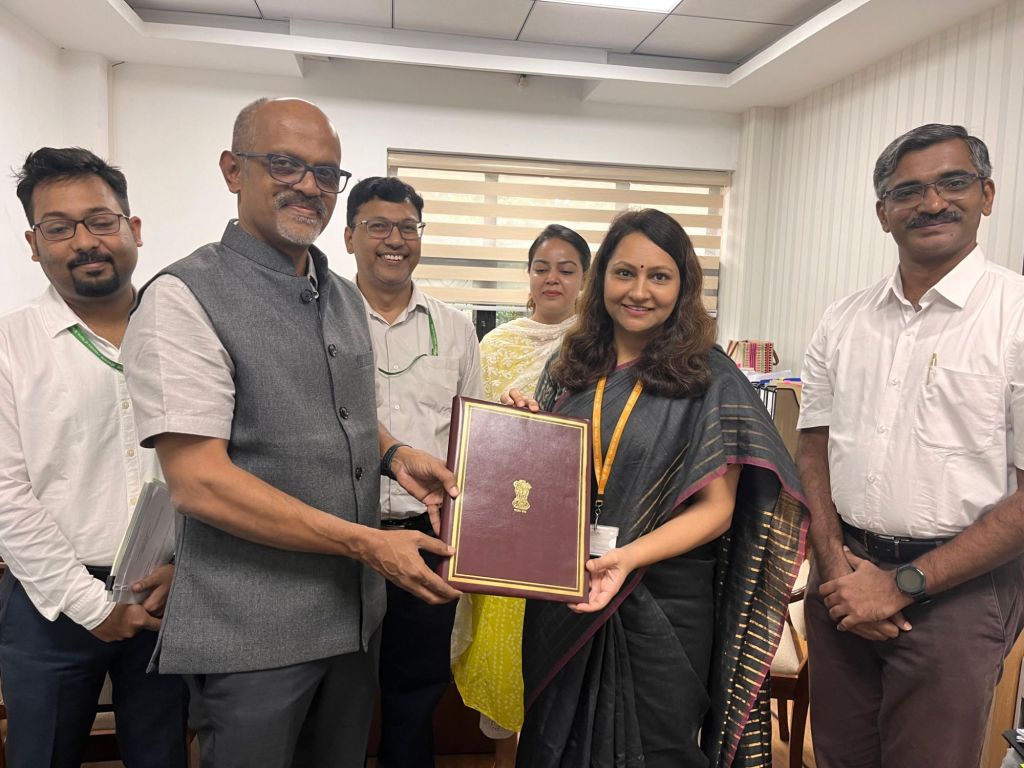
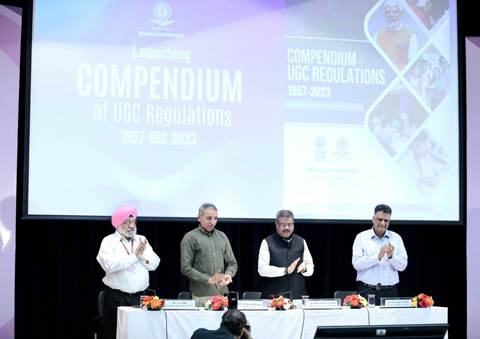
Union Minister for Education, Shri Dharmendra Pradhan, inaugurated a one-day workshop on the Institutional Development Plan for Higher Education Institutes. He also released the UGC Compendium of Regulations (1957-2023) as a single, accessible & reliable source of all UGC rules. Shri Sanjay Murthy, Secretary, Department of Higher Education, Ministry of Education; Dr. N.S. Kalsi, Former Chairman, NCVET and Chairman of the Committee working on formulating the IDP Guidelines; Shri M. Jagadesh Kumar, Chairman, UGC; Vice-Chancellors, Nodal Officers, and other dignitaries were also present at the event.

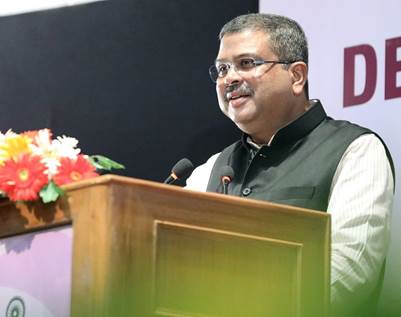
Shri Dharmendra Pradhan, while addressing the audience said the Higher education Institutes of the country will play a crucial role in realising the vision of Prime Minister Shri Narendra Modi of Viksit Bharat by embracing the core values and spirit of NEP 2020.

Image

He also talked about the role of the HEIs in redefining the purpose and structure of education, empowering youth and making them future-ready, doubling the gross enrolment ratio, bringing a vast majority of the population under the higher education net, effectively utilising demographic advantage, achieving academic, research & innovation excellence and also the way forward for transforming 5000 HEIs into centres-of-excellence through holistic and inclusive approaches.

Shri Pradhan also said that education will propel India from being a consuming economy to becoming a producing economy. The institutional development plan should focus on enhancing the competencies of our vast demography, facilitating learner-centric and multidisciplinary education, integrating Bharatiya Bhasha in higher learning, prioritising innovation, entrepreneurship and job-creation as an outcome, capacity building of teachers and achieving the global standard of research & development, he added.

He also said that education must address 21st-century aspirations and create solutions for local and global challenges. The world looks at India’s talent pool for new models and solutions to challenges of our age, he stated He exhorted the academic fraternity to work in a focused and time-bound manner to reinvent their institutions, transforming the higher educational landscape and achieving national priorities.

Speaking on the relevance and importance of the workshop Shri K. Sanjay Murthy elaborated on the ambitious plan the Ministry of Education had presented to the Prime Minister as part of the social group with the vision for the next twenty-five years. Talent and competency would be needed to back up the tremendous work that would take place and the institutions must rise to the demand to meet the talent requirements, he added. He also emphasized the Future of Work and that the IDP must focus on enhancing the quality of the institutes. Introduction of the IDP will also help the institutes to be at par with the universities of the world, he said.

About the Workshop:

The workshop on Institutional Development Plan (IDP) brings together higher education institutions to discuss strategies for institutional growth and development. The compendium will serve as a valuable resource for institutions as they develop and implement their IDP. Over 170 representatives from HEIs across India are participating in this workshop. Aligning with the National Education Policy (NEP) 2020, the IDP provides institutions with a clear roadmap to develop their vision, mission and goals for a future-ready education system.

Through the two thematic sessions, the participants will have the opportunity to learn about governance enablers, financial planning and management, human resources and supportive-facilitative enablers, networking and collaboration enablers, physical enablers, digital enablers, and research and intellectual property enablers, innovative funding models, and curriculum development. Renowned experts from industry, academia, and government will share their insights and experiences on these critical areas.

In each session, different universities will share their best practices for creating their IDP. In a separate Q&A session, Chairman UGC, Former Chairman, NCVET and the speakers from the Panels will address the queries of the participants.

About UGC Compendium:

To provide a single source of reference to all the stakeholders, UGC has prepared a Compendium of all UGC Regulations, Rules and Notifications from 1957-2023. The compendium includes 15 Rules, 87 Regulations, and 28 Notifications covering a wide range of topics, including inspection, the fitness of institutions for grants, return of information, budget and accounts, establishments, affiliation, autonomy, accreditation, admission & fees, specification of degrees, and other miscellaneous matters. The compendium provides a one-stop reference for all regulatory requirements, ensuring that institutions can easily access and comply with UGC guidelines. This is expected to streamline operations and support informed decision-making, creating an environment of compliance and best practices. This compendium having more than 1100 pages, is available in the form of a PDF and e-book on the UGC website.

About IDP:

Institutional Development Plan (IDP) Guidelines were launched by UGC on 6th February 2024. The IDP Guidelines will help institutions make a strategic Institutional Development Plan with the joint participation of Board members, institutional leaders, faculty, students and staff based on which institutions will develop initiatives, assess their progress, and reach the goals set therein.

Visit: https://www.ugc.gov.in/pdfnews/1713699_IDP-Guidelines.pdf

*****

Mid Day Meal: A Game-Changer in Eradicating Hunger and Promoting Education

Mid Day Meal: A Game-Changer in Eradicating Hunger and Promoting Education

The Mid Day Meal (MDM) scheme is a flagship program of the Indian government aimed at providing free lunches to school-going children, with the dual objective of eradicating hunger and promoting education. Launched in 1995, MDM has grown to become one of the largest school meal programs in the world, benefiting over 120 million children across the country.

Objectives:

  1. Eradicate hunger and malnutrition: Provide nutritious meals to school-going children, particularly from disadvantaged backgrounds.
  2. Promote education: Encourage enrollment, attendance, and retention in schools, especially among marginalized communities.
  3. Improve socialization and inclusivity: Foster a sense of community and social equality among children from diverse backgrounds.

Key Features:

  1. Free meals: Provided to all students, regardless of their background or financial status.
  2. Nutritious menu: Meals are designed to meet nutritional standards, with a focus on local and seasonal ingredients.
  3. Decentralized implementation: Meals are prepared and served at the school level, involving local communities and Self-Help Groups (SHGs).
  4. Monitoring and evaluation: Regular monitoring and evaluation to ensure quality and effectiveness.

Benefits:

  1. Improved attendance and enrollment: MDM has led to increased attendance and enrollment rates, especially among girls and marginalized communities.
  2. Enhanced nutrition and health: Nutritious meals have improved children’s health, reducing malnutrition and related health issues.
  3. Increased socialization and inclusivity: MDM has fostered a sense of community and social equality among children from diverse backgrounds.
  4. Supports poverty alleviation: MDM helps reduce the economic burden on families, enabling them to invest in their children’s education.

Challenges and Future Directions:

  1. Quality and consistency: Ensuring consistent quality of meals across the country remains a challenge.
  2. Infrastructure and logistics: Upgrading infrastructure and streamlining logistics to support MDM’s expansion.
  3. Community involvement: Encouraging greater community participation and ownership to sustain the program.

In conclusion, the Mid Day Meal scheme has been a groundbreaking initiative in addressing hunger and promoting education in India. As the program continues to evolve, it is essential to address the challenges and build on its successes to ensure a brighter future for India’s children.

NAFSA (National Association of Foreign Student Advisers)

NAFSA (National Association of Foreign Student Advisers) is a non-profit professional organization for international educators, promoting cross-cultural understanding and exchange. Here’s a detailed overview:

_Mission:_
NAFSA fosters international education and exchange, promoting global understanding and development.
_Objectives:_
– Support international student and scholar services
– Enhance international education programming
– Facilitate networking and professional development
– Advocate for international education policy
_Activities:_
– Annual conferences and regional meetings
– Training and professional development workshops
– Online resources and publications
– Advocacy and public policy initiatives
_Membership:_
– Open to institutions, organizations, and individuals engaged in international education
– Benefits include networking, professional development, and access to resources
_Committees and Knowledge Communities:_
– Focus on specific areas like student services, education abroad, and advocacy
– Provide platforms for networking and knowledge sharing
_Publications:_
– International Educator magazine
– NAFSA Newsletter
– Online resources and reports
NAFSA plays a crucial role in promoting international education and exchange, supporting professionals in the field, and advocating for policies that foster global understanding and development.

Education in Kerala

Kerala, a state in southwestern India, is known for its high literacy rate and strong emphasis on education. Here are some key aspects of education in Kerala:

1. _High literacy rate_: Kerala has a literacy rate of over 95%, one of the highest in India.
2. _Free education_: Education is free for all students up to the age of 14.
3. _Government schools_: Government schools are widespread, offering quality education at an affordable cost.
4. _Private schools_: Private schools, including international schools, offer additional options for students.
5. _Universities_: Kerala has several top-ranked universities, including the University of Kerala and Mahatma Gandhi University.
6. _Professional colleges_: Kerala has a large number of professional colleges offering courses in engineering, medicine, law, and more.
7. _Vocational training_: Vocational training programs are available for those interested in skill-based education.
8. _Emphasis on science and technology_: Kerala encourages students to pursue science and technology fields.
9. _Strong focus on research_: Kerala has a growing research community, with many universities and institutions engaged in innovative research.
10. _Education for all_: Kerala’s education system aims to provide education to all, regardless of caste, creed, or financial background.
Kerala’s education system has contributed significantly to the state’s social and economic development, making it one of the most educated states in India.

Top Universities in Andhra Pradesh

 Andhra Pradesh is home to several renowned universities known for their academic excellence and research contributions. Here are some of the top universities in the state:

  1. Indian Institute of Technology (IIT) Tirupati: One of the newest IITs in India, offering high-quality programs in engineering, sciences, and research, with a focus on innovation and cutting-edge technology.

  2. Andhra University, Visakhapatnam: One of the oldest universities in India, offering a wide range of undergraduate, postgraduate, and doctoral programs in arts, science, engineering, law, and management.

  3. Sri Venkateswara University, Tirupati: A prominent public university offering diverse programs in arts, science, commerce, management, and engineering, known for its strong academic and research culture.

  4. Jawaharlal Nehru Technological University (JNTU), Kakinada: A leading technical university affiliating numerous engineering colleges across the state, offering programs in engineering, technology, and management.

  5. Sri Venkateswara Institute of Medical Sciences (SVIMS), Tirupati: A premier medical university known for its high-quality medical education, research, and healthcare services.

  6. Acharya Nagarjuna University, Guntur: Offers a variety of programs in arts, science, commerce, law, and management, with a focus on research and academic excellence.

  7. Vignan’s Foundation for Science, Technology & Research (Deemed University), Guntur: A well-regarded private university offering programs in engineering, technology, management, and sciences, known for its innovation and industry connections.

  8. GITAM (Gandhi Institute of Technology and Management) University, Visakhapatnam: A leading private university offering diverse programs in engineering, management, humanities, and health sciences, with a focus on research and global collaborations.

  9. Dr. NTR University of Health Sciences, Vijayawada: Specializes in medical and health sciences education, offering programs in medicine, dentistry, nursing, and allied health sciences.

  10. Krishna University, Machilipatnam: A growing public university offering programs in arts, science, commerce, and management, with a focus on regional development and research.

These universities are well-regarded for their academic programs, research contributions, and strong alumni networks, making them top choices for students in Andhra Pradesh and beyond.

Top Universities in Maharastra

 Maharashtra is home to some of India’s most prestigious universities, known for their academic excellence, research, and diverse programs. Here are the top universities in Maharashtra:

  1. Indian Institute of Technology Bombay (IIT Bombay), Mumbai: One of India’s leading engineering and research institutions, renowned for its cutting-edge research, innovation, and top-ranked programs in engineering, technology, and sciences.

  2. University of Mumbai, Mumbai: One of India’s oldest universities, offering a wide range of undergraduate, postgraduate, and doctoral programs in arts, science, commerce, law, and management.

  3. Savitribai Phule Pune University (SPPU), Pune: A well-regarded public university offering a diverse array of programs in arts, science, commerce, engineering, and management, known for its research contributions.

  4. Institute of Chemical Technology (ICT), Mumbai: A premier institute specializing in chemical engineering, technology, and applied sciences, known for its research and industry collaborations.

  5. Tata Institute of Social Sciences (TISS), Mumbai: A prestigious institute offering programs in social sciences, humanities, public policy, and social work, with a strong focus on research and societal impact.

  6. Symbiosis International (Deemed University), Pune: A leading private university offering diverse programs in management, law, humanities, and health sciences, known for its international collaborations and industry connections.

  7. Narsee Monjee Institute of Management Studies (NMIMS), Mumbai: A top private university offering programs in management, engineering, commerce, law, and health sciences, with a focus on innovation and entrepreneurship.

  8. Dr. Babasaheb Ambedkar Marathwada University, Aurangabad: A prominent public university offering a variety of programs in arts, science, commerce, law, and management, with a focus on regional development.

  9. Maharashtra Institute of Technology (MIT), Pune: A leading private institute offering programs in engineering, technology, management, and humanities, known for its academic rigor and innovation.

  10. Shivaji University, Kolhapur: A well-known public university offering programs in arts, science, commerce, and engineering, with a strong emphasis on research and community engagement.

These universities are recognized for their contributions to higher education, research, and innovation in Maharashtra, making them top choices for students across India.