How to Find a Trustworthy Team for Your Solar Project

Daily writing prompt
What sacrifices have you made in life?

Switching to solar energy is a significant investment, making it essential to choose the right team for the job. With the growing demand for renewable energy, more homeowners and businesses are turning to the trusted experts among solar power companies in Utah. Partnering with a reliable solar provider guarantees high-quality results, long-term savings, and lasting peace of mind. Here’s a guide to help you make an informed decision.

Photo by Gustavo Fring on Pexels.com

Understand Your Solar Project Needs

Before contacting a solar company, it’s essential to clearly define your needs. Are you installing solar panels for a residential home, a commercial property, or an off-grid site? Knowing the size, scope, and goals of your project will help you identify a team with the right expertise for your installation. When discussing your requirements, be sure to ask potential providers about their experience with similar projects. This will give you a better sense of whether they have the skills and knowledge to meet your specific needs.

Research Solar Power Companies Carefully

Finding the right team starts with thorough research. Focus on companies with a strong reputation in your area and beyond. Customer reviews, industry certifications, and local awards can offer valuable insight into their credibility. Additionally, review their portfolio of completed projects to assess their expertise. A reliable team will showcase a proven track record of successful installations that align with your expectations for quality and scale.

Prioritize Local Expertise

Working with a local solar company offers significant advantages, thanks to their familiarity with the climate, regulations, and available incentives in your area. These experts understand the unique challenges of the local environment, such as snow load requirements and the ideal panel angles for maximum sun exposure. Their in-depth knowledge not only ensures a more efficient and effective solar installation but also helps you take full advantage of state and federal tax incentives, saving you more money in the long run.

Ask About Licensing, Insurance, and Warranties

Choosing licensed and insured solar power companies ensures your protection throughout the installation process. Always verify that the team holds the required state licenses and adequate insurance, safeguarding you from liability in case of accidents. Additionally, inquire about warranties on both equipment and labor. A reliable company stands by its work, offering warranties that demonstrate their commitment to quality and customer satisfaction.

Evaluate Communication and Transparency

Effective communication is essential to the success of any solar project. A reliable team will take the time to address your questions, clearly outline the process, and keep you informed every step of the way. Transparency in pricing, timelines, and expectations demonstrates a commitment to honesty and customer satisfaction. Trustworthy companies also proactively discuss potential challenges and their solutions, ensuring you feel confident and supported throughout the entire journey.

Compare Quotes Thoughtfully

While it might be tempting to select the lowest bid, it’s essential to look beyond the price tag. Take the time to review each quote thoroughly to understand what’s included. Pay attention to factors such as equipment quality, warranty terms, project timelines, and post-installation support. Investing a little more upfront in a reputable team can lead to significant savings down the road by reducing maintenance costs, minimizing repairs, and maximizing energy efficiency.

Look for Comprehensive Services

Many solar power companies go beyond basic installation, offering a comprehensive range of services. Opting for a team that handles design, permitting, installation, and ongoing maintenance ensures seamless support at every stage. A full-service provider simplifies the process, minimizes the chance of miscommunication between contractors, and delivers a smoother, more efficient experience.

Conclusion

Trust your instincts when selecting a team for your solar project. If a company appears rushed, evasive, or overly pushy in its sales tactics, it’s likely not the right fit. A reliable solar partner will prioritize respect, provide clear and thorough answers to your questions, and focus on crafting a solution tailored to your specific needs—not just closing a sale. The sun offers limitless energy potential, and partnering with the right team can transform your solar experience. By choosing a dependable solar company, you protect your investment and ensure your energy goals are met with efficiency and care.

CIL joins hands with IIT, Hyderabad for R&D in clean coal tech

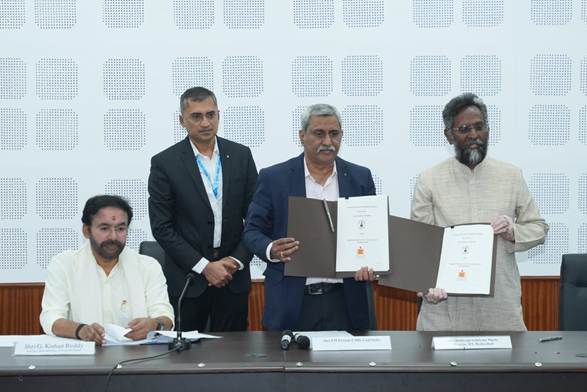
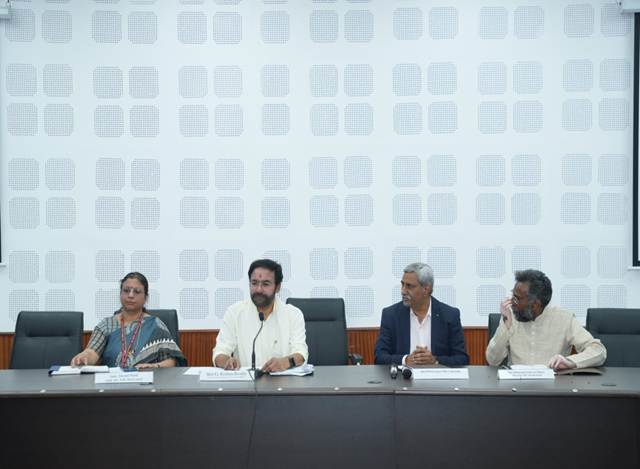
Coal India Limited (CIL) has inked a memorandum of understanding (MoU) with Indian Institute of Technology, Hyderabad (IIT-H), on 7 March, for establishing a Centre of Clean Coal Energy and Net Zero (CLEANZ) at Hyderabad.

The joint initiative between CIL and IITH aims to develop clean coal technologies and diversification in coal utilization. Both the entities will synergize their efforts in developing cutting edge technology readiness level (TRL) for sustainable utilization of Indian coal. This is in line with the country’s Net Zero commitments. The Coal Ministry is also keen in developing research capabilities in coal sector and advised to take up research projects relevant to India’s coal and energy sectors.

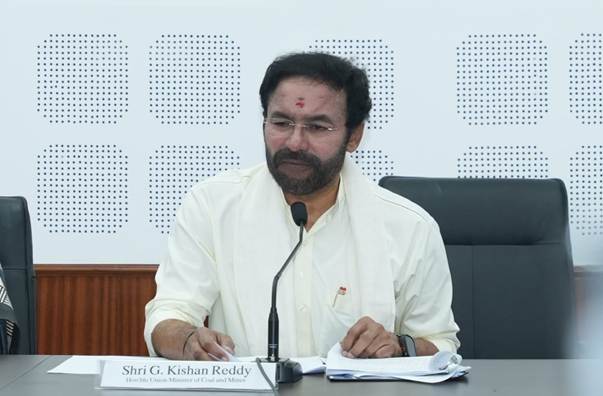
Shri G Kishan Reddy, Union Minister of Coal & Mines was the Chief Guest, and the pact was formally signed in his presence by P M Prasad, Chairman, CIL and Prof. B S Murty, Director, IITH in Hyderabad.

CIL’s management has green flagged a grant of Rs.98 Crores to IITH for a duration of five years for setting up this Centre of Excellence. It is anticipated that the project will be financially self-sustainable beyond the initial five year funding received from CIL.

CIL’s Board earlier in July 2024 has given its nod to focus on providing grants to reputed government institutions and research organizations under R&D expenditure. The objective is to enhance research capabilities and establishment of Centres of Excellence.

The current collaborative model is an R&D endeavour under the umbrella of National Centre for Coal and Energy Research (NaCCER). This is an independent R&D unit of CMPDI, the mine development and consultancy arm of CIL.

CLEANZ envisions net zero utilization with special emphasis on low grade and rejected coal. The thematic areas under CLEANZ are enhanced coal bed methane and coal mine methane recovery, carbon capture technologies, coal gasification and syngas utilization, energy efficiency and conservation, artificial intelligence and machine learning among others.

Other salient features are training and assisting CIL officials in tech adoption, skill and capability enhancement, extraction and beneficiation technologies for critical minerals.

****

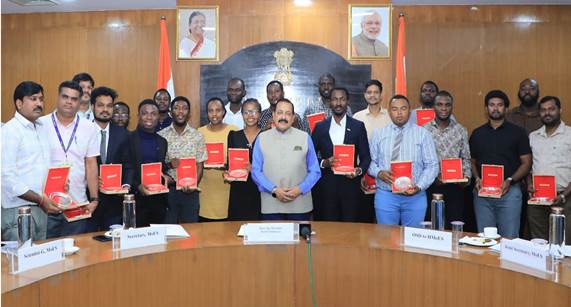
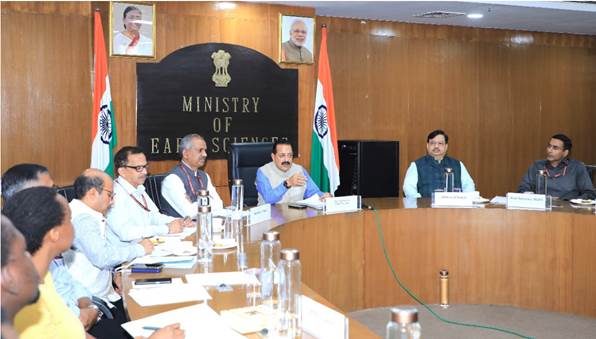
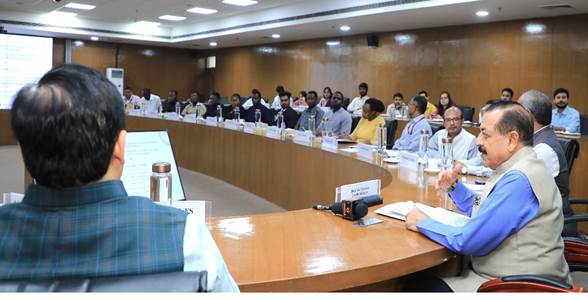
India felicitates  foreign ISA Trainees from 6 countries in Ocean Exploration after completion of specialised programme conducted by Ministry of Earth Sciences

In a move highlighting India’s commitment to sustainable ocean development, Union Minister of State (Independent Charge) for Science and Technology, Minister of State (Independent Charge) for Earth Sciences, MoS PMO, Department of Atomic Energy, Department of Space, Personnel, Public Grievances and Pensions, Dr Jitendra Singh felicitated  international trainees from six countries including Nigeria, Kenya, Sri Lanka, Tanzania, Ghana and Jamaica, who had completed a specialised trading programme in Ocean Exploration.

The event, organized with the International Seabed Authority (ISA), celebrated the completion of advanced seabed exploration training and underscored India’s dedication to environmental stewardship, international collaboration, and resource-sharing.

In a significant address at New Delhi’s Ministry of Earth Sciences, Union Minister Dr. Jitendra Singh recognized a group of international trainees who had completed a specialized training program focused on polymetallic nodules (PMN) and polymetallic sulphides (PMS) exploration. This training, facilitated by the ISA, attracted participants from nations including Ghana, Kenya, Nigeria, Jamaica, Sri Lanka, and Tanzania, underscoring India’s role as a hub for sustainable marine exploration and capacity building.

Dr. Jitendra Singh began by welcoming the trainees on behalf of the Government of India, congratulating them on successfully completing the rigorous program. He emphasized India’s leadership in responsible seabed exploration, framing the training as an opportunity to build a network of skilled professionals dedicated to environmental sustainability. “You are not only trainees; you are ambassadors of a sustainable future,” he said, encouraging participants to use their expertise to champion marine conservation in their home countries.

During his address, Dr. Jitendra Singh outlined India’s approach to seabed mining, defined by four guiding principles: sustainable utilization of seabed minerals for the common good, strict adherence to marine environmental protection, the development of seabed mineral regulations, and alignment with the United Nations Convention on the Law of the Sea (UNCLOS). India, he reiterated, is “fully dedicated to safeguarding marine ecosystems while pursuing responsible exploration to benefit humanity.”

As a signatory of the UNCLOS since 1982, India has maintained a strong voice in the ISA, which was established in 1994 to oversee mineral-related activities in the international seabed area. India holds two of the 31 ISA exploration contracts, covering PMN and PMS mining, and is committed to following strict protocols for environmental impact assessment, from preliminary exploration to the post-extraction phases. These actions position India as a global leader in the environmentally responsible development of ocean resources.

The Minister observed that the training program aligns closely with Prime Minister Narendra Modi’s “Blue Economy” policy, which prioritizes the sustainable use of ocean resources for economic growth, job creation, and improved livelihoods. The Blue Economy initiative aims to harness ocean wealth responsibly; ensuring benefits reach local communities without compromising the health of marine ecosystems.

Dr. Jitendra Singh reiterated India’s stance that true economic progress comes from a balance between development and environmental conservation.

The training modules covered diverse aspects of sustainable seabed exploration, including advanced exploration technologies, remote-operated vehicles, deep-sea mapping, mineral sample analysis, and environmental impact assessment methods.

 Dr. Jitendra Singh encouraged the trainees to foster networks with their Indian peers and return home with India’s commitment to both technological innovation and environmental responsibility. India’s ongoing role as a mentor in ISA programs reflects its dedication to supporting other nations in developing a skilled workforce capable of managing marine resources sustainably, he said.

Addressing the trainees, Dr. Jitendra Singh added, “You have become a part of India’s extended scientific community. This partnership in knowledge-sharing represents our commitment to a collaborative, sustainable future in marine science.”

Attendees included senior officials, scientists, and other dignitaries from the Ministry of Earth Sciences, all of whom shared Dr. Jitendra Singh’s optimism for the program’s impact. The Minister invited the trainees to continue providing feedback on their experiences, noting that their insights could further refine and enhance India’s role in international training programs. He also emphasized the importance of these collaborations, calling the trainees “global messengers of ocean conservation” with the potential to shape their countries’ approaches to seabed mining.

Dr. Jitendra Singh concluded the event by reaffirming India’s intent to deepen its partnerships with ISA and other international entities to ensure a sustainable marine environment for future generations. He expressed hope that India’s efforts would inspire other nations to adopt similar frameworks for responsible ocean exploration, setting the stage for greater international cooperation in marine science and environmental protection.

***

Self-shocks turn crystal to glass at ultralow power density

Daily writing prompt
Who are your current most favorite people?

Researchers have shown that utilizing shallow power, a crystalline material called indium selenide can “shock” itself to a glassy phase. This transformation lies at the heart of memory storage in devices like CDs and computer RAMs. It uses a billion times less electricity than the traditional melt-quench process for converting crystal to glass, and the discovery might revolutionise data storage in gadgets ranging from cell phones to computers. 

Glasses function similarly to solids but lack the regular periodic arrangement of atoms. To avoid the glass from getting too organized, a crystal is liquefied (melted) and then rapidly chilled (quenched) during the manufacturing process. This melt-quench technique is also employed in CDs, DVDs, and Blu-ray discs, where laser pulses are used to rapidly heat and quench a crystalline material to the glassy phase in order to write data; reversing the process erases data. Computers use similar materials known as phase-change RAMs, in which information is stored depending on the high versus low resistance provided by the glassy and crystalline phases.

The difficulty is that these devices consume more power, particularly during the writing process. The crystals must be heated to temperatures exceeding 800oC and then rapidly cooled. If it is possible to convert the crystal directly to glass without using the intermediate liquid phase, the amount of power required for memory storage can be greatly reduced. 

 A team of researchers from the Indian Institute of Science (IISc), Bangalore, University of Pennsylvania School of Engineering and Applied Science (Penn Engineering), Pennsylvania and Massachusetts Institute of Technology (MIT), Harvard, USA discovered that when electric current was passed through wires made of indium selenide, a 2D ferroelectric material, long stretches of the material transformed into glass. These breakthrough findings were published in the journal Nature. The research was supported by ANRF (erstwhile SERB) established through an Act of Parliament: ANRF, Act 2023.

The scientists unearthed that when a continuous current is passed parallel to the material’s 2D layers, they slide against each other in various directions. This results in the formation of many domains – tiny pockets with a specific dipole moment enclosed by defective regions that separate the domains. When multiple defects intersect in a small nanoscopic region, like too many holes punched in a wall, the structural integrity of the crystal collapses to form glass locally. 

These domain boundaries are like tectonic plates. They move with the electric field, and when they collide against each other, mechanical (and electrical) shocks are generated akin to an earthquake. This earthquake triggers an avalanche effect, causing disturbances far away from the epicentre, creating more domain boundaries and resulting glassy regions, which in turn spawns more earthquakes. The avalanche stops when the entire material turns into glass (long-range amorphisation). 

Prof. Nukala points out that multiple unique properties of indium selenide – its 2D structure, ferro electricity and piezoelectricity – all come together to allow this ultralow energy pathway for amorphisation through shocks. He further emphasized that the current findings will unlock a wider range of phase-change memory (PCM) applications.

Glass InSe PR2_Akanksha Jain

***

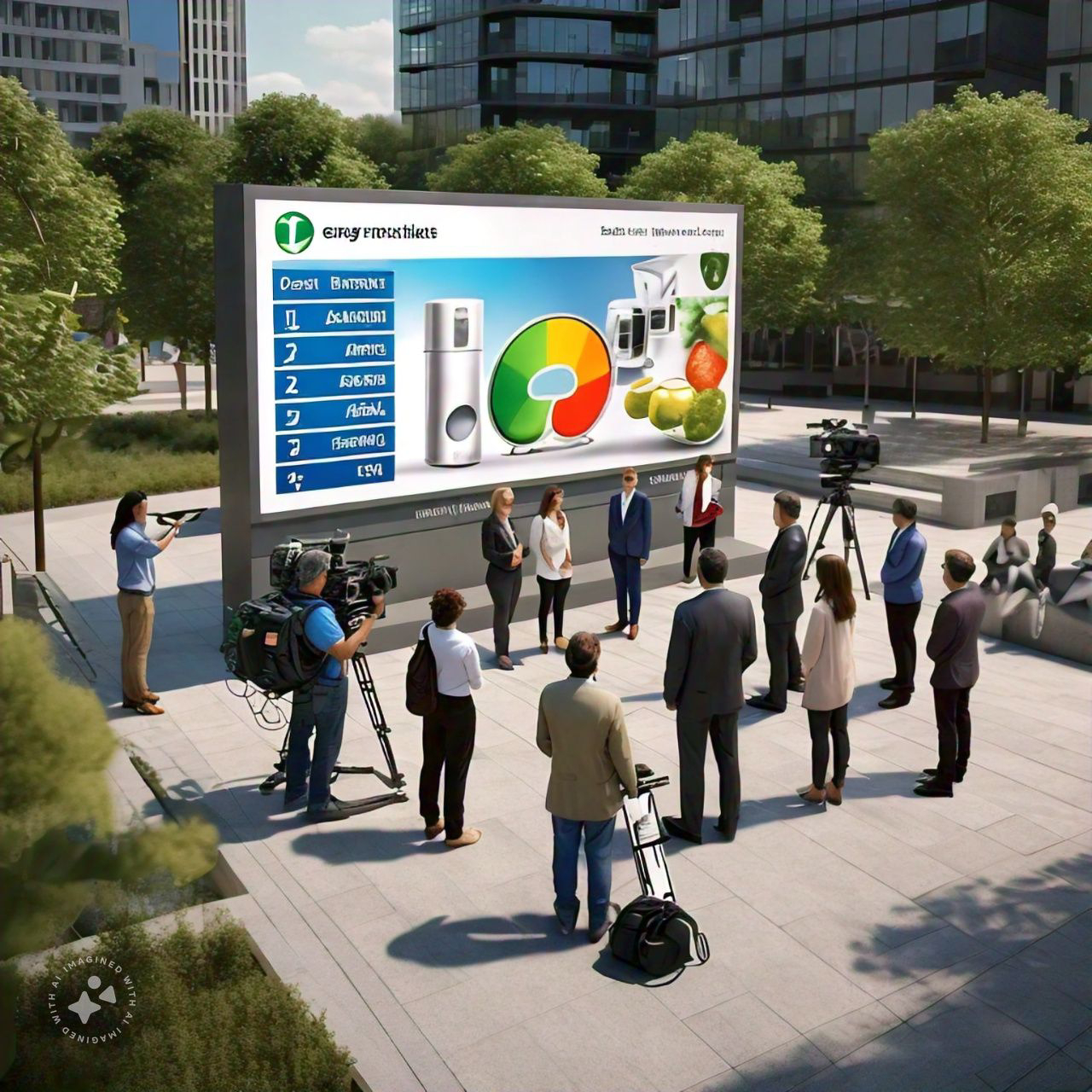
Media's role in spreading awareness about energy rating,

*Media’s Role:*
– Raising awareness: Media campaigns can increase public awareness of energy ratings and their importance.
– Educating consumers: Media can explain the benefits of energy-efficient appliances and how to read energy labels.
– Influencing behavior: Media can encourage consumers to make informed purchasing decisions.
– Promoting policy: Media can support policy initiatives and regulations related to energy efficiency.
*Data:*
– A study by the International Energy Agency (IEA) found that media campaigns can increase awareness of energy ratings by up to 50%.
– In the EU, media campaigns led to a 10% increase in sales of energy-efficient appliances (European Commission, 2020).
– A survey in the US found that 70% of consumers consider energy efficiency when purchasing appliances, thanks to media awareness (ACEEE, 2019).
– In India, a media campaign by the Bureau of Energy Efficiency (BEE) led to a 20% increase in sales of 5-star rated appliances (BEE, 2018).
*Media Channels:*
– Television: Reaches a wide audience, ideal for mass awareness campaigns.
– Social Media: Targets specific demographics, effective for engaging younger audiences.
– Print Media: Provides in-depth information, suitable for educating consumers.
– Online Advertising: Targets consumers during the purchasing process.
By leveraging various media channels, awareness campaigns can effectively educate consumers about energy ratings, influencing their purchasing decisions and contributing to a more energy-efficient future.

Tomatoes procured from three centres, Price Stabilisation Fund not used

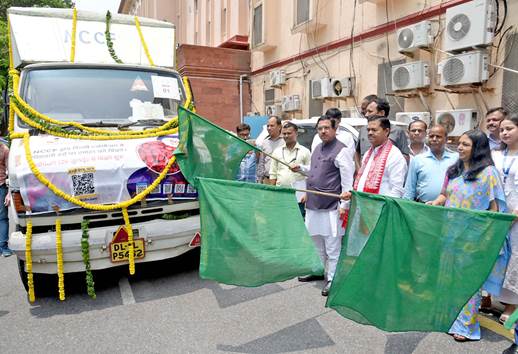
 Union Minister of Consumer Affairs, Food and Public Distribution & New and Renewable Energy, Shri Pralhad Joshi launched the sale of tomatoes at Rs 60 per kg here today. The National Cooperative Consumers’ Federation of India Limited (NCCF) vans will be providing the tomatoes at subsidised rate. The tomatoes will be sold in Delhi along with Noida and Gurgaon. The Centre undertook the market intervention initiative to stabilise rising tomato price in the retail market.


While addressing the media during the flagging off ceremony, Shri Joshi said that to check the surge of tomato price in major cities, especially Delhi, the Department of Consumer Affairs, Government of India has decided to launch this initiative. “From today onwards subsidised tomatoes will be sold for Rs 60 per kg”, said Shri Joshi.

The Union Minister said that under Shri Narendra Modi government, the Centre has set up a Price Stabilisation Fund (PSF) to stabilise rising food prices and protect consumers’ interests. “Whenever a situation arises price of essential commodities increase, we utilise the PSF to procure the commodities. These essential commodities are directly procured from farmers that reduces intermediary costs and ensure availability to consumers”, said Shri Joshi adding on that in this case PSF was not utilised as tomatoes were directly procured from mandis. He further added that this initiative will ease tomato price, stabilise the market and provide tomatoes at subsidised rate to consumers.

NCCF has initiated market intervention to stabilise rising tomato prices in the retail market. NCCF is procuring tomatoes from wholesale mandis and selling them at reasonable retail prices.This move aims to ensure that profit margins remain reasonable at the retail level and prevent windfall gains to intermediaries and thereby protect the interests of consumers.

By this intervention NCCF seeks to cool off price rise and maintain price stability in the market, benefiting consumers and promoting fair trade practices. This intervention demonstrates NCCF’s commitment to protecting consumer interests and promoting a stable market ecosystem.

To begin with, tomato sales will start from today (29 July 2024) at the following locations at the rate of Rs60/- per kilogram – Rajiv Chowk Metro, Patel Chowk Metro, Nehru Place, Krishi Bhawan, CGO Complex, Lodhi Colony, Hauz Khas Head Office, Parliament Street, INA Market, Mandi House, Kailash Colony, I.T.O, South Extension, Moti Nagar, Dwarka, Noida (Sector 14 and 76), Rohini, Gurugram. In the coming days, the number of retail locations may be increased for consumer convenience.

***

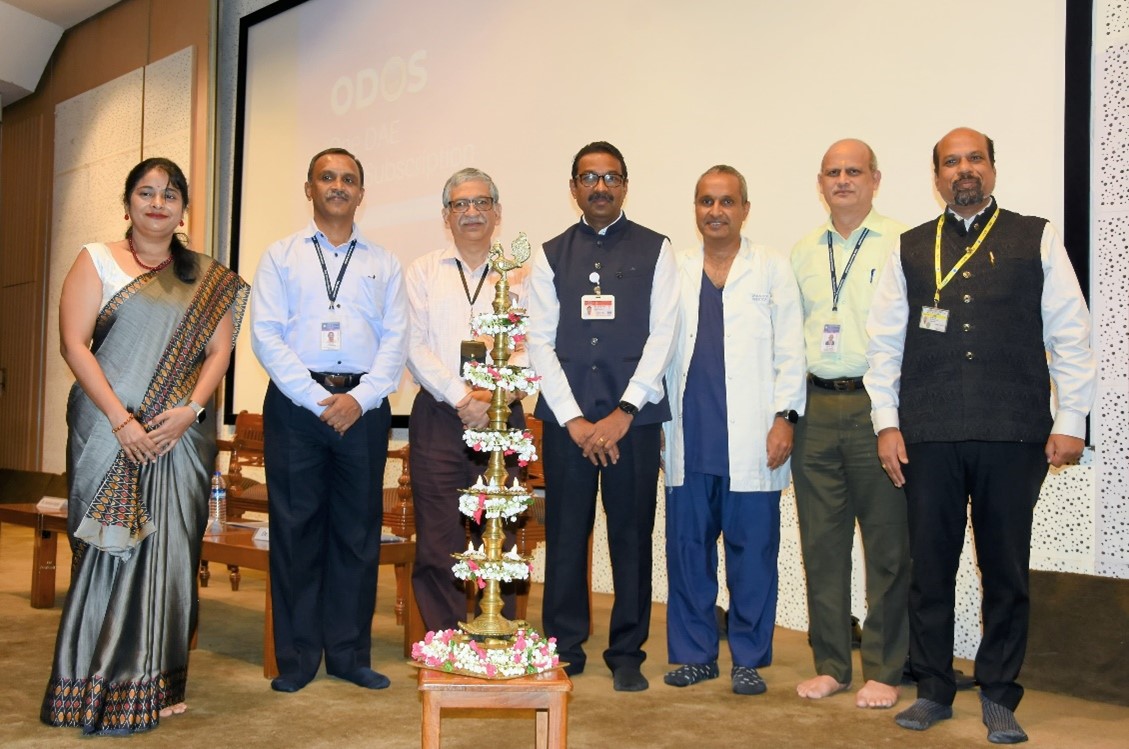
Atomic Energy inaugurates ‘One DAE One Subscription’

 The inaugural ceremony of ‘One DAE One Subscription’ (ODOS) took place today at Tata Memorial Hospital, in Mumbai today. ODOS is a unique idea enabling Department of Atomic Energy (DAE) & all its units/subunits (about 60) together under one umbrella for read and publish access to national and international research papers as well as scientific journals. With this initiative it is now possible to share the resources digitally and evolve collectively. DAE has signed consortium agreements with M/s. Wiley India Private Limited and with M/s. Springer Nature Group in furtherance of the same.

On the occasion of the inauguration, Secretary, DAE and Chairman AEC, Dr. A. K. Mohanty conveyed a congratulatory message to and stated, “The ODOS Transformative Agreement is a significant milestone for synergizing the read access and publishing requirements of DAE. I am sure ODOS will benefit thousands of scientists, engineers, young students of HBNI and researchers of aided institutes to have access to much larger knowledge platform and also publish in open access journals. The ODOS will later get merged with a bigger national initiative, called One Nation One Subscription (ONOS) which has been initiated by the Office of the Principal Scientific Advisor to the Government of India. ONOS is currently under various stages of implementation.” 

Addressing the gathering, Shri. A.K. Nayak, Head, NCPW, DAE, stated that the objective of the ODOS initiative is to make knowledge accessible to as many people as possible. ODOS a small yet decisive step towards ONOS which will in turn make knowledge accessible to everyone and lead to the cherished dream of a developed India.

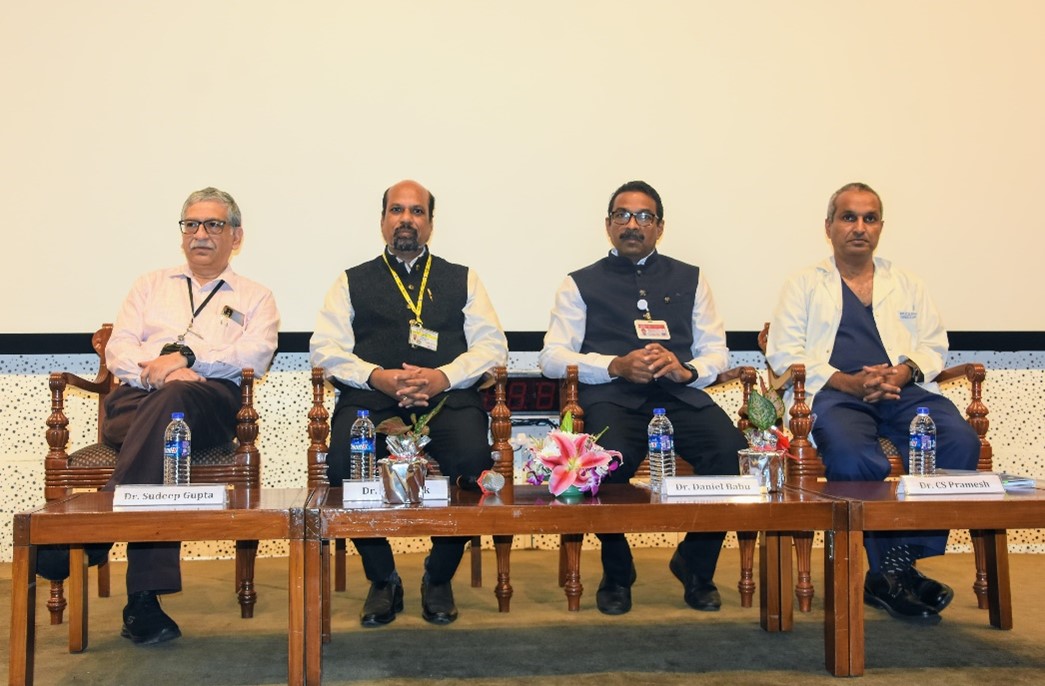
Dr. Sudeep Gupta, Director, TMC, expressed that libraries are no longer brick and mortar buildings but computers. In the current era, the world lays stress on creative innovation which can only happen when we have access to the current state of wisdom in any particular field. One way to minimize repetitive research is to let everybody access the current state of science so that we move forward and don’t repeat what has already been done. DEA has once again proven it is a pioneer in taking the lead and showing the way.

About ODOS

The first ODOS agreement with M/s. Wiley India Private Limited will provide access to the collection of 1353 Wiley journals including archives from 1997, to the entire DAE community. This is against the current access of 166 unique journals provided to only 12 DAE units without much increase in price. Perpetual rights will be given to all the DAE units for all the journals for the year 2024. DAE will also get the right to publish more articles in open access journals. Under this agreement Article Processing Charges (APC) have been covered.

The second ODOS agreement with M/s. Springer Nature Group will provide access to about 2,686 Springer Nature titles which includes 553 journals as Fully Open Access (FOA). The access will be provided to entire DAE as against 1752 unique journals access provided to 14 units earlier. Perpetual rights will be given to all the DAE units for all the journals for 2024.  The archives from the year 1997 for the Springer titles and from the year 2012 for Nature titles will also be accessible. The agreement will also enable DAE to publish 281 articles in Springer Hybrid journals as open access without Article Processing Charges (APC).

The ODOS Transformative Agreements (TA) signed with M/s. Wiley India Private Limited and with M/s. Springer Nature Group is a significant milestone for the DAE scientific community and enable sustainable growth of science and technology. This will boost scientific morale, foster innovation, promote research and will enhance academic publications.

***

10 July- Global Energy Independence Day

 Global Energy Independence Day, observed on July 10th, is a day dedicated to promoting awareness and action towards achieving global energy independence. This initiative aims to reduce dependence on fossil fuels, promote renewable energy sources, and advocate for sustainable energy practices worldwide. It encourages individuals, communities, and nations to take steps towards energy efficiency, conservation, and the adoption of clean energy technologies.

Goals of Global Energy Independence Day

  1. Promoting Renewable Energy: Encouraging the transition to renewable energy sources such as solar, wind, hydroelectric, and geothermal power to reduce reliance on finite fossil fuels and minimize environmental impact.

  2. Energy Efficiency: Emphasizing the importance of energy-efficient technologies and practices in homes, businesses, and industries to reduce overall energy consumption.

  3. Advocacy and Education: Raising awareness about the benefits of energy independence, including economic resilience, environmental sustainability, and energy security.

  4. Policy and Innovation: Supporting policies and initiatives that prioritize renewable energy development, innovation in clean technologies, and sustainable energy solutions.

Celebrating Global Energy Independence Day

  • Community Events: Hosting workshops, seminars, and conferences to educate the public about energy independence and sustainable practices.

  • Renewable Energy Showcases: Showcasing renewable energy projects, technologies, and innovations that contribute to global energy independence.

  • Advocacy Campaigns: Engaging in advocacy campaigns to promote policies and investments in renewable energy infrastructure and clean energy solutions.

Individual Actions

  • Reduce Energy Consumption: Conserve energy at home and work by using energy-efficient appliances, LED lighting, and insulation.

  • Support Renewable Energy: Invest in renewable energy options for personal use or advocate for renewable energy policies in your community.

  • Educate and Raise Awareness: Share information about energy independence and sustainable practices with friends, family, and colleagues.

Global Impact

Global Energy Independence Day serves as a reminder of the interconnectedness of energy use, environmental sustainability, and global economic stability. By embracing renewable energy sources and sustainable practices, individuals and nations can contribute to a more resilient and equitable energy future for all.


Feel free to share this article to raise awareness about Global Energy Independence Day and inspire action towards sustainable energy solutions.

India Energy Week 2024

 Prime Minister Shri Narendra Modi will visit Goa on 6th February, 2024. At around 10:30 AM, Prime Minister will inaugurate ONGC Sea Survival Centre. At around 10:45 AM, he will inaugurate India Energy Week 2024. Thereafter, at around 2:45 PM, he will participate in the Viksit Bharat, Viksit Goa 2047 programme.

India Energy Week 2024

Achieving Aatmanirbharta in energy requirements has been a key focus area of the Prime Minister. In yet another step in this direction, India Energy Week 2024 will be held from 6 – 9 February in Goa. It will be India’s largest and only all-encompassing energy exhibition and conference, bringing together the entire energy value chain, and will serve as a catalyst for India’s energy transition goals. Prime Minister will hold a roundtable with Global oil & gas CEOs and experts.

Encouraging and fostering startups and integrating them into the energy value chain will be an important focus for India Energy Week 2024. It is expected to witness participation of around 17 Energy ministers from different countries, 35,000+ attendees and more than 900 exhibitors. It will have six dedicated country pavilions – Canada, Germany, Netherlands, Russia, UK and USA. A special Make in India Pavilion is also being organised to showcase innovative solutions which Indian MSMEs are spearheading in the energy sector.

Viksit Bharat, Viksit Goa 2047

Prime Minister will inaugurate and lay the foundation stone of projects worth over Rs. 1330 crores in the public programme in Goa.

Prime Minister will inaugurate the permanent campus of National Institute of Technology Goa to the nation. The newly built-up campus has various facilities such as tutorial complex, departmental complex, seminar complex, administrative complex, hostels, health centre, staff quarters, amenity centre, sports ground and other utilities to cater to the needs of students, faculty and staff of the Institute.

Prime Minister will dedicate the new campus of the National Institute of Watersports. The institute will introduce 28 tailor-made courses aimed at fostering the development of watersports and water rescue activities catering to both the public and the Armed Forces. Prime Minister will also inaugurate a 100 TPD Integrated Waste Management Facility in South Goa. It has been designed for the scientific treatment of 60 TPD wet waste and 40 TPD dry waste, while also featuring a 500 KW solar power plant that generates surplus electricity.

Prime Minister will lay the foundation stone for Passenger Ropeway, along with associated tourism activities, connecting Panaji and Reis Magos. Foundation stone for the construction of a 100 MLD Water Treatment Plant in South Goa will be laid by him.

Further, he will also distribute appointment orders to 1930 new Government recruits across various departments under Rozgar Mela and also hand over sanction letters to beneficiaries of various welfare schemes.

ONGC Sea Survival Centre

ONGC Sea Survival Centre has been developed as a one-of-a-kind Integrated Sea Survival Training Centre to advance the Indian sea survival training ecosystem to global standards. It is expected to train 10,000-15,000 personnel annually. Exercises in simulated and controlled harsh weather conditions shall enhance Sea Survival skills of trainees and thus potentially increase the chances of safe escape from real life disasters.


***

Impact of Financial Literacy on Retirement Planning of Women Employees in Public Electricity Companies in Telangana

By S. Kavitha Devi & M. Priyanka

Abstract:

The purpose of this research is to investigate the Impact of financial literacy on retirement planning of women employees in public Electricity companies in Telangana. The current research study is an investigative and exploratory research. It uses primary data. The study examined partial least square-structural equation modelling (PLS-SEM) obtained by sampling data from 406 women employees of Public Electricity Companies in Telangana. The findings of this study have important inferences for both researchers and practitioners in the field of personal finance. They highlight the significance of FL in influencing individuals’ Retirement Planning. Moreover, the role of psychological factors emphasizes the need to consider these factors when examining the relationship between FL and Retirement Planning. These findings suggest that interventions aimed at improving FL should also focus on enhancing individuals’ Psychological Factors and cultivating positive Retirement Planning Behavior.


Keywords:  financial literacy; financial risk tolerance; retirement planning; herding behavior.

Introduction

Financial education or financial literacy has gained relevance in recent years as a result of the rising complexity of the financial products and services available, as well as information asymmetry between financial service providers and consumers. Financial education is the process of obtaining the information and abilities needed to handle and use money in an educated and efficient manner. It is a lifelong process that assists people and households in becoming more knowledgeable about the financial goods and services offered in the market in order to make wise decisions regarding their use. Financial education is broadly defined as the understanding of financial market products, particularly rewards and risk, in order to make educated decisions. Organisation for Economic Co-operation and Development (OECD, 2013) has defined financial education as “the process by which financial consumers/ investors improve their understanding of financial products, concepts and risks through information, instruction and/or objective advice, develop the skills and confidence to become more aware of financial risks and opportunities, to make informed choices, to know where to go for help, and to take other effective actions to improve their financial well-being”. According to Standard & Poor’s Ratings Services Global Financial Literacy Survey, 2014 “76% of Indian adults do not understand key financial concepts like inflation, compounded interest rate, and risk diversification adequately. This finding says that financial literacy is lower than the worldwide average”. Authors Lusardi and Mitchell, 2011, Bucher-Koenen and Lusardi, 2011, Grohmann et al. have revealed in their papers that there is a positive impact of financial literacy on retirement planning.

The development and expansion of any country is heavily influenced by its economic condition. Proper capital formation is necessary to stimulate the process of economic growth. The financial market is crucial in accelerating capital development by encouraging savings and using investment alternatives, which contributes to speeding up the process of wealth creation.

Being a developing country, India needs rapid capital generation. This could only be accomplished by encouraging smart planning and guiding people’s financial habits. The Indian economy has expanded at a quicker rate from the previous decade, however in order to achieve the goal, economic growth alone is not enough must improve citizen living standards. According to Singh (2008) “development cannot be measured only in terms of growth, instead the objective must be to achieve the improvement in the standard living of people.”

According to Ahuwalia (2008) “Indians are poor investors but smart savers. They do not prepare for the long term and do not invest in long-term investment products. Furthermore, it was stated that Indians like to save their money into their houses instead of saving in banks or other investments. This will be a major issue in India, where social security is non-existent”.

Indian Population Context:


(Source: IMPORTANCE OF SAVINGS FOR RETIREMENT AND EARLY DECISION

MAKING IN HUMAN LIFE, N Sheikh & S Karnati – 2021)

India is young demographically with 90% of population under the age of 60 years but ageing gradually, it is estimated that persons above the age of 60 would increase from ~8.9% of the population now to ~15% by 2050. Those above 80 are likely to increase from ~0.9% to ~2.8%. According to United Nations World Population Prospects, India’s 60-plus population is expected to reach 323 million by 2050 – a number greater than US Population of 2012.

Figure above shows historical data and future forecasts on the Indian population’s dependency from 1980 to 2050. It can be seen that the percentage of dependent people gradually increased between1980 to 2015. However, the share of the dependent population is predicted to rise faster between 2015 and 2050. In 2050, 15% of India’s elderly population would be dependent on the working population.

Despite the fact that the transition from a young to an older age structure indicates a successful and satisfying outcome of health improvement, the rate of old and the size of the Older population with diverse requirements and resources creates various obstacles for health care providers and Government officials. The percentage of old age people has increased and is expected to increase further, while the percentage of the young age group is decreasing, resulting in a slow but continuous shift to an older population structure in the country. Furthermore, the transition from a young age structure is not uniform across the country. A rising old population requires increased quantity and quality of elder services, income security, and overall improved quality of life. The necessity for social pension payments and the resulting financial outlays to meet expanding old-age dependency and a decreasing support base is more demanding for policy consideration now and in the future.

Research Gap

According to the review of the literature, even though women’s literacy rates have improved significantly in recent years, there are still significant gender gaps in financial education in

India. More research is needed on the factors that contribute to these gaps and an apparent gap is observed in understanding the retirement financial planning of women in India. Previous research on financial literacy usually focuses on its potential effects on financial decision-making; however, little research is done on its effects on retirement planning. Therefore, the present study having spotlight on Financial Literacy and Retirement planning aimed and focused on women employees in electricity companies in Telangana. Majorly it considers respondents awareness levels towards financial literacy and retirement planning decisions of respondents using three components to calculate the financial literacy (financial knowledge, financial attitude and financial behaviour) of women employees to assess the holistic impact on retirement planning decisions. We examine the potential effects of financial literacy on retirement planning of women employees in Public electricity companies in Telangana. This study will fill in this research gap. 

Objectives of Research

1)         To find the relationship between financial literacy levels and retirement financial planning.

2)         To study the impact of psychological constructs variables on the retirement planning of women employees in public electricity companies of Telangana and analyses the financial literacy levels.

Hypotheses

Hypotheses are considered to be the most significant tool in a research study. It makes a difference in representing new tests and their views. Hypotheses are based on fundamental assumptions in every research study. Following a thorough analysis of the relevant literature, an attempt was made to create the conditional assumption in constructing the test and its reasonable consequences. The following hypotheses have been developed for the aim of the research.

H01: There is no significant relationship between financial literacy levels and retirement financial planning.

H02: There is no significant influence of psychological constructs on retirement financial planning.

H02a: There is no significant influence of Future time prospective on retirement financial planning.

H02b: There is no significant influence of Attitude towards Retirement on retirement financial planning.

H02c: There is no significant influence of Risk tolerance on retirement financial planning.

H02d: There is no significant influence of Retirement Goal Clarity on retirement financial planning.

Methodology

Primary Data

Primary Data collected through a Survey Questionnaire from the respondents of women employees in Public Electricity Companies in Telangana

For current study both convenience and snowball sampling methods (non-probability) sampling techniques were used to recruit potential samples for the achievement of the research objectives. Convenience sampling refers to the collection of data from immediately available representative respondents of the population of the study. Convenience sampling would help a researcher when he could not have access to the entire population of the study and/or when a researcher had difficulty identifying the representative sample of the study.

Snowball sampling refers to the researcher initially recruiting participants, and these initial participants help to recruit future respondents for the study. This technique helps the researcher when he is facing challenges or difficulties to collect data from the target potential population of the study. The researcher may be face difficulty due to unknown to the respondents and hesitate to give important personal information to strangers.

This study involved the collection of personal and financial information of the respondents. Some respondents may be unwilling to provide their personal and financial information.

Therefore, convenience and snowball sampling techniques were employed in this study to gather the data to evaluate the research hypothesis. The blend of convenience and snowball sampling methods helps to achieve reliable results for the research investigation.

Secondary Data:

Secondary data collected from various Publications, Journals, Articles, Newspapers and official websites Viz. RBI, SEBI, IRDAI, PFRDA, NCFE, etc.,

Period of the study is between July 2022 and November 2022.

Calculation of Sample Size

The present research study is an investigative in nature, the study is done based on four public electricity companies in Telangana selected on the basis of population as criteria. In order to study the perception of women employee’s financial retirement planning from each company, sample variables are selected proportionately. Hence the total sample size is 406.

Sl.

No.

Name of the        company

Population (women

employees)

1

TSSPDCL

1320

2

TSNPDCL

1182

3

TSGENCO

2429

4

TSTRANSCO

2125

TOTAL

7056

                          (Source: collected from respective HR Department by Researcher)


The total women employees of Public Electricity Companies in Telangana is 7056, out of that population the sample is detrained and drawn according to Krejcie Morgan table, at Confidence Level of 95%, Confidence Interval is 4%, Proportion is 5% and if Population is below 8000,

Sample size determined is 367 respondents. In present study 430 respondents sample size was taken, among them 406 were found to be relevant for study.

Proportionately the sample is determined from each company as follows:


Sl.


No.

Name        of        the company

Population

(womenemployees)

Proportionatesample

1

TSSPDCL

1320

80

2

TSNPDCL

1182

72

3

TSGENCO

2429

131

4

TSTRANSCO

2125

123

TOTAL

7056

406


Measurement of Reliability

Cronbach’s Alpha

No of Items

0.867

45

The degree of consistency between multiple measurements of variables was measured by the reliability test. Reliability calculates the accuracy and precision of a measurement procedure. Cronbach’s Alpha is widely used to measure thereliability of data. The coefficient of Cronbach’s Alpha value for financial literacy and retirement planning of womenemployees in public electricity companies of Telangana for 45 variables was 0.867 as presented in the above table.

Analytical Tools and Software

The current research study is an investigative and exploratory research. It uses primary data. Thus data would be analyzed through descriptive statistics, structural equation modeling, factor analysis and frequency tables etc, The software package like SmartPLS is used to analyze the data.

Data Analysis and Results:

Correlation Between Latent Constructs

Correlation refers to the extent to which two variables move together in a systematic way. It quantifies the strength and direction of the relationship between variables. Correlation coefficients, often represented as path coefficients in SEM, indicate the extent to which the latent constructs are related.

 Correlation between latent constructs

Constructs

Financial Literacy

FUTURE TIMEPERSPECTIVE

ATTITUDETOWARDSRETIREMENT

RISKTOLERANCE

RETIREMENTGOALCLARITY

SOCIALGROUPSUPPORT

PLANNINGACTIVITY

SAVINGS

Financial Literacy

1.000

0.320

0.303

0.417

0.272

0.449

0.443

0.268

FUTURE TIMEPERSPECTIVE

0.320

1.000

0.326

0.299

0.293

0.322

0.318

0.288

ATTITUDETOWARDSRETIREMENT

0.303

0.326

1.000

0.284

0.277

0.305

0.301

0.274

RISKTOLERANCE

0.417

0.299

0.284

1.000

0.255

0.420

0.414

0.251

RETIREMENTGOALCLARITY

0.272

0.293

0.277

0.255

1.000

0.274

0.270

0.245

SOCIALGROUPSUPPORT

0.449

0.322

0.305

0.420

0.274

1.000

0.445

0.270

PLANNINGACTIVITY

0.443

0.318

0.301

0.414

0.270

0.445

1.000

0.266

SAVINGS

0.268

0.288

0.274

0.251

0.245

0.270

0.266

1.000


These correlations provide insights into the relationships between the latent constructs. For example, Retirement Planning is positively associated with Financial Literacy. As well as, FTP, ATR, RT, RGC, SGS, PA and Savings shows positive associations with Financial Literacy. However, it’s important to note that correlation does not imply causation, and further analysis is needed to understand the underlying factors influencing these relationships.

Common Method Bais (CMB)

The Common method bias can be caused by different groups responding differently to the same questions or scales, leading to inaccurate results(Podsakoff & Organ, 1986). Another source of bias is the researcher’s own expectations or preconceptions about the data. This could lead to a researcher interpreting the data in a way inconsistent with the actual results. (MacKenzie & Podsakoff, 2012)  (Spector, 2006).

Inner Model VIF Values using Random Variable method

Constructs

Random Variable

Financial Literacy

1.720

Future Time perspective

1.303

Attitude Towards Retirement

1.507

Risk Tolerance 

1.635

Retirement Goal Clarity

1.121

Social Group Support

1.565

Planning Activity

1.626

Savings

1.747


To mitigate the CMB, used different anchors of constructs while collecting the data from respondents, different scales were also adopted, research instrument was pre-tested with two academicians in the field and six respondents. and report a full collinearity measure by reporting that all inner and Outer VIF values are less than 3.3(Kock & Lynn, 2012) (Kock, 2015). 

Hence the model is free from CMB.

Factor Loading and AVE ( From author collected data)


These results indicate that the indicators generally have strong to moderate relationships with their respective constructs, and the constructs explain a substantial amount of variance in their indicators.

Model Assessment Procedure:

The Model Assessment Procedure introduced by Hair et al. in 2017a is a methodology used to evaluate the performance and validity of a statistical model. This procedure involves several steps to ensure the accuracy and reliability of the model’s results. The Model Assessment Procedure by Hair et al. provides a systematic framework for developing and evaluating statistical models, ensuring that they are robust, reliable, and appropriate for the research objectives at hand.

1.     Evaluation of the Measurement Model:

1.1.Internal Consistency & Reliability: Internal consistency and reliability are important concepts in the field of measurement and psychometrics. They refer to the extent to which a measurement instrument, such as a questionnaire or a test, consistently and reliably measures a particular construct or attribute.


Reliability Thresholds

Constructs

Cronbach’s alpha

Composite reliability (rho_a)

Composite reliability (rho_c)

Future Time Prospective

0.702

0.783

0.812

Attitude Towards Retirement

0.700

0.711

0.752

Risk Tolerance

0.720

0.743

0.753

Retirement Goal Clarity

0.909

0.923

0.931

Social Group Support

0.702

0.719

0.749

Planning Activity

0.726

0.730

0.731

Savings

0.715

0.721

0.765

Cronbach’s alpha values greater than 0.60 for the early stages of the research, values of at least 0.70 required, values higher than 0.95 are not desirable(Nunnally,1978)

Cronbach’s alpha can be considered the lower bound and composite reliability(rho_c) the upper bound of the exact internal consistency and reliability.                               

1.2.Discriminant validityDiscriminant validity is a concept in measurement and psychometrics that assesses the extent to which different measures or indicators of distinct constructs are distinct or discriminate from each other. It examines whether measures designed to capture different constructs are truly measuring separate concepts and not converging or overlapping.

                                                Heterotrait-Monotrait Ratio (HTMT)

Constructs

Attitude Towards Retirement

F L

F T P

P A

R G C

R P

R T

Savings

Financial Literacy

0.61


Future Time Prospective

0.60

0.84


Planning Activity

0.57

0.83

0.86


Retirement Goal Clarity

0.52

0.76

0.41

0.80


Retirement Planning

0.51

0.65

0.54

0.72

0.74


Risk Tolerance

0.49

0.97

0.69

0.53

0.63

0.66


Savings

0.45

0.66

0.57

0.85

0.55

0.59

0.68


Social Group Support

0.44

0.71

0.60

0.65

0.54

0.62

0.61

0.78


Based on the HTMT values and their confidence intervals, it can be concluded that all the constructs (Financial Literacy, Future Time Prospective, Planning Activity, Retirement Goal Clarity, Retirement Planning, Risk Tolerance, Savings, Social Group support) exhibit discriminant validity. This suggests that these constructs are distinct from each other and do not overlap significantly in measurement.


2.     Evaluation of the Structural model:

Evaluation of the Structural Model involves assessing collinearity among constructs, significance and relevance of path coefficients, predictive accuracy (R-squared, F-squared, Q-squared, PLS predict), predictive model selection, and goodness-of-fit.

2.1. Collinearity among constructs:

The Variance Inflation Factor (VIF) is a measure of the degree of multicollinearity between predictor variables in a linear regression model. A VIF of 1 indicates no correlation between the predictor variable and other predictor variables in the model, while a VIF more significant than 1 indicates some degree of multicollinearity. Typically, a VIF value of 5 or greater indicates high multicollinearity and may require corrective action. The VIF values were, listed in Table 5.6, below 5 confirm there was non-existence of multi-collinearity between constructs in this study. . For this, we report a full collinearity measure by reporting that all inner VIF values are less than 3.3 (Kock & Lynn, 2012)(Kock, 2015).

Inner Model VIF Values

Constructs

Attitude Towards Retirement

F L

FTP

PA

RGC

RP

RT

Savings

SGS

Financial Literacy


1.458


Retirement Planning

1.659


1.885

1.215

1.632


1.145

1.745

1.656

Source: Calculated by Author

In summary, based on the VIF values provided, there is no substantial collinearity issue among the constructs in the model. The VIF values are all relatively low, indicating that the variables are not highly correlated, and the model is not affected by multicollinearity.

2.2.  Hypotheses Testing:


After confirmation of the reliability and validity of the outer model, the significance of research model (hypothesized) relationships was examined with standardized path coefficient (b) and critical value (T-Value) at the significant level of 5 % (P-Values) by using the PLS bootstrapping. 

The first hypothesis (H1) is supported by (β=0.626, P<0.05) Financial Literacy positively effects Retirement Planning.The second hypothesis (H2) is supported by (β=0.932, P<0.05) Retirement Planning positively effects Future Time Prospective.The third hypothesis(H3) is supported by (β=0.905, P<0.05)  Retirement Planning positively effects Savings. The fourth hypothesis(H4) is also supported (β=0.817, P<0.05) as Retirement Planning has a positive significant effect on ATR. The fifth hypothesis (H5) is also supported (β=0.874, P<0.05) as Retirement Planning has a positive significant effect on Planning Activity.

The sixth hypothesis (H6) is also supported (β=0.839, P<0.05) as Retirement Planning has a positive significant effect on Risk Tolerance. 

The seventh hypothesis (H7) is supported by (β=0.921, P<0.05), as Retirement Planning has a positive significant effect on Retirement Goal Clarity. 

The eighth hypothesis(H8) is supported by (β=0.892, P<0.05), as Retirement Planning has a positive significant effect on Social Group Support.

Hypothesis Results

Hypothesis

Relationship

Path Coefficients  (b)

Standard Deviation (STDEV)

T Value (|b/STDEV|)

P Values

Decision

H1

Financial Literacy – Retirement Planning

0.626

0.057

10.982

0.000

supported

H2

Retirement Planning Future Time Prospective

0.932

0.043

21.674

0.000

supported

H3

Retirement Planning –Savings

0.905

0.039

23.205

0.000

Supported

H4

Retirement Planning-> Attitude Towards Retirement

0.817

0.046

17.760

0.001

supported

H5

Retirement Planning-> Planning Activity

0.874

0.048

18.208

0.000

supported

H6

Retirement Planning- Risk Tolerance

0.839

0.071

11.816

0.012

supported

H7 

Retirement planning-Retirement Goal Clarity

0.921

0.083

11.096

0.000

supported

H8 

Retirement planning- Social Group Support

0.892

0.049

18.204

0.000

supported

2.3.Goodness-of-fit: For PLS-SEM SRMR will give a goodness-of-fit index.

Standardized root mean square residual (SRMR): squared discrepancy between the observed correlations and the model implied indicator correlations.

SRMR assessing the quality of the whole model results (i.e., jointly evaluating the outer and inner model results). It Should be less than 0.08 (Hair et al.,2019).

As per PLS algorithm results, the research model’s SRMR is 0.075, which is less than the threshold limit (0.08). Hence it is concluded as our model has a good fit.

Discussion:

The frequency statistics of age represent that most of the women working in Public Electricity companies in Telangana were aged between 31 to 40 years representing almost 32.5 %; aged between 41 to 50 years represented 29.3 %, 21.2 % of respondents were from the age group of 51-60 years and 7 % of respondents were above the age 60 who were near to retirement and 10.0% of individuals falls under the age group 20 to 30 years. All the respondents were below their retirement age. The Profession of the respondents were either financial or non-financial. Maximum respondents i.e., 61.33% respondents were from non-financial background. The rest 38.66% respondents were from financial background. Findings of the study reveal that most of the respondents were from non-financial background. 

The findings of this study have important inferences for both researchers and practitioners in the field of personal finance. They highlight the significance of FL in influencing individuals’ Retirement Planning. Moreover, the role of psychological factors emphasizes the need to consider these factors when examining the relationship between FL and Retirement Planning. From a practical standpoint, these findings suggest that interventions aimed at improving FL should also focus on enhancing individuals’ Psychological Factors and cultivating positive Retirement Planning Behavior. This could be achieved through targeted educational programs, financial counselling, and promoting a financial environment that fosters positive financial behaviors.

Conclusion:

Result shows that those who practice constructive financial habits tend to achieve good Retirement Planning. The well Retirement Planning can be enhanced through sound FL, FTP, ATR, SGS, RGC, Planning Activity, Savings. Among the predictors of Retirement Planning, Psychological factors has a higher impact followed by financial literacy of women employees. It is very important to understand the concepts like the impact of simple and compound interest rates, understands inflation, risk diversification, and the time value of money, have a positive perception of money, budget money in a planned manner, and explore financial products/services like a savings account, debit card, credit card, and insurance, to achieve the Retirement Planning of women employees.  The research model has explained 39.2% of the variance in financial wellbeing. So, it can be concluded as Retirement Panning is a long-term goal to achieve by admitting financial literacy, psychological factors. By prioritizing financial literacy, psychological factors individuals can achieve Retirement Planning and improve their overall quality of life.

References:

[1.]       Hogarth, R. M., & Karelaia, N. (2006). “Take-the-best” and other simple strategies: why and when they work “well” with binary cues. Theory and Decision61, 205-249.

[2.]       Lusardi, A., & Tufano, P. (2015). Debt literacy, financial experiences, and overindebtedness. Journal of Pension Economics & Finance14(4), 332-368.

[3.]       Lusardi, A. (2008). Financial literacy: an essential tool for informed consumer choice? (No. w14084). National Bureau of Economic Research.

[4.]       Lusardi, A. (2008). Household saving behavior: The role of financial literacy, information, and financial education programs (No. w13824). National Bureau of Economic Research.

[5.]       Thomson, S., De Bortoli, L., Underwood, C., & Schmid, M. (2020). PISA 2018: Financial Literacy in Australia.

[6.]       Awais, M., Laber, M. F., Rasheed, N., & Khursheed, A. (2016). Impact of financial literacy and investment experience on risk tolerance and investment decisions: Empirical evidence from Pakistan. International Journal of Economics and Financial Issues6(1).

[7.]       Garman, E. T., MacDicken, B., Hunt, H., Shatwell, P., Haynes, G., Hanson, K. C., … & Woehler, M. B. (2007). Progress in measuring changes in financial distress and financial well-being as a result of financial literacy programs. Consumer interests annual53, 199-211.

[8.]       Beal, D., & Delpachitra, S. (2003). Financial literacy among Australian university students. Economic Papers: A journal of applied economics and policy22(1), 65-78.

[9.]       Bianchi, M. (2018). Financial literacy and portfolio dynamics. The Journal of Finance73(2), 831-859.

[10.]    Bialowolski, P., Cwynar, A., Xiao, J. J., & Weziak‐Bialowolska, D. (2020). Consumer financial literacy and the efficiency of mortgage‐related decisions: New evidence from the Panel Study of Income dynamics. International Journal of Consumer Studies.

[11.]    Lusardi, A., & Tufano, P. (2015). Debt literacy, financial experiences, and overindebtedness. Journal of Pension Economics & Finance14(4), 332-368.

[12.]    Taft, M. K., Hosein, Z. Z., Mehrizi, S. M. T., & Roshan, A. (2013). The relation between financial literacy, financial wellbeing and financial concerns. International journal of business and management8(11), 63.

[13.]    Chu, Z., Wang, Z., Xiao, J. J., & Zhang, W. (2017). Financial literacy, portfolio choice and financial well-being. Social indicators research132(2), 799-820.

[14.]    Frijns, B., Gilbert, A., & Tourani-Rad, A. (2014). Learning by doing: The role of financial experience in financial literacy. Journal of Public Policy34(1), 123-154.

[15.]    Ameliawati, M., & Setiyani, R. (2018). The influence of financial attitude, financial socialization, and financial experience to financial management behavior with financial literacy as the mediation variable. KnE Social Sciences, 811-832.

[16.]    Khan, F., & Surisetti, S. (2020). Financial well-being of working women: mediating effect of cashless financial experience and digital financial self-socialization. Khan, F and Surisetti, s. Financial well-being of working women: mediating effect of cashless financial experience and digital financial self-socialization. MDIM Business Review, 1(2), 51-68.

[17.]    Nikolaos D. Philippas & Christos Avdoulas (2020) Financial literacy and financial well-being among generation-Z university students: Evidence from Greece, The European Journal of Finance, 26:4-5, 360-381, DOI:  10.1080/1351847X.2019.1701512

[18.]    Yakoboski, P. J., Lusardi, A., & Hasler, A. Financial literacy and well-being in a five generation America.

[19.]    Pandey, A., Ashta, A., Spiegelman, E., & Sutan, A. (2020). Catch them young: Impact of financial socialization, financial literacy and attitude towards money on financial well‐being of young adults. International Journal of Consumer Studies44(6), 531-541.

[20.]    Chhatwani, M. (2022). Mortgage delinquency during COVID-19: do financial literacy and personality traits matter?. International Journal of Bank Marketing.

[21.]    Thongrak, N., Chancharat, S., & Kijkasiwat, P. (2021). Financial Literacy: Does It Improve Well-being? A Case Study of Farmers in Khon Kaen, Thailand. In Environmental, Social, and Governance Perspectives on Economic Development in Asia. Emerald Publishing Limited

[22.]    Nunnally, J. C. (1978). Psychometric Theory 2nd ed. Mcgraw hill book company.

[23.]    Gutiérrez‐Nieto, B., Serrano‐Cinca, C., & de la CuestaߚGonzález, M. (2017). A multivariate study of over‐indebtedness’ causes and consequences. International Journal of Consumer Studies41(2), 188-198.

[24.]    Huston, S. J. (2010). Measuring financial literacy. Journal of consumer affairs44(2), 296-316.

[25.]    Fornero, E., Monticone, C., & Trucchi, S. (2011). The effect of financial literacy on mortgage choices.

[26.]    Lusardi, A., & Mitchell, O. S. (2014). The economic importance of financial literacy: Theory and evidence. Journal of economic literature52(1), 5-44.

[27.]    Bhalla, G. S., & Chadha, G. K. (1982). Green Revolution and the Small Peasant: A Study of Income Distribution in Punjab Agriculture: II. Economic and Political Weekly, 870-877.

[28.]    Madi, A., & Yusof, R. M. (2018). Financial Literacy and Behavioral Finance: Conceptual Foundations and Research Issues. Journal of Economics and Sustainable Development9(10), 81-89.

[29.]    Wolfe-Hayes, M. A. (2010). Financial literacy and education: An environmental scan. The International Information & Library Review42(2), 105-110.

[30.]    Amisi, S. A. R. A. H. (2012). The effect of financial literacy on investment decision making by pension fund managers in Kenya (Doctoral dissertation).

[31.]    Musundi, K. M. (2014). The effects of financial literacy on personal investment decisions in real estate in Nairobi count (Doctoral dissertation, University of Nairobi).

[32.]    Financial Express Bureau, November 24,2020

[33.]    Atkinson, A., & Messy, F. A. (2012). Measuring financial literacy: Results of the OECD/International Network on Financial Education (INFE) pilot study.


LINK to DOWNLOAD PDF

India's Energy Transition towards Net Zero

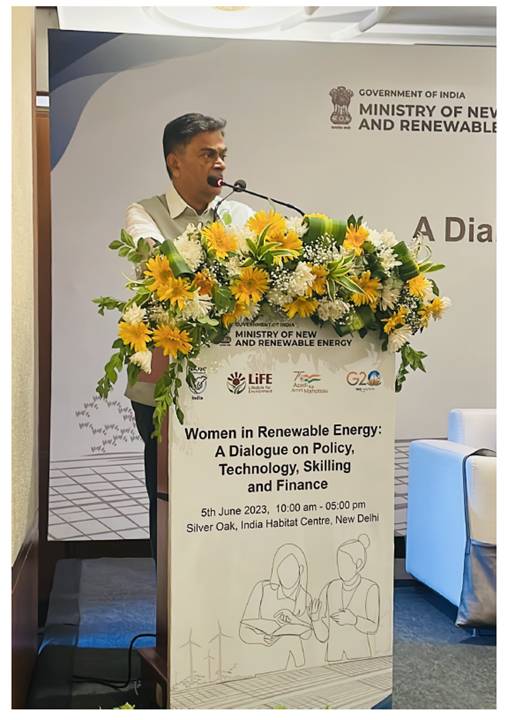
 On the occasion of World Environment Day on June 5, 2023, Ministry of New and Renewable Energy organised an event titled “Women in Renewable Energy: A Dialogue on Policy, Technology, Skilling, and Finance” in New Delhi.

Speaking at the event, Union Minister for Power and New & Renewable Energy R K Singh mentioned India’s key achievements in the renewable energy sector and stated that India’s actions are in line with commitments made in the Paris Agreement to limit the temperature increase to well below 2°C above pre-industrial levels. He exhorted women to increase participation in the Renewable Energy sector and steer India’s Energy Transition towards Net Zero.

Highlighting the role of women in combating climate change, the Minister emphasized the significance of developing women-centric policies and implementation frameworks in the renewable energy sector. He recognized how women are more effective in bringing about change at the grassroots level through community engagement and household-level action. He noted that women, especially in rural areas, can benefit from Decentralised Renewable Energy (DRE) and gain reliable livelihood opportunities. He also highlighted that women can play a big role in switching to green cooking which can be another big step in achieving Net Zero.

Secretary, MNRE B S Bhalla highlighted the increasing opportunities for women in the Renewable Energy sector and the need for enrolment in courses for education, training, and capacity building relating to renewable energy sources.

On this occasion, the Ministry of New and Renewable Energy announced to recognise the work of women in renewable energy sector under the following categories:

  • Fostering a gender-diverse work place
  • Outstanding Woman Entrepreneurs (including start-ups and excluding rural areas)
  • Rural Women Entrepreneurs
  • NGOs or Civil Society Organisations encouraging Women for the use of Renewable Energy
  • Women Leading the Change for Renewable Energy, separately in urban areas and Rural areas


The event was organised in association with NRDC India (Natural Resources Defence Council India) aiming to:

  • Learn from the experience of women leaders about on-ground implementation and use of renewable energy technologies
  • Understand the pivotal role of women in the renewable energy value chain, and how their increased participation through supportive polices, innovative financial mechanisms, and capacity building could impact long-term energy security in the country
  • Identify challenges and potential interventions related to finance, technology and skilling which can scale up implementation of women-led climate-friendly solutions

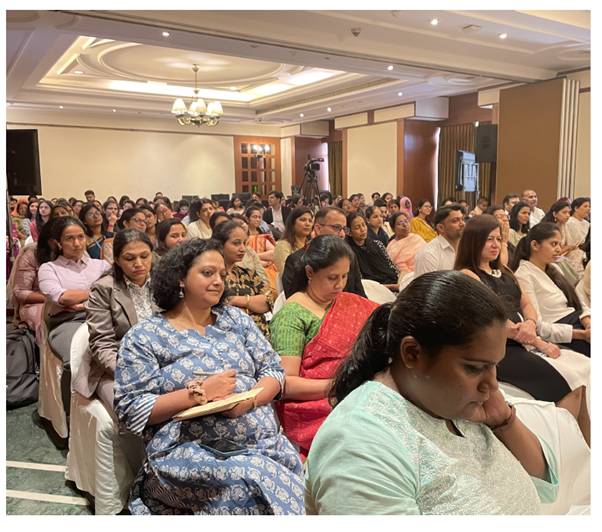
The event was attended by more than 180 participants comprising stakeholders across the value chain, including from union ministries, state departments, multilateral organisations, financiers, technology suppliers, think tanks and beneficiaries.

***

Coal Production Goes up to 76.26 Million Tonne in May 2023

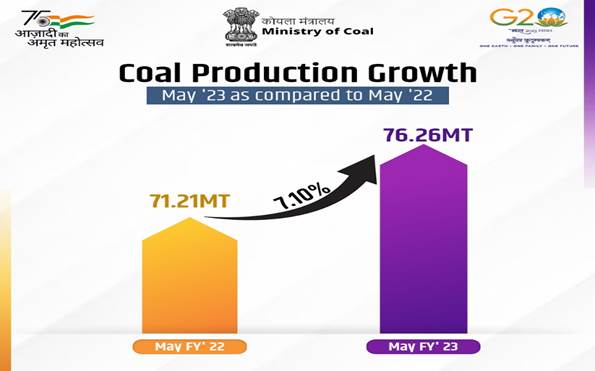
 The Ministry of Coal has achieved a remarkable feat with a substantial surge in overall  coal production during the month of May’23, reaching 76.26 Million Tons(MT), surpassing the figures of the month May’22 of 71.21 MT, representing an increase of 7.10%. The production of Coal India Limited (CIL) has increased 59.94 MT in the month of May’23 as compared to 54.72 MT in May’22 with the growth of 9.54%. The cumulative coal production has seen quantum jump of 149.41 MT in FY’ 23 as compared to 138.41 MT in FY’22 with a growth of 7.94%.

A picture containing text, screenshot, logo, designDescription automatically generated

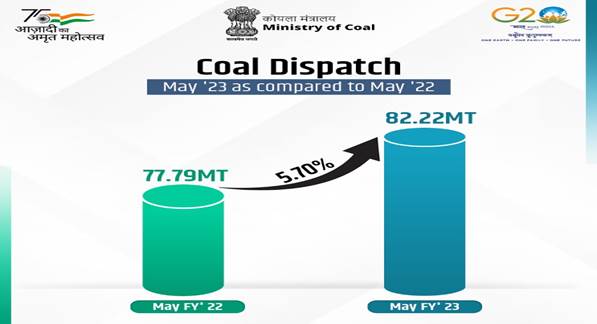
With increased First Mile Connectivity infrastructure,  coal dispatch in the month of May ’23 registered at 82.22 MT as compared to 77.79 MT in May ’22,  growth of 5.70%.  Coal dispatch from Captive and Commercial coal block has reported at 12.23 MT in May’23 in comparison to 10.47 MT in May ‘22 with the growth of 16.84 %. The cumulative Coal dispatch has registered remarkable increment of 162.44 MT in the FY 2023-24, up from 149.76 MT in the FY 2022-23, with an increase of 8.47%.

A picture containing text, screenshot, designDescription automatically generated

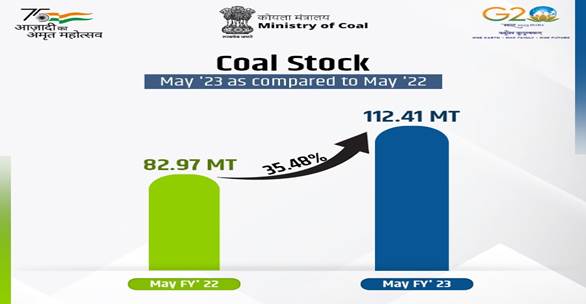
This Impressive upturn in offtake has resulted in a comfortable coal stock position, guaranteeing  reliable and abundant supply of coal lying at pithead coal stock at CIL, SCCL, stock at TPP(DCB) etc. The total coal stock as of 31st May 2023 is 112.41 MT, compared to 82.97 MT on 31st May 2022 with the growth of 35.48%.  The positive coal stock position has strengthened the capability to tackle unforeseen fluctuations in energy demand and ensures meeting the energy demands of the nation.

A picture containing text, screenshot, brand, logoDescription automatically generated

Furthermore, the availability of coal rakes, which play a crucial role in coal transportation, has remained consistently good throughout this period due to the initiative taken by the Ministry to augment rail connectivity infrastructure under PM Gati Shakti to ensure seamless evacuation of coal. This positive trend in rake availability has facilitated the smooth transportation of coal, minimized transportation bottlenecks, and ensured uninterrupted supply.

The Ministry is making constant efforts to augmenting coal production. The Ministry has already moved forward with a comprehensive plan for responsible development, placing strong emphasis on fostering conscientious coal mining practices that   prioritize the well-being of the environment and communities.

****      

India has demonstrated great resilience in Face of Global Energy Crisis

  Shri Hardeep Singh Puri, Minister for Petroleum and Natural Gas, in a media event held on 9th September 2022, witnessed signing of contracts for 31 Discovered Small Fields (DSF) blocks under DSF bid round-III and 4 CBM blocks under CBM bid round-V awarded to 14 E&P domestic companies.

During the event, Minister also unveiled the logo for India Energy Week (IEW) 2023, the Ministry’s flagship event taking place from 6th-8th February 2023 in Bengaluru, India.

In the Open House following the Contract Exchange event, the Minister highlighted the following:

• India has demonstrated great resilience in the face of global energy crisis;

• Government of India has taken several measures to minimize and mitigate the volatility of global crude oil and gas prices. Fuel price rise in India have been contained in comparison to exponential rise in developed countries. Most of the developed nations have witnessed significant inflation rise in Gasoline price by almost 40% during July 21 to Aug’22, while in India, gasoline price has reduced by 2.12%;

• The gas price of all the major trading hubs has seen massive increase during July 21 to Aug’22. Henry Hub of USA has seen increase of 140%. JKM Marker has seen increase of almost 257% and UK, NBP has increased by 281%.  While in India CNG and PNG prices has been increased by only 71%.

• Even on LPG front, In the past 24 months, Saudi CP price (our import benchmark) almost increased by 303%. During the same period, the LPG price in India (Delhi) increased by less than a tenth of that figure i.e 28%

• under the visionary leadership of the Hon’ble Prime Minister, Government has been undertaking various initiatives to attract more E&P investment to increase self-reliance in the energy sector;

• India’s move towards a ‘gas based economy’ by connecting Indian consumers through the City Gas Distribution, enhancing regasification capacities, expanding pipeline networks and setting up CNG stations;

• Achievement of 10% blending of ethanol in petrol in May 2022, ahead of the November 2022 deadline, setting up of 2G refineries to make ethanol, and a host of other initiatives, is a symbol of Government’s resolve towards just energy transitions. The Green Hydrogen Mission, under which the Ministry is facilitating setting-up pilot scale and commercial scale green hydrogen manufacturing plants by refineries is a part of this commitment;

• The significance of the various social welfare schemes like the Prime Minister Ujjwala Yojna and its role in ending energy poverty, ensuring social upliftment and as a catalyst of social change cannot be emphasized enough.

On India Energy Week 2023, Minister stated that it would be a flagship event of the Ministry, and also the first major Energy event once India takes over G20 Presidency. The event will provide an unprecedented opportunity for regional and international leaders and CEOs to come together for strategic policy and technical knowledge sharing for energy justice and energy transitions

**********

What is sustainable development?

With the advancements in technology and the rapid development of our
goals, our natural systems are unable to provide resources at scale and as a
result, our resources are depleting faster than they can be replenished. Finding
the right balance to ensure growth that is sustainable for years to come is the
basis of sustainable development. Some steps can be taken today that would have
a huge impact on society’s well-being and environment. Sustainable Development
is defined as the practice of setting goals and guidelines to use natural and
non-renewable resources responsibly and save energy to create new development
projects and maintain old projects.

Importance of sustainable development

1. Provides Essential Human Needs

People will have to compete for scarce resources including food,
shelter, and water due to the population growth. A long-lasting infrastructure
is nearly totally necessary for the adequate provision of these fundamental
needs.

2. Agricultural Requirement

Agriculture must keep up with an increasing population. It can be really
difficult to find solutions to feed more than 3 billion people. The focus of
sustainable development is on agricultural practices that increase yields while
preserving the health of the soil, which provides food for a big population,
such as efficient seeding methods and crop rotation.


3. Manage Climate Change


Sustainable development methods can
reduce climate change. The goal of sustainable development techniques is to
consume fewer fossil fuels, such as coal, natural gas, and oil. Fossil fuel
energy sources are unsustainable since they will run out in the future and
cause greenhouse gas emissions.


4. Financial Stability

Global economies can become more
financially sustainable by implementing sustainable development strategies.
Renewable energy sources can be used by developing nations without access to
fossil resources to power their economy.

5. Sustain Biodiversity

Overconsumption and unsustainable
development have a significant negative influence on biodiversity. The ecology
of life is set up so that species are dependent on one another to survive. For
example, plants create the oxygen that is necessary for human respiration.

Using organic farming methods and
renewable energy sources that don’t release greenhouse gases into the
atmosphere are encouraged by sustainable development techniques.


Goals of sustainable development


1. Eradication of poverty across the
world

These organizations typically target the poorest and least developed
nations in the world.

By extending social protection programs like school meals, cash
transfers, targeted food aid, etc., they want to abolish poverty on a global
scale.


2. The promotion of wellbeing and
health

At every stage of life, this sustainable development objective aims to
promote everyone’s health and well-being. The objective takes into account all
of the top health goals, including reproductive, maternal, and child health.

Additionally, it promotes better health financing, and more research and
development, and enhances each nation’s capacity for health risk management and
prevention.

3. Provision of Quality Education for
All

These organizations are aware that the number of children dropping out
of school is at an all-time high. Even as worldwide communities struggle to
assure quality and equity in the education sector, this gap must be overcome to
ensure sustainable future development.

4. Provision of Clean Water and
Sanitation

Regarding sustainable development, water and sanitation are at the top
of the list. They are essential for the planet’s and humanity’s survival. The
quality and sustainability of water resources around the world, as well as
issues with sanitation, hygiene, and drinking water, are all addressed in this
goal.

5. Building up Strong Infrastructure, Supporting
Inclusive and Sustainable Industrialization, and Incubating Innovation

Industrialization, infrastructure, and innovation are three components
of sustainable development that are considered in this objective.
Infrastructure is important because it provides the fundamental framework
required to facilitate the seamless operation of business and society as a
whole.

Industrialization promotes economic growth and creates employment
possibilities, which lowers poverty rates. Industrial sectors’ technological
capabilities are improved by innovation, which also sparks the growth of
innovative skills.

6. Making Affordable and Clean Energy
More Accessible


For most sustainable development objectives, energy is the most
important resource. Through improvements in industrialization, education, water
supply, health, and combating climate change, energy plays a crucial role in
reducing poverty.

The growth and expansion of renewable energy sources like solar, wind,
hydropower, liquid and solid biofuels, biogas, and geothermal are the main
objectives of this sustainable development aim.

These clean, renewable energy sources are best for the environment and
people’s health because they don’t release greenhouse gases into the
atmosphere.


Challenges faced in achieving
sustainable development


Two significant problems stand in the way of sustainable growth.

The first is that employing sustainable techniques and materials can be
costly in many development-related areas. Although sustainability does prove to
be less expensive in the long run than conventional development, developing a
sustainable project may be much more expensive in the beginning.

The lack of a universally acknowledged need for sustainable development
is the second significant problem. The solution to this problem in schooling
could take many years.

When projects are more expensive to start, contractors and investors
cannot see the value in them. It can be quite challenging to create a long-term
vision necessary to comprehend the significance of sustainability when the goal
is to make money in the near term.

To achieve this goal, new governmental rules and incentive
schemes have been implemented to make sustainable development a more alluring
choice for program and project managers.

Energy Performance Evaluation

Energy performance evaluation is a crucial aspect of building design and operation, aimed at assessing and optimizing a building’s energy consumption and efficiency. It involves using various tools, techniques, and simulations to analyze how a building uses energy for heating, cooling, lighting, and other systems. The goal is to identify opportunities for energy savings, make informed design decisions, and improve the overall sustainability of the building.

Here’s an overview of the steps involved in energy performance evaluation:
Data Collection: Gather information about the building’s design, construction, and systems. This includes architectural drawings, specifications of building components, HVAC (heating, ventilation, and air conditioning) system details, lighting specifications, and occupancy patterns.
Energy Modeling: Create a computer-based energy model of the building using specialized software. This model simulates the building’s energy consumption based on factors such as its orientation, location, climate, insulation levels, and the performance characteristics of its systems and components.
Simulation: Run simulations using the energy model to predict how the building will perform under different conditions, such as varying outdoor temperatures, occupancy patterns, and lighting schedules. Simulations can help identify peak energy demand times, potential areas of energy waste, and opportunities for improvement.
Baseline Comparison: Compare the simulation results with a baseline scenario, which typically represents a standard or minimum energy efficiency requirement. This comparison helps gauge the effectiveness of energy-saving measures.
Energy Conservation Measures (ECMs): Identify and evaluate various energy-saving strategies and technologies that can be implemented to improve energy efficiency. These measures could include upgrading insulation, optimizing HVAC systems, using energy-efficient lighting, installing renewable energy sources (such as solar panels), and improving building envelope performance.
Sensitivity Analysis: Conduct sensitivity analyses to understand how changes in different parameters affect energy consumption. This helps prioritize which measures have the most significant impact on energy performance.
Cost-Benefit Analysis: Evaluate the costs associated with implementing energy conservation measures against the expected energy savings over the building’s lifespan. This analysis helps in making informed decisions about which measures are financially viable and provide the best return on investment.
Recommendations: Based on the simulation results, sensitivity analysis, and cost-benefit considerations, generate a set of recommendations for improving the building’s energy performance. These recommendations may vary depending on the project’s goals, budget, and timeline.
Monitoring and Verification: After implementing energy-saving measures, continue to monitor the building’s energy consumption to verify the actual performance and compare it to the predicted results. This step helps ensure that the building is achieving the intended energy savings.
Iterative Process: Energy performance evaluation is often an iterative process, with designers and engineers refining their strategies and simulations as the design progresses or as new data becomes available.
By conducting thorough energy performance evaluations, architects, engineers, and building owners can make informed decisions that result in more energy-efficient buildings, reduced operational costs, and a lower environmental impact.