To Kill A Mockingbird: The Book Review

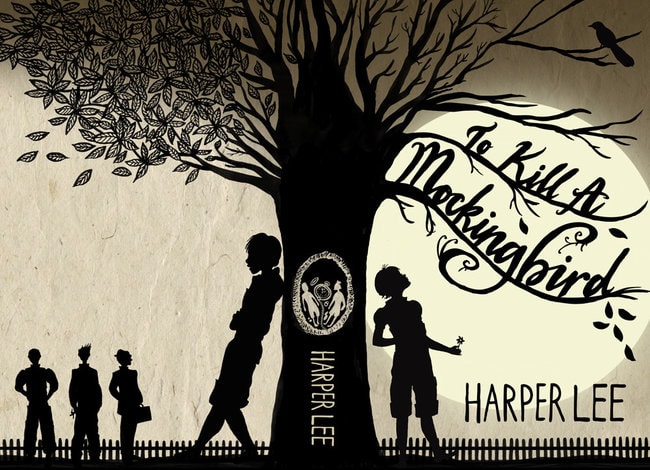
Cover of To Kill A Mockingbird novel (1960)

Introduction

To Kill a Mockingbird is a very popular modern classic by the American author Harper Lee, that narrates a coming-of-age story with a theme of social equality and prejudice. It was published in 1960 and was instantly successful. The unforgettable novel of a childhood in a sleepy Southern town and the crisis of conscience that rocked it. In the United States, it is widely read in high schools and middle schools. To Kill A Mockingbird  has become a classic of modern American Literature, winning the Pulitzer Prize in1961 and was later made into an Academy Award-winning film, also a classic.

About The Author

Nelle Harper Lee (April 28, 1926 – February 19, 2016) was an American novelist best known for her 1960 novel To Kill A Mockingbird. Lee has received numerous accolades and honorary degrees, including the Presidential Medal of Freedom  in 2007 which was awarded for her contribution to literature. She assisted her close friend Truman Capote  in his research for the book In Cold Blood (1966). Capote was the basis for the character Dill Harris in To Kill a Mockingbird.
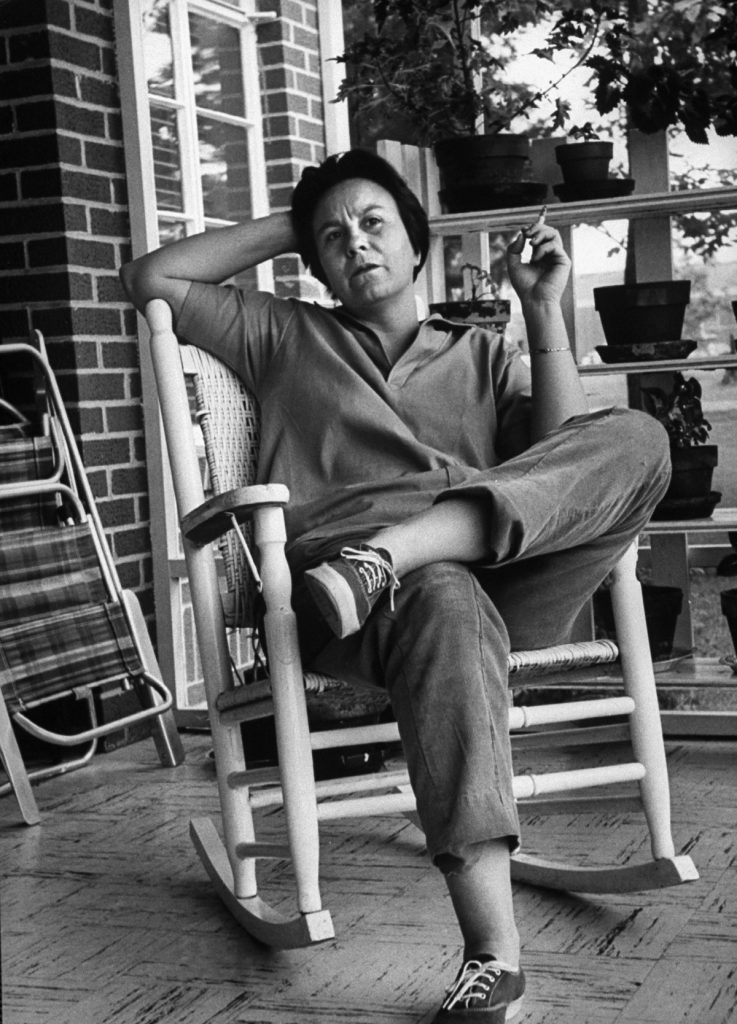
Harper Lee

Storyline of The Novel

The novel follows the story of a black man in the 1930s, convicted for the rape of a white girl. It is written from the perspective of two young children and their confusion at topics like race and the discriminatory ways of adults around them. Despite been written in a child’s perspective, the story does not diminish the meaningful themes of the novel in any way. Even after 80 years of its publication, the book is still popular and highly relates to our society.
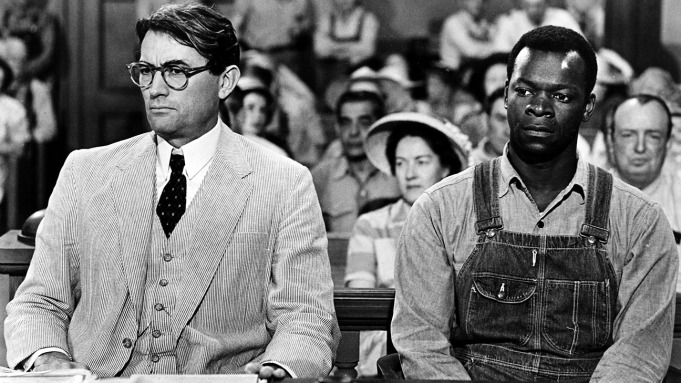
Gregory Peck as Atticus Finch and Brock Peters as Tom Robinson in To Kill A Mockingbird movie(1962)

The story evolves around six-year-old Scout Finch is living in the small town of Maycomb, Alabama during the Great Depression. Raised by Atticus Finch, Scout and her brother, Jem, are very comfortable with Maycomb and understand the well being of their neighbours, except the house of the mysterious Arthur Radley, whom they obsess over. Half the book is basically about Scout, Jem, and Dill (their new friend) trying to lure Arthur Radley out of his house. However, when Atticus, a lawyer, decides to take the case of a black man named Tom Robinson, tensions become high and the trial to see whether Tom Robinson is guilty or innocent based on his crime and, especially, his skin colour is at stake. 

Analysis of The Storyline

To Kill a Mockingbird focuses on that gut instinct of right and wrong, and distinguishes it from just following the law. Even the titular quote: “Shoot all the blue jays you want, if you can hit ’em, but remember it’s a sin to kill a mockingbird” is in itself an allegory for this message. Being in itself a generic message, the idea of ‘doing what’s right’ obviously has a different meaning depending on when and where you’re reading the book. If you take 1960, when the book was written, America was in a state of ethical development as social inequality was – very – gradually being overcome. Women’s rights and black rights movements were beginning to emerge and some campaigned through violence. Would Atticus Finch condone this?

In the 1930s, when the book was set, America was in the midst of the Great Depression. This was a time when economic difficulties meant that the American Dream was receding further and further away. We could consider that Atticus Finch felt that his own dream of an equal, morally decent society was also heading in the wrong direction.
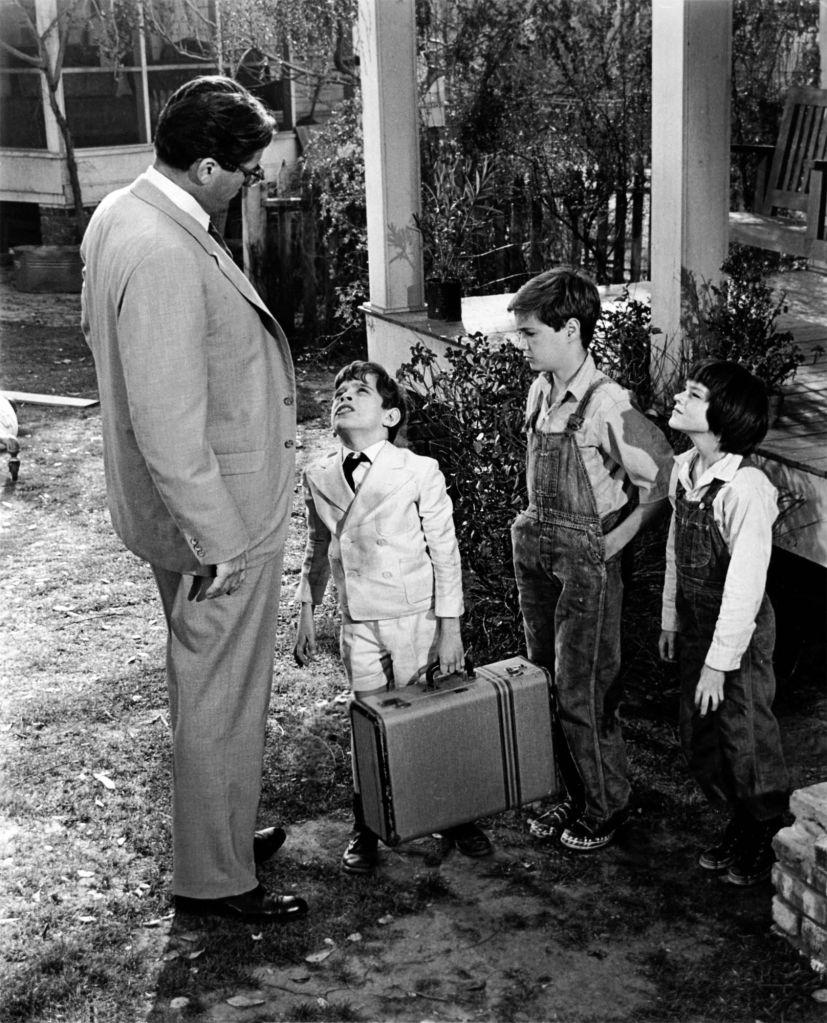
Scene from To Kill A Mockingbird movie (1962)

Criticism and Relevance of The Storyline

This 1960 novel is ahead of its time; carrying a message that is still needed by today’s world, Harper Lee’s debut novel is regarded as one of the best contemporary classics. Prejudice against the black community is the main theme of this novel. The lives of the main character revolve around this. Standing up for what’s right, defending the weak, swimming against the current; all these righteous acts comes at a huge price, sometimes even risking the lives and dignity of our loved ones. The novel gives us a strong message to the readers. It so skilfully presents the vulnerability of a minority community and how they fall prey to prejudice. The author very skilfully brings forth the sub of racism, that too very tenderly through characters who peacefully struggle against this evil. Harper Lee shows us that in every society, there are some people who would stay firmly at the side of justice, though they may face severe consequences.
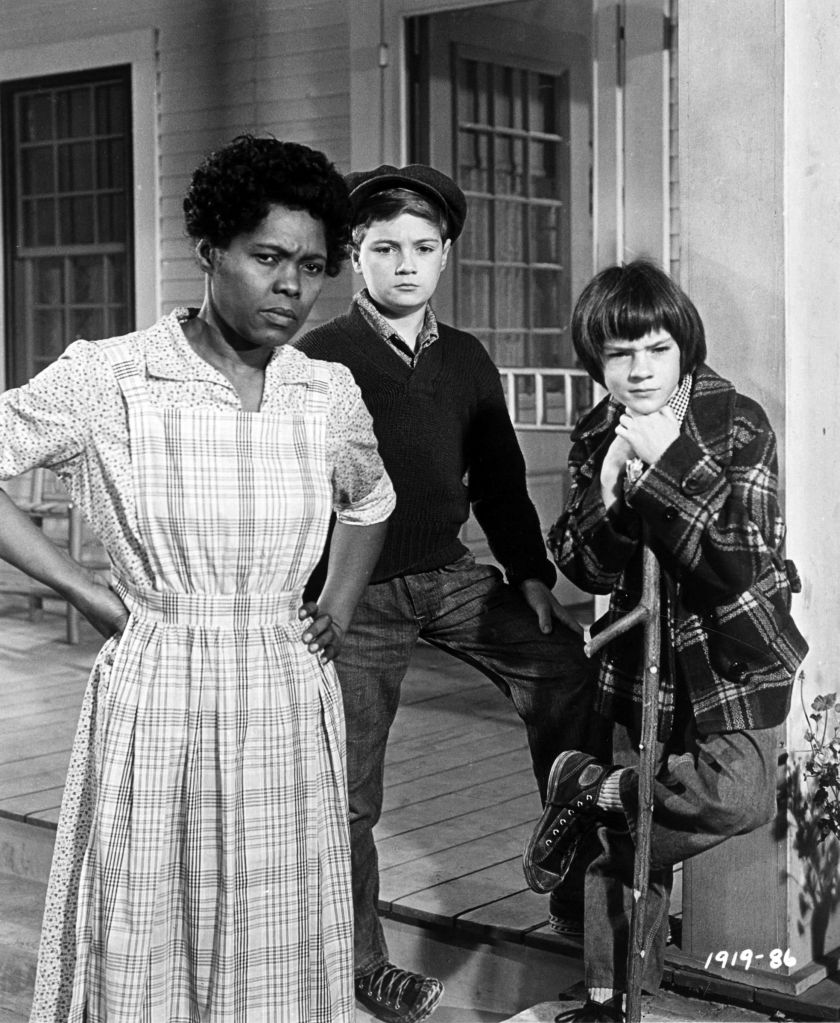
scene from To Kill A Mockingbird movie (1962)

Conclusion

Without denying the constancy of the moral message, and the pure ingenuity of the book, it’s still open to debate whether, as with all classics, schoolchildren should be forced to read the novel and go over it page-by-page. Therefore everyone who reads it can take something out of it which no one has before. Let it not be forgotten that a true piece of literature, like To Kill a Mockingbird, is meaningful in every period and that today, Atticus Finch’s message should be heard in the midst of all the global conflicts that we hear of on the news every day and night.

Things to do after BA in English Literature

Photo by Pixabay on Pexels.com

BA in English Literature is an undergraduate course that is opted for following the completion of the 10+2 formal schooling. Do you have a knack for analysing poetry or writing one? Are you keen about learning the history and evolution of different forms of arts and literature? Then a BA in English Literature was an ideal choice for your graduation. Many great inventions today across different fields such as astronomy, engineering and medicine are influenced by ancient literature and several art forms. 

For example, Nicolaus Copernicus’ book “The revolutions of the celestial spheres” popularised the heliocentric theory that proposed the sun as the centre of the universe. With the majority of students opting for medical, engineering or legal degrees, Bachelor of Arts as a degree course is often undermined. There are a lot of common misconceptions and stigmas surrounding this graduation course. 

  • Students studying BA in English Literature are assumed to lackluster in studies. 
  • It is a course often idealised as suitable for women. 
  • Students opting for BA in English LIterature can only become a teacher or professor. 

Many students graduate in English Literature as they are passionate about what the course has to offer. Although women are the majority among English Literature graduates, Men also specialise in this field and go on to pursue post graduation alongside women. 

As we have debunked some of the misconceptions and stigmas surrounding BA in English Literature, let us look at the doors of opportunities this course leads us to. 

Courses to take up after BA In English Literature

BA in English Literature is a three year graduation course that familiarises you with the evolution of English language and its literature through plays, different forms of poems, novels and theatre. Its curriculum consists of literary analysis, literary criticism and communication skills. Graduating in English Literature qualifies you for several job opportunities and higher studies. 

For further specialisation or better job opportunities, doing a Masters course following BA in English Literature might be an ideal choice. 

Here are the following courses you can consider following your graduation in English Literature. 

Master of Arts in Communication

Photo by Terje Sollie on Pexels.com

MA in Communication is a postgraduate program for the duration of 2 years which equips students with information regarding transmitting messages and principles of communication. 

This masters course prepares its candidates for professions such as film directors, producers, screenwriters, journalists, public relations officers, and other professional careers. 

Eligibility

  • Minimum requirement for admission to MA in Communication is a Bachelor’s degree in any stream from a recognized university. 
  • Students must have secured 50% in their bachelor’s degree course. 
  • Candidates may be required to pass entrance exams conducted by specific colleges or universities. 

Employment Opportunities

Choosing MA in Communication following BA in English Literature can set you up for the following employment roles. 

  1. Television or Film Director 
  2. Content Writer
  3. Event Management
  4. Digital Marketing Expert
  5. Journalist
  6. Public Relations Professionals

Master of Arts in Sociology

Photo by Element5 Digital on Pexels.com

MA in Sociology is a postgraduate program like MA in Communication. Students keen about social studies, politics and economics can pursue this masters course following BA in English Literature. The MA Sociology curriculum consists of the study of religion and society, political society, Indian society, economy and society, social development, and research in sociology. 

Eligibility

  • Interested candidates must be graduated in any stream of education from a reputed university.
  • Candidates must have scored a minimum of 50% in the undergraduate level. 
  • Some colleges expect students to be a graduate in psychology while the others accept candidates across different streams. 
  • Colleges conduct entrance exams that need to be cleared by the admission seeking candidates. 

Employment Opportunities

MA in Sociology opens doors to an expansive range of career opportunities after your graduation in English Literature. Following are some of the job profiles that might get you interested. 

  1. Counselors
  2. PR Executives
  3. Administrators
  4. Educators
  5. Sociologist
  6. Researcher

Master of Arts in English Literature

Photo by Janko Ferlic on Pexels.com

Nothing seems more appropriate than studying for MA in English Literature post your graduation from BA in English Literature. This post graduation course in English Literature is the study of ancient and modern English literature, consisting of poetry, drama and fiction. Literature in the English language is not only written by English authors from England but also writers from across the world. 

Post graduation in English Literature sets you up for job profiles such as a teacher or a journalist. Candidates interested in writing and translating for agencies can also benefit from this masters course. 

Eligibility

  • Already being a graduate in English Literature, one needs to make sure that he or she has earned upto 50% marks to be qualified for admission. 
  • Your graduation course should be from a recognized university.
  • Admissions can be provided on both merit basis as well as clearance of entrance exams. 

Employment Opportunities

Upon completion of your post graduation course, you will be qualified for the following job profiles. 

  1. English Language Specialist
  2. Translator / Interpreter
  3. English Teacher
  4. English Editor
  5. Junior Parliamentary Reporter

Bachelor of Law (LLB)

Photo by Sora Shimazaki on Pexels.com

Bachelor of Law is a popular choice for higher studies among graduates of English Literature. A degree in LLB familiarises students with environmental law, consumer protection act, arbitration, and insurance law including others. Following the completion of Bachelor in Law, candidates can opt to study LLM (Masters of Law) for further specialisation, practice law after registering with certain agencies or take up careers as legal professionals in public or private sectors. 

Eligibility

  • Students aspiring to study Bachelor of Law must have graduated from a recognized university with an aggregate of 45% in any stream. 
  • Selection for the course is based on the results from entrance exams such as SLAT, CUET, and CLAT. 

Employment Opportunities

Careers after a Bachelor of Law are not confined to courtroom duties involving defending clients. Law graduates today have scope for job profiles in corporate firms, legal agencies, IT firms, and administrative services. Following are some of the job profiles mentioned below.

  1. HR Manager
  2. Legal Advisor
  3. Lawyer
  4. Attorney
  5. Legal Manager

Bachelor of Education

Photo by Pixabay on Pexels.com

Graduates who want to begin a career in the field of teaching can further study Bachelor of Education. This post graduation course acquaints the candidates with different learning methods and Pedagogy of a school subject. The course lasts for a duration of 3 to 4 years. 

After the completion of B.Ed, clearing aptitude tests such as TET and CTET will qualify you for teaching in primary and secondary schools. 

Eligibility

  • A bachelor’s degree from a recognized university with 50% aggregate marks.
  • A master’s degree from a recognized university with 50% aggregate marks. 
  • Aspirants for B.Ed must be at least 21 years old, irrespective of their graduation or post graduation. 

Job Profiles

Job profiles for B.Ed graduates are usually related to the field of teaching. One can become a teacher with specialisation in a particular subject or head teacher in a primary or secondary school. 

Happy Learning!

References

Vinayak Kashyap, mycourseguru.in/courses after ba english/

Team Careers360 | Updated on Sep 29, 2021 – 3:32 p.m. IST career360.com/10 best career options to progress with after llb degree/

“The White Tiger”- Class Struggle from a Humorous Perspective

“The White Tiger” (2008), a Man Booker Prize winner novel by Arvind Adiga is his debut novel.

Compelling, angry and darkly humorous. The White Tiger is an unexpected journey into a new journey into a new India. Adiga is a talent to watch.
   -Mohsin Hamid

The story revolves around Balram Halwai- a self declared “self-made entrepreneur”, a rickshaw puller’s son who skillfully climbs India’s social ladder to become a chauffer and later a successful businessman.

The novel is in epistolary form. He writes from his office in Bengaluru to Chinese officer Premier wen Jiabo with the goal of telling him about India.

The novel’s specialty is the simple language used to describe complex political and social theories. Balram belongs to the village Laxmangarh or “Darkness”, as he names it. Throughout the novel, we get to see Balram’s perspective of rich and poor. He is the psychopath-anti hero who killed his employer Mr. Ashok. He justifies his actions in the whole process.

“You can take almost anything you hear about our country from the prime minister and turn it upside down and then you will have then you will have truth thing.”

Balram in his letter

The subtle statements arouse emotions of humour and also give the facts. The novel is written in the tradition of ‘expose writing’. This uses plots as a means to examine social institutions. Balram’s dark comic provides an ironic yet emotional edge to the work. Balram holds positive view of the caste system. He expresses a significant degree of nostalgia praising the orderliness. In his mind people were struck where they were and considered it as the natural state. So there was a general sense of satisfaction.

On this context he puts forward the theory of Rooster Coop. It is Balram’s metaphor for describing oppression of India’s poor class. Roosters in a coop watch the other get slaughtered, but are unwilling to rebel and break out of the coop. He actively argues that poor stop each other from escaping. Therefore the Rooster Coop is guarded from inside- thinks Balram.

Animal imagery is yet another humorous aspect to illustrate the flaws in social conditions. The four landlords who oppressed the villagers are namely The Stork, The Buffalo, The Raven and The Wild Boar. These landlords resemble the characteristics of respective animals. The other names are The Mongoose and Country Mouse.

And then, thanks to all the politicians in Delhi, on the fifteenth of August 1947, the day British left- the cages had been let open… Those were the hungriest, ferocious, had eaten everyone else up and grown big bellies.

The statement draws connection between the animals and how people of India live.

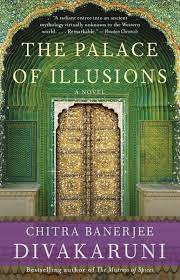
Panchali is a victim to fate-The Palace of Illusions

The Palace of Illusions by Chitra Banarjee Devakaruni (2008) reimagines the world famous Indian epic, the Mahabharta. The story has been narrated from Draupadi’s point of view. It is half history, half myth and wholly magical.

Since the eternity, Draupadi has been blamed for being the cause of the great war while the actions of men are neglected. Drauopadi has been a passive figure in the past but Chitra Banerjee gives her a voice, the authority to navigate. The plot of Palace of Illusions majorly focuses her relationship with Krishna and her secret longing for Karna.

Draupadi and her brother Drishtadyum were born out of fire sacrifice. Draupadi was not expected, however was accepted. Both the siblings had been their for each other from the beginning. Her love for Dhri (Drishtdyum) stopped Draupadi from marrying Karna because Dhri’s life was at stake. This decision, however, she would regret or lifetime.

By becoming the wife of five brothers- the Pandavas, it was clear, Panchali had no absolute control over her fate. Infact she herself said

“Aren’t we all pawns in the hands of time, the greatest player of them all.”

Karna’s vengeance did not stop the Vastraharan- the most shameful act in history and Panchali became its victim.The anger brewing in her made her seek revenge through her husband. This feeling of vengeance in Draupadi is given more weightage. But people fail to see the faults of her husband who in addiction of the game and to keep his so called words betted his wife’s pride.

When the war started , it was Sage Vyaasa who assure Draupadi that the war was the result of seed sown long ago and not her fault. Several hundreds lost lives, Panchali lost her brother, father and beloved Karna only to get the blame of being the cause of war.

Only at the end when she dies, she comes to know her origin.

Try to remember that you are the instrument and I the doer.

Krishna to Panchali

Therefore it is clear at the end that Panchali was just a pawn and this fate was chosen for her by the almighty. This novel justifies the allegations put on her since time eternal.

Dystopian Genre: Analysis and its Significance

The dystopian genre can be categorized into a wide group of literary works of speculative fiction. It usually involves a vision of the future, or an alternate world, which is used by an author to comment on and explore ideas about their own society. It’s has been a popular genre for quite some time. Lets analyze why dystopian literature, in particular, is so important.  

Dystopian literature makes important commentary on the world, societies, and our governments. Humans, since the beginning of the organized society, have always been fascinated by a perfect society which is ‘Utopia’. Since Humans are flawed and our societies mirror that, but it’s also in our nature to strive for better, similar to philosophers who focused on political theory. 

During the medieval age, utopia seemed to be a noble idea among the European authors and philosophers. While its main aim was to depict an ideal society, Dystopia on the other hand was a response where authors argued with the Utopian literature. Dystopias are utopias in the real world as these visionary ideas work well, as ideas. When placed in reality they quickly turn into dystopias.

In order to have an ideal society, humans should be devoid of humanistic values. Writers Depict societies that strive for perfection but ultimately fail as they ignore some vital part of humanity, which makes a convincing dystopian world.

Writers look for flaws that exist in our societies today, grounded in truth, and amplify them. A similar reflection of flaws can be seen in Orwell’s 1984 where it paralleled the problems that were ongoing in that period with the depiction of the overt dictatorial elements present in the Soviet Union and Third Reich. He critically pointed out the Government Surveillance, thought police, the constant change of history, and banning of books, which may seem exaggerated. These elements parallel our society albeit in a more subdued manner. Nevertheless, the parallels are present there, hence 1984 is still a very relevant piece of literature today.    

Similarly in Brave new world, Huxley pointed out that there would be no need for banning books as people will be bombarded with too much information and would be critically incapable to decipher reality with information overload. Where pleasure receptors hijack people’s critical thinking    

Within these two instances, we can interpret that one man’s heaven (Utopia) is another man’s hell (Dystopia). And dystopian writers don’t shy away from being political or radical when they try to describe these phenomena to warn readers.

It has also given rise to many similar genres like science fiction and cyberpunk, dystopian literature can share elements with these themes. In recent times, dystopian literature has also been popularized with the help of Movies, TV shows, and Video Games. 

With the advent of the 20th-century dystopian literature evolved and flourished, many of the revered classic literature in the past century has been a part of this genre. Technology and science progressed and new means of government and bureaucratic institutions were established. This gave writers a new method to introspect the societal trend.   

There is a critical need to academically evaluate these literary writings as its getting more relevant in our present society.

References:

The Henna Artist – Book Review

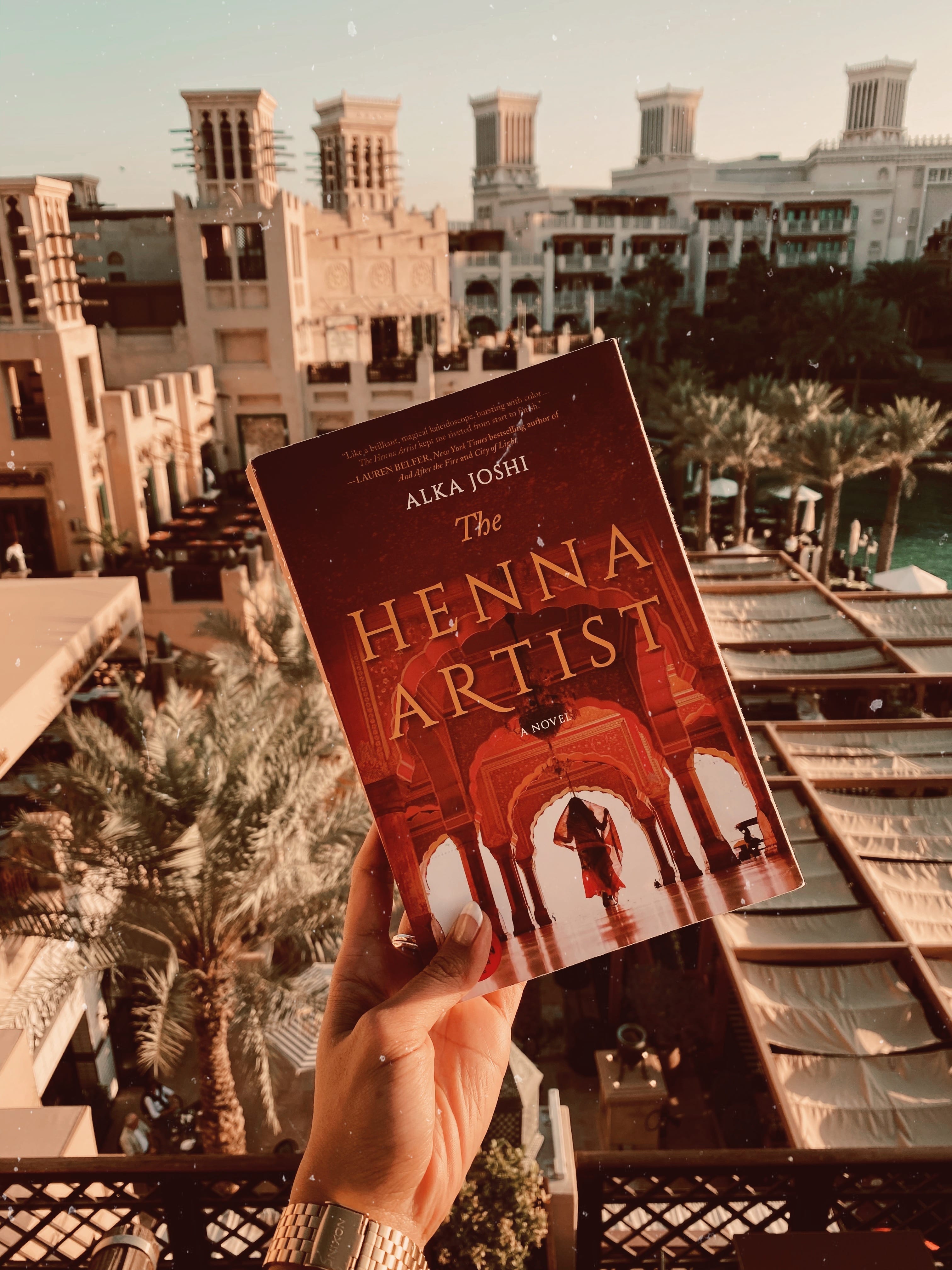
The Henna Artist is Alka Joshi‘s debut novel that was published in early 2020. It instantly became a NY best seller, a Reese Witherspoon book club pick and currently being developed into a TV series. Furthermore, it was longlisted for the Center for Fiction First Novel Prize.

Why may The Henna Artist be worth your time?

The Henna Artist is a captivating, engrossing and beautifully written historical fiction set in India in the 1950s.

The story follows Lakshmi, a strong-willed and decisive young woman who ran away from her marriage and family to the pink city Jaipur to become the talk of the town henna artist, herbalist and confidante for the elite circle of Jaipur ladies. Lakshmi’s talent, together with her determination and focus, rewarded her with the security, freedom and independence she strived for. A major life event takes place in Lakshmi’s personal life that forces on her new circumstances requiring tough decisions. Later on, we realize that this turning point was actually the catalyst for Lakshmi to reevaluate her priorities, free herself from the limitation of attachments and become closer to her true self and her real purpose.

Shedding light on social issues

This is a story abouy struggle, freedom, women’s choices, prostitution, abortion, ethical codes, early marriage, teenage pregnancy, perseverance, resilience, self-worth and forgiveness. It is a story about womanhood.

The Henna Artist is a compelling story with vivid rich descriptions that has the power of transporting the reader to that era written in a way that triggers all senses to truly enable the reader to picture the events and feel with the characters. The book is packed with cultural details such as henna art, natural and herbal medicine, Indian cuisine and family customs and traditions.

Closure

I truly enjoyed reading this novel and it made me think a lot more about my roots. Moreover, I am eagerly looking forward to reading the recently published sequel ‘The Secret Keeper of Jaipur’.

Comment down below your review of the book or suggestions for my next read!

The Road Not Taken

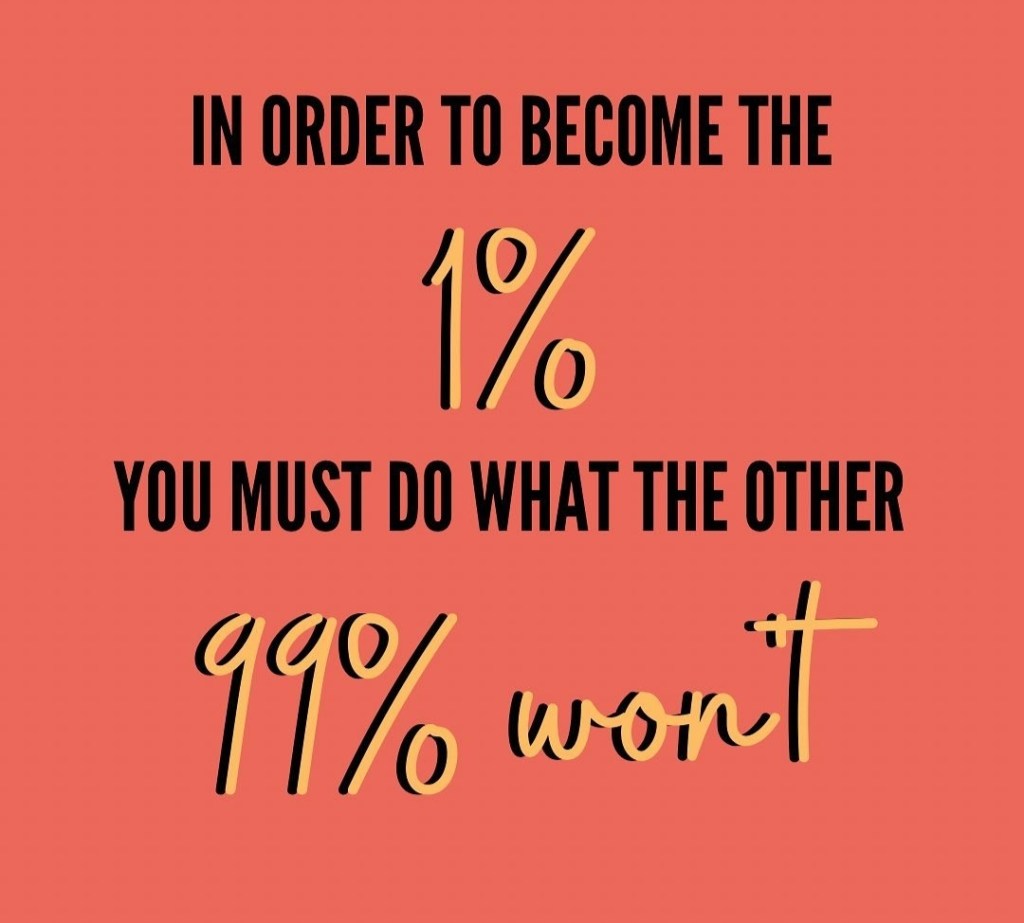
When every choice involves the loss of opportunity, which path will you choose? When your choices come with incomplete information, how can you be certain? How long will you stand still before making your choice? How confident are you when you realize you can’t save the first road for another day when the road you chose tends to lead onward to another? Whichever road you choose will make all the difference. In order to be different and do something great, you have to think different and implement things with a different approach. You have to take a different lane; the road not taken.

Remember the poem “The Road Not Taken” penned by Robert Frost?

Two roads diverged in a yellow wood,

And sorry I could not travel both

And be one traveler, long I stood

And looked down one as far as I could

To where it bent in the undergrowth…

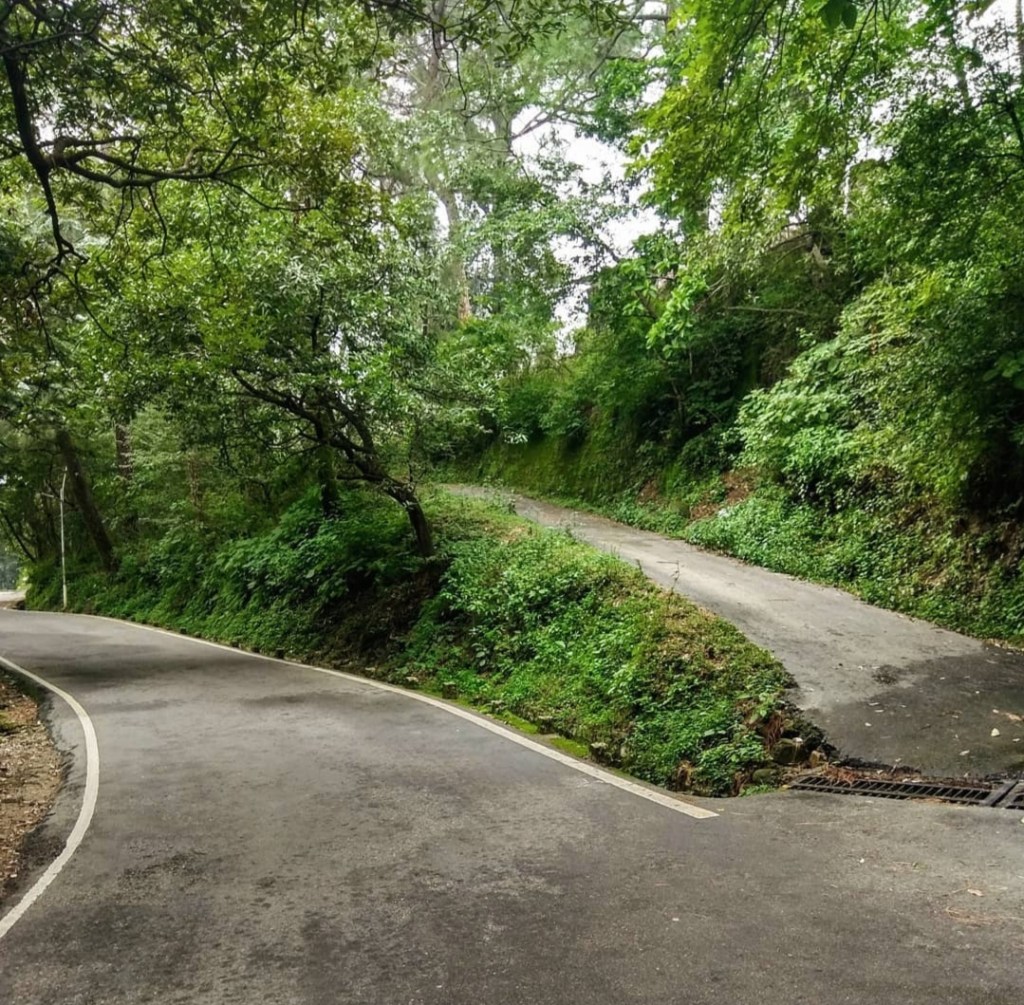
The poem describes someone standing at a fork, or turning point, in a road in the woods, trying to decide which path he is going to take. He looks down one road as far as he can see, and after thinking for another minute, decides to take one because it looks like nobody’s been that way yet, and he is curious about where it leads. He thinks maybe he might come back another day and try out the other path but he has a feeling that the road he has chosen will lead him to new places and discoveries, and he probably won’t be back. He thinks wistfully about that road, which he did not take, and where he might have wound up if he’d gone that way instead. Part of him regrets his decision, but he also realizes that the things he’s seen and the places he’s gone because of the direction he chose has made him who he is.

This poem tells a lot about life in general. Life is all about making choices, whether it’s about choosing to change your daily diet or choosing the right partner. Every choice has its significance in some way or the other.

It makes me remember that past is always dynamic because it shapes my present and therefore, I should be careful about my present as it will take care of my future. Most importantly, this poem makes me think wisely about my choices. It reminds me that I should not make such a choice which I would regret one day and say ‘if I would have taken the other road, it would have been better’. Rather I should be proud of my decision and say ‘Yes! Since I chose the right path, it has led to all this difference’. The difference is what makes it different. Just as Frost ended the poem: “I took the road less travelled, and that’s all that matters”. There are no bad roads, there are only different battles that births different results.

In my opinion, the poet encourages the readers to create opportunities that may be overlooked by us because we all are in search of solutions for our problems rather than trying to sort out the things in the less conventional way.