Women Entrepreneurship in India

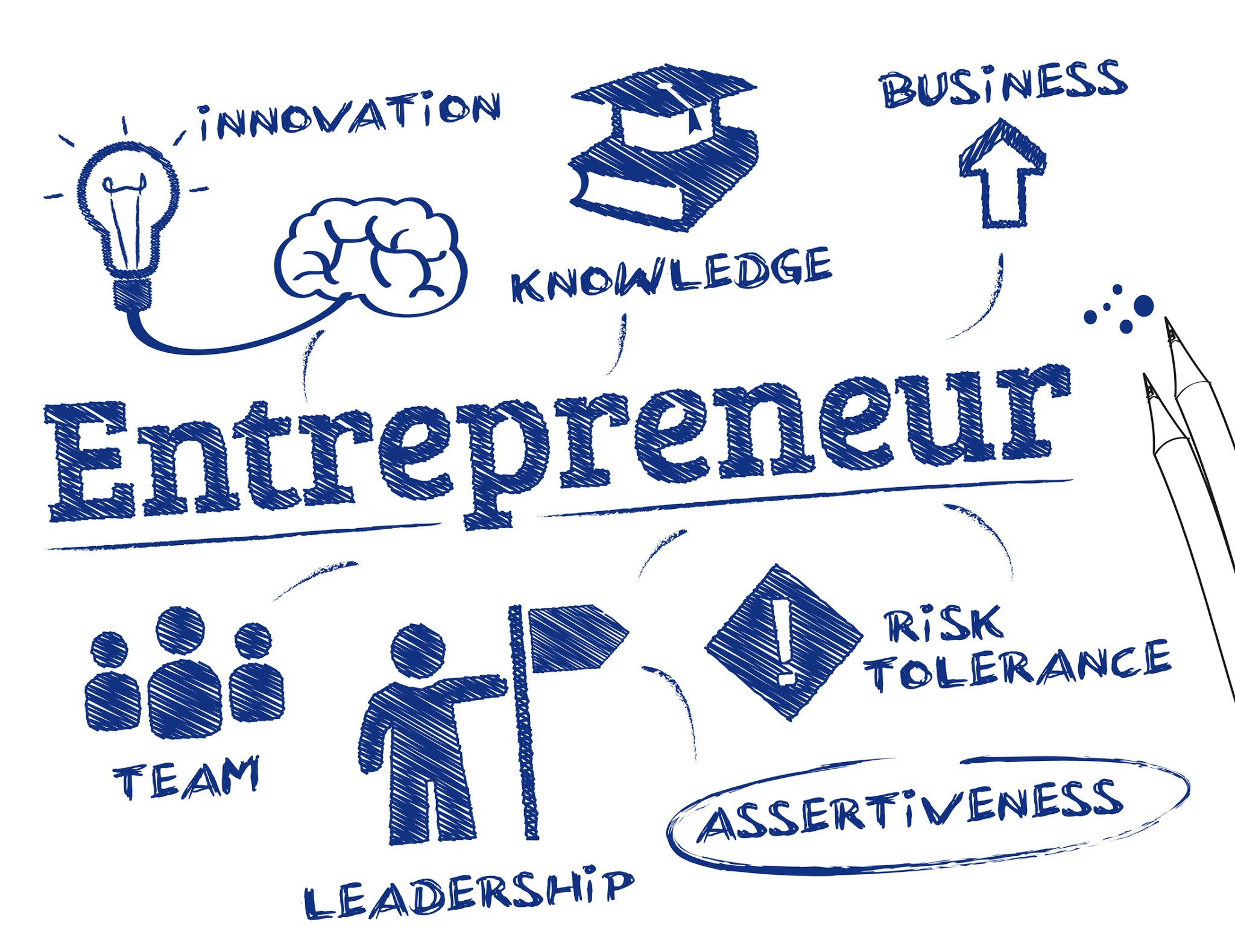
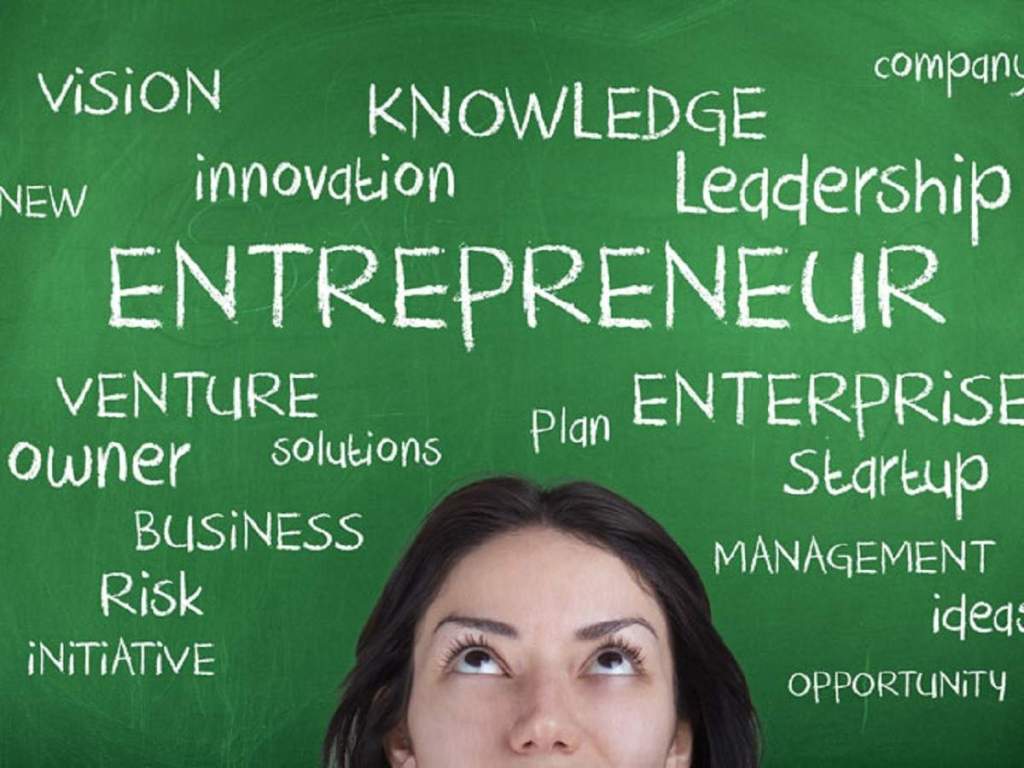
Confucius once said ‘Choose a job you like , and you will never have to work a single day in your life’, and this stands true for all the entrepreneurs out there, who are following their passion, and dedicating their time, sweat and blood for the creation of their product or service. Entrepreneurship is a field which requires the individual to accept ambiguity and challenge despite being exposed to uncertainties and criticisms.

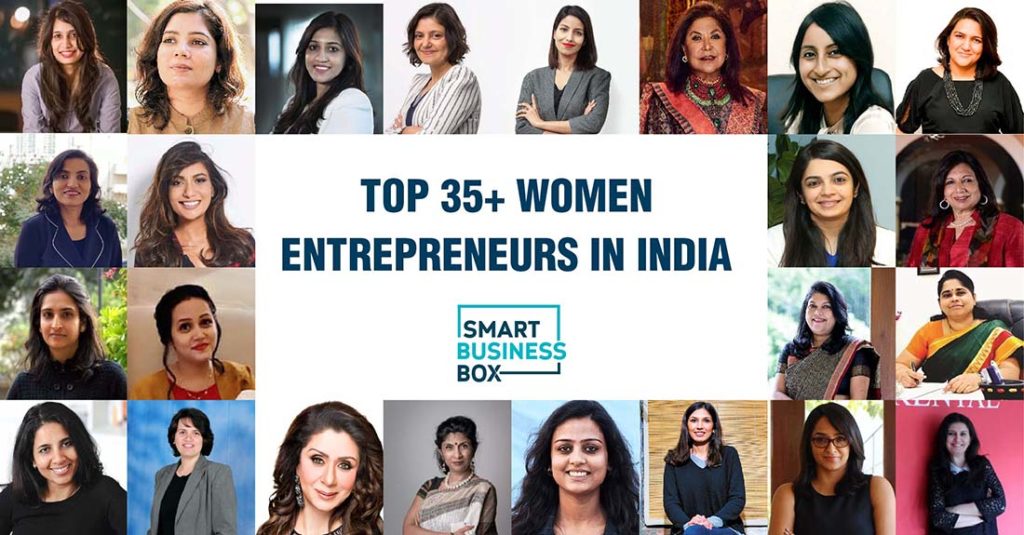
We all have heard and know of male entrepreneurs who envision their dreams into reality. However, this is not the case for the female counterpart. Female entrepreneurs have to break through centuries old conventions and take a stand for themselves to venture into the business world.

According to Forbes India, Women make up to 13.76 percent of entrepreneurs in India, this is fairly less than its male counterpart. However, it can be seen that the numbers are accelerating at an impressive rate.
Need of the Hour

According to an article by Times of India, Women owned business in India are likely to rise 90 percent in the next five years, as compared to the US (50%) and UK (24%). Such statistics are clearly impressive as it not only established the potential Indian women entrepreneur possess, but also encourages the younger generation to propagate venture on their own and not just depend on employers.  

The urge to have women entrepreneurs onboard will not only benefit to boast the economy of the country but also help to manifest the socio-political and economic development of women.

Government schemes for women entrepreneurs

The Government of India has launched substantial number of programs and schemes, that would benefit women entrepreneurs in India. According to an article by Indifi, GOI launches 9 such schemes that empowers women entrepreneurs. Few of the schemes are:

  1. Annapurna Scheme- this scheme provides loans to women in food catering industries who are still establishing their small scale business.  
  2. Dena Sakti Scheme- this scheme is for women entrepreneurs in the field of agriculture, retail, manufacturing or micro-credit business.
  3. Mudra Yojana Scheme- this scheme tries to improve the status of women by providing them loans to make them self-reliant and financially independent.

There are more such schemes that are especially catered to help empower women entrepreneurs coming from all walk of lives.
Pandemic and women entrepreneurs

The pandemic has affected employment all over the world, and women employees are no exception to it. With the on-going lockdowns many lot their jobs, and thus in order to make their living we could see a number of small women entrepreneurs trying to make their living by selling handmade masks, jewellery, embroidery, selling home cooked food on the streets and much more. This provided them the opportunity to be financially independent and make a living for themselves in their own terms. Although the sales and profit are not guaranteed, it at least helps them feed themselves, which is a better alternative to unemployment.

The pandemic also saw the rise of small urban-women owned businesses such as selling handmade crochets, macramé, resin products and much more, whose primary medium of marketing are through social networking sites. These are mainly owned by the young women who are treating it as a side hustle, along with focusing on their respective careers and educations. Thus, being self-reliant along with having a career alternative.

                   Being an entrepreneur requires a vision and dedication to achieve this goal. Falguni Nayyar started her entrepreneurship journey with Nykaa at the age of 50 and now she is one of the first two women self-made billionaires in India. Its never too late to start a venture of your own.


School of Engineering and AtalBihari Vajpayee School of Management and Entrepreneurship at J.N.U

 Union Education Minister of India, ShriRameshPokhriyal ‘Nishank’ laid the foundation stone of the buildings for School of Engineering and Atal Bihari Vajpayee School of Management and Entrepreneurship at Jawaharlal Nehru University today through a virtual program.Vice Chancellor, JNU, Prof. M. Jagdish Kumar,Rector I Prof.ChintamaniMahapatra, Rector II Prof. Satish Chandra Garkoti, Rector III Prof. Rana Pratap Singh and the deans of the new schools, Prof. UnnatPandit and Prof. SatyavratPatnaik were present on the occasion.

ShriPokhriyal expressed his delight at the  naming the School of Management on the name of late Atal Bihari Vajpayee, who was not only an efficient and visionary Prime Minister of India, but an inspiring author too. The Minister mentioned that engineering and management education will complement each other and willinspire the youth to become entrepreneurs and self-reliant.He hoped that the proposed building with world-class facilities will be endowed with technology-based pedagogy and development of learners.

ShriPokhriyalalso congratulated Prof. M. Jagadesh Kumar for taking the University to new heights of progress and initiating realization of National Education Policy 2020 with new initiatives.

Greater focus on nurturing entrepreneurship in Tier 1 and Tier-2 cities of India

 The Minister of Commerce and Industry, Consumer Affairs, Food and Public Distribution and Textiles, Shri Piyush Goyal today called for greater focus on nurturing entrepreneurship in the Tier 1 and Tier 2 cities of India. He was delivering the Keynote Address at the 3rd Meeting of National Startup Advisory Council virtually today.

It may be noted that 45% startups in India are from Tier 2 and 3 cities and 623 districts have at least 1 recognized startup. From 2018-21, almost 5.9L Jobs have been created by startups. In 2021 alone, almost 1.9L jobs have been created.

Department for Promotion of Industry and Internal Trade (DPIIT) had constituted the National Startup Advisory Council to advise the Government on measures needed to build a strong ecosystem for nurturing innovation and startups in the country to drive sustainable economic growth and generate large scale employment opportunities.

Besides the ex-officio members, the council has several non-official members, representing various stakeholders such as founders of successful startups, veterans who have grown and scaled companies in India, persons capable of representing interests of investors, incubators and accelerators into startups, representatives of associations of stakeholders of startups and representatives of industry associations.

The Minister said that 25th December, the birth anniversary of former Prime Minister Shri Atal Behari Vajpayee, is being celebrated as Good Governance Day in India. He expressed the hope that a robust Startup ecosystem would help formalize the economy and help in improving the Ease of Living and the Ease of Doing Business and in turn help promote the ideals of Good Governance. He observed that ‘Startup India’ movement had brought a ‘change in mindset’ from ‘can do’ to ‘will do’ and helped us move past traditional notions of entrepreneurship.

The Minister said that our startups turned COVID-19 crises into an opportunity and made 2021 the Year of unicorns with 79 Unicorns now thriving. Underscoring that India is now home to the 3rd largest startup ecosystem in the world, Shri Goyal said that he believed in the power of ideas. Simple solutions can make an extraordinary impact, he added.

 Quoting Prime Minister Shri Narendra Modi, Shri Goyal said that the priority of the Government can be expressed in four words, “Minimum Government, Maximum Governance” and called for minimum Government interventions in the lives of citizens. He said that our vision is to build a New India committed to the economic progress and well-being of 135 crore Indians, especially those who have been left behind.

The Minister assured that the Government, as an enabler, is committed to develop a robust startup ecosystem by providing exceptional benefits such as 80% rebate in patent filing and 50% on trademark filing, relaxation in public procurement norms, Self-Certification under Labour and Environment Laws, Funds of Funds for startups of Rs. 10,000 Crore, Income Tax exemption for 3 out of 10 years, Seed Fund Scheme of Rs. 945 Cr and creating Open Network for Digital Commerce (ONDC), which will create new opportunities and remove some monopolistic tendencies in certain spheres.

Shri Goyal said that apart from mass jobs creation, our startups have the potential to catalyse India’s integration in Global Value Chains and increase our footprint in global markets. He urged successful entrepreneurs, especially unicorns to share their experiences with students and youth in order to inculcate startup culture and entrepreneurial spirit at grassroot levels, especially in regions like the North East of India. He asked academia, government and industry to work hand in hand to promote entrepreneurship at the grassroots level.

Urging the youth to take risks in entrepreneurship, the Minister said that you never know until you try, therefore, making mistakes should be normalised and failures should not be seen as the end of entrepreneurial journey.  We must learn to celebrate failure too, he added.

Shri Goyal called upon startups to explore the unexplored areas like rural tourism in terms of agri-stays, hotels and homestays that would help create additional income for farmers.  Shri Goyal opined that the youngsters of the nation must be encouraged to visit villages, experience rural life and come up with solutions to rural problems.  He also asked successful startups to focus on rural economy and work on solutions such as drip irrigation, natural farming etc. to improve the lives of farmers.

Speaking of the need to augment Seed Capital, Shri Goyal said that we must encourage the flow of domestic capital in our startups. He added that there was a need to make ‘Startup India’ a symbol of Self Reliance and Self Confidence. The Minister called for a participative approach from all stakeholders to achieve such an ambitious target.

Six national programmes were presented to the Minister as part of the third National Startup Advisory Council meeting to strengthen the startup ecosystem in the country. The key interventions discussed were National Capacity Building Programme for Incubators, providing thrust to the startups engaged in manufacturing sector, empowering the larger pool of Family Offices and High Networth Individuals (HNIs) to invest in startups, accelerating Deep-tech Startups which would act as a catalyst in empowering pioneers, establishing an international platform and a gateway for Indian startups to go global, propelling participation of women in the startups and a holistic programme which aims at enabling global mentorship, market access, international opportunities and B2B connects.

The video conference was attended by several Startup leaders, investors, banks, senior government officials representing various ministries/departments and key stakeholders of the startup ecosystem.

****

Growth Profile of an Indian Startup- CRED

CRED is an Indian Fintech Company which offers rewards to customers who use its platform to pay their bills of credit card.

CRED is a Bengaluru Based startup found by Kunal Shah who also happens to be the CEO of the Company. Kunal is an Indian Entrepreneur who has been recognized for launching new ventures for the second time. Kunal graduated in Philosophy from Wilson College and later pursued MBA from Narsee Monjee Institute of Management Studies, but he had to drop in the middle to pursue his dreams as an Entrepreneur. Kunal started his entrepreneurial journey with PaisaBack, a website for cashback, coupons, and other offers for the users along with Sandeep Tandon. However, They had to shut down its operations in order to find FreeCharge in 2010. FreeCharge was acquired by Snapdeal in April 2015 but the company still continued as an independent entity led by Shah. He left the firm the next year and eventually founded Cred in 2018, which has successfully turned into an unicorn on April 6, 2021.

BUSINESS MODEL – CRED

The plan of action of the organization comprises of four sections :

•   The Cred application

The Cred application is a flawless looking, wonderfully planned application, which the clients can visit assuming they need to go through the offers that are accessible after they cover their charge card bills. They can without much of a stretch sign up on the application and view every one of the offers that they can profit.

Businesses that give offers on the application

The clients of Cred can likewise track down a wide scope of offers from various organizations. For this, CRED carries organizations locally available and works together with them. Alongside helping CRED and its clients, who can benefit of the restrictive offers given by the organizations, it is likewise a mutually beneficial arrangement for the organizations. This is on the grounds that they are likewise immensely profited from the perceivability they get.

• Users who take care of their Mastercard bills –

CRED additionally fills in as a smooth and remunerating stage for the clients who use it to take care of their Visa bills. In contrast with banking or other applications, the end-clients can pick CRED as an application to take care of their charge card bills and get various offers and advantages. Then again, the clients who like the application likewise share CRED with their loved ones.

Cred Mint

Cred uncovered its new element, Cred Mint on August 20, 2021, which is planned as a distributed loaning stage assist that with willing assistance Cred clients loan their inactive cash to trustworthy individuals. It is a somewhat straightforward interaction that just permits the dependable Cred individuals bragging an insignificant FICO rating of 750 or higher to be the borrowers. Besides, the banks can likewise pull out their cash at whatever point they need with the premium that they have aggregated for the period.

GROWTH OF CRED-

Cred has shown a consistent development consistently. Being a startup that was established in 2018, it effectively joined the unicorn club on April 6, 2021, shutting its Series D round where the organization had wiped up $215 million. CRED controls “22% of all charge card installments in India consistently,” said Kunal Shah in his assertion delivered in April 2021.

Kunal Shah further took to his Linkedin profile on July 10, 2021, and shared features of the achievements came to by CRED in the long stretch of June:

Cred presented Cred Mint on August 20, 2021, which will fill in as a distributed loaning highlight that can be utilized by the clients of CRED. Cred Mint has been dispatched by Cred in a joint effort with RBI-supported P2P Non-Banking Financial Company.

With this component, the Cred individuals would now be able to loan cash to the reliable individuals from Cred dependent on the predefined financing costs. Cred Mint can be utilized to loan one more reliable client to assist them with acquiring around 9% per credit. In any case, it is likewise announced that Cred Mint may be accessible for clients with nice FICO assessments.

CONCLUSION-

Cred is one of the best examples of this how a brand born in India of an idea to provide users to make credit card payments through its app for which they get rewarded. Others have also been able to provide value to other countries, This is the power of globalization and this was achieved because of an entrepreneur who had a vision in his mind.

Personality Traits of an Indian Entrepreneur

Personality traits means characteristics of an individual that reflect their patterns of thinking, feelings and behavior which distinguish one person’s character and actions from another. Here is the list of those Personality traits, to learn from and apply those personality traits in Life-

Photo by Mikhail Nilov on Pexels.com

INTRODUCTION

https://twitter.com/sreelakshmisure

Sreelakshmi suresh

SreeLakshmi Suresh is one of the Youngest web designers and Youngest CEOs in the world, She Planned and designed her school’s main website when she was just 8 years old. She has won a lot of National and International Awards and Honors for her work.

A Proactive Learner

Her dad allowed her to use PC from a very young age. She learned all of the English letters in order by writing them in the Notepad. She used to draw Pictures in MS Paint even prior to joining LKG. She had a huge curiosity in her young age and tried new and experimental things on the PC which shows that she was curious to learn and try new things.

A Skillful Person

At the point when she was six years of age, her dad showed her a site planned by a Young student and supported her that in case She was intrigued by it She can likewise do it. Then, at that point, she designed her website by MS Word and afterward in MS Front Page. She designed her first site, the one for her school which goes by http://www.presentationhss.com while she was just 8 years of age.

Aim for Mastery

She is one of the persons who aim for excellency in their respective fields. She herself said in an interview that she must be expert in her field and she needed to be sincere to accomplish more and more in this field.

A Great Disciplinary-

She is a great disciplinary. In an interview, She said that she is in school for around 7 hours and she can make time for her web designing works for 3 hours without letting that interfere with her school works. she has a rule that she must finish all the school work first then do all of her designing work.

CONCLUSION

Sreelakshmi suresh shows us that no matter what your age is, If one is Proactive, Skillful, Aims for mastery, and A Great Disciplinary then there is no hurdle that can’t be conqoured. SreeLakshmi Suresh even says that Don’t think that something is impossible for Children. We can achieve whatever elders can do, if we have the will to do so. Afterall, the success and failure is in our hands and it entirely depends upon us if we want to achieve something or just complain about the circumstances that are not letting us achieve what we want to. If I wanted to choose between complaining about circumstances or doing something about them Here is what I will choose and recommend it for you all is to choose your struggle and do something about it and keep going just don’t quit no matter how many setbacks you have,

Money making tips for college students


I’ve said countless times that there are hundreds of ways to make money, especially in college. What limits people from doing it is all internal – not external. They make excuses for themselves: I don’t have enough time or I don’t know where to start. Well, today I’m eliminating some of those excuses. Here’s my list of 8 ways to make money in college. Seriously, I brain-dumped every idea I could think of to make money into this list. Some of them you’ve heard plenty of times before. Others might be new to you. To help organize the list, here are the categories I’ve assigned to the different tasks. I tried to list it most lucrative to least lucrative, but all of these items have their pros and cons.

Entrepreneurship

Being your own entrepreneur is extremely rewarding, and it can be extremely lucrative for college students and recent graduates. These next money-making ideas are bucketed in this category because your earnings are only limited by your own internal drive.

1.Start A Blog Or Website


If you really want to make money online, you need to start a blog or website. This is your home base for everything that you do online, and it, by itself, can turn into a hugely profitable venture.

2.Freelance Write For Blogs And Businesses


Freelancing writing is one of the easiest ways to start making money, especially if you’re a fast writer. Beyond writing for blogs, many businesses are looking for writers to help with many different types of writing – from general how-to content to technical writing, to putting together brochures.

Work


Of course, you can always earn money by working. These are jobs that college students and young adults are well suited for given school schedules, summer vacations, and more.

3.Become A Tutor


Another great way to earn money while in school. If you’re a pro at any class in college, simply offer to help others that aren’t. You can post a sign outside the lecture hall, or even use a Facebook group for the class (as many classes are going digital). You can easily find clients and charge a decent rate to boost your income.

4.Get An Internship


Almost all internships are paid these days, and they can be a great way to gain real-world skills while also boosting your income. While many internships start over the summer, some companies offer extended internship programs, where you can stay on as an intern during the school year.

5.Plan Events


Do enjoy managing people, tasks, and coordinating things to get something done? If so, then party planning could be right up your alley. You can get paid to plan an event. This can be hard for a college student to do, but I’ve seen several pull it off.

Build Passive Income


Now that you know different ways to make money in college, take it to the next level by investing some of those profits into building a passive income:

6.Start Investing


Once you have a little bit of money, you need to start investing it. The goal, of course, is to turn your investments into a passive income stream that will pay you for the rest of your life. It doesn’t take much to get started.

7.Peer To Peer Lending


Similar to investing, peer-to-peer lending is where you loan money to someone else, and they pay you back with interest.

Jobs for the Future

There are two reasons why students are interested in sustainable management studies.

Photo by Magnetme on Pexels.com

Youngsters are now facing the impact of climate change themselves. Many of them have experienced-led disasters such as floods and cyclones, more than their previous generation did.

Second, there is growing awareness on the regulatory requirement and the investor’s demand, said Jagdish Ratnani, a Professor.

Nevertheless, the fact is that many jobs of the future will require hordes of managerial talent who understand ESG. Its a great career opportunity, Aditya Shelar, a student at IIM Lucknow, thinks that business in future will think beyond numbers and they would need people who under- stand a range of issues.

The transition to electric vehicles, higher solar power adoption, green practices in real-estate as well as carbon neutral policies will all require manpower that drive these shifts.

Environment and sustainability will have to be embedded in both corporate thought and actions. Its a requirement for branding, for raising funds, and to capture young and aware consumers. Institutions will increasingly adopt that in the classroom and beyond. It was said by Gopal Sarangi of TERI Institute of Advance Studies.

Photo by Angela Roma on Pexels.com

Some firms want to evaluate if their manpower is conscious about ethical business strategies. Some firms want to evaluate if their manpower is conscious about ethical sourcing, environment reservation, SGD goals like equality at workspace, the side effects of child labour and fair wage.

All this will fuel demand for more courses in B- Schools.

Reference

http://www.intershala.com

http://www.timesofindia.com

Jobs for the Future

There are two reasons why students are interested in sustainable management studies.

Photo by Magnetme on Pexels.com

Youngsters are now facing the impact of climate change themselves. Many of them have experienced-led disasters such as floods and cyclones, more than their previous generation did.

Second, there is growing awareness on the regulatory requirement and the investor’s demand, said Jagdish Ratnani, a Professor.

Nevertheless, the fact is that many jobs of the future will require hordes of managerial talent who understand ESG. Its a great career opportunity, Aditya Shelar, a student at IIM Lucknow, thinks that business in future will think beyond numbers and they would need people who under- stand a range of issues.

The transition to electric vehicles, higher solar power adoption, green practices in real-estate as well as carbon neutral policies will all require manpower that drive these shifts.

Environment and sustainability will have to be embedded in both corporate thought and actions. Its a requirement for branding, for raising funds, and to capture young and aware consumers. Institutions will increasingly adopt that in the classroom and beyond. It was said by Gopal Sarangi of TERI Institute of Advance Studies.

Photo by Angela Roma on Pexels.com

Some firms want to evaluate if their manpower is conscious about ethical business strategies. Some firms want to evaluate if their manpower is conscious about ethical sourcing, environment reservation, SGD goals like equality at workspace, the side effects of child labour and fair wage.

All this will fuel demand for more courses in B- Schools.

Reference

http://www.intershala.com

http://www.timesofindia.com

Skills of the Future

The new world order, brought on by the fourth Industrial Revolution, demands that today’s children acquire skills that will serve them well in the future.

Photo by Andrea Piacquadio on Pexels.com

The world we live in will change so fundamentally that students who come out of school by 2030 will make careers in fields that we have no idea about in the present.

As all of these trends happen, the winners will be those who are able to participate fully in innovation-driven ecosystems by providing new ideas, business models, products, and services, rather than those who can offer only low-skilled labor or ordinary capital, points out Klaus Schwab, founder and executive chairman of the World Economic Forum, in his seminal work, the Fourth Industrial Revolution.

This view is supported by other experts.

According to David Deming, associate professor of education and economics at Harvard University, Soft Skills like sharing and negotiating will be crucial. Modern workplace, where people move different roles and projects, closely resembles pre- school classrooms where we learn social skills such as empathy and cooperation. =

In effect, the skills and traits that must be inculcated in our children include : Social Intelligence

Photo by Polina Zimmerman on Pexels.com

This set of skill include empathy or the awareness of self and others perspective collaboration, negotiations and conflicts resolution, persuasive communication that can change minds and hearts.

A sense of service mindedness, trustworthiness and transparency.

Reference

http://www.timesofindia.com

http://www.wikipedia.com

School vs Workspace

Our children must learn how to acquire knowledge that can be applied across domains and situations.

Photo by samer daboul on Pexels.com

Traditionally, schools and colleges have been cloistered enrollments where students only acquire knowledge. They then move to the next stage of their lives – into work places – where they may or may not apply the knowlege they have.

This separation has ensured that young people who join the work force have no idea about the exigencies of the work environment and are completely unprepared to deal with this situation.

However, future workplaces are likely to be far removes from conventional or current experiences.

In fact, it is estimated that most of tomorrow’s workforce may be contractual. In fact, already many large organizations are tapping into on-demand talent of the gig economy.

Increasingly, these new economy workers will be required to rely on their own knowledge and the skills to provide services and produce products that solve businesses’ and society’s pressing problems.

Photo by Burst on Pexels.com

Our children, therefore, must learn how to acquire relevant knowledge that can be applied in different domains and circumstances. They must discover the joy learning so that they can become learners for life as well as independent learners, capable of handling uncertainty with flexibility.

Schools must therefore re-engineer their systems, curricular and pedagogies to ensure that students have agency over their own learning and lives and learn to learn, unlearn and re-learn with agility.

Schools, therefore, must teach children to be entrepreneurs, expose them to real life work and social environments through projects and experiences so that they know how to tackle challenges that lie ahead and are capable of solving problems independently.

Reference

http://www.timesofindia.com

http://www.wilipedia.com

http://www.hindustantimes.com

Segmenting a market?

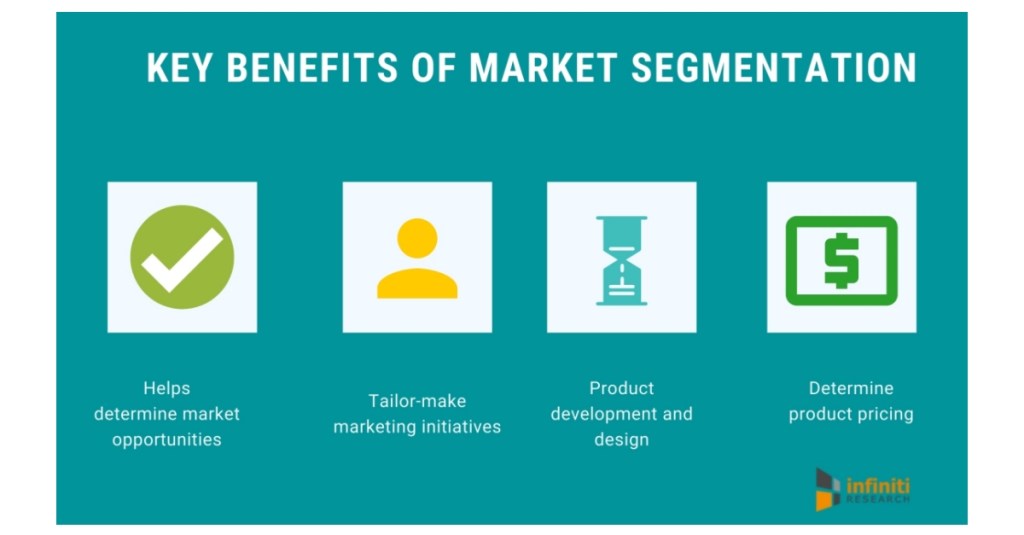
See everybody has their own likes and dislikes right? It is always possible that my need and your need can be different or even similar also. Market segmentation is just the most useful aspect in which a marketer can divide the whole market into subgroups of people having the same needs and wants. Must be wondering why it is done? So by this concept marketer gets the clear idea of the group demanding the same products and can easily satisfy their demand on that basis. Suppose if their is a group of teenagers than obviously their demand and needs about a product will be different from that of old age group. Likewise we have many different basis for market segmentation let us just understand them one by one:

  • Geographic Segmentation: This is the most simple method of market segmentation as in this the people living in one region of the country have different buying behaviours from that of the people living in some other region and thus this becomes the base for dividing the market .
  • Demographic Segmentation: Demographic elements such as age(teenagers/adults/retired), occupation, education, sex and income are used here for Segmentation.
  • Psycho-graphic Segmentation: Under this basis the consumers are divided into subgroups on the basis of their psychological attitude and also includes their personality and lifestyle.
  • Behavioral Segmentation: Consumers are here divided on the basis of the knowledge , attitude and use of actual products.
  • Volume Segmentation: It is assumed that most of the product is sold to a certain percentage of people. There are light , medium and heavy users of products. It is important for the business to give due consideration to the heavy users so that they must not switch to some other brand and also along with that they are required to adopt various techniques to convert light , medium and non users into the heavy one.
Easy explaination of its benefits.

What is Leadership?

Leadership, according to Peter DeLisle, is the ability to influence others, with or without authority. All successful endeavors are the result of human effort; thus, the ability to influence others is a derivation of Interpersonal Communications, Conflict Management, Problem solving. Leadership is a direct function of three elements of interpersonal effectiveness.

  1. Awareness : Awareness is a state of consciousness. It is the ability to recognize yourself, others, events and situations in real time.
  2. Ability : Ability to learn and understand technical issues is the basis of our careers – Ability to communicate, Ability to resolve conflicts, Ability to solve problems and make decisions.
  3. Commitment : Taking decisions without recognizing the impact in both positive and negative manner. To be dedicated and keeping engage.

Attributes or Characteristics of Leader

  • Guiding vision : Effective leaders know their strength to pursue the objectives and achieve the goals.
  • Passion :Leaders have a positive outlook on who they are, and they love what they do.
  • Integrity : Leaders know who they are, effective leaders are also aware of their weaknesses. They only make promises they can follow through on.
  • Honesty : Leaders convey an aura of honesty in both their professional and their personal lives.
  • Trust : Effective leaders earn the trust of their followers and act on behalf of their followers.
  • Risk : Effective leaders take calculated risks when necessary, to achieve their objectives . They learn from the
    mistake and use it as an opportunity to explore other avenues.
  • Dedication : The effective leaders are dedicated to their charge. The leader gives himself or herself entirely to the task when it is necessary.

Leadership Styles

1) Persuasive Leadership
• Leader engage his team through cooperation.
• Explains projects and values, stimulates, encourages, mobilizes resources.
• Remains accountable for every decision.
• Flexible on methods, supports co-workers.

2) Authoritative Leadership
• An Authoritative leader is self committed , gives instructions, structures the team activities.
• Sets precise objectives, defines evaluation criteria, solely accountable for decisions.
• Does not accept co-workers requests, does not accept failure.
• Always decides- does not listen

3) Delegative Leadership
• Defines the rules, mission and the responsibilities
• Plans and organizes the teams activities.
• Gives autonomy, only when required.
• Fosters mutual respect through expertise.

4) Democratic Leadership:
• Supports team work and offers collective projects
• Always encourages the team members to express freely
• Takes into account the individuals needs
• Fosters positive work environment and engages his team in decision making process.

Tips for better Leadership
• Be a good role model.
• Be clear about your rules and expectations.
• Leave room for input.
• Reward employees for good behavior.
• Be liked.
• Stamp out ‘them and us’ culture
• Honor the business roots
• Be passionate, enthusiastic and proud• Communicate effectively.
• Know your limits
• Learn from the past
• Keep meetings productive
• Walk your talk
• Presentations
• Motivational skills

How to find a job during the pandemic?

Not only has the coronavirus pandemic had a big influence on the world economy, but it has also had a significant impact on your employment search. It has wreaked havoc on the stock market and harmed a variety of businesses. If you have a present employment, you are most likely working from home.

Small businesses have been forced to close temporarily, while large corporations have been impacted by the stress of losing customers and a disrupted supply chain. According to NBC News, there are estimates that the jobless rate in the United States will hit 20%.

Layoffs, furloughs, reduced hours and overtime pay, and hiring freezes have all been used by certain companies in response to the health crisis. Other businesses are actively hiring and publishing new job openings on a daily basis.

There’s a lot of uncertainty right now about what the national and global impact on hiring will be, but there are ways to stay positive and proactive about your job search at this turbulent time.

Photo by Andrea Piacquadio on Pexels.com

Engage your network

People recognise that this is a terrible time and want to assist in any way they can. Let your friends and relatives know you’re looking for work and tell them what kinds of employment you’re looking for and which companies you’re targeting so they can keep an eye out for openings. If they hear anything, they’ll let you know. 

Even if human resources isn’t through sorting through the applications that come in through the ATS, those email intros, or having individuals in your network send your resume and cover letter on your behalf, can boost your application to the top of the pile.

If you find openings at a company where you previously worked, don’t be afraid to contact former coworkers and superiors. Because they know your skills and work ethic, they are more inclined to hire you than the competition. Even if they aren’t hiring, they can serve as references for other applications you are submitting.

Because they work in the sector, they may be aware of other opportunities through their own network and can refer you.

Practice phone and video job interviews

Because so many people now work remotely, job interviews are now conducted over the phone or by video rather than in person. A phone interview can be more difficult because it is more difficult to understand someone’s reaction and establish a dialogue that flows organically.

It can be more difficult to do a video interview because being on camera can be uncomfortable.

Take on a temp or freelance gig

If you don’t have a job right now, look for temp and freelance employment to help pay the bills. When you impress your coworkers, it could lead to a full-time employment. Working for a temp agency is also a good way to pick up some in-demand skills.

Employers are searching for employees who are self-disciplined enough to work from home and have outstanding writing skills, so if you’re currently working from home, keep that in mind.

Photo by Pixabay on Pexels.com

Show off your transferrable skills

Because there is so much competition for jobs right now, it’s critical to step up your game. First, look for positions that have been posted recently, as this indicates that the organisation is looking to fill a current position. If a job posting has been up for several weeks, it may no longer be a top priority for the organisation.

When perusing job listings, remain confident in yourself and realise that you can still acquire a job.

Customize your application for each job

Spend more work on each cover letter and resume so that your resume and cover letter are noticed. Modifying them for each job application takes extra effort, but it is important. When you apply for a job online, your resume is typically entered into an Applicant Tracking System (ATS), which analyses your resume to see if you meet the job posting’s requirements. 

Don’t replicate everything word for word, but make sure your resume and cover letter include the bulk of the most significant parts of the job. According to Monster data, nearly 75% of applications that go through an ATS are rejected because they don’t fulfil the hiring manager’s standards, such as the correct abilities, education level, or job titles, so it’s critical to get your resume in the door.

Stay up to date

Read about the companies and the world of market. Make this a habit to stay up to date without any obstacle. This will help you to be spontaneous and aware.

References

http://www.monster.com

How to find a job during the pandemic?

Not only has the coronavirus pandemic had a big influence on the world economy, but it has also had a significant impact on your employment search. It has wreaked havoc on the stock market and harmed a variety of businesses. If you have a present employment, you are most likely working from home.

Small businesses have been forced to close temporarily, while large corporations have been impacted by the stress of losing customers and a disrupted supply chain. According to NBC News, there are estimates that the jobless rate in the United States will hit 20%.

Layoffs, furloughs, reduced hours and overtime pay, and hiring freezes have all been used by certain companies in response to the health crisis. Other businesses are actively hiring and publishing new job openings on a daily basis.

There’s a lot of uncertainty right now about what the national and global impact on hiring will be, but there are ways to stay positive and proactive about your job search at this turbulent time.

Photo by Andrea Piacquadio on Pexels.com

Engage your network

People recognise that this is a terrible time and want to assist in any way they can. Let your friends and relatives know you’re looking for work and tell them what kinds of employment you’re looking for and which companies you’re targeting so they can keep an eye out for openings. If they hear anything, they’ll let you know. 

Even if human resources isn’t through sorting through the applications that come in through the ATS, those email intros, or having individuals in your network send your resume and cover letter on your behalf, can boost your application to the top of the pile.

If you find openings at a company where you previously worked, don’t be afraid to contact former coworkers and superiors. Because they know your skills and work ethic, they are more inclined to hire you than the competition. Even if they aren’t hiring, they can serve as references for other applications you are submitting.

Because they work in the sector, they may be aware of other opportunities through their own network and can refer you.

Practice phone and video job interviews

Because so many people now work remotely, job interviews are now conducted over the phone or by video rather than in person. A phone interview can be more difficult because it is more difficult to understand someone’s reaction and establish a dialogue that flows organically.

It can be more difficult to do a video interview because being on camera can be uncomfortable.

Take on a temp or freelance gig

If you don’t have a job right now, look for temp and freelance employment to help pay the bills. When you impress your coworkers, it could lead to a full-time employment. Working for a temp agency is also a good way to pick up some in-demand skills.

Employers are searching for employees who are self-disciplined enough to work from home and have outstanding writing skills, so if you’re currently working from home, keep that in mind.

Photo by Pixabay on Pexels.com

Show off your transferrable skills

Because there is so much competition for jobs right now, it’s critical to step up your game. First, look for positions that have been posted recently, as this indicates that the organisation is looking to fill a current position. If a job posting has been up for several weeks, it may no longer be a top priority for the organisation.

When perusing job listings, remain confident in yourself and realise that you can still acquire a job.

Customize your application for each job

Spend more work on each cover letter and resume so that your resume and cover letter are noticed. Modifying them for each job application takes extra effort, but it is important. When you apply for a job online, your resume is typically entered into an Applicant Tracking System (ATS), which analyses your resume to see if you meet the job posting’s requirements. 

Don’t replicate everything word for word, but make sure your resume and cover letter include the bulk of the most significant parts of the job. According to Monster data, nearly 75% of applications that go through an ATS are rejected because they don’t fulfil the hiring manager’s standards, such as the correct abilities, education level, or job titles, so it’s critical to get your resume in the door.

Stay up to date

Read about the companies and the world of market. Make this a habit to stay up to date without any obstacle. This will help you to be spontaneous and aware.

References

http://www.monster.com

History of Tea in India

Though the Camellia synesis is also native to India, and grew in the wild long before its actual value was understood, it is thought that tea was carried to India by silk caravans travelling from China to Europe centuries ago.

Native Americans ate the leaves occasionally, but they were largely employed for their medicinal powers.

Photo by Lisa on Pexels.com

It took a long time for it to evolve into what is currently known as chai, a flavorful black tea sweetened with sugar and milk, along with spices like cardamom and ginger, and used in cooking, vegetable dishes, and soup.

Tea was initially introduced to Indians by the British and is now an integral component of daily life. Tea originated in India thanks to the British, who sought to break China’s tea monopoly after discovering that Indian soil was ideal for growing these plants.

The presence of native flora indicated that the soil was suitable for transplanting Chinese seedlings, and the Assam valley and Darjeeling’s towering mountains were chosen as early tea planting sites.

Tea manufacturing in India began to blossom after 14 years of fruitless attempts, allowing the manufacture of a tea that was equivalent to, if not better than, its Chinese counterpart.

The native tea species

When Scotsman Robert Bruce identified a native type of Camellia sinensis plant in Assam in 1823, commercial tea plantations were first created under British rule.

According to legend, a local merchant named Maniram Dewan brought Bruce to the Singpho people, who drank a tea-like beverage. The Singphos gathered fragile leaves from a wild plant and dried them in the sun.

It’s worth noting that, at the time these changes were taking shape, the East India Company was attempting to break the Chinese monopoly on the global tea trade due to a growing conflict of interests.

In response to this scenario, one of the Company’s initiatives was to begin producing tea in British possessions, particularly India.

Around the year 1840, India’s tea industry began to take shape. Chinary tea plants, which were first tested in Assam, were later tested in the high-elevation districts of Darjeeling and Kangra, where they thrived.

Tea planting in Darjeeling began in 1841, when Archibald Campbell, the first superintendent of Darjeeling, experimented by planting a few chinar trees.

Tea consumption has evolved in a variety of ways, with each region of this large country producing its own chai variations. On one end of the scale are the gourmet stores that sell and serve good Indian tea, while on the other are the simple roadside chaiwallas who offer hundreds of steaming cups to people from all walks of life.

Photo by Tatiana Syrikova on Pexels.com

While India is today known for its high-quality tea and the countless cups of chai consumed by Indians, the custom of drinking tea as a regular beverage did not begin in India.

Tea had been used as a medicinal drink in India since ancient times (nearly identical to China), but it had never been used as a beverage.

After years of selling tea to Portugal, Japan opted to seal its doors to the rest of the world and isolate itself, leaving the global tea trade in the hands of the Chinese. While China was willing to trade, it was adamant about keeping the secrets of tea cultivation.

Darjeeling tea estates began in the 1850s, and the world soon sampled the “Champagne of teas,” Darjeeling tea.

The Chinese tea monopoly was fully broken with the creation of Darjeeling tea and widespread marketing by the British, and Indian teas quickly seized both the market and the imagination of worldwide tea consumers; and the rest, as we all know, is history.

References

http://www.teatrunk.in

http://www.wikipedia.com

http://www.cafesrichard.com

http://www.teabox.com