Plastic A Modern Devil

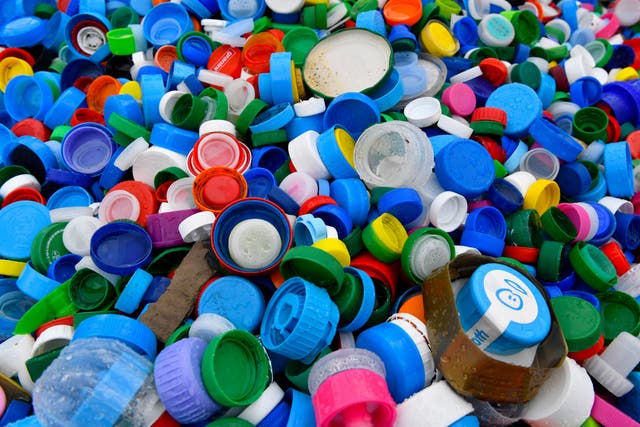
Plastic the most dangerous and harmful enemy of our environment. It is killing mother nature and our health too. We take plastic bags from shop and don’t realise that we are actually taking home a devil who will cause harm to not only nature but to us too.

A normal plastic takes about 1000 years to decompose. Just think about it that a single piece of plastic take such long years to decompose, the level of plastic which we are using today will take how many years to decompose. It is choking our water organisms life. It is also choking are animals who eat food from the garbage like the cow, dogs, cats etc.

The youth are taking responsibility reduce the use of the plastic and organising campaigns and webinars to create awareness among people to not use plastic or use decomposable plastic. The big companies are taking responsibilities to to recycle plastic and many new forms has also set up for this purpose.

Even the government have started realising the need to protect our environment and nature. International organisations like UN has also so so called for an international cooperation in this matter.

There are many innovative way in which the plastic are being reused like in making bricks, floor, dolls, chair, etc. Forest sustainable future we have to look into this matter with utmost seriousness. This earth belongs to everyone and we have no right to miss you or destroy any element on this earth.

PERMACULTURE-ETHICS,PRINCIPLES,METHODS

BY DAKSHITA NAITHANI

INTRODUCTION TO PERMACULTURE:

Permaculture is a method of design in agriculture that emphasises whole-systems thinking and the use of or stimulation of natural patterns.

Bill Mollison, a senior lecturer in Environmental Psychology at the University of Tasmania, and David Holmgren, a graduate student in the Department of Environmental Design at the Tasmanian College of Advanced Education, coined the term.

These principles are being applied in a growing variety of industries.

HISTORY:

Permaculture as we know it now was created in the 1970s t happened approximately a decade after the world became aware of the risks of pesticides like DDT and the damage they represented to humanity and the environment.

Because it was created for the development of long – term (in other words, permanent) systems, the phrase was coined from a combination of the words “permanent” and “agricultural.”

It was one of the first agricultural systems to recognise that local actions might have drastic implications.

 Holmgren is credited for popularising permaculture but it’s worth mentioning that various books on topics like agroforestry and forest farming have been around since the 1930s or earlier.

3 ETHICS:

Permaculture has 3 core tenants:

•             Care for the earth. To put it another way, assist all living systems in continuing to exist and multiply. But a healthy world is required for existence, it is important to understand the principles of nature and how it functions.

•             Care for the people. Allow people to have access to the resources they require to live. Members of the community who are in need of assistance are supported by the community (e.g. after someone dies, help build homes).

•             Fair share. We should take only what we require and reinvest any excess. Any surplus can be used to assist satisfy the other two basic tenets. This involves reintroducing waste products into the system so that they can be reused.

PRINCIPLES:

All sustainable community design initiatives should use Permaculture concepts.

They are the most important rules for putting it into practise. They may aid in improving and protecting the land, ecosystem, and people, as well as maximising efficiency and productivity.

These principles promote innovation while maximising outcomes. Every location, every circumstance, and every family is unique. As a result, each project’s plans, procedures, plants, animals, and building materials may differ. Even yet, the same principles apply to any location and endeavour, big or little.

1. Observe and Interact

2. Catch and Store Energy

3. Obtain a Yield

4. Apply Self-regulation and Accept Feedback

5. Use and Value Renewable Resources and Services

6. Produce No Waste

7. Design From Patterns to Details

8. Integrate Rather Than Segregate

9. Use Small and Slow Solutions

10. Use and Value Diversity

11. Use Edges and Value The Marginal

12. Creatively Use and Respond to Change

BENEFITS OF PERMACULTURE:

Reduced water usage

Wastewater and rainfall are used in permaculture. This is useful for homes, but for farms with larger areas, it becomes a more cost effective and efficient means of watering the produce.

Reduced waste

Nothing is thrown away. Garden waste, leaves, table scraps, and other waste products are composted or fed to animals as food. Some people go beyond and utilise compost toilets to fully live a zero-waste lifestyle. Permaculture is only sustainable if it makes use of leftovers.

Economically feasible

It is cost effective since pesticides are not required, and most systems require minimal upkeep. All you have to do is water the plants and mulch them once in a while.

Less pollution

Permaculture is a more natural manner of growing food, tractors and other powered agricultural equipment are rarely used.

Improved values

You’ll automatically acquire more ethical and good principles like consuming little, just using what you need, minimising pollution, and helping others if you practise.

More self-sufficiency

A farmer or gardener who practises permaculture may grow a broader range of crops on their property. It allows you to be self-sufficient by allowing you to grow whatever you desire or need to eat.

Applicable to existing systems

 Agricultural systems and lands that already exist can be converted to principles. Permaculture may be practised on a big or small scale wherever that you can normally grow food.

COMMON METHODS OF PERMACULTURE:

1) Agroforestry

Agroforestry is a technique that incorporates trees, shrubs, animals, and crops. The term is derived from a blend of agriculture and forestry. These two apparently disparate professions collaborate to produce systems that are more resilient, healthy, lucrative, and productive. Forestry farming, which is a permaculture technique also falls under the category of agroforestry. However, the main concept is to construct your food forest using a seven-layered method. A canopy layer, a low tree layer, a shrub layer, a herbaceous layer, a rhizosphere, a ground cover layer, and a vertical layer are all included. Silvopastoral and silvoarable are two other agroforestry systems.

2) Hügelkultur

Hügelkultur is a German word that means “hill culture.” It’s a method of burying huge volumes of wood in order to increase the soil’s ability to retain water. This rotting wood behaves like an absorbent, soaking up water from the ground.  Plant materials which behave as a compost are usually placed on top of the mound and decomposed into the soil. A Hügelkultur mound generally lasts 5 to 6 years until the wood rots completely and the procedure must be repeated.

3) Harvesting Rainwater and Grey water

Instead of letting rainwater wash from the property, you may collect it and store it for later use. Roofs gather the majority of rainwater. Eaves troughs, which collect and transport water away from buildings, are likely already installed on your farm’s homes, barns, and other structures. To collect rainwater, just connect a big tank to your downspout and catch the water rather than having it seep into the ground and go to waste. Storm water harvesting is another way to collect water. It is distinct from rainwater harvesting in that it collects runoff from creeks, drains, and other waterways rather than from rooftops. Grey water is a last source of reusable water on the farm. This is water that is used in the house or on the farm for things like bathing and doing laundry.  Because grey water includes detergents, it cannot be used for drinking, but it may be utilised for irrigation purposes and other reasons.

4) Cell Grazing

Grazing is commonly seen as a negative activity that, if not carried out appropriately, has the potential to harm the ecosystem in various ways. Allowing animals to overgraze a region can have severe repercussions, and this is true. Cell grazing is the favoured approach in permaculture. This entails moving herds of animals between fields, pastures, or woodlands on a regular basis. The disruptions created by grazing animals, when done correctly, can actually improve the ecosystem and allow plants to recover more quickly. It also keeps an eye on how animals interact with the land. Plants require appropriate time to rest between each grazing and therefore it’s critical that a region receives a rest time after being grazed.

5) Sheet Mulching

Mulching is simply any protective layer placed on top of the soil to retain water and prevent weed development and is used by many farmers and gardeners. A variety of materials such as wood chips, cardboard, plastic, stones, and are frequently employed. Sheet mulching is an organic no-dig technique that aims to imitate natural soil building in forests, namely how leaves cover the ground. Sheet mulching is most often done with alternating layers of “green” and “brown” materials. Fallen leaves, shredded paper and cardboard, pine needles, wood chips, and straw are examples of brown materials. Manure, grass clippings, worm casings, vegetable scraps, hay, coffee grounds, and compost are examples of green materials. It’s possible to utilise 5 to 10 layers of materials. Sheet mulching adds nutrients and minerals to the soil, inhibits weed development, regulates weather and protects against frost, reduces erosion and evaporation, and absorbs rainwater.

6) Natural Building

Natural building is a more environmentally friendly alternative to purchasing materials from your local hardware shop or lumber yard. You should try to employ as much recycled materials as possible in a system. There are a lot of renewable resources on the land that you may employ in your next construction project. Most people ignore clay, pebbles, wood, reeds, straw, and sand, which are all easily available materials. Tires, which are less natural, can also be utilised for building. This is a fantastic method to recycle old tyres that would otherwise be thrown away or burned. Similarly, instead of purchasing new windows, discarded glass windows are frequently repurposed.

7) No-Till or Minimum-Till Farming

The goal of no-till farming is to leave the soil untouched. The soil is left undisturbed rather than being broken up before planting. This helps to keep water in the soil, keeps carbon from leaving the soil, increases soil quality, and lowers the quantity of weed seeds that are brought closer to the surface to germinate. The soil is disturbed by conventional agriculture methods. This allows carbon dioxide to enter the atmosphere while also over oxygenating the soil. Loosening the soil in this way can cause erosion and nutrient runoff, as well as obliterate important fungal networks. Tilling can be reduced or even removed altogether for some systems with the right approaches.

8) Intercropping and Companion Planting

Intercropping is the planting of more than one two plant species in the same region that mutually benefit one another. Companion planting, for example, involves growing strong-scented plants and herbs such as basil, oregano alongside primary. Many of these companion plants with powerful smells are repulsive to pests. Not only that, but some of them really help the plants they’re partnered with to grow and taste better. Others help to loosen the soil or provide additional advantages. While many plants get along well when grown together, there are some who don’t because they demand the same nutrients or for other reasons.

9) Market Gardening

Market gardening is an intriguing shift away from conventional style of agriculture, which is carried out on huge swaths of land far out in the nation, to smaller plots of land, even in metropolitan areas sometimes. Market gardeners, as the name implies, sell their vegetables at farmer’s markets, however some may also supply restaurants and grocery shops directly.

Cash crops are aggressively produced on a small scale in market gardening (usually less than an acre of land.) While cultivating on as little as a quarter acre of land, a market gardener may earn up to $100,000 each year.


Global Warming

Global Warming 


What is Global warming?

Global warming is the process
of increase in the temperature near the earth’s surface. The process has been
observed over centuries and has extremely disturbed the weather and climatic conditions
of the earth. 


Causes of Global Warming:


Deforestation

Plants and trees
play a very crucial part in maintaining balance in ecosystem by taking in
carbon dioxide and releasing oxygen. Forests are being cut continuously for
domestic and commercial purposes which creates an imbalance in the ecosystem
which causes global warming.


Vehicle Usage

All the
vehicles, when in use, emit various gaseous emissions like carbon dioxide and
other toxic substances into the atmosphere. This leads to increase in
temperature which causes global warming.


Chlorofluorocarbon

 The ozone rays play a very crucial part in
protecting the earth surface from harmful UV (ultra violet) rays. Excessive usage
of air conditioners and refrigerators by people have increased the number of CFCs
into the environment which negatively impacts the ozone layer.

Due to CFC’s,
ozone layer depletes which makes the entry of ultraviolet rays easier.  This leads to increase in temperature which
causes global warming.


Industrialization

It can be observed
that the temperature of earth surface has also been increasing rapidly due to
advent of
industrialization. It is because industries emit the harmful
emissions leading to increase in temperature of the earth leading to global warming.


Harmful Effects of Global Warming:

Increase in Temperature

The continuous rise
in earth’s temperature has led to increased melting of glaciers which have negatively
impacted the sea level. This could have harmful effects on coastal regions.


Danger to the Ecosystem

Increase in temperature
caused by global warming has affected the coral reefs in a negative manner. The
rising temperatures have increased the fragility of coral reefs and the plants
and animal lives were also severely affected.


Climatic imbalances

Climatic
imbalances are also one of the negative consequences of global warming. Some
places experience floods and some places face droughts due to the same.


Spreading of Diseases

Global warming
leads to the movement of disease carrying mosquitoes. This is because global
warming is responsible for changing patterns of heat and humidity.


Harms human life

Increase in
natural disasters such as floods, tsunamis, etc, the average death toll is
increasing very rapidly due to global warming. This can lead to spread of
diseases which could harm the human life.


Loss of Biodiversity

Due to global
change in climatic conditions, habitat of several plants and animals are lost. Due
to this, animals migrate from their natural habitat. Many species of plants and
animals have also become extinct. Thus, global warming has an adverse impact on
biodiversity too.


Conclusion

Through this article
one can understand how harmful global warming is and how harmful can it be to
the plants, animals and humans. This is a serious issue which needs to be
addressed by all the people as a united team.


Hurricane – Destroyer of Many Places

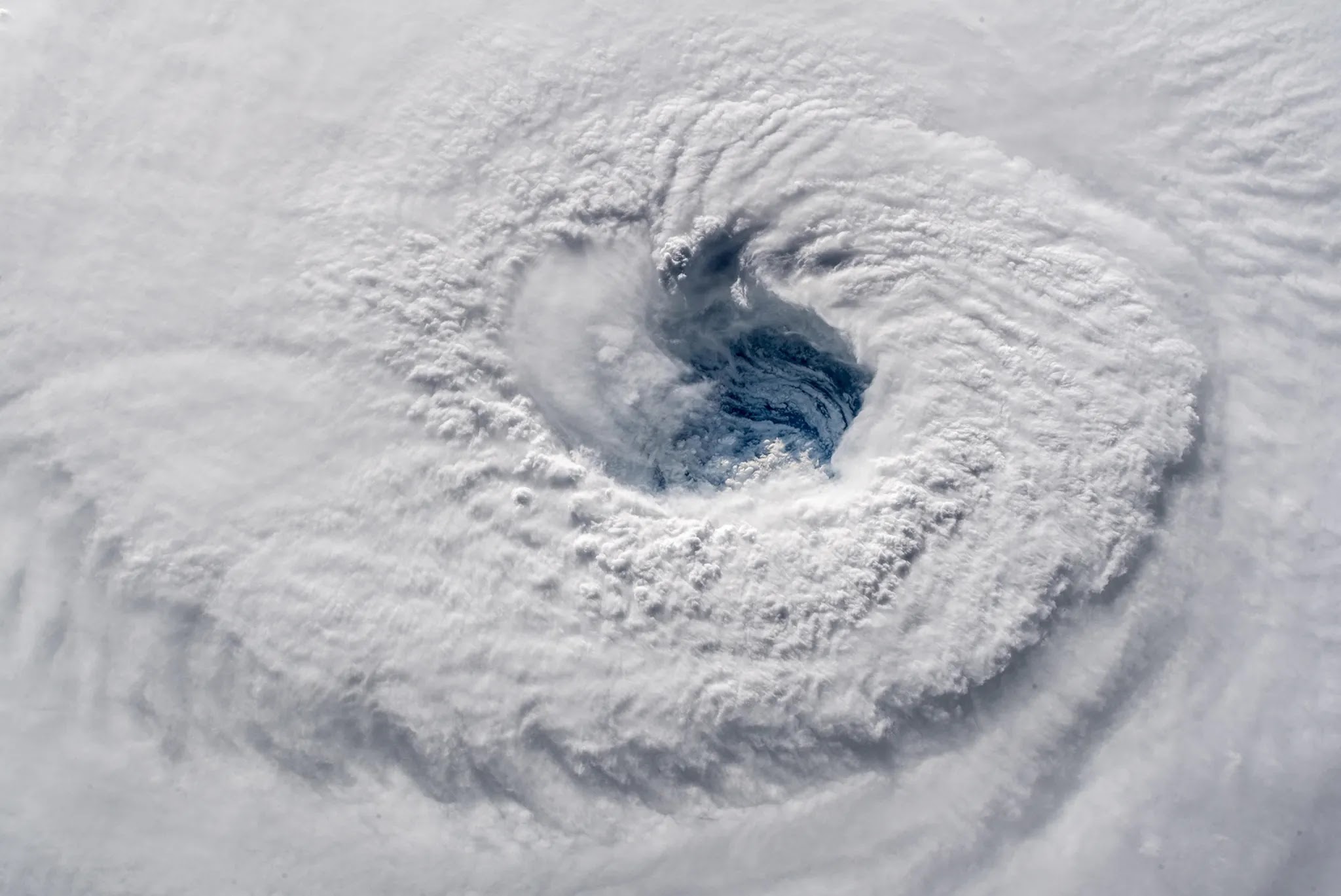
 Hurricane!  A hurricane is a huge storm, that generally forms over warm ocean waters.. ..near the equator. The warm air above the ocean rises upward.. ..thus creating an area of low pressure, below! Air from the surrounding areas.. ..push in and try to fill the area with low air pressure. Which now becomes warm and moist. And, rises too. 

As the moist air rises, the surrounding air again, tries to fill in. And, this process continues, till the water in the air forms clouds! Soon the clouds and winds spin around.. ..fueled by the oceans heat and water vapor. Therefore, hurricanes could also be called, Giant Engines. That use warm and moist air as their fuel! When we see from the top,.. ..hurricanes can be as huge as 300 miles wide. The center of the hurricane is called ‘The Eye’ of the hurricane. 


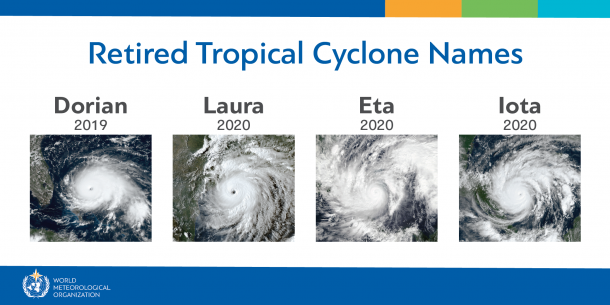
Which is the calmest part. The ‘Eye Wall’ surrounds the eye. Where the most damaging winds are found. It can range anywhere, from 5-30 Miles. Then comes ‘The Rain Bands’. Which surround the eye wall. These bands are a series of dense clouds.. ..that give a pin wheel like appearance to the hurricane. Which range from 50-300 Miles. Hurricanes are divided into 5 categories. Depending on the speed of their wind. Here, take a look. Category 3, 4 and 5 are the most dangerous ones. TRIVIA TIME. A huge hurricane can release energy.. ..equivalent to 10 atomic bombs per second. Hurricanes in the Pacific Ocean are know as Typhoons!…


How tsunamis work in the nature – Tsunamis

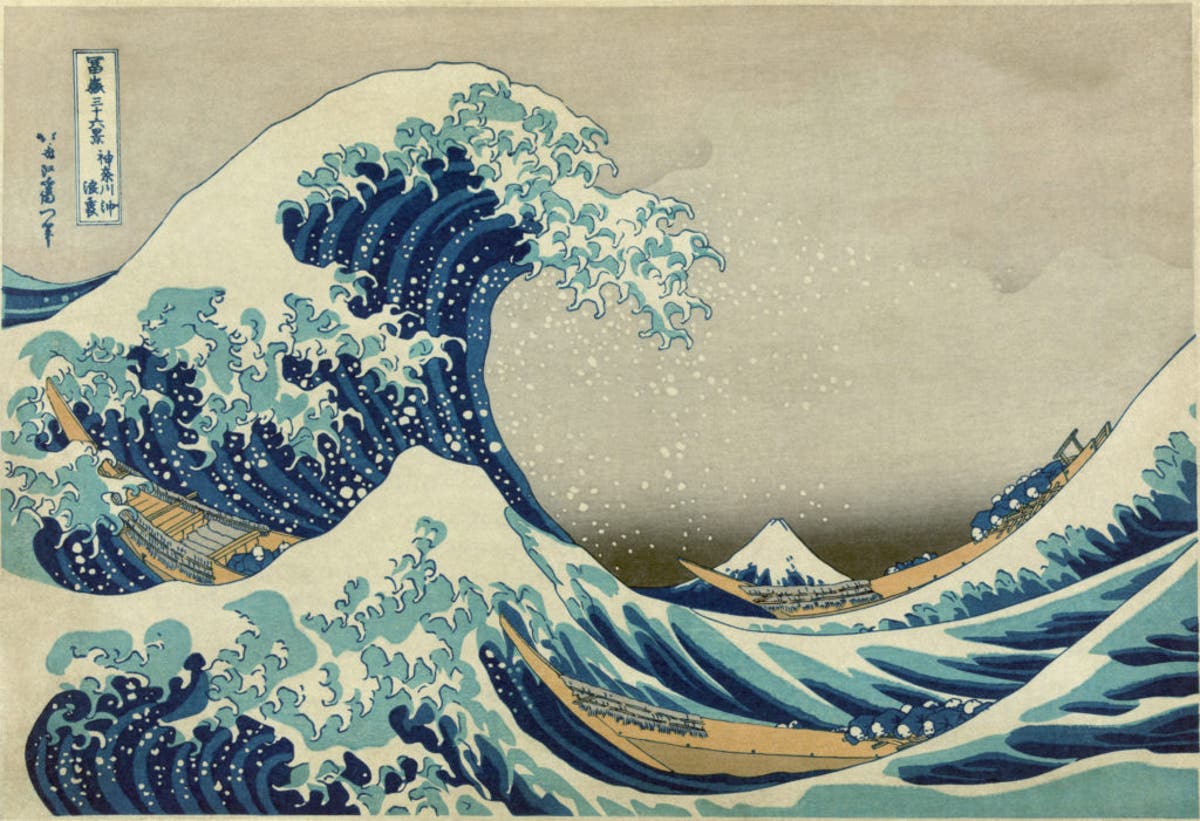
 Hello Friends , In 479 BC, when Persian soldiers besieged the Greek city of Potidaea, the tide retreated much farther than usual, leaving a convenient invasion route. But this wasn’t a stroke of luck. Before they had crossed halfway, the water returned in a wave higher than anyone had ever seen, drowning the attackers. The Potiidaeans believed they had been saved by the wrath of Poseidon. But what really saved them was likely the same phenomenon that has destroyed countless others: a tsunami. Although tsunamis are commonly known as tidal waves, they’re actually unrelated to the tidal activity caused by the gravitational forces of the Sun and Moon.

 In many ways, tsunamis are just larger versions of regular waves. They have a trough and a crest, and consist not of moving water, but the movement of energy through water. The difference is in where this energy comes from. For normal ocean waves, it comes from wind. Because this only affects the surface, the waves are limited in size and speed. But tsunamis are caused by energy originating underwater, from a volcanic eruption, a submarine landslide, or most commonly, an earthquake on the ocean floor caused when the tectonic plates of the Earth’s surface slip, releasing a massive amount of energy into the water. This energy travels up to the surface, displacing water and raising it above the normal sea level, but gravity pulls it back down, which makes the energy ripple outwards horizontally. 

Thus, the tsunami is born, moving at over 500 miles per hour. When it’s far from shore, a tsunami can be barely detectable since it moves through the entire depth of the water. But when it reaches shallow water, something called wave shoaling occurs. Because there is less water to move through, this still massive amount of energy is compressed. The wave’s speed slows down, while its height rises to as much as 100 feet. The word tsunami, Japanese for “harbor wave,” comes from the fact that it only seems to appear near the coast. If the trough of a tsunami reaches shore first, the water will withdraw farther than normal before the wave hits, which can be misleadingly dangerous. 

A tsunami will not only drown people near the coast, but level buildings and trees for a mile inland or more, especially in low-lying areas. As if that weren’t enough, the water then retreats, dragging with it the newly created debris, and anything, or anyone, unfortunate enough to be caught in its path. The 2004 Indian Ocean tsunami was one of the deadliest natural disasters in history, killing over 200,000 people throughout South Asia. So how can we protect ourselves against this destructive force of nature? People in some areas have attempted to stop tsunamis with sea walls, flood gates, and channels to divert the water. But these are not always effective. 

In 2011, a tsunami surpassed the flood wall protecting Japan’s Fukushima Power Plant, causing a nuclear disaster in addition to claiming over 18,000 lives. Many scientists and policy makers are instead focusing on early detection, monitoring underwater pressure and seismic activity, and establishing global communication networks for quickly distributing alerts. When nature is too powerful to stop, the safest course is to get out of its way.

Climate Change Of The Earth – Explained

 This is a simple explanation of Climate Change, based on an article in the New York Times. The average temperature on the surface of the planet has already increased 1.7 degrees Fahrenheit since 1880, which may not seem like much, but think about it this way, the heat from human emissions is roughly equal to 400,000 Hiroshima atomic bombs exploding across the planet every single day. Future generations are in big trouble. But for now it will continue to get warmer and storms will grow more intense, with longer periods of drought in between. But longer-term, if emissions continue to rise unchecked, the climate disasters will be so severe they will destabilize entire nations, send millions of refugees across borders, cause widespread extinction of most species on Earth, and melt the polar ice caps, leaving most of the world’s coastal cities several feet underwater.

 All this could take centuries, but something like the sudden collapse of agriculture would trigger immediate chaos in society. Best case is we get our act together and begin to rapidly bring emission levels down; meanwhile, Earth turns out to be less sensitive to greenhouse gases than we currently believe, plants and animals adapt quickly, and major technological breakthroughs help society limit emissions and adjust to climate change. But, these are all the opposite of what we’re actually seeing, so the only thing in our control is to limit emissions using all available tools and best behaviors currently at our disposal. Worst case, the collapse of food production causes spiraling prices and kind of like a zombie apocalypse, but with extreme hunger spreading chaos instead.

 So, yeah, still just like a zombie apocalypse. This would be coupled with the melting of the Antarctic ice sheet, leading to rapidly rising seas that would force us to abandon many of our greatest cities and all of the social and scientific progress that we were making within them. Adding insult to injury is the fact that many of the emissions were emitted while building these now abandoned, underwater metropolises. If emissions continue unchecked, we’re looking at a total rise of between 80 to 160 feet, which would occur if all the ice in the polls melted. 

So the oceans will rise, the real question is how fast? Scientists only have Earth’s history to base their predictions on, which suggests that the rate has occasionally hit 1 foot per decade…so we’ll have to adapt to an altered coastline sooner or later, but probably much sooner than later. Because… Computer forecasts only give us a range of future possibilities, the most important evidence comes from the study of past climate conditions which clearly show that every time the amount of carbon dioxide in the air rises, the Earth warms up, ice melts, and the ocean rises. What’s important to remember here is that we are in uncharted territory

–humans are pumping carbon dioxide into the air far faster than nature ever has before us. Scientists have been publishing strong evidence that warming is making drought and heat waves more frequent, causing heavier rainstorms, and more severe coastal flooding. But while the Internet has made us all more aware of weather disasters in distant countries, it’s hard to prove these are all directly made worse by climate change, although they probably are. Canada and Russia both have vast, frozen lands, and could see some economic benefits from a warmer climate. Putin and the Russians, therefore, have been reluctant to make ambitious climate commitments. 

But expect that to change as these countries realize they will be swamped by millions of refugees from less fortunate nations. Libertarians and other political conservatives do not like the policies proposed to fight climate change and have chosen to try and block them by actively undermining the science. This effort has been funded by the oil and coal industry, who favor making money above all else. As more resources are devoted to solving the problem, our chances at big technological breakthroughs are improving, but we still should be spending about three-times as much money as we currently are on these efforts according to several in-depth reports. 

You can reduce your carbon footprint by doing things like plugging leaks in your home insulation, installing a smart thermostat, taking public transit, taking less airplane trips, buying an electric car, and putting solar panels on your roof. A big one is eating less meat. But what’s really needed is for you to speak up and exercise your rights as a citizen, because strong, collective action through state and national policies is how we’ll make the most impact. Considering that we’ve been ignoring scientists’ warnings since the 80’s to limit emissions, we’re pretty late in the game. But we’ve finally reached a moment where nearly every country in the world agrees this is a huge problem, and seem ready to commit to taking at least some kind of action. 

Leading corporations will continue to make bold promises to do their part, low-emission technologies will improve, and many states and cities will go much further than any goals set by their national governments. The United States, the world’s biggest economy, is finally starting to move aggressively, and China, the world’s largest emitter, is beginning to recognize that it needs to do the same, as many of its megacities cities will be underwater if the seas rise too high. But it’s up to us, the ordinary citizens, to continue demanding our political leaders tackle climate change, the hardest problem that humanity has ever faced. 

Why is Biodiversity so important ?

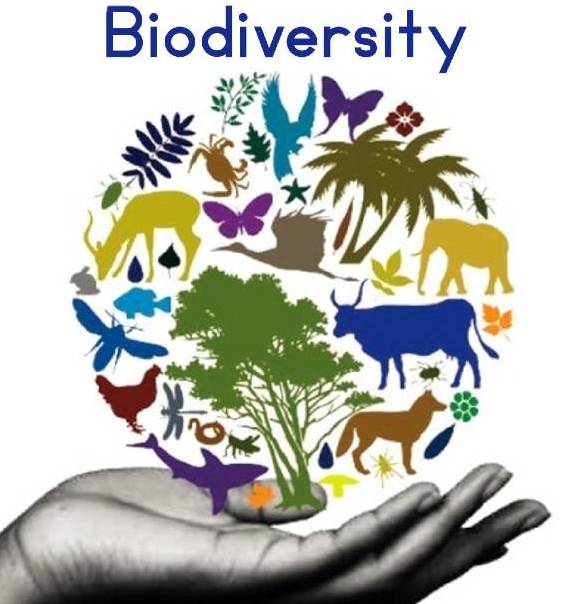
Hello Friends ……Our planet’s diverse thriving ecosystems may seem like permanent fixtures, but they’re actually vulnerable to collapse. Jungles can become deserts, and reefs can become lifeless rocks, even without cataclysmic events, like volcanoes and asteroids. What makes one ecosystem strong and another weak in the face of change? The answer, to a large extent, is biodiversity. Biodiversity is built out of three intertwined features: ecosystem diversity, species diversity, and genetic diversity. The more intertwining there is between these features, the denser and more resilient the weave becomes. 

Take the Amazon rainforest, one of the most biodiverse regions on Earth due to its complex ecosystems, huge mix of species, and the genetic variety within those species. Here are tangled liana vines, which crawl up from the forest floor to the canopy, intertwining with treetops and growing thick wooden stems that support these towering trees. Helped along by the vines, trees provide the seeds, fruits and leaves to herbivores, such as the tapir and the agouti, which disperse their seeds throughout the forest so they can grow. 

Leftovers are consumed by the millions of insects that decompose and recycle nutrients to create rich soil. The rainforest is a huge system filled with many smaller systems, like this, each packed with interconnected species. Every link provides stability to the next, strengthening biodiversity’s weave. That weave is further reinforced by the genetic diversity within individual species, which allows them to cope with changes. Species that lack genetic diversity due to isolation or low population numbers, are much more vulnerable to fluctuations caused by climate change, disease or habitat fragmentation. 

Whenever a species disappears because of its weakened gene pool, a knot is untied and parts of the net disintegrate. So, what if we were to remove one species from the rainforest? Would the system fall apart? Probably not. The volume of species, their genetic diversity, and the complexity of the ecosystems form such rich biodiversity in this forest that one species gap in the weave won’t cause it to unravel. The forest can stay resilient and recover from change. But that’s not true in every case. In some environments, taking away just one important component can undermine the entire system. 

Take coral reefs, for instance. Many organisms in a reef are dependent on the coral. It provides key microhabitats, shelter and breeding grounds for thousand of species of fish, crustaceans and mollusks. Corals also form interdependent relationships with fungi and bacteria. The coral itself is a loom that allows the tangled net of biodiversity to be woven. That makes coral a keystone organism, one that many others depend on for their suvival. So what happens when destructive fishing practices, pollution and ocean acidification weaken coral or even kill it altogether? Exactly what you might think. 

The loss of this keystone species leaves its dependents at a loss, too, threatening the entire fabric of the reef. Ecosystem, species and genetic diversity together form the complex tangled weave of biodiversity that is vital for the survival of organisms on Earth. We humans are woven into this biodiversity, too. When just a few strands are lost, our own well-being is threatened. Cut too many links, and we risk unraveling it all. What the future brings is unpredictable, but biodiversity can give us an insurance policy, Earth’s own safety net to safeguard our survival.

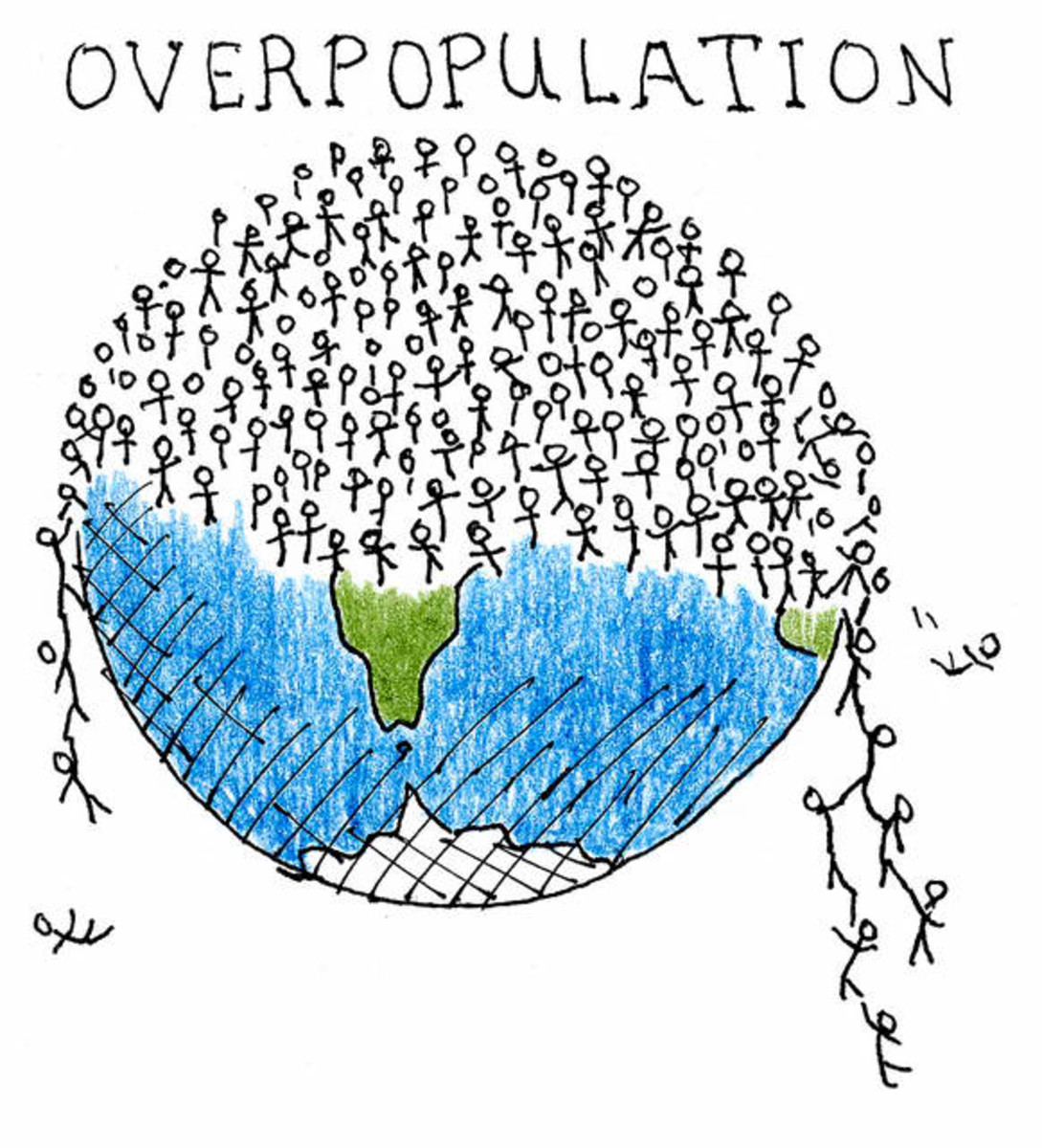
Overpopulation – The Human Explosion

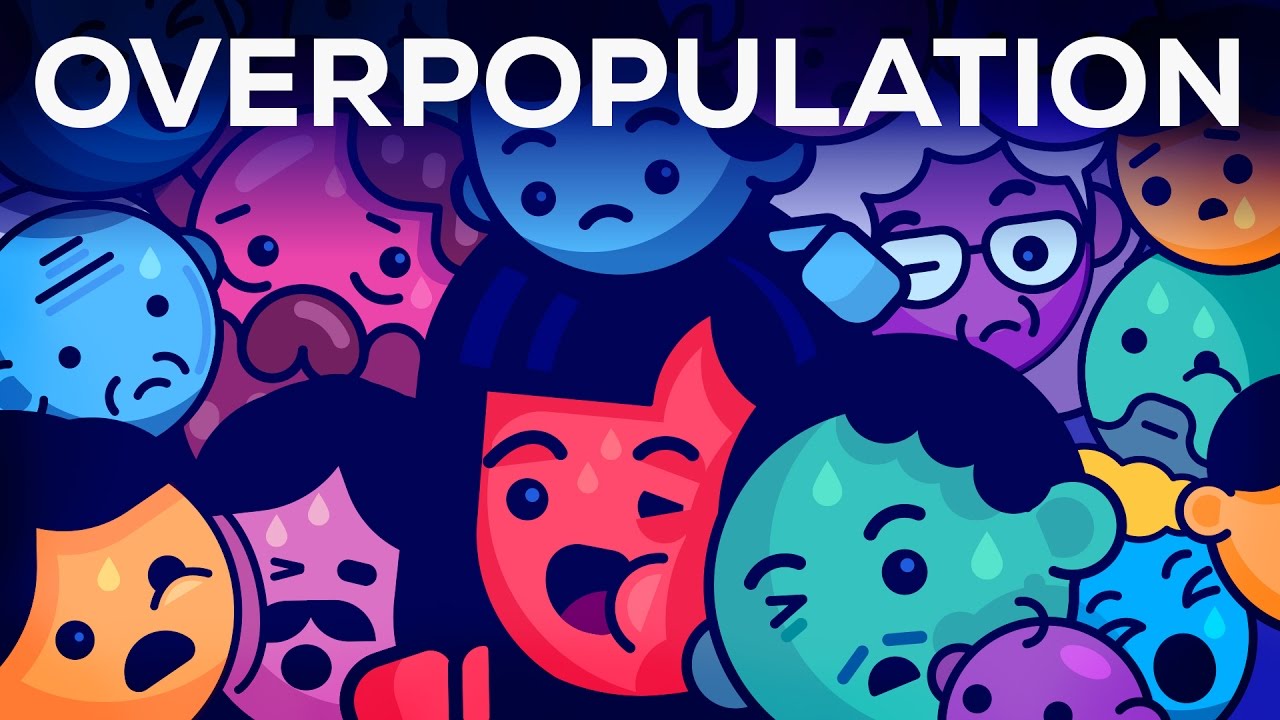
Never before in history, have there been so many people on Earth as right now. Our numbers have skyrocketed, from 1 billion in 1800, to 2.3 billion in 1940, 3.7 billion in 1970, and 7.4 billion in 2016. The world population increased fourfold in the last century, so what can we expect for the next century? And what does population growth mean for our future? Will there be mass-migration? Overcrowded slums and megacities covering continents? Diseases and pollution? Chaos and violence over energy, water, and food? And a human species focused only on sustaining itself? Will population growth destroy our way of life? Or is this prophecy just ungrounded panic? In the 1960s population growth reached an unprecedented rate. Which lead to apocalyptic prophecies. 

The poor would pro-create endlessly and overrun the developed world. The legend of overpopulation was born. But it turns out high birth rates and the population explosion are not permanent features of some cultures or countries, But rather a part of a four step process the whole world is going through, The demographic transition. Most developed countries have already made the transition, while other countries are doing it right now. Let’s go back to the 18th century, when the entire world, including Europe, was in the first stage of the demographic transition. By today’s standards, Europe was worse off, than a developing region, suffering from poor sanitation, poor diets, and poor medicine. 

A lot of people were born, but lots of them died just as fast, so the population hardly grew. Women had between 4 and 6 children, but only 2 of them would reach adulthood. Then the industrial revolution happened in the UK and bought the greatest change in human living conditions since the agricultural revolution. People went from being peasants to workers. Manufactured goods were mass produced and became widely available. The sciences flourished and advanced transportation, communication, and medicine. The role of women in society shifted and created the conditions for their emancipation. Slowly this economic progress not only formed a middle class, but also raised standards of living and health care for the poor working population. The second transition stage started. 

Better food supplies, hygiene and medicine, meant people stopped dying all the time, especially so, at a very young age. The result was a population explosion. Doubling the UK’s population between 1750 and 1850. The main reasons families used to have lots of children was that only a few of them were likely to survive. Now that had changed, so the third stage of transition was set in motion. Fewer babies were conceived, and population growth slowed down. Eventually a balance emerged, fewer people were dying and fewer children were born, so the death rate and birth rate became stable. 

Britain had reached the fourth stage of the demographic transition. This didn’t only happen in the UK, more and more countries went through the four stages. First, many births and many deaths due to bad living conditions. Second, better living conditions leading to fewer deaths and a population explosion. Third, fewer deaths resulting in fewer births, and population growth came to an end. But if birth rates have dropped so much, why is the population still growing so fast? Well, the children born in the population explosion of the 70s and 80s are having kids themselves now. Leading to a noticeable spike in overall population. But they are having far fewer children on average than their parents.

 The average today is 2.5, it was 5, 40 years ago. So as this generation gets older, and fertility declines further, the rate of population growth will keep on slowing. This is true for every country. In the west, we tend to overlook progress in other regions of the world. But actually most of the world’s countries have made it to the fourth stage. Just look at Bangladesh. In 1971, the average woman had 7 kids, but 25% of them would die before the age of 5. In 2015, the mortality rate was down to 3.8% and women had only 2.2 kids on average. This is the rule, not an exception, we’re not special, we just had a head start. It took developed countries about 80 years to reduce fertility from more than 6 children, to less than 3. Others are catching up fast. 

Malaysia and South Africa did it in only 34 years; Bangladesh took just 20. Iran managed it in 10 years. All these countries that are catching up didn’t have to start from scratch and the more support they get, the faster they catch up. This is why programs that help lower child mortality or help poor nations develop, are so important, No matter what your motivation is, whether you dream of a world where all people live in freedom and wealth, or you just want fewer refugees coming into your country, 

The simple truth is, that it’s beneficial to you personally if people on the other side of the globe can live a good life. And we are getting there, the percentage of people living in extreme poverty has never been as low as today. So the future of global population growth is not an apocalyptic prophecy, it’s a promise! Population growth will come to an end. The UN forecasts that the 12th billionth human will never be born at all. And as the development level of the world rises, the number of people a higher education will increase tenfold. Countries who used to be a need, will help advance development instead. More people is going to mean more people able to advance our species.

Environmental and Wildlife Crime

                                                          (Photo: Wildlife Conservation Trust)

Environmental and Wildlife crime is an illegal act which directly harms the environment.

There was a time when people were dependent on the environment and its resources for their existence. As if like they can’t live without it. But with time the situation changed. People started misusing the environment and wildlife for their own greedy purposes which led to a massive destruction of our environment, wildlife and especially our ‘Mother Earth’. As our country is developing, people are becoming greedy and selfish day by day. They have started mismanaging the resources that are actually meant to be used for useful purposes ,and due to this nowadays we are facing many harmful disasters like Tsunami, Earthquake, Flood, Poverty, Economic downfall all over the world. Not only these there are many other problems too.

Coming to the Wildlife, many animals are forcefully placed at zoo in a cage confining their lives within the walls of the zoo. We all know about Deforestation ,that is, “Cutting down the trees and plants”. Thousands of plants and trees are cut down everyday but we never think about the animals like how they will survive as forests are their only home to live in. Many animals are killed leading to the decreasing number of animals in the world. They are left abandoned or some people sell them just to mint money or use their skin to make leather and for many other purposes.

It is a true fact that human activities have a worse impact on nature and wildlife. “The term Environmental and Wildlife crime” should be categorized as crime in the present time. Many factors that influence these crimes are Socio-political and the weak judiciary. As we are all aware that there is no strict implementation of laws in many countries like, India. There are many organizations who works to highlight the issues and work on to prevent but there is no strict implementation not even the judiciary .And people do take benefits from this, and they continue to do these illegal crimes endangering our environment and wildlife. Coming to another factor ,that is, Economy. To increase the economy of the country, many people go after trading of the animals ,selling them at highest price just to mint money. Or even killing it before selling because we know that how expensive animals organs could be and how even just the skin of animals can be used for manufacturing purposes or say for preparing chemicals or weapons. Another factor is supply and demand. As our society is progressing, the demand is also increasing and so as the supply. This also increases an illegal employment opportunity for the people interested and thus, increasing their income.

Environmental and Wildlife crimes have caused a great threat to our environment and stood up with many challenges. Both the crimes have previously not been given importance in most of the countries thus, resulting in the lack of awareness and facilitating these crimes at a high speed which are actually a threat for various countries.

“The wildlife crimes has resulted in the loss of species and we need to start preventing it rather than waiting for the crimes to take place”. The organization has and is facing many problems such as jurisdiction where there is no strict implementation. All these factors have posed a serious threat not only to the environment but also to the organization.

SUGGESTIONS

·       To prevent the Environmental and Wildlife crime, first we need to create awareness about these among mass population.

·       The government shall become strict regarding the implementation of the norms in order to prevent it.

·       National organizations shall work together to keep a record of all the information related to both the crimes and to keep a steady pace with the change.

·       The government shall implement the principle of sustainable development due to the increase in the demands of the people in order to use the resources judiciously.

·       The countries where these crimes are prevalent must join the hands of the national organizations to work as a team for the speedy disposal of the cases.

·       Create a new organization which will deal with both the crimes to prevent any haphazard .This will decrease the burden on the judiciary court and will ensure the speedy disposal of the cases.

·       Organize campaigns and various other programs to educate people about both the crimes and teach them how these crimes are harmful for the society .

·       Involving the people of the society by asking them their suggestions or ideas to prevent the crimes.’

·       Plant more and more trees around your place ,on the streets to curb the pollution.

·       Stricter implementation of the guidelines under Wildlife protection act and Environmental act must be enforced.

Environment and Wildlife are important part of our lives. Environment and society are dependent on each other and we as the members of the society have a responsibility to protect our environment. Many laws and regulations have been made by various countries to protect our environment and wildlife. The protection of environment and wildlife has become a necessity today. Our judiciary looks after the constitutional provisions and reviews its own decisions but the strict implementation of the laws is not yet enforced. And that’s what needs to be changed. Unless and until there is strong and strict implementation, the main objectives of protecting the environment and wildlife cannot be achieved. Also the punishment for harming the environment should be made more strict and the convicts should be made to pay for their deeds. Each and every individual should be made aware towards the environment and wildlife because the government alone cannot fulfil the goals so the involvement of people at a large scale is really important. So it should be remembered that this environment belongs to everyone and the responsibility of conserving the environment and wildlife belongs to everyone.

“True benevolence or compassion, extends itself through the whole of existence and sympathizes with the distress of every creature capable of sensation”.

Preserving Tribal Culture

 There are about 300 million tribal people globally, and 150 of them are in Asia alone. The tribal and folk art forms have been an integral part of our culture. Tribal artforms have a unique sense of beauty and a different perspective of aesthetics. These are the traditions that are transmitted from generation to generation among the tribes. 

Institutions to preserve tribal culture

In India, the Ministry of Tribal Affairs looks after the preservation of tribal culture. Under the ministry, there are Research Institutes and Tribal Welfare Departments to find out ways and techniques to preserve the tribal heritage in the different parts of the country. 

There are a number of tribal groups in India, such as Mundas, Oraons, Santals, Gonds, Khonds, Mizos, Nagas, etc. There are also some schemes in India, such as Institutional support for development and marketing of Tribal products, Special Central Assistance to Tribal Sub-Scheme, and Marketing of minor forest produce.   

 The UN Human Rights council in 2006, recognized the rights of the indegenous people and emphasized that “indegenous knowledge, culture and traditional practices contributes to sustainable and equitable development and proper management of the environment.”

Need to preserve Tribal Heritage

The tribal culture has an extremely rich heritage, traditions, folk songs, folk dances and other artforms. For example, Warli painting is one of the famous tribal artforms, its origin can be traced back as early as the 10th century A.D. They have a unique set of cultural traditions and social customs.

 But with the rapid growth of industries, and hydroelectric projects, the forests are being cleared. These forests are the home to many tribal people. They get displaced from their original habitat due to clearing of forest areas, which threatens their identity and culture. 

As many of the tribal groups reside in or near forest areas, they play a key role in conserving the forest ecosystem. Forests play a crucial role in their daily lifestyle, therefore they efficiently conserve and manage the ecosystem. Many of the tribes believe in nature worship and revere the sacred groves and trees. They have immense knowledge about the edible plants and medicinal properties of them. 

The world is gradually turning towards organic farming, and other eco-friendly ways of farming. The tribal culture has great knowledge about surviving by solely depending on nature, without the use of any harmful chemicals or technology. Often the tribal culture is suppressed by the dominant culture of a country. The cultures with such deep knowledge should not be suppressed in the wake of development and modernity. 

It is important to strike a middle path, where development can take place without displacing and destroying the tribals and their cultural heritage.


Ban on Single Use Plastic from July 2022

 The Environment Ministry released a notification on 12th August,2021, about ban on single-use plastic items. The Ministry’s notification on waste management amendment, 2021, states that “The manufacture, import, stocking, distribution, sale, and use of single use plastic, including polystyrene, and expanded polystyrene commodities shall be prohibited with effect from 1st July, 2022.”

What will be banned?

The amendment prohibits the plastic items which have “low utility and high littering potential”. It also aims to ban Polythene bags with lower levels of thickness, in a phased manner. Polythene bags with less than 50 micron thickness are already banned. Bags with thickness less than 70 micron will be banned by September. By 31st December, next year, Polythene with less than 120 micron thickness will also be banned. 

The main items that will be banned from next year includes;  plastic sticks found in earbuds, balloons, flags, ice creams, candies, etc. It also includes thermocol used for decoration and single use plastic cutlery items such as fork, knife, spoon, plates, cups, glasses, straw, trays, wrapping film around the sweet boxes. PVC banners with less than 100 micron will also be banned.  The ban is not applicable to any compostable plastic. 

According to the statements by the officials, the main objective of these changes is to protect the environment from harmful plastics. The major reason is that the plastic waste is neither collected nor recycled properly. Thicker plastic is easier to be recycled, as compared to the thinner or single-use plastic items. Officials have said that the alternatives for the banned plastic items such as single use cutlery will be ensured and promoted. 

As per the data of The Environment Ministry and The Energy Resources Institute (TERI) in 2018, 43% of the plastic manufactured is mostly for single use, and are used for the purpose of packaging. 9.7kg plastic is used by each person annually in India, most of which is used for packaging related activities. According to the experts, the consumption and waste management pattern has to be shifted with a more eco-friendly approach. Single use plastic contaminates the water as well as soil. It also chokes the waterways and blocks the sewage system. 

The reforms will be monitored by the Central Pollution Control Board and the State Pollution Control Boards. They will ensure to take into consideration the violations and impose penalties as per the Environmental Protection Act. The states and Union Territories have been requested to coordinate with a special task force to ensure the elimination of single use plastic. Previously, India had addressed the issue of single use plastic in the 4th UN environment assembly held in 2019. 

With the cooperation of the policy makers, manufacturers and the citizens, plastic waste can be reduced to a great extent.


A GLANCE AT CORPORATE SUSTAINABILITY

INTRODUCTION

“Creating strong business and building a better world are the essential ingredients for long term success.”Corporate Sustainability is an evolving management paradigm for companies. While the concept understands the significance of profitability, it also reiterates the need for environmental protection and social equity.

FOUNDATION OF THE CONCEPT

Corporate Sustainability borrows elements from four main concepts.

Sustainable development

It is a broad concept that aims to balance economic growth and environmental protection. We cannot leave efforts for achieving sustainable development to the government only. Companies are the engines of economic growth. Therefore, they ought to be proactive in making consistent efforts towards achieving sustainable development. 

Corporate Social Responsibility (CSR)

CSR is a self-regulating business model. According to this concept, companies have an ethical obligation to respond to the needs of society. CSR is based on four theories-

Social Contract Theory

The theory revolves around the fact that individuals and organisations enter into various implicit and explicit contracts. When a company extracts resources from the environment, it enters into a contract. The contract is to be socially responsible towards the environment.

Social Justice Theory

This theory argues that in a fair society, all members hold equal importance. It also highlights the significance of social equity and justice. Hence companies must respond to the needs of all the people in a society.

Rights Theory

According to this theory, a company should respect the human rights of their employees and the local communities around them. It must behave ethically with them and ensure a safe working environment.

Deontological theory

The theory throws light on the golden rule that companies have a moral duty towards society. They should therefore listen, consider and respond to the needs of the society while framing strategies.

Stakeholder theory

A stakeholder is an individual or organisation that can affect or is affected by an organisation’s goals. This theory emphasizes that the stronger the relationship a company has with the external parties, the easier it is to achieve its business goals. Consequently, good external relationships help gain a competitive edge.

Corporate Accountability

There is a fiduciary relationship between a stakeholder and a company. Hence a company must be accountable for its actions to the stakeholders. Accountability refers to the legal or ethical responsibility to justify one’s actions. The ambit of Corporate Accountability extends to society as well. A company enters into various implicit and explicit contracts with society. Since a company gets its resources from society, therefore, it must be accountable for its actions. 

THE PILLARS OF CORPORATE SUSTAINABILITY

Three main pillars lay the foundation of Corporate Sustainability.

Environment pillar

Companies rely on society for getting resources. Some of these resources are non-renewable, some are renewable. Companies need to instill an understanding that renewable resources need time to get replenished or renewed. Therefore they should respect these natural cycles and should reform extraction processes. It would ensure that the resources get plenty of time for renewal. 

Social Pillar

Corporate Sustainability requires companies to recognize their impact on the people. This recognition can be in terms of committing to fair wages, showcasing ethical behavior and a safe working environment for employees. The Social Pillar promotes practices that help prosper the health, safety and well-being of the employees.

Economic Pillar

Each company faces intense pressure to earn immediate profits. But Corporate Sustainability encourages investment in technology for the future even if financial benefits show up later. The economic pillar is all about investment in creating technologies for the future. 

WHAT’S THE DIFFERENCE BETWEEN CSR AND CORPORATE SUSTAINABILITY?

CSR is a broader term than Corporate Sustainability. CSR often looks backwards to reflect on what the company has done in the past to contribute to society. On the other hand, Corporate Sustainability looks forward and aims to make efforts in the present to create future opportunities. CSR initiatives mainly target the opinion-forming groups like media while Corporate Sustainability targets the various stakeholders.

A PEEP INTO CORPORATE SUSTAINABILITY REPORTING

We have a concept called Green GDP to measure the economic growth of the countries. Green GDP is an accounting system that considers the environmental loss incurred during the process of economic growth. Thence countries can measure the environmental deterioration caused and can take measures to reduce it. Similar to this is the concept of Corporate Sustainability Reporting. It represents a potential mechanism to generate data and measure the contribution of companies towards achieving sustainable development.

THE FINAL THOUGHT

The vision of doing business is certainly changing over time. The government and stakeholders expect companies to make efforts for people and the environment. According to Global Risks 2020, climate change ranks first as a global risk. Societal risks like water crises and infectious diseases are also threatening. It expects air pollution to become a major cause of environmental mortality by 2050.
These facts highlight the urgent need for action. Corporate Sustainability provides a prospective solution to this. Therefore we need consistent efforts from the end of companies as they are the engines of economic development in a society.

IPCC Report: Need for Climate Action

 The latest sixth assessment report released by the Intergovernmental Panel on Climate Change on 9th August, 2021, indicates some key areas of concern related to climate change. According to the report, 1.5 degree celsius warming is likely to be experienced before 2040. The report says that warming is inevitable and immediate climate action is needed to achieve the best case scenario and minimise the level of warming.

A future of Extreme Events

The report pointed out that the increase in intense heat waves, extreme rainfall, dangerous rise in sea-levels, frequent droughts and melting of ice are a direct consequence of human activities. The scientists involved in the assessment have warned about a rise in such extreme events in the present and future. At 2 degrees of global warming, the heat can impact human health as well as agriculture. 

The report also indicated the possibility of rise in “compound events” in the future, as a result of global warming. Compound events are severe and deadly. The lake bursts and landslides that happen in the Himalayan region is an example of a compound event. 


Climate Action and Net-Zero Target

The IPCC report addresses the question of how long it will take to see the results after the immediate implementation of the Climate Action plan and whether good results can be experienced by lowering the carbon emission. The report has suggested immediate cuts in greenhouse gases. This has pressured many countries to renew their Climate Action Plan or the Nationally Determined Contributions(NDCs) decided in the Paris agreement. 

This has triggered the countries to take up the net-zero target. More than 100 countries have agreed to achieve the net zero target by the middle of this century, including the US, China and European Union. Net zero is also known as carbon neutrality. It does not mean cutting the carbon emissions to zero. It means a state in which the carbon emission of the country is compensated by absorption and removal of greenhouse gas from the atmosphere. The gases are absorbed by creating more carbon sinks like forests. 

India is the third largest emitter in the world and a lot of pressure is being built on the developing nations to take up the net-zero target. The report says that global net-zero targets can keep the temperature rise in its best case scenario, and it is not possible without wider cooperation by the countries. 

Alok Sharma, the UK minister who will be presiding over the climate change talks in Glasgow said “The science is clear, the impacts of climate crisis can be seen around the world and if we do not act now, we will continue to see the worst effects, impact lives, livelihood and natural habitat.”


Organic Farming

 With the increasing use of chemical fertilizers and pesticides, organic farming stands as an eco-friendly farming process. Organic Farming is the process of farming without using any synthetic or chemical fertilizers. In simple words, it means farming without the use of any inorganic substances. 

Benefits of organic farming

Chemical fertilizers are not only highly expensive but also have some serious environmental consequences. Some chemicals contain toxic materials which can harm the skin and respiratory organs. It can deteriorate the natural fertility of the soil by killing the bacteria and other microorganisms present in it. It takes years to regain the natural fertility of soil. 

Organic farming can ensure maintenance of the soil quality and also prevents soil erosion. It can also prevent the harmful effect of nitrates leaching into the groundwater. The chemical fertilizers have a tendency to escape from the soil to the nearby water bodies and pollute them. Therefore it is extremely important to minimise the use of chemicals and switch to better alternatives. 

Organic farming in India

India stands in the 100th position in the World Hunger Index of 2020. This indicates towards the growing food requirement in the country. Ensuring an adequate amount of food for the huge population of the country is an enormous challenge that needs to be tackled. But it is also important to ensure the quantity as well as safety of the food. In India, organic farming is largely seen as a procedure of using organic manure instead of chemicals. But it also includes several methods to increase the microbial population of the soil. 

 The chemical fertilizers yield results quickly. As the process of organic farming takes a lot of time and due lack of awareness and facilities, it is not widely practiced. Between 2011 to 2014, there was a decrease in organic farming in India. 

Sikkim was declared as the first 100% organic state in the whole world, by UN Food and Agriculture. All of its  farmlands are organically certified. Chemical fertilizers and pesticides are not available in the state. In 2003, all imports of chemical fertilizers in the state were banned. This transition to a completely organic farming practice has helped around 66,000 farming families in the state. This organic image has also uplifted the tourism sector in Sikkim. It helped to promote the idea of organic farming in the country. 

Paramparagat Krishi Vikas Yojana is a government scheme under the Soil Health Management and the National Mission of Sustainable Agriculture which aims to promote certified organic farming in India. The objectives of the scheme includes providing resources and motivating the farmers to take up organic farming. 

The idea of organic farming and the question of food safety and eco-friendly farming measures have received some attention lately. With proper education and access to facilities, organic farming can be further promoted in the country.


Sustainable Development

One fact which no person or group can not deny is that resources are limited on this planet. All these resources have got unlimited uses.
 In simple words resources are scars. So it has to be used to satisfy the unlimited wants and desires of human beings. 
There is an utmost need to divide the system so Earth resources can grow in the best possible way for using present resources. Humans need a system that ensures the usage of resources without depletion. 
Certain strategies like
The balance between conservation and development- 
Development should not be at the cost of the environment we should have a mutual Outlook for both.
Satisfaction of basic human needs-
Sources unlimited but wants are unlimited people have Max with them for newborns but not for the greed Mahatma Gandhi
Social justice-
Sources should be allocated not according to the financial status of a country but according to the needs and requirements of each nation.
Maintenance of ecological integrity-
Human intervention should be sustained so the ecosystem can maintain itself naturally.
These things can play important role in the development of a system, certainly, if human beings get success in building such a system this will get sustainable development.
Sustainable Development refers to development that meets the requirements of the present generation without compromising the ability to fulfill the requirements of the future generations.
Principles of the development
Optimum utilization of natural resources-
There are 195 countries in the world and resources are unevenly divided between them. So the use of resources to their full is important.
Effective water management
70% of the earth is covered with water but only 2.5% of water is fresh. That is the reason why world Bank estimate 21% of disease in India are linked to unsafe water.
Intergenerational equity –
There is a generation to come in the future which serves a share in the offerings of mother earth. So there should be a just between them.
Holistic Approach
It means it takes different objects as a whole, not in isolation.
Sadly this Subject of sustainable development have several issues like in India there are some key issues to reach to a state of a full sustain economy Few such issues are:-
Climate change
Week laws
Globalization limitations
Human Greed
Deforestation
Lack of knowledge
Acid rain
Etc.
In a nutshell sustainable development is certainly not an easy goal to achieve.
It’s a long process that can be fulfilled if we as a society give more importance to the user than to meet self-greed. The world can be better placed if most intelligent species i.e humans take charge and work together in its direction.
So basic principle to be learned is the usage of resources should be strictly for the betterment of all life on earth and for generations to come.