Workspace beautification initiatives at Shastri Bhavan

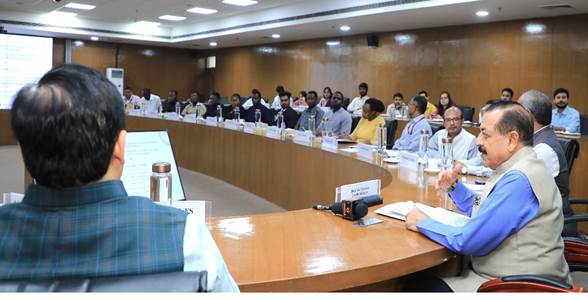
Shri Sanjay Kumar, Secretary, Department of School Education & Literacy (DoSEL), Ministry of Education, inaugurated a series of initiatives implemented by the Department under Special Campaign 4.0 on 28.10.2024 including a revamped garden space at Shastri Bhavan. These initiatives include the installation of eco-friendly recycled plastic benches and rejuvenation of the garden area, adornment of walls with paintings etc. undertaken in collaboration with Bisleri International under its CSR Programme.

The garden area at Shastri Bhavan, New Delhi now dons a completely revamped, green and pleasant look. The entire garden patch has been uplifted by putting grass cover, placement of lights with covers made from recycled plastic, repairing and painting of tree guards and setting up of circular sitting areas around trees carved from recycled plastic.

During the event, Shri Sanjay Kumar also explored new initiatives within the building where the traditional furniture in the common sitting areas for visitors has been replaced with sustainable benches and tables crafted from recycled plastic. These benches not only providing good utility but also catching the attention of one and all with serene colour and striking message which reads, ‘Bench made from recycled plastic’. These benches also feature paintings by Mouth and Foot Painting Artists (MFPA). Further enhancing the eco-friendly environment, rows of potted plants have been placed throughout corridors and common areas. It is intended that these natural additions, purify the air and provide a calming ambience at the workplace.

The occasion also witnessed the unveiling of vibrant corridors adorned with paintings by MFPA. The paintings not only enhance the ambience but also add a spirit of inclusivity.

At the Ministry’s Conference hall, beautiful artwork has been placed showcasing the Indian Institute of Science and Banaras Hindu University skilfully painted by artists from National Bal Bhavan. The conference hall also has exhibits of vibrant photographs capturing the spirit of school education from schools across the country. These inspiring images embody the Department’s mission to make quality education accessible to every child.

Aligned with the goals of Special Campaign 4.0, these initiatives highlight the importance of cleanliness, waste reduction and recycling while serving as an educational tool to promote environmental responsibility.

DoSEL is also proud to share the remarkable success of Special Campaign 4.0. So, far 32,037 cleanliness campaigns have been conducted by schools and institutions nationwide. The enthusiastic participation of these institutions is setting a strong example, furthering the message of Swachhata and inspiring others to take action.

As of 29.10.2024, the following milestones have been achieved:

  • Imparting of environmentally friendly practices to students, following the 3 R formula: Reduce, Reuse, and Recycle. Students are also taught to create arts and craft from waste materials and design functional pieces from salvaged items.
  • 1,44,338 sq. feet of space has been freed up and put to productive alternative use.
  • Out of 61,100 physical files identified for review, all have been examined. So far, 40,106 files have been marked for weeding, with 38,997 already weeded out.

The enthusiastic participation of institutions and schools in Special Campaign 4.0 is significantly contributing to the promotion of Swachhata and environmental sustainability.

****

Ministry of Education and its Autonomous Bodies successfully conclude Special Campaign 4.0 and mark its achievement and best practices

The Department of School Education & Literacy, Ministry of Education, is proud to announce the successful completion of Special Campaign 4.0, with active participation from all Autonomous Bodies and schools across the country. Inspired by Prime Minister Shri Narendra Modi’s vision to improve workplace efficiency and institutionalize cleanliness (Swachhata), the campaign focused on key objectives such as disposal of public grievances and public grievances appeals, reducing pendency, record management and promoting the  optimum utilization and beautification of office spaces.

Launched on 2nd October , 2024 the campaign has led to significant, focused improvements, contributing to a cleaner, more organized, and efficient work environment. This initiative has not only enhanced the physical spaces but also fostered a culture of sustainability and responsibility towards the environment across institutions and schools nationwide.

In addition to the on-ground efforts, extensive awareness campaigns were carried out through social media platforms under the hashtag . These campaigns successfully garnered widespread attention and encouraged greater public engagement, furthering the message of cleanliness and organizational efficiency. Through these combined efforts, the campaign has left a lasting impact on both the work environment and the overall experience for staff members.

Key achievements during Special Campaign 4.0:

  • A total of 2,90,845 cleanliness drives were organized by institutions and schools across the country, demonstrating enthusiastic participation that reinforces the message of Swachhata and encourages others to join in the mission.
  • Over 1,44,000 square feet of space was cleared, generating more than Rs. 40 lakhs in revenue as a join effort by the Department and its Autonomous Bodies.
  • During this period, 887 out of 904 Public Grievances (98.11%), 253 out of 273 MP References (92.7%), 30 out of 33 State Government References (91%), 3 out of 4 PMO References (75%), and 5 out of 6 Parliament Assurances (83.3%) were disposed of.
  • A comprehensive Records Management initiative was undertaken, fully meeting the target. A total of 61,100 physical files and 1,367 e-Files were reviewed i.e. 100% of the target. The review exercise resulted in the weeding out of 40,244 physical files and the closure of 893 e-Files.
  • One of the best practices under Special Campaign 4.0 is the sustainability initiatives to foster awareness of environment related issues as well as environment friendly behaviour. These initiatives include the installation of eco-friendly benches made of recycled plastic and rejuvenation of the garden area at Gate No. 6 of Shastri Bhavan, New Delhi. The corridors have been adorned with paintings by Mouth and Foot Painting Artists etc. in collaboration with Bisleri International under its CSR Programme.
  • Students have been educated on environmentally friendly habits aligned with the “3R” formula: Reduce, Reuse, and Recycle in schools across the nation under Eco Clubs for Mission LiFE. They also learned to create art and craft from waste materials and design practical items from repurposed materials.

The achievements of Special Campaign 4.0 at the Department of School Education & Literacy (DoSE&L) highlight its dedication to establishing an efficient, well-organized, cleaner, and supportive workplace for employees. DoSE&L is steadfast in its goal to deliver effective public service and create positive community impact.

*****

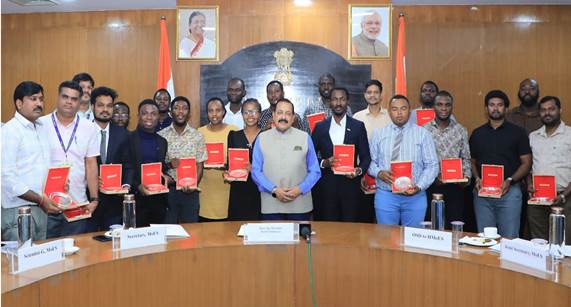
India felicitates  foreign ISA Trainees from 6 countries in Ocean Exploration after completion of specialised programme conducted by Ministry of Earth Sciences

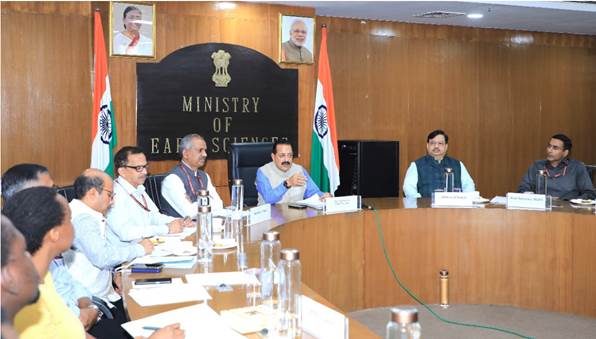
In a move highlighting India’s commitment to sustainable ocean development, Union Minister of State (Independent Charge) for Science and Technology, Minister of State (Independent Charge) for Earth Sciences, MoS PMO, Department of Atomic Energy, Department of Space, Personnel, Public Grievances and Pensions, Dr Jitendra Singh felicitated  international trainees from six countries including Nigeria, Kenya, Sri Lanka, Tanzania, Ghana and Jamaica, who had completed a specialised trading programme in Ocean Exploration.

The event, organized with the International Seabed Authority (ISA), celebrated the completion of advanced seabed exploration training and underscored India’s dedication to environmental stewardship, international collaboration, and resource-sharing.

In a significant address at New Delhi’s Ministry of Earth Sciences, Union Minister Dr. Jitendra Singh recognized a group of international trainees who had completed a specialized training program focused on polymetallic nodules (PMN) and polymetallic sulphides (PMS) exploration. This training, facilitated by the ISA, attracted participants from nations including Ghana, Kenya, Nigeria, Jamaica, Sri Lanka, and Tanzania, underscoring India’s role as a hub for sustainable marine exploration and capacity building.

Dr. Jitendra Singh began by welcoming the trainees on behalf of the Government of India, congratulating them on successfully completing the rigorous program. He emphasized India’s leadership in responsible seabed exploration, framing the training as an opportunity to build a network of skilled professionals dedicated to environmental sustainability. “You are not only trainees; you are ambassadors of a sustainable future,” he said, encouraging participants to use their expertise to champion marine conservation in their home countries.

During his address, Dr. Jitendra Singh outlined India’s approach to seabed mining, defined by four guiding principles: sustainable utilization of seabed minerals for the common good, strict adherence to marine environmental protection, the development of seabed mineral regulations, and alignment with the United Nations Convention on the Law of the Sea (UNCLOS). India, he reiterated, is “fully dedicated to safeguarding marine ecosystems while pursuing responsible exploration to benefit humanity.”

As a signatory of the UNCLOS since 1982, India has maintained a strong voice in the ISA, which was established in 1994 to oversee mineral-related activities in the international seabed area. India holds two of the 31 ISA exploration contracts, covering PMN and PMS mining, and is committed to following strict protocols for environmental impact assessment, from preliminary exploration to the post-extraction phases. These actions position India as a global leader in the environmentally responsible development of ocean resources.

The Minister observed that the training program aligns closely with Prime Minister Narendra Modi’s “Blue Economy” policy, which prioritizes the sustainable use of ocean resources for economic growth, job creation, and improved livelihoods. The Blue Economy initiative aims to harness ocean wealth responsibly; ensuring benefits reach local communities without compromising the health of marine ecosystems.

Dr. Jitendra Singh reiterated India’s stance that true economic progress comes from a balance between development and environmental conservation.

The training modules covered diverse aspects of sustainable seabed exploration, including advanced exploration technologies, remote-operated vehicles, deep-sea mapping, mineral sample analysis, and environmental impact assessment methods.

 Dr. Jitendra Singh encouraged the trainees to foster networks with their Indian peers and return home with India’s commitment to both technological innovation and environmental responsibility. India’s ongoing role as a mentor in ISA programs reflects its dedication to supporting other nations in developing a skilled workforce capable of managing marine resources sustainably, he said.

Addressing the trainees, Dr. Jitendra Singh added, “You have become a part of India’s extended scientific community. This partnership in knowledge-sharing represents our commitment to a collaborative, sustainable future in marine science.”

Attendees included senior officials, scientists, and other dignitaries from the Ministry of Earth Sciences, all of whom shared Dr. Jitendra Singh’s optimism for the program’s impact. The Minister invited the trainees to continue providing feedback on their experiences, noting that their insights could further refine and enhance India’s role in international training programs. He also emphasized the importance of these collaborations, calling the trainees “global messengers of ocean conservation” with the potential to shape their countries’ approaches to seabed mining.

Dr. Jitendra Singh concluded the event by reaffirming India’s intent to deepen its partnerships with ISA and other international entities to ensure a sustainable marine environment for future generations. He expressed hope that India’s efforts would inspire other nations to adopt similar frameworks for responsible ocean exploration, setting the stage for greater international cooperation in marine science and environmental protection.

***

India’s National Statement at the High-level Segment of the CoP29 of UN Climate Change Conference at Baku, Azerbaijan

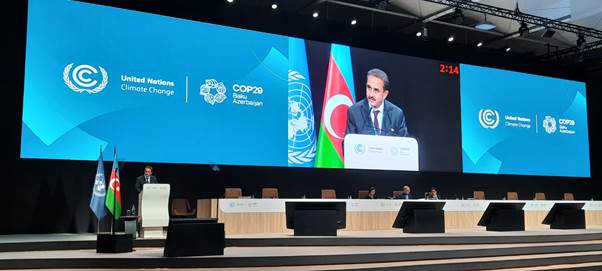
Delivering India’s National statement at the High-level Segment of the CoP29 of UN Climate Change Conference at Baku, Azerbaijan today, Union Minister of State for Environment, Forest and Climate Change, Shri Kirti Vardhan Singh called the CoP as historic and called all Nations to put up a collective fight against Climate Change, under UNFCCC and its Paris Agreement. He said, “What we decide here, will enable all of us, particularly those in the Global South, to not only take ambitious mitigation action but also adapt to Climate Change. This CoP is historic in this context”.

The Minister reiterated that the decisions on this forum should be guided by the core principles of Equity, Climate Justice and Common but Differentiated Responsibilities and Respective Capabilities provided in the UNFCCC and its Paris Agreement. The context of different national circumstances, sustainable development goals and poverty eradication, particularly in respect of the Global South should not be lost sight of, he added.

India’s statement noted that the high Carbon Emission Development Pathways of the Global North in past have left very little carbon space for the Global South. However, it read, the growth trajectories for fulfilling the primary needs of sustainable development and poverty eradication cannot be compromised. The Minister asserted, “Despite not contributing to the problem, we in the Global South are bearing huge financial burden on account of climate actions for mitigation on the one hand, and losses and damages caused by climate change on the other, thus severely limiting our capacity to meet our developmental needs. But these have not dampened India’s resolve and commitment to take ambitious climate actions.”

Informing the gathering about India’s initiatives towards combating Climate Change, Shri Singh said that the country has achieved the 2015 NDC targets on emission intensity reduction and non fossil based installed electricity generation capacity much earlier than 2030 and have further enhanced its ambition. The Minister talked about how India’s Renewable Energy Capacity has nearly tripled from its 2014 levels and the country is on the course to achieve the 500 GW target by 2030. Further, he said, “India has launched the Mission LiFE- Lifestyle for Environment to encourage the sustainable lifestyle practices at the global level. Mission LiFE inspires individuals, communities and societies to exercise choices and behaviours that focus on mindful utilisation of resources.”

Talking about how India is at the forefront of pro-planet actions, Shri Singh stated, “The campaign – ‘Ek Ped Maa ke Naam’ – was launched by Prime Minister Shri Narendra Modi, on World Environment Day 2024, wherein one billion saplings have been planted already. ‘Plant4Mother’, which exhorts everyone to plant a tree as a mark of love, respect and honour of our mother and Mother Earth has resonated across the spectrum because of its powerful, inspirational and emotional connect, the Minister added.

Furthermore, the Indian statement informed about its initiatives like the International Solar Alliance, Coalition for Disaster Resilience Infrastructure (CDRI), Global Biofuel Alliance, Leadership Group on Industry Transition and Resource Efficiency and Circular Economy Industry Coalition that have been launched with different partner countries, in pursuance of global climate actions. 

India called out some of the developed countries that have resorted to unilateral measures making climate actions more difficult for the Global South. Raising of climate ambitions to align with Paris Temperature Goals has to be preceded by free availability of green technologies, producing them on scale and availability of finance for their deployment, particularly in the Global South. The statement read, “The emergent situation we are in, there is no option but to break all barriers to flow of technology, finances and capacity to the Global South. The theme of this CoP – ‘enabling actions and enhanced ambition’ is very relevant in this context. CoP29 is the CoP for Climate Finance – the New Collective Quantified Goals (NCQG) on Climate Finance for mobilizing climate finance for meeting the needs and priorities of Developing countries.”

In the statement, Shri Singh called for the need to appreciate that huge costs are being imposed on a Developing country like India, for undertaking the climate actions. He said, “What we decide here on NCQG must be founded on the principle of Climate Justice. The decisions must be ambitious and unambiguous, taking into consideration the evolving needs and priorities of the Developing countries, and their commitment to sustainable development and eradication of poverty.”

Reminding the gathering that the Nationally Determined Contributions (NDCs) are due for submission the next year, India stated that the breach of carbon space seems imminent towards the end of this critical decade. The statement said, “It is imperative, therefore, that the Developed countries show leadership in mitigation actions, as required under Paris Agreement, by not just advancing their net zero targets but providing enough carbon space for Developing countries like ours to develop. What we decide here will determine the course of history. I urge that all of us should work with determination towards making the CoP 29, meaningful and impactful in its outcomes. Please be assured of India’s full cooperation for a successful COP-29.”

*****

World Toilet Day 2024: Ensuring Safely Managed Sanitation for Cities

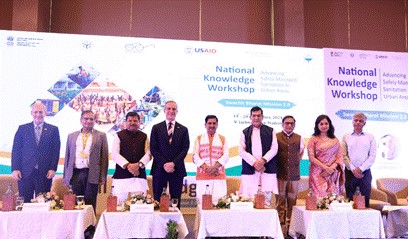
The challenges posed by rapid urbanization are vast, and safe sanitation in urban India remains one of the most pressing concerns. Under the Swachh Bharat Mission-Urban 2.0, the shift from Open Defecation Free (ODF) to ODF++ is gaining significant momentum, with cities increasingly prioritizing the advancement of safely managed sanitation systems. In line with this objective, the Ministry of Housing and Urban Affairs (MoHUA), in collaboration with the Government of Uttar Pradesh, USAID, BMGF and the WASH Institute, is organizing a two-day workshop on ‘Advancing Safe Sanitation in Urban Areas’ on November 19-20, 2024, in Lucknow.

The theme for World Toilet Day 2024, “Toilets – A Place for Peace,” highlights the importance of sanitation and sustainable solutions. MoHUA is hosting a two-day national workshop on “Advancing Safely Managed Sanitation in Urban Areas,” bringing together experts in sanitation, toilet infrastructure, and Used Water Management.

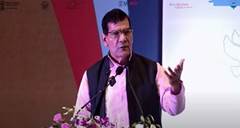
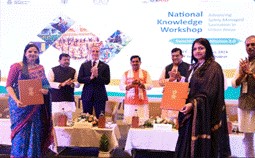
At the National Knowledge Workshop in Lucknow, Shri Manohar Lal, Minister of Housing and Urban Affairs, highlighted SBM’s achievements over the past decade. He emphasized PM Modi’s remarks on toilets improving public health, reducing infant mortality, and empowering women and girls. While acknowledging progress, he noted challenges due to rapid urbanization and called for diverse solutions. Launching the Clean Toilet Campaign 2024, he stressed that cleanliness is ongoing and urged stakeholders to maintain and repair toilets for safe sanitation.

Shri Tokhan Sahu, MoS, MoHUA, spoke on the Swachh Bharat Mission’s sanitation journey that has become a part of our Sanskar and the importance of progressing towards ODF++. Speaking on the Clean Toilet Campaign 2024, Swachh Shauchalaya Humari Zimmedari initiative, he urged the States to ensure clean, safe, and accessible toilets. He acknowledged progress but emphasized the journey is ongoing, encouraging participants to share insights and learn from challenges.

On World Toilet Day, U.S. Ambassador Eric Garcetti lauded SBM’s impact on safe sanitation and empowerment of girls. Shri Arvind Kumar Sharma and Shri Amrit Abhijat highlighted India’s sanitation shift, worker safety, and UP’s progress with mechanization and daily toilet monitoring. While addressing the delegates at the National Workshop, Ms. Roopa Mishra, JS & MD, SBM, MoHUA, stressed on journey from access to safe sanitation to sustaining & strengthening the ODF journey and prioritizing cleanliness and maintenance of urban Toilets.

The Knowledge Workshop focused on safe sanitation access, with leaders from Swachh Bharat Mission-Urban, USAID, BMGF, and the US Embassy discussing their partnership. Experts from Sulabh International, Toilet Board Coalition, and others addressed urban migration, community toilets, and sustainable sanitation. Sessions on “Manhole to Machine Hole” explored mechanization, empowering sanitation workers. MoUs were signed with HUL for a PPP model in community toilets and with Sulabh International for toilets in high-footfall areas. Design guidelines for STPs, faecal sludge management, multi-storey STPs, and PT architecture were also released. The dignitaries also toured the exhibition highlighting key initiatives of SBM-U 2.0, including Toilet 2.0, UWM, and Manhole to Machine Hole.

SBM-U rolled out a 5-week long ‘Clean Toilets Campaign 2024’ Swachh Shauchalaya- Humari Zimmedari from 19th November (World Toilet Day) to 25th December (Good Governance Day) 2024 aiming to transform over 70,000 Community and Public Toilets across the country, focusing on cleaning, maintenance, and beautification. The initiative promises to transform all public and community toilets in Urban India.

Hamara Shauchalay: Hamara Samman (HSHS) Campaign

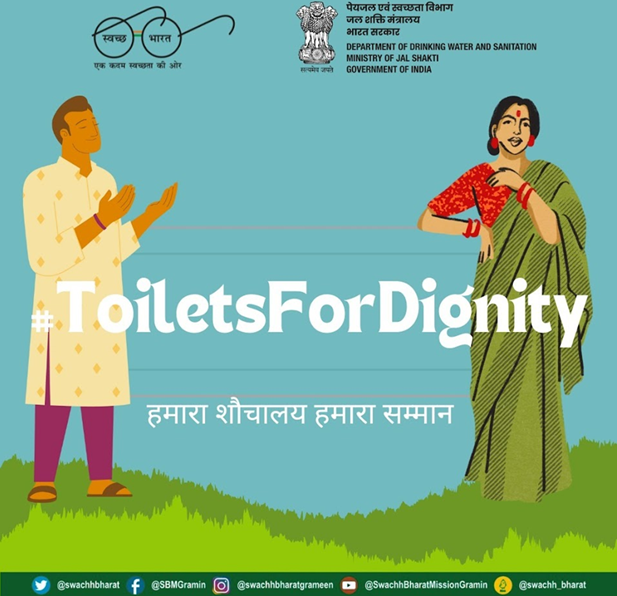
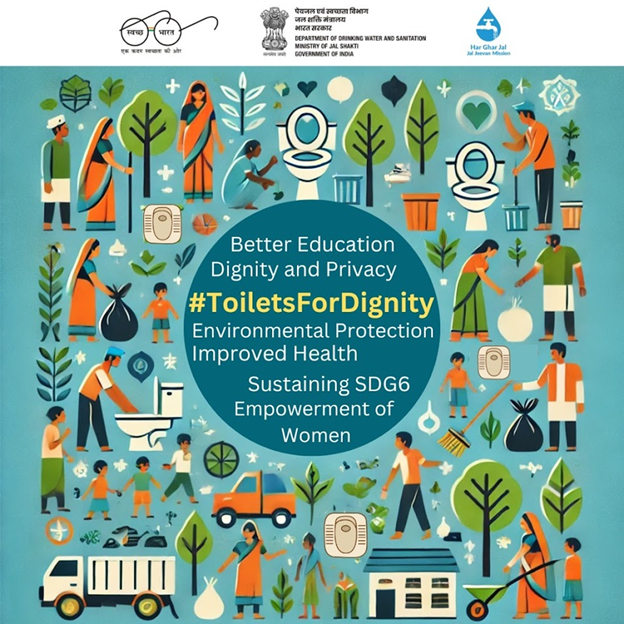
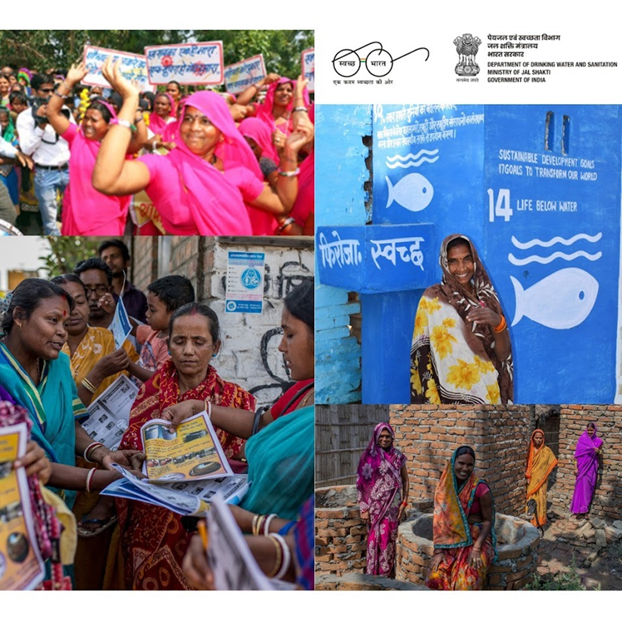
The Department of Drinking Water and Sanitation launched the nationwide campaign “Hamara Shauchalay: Hamara Samman” (HSHS) (हमारा शौचालय: हमारा सम्मान). November 19, World Toilet Day and the campaign will culminate on Human Rights Day, December 10, 2024, emphasizing the critical link between sanitation, human rights and dignity.

The campaign reaffirms India’s commitment to maintaining its Open Defecation Free (ODF) status while promoting behavioral change for cleaner, healthier communities. While India achieved ODF status in 2019, the Phase II of the Swachh Bharat Mission (Grameen) was launched to focus on the creation of ODF Plus Model villages, where the first criterion is sustaining ODF achievements. This aligns with the spirit of World Toilet Day, reminding and ensuring continued toilet usage and maintenance is as important as achieving initial milestones. The HSHS campaign serves as a timely call to action to sustain and build on these efforts.

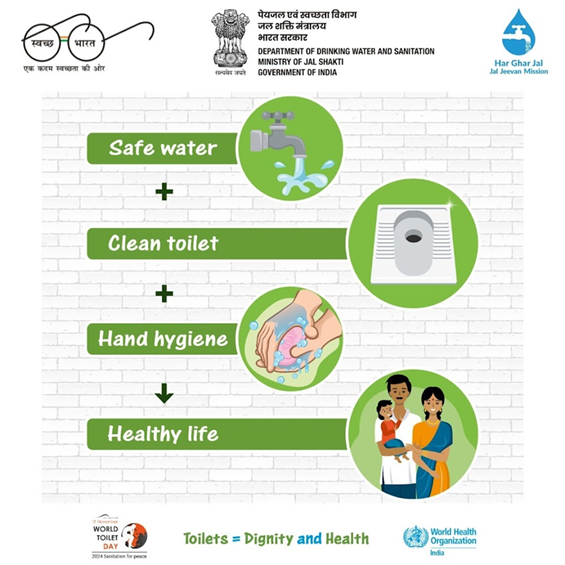
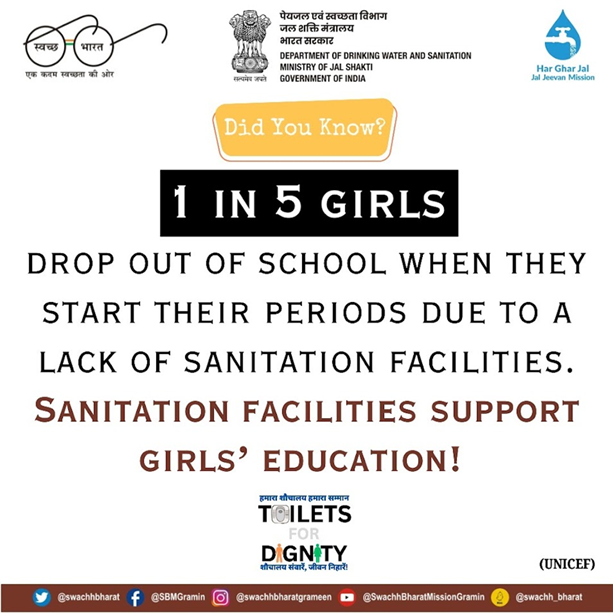
With a strong focus on vulnerable groups, particularly women and girls, this initiative underlines that toilets are more than infrastructure, they are foundational to dignity, equality, and public health aligned with the campaign tagline “शौचालय संवारें, जीवन निखारें”  Speaking of this campaign, Secretary, DDWS, Ashok KK Meena, emphasized the importance of a bottom-up approach in ensuring sustained behavioral change. “Sanitation is a cornerstone of dignity and development. The ‘Hamara Shauchalay: Hamara Samman’ campaign is designed to empower communities, with responsibilities allocated across every level, Gram Panchayats, blocks, districts, and states. This ensures that every stakeholder contributes to sustaining sanitation practices, building pride, and driving long-term impact.” He further added, “On World Toilet Day, as we align with global efforts to achieve SDG 6, India renews its commitment to creating equitable access to sanitation and ensuring no one is left behind.”

Key Campaign Activities

The campaign involves a variety of activities aimed at reinforcing sanitation practices and fostering pride in clean and functional toilets.

  • Competitions will be held to identify and reward the best-maintained household toilets (IHHLs) and community sanitary complexes (CSCs) at every administrative level. These events will recognize efforts in both functionality and aesthetics, encouraging others to follow suit.
  • Community outreach will play a vital role, with initiatives like “Ratri Chaupals”and WASH clubs that will bring together people and inspire change.
  • Sanitation workers will be celebrated through special dignity camps, ensuring their inclusion in welfare programs, and honoring their role in maintaining cleanliness.
  • Citizens will be encouraged to share their sanitation success stories through social media platforms including MyGov using hashtags and .
  • Participation from all levels of governance, with Chief Ministers and State Ministers leading state-level events, while District Magistrates and elected representatives overseeing district-level programs.

The campaign aims to improve sanitation infrastructure, foster behavior change, and strengthen community pride by enhancing the functionality and aesthetics of toilets across the country. By promoting ODF sustainability, it emphasizes that sanitation is not a one-time achievement but a continuous journey toward a healthier and more dignified India.

Department of  Drinking Water & Sanitation (DDWS) under the Ministry of Jal Shakti, appealed everyone to make HSHS a success. DDWS requested the citizen to work together for building sustainable sanitation solutions whilst the nation take forward the legacy of Swachh Bharat Mission.

***

South Asia’s Largest Maritime Thought Leadership Summit Begins, aims to foster Global Maritime Cooperation

Daily writing prompt
Do you or your family make any special dishes for the holidays?

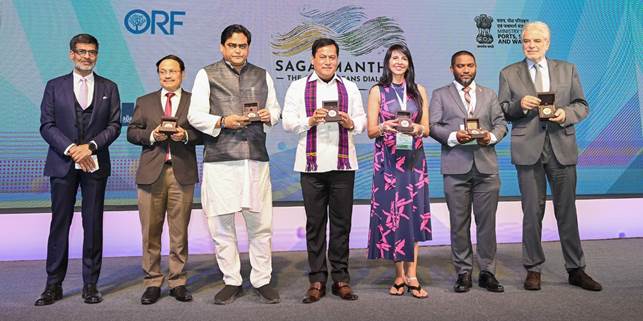
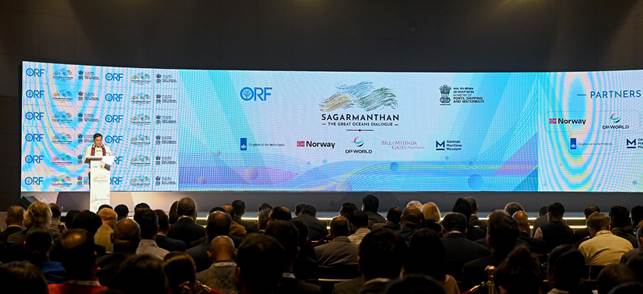
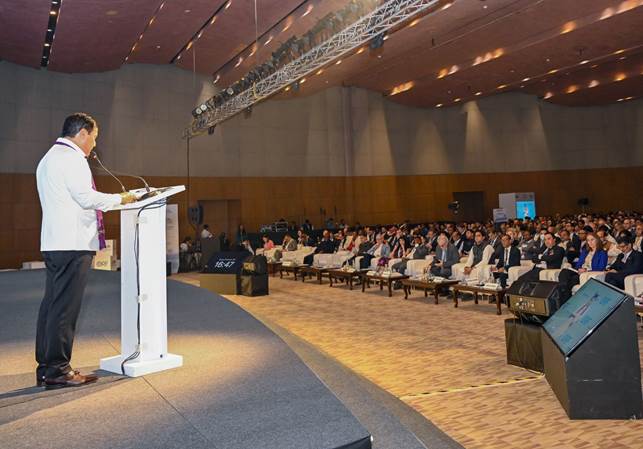
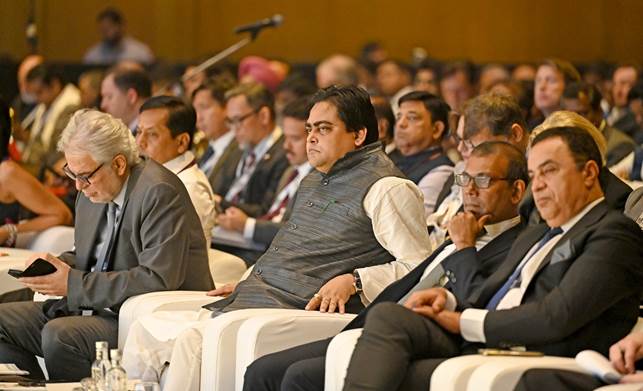
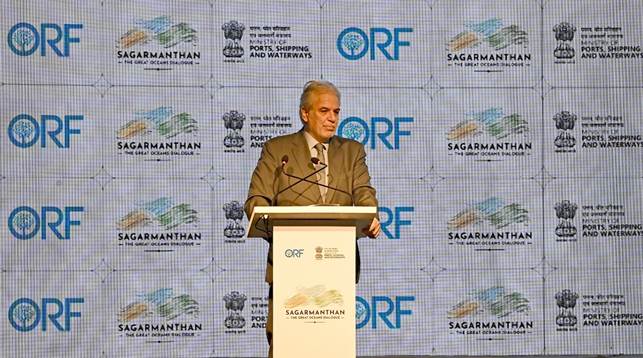
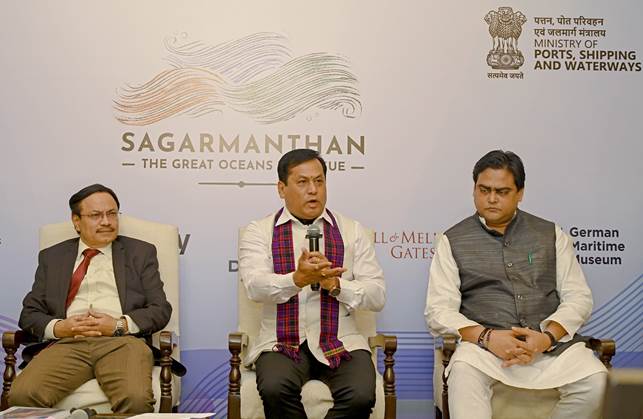
Sagarmanthan – The Great Oceans Dialogue, the South Asia’s largest Maritime Thought Leadership summit, began here today. The inaugural session was addressed by the Union Minister of Ports, Shipping & Waterways (MoPSW), Sarbananda Sonowal; the Minister of Maritime Affairs and Insular Policy, Greece, Christos Stylianides; the Minister of State for Fisheries and Ocean Resources, Maldives, Dr Amzath Ahmed; the National Representative for the Province of Rio Negro, Argentina, Ms Maria Lorena Villaverde; the Secretary of MoPSW, TK Ramachandran along with the President, Observer Research Foundation (ORF), Samir Saran in the presence of representatives from 61 countries along with hundreds of delegates from maritime sector.

The Ministry of Ports, Shipping, and Waterways (MoPSW) of the Government of India, in collaboration with the Observer Research Foundation, is organising the two-day event, Sagar Manthan: The Great Oceans Dialogue. The initiative brings together global policymakers, maritime experts, industry leaders, and scholars to deliberate on advancing sustainable and innovative maritime practices.

Speaking at the inaugural session, the Union Minister, Sarbananda Sonowal said, “India’s Maritime Vision 2047 is a roadmap to transform the maritime sector by fostering sustainability, enhancing connectivity, and leveraging technology. Under the visionary leadership of Prime Minister Narendra Modi ji, our ministry through initiatives like Sagarmala and the Maritime Amrit Kaal Vision is aiming at making India a leader in global maritime trade, achieving our goal of Viksit Bharat by 2047. Our vision aims to revolutionise India’s maritime sector with an investment of ₹80 lakh crores to enhance port capacity, shipping, ship building inland waterways. Key projects include the Vizhinjam International Seaport in Kerala, new mega ports at Vadhavan in Maharashtra, and Galathea Bay in Nicobar. By 2047, India targets a port handling capacity of 10,000 million metric tons per annum, leveraging strategic trade routes through initiatives like the India-Middle East-Europe Economic Corridor (IMEEC) and the International North-South Transport Corridor. Reviving its shipbuilding legacy, India is constructing the National Maritime Heritage Complex at Lothal while advancing clean-fuel shipbuilding to meet future sustainability goals.”

The dialogue underscores India’s strategic role in global trade, with a 7,500 kilometers coastline and strategic islands that bolster its maritime potential. The event also highlights the nation’s commitment to the decarbonisation of the maritime sector through green initiatives such as the Harit Sagar Guidelines and the National Green Hydrogen Mission. 

Setting the context for the mega deliberations and discussion, Sarbananda Sonowal further added, “Recognising India’s maritime potential and its significance for economic growth, our government has implemented crucial policy measures for the ‘Blue and Ocean-based Economy’ over the last decade. Our participation in initiatives like the India-Middle East-Europe Economic Corridor (IMEEC) and the International North-South Transport Corridor underscores our commitment to strengthening global trade partnerships. We are also preparing to build future ships that run on clean fuels like ammonia, hydrogen, and electric, capable of traversing brown, green, and blue waters. Our Amrit Kaal Maritime Vision 2047 has placed great emphasis on climate action and environmental sustainability.”

The Minister of Maritime Affairs and Insular Policy, Greece, Christos Stylianides, said, “For us policy makers, it is crucial to ensure a stable regulatory framework and a global level playing field for the industry. It is now time to set the foundations for forward-looking and realistic policies which will the current maritime challenges into opportunities. International transport systems with shipping at its core as an integral part, should serve the three pillars of sustainability: the environmental, the social and the economic one. This will be done by optimising efficiency in connectivity, minimising pollution and ensuring resilience across the entire maritime chain. What we need now is collaboration and the ‘Sagarmanthan: The Great Oceans Dialogue’ is a great example in this direction. It is in our hands, in a spirit of partnership, to make this happen.”

The Minister of State, MoPSW, Shantanu Thakur highlighted the socio-economic potential of coastal communities and the need for global partnerships. The Minister stated, “India’s economic growth is guided by the principle of Vasudhaiva Kutumbakam—‘The World is One Family.’ Our ports and shipping corridors are not just about commerce but about connectivity, collaboration, and care for coastal communities and the environment. The oceans must be a global priority, not just for economic development but for ecological preservation and energy innovation.”

Speaking about this maiden initiative – Sagarmanthan, the Member, Prime Minister’s Economic Advisory Council (PM-EAC), Sanjeev Sanyal said, “This should serve as a guiding principle for all of us to strengthen and grow our maritime cluster. Our goal is to position ourselves at the forefront of the maritime sector, and to achieve this, we must draw on the expertise of industry leaders who set benchmarks across various verticals. The seas and oceans, gifts of nature, are abundant with resources, energy, and potential. It is our responsibility to harness them wisely, combining knowledge and skill to achieve sustainable growth. Our commitment must ensure that both the economy and ecology thrive in harmony, fostering progress without compromise. We have the technology, the young workers, the trade volume, the steel and the coastline – all the ingredients. So we should aspire in 10 years to build 10-12 per cent of the world’s ships and own/flag 8 per cent.”

On the sidelines of Sagarmanthan, the Union Minister of Ports, Shipping & Waterways, Shri Sarbananda Sonowal participated in a bilateral meeting with the Minister of Maritime Affairs and Insular Policy go Greece, Christos Stylianides here today. The two leaders discussed an array of topics and agreed to deepen the maritime relationship between the two countries. Both the leaders agreed to expand trade from the existing US$ 1.94 billion to doubling it by focussing on broadening, increasing, and balancing by 2030.

Speaking after the meeting, the Union Minister, Shri Sarbananda Sonowal said, “It was a good meeting that we had here on the sidelines of Sagarmanthan here today. We discussed on collaboration and cooperation in multiple areas of maritime sector between the two countries. Under the dynamic leadership of Prime Minister Shri Narendra Modi ji, India further deepened its bilateral relationship into strategic relationship with Greece. With this platform, India is working with Greece to expand economic cooperation with the European Union market. Given the economic potential in the Indian market, I am also reaching out shipping industries of Greece to consider setting their operations here through His Excellency the Minister of Maritime Affairs and Insular Policy of Greece.”

The two maritime ministers also discussed underscored the importance of the Joint Working Group (JWG) on maritime and shipping issues as important bilateral institutional mechanisms for consolidating sector specific cooperation. Both the  leaders agreed to optimally use strategic maritime assets towards sustainable development. Given the rich heritage of both the nations, the ministers agreed to collaborate at the ongoing development of National Maritime Heritage Complex at Lothal, Gujarat by the Ministry of Ports, Shipping & Waterways, and Government of India. The talks also touched important subjects like renewable energy, cultural and educational cooperation in maritime studies and explore multiple areas of maritime infrastructure development and its potential.

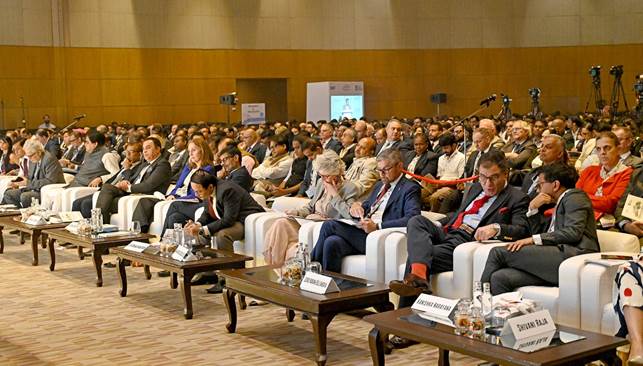
The two day forum’s agenda includes sessions on maritime connectivity, sustainable development, technological innovation, and global maritime governance. The Ministry also showcased India’s advancements in port digitisation, renewable energy integration, and decarbonised shipping, reflecting the nation’s vision of becoming a global maritime hub. The Dialogue featured participants from 60 countries across the globe with more than 1700 participants including ministers, former heads of state and government, journalists, and experts.

*****

Policies and Technological Innovations to mitigate Impact of climate Change

 The Government is implementing National Mission for Sustainable Agriculture (NMSA) to mitigate the impact of climate change on water and food security. The NMSA is one of the Missions within the National Action Plan on Climate Change (NAPCC) which aims to evolve and implement strategies to make Indian agriculture more resilient to the changing climate. Under NMSA, the Per Drop More Crop aims to improve on-farm water use efficiency, enhance the adoption of precision irrigation and other water saving technologies for which subsidy is being provided to the beneficiary to increase the area under micro irrigation. In addition, the Government is promoting organic farming in the country since 2015-16 through the schemes of Paramparagat Krishi Vikas Yojana (PKVY) and Mission Organic Value Chain Development for North Eastern Region (MOVCDNER). Both the schemes stress on end-to-end support to farmers engaged in organic farming i.e. from production to processing, certification and marketing and post-harvest management. Training and Capacity Building are integral part of the scheme. Incentives to farmers for producing and using organic fertilizers/manure are inbuilt in these schemes as on-farm and off-farm organic inputs. Direct Benefit Transfer (DBT) is provided to the farmers for using organic inputs including organic fertilizers. PKVY is being implemented in all the States other-than North Eastern (NE) States across the country whereas MOVCDNER scheme is being implemented exclusively in the NE States. The scheme Bharatiya Prakritik Krishi Paddhati Programme (BPKP) aims to promote traditional indigenous practices and to create awareness of farmers. Mission for Integrated Development of Horticulture (MIDH), Agroforestry & National Bamboo Mission also aim to increase climate resilience. The Pradhan Mantri Fasal Bhima Yojana (PMFBY) provides full insured amount on crop losses due to natural calamities.

Department of Agriculture and Farmers Welfare (DA&FW) is implementing a Sub-Mission on Nutri-Cereals (Millets) under National Food Security Mission (NFSM) in all districts of 28 States and 2 Union Territories viz. Jammu & Kashmir and Ladakh. The incentives are provided to the farmers, through the States/UTs, on crop production and protection technologies, cropping system based demonstrations, production & distribution of certified seeds of newly released varieties/hybrids, Integrated Nutrient and Pest Management techniques, improved farm implements /tools/ resource conservation machineries, water saving devices, capacity building of farmers through trainings during cropping season, organizing events/ workshops, distribution of seed minikits, publicity through print and electronic media etc.

The Indian Council of Agricultural Research (ICAR) under Ministry of Agriculture and Farmers Welfare, Government of India has launched a flagship network project namely National Innovations in Climate Resilient Agriculture (NICRA). The project aims to study the impact of climate change on agriculture including crops, livestock, horticulture and fisheries and to develop and promote climate resilient technologies in agriculture which will address vulnerable areas of the country and the outputs of the project help the districts and regions prone to extreme weather conditions like droughts, floods, frost, heat waves, etc. to cope with such extremes. The salient achievements of ICAR are as follows:

    • During last 10 years (2014-2024), a total of 2593 varieties have been released by ICAR, out of these 2177 varieties have been found tolerant to one or more biotic and/or abiotic stresses.
    • Risk and vulnerability assessment of agriculture to climate change is carried out at district-level for 651 predominantly agricultural districts as per Intergovernmental Panel on Climate Change (IPCC) protocols. A total of 109 districts are categorized as ‘very high’ and 201 districts as ‘highly’ vulnerable.
    • District Agriculture Contingency Plans (DACPs) for these 651 districts have been prepared for weather aberrations like drought, floods, unseasonal rains and extreme weather events such as heat wave, cold wave, frost, hailstorm, cyclone etc. and recommending location specific climate resilient crops and varieties and management practices for use by the State departments of agriculture and farmers.
    • Enhancing resilience and adaptive capacity of farmers to climate variability, the Concept of “Climate Resilient Villages” (CRVs) has been initiated under NICRA.
    • Location-specific climate resilient technologies demonstrated in 448 CRVs of 151 climatically vulnerable districts for adoption by the farmers.
    • ICAR through its NICRA project, creates awareness about impact of climate change in agriculture among farmers. Capacity building programmes are being conducted to educate the farmers on various aspects of climate change for wider adoption of climate resilient technologies.
    • Climate resilient technologies viz., resilient intercropping systems, conservation agriculture, crop diversification from paddy to other alternate crops like pulses, oilseeds, agroforestry systems, alternate methods of rice cultivation (system of rice intensification, aerobic rice, direct seeded rice), green manuring, integrated farming systems, integrated nutrient management, integrated pest management, organic farming, site specific nutrient management, in-situ moisture conservation, protective irrigation from harvested rainwater in farm pond, micro irrigation method (drip and sprinkler) etc. have been developed and demonstrated at the farmer’s fields. Also, planting methods such as zero till drill sowing of wheat to escape terminal heat stress, raised bed planting, cropping intensification with harvested water have been demonstrated in North-Eastern States.

Local to Global

 Taking a critical view of the Western approach of tackling Climate Change, the Economic Survey 2023-24 gives a clarion call to all developing countries to look at climate change problem from a ‘local lens’. It states that a ‘one-size-fits-all’ approach will not work, and developing countries need to be free to choose their own pathways since they are tasked with balancing developmental goals with meaningful climate action.

The Economic Survey 2023-24, tabled by the Union Minister for Finance and Corporate Affairs Smt. Nirmala Sitharaman in Parliament today, clearly states that current global strategies for climate change are flawed and not universally applicable. It states that adopting the practices of the West could prove to be disastrous for India where culture, economy, societal norms are already intertwined with the environment.

The document highlights that India, despite making significant strides in climate action, often faces criticism for not aligning with Western solutions. This criticism stems from a lack of appreciation for India’s unique social and cultural fabric, which is already rich with sustainable development ideas. It further goes on to point out inherent inconsistencies where the prescriptions to tackle Climate Change from the developed world do not hold ground globally. These are:

    • The Western approach does not seek to address the root of the problem, i.e. overconsumption, but rather chooses to substitute the means to achieve overconsumption.
    • The global pursuit of energy-guzzling technologies such as Artificial Intelligence and mining rare earth minerals in large quantities has only contributed to higher fossil fuel consumption. This is directly at odds with the stated objectives of climate change mitigation.
    • Lifestyles in developed countries ignore humans’ underlying relationship with Nature, with other people, with materiality and with themselves.

The Economic Survey 2023-24 stresses that India’s ethos emphasizes a harmonious relationship with nature, in sharp contrast to the culture of overconsumption prevalent in other parts of the developed world, thus offering sustainable solutions to problems plaguing Western societies. For instance:

    • The process of meat production adopted in the developed world presents credible food security risks and a threat of permanently degrading the land, water and natural resources critical for human survival. The reliance on human-edible crops to feed livestock has set into motion a ‘food-feed competition’ as less than half the cereals produced today go towards direct human consumption. These figures are even lower for many developed economies.

The Survey notes that traditional farming practices from the developing world, where several agricultural activities are integrated with livestock rearing, offer one solution to the problem. Repurposing farm waste and by-products from other agricultural activities as animal feed not only lowers the financial and environmental cost of meat production but also brings balance to the natural cycle. Shifting livestock to human-inedible feed can free up significant shares of global arable land to address global hunger, it adds.

    • Similarly, the adoption of nucleated families akin to the Western model of living places significant land and resource requirements on the environment, as the growth in urban nucleated settlements gives rise to the tendency of ‘urban sprawl’. Furthermore, these living spaces are highly inefficient, dominated by concrete, closed spaces, less ventilation and exacting higher energy costs during the summers.

A shift towards the ‘traditional multi-generational households’ would create the pathway towards sustainable housing, notes the Survey. Sourcing materials and labour locally for the construction of houses, central courtyards with well-ventilated spaces, and avenues for natural lighting and cooling would all exert a positive externality on the environment by lowering resource and energy requirements. Such a household would also prove immensely beneficial for the elderly, it states.   

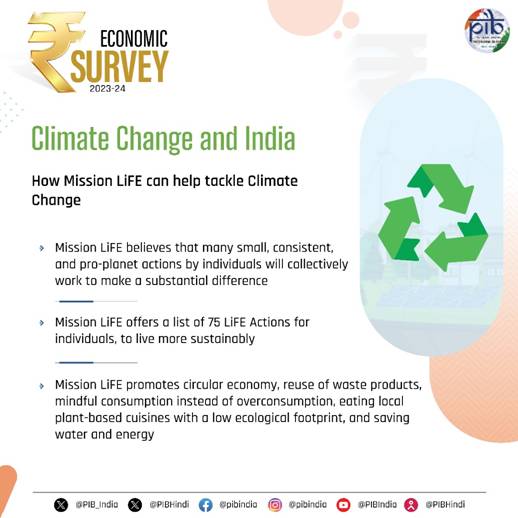
In order to profess a solution to these issues, the Economic Survey brings in perspective Prime Minister Shri Narendra Modi’s vision of Mission LiFE. It embodies a ‘Lifestyle For Environment’ seeking to address the ‘wants’ of the people without letting them hurt Nature. The approach seeks to bring individual responsibility to the forefront of the fight against climate change, as sustenance is at the core of Indian ethos.

The Mission encompasses a comprehensive but non-exhaustive list of 75 LiFE Actions for adoption by individuals to live more sustainably. At its heart, it promotes mindful consumption instead of overconsumption, encourages a circular economy and the reuse of waste products, eating local plant-based cuisines with a low ecological footprint, saving water and energy, notes the Survey. 

The document quotes the International Energy Agency and states that adoption of the kinds of actions and measures targeted by the LiFE initiative worldwide would reduce annual global carbon di-oxide emissions by more than 2 billion tonnes in 2030 (20% of the emissions reductions needed by 2030) and in consumer savings of about USD 440 billion.

In conclusion, the Survey document upholds the tenets of Mission ‘LiFE’ and notes that the global movement on climate change must be accommodative of sovereign choices and economic needs, but centered on individual behavior. ‘It’s time to rebuild societies with equanimity’, it adds.

*****

Carbon Emission in India

 Despite being one of the fastest-growing economies in the World, India’s annual per capita carbon emission is only about one-third of the global average, states Economic Survey 2023-24, which was tabled in Parliament today by Union Minister of Finance and Corporate Affairs, Smt. Nirmala Sitharaman.

Delving further into India’s achievements on addressing climate change, the Survey quoted a recent report by the International Finance Corporation, which highlighted that India is the only G20 nation in line with 2-degree centigrade warming. The survey further mentioned that the hallmark of India’s growth strategy is to manage the impact of climate change and at the same time give desired focus to developmental priorities.

Significant Progress Made by India on Climate Action

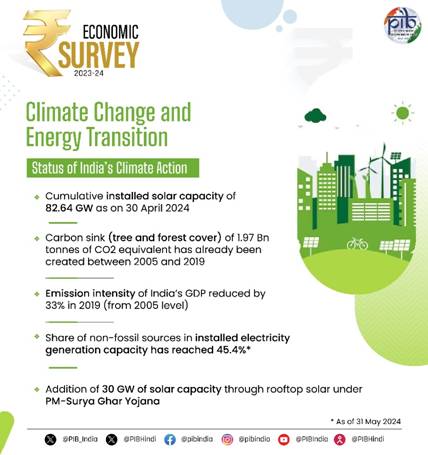
India achieved most targets of the first NDC well in advance. Nation achieved 40 per cent cumulative electrical power installed capacity from non-fossil fuel-based energy sources in 2021 and reduced the emission intensity of India’s GDP from 2005 levels by 33 per cent in 2019– nine and eleven years before the target year of 2030, respectively.

Further, as of 31 May 2024, the share of non-fossil sources in the installed electricity generation capacity has reached 45.4 per cent up from 32 per cent in April 2014. India is also on track to make an additional carbon sink of 2.5 to 3.0 billion tonnes through tree and forest cover by 2030, with a carbon sink of 1.97 billion tonnes of CO2 equivalent having already been created from 2005 to 2019.

India’s GDP between 2005 and 2019 has grown with a Compound Annual Growth Rate (CAGR) of about seven per cent, whereas the emissions grew at a CAGR of about four per cent. i.e., the rate of emissions growth is lower than the rate of growth of our GDP. This shows that India has successfully decoupled its economic growth from greenhouse gas emissions, reducing the emission intensity of its GDP.

India’s total adaptation-relevant expenditure has increased from 3.7 per cent of GDP in 2015-16 to 5.60 per cent of the GDP in 2021-2022, indicating integration of climate resilience and adaptation into development plans.

Low Carbon Development and Energy Composition

India’s energy needs are expected to grow 2 to 2.5 times by 2047 to meet a growing economy’s developmental priorities and aspirations. Considering that resources are limited, the survey pointed out that the pace of energy transition would need to factor in alternative demands on the resources for improving resilience to climate change and for sustained social and economic development.

Challenges for Energy Transition and Way Forward

Highlighting various challenges to India’s development of a low-carbon path, Economic Survey mentioned that expanding renewable energy and clean fuels will increase demand for land and water. Most renewables are land-intensive and demand the highest land use requirements among the different energy sources. Further, the expansion of renewable energy requires battery storage technologies which in turn require the availability of critical minerals and the source of such minerals is geographically concentrated.

Recognising the importance of energy efficiency measures in accelerating clean energy transitions while supporting energy security, the Survey highlighted several initiatives taken by the Government to improve energy efficiency. Some of them include implementing Energy Conservation Building Code (ECBC) for buildings, Standards and Labelling (S&L) and Star-rated program for appliances, Lifestyle for Environment (LiFE) initiative for encouraging the adoption of sustainable lifestyles, Perform, Achieve, and Trade (PAT) scheme for industrial sector, and Charging Infrastructure for Electric Vehicles for transport sector, among others.

All above mentioned initiatives translates to a total annual cost savings of approximately ₹1,94,320 Crore and an annual CO2 emissions reduction of around 306 million tonnes.

Finance for Sustainable Development

The Survey outlines that country has taken many measures to improve the business environment and catalyse greater quantum of resources. The Government undertook the issue of sovereign green bonds amounting to ₹16,000 Crore in January-February 2023 to raise proceeds for public sector projects that would contribute to the efforts to reduce the intensity of the economy’s emissions, followed by ₹20,000 Crore raised through sovereign green bonds in October-December 2023.

Further, RBI has implemented the Framework for Acceptance of Green Deposits for the Regulated Entities to foster and develop a green finance ecosystem in the country. In addition, the RBI promotes renewable energy through its Priority Sector Lending (PSL) rules.

India’s Innovative Green Credit Program

The Survey talks about the Government of India’s Mission LiFE, which is envisaged as a mass movement to address climate change and foster sustainable living based on conservation and moderation principles. It further states that to bolster LiFE’s effort and encourage eco-friendly practices, the Government also supports voluntary environmental actions such as the Green Credit Programme (GCP), which incentivises individuals, communities, private sector industries, and companies to participate in environment-positive activities by offering green credits as rewards.

India leading International Initiatives Addressing Climate Change Issues

The survey extensively talks about India leading several international initiatives towards climate change mitigation and building resilience. The International Solar Alliance (ISA), One World, One Sun, One Grid (OSOWOG), the Coalition for Disaster Resilient Infrastructure (CDRI), the Infrastructure for Resilient Island States’ (IRIS) and the Leadership Group for Industry Transition (LeadIT) are some of such important examples.

******

Self-Reliant India, Eco-Friendly Future

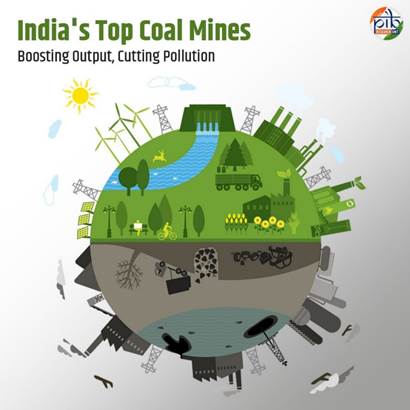
 India is effectively managing the delicate balance between increasing its coal mining output and strategically phasing down the polluting processes associated with coal mining. This approach aims to boost energy production while mitigating environmental impacts.

Chhattisgarh-based Coal India subsidiary Southeastern Coalfields Limited’s (SECL) Gevra and Kusmunda coal mines have secured the 2nd and 4th spot in the list of the worlds 10 largest coal mines released by WorldAtlas.com.

These two mines, each producing over 100 million tons of coal annually and accounting for around 10% of India’s total coal production, utilize some of the world’s largest and most advanced mining machines. Notably, they employ the “Surface Miner,” a cutting-edge technology that extracts and processes coal without blasting, promoting eco-friendly mining operations.
Coal Mining a Big Booster for Economic Growth

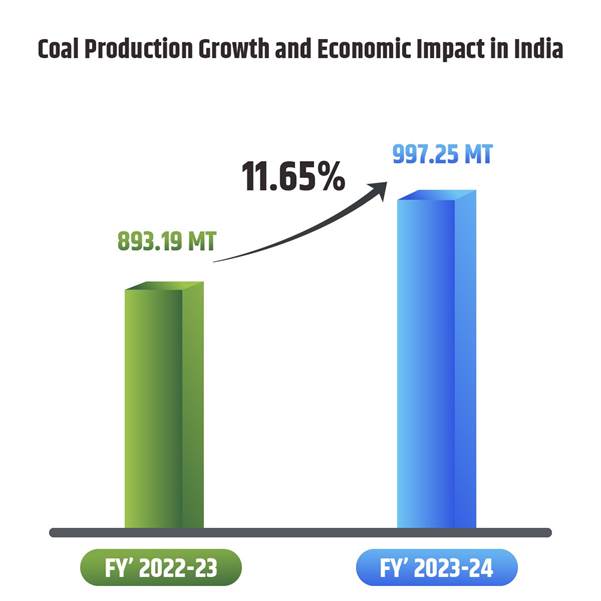
Through ongoing investment and a strong focus on modern technologies, India’s coal production reached 893.19 million tonnes in 2022-23. For 2023-24, production increased to 997.25 million tonnes, achieving an 11.65% growth. It is anticipated through comprehensive studies that coal demand in 2030 will likely reach 1462 MT and 1755 MT by 2047.
Coal mining sector has proved to be a big booster for economic growth of the coal producing States in the Country. State Governments are entitled to receive 14% of Royalty on sale price of coal. In case of captive/ commercial mines State Government are also entitled to receive the revenue share offered by the auction holder in transparent bidding process.

Apart from this, State Governments also benefit from increased employment, land compensation, increased investment in allied infrastructure like railways, roads and several other economic benefits.

The focus of the Central Government for enhancing coal production to meet the growing economy has directly helped the State Govts in realisation of additional revenue, which in turn has infused capital expenditure in the coal producing regions thereby bringing in development, both in infrastructure and social sector.

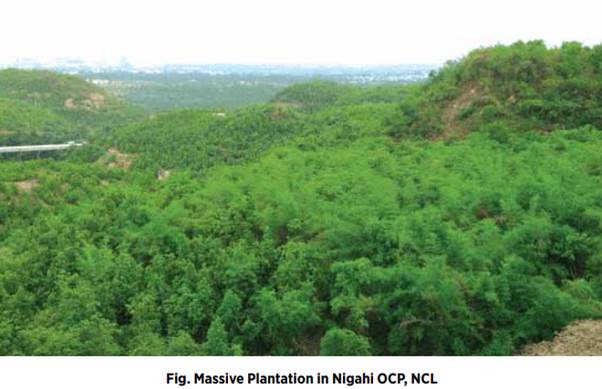
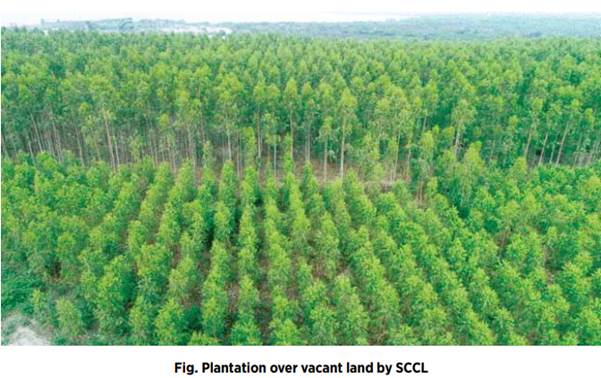
SUSTAINABILITY IN COAL MINES

The mining industry has long been associated with significant environmental degradation and resource depletion. However, in recent years, the concept of green mining has emerged as a beacon of hope for a sustainable future

Green Mining Led to a Sustainable Future

Green mining refers to the implementation of eco-friendly practices and technologies in the mining industry to reduce its environmental impact. It involves using renewable energy sources, recycling mine waste, minimizing water consumption, and employing sustainable extraction techniques.

The goal of adopting green mining is to mitigate the industry’s carbon footprint and promote responsible mining. To achieve environmental sustainability, the following is a brief explanation of the environmental protection measures being adopted by coal/lignite PSUs in coal mining areas

1. Air Quality Management

Effective air quality management in coal mines is essential for safeguarding the health of workers, protecting the environment, and ensuring sustainable mining operations. Coal mining activities often generate dust and emissions that can impact air quality both within the mine and in surrounding areas.

Implementing robust air quality management practices helps mitigate these impacts by controlling dust levels, monitoring emissions, and employing technologies to minimize pollution.

Wet drilling is used to reduce dust generation. Dust suppression systems are also included with drill machines. Surface miners and BWEs are being used more frequently, which reduces the need for drilling and blasting and, thus, the pollution load. Vehicles get routine maintenance in accordance with the manufacturer’s specifications.
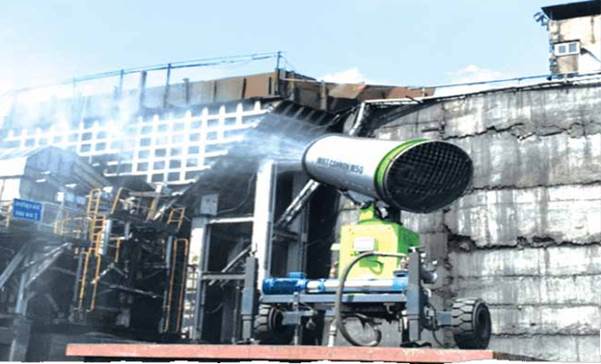
Fig. Mist Gun operation to control dust
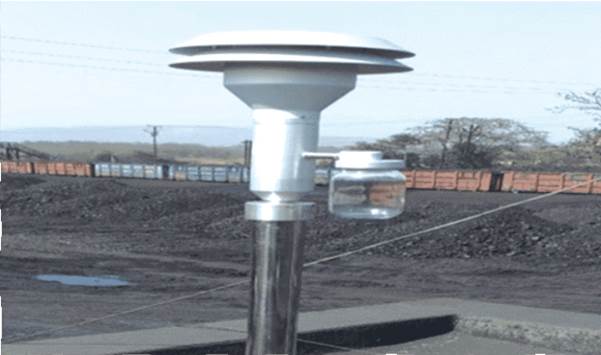
Fig. PM 10 Analyser in CCL
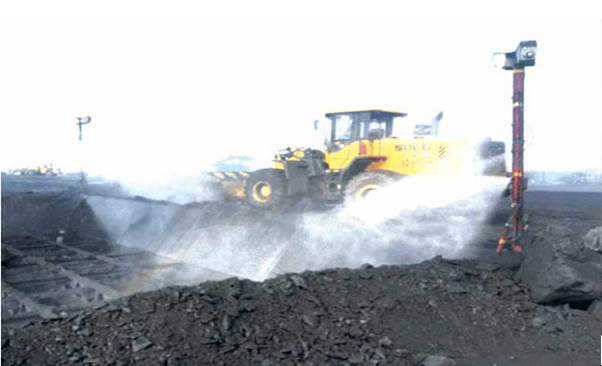
Fig. Surface Miner with water jets, Gevra OCP, SECL
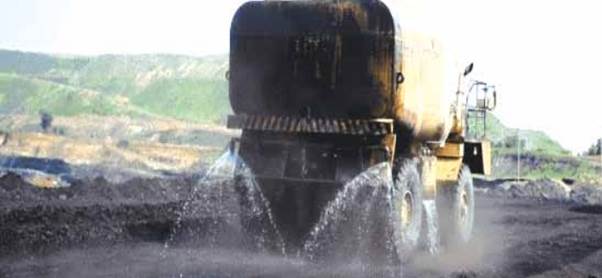
Fig. Mobile sprinklers in operation for suppression of dust


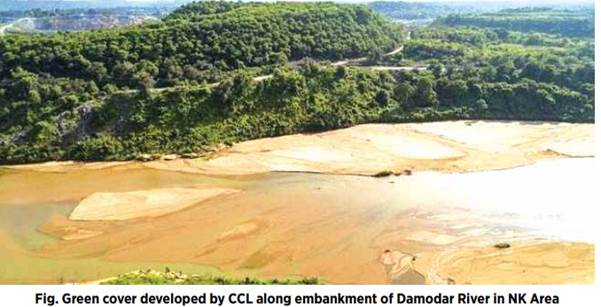
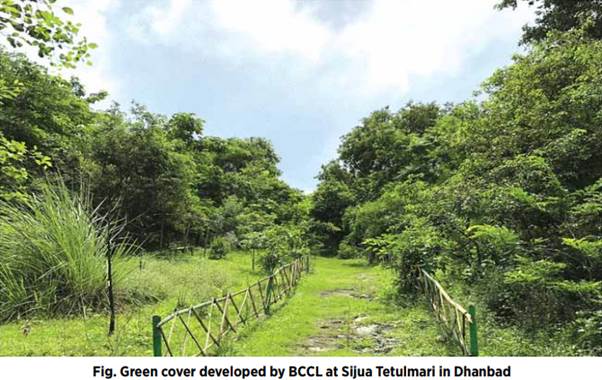
         2. Mine Closure, Bio-reclamation & Land Use Management

Mine closure, bio-reclamation, and land use management are critical components of responsible coal mining practices aimed at minimizing environmental impacts and promoting sustainable land use. When a coal mine reaches the end of its operational life, a systematic approach to closure ensures that the site is safely and effectively rehabilitated.

Bio-reclamation involves restoring the ecological balance by reintroducing native flora and fauna, while land use management focuses on repurposing the land for beneficial uses, such as agriculture or recreational areas. Together, these practices help mitigate the environmental footprint of mining activities, support ecosystem recovery, and enhance the long-term usability of former mining sites.


Economic Significance of the Coal Sector Extends Beyond Energy Production

Single largest contributor to Railway Freight: Coal stands as the single largest contributor to railway freight, with an average share of nearly 49% of total freight income amounting to Rs. 82,275 Crore in the fiscal year 2022-23 alone. This revenue contribution has surpassed 33% of total railway earnings, showcasing the sector’s substantial influence on India’s transportation network.

Government Revenue: The coal sector contributes over Rs. 70,000 Crore annually to the central and state governments through royalties, GST, and other levies. These funds play a crucial role in fostering socio-economic development and infrastructure enhancement in coal-producing regions. Coal production generates substantial revenue for both Central and State Governments, with royalty collections reaching Rs. 23,184.86 Crore in the fiscal year 2022-23.

Employment: The coal sector provides enormous employment opportunities, particularly in coal-producing districts of Eastern States. With over 239,210 employees in Coal India Ltd and its subsidiaries, supplemented by contractual workers and outsourcing engagements, the sector sustains livelihoods for thousands of families. Additionally, over 65,000 contractual workers are engaged in mining operations with CIL and 37,000 workers are engaged through outsourcing for security, driver and housekeeping.  With an average 24,000 trucks are engaged in coal transportation supporting 50,000 people and 30000, workers are engaged in captive/commercial coal mining companies contributing to job creation.

Dividend Payments: Coal India Ltd consistently contributes substantial dividends to the Central Government and has paid an average of Rs. 6,487 Crore annually over the past five years. The FY 2022-23 has seen a significant dividend payment of Rs. 9,475.85 Crore, highlighting the sector’s financial stability and contribution to government revenues.

Corporate Social Responsibility (CSR): Coal sector PSUs prioritize CSR initiatives, with an average annual expenditure of Rs. 608 Crore over the past five years. Notably, Coal India Ltd alone has allocated an average of Rs. 517 Crore annually for CSR activities. Over 90% of the expenditure has been incurred on, socio- economic development focusing on healthcare, education, water supply and skill development in coal-producing regions.

Capital Expenditure: Substantial investments in capital expenditure, averaging Rs. 18,255 Crore annually over the past five years, have facilitated infrastructure development and resource optimization within coal sector PSUs. This capital infusion stimulates economic growth and fosters a conducive environment for sustainable development.

As India continues its trajectory of growth and development, the coal sector remains a cornerstone of the nation’s progress, driving economic prosperity, employment generation, and social well-being.

Conclusion

India’s approach to balancing increased coal mining output with a strategic phase-down of pollution reflects a commitment to both economic growth and environmental stewardship. By enhancing coal production to meet rising energy demands while simultaneously implementing measures to reduce pollution, India is working towards a more sustainable and responsible mining industry. This dual focus on maximizing output and minimizing environmental impact demonstrates a forward-thinking strategy that aims to support economic development, improve air quality, and contribute to long-term sustainability in the coal sector.

References:

pib.gov.in/PressReleaseIframePage.aspx?PRID=1941340

chap7AnnualReport2023en.pdf (coal.nic.in)

Sustainable Development for Coal Sector (pib.gov.in)

pib.gov.in/PressReleaseIframePage.aspx?PRID=2009196

chap7AnnualReport2023en.pdf (coal.nic.in)

Press Information Bureau (pib.gov.in)

Click here to see in PDF

*****

Coal Ministry TakesProactive Measures for Disposal and Repurposing of Fly Ash

 In a significant move towards environmental protection and resource utilization, the Ministry of Coal (MoC) is actively working to ensure the proper disposal and repurposing of fly ash generated by thermal power plants. By disposing this byproduct of coal-based power generation, the Ministry is leading the charge towards a sustainable future, prioritizing environmental well-being and fostering a circular economy.

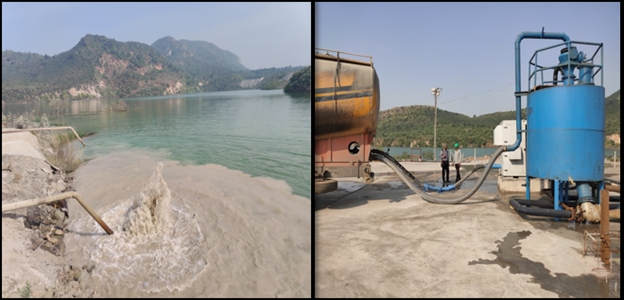
(Fly Ash filling at old Abandoned Quarry of Manikpur OC, Korba Area)

To minimize the environmental impact of coal combustion, the Ministry of Coal (MoC) promotes the proper disposal of fly ash. Extensive research and development have enabled the effective use of fly ash for filling voids and as a component in construction materials. This not only reduces its environmental footprint but also supports sustainable development practices.

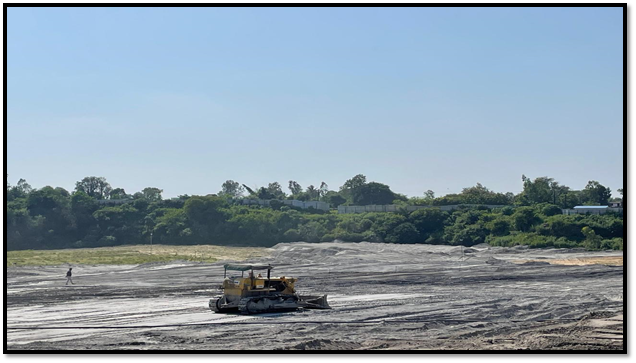
The Ministry of Coal has undertaken a significant initiative to ensure the proper disposal of fly ash by allocating mine voids for this purpose.A Central level Working Group (CLWG) under the chairmanship of Additional Secretary, Ministry of Coal was formed in 2023 for the same. The interested Thermal Power Plants (TPPs) applies for the allocation of mine voids to the Central Electricity Authority (CEA), which is eventually discussed in the CLWG meeting. In this proactive move, a total of 19 mines have been allocated to 13 TPPs. This allocation addresses environmental concerns associated with fly ash disposal and promotes sustainable practices within the coal mining sector. Additionally, approximately 20.39 lakh tonnes of fly ash have been repurposed to date at Gorbicoal mine pit-1.

As per Ministry of Environment, Forest and Climate Change notification dated 3rd November 2009, the term “fly ash” means and includes, all ash generated such as Electrostatic Precipitator (ESP) ash, dry fly ash, bottom ash, pond ash and mound ash. Its composition, rich in silicon dioxide (SiO2), calcium oxide (CaO), and aluminum oxide (Al2O3), makes it valuable for various applications, transforming potential waste into useful material. Effective management promotes its use in construction activities, thereby minimizing waste, conserving natural resources, and reducing the carbon footprint.

The Ministry of Coal, in collaboration with the Central Mine Planning and Design Institute (CMPDI), is in the process of creating a centralized portal to manage the application process for the allocation of mine voids to Thermal Power Plants (TPPs) for fly ash backfilling activities. This portal aims to streamline operations and ensure transparency and efficiency.

Comprehensive feasibility studies are being conducted to explore the optimal methods for mixing fly ash with overburden in operational mines. Standard Operating Procedures (SoPs) have been established to guide the safe and efficient use of fly ash, addressing both safety and administrative considerations. A significant feasibility study is underway at the Nigahi operational mine in collaboration with the Central Institute of Mining and Fuel Research (CIMFR). This study aims to determine the optimal percentage of fly ash to be mixed with overburden, with results expected soon.

Ministry of Coal ensures the safe handling and management of fly ash, mitigating potential environmental concerns associated with the leaching of heavy metals and fine particle emissions and will continue to innovate and implement sustainable practices, ensuring a cleaner and greener future for India.

Fly Ash filling in Gorbi Mine (Pit-1), NCL

Fostering collaboration with power plants, industries, and regulatory bodies, Coal Ministry aims to achieve optimal fly ash management. This collective effort paves the way for a cleaner environment, a healthier future, and a more sustainable approach to energy generation.

****
Shri Bhupender Yadav takes charge as the Union Minister of Environment, Forest and Climate Change

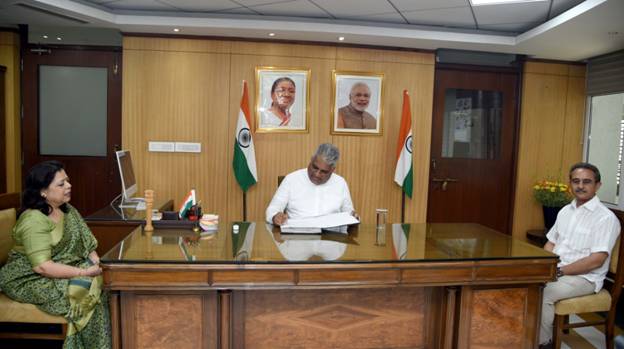
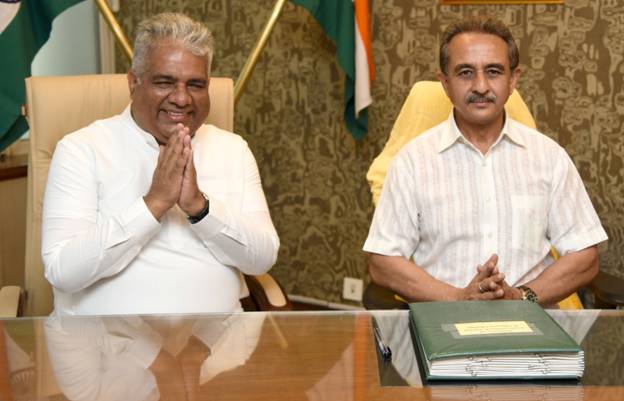
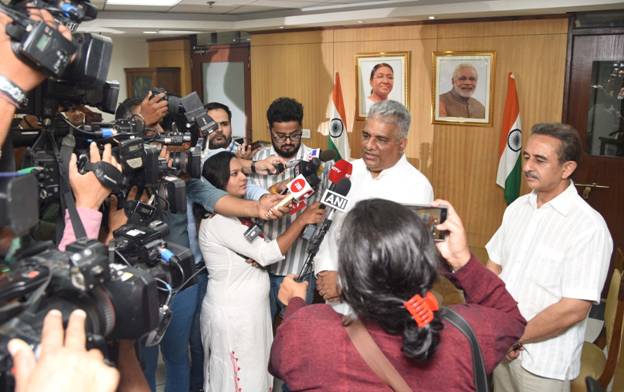
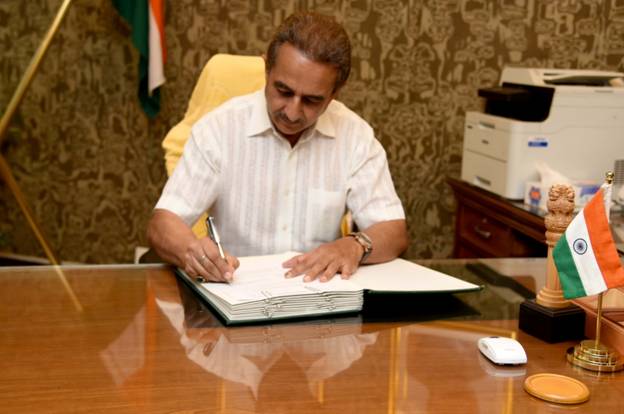
 Shri Bhupender Yadav today assumed charge as the Union Minister of Environment, Forest and Climate Change (MoEF&CC) on 11th June 2024. He was greeted at the office at Paryavaran Bhawan by Secretary Ms. Leena Nandan, Secretary(EF&CC) and other senior officials of the ministry. Shri Kirtivardhan Singh also assumed charge as Minister of State.

DSC_2431.JPG

DSC_2459.JPG

DSC_2442.JPG

Briefing the media after assuming the charge, the Union Minister thanked Hon’ble Prime Minister for giving him this opportunity and said he is ready to discharge his duties and responsibilities in the Ministry. He also welcomed his colleague Shri Kirtivardhan Singh, Minister of State. He said many steps have been taken by this Ministry in the last 10 years under the leadership of PM Modi and that the Government was moving ahead taking environment and development together. He also said that the focus will remain on initiatives such as Mission LiFE- Lifestyle for Environment. He said that globally there is an environment crisis and Hon’ble PM announced Mission LiFE- Lifestyle for Environment at the Glasgow, Climate Conference 2021. He also said that Mission LiFE seeks to mobilize individuals for climate-positive behavior and to create an ecosystem to reinforce and enable environmental-friendly self-sustainable behaviours. It upholds mindful consumption rather than mindless consumption. 

DSC_2450.JPG

DSC_2454.JPG

Hon’ble Minister for MoEF&CC also said that the government believes environmental conservation and development can go hand in hand. He said that Hon’ble PM has also started a plantation initiative “एक पेड़ माँ के नाम” to counter escalating global warming and urged all citizens to take part in this initiative, launched by Hon’ble PM on World Environment Day, 2024 to promote mass plantation. This will help combat rising temperature, desertification and challenges facing biological diversity.

After assuming the charge, the Minister also held a meeting with the senior officers of the Ministry where he was briefed on the key initiatives and policy issues of the Ministry.

***
8 High Impact Ways You Can Help the Environment


Go beyond turning off lights or using reusable bags. Make a real impact and help the environment with these high impact efforts.

Keyword(s): help the environment

Anchor Text: best solar installation company

Recycling a single aluminum can help save enough energy to run a television for 3 hours. Small changes to the way you live can make a bigger impact than you might expect.

While you may know that recycling and reducing electricity usage can be good for the environment, there are many ways to do your part in saving the planet. Certain habits and lifestyle changes can make a high impact on the environment and can allow you to feel better about the way you live.

Here are 8 high impact ways that you can help the environment.

1. Take Your Recycling to the Next Level

The first step to helping the environment is to start recycling. When you recycle properly, you’ll help to reduce waste and the amount of trash that goes to a landfill.

You may choose to add a simple recycling bag to your home and recycle plastic and paper, but you can also take things further. It can be useful to recycle metal, electronic devices, batteries, and appliances as well. 

In addition to this, it can be a good idea to do some upcycling as well. Making trash such as plastic bottles into works of art or items you can use can be a great way to protect nature as well.

2. Avoid Using Plastic

Anything you can do to start using fewer plastic products and more reusable products can make a big impact on the environment. 

While reusing grocery bags is a great place to start, there are many ways that you can cut down on plastic use. Using reusable straws, avoiding the use of plastic silverware, and buying package-free fruits and vegetables can be helpful. 

To further reduce your use of plastic, you may want to invest in more stainless steel water bottles and dishes and use them instead of plastic options. 

3. Start Composting

Getting into the habit of composting can also make a big impact on the environment as well. 

When composting, you’ll have something to do with your leftover food scraps. This can allow you to reduce waste in your everyday life. 

In addition to this, you’ll be able to put the compost to use in your garden and start growing fresh vegetables at home. Composting can help to improve soil quality. It can allow you to help the environment while also reducing your consumption as well.

4. Shop Used Items

Another thing that you can do to make a big impact on the environment is to buy secondhand items more often. When you shop at thrift stores, yard sales, online auctions, and other places where you can buy secondhand items, you’ll be helping to recycle materials and consumer goods.

As a result, you’ll be helping to conserve resources and help extend the lifecycle of a product. This can make a positive impact on the environment and can minimize your consumption and use of goods.

5. Change Your Transportation

Cutting down on your driving time is also a high-impact action that you can take for the environment. This is especially true if you have a car that runs on gas rather than on electric power.

You may want to come up with some ways to get around that don’t require a personal vehicle. Spending your commute or certain trips taking a walk, riding a bike, going on public transport, or carpooling can be very helpful.

Changing your transportation habits can help to reduce your use of fossil fuels and can be great for the environment.

6. Reduce Utility Usage

One of the things that you can do to help the environment is to cut down on any utilities that you use. Conserving electricity and water can be beneficial for the environment and can allow you to do your part in going green.

While changing your habits when using your utilities is one part of the puzzle, you should also consider installing new fixtures and appliances. If you currently have older appliances, water fixtures, or lights, consider making some energy-efficient replacements to easily improve your usage.

It can also be helpful to make the switch to solar power. If you’re in Arkansas, be sure to learn more about the best solar installation company now.

7. Avoid Household Chemicals

Many homeowners use household and yard care chemicals that can actually be harmful to the environment as well as to human health.

It’s a good idea to avoid using anything that has chemicals in it and opt for all-natural products instead. Consider making switches in lawn and garden care, beauty and hygiene products, and cleaning products you use in and around your home.

Opting for natural options will sometimes be more expensive but could end up improving the health of your family and the environment.

8. Reduce Meat Consumption

While it may not be for everyone, one of the most high-impact ways that you can help the environment is to eliminate or reduce your meat consumption.

Going vegan, or at least going vegetarian, can go a long way in helping curb the harmful effects of animal agriculture on the planet. Animal agriculture leads to forest loss with the expansion of farmland. Producing meat also creates a lot of carbon dioxide when compared to farming vegetables and grains.

Cutting out meat and dairy completely or at least reducing your consumption by a bit can have a bigger impact on the health of the planet than you might expect.

Understanding How You Can Help the Environment

If you want to go green and help the environment, then you should aim to use some of the tricks and strategies above. Making some simple changes to your habits can go a long way in protecting the planet.

Need more helpful environmental tips and advice? Find more useful articles about sustainable living by browsing our blog now.

Top Ten Books on Environmental Sustainability

A curated list of ten fantastic books that delve into various aspects of environmental sustainability:

  1. “Silent Spring” by Rachel Carson: This groundbreaking book raised awareness about the detrimental effects of pesticides on the environment and is credited with sparking the modern environmental movement.

  2. “Doughnut Economics: Seven Ways to Think Like a 21st-Century Economist” by Kate Raworth: Raworth presents a compelling framework for a sustainable economy that meets the needs of all within the means of the planet.

  3. “The Sixth Extinction: An Unnatural History” by Elizabeth Kolbert: Kolbert explores the ongoing mass extinction event caused by human activities, offering a sobering perspective on the impact of humanity on Earth’s biodiversity.

  4. “Cradle to Cradle: Remaking the Way We Make Things” by William McDonough and Michael Braungart: This book proposes a new industrial paradigm that promotes sustainable design, advocating for products that can be reused or recycled endlessly.

  5. “Braiding Sweetgrass: Indigenous Wisdom, Scientific Knowledge, and the Teachings of Plants” by Robin Wall Kimmerer: Kimmerer beautifully weaves together indigenous wisdom and scientific understanding, emphasizing the importance of respecting and learning from nature.

  6. “This Changes Everything: Capitalism vs. The Climate” by Naomi Klein: Klein explores the relationship between capitalism and climate change, arguing that addressing environmental issues requires fundamental societal changes.

  7. “Drawdown: The Most Comprehensive Plan Ever Proposed to Reverse Global Warming” edited by Paul Hawken: This book presents a collection of solutions to combat climate change, showcasing practical and scalable strategies.

  8. “The Nature Fix: Why Nature Makes Us Happier, Healthier, and More Creative” by Florence Williams: Williams explores the science behind our connection with nature and its profound impact on our well-being.

  9. “The Uninhabitable Earth: Life After Warming” by David Wallace-Wells: Wallace-Wells provides a stark portrayal of the potential consequences of unchecked climate change, urging urgent action to mitigate its impacts.

  10. “The Water Will Come: Rising Seas, Sinking Cities, and the Remaking of the Civilized World” by Jeff Goodell: Goodell investigates the impending threats of rising sea levels and the consequences for coastal cities due to climate change.

Each of these books offers a unique perspective on environmental sustainability, providing insights, solutions, and thought-provoking ideas that contribute to a deeper understanding of our relationship with the environment and the urgent need for sustainable practices.