SINGLE USE PLASTIC BAN

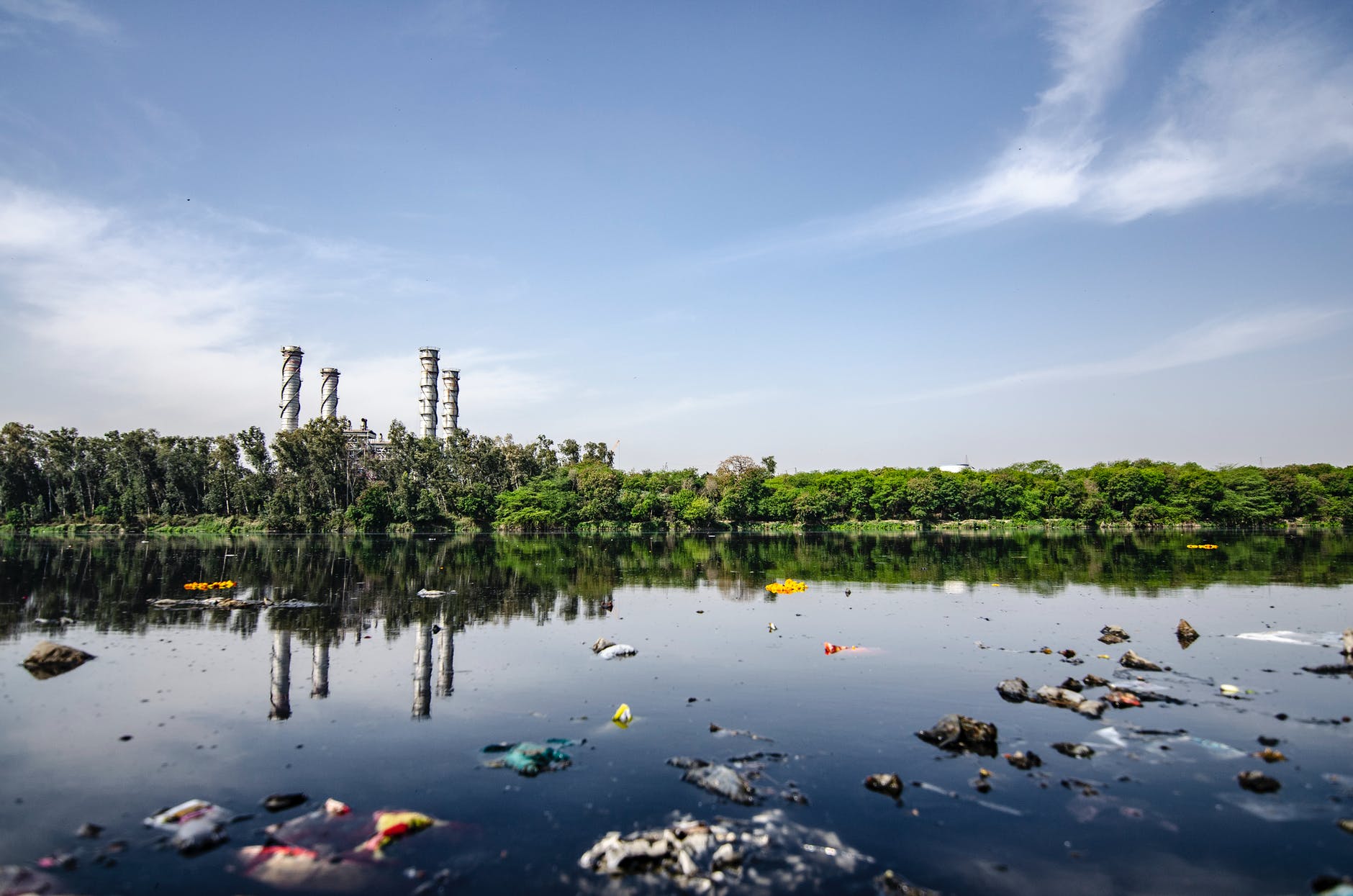
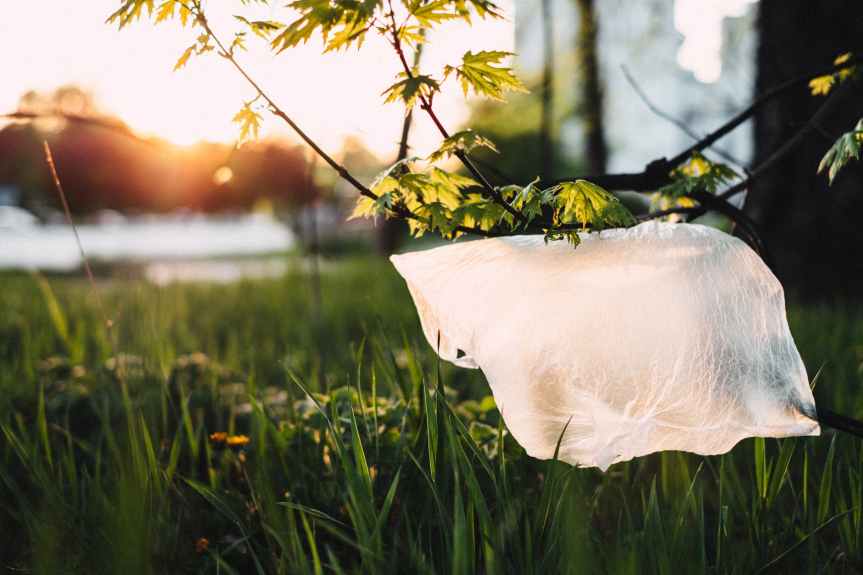
Apart from water and environmental pollution, single use of plastic is also one of the most common causes of pollution. The use of plastic has been proved to have highly destructive impact on water bodies especially on hydrophytes and sea animals. Thus, ban on single use plastic has become a beneficiary need today. In many countries including India, the government has started a number of campaigns to cease the single use of plastic and initiated the use of carry bags which are environment friendly.

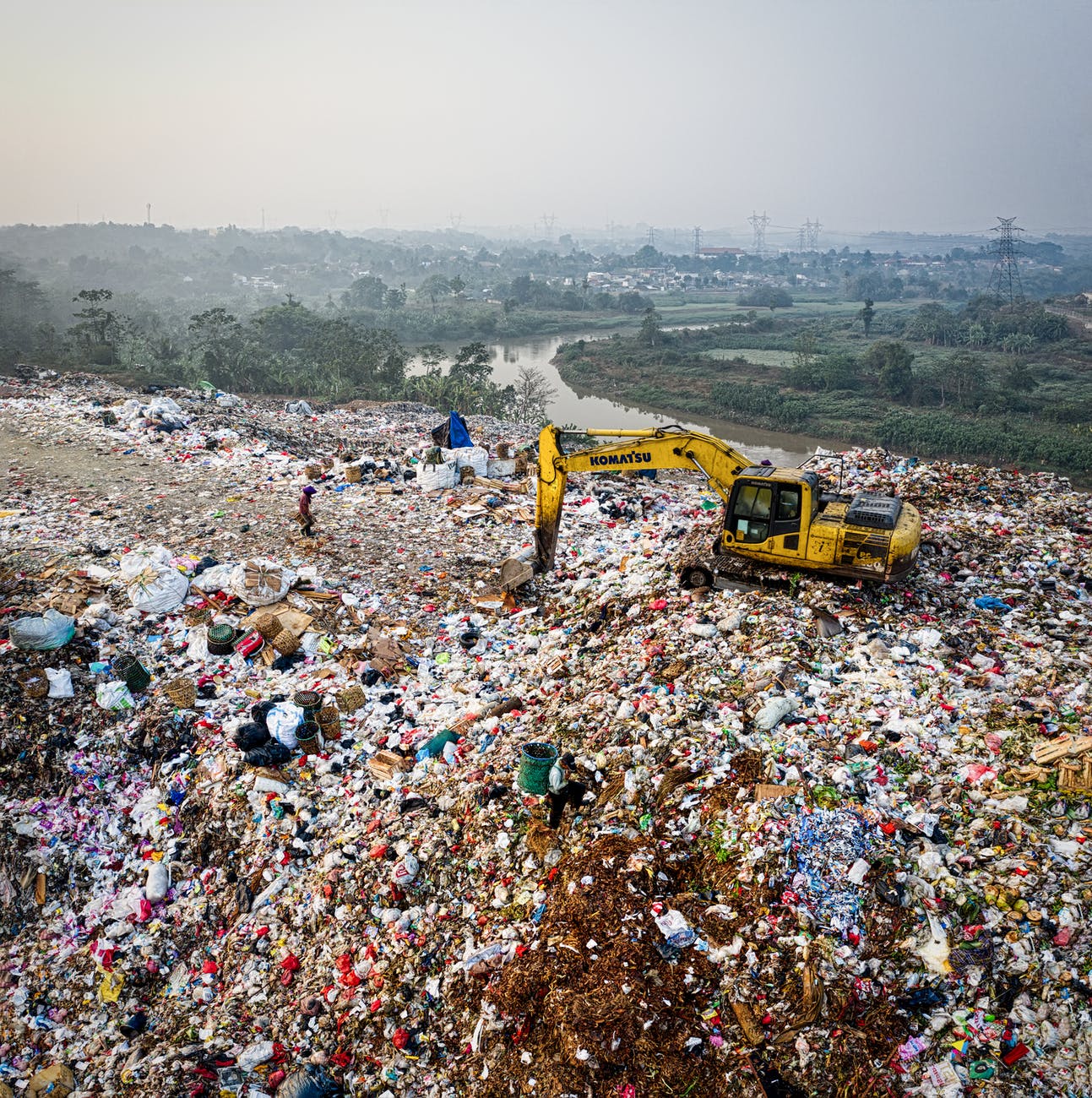
Every year, million of tons of single use plastic are produced, out of which many cannot ne reused or reprocessed. Polythene, plastic bags, plastic glass, straws, water bottles, etc. are included in single use plastics. Single use plastics are meant to be used only once and then thrown away as trash or waste for recycle. Most of such single use plastics that are thrown away as trash are not recycled. These plastics are not capable of decomposing by bacteria or any other organism and are usually buried in the dumping ground or sometimes it gets into the water and at times it also reaches the ocean, polluting the water bodies. They come in contact with water and soil and crumble up into small fragments but remain undecomposed. They remain intact in the soil and water for hundreds of years releasing lethal chemicals and causing damage to the surrounding environment. Thus, it is considered to be non environment friendly. The major cause of the water pollution is the lodging of plastic bags in the water bodies. The ecology and the surrounding environment is greatly affected by these plastics in every possible way.

The use of single plastics has been proved to be hazardous to animals, human beings, hydrophytes and marine organisms. Highly toxic chemicals are released by the the plastic bags as well as plastic items which causes grave diseases to those involved in its production. At times, the aquatic creatures in a mistaken way consume particles of plastic along with food. Plastics are also found sometimes inside the stomach of marine animals like, turtles, fishes etc. These plastics block the digestive system and the organs of the animals are also perforated resulting in serious health issues and death at the end. The use of plastics also affect the environmental imbalance causing pollution. The single use plastics when burnt releases smoke which increases the risk of heart disease and make worse the ailments of respiration such as emphysema and asthma. Nausea, rashes, headaches and damage to nervous system are also caused by it.

Various measures have been taken by the government to prevent the use of plastics. A multi-ministerial plan has been laid out by the government of India to prevent the use of single use of plastics across the nation to make India free of plastics by 2022. In order to eliminate the use of single use plastics in urban as well as rural areas, the ban on plastic bags, water bottles, plates, straws and all plastic items have already began on October 2, 2019.

A great number of serious problems are caused by the single use plastics. Thus, it becomes essential to take effective measures to terminate the use of plastics and look forward towards a healthy and friendly environment. In order to protect the living creature and the environment, it is our duty to come up with advance technologies with time to recycle the plastics more efficiently so that the wastes of plastics are recycled and reused.

Creating miracles while fighting air pollution- The inspiring story of Bhutan

Flag Of Bhutan

The amount of carbon dioxide emission is increasing day by day causing a rise in overall temperature and global warming. Main reason behind the increase is that most of the energy producing sources emit carbon dioxide (for e.g. in thermal plants), burning of combustible substances and even our vehicles and transports emit carbon dioxide.

Usually, the plants and trees are able to absorb most of the carbon dioxide that is emitted but due to increase in deforestation it has become hard to maintain that balance.

While most of the countries are struggling to become carbon neutral that is trying to find a balance between carbon dioxide emission and absorption, Bhutan has already achieved that milestone.

Bhutan may be a small country but it is the only country in this world that is carbon negative.

Carbon negative can be explained by the comparison between total amount of carbon dioxide released to total amount carbon dioxide absorbed in the atmosphere as total amount of carbon dioxide released is lower than the amount of carbon dioxide absorbed.

Bhutan produces around two million tonnes of Carbon Dioxide and absorbs around 7 million tonnes of carbon dioxide.

This milestone was achieved because the 4th king of Bhutan-King Jigme Singye Wangchuck’s belief that Gross National Happiness of the population of Bhutan was more important that Gross National Product. And further development was done by keeping this ideology in mind.

Few steps that were taken to achieve this are as follows-

-By maintaining 60+% of forest cover at all the times and not letting it go below that number played a huge role.

-By building Biological Corridors- People of Bhutan believe in co-existence that is why they have built biological corridors between forests to enable the free movement of wildlife throughout the forests

-By using Hydro-Power plants to generate electricity without causing pollution, and they highly promote the use of sustainable resources.

-By planting more trees, in 2016 on the birthday of the last prince they planted over 1 lakh trees, they even have the Guinness World record for planting the highest no. of trees in one day in the year 2015.

But despite its great efforts to maintain the balance, Bhutan is still suffering from the global warming without any of its own fault. China and India, two of those countries which contribute the most to the world’s pollution, surround Bhutan from two sides and is causing it to suffer from global warming, melting glaciers resulting in flash floods. Some states in India and China have the highest pollution index in the world. Unless some strict actions are taken, it is not possible reduce the pollution. We should learn from Bhutan, even though is has a smaller economy than most of the developed and developing countries but it is still better at controlling the air pollution than most of them.

Out of sight out of mind

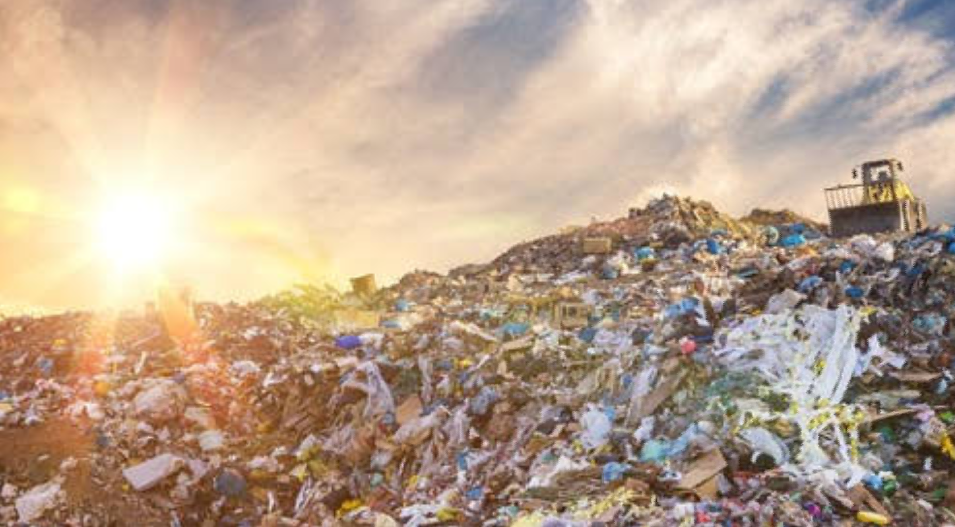
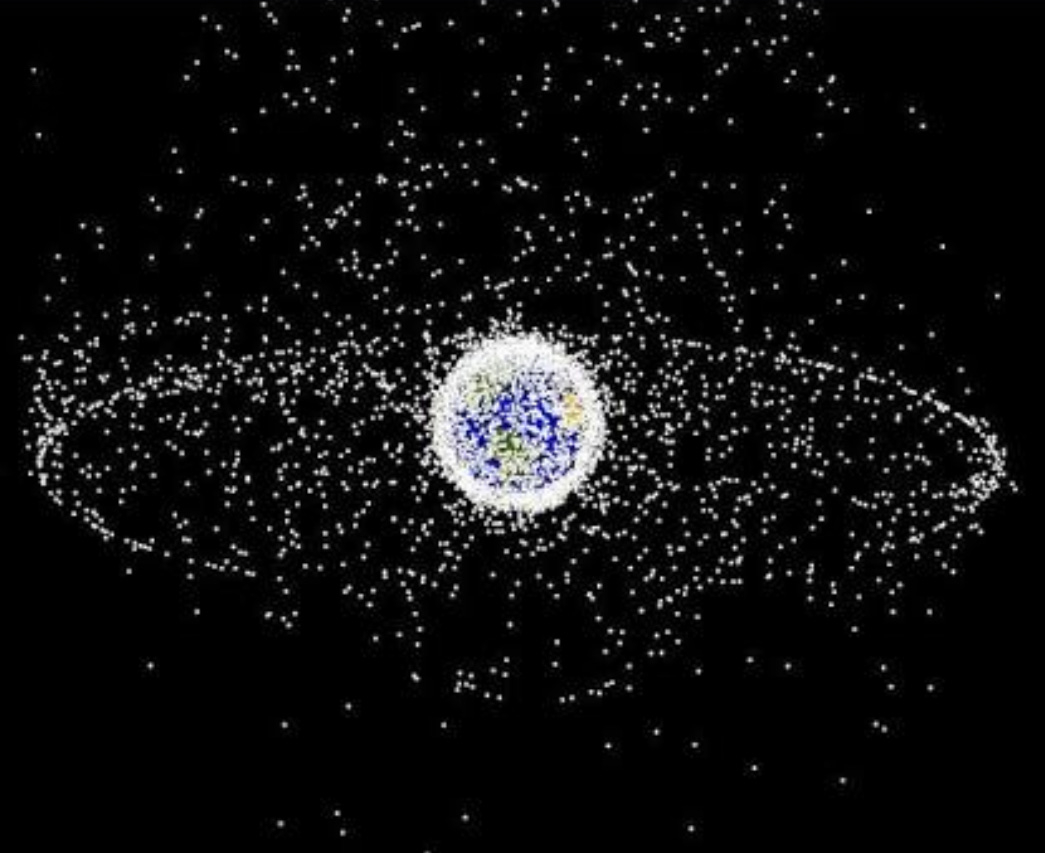
The world has so much problem with the waste production and dumping and landfills. We need more space. Why not send it to outer space? You know take some amount of trash at a time and send it to space and let it go. Sounds easy but turns out it isn’t that easy.

First of all it costs a LOT to send a spaceship into the space. We would need a large number of rocket launches to actually get rid of the insane amount of garbage the world produces(1.2 trillion kg). That way, the rise in air pollution… unimaginable. Also, complex infrastructure requirements! We need a lot more launch pads.

Suppose we do find a way to manage the costs and send a rocket filled with trash to be thrown out in the space. Imagine if some technical issue occurs and it blasts. It would rain burning plastic. Not good for the environment.

Even if we throw it out, the accumulation would make our atmosphere so dense that it would be a toxic world to live in. Also we couldn’t use satellites plus space travel would be tough. What if it comes floating back. Gross sight.

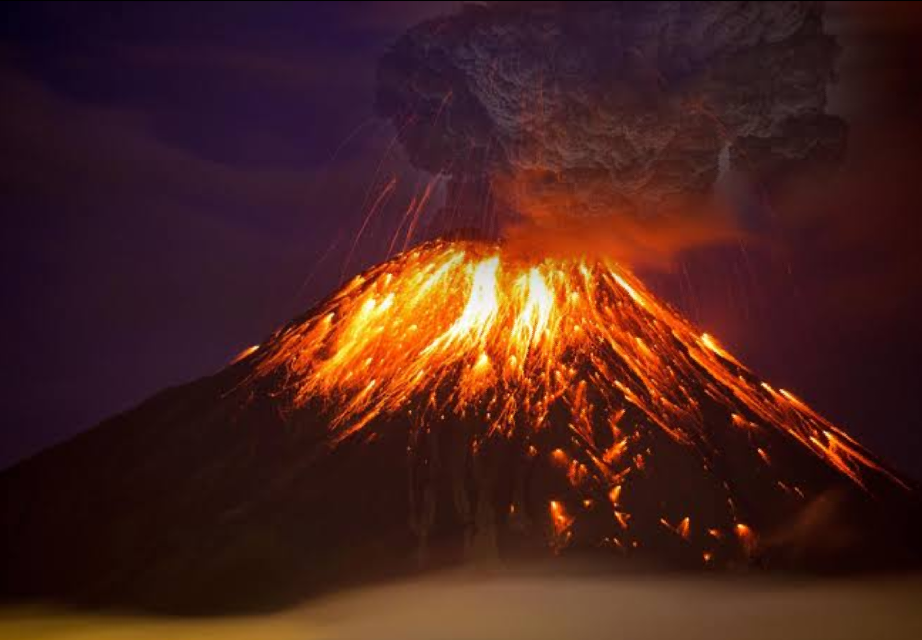
There’s another thing we could do. Burn the trash in the volcanoes. Trash incinerators have filters to filter out poisonous gases. In case of volcanoes filtering is not possible so again toxic world. Besides throwing something in the lava, disturbing the surface, would instantly trigger a chain reaction leading to an explosion. So not an option.

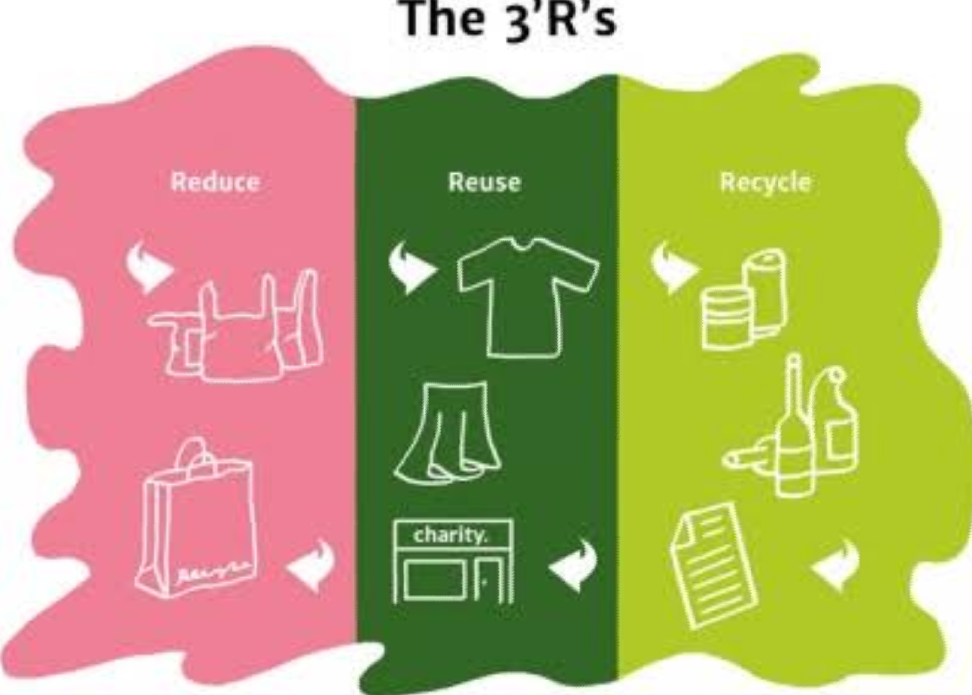
Guess we have to find other sources to convert the trash into some kind of energy. Maybe some day. Till then we need to manage our trash and follow the three R’s. (Reuse, Recycle, Reduce)

Thank you for reading. Have a nice day!

Environmental Pollution

Pollution is the presence of particles or elements in a natural environment and thereby degrading the quality of it. It causes adverse changes to natural environment. Pollution is caused by contaminants and they can be of various types. Contaminants can be particles like chemical substances, gases or energy. They can be foreign substances or naturally occurring ones. Depending on the kind of contaminants and the environment, there are different forms of pollution – air pollution, light pollution, litter, noise pollution, plastic pollution, soil contamination, radioactive contamination, thermal pollution, visual pollution, and water pollution.

Pollution exists mainly in urban societies. The burning of coal and wood increase carbon content in air and make the cities the primary sources of pollution. The Industrial Revolution had brought an infusion of untreated chemicals and wastes into local water resources which supplied water to the people. Early instances include the time when King Edward I of England banned the burning of sea-coal by proclamation in London in 1272, after its smoke became a problem.

Photo by Yogendra Singh on Pexels.com

The major forms of pollution are described as follows:

Air pollution – It is caused by the release of chemicals and particulates into the atmosphere. Common gaseous pollutants are carbon monoxide, sulfur dioxide, chlorofluorocarbons (CFCs) and nitrogen oxides which are produced by industry and motor vehicles.

Electromagnetic pollution – It is caused due to the overabundance of electromagnetic radiation in their non-ionizing form, like radio waves, etc. Nowadays people are constantly exposed to these radiations.

Light pollution – It includes light trespass, over-illumination and astronomical interference. There have been instances when over illumination of a natural environment by artificial lights have caused birds to be awake at night. It disturbs their natural time cycle.

Noise pollution – It includes noise from all sorts of sources like roadway noise, aircraft noise, industrial noise as well as high-intensity sonar.

Photo by Tom Fisk on Pexels.com

Plastic pollution – This involves the accumulation of plastic products and microplastics in the environment and thereby affecting the wildlife, wildlife habitat, and humans.

Soil contamination – It is caused by chemicals released by spills or underground leakages. Among the most significant soil contaminants are hydrocarbons, heavy metals, MTBE herbicides, pesticides and chlorinated hydrocarbons.

Radioactive contamination – This has increased the 20th century due to activities in atomic physics, such as nuclear power generation and nuclear weapons research, manufacture and deployment.

Thermal pollution – This is a temperature change in natural water bodies. The most common reason is human influence. For example, the use of water as coolant in a power plant.

Visual pollution – It refers to the presence of overhead power lines, motorway billboards, scarred landform, open storage of trash, municipal solid waste or space debris.

Water pollution – It is caused by the discharge of wastewater from commercial and industrial factories into surface waters resources. It also includes discharges of untreated domestic sewage, and chemical contaminants, such as chlorine, treated sewage; pesticides and fertilizer components reaching water bodies through irrigation water. Groundwater pollution is caused from waste disposal including pit latrines and septic tanks; eutrophication and littering.

With growing evidence of local and global pollution, more and more people have started getting informed over time. Issues such as global warming and climate change have also developed in recent years. These have given rise to environmentalism and environmental movements. There are environmental activists who work to raise awareness and to limit human impact on the environment.

Firecrackers: An alternative to the law, sentiments and labour

Firecrackers are merely constituents of gunpowder comprising of various elements which gives rise to prolong combustion. In India, it means a lot more than that. It has aesthetic purposes since it has been believed that ‘Agnichurna’ was used in ancient times to fight enemies during wars. Be it marriages, birth or festivals, firecrackers are a form of awakening light by defeating the darkness. One such prevalent case has been of Diwali, where the entire country lights up together and celebrates the mythological victory of good over evil.

Firecrackers believably have grown during the end of Mughal dynasty and start of British East India Company and are burst like any other ritual in the country. Apart from acting as a ritual, there are also scientific reasons why the bursting has become so prevalent. Diwali comes after the monsoon season, at a time when the population of insects increases rapidly and encroaches various human habitats, be it cities or villages. That is also why most houses paint homes. Crackers then act like city wide fogging which cleans these insects, making a healthy and safe home for its residents throughout the year. This act of bursting crackers has been set on the hearts of people igniting homes and binding people all over the country. Firecrackers in a way, signals the entire country that everyone is celebrating a festival together. The bursting of crackers has been serving a ritual since decades across India. The religious sentiments that are aligned with the act are huge.

Focusing on the origin of Diwali, it is not only a specific event but the entire country actually has its varied forms of celebrating it. Like Ma Kali is worshipped in Bengal, Lord Ganesha is also worshipped in many homes, Jains specifically devote their day to Lord Mahavira. Lighting diyas and bursting crackers has been going on since time immemorial and along with it is lies belief of most Indians. These rituals significantly have stories to tell upon which India bases its heart. The sound of firecrackers, according to the older generation, is an example and indication of joy in people’s heart which makes the Gods aware of their state in their devotees’ lives. Hence, it clearly foreplays as an act of worship to satisfy the God as well. Most people in the country who cannot be in their homes during these times depend on the sound of crackers and lights around to feel complete.

Apart from these sentiments, there are various real-life problems attached to this. The firecracker industry gives employment to a large segment of people. Amidst the lack of employment scarcity already observed in the country, banning firecrackers can give rise to a different issue altogether. The claims of pollution due to crackers is a valid argument but pollution is also caused due to automobiles. And it is impossible to point out which act causes more harm. At this point of time, the firecracker industry is worth of 6000 crores and the economic aspect stands as the biggest reason why India cannot afford banning firecrackers. What can also not be ignored is the fact that the people who are working under such sites and have become skilled for this specific business have a family to support. Most of them found security in this industry and gave a major part of their lives to excel in it. With complete ban will come the threat to such workers who would face situations to start new amidst crisis until their death. There is also a relevance of economic aspect aligned with the fundamental rights. The extended jurisdiction of Article 21 guaranteed under the Constitution of India gives the right of livelihood to manufacturers. It is important to realise that crackers are not the only factor of pollution and respiratory problems, there are other factors involved like the wind and temperature which contributes to it. Until and unless, there is proper data on how much pollution and harm has been caused due to firecrackers, the industry cannot be strictly banned. Any violation of this would also be a violation of their right to business.

However, the way forward is certainly not dull as it sounds now. There can be terms where both of the situations can be kept under control. Some of the ideas that can be implemented as alternatives to the current scenario are as follows:

  • On adopting the various laws as introduced in the developing countries such as Washington, Switzerland etc, the idea is of having a regulation on the bursting of crackers. There can be only specific occasions on which the use of firecrackers shall be allowed and only up to a certain time. It would help preserve the religious sentiments as such.
  • Green crackers shall be developed which would not fall under these regulations. Claims on the pollution levels would not be affected by Green Crackers, they shall be environment friendly. It would help keep the industry intact along with the socio-economic affects.
  • The industry shall not favour child labour but at the end of the day, child labour happens in the need of money. So, there shall be job securities given to the skilled labourers who have given at least five years to the same industry.
  • In order to support the sale and good flow in the industry, there shall be one day sponsored by the Government when there shall be a firecracker show in an inner area. The show shall be open to all but at own’s risk.
  • The license of selling firecrackers shall be issued by the Government.

“Human And Their Natural Interference”.

Man has been utilizing various natural as well as artificial resources around himself to build essential things required in  daily activities. With the need and reliability factor, man has been shifting to metals and material for better durability,consistently, toughness and many such properties. But since the inception of technology, a drastic shift could be seen in utilization of material for various usage. Prominently plastic. Plastic is used in almost everything we think of, including our food. The desired properties of this material make it perfect to be used for different aspects and can be converted to desired shape and size as per the requirement. This surely has made life of man much easier as it used to be. Be it for storing things, irrespective of its state be liquid, solid or gas, for carrying goods, in LCD,LED, even our smartphones, utensils, vehicles and many more. We are surrounded by plastic and material made from them, as a factor of their number of advantages in today’s tough World. 

Plastic generally comprises small polymers, long and repeating chains. These polymers can be break down and can be utilized to make new synthetic materials from it. This makes the new material or the synthetic products to be better than the natural ones, be in their properties of light weight, more elastic, long lasting and Moldable. The wide availability and easy production makes it wisely available and at cheaper rates. These factors surely make plastic an important and integral part of our life until we see it’s effect on our nature and surrounding .Plastic being one of the synthetic and durable products with strong bonds between its molecules, it could take 100 of years to get decomposed. The piling up of plastic as cups, carry bags, water bottles and many more in various rivers, and in  our surrounding is leading to a harmful effect to our nature. More than 40% of plastic is used for wrapping up of food contents and packaging. This plastic is more oftenly a waste and thrown away with the single use motto of every individual. This waste us piling up and is filling up spaces. 

But what are the initials steps to it? As per the survey 9% of this waste is being recycled, while 12% was burnt. Burning of plastic releases harmful gases which might not be suitable for any living being to inhale, also not adds on to the content of carbon in our nature and thus a key factor in global warming. But rest 79% of plastic is still present around us. We are deteriorating our surroundings, ocean, river with these plastics, thus also affecting marine life. But the most dangerous impact these plastics are making is that these get divided into smaller and smaller parts which get mixed up with the water, and it does get difficult to remove plastic completely from these water resources. This is most often consumed by marine animals and results in common deaths, since these contain a lot of chemicals in them and are also not easy to digest. But their main concern is that even we humans eat seafood, and are thus more likely to get affected by this. 

So what could be done, while our life is still dependent on this material. Banning of plastic could not be a final solution. But reducing single use and using these for multiple times could definitely reduce its waste. We could reduce the unnecessary production of plastic and shift to more eco friendly ways for the same. The government around the world must come together and find a proper solution for the same and also initially research a better alternative for this material which could prove to be cheaper and not harm our nature. Also the industrial plastic waste must be segregated in a much better way instead of rivers, so as to reduce the plastic and pollutants in our rivers. 

“It’s high time to understand the harmful effects of this material and come together to find  the better options as we have alternatives to the material but not more alternatives to the planet. We have one planet with us, so with the essence of oneness and unity we need to work in order to make our earth secure”.