
Photography 101: Equipment

Photos are memories that you can visit every time you look at them. It could be on your phone, in a frame, or on your camera itself. With the advance in technology, we are able to take photos in mobiles at par with traditional DSLRs. The technology doesn’t stop evolving and it is amazing to see the quality of photos improve over time. But you want to take photos better, better composition and with a better angle. So what kind of equipment can enhance your photography to the next level?

1: A Camera

Of course, you cannot buy camera gear if you don’t have a camera. You don’t need to invest heavily into the camera but don’t cheap out on it either. Instead, buy a decent camera that you can use without worrying about the price. A camera is great around the house with family or with friends when out on a trip. It captures various memories for you to relish after your trips. It is an investment for your hobby. Of course, don’t buy a camera that is too advanced because it will be expensive as well as very hard to handle.

Click here to check out Beginner Cameras! 

2:  Tripod

Now a tripod is an investment. You need a sturdy tripod to shoot clear and sharp pictures. It also helps you with taking photos of places if you can’t hold it steady. If you want to improve your photography level, a tripod helps a lot. If you want to shoot a cinematic scene or take a long time lapse of sunrise/sunset/full moon nights or any shot that requires a long time for the camera to be held steady, a tripod enhances the stillness. There are many tripods in the market and Amazon also became one of the tripod sellers with their own brand.

Different Tripod sizes

3:  Memory Cards

Buying a memory card is essential for a DSLR camera. The camera uses the memory card to load photos onto. This memory card holds your memories until you pass it onto your computer. It is the delivery guy for your treasure. Due to its petite size, hold it carefully and store it with caution. You get memory card boxes for a few bucks that hold them carefully for you to transfer.

Now you know your way around your camera. You can switch from different modes and know when to change your ISO, shutter speed and also your aperture. You take beautiful shots and amazing photos but you want to improve your video shots and take them with more precision and cinematically. 

4: Lens

You keep taking photos but you don’t feel the spark or the connection you had with your shots, you have reached the end with your current lens. No matter how many shots you can take with your kit lens ( The lens that comes with the camera), there’s only so much you can do. It’s time to take a new lens to explore more with your camera. Your lens has more to do with the shots you want to take than with which lens you have to purchase. As a beginner, it’s always appreciated to ask your mentor or a friend who has been in photography a long time for advice on new lenses.

 Check this page out for more information on lenses

5: Basic Accessories

Now, you have all the equipment but if you don’t have the basic accessories, then how do you move the equipment from your home to the different places? Checklist these all items with the above ones so you don’t damage your equipment and carry them safely without any worries.

  • Camera Bag: You can purchase the camera bag while purchasing your camera and it’s pretty standard. You can carry your camera with your kit lens and it’s a nice place to hold your memory cards too.
  • Lens Cleaner: A lens cleaner is an absolute necessity if you are carrying around multiple lenses. It includes a lens cleaning liquid, a microfiber cloth and a small brush. Clean the dust with the brush, then apply the liquid and finish it up with the microfiber cloth
  • Sensor Cleaner: A sensor cleaner is also needed because you will be changing lenses on the camera when you are out and about. If the sensor has dust on, use the sensor cleaner to clean it and get it ready for the next shot.

Congratulations! You have the basic camera gear and the necessary skills to improve your Photography and Videography game! Remember, you don’t become the best instantly. Keep taking photos, keep taking shots, they may not always work but you will improve over time. Take your time, and don’t stop clicking!
Photography 101: Equipment

Photos are memories that you can visit every time you look at them. It could be on your phone, in a frame, or on your camera itself. With the advance in technology, we are able to take photos in mobiles at par with traditional DSLRs. The technology doesn’t stop evolving and it is amazing to see the quality of photos improve over time. But you want to take photos better, better composition and with a better angle. So what kind of equipment can enhance your photography to the next level?

1: A Camera

Of course, you cannot buy camera gear if you don’t have a camera. You don’t need to invest heavily into the camera but don’t cheap out on it either. Instead, buy a decent camera that you can use without worrying about the price. A camera is great around the house with family or with friends when out on a trip. It captures various memories for you to relish after your trips. It is an investment for your hobby. Of course, don’t buy a camera that is too advanced because it will be expensive as well as very hard to handle.

Click here to check out Beginner Cameras! 

2:  Tripod

Now a tripod is an investment. You need a sturdy tripod to shoot clear and sharp pictures. It also helps you with taking photos of places if you can’t hold it steady. If you want to improve your photography level, a tripod helps a lot. If you want to shoot a cinematic scene or take a long time lapse of sunrise/sunset/full moon nights or any shot that requires a long time for the camera to be held steady, a tripod enhances the stillness. There are many tripods in the market and Amazon also became one of the tripod sellers with their own brand.

Different Tripod sizes

3:  Memory Cards

Buying a memory card is essential for a DSLR camera. The camera uses the memory card to load photos onto. This memory card holds your memories until you pass it onto your computer. It is the delivery guy for your treasure. Due to its petite size, hold it carefully and store it with caution. You get memory card boxes for a few bucks that hold them carefully for you to transfer.

Now you know your way around your camera. You can switch from different modes and know when to change your ISO, shutter speed and also your aperture. You take beautiful shots and amazing photos but you want to improve your video shots and take them with more precision and cinematically. 

4: Lens

You keep taking photos but you don’t feel the spark or the connection you had with your shots, you have reached the end with your current lens. No matter how many shots you can take with your kit lens ( The lens that comes with the camera), there’s only so much you can do. It’s time to take a new lens to explore more with your camera. Your lens has more to do with the shots you want to take than with which lens you have to purchase. As a beginner, it’s always appreciated to ask your mentor or a friend who has been in photography a long time for advice on new lenses.

 Check this page out for more information on lenses

5: Basic Accessories

Now, you have all the equipment but if you don’t have the basic accessories, then how do you move the equipment from your home to the different places? Checklist these all items with the above ones so you don’t damage your equipment and carry them safely without any worries.

  • Camera Bag: You can purchase the camera bag while purchasing your camera and it’s pretty standard. You can carry your camera with your kit lens and it’s a nice place to hold your memory cards too.
  • Lens Cleaner: A lens cleaner is an absolute necessity if you are carrying around multiple lenses. It includes a lens cleaning liquid, a microfiber cloth and a small brush. Clean the dust with the brush, then apply the liquid and finish it up with the microfiber cloth
  • Sensor Cleaner: A sensor cleaner is also needed because you will be changing lenses on the camera when you are out and about. If the sensor has dust on, use the sensor cleaner to clean it and get it ready for the next shot.

Congratulations! You have the basic camera gear and the necessary skills to improve your Photography and Videography game! Remember, you don’t become the best instantly. Keep taking photos, keep taking shots, they may not always work but you will improve over time. Take your time, and don’t stop clicking!

GOOD LABORATORY PRACTICES AND BIO-SAFETY METHODS

  1. When you arrive the laboratory, the first thing is that you must wash your hands with a disinfectant soap for your immediate sanitization.
  2. Eating anything in the laboratory area and smoking is strictly prohibited. Do not put anything in your mouth such as pencils, labels, or fingers. Do not store food in areas where microorganisms are stored.
  3. Purchase a lab coat and safety glasses and use them. Leave protective clothing in lab and do not wear it in non-lab areas.
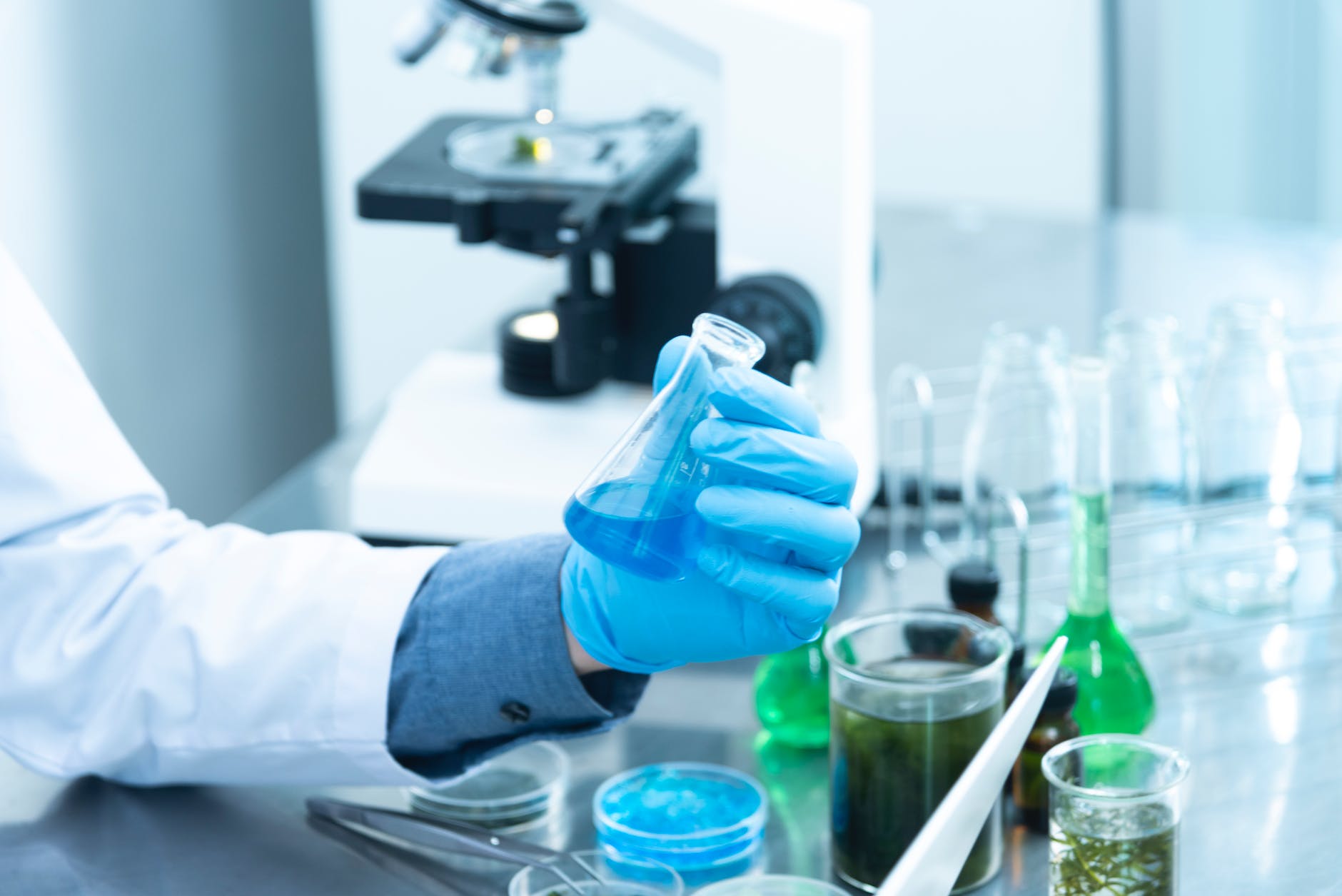
Photo by Chokniti Khongchum on Pexels.com
  1. Avoid loose fitting items of clothing. Wear appropriate shoes (sandals not allowed) in the laboratory.
  2. Backpacks, purses and quotes should be placed in the cubbyhole by the front door of the lab. Place needed items on the floor near your feet, but not in the aisle.
  3. Disinfect work areas before and after use with 70% ethanol and fresh 10% bleach. The regular disinfection of the laboratory surfaces must be done using appropriate disinfectants like hypochlorite solution which kills almost pathogenic microorganisms.
  4. Label everything clearly.
  5. Caps and lids of reagents, solution bottles, and bacterial must be replaced properly in order to prevent contamination and petri dishes must not be opened directly in the lab unless absolutely necessary.
  6. Inoculating loops and needles should be flame sterilize in a bunsen burner before you lay them down.
  7. Turn of bunsen burner when not in use. Long hair must be restrained if bunsen burner are in use.
  8. Flame sterilization using alcohol must be done so carefully and it must be kept in mind that no papers or similar materials that can catch fire easily are nearby.
  9. Treat all microorganisms as potential pathogens and culturing of microorganisms must be done inside a special sterilized laminar flow hood and not outside it because many air-borne microorganisms can be spread.
  10. Wear disposable gloves when working with potentially infectious microbes and samples. If you are surely working with a pathogenic sample, you must handle it with extra care so that it doesn’t spill out on you or on any surface of the laboratory.
  11. Sterilize equipment and materials.
  12. Never pipette by mouth.
  13. Consider everything a bio hazard. Do not pour anything down the sink. Autoclave liquids and brought cultures to sterilize them before discarding.
  14. Dispose off all solid waste material in a biohazard bag and autoclave it before discarding in the regular trash.
  15. There are a special column of safety equipment in the laboratory which you must be aware of so that in case of any emergency you can make use of those safety equipments.
  16. Dispose of broken glass in the broken glass container.
  17. Dispose of razor blades, syringes, and sharp metal object in the “sharps” container.
  18. If by any chance, there is any type of spill of sample or culture or any media, you must immediately contact your instructor or mentor so that he/she can help you and find a solution to remove it from the surface. If you’re able to clean the spill by yourself do it immediately.
  19. In the same way, in case of any mishappening or sudden accident, you must immediately report to your instructor for the immediate help.