
All about Drought


What is Drought?

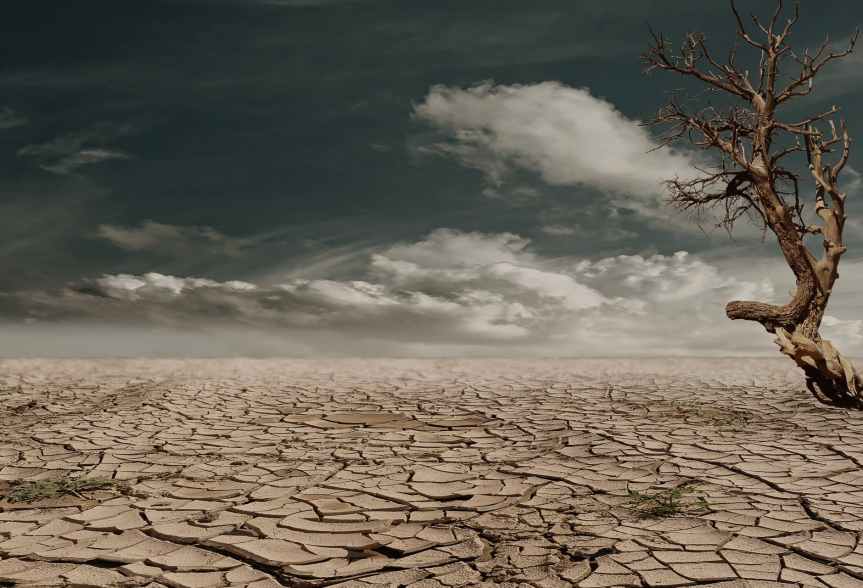
It is an extended period of time when there is shortage of water availability with respect to atmospheric (below average precipitation), surface water or ground water. It can last for months or years.

source: worldatlas.com


Types of Drought

It is classified mainly into three types, they are as follows:

  1. Meteorological Drought :- It is a condition when there is a prolong period of inadequate precipitation. It usually precedes other kind of drought.

  2. Agricultural Drought :- It can be also called as Soil Moisture Drought, characterized by low soil moisture that is necessary to support crops. Due to which there is crop failure in the area affected by this drought. There are many reasons for this drought to occur such as erosion, and events that cause depletion in nutritious content of soil.

  3. Hydrological Drought :- It is a situation where availability of water in reserves like aquifiers, lakes and reservoirs falls below the level, which precipitation can replenish. This drought tends to show up more slowly.

Causes

There are many causes of drought, some are explained below:

  • Precipation Deficiency :- Precipation can be of three types, they are ice, liquid water and water that freezes on contact. Low level precipation can lead to drought. It mainly occurs in region where normal level of rainfall is low.

  • Dry Season :- Dry season causes drying of rivers, lakes and other water bodies due to which it increases drought occurences.

  • Human Activities :- The ability of land to capture and hold water reduces due to overfarming, excessive irragation, deforestation and erosion. As water holding capacity of land is reduced there is depletion in ground water levels which further affects vegetation.

Can First Rainfall break the drought?

As mentioned above drought is a situation where there is shortage of water for an extended period of time, So First rain cannot break the drought but it is capable of providing temporary relief. A light or moderate rainfall can reduce temperature and provide cooling whilethe rain will be quickly evaporated or used by plants as it seeps into soil, which will provide more relief. Soaking of rain in land is best against drought as it increases ground water due to which plants can grow properly; It also feeds streams i.e. provides water to lakes, rivers, etc.

Consequences

There are many consequences some are mentioned below:

  • Famine :- Drought destroys food sources, as it has less water to support plants, crops, fodder crops, etc. Due to which animals, cattles, poultry cannot have enough food to eat. Even human beings has less food available. When this condition continues for long time period then it may lead to famines.

  • Decrease in drinking water :- Most of natural and man-made reserves dry up or has very less water to quench thirst of living beings. At this times many animals and birds either die or migrate to some other places.

Measures

  • Dams :- additional water can be supplied at time of drought with help of dams.

  • Desalination :- sea water can be used for irrigation or consumption.

  • Inter-connectivity of water bodies can help reduce severity of drought. For example if there is a drought like situation then water from other bodies can be provided to that region so that upto some extent water needs can be fulfilled.

  • Drought severity can be reduced by rainwater harvesting on individual basis.

p { margin-bottom: 0.25cm; line-height: 115% }
Madagascar Droughts: Climate Change

Madagascar is the fourth biggest island in the world, situated in the Indian Ocean. The island country is deemed as ‘Megadiverse’ by Conservation International with more than 250,000 species of plants and animals most of which do not exist anywhere else. Almost 90% of the species found on the island are endemic. The island of 28 million people is one of the poorest countries in the world and has been ravaged by many natural and human-induced hazards.

So we can confidently say that the country is extremely rich and unique biodiversity. On the eastern coast of Madagascar the Rainforests of Atsinanana comprising of six national parks with an endemic rate of species touching almost 80%. This area has also been added to the World Heritage List since 2007. The area is considered important to both ecological and biological processes and it also supports the rare species of Lemurs and many other primates.

Deforestation has been a major issue in Madagascar and this has also threatened the Lemurs and them and many endemic species of the island heavily rely on these forests. Madagascar witnessed rapid deforestation for long a time and this only accelerated by the end of the 19th century due to French Colonization. The forested areas were gradually converted into coffee fields and the country lost its original forest cover by almost 80%. As of today, the primary forest cover stands a little over 10 percent.

Deforestation has not only affected the ecology of the country but has also affected the soil quality and increased soil degradation. Subsistence agriculture is quite common among the inhabitants of the islands. Slash and burn is another method that has affected the forest cover of the island as these methods are not beneficial after a certain population cluster. Another big reason for the rapid deforestation is illegal logging and this benefits private entities and large corporations. The country has also seen a rapid growth in its population which currently is estimated at 26 million, up from 2.2 million in 1900. This has increased the requirement for more land for cultivation.

Currently, Madagascar is going through a very severe drought and deforestation can partly be a reason for this phenomenon. But there are other issues of cause too. Due to climate change, Madagascar has also suffered the consequence of the increased frequency of extreme weather events. It’s the worst drought in 40 years and has taken grip of the Southern part of the island. Due to low rainfall various streams, rivers and small dams built for irrigation dried up last year. The majority of the people in the south of the country rely on rain-fed, small-scale agriculture to survive.  With no rainfall and non-existent agriculture output, there has been an emergency in the country with severe food scarcity. Many people in the region have resorted to eating insects, wild roots.

According to experts’ deforestation, drier soils and higher temperatures due to climate change are the likely cause of droughts.

Climate experts

The island is already suffering from the covid-19 virus combined with the pressure of droughts and famines have caused strain to the poor country. Food and other aids are being provided to the affected areas of the country but supply is still not aligning with the current demand. A long-term solution will be required to tackle this situation as this problem is only going to get more serious in the future.

References: