

Introduction
Bengal is well-known for its music, cinema and delicious food, especially the mouth-watering sweets. In fact, it’s rather hard not to run into a sweet shop in almost every corner of the land, including the narrowest of the lanes. And, it’s equally hard to find a Bengali who is not in love with their ‘mishti’. Bengalees are incredibly proud of the sweets of Bengal and their unique appeal. And for a good reason too — Bengali sweets have wooed Indians and foreigners alike.
History of Sweets in Bengal
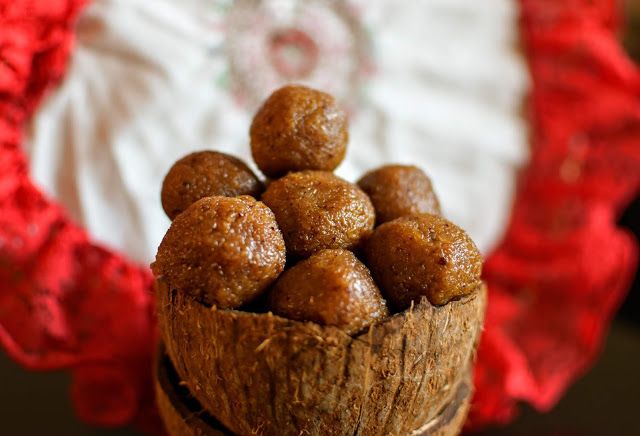
The prominent presence of sweets in Bengali cuisine can be noted throughout history. Ancient Bengal was known as ‘Gauda Banga’, a name believed to be originated from the term ‘Gur’ or molasses that were harvested in abundance in the region. The early Bengali sweets were made from the delicious jaggery or molasses and coconuts. There were several sweets made from ‘khoya and kheer’, which are Bengali names for milk solids and condensed milk, respectively. Sweets like ‘Naru’, ‘Moya’ and ‘Takti’ were popular in ancient Bengal. The uses of different fruits to make a variety of sweets were also prevalent. Books like Manasa Vijaya Kavya, written by 15th-century Bengali poet Bipradas Pipilai, also account for how varieties of ‘pithe’ or Indian Cake made from rice flour, jaggery, kheer and milk solids have been an integral part of Bengali rituals and festivals.
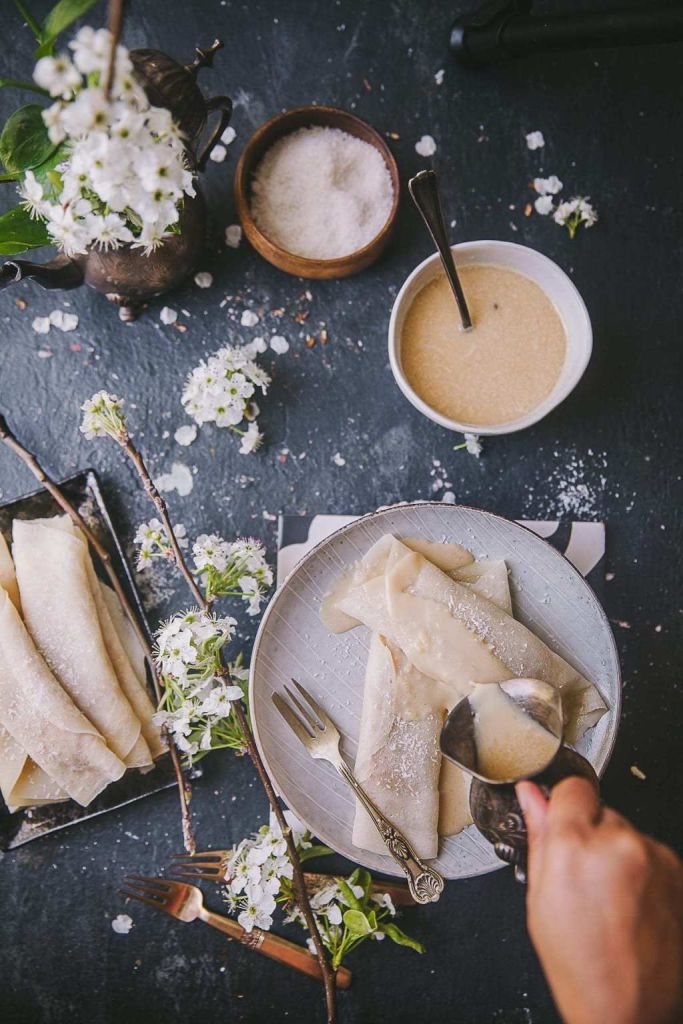
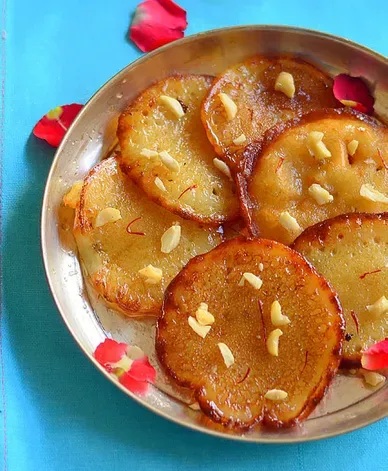
The introduction of ‘Chhana’ (Cottage Cheese) in Bengali cuisine happened after the Portuguese invaded Bengal, yet it’s interesting how today most of the characteristic Bengali sweets are made primarily from fresh ‘chhana’ (cottage cheese) and sugar. The curdling of milk with an acidic substance was forbidden according to Hindu cultures, but the Portuguese loved their cheese. After settling down in and around Kolkata in the 17th century, the Portuguese tradition of making sweets with cheese inspired the local cuisine as well. The Bengali confectioners then picked up this incredible art of curdling milk and creating mouth-watering ‘Sandesh’ and ‘Rosogollas’ among others.
Some Famous Bengali Sweets
Bengalees love all their sweets but among those, some are all time winners who can brighten up moods on a tiring day, and can even spoil a diet that you are maintaining for too long! Let’s dive deep into the varieties of some scrumptious and unique Bengali Mishtis.
Sandesh
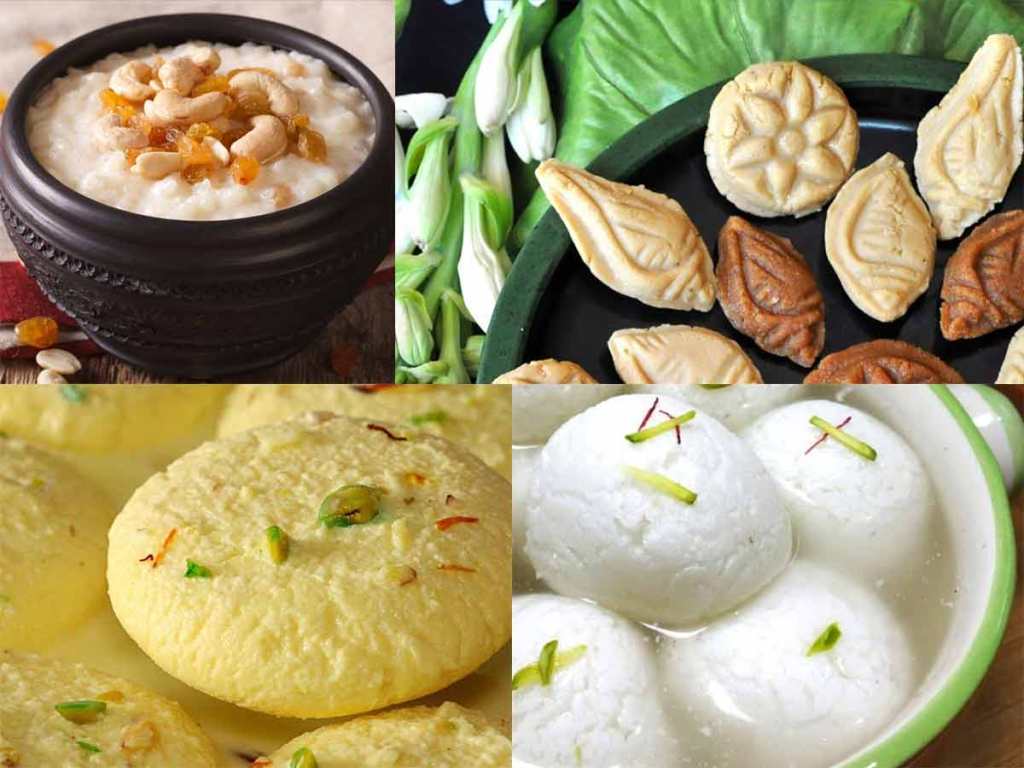
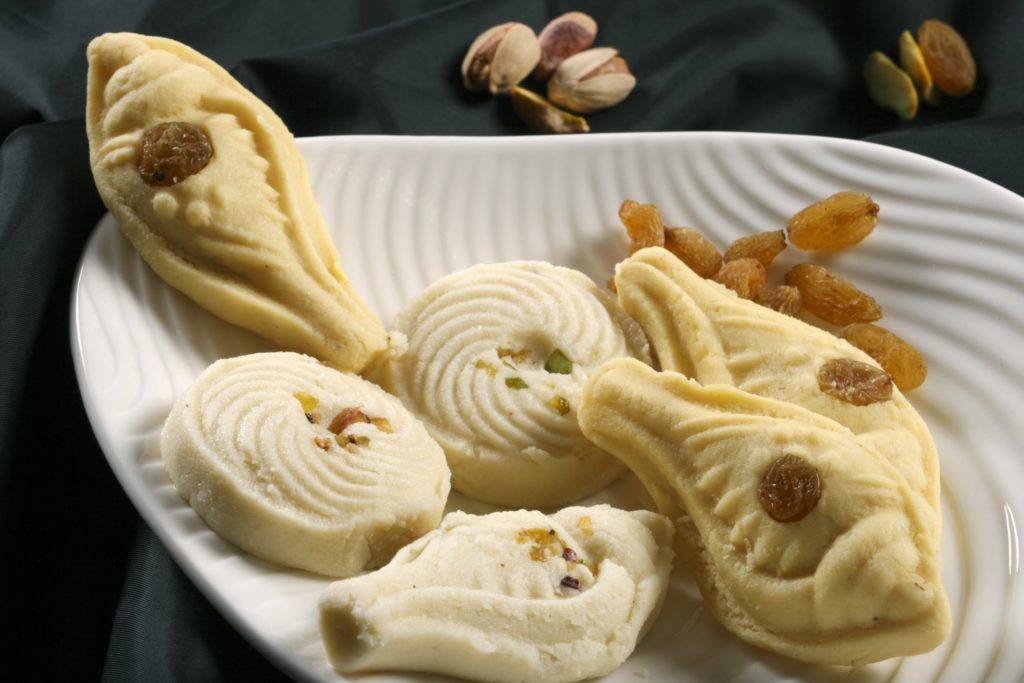
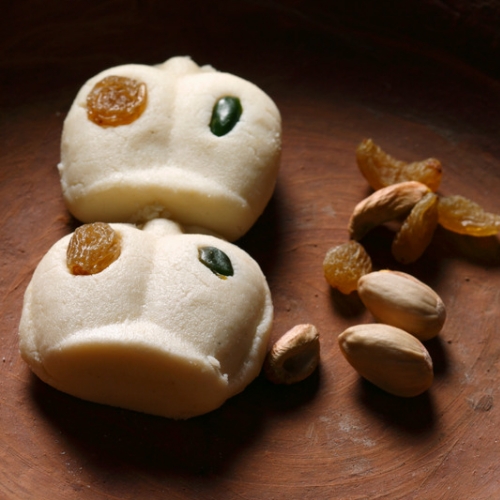
The simplest yet one of the most loved sweet of Bengal, is Sandesh. Generally, made by fine kneading of fresh cottage cheese along with sugar powder, cardamom essence and pistachios to garnish. If jaggery is used, instead of sugar then, it’s called Nolen Gurer Sandesh.
Pantua
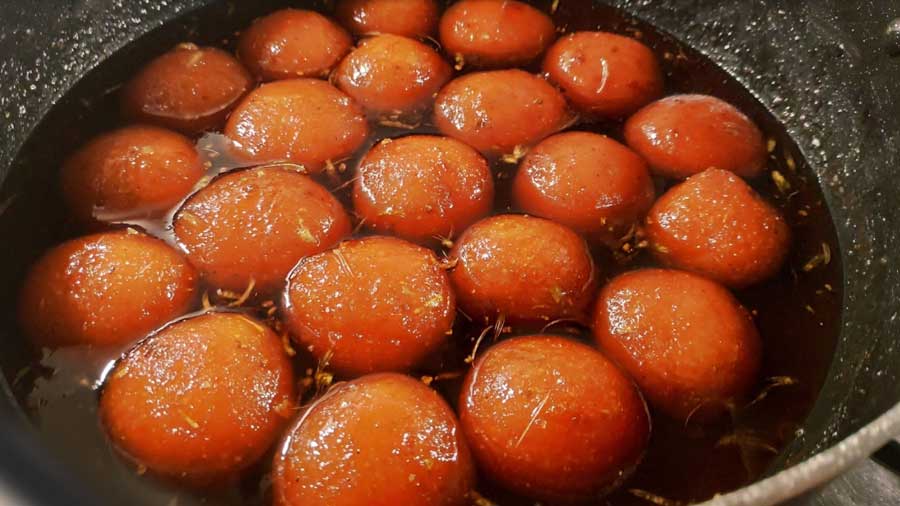
One of Bengal’s most loved syrupy sweets, is Pantua. Though it has an uncanny similarity with North India originated Gulab Jamun, taste and procedure wise they are quite different. Balls made of cottage cheese, semolina are deep fried and then tossed in sugar syrup until completely soaked in. And unlike Gulab Jamun, they can be served cold too.
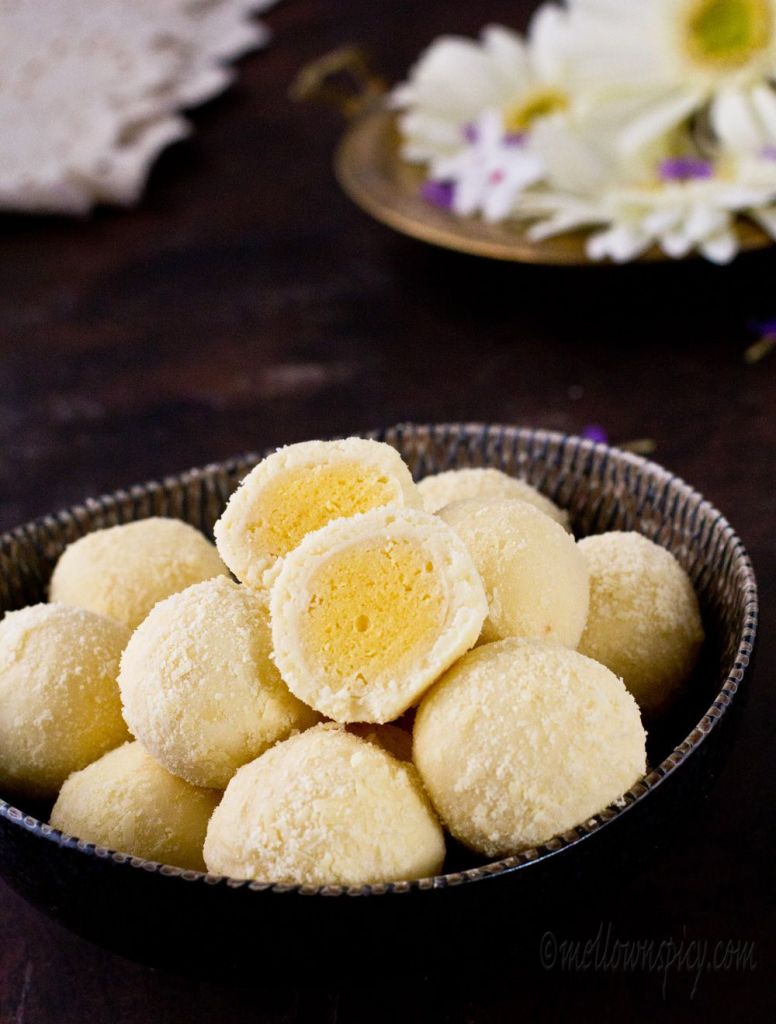
Kheer Kadam
The name of this sweet is suggestive of a flower named Kadamphool in Bengal. The flower is bright yellow in colour cover by soft, white spikes and has a distinctive smell. This Mishti resembles the flower, and has a layer of Sandesh covered over small Rosogollas .
Lyangcha
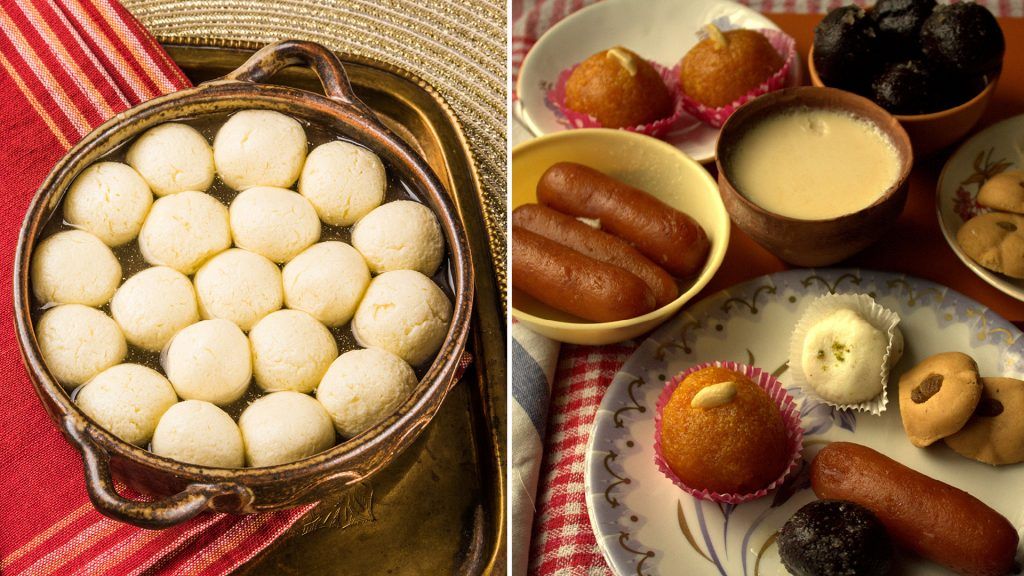
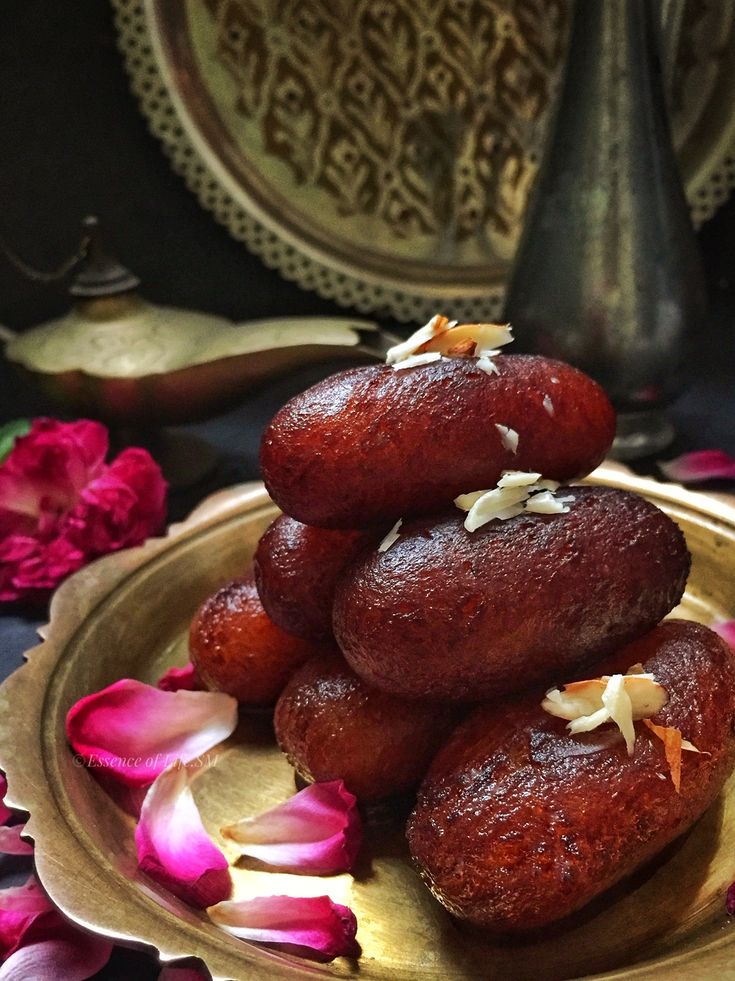
Lyangcha is a cylindrical fried sweet, soaked in sugar syrup and prepared with Fresh Chhena (Cottage cheese) and Mawa/ Khowa. To make soft and tasty Lyangcha use of Fresh Chhena is must. Originated from Shaktigarh, around 80kms from Burdwan in West Bengal, Lyangcha is a staple of Traditional Bengali Mishtis.
Komola Bhog
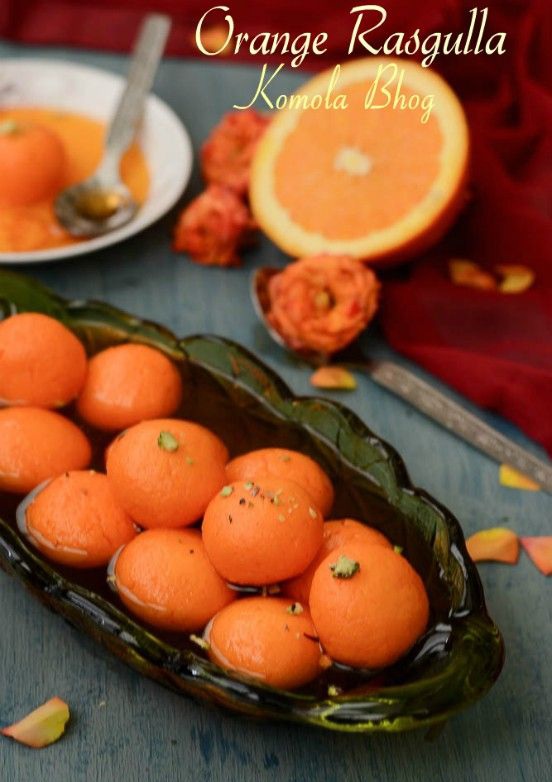
As the name suggests, Komola Bhog is literally the orange flavored Rosogolla, (Komola means Orange in Bengali) with the sweetness of Rosogollas and the tanginess of Orange. And of course, they are bright Orange in colour.
Jolbhora Sandesh
Jolbhora Sandesh, also known as Taalsas, is a sweet shaped like a ‘taal’ or kernel of the palm fruit. The sweet was created on the event of ‘Jamaisasthi’ by Surjya Modak. It is filled with sweet ‘Nolen gur’ inside and thus got its name. According to stories, Bandopadhay family of Chandernagar requested these sweets for their son-in-law. When he took his first bite of the sweet, the sweet juice spilled out. The sweet, thus, got well-known among the Bengalis.
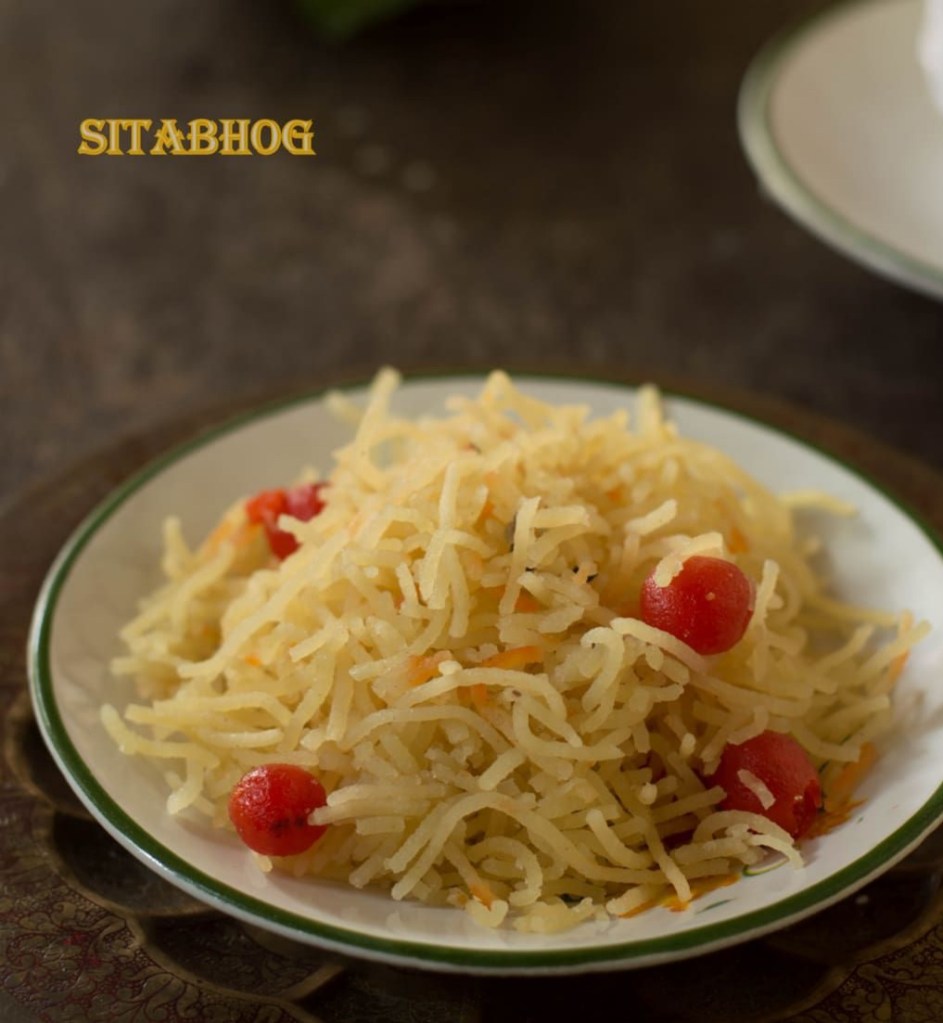
Sitabhog
Originated from Burdwan in Bengal, Sitabhog, according to Legends, was Goddess Sita’s favourite dessert and hence the name. Sita Bhog is prepared by frying a dough made of cottage cheese and powdered rice in ghee and then soaking it in sugar syrup. The final product looks like vermicelli served along with mini Gulab jamuns.
Mihi-Dana
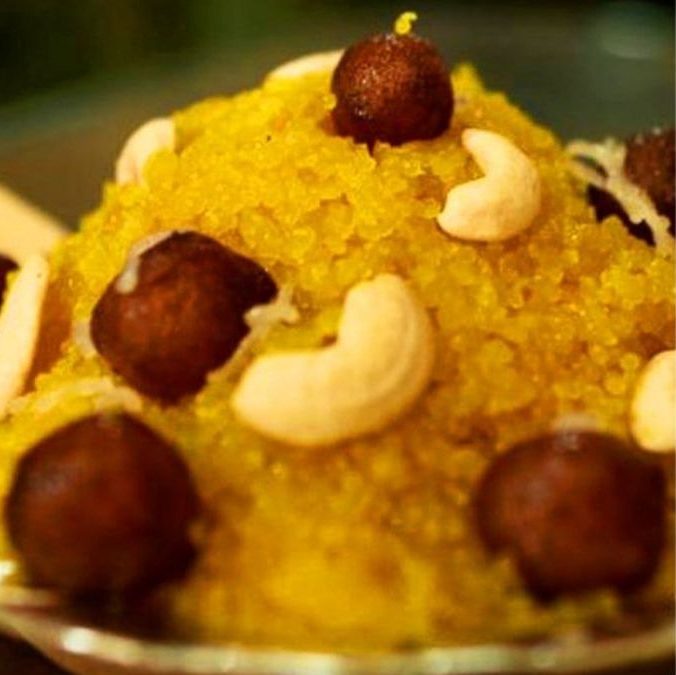
Originated from Burdwan in Bengal , these are one of the famous sweets, that has similarities with Motichur. These are granular, deep fried and soaked into sugar syrup. Recently, Mihi-Dana has received GI Tag from UNESCO and has received its first enormous foreign order to export to The Kingdom of Bahrain.
Ledikeni/ Lady Kenny
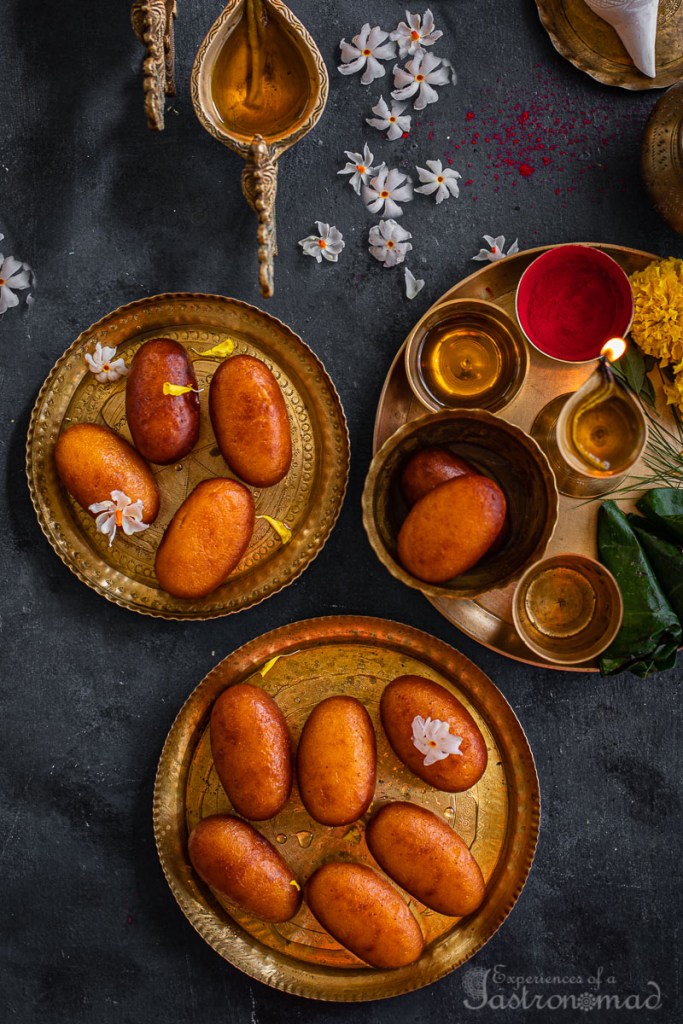
Ledikeni or lady Kenny has been a popular Bengali dish since the British rule. The dish is named after Lady Canning, the wife of Charles Canning who was the Governor-General of India during the 19th century. The dish a light brown sweet ball made of Chenna which is fried and then soaked in sugar syrup. It tastes divine and is prepared on most auspicious days.
Rosogollas
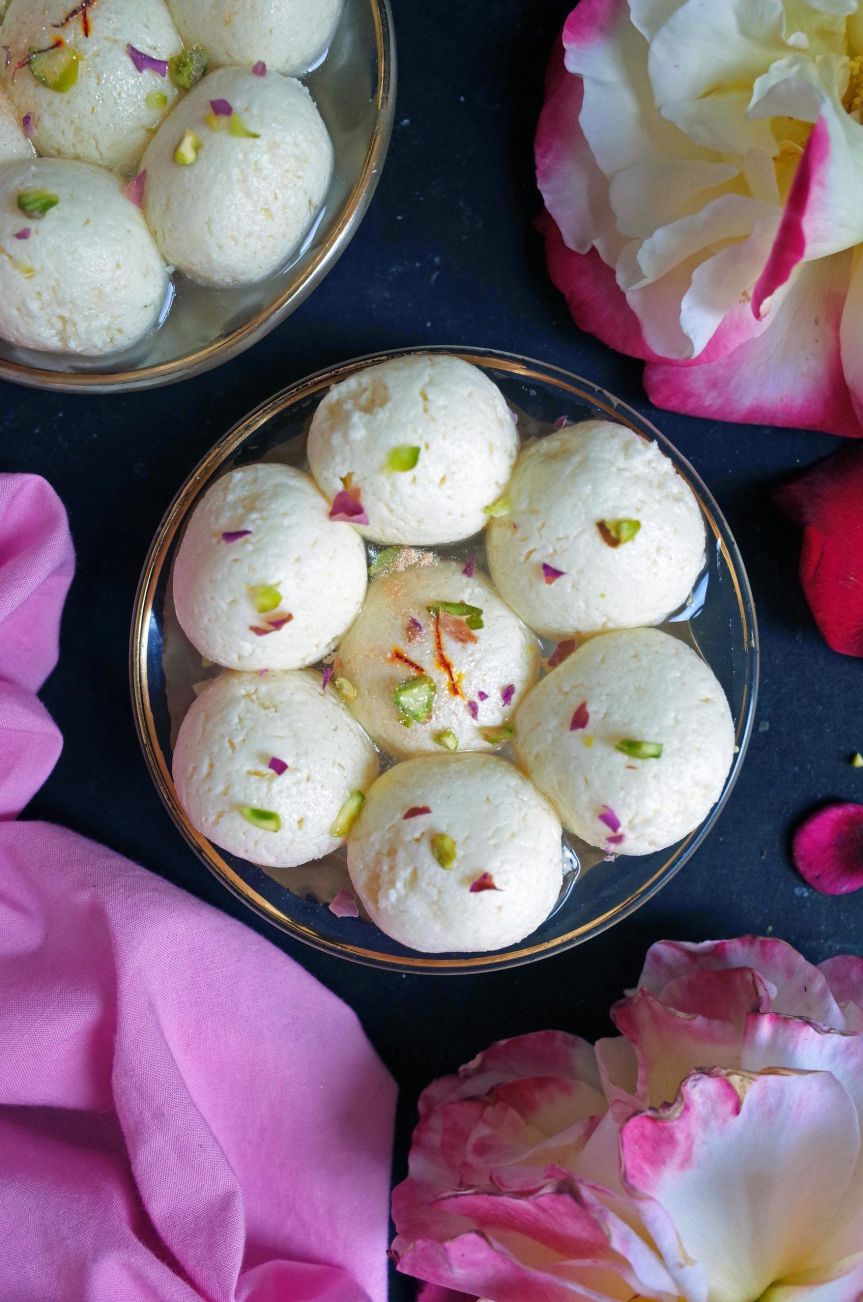
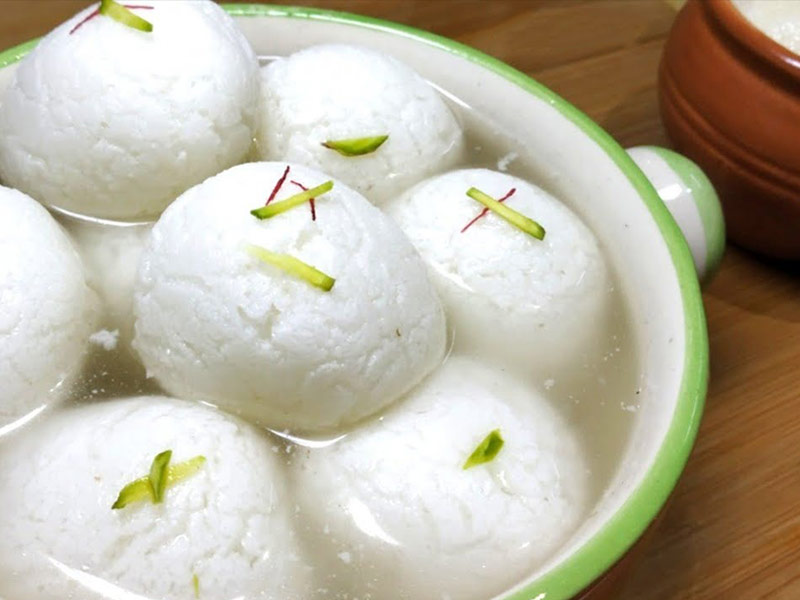
Rosogollas has done the honourable deed of introducing many, if not all, North Indians to the Bengali cuisine. These magical balls are prepared by dipping a mixture of cottage cheese and semolina dough into a sweet sugar syrup. The mere thought of those soft and spongy balls makes the mouth water.
Laal Mishti Doi (Caramelized Sweet Yogurt)
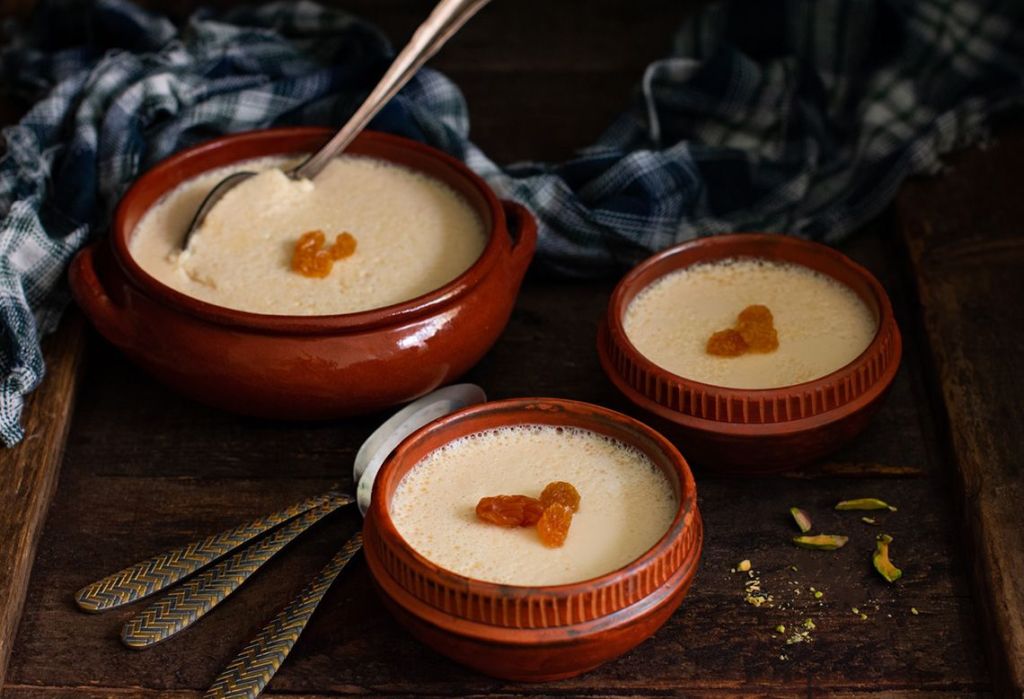
Just like the name, this Bengali dessert is extremely simple and sweet. Mishti Doi is essentially sweetened yogurt which is prepared by adding sugar to boiling milk, then leaving it to ferment overnight and is served chilled. This quintessential dessert is often served in small earthen pots which add to the aesthetics of this dish.
Conclusion
Ending on a sweet note, Mishtis are also an important part of the culture and tradition of Bengal. Be it during the festivals or weddings or just greeting guests, Bengali Mishtis are always the stars of the show. If you’re a sweet-tooth, you should try these once in a while. And good news is, that many of them are now available online to order from in India and abroad.
 Eduindex
You must be logged in to post a comment.