The Government has launched several key schemes to upgrade agricultural technology to improve productivity, sustainability, and farmers’ income. The Digital Agriculture Mission, is a major initiative that leverages technologies like Artificial Intelligence (AI), Big Data, and geospatial data for better crop monitoring, soil management, and weather forecasting. Indian Council of Agricultural Research (ICAR), during the last ten years has developed 2900 varieties out of which, 2661 varieties are tolerant to one or more biotic and/or abiotic stresses. About156 technologies/machines/process protocols were developed for production and post-harvest production of agriculture. Technologies related to animal, Fisheries sector were also developed for enhancing productivity of animal, fisheries, aquaculture, diagnostics & vaccines for animal and fish health management, processing and value addition. For increasing awareness and promotion of newly developed technologies, Krishi Vigyan Kendras (KVKs) and State Agricultural Universities (SAUs) conduct trainings, field level demonstration, farmers’ interface meetings, skill development programs among the small and marginal farmers and other stakeholders and making agriculture more efficient and profitable.
The Government has introduced many initiatives to enhance agricultural marketing such as e-NAM, Kisan Rail and Kisan Udan for improved logistics. The promotion of Farmer Producer Organizations (FPOs) aims to reduce intermediaries and strengthen market access for farmers. Additionally, agri-tech startups and online platforms like AGRI-Bazaar help farmers to connect directly with buyers, ensuring better pricing and increased income.
ICAR recommends soil test based balanced and integrated nutrient management through conjunctive use of both inorganic and organic sources (manure, biofertilizers etc.) of plant nutrients for judicious use of chemical fertilizers and to improve soil health. All these measures reduce chemical fertilizer use in the country. Also, ICAR suggests judicious use of water through efficient irrigation techniques including micro-irrigation for various crops to save irrigation water substantially.
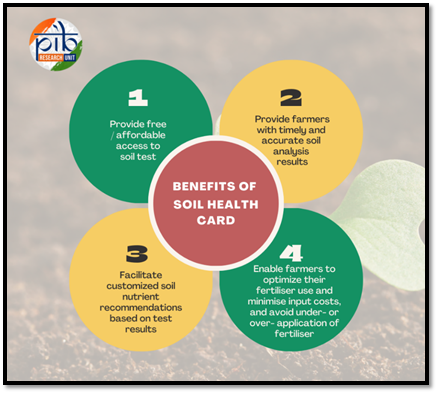
The Soil Health Card Scheme also promotes the use of soil-appropriate fertilizers to reduce wastage and improve productivity. Further, the Government supports State Governments through scheme the Per Drop More Crop (PDMC) to improve water use efficiency, reduce costs, and enhance farm income. While the Government has promoted the Pradhan Mantri Kisan Sampada Yojana, which focuses on enhancing value-added processing, improving the shelf-life of farm products, and linking farmers with agro-industries.
The Government through ICAR flagship network project ‘National Innovations in Climate Resilient Agriculture’ (NICRA) develop and promotes climate resilient agricultural technologies in 151 climatically vulnerable districts spread across the country, which are prone to extreme weather conditions like droughts, floods, frost, heatwaves, etc in light of the challenges posed by climate change. Climate resilient technologies viz., climate resilient varieties, intercropping systems, conservation agriculture, crop diversification, agroforestry systems, zero-till sowing, green manuring, integrated farming systems, integrated nutrient and pest management, organic farming, site specific nutrient management, in-situ moisture conservation, protective irrigation, micro irrigation methods etc. have been developed and demonstrated to large number of farmers through farmers’ participatory approach. Further, these technologies have been documented for 23 States and 3 Union Territories and shared with the State departments for further upscaling and convergence with on-going schemes in the States.
To promote Precision Agriculture, ICAR has a Network Program on Precision Agriculture (ICAR-NePPA) working at 16 locations to develop ICT based technologies for accelerated profitable and sustainable system through precise use of inputs. Some of the outcomes of the project related to adopting to climate change/ weather aberrations are as, sensor-based soil and crop health monitoring and precision management of inputs (water and fertilizer) using robotics, IoTs and Data analytics; developed technologies for pest and disease monitoring particularly for rice and cotton crops for value added advisories for real time management.
ICAR operates All India Coordinated Research Programme on Integrated Farming Systems (AICRP-IFS) in 25 States/UTs and All India Network Programme on Organic Farming (AINP-OF) in 16 States to develop sustainable farming practices such as alternate efficient cropping systems, integrated farming systems, organic farming and natural farming to address the challenges posed by climate change. A total of 76 models of integrated farming system (IFS) including 8 integrated organic farming system models for 26 States/UTs and organic farming packages for 80 cropping systems suitable to 16 States have been developed so far.
(c): To help farmers in building resilience against extreme weather events and ensure long-term agricultural sustainability in the country, the Government of India implements National Mission for Sustainable Agriculture (NMSA), which is one of the Missions within the National Action Plan on Climate Change (NAPCC). NMSA has three major components i.e. Rainfed Area Development (RAD); On Farm Water Management (OFWM); and Soil Health Management (SHM). The Government of India provides financial assistance to the states through the NMSA to cope with the adverse impacts of climate change.
Further, Government has introduced flagship yield based Pradhan Mantri Fasal Bima Yojana (PMFBY) along with Restructured Weather Based Crop Insurance Scheme (RWBCIS) from Kharif 2016 to help farmers build resilience against extreme weather events.
Through Technology Demonstration component of NICRA, 6,93,629 farmers were benefitted through technology demonstrations and 6,47,735 farmers were benefitted through 23,613 capacity building programs on climate resilient agriculture.
Government is promoting organic farming through the schemes of Paramparagat Krishi Vikas Yojana (PKVY) in all the States/UTs (except North Eastern States). For North Eastern States, the Government is implementing Mission Organic Value Chain Development for North Eastern Region (MOVCDNER) scheme. Both the schemes stress on end-to-end support to farmers engaged in organic farming i.e. from production to processing, certification & marketing and post-harvest management training and capacity building. Under PKVY, assistance of Rs. 31,500 per ha for a period of 3 years is provided for promotion of organic farming. Out of this, assistance of Rs. 15,000 per ha for a period of 3 years is provided to farmers adopting organic farming through Direct Benefit Transfer for on- farm /off –farm organic inputs. Under MOVCDNER, assistance of Rs. 46,500/ha for 3 years is provided for creation of Farmers Producer Organization, support to farmers for organic inputs etc. Out of this, assistance @ Rs. 32500/ ha for 3 years is provided to farmers for off -farm /on –farm organic inputs under the scheme including Rs. 15,000 as Direct Benefit Transfer to the farmers.
Two types of organic certifications systems have been developed to ensure quality control of organic produce as given below:
Third Party Certification by Accredited Certification Agency under National Programme for Organic Production (NPOP) scheme under Ministry of Commerce and Industry for development of export market. Under NPOP certification scheme the production and handling of activities at all stages such as production, processing, trading and export requirements for organic products is covered.
Participatory Guarantee System (PGS-India) under Ministry of Agriculture and farmers Welfare in which stakeholders (including farmers/ producers) are involved in decision making about the operation of the PGS-India certification itself by assessing, inspecting and verifying the production practices of each other and collectively declaring produce as organic. PGS- India certification is to meet the demand of domestic market.
The total cumulative state wise organic area covered under NPOP certification & PGS-India certification under PKVY is 59.74 lakh ha is given at Annexure-I.
Under PKVY assistance @ Rs 4,500/ha is provided for 3 years to facilitate value addition, marketing and publicity. Assistance is provided for certification & training and handholding & capacity building @ Rs 3.000/-ha for 3 years and Rs 7,500/- ha respectively for 3 years under PKVY for farmers. Whereas under MOVCDNER scheme assistance is provided @ Rs10,000/ -ha for 3 years for training, capacity building & certification.
To ensure market availability States organize seminars, conferences, workshops, buyer-seller meetings, exhibitions, trade fairs, and organic festivals either within their own region or in key markets of other states. Government has developed web portal- www.Jaivikkheti.in/ as an online marketing platform for direct sale of organic produce by farmers to the consumers to help them for better price realization. A total of 6.22 lakh farmers have been registered under Jaivik kheti portal.
Annexure-I
State wise details of total cumulative area covered under organic farming NPOP (including MOVCDNER) + PGS under PKVY till 2023-2024
In order to enhance the income of farmers, it is not only essential to enhance production and productivity of farm produce but also minimize the post-harvest losses and ensure better realization of prices for farmers through creation of modern post-harvest management infrastructure. With an objective to address the existing gaps in post-harvest management infrastructure in the country, the flagship scheme of Agriculture Infrastructure Fund (AIF) was launched in 2020-21 to strengthen the infrastructure in the country through creation of farm gate storage and logistics infrastructure to enable farmers to store and preserve their farm produce properly and sell them in the market at better price with reduced post-harvest losses and lesser number of intermediaries. Improved post-harvest management infrastructure like warehouses, Cold stores, sorting and grading units, ripening chambers etc will allow farmers to sell directly to a larger base of consumers and hence, increase value realization for the farmers. This will improve the overall income of farmers. Further, AIF scheme aims to benefit all stakeholders in the agricultural ecosystem by contributing in the holistic development of the agriculture sector. Under AIF, provision for Rs. 1 Lakh crore loan has been made through lending institutions with a interest rate cap of 9% on loans. The scheme is operational from 2020-21 to 2032-33.
All loans under this financing facility have interest subvention of 3% per annum up to a loan limit of ₹2 crores. This interest subvention is available for a maximum period of 7 years. In case of loans beyond ₹2 crores, interest subvention is limited up to ₹2 crores. Credit guarantee coverage is also available for eligible borrowers from this financing facility under Credit Guarantee Fund Trust for Micro and Small Enterprises (CGTMSE) scheme for a loan up to ₹2 crores. The fee for this coverage is borne by the Government.
Budgetary support is being provided for interest subvention and credit guarantee fee as also administrative cost of PMU. This will be amount to Rs. 10,636 crores over a period of 10 years. The detailed break up is as below.
SL NO.
Name of Component
Allotted Fund Amount
1
Interest Subvention Cost
Rs. 7907Cr
2
Credit Guarantee Cost
Rs. 2629 Cr
3
Administration Cost of PMU
Rs. 100 Cr
Total
Rs. 10636 Cr
State/UT wise details of Projects approved under AIF scheme during the last three years is as below: –
(Amount in Rs Crore)
Sl.
State / UT
Sanctioned No
Sanctioned Amount
1
Madhya Pradesh
7,701
5,853
2
Maharashtra
6,860
4,151
3
Rajasthan
1,802
2,310
4
Gujarat
2,072
2,215
5
Uttar Pradesh
3,854
3,636
6
Haryana
2,704
2,108
7
Punjab
12,003
3,116
8
Telangana
1,662
2,178
9
Karnataka
2,208
2,148
10
Andhra Pradesh
680
1,116
11
West Bengal
2,537
1,441
12
Tamil Nadu
5,889
1,189
13
Chhattisgarh
814
1,008
14
Odisha
1,098
810
15
Assam
409
726
16
Bihar
848
680
17
Kerala
1,600
604
18
Uttarakhand
236
315
19
Jharkhand
225
255
20
Himachal Pradesh
347
137
21
Jammu And Kashmir
88
198
22
Delhi
7
10
23
Goa
19
10
24
Meghalaya
2
8
25
Chandigarh
2
8
26
Arunachal Pradesh
5
6
27
Tripura
5
10
28
Nagaland
0
0
29
The Dadra And Nagar Haveli And Daman And Diu
1
1
30
Puducherry
2
2
31
Manipur
3
1
32
Mizoram
0
0
33
Sikkim
0
0
34
Ladakh
0
0
35
Lakshadweep
0
0
36
Andaman and Nicobar Islands
0
0
Total
55,683
36,250
An impact assessment study of AIF was conducted by Agro Economic Research Centre, Gokhale Institute of Politics and Economics, Pune in December 2023 to evaluate overall performance of the scheme, primarily based on feedback from beneficiaries as well as farmers in selected states. The main findings of the study are as below.
1. Based on this study, till 26th January 2025, investment in the agri sector under AIF has generated more than 9 lakh employment opportunities. Out of the sanctioned projects, nearly 97% of the projects created are in rural areas promoting investment and employment opportunities in rural areas.
2. The average number of persons employed per unit in the peak season was found to be 11. The average was highest i.e. 27 in Rajasthan and lowest i.e. 5 in the state of Maharashtra.
3. Further, the storage infrastructure created under AIF has added nearly 550 LMT of storage capacity which includes approx. 510.6 LMT of dry storage and nearly 39.4 LMT of Cold storage capacities (as on 26.01.2025). This additional storage capacity can save up to 20.4 LMT of food grains and 3.9 LMT of horticulture produce annually.
4. The Agro processing centres created under the scheme is promoting timely value-addition of farmer’s produce resulting in increase in farmer’s income up to 20% and reduction of post-harvest losses. Custom hiring centres set up under the scheme is boosting farm mechanization and adoption of better crop residue management practices.
5. 31 percent of the AIF units have availed of government subsidies also. Thus, they have been benefitted due to Convergence under AIF.
6. For around 85 percent of the total units, availability of AIF loan was the main reason for starting the unit.
It is agreed to the view that biological substitutes for chemical fertilizers and pesticides can improve health of soil, human and planet, besides benefiting farmers.
In order to promote use of bio-fertilizers, the Indian Council of Agriculture Research (ICAR) has developed improved and efficient strains of bio-fertilizers specific to different crops and soil types under the Network project on ‘Soil Biodiversity-Bio-fertilizers’. Under this project ICAR has developed improved and efficient strains of bio-fertilizer specific to different crops and soil types, Liquid Bio-fertilizer technology with higher shelf life, bio-fertilizer consortia formulation with two or more bio-fertilizer strains, microbial enriched bio-compost and Zinc & Potassium Solubilizing Bio-fertilizers. The ICAR also imparts training to educate farmers on use of bio-fertilizers.
To promote use of organic fertilizers in the country, Government is promoting organic farming through the schemes of Paramparagat Krishi Vikas Yojana (PKVY) in all the States/UTs (except North Eastern States). For North Eastern States, Mission Organic Value Chain Development for North Eastern Region (MOVCDNER) scheme is being implemented. Both the schemes stress on end-to-end support to farmers engaged in organic farming i.e. from production to processing, certification & marketing and post-harvest management training and capacity building. Under PKVY, assistance of Rs. 31,500 per ha for a period of three years is provided for promotion of organic farming. Out of this, assistance of Rs. 15,000 per ha for a period of three years is provided to farmers through Direct Benefit Transfer for on- farm /off –farm organic inputs. Under MOVCDNER, assistance of Rs. 46,500/ha for 3 years is provided for creation of Farmers Producer Organization, support to farmers for organic inputs etc. Out of this, assistance @ Rs. 32500/ ha for 3 years is provided to farmers for off -farm /on –farm organic inputs under the scheme including Rs. 15,000 as Direct Benefit Transfer to the farmers. The year-wise fund released including assistance for procurement of off-farm and on-farm organic inputs during the period of last three years is as under:
Rs. in Crore.
Year
PKVY
MOVCDNER
2021-22
88.58
133.29
2022-23
188.78
144.42
2023-24
206.39
230.67
In order to ensure the avaibility of good quality of bio-fertilizers, organic fertilizers and Bio- stimulants, the Government of India regulates its quality under the Fertilizer Control Order (1985).
Government is implementing Market Development Assistance (MDA) @ Rs. 1500/Metric Tonne to promote organic fertilizers, viz., Fermented Organic Manure/ Liquid Fermented Organic Manure/Phosphate Rich Organic Manure produced at plants under Galvanizing Organic Bio Agro Resources Dhan (GOBARdhan) scheme of Ministry of Jal Shakti, Department of Drinking Water and Sanitation.
To incentivize the farmers to reduce the overall consumption of fertilizers for improving soil health and fertility and sustainable productivity, “PM Programme for Restoration, Awareness, Nourishment and Amelioration of Mother Earth (PM-PRANAM)” incentivizes States and Union Territories to promote alternative fertilizers and balanced use of chemical fertilizers. Under this programme, 50% of subsidy savings will be passed on as a grant to the state that reduces chemical fertilizers.
National Center of Organic and Natural Farming (NCONF) and its Regional Center of Organic and Natural Farming (RCONF) located at Ghaziabad, Nagpur, Bangalore, Imphal and Bhubaneswar organise various trainings and online awareness campaign on organic and natural farming. ICAR also imparts trainings, front-line demonstrations, awareness programs etc. to educate farmers on organic farming, through network of Krishi Vigyan Kendras.
This information was given by the Minister of State for Agriculture & Farmers’ Welfare Shri Ramnath Thakur in a written reply in Lok Sabha today.
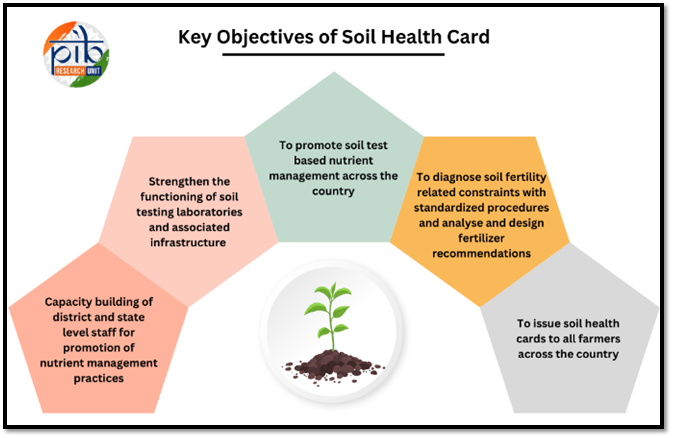
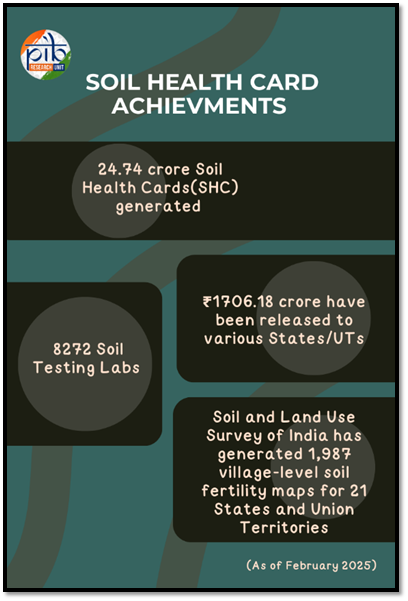
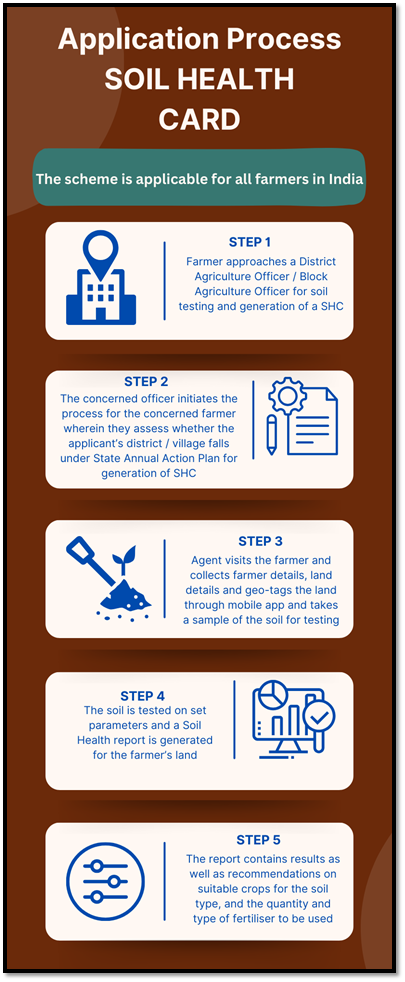
The Soil Health Card Scheme was introduced by Prime Minister Shri Narendra Modi on 19th February, 2015 at Suratgarh, Rajasthan. The scheme was launched to assist State Governments to issue soil health cards to all farmers in the country. Soil health card provides information to farmers on nutrient status of their soil along with recommendation on appropriate dosage of nutrients to be applied for improving soil health and its fertility.
The Soil Health Card Portal (www.soilhealth.dac.gov.in) facilitates generation of Soil Health Cards for the benefit of farmers in uniform and standardized format across country in all major languages and 5 dialects.
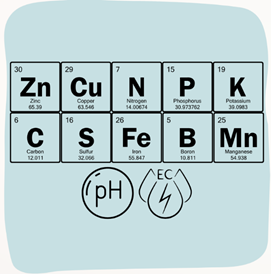
The Soil Health Card contains status of the soil with respect to 12 parameters, namely N,P,K, S (Macro-nutrients); Zn, Fe, Cu, Mn, Bo (Micro – nutrients) ; and pH (Acidity or Basicity), EC (Electrical Conductivity) and OC (Organic Carbon).
Based on this, the card will also indicate fertilizer recommendations and soil amendment required for the farm. Soil Samples are taken generally two times in a year, after harvesting of Rabi and Kharif Crop respectively or when there is no standing crop in the field.
The Guideline of Village Level Soil Testing Labs (VLSTLs) was issued in June 2023. VLSTLs can be set up by individual entrepreneurs i.e. rural youth and community based entrepreneurs, including Self Help Groups (SHGs), Schools, Agriculture Universities etc. The beneficiary/village level entrepreneur should be a youth whose age should not be below 18 years and should not be more than 27 years. Self Help Groups, Farmers Producers Organisation (FPO) can also be enrolled as VLSTL.
As of February 2025, 665 Village-level Soil Testing Labs have been established in 17 States.
School Soil Health Programme
A pilot project on School Soil Health Programme has been undertaken by Department of Agriculture and Farmers Welfare in (DA&FW) collaboration with Department of School Education & Literacy (DSE&L), Indian Council of Agricultural Research (ICAR) and State Governments in 20 schools (10 Kendriya Vidyalaya & 10 Navodaya Vidyalaya) in rural areas. The aim is to make students aware about soil health for sustainable agriculture practices. 20 soil health labs were set up in these schools. Modules for students from class VI to XII and teachers were developed and disseminated. Under the programme, soil samples were collected by School Students and soil testing were also done by students and SHCs were generated Students also educated farmers about the recommendation of Soil health card for judicious use of fertilizer and crop recommendation.
As of 2024, 1020 schools are implementing the School Soil Health Programme, with 1000 soil testing labs set up and 125,972 students enrolled.
Soil Health Card scheme has been merged in Rashtriya Krishi Vikas Yojana (RKVY) scheme as one of its components under the name ‘Soil Health & Fertility’ from the year 2022-23.
Technological Advancements
SHC Mobile App–
To further ease the process of obtaining easy access to the Soil Health Card, the Government of India in 2023 made technological interventions in the New Soil Health Card Scheme. The Soil Health Card portal was revamped and integrated with a Geographic Information System (GIS) system so that all the test results are captured and seen on a map. To make the implementation/monitoring of the scheme smooth and to facilitate farmers an easy access to his soil health card, the mobile application has been made robust with the additional features such as:
Restrict the sample collection region for the Village Level Entrepreneur/Operator collecting the soil samples
Auto selection of the latitude and longitude of the location
Generation of a QR code to link with the sample and test results of all samples directly on the portal from the geo-mapped labs, without any manual intervention.
This application provides the graphical information of all over the India and also shows multiple layers State Boundary, District Boundary, Taluka Boundary, Panchayat Boundary and Cadastral Boundary.
The new system was rolled out in April 2023 and samples are now being collected through the mobile application. Soil Health Cards are now generated on this revamped portal.
For digitizing the Soil Health Cards, Web based work flow application Soil Health Card portal has been designed and developed by National Informatics Centre (NIC).
Conclusion
The Soil Health Card Scheme has transformed agricultural practices in India over the past decade. Since 2015, it has empowered farmers with crucial information on soil nutrient status and optimal fertilizer use, promoting sustainable farming and improved crop productivity. Initiatives like the School Soil Health Programme have expanded soil health awareness among students and local communities. With a robust mobile app, the process of obtaining a Soil Health Card has enhanced accessibility, efficiency, and transparency. As the scheme evolves, it continues to play a vital role in fostering sustainable agricultural development and safeguarding India’s soil health for future generations.
Agriculture forms the backbone of many economies around the world, especially in developing countries. It provides food, raw materials, and employment to a significant proportion of the global population. The concepts of agricultural productivity and the market for agricultural produce are closely intertwined, influencing food security, economic development, and rural livelihoods. This essay delves into the intricacies of agricultural productivity, the factors affecting it, and the dynamics of the market for agricultural produce.
Understanding Agricultural Productivity
Agricultural productivity refers to the output generated per unit of input in farming activities. Inputs may include land, labor, capital, seeds, fertilizers, water, and technology. Productivity is a critical measure of the efficiency and sustainability of agricultural practices. It determines the ability of a nation to meet the growing food demands of its population and contributes significantly to economic growth.
Factors Affecting Agricultural Productivity
Technological Advancements:
Adoption of modern farming techniques, mechanization, and biotechnology significantly enhances productivity.
Precision farming, irrigation systems, and genetically modified crops are examples of innovations that have improved yields.
Soil Fertility and Management:
The quality of soil determines its capacity to support crops.
Practices such as crop rotation, organic farming, and balanced fertilization help maintain soil health.
Climate and Weather Conditions:
Temperature, rainfall, and sunlight are critical for crop growth.
Erratic weather patterns due to climate change pose challenges to agricultural productivity.
Access to Inputs:
Timely availability of quality seeds, fertilizers, and pesticides influences productivity.
High input costs or unavailability can hinder optimal agricultural output.
Government Policies and Support:
Subsidies, minimum support prices (MSPs), and agricultural extension services impact farmers’ ability to adopt better practices.
Infrastructure development, such as roads and irrigation facilities, also plays a vital role.
Education and Training:
Farmers with knowledge of modern farming techniques are better equipped to enhance productivity.
Agricultural extension programs and capacity-building initiatives are essential for disseminating knowledge.
Market for Agricultural Produce
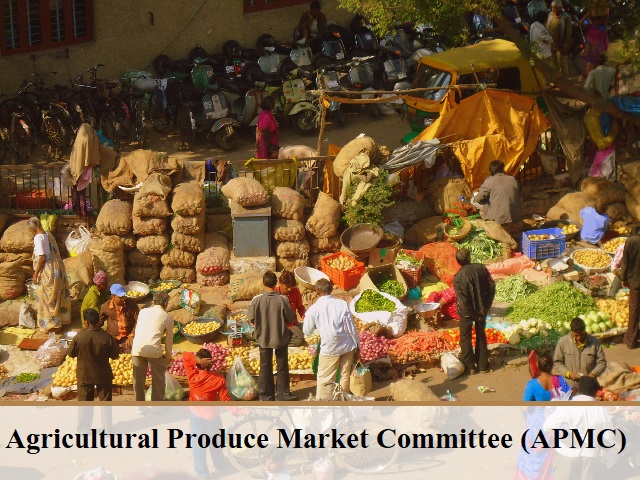
The market for agricultural produce refers to the entire system through which farm products are bought, sold, processed, and distributed. It encompasses local markets, wholesale markets, export markets, and online platforms. An efficient market system is crucial for ensuring fair prices for farmers and adequate supplies for consumers.
Challenges in Agricultural Markets
Price Volatility:
Agricultural produce is often subject to price fluctuations due to seasonal variations, demand-supply imbalances, and global market trends.
Lack of Market Access:
Farmers, especially smallholders, face challenges in accessing profitable markets due to poor infrastructure and inadequate market information.
Middlemen and Exploitation:
A significant portion of profits is often absorbed by intermediaries, leaving farmers with low returns.
Post-Harvest Losses:
Poor storage facilities, inadequate transportation, and lack of cold chains result in significant wastage of perishable commodities.
Trade Barriers:
Export restrictions, tariffs, and non-tariff barriers limit farmers’ access to international markets.
Improving Agricultural Markets
Infrastructure Development:
Investments in roads, cold storage, and warehouses can minimize post-harvest losses and improve market access.
Digital Platforms and E-Markets:
Initiatives like eNAM (National Agriculture Market) and online trading platforms can connect farmers directly to buyers, ensuring better prices.
Cooperatives and Farmer Producer Organizations (FPOs):
FPOs enable farmers to pool resources, negotiate better prices, and access markets collectively.
Government Interventions:
Policies such as MSPs and procurement mechanisms provide price stability and income security for farmers.
Value Addition and Processing:
Promoting agro-industries and value-added products increases the profitability of agricultural produce.
Interrelationship Between Productivity and Market Dynamics
Higher agricultural productivity and efficient markets are mutually reinforcing. Increased productivity ensures a steady supply of produce, stabilizing prices and enabling market growth. Simultaneously, well-functioning markets incentivize farmers to adopt better practices, invest in technology, and enhance productivity.
Conversely, inefficiencies in markets can lead to low returns for farmers, reducing their capacity to invest in inputs and technology, thereby negatively affecting productivity. Ensuring a balance between production and market demand is essential for the sustainability of the agricultural sector.
Conclusion
Agricultural productivity and the market for agricultural produce are pivotal to food security, economic development, and rural prosperity. Addressing the challenges in both domains requires a comprehensive approach that combines technological innovation, supportive policies, infrastructure development, and market reforms. By fostering synergy between productivity and market efficiency, nations can build resilient agricultural systems that cater to the needs of their populations and contribute to global food security.
References
Amadi, L. A., Ogbanga, M. M., & Agena, J. E. (2015). Climate change and feminist environmentalism in the Niger Delta, Nigeria. African Journal of Political Science and International Relations, 9(9), 361-371.
Chavas, J. P. (2008). On the economics of agricultural production. Australian Journal of Agricultural and Resource Economics, 52(4), 365-380.
de Lima, G. N., Zuñiga, R. A. A., & Ogbanga, M. M. (2023). Impacts of Climate Change on Agriculture and Food Security in Africa and Latin America and the Caribbean. In Climate Change and Health Hazards: Addressing Hazards to Human and Environmental Health from a Changing Climate (pp. 251-275). Cham: Springer Nature Switzerland.
Gollin, D. (2010). Agricultural productivity and economic growth. Handbook of agricultural economics, 4, 3825-3866.
Jack, J. T. C. B., Ogbanga, M. M., & Odubo, T. R. (2018). Energy poverty and environmental sustainability challenges in Nigeria. Ilorin Journal of Sociology, 10(1), 19-31.
Ogbanga, M. M., & Sharma, S. N. (2024). Climate Change and Mental Heat.
Ogbanga, M. M. (2024). Assessment of the Barriers to the Adoption of Clean Energy for Household Cooking in Okrika Local Government Area.
Ogbanga, M. M. (2024). Examining the Potential of Women Organisations in Promoting the Use of Clean Energy for Household Cooking; A Study of Okrika Local Government Area.
Van der Ploeg, J. D. (2019). Labor, markets, and agricultural production. CRC Press.
The Department of Animal Husbandry and Dairying (DAHD) under the Ministry of Fisheries, Animal Husbandry and Dairying is celebrating “National Milk Day” on November 26, 2024, at Manekshaw Centre, New Delhi. This event honours the 103rd birth anniversary of Dr. Verghese Kurien, fondly remembered as the “Father of the White Revolution in India,” and highlights the pivotal contributions of the dairy sector to India’s economy and nutritional security. The celebration will be graced by Union Minister for Fisheries, Animal Husbandry, and Dairying, Shri Rajiv Ranjan Singh alias Lalan Singh, as the Chief Guest, along with Ministers of State for Fisheries, Animal Husbandry, and Dairying, Prof. S.P. Singh Baghel and Shri George Kurian and several other dignitaries.
On this occasion, Union Minister Shri Rajiv Ranjan Singh will also confer the prestigious National Gopal Ratna Awards (one of the highest National awards in the livestock and dairy sector) in 3 categories namely Best Dairy Farmer rearing indigenous cattle/buffalo breeds, Best Artificial Insemination Technician, and Best Dairy Cooperative Society (DCS)/ Milk Producer Company/ Dairy Farmer Producer Organization from across the country. A newly added Special award in each category would also be conferred on winners from the North Eastern Region. During the event some awardees will also share their experiences, providing valuable insights into the best practices, innovations, and sustainable approaches they have adopted in the sector.
The event will also witness the launch of two significant publications. The first being the Basic Animal Husbandry Statistics (BAHS)-2024, which offers vital insights into the livestock and dairy sector trends, underpinning data-driven policymaking. The second is a Manual on the Identification of Elite Cows, designed to guide the creation of a national Milch herd comprising of elitist of elite dairy animals. The same, underlines the government’s focus on evidence-based decision-making and technological advancement in the field of animal husbandry.
A special highlight of the celebration is the culmination ofAll IndiaMotor Rally, organised by Amul, the leading dairy co-operative in association with Bajaj Auto, which had been flagged off earlier by Union Minister of Home Affairs and Cooperation, Shri Amit Shah on 19th November 2024 from Himmatnagar in Sabarkantha District of Gujarat. The rally groups arriving from various parts of the country will gather at Dhaula Kuan, New Delhi for the last leg and will finally arrive at the Manekshaw Centre where they will be received by Union Minister Shri Rajiv Ranjan Singh.
The event will also host two thought-provoking panel discussions. The first titled “Women Led Livestock and Dairy Sector” will explore the transformative role of women in the livestock and dairy sector, emphasizing gender inclusivity and empowerment. The second panel discussion themed “ Empowering farmers through local Veterinary support” will delve into the strategies for empowering farmers by strengthening local veterinary support systems, a critical component of India’s rural economy.
This mega event will see countrywide participation including farmers, milk federations, dairy co-operatives etc. National Milk Day 2024 celebrates India’s leadership in the global dairy sector, emphasizing the importance of sustainable and inclusive growth in livestock and dairy industries. It recognizes the dedication of dairy farmers and stakeholders, while also inspiring innovation and fostering stronger partnerships. The event serves as a platform to honour the achievements of those involved, encouraging continued collaboration and progress in the sector.
About “Basic Animal Husbandry Statistics – 2024
DAHD is set to release its annual publication titled “Basic Animal Husbandry Statistics (BAHS) – 2024”. The BAHS – 2024 is an essential publication that provides comprehensive data on the livestock sector, based on the outcomes of the Integrated Sample Survey conducted for the period from 1st March 2023 to 29th February 2024. This survey, unique in the country, generates crucial data on the production estimates of Major Livestock Products (MLPs) such as Milk, Eggs, Meat, and Wool, which plays a pivotal role in policy formulation in the livestock sector. This publication includes state-wise estimation of production and per-capita availability of MLPs including insights into the estimated number of animals involved in milk production, poultry egg-laying birds, animals slaughtered, and sheep shorn. Further, it presents valuable data on veterinary hospitals, polyclinics, gaushalas, state farms, and other infrastructure details, along with the number of artificial inseminations performed, and a global perspective on the livestock sector.
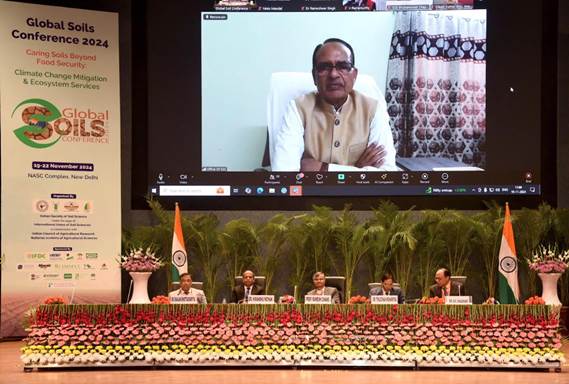
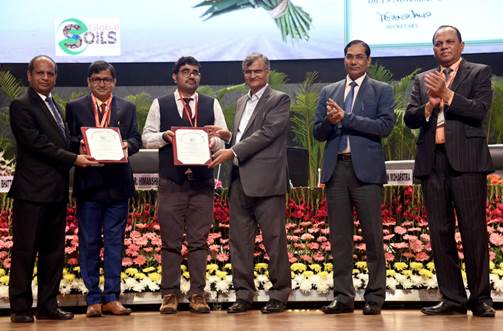
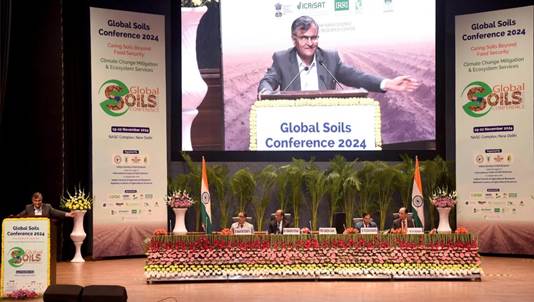
Union Agriculture & Farmers’ Welfare and Rural Development Minister Shri Shivraj Singh Chouhan addressed the Global Soils Conference 2024 organized in PUSA New Delhi today through video conferencing. Union Agriculture minister said that the basic mantra of Indian culture is the belief in a shared consciousness among all beings. Our sages have taught that there is only one universal consciousness in everyone; hence, the whole world is one family, and we should treat everyone as our own. This consciousness is not limited to humans but extends to animals as well. He also added that it is also present in the soil, emphasizing that soil is not lifeless but living.
Shri Chouhan stated that our body is made up of various elements, among which soil is a major component and only if there is soil, there is life. If the soil becomes unhealthy, living beings cannot remain healthy either. We complement each other, so it is essential to ensure that the soil remains healthy. Today, the whole world is concerned about the health of the soil. This earth does not belong to us alone; animals and plants also have rights to it, Shri Chouhan added. He also emphasized that soil health is a matter of serious concern today. India has made remarkable progress in agriculture since independence. At one time, there was a shortage of food grains in the country, and food had to be imported from other nations. However, the Green Revolution brought about a significant transformation in India, the union minister added. The adoption of high-yielding crops and their varieties, better irrigation techniques, and modern agricultural systems have ensured food security for millions of Indians. Following this, the Rainbow Revolution further diversified agriculture through horticulture, dairy, aquaculture, poultry, and other sectors, making agriculture a main pillar of the Indian economy. “I am pleased to share that India now produces 330 million tonnes of food grains annually, contributing significantly to global food trade and generating $50 billion in export earnings” the union Agriculture minister said.
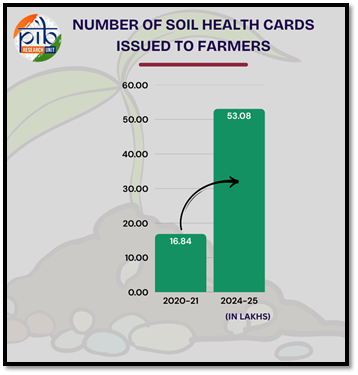
Shri Chouhan also added that increasing use and dependence on chemical fertilizers, indiscriminate exploitation of natural resources and unstable weather have put pressure on the soil. Today India’s soil is facing a major health crisis. According to many studies, 30 percent of our soil has been spoiled. Soil erosion, salinity, pollution are reducing the level of essential nitrogen and micro nutrients in the soil. The lack of organic carbon in soil has weakened its fertility and resilience. These challenges not only affect production but will also create livelihood and food crisis for farmers in the times to come, Union Minister said. Our government has taken many initiatives for soil conservation and which leads to higher soil fertility. Making Soil Health Card was started in 2015 under the leadership of Prime Minister Shri Narendra Modi. More than 220 million cards have been made and given to farmers. And Farmers now know which fertilizer to use in what quantity through the soil health card. Under Pradhan Mantri Krishi Sinchai Yojana- Per Drop More Crop, we have focused on judicious use of water, reducing wastage and reducing peak nutrient residues. An organic basic development compilation has been created for the North East and farmers in these 8 states are being motivated to adopt organic farming practices while protecting the biodiversity of the ecologically sensitive area. The work of making natural farming a mission is also going on in India. He also said that chemical fertilizers are not only deteriorating the health of the soil but also the health of humans and animals. To maintain soil fertility, integrated nutrient and water management methods will have to be adopted. We should take all measures to improve soil health, reduce soil erosion and water storage capacity through various methods like micro irrigation, crop diversification, agro-forestry etc.
Shri Shivraj Singh Chouhan said that the role of solution and extension systems of scientific innovations on war footing is important. Krishi Vigyan Kendras of India, in collaboration with agricultural technology management agencies, are also working to provide knowledge and skills to farmers. The lab to land distance between science and farmers has to be reduced. We are continuously making efforts to ensure timely delivery of correct information from scientists to farmers. Krishi Vigyan Kendra is also making many efforts in this direction. Shri Chauhan added that we are also going to start the program of Modern Agriculture Chaupal soon in which scientists will continuously discuss with the farmers and give information and also solve the problems. Apart from this, private and NGO led extension services have brought advanced technology to the farmers and farmers are now taking advantage of it.
The Union Agriculture Minister also added that farmers are the biggest guardians of the soil and we have to empower them through education, encouragement and modern scientific information. Youth should also be included in this. Agriculture is a profitable and respectable profession; there is a need to encourage the youth for this also. Women students and researchers should play a leading role in developing innovations that address local and global soil challenges. He said that soil erosion is not only a national issue but a matter of global concern which is a part of the Sustainable Development Goals of the United Nations. It is essential to achieve the SDGs. The conference is an opportunity for nations to collaborate, share technologies and work towards sustainable land management. I urge all participants to consider solutions that can be implemented on a large scale that will benefit not only the farmer, but entire humanity and the entire fauna and trees. I call upon scientists, stakeholders, policy makers, industry representatives, NGOs and students to join hands in the mission to restore soil health. The Government of India is committed to supporting initiatives that ensure sustainable and profitable agriculture, resilient ecosystems and food security for all. Together we pledge to ensure a sustainable future for all living beings and future generations, Shri Chouhan concluded.
Prof.Ramesh chand, Member of NITI Aayog, Dr.Trilochan Mohapatra, chairperson Protection of Plant Varieties and Farmers’ Rights Authority, and former Secretary DARE and DG ICAR, Dr Himanshu Pathak, Secretary DARE and Director General, ICAR&President ISSS were present at the function.
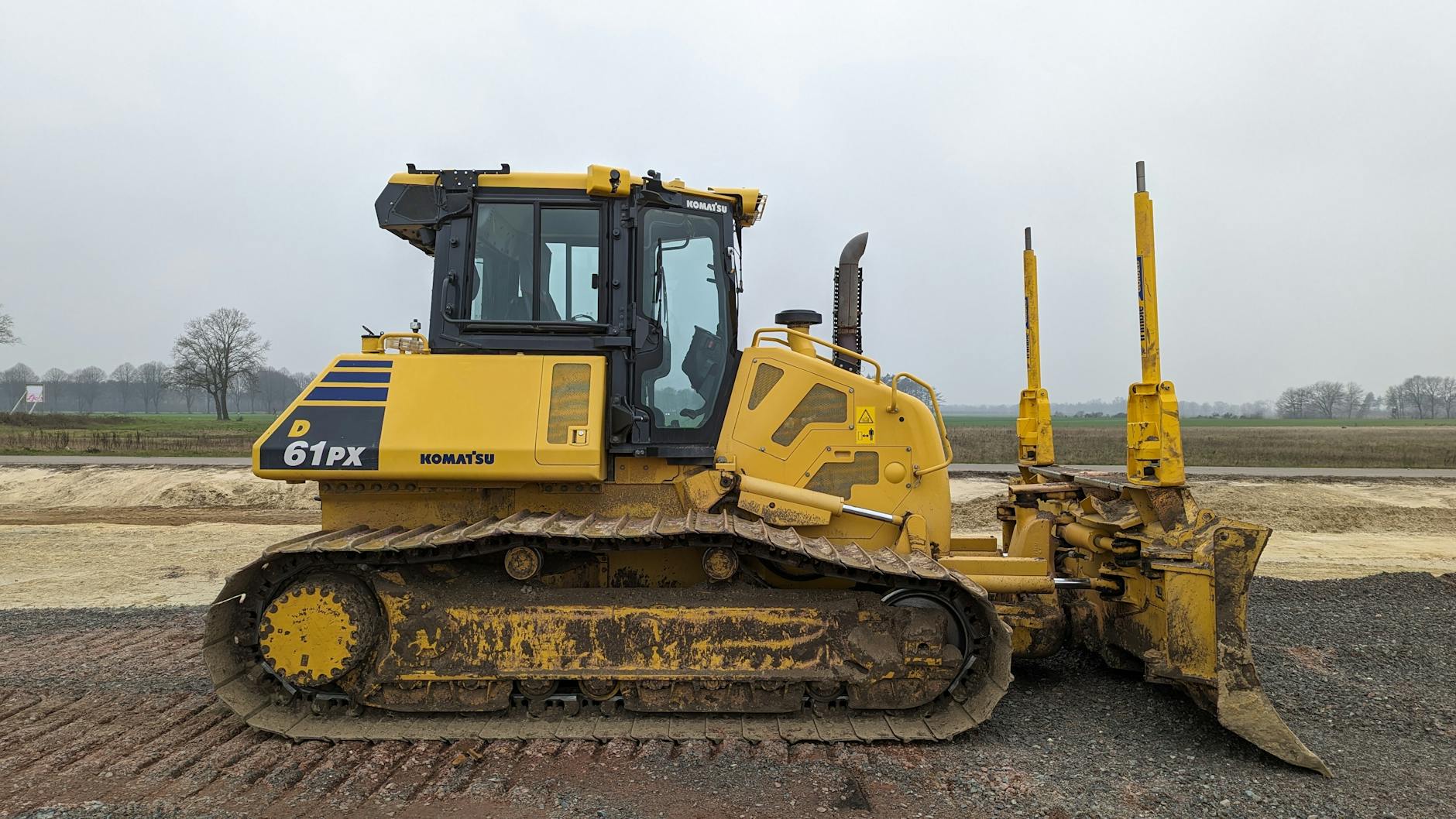
When it comes to construction, what’s beneath the surface is as crucial as what’s above it. Understanding soil types can mean the difference between a sturdy structure and a costly mishap. For professionals in the construction industry, knowing the types of soil they are dealing with is not just beneficial—it’s essential. This blog post will uncover the importance of soil analysis in construction and provide insights into how different soil types can impact your building projects.
Why Soil Matters in Construction
The ground you build on is your foundation, both literally and figuratively. The type of soil determines the stability of your project. For builders, this knowledge ensures safety, durability, and cost-effectiveness. Each type of soil behaves differently under various conditions, and these differences can influence everything from the choice of materials to the design of the foundation.
First, soils have distinct properties—such as moisture retention, density, and load-bearing capacity—that directly affect how they interact with structures. Ignoring these properties can lead to issues like settling, shifting, or even structural failure. Second, understanding soil types helps in planning effective drainage solutions, which are critical in preventing water-related damage. Finally, knowing your soil type aids in estimating project timelines and costs, minimizing unexpected surprises.
Common Soil Types in Construction
Builders encounter a variety of soil types, each with unique characteristics. The most common ones include clay, silt, sand, gravel, and loam. Clay soils are dense and hold water well but can expand and contract dramatically, leading to potential foundational cracks. Silt, found near bodies of water, is smooth and retains water, but it can become unstable when wet.
Sand, with its large particles, drains well but doesn’t hold its shape, making it less stable. Gravel offers excellent drainage and stability, yet it doesn’t retain moisture, which can be both an advantage and a drawback. Loam, considered the ideal soil, is a balanced mix of clay, silt, and sand, providing good drainage, stability, and fertility.
The Impact of Soil Composition
Understanding the composition of the soil on a building site is crucial for making informed decisions. Soil composition affects load-bearing capacities and the potential need for soil modification techniques. For instance, clay-heavy soils might require stabilization or specific foundation designs to accommodate their expansion and contraction tendencies.
The mineral content of soil also influences its behavior. High organic content can cause soil to shrink or decompose, impacting structural integrity. Furthermore, certain minerals can corrode building materials over time, necessitating protective measures. By analyzing soil composition, builders can tailor their approach to ensure safety and longevity.
Soil Testing Methods
Before breaking ground, it’s vital to perform a thorough soil test. Several methods can help determine soil type and suitability for construction. The simplest is the visual inspection, observing color, texture, and structure. However, more detailed laboratory tests analyze moisture content, density, and load-bearing capacity.
Field tests, such as the Standard Penetration Test (SPT) and Cone Penetration Test (CPT), provide in-situ data about soil conditions, helping builders understand how soil will behave under stress. These tests are crucial for designing foundations and predicting how soil might shift over time.
The Role of Soil in Foundation Design
The type of soil influences the design and depth of foundations. For example, clay soils might require deeper or wider foundations to distribute weight and prevent movement. Sandy soils, which offer less support, may necessitate specialized piling techniques to achieve stability.
Understanding soil properties allows builders to choose appropriate foundation types, whether slab, pier, or basement. Proper foundation design minimizes risks and ensures long-term structural safety.
Drainage and Soil Considerations
Effective drainage is integral to maintaining soil stability around a structure. Poor drainage can lead to waterlogging, erosion, and foundation issues. Different soil types require unique drainage solutions. Clay, which holds water, demands well-planned systems to divert excess moisture away from structural elements.
Conversely, sandy soils require techniques to retain enough moisture for plant growth while avoiding erosion. Implementing the right drainage solutions enhances the longevity and safety of construction projects.
Addressing Soil Stability Challenges
In some cases, soils may not be naturally suitable for construction, necessitating stabilization techniques. Lime stabilization, for instance, can improve clay soil’s load-bearing capacity by altering its chemical properties. Geotextiles and geogrids are often used to reinforce weak soils, providing additional support.
These techniques enhance soil stability, allowing for safe construction on challenging sites. By addressing soil stability concerns early, builders can avoid costly repairs and ensure the success of their projects.
The Importance of Local Expertise
Local knowledge plays a significant role in understanding soil types and their impact on construction. Excavation contractors in Salt Lake City, for instance, have unique insights into the regional soil conditions and can provide invaluable guidance. Collaborating with local experts ensures that your project adheres to best practices and local regulations.
This partnership minimizes risks associated with soil-related challenges and helps streamline the construction process, saving time and resources.
Environmental Considerations in Soil Management
Sustainable construction practices take into account the environmental impact of soil management. Preserving the natural landscape and minimizing soil disruption are key factors. Implementing erosion control measures, such as vegetation cover and retaining walls, helps maintain soil health.
Additionally, using recycled materials and environmentally friendly stabilization techniques contribute to sustainable building practices, benefiting both the environment and the community.
Monitoring Soil After Construction
Once a project is complete, soil monitoring remains essential. Regular inspections help identify shifts or changes in soil conditions that could affect structural integrity. Monitoring moisture levels, drainage efficiency, and any signs of erosion are important maintenance tasks.
Proactive soil management ensures that the building remains safe and stable over time, protecting both the investment and its occupants.
Conclusion
Understanding soil types and their impact on construction is a foundational aspect of successful projects. By knowing the characteristics and behaviors of different soil types, builders can make informed decisions that enhance safety, longevity, and sustainability. From testing and stabilization to collaboration with local experts, every step contributes to a solid foundation for your construction endeavors.
For further exploration of soil types and construction techniques, consult industry resources or connect with professionals who can provide tailored guidance. With the right knowledge and approach, you can ensure that your construction projects stand the test of time.
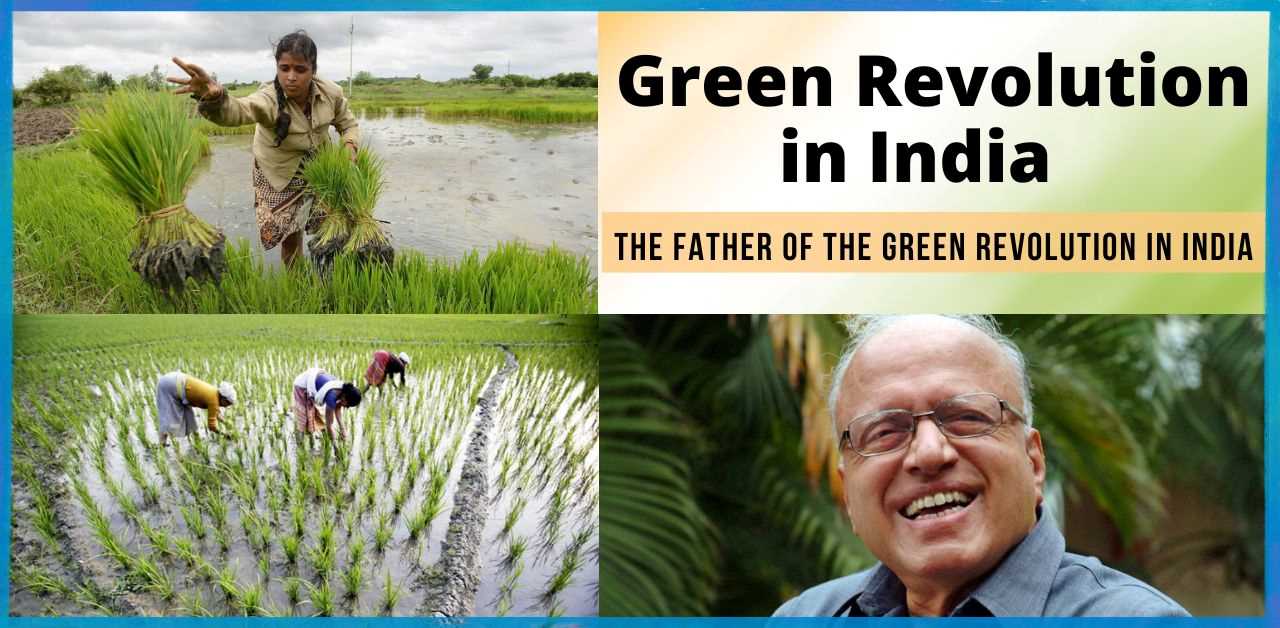
Green revolution, great increase in production of food grains (especially wheat and rice) that resulted in large part from the introduction into developing countries of new, high-yielding varieties, beginning in the mid-20th century. Its early dramatic successes were in Mexico and the Indian subcontinent.
part of a larger initiative by Norman Borlaug, Green Revolution in India was founded by M S Swaminathan. The aim was to increase agricultural productivity in the developing world with use of technology and agricultural research.
The Green Revolution was initiated in the 1960’s to address the issue of malnutrition in the developing world. The technology of the Green Revolution involved bio-engineered seeds that worked in conjunction with chemical fertilizers and heavy irrigation to increase crop yields.
The amount of greenhouse gas emissions will help to reduce this. It allows us to create more food than conventional methods of growing. In uncooperative conditions, it offers us with predictable yields. It allows a decline in food costs for the world economy.
it was beneficial because it helped produce more food and prevented the starvation of many people. It also resulted in lower production costs and sale prices of produce. Although it had several benefits, the Green Revolution also had some negative effects on the environment and society.
The Green Revolution was a significant period of agricultural innovation and development that began in the mid-20th century, aiming to increase agricultural productivity worldwide, particularly in developing countries.
Key elements of the Green Revolution included:
High-Yielding Varieties (HYVs): Scientists developed new varieties of seeds, particularly for staple crops like wheat, rice, and maize, which had higher yields and were more resistant to diseases and pests.
Intensive Use of Chemical Fertilizers and Pesticides: To support the growth of these high-yielding crops, farmers began using synthetic fertilizers and pesticides on a larger scale.
Irrigation Techniques: Implementation of improved irrigation systems, like drip irrigation, helped provide water to crops more efficiently.
Mechanization: Introduction of machinery and technologies into agriculture, such as tractors and combine harvesters, to streamline farming processes.
The Green Revolution had several positive impacts:
Increased Agricultural Productivity: Crop yields soared, leading to more food being produced on existing farmland.
Food Security: It helped alleviate hunger in many parts of the world by increasing food availability.
Economic Growth: Improved agricultural productivity contributed to economic growth in many developing countries.
However, there were also concerns and criticisms associated with the Green Revolution:
Environmental Impact: Excessive use of chemical fertilizers and pesticides led to soil degradation, water pollution, and loss of biodiversity.
Social Disparities: The benefits of the Green Revolution were not equally distributed, leading to socioeconomic disparities between wealthy and poor farmers.
Sustainability Concerns: Reliance on high inputs of water, chemicals, and specific seed varieties raised concerns about the long-term sustainability of this agricultural model.
Efforts have been made to address these issues through sustainable agricultural practices, emphasizing environmentally friendly approaches and technologies while aiming for increased productivity and food security without compromising the environment or social equity.
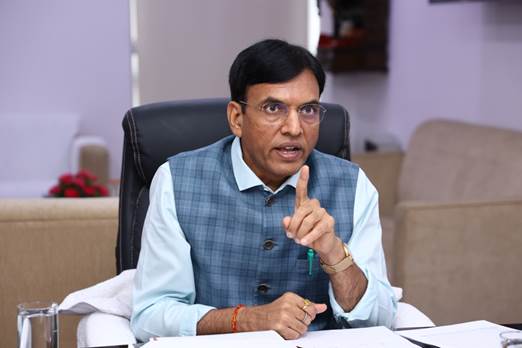
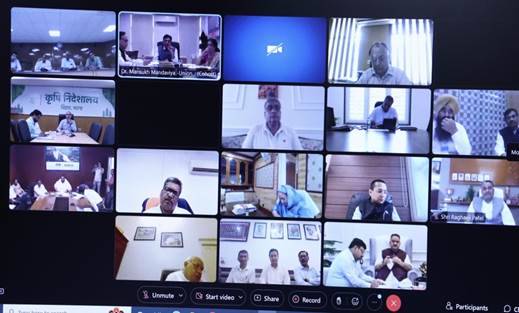
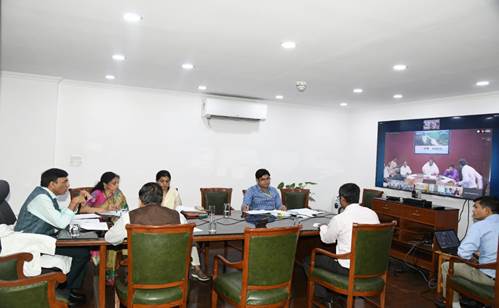
Union Minister of Chemicals and Fertilizers, Health & Family Welfare Dr. Mansukh Mandaviya interacted with State Agriculture Ministers on the availability and use of fertilizers in the country, here today. During the meeting he also reviewed progress of nano urea, nano DAP and promotion of alternate fertilizers at the field leveland steps initiated by the States in this regard.
At the outset, Dr. Mandaviya informed all the States that there is adequate availability of fertilizers in the country with the present level of 150 LMT stocks. This stock will not only take care of ongoing Kharif Season but will also ensure comfortable opening for the forthcoming Rabi Season.
Dr Mandaviya highlighted the necessity of reducing the excessive use of chemical fertilizers to save soil. He reiterated that Union Government has already taken a step in the form of PM PRANAM scheme. The efforts also include introduction of slow-release Sulphur Coated Urea (Urea Gold), nano urea, nano DAP etc. to promote use of alternate fertilizers to save the mother earth. The State Government expressed their willingness to be active participants in this resolve.
There was a discussion on the initiative of PMKSKs across the country which are acting as One-Stop-Shop catering to all the needs of farmers at one place. He made an appeal to all the State Agriculture Ministers and State Government Officials to regularly visit these PMKSKs and spread awareness among farmers.
Hon’ble Minister made an earnest appeal to the States/ UTs about the need to keep a check on diversion of agriculture grade urea for non-agricultural purpose. He further asked the States/ UTs to run awareness campaigns, thereby, reducing the possible diversion of Agriculture Urea and to take strict action against the defaulters. It is recalled that based on the Joint Inspections by the Fertilizer Flying Squad of Centre Government and various State Agriculture Departments, State Governments have registered 45 FIRs against defaulting Urea Using Units, cancelled licenses of 32 Mixture Units and de-authorized 79 mixture units along with strict actions under Essential Commodities Act & Prevention of Black Marketing Act. The State Government also echoed the sentiment of Zero Tolerance against such culprits.
The Meeting concluded with Centre and States on board to take all necessary steps forward to promote use of alternate fertilizers, reduce the excessive consumption of Chemical Fertilizers. The recently launched initiatives like PM-PRANAM, Urea Gold, Nano-Urea, Nano-DAP were well recognized by the States with equal resolve to achieve the desired results in the larger interests of the farming community.
State Agriculture Ministers from various States and senior officers from State Governments and senior officials of Department of Fertilizers & Department of Agriculture & Farmers Welfare attended the meeting.
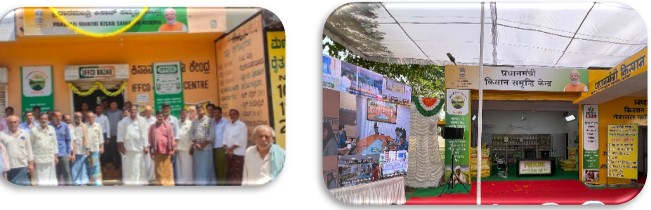
Under Pradhan Mantri Kisan Sammrudhi Kendras (PMKSK), 600 existing district level retail shops are remodelled and provided more facilities to the farmers in terms of agri inputs and services. These kendras were inaugurated by Prime Minister on the occasion of PM Kisan Sammelan. All these centres have become excellent examples of swachhata Campaign 2 initiatives with clean premise and enhanced facilities for farmers.The launch of the 600 Pradan Mantri Kisan Samruddhi Kendras (PMKSK) across the country is one of the best practices adopted as part of the SpecialCampaign 2.0 initiativesby the Department of Fertilizers.
.
This is in addition to the other initiatives undertaken on Special Campaign 2.0 by the Department of Fertilizers that includes identification of 13 Sites from its Headquarter and its PSUs which are under the administrative control of the Department of Fertilizers to carry out weeding out of old files both physical and e files as per the Record Retention Schedule, digitization of records, reduce paper work, disposal of the e waste, scrap material etc so that they can improve efficiency and space. The updated information is also uploaded in the SCDPM portal on a regular basis.
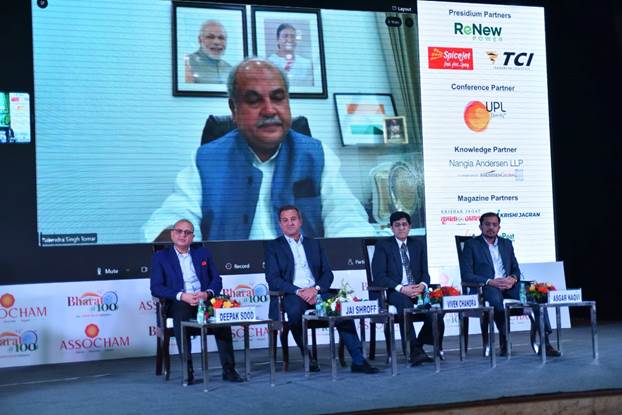
The Union Minister for Agriculture and Farmers Welfare, Shri Narendra Singh Tomar has said that the Agriculture sector is the backbone of our country and our rural economy and agriculture have such strength that the country can easily overcome even the adverse situations. The Indian Agriculture sector has shown this during the Covid pandemic. The Government of India provided food security to 800 million people of the country, as well as helped friendly countries. Today we are in the first or second place in the world in terms of most of the agricultural produce. Despite this, there are some challenges before the Agriculture sector. There is a need to work in this direction to transform agriculture into advanced farming, technology should be used in agriculture and its continuity should be maintained.
Shri Tomar said this in his virtual address to the National Conference on Enhancing Agricultural Productivity on the topic “Integration of Improved Seeds and Agri Inputs”, organized by the Associated Chamber of Commerce and Industry of India (ASSOCHAM) in New Delhi today. Shri Tomar said that the stronger and more profitable the Agriculture sector is, the stronger the country will be. There is a need to consider the challenges facing Agriculture today. In spite of all the favourable conditions, the area under farming and its profit and loss depend a lot on the nature. People’s curiosity and attachment towards agriculture should increase, agriculture should be attractive for the next generation and farmers can be retained for farming, more work needs to be done in this direction. Shri Tomar said that the government is working to reduce the gap between farmers and the market, providing infrastructure in rural areas and eliminate the role of middlemen. He said that the number of small farmers in the country is more, who have small acreage and do not have money for investment; for such farmers, the Central Government is setting up 10,000 new FPOs, for which a provision of Rs 6,865 crore has been made and small farmers are being mobilized. It is the effort of the government that farmers should do group farming, so that the input costs can be reduced, production quality improves and small farmers can shift to remunerative crops and get the price for their produce on their own terms. FPOs can also process products. For this, the government has extended loans up to Rs. 2 crore without guarantee.
Shri Tomar said that to reduce import dependence in oilseeds, the Oil Palm Mission has been started with a provision of Rs.11,000 crore. 28 lakh hectares of land in the country is suitable for oil palm cultivation. The prospects are high in the Northeast. Provision of Rupees One lakh crore Agri Infra Fund has been made for creation of infrastructure in the villages. Provision has also been made for special packages for Animal Husbandry, Fisheries and Medicinal Farming. Shri Tomar said that the Government of India is also working on the Digital Agriculture Mission, in which farmers, banks and other institutions will be linked, crop assessment made, data collected and crop losses will also be assessed with technology. Mapping will be done in such a way that farmers across the country can be advised through the State Governments as to where and which consumption is there, accordingly profit can be earned by producing as much needed. There will be no panic and there will be no loss. The Government has also emphasized on Natural Farming, in this direction we all need to work ahead. ASSOCHAM members including Secretary General Shri Deepak Sood, Shri Asghar Naqvi and Shri Jai Shroff were present in the programme. A knowledge paper was released on the occasion.
The Department of Agriculture & Farmers Welfare (DA&FW), Ministry of Agriculture & Farmers Welfare is educating farmers through use of following electronic media to upgrade their knowledge on modern agriculture technologies:
The scheme ‘Mass Media Support to Agriculture Extension of ‘Sub-Mission on Agriculture Extension’ is under implementation to create awareness among the farming community and educate the farmers on improved agriculture technologies. The programmes are telecast through DD Kisan, DD Regional Kendras (18) and broadcast through 96 FM Stations of All India Radio. The ‘Focused Publicity & Awareness Campaign’ is also being undertaken through electronic and print media for creating awareness among the farmers and other stakeholders on technological aspects of agriculture.
Social media platforms like Twitter, Facebook, Instagram and YouTube are being used to educate farmers.
The ICAR institutes and KVKs have developed 283 mobile apps on different agriculture commodities for providing advisory to the farmers. ICAR has also created an electronic platform ‘Kisan Sarathi’ for supporting agriculture at local niche with national perspective to provide a seamless, multimedia, multi-ways connectivity to the farmers with the latest agricultural technologies, knowledge base and the pool of large number of Subject Matter Specialists.
The Government is implementing following schemes and activities to impart training and educate the farmers to adopt modern agriculture techniques:
A Centrally Sponsored Scheme on ‘Support to State Extension Programmes for Extension Reforms’ popularly known as ‘Agriculture Technology Management Agency (ATMA)‘ is under implementation in 691 districts of 28 States & 5 UTs of the country. The extension activities under ATMA, inter-alia, include Farmers’ Training to upgrade their knowledge and technical skills on modern and innovative agricultural technologies.
The ‘Mission for Integrated Development of Horticulture (MIDH)’, a Centrally Sponsored Scheme is under implementation in all States/UTs for holistic growth of the horticulture sector covering fruits, vegetables, root and tuber crops, mushrooms, spices, flowers, aromatic plants, coconut, cashew, cocoa and bamboo.
The ‘National Food Security Mission (NFSM)’ is under implementation in identified districts of 28 States and 2 UTs viz. Ladakh and J&K of the country to increase the production and productivity of rice, wheat, pulses, coarse cereals and nutri- cereals (millets) through area expansion and productivity enhancement.
Under ‘Sub-Mission on Plan Protection & Plant Quarantine’ the ‘Farmer Field Schools (FFSs)’ are conducted to educate farmers on various aspects of Integrated Pest Management.
Four Farm Machinery Training & Testing Institutes (FMTTIs) located at Budni (Madhya Pradesh), Hisar (Haryana), Anantapur (Andhra Pradesh) and Biswanath Chariali (Assam) are engaged in imparting training to various categories of trainees including farmers, in the field of Farm Mechanization in agriculture sector.
Indian Council of Agricultural Research (ICAR) has established a network of 729 Krishi Vigyan Kendras (KVKs) in the country mandated with Technology Assessment and Demonstration for its Application and Capacity Development. KVKs organize demonstrations, training programms and skill development programs for the benefit of farmers and farm women, rural youth and in-service extension personnel.









 .
.
 Eduindex
You must be logged in to post a comment.