55th IFFI’s Closing Film ‘Dry Season’ is a Tale of Humanity, Sustainability, and Generational bonds

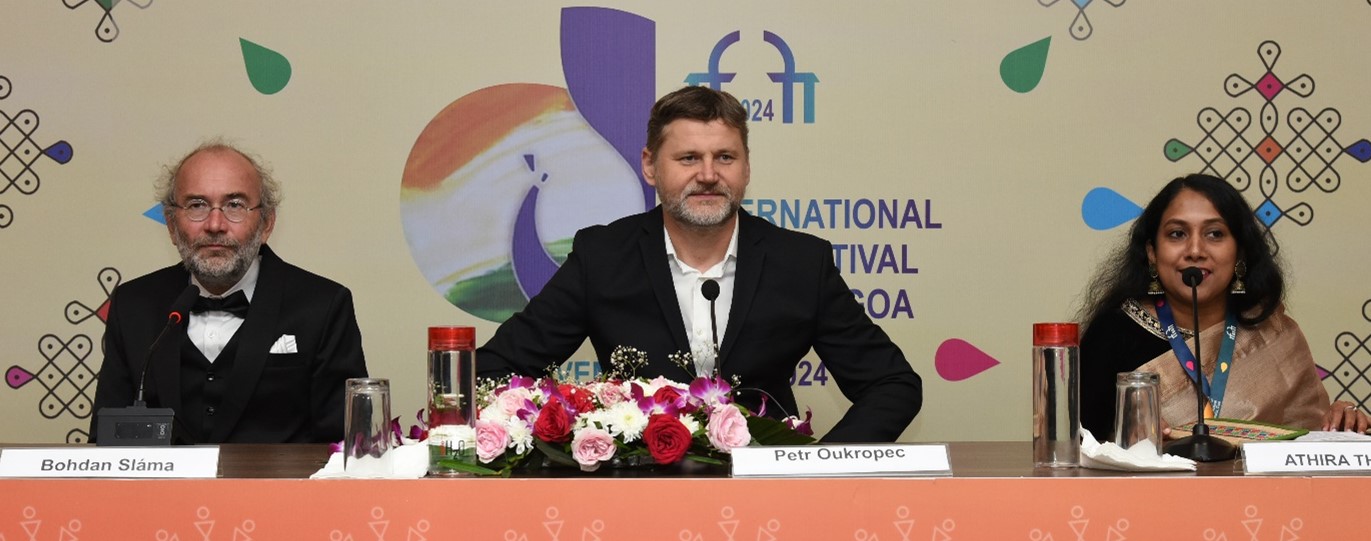
The Press Conference for the much-anticipated closing film ‘Dry Season’ (originally titled Sukho), directed by the acclaimed Bohdan Sláma and produced by Petr Oukropec, was held as part of the 55th International Film Festival of India (IFFI) in Goa. Organized by the Press Information Bureau, the event highlighted the film’s poignant exploration of environmental and generational challenges.
Set amidst verdant fields, the story follows Josef, a fifty-year-old farmer striving for an alternative lifestyle with his wife Eva and their three children. Josef’s clash with Viktor, a profit-driven agribusiness owner, intensifies as a dry summer leaves the village without drinking water, sparking tensions between their families, complicated further by Viktor’s strained bond with his returning son.

Director Bohdan Sláma reflected on the universal bond between humans and the environment, underlining the need to protect natural resources as a reflection of safeguarding the human spirit. He spoke about the meticulous journey of crafting the screenplay, which took three years and underwent 11 revisions, and expressed gratitude for the collaborative efforts of the cast and producers that enriched the filmmaking process.
Producer Petr Oukropec shared the complexities of financing and creating art-house cinema in smaller nations, emphasizing the significance of international collaborations. He lauded the film’s relevance, resonating with global audiences by addressing themes of sustainability, family, and generational divides.

The filmmakers urged younger audiences to take ownership of their future, as the narrative serves as a mirror to pressing contemporary issues. Concluding the session, Bohdan Sláma expressed hope that Dry Season would spark meaningful conversations, not just in India but across the world, reminding audiences of the delicate balance between humanity and nature.

Watch the Press Conference here:

* * *

PIB IFFI CAST AND CREW | Rajith/Supriya/Ashwani/Darshana | IFFI 55 – 114
‘Reviewing Films: From Critiquing to Reading Cinema’ 

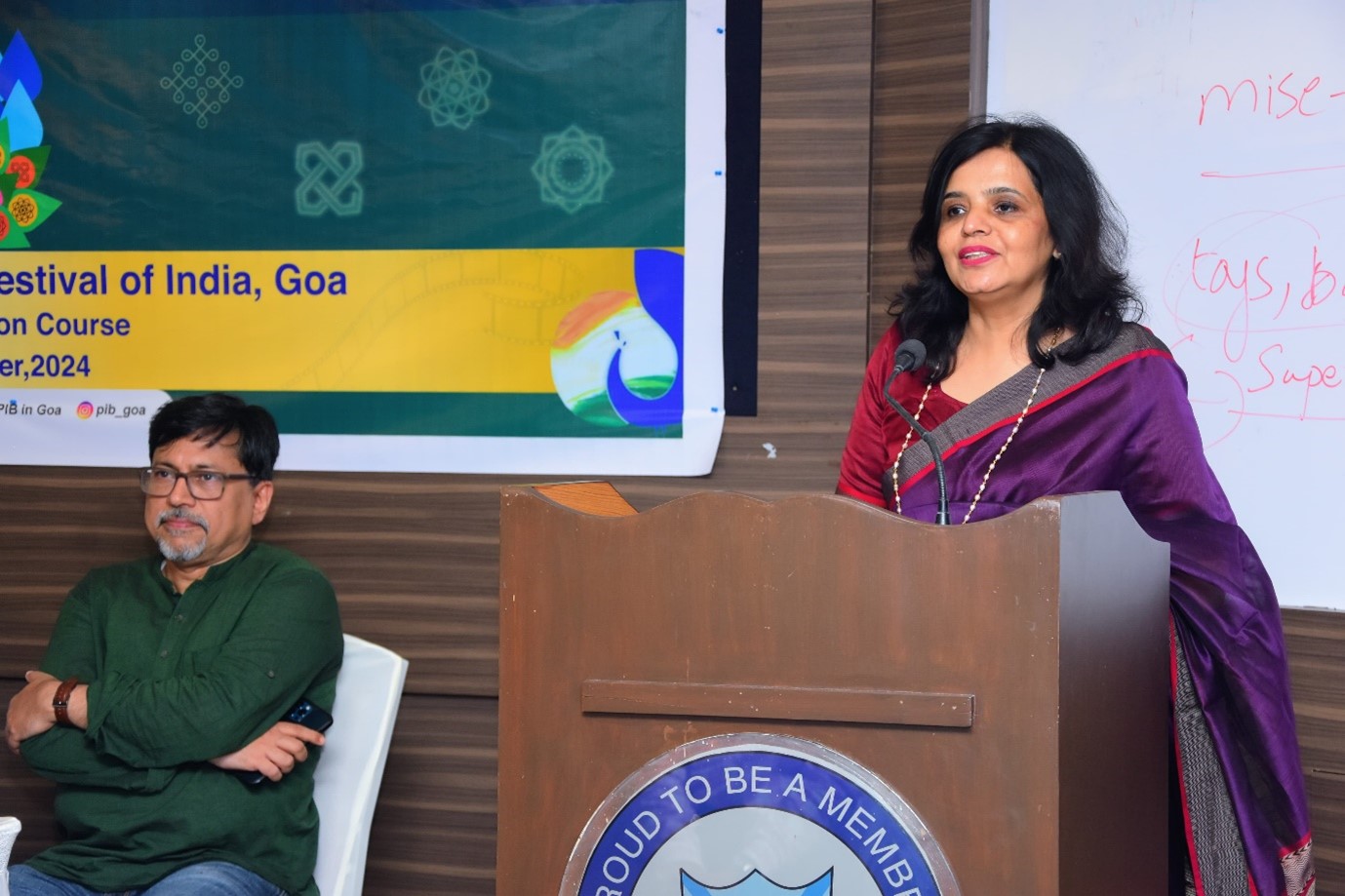
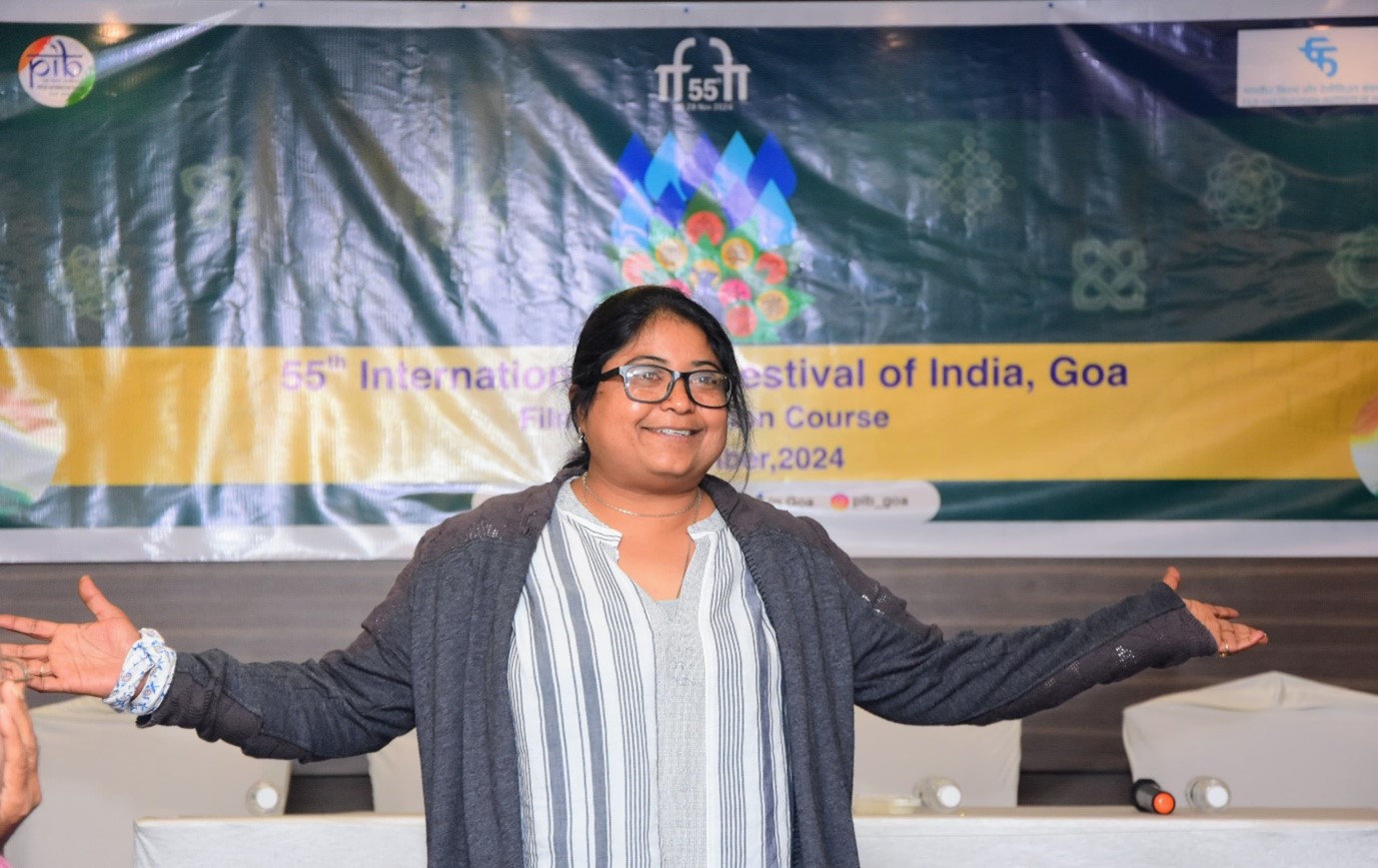
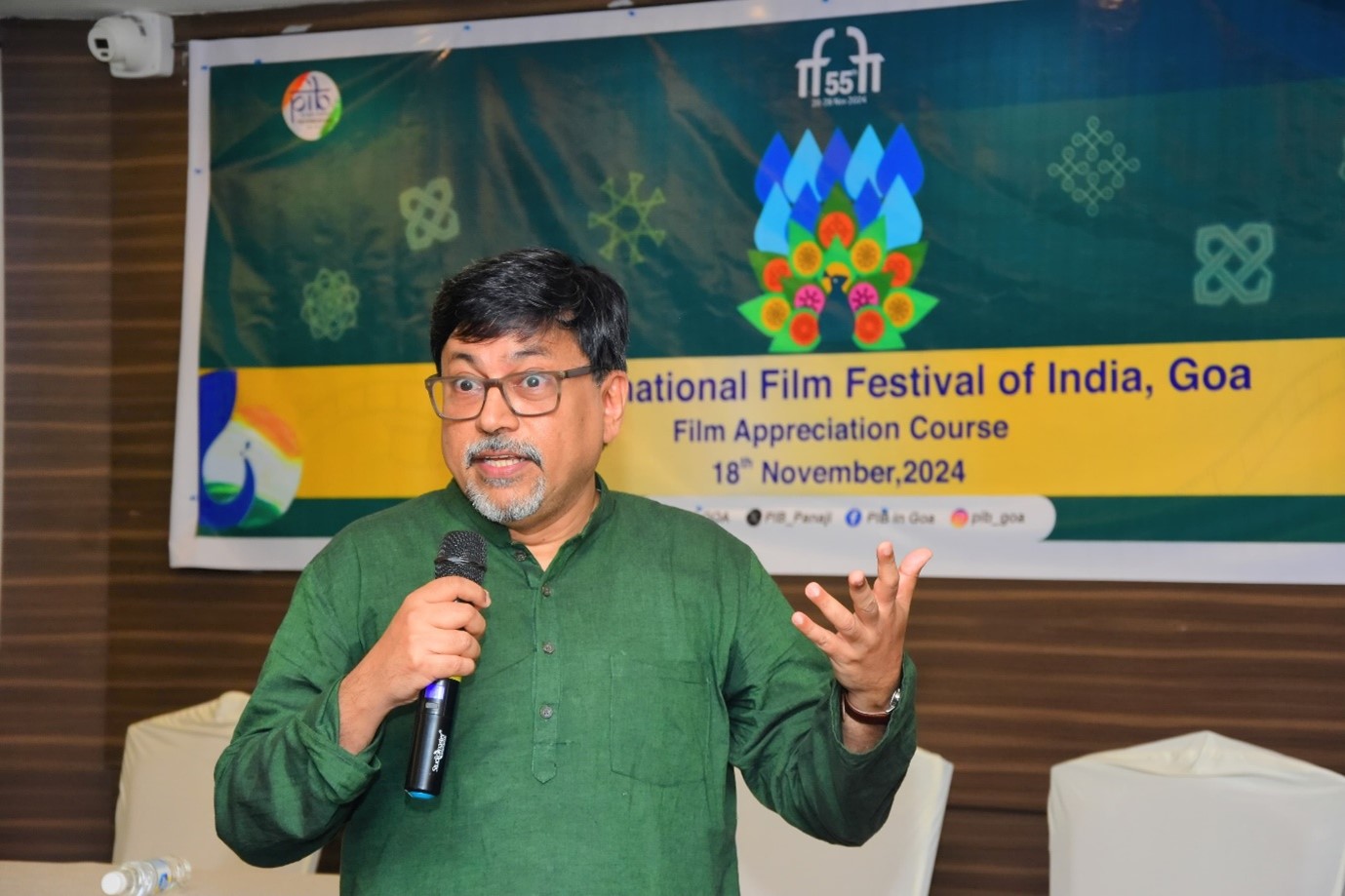
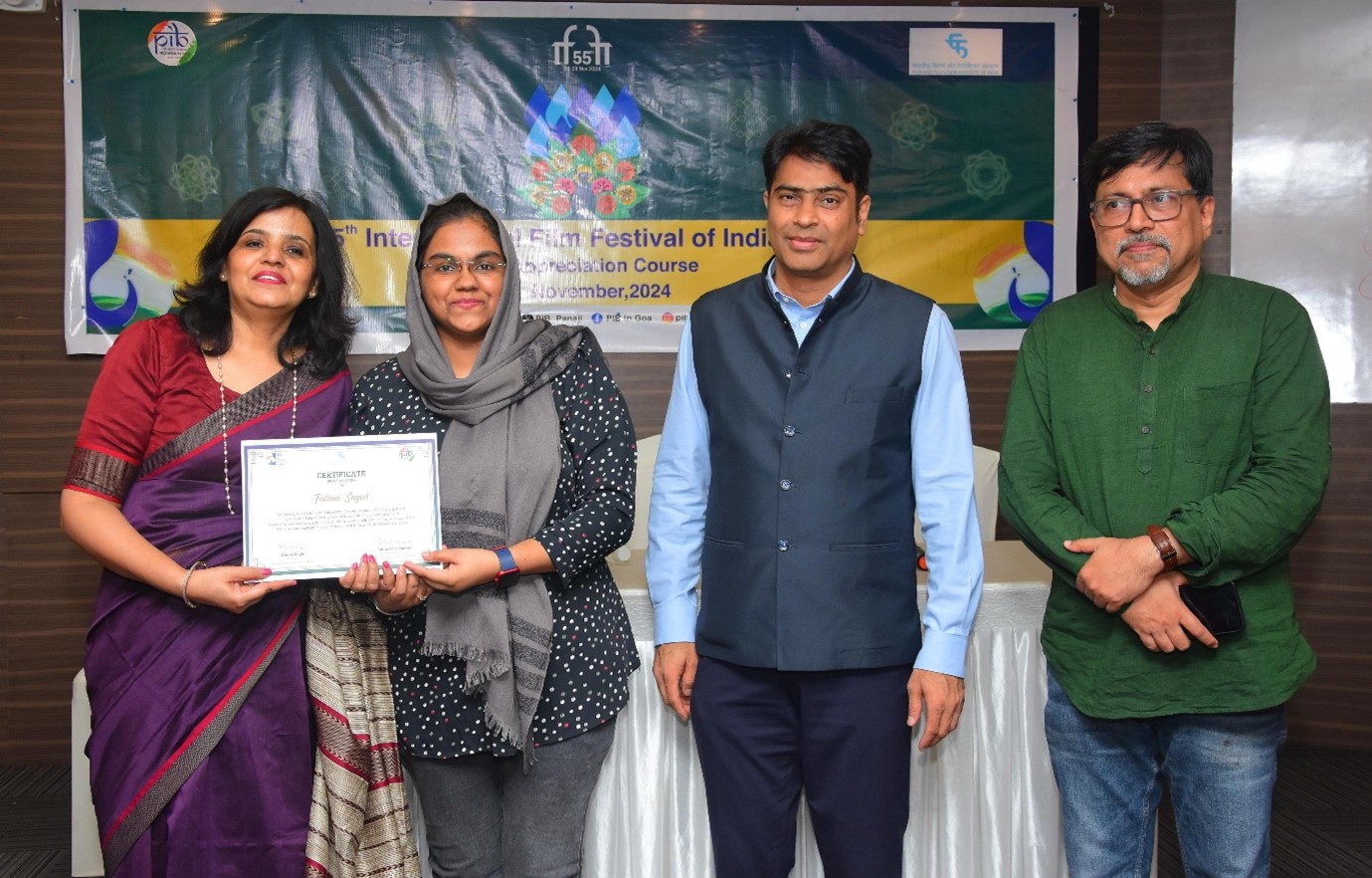
The Press Information Bureau (PIB), Ministry of Information & Broadcasting, in collaboration with the Film and Television Institute of India (FTII), Pune, organised an engaging Film Appreciation Course on ‘Reviewing Films: From Critiquing to Reading Cinema’ for media delegates on the sidelines of the 55th International Film Festival of India (IFFI) in Goa. The course was organized exclusively for IFFI media delegates focused on exploring the various aspects of the art and craft of films and the importance of learning to read the films in an informed manner. The course was led by industry experts such as Dr. Indranil Bhattacharya, Prof. Amlan Chakraborty, and Ms. Malini Desai from FTII, Pune.

The participants were introduced to ‘Principles of Film Analysis,’ by Prof. Dr. Indranil Bhattacharya. This was followed by a session on ‘Editing as an Artistic Tool’ led by Prof. Amlan Chakraborty. In another engaging session, Prof. Malini Desai explored the significance of ‘Lighting as a Dramatic Tool.’   

Prof. Amlan Chakraborty also highlighted the importance of film appreciation, stating that “Film appreciation is not just about admiration but about understanding. Every film is designed to impact its audience. Some films stay with you, and you need to ask why.” He illustrated the deeper sociological meanings embedded within films illustrating the example of India’s official entry for Oscars 2025, Lapata Ladies.

Later, Prof. Bhattacharya conducted a special session focused on the analysis of short films, offering participants valuable insights into the structure and storytelling techniques of short-form cinema.

Managing Director, NFDC Shri Pritul Kumar thanked the Media for their active participation and stressed the significant role played by media in promoting films. Speaking about the importance of understanding films, he mentioned, “the Film Appreciation Course will be really helpful in delving deep into the world of films which will enrich the media in understanding and writing about them.”

Director General West Zone, M/o I&B. Ms. Smita Vats Sharma while addressing the participants informed that “the course was open to media across India, including both Goan and all-India representatives as Media plays a critical role in the celebration of cinema and taking the films across the country and the world, and hence this course has been timed during IFFI to facilitate our media professionals.” She also thanked FTII for their invaluable support in making this possible.

Joint Director, PIB Mumbai, Sayyid Rabeehashmi emphasized the need to not only celebrate films but also delve into their intricate details.

Speaking about the significance of such initiatives, Prof. Malini Desai emphasized, “Media plays an essential role in exchanging ideas and helping the world understand the art of cinema. And as filmmakers we are also communicating our perspectives to the audience. This interaction between media and filmmakers – both of whom are into ‘communication’ greatly enriched our understanding about each others’ perspective.”

Appreciating the initiative, journalist and participant, Ms. Harshita from Screen Grafia who has been covering IFFI since 1999, said that “this is a great initiative by the Ministry to educate film journalists. It will expand their knowledge about films. I hope this course is repeated in future editions too.”

Shri Satyendar Mohan, a Veteran Journalist who has been attending IFFI since four decades expressed that “I’ve been attending IFFI since 1983. This session was very informative and educational. It will help journalists appreciate films on a much deeper level, adding immense value to the 55th IFFI.”

The event concluded with a Valedictory Session. Certificates were distributed to more than 30 media delegates who attended the session, acknowledging their efforts in advancing their understanding of film appreciation.

* * *

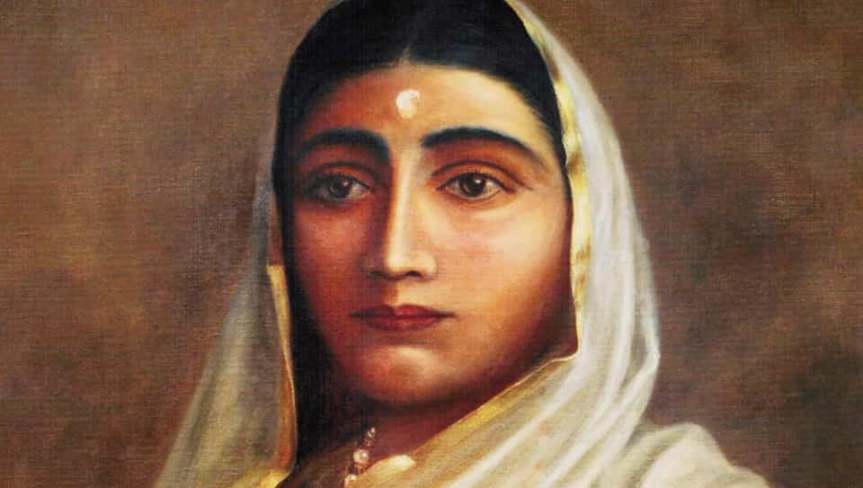
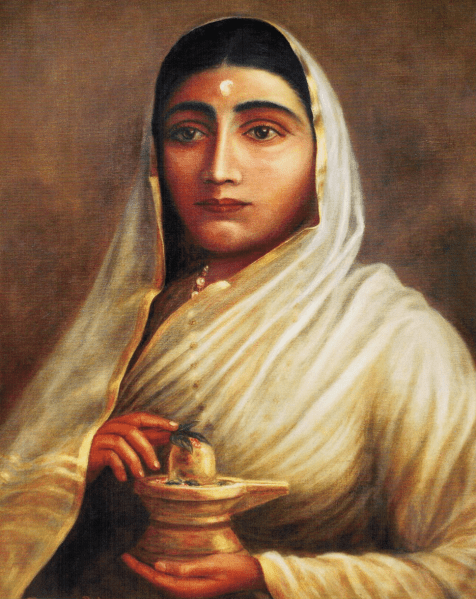
Noble Queen of the Maratha Empire Rani Ahilyabai.

Ahilya Bai was born write to Mankoji Shinde and Sushila Shinde in the village of Chaundi (now Ahmednagar district) in Maharashtra, and was born in the Marathi Hindu family. His father, Mankoji Shinde, a descendant of the magnificent Dhangar family, served as a patil. At that time, the woman were not allowed to attend school , but her father taught her how to read and write.


According to one legend, Ahiliya once stopped by Chaundi on her way to Pune, where Bajirao I, commander of the Maratha army, and Marhar Rao Holker, the ruler of Malwa, saw eight-year-old Ahilya in a temple worship service. Impressed by her devotion and her personality, Marhar, on the advice of Peshwa, married Ahilya and his son Khande Rao. She married Khande Rao in 1733. Ahilya accompanied Khande Rao on many campaigns. Throughout her marriage, she was raised by her mother-in-law, Gautama Bai. Gautama Bai is believed to have played an important role in bringing out the values that she had planted in Ahiliya. She trained them in administration, accounting, politics, etc. and finally delivered their Khasgi Jagir in 1759.

In 1754, Candelao, along with his father Marharla O’Holker, besieged Fort Kumar in Jatrajas Rajimar in Bharatpur at the request of Imadulmark and General Mirbakshi of Mugar Emperor Ahmadsha Bahadur. Suraj Mal supported Emperor Mugar’s rebellious Wajir Safdar Jang. Khande Rao was inspecting his army with an open litter when a shell fired by the Jat army during the battle hit him and died.
After the death of her husband, Ahilya Bye was prevented from playing sati by her father-in-law. After the death of her husband, she received military training by Malhar Rao Holker. After the death of Khande Rao.Ahilya Bai gave up all the desires of life and decided to perform a sati to accompany her husband’s funeral cremation. Her people urged her not to commit sati, but she said her husband promised to accompany her for the rest of her life, and now he walked in the middle of her. Finally, when she decided to play Sati and did not forgive her, it was her father-in-law, Malhar Rao, who made a fervent emotional plea to stop her from doing suicide. .


Marhar Rao Holker died in 1766, twelve years after his son Khande Rao died. Male Rao,the grandson of Marhar Rao and the only son of Khande Rao became the ruler of Indole under the rule of Ahilya Bai in 1766, but he also died within a few months in April 1767.

Ahiliya Bai died on August 13, 1795, at the age of 70. The reign of the modern woman Ahiliya Bai is remembered as a golden age in the history of the Maratha Empire. Ahiliya Bai was taken over by her nephew Tucozy Rao Holker, her commander-in-chief. He immediately abandoned the throne in 1797 in support of his son Kashi Rao Holker.

Ahiliya Bai was a great pioneer and builder of Hindu temples and built hundreds of temples and Dharmashala throughout India. Especially well known for the refurbishment and re-dedication of some of the most sacred sites of Hindu pilgrimages that were desecrated and destroyed by Emperor Aurangzeb in the last century.

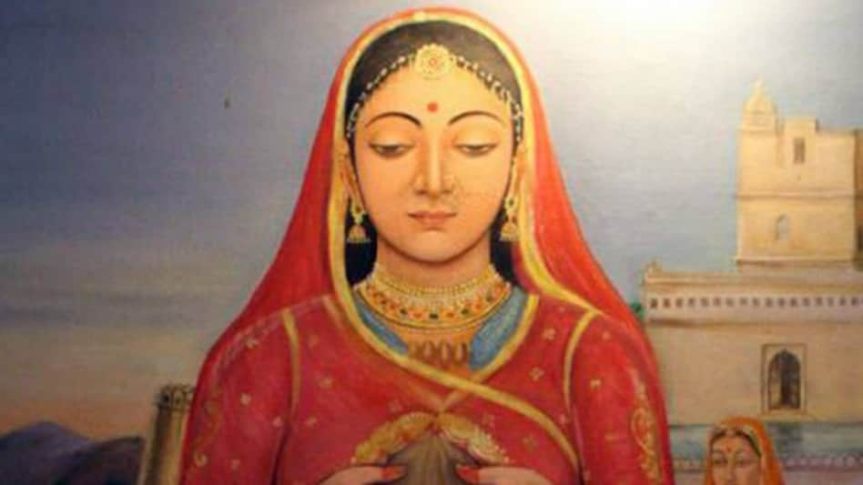
Story of a fierce Queen, Rani Karnavati.

Rani Karnavati was a princess and temporary ruler from Bundi, India. She married Rana Sanga of Mewar in Chittorgarh, the capital of the Kingdom of Mewar. She was the mother of Rana Vikramaditya and Rana Uday Singh, and the grandmother of the legendary Maharana Pratap. During 1527 to 1533 the minority years of her sons she served as a regent for Mewar. She died on 8th March 1535.

After Babur seized the throne of Delhi in 1526, Rana Sanga of Mewar led a coalition of Rajput Kings against Babur to seize the throne of Delhi. In the starting Rana Sanga was able to defeat Babul in the Battle of Bayana, but in the Battle of Kanua, he was defeated because of Babur’s excellent tactics, guns, and artillery.Rani Karnavati took over as regent on behalf of his eldest son Vikramaditya who was a minor at that time. Meanwhile, Mewar was attacked a second time by Gujarat’s ruler Bahadur Shah against whom Vikramaditya had previously been defeated. It was very important issue for Rani Karnavati.

The nobles of Mewar Kingdom did not want to fight for Vikramaditya, and as the upcoming battle will certainly be another stain in the history of Sisodias. Rani Karnavati was able to persuade nobles to fight for Mewar and honor of Sisodias . Their only condition was that Vikramaditya and Uday Singh should go to Boondi for their personal security during the war. In some legends some also said, that Rani Karnavati also sent Rakhi to Emperor Humayun of Mugals calling him his brother and asking for help. Therefore, her name was irreparably linked to the Raksha Bandhan Festival. However, this is not supported by modern writers, and modern historians such as Satish Kumar consider it a fable rather than a historical fact.

Rani Karnavati agreed to send her sons to Bundi ,while knowing the situation being very critical and which can be dangerous for her two sons and send her trusted maid Panna Dai to accompany them and take care of them. Panna hesitated, but she left for Bundi with Vikramaditya and Uday Singh and accept the Queen’s wishes.

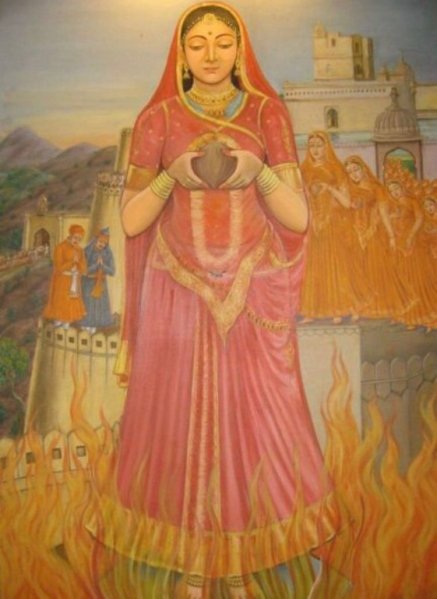
The Sisodias dynasty fought bravely, but the army of Mewar was outnumbered by Bahadur Shah army and they were defeated. Bahadur Shah entered Chittorgarh and it was his second attack on Chittor. The male nobles donned with saffron cloths fought with the enemy till thier death and commited Saka.Karnavati and other noble court women realized that defeat was imminent and to save their honour they committed suicide on March 8, 1534, in a fire called Jauhar. This was the second of the three Jauhar to take place in Chittor.

SARAH’S : A CHANGE IN THE NOTION OF MOTHERHOOD

Jude Anthony Joseph’s 2021 Malayalam film Sarah’s is making a revolutionary turn in Malayalam cinema by changing the notions of pregnancy, abortion and motherhood. The protagonist Sarah is a woman who is not willing to get pregnant and to bcome a mother. As she gets older day by day this decision gets stronger. she even marries a man on this agreement. The tension arises when she becomes pregnant, by a contraceptive failure. But even after this Sarah is stronger with her opinion of her own pregnancy, but her husband, family and the society compells her to continue this pregnancy without considering her opinion. But towards the end the decision made by Sarah on her pregnancy is something revolutionary. This kind of representation of womanhood and motherhood is very rare in Mollywood.

Through the character of Sarah the film portrays the fact that women are not just medium of reproduction. The direction also shows themes like modern sexual relations, legal side of abortions etc. Through the medium of satire the movie comments on old notions of motherhood. And also states that there is no need to glorify motherhood, if that affects the mental physical and emotional state of mother. The movie says that parenthood is not a social norm. The film even not glorifies abortion. It opens a discussion that when and why a person can decide it. The comment ” Better not be a parent, than a bad parent” is thoughtful. The film can be considered as an ode to women about parenthood, identity and opinion.

ALICE IN WONDERLAND FILM REVIEW.

What will be your response if your dreams become your reality? Wouldn’t you be delighted to live your alternate reality! What it’s a goofy fantasy? Let me take you all in the world of fantasy; Alice in Wonderland is a movie directed by Tim Burton, is a 3-D blend of live action and animation of Lewis Carroll novel Alice in Wonderland.

SYNOPSIS

The story starts with a girl named Alice who has a reoccurring dreams since her childhood. She has turned 19 year old mourning over the death of her father. She is attending a garden party at Lord Ascot’s estate, she is confronted into an unwanted marriage relation with Ascot’s son. Taking some time to take a decision she in haste follows a rabbit to a rabbit hole under a tree, unintentionally falling into it. The story takes a drastic turn by that incident and opens a portal to her recurring dream world from where she begins her journey to the Wonderland and also finding her true self. On her journey she meets the different characters of wonderland ; the Caterpillar (played by Alan Rickman), Mad Hatter (played by Johnny Depp), White Rabbit (played by Michael Sheen), Red Queen (played by Helena Bonham Carter), White Queen (played by Anne Hathaway) and many more. The destiny unfolds the secret of her presence in Wonderland. She was brought her to fulfill the pronounced Oracle. This adventure helps Alice to overcome her fears, insecurities and emerge as victorious. The adventure helps Alice to realise her potential and follow her own will and doesn’t get lost in the society rituals or let them decide your potential and future.

Overall the movie is pretty good, it’s a bit intense and scary at times for younger children who could not understand the film depictions just because of the scary secens. As it’s the Lewis Carroll bizzare imagination not many can match that level of fantasy creativity. The cast was great, everyone perfectly fits into their allotted characters. Their costumes, the makeup, the dialogue delivery everything was perfectly done. My personal favourite would definitely be The Red Queen I feel her presence on screen always keep’s the audience jolly and entertained. Her carzy acting her weird dressing sense everything just speaks confidence it just creates a feeling of nostalgia. I love everything about her in my opinion well sorry on advance for being baised! I feel the cinematography was substantial thr visual effects makes a person experience the scenes. According to me the story unfolds quite briskly. The direction was great but the writer could have added more parts of the actual novel, the film can be more descriptive. But what can we say after all it’s Tim Burton film who is unique in his work. So it’s a must watch movie .

How To Become A YouTuber

Photo by Terje Sollie on Pexels.com

YouTube’s popularity continues to grow, the reputation of its content creators grows with it. In August 2018, the status of its top stars reached a new high when KSI and Logan Paul faced off in a boxing match that generated around $13 million in pay-per-view revenue. Starting your own channel from scratch and growing it into something special isn’t just a pipe dream. Many YouTubers have done it and more will do it again in the future. One of those YouTubers could be you.

Make A Plan: How often do I want to upload videos? This is also very important because the more videos you want to upload, the harder it will be to create fresh content and keep up with your schedule. As a kid, you probably have school to take into consideration and other after school activities.]

Follow your passion: It is almost impossible to create a really engaging video without having a genuine passion for what you’re doing. If you pretend to be interested, it won’t be long before you get called out in the comments section! Passion is infectious. That’s why even potentially boring topics can prove to be extremely successful on YouTube.

Make Your Content: Once you’ve decided what you want to create videos about, start thinking of how you can develop personal branding around that. Look for a unique selling point that’s related to the niche you’ve chosen and start owning it.

Choose your target audience: Just like you would if you were running an ad campaign, consider which demographic group your content would be most suited to. Think about factors like age, gender, and occupation when making your decision. It’s often best to target an audience that’s the same age and gender as you, as it’s easier to relate to them. Ask your friends what they’d be interested in watching and their answers could give you an insight into what your peers would like.

A ‘YouTube Influencer’ makes their money through sponsorships and ad revenue from other companies and brands as well as YouTube itself (if you become a ‘big’ YouTube influencer).

To monetize off of your YouTube channel you have to have at least 1,000 genuine (not bought or spam) subscribers and 4,000 watch hours in a year.

SEO: SEO is something that not everyone on YouTube will be doing, so it could be the secret weapon in your quest to become a top YouTuber. If you’re not familiar with it, it stands for search engine optimization and refers to the methods by which content is optimized to rank higher when someone searches for it. If you optimize your channels, videos, and playlists correctly, you’ll have a much better chance of being found on YouTube. The search ranking algorithm on YouTube will take into account how well your content, titles and video description matches the search intent of a viewer. If your content isn’t relevant, it won’t rank.

Once you’ve made it in, you can start making money from ads. The types of ads are: display ads, overlay ads, sponsored cards, skippable video ads and non-skippable video ads. Display ads appear to the right of your video, above suggestions, while overlay ads are semi-transparent and appear on the lower part of your video. The other ads appear at various points before, during, and after your video.

Fans demanding Padma Shri for shushant singh rajput

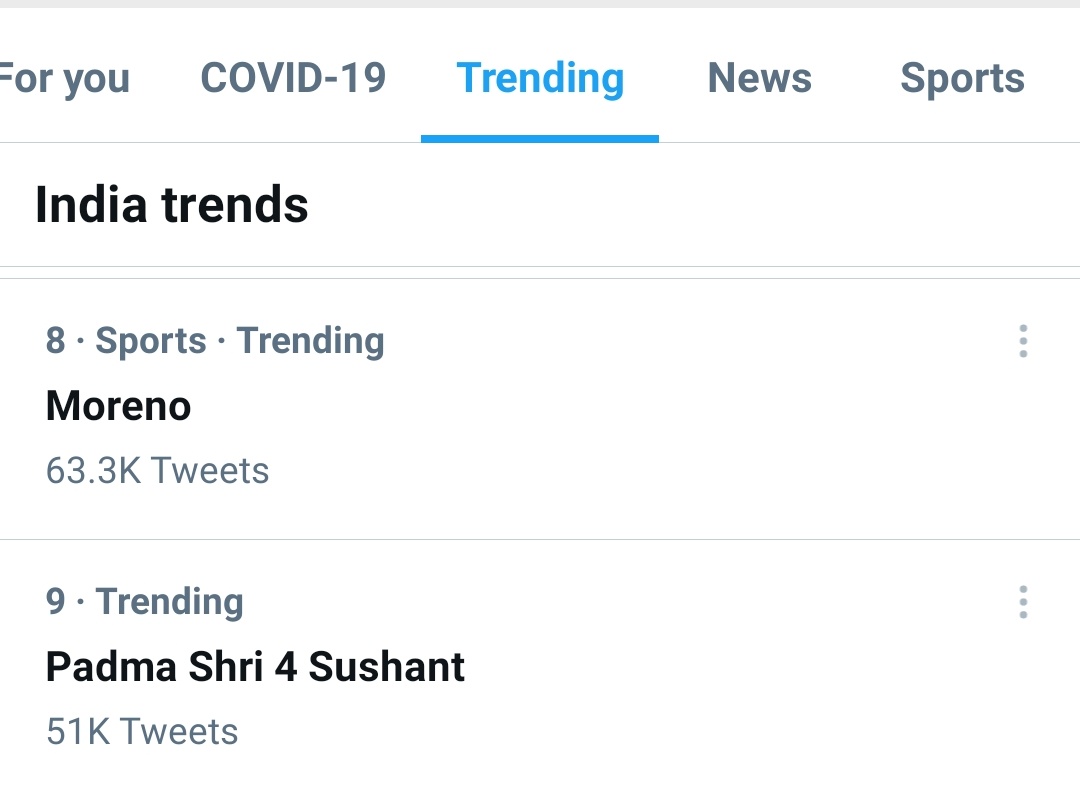
It’s been more than a year since we lost one of the most talented and humble actor of bollywood, Sushant Singh Rajput. He starred in a number of commercially successful Bollywood films such as m.s Dhoni : The untold story (2016) , kedarnath (2018) and  chhichhore (2019). Because of his pure acting & submissive behaviour may people still can’t believe the he is no more around us. Though it’s very unfortunate that his death mystery still remain unsolved and questionable but his fans & netizen never let his presence settle down. This time shushant’s name has been over the news because of recent trend over the tweet. We already know that #justiceforshushantsinghrajput & #ssrArmy has been on twitter for very long. According to recent trending tweet the fans of shushant are demanding Padma Shri for shushant. According to Twitter “Padma shri 4 shushant ” is in top ten tweets in india , with tweets more than 50k.

The acting of shushant entangled his fans in sush a way that no one is satisfied with the end he got. Twitterati & his fans feels that he deserves an honorary award from central government for his contribution to films& cinema.
Apart from acting shushant was interested in astrophysics and space. In an interview he said that coding is something which everyone needs to know because he believed that coding is the future and predicted that in a few years, coding will be made mandatory in the school curriculum.

Unknown Facts about shushant singh rajput

  • Sushant was an ambidextrous person who could write with both hands.
  • Sushant was supposed to play an astronaut in the space movie Chanda Mama Door Ke. He had even visited NASA to train himself for the role. Unfortunately, the film was cancelled.
  • Sushant was a National level Olympiad winner in Physics. He had cleared as many as 11 engineering entrance exams. After completing 3 years in Delhi School of Engineering, he dropped out to chase his dream of becoming an actor. He also stood at 7th Rank AIEEE in 2003.
  • Many think Sushant’s television debut was the popular daily soap, Pavitra Rishta. However, that’s not true. Many still don’t know that the actor started his acting career with the role of Preet Juneja in the serial ‘Kis Desh Mein Hai Dil Mera’.
  • Sushant Singh Rajput, received Scholarship Offer to join Stanford University, California

**👆👆 check out this video of shushant singh rajput at iit Bombay

For more news related to bollywood vist 👇👇

https://indianexpress.com/about/sushant-singh-rajput/

https://youtube.com/c/BollywoodHungama

Film certification and censorship inIndia

Cinematograph Act of 1952

 Film certification and censorship in India
 Established the Central board for film certification
 Statutory body
 Under ministry of information and
broadcasting
 Head quartered in Mumbai
 Members of the committee are appointed by the central
government inc Chairman.

Justice Mukul Mudgal, 2013 – To examine the issues of certification under the Cinematograph Act, 1952.

Shri Shyam Benegal Committee in 2016

  • To evolve broad guidelines for film certification within the ambit of the
    Cinematograph Act and Rules.
  • • With that consultation the ministry has
    proposed to introduce the
    Cinematograph (Amendment) Bill, 2021.
  • • Up for public consultati

• Age-based categories:

 ‘Unrestricted public exhibition’ category is
proposed to be amended
 Film category
 “U” – unrestricted public exhibition
 “A” – restricted to adult audiences
 “UA” – unrestricted public exhibition subject to parental guidance for children below the age of twelve
 “S” – Restricted to a special class of audience.

• Draft bill proposes to further sub-divide the
existing UA category into age-based categories –
U/A 7+, U/A 13+ and U/A 16+

• Amendment of sub-section (3) of section 5A – ‘Validity of certificate’

 Act of 1952 – certificate issued by the CBFC is valid for 10 years
 Amendment – certificate will be valid in
perpetuity.

• Adding sub-section(1) of section 6 – when the Central government received any
complaints for violation of section 5B(1) on any film that is already certified by CBFC –
in that case the Central government may ask
the chairman of the CBFC to reconsider the certification.

Film piracy – insertion of section 6AA:

 Piracy rose 62% in India in the last week of March 2020 compared to the last week of February 2020 following the
COVID lockdowns.
 Cinematograph Act, 1952 – No provision
to check privacy
 Prohibits unauthorised recording
 Prescribes punishment – imprisonment for
minimum of three months and maximum
of three years, fines the individual with
minimum of Rs 3 lakhs.

Criticism

• An attempt by union government o act as a “super censor” body.
 SC in K.M. Shankarappa vs Union of India, 2000 case – Union government
cannot exercise revision powers on films that are already certified by the CBFC
 Despite the SC judgement, this is an attempt to add another layer to quell
freedom of expression through films
 Government scraped the existence of Film Certificate Appellate Tribunal
(FCAT) through an ordinance. (A body to hear appeals of film-makers against decisions of the CBFC)

Conclusion

A way to stifle free speech as expressed
through films. And that is why this draft
bill is being criticised