Exploring the Cycle of Nutrients in Natural Ecosystems

Nature is an intricate ballet of life, energy, and nutrients—a dance that sustains the world around us. In the heart of ecosystems, whether dense forests or arid deserts, lies a cycle of nutrients that fuels this balance. This process not only supports the thriving diversity of flora and fauna but also underpins agricultural productivity and climate stability. By grasping how nutrients move through ecosystems, we gain insight into how to preserve and enhance these natural processes.

Photo by Pixabay on Pexels.com

The Marvel of Nature’s Nutrient Cycle

The nutrient cycle is a continuous loop vital for life on Earth. It involves the movement and exchange of organic and inorganic matter back into the production of living matter. Plants, animals, and microorganisms all play crucial roles, working together to keep the environment balanced. This cycle encompasses the major nutrients necessary for life, including carbon, nitrogen, phosphorus, and others.

Decomposers The Unsung Heroes

Have you ever wondered what happens to fallen leaves or deceased animals? Decomposers—bacteria, fungi, and certain insects—are nature’s recyclers. They break down dead organic matter, transforming it into simpler substances. This decomposition returns nutrients to the soil, making them available for plants to absorb and use in their growth and development.

Plants The Primary Producers

Plants are remarkable entities that harness sunlight, water, and nutrients from the soil to create food via photosynthesis. They form the foundational base of the food web, providing nourishment to herbivores, which in turn support carnivores. By absorbing nutrients through their roots, plants redistribute these essential elements throughout the ecosystem.

Herbivores and Carnivores Transferring Energy

Herbivores, such as deer and rabbits, consume plants, transferring the stored energy and nutrients to higher trophic levels. Carnivores, like wolves or eagles, then prey on herbivores, further distributing nutrients. This consumption cycle ensures that nutrients flow throughout the ecosystem, supporting diverse life forms.

Symbiotic Relationships Nature’s Partnerships

Within ecosystems, symbiotic relationships between organisms enhance nutrient cycling. For example, nitrogen-fixing bacteria in the roots of legumes convert atmospheric nitrogen into a usable form for plants. In return, plants provide carbohydrates to the bacteria. Such partnerships boost soil fertility and productivity, showcasing nature’s collaborative spirit.

Nutrient Storage in Soil The Reservoir

The soil acts as a reservoir for nutrients, storing them until they are needed by plants. Organic matter, such as decaying plant material and animal waste, enriches the soil with essential elements. This dynamic storage system prevents nutrient loss and serves as a buffer during periods of scarcity, ensuring ecosystems remain resilient.

Human Impact on Nutrient Cycles

Human activities, including agriculture and industrialization, can disrupt natural nutrient cycles. Excessive use of fertilizers, for instance, can lead to nutrient runoff, polluting water bodies and causing harmful algal blooms. Recognizing our impact and adopting sustainable practices are vital for maintaining nutrient balance and ecosystem health.

The Role of Organic Compost

One of the most effective ways to support natural nutrient cycling is by using organic compost. Composting organic waste allows us to recycle nutrients back into the soil, improving both its fertility and structure. In Salt Lake City, many residents and community gardens embrace organic compost to strengthen local ecosystems, showcasing their commitment to sustainable practices.

Agricultural Practices Mimicking Nature

Innovative agricultural practices, such as crop rotation and cover cropping, mimic natural nutrient cycles. These methods enhance soil health by reducing erosion, maintaining moisture, and improving nutrient availability. By aligning farming techniques with nature’s wisdom, we can ensure long-term productivity and environmental stewardship.

Climate Change and Nutrient Dynamics

Climate change poses challenges to nutrient cycles by altering temperature and precipitation patterns. These changes can affect the timing and availability of nutrients, impacting plant growth and ecosystem stability. Understanding these dynamics is crucial for developing strategies to adapt to and mitigate climate change impacts.

The Future of Nutrient Cycling in Ecosystems

As we look to the future, safeguarding nutrient cycles is paramount for sustaining life on Earth. By fostering education, research, and collaboration, we can devise solutions to preserve these natural processes. A collective effort will ensure that ecosystems continue to thrive, providing essential services for generations to come.

Conclusion

The cycle of nutrients in natural ecosystems is a testament to nature’s ingenuity and resilience. By appreciating and nurturing these cycles, we safeguard the delicate balance that sustains biodiversity and human civilization. Through conscious actions and sustainable practices, we can ensure that this intricate dance of nutrients continues to support life in all its forms.

Gardening

 Gardening

Gardening is the cultivation of plants, flowers, trees and many more. If you plant, trees, and flowers in your garden it looks so beautiful that you will fall in love with them. We should plant trees as many as we can because if we plant trees then only we can live in green nature and survive our lives. In many towns and cities, we can see that there are no trees and for that reason, the humidity arises and the city gets very hot. The problem is that humans don’t plant trees as we expect from nature. But it is our fault, not nature. What we have done to nature, we are getting back from nature. 

Many people have the hobby of gardening, and many people also do gardening when they get upset or bored. Doing gardening makes the mind relaxed and peaceful. Those small plants and colourful flowers are so beautiful that you can’t ignore them. While doing gardening many of the steps we should follow for healthy plants.

1. We should always give water to them

2. We should keep them in sun as well to get their nutrition

3. We should give them fertilisers

4 We should not pick the flowers 

TOP 5 HOME MADE ORGANIC FERTILIZERS FOR YOUR GARDEN

TOP 5 HOMEMADE ORGANIC FERTILIZERS FOR YOUR KITCHEN GARDEN

INTRODUCTION:

Now a days many of the urban people has turned towards organic kitchen farming

Continuous usage of chemical fertilizers has made a havoc among people specially parents those who always look forward for better health.  

Excessive fertilizers are reason behind memory loss, weak appetite, dull-dark skin etc. 

Turning towards organic kitchen farming is a better way of avoiding such issues, but again people from urban cities faces problem of time management and of course organic fertilizers are actually expensive  

Here in this article, I have shared my best 5 organic solutions which you can use for your many of the fruits and flower bearing plants. 

COW DUNG FERTILIZER:

COW DUNG FERTILIZER.

1.COW DUNG FERTILIZER: Most known organic fertilizer, from ancient times cow dung was treated as gold, Now, we have lesser knowledge about it, Farmers used to preserve it by making their dry cakes. 

PREPERATION: 

  • Take two glasses of water in a vessel. 
  • Add a piece of dried piece or fully decomposed cow dung  
  • Keep the mixture for overnight. 

Water will change the color to reddish yellow. 

USAGE- you can use this solution to all leafy, fruit and flower bearing plants  

This solution is used in every season except harsh summer season. 

TEA LEAVES FERTILIZER:

TEA LEAVES FERTILIZER

2.TEA LEAVES FERTILIZER

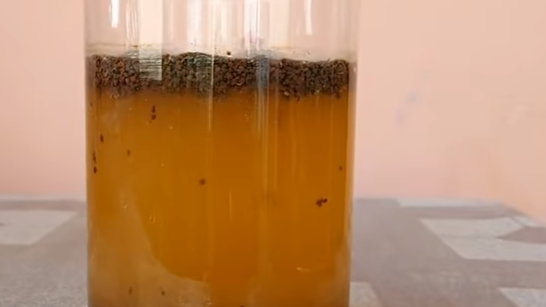
Another very easy and accessible liquid fertilizer is tea leaves fertilizer. Some of our garden plants need a bit acidic soil such as rose plant, money plant etc. To fulfill their needs this fertilizer is used. 

PREPERATION: 

  • First you need to prepare tea leaves, which you can do easily storing used tea leaves of 5-6 days. 
  • At least you need 2 proper washes to remove milk particles. 
  • Dry them for 3 days. Now your tea leaves are ready for becoming fertilizers. 
  • Take a bowl full of water mix the above granules of tea leaves and keep them for 24 hours, you will observe yellowish solution. 
  • Stain the fertilizer and use in flower bearing plants  

Usage- You can use this fertilizer in winters only. 

BANANA PEEL FERTILIZER:

3.BANANA PEEL FERTILIZER: 

If you know many of the agriculture consultant prescribe NPK fertilizers for complete growth of plants, where ‘P’ stands for potassium which is basically required for proper and healthy flowers in plant. So here is the organic substitute for potash-based fertilizer, BANANA PEEL FERTILIZER

PREPERATION: 

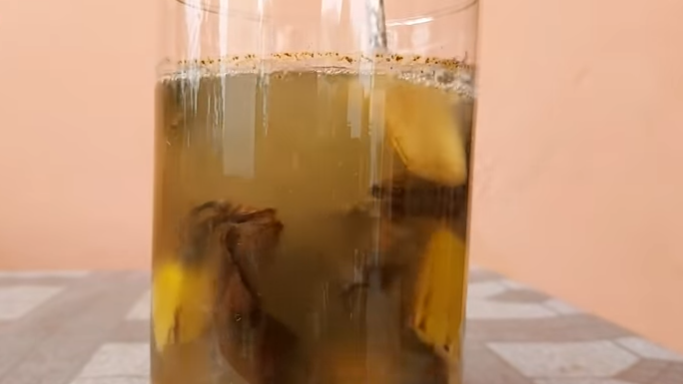
  • You will need at 6 dried or semi dried peels of banana. 
  • Take a tumbler full of water. 
  • Keep this mixture for 24 hours. 

You can use this solution specially for Hibiscus plant and many other flowering plants, which bear flower in all seasons. 

Now last two solutions are for fulfilling the requirement of micro-nutrients. 

ONION PEEL FERTILIZER:

4. ONION PEEL FERTILIZER: 

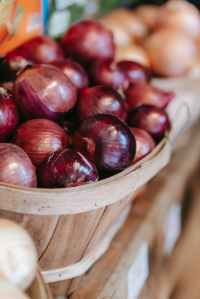
The most used vegetable in our kitchen is onion, So, why not to make its waste a benefit. 

Onion peels are very rich in micro nutrients which can be used as a supplement for our green leafy vegetables such as spinach, pepper mint, bitter guard etc. 

PREPERATION: 

  • Collect dried peel of almost 6-7 medium sized onion. 
  • Take two jugs of water.  
  • Soak the peels for 48 hours  

Observe the brown color of the solution and your fertilizer is ready for use. 

EGG SHELL FERTILIZER:

EGG SHELL

5. EGG SHELL FERTILIZER: 

The last and magical solution for the organic lovers is egg shell fertilizer, 

You would have heard about different animal-based fertilizers such bone meal, blood meal etc. 

egg shell fertilizer is also among those fertilizers. Common constituents of egg shells are calcium carbonate and magnesium this is what our plants ask for. 

PREPERATION: 

  • Basic need of this is obviously egg shells, you can take 7-8 shells of egg. 
  • Crush them properly and make a coarse powder. 
  • Mix it with water. 
  • Let it settle for 3 days. 
  • Stain the mixture. Solution is ready for use. 

I hope you all find it helpful. If you all want more gardening tips, please don’t forget to mention them in comments below.