

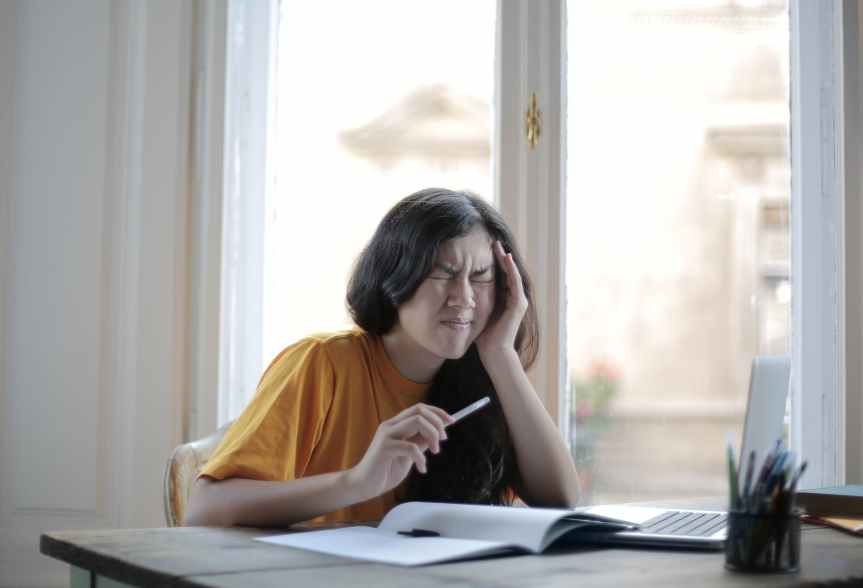
Headache is a common problem that does not allow us to concentrate on our work. Nothing can take away the throbbing pain that headache causes. It may be caused due to injury, stress, eye strain, anxiety, or other medical conditions. Headache is called Cephalgia in medical terms. Many people suffer this discomfort frequently and don’t pay attention to it. But this simple headache may cause serious illnesses if left untreated.
WHAT HAPPENS DURING A HEADACHE?
Our brain can recognize pain in various parts of the body. A headache is caused by the swelling of the blood vessels present in and around the brain. Most headaches occur in the nerves and muscles of the head and neck region. These nerves and muscles generate signals and send them to the brain which makes us feel the pain.
TYPES OF HEADACHES
Headaches are of two types – Primary headache and Secondary headache.
PRIMARY HEADACHE
There are types of primary headaches. However, some common types include
- Tension headache – It is the most common type which is caused due to stress and tension in the muscles of the head. It may start with a slow onset of moderate pain. It usually hurts on or around both sides of the head, in the back neck, and head. It usually goes away on its own but sometimes may need a pain reliever. For prolonged pain and chronic conditions, a doctor’s advice is required.
- Migraine – Migraine headaches are associated with throbbing pain along with some symptoms like nausea or vomiting, sensitivity and can last for several hours to few days. It may be caused also due to genetic reasons. Rescue medicine is prescribed by doctors to get immediate relief from the pain and preventive medicines to prevent future occurrences.
- Clustered headache – It is least common when compared with the other two types. It is characterized by sudden pain in any one side of the head and face. It occurs multiple times in a day and stays for 1-3 hours each time. It may be caused due to alcohol intake or tobacco usage. Treatment includes lifestyle changes and prescribed medication by the doctor.
SECONDARY HEADACHE
Secondary headaches occur because of any underlying issue or mental condition. It must be diagnosed and treated as soon as possible as it may create life-threatening situations at times. It may be caused due to bleeding of the blood vessels in the brain, tumors, abscesses, or high blood pressure. Symptoms include pain during changing postures, chewing food, etc. There are many subtypes of this headache according to the affected area and symptoms. It must be given at most care to avoid worsening of the condition.
SITUATIONS THAT NEED IMMEDIATE HELP
Sometimes headaches may be a symptom of a serious issue and occur to warn us of the disorder. If it is accompanied by drowsiness, seizures or fits, changes in vision, etc. then immediate consultation of a physician is mandatory.
CARE AND CURE
- A healthy balanced diet of fruits and vegetables may help to stay fit and reduce the intensity.
- Stress management relaxations and lifestyle changes can bring betterment.
- Some counter medicines could be taken and soothing herbs such as peppermint, eucalyptus, flax seeds reduce pain as they have pain-relieving properties.
 Eduindex
You must be logged in to post a comment.