Dance forms of India

India is a land of rich cultural diversity and heritage, and dance is an integral part of its culture. Indian dances have a long history, with some forms dating back several thousand years. Each dance form is unique in its own way, with its own distinct style, costume, and music.
Source – Pinterest

Here are some of the most popular dance forms in India:

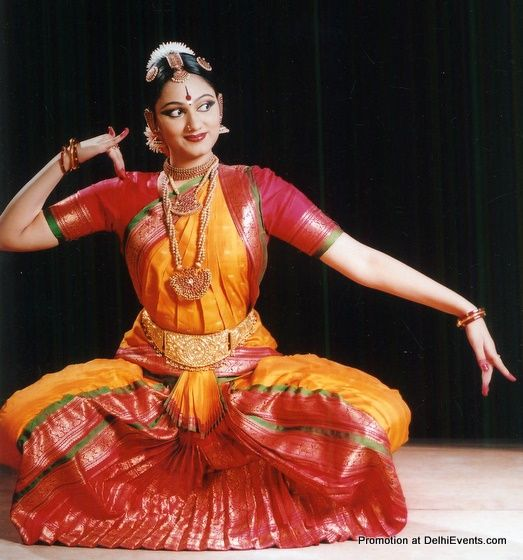
  1. Bharatanatyam: Bharatanatyam is a classical dance form from Tamil Nadu in South India. It is one of the oldest dance forms in India, with a history that dates back over 2,000 years. Bharatanatyam is known for its graceful movements, intricate footwork, and expressive hand gestures. The dance form is usually performed solo and is accompanied by Carnatic music.

  2. Kathak: Kathak is a classical dance form from North India that originated in the Mughal courts. It is characterized by fast footwork and intricate spins. The dance form tells stories through its movements, with the dancer using facial expressions, hand gestures, and body movements to convey different emotions. Kathak is usually accompanied by Hindustani music.

  3. Kuchipudi: Kuchipudi is a classical dance form from Andhra Pradesh in South India. It is known for its fluid movements and storytelling through dance. The dance form has a history that dates back over 2,000 years and is performed to both Carnatic and Hindustani music. Kuchipudi is usually performed by a group of dancers and is characterized by its use of colorful costumes and makeup.

  4. Manipuri: Manipuri is a classical dance form from Manipur in Northeast India. It is known for its graceful movements and use of vibrant costumes and props. Manipuri tells stories through its movements, with the dancer using facial expressions, hand gestures, and body movements to convey different emotions. The dance form is usually accompanied by classical Manipuri music.

  5. Mohiniattam: Mohiniattam is a classical dance form from Kerala in South India. It is known for its slow and graceful movements and storytelling through dance. The dance form is usually performed by a solo dancer and is accompanied by classical music. Mohiniattam is characterized by its use of white and gold costumes and jewelry.

  6. Kathakali: Kathakali is a classical dance form from Kerala in South India. It is known for its elaborate makeup, costumes, and facial expressions that tell stories from Hindu mythology. The dance form has a history that dates back over 500 years and is usually performed by a group of male dancers. Kathakali is accompanied by classical music and percussion.

  7. Bhangra: Bhangra is a folk dance form from Punjab in North India. It is characterized by energetic movements and is often performed to celebrate harvest festivals. Bhangra is usually performed by a group of dancers and is accompanied by traditional Punjabi music and instruments.

  8. Garba: Garba is a folk dance form from Gujarat in West India. It is performed in a circular formation and is known for its energetic movements and use of colorful costumes. Garba is usually performed during Navratri, a festival that celebrates the victory of good over evil.

  9. Odissi: Odissi is one of the famous classical Indian dances from Odisha. It is generally based on themes of Dashavatar, Lord Krishna’s love and Lord Jagannath’s Philosophy. It is a graceful and sensous dance style and involves tribhanga( three bends) posture. The Tribhanga posture symbolises the means to escape the limitations of the body.

In conclusion, India has a rich and diverse dance culture that is deeply rooted in its history and traditions. Each dance form is unique in its own way and reflects the cultural diversity of India. From classical dances to folk dances, India has something to offer for everyone who is interested in dance.

The French Revolution (1789 -1799)

The French Revolution was a period of radical social and political upheaval that lasted from 1789 to 1799. It was a time of great change and transformation in France, as the old regime of absolute monarchy and aristocratic privilege was overthrown and replaced with a new system of democratic government and social equality.


Source – Pinterest.com

The causes of the French Revolution were many and varied, but they can be traced back to the economic, social, and political problems that France was facing in the late 18th century. The country was burdened with a heavy debt, which had been incurred from years of costly wars and lavish spending by the monarchy. This debt was exacerbated by a poor harvest in 1788, which led to widespread famine and starvation.

At the same time, there was growing discontent among the French people, who were unhappy with the way that the country was being run. The monarchy was seen as corrupt and ineffective, and the aristocracy was viewed as parasitic and out of touch with the needs of ordinary people.

The Revolution began in 1789, when a group of deputies from the Third Estate (the common people) gathered in Versailles to demand political representation and reform. When the king refused to listen to their demands, the people of Paris rose up in revolt, storming the Bastille prison on July 14, 1789.

The fall of the Bastille was a turning point in the Revolution, and it marked the beginning of a period of radical change and experimentation. Over the next few years, France was governed by a series of different regimes, as the country struggled to find a new system of government that would be fair and effective.

The early years of the Revolution were marked by a series of important reforms, including the abolition of feudalism and the establishment of a system of universal education. However, the Revolution was also marked by violence and bloodshed, as rival factions fought for control of the government and executed their opponents.

The most violent period of the Revolution was the Reign of Terror, which lasted from 1793 to 1794. During this time, thousands of people were arrested and executed on suspicion of being counter-revolutionaries. The leader of this period, Maximilien Robespierre, was eventually overthrown and executed himself in 1794, bringing an end to the Reign of Terror.

The Revolution came to an end in 1799, when Napoleon Bonaparte seized power in a coup d’etat and established the First French Empire. Although Napoleon was a product of the Revolution, he represented a return to authoritarian rule, and his reign was marked by military conquest and imperial expansion.

Overall, the French Revolution was a period of profound change and transformation in France. It marked the end of the old regime and the beginning of a new era of democratic government and social equality. However, the Revolution was also marked by violence and bloodshed, and its legacy continues to be debated and contested to this day.

Bronze Age Civilization

The Bronze Age was a period of human history that began around 3000 BCE and lasted until around 1200 BCE. During this time, many civilizations emerged and developed in various parts of the world. Some of the most well-known Bronze Age civilizations include:

  1. Mesopotamian Civilization: The Oldest Civilization of the world Mesopotamia means land between the rivers. Mesopotamia is the land that developed in the region between the Tigris and Euphrates rivers is often referred to as the cradle of civilization.

  2. Egyptian Civilization: The civilization that developed along the Nile River in northeastern Africa is one of the most famous Bronze Age civilizations. The ancient Egyptians developed a sophisticated system of writing, art, architecture, religion, and government that influenced later cultures.

  3. Indus Valley Civilization: This Bronze Age civilization developed in the northwestern region of the Indian subcontinent around 2500 BCE. The Indus Valley Civilization was known for its advanced urban planning, including a complex system of drainage and water management.

  4. Chinese Civilization: The Shang Dynasty was a Bronze Age civilization that developed in China around 1600 BCE. The Shang Dynasty is known for its sophisticated system of writing, bronze metallurgy, and art.

Source – flagfen.com

Mesopotamian Civilization:

The Mesopotamian civilization emerged in the region that is now Iraq around 4000 BCE and lasted until the 6th century BCE. It is known as one of the earliest civilizations in the world, and its contributions to human history are numerous.

The Mesopotamians developed a system of writing called cuneiform, which involved pressing a reed stylus into clay tablets to create wedge-shaped marks. This system allowed for the recording of laws, contracts, and other important documents, making it possible to keep records and communicate across long distances.

The potter’s wheel was perhaps first used in Mesopotamia. They also developed the first written legal code, the Code of Hammurabi, which established a set of laws and punishments for crimes. They had discovered the Pythagoras Theorem and could also calculate the length of day and night.

Overall, the Mesopotamians were a highly influential civilization, and their innovations and achievements continue to shape the world today.

Egyptian Civilization:


The Egyptian civilization emerged along the Nile River and hence, Egypt is called the ‘Gift of the Nile’. The Old Kingdom is also called as the ‘Age of the Pyramids’. The Egyptians built impressive structures, including the pyramids, temples, and palaces. These structures were designed to honor the pharaohs, who were considered to be divine rulers.

The Egyptians had a complex religion, which included a pantheon of gods and goddesses, each of whom controlled different aspects of the natural world. They believed in the afterlife and developed elaborate burial practices, including the construction of tombs and the preservation of bodies through mummification.

The Egyptians also made significant contributions to mathematics and science, including the development of geometry, astronomy, and medicine. They developed a decimal system of numeration. The crowing achievement of the Egyptians was the Solar Calendar.

Overall, the Egyptian civilization was one of the most influential and long-lasting in human history, leaving behind a rich legacy of art, architecture, literature, and culture that continues to inspire us today.

Indus Valley Civilization:

The Indus Valley Civilization (also known as the Harappan Civilization) was an ancient civilization that flourished in the northwestern region of the Indian subcontinent from approximately 2600 BCE to 1900 BCE. It was named after the Indus River, which flows through the region.

The Indus Valley Civilization was one of the world’s earliest urban civilizations, and it had a highly sophisticated culture with a well-developed system of writing, impressive architecture, and advanced agricultural techniques. The cities of the Indus Valley Civilization were also notable for their efficient drainage systems, which were among the most advanced of their time.

Some of the major cities of the Indus Valley Civilization included Harappa, Mohenjo-Daro, and Dholavira, which were all located in present-day Pakistan. The civilization also had extensive trade networks that reached as far as Mesopotamia, Central Asia, and the Persian Gulf.

Despite its significant achievements, much about the Indus Valley Civilization remains a mystery, as the script used by the civilization has yet to be fully deciphered, and there is still much debate about the reasons for its decline and ultimate collapse.

Chinese Civilization:


Chinese civilization is one of the world’s oldest, dating back to around 2100 BCE. The civilization emerged in the Yellow River Valley of China and has contributed immensely to the world in fields such as philosophy, art, science, and technology.

The early Chinese civilization was characterized by a series of dynasties, which were ruled by emperors and marked by significant achievements in technology, art, and literature. The Shang Dynasty (1600 BCE-1046 BCE) was known for its bronze casting, oracle bone inscriptions, and advanced agriculture.

The Chinese civilization is also known for its significant contributions to philosophy, including the teachings of Confucius, Taoism, and Buddhism. Confucianism emphasizes the importance of moral values and ethics, while Taoism emphasizes the importance of harmony and balance in nature. Buddhism was introduced to China in the 1st century CE and became an influential religion in the country.

In the field of science and technology, the ancient Chinese civilization made significant contributions in areas such as astronomy, mathematics, medicine, and engineering. The Chinese were among the first to develop gunpowder, paper, printing, and the compass, which had a significant impact on the world.

Overall, Chinese civilization has had a profound impact on the world, with its contributions in various fields shaping the course of human history.

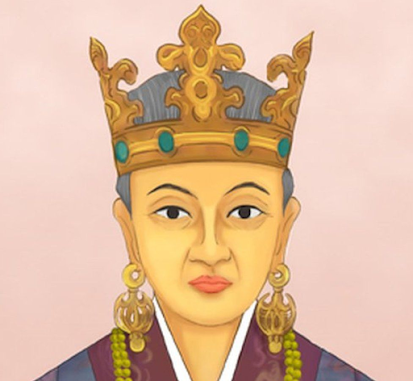
Indian princess who married a Korean King – Heo hwang ok

Source: BBC News

 Ayodhya is best known for being the birthplace of the Hindu god Ram. However, the city has special significance for some South Koreans, as many believe they can trace their ancestors back to it. This belief is based on several historical Korean stories about an Indian princess named, Suriratna who married a South Korean king and established a dynasty.

According to legend, Princess Suriratna, also known as Heo Hwang-ok, travelled to Korea in 48 AD, approximately 2000 years ago, and founded the Karak dynasty by marrying a local king. According to some Chinese-language texts, the then-King of Ayodhya had a dream in which God told him to send his 16-year-old daughter to South Korea to marry King Kim Suro.

According to Samguk Yusa (Memorabilia of the Three Kingdoms), a popular South Korean book of fables and historical stories, Queen Hwang-ok was the princess of the “Ayuta” kingdom. The royal couple was a success. They had 12 sons and lived to be more than 150 years old. While children in Korea usually take their father’s surname, the queen was disappointed that her children would not be able to use her surname. As a result, King Suro granted her name (Heo) to two of their sons, which is still used today.” Historians estimate that the couple’s descendants number more than six million, accounting for nearly 10% of the South Korean population.

People from the Karak dynasty have also preserved the rocks that are said to have been used by the princess during her sea voyage to Korea to keep her boat stable.

An anthropologist named Kim Byung-mo Ayuta appeared to confirm the widely held belief that Ayuta was actually Ayodhya, as the two names are phonetically similar.

How this connection has impacted the modern ties?

In the year 2000, an agreement was signed to develop Ayodhya and Gimhae as sister cities. 

Then in 2001, more than 100 historians and government representatives, including the North Korea ambassador to India, unveiled Queen Hwang-ok’s memorial on the west bank of the River Saryu in Ayodhya.

In 2016, a Korean team presented the Uttar Pradesh Government with a proposal to expand the memorial. On the eve of Diwali, South Korean first lady Kim Jung-sook lay the foundation stone for the enlargement and beautification of the current memorial on November 6, 2018. She paid her respects at the Queen Heo Memorial, attended a ground-breaking ceremony for the memorial’s upgrade and beautification, and joined the current Chief Minister of Uttar Pradesh, Yogi Adityanath, at an elaborate Diwali celebration in Ayodhya that included cultural shows and the lighting of 300,000+ lights on the banks of the Saryu River.

As per reports, every year, hundreds of South Koreans visit Ayodhya for paying homage to their legendary queen Heo Hwang-ok.

Prof Kim Do-young, a Korean studies expert based in Delhi, claims that this shared history began to be recognised in India “after the diplomatic and economic relationship” between the two countries developed.

“Whether it is history or legend – based on it – mental or spiritual gap [between the people] is reduced and a common cultural ground is made,” he adds, pointing out that it’s interesting that there maybe a “ancient bond” between the two nations.

The story of Queen Hwang-ok has been and can continue to be the “foundation for building better relations” between South Korea and India.


Vedic Literature

Vedic literature consists of four classes of literary creations, viz. Vedas, Brahmanas, Aranyakas and Upanishads. The Vedas are hymns, prayers, charms, litanies, and sacrificial formulae. The term veda means “knowledge,” and it is believed that they contain fundamental knowledge relating to the underlying cause of, function of, and personal response to existence.

Rigveda 

The literal meaning of the word rig is ‘to praise’. It is a collection of hymns in praise of gods. It was compiled around 1500-1000 BC. 

It has been divided into ten volumes called Mandals, each of which contains 1,028 hymns and 10,600 verses. The oldest books are Mandal II through VII. They are also known as family books because they are attributed to rishi families. Mandal VIII and IX are from the middle ages. Mandals I and X are the most recently completed. Mandal III contains the Gayatri Mantra, which was written in honour of the sun god Savitri. Mandal IX is solely dedicated to Soma, the Lord of Plants. Mandal X contains a hymn called Purusha Sukta, which discusses the origins of the varna system. Hotra or hotri were rishis who were experts in Rigveda. The Rigveda shares many similarities with Avesta, the oldest text in Iranian language.

Samaveda

In fact, Samaveda is the shortest of all the four Vedas. It is a collection of songs mostly taken from the hymns of Rigveda and set to tune It is a book of chants. Sama Veda is the Veda of melodies and chants. It is believed that the Samaveda was compiled during 1200 or 1000 BCE. It holds a divine status in the Hindu tradition.
In fact, Lord Krishna describes the Samaveda as the most important of all the Vedas in the Bhagavad Gita. Sama Veda has been compiled solely for ritual use. It contains 1549 verses. Its verses were chanted during ceremonies like the Soma sacrifice. It honours deities like Indra, Agni, and Soma. Furthermore, its prayers are devoted to summoning the Supreme Being. Only three recensions of the Samaveda have survived to this day. Worship and devotion are central themes in this work. It believes that devotion and musical chanting are the only ways to reach the Glorious Lord and Brahman. The experts in Samaveda knowledge were known as udgatri. The Samaveda compilation is regarded as the birthplace of Indian music.

Yajurveda

The Yajur Veda (“Worship Knowledge” or “Ritual Knowledge”) consists of recitations, ritual worship formulas, mantras, and chants used in worship services. It is a collection of sacrificial formulae. Like Sama Veda, its contents are derived from the Rig Veda, however it focuses 1,875 verses is on religious observance liturgy. The experts in the knowledge of Yajurveda were called adhvaryu. It is found in both prose and poetry. It consists of two parts, viz. Krishna Yajurveda ( dark) and Shukla Yajurveda(light). Theses are not distinct parts but rather characteristics of the whole. The “dark Yajur Veda” refers to parts that are unclear and poorly organized, whereas the “light Yajur Veda” refers to verses that are clearer and better organized. It describes the rituals to be followed at the time of recitation of mantra. 

Atharvaveda

The Atharva Veda (“knowledge of Atharvan”) is distinguished from the first three by its emphasis on magical spells to ward off evil spirits or danger, chants, hymns, prayers, initiation rituals, marriage and funeral ceremonies, and observations on daily life. The name is thought to be derived from the priest Atharvan, who was reputed to be a healer and religious innovator. It is thought that the work was written around the same time as the Sama Veda and Yajur Veda by an individual (possibly Atharvan, but this is unlikely) or individuals (c. 1200-1000 BCE). It is divided into 20 books and contains 730 hymns, some of which are based on the Rig Veda. It consists of charms and spells. It contains magical hymns for disease relief. Ayurveda, an Indian medicinal science, derives from Atharvaveda.

Cheapest places to visit for Indians


Taking a trip to a foreign country is a dream left unattended by many. Considering the conveyance charges, hotel expenses, and higher value of foreign currency. But it’s time to chase your dreams as there are beautiful and picturesque views across different countries for which you won’t have to pay a fortune. We will be focusing on countries with almost equivalent or lower currency value to an Indian rupee. 

From neighbouring countries to some distant lands, here are some cheapest places to visit from India within your budget. 

Bhutan- A carbon negative country

Image by Pixabay


Bhutan, one of the neighbouring countries of India is home to picturesque views of snowy peaks and lush green forests. A unique feature of Bhutan is that its forests cover 72% of their land, thus making it a carbon neutral, or even carbon-negative zone. Bhutan is famously known for evaluating the happiness index of their country while the rest of the world measures their economic wealth. 

Tourists can visit the Buddhist monasteries on the mountains and participate in Bhutanese festivals. Adventurers can immerse themselves in its shadowy forests and wilderness for a phenomenal experience. Hotel rooms and food are similarly prized as in the states of India. It is regarded as one of the cheapest places to visit for Indians. 

Conveyance charges

Tourists can travel by flight from Delhi, Kolkata, Bagdogra, Bodh Gaya, and Guwahati in India to Paro international airport in Bhutan. Ticket charges range from 5,500 INR to 11,000 INR (one way), depending on your boarding choice. Railways is the cheapest mode of transport to Bhutan. Trains are available regularly from Delhi, Kanpur and Kolkata to Hasimara, a town on the Indo-Bhutan border. 

Hotel Charges

Prices vary based on your choice of accommodation from 2,000 INR and more. 

Indonesia- World’s largest island country.

Image by Pixabay


Whether you are an avid adventurer, or a complete opposite, Indonesia has something for both the spectres of personalities. It is a land in possession of pristine waters, scenic islands and diverse cultural tribes. Bali is the most popular and sought after tourist spot in Indonesia due to its extravagant temples, beautiful mountains and exciting nightlife. But there are several other places to visit in Indonesia such as Gili islands, Maluk beach, lake Toba and many more that serve different prospects and interests of tourists visiting Indonesia. 

Conveyance charges

Air travel, presumably from Mumbai or Delhi to Jakarta, the capital city of Indonesia may cost you approximately 20,000 INR.

Hotel Charges

Although conveyance charges are seemingly high, a decent hotel room for a night can cost 2,000 INR. You can further cut costs by opting for home stays. 

Laos- For a meditative experience

Image by Pixabay


Are you yearning for a peaceful and a soothing experience during your vacation? Look no further than Laos. Visit the Bokeo national reserve and enjoy the privilege of staying in a treehouse and traveling in a zipline across the forests. You may also spot a black Gibbon, an endangered species of animal found in China and Laos. Witness the longest river cave systems in the world illuminated by miner’s lamps creating stunning visuals only in Laos. There is a lot more to explore in this culturally rich country. 

Conveyance charges

The easiest way to travel from India to Laos is by air transport. Flight travel can cost from 10,000 INR to 12,000 INR (one way). Prices may vary based on your boarding point. 

Hotel charges

Charges for a hotel room per night may begin from 1,200 INR and above. Depending on the place you choose to stay. 

Malaysia- Truly Asia

Image by Pixabay


With Malaysia, it’s probably the time to marvel at some magnificent manmade structures as this country houses the futuristic Petronas Towers, colonial buildings and palaces. Tourists can also indulge in Scuba diving and Snorkeling to witness the amazing coral reefs and lay on its soft sandy beaches. There is also a UNESCO world heritage site, namely mount Kinabalu which is the tallest mountain in the country. Malaysia forms the perfect blend of cities and nature preserves as there are plenty of places to indulge in shopping as well as immerse in the beauty of nature. 

Conveyance charges

Air travel from India to Malaysia can approximately cost 16,000 INR (One way). Prices may vary according to the boarding point. 

Hotel charges

Prices could range from under 1,000 INR upon booking in advance. 

Here’s the list of affordable places for you to fulfil your international vacation dreams.There are also tourism packages available for these places from sites such as makemytrip, yatra, thomascook, and more. The list is short indeed, but it makes it easier to decide

Happy Journey!

Diwali, our festival of joy!


Source: by Freepik

Days come and go, festivals pass by in a jiffy. But there’s something special about the festival of lights. It begins with a loud bang from the crackers, goes on with serial lights and rockets lighting up the skies, and ends with a sweet note in courtesy of the laddoss and chaklis made and shared among friends and families. 

This is Diwali for us! Diwali is celebrated with great pomp and harmony, usually in the states of Maharashtra, Goa, Karnataka, and Tamil Nadu in India. It falls between the months of October and November and becomes the reason for dressing up, eating traditional sweets, bursting crackers, and family gatherings. 

The origin of Diwali, the festival of lights.

As we celebrate, let us look at the origins of this beloved festival and learn what makes this an auspicious occasion. There aren’t any definite origins as there are several reasons behind celebration of this festival across different states of India. 

  • According to the epic Ramayana by Valmiki, Diwali is celebrated on the account of Lord Rama’s return to Ayodhya with his wife Seeta and brother Lakshmana after spending 14 years in exile and defeating the evil king Raavana. 

  • According to the most popular beliefs, Diwali marks the birth of Goddess Lakshmi from Samudra Manthan, the cosmic ocean of milk churned by gods and demons alike. Goddess Lakshmi had chosen Vishnu as her husband on the night of Diwali, forming an unbreakable bond. 

  • In the epic Mahabharata, the five pandava brothers were deceived into losing a bet while gambling and got banished by the Kauravas from Hastinapur for 12 years. According to the epic, Diwali is celebrated on the account of their return to Hastinapur during the Kartik Amavasya. 

  • In Sikhism, Diwali is celebrated on the account of Guru Hargobind being released by Mughal emperor Jehangir.  

  • In Jainism, the festival is celebrated as an anniversary of Mahavira’s soul finally seeking Nirvana. 

  • In many states of the western India, like Gujarath, Diwali is regarded as the beginning of a new year. 

  • In eastern India, comprising West Bengal, Diwali is celebrated in the honor of their Goddess Kali. Who is well known for her destructive rampage against the demons of the earth. 

How is Diwali celebrated?

With countless memes being reiterated regarding cleaning your household during this festive season. It becomes an important preparatory requirement for Diwali celebration. Dry fruits and sweetmeats are also exchanged ahead of the main Diwali celebrations. Outdoor and indoor parties as well as craft shows begin to create the ambiance for the forthcoming festival of lights. Gambling, as seen in Mahabharata being enacted by Pandavas and Kauravas, is a traditional festive game that is played during the week before Diwali alongside card games. 

Finally! the five days of Diwali

Let’s begin with Choti or little Diwali. It’s the day before the main event that is dedicated to preparations for the festival. We can’t be out buying crackers and sweets right in the middle of our Diwali right? There is fun and anticipation as we await the day of the main festival to be greeted with loud crackers and sweet smelling gulab jamuns, laddoos, and other delicious snacks. Oh, and also watch your step, because you might be the subject of someone’s wrath if you step on one of the painstakingly made rangolis


Source: By Unsplash


And now comes the main event, people greet the festival with a loud bang as the sun sets. Both the land and the skies are lit by fireworks. As usual, there begins an opposition against usage of firecrackers by environmentalists and naysayers. But they could never dampen the festive spirits of the true enthusiasts. By the end of the day, both the so-called environmentalists as well as the enthusiasts are united by festive delicacies. Thanks to the prior purchases, exchanges and preparations. 

The final days of the festive season witnesses sisters praying for the well being for their brothers and, hopefully receiving generous returns from their siblings. 

What should I do during Diwali?

Most probably you wouldn’t be having that question. But if your friends bailed out on you and you have no plans, then maybe you could write content like me. Just kidding! On a serious note, there will definitely be a movie releasing every Diwali which you can watch along with your family. If you are one of those naysayers to fireworks, you could take a trip to a nearby exotic location. You can use the holiday and the bonus to meet up with some old friends which you have been putting off for another day. 

Happy Diwali! May the festival bring lots of joy into your hearts! 

5 Amazing Facts about Chhatrapati Shivaji Maharaj : The brave hero!

Knowing about the Brave Hero!

Shivaji,   also known as Chhatrapati Shivaji was born on   19
February 1630 – 3 April 1680.He was a brave Indian ruler  who formed Maratha empire from  the declining Adilshahi  Sultanate  of Bijapur . 


 1.           
The origin of name ‘Shivaji’

 The name of Shivaji Maharaj did not generate from
the name of Lord Shiva instead the name was derived from a regional deity by
the name Shivai.


2.   Shivaji prioritized his
country over his kingdom


Shivaji
Maharaj motivated his soldiers that while fighting, they should keep in mind
that they are serving for their nation and not for any king. He had a goal of
achieving a free state.


3.Shivaji respected women


Shivaji
Maharaj respected women. He was strongly against any type of harassment towards
women. He strictly instructed his soldiers to respect women. Anyone who tried
to harass women were strictly punished by Shivaji Maharaj. During the reign of
Shivaji Maharaj, women of the captured territories were treated with respect,
unharmed and none were treated as prisoners.


4. Shivaji Maharaj cleverly
and strategically escaped from Panhala fort!


Shivaji
successfully escaped from Panhala fort cleverly and strategically. When Siddhi
Johar’s army trapped Shivaji Maharaj in Panhala fort, he made a strategy to escape
wherein he arranged two palanquins.

In one of
the palanquins, a barber who was similar to Shivaji was seated and had asked to
lead him out of the fort. The soldiers went after the fake palanquin and
Shivaji successfully fooled 600 soldiers and had then escaped from Panhala
fort. 


5. Shivaji was extremely compassionate and forgiving in nature


Shivaji
Maharaj was very compassionate and forgiving and welcomed anyone in his army
who surrendered to him. He had an extremely caring nature and never captured
religious places and homes of the local people.