


AIDS or Acquired Immuno Deficiency Syndrome is a dreaded disease because it is not yet curable. This killer disease is spreading rapidly throughout the world. It is a disease which can strike anyone, anytime and anywhere unless proper precautions and preventive measures are taken. There are many misconceptions about the disease and the way it spreads. Even a majority of educated urban population is in the dark as far as this fatal and incurable disease is concerned. Many educated young men, women and adults are in the illusion that it can happen only to the prostitutes, rickshaw pullers, truck drivers, labourers or illiterate villagers. The illusion and ignorance is taking a heavy toll on the young men and women in school, colleges and universities and an increasing number of them are being attacked by HIV.
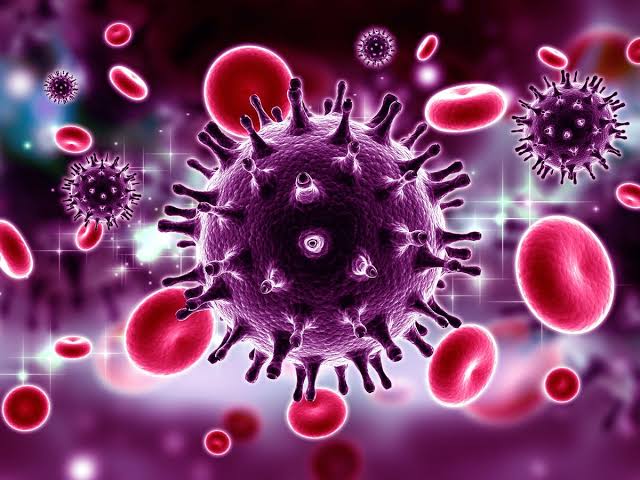
This killer disease is caused by a retrovirus called Human Immunodeficiency Virus (HIV). HIV attacks the human immune system by causing increasing loss of T-4 cells of blood. These cells are primarily responsible for energizing immune responses. The HIV infection gradually destroys the entire resistance system and then the patient succumbs to the diseases. The HIV remains somewhat dormant for 10-15 years and it makes its detection difficult in the early stages mainly because the victim remains totally unaware of it and does not go for diagnosis. It makes the diagnosis difficult and the problem more complicated. And then, finally the is caught unaware one day, when he proves HIV positive in the later stages. Within this period he might have transmitted the virus including many innocent children. This is the horrible nature of this disease.
There are about 30 million people affected with AIDS worldwide. In India, there are about 2.4 million confirmed AIDS patients in 2008 according to the statistics of UN AIDS and NACO. The disease is spreading fast in big cities and towns mainly because of lack of proper awareness among the masses. The disease spreads through homo and heterosexual contacts. Intravenous drug abuses, transfusion of blood products from infected persons are other causes of transmission of the dreaded disease. The other cause of its transmission is from infected mothers to their babies.
The disease is still incurable in spite of intensive and worldwide research. However, a patient’s life can be prolonged by 4-5 years by administration of certain drugs and medicines and proper and intensive care of the patient. But these medicines and care are very expensive and beyond the reach of most of the HIV patients. Moreover, the AIDS virus soon develops into a resistant strain to a particular medicine. And it necessitates the administration of a combination or cocktail of a number of drugs. It makes the patient’s care all the more expensive. For want of proper drugs and care the patient does a slow, lingering and painful death. Moreover, an AIDS patient is rejected by one and all. Even close relations refuse to accept an AIDS patient because of mainly misconception about the disease.
Casual contact like handshake or embrace of the HIV patient does not transmit the disease. It cannot be transmitted either by mosquito bite. Though there is no cure for the virus but still the patients deserve better care and treatment from the society. A combination of certain very costly drugs given to the patient can certainly minimise the complication yo certain extent and increase the life of an AIDS patient. These medicines should be produced on a large scale to make them less expensive. They should be made easily available on subsidised rates. The problem can be eased further by a mass movement in its awareness. The students in schools and colleges should be taught how to avoid the disease and help the infected people. There are many problems, issues and questions related to the AIDS patients which need to be discussed and debated before any decision can be taken about them. Really, it is a crisis of humanity and the mankind and should be treated as such. If not, no country or society can successfully fight the menace of AIDS.
 Eduindex
You must be logged in to post a comment.