What to Do When You Need Someone to Talk To.

[Bhoomika Saini]

What to do when you need someone to talk to

No matter what you’re going through at the moment, connecting and communicating with others is the key to living well, especially if you’re struggling with an illness, depression, addiction, the loss of a loved one, or even just loneliness. For this reason, it’s important to know what to do and where to look when you need to talk.

Trying to stuff your feelings, grit your teeth, and go it alone, is never effective. In fact, your emotions and feelings are there whether you talk about them or not. They are not going to simply go away just because you ignore them.

But if you make the effort to talk to another person, you may be able to release some of the tension and negativity that you’re experiencing and feel better in the end.

Here’s a closer look at the benefits of talking to others and how to find people to talk to when you feel alone or isolated.
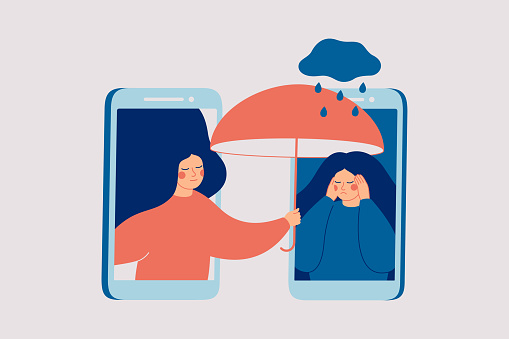
Benefits of Talking to Others

Finding someone to talk to not only provides connection, comfort, and understanding, but also offers opportunities to talk about shared experiences as well as prevent loneliness and isolation.

Stress Relief and Friendship Building

Consequently, talking to another person relieves stress and helps build friendships and connections.

Talking things over with other people also aids in decision-making and allows you an avenue to process your thoughts and feelings. Talking also exposes you to new perspectives and ideas and helps with problem-solving. In fact, there are a number of powerful psychological benefits to talking.

According to research from UCLA, talking can diminish the response of your brain’s amygdala, which initiates the fight or flight response when you’re feeling intense emotions like fear, anxiety, or aggression.

As a result when you get stressed out or overwhelmed, this part of your brain takes control and can even override your more logical thought processes.

But researchers noted that by using “affect labeling,” or talking through your experiences and processing what happened, you can override the amygdala’s response and cope with your feelings in a more effective way.

Friendships May Add Years to Your Life

Additionally, research suggests that having strong social ties, or people you can talk to, is linked to a longer life. In contrast, social isolation and loneliness are linked to depression, poorer health outcomes, and a risk of premature death.

Additionally, having a variety of social relationships—or people you can talk to—may help reduce stress as well as heart-related risks. So, it’s important to find people you can share things with.

Too many times, though, people are reluctant to reach out to others to talk despite its many benefits. Either they allow fear and shame to keep them silent, or they simply don’t know how to reach out.

Other times they allow work or family obligations to get in the way of any type of real connection with others. And before long, they feel lonely and isolated and like they don’t have anyone to talk to.

Finding Someone to Talk To

If you’re like most people, you may assume that you have no one to talk to, especially if you live far from family, are single, or don’t have a best friend. But that couldn’t be further from the truth.

In fact, it may really be easier to find someone to talk to when you really need it, if you know where to look. Here are some ways you can find someone to talk to.

Make a List of Social Connections

When you start thinking about who you might be able to open up to, start by making a list of your social connections. Include people you know from a variety of situations like family members, friends, Facebook friends, and even co-workers.

Then, try to determine who on your list is not only emotionally intelligent but also emotionally skilled. Typically, people with these skills tend to be much easier to talk to because they are empathetic. Once you have a list of possibilities reach out to them and invite them for coffee or to go for a walk.

However, you need to recognize that you will have to go slow. You won’t be able to talk about your deepest feelings right from the start.

With time, though, you can build trust with one another and start sharing more and more intimate details about your life.

Of course this approach is not ideal if you’re in a crisis and need to talk to someone right away, but it is an important part of building a support system.

Join an Online Forum or Chat

During those times when you feel like you need to talk with someone right away, you might want to consider an online forum or chat with a group tailored to your needs.

Aside from providing you with people who get what you’re struggling with, you also have the option of sharing details anonymously.

Sometimes people really appreciate the immediacy of an online forum or chat. Plus, communicating online can help take away any apprehension or help people with social anxiety relax and share.

Participate in a Support Group

One way to build your support system is to join a support group. Whether it’s an online group or a group that meets in person, both options provide you with a network of people who can relate to what you’re experiencing.

There, you will be able to get the support and understanding that you need as well as offer support to others in similar situations.

Work With a Therapist

Whether you need to discuss a mental health issue, want help managing your stress, or just need to find ways to be more mentally healthy, a good therapist can help you make sense of your feelings and emotions.

Therapists can help you develop healthier coping mechanisms and may even be able to provide input on how to build a support network.

If you don’t have insurance or if your insurance doesn’t cover mental health issues, some counselors and therapists work on a sliding fee scale.

You also may want to check out online therapy providers as well. In addition to being more conducive to busy schedules, sometimes these options are more affordable too.

Participate in a Group

A great way to make connections and meet new people is to join a group. Once there, you will meet people with similar passions and desires and you are more likely to meet someone that you can build a lasting friendship with.

Plus, attending regular meetings and events with the group provides you with the opportunity to socialize and have a casual conversation.

Contact a Hotline

If you are in crisis, it’s important to get help right away. For this reason, never hesitate to call a hotline. Regardless of your need, there are crisis lines with trained advocates there to help you.

Many times, they will listen and chat with you for as long as you need. Whether you want help with a drug addiction, domestic violence, an eating disorder, or even thoughts of suicide, there are people available to talk almost any time of day.

Visit a Place of Worship

Churches, mosques, and synagogues are a great place to find someone to talk with. Often, religious leaders are more than happy to talk with people in crisis or in need. So, you may want to look to your local church or synagogue as a possible resource.

Even if you don’t have a religious affiliation right now, you may want to pursue different options and see if there is a place of worship that fits with your values and beliefs.


Benefits of Thinking Positively

[Bhoomika Saini]

Positive thinking isn’t magic and it won’t make all of your problems disappear. What it will do is make problems seem more manageable and help you approach hardships in a more positive and productive way.

How to think positive thoughts

Positive thinking can be achieved through a few different techniques that have been proven effective, such as positive self-talk and positive imagery.

Here are some tips that to get you started that can help you train your brain how to think positively.

Focus on the good things

Challenging situations and obstacles are a part of life. When you’re faced with one, focus on the good things no matter how small or seemingly insignificant they seem. If you look for it, you can always find the proverbial silver lining in every cloud — even if it’s not immediately obvious. For example, if someone cancels plans, focus on how it frees up time for you to catch up on a TV show or other activity you enjoy.

Practice gratitude

Practicing gratitude has been shown to reduce stress, improve self-esteem, and foster resilience even in very difficult times. Think of people, moments, or things that bring you some kind of comfort or happiness and try to express your gratitude at least once a day. This can be thanking a co-worker for helping with a project, a loved one for washing the dishes, or your dog for the unconditional love they give you.

Keep a gratitude journal

Studies Trusted Source have found that writing down the things you’re grateful for can improve your optimism and sense of well-being. You can do this by writing in a gratitude journal every day, or jotting down a list of things you’re grateful for on days you’re having a hard time.

Open yourself up to humor

Studies have found that laughter lowers stress, anxiety, and depression. It also improves coping skills, mood, and self-esteem.

Be open to humor in all situations, especially the difficult ones, and give yourself permission to laugh. It instantly lightens the mood and makes things seem a little less difficult. Even if you’re not feeling it; pretending or forcing yourself to laugh can improve your mood and lower stress.

Spend time with positive people

Negativity and positivity have been shown to be contagious. Consider the people with whom you’re spending time. Have you noticed how someone in a bad mood can bring down almost everyone in a room? A positive person has the opposite effect on others.

Being around positive people has been shown to improve self-esteem and increase your chances of reaching goals. Surround yourself with people who will lift you up and help you see the bright side.

Practice positive self-talk

We tend to be the hardest on ourselves and be our own worst critic. Over time, this can cause you to form a negative opinion of yourself that can be hard to shake. To stop this, you’ll need to be mindful of the voice in your head and respond with positive messages, also known as positive self-talk.

Research shows that even a small shift in the way you talk to yourself can influence your ability to regulate your feelings, thoughts, and behavior under stress.

Here’s an example of positive self-talk: Instead of thinking “I really messed that up,” try “I’ll try it again a different way.”

Identify your areas of negativity

Take a good look at the different areas of your life and identify the ones in which you tend to be the most negative. Not sure? Ask a trusted friend or colleague. Chances are, they’ll be able to offer some insight. A co-worker might notice that you tend to be negative at work. Your spouse may notice that you get especially negative while driving. Tackle one area at a time.

Start every day on a positive note

Create a ritual in which you start off each day with something uplifting and positive. Here are a few ideas:

  • Tell yourself that it’s going to be a great day or any other positive affirmation.
  • Listen to a happy and positive song or playlist.
  • Share some positivity by giving a compliment or doing something nice for someone.

Positivity

[Bhoomika Saini]

How to think positive when everything is going wrong

Trying to be positive when you’re grieving or experiencing other serious distress can seem impossible. During these times, it’s important to take the pressure off of yourself to find the silver lining. Instead, channel that energy into getting support from others.

Positive thinking isn’t about burying every negative thought or emotion you have or avoiding difficult feelings. The lowest points in our lives are often the ones that motivate us to move on and make positive changes.

When going through such a time, try to see yourself as if you were a good friend in need of comfort and sound advice. What would you say to her? You’d likely acknowledge her feelings and remind her she has every right to feel sad or angry in her situation, and then offer support with a gentle reminder that things will get better.

Side effects of negative thinking

Negative thinking and the many feelings that can accompany it, such as pessimism, stress, and anger, can cause a number of physical symptoms and increase your risk of diseases and a shortened lifespan.

Stress and other negative emotions trigger several processes in our bodies, including stress hormone release, metabolism, and immune function. Long periods of stress increase inflammation in your body, which has also been implicated in a number or serious diseases.

Some of the symptoms of stress include:

Cynicism, stress, anger, and hostility have been linked to a higher risk of:

When to seek medical help

If you’re feeling consumed by negative thoughts and are having trouble controlling your emotions, see a doctor. You may benefit from medical help, such as positive psychology or therapy. Persistent negative thoughts can be caused by an underlying psychiatric condition that requires treatment.

Takeaway

You won’t be able to undo years of pessimism and negative thoughts overnight, but with some practice, you can learn how to approach things with a more positive outlook.

Ways to improve yourself. [Part 1]

[Bhoomika Saini]

Photo by Magnetme on Pexels.com

Prioritizing self-development can impact all areas of your life for the better. It can especially help you take on more responsibility at work or move your career forward. This article discusses the benefits of actively bettering yourself and explore ways to improve yourself.

1. Read often

Reading regularly is one of the easiest and most effective ways to learn. By reading often, you can gain more insight into your field and develop a strategic vision that helps you advance along your career path. Try searching for new sources that will expand your expertise. Seek out authors from different countries and cultures or read alternative viewpoints. Consider challenging yourself to learn a new language that introduces you to even more reading material.

For example, you can make a list of the top books, blogs and publications in your industry, then make time to read every day.

2. Adopt a new hobby

Work and family obligations might be your top priorities, but having a hobby or two is essential for creating work-life balance. Sports, crafts and other activities can help you take a break from your regular responsibilities, and they encourage you to learn and grow outside of work.

Think carefully about how you spend your time. You might be able to join a sports team, master a new-to-you craft or plan short getaways with just a few free hours each week.

3. Sign up for a training session

While you can learn new skills independently, joining a class can add structure to your learning experience. When you sign up for an extracurricular lesson or a company-sponsored training session, you can pursue hard or soft skills with the help of an expert.

You can start by signing up for a one-time training session that meets after work. After completing an individual session, consider registering for a multi-session workshop or a longer class. Choose the topic carefully by identifying specific goals you want to achieve.

4. Identify in-demand skills

If you are focused on advancing your career, identifying specific skills you need for advanced positions can help you improve yourself. In addition to standard abilities, pay attention to emerging skills that could help you gain a competitive edge.

Try reading industry publications to learn about the most in-demand skills in your industry. Consider signing up for a class to master these skills so you can position yourself at the top of your field.

Photo by Anastasiya Gepp on Pexels.com