Shortlisting CBSE schools in Bangalore can feel confusing because many brochures make the same promises. A better approach is to focus on what truly impacts your child: teaching quality, concept clarity, co-curricular exposure, safety, and a transparent admission process. In this guide, you’ll get a step-by-step framework to compare schools and shortlist confidently.
Verify That CBSE Is The Right Choice For Your Child
CBSE is appreciated for its curriculum that is recognised throughout the country and its method of teaching that combines theory and practical understanding. This especially applies to the main subjects, Mathematics and Science. Other families who are planning to prepare for competitive exams in the long run but still want to allow for arts and creativity, also prefer CBSE.
Build Your Shortlist Around Commute and Consistency
In Bangalore, distance shapes daily life. A long commute can drain a child’s energy and reduce time for revision and rest. Start with a realistic radius, then shortlist only the schools that match your essentials.
What to Verify Early
Pointers to verify:
CBSE alignment for the grades you need, including the senior secondary stage.
A clear academic plan is explained in simple terms.
A learning environment that builds confidence and critical thinking.
Evaluate Learning Outcomes and Classroom Experience
Instead of asking general questions, focus on what your child will actually experience every day. During your school visit, check:
How are lessons structured from the introduction to the revision?
How often do students practise through worksheets, projects, experiments, or presentations?
How are homework and assessments used to track progress, not just give marks?
Check Facilities That Genuinely Support Learning
Facilities matter when they are used regularly. Look for science labs, a functional library, and activity spaces for art and music. If a school highlights digitally enabled classrooms, ask how teachers use those tools in everyday lessons.
Confirm Co-Curricular Balance and Well-Being Support
A strong CBSE school gives importance to studies and extracurricular activities. Ask how activities are planned throughout the year, and whether the school has a structured way to support overall development. If the admission process includes a child interaction or skill assessment, check if it is used to understand learning needs.
Treat Safety, Hygiene, Transport, and Communication as Non-Negotiables
Parents value schools that are clear about supervision, hygiene routines, and timely communication. If you plan to use transport, ask how routes are managed and how parents are updated during delays.
Use the Admission Journey as a Trust Test
Many CBSE schools follow a precise flow: counselling interaction, sharing a prospectus or brochure, document submission, a child interaction or assessment, and then fee payment to confirm admission. Ask for written requirements and keep commonly requested documents ready, including identity details and previous school records where applicable.
Compare Fees With Clarity, Not Assumptions
Fee structures can vary widely based on facilities and offerings. When comparing CBSE schools in Bangalore, request a written division and confirm what is included before you compare options.
Final Thoughts
You will shortlist better when you focus on evidence: how the school teaches, how it develops skills beyond academics, and how clearly it communicates with parents.
The Ministry of Education (MoE) and the National Book Trust (NBT) of India launched the thirdedition of the Prime Minister’s Young Authors Mentorship Scheme, known as YUVA 3.0, on March 11, 2025. The initiative aims to nurture young writers under 30 years of age, providing them with mentorship and exposure to hone their creative writing skills. YUVA 3.0 builds upon the success of its predecessors, YUVA 1.0 and YUVA 2.0, continuing the government’s commitment to fostering literary talent and promoting reading, writing, and book culture in India. The scheme aligns with the vision of Ek Bharat, Shreshtha Bharat, encouraging the documentation and dissemination of India’s rich cultural heritage and knowledge.
YUVA 3.0: Features and Objectives
Theme and Focus
The Themes of PM-YUVA 3.0 are: Contribution of Indian Diaspora in Nation Building; Indian Knowledge System; and Makers of Modern India (1950-2025). The scheme will help to develop a stream of writers who can write on various facets of India encompassing the past, present and future. Besides, the scheme will also provide a window to the aspiring youth to articulate themselves and present a comprehensive outlook of contribution of Indians across fields in ancient and present times.
Selection Process
The scheme invites applications from aspiring writers through MyGov India’s online portal.
A competitive process shortlists 50 young authors based on a well-defined evaluation criterion.
The National Book Trust (NBT) will constitute the selection committee.
Applicants are required to submit a book proposal of 10,000 words, which is then reviewed by a panel.
The shortlisted candidates undergo a multi-stage selection process before the final selection.
Mentorship and Support
Selected authors receive a mentorship program spanning six months.
The authors undergo workshops, interactions with mentors, and exposure to India’s literary ecosystem.
They receive financial assistance of ₹50,000 per month for six months.
Their works are published and promoted by the NBT in multiple languages.
Under the mentorship, a National Camp will be held for the PM-YUVA 3.0 Authors during the New Delhi World Book Fair 2026.
Selected authors get the opportunity to present their work at literary festivals and international forums.
Background of the YUVA Scheme
National Education Policy 2020 has emphasized on the empowerment of the young minds and creating a learning eco-system that can make the young readers/learners ready for leadership roles in the future world. India is considered to be a ‘young country’ because 66% of its total population are young and can be tapped for capacity and nation building. In this context, a national scheme for mentoring generations of young authors has proven to be a significant stepping stone for laying the foundation of the future leaders of the creative world. This scheme has been conceptualised on the premise that the 21st century India needs to groom a generation of young authors to create ambassadors of Indian literature and world view. In view of the fact that our country is ranked third in the arena of book publishing and we have a treasure trove of indigenous literature, India must project it at the global stage. The first mentorship scheme was launched on 31st May 2021, then subsequently in October 2022 and now in March 2025.
YUVA 2.0: Expansion and Achievements
Launched in October 2022, YUVA 2.0 built upon the foundation of YUVA 1.0 with a renewed focus on ‘Democracy’ as the core theme. The scheme aimed to foster young writers’ engagement with India’s democratic values, traditions, and governance structures.
Theme and Vision
The Theme of PM-YUVA 2.0 was Democracy (Institutions, Events, People, and Constitutional Values). The scheme helped in developing a stream of writers who can write on various facets of Democracy in India encompassing the past, present and future. Besides, the scheme also provided a window to the aspiring youth to articulate themselves and present a comprehensive outlook of Indian democratic values at domestic as well as international platforms.
Selection and Implementation
The competition received an overwhelming response, with a diverse pool of participants from across the country.
75 authors were selected through a competitive process. They were also required to submit a book proposal of 10,000 words.
The mentorship program included interaction with constitutional experts, historians, and renowned authors.
Special training sessions were held to enhance research skills, language proficiency, and storytelling techniques.
Outcomes and Impact
The Union Minister for Education launched 41 new books under the PM YUVA 2.0 scheme at the New Delhi World Book Fair 2025 in February.
Several books were published in multiple Indian languages, making them accessible to a broad readership.
Young authors gained national and international recognition, participating in events like the World Book Fair and literary forums.
Many participants had their books included in academic and government libraries for research and reference.
Some authors had the opportunity to meet and interact with policymakers and scholars, further enriching their perspectives.
YUVA 1.0: Inception and Legacy
The inaugural edition, YUVA 1.0, was launched in May 2021 as part of the Azadi Ka Amrit Mahotsav celebrations to commemorate 75 years of India’s independence. The scheme aimed to empower young authors and provide them a platform to express their perspectives on India’s history and contemporary narratives.
Theme and Inspiration
The theme was National Movement of India with focus on Unsung Heroes; Little known facts about the Freedom Struggle; Role of various places in National Movement; Entries bringing out new perspectives related to political, cultural, economic, or science related aspects of national movement etc. as part of Azadi ka Amrit Mahotsav. This scheme helped to develop a stream of writers who can write on a spectrum of subjects to promote Indian heritage, culture and knowledge system.
Selection and Implementation
The contestants were asked to submit a manuscript of 5000 words.
75 young authors were selected, representing diverse linguistic and regional backgrounds.
The selection was made by a committee constituted by National Book Trust (NBT).
Mentorship included training in writing, editing, and publishing processes.
Special sessions were conducted by eminent historians, journalists, and literary figures.
A consolidated scholarship of Rs.50,000 per month for a period of six monthsper author will be paid under the Mentorship Scheme.
Outcomes and Impact
The results were announced on 25.12.2021.
The books produced under YUVA 1.0 were translated into multiple Indian languages, enhancing their reach.
The initiative contributed to India’s literary heritage, encouraging young voices to document historical narratives.
Several young authors gained recognition, contributing to mainstream literature and academic discussions.
The scheme established a strong foundation for young writers, many of whom went on to publish additional books independently.
10% royalty is being paid by NBT on publication and sale of the books.
Conclusion
The YUVA scheme, in its three editions, has played a crucial role in nurturing young literary talent in India. As the program continues to evolve, it reinforces India’s commitment to promoting creative expression, multilingual literary heritage, and a culture of reading and writing among the youth. The impact of the scheme is evident in the success stories of young authors whose voices have been amplified at both national and international levels. With continued support and innovation, the YUVA scheme will remain a cornerstone of India’s literary and cultural renaissance.
The Ministry of Education, Department of Higher Education, launched PM-YUVA 3.0 -Prime Minister’s Scheme for Mentoring Young Authors, an Author Mentorship programme to train young and budding authors (below 30 years of age) in order to promote reading, writing and book culture in the country, and project India and Indian writings globally on 11th March, 2025. In view of the significant impact of the first two editions of PM-YUVA Scheme with large scale participation from young and budding authors in 22 different Indian languages and English, PM-YUVA 3.0 is now being launched.
The launch of PM-YUVA 3.0 (Young, Upcoming and Versatile Authors) is in tune with the Prime Minister’s vision to encourage the youth to understand and appreciate India’s rich culture, heritage and contribution of visionaries in the development and growth of the country.PM-YUVA 3.0 intends to bring to the fore the perspectives of the young generation of writers on the themes:1) Contribution of Indian Diaspora in Nation Building; 2) Indian Knowledge System; and 3) Makers of Modern India (1950-2025) in an innovative and creative manner. This scheme will thus help to develop a stream of writers who can write on a spectrum of subjects to promote Indian heritage, culture and knowledge system.
NEP 2020 has emphasised on the empowerment of the young minds and creating a learning ecosystem that can make the young readers/learners ready for leadership roles in the future world. India tops the chart in youth population being 66% of the total, waiting to be tapped for capacity building and thereby nation building. With the purpose of mentoring a new generation of young creative writers, there is an imminent requirement to take initiatives at highest level, and in this context, PM-YUVA 3.0 will go a long way in laying the foundation of the future leaders of the creative world.
The National Book Trust, India, under the Ministry of Education as the Implementing Agency, will ensure phase-wise execution of the Scheme under well-defined stages of mentorship. The books prepared under this scheme will be published by National Book Trust, India, and translated into other Indian languages, fostering cultural and literary exchange while promoting ‘Ek Bharat Shreshtha Bharat’. The selected young authors will engage with esteemed writers, participate in literary festivals, and contribute to a diverse body of work that reflects India’s rich heritage and contemporary progress.
The scheme aims to cultivate a new generation of writers who can articulate the contributions of the Indian diaspora in nation-building, highlighting their peaceful integration and influence across political, economic, and socio-cultural spheres. It will also emphasise on the role of Indian Knowledge System in preserving historical wisdom, generating new opportunities, and synthesising indigenous knowledge for national development. Through this initiative, young authors will explore the impact of visionaries in various fields like education, science, economy, social empowerment, etc. thereby presenting a comprehensive narrative of India’s growth and resilience.
The Schedule of PM-YUVA 3.0 (Young, Upcoming and Versatile Authors) is as follows:
Announcement of the Scheme 11 March 2025.
A total of 50 authors will be selected through an All India Contest to be conducted through https://www.mygov.in/ from 11 March 2025 – 10 April 2025.
The number of authors to be selected as per the theme:
1) Contribution of Indian Diaspora in Nation Building – 10 authors
2) Indian Knowledge System – 20 authors
3) Makers of Modern India (1950-2025) – 20 authors
The received proposals would be evaluated in April 2025.
The list of selected authors will be announced in May- June 2025.
The young authors will be trained by eminent authors/mentors from 30 June – 30 December 2025.
Under the mentorship, a National Camp will be held for the PM-YUVA 3.0 Authors during the New Delhi World Book Fair 2026.
The two-day Visitor’s Conference at Rashtrapati Bhavan concluded today.
The Conference deliberated on the themes – Flexibility in academic courses, Credit Sharing and Credit Transfer with multiple entry and exit options; Internationalisation efforts and collaboration; Translation Research and Innovation related to converting research or innovation into useful products and services; Effective student selection processes and respecting student choices in context of NEP; and Effective assessments and evaluation. The outcome of deliberations was presented before the President of India, Smt Droupadi Murmu.
In her concluding remarks, the President said that our national goal is to make India a developed country before the end of the first half of this century. To achieve this goal, all stakeholders of the educational institutions and students would have to move forward with a global mindset. Young students would make a more effective identity for themselves in the 21st century world with the strengthening of internationalisation efforts and collaborations. Availability of excellent education in our higher education institutions would decrease the tendency to study abroad. Our young talent would be better utilized in nation building.
The President said that India is moving towards becoming the third largest economy in the world. Being self-reliant is the hallmark of a truly developed, large and strong economy. Self-reliance based on research and innovation would strengthen our enterprises and economy. Such research and innovation should get every possible support. She highlighted that in developed economies, the academia-industry interface appears strong. Due to continuous exchange between the industry and higher education institutions, research work remains linked to the needs of the economy and society. She urged the heads of institutions of higher learning to make institutional efforts to have continuous discussions with senior people of industrial institutions in mutual interest. She said that this would benefit the teachers and students doing research work. She also told them that connecting the laboratories of educational institutions with local, regional, national and global needs should be their priority.
The President said that it is imperative and challenging to have an education system that is system-based and flexible according to the special talents and needs of the students. In this context, there is a need to remain constantly alert and active. Appropriate changes should continue to take place based on experience. Empowering students should be the objective of such changes.
The President said that a nation becomes strong and developed only on the strength of characterful, sensible and capable youth. In educational institutions, the character, prudence and capability of our young students are developed. She expressed confidence that the heads of institutions of higher learning would achieve the proud ideals of higher education and would present a bright future to the young children of Mother India.
Union Minister for Education Shri Dharmendra Pradhan, while addressing the gathering, expressed his gratitude to President Smt. Droupadi Murmu for her guidance and words of inspiration during the inauguration and the concluding session. He also expressed gratitude to academic leaders for their active participation and meaningful discussions at the Visitor’s Conference. He noted that their diverse perspectives and forward-thinking ideas had enriched the confluence and contributed to shaping a roadmap for the country’s bright future.
Highlighting the collective responsibility of shaping India’s education system, he emphasized that the swift and large-scale implementation of NEP 2020 should be a national mission.
Acknowledging the challenges ahead, he affirmed that with collective efforts, a shared vision, and strong commitment, the education system could be redefined, paving the way for a knowledge-driven, self-reliant Bharat on its journey to becoming a developed country by 2047.
He further underscored the significance of students as the most important stakeholders and the backbone of the education system.
Reiterating the vision of Prime Minister Shri Narendra Modi, he stressed the importance of prioritizing students’ interests by investing in their education, equipping them with the right skills, empowering them to dream big, and supporting them in achieving their aspirations—not merely as an academic obligation but as a duty toward the nation.
Union Minister of State for Education & Development of the North Eastern Region, Dr. Sukanta Majumdar presented the Vote of Thanks. Secretary, Department of Higher Education, Dr. Vineet Joshi presented the summary of the session. Shri Amit Khare, Advisor to the Prime Minister and Smt. Deepti Umashankar, Secretary to the President were also graced the occasion. Officials of the President’s house, Ministry of Education and Heads of Higher Education Institutes were also present at the event.
In addition to summing up the key takeaways of the five sessions, Dr. Joshi, in his speech, stated that the conference had served as a platform that brought together visionary leaders, educationists, and policymakers to deliberate on the future of higher education in India. He highlighted that the National Education Policy (NEP) 2020, which is a transformational reform rooted in ancient Indian principles, upholds the pursuit of knowledge (Gyan), wisdom (Pragyaa), and truth (Satya) as the highest human goals. He emphasized the five key pillars of NEP 2020, which are Learner-Centric Education, Digital Learning, Academic Research and Internationalization, Industry-Institute Collaboration, and Indian Knowledge Systems. The policy is aimed at creating a holistic, inclusive, high-quality, and accessible education ecosystem, he also added.
Session Summary:
Session 1:
The theme of the 1st Session was Flexibility in academic courses, Credit Sharing and Credit Transfer with multiple entry and exit options. The session summary was presented by Prof. Anand Bhalerao, Vice-Chancellor of the Central University of Rajasthan. He informed the key snippets of the deliberation, which were, The Need for Academic Flexibility; Credit Sharing and Transfer: A Pathway to Student Mobility; Global Best Practices as a Model for India; Multiple Entry and Exit Options Will Democratize Higher Education; and Challenges in implementation and the way forward. The Session also focused on areas of focus such as institutional readiness, Inter-university coordination, technology and infrastructure, Quality Control, and Regulatory Framework. He also informed the recommendations of the Panel which were strengthening policy and regulatory framework, building digital infrastructure for credit transfer, enhancing university collaboration and partnership, capacity building for faculty and administrators, ensuring student awareness and engagements and fostering industry collaboration and skill development.
Session 2:
The theme of the 2nd session was Internationalization efforts and collaborations and Prof. M. Jagadesh Kumar, Chairman, UGC, presented the summary. He highlighted the great potential that India has for the Internationalization of Education. Three kinds of Internationalization were discussed during the deliberation, which were encouraging Indian institutions to set up campuses outside India, the potential India has to attract international students and providing high-quality international education to Indian students in India. He especially highlighted how discussions were carried out on keeping Global South in focus. He also emphasized how Institutes can implement NEP2020, introducing the Indian Knowledge System to international students to present a unique opportunity.
Session 3:
The theme of the 3rd session was Translation Research and Innovatio. Prof. Govindan Rangarajan, Director, Indian Institute of Science (IISc) Bangalore, presented the session summary for this session. He highlighted a few challenges the HEIs face in translational research and innovation from Lab to Land. He showed the link between Science (Know-Why), Engineering (Know-How) and ‘Technology’ (Show-How). Emphasizing the importance of fundamental research, he listed the factors important for changing the faculty mindset (Publications to Products); not diluting fundamental research; link between Product patents and research papers; inspiring to solve local problems (society, industry); Translational research fellowships etc. The factors needed for building the necessary ecosystem; How to attract and partner with industry (Trust & Track record); were also discussed during the deliberation, he informed.
Session 4:
The theme of the 4th session was Effective student selection processes and respecting student choices in the context of NEP for which the session summary was presented by Prof. Manindra Agrawal, Director, IIT Kanpur.
Session 5
The theme of the 5th session was Effective Assessment & Evaluation for which the session summary was presented by Dr. K Radhakrishnan, Former Chairman, ISRO and Chairman, BoG IIT Kanpur. He elaborated on the context of the discussion, which was Technology, which is advancing exponentially and pervading (Including Pedagogy); Imperative for the multidisciplinary mind; Holistic Development of Students; Outcome-based education; and transforming the key Enablers, which are faculty, programme, and institutions. He elaborated on the facets of holistic development of studies, which include intellectual, aesthetic, social, physical, extracurricular Arts, Sports, emotional, ethical, and value-based education. He also elaborated on the discussion that took place on five dimensions of outcome-based education, which were Knowledge Acquisition (Recall); Application of Knowledge (Problem-Solving); Analytical Ability (Decipher Patterns, Trends, Critical Thinking); Synthesis (New Ideas from Multi-farious inputs); and Learning how to learn.
Click here to see the President’s speech in Hindi:
In her inaugural address, the President said that the level of development of any country is reflected in the quality of its education system. She told the heads of the institutions of higher learning that they have a crucial role in achieving the goal of establishing India as an important centre of the knowledge economy. She highlighted the need to pay a lot of attention to research along with education. She said that the Government of India has established the National Research Fund with a very good objective. She expressed confidence that institutions of higher learning would make good use of this important initiative and encourage research.
The President said that the ambition of our higher education community should be that researchers from our institutions get recognition at the world level, patents of our institutions can bring change in the world, and students from developed countries choose India as a preferred destination for higher education.
The President said that students from India enrich the world’s leading educational institutions and developed economies with their talent. She emphasised the need of making efforts to utilize their talent in our country. She stated that our national goal of establishing India as a Global Knowledge Super Power would be achieved only when the world community is eager to adopt the work being done in our laboratories.
The President said that many higher education institutions of our country have global brand value. The students of these institutions get big responsibilities in the best institutions and companies of the world. However, all our institutions should move ahead very fast. The leadership of heads of institutions of higher learning would be recognised by developing and utilising the immense talent of our large youth population.
The President said that along with excellence, social inclusion and sensitivity should also be an essential aspect of our education system. No economic, social, or psychological limitation of any kind should be a hindrance in getting higher education. She said that heads and teachers of institutions of higher learning should take care of young students, remove any insecurity from their minds and provide them moral and spiritual strength. She urged them to make every possible effort to provide counselling and inspiration to students and spread positive energy in the campuses.
The President said that our country has a rich tradition of scientific achievements. The branches and sub-branches of Indian knowledge and science have flourished in every region of the country. It would be very useful to rediscover the invaluable but extinct streams of knowledge and science by doing intense research. She stated that it is the responsibility of the higher education ecosystem to find ways to use such organically grown knowledge systems in today’s context.
The President said that educational institutions shape the future of the nation. Young students learn from the conduct of our policy makers, teachers, heads of institutions, and senior students. She expressed confidence that with their global thinking, the heads of higher learning institutions would prepare a generation of builders of a developed India.
During the inaugural session, the President presented the eighth Visitor’s Awards in the categories of Innovation, Research, and Technology Development.
The Visitor’s Award for Innovation was given to Prof Saripella Srikrishna, Banaras Hindu University, for developing Novel Indigenous Innovation in Quantum Technology to boost the National Green Hydrogen Mission.
The Visitor’s Award for Research in the field of Physical Sciences was conferred upon Prof Ashwini Kumar Nangia, University of Hyderabad, for his seminal research in the discovery and development of high bioavailability drugs and pharmaceuticals with enhanced efficacy at affordable cost.
The Visitor’s Award for Research in Biological Sciences was jointly presented to Prof Rina Chakrabarti, University of Delhi and Prof Raj Kumar, Central University of Punjab. Prof Chakrabarti has been conferred the Award for her research contributions to Sustainable Freshwater Aquaculture while Prof Raj Kumar has been presented the Award for his research contributions to exploring various cancer hallmarks and the development of synthetic anticancer lead molecules.
The Visitor’s Award for Technology Development was presented to Dr Venkateswarlu Chintala, Gati Shakti Vishwavidyalaya, for his research contributions to the petrol and diesel production at commercial scale from landfill municipal mixed plastic waste.
Tomorrow, the Conference will deliberate on issues such as – Flexibility in academic courses, Credit Sharing and Credit Transfer with multiple entry and exit options; Internationalisation efforts and collaboration; Translation Research and Innovation related to converting research or innovation into useful products and services; Effective student selection processes and respecting student choices in context of NEP; and Effective assessments and evaluation. The outcome of these deliberations will be presented before the President in the closing session of the Conference.
Shri Dharmendra Pradhan, while presenting the opening remarks, expressed his gratitude to the President, Smt. Droupadi Murmu, for guiding the academic fraternity with constant guidance, steady support, and visionary leadership. He also congratulated all the distinguished recipients of the 8th Visitor’s Awards.
Shri Pradhan mentioned that Smt. Droupadi Murmu’s leadership has always shown the way forward in breaking new ground in education, achieving national educational priorities, navigating the ever-evolving learning landscape, as well as taking significant strides toward making India the epicentre of knowledge, research, and innovation.
He urged the participants of the Conference to share their concerns, discuss best practices, and envision the future of higher education. He also highlighted that NEP 2020 stands at the heart of today’s discussions, a transformative blueprint reshaping the country’s education system.
The Minister urged everyone to create an ecosystem that empowers the youth, strengthens the workforce, and accelerates India’s journey toward Viksit Bharat 2047.
Expressing his gratitude to Prime Minister Shri Narendra Modi for his clarion call of Viksit Bharat by 2047, the Minister said the nation ought to be self-reliant, innovative, and knowledge-driven. Education must go beyond degrees; it must create thinkers, innovators, solution-givers, and job creators, for which the implementation of NEP 2020 in letter and spirit is essential, he noted. He emphasized the importance of rising above institutional silos to ensure that NEP 2020 translates into real and long-lasting impact.
He stressed the importance of working collaboratively and sharing best practices to optimize academic strength, strengthen policies, and execute them well with a real impact on the ground.
Showing his optimism, he said that academic institutions will emerge as the lighthouse of Viksit Bharat, anchoring the developmental journey in the Amrit Kaal and beyond. He also expressed confidence that the Visitor’s Conference will provide a clear roadmap for holistically transforming the education system, empowering the youth, strengthening the workforce, and establishing India’s higher education ecosystem as a global benchmark.
Ministry of Education organised Post Budget Webinar on the theme ‘Investing in People’, today. The Prime Minister Shri Narendra Modi delivered a special address at the inaugural session. Union Education Minister Shri Dharmendra Pradhan along with Secretary, Department of School Education & Literacy (DoSEL), Shri Sanjay Kumar; UGC Chairman Professor M. Jagadesh Kumar ; Secretary, Dept. of Higher Education, Shri Vineet Joshi; Secretary, Ministry of Health and Family Welfare Smt. Punya Salila Srivastava; Secretary Labour & Employment Ms. Sumita Dawra participated in the session.
The webinar brought together experts from the government, industry, and academia to discuss key reforms in job creation, academic flexibility, credit mobility, and future-ready skills—paving the way for a highly skilled and globally competitive workforce in line with Viksit Bharat 2047.
Speaking about the webinar, Shri Pradhan said that investment is one of the engines outlined in the Union Budget 2025-2026 which will turbocharge our journey to Viksit Bharat by 2047. He further said that the insightful special address by the Prime Minister Shri Narendra Modi has put forth new ideas for realising aspirations, future-proofing our population, accelerating inclusive development and ensuring benefits of Union Budget reaches every citizen of the country.
He expressed his gratitude to the Prime Minister for drawing attention to the vast potential of ‘Education Tourism’ and its key role in facilitating employment-linked growth and development. The Minister assured that the academic community will engage in comprehensive deliberations to chart out a strong roadmap for moving ahead in this direction. He further said that, together, with the spirit of jan-bhagidari and right investment in right direction, academia and industry will work together for bridging skills gap, harnessing demographic dividend, leveraging AI in education, catalysing research landscape and strengthening deep-tech start-up ecosystem for a future-ready workforce, stronger economy and Viksit Bharat.
Prof M. Jagadesh Kumar opened the session by emphasizing the transformative role of higher education. He highlighted that the implementation of NEP 2020 provided a unique opportunity to reshape India’s higher education landscape. During the webinar, Prof M. Jagadesh Kumar, Chairman, UGC stated that the policy was not merely reformative but transformative, designed to empower youth with the skills, knowledge, and adaptability required to thrive in the 21st century. He stressed that investing in people through quality education, research, and innovation was central to building a self-reliant, inclusive, and globally competitive economy.
Shri Sanjay Kumar stated that education is fundamentally about investing in people. He acknowledged the broad perspective provided by the UGC Chairman on higher education and noted that the 2025-26 Budget included key announcements regarding the establishment of 50,000 Atal Tinkering Labs in government schools over the next five years and the provision of broadband internet connectivity to government schools in rural areas. He further highlighted a significant trend observed over the last decade, noting that the proportion of female teachers has increased. He mentioned that in 2014-15, male teachers comprised 52 percent of the total, while female teachers accounted for 48 percent. By 2025, these figures have reversed, with female teachers now making up 52 percent and male teachers 48 percent, reflecting a move towards greater gender parity in the education sector.
The discussions reinforced the need for strategic investments in human capital to ensure sustainable economic growth, social equity, and global leadership. The government remained committed to fostering a skilled workforce, ensuring India’s continued rise as an innovation and technology hub.
Prime Minister’s address the Post-Budget Webinar on boosting job creation- Investing in People, Economy, and Innovation
The National Education Policy 2020 (NEP 2020) announced on 29.07.2020 is the first education policy of the 21st century and aims to address the many growing developmental imperatives of our country. The Policy proposes the revision and revamping of all aspects of the education structure, including its regulation and governance, to create a new system that is aligned with the aspirational goals of 21st century education, including SDG-4, while building upon India’s traditions and value systems.
NEP 2020 envisions an education system rooted in Indian ethos that contributes directly to transforming India, that is Bharat, sustainably into an equitable and vibrant knowledge society, by providing high-quality education to all, and thereby making India a global knowledge superpower. Towards this, a number of transformative changes have taken place both in school and higher education after announcement of National Education Policy (NEP 2020).
Further recognizing research as core requisite for better education in line with vision of NEP 2020 Anusandhan National Research Foundation has been established which aims to provide high-level strategic direction for research, innovation and entrepreneurship in the fields of natural sciences including mathematical sciences, engineering and technology, environmental and earth sciences, health and agriculture. It also seeks to promote scientific and technological interfaces of humanities and social sciences.
Ministry of Education has also been implementing various schemes to promote research and development in the Higher Educational Institutes of the Country which includes Prime Minister’s Research Fellowship scheme(PMRFs), Impacting Research Innovation and Technology (IMPRINT), Scheme for Trans-Disciplinary Research for India’s Developing Economy (STRIDE), Scheme for promotion of Research and Academic Collaboration (SPARC), National Initiative for Design Innovation (NIDI) and Scheme for Transformational and Advanced Research in Sciences (STARS). Also, PM-USHA aims at funding the State Government Universities and Colleges so as to improve the overall quality, including ‘Research Innovation and Quality Improvement’.
In pursuance to Para 60 of the Budget Announcement 2023-24 regarding “Centres of Excellence for Artificial Intelligence” for the vision of “Make AI in India and make AI work for India”, Government has approved three Centres of Excellence (CoE) in Artificial intelligence (Al), one each in the areas of health, agriculture and sustainable cities with a total financial outlay of Rs. 990.00 Cr over the period of FY 2023-24 to FY 2027-28. Further, a Centre of Excellence in Artificial Intelligence for Education with a total outlay of Rs. 500 crore has been included in the Budget Speech 2025-26.
Various schemes/projects/programmes of Ministry of Education have been aligned with NEP 2020 to realise the vision of making India a developed Nation by 2047.
The Department of Fisheries, under the Ministry of Fisheries, Animal Husbandry and Dairying (MoFAH&D) is organizing a Fisheries Startup Conclave 2.0 on 8th March 2025 in Hyderabad, Telangana. The event will be graced by Union Minister, Shri Rajiv Ranjan Singh, MoFAH&D and Ministry of Panchayati Raj, along with Minister of State, Shri George Kurian, MoFAH&D and Ministry of Minority Affairs and Minister of State, Prof. S.P. Singh Baghel, MoFAH&D and Ministry of Panchayati Raj. The event will also witness participation from government officials, Fisheries Startups and Entrepreneurs.
The Startup Conclave 2.0 will bring together key stakeholders to discuss and promote innovation in the fisheries sector. Deliberations on startup opportunities in fisheries/aquaculture along with e- commerce prospects in the sector will also be held. Startup conclave 2.0 will also witness the launch of the National Fisheries Digital Platform (NFDP) Mobile App, a transformative initiative aimed at streamlining digital access to fisheries-related services and resources. The Fisheries Startup Grand Challenge 2.0 will also be unveiled, reinforcing the government’s commitment to fostering entrepreneurship and technological advancements in the sector. Additionally, the distribution of Entrepreneur Model approvals to fisheries startups will recognize and support emerging enterprises, further strengthening the fisheries startup ecosystem. The technical feedback & interaction session will provide a platform for in-depth discussions on the fisheries ecosystem in India and key initiatives undertaken by National Fisheries Development Board (NFDB) and Indian Council of Agricultural Research (ICAR) along with experience sharing by fisheries startups.
India’s fisheries and aquaculture sector sustains 3 crore livelihoods and drives employment across the value chain. Since 2015, the Government has invested ₹38,572 crore through initiatives like the Blue Revolution Scheme, FIDF, PMMSY, and PM-MKSSY to promote sustainable growth. The rapid growth of India’s fisheries and aquaculture sector has fuelled the rise of over 300 fisheries startups, driving innovation and efficiency. These startups leverage advanced technologies such as blockchain, IoT, and AI to develop commercially viable solutions that address grassroots challenges, enhance productivity, ensure traceability, and improve value chain efficiencies. The Department of Fisheries has launched multiple initiatives to foster innovation and support fisheries startups. The Matsya Manthan series serves as a platform for knowledge exchange and collaboration among stakeholders, facilitating discussions on emerging trends and best practices. To strengthen the fisheries startup ecosystem, the Department has established dedicated incubation centers. LINAC-NCDC Fisheries Business Incubation Centre (LIFIC) in Gurugram, the first of its kind under PMMSY, was inaugurated in 2021. A Business Incubation Centre for Fisheries and Aquaculture has been set up at Guwahati Biotech Park, Assam with a total outlay of Rs 9 crore. Additionally, three premier institutions—MANAGE Hyderabad, ICAR-CIFE Mumbai, and ICAR-CIFT Kochi—have been notified as incubation centers under Department of Fisheries to support at least 100 fisheries start-ups, cooperatives, FPOs, and SHGs. To further strengthen the fisheries startup ecosystem, the Department conducts regular stakeholder consultations, addressing challenges, offering financial assistance, and shaping policy interventions to drive growth in the sector.
Mumbai is set to host WAVES 2025 Summit, an event poised to position India at the forefront of the global creator economy. Chief Secretary, Government of Maharashtra, Ms. Sujata Saunik and Secretary, Ministry of Information and Broadcasting, Government of India, Shri Sanjay Jaju co-chaired a high-level meeting today, 07th March 2025 with officials from various Government departments for the successful execution of WAVES 2025. The Government of Maharashtra has assured its full support, ensuring world-class infrastructure, hospitality, and logistics to make the event a landmark occasion.
Chief Secretary, Government of Maharashtra, Ms Sujata Saunik directed that a State Level Committee be formed for this global Summit. She also stated that each department of the administration will work in coordination seamlessly for the success of the Summit.
Speaking on the occasion, Secretary, Ministry of Information and Broadcasting, said, “This Summit is a global platform for the Media and Entertainment sector. The main aim of this Summit is to develop the Indian media and entertainment sector by connecting it to its global media counterparts.”
The meeting covered key points such as forming a joint coordination committee and arranging logistics and outdoor publicity. The meeting also formulated a comprehensive outreach plan, with the Ministry of Information and Broadcasting leading the effort to invite global leaders, individuals of eminence and industry representatives. Officials gave special attention to ensuring security, emergency services, and seamless connectivity for all delegates attending the event. A dedicated senior nodal officer will oversee coordination efforts to guarantee smooth execution.
Senior officials from both the Government of India and Government of Maharashtra attended the meeting to establish seamless coordination across logistics, hospitality, cultural activities, and administrative support, ensuring the highest standards of event management and global participation.
Principal Director General, PIB Shri. Dhirendra Ojha, Director General, Central Bureau of Communication, Shri. Yogesh Baweja, Joint Secretary, Ministry of Information and Broadcasting, Sanjeev Shankar, Joint Secretary, Ministry of Information and Broadcasting, C. Senthil Rajan, Joint Secretary, Ministry of Information and Broadcasting, Shri Ajay Nagbhushan and nodal officers from Press Information Bureau, National Film Development Corporation of India, All India Radio, Doordarshan, and the WAVES Council attended the meeting. Officials from the Government of Maharashtra included the Municipal Commissioner of Brihan Mumbai Municipal Corporation, the Additional Chief Secretary of Cultural Affairs, the Principal Secretary of Tourism, and the Chief Executive Officer of MIDC, along with senior officials from various key departments.
Following the meeting, Secretary, Ministry of Information and Broadcasting and senior officials conducted a detailed recce of the logistical arrangements to assess readiness for WAVES 2025.
Keep an eye on this ground-breaking summit, where industry titans will converge to shape the future of the digital and creative economies. https://wavesindia.org/
* * *
PIB TEAM WAVES 2025 | Nikita Joshi/ Dhanalakshmi/ Dharshana |
The first World Audio Visual & Entertainment Summit (WAVES), a milestone event for the Media & Entertainment (M&E) sector, will be hosted by the Government of India in Mumbai, Maharashtra, from May 1 to 4, 2025. Whether you’re an industry professional, investor, creator, or innovator, the Summit offers the ultimate global platform to connect, collaborate, innovate and contribute to the M&E landscape. WAVES is set to magnify India’s creative strength, amplifying its position as a hub for content creation, intellectual property, and technological innovation. Industries and sectors in focus include Broadcasting, Print Media, Television, Radio, Films, Animation, Visual Effects, Gaming, Comics, Sound and Music, Advertising, Digital Media, Social Media Platforms, Generative AI, Augmented Reality (AR), Virtual Reality (VR), and Extended Reality (XR).
Namami Gange Programme’, is an Integrated Conservation Mission, approved as ‘Flagship Programme’ by the Union Government in June 2014 with budget outlay of Rs.20,000 Crore to accomplish the twin objectives of effective abatement of pollution, conservation and rejuvenation of National River Ganga.
The Government of India (GoI) launched the Namami Gange Programme (NGP) in 2014-15 for the rejuvenation of river Ganga and its tributaries with a budgetary outlay of ₹ 20,000 crore, for five years, up to March 2021 and has been further extended to March 2026 with a budgetary outlay of ₹ 22,500 crore.
The National Ganga Plan (CS) has been allocated a financial outlay of ₹3,400 crore[1] for the year 2025-26. This investment aims to enhance sewage treatment capacity, improve water quality, and regulate industrial waste discharge to rejuvenate the Ganga River and achieve prescribed bathing standards by 2025.
Ganga: Lifeline of India
The Ganga River, one of the most sacred rivers in the world, faces significant threats from excessive water abstraction and pollution. As a vital part of India’s cultural heritage and a key resource for sustenance, the river’s health is of paramount importance. To address these challenges, the Namami Ganga program was launched with the twin objectives of effectively reducing pollution and conserving and rejuvenating River Ganga.
The Ganga River Basin
The Ganga River basin is the largest in India, encompassing 27% of the country’s land mass and supporting about 47% of its population. Spanning over 11 states, the basin covers nearly 27% of India’s total geographical area. The majority of the basin, around 65.57%, is used for agriculture, while water bodies cover 3.47% of the area. Despite receiving 35.5% of the total water input in terms of precipitation, the Ganga River Basin is the second most water-stressed basin in India, following the Sabarmati Basin, with only 39% of the average per capita annual rainwater input among major Indian river basins. [2]
Vision
The vision for Ganga rejuvenation revolves around restoring the river’s wholesomeness, defined by ensuring “Aviral Dhara” (Continuous Flow), “Nirmal Dhara” (Unpolluted Flow), and maintaining its geological and ecological integrity. A comprehensive Ganga River Basin Management Plan (GRBMP) was developed by a consortium of seven IITs, emphasizing an Integrated River Basin Management (IRBM) approach with multi-sectoral and multi-agency interventions.
Key Interventions
Pollution Abatement (Nirmal Ganga): Addressing and reducing the sources of pollution in the river.
Improving Ecology and Flow (Aviral Ganga): Enhancing the ecological health and continuous flow of the river.
Strengthening People-River Connect (Jan Ganga): Fostering a deeper connection between the people and the river through community engagement and awareness.
Facilitating Research and Policy (Gyan Ganga): Promoting diversified research, scientific mapping, studies, and evidence-based policy formulation
Over the years, concerted efforts made by NMCG are beginning to find success in restoring the pristine glory of the river.
A comprehensive total of 492 projects, valued at 40121.48 Crore, have been launched.
Among these, 307 projects have reached completion and are now operational.
An impressive 206 projects addressing Sewage Infrastructure have been set in motion.
A substantial fund of 33003.63Crore has been sanctioned for these sewage infrastructure projects.
Of these, 127 sewerage projects have been successfully completed, playing a pivotal role in mitigating pollution.
Additionally, 56 projects dedicated to Biodiversity & Afforestation have been undertaken.
These projects have received a funding commitment of over ₹ 905.62 Crore.
Notably, 39 projects focused on biodiversity and afforestation have been successfully concluded, augmenting the ecological equilibrium of the Ganga basin.
Government’s Recent Initiatives for a Pollution Free Ganga[4]
In a major step towards tackling pollution, the 60th Executive Committee Meeting of the National Mission for Clean Ganga (NMCG) approved the interception and diversion of the Durga Drain and the construction of a 60 MLD capacity sewage treatment plant (STP) in Varanasi, Uttar Pradesh, at a cost of ₹274.31 crore. This project, based on the hybrid annuity model, includes a 75 MLD capacity main pumping station and other essential structures, ensuring long-term wastewater management and pollution control.
Additionally, a significant project was approved to prevent the flow of untreated sewage into Varuna, a major tributary of the Ganga, in Bhadohi. With an investment of ₹127.26 crore, this initiative will establish three STPs with capacities of 17 MLD, 5 MLD, and 3 MLD, along with an extensive sewer network to tap four major drains and prevent pollution. This project follows the Design-Build-Operate-Transfer (DBOT) model, ensuring sustainable operation and maintenance over the next 15 years.
A National Framework for Safe Reuse of Treated Water has been developed by NMCG to guide States in formulating their reuse policies and to establish economic models for the reuse of treated wastewater. NMCG has also issued a guidance handbook for urban policymakers and city officials on safely reusing treated water, which aims to conserve freshwater resources and promote sustainable water management practices. [5]
Seven Biodiversity Parks in seven districts(Mirzapur, Bulandshahar, Hapur, Budaun, Ayodhya, Bijnore and Pratapgarh) of Uttar Pradesh and 5 priority wetlands in Uttar Pradesh (3), Bihar (1) and Jharkhand (1) have been sanctioned.
NMCG, through the State Forest Department, has implemented a forestry intervention project along the main stem of river Ganga. 33,024 hectares area have been afforested with an expenditure of about ₹ 398 crore.
A total of 143.8 lakhs of Indian Major Carp (IMC) fingerlings have been ranched in the Ganga since 2017 to conserve fish biodiversity and prey base for river Dolphins, and ensure the livelihood of fishers in the Ganga basin under the special project implemented by Central Inland Fisheries Research Institute (CIFRI).
A total of 203 number of sewerage infrastructure projects costing ₹ 32,613 crore have been taken up for remediation of polluted river areas with treatment capacity of 6,255 Million Litres per Day (MLD).127 STP projects with a capacity of 3,446 MLD have been completed and made operational.
For industrial pollution abatement, 3 nos. of Common Effluent Treatment Plants (CETPs) have been sanctioned, i.e., Jajmau CETP (20 MLD), Banther CETP (4.5 MLD), and Mathura CETP (6.25 MLD). Two projects, Mathura CETP (6.25 MLD) and Jajmau CETP (20 MLD) have been completed.
Conclusion
The National Mission for Clean Ganga (NMCG) strives to deploy the best available knowledge and resources globally for Ganga rejuvenation. With significant progress achieved in various interventions, the programme continues to strive towards its goal of ensuring a clean and thriving Ganga for future generations.
The Government of India will be celebrating the International Women’s Day on 8th March, 2025. The Ministry of Women & Child Development (MWCD) is holding a national level conference at Vigyan Bhawan, New Delhi on the theme “Nari Shakti Se Viksit Bharat”. The President of India Smt. Droupadi Murmu will inaugurate the National Conference. The event will also be graced by Minister for Women and Child Development, Smt. Annpurna Devi, and Minister of State, Smt. Savitri Thakur, along with senior officials and distinguished guests. On this occasion, mega campaign through #SheBuildsBharat is also being organised.
The event will witness the participation of women officers from the armed forces and para military forces and Delhi police along with My Bharat volunteers, Anganwadi Workers, ASHA workers, Self Help Group members etc. Additionally, lady officers from various Ministries/ Departments have been invited to participate in the event. The event will also mark the presence of representatives from international organizations such as the World Bank, UNICEF, UN Women, UNDP, UNFPA etc.
After the inaugural session, the day will continue with a valuable high Level Panel Discussion.
On the sidelines of the above event, three technical sessions will be organized to bring together renowned women leaders from STEM, business, sports, media, and governance.
Trailblazers and Luminaries – Looking Back and Forging Ahead on the 50th Anniversary of International Women’s Day
This session will bring together renowned women leaders from STEM, business, sports, media, and governance to share their experiences and inspire future generations.
Capitalizing on Women Power – Breakthroughs in Financial Inclusion
This session will focus on financial inclusion, entrepreneurship, and empowering women in the economy.
Women in Leadership – Panchayat to Parliament
A dedicated discussion on policies and frameworks to accelerate gender equality through political leadership.
A unique Digital Media and Interactive Zone will engage participants through real-time discussions, multimedia exhibits, and storytelling initiatives, showcasing the contributions of women in shaping a progressive India.
The proceedings will be livestreamed on Doordarshan, Webcast link, the Ministry of Women, and Child Development’s social media platforms and World Bank Live for widespread reach and engagement.
The Government of India, under the visionary leadership of Prime Minister Shri Narendra Modi, remains steadfast in its mission to empower women through transformative policies and initiatives. As India moves forward on the path of development, Nari Shakti will continue to be the cornerstone of a self-reliant and prosperous Bharat.
Discussions around shaping the contours of India’s industrial policy in light of the evolving geopolitical landscape, the role of Production Linked Incentive (PLI) schemes in driving manufacturing competitiveness, India’s green transition and inclusive sustainability in shaping India’s industrial policy and creating resilient global supply chains was at the central of the international conference organised by the Centre for Trade and Investment Law (CTIL).
The international conference was based on the theme “Navigating the Future: Industrial Policy and Global Competitiveness” organised by the Centre for Trade and Investment Law (CTIL), established by the Ministry of Commerce and Industry, Government of India, in collaboration with the Centre for International Trade and Business Laws, NALSAR University of Law and the World Trade Institute, University of Bern, together with the WTO India Chairs Programme. The international conference was held during 17th to 19th January 2025 at the NALSAR University of Law, Hyderabad.
Importantly, the conference discussed the role of WTO disciplines in ensuring that industrial policy measures do not negate the core principle of the ruled-based international trading system. The conference featured key insights into the current geopolitical landscape and energy transition.
The central theme of the conference ‘Navigating the Future: Industrial Policy and Global Competitiveness’ was explored through a series of panel discussions and technical sessions. The inaugural sessions featured discussions on the resurgence and evolution of industrial policy, metrics to measure its impact, and their compatibility with WTO rules in a changing global context. Prof. James J. Nedumpara, Head, CTIL, in his welcome speech, highlighted the relevance of the conference theme and the importance of green industrial policy in fostering innovation and technology in the current global context. This was followed by the presidential address delivered by Prof. Srikrishna Deva Rao, Vice Chancellor of NALSAR University of Law. Shri. Ujal Singh Bhatia and Professor Peter Vanden Bosche, former members of the WTO Appellate Body, also emphasised the need for an in-depth examination of the linkages between trade policy and industrial policy.
Shri Dammu Ravi, Secretary (Economic Relations), Ministry of External Affairs, during his address highlighted that emerging economies can play a catalyzing role in energy transition and pioneer an economic transformation. The Secretary emphasised the role that India can play in the global critical raw material supply chains and underscored that any strategy for value chain integration must be focused on creating value within India, including creating employment opportunities.
In the plenary session, Shri Montek Singh Ahluwalia, Former Deputy Chairman of the Planning Commission highlighted the global shift from free trade to protectionism in response to challenges from China’s rise and evolving U.S. policies. Shri. Ahluwalia emphasized the need for clear, cost-effective interventions in critical sectors, transparency in initiatives like PLIs, and adherence to WTO rules, as part of a balanced approach to security and economic priorities.
Several renowned scholars and policy experts of in the field of international trade and policy including Dr. Werner Zdouc, former Director of the Appellate Body, Mr. Sumanta Chaudhuri, Head Trade Policy, CII, Dr. Pritam Banerjee, Head, Centre for WTO Studies, Prof. Henry Gao, Professor, Singapore Management University, Professor Abhijit Das, former Head, Centre for WTO Studies, Dr. Alicia Gracia, Senior Fellow at Brugel, Dr. Isabelle Van Damme, Director, World Trade Institute, Dr. Rosmy Joan, Associate Professor, NALSAR University, among others spoke in the programme.
In the inaugural session, CTIL launched its monthly investment law newsletter, ‘Investment Law Compass: Navigating through the Global Investment Framework’ which aims to highlight the developments in the investment law landscape and transform it into an accessible and insightful journey for enthusiasts and professionals alike. The newsletter will be available online at www.ctil.org.in.
At the valedictory address, Professor James J Nedumpara reflected on the rich discussions on industrial policy and its various dimensions over the three days and highlighted that the conference was enriched by global participation. He extended his felicitations to the co-collaborators NALSAR and WTI and congratulated them on the successful conclusion of the Conference.
***
Daily writing prompt
What is your middle name? Does it carry any special meaning/significance?
The Prime Minister Shri Narendra Modi participated in the Winter Tourism Program after flagging off a trek and bike rally at Harsil, Uttarakhand. He also performed pooja and darshan at the winter seat of Maa Ganga in Mukhwa. Addressing the gathering, he expressed his deep sorrow over the tragic incident in Mana village and extended his condolences to the families of those who lost their lives in the accident. He said the people of the nation stand in solidarity during this time of crisis, which has provided immense strength to the affected families.
“The land of Uttarakhand, known as Devbhoomi, is imbued with spiritual energy and blessed by the Char Dham and countless other sacred sites”, said the Prime Minister, highlighting that this region serves as the winter abode of the life-giving Maa Ganga. He expressed his gratitude for the opportunity to visit again and meet the people and their families, calling it a blessing. He emphasized that it is by Maa Ganga’s grace that he had the privilege of serving Uttarakhand for decades. “Maa Ganga’s blessings guided me to Kashi, where I now serve as a Member of Parliament”, said Shri Modi, recalling his statement in Kashi that Maa Ganga had called him and shared his recent realization that Maa Ganga has now embraced him as her own. The Prime Minister described this as Maa Ganga’s affection and love for her child, which brought him to her maternal home in Mukhwa village and had the honor of performing darshan and puja at Mukhimath-Mukhwa. Remarking on his visit to the land of Harsil, expressing his fond memories of the affection shown by the local women, whom he referred to as “Didi-Bhuliyas”, Shri Modi highlighted their thoughtful gestures of sending him Harsil’s rajma and other local products. He expressed his gratitude for their warmth, connection, and gifts.
The Prime Minister recalled his visit to Baba Kedarnath, where he had declared that, “this decade would be the decade of Uttarakhand”. He remarked that the strength behind those words came from Baba Kedarnath himself and highlighted that, with Baba Kedarnath’s blessings, this vision is gradually becoming a reality. Emphasizing that new avenues for Uttarakhand’s progress are opening up, fulfilling the aspirations that led to the state’s formation, Shri Modi noted that the commitments made for Uttarakhand’s development are being realized through continuous achievements and new milestones. He added, “winter tourism is a significant step in this direction, aiding in harnessing Uttarakhand’s economic potential” and congratulated the Uttarakhand government for this innovative effort and extended his best wishes for the state’s progress.
“Diversifying and making the tourism sector a year-round activity is important and necessary for Uttarakhand”, said the Prime Minister, remarking that there should be no “off-season” in Uttarakhand, and tourism should thrive in every season. He mentioned that currently, tourism in the hills is seasonal, with a significant influx of tourists during March, April, May, and June. However, he added that the number of tourists drops drastically afterward, leaving most hotels, resorts, and homestays vacant during winters. He pointed out that this imbalance leads to economic stagnation for a large part of the year in Uttarakhand and also poses challenges to the environment.
“Visiting Uttarakhand during winters offers a true glimpse of the divine aura of Devbhoomi”, said Shri Modi, highlighting the thrill of activities like trekking and skiing that winter tourism in the region provides. He stressed that winters hold special significance for religious journeys in Uttarakhand, with many sacred sites hosting unique rituals during this time. He pointed out the religious ceremonies in Mukhwa village as an integral part of the region’s ancient and remarkable traditions. The Prime Minister noted that the Uttarakhand government’s vision for year-round tourism will provide people with opportunities to connect with divine experiences. He underlined that this initiative will create year-round employment opportunities, significantly benefiting the local population and the youth of Uttarakhand.
“Our governments at Center and state are working together to make Uttarakhand a developed state”, said the Prime Minister, remarking on the significant progress achieved in the past decade, including the Char Dham All-Weather Road, modern expressways, and the expansion of railways, air, and helicopter services in the state. He also mentioned that the Union Cabinet had recently approved the Kedarnath Ropeway Project and the Hemkund Ropeway Project. He noted that the Kedarnath Ropeway will reduce the travel time from 8-9 hours to approximately 30 minutes, making the journey more accessible, especially for the elderly and children. Shri Modi emphasized that thousands of crores of rupees will be invested in these ropeway projects. He extended his congratulations to Uttarakhand and the entire nation for these transformative initiatives.
Underlining the focus on developing eco-log huts, convention centers, and helipad infrastructure in the hills, Shri Modi said, “tourism infrastructure is being newly developed in locations such as Timmer-Sain Mahadev, Mana village, and Jadung village”. He added that the Government has worked to ensure the erstwhile emptied villages of Mana and Jadung in 1962, have been restored. He noted that as a result, the number of tourists visiting Uttarakhand has increased significantly over the past decade. He shared that before 2014, an average of 18 lakh pilgrims visited the Char Dham Yatra annually, which has now risen to approximately 50 lakh pilgrims each year. The Prime Minister announced that this year’s budget includes provisions to develop 50 tourist destinations, granting hotels at these locations the status of infrastructure. He emphasized that this initiative will enhance facilities for tourists and promote local employment opportunities.
Emphasising the Government’s efforts to ensure that border areas of Uttarakhand also benefit from tourism, the Prime Minister said, “villages once referred to as the “last villages” are now being called the “first villages” of the country”. He highlighted the launch of the Vibrant Village Program for their development, under which 10 villages from this region have been included. He noted that efforts have begun to resettle Nelong and Jadung villages and mentioned the flagging off of a bike rally to Jadung from the event earlier. He also declared that those building homestays will be provided benefits under the Mudra Yojana. Shri Modi appreciated the Uttarakhand government’s focus on promoting homestays in the state. He highlighted that villages deprived of infrastructure for decades are now witnessing the opening of new homestays, which is boosting tourism and increasing the income of local residents.
Making a special appeal to people from all corners of the country, particularly the youth, Shri Modi highlighted that while much of the country experiences fog during winters, the hills offer the joy of basking in sunlight, which can be turned into a unique event. He suggested the concept of “Gham Tapo Tourism” in Garhwali, encouraging people from across the country to visit Uttarakhand during winters. He specifically urged the corporate world to participate in winter tourism by organizing meetings, conferences, and exhibitions in the region, emphasizing the vast potential of the MICE sector in Devbhoomi Uttarakhand. The Prime Minister remarked that Uttarakhand provides opportunities for visitors to recharge and re-energize through yoga and Ayurveda. He also appealed to universities, private schools, and colleges to consider Uttarakhand for students’ winter trips.
Pointing out the significant contribution of the wedding economy, worth thousands of crores, the Prime Minister reiterated his appeal to the people of the country to “Wed in India” and encouraged prioritizing Uttarakhand as a destination for winter weddings. He also expressed his expectations from the Indian film industry, noting that Uttarakhand has been awarded the title of the “Most Film-Friendly State.” He emphasized the rapid development of modern facilities in the region, making Uttarakhand an ideal destination for film shootings during winters.
Shri Modi underscored the popularity of winter tourism in several countries and emphasized that Uttarakhand can learn from their experiences to promote its own winter tourism. He urged all stakeholders in Uttarakhand’s tourism sector, including hotels and resorts, to study these countries’ models. He called on the Uttarakhand government to actively implement actionable points derived from such studies. He stressed the need to promote local traditions, music, dance, and cuisine. The Prime Minister remarked that Uttarakhand’s hot springs can be developed into wellness spas, and serene, snow-covered areas can host winter yoga retreats, urging the Yoga gurus to arrange a yoga camp in Uttarakhand annually. He also suggested organizing special wildlife safaris during the winter season to establish a unique identity for Uttarakhand. He emphasized adopting a 360-degree approach and working at every level to achieve these goals.
The Prime Minister emphasized that alongside developing facilities, spreading awareness is equally important and appealed to the country’s young content creators to play a vital role in promoting Uttarakhand’s winter tourism initiative. Mentioning the significant contribution of content creators in boosting the tourism sector, Shri Modi urged them to explore new destinations in Uttarakhand and share their experiences with the public. He suggested the State Government to organize a competition of making short films by content creators to promote tourism in Uttarakhand. He concluded by expressing confidence that the sector will witness rapid growth in the coming years and congratulated Uttarakhand for its year-round tourism campaign.
The Chief Minister of Uttarakhand, Shri Pushkar Singh Dhami, Union Minister of State for Road Transport and Highways, Shri Ajay Tamta were present among other dignitaries at the event.
Background
The Uttarakhand government has initiated a Winter Tourism programme this year. Thousands of devotees have already visited the winter seats of Gangotri, Yamunotri, Kedarnath, and Badrinath. The programme is aimed to promote religious tourism and boost the local economy, homestays, tourism businesses, among others.
The two-day Visitor’s Conference at Rashtrapati Bhavan concluded today.
The Conference deliberated on the themes – Flexibility in academic courses, Credit Sharing and Credit Transfer with multiple entry and exit options; Internationalisation efforts and collaboration; Translation Research and Innovation related to converting research or innovation into useful products and services; Effective student selection processes and respecting student choices in context of NEP; and Effective assessments and evaluation. The outcome of deliberations was presented before the President of India, Smt Droupadi Murmu.
In her concluding remarks, the President said that our national goal is to make India a developed country before the end of the first half of this century. To achieve this goal, all stakeholders of the educational institutions and students would have to move forward with a global mindset. Young students would make a more effective identity for themselves in the 21st century world with the strengthening of internationalisation efforts and collaborations. Availability of excellent education in our higher education institutions would decrease the tendency to study abroad. Our young talent would be better utilized in nation building.
The President said that India is moving towards becoming the third largest economy in the world. Being self-reliant is the hallmark of a truly developed, large and strong economy. Self-reliance based on research and innovation would strengthen our enterprises and economy. Such research and innovation should get every possible support. She highlighted that in developed economies, the academia-industry interface appears strong. Due to continuous exchange between the industry and higher education institutions, research work remains linked to the needs of the economy and society. She urged the heads of institutions of higher learning to make institutional efforts to have continuous discussions with senior people of industrial institutions in mutual interest. She said that this would benefit the teachers and students doing research work. She also told them that connecting the laboratories of educational institutions with local, regional, national and global needs should be their priority.
The President said that it is imperative and challenging to have an education system that is system-based and flexible according to the special talents and needs of the students. In this context, there is a need to remain constantly alert and active. Appropriate changes should continue to take place based on experience. Empowering students should be the objective of such changes.
The President said that a nation becomes strong and developed only on the strength of characterful, sensible and capable youth. In educational institutions, the character, prudence and capability of our young students are developed. She expressed confidence that the heads of institutions of higher learning would achieve the proud ideals of higher education and would present a bright future to the young children of Mother India.
Union Minister for Education Shri Dharmendra Pradhan, while addressing the gathering, expressed his gratitude to President Smt. Droupadi Murmu for her guidance and words of inspiration during the inauguration and the concluding session. He also expressed gratitude to academic leaders for their active participation and meaningful discussions at the Visitor’s Conference. He noted that their diverse perspectives and forward-thinking ideas had enriched the confluence and contributed to shaping a roadmap for the country’s bright future.
Highlighting the collective responsibility of shaping India’s education system, he emphasized that the swift and large-scale implementation of NEP 2020 should be a national mission.
Acknowledging the challenges ahead, he affirmed that with collective efforts, a shared vision, and strong commitment, the education system could be redefined, paving the way for a knowledge-driven, self-reliant Bharat on its journey to becoming a developed country by 2047.
He further underscored the significance of students as the most important stakeholders and the backbone of the education system.
Reiterating the vision of Prime Minister Shri Narendra Modi, he stressed the importance of prioritizing students’ interests by investing in their education, equipping them with the right skills, empowering them to dream big, and supporting them in achieving their aspirations—not merely as an academic obligation but as a duty toward the nation.
Union Minister of State for Education & Development of the North Eastern Region, Dr. Sukanta Majumdar presented the Vote of Thanks. Secretary, Department of Higher Education, Dr. Vineet Joshi presented the summary of the session. Shri Amit Khare, Advisor to the Prime Minister and Smt. Deepti Umashankar, Secretary to the President were also graced the occasion. Officials of the President’s house, Ministry of Education and Heads of Higher Education Institutes were also present at the event.
In addition to summing up the key takeaways of the five sessions, Dr. Joshi, in his speech, stated that the conference had served as a platform that brought together visionary leaders, educationists, and policymakers to deliberate on the future of higher education in India. He highlighted that the National Education Policy (NEP) 2020, which is a transformational reform rooted in ancient Indian principles, upholds the pursuit of knowledge (Gyan), wisdom (Pragyaa), and truth (Satya) as the highest human goals. He emphasized the five key pillars of NEP 2020, which are Learner-Centric Education, Digital Learning, Academic Research and Internationalization, Industry-Institute Collaboration, and Indian Knowledge Systems. The policy is aimed at creating a holistic, inclusive, high-quality, and accessible education ecosystem, he also added.
Session Summary:
Session 1:
The theme of the 1st Session was Flexibility in academic courses, Credit Sharing and Credit Transfer with multiple entry and exit options. The session summary was presented by Prof. Anand Bhalerao, Vice-Chancellor of the Central University of Rajasthan. He informed the key snippets of the deliberation, which were, The Need for Academic Flexibility; Credit Sharing and Transfer: A Pathway to Student Mobility; Global Best Practices as a Model for India; Multiple Entry and Exit Options Will Democratize Higher Education; and Challenges in implementation and the way forward. The Session also focused on areas of focus such as institutional readiness, Inter-university coordination, technology and infrastructure, Quality Control, and Regulatory Framework. He also informed the recommendations of the Panel which were strengthening policy and regulatory framework, building digital infrastructure for credit transfer, enhancing university collaboration and partnership, capacity building for faculty and administrators, ensuring student awareness and engagements and fostering industry collaboration and skill development.
Session 2:
The theme of the 2nd session was Internationalization efforts and collaborations and Prof. M. Jagadesh Kumar, Chairman, UGC, presented the summary. He highlighted the great potential that India has for the Internationalization of Education. Three kinds of Internationalization were discussed during the deliberation, which were encouraging Indian institutions to set up campuses outside India, the potential India has to attract international students and providing high-quality international education to Indian students in India. He especially highlighted how discussions were carried out on keeping Global South in focus. He also emphasized how Institutes can implement NEP2020, introducing the Indian Knowledge System to international students to present a unique opportunity.
Session 3:
The theme of the 3rd session was Translation Research and Innovatio. Prof. Govindan Rangarajan, Director, Indian Institute of Science (IISc) Bangalore, presented the session summary for this session. He highlighted a few challenges the HEIs face in translational research and innovation from Lab to Land. He showed the link between Science (Know-Why), Engineering (Know-How) and ‘Technology’ (Show-How). Emphasizing the importance of fundamental research, he listed the factors important for changing the faculty mindset (Publications to Products); not diluting fundamental research; link between Product patents and research papers; inspiring to solve local problems (society, industry); Translational research fellowships etc. The factors needed for building the necessary ecosystem; How to attract and partner with industry (Trust & Track record); were also discussed during the deliberation, he informed.
Session 4:
The theme of the 4th session was Effective student selection processes and respecting student choices in the context of NEP for which the session summary was presented by Prof. Manindra Agrawal, Director, IIT Kanpur.
Session 5
The theme of the 5th session was Effective Assessment & Evaluation for which the session summary was presented by Dr. K Radhakrishnan, Former Chairman, ISRO and Chairman, BoG IIT Kanpur. He elaborated on the context of the discussion, which was Technology, which is advancing exponentially and pervading (Including Pedagogy); Imperative for the multidisciplinary mind; Holistic Development of Students; Outcome-based education; and transforming the key Enablers, which are faculty, programme, and institutions. He elaborated on the facets of holistic development of studies, which include intellectual, aesthetic, social, physical, extracurricular Arts, Sports, emotional, ethical, and value-based education. He also elaborated on the discussion that took place on five dimensions of outcome-based education, which were Knowledge Acquisition (Recall); Application of Knowledge (Problem-Solving); Analytical Ability (Decipher Patterns, Trends, Critical Thinking); Synthesis (New Ideas from Multi-farious inputs); and Learning how to learn.
Click here to see the President’s speech in Hindi:
Ministry of Education organised Post Budget Webinar on the theme ‘Investing in People’, today. The Prime Minister Shri Narendra Modi delivered a special address at the inaugural session. Union Education Minister Shri Dharmendra Pradhan along with Secretary, Department of School Education & Literacy (DoSEL), Shri Sanjay Kumar; UGC Chairman Professor M. Jagadesh Kumar ; Secretary, Dept. of Higher Education, Shri Vineet Joshi; Secretary, Ministry of Health and Family Welfare Smt. Punya Salila Srivastava; Secretary Labour & Employment Ms. Sumita Dawra participated in the session.
The webinar brought together experts from the government, industry, and academia to discuss key reforms in job creation, academic flexibility, credit mobility, and future-ready skills—paving the way for a highly skilled and globally competitive workforce in line with Viksit Bharat 2047.
Speaking about the webinar, Shri Pradhan said that investment is one of the engines outlined in the Union Budget 2025-2026 which will turbocharge our journey to Viksit Bharat by 2047. He further said that the insightful special address by the Prime Minister Shri Narendra Modi has put forth new ideas for realising aspirations, future-proofing our population, accelerating inclusive development and ensuring benefits of Union Budget reaches every citizen of the country.
He expressed his gratitude to the Prime Minister for drawing attention to the vast potential of ‘Education Tourism’ and its key role in facilitating employment-linked growth and development. The Minister assured that the academic community will engage in comprehensive deliberations to chart out a strong roadmap for moving ahead in this direction. He further said that, together, with the spirit of jan-bhagidari and right investment in right direction, academia and industry will work together for bridging skills gap, harnessing demographic dividend, leveraging AI in education, catalysing research landscape and strengthening deep-tech start-up ecosystem for a future-ready workforce, stronger economy and Viksit Bharat.
Prof M. Jagadesh Kumar opened the session by emphasizing the transformative role of higher education. He highlighted that the implementation of NEP 2020 provided a unique opportunity to reshape India’s higher education landscape. During the webinar, Prof M. Jagadesh Kumar, Chairman, UGC stated that the policy was not merely reformative but transformative, designed to empower youth with the skills, knowledge, and adaptability required to thrive in the 21st century. He stressed that investing in people through quality education, research, and innovation was central to building a self-reliant, inclusive, and globally competitive economy.
Shri Sanjay Kumar stated that education is fundamentally about investing in people. He acknowledged the broad perspective provided by the UGC Chairman on higher education and noted that the 2025-26 Budget included key announcements regarding the establishment of 50,000 Atal Tinkering Labs in government schools over the next five years and the provision of broadband internet connectivity to government schools in rural areas. He further highlighted a significant trend observed over the last decade, noting that the proportion of female teachers has increased. He mentioned that in 2014-15, male teachers comprised 52 percent of the total, while female teachers accounted for 48 percent. By 2025, these figures have reversed, with female teachers now making up 52 percent and male teachers 48 percent, reflecting a move towards greater gender parity in the education sector.
The discussions reinforced the need for strategic investments in human capital to ensure sustainable economic growth, social equity, and global leadership. The government remained committed to fostering a skilled workforce, ensuring India’s continued rise as an innovation and technology hub.
Prime Minister’s address the Post-Budget Webinar on boosting job creation- Investing in People, Economy, and Innovation




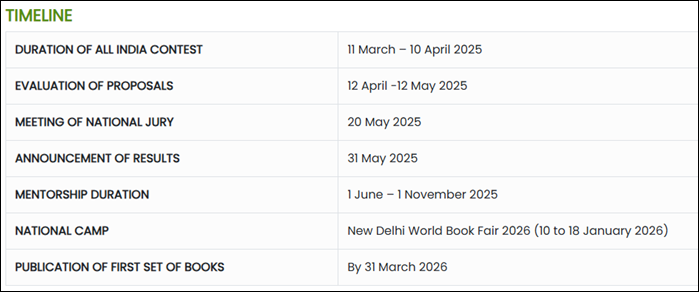
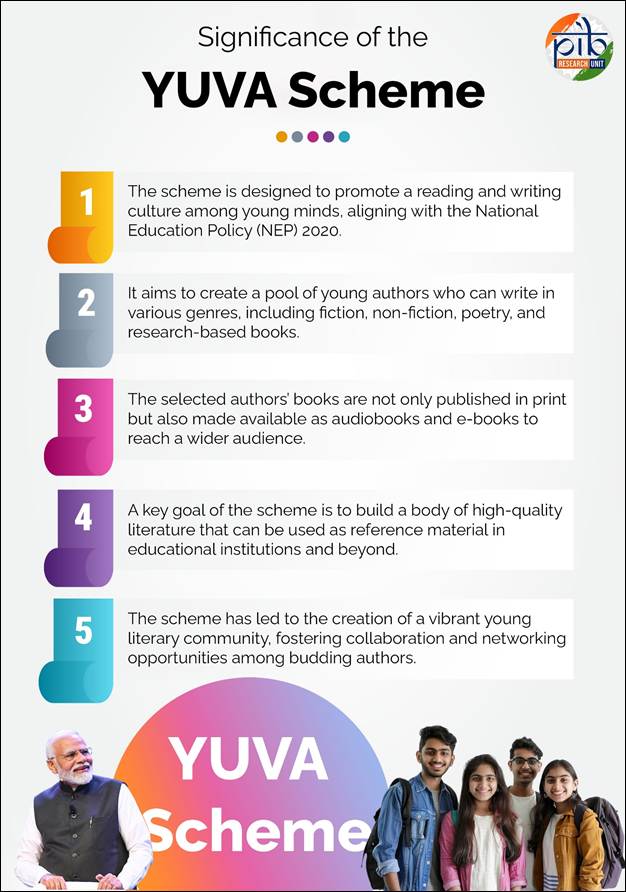


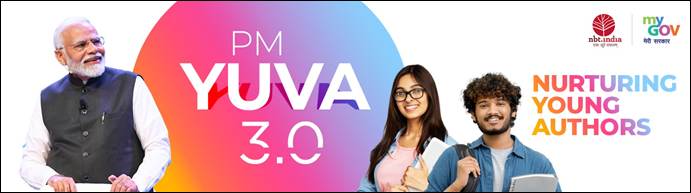


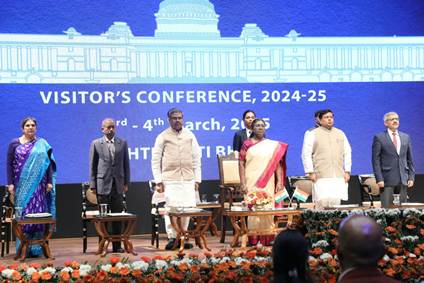
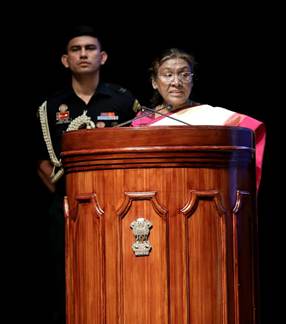
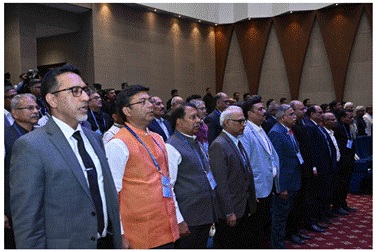
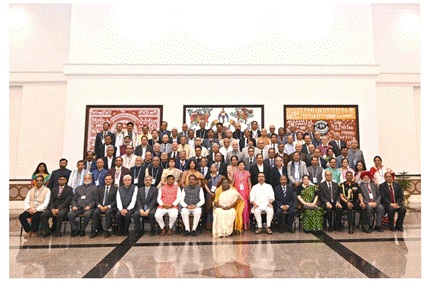
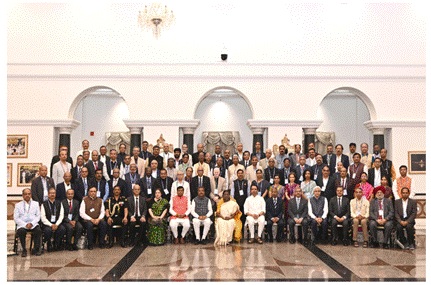
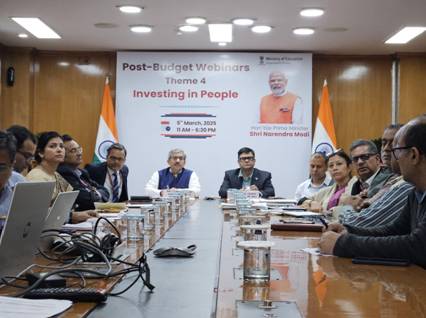
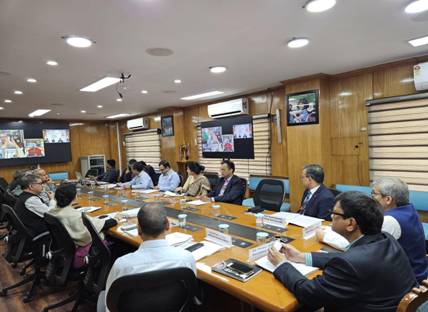


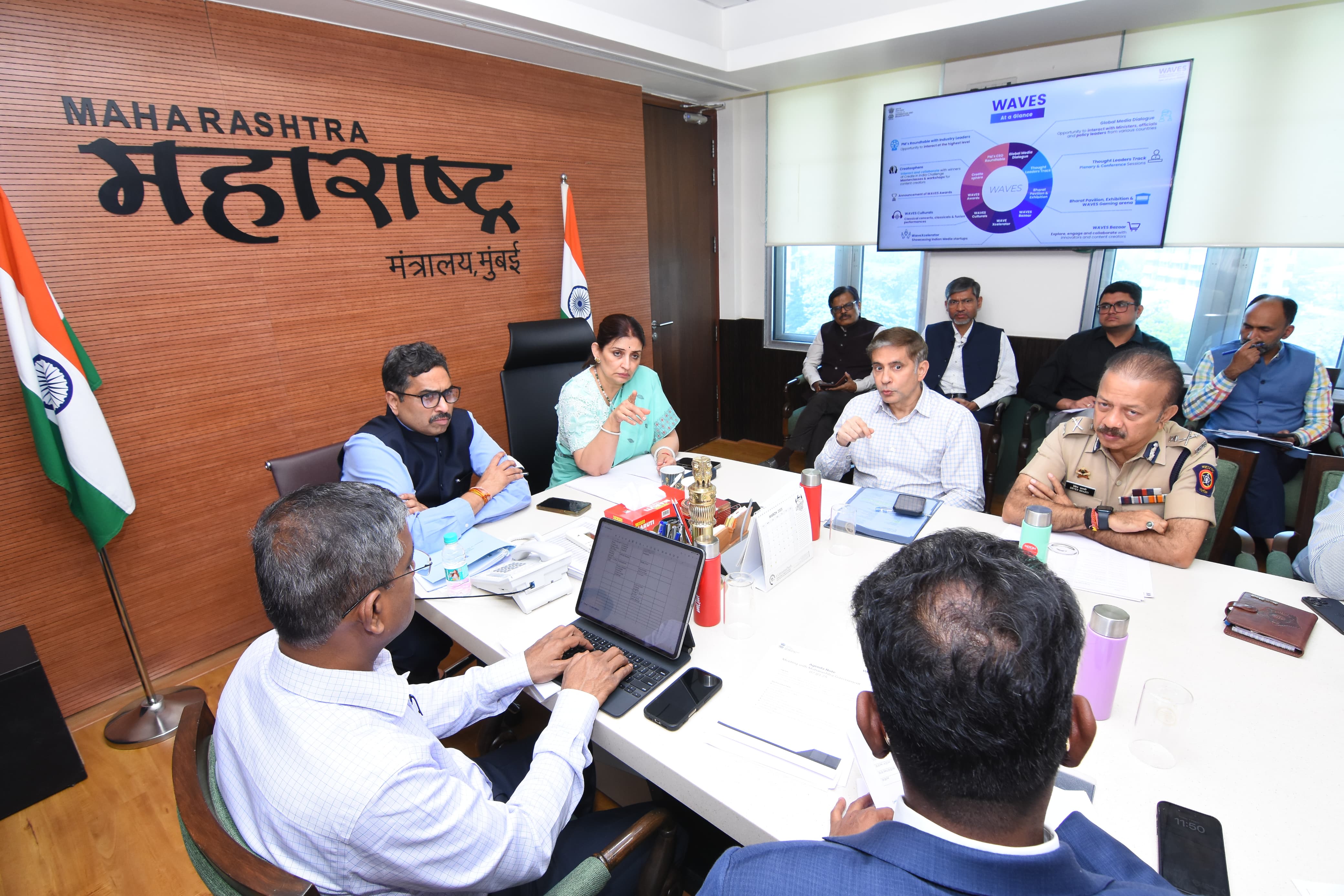
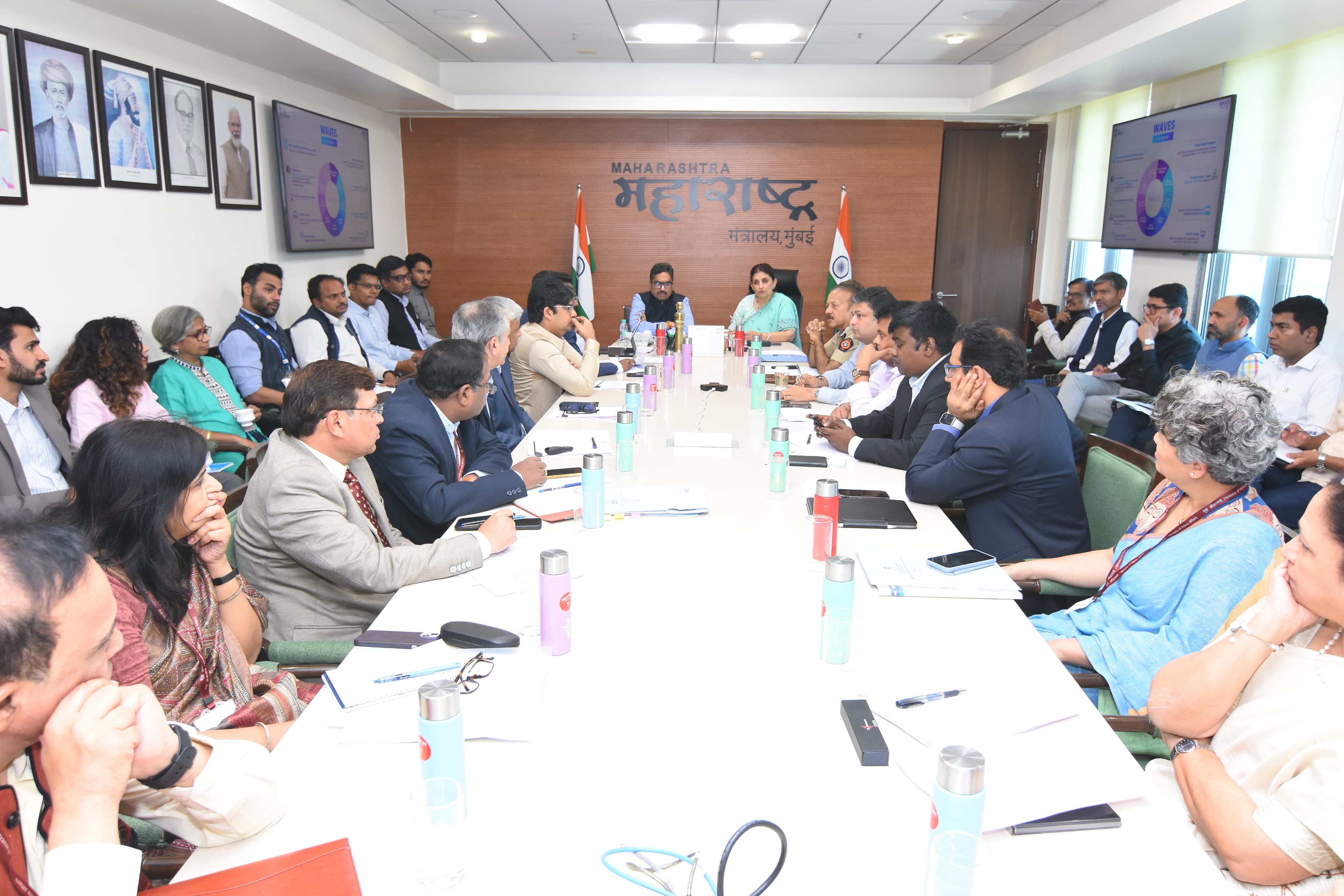

 /
/




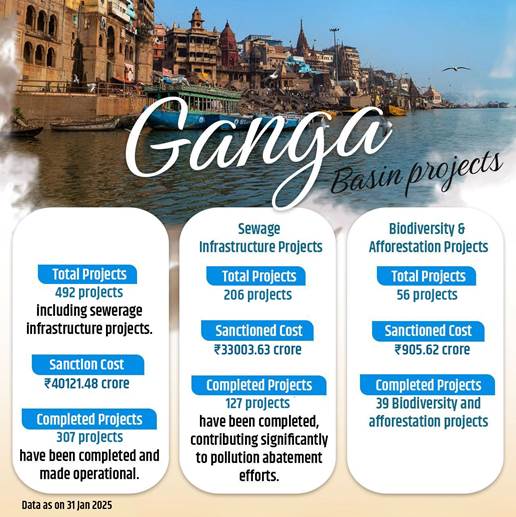
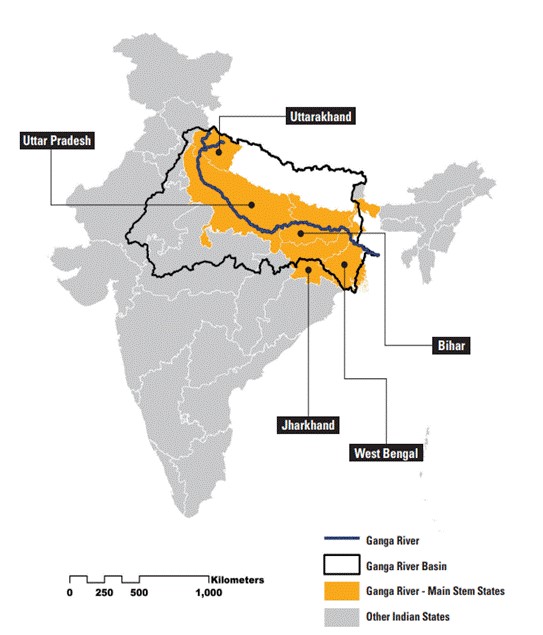

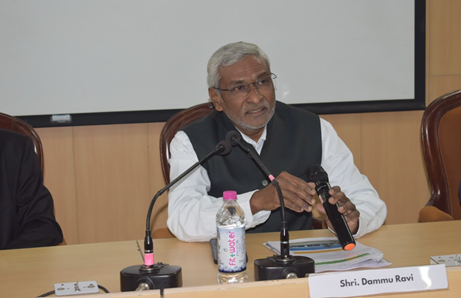
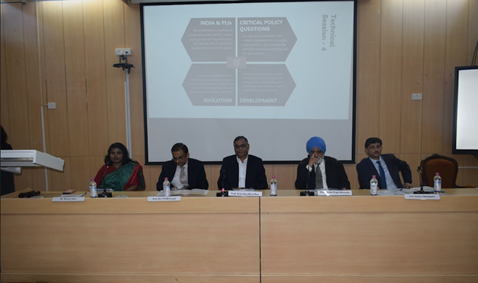


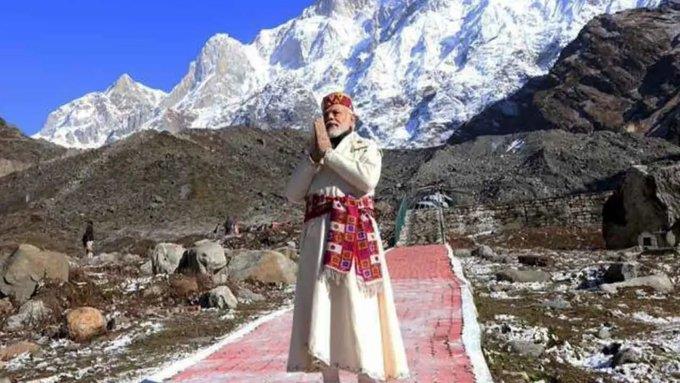


 Eduindex
You must be logged in to post a comment.