NATIONAL mean a person owing allegiance to and entitled to the protection of a sovereign state. CITIZEN is preferred for one owing allegiance to a state in which sovereign power is retained by the people and sharing in the political rights of those people. the rights of a free citizen SUBJECT implies allegiance to a personal sovereign such as a monarch. the king’s subjects NATIONAL designates one who may claim the protection of a state and applies especially to one living or traveling outside that state.
Union Minister of State for Defence, Shri Sanjay Seth, gave away prizes for the National School Band Competition 6.0. Secretary, Department of School Education and Literacy (DoSEL), Ministry of Education, Shri Sanjay Kumar and Additional Secretary,DoSEL, Shri Anandrao V. Patilwere also present at the event.
Shri Sanjay Seth, while addressing the audience, praised the exceptional performance of the young participants, describing the event as a mini replica of the nation. Highlighting the individual performances of several teams, he urged students to reduce their reliance on mobile devices, as advised by Prime Minister Shri Narendra Modi, and to engage in outdoor activities and creative pursuits. He encouraged the students to become brand ambassadors of the Viksit Bharat of 2047.
Shri Anandrao V. Patil, in his address, encouraged students to carry forward the message of Ek Bharat Shreshtha Bharat, as envisioned by Prime Minister Shri Narendra Modi, and to contribute to nation-building with a nation-first approach.
In the Brass Band – Girls category, Government Sr. Sec. School West Point, Gangtok, Sikkim, secured the First Prize. St. Joseph’s Convent Sr. Sec. School, Bhopal, Madhya Pradesh, received the Second Prize, while St. Joseph’s Anglo-Indian Girl’s Higher Secondary School, Kozhikode, Kerala, earned the Third Prize. The team from GayatriVidyapeeth, Shantikunj, Haridwar, Uttarakhand, received the Consolation Prize.
In the Brass Band – Boys category, the First Prize went to Prince Lotus Valley, Sikar, Rajasthan. St. Xavier’s Higher Secondary School, Pathaliyaghat, Sepahijala, Tripura, won the Second Prize, and Pinegrove School, Solan, Himachal Pradesh, secured the Third Prize. The team from St. Xavier’s English Medium School, Pathalgaon, Chhattisgarh, received the Consolation Prize.
In the Pipe Band – Girls category, the First Prize was awarded to PM SHRI KGBV Patamda, PurbiSinghbhum, Jharkhand. Bhonsala Military School Girls, Nasik, Maharashtra, secured the Second Prize, and Shri ThakurdwaraBalikaVidyalaya, Ghaziabad, Uttar Pradesh, earned the Third Prize. The team from Monte CBSE School, Pandipadu Village, KallurMandal, Kurnool, Andhra Pradesh, received the Consolation Prize.
In the Pipe Band – Boys category, City Montessori School, Kanpur Road Campus, Sec DLDA Colony, Kanpur Road, Lucknow, Uttar Pradesh, claimed the First Prize. North Sikkim Academy, Nangan, Sikkim, secured the Second Prize, while RBP Military School Sports Academy, Sangli, Maharashtra, won the Third Prize. PM SHRI KendriyaVidyalaya No. 2, BelagaviCantt., Karnataka, received the Consolation Prize in this category.
The First Prize-winning teams will receive ₹21,000, while the Second Prize-winning teams will be awarded ₹16,000, and the Third Prize-winning teams will receive ₹11,000. Teams receiving the Consolation Prize will be awarded ₹3,000. In addition to the cash prizes, all winning teams will be presented with a trophy and certificates.
Ministry of Education, in collaboration with the Ministry of Defence, organised the grand finale of National School Band Competition 6.0 on 24-25 January 2025 at Major Dhyan Chand National Stadium, New Delhi. This year 16 band teams from 13 States with 463 children were shortlisted for the finale (list annexed) through State- and Zonal-level competitions. At the State-Level Competitions, 568 teams comprising 13,999 children participated; while at the Zonal Level, 84 teams comprising 2,337 children took part.
For the first time:
1. Band Teams from three government schools have got the opportunity to participate in the Republic Day Parade.
2. PM SHRI KGBV Patamda, PurbiSinghbum, Jharkhand school students will be giving their performance at the rostrum in front of the Presidential stage.
3. Two band teams (KendriyaVidyalaya and Government Sr. Sec. School West Point, Sikkim) will be performing at Vijay Chowk in the Republic Day Parade.
4. In tandem with the “whole of Government approach”, initiative has been taken for training of PM SHRI school band teams by the band instructors/teams of Army Regimental Centres. Training has begun in 11 States/UTs and will commence shortly in the rest of the States/UTs. This is a step towards imparting holistic education to students of PM SHRI schools and developing them into well-rounded personalities.
The National Education Policy 2020 is the first education policy of the 21st century and aims at large-scale transformational reforms in the education sector. In that direction, this program will not only instil a sense of patriotism and national pride but will also enhance the musical skills of the students and inculcate discipline among them. This initiative aims to rejuvenate the spirit of patriotism and unity amongst school students throughout the country and help in the furtherance of holistic education.
Joint Secretary, DoSEL, Dr.AmarpreetDuggaland other dignitaries from the Ministry of Education and Ministry of Defence
The Grand Finale of the National School Band Competition 6.0 was inaugurated today at the Major Dhyan Chand National Stadium, New Delhi. Secretary, Department of School Education and Literacy (DoSEL), Ministry of Education, Shri Sanjay Kumar; Defence Secretary, Shri Rajesh Kumar Singh; Additional Secretaries, DoSEL, Shri Anil Kumar Singhal and Shri Anandrao V. Patil; Chairperson, CBSE, Shri Rahul Singh; Commissioner, Kendriya Vidyalaya Sangathan, Smt. Nidhi Pandey; Joint Secretary, DoSEL, Dr. Amarpreet Duggal; Joint Secretary, Ministry of Defence, Shri Amitabh Prasad, and other officials of Ministry of Education and Ministry of Defence were present at the event.
Shri Sanjay Kumar, in his address, highlighted the significant importance of a band, particularly in fostering a sense of discipline and teamwork among participants, which nurtures a collective spirit to excel. He further emphasized the relevance of this collective spirit in educational pursuits. He noted that more schools would join the Band System, with support from the Army Regional Centres, opening new opportunities for children. Shri Sanjay Kumar also expressed his heartfelt gratitude to the Ministry of Defence for their invaluable support and assistance.
Shri Rajesh Kumar Singh, while addressing the gathering, highlighted the rich tradition of military music in the Armed Forces, which boosts morale, adds dignity to ceremonies, and provides talented individuals with an opportunity to showcase their prowess. He also mentioned how, since 2023, the Government has been involving and encouraging talented school children to actively participate in the Republic Day celebrations. The objective of organizing the National School Band Competition, he added, is to inspire a sense of unity, esprit de corps, and a profound feeling of belonging among school children towards their schools and the nation.
Ministry of Education, in collaboration with the Ministry of Defence, is organising the grand finale of National School Band Competition 6.0 on 24-25 January 2025 at Major Dhyan Chand National Stadium, New Delhi. This year 16 band teams from 13 States with 463 children have been shortlisted for the finale (list annexed) through State- and Zonal-level competitions. At the State-Level Competitions, 568 teams comprising 13,999 children participated; while at the Zonal Level, 84 teams comprising 2,337 children took part.
For the first time:
1. Band Teams from three government schools have got the opportunity to participate in the Republic Day Parade.
2. PM SHRI KGBV Patamda, Purbi Singhbum, Jharkhand school students will be giving their performance at the rostrum in front of the Presidential stage.
3. Two band teams (Kendriya Vidyalaya and Government Sr. Sec. School West Point, Sikkim) will be performing at Vijay Chowk in the Republic Day Parade.
4. In tandem with the “whole of Government approach”, initiative has been taken for training of PM SHRI school band teams by the band instructors/teams of Army Regimental Centres. Training has begun in 11 States/UTs and will commence shortly in the rest of the States/UTs. This is a step towards imparting holistic education to students of PM SHRI schools and developing them into well-rounded personalities.
The National Education Policy 2020 is the first education policy of the 21st century and aims at large-scale transformational reforms in the education sector. In that direction, this program will not only instil a sense of patriotism and national pride but will also enhance the musical skills of the students and inculcate discipline among them. This initiative aims to rejuvenate the spirit of patriotism and unity amongst school students throughout the country and help in the furtherance of holistic education.
List of Participating Teams at the Grand Finale
Sl. No.
State/UT
No. of Schools
Name and Address of the School
Category
Band
Boys/Girls
Andhra Pradesh
1
Monte CBSE School Kurnool, Pandipadu Village, Kallur Mandal-Kurnool, Andhra Pradesh
Pipe
Girls
Chhattisgarh
1
St. Xavier’s English Medium School, Pathalgaon, Chhattisgarh
Union Minister for Education, Shri Dharmendra Pradhan, released the draft UGC (Minimum Qualifications for Appointment & Promotion of Teachers and Academic Staff in Universities and Colleges and Measures for the Maintenance of Standards in Higher Education) Regulations, 2025, today in New Delhi. He also inaugurated ‘Pushpagiri’, the new auditorium of UGC. Shri Sunil Kumar Barnwal, Additional Secretary, Ministry of Education; Prof. M. Jagadesh Kumar, Chairman, UGC; heads of the institutions, academicians, officials of the Ministry and other dignitaries were also present at the event.
Shri Dharmendra Pradhan, while addressing the audiences said that these draft reforms and guidelines will infuse innovation, inclusivity, flexibility and dynamism in every aspect of higher education, empower teachers and academic staff, strengthen academic standards and pave the way for achieving educational excellence. He congratulated the team of UGC for their efforts in formulating the Draft Regulations and Guidelines in sync with the ethos of NEP 2020.
The Minister mentioned that the Draft Regulations, 2025, have been placed in the public domain for feedback, suggestions, and consultations. He expressed confidence that the UGC will soon publish the Draft Regulations, 2025, in their final form, driving transformations in the education system and propelling the country towards Viksit Bharat 2047 through quality education and research.
Shri Pradhan also complimented the UGC for honouring the unparalleled intellectual heritage of Odisha by naming their newly constructed auditorium ‘Pushpagiri.’ He noted that it is a matter of great pride and personal delight for him. He highlighted how Pushpagiri in Jajpur, Odisha, was a cradle of knowledge and a symbol of enlightenment. He commended the UGC for this laudable step in reappropriating Bharat’s intellectual heritage and values in the 21st century. Additionally, he expressed hope that this state-of-the-art auditorium would emerge as a hub for vibrant intellectual discourses, shaping bright futures.
Shri Sunil Kumar Barnwal, in his address, said that these regulations will significantly enhance the quality of teaching and learning in the higher education institutions. He also mentioned how the Ministry is committed to supporting their effective implementation across the country.
About the Regulations
The Draft UGC (Minimum Qualifications for Appointment & Promotion of Teachers and Academic Staff in Universities and Colleges and Measures for the Maintenance of Standards in Higher Education) Regulations, 2025 will give flexibility to universities in appointing & promoting teachers and academic staff in their institutions.
The draft regulations and guidelines are available for public consultation, inviting comments, suggestions and feedback from stakeholders at:
• Flexibility: Candidates can pursue teaching careers in subjects they qualify for with NET/SET, even if different from their previous degrees. Ph.D. specialisation will be prioritised.
• Promoting Indian Languages: The draft Regulations encourage the use of Indian languages in academic publications and degree programmes.
• Holistic Evaluation: It aims to eliminate score-based short-listing, focusing on a broader range of qualifications, including “Notable Contributions.”
• Diverse Talent Pool: Creates dedicated recruitment pathways for experts in arts, sports, and traditional disciplines.
• Inclusivity: Provides opportunities for accomplished sportspersons, including those with disabilities, to enter the teaching profession.
• Enhanced Governance: Revises the selection process for Vice-Chancellors with expanded eligibility criteria with transparency.
• Simplified Promotion Process: Streamlines the criteria for promotions, emphasising teaching, research output, and academic contributions.
• Focus on Professional Development: Encourages continuous learning and skill enhancement for teachers through faculty development programs.
• Enhanced Transparency and Accountability: Promotes transparent processes for recruitment, promotion, and addressing grievances.
Union Minister for Education, Shri Dharmendra Pradhan, launched the registration portal for the 3rd edition of Kashi Tamil Sangamam (KTS). The Minister, while addressing a press conference, announced that KTS 3.0 will commence on 15th February 2025 in Varanasi, Uttar Pradesh. This 10-day-long event will conclude on 24th February 2025, he added. The portal, kashitamil.iitm.ac.in – hosted by IIT Madras, will accept registrations till 1st February 2025, he added.
Secretary, Ministry of Education, Shri Sanjay Kumar; Principal DG, PIB, Shri Dhirendra Ojha; Additional Secretary, Higher Education, Ministry of Education, Shri Sunil Kumar Barnwal; Chairman, Bhartiya Bhasha Samiti, Shri Chamu Krishna Shastry, and other officials also attended the Press Conference.
Shri Pradhan, while interacting with the media, said that the inseparable bonds between Tamil Nadu and Kashi are set to come alive through Kashi Tamil Sangamam 3.0.
The Minister highlighted that Kashi Tamil Sangamam, a brainchild of Prime Minister, Shri Narendra Modi, is an inspirational initiative to celebrate the timeless bonds between Tamil Nadu and Kashi, strengthen the civilisational links and further the spirit of Ek Bharat Shrestha Bharat.
Shri Pradhan said that Kashi Tamil Sangamam will be a celebration of one of India’s most revered sages—Maharishi Agasthyar. Maharishi Agasthyar’s legacy is deeply woven into India’s cultural and spiritual fabric, Shri Pradhan highlighted. His intellectual brilliance is the bedrock of Tamil language and literature as well as our shared values, knowledge traditions and heritage, he added.
Shri Pradhan said, that this year, Kashi Tamil Sangamam holds a special significance as it is coinciding with the Mahakumbh, and it is also the 1st Sangamam after the ‘Pran Pratishtha’ of Shri Ram Lalla in Ayodhya.
With Maharishi Agasthyar as the central theme and Mahakumbh and Shri Ayodhya Dham as the backdrop, Kashi Tamil Sangamam 3.0 will offer a divine experience and bring Tamil Nadu and Kashi—the two timeless centres of our civilisation and culture, more closer than ever, he said.
Shri Pradhan encouraged people of Tamil Nadu to participate in Kashi Tamil Sangamam 3.0 wholeheartedly.
An exhibition on the different facets of Sage Agasthyar and his contributions to world of Health, Philosophy, Science, Linguistics, Literature, Polity, Culture, Art, particularly to Tamil and Tamil Nadu, etc. and Seminars, workshops, book release, etc. will be organised at Kashi during KTS 3.0. Competitions and other awareness programs in Tamil Nadu prior to KTS 3.0 will be organised in a befitting manner in major cities of India and abroad where there is considerable Tamil diaspora.
This year, the government has decided to bring around 1000 delegates from Tamil Nadu under five categories/groups: (i) Students, Teachers, and Writers; (ii) Farmers and Artisans (Vishwakarma Categories); (iii) Professionals and Small Entrepreneurs; (iv) Women (SHG, Mudra Loan beneficiaries, DBHPS Pracharaks); and (v) Start-up, Innovation, Edu-Tech, Research. This year, an additional group of around 200 students of Tamil origin studying in various CUs will be a part of this event to enliven the bond between Kashi and Tamil Nadu. Participation of youth in all categories will be encouraged this year.
The duration of the tour will be 8 Days (4 for travel, 4 at site). The first group will leave Tamil Nadu on 13th February 2025 and the last group will return to Tamil Nadu on 26th February 2025.
The objective of the Kashi Tamil Sangamam is to rediscover, reaffirm, and celebrate the age-old links between Tamil Nadu and Kashi—two of the country’s most important and ancient seats of learning.
Kashi Tamil Sangamam is being organized by the Ministry of Education, Govt. of India in collaboration with other ministries including Culture, Textiles, Railways, Tourism, Food Processing, I&B etc. and the Govt. of UP. The programme aims to provide an opportunity for scholars, students, philosophers, traders, artisans, artists and people from other walks of life from the two regions to come together, share their knowledge, culture and best practices and learn from each other’s experience. It also aims to make the youth aware and experience cultural oneness. The endeavour is in sync with NEP 2020’s emphasis on integrating the wealth of Indian Knowledge Systems with modern systems of knowledge. IIT Madras and BHU are the two implementing agencies for the programme.
The Government has so far celebrated the Kashi Tamil Sangamam on two occasions earlier; i.e., for one month in 2022 and for a fortnight in 2023 and around 4000 delegates from Tamil Nadu have been a part of this event. In both the editions of KTS, there were overwhelming responses from people of Tamil Nadu and Uttar Pradesh. IIT Madras will be the sender institution and BHU the receiving institution, as in the earlier editions. IIT Madras will call for applications for participation through a portal, which was launched today.
KTS 2.0 was inaugurated by Prime Minister Shri Narendra Modi at Varanasi on 17th December, 2023, with the first-ever real-time, app-based translation of a part of the Prime Minister’s speech in Tamil for the benefit of visiting Tamil delegates.
India, a land of ancient knowledge and rich tradition, has always been a beacon of innovation and discovery. From pioneering advancements in mathematics and astronomy to groundbreaking contributions in various fields of science, the country’s legacy of intellectual achievement is unmatched. On August 15, 2022, Prime Minister Narendra Modi, from the ramparts of the Red Fort, reminded the nation of this proud legacy and the critical role that Research and Development (R&D) would play in shaping India’s future. As he addressed the nation, he emphasized the importance of nurturing R&D capabilities, particularly during Amrit Kaal, and called for a renewed focus on innovation with the inspiring slogan, “Jai Anusandhan.”
This call for a vibrant R&D ecosystem resonated with the goals outlined in the National Education Policy (NEP) 2020, which identifies research as a fundamental driver of educational excellence and national progress. The policy seeks to cultivate a robust research culture that not only enhances academic quality but also accelerates India’s growth on the global stage.
In alignment with this vision, Union Cabinet has approved the One Nation One Subscription (ONOS) scheme on 25th Nov 2024. This initiative seeks to break down barriers to knowledge by providing all students, faculty, researchers, and scientists across the nation’s government higher education institutions (HEIs) and central government R&D centres with access to international scholarly journals and articles. The goal is to ensure that India’s academic and research communities are equipped with the best global resources, fostering innovation and enhancing the quality of research across disciplines.
The ONOS scheme is a cornerstone of India’s ambition to become a self-reliant and developed nation by 2047. This initiative is a key component of the Viksitbharat@2047 vision. This roadmap envisions India’s emergence as a leading global power driven by cutting-edge research, technological advancement, and self-sustained progress. Through such initiatives, India is preparing to build on its rich legacy of knowledge, positioning itself at the forefront of global innovation and discovery.
ONOS Scheme Overview:
The scheme’s objective is to provide all eligible students, faculty, researchers, and scientists with access to top-tier international research articles and journals. It covers more than 6,300 government-managed higher education institutions and central government-managed research and development institutions across the country.
The scheme provides:
• Access to more than 13,000 scholarly journals from 30 major international publishers.
• Benefits about 1.8 crore students, faculty, and researchers across disciplines such as STEM (Science, Technology, Engineering, Mathematics), Medicine, Social Sciences, Finance & Accounts, etc.
• Inclusive access to research for institutions in tier 2 and tier 3 cities, ensuring equitable access to knowledge.
Key Objectives and Goals:
Access to Scholarly Knowledge: The scheme provides access to high-quality scholarly journals and publications across various fields. This aims to democratise access to knowledge to enhance the research capabilities of students, faculty, and researchers.
Inclusion of Diverse Institutions: The scheme ensures that institutions, regardless of their geographic location—in urban centres or remote areas—have access to world-class research resources. This is crucial for advancing core and interdisciplinary research in the country.
Global Research Participation: It aligns with the goals of Viksitbharat@2047, helping India to emerge as a global leader in research and development by enabling its academic and research institutions to engage with international scholarly communities.
Implementation Details:
National Subscription via INFLIBNET: The entire subscription process will be centrally coordinated by INFLIBNET (Information and Library Network), an autonomous inter-university centre under the University Grants Commission (UGC). INFLIBNET will manage the distribution of digital access to these journals, ensuring a seamless experience for users.
Digital Access: Journals will be accessible entirely through a digital platform, ensuring convenience and ease for all users. This approach minimises administrative complexities and makes access available on-demand.
Government Allocation: A total of ₹6,000 crore has been allocated for the PM-ONOS initiative, covering three years—2025, 2026, and 2027. The funding will cover the subscription charges for all participating institutions across the three-year period. Further, ONOS will also provide central funding support of Rs. 150 Crore per year for beneficiary authors to publish in selected good quality Open Access (OA) journals.
Funding and Financial Strategy:
The ₹6,000 crore allocated for ONOS ensures smooth implementation of ONOS from 1st January 2025 to 31st December 2027
ONOS phase I, starting from 1 January 2025, will provide access to over 13,000 journals for more than 6,300 government academic and R&D institutes including central and state-govt universities and colleges. This translates to nearly 1.8 Crore students, faculty and researchers getting access to high quality research publications.
The subscription charges for journals from 30 publishers under ONOS Phase I will be centrally paid by INFLIBNET, covering payments from library consortia, HEIs, and R&D institutions under central ministries. Independent subscriptions will continue for resources not included in Phase I.
This phase will establish the program’s framework and ensure that key research resources are made available to a large number of institutions across India.
Payment of Article Processing Charges (APC) to publishers for selected high quality research publications of the researchers from these participating institutions have also been envisaged in this phase.
Experience of ONOS phase I will be used for designing subsequent phases of ONOS.
Further Enhancements and Features:
Synergy with Existing Initiatives: The ONOS scheme will complement the existing Anusandhan National Research Foundation (ANRF), which is designed to promote R&D activities across India. ONOS will facilitate easy access to international research materials, supporting the foundation’s goal of fostering research and innovation across government-managed institutions.
Discounts on Article Processing Charges (APCs): One of ONOS’s significant features is the discounts on Article Processing Charges (APCs). Journals typically levied these charges for publishing research articles. By negotiating lower APCs with publishers, the scheme will help Indian researchers publish their work in high-quality journals without incurring heavy financial costs.
Conclusion
The One Nation One Subscription initiative is a game-changing scheme for India’s research ecosystem. By providing digital access to over 13,000 journals from 30 international publishers, it will bridge gaps in research infrastructure across India. Through its phased implementation, the scheme will significantly contribute to enhancing India’s academic and research excellence, fostering innovation, and helping the country emerge as a global hub for scientific research. By leveraging existing consortia initiatives of 10 central government Ministries and Departments as well as initiatives of many government higher education institutions, an unifying approach through the one nation one subscription will democratise knowledge dissemination and empower a new generation of researchers and students, providing them with the resources they need to excel.
ONOS is a key part of a broader vision to transform access to knowledge in the country. As the first step in a multi-pronged approach, it expands access through the widely used subscription model. The other steps focus initially on promoting Indian journals and repositories and then introducing new research evaluation methods that consider both journal metrics and factors like innovation and entrepreneurship.
Union Minister for Home Affairs and Cooperation, Shri Amit Shah, will preside over a book release function on 2nd January 2025 in New Delhi as the Chief Guest. Union Minister for Education, Shri Dharmendra Pradhan will be the Guest of Honour. Eminent authors, academicians, officials of the Ministry and other dignitaries will also be present at the event
The book, titled ‘Jammu Kashmir and Ladakh: Through the Ages’ seeks to present the story of Jammu Kashmir and Ladakh. The title attempts to document the story of Jammu Kashmir and Ladakh from a perspective and format that enables an overview for both the subject specialist and those less conversant. It is presented in seven sections that cover over three thousand years of the region’s history. Each illustration selected for inclusion has been done with care, being representative of an age, its importance and contribution to the larger historical canvas of Indian history. Published in Hindi and English, this book is the result of collaborative efforts of the National Book Trust, India, and the Indian Council of Historical Research.
Union Minister for Education, Shri Dharmendra Pradhan, released the draft UGC (Minimum Qualifications for Appointment & Promotion of Teachers and Academic Staff in Universities and Colleges and Measures for the Maintenance of Standards in Higher Education) Regulations, 2025, today in New Delhi. He also inaugurated ‘Pushpagiri’, the new auditorium of UGC. Shri Sunil Kumar Barnwal, Additional Secretary, Ministry of Education; Prof. M. Jagadesh Kumar, Chairman, UGC; heads of the institutions, academicians, officials of the Ministry and other dignitaries were also present at the event.
Shri Dharmendra Pradhan, while addressing the audiences said that these draft reforms and guidelines will infuse innovation, inclusivity, flexibility and dynamism in every aspect of higher education, empower teachers and academic staff, strengthen academic standards and pave the way for achieving educational excellence. He congratulated the team of UGC for their efforts in formulating the Draft Regulations and Guidelines in sync with the ethos of NEP 2020.
The Minister mentioned that the Draft Regulations, 2025, have been placed in the public domain for feedback, suggestions, and consultations. He expressed confidence that the UGC will soon publish the Draft Regulations, 2025, in their final form, driving transformations in the education system and propelling the country towards Viksit Bharat 2047 through quality education and research.
Shri Pradhan also complimented the UGC for honouring the unparalleled intellectual heritage of Odisha by naming their newly constructed auditorium ‘Pushpagiri.’ He noted that it is a matter of great pride and personal delight for him. He highlighted how Pushpagiri in Jajpur, Odisha, was a cradle of knowledge and a symbol of enlightenment. He commended the UGC for this laudable step in reappropriating Bharat’s intellectual heritage and values in the 21st century. Additionally, he expressed hope that this state-of-the-art auditorium would emerge as a hub for vibrant intellectual discourses, shaping bright futures.
Shri Sunil Kumar Barnwal, in his address, said that these regulations will significantly enhance the quality of teaching and learning in the higher education institutions. He also mentioned how the Ministry is committed to supporting their effective implementation across the country.
About the Regulations
The Draft UGC (Minimum Qualifications for Appointment & Promotion of Teachers and Academic Staff in Universities and Colleges and Measures for the Maintenance of Standards in Higher Education) Regulations, 2025 will give flexibility to universities in appointing & promoting teachers and academic staff in their institutions.
The draft regulations and guidelines are available for public consultation, inviting comments, suggestions and feedback from stakeholders at:
• Flexibility: Candidates can pursue teaching careers in subjects they qualify for with NET/SET, even if different from their previous degrees. Ph.D. specialisation will be prioritised.
• Promoting Indian Languages: The draft Regulations encourage the use of Indian languages in academic publications and degree programmes.
• Holistic Evaluation: It aims to eliminate score-based short-listing, focusing on a broader range of qualifications, including “Notable Contributions.”
• Diverse Talent Pool: Creates dedicated recruitment pathways for experts in arts, sports, and traditional disciplines.
• Inclusivity: Provides opportunities for accomplished sportspersons, including those with disabilities, to enter the teaching profession.
• Enhanced Governance: Revises the selection process for Vice-Chancellors with expanded eligibility criteria with transparency.
• Simplified Promotion Process: Streamlines the criteria for promotions, emphasising teaching, research output, and academic contributions.
• Focus on Professional Development: Encourages continuous learning and skill enhancement for teachers through faculty development programs.
• Enhanced Transparency and Accountability: Promotes transparent processes for recruitment, promotion, and addressing grievances.
Union Minister for Education, Shri Dharmendra Pradhan, launched the registration portal for the 3rd edition of Kashi Tamil Sangamam (KTS). The Minister, while addressing a press conference, announced that KTS 3.0 will commence on 15th February 2025 in Varanasi, Uttar Pradesh. This 10-day-long event will conclude on 24th February 2025, he added. The portal, kashitamil.iitm.ac.in – hosted by IIT Madras, will accept registrations till 1st February 2025, he added.
Secretary, Ministry of Education, Shri Sanjay Kumar; Principal DG, PIB, Shri Dhirendra Ojha; Additional Secretary, Higher Education, Ministry of Education, Shri Sunil Kumar Barnwal; Chairman, Bhartiya Bhasha Samiti, Shri Chamu Krishna Shastry, and other officials also attended the Press Conference.
Shri Pradhan, while interacting with the media, said that the inseparable bonds between Tamil Nadu and Kashi are set to come alive through Kashi Tamil Sangamam 3.0.
The Minister highlighted that Kashi Tamil Sangamam, a brainchild of Prime Minister, Shri Narendra Modi, is an inspirational initiative to celebrate the timeless bonds between Tamil Nadu and Kashi, strengthen the civilisational links and further the spirit of Ek Bharat Shrestha Bharat.
Shri Pradhan said that Kashi Tamil Sangamam will be a celebration of one of India’s most revered sages—Maharishi Agasthyar. Maharishi Agasthyar’s legacy is deeply woven into India’s cultural and spiritual fabric, Shri Pradhan highlighted. His intellectual brilliance is the bedrock of Tamil language and literature as well as our shared values, knowledge traditions and heritage, he added.
Shri Pradhan said, that this year, Kashi Tamil Sangamam holds a special significance as it is coinciding with the Mahakumbh, and it is also the 1st Sangamam after the ‘Pran Pratishtha’ of Shri Ram Lalla in Ayodhya.
With Maharishi Agasthyar as the central theme and Mahakumbh and Shri Ayodhya Dham as the backdrop, Kashi Tamil Sangamam 3.0 will offer a divine experience and bring Tamil Nadu and Kashi—the two timeless centres of our civilisation and culture, more closer than ever, he said.
Shri Pradhan encouraged people of Tamil Nadu to participate in Kashi Tamil Sangamam 3.0 wholeheartedly.
An exhibition on the different facets of Sage Agasthyar and his contributions to world of Health, Philosophy, Science, Linguistics, Literature, Polity, Culture, Art, particularly to Tamil and Tamil Nadu, etc. and Seminars, workshops, book release, etc. will be organised at Kashi during KTS 3.0. Competitions and other awareness programs in Tamil Nadu prior to KTS 3.0 will be organised in a befitting manner in major cities of India and abroad where there is considerable Tamil diaspora.
This year, the government has decided to bring around 1000 delegates from Tamil Nadu under five categories/groups: (i) Students, Teachers, and Writers; (ii) Farmers and Artisans (Vishwakarma Categories); (iii) Professionals and Small Entrepreneurs; (iv) Women (SHG, Mudra Loan beneficiaries, DBHPS Pracharaks); and (v) Start-up, Innovation, Edu-Tech, Research. This year, an additional group of around 200 students of Tamil origin studying in various CUs will be a part of this event to enliven the bond between Kashi and Tamil Nadu. Participation of youth in all categories will be encouraged this year.
The duration of the tour will be 8 Days (4 for travel, 4 at site). The first group will leave Tamil Nadu on 13th February 2025 and the last group will return to Tamil Nadu on 26th February 2025.
The objective of the Kashi Tamil Sangamam is to rediscover, reaffirm, and celebrate the age-old links between Tamil Nadu and Kashi—two of the country’s most important and ancient seats of learning.
Kashi Tamil Sangamam is being organized by the Ministry of Education, Govt. of India in collaboration with other ministries including Culture, Textiles, Railways, Tourism, Food Processing, I&B etc. and the Govt. of UP. The programme aims to provide an opportunity for scholars, students, philosophers, traders, artisans, artists and people from other walks of life from the two regions to come together, share their knowledge, culture and best practices and learn from each other’s experience. It also aims to make the youth aware and experience cultural oneness. The endeavour is in sync with NEP 2020’s emphasis on integrating the wealth of Indian Knowledge Systems with modern systems of knowledge. IIT Madras and BHU are the two implementing agencies for the programme.
The Government has so far celebrated the Kashi Tamil Sangamam on two occasions earlier; i.e., for one month in 2022 and for a fortnight in 2023 and around 4000 delegates from Tamil Nadu have been a part of this event. In both the editions of KTS, there were overwhelming responses from people of Tamil Nadu and Uttar Pradesh. IIT Madras will be the sender institution and BHU the receiving institution, as in the earlier editions. IIT Madras will call for applications for participation through a portal, which was launched today.
KTS 2.0 was inaugurated by Prime Minister Shri Narendra Modi at Varanasi on 17th December, 2023, with the first-ever real-time, app-based translation of a part of the Prime Minister’s speech in Tamil for the benefit of visiting Tamil delegates.
Jammu, Jan 14, 2025: Sahaj Sabharwal, a celebrated author, social media influencer, and motivational speaker from Jammu, proudly represented Jammu and Kashmir at the prestigious Viksit Bharat Young Leaders Dialogue 2025, held at Bharat Mandapam, New Delhi, on January 10th, 11th, and 12th. The event, organized by the Ministry of Youth Affairs and Sports, featured the Hon’ble Prime Minister Shri Narendra Modi, who addressed 3,000 select youth leaders chosen from over 30 lakh participants nationwide.
Sahaj Sabharwal was invited as a Special Invitee – Youth Icon, providing him with a platform to share his valuable insights and inspire young leaders. The dialogue, centered around ten core themes for India’s progress, focused on the nation’s vision to become a Viksit Bharat by 2047. Sahaj’s participation served as a beacon of motivation for the emerging leaders, encouraging them to contribute innovative ideas for the nation’s development.
A multi-talented individual, Sahaj has authored three impactful books—Poems by Sahaj Sabharwal, Pedagogical Thoughts Made Facts, and Anecdote. As a content creator, singer, rapper, blogger, and vlogger, Sahaj has collaborated with over 150 brands and garnered widespread recognition for his contributions to literature, social work, and motivational speaking. His aim remains to make India proud through his work, while empowering youth to take active roles in society.
During the event, Sahaj had the privilege of interacting with key national figures such as Shri Mansukh Mandaviya, Minister of Labour and Employment, Minister of Youth Affairs and Sports Rakshatai Khadse, Ritesh Agarwal (CEO of OYO Rooms), international cricket coach Jonty Rhodes, and Prime Minister of India, Narendra Modi. These interactions enriched Sahaj’s experience, adding new perspectives and knowledge to the overall discourse.
The Viksit Bharat Young Leaders Dialogue serves as a crucial initiative to empower youth in shaping India’s future through leadership and civic engagement. With Sahaj Sabharwal representing Jammu and Kashmir, the region continues to showcase its rich talent and potential on the national stage.
India’s education sector is undergoing a transformation, with an urgent demand for skilled faculty and researchers. According to the HRD Ministry’s report, over 14,500 faculty positions remain unfilled across leading institutions, including IITs and IIMs. Addressing this gap, IIM Bodh Gaya invites applications for its PhD program starting July 2025, offering an unparalleled opportunity for aspiring scholars to lead in academia and industry.
Beyond Academia: The Real Power of a PhD
A PhD equips scholars with more than just academic credentials. Graduates often step into leadership roles in multinational corporations, government advisory boards, think tanks, and research organizations. The degree hones critical thinking, analytical rigor, and innovative problem-solving skills, making PhD holders indispensable in shaping sustainable business practices, public policy, and global strategies.
IIM Bodh Gaya’s PhD Program: Where Excellence Meets Opportunity
Launched in 2020, the PhD program at IIM Bodh Gaya provides world-class training in eight specializations:
Marketing
Economics
Finance and Accounting
Information Technology and Analytics
Operations Management and Quantitative Techniques
Human Resource Management and Organizational Behaviour
Business Communication
Strategy Management
The program is designed to foster cutting-edge research in a supportive environment, backed by a team of experienced faculty and state-of-the-art resources, including advanced analytics tools and well-stocked libraries.
Competitive Scholarships and Global Exposure
A key highlight of IIM Bodh Gaya’s PhD program is its financial support. Scholars receive a stipend starting at ₹50,000 per month, increasing to ₹60,000 post-comprehensive exams—one of the highest among IIMs. Additionally, the program ensures global exposure through specialized training at IIM Bangalore and collaboration opportunities with QS 200-ranked international universities.
Eligibility and Application Details
To be eligible, candidates must meet one of the following criteria:
A Master’s degree with 60% marks or equivalent.
Professional qualifications such as CA, ICWA, or CS with 60% marks or equivalent.
A Five-year Integrated Master’s degree program with 60% marks.
A Four-Year Bachelor’s degree in Engineering with 65% marks or equivalent.
Candidates should also have valid scores in CAT (2022/23/24), GRE, GMAT, GATE, JRF (UGC/CSIR), or the IIMB Test. Applications close on March 31, 2025.
Why Choose IIM Bodh Gaya?
Pursuing a PhD at IIM Bodh Gaya is more than an academic endeavor—it’s a gateway to global opportunities and impactful research. With exceptional financial aid, a nurturing research ecosystem, and unmatched international exposure, IIM Bodh Gaya empowers scholars to become changemakers in their fields.
If you’re ready to redefine your career and make a lasting impact, apply to IIM Bodh Gaya’s PhD program today. Visit their website for more details and take the first step toward unlocking a future of excellence.
The Unified Payments Interface (UPI) has emerged as a game-changer in India’s financial landscape, revolutionizing digital transactions. This critical essay assesses UPI’s evolution, highlighting its undeniable success in fostering financial inclusion and empowering users. UPI’s exponential growth, from millions to billions of transactions, underscores its widespread acceptance. UPI faces significant challenges. Security concerns and frauds pose threats, highlighting the need for robust cybersecurity measures. The digital divide and accessibility issues persist, raising questions about equitable access. Transaction costs burden small businesses, hindering widespread adoption. Regulatory complexities and concerns about market dominance call for a more transparent and equitable ecosystem. Additionally, privacy concerns surround the vast amount of transaction data generated. UPI’s impact on India’s financial landscape is undeniable, but it is essential to address its challenges. Balancing convenience, security, and affordability while ensuring accessibility for all, alongside robust regulations and privacy protection, will be crucial for UPI’s continued success.
The Unified Payments Interface (UPI) has emerged as a transformative force in the Indian financial landscape, revolutionizing the way people conduct transactions. Since its inception in 2016, UPI has garnered immense popularity and is hailed as one of India’s most successful fintech innovations. While UPI’s growth and impact on financial inclusion are commendable, it is crucial to critically examine its various facets to understand both its strengths and limitations.
The Rise of UPI
UPI’s success is indisputable. Its user-friendly interface and bank interoperability have made it accessible to millions of Indians. The rapid adoption of UPI can be attributed to its simplicity and convenience, enabling users to send and receive money seamlessly. Its growth from a mere 0.2 million transactions in August 2016 to over 10 billion transactions in August 2023 is a testament to its widespread acceptance.
Financial Inclusion: UPI’s Greatest Triumph
One of the most significant achievements of UPI is its role in furthering financial inclusion. It has allowed people in remote areas to access banking services, make digital payments, and participate in the formal financial system (Daya & Madar, 2018). The Jan Dhan Yojana and Aadhar integration have played pivotal roles in enabling this, but UPI has acted as the vehicle for reaching the underserved.
Security Concerns and Frauds
While UPI offers numerous benefits, it has its share of challenges. Security concerns and frauds have been a growing issue. Despite stringent regulations and guidelines, instances of phishing, social engineering, and unauthorized access have been reported. The ease of transferring funds via UPI has made it an attractive target for cybercriminals (Jajodia & Krishnaswamy, 2017).
Digital Divide and Accessibility
Another critical issue is the digital divide in India. While UPI has made banking services more accessible, it has also left behind a significant portion of the population that lacks access to smartphones, the internet, or digital literacy. The government must address these disparities to ensure that the benefits of UPI reach every citizen.
Transaction Costs and Merchant Concerns
For businesses, minimal vendors, UPI has been a double-edged sword. While it provides a platform for digital payments, the associated transaction fees can be burdensome, particularly for those operating on slim profit margins. This cost factor has led to a reluctance to adopt UPI, which is a concern for the broader goal of a cashless economy.
Regulatory Challenges
The regulatory framework governing UPI needs continuous refinement. Disputes over revenue sharing between various stakeholders and concerns about monopolistic behavior by certain players like Google Pay and PhonePe have highlighted the need for stricter regulation. An equitable and transparent ecosystem is essential to maintain UPI’s integrity.
Privacy Concerns
UPI transactions generate a significant amount of data, which raises concerns about user privacy. The potential misuse of transaction data for profiling or targeted advertising requires robust data protection regulations and practices.
Concluding Remarks
UPI’s emergence in India has undoubtedly transformed the country’s payment landscape and has contributed to greater financial inclusion. However, it is essential to critically assess its impact and address the challenges it faces. Striking the right balance between convenience, security, and affordability, while ensuring accessibility for all, is crucial for the continued success of UPI. Additionally, regulatory and privacy concerns must be addressed to safeguard users’ interests and maintain trust in this revolutionary payment system.
References
Daya, H., & Mader, P. (2018). Did demonetisation accelerate financial inclusion. Economic & Political Weekly, 53(45), 17-20.
Jajodia, N., & Krishnaswamy, A. (2017). A Cashless Society, Cyber Security and the Aam Aadmi. Economic and Political Weekly, 35-38.
UNESCO World Heritage is a program that was created by the United Nations Educational, Scientific and Cultural Organization (UNESCO) in 1972. Its aim is to identify and preserve important cultural and natural sites around the world that are considered to be of outstanding universal value.
The program is based on the belief that these sites represent the collective heritage of all people, and that they should be protected and preserved for future generations. UNESCO World Heritage sites can include anything from ancient ruins and historical buildings to natural wonders like mountains and forests.
Currently, there are over 1,100 sites that have been designated as UNESCO World Heritage sites in over 167 countries. These sites are selected based on their cultural or natural significance, and must meet a set of strict criteria to be considered for inclusion on the list.
The designation of a site as a UNESCO World Heritage site brings international recognition and protection to that site, as well as increased tourism and economic benefits to the surrounding area. However, it also comes with a responsibility to ensure that the site is properly maintained and preserved for future generations.
India has a rich cultural and natural heritage, and it is home to a total of 38 UNESCO World Heritage sites. These sites are recognized for their outstanding universal value and are protected and preserved by the Indian government. Here is a list of some of the most famous UNESCO World Heritage sites in India:
Taj Mahal, Agra
Agra Fort, Agra
Fatehpur Sikri, Uttar Pradesh
Ajanta Caves, Maharashtra
Ellora Caves, Maharashtra
Sun Temple, Konark, Odisha
Group of Monuments at Hampi, Karnataka
Khajuraho Group of Monuments, Madhya Pradesh
Mahabodhi Temple Complex, Bodh Gaya, Bihar
Group of Monuments at Pattadakal, Karnataka
Great Living Chola Temples, Tamil Nadu
Mountain Railways of India (Darjeeling, Nilgiri, Kalka-Shimla), West Bengal, Tamil Nadu, Himachal Pradesh
Qutub Minar and its Monuments, Delhi
Red Fort Complex, Delhi
Humayun’s Tomb, Delhi
Elephanta Caves, Maharashtra
Western Ghats, Karnataka, Kerala, Tamil Nadu, Maharashtra, Goa, Gujarat
Chhatrapati Shivaji Terminus (formerly Victoria Terminus), Mumbai, Maharashtra
These sites are a testament to India’s rich cultural and natural heritage and attract millions of tourists from around the world every year.
Indian knowledge systems offer a unique, complex, and holistic approach to understanding the world, but are criticized for being patriarchal, detached from practical applications, and at risk of cultural appropriation.
Indian knowledge systems are an amalgamation of diverse, ancient, and intricate philosophical, spiritual, and scientific traditions that have been developed and refined over several millennia. These knowledge systems encompass a broad range of subjects, including metaphysics, ethics, linguistics, mathematics, astronomy, medicine, and yoga. They are deeply rooted in the Indian way of life, culture, and spirituality and have shaped the Indian society, economy, and governance for centuries. Indian knowledge systems are characterized by their holistic and integrative approach, which emphasizes the interconnectedness and interdependence of various aspects of existence. They are also notable for their emphasis on experiential and intuitive knowledge, as opposed to a purely empirical or rationalist approach. Indian knowledge systems have also contributed significantly to the world’s intellectual and cultural heritage, influencing several fields of knowledge and thought, including mathematics, science, literature, and philosophy.
Despite their rich and diverse heritage, Indian knowledge systems have faced challenges in the modern era, including marginalization, misrepresentation, and neglect. However, recent years have seen a renewed interest in these systems, both within India and abroad, as scholars and practitioners seek to rediscover, revive, and reinterpret them for contemporary contexts. This resurgence has led to a growing recognition of the relevance and value of Indian knowledge systems in addressing contemporary challenges, such as sustainability, health, education, and governance, and promoting cross-cultural dialogue and understanding.
Indian knowledge systems, with their rich and diverse heritage, have made significant contributions to the world’s intellectual and cultural heritage. They offer a unique and holistic approach to understanding the world, emphasizing the interconnectedness and interdependence of various aspects of existence. However, there are several criticisms of Indian knowledge systems that should be considered.
Firstly, Indian knowledge systems are often criticized for being too complex and abstract, making them difficult to understand and apply. This complexity is attributed to the system’s emphasis on metaphysical and spiritual concepts that are not easily accessible to the average person. As a result, there is a risk of these systems being perceived as esoteric and inaccessible to modern society.
Secondly, Indian knowledge systems have been criticized for their patriarchal and hierarchical nature, which can lead to the marginalization of certain groups, including women and lower castes. This criticism stems from the fact that these systems have been developed and maintained by male scholars and practitioners, often reflecting patriarchal values and norms.
Thirdly, there is a concern that the study and practice of Indian knowledge systems are often detached from practical applications and modern realities, leading to a lack of relevance and applicability. There is a need for the integration of traditional knowledge systems with modern scientific and technological advancements to ensure their continued relevance and effectiveness.
Finally, there is a risk of cultural appropriation and misrepresentation of Indian knowledge systems, as they become popularized and commercialized in the global market. There is a need for responsible engagement and representation of these systems, ensuring that they are not reduced to superficial or exoticized stereotypes.
In conclusion, while Indian knowledge systems offer a unique and holistic approach to understanding the world, there are several criticisms that should be considered. These criticisms highlight the need for ongoing engagement, critical reflection, and responsible representation of these systems in contemporary contexts.
References
Brodt, S. B. (2001). A systems perspective on the conservation and erosion of indigenous agricultural knowledge in central India. Human Ecology, 29, 99-120.
Dehalwar, K., & Sharma, S. N. (2024). Social Injustice Inflicted by Spatial Changes in Vernacular Settings: An Analysis of Published Literature.
Farooquee, N. A., Majila, B. S., & Kala, C. P. (2004). Indigenous knowledge systems and sustainable management of natural resources in a high altitude society in Kumaun Himalaya, India. Journal of Human Ecology, 16(1), 33-42.
Pollock, S. (2002). Introduction: Working papers on Sanskrit Knowledge-Systems on the eve of colonialism. Journal of Indian Philosophy, 30(5), 431-439.
Puri, S. K. (2007). Integrating scientific with indigenous knowledge: Constructing knowledge alliances for land management in India. MIS quarterly, 355-379.
Rao, S. S. (2006). Indigenous knowledge organization: An Indian scenario. International Journal of Information Management, 26(3), 224-233.
Sharma, S. N. The Usefulness of Animal Husbandry for Improving Livelihoods.
If democracy and economy is to flourish then there is a need to have a good mechanism to detect and prevent the rise of crony capitalism in India. This can be done only if multi pronged strategies are adopted for this. Our legal system should work in close collaboration with the academia to ensure that good practices are evolved and new policies are adopted to make our democracy and economy work independently yet in a holistic manner to enhance the quality of life of the millions of India who have faith in our constitution.
Crony capitalism refers to a situation where businesses and individuals with close relationships to the government are given preferential treatment and advantages, often resulting in unfair competition and the misallocation of resources. India has faced several cases of crony capitalism over the years. The 2G spectrum scam, which came to light in 2010, involved the irregular allocation of 2G mobile spectrum licenses by the government. The scam resulted in a loss of billions of dollars to the exchequer. It was alleged that the licenses were sold at significantly undervalued prices to select companies with close ties to politicians and government officials. The coal scam, also known as “Coalgate,” involved the improper allocation of coal blocks by the government between 2004 and 2009. It was alleged that the coal blocks were allocated to private companies without following proper procedures, resulting in significant financial losses to the government. Many companies linked to politicians and influential individuals were accused of benefiting from the scam. The Commonwealth Games held in Delhi in 2010 were marred by allegations of corruption and mismanagement. It was alleged that contracts for various infrastructure projects related to the Games were awarded to companies close to influential politicians and government officials at inflated prices. The irregularities and misappropriation of funds led to public outrage and investigations. The Adarsh Housing Society scam, which surfaced in 2010, involved the illegal construction of a high-rise residential building in Mumbai. The building was initially intended to be a housing project for war veterans and widows, but it was alleged that influential individuals, including politicians and bureaucrats, obtained flats in the building through fraudulent means. The scam highlighted the nexus between politicians, bureaucrats, and real estate developers. Vijay Mallya, the former chairman of Kingfisher Airlines, faced allegations of crony capitalism and financial irregularities. It was alleged that he received preferential treatment from banks and politicians, including access to loans and financial assistance, despite the deteriorating financial health of his airline. Mallya left India in 2016 and is currently facing extradition from the United Kingdom.
These are just a few instances of alleged crony capitalism in India. It’s important to note that allegations are not proof of guilt, and legal proceedings and investigations are often ongoing in such cases. Curbing the rise of crony capitalism requires a comprehensive approach involving various stakeholders, including the government, regulatory bodies, and civil society. We need to enhance transparency in decision-making processes and public procurement. Government should implement measures such as e-auctions, online portals, and open bidding systems to ensure a level playing field for all businesses. There is a need to establish effective mechanisms to hold public officials and politicians accountable for any corrupt practices or undue favors. Time has come when a system of robust regulatory framework can be implemented and enforced strictly in conjunction with regulations and laws to prevent the abuse of power and manipulation of the system. While planning we must ensure that regulatory bodies have adequate resources and independence to perform their duties effectively. Regularly review and update regulations to address emerging challenges and loopholes. The competition commission of India should act in a progressive manner to foster a competitive market environment by breaking up monopolies and promoting fair competition. Encourage the entry of new players, both domestic and foreign, in various sectors. Empower competition commissions to monitor and take action against anti-competitive practices. The dress of Anna Hazare can be realized only by implementing and enforcing strong anti-corruption laws. All government departments should try to establish specialized anti-corruption agencies with adequate resources and independence to investigate and prosecute corruption cases. Encourage whistleblowing and protect whistleblowers from retaliation. Promote a culture of integrity and ethics in both public and private sectors. As envisioned by the makers of the constitution of India, we should ensure judicial independence and expedite the resolution of commercial disputes. Establish specialized courts to handle cases related to corruption and economic offenses. Streamline legal procedures and reduce the backlog of cases to ensure timely justice. On the pattern of Atal Bihari Vajpayee Institute of Good Governance and Policy Analysis (AIGGPA) as set up by the government of Madhya Pradesh to strengthen institutions and promote good governance practices at all levels. Encourage transparency in political funding and electoral processes. Implement effective measures to prevent the misuse of public funds and resources. After the setting up of the AIGGPA, in Madhya Pradesh there has been enhancement in the efficiency and accountability of government institutions and bodies in the state of Madhya Pradesh.
We should encourage the active participation of civil society organizations, non-governmental organizations, and the media in monitoring and exposing instances of crony capitalism. All institutions must support investigative journalism and protect the freedom of the press. Foster a culture of public scrutiny and accountability in the youths so that they can be the next leaders and businessmen. Government must implement robust financial and corporate governance practices. Enhance disclosure requirements for companies, particularly those related to beneficial ownership and related-party transactions. We must encourage adoption of auditing and accounting standards to ensure accurate and reliable financial reporting. To ensure transparency and fair competition in PPP projects we must encourage close collaboration of the public and private sectors in delivery of services. We must develop clear guidelines and criteria for project selection and bidding processes. Implement effective monitoring and evaluation mechanisms to prevent favoritism and ensure accountability in PPP projects. Government should undertake structural economic reforms to reduce excessive government intervention and promote market competition. Simplify and streamline regulatory processes to facilitate ease of doing business. Government must encourage entrepreneurship, innovation, and investment in sectors that promote inclusive growth. It’s important to note that curbing crony capitalism is a complex and ongoing process that requires consistent efforts and the involvement of all stakeholders. It necessitates a commitment to integrity, transparency, and ethical governance from both the government and the private sector.
References
Khatri, N. (2016). Definitions of cronyism, corruption, and crony capitalism. Crony capitalism in India: Establishing robust counteractive institutional frameworks, 3-7.
Gandhi, A., & Walton, M. (2012). Where do India’s billionaires get their wealth?. Economic and Political Weekly, 10-14.
Gowda, M. R., & Sharalaya, N. (2016). Crony capitalism and India’s political system. Crony Capitalism in India: Establishing robust counteractive institutional frameworks, 131-158.
Gupta, V. (2016). Indian administrative service and crony capitalism. Crony Capitalism in India: Establishing Robust Counteractive Institutional Frameworks, 177-205.
Kapil S. K. (2023). The Anatomy of Crony Capitalism in India. Economic and Political Weekly, vol LVIII no 20, 23-27
Shah, M. (2021). Reading KN Raj in the Age of Free Market Fundamentalism. Economic & Political Weekly, 56(14), 33.
Varma, A., Hu, B., & Bloomquist, L. (2016). Family oligarchies and crony capitalism in india. Crony Capitalism in India: Establishing Robust Counteractive Institutional Frameworks, 159-176.
Effective policies and technological interventions play a crucial role in preventing train accidents in India. The government has focused on investing in railway infrastructure, implementing advanced safety systems, and strengthening maintenance practices. Policy measures include the enforcement of safety regulations, skill development programs, and transparent reporting and investigation mechanisms. Technological advancements, such as Positive Train Control (PTC), Automatic Train Protection (ATP), and advanced signalling systems, have been introduced to enhance safety. Additionally, remote monitoring and diagnostics, improved communication systems, and simulation-based training contribute to accident prevention. These combined efforts are essential for minimizing train accidents and ensuring the safety of passengers and railway personnel in India.
Major Train Accidents in India
Train accidents in India have been a recurring concern, with various incidents causing loss of life, injuries, and damage to infrastructure. These accidents can occur due to a range of factors, including human error, infrastructure deficiencies, equipment failures, adverse weather conditions, and inadequate safety measures. The Government of India and Indian Railways have been continuously working towards improving railway safety through investments in technology, infrastructure upgrades, enhanced maintenance practices, and the implementation of advanced safety systems. Despite these efforts, train accidents remain a significant challenge, necessitating ongoing vigilance, regulatory measures, and public awareness to prevent such incidents and ensure the safety of passengers and railway personnel. Here are some major train accidents in India along with their causes:
Gaisal Train Disaster (2000):
Cause: A speeding passenger train collided with a derailed freight train on the same track, resulting in one of the deadliest train accidents in India’s history. The primary cause was determined to be a fractured rail due to inadequate maintenance.
Khanna Rail Disaster (1998):
Cause: A passenger train collided with a derailed freight train due to the failure of the signal system. The accident was attributed to the signal engineer’s negligence and faulty signaling equipment.
Firozabad Rail Disaster (1995):
Cause: An express train collided with a stationary freight train due to dense fog and poor visibility. The accident was primarily caused by inadequate signaling systems and a lack of fog-safety measures.
Gomoh Train Collision (1990):
Cause: Two passenger trains collided head-on due to signal failure caused by a miscommunication between the station master and the signalman. The accident was attributed to human error and communication failure.
Peruman Train Collision (1988):
On 8 July 1988, the Island Express collided with a local passenger train near Peruman, Kerala. The accident caused the death of approximately 150 people (Mallick, 2023, June 3). Two passenger trains collided head-on due to human error by the train driver, who missed a signal. The accident highlighted the need for better signaling systems and stricter adherence to safety protocols.
Over 230 people have lost their lives while around 900 injured in the horrific train crash, involving the Bengaluru-Howrah Superfast Express, the Shalimar-Chennai Central Coromandel Express and a goods train (Mondal, 2023, June 3). The derailment of the Rajdhani Express was caused by a cracked rail. The accident was attributed to poor maintenance and lack of proper inspection of railway tracks.
Kanpur Train Derailment (2016):
This train crash killed more than 140. Fourteen coaches of the Indore-Patna Express derailed, resulting in significant casualties. The accident was caused by a fractured rail due to excessive wear and tear and lack of timely maintenance (Narayan, 2016, November 20).
Balasore Train Accident (2023)
According to officials, the deadliest train accident in India in more than 20 years has resulted in the tragic loss of at least 288 lives. The incident occurred when a passenger train derailed and collided with another train due to a signal failure, as stated in a preliminary report. Furthermore, during the accident in the Balasore district of Odisha state in eastern India, one of the trains also struck a stationary freight train, causing extensive damage and leaving 803 people injured. The aftermath of the incident depicted a chaotic scene with mangled train cars (Ellis-Petersen, 2023, June 3).
It’s important to note that the causes mentioned above are based on initial investigations and reports. Official reports and inquiries provide more detailed and comprehensive information about each accident’s causes and contributing factors. Safety measures, maintenance practices, and infrastructure improvements have been continuously emphasized to prevent such accidents and enhance the safety of the railway system in India. Providing timely and needed emergency services in case of accidents is a major challenge (Ikbal et al., 2022).
Common Causes of Train Accidents
Common causes of train accidents can vary, but here are some of the most frequent factors:
Human Error: Human error is a leading cause of train accidents. It can include mistakes made by train operators, engineers, dispatchers, signalmen, and maintenance personnel. Examples include failure to follow procedures, disregarding signals, improper communication, fatigue, and distraction.
Track Defects: Track defects such as broken rails, misaligned tracks, and track buckling can lead to train derailments. Inadequate maintenance practices, lack of inspections, and poor infrastructure can contribute to track defects (Khosla, 2020).
Equipment Failure: Mechanical failures of train components or systems can cause accidents. This includes problems with brakes, couplings, wheels, axles, locomotives, and signaling equipment. Failure to detect and address equipment issues through regular maintenance can result in accidents.
Signal and Communication Failures: Inadequate signaling systems, malfunctioning signals, and communication breakdowns between train operators, signalmen, and dispatchers can lead to collisions, derailments, and other accidents.
Weather Conditions: Adverse weather conditions such as heavy rain, fog, snow, or extreme temperatures can impact train operations and visibility. Poor weather can lead to reduced traction, signal disruptions, poor track conditions, and increased risks of accidents.
Infrastructure Problems: Poorly maintained infrastructure, including bridges, tunnels, and tracks, can contribute to train accidents. Weak structures, inadequate drainage, and outdated or insufficient maintenance practices increase the likelihood of accidents.
Sabotage and Acts of Terrorism: Deliberate acts of sabotage or terrorism, such as tampering with tracks or explosives on trains, can cause significant accidents and endanger lives.
Level Crossing Accidents: Accidents can occur at level crossings when trains collide with vehicles or pedestrians. Factors contributing to such accidents include lack of warning signals, inadequate barriers, driver negligence, and lack of public awareness about safety precautions.
It’s important to note that these causes can interact and overlap in some cases. Preventing train accidents requires a comprehensive approach that includes strict adherence to safety protocols, regular maintenance and inspections, investment in infrastructure improvements, effective communication systems, and ongoing training and education for railway personnel.
Technological Advancement to avert Train Accidents
Technological advancements have played a significant role in enhancing railway safety and mitigating train accidents. Here are some key technological advancements that have been implemented to avert train accidents:
Positive Train Control (PTC): PTC is a technology that uses a combination of GPS, wireless communication, and computerized control systems to monitor and control train movements. It can automatically intervene and apply brakes or take other actions to prevent train collisions, derailments, and overspeeding. PTC helps ensure compliance with speed limits, track conditions, and signal indications.
Automatic Train Protection (ATP) Systems: ATP systems monitor train speed and enforce speed limits. These systems continuously monitor train movements and automatically intervene if a train exceeds predetermined speed limits or violates other safety parameters. ATP systems enhance safety by preventing overspeeding and reducing the risk of derailments.
Advanced Signaling Systems: Traditional signaling systems are being replaced with advanced signaling technologies such as European Train Control System (ETCS) and Communications-Based Train Control (CBTC). These systems provide real-time information about train positions, speeds, and signaling commands, ensuring safe separation between trains and improved overall operational efficiency (Subramanyan, 2001).
Train Collision Avoidance Systems: These systems utilize sensors, cameras, and radar technologies to detect obstacles or other trains on the tracks and provide alerts or automatically apply brakes to prevent collisions. Such systems enhance safety at intersections, level crossings, and areas prone to unauthorized entry onto the tracks.
Remote Monitoring and Diagnostics: Remote monitoring and diagnostics technologies enable continuous monitoring of train components, systems, and track conditions. Real-time data analytics can detect potential faults or abnormalities, allowing for proactive maintenance and reducing the risk of equipment failure.
Improved Track Inspection Technologies: Advanced inspection technologies, such as ultrasonic testing and track geometry measurement systems, help identify track defects, including cracks, misalignments, and weaknesses. Regular track inspections using these technologies enable timely repairs and maintenance to prevent accidents caused by track defects.
Enhanced Communication Systems: Modern communication systems, including radio, satellite, and wireless technologies, facilitate improved communication between train operators, signaling centers, dispatchers, and maintenance personnel. Efficient communication ensures accurate and timely exchange of information, reducing the risk of miscommunication-related accidents.
Simulation and Training Systems: Advanced simulation and training systems provide realistic training environments for train operators, allowing them to practice emergency scenarios and enhance their decision-making skills. These systems help improve situational awareness and response capabilities, reducing the likelihood of accidents caused by human error.
It’s worth noting that the implementation of these technologies requires significant investments, infrastructure upgrades, and ongoing maintenance. However, their adoption has proven to be effective in preventing train accidents, enhancing passenger safety, and improving overall operational efficiency in railway systems.
Concluding Remarks
The Government of India can take several measures to avert train accidents in the future. Here are some key actions that can be considered:
Investment in Infrastructure: The government should prioritize investment in railway infrastructure, including tracks, bridges, signaling systems, and level crossings. Upgrading and modernizing infrastructure can help prevent accidents caused by track defects, poor maintenance, and inadequate safety measures.
Implementation of Advanced Safety Systems: The government should promote the implementation of advanced safety systems such as Positive Train Control (PTC), Automatic Train Protection (ATP), and train collision avoidance systems. Mandating the use of these technologies can significantly reduce the risk of accidents due to human error, overspeeding, and collisions.
Regular Maintenance and Inspections: Ensuring regular maintenance and inspections of railway tracks, rolling stock, signaling systems, and other critical components is crucial. The government should establish stringent maintenance protocols and conduct regular inspections to identify and address potential safety hazards proactively.
Strengthening Safety Regulations: The government can strengthen safety regulations and enforcement mechanisms. Clear guidelines, standards, and protocols should be established for railway operations, maintenance practices, and employee training. Strict enforcement of safety regulations can promote a culture of safety and accountability.
Training and Skill Development: Focus should be placed on training and skill development programs for railway personnel. Train operators, engineers, maintenance workers, and other staff should receive comprehensive training on safety procedures, emergency response, and the operation of advanced safety systems. Ongoing training programs can improve safety awareness and reduce the likelihood of human errors.
Enhancing Emergency Response Capabilities: The government should develop robust emergency response capabilities for railway accidents. This includes equipping railway stations and trains with emergency equipment, establishing well-coordinated response protocols, and conducting regular drills to ensure preparedness for various emergency scenarios.
Public Awareness and Education: Promoting public awareness and education about railway safety is vital. The government can launch campaigns to educate passengers, motorists, and pedestrians about safe practices at level crossings, the importance of following safety instructions, and reporting any safety concerns or hazards promptly.
Collaboration with Technology Providers: The government can collaborate with technology providers and research institutions to leverage innovations and advancements in railway safety. Encouraging partnerships can lead to the development of new technologies, tools, and methodologies for enhanced safety and accident prevention.
Transparent Reporting and Investigation: The government should establish a transparent and independent mechanism for reporting and investigating train accidents. Conducting thorough investigations, sharing findings, and implementing recommendations can help identify systemic issues and prevent future accidents.
International Collaboration and Benchmarking: The government can collaborate with international counterparts to learn from their best practices and experiences in railway safety. Benchmarking against global standards can help identify areas for improvement and implement effective safety measures.
By implementing these measures, the Government of India can work towards a safer railway system, reduce the occurrence of train accidents, and enhance the overall safety of passengers and railway personnel.




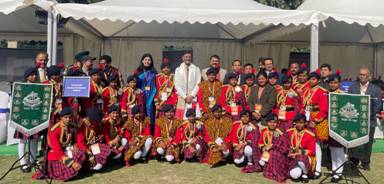
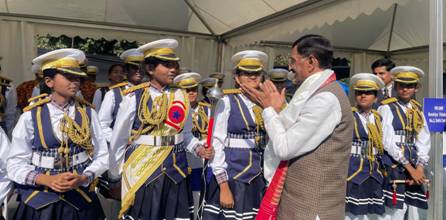
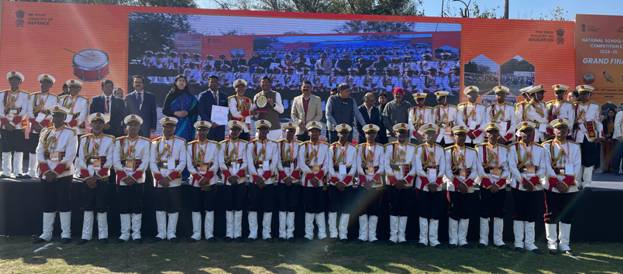


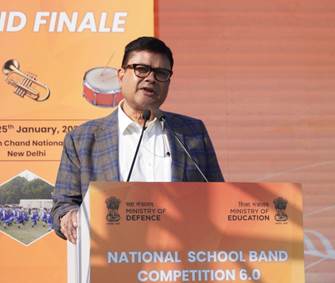
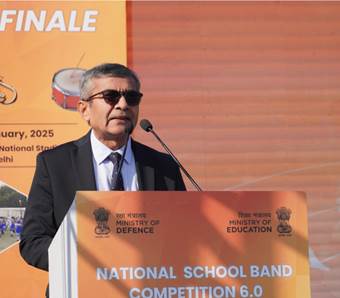
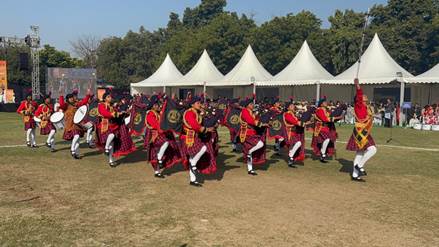
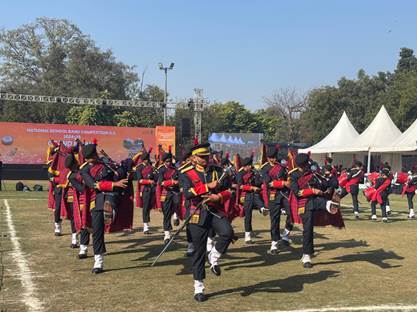


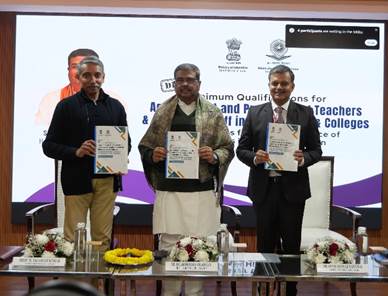
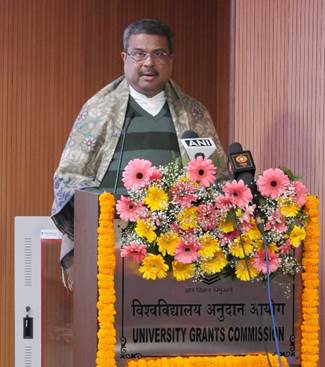
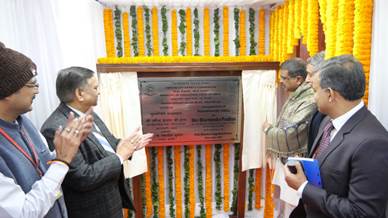
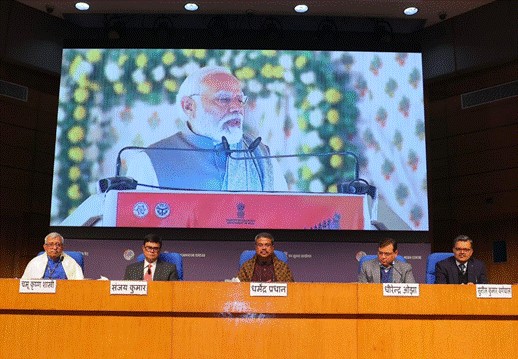
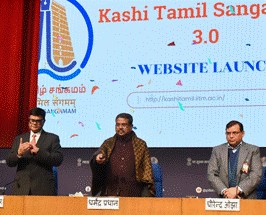
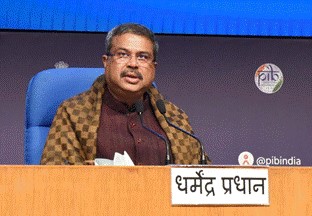


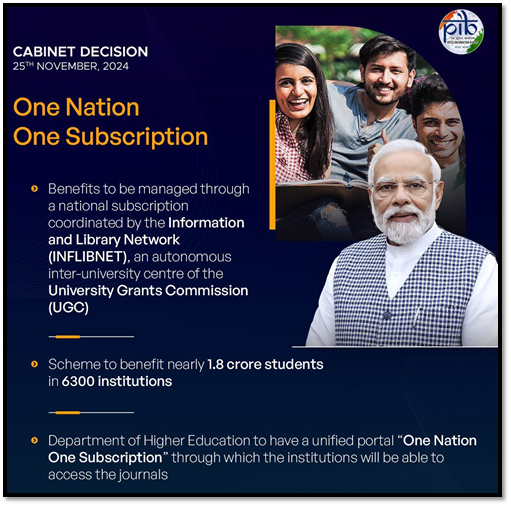 National Subscription via INFLIBNET: The entire subscription process will be centrally coordinated by INFLIBNET (Information and Library Network), an autonomous inter-university centre under the University Grants Commission (UGC). INFLIBNET will manage the distribution of digital access to these journals, ensuring a seamless experience for users.

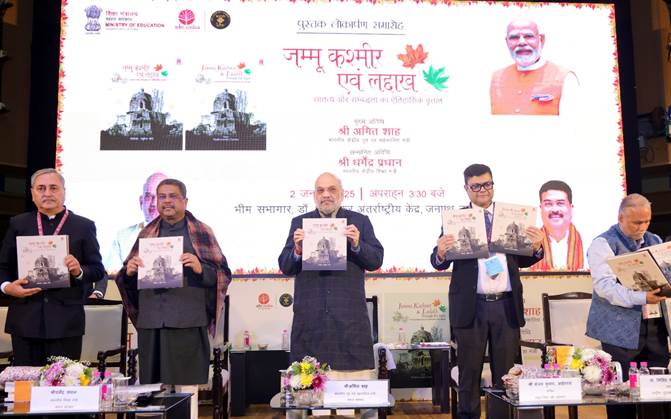


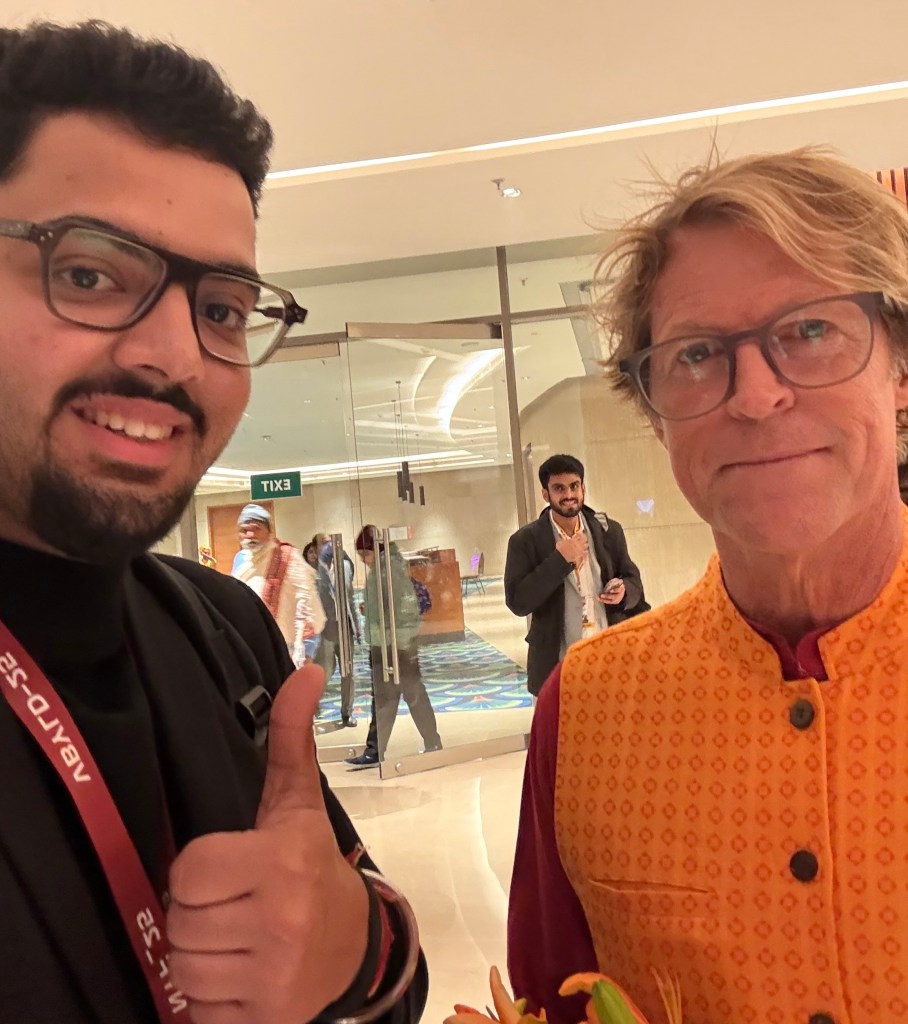
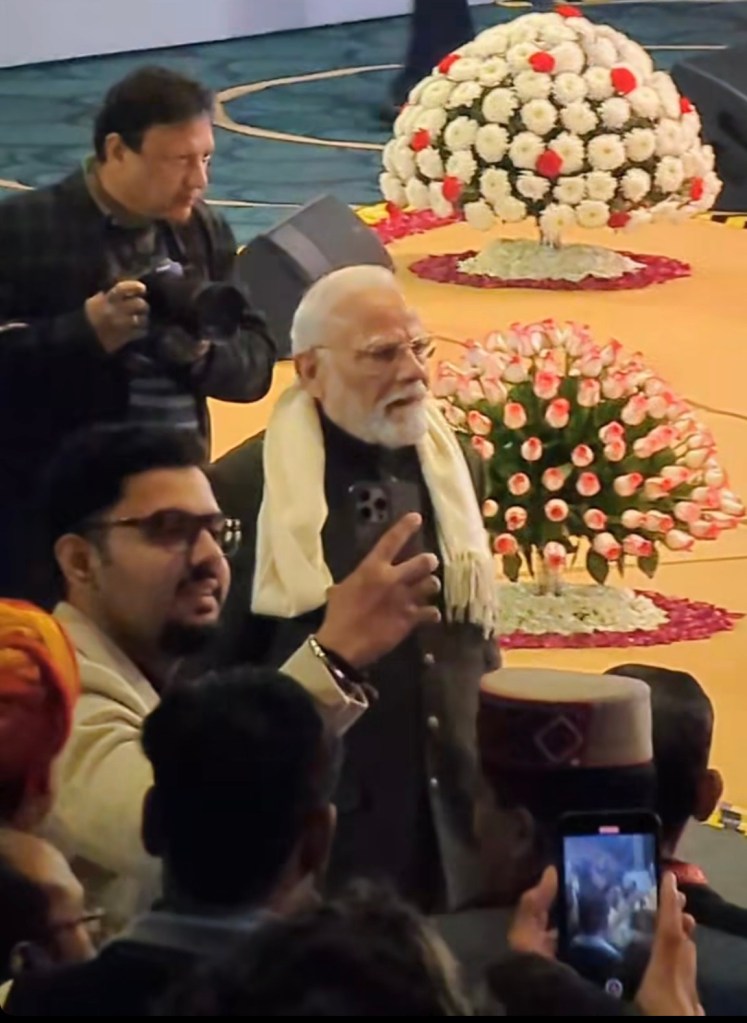
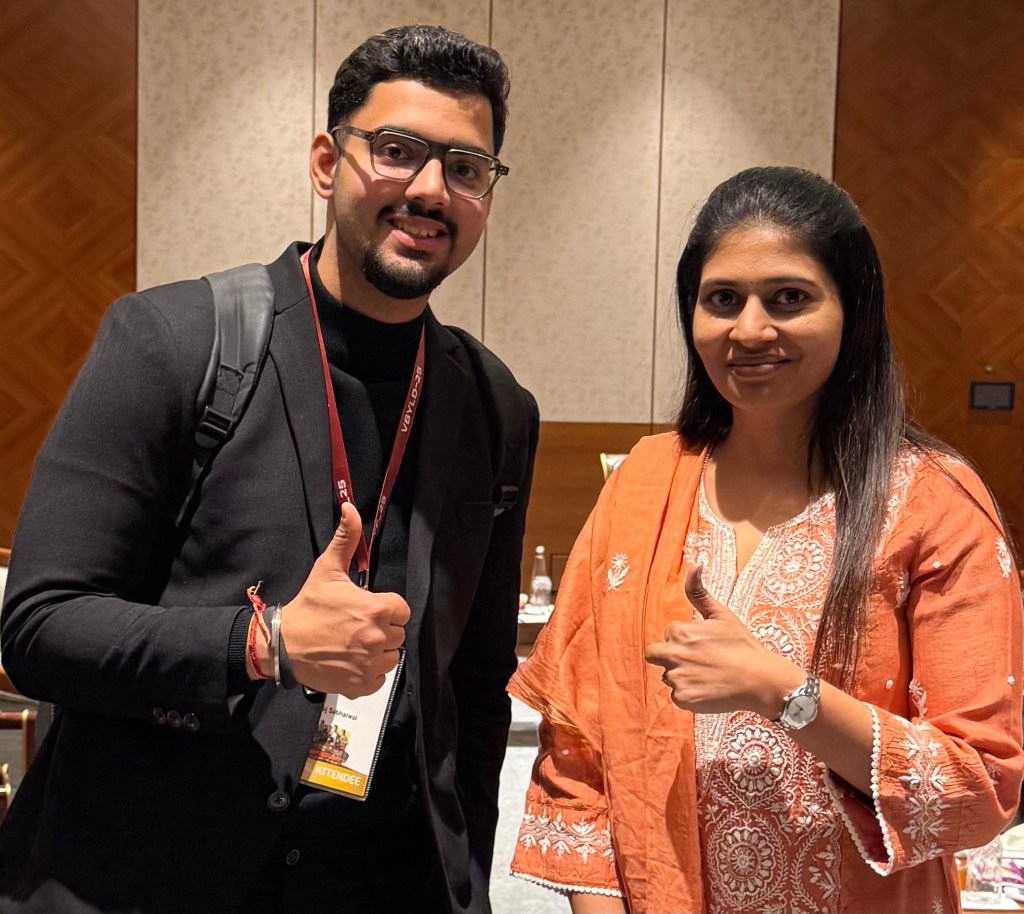


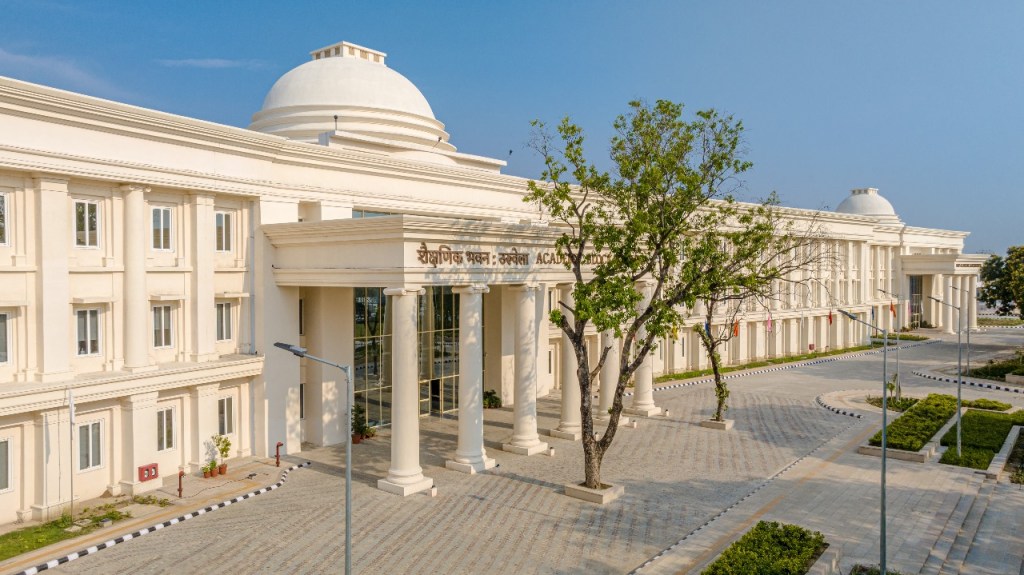


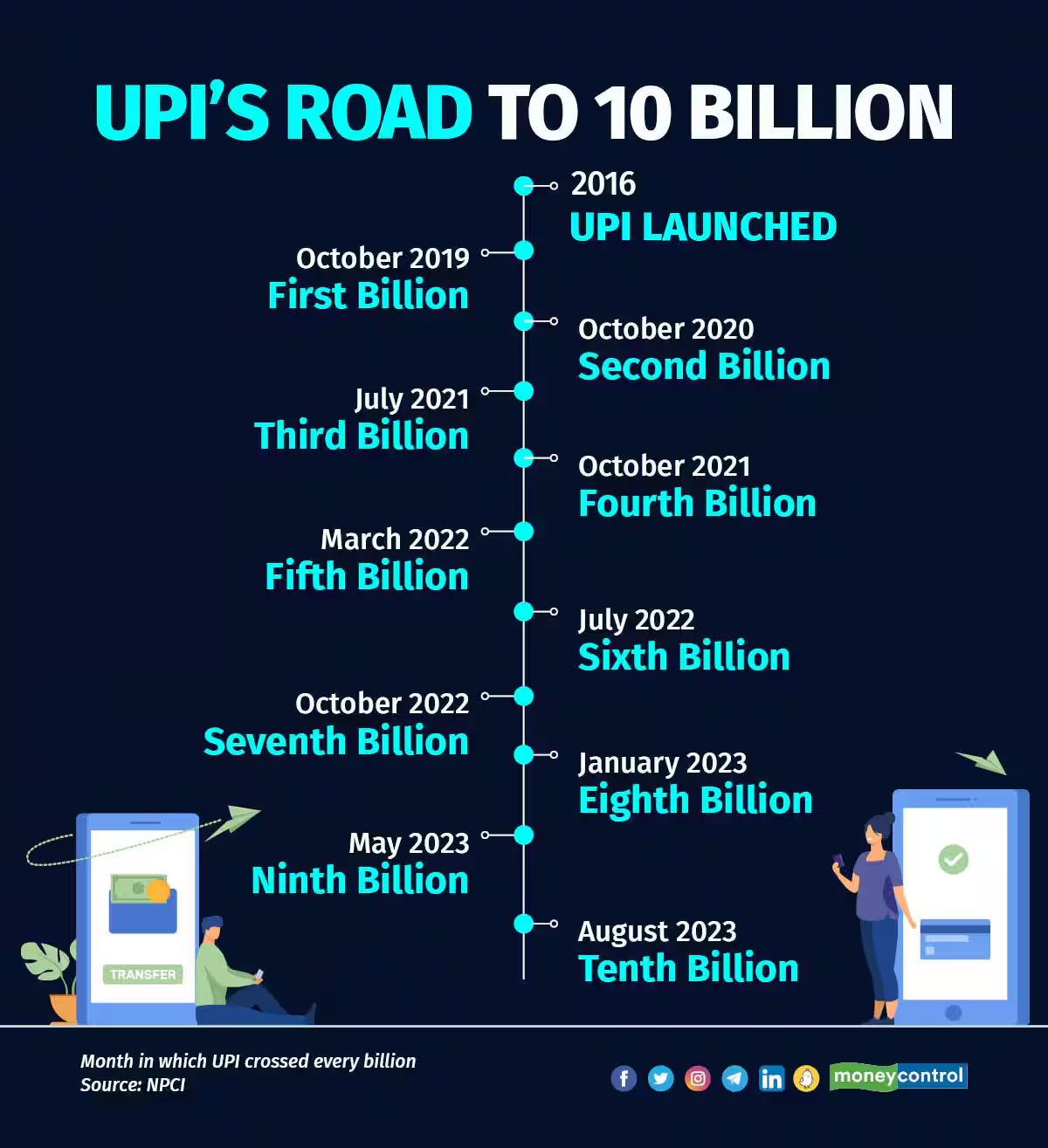
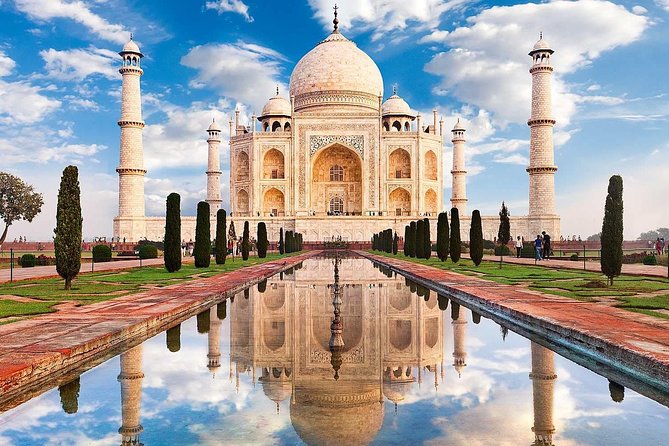
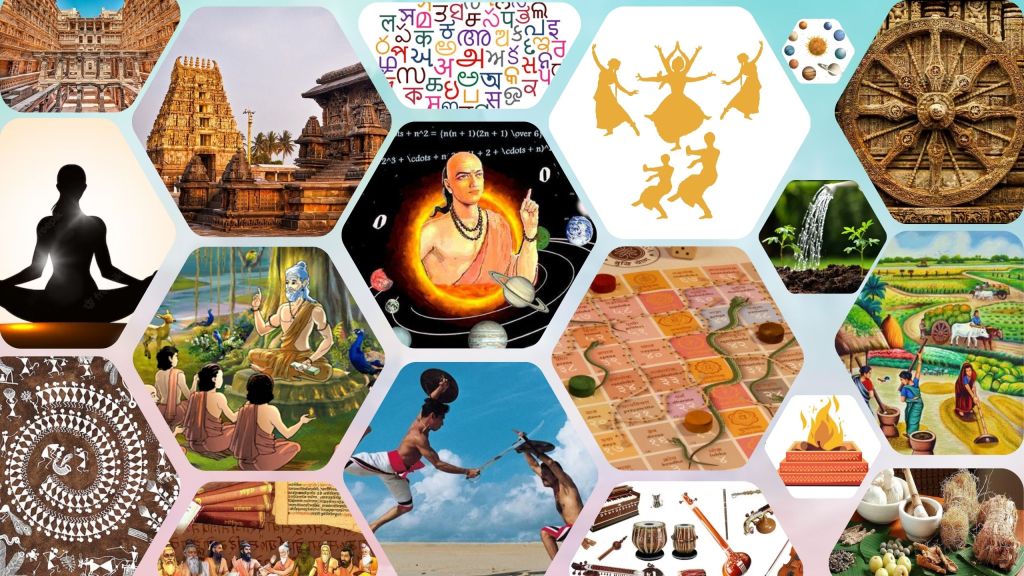





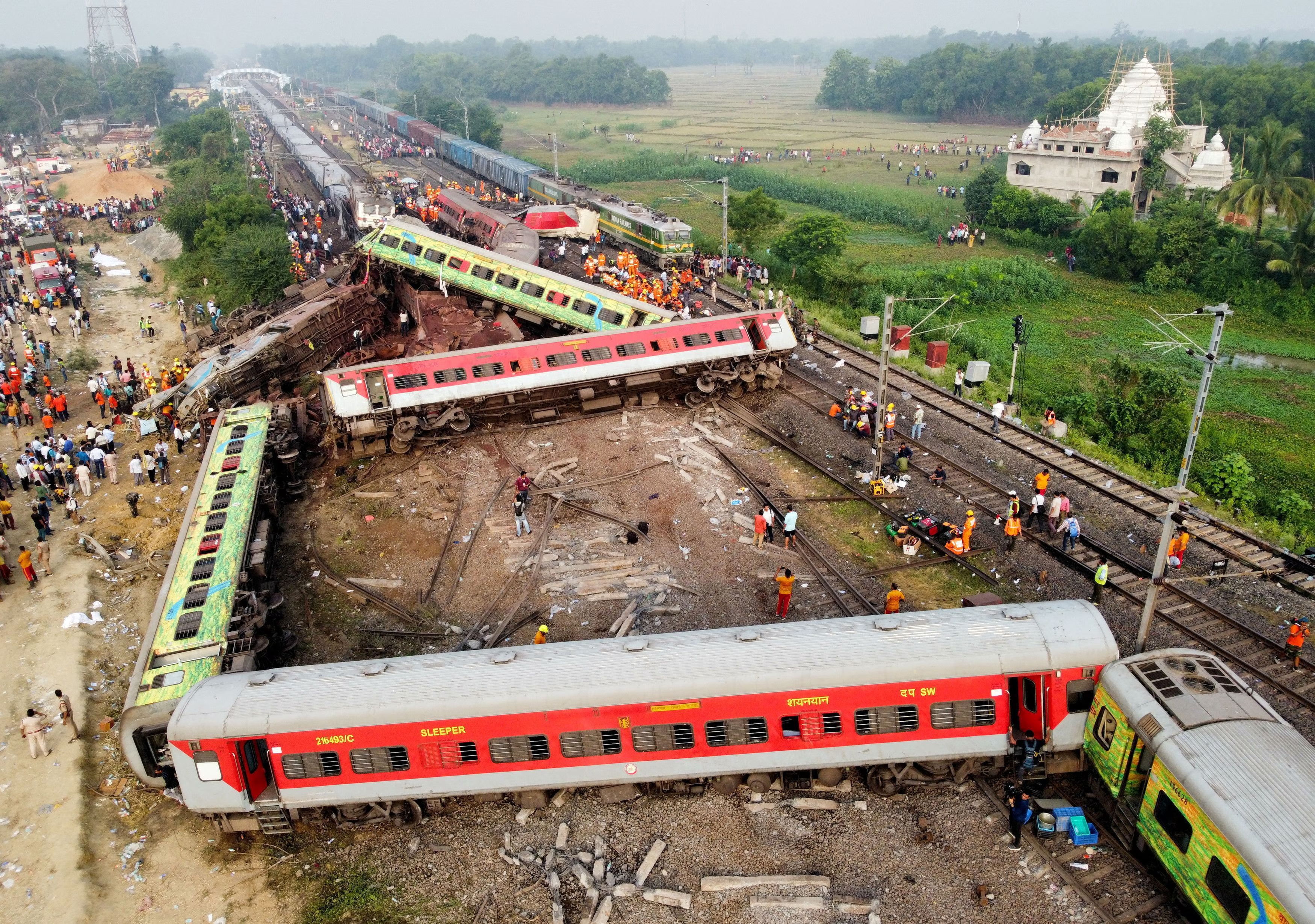
 Eduindex
You must be logged in to post a comment.