SOME INTRESTING FACTS ABOUT KAILASH MANASAROVAR

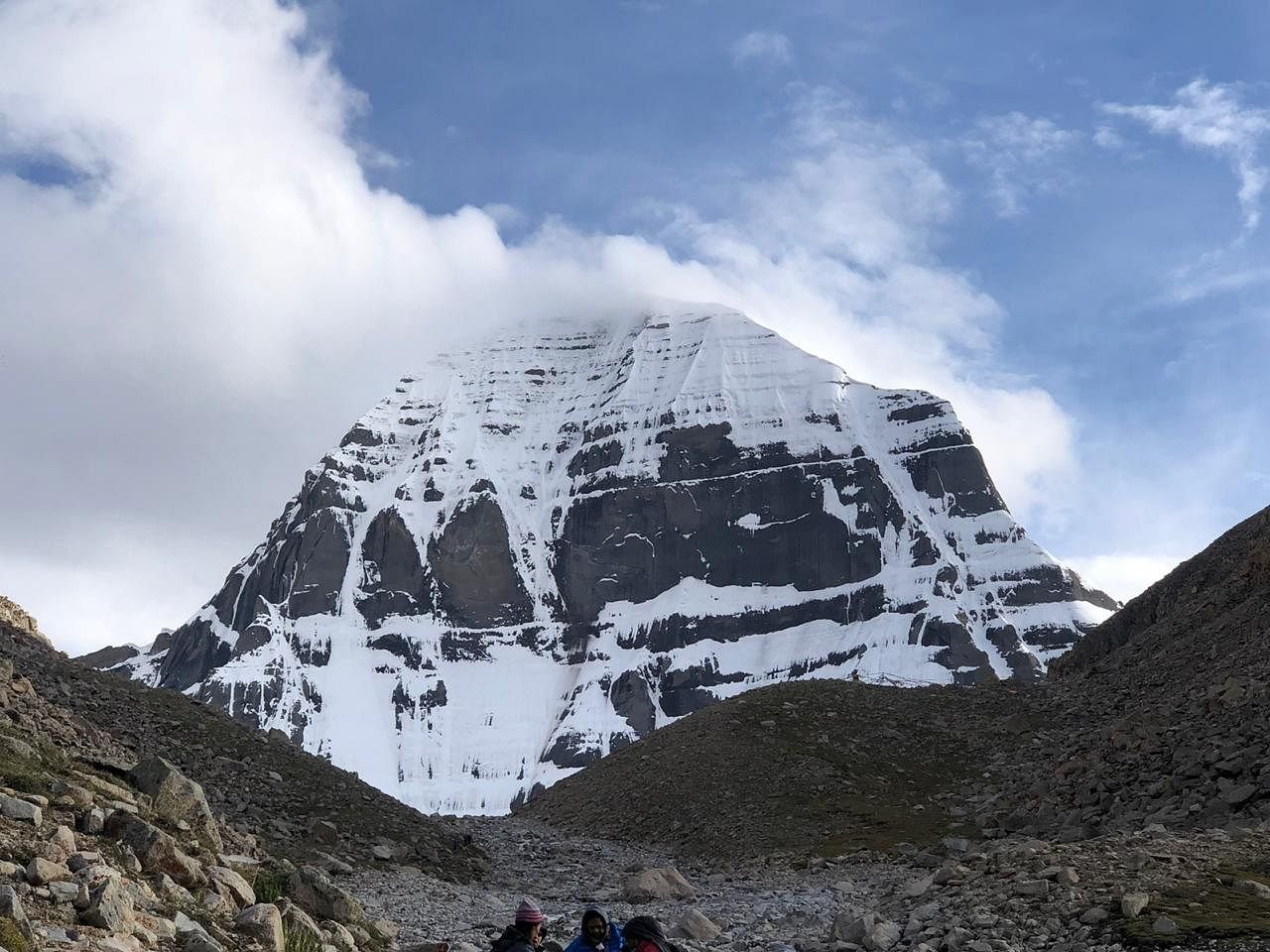
Mount Kailash is located near Lake Manasarover and Lake Rakshastal, near the Indus River, the headwaters of Asia’s longest river. Sutlej; Brahmaputra; Karnali also known as Ghaghara (a tributary of the Ganges) in India. Mount Kailash is considered to sacred in four religions. Receipts; Buddhism; and Jainism.

SOME INTRESTING FACTS ABOUT KAILASH MANASAROVAR

• Stairway to Heaven: Mount Kailash in Tibet is considered a “stairway to heaven”. According to Hindu mythology, it is the residence of Lord Shiva and Goddess Parvati. Climbing this sacred mountain peak is forbidden, as other religions also considered it sacred.
•Sacred to different religions: Mount Kailash is sacred to four religions, including Hinduism, Jainism, Bonn, and Sikhism.
Kailash Strange Structure:The strange pyramid shape of Kailash Manasarovar led to the theory that it was an artificial mountain. According to Russian researchers, Kailash is not a mountain because it is too perfect and symmetrical to be considered a natural event. According to scientists, it’s an artificial vacuum pyramid surrounded by hundreds of small pyramids.
• Kailash cannot be conquered :Kailash, just 6,656 meters above sea level, is not the highest mountain in the world, but it is still unconquerable. There were several trekker trying to climb Mount Kaikash, but none reached the summit. It is believed that climbing this sacred summit will protect the gods.
• Unexpected death of a climber: There are certain points in time when subsequent visits are prohibited. Siberian mountaineers visited once before this point and quickly aged decades earlier. Surprisingly, they died a year later at an old age. Divinity Dwelling: Mt. Kailash is a physical embodiment of Mt. Meru and is believed to have the technical expertise of the superhuman being of God.
Earth’s Energy Center: This sacred mountain is considered the center of the universe. It is considered the axis of the universe, the center of the world, and the pillars of the world. It is the place where the earth and the sky meet.
• Accelerating Aging Near Mt.Kailash: Scientists believed that the aging process would accelerate here. People who spend nearly 12 hours here have been shown to grow their hair and nails. This is equivalent to two weeks in normal life.
• Kailash satellite view: The satellite view of Kailash shows that the shadow of Kailash represents the smile of Lord Shiva.
• Kailash Mystery: You can see the Hindu symbol OM (ॐ) from the southern ridge of Kailash. The formation of a huge ice valley and horizontal rocks from the top of the mountain make up this symbol. Headwaters of the Great Rivers: There are four great rivers in Asia that spring from Kailash Manasarobar. Lake Mansarobar are the sources of the Indus, Sutlej, Brahmaputra and Karnali rivers, which form the main left tributaries of the Ganges.
• Lakes of Good and Evil: The Kailas Himalayan region has two lakes, Lake Manasarovar and Lake Rakshastal. There are many myths surrounding these two lakes. They also show both the good and the bad of humanity.
• Birthplace of Sir Ganesha: Gauri Kund is located near Lake Manasarovar, which is believed to be the birthplace of Lord Ganesha. This is the place where the goddess Parvati surrounded Sir Ganesha with bubbles while taking a bath.
Mount Kailash is said to be non-flying area, you cannot fly over Mt. Kailash by helicopter or any other means.

” It’s pointless giving advice to people who will not listen. It only reduces the value of your words. “

– Author: Farahad Zama
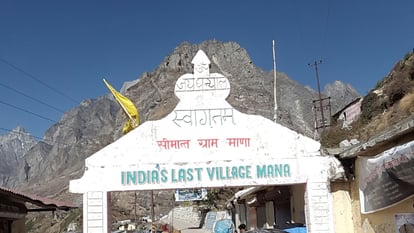
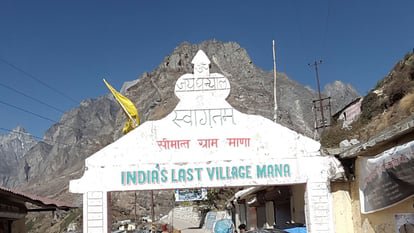
India’s last village Mana.

Mana Village is located in the Chamoli district of Uttarakhand, at an altitude of 3200 m , on the banks of the Saraswati River, about 5 km from the famous Hindu pilgrimage site Badrinath. This beautiful place is located 26 km from the border between India and Tibet and is the last village of India.
According to the 2011 census, the village was home to about 558 households and with population of about 1214 people . Most of the population here belong to Marchhas and Jads or Bhotias. During the winter, the area is covered with snow, so the entire population moves to lower altitudes. Many cafes here tell people that their store is the last cafe on the Indian border. Most of the people here speaks Garhwali Or Hindi languages.
If you visit this place, you will notice that the shopkeepers in the area sell their products under the title “Last Village”, such as “The Last Tea and Coffee Corner in India”.

Religious importance of mana village:

The village of Mana is of great religious importance to Hindus as it is associated with the Mahabharata era. Pandavas, the five mythical figures of the epic Mahabharata, is believed to have passed through the village of Mana on his final journey to heaven. There is also a stone bridge called “Bheempul” near the Saraswati River. It is believed to have been created by Bheem, one of the Pandava’s .

How do you get to Mana village?
You can reach Mana village easily as it is easily accessible from Rishikesh / Haridwar/Dehradun and situated just 5 km from Badrinath Temple. The nearest train station is located in Haridwar, about 275 km away, and you can reach the village by bus / taxi from outside this station. Mana is just 315 km from Dehradun and there is a regular bus in front of the train station.

Mana attractions :

Neelkanth Peak: At an altitude of 6597 feet above sea level, Neelkanth Peak is one of the region’s main attractions. Also known as the “Queen of Garhwal”, this snow-capped peak rises beautifully above the Badrinath Temple and is a must-see for adventure and trekking lovers.

Tapt Kund: According to Hindu mythology, Tapt Kund is the Sanctuary of the Lord of Agni (Fire). This natural hot spring is thought to have medicinal properties, and it is said that soaking in Tapt Kund water will cure skin diseases.

Vasudhara: This is a scenic waterfall about 9km from Badrinath Temple. According to Legend it is the place where Pandavas stayed for some time during their exile.

Vyas Gufa: As the name implies, Ved Vyas, a famous scholar and author of the epic Mahabharata, lived in this cave while writing the four famous vedas. What makes this cave interesting is a small shrine dedicated to him, which is said to be over 5,000 years old.

Beehma Pul: One of Mana Village’s main attractions is Beehma Pul. Beehma is said to have built this Bheem Pul, a stone bridge to allow his wife Draupadi to cross the Saraswati River on a journey to heaven.

Gaura Devi who played an important role in Chipko Movement.

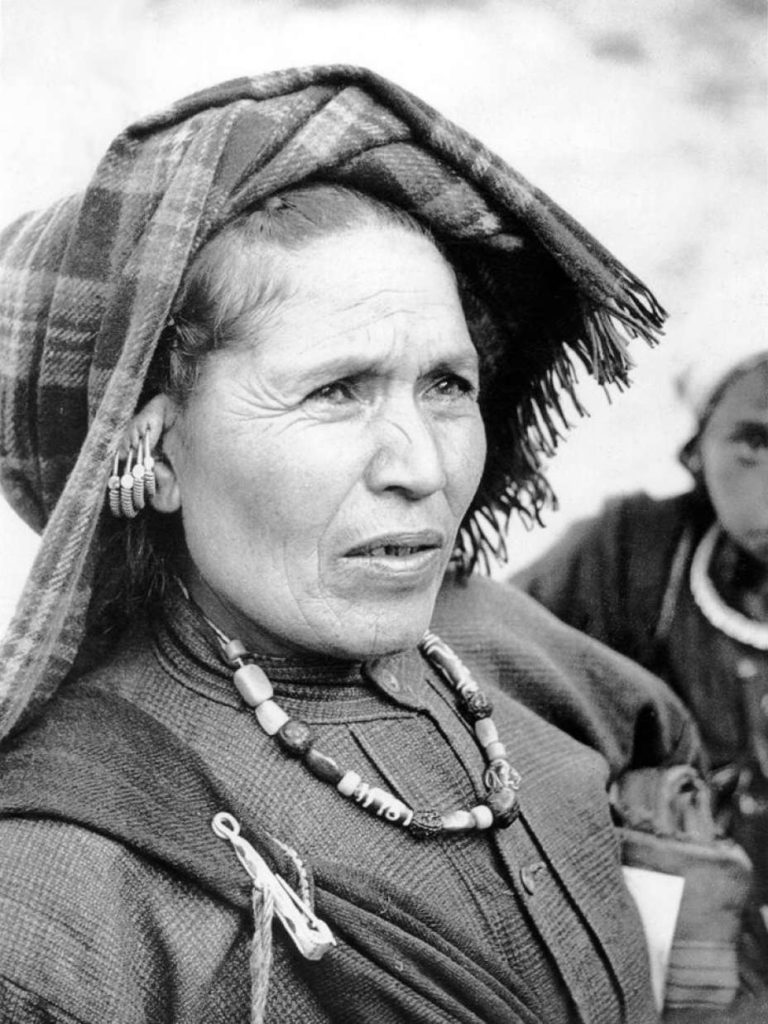
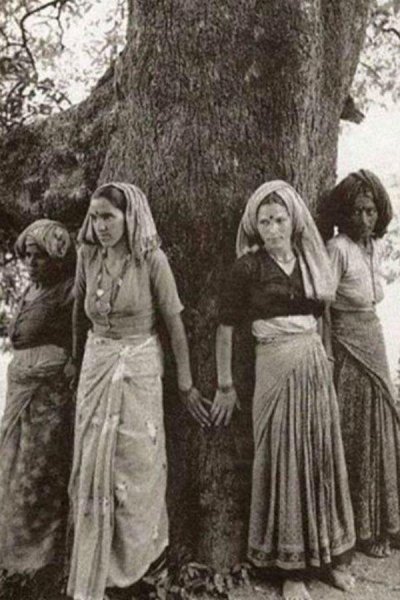
Gaura Devi (1925 – 1991) was a social activist and a rural women community leader from Uttarakhand, India who played an important role in the Chipko movement in 1970’s .
Gaura Devi was born in 1925 in a village named Lata of Chamoli district in the state of Uttarakhand. She got married at very young age, afer her marraige she moved to a nearby village named Reni by the Alaknanda River. At the age of 22 she was a widow with a child. After her husband death she moved to a new village which was near to the border of Indo-Tibet.

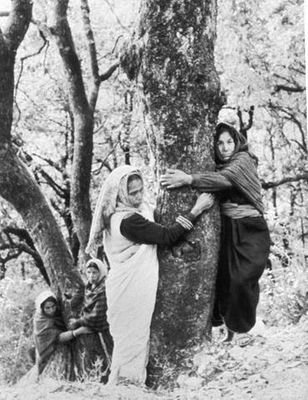
An environmentalist Sunderlal Bahuguna initially started the Chipko Movement . Gaura Devi became the leader of the Chipko movement in 1974. Gaura Devi was elected to lead the Mahila Mangal Dal (Women’s Welfare Association) in the wake of the Chipko movement. The organization worked towards protecting the forests of the community. On March 25, 1974, she learned from a young girl of the village that a local loggers of the village were logging a tree near the village. People in the village of Reni were told the news that according to government new policy, the government would pay compensation to the people for the land used by the army . Gaura Devi and 27 other women decide to take action against the loggers. She confronted the loggers and demanded that the men shoot her instead of cutting down trees, and she described the forest as “vandevta” (the jungle god) and her maika (mother’s house). Eventually, for the next three or four days Gaura Devi along with other village women’s protect the trees by hugging the trees , despite the insults and intimidation of the armed loggers,she was able to stop the logger’s work . After seeing the bravery of Gaura Devi and other village women’s how they protect the trees who are the important part of thier life other villagers from different villages joined the action with her . After this incident, the Uttar Pradesh government set up a specialized committee to investigate logging issues, and the logging company withdrew its subordinates from Reni. The Commission stated that the Reni Forest is an ecologically sensitive area where trees should not be logged. The Uttar Pradesh government who was in power of that area at that has since banned all logging in areas over 1150 km² for 10 years.

Some other important activist who played an important role in Chipko Andolan or Chipko movement along side Gaura Devi were :
Suraksha Devi, Sudesha Devi, Bachni Devi and Chandi Bhatt, Virushka Devi and others.

Gaura Devi passed away in July 1991, at the age of 66 in Reni village Chamoli.

“Ecology is permanent economy “

-Sunderlal Bahuguna

A temple believed to be a marriage place of Lord Shiva and Goddess Parvati.

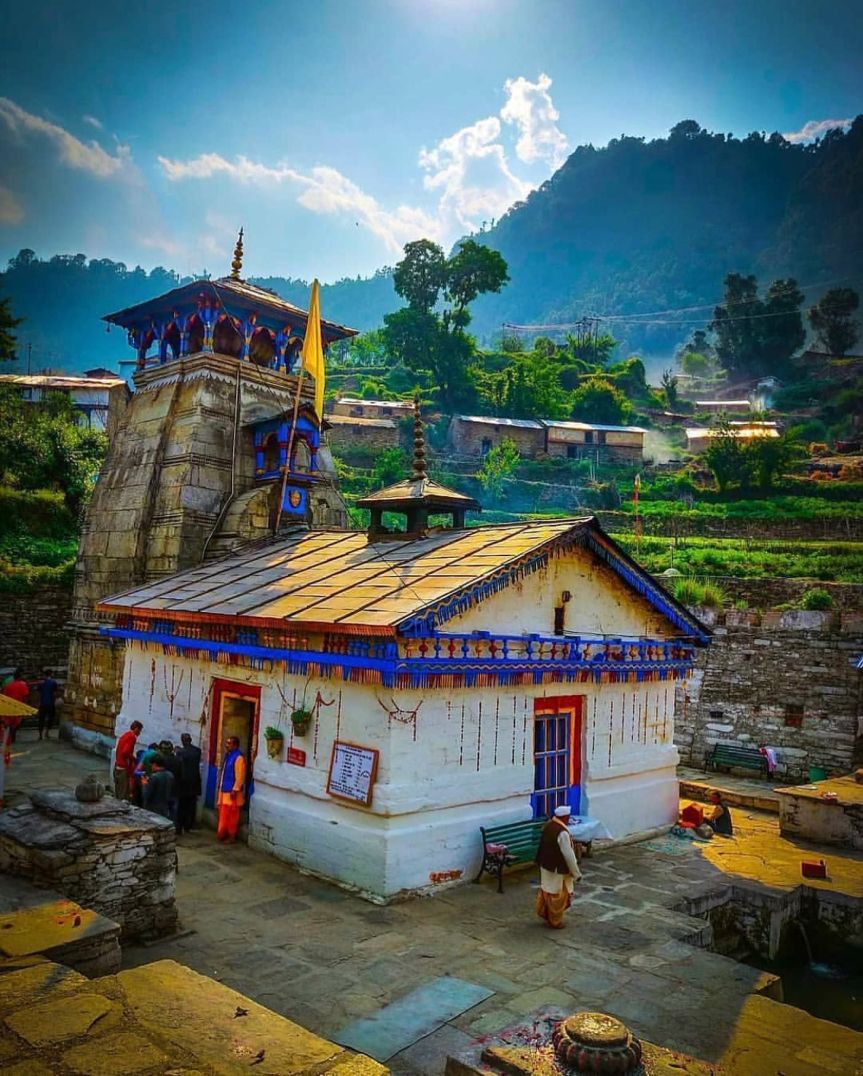
Trijuginarayan Temple is a Hindu temple located in the village of Trijuginarayan in the Rudraprayag district, Uttarakhand, India. The ancient temple is dedicated to Lord Vishnu. Its a popular Hindu pilgrimage site because it is attributed to the legend that this is the place where the marriage of Lord Shiva and Goddess Parvati took place and which Lord Vishnu witnessed here. The hallmark of this temple is the eternal fire that burns in front of the temple. It is believed that the fire is burning from the time of Lord Shiva and Goddess Parvati marriage. Therefore, this temple is also known as Akhand Dhuni Temple. The temple courtyard is also the source of water that fills the three nearby sacred bathing ponds (Kund).

It is believed by many historian that Trijuginarayan Temple have been built by Adi Shankaracharya. Adi Shankaracharya is said to have built many temples in Uttarakhand. The shrine has a silver two-foot statue of Vishnu, accompanied by Consort (the goddess of wealth Lakshmi and the goddess of music and learning) Saraswati.The Trijuginarayan Temple is located at an altitude of 1,980 meters (6,500 feet), about 5 km from Sonprayag, the meeting junction of the Mandakini and Songanga rivers. During the three months of winter, the area is covered with snow. Apples and drupes are cultivated in this area for agricultural purposes.

According to Hindu Dharma, the goddess Parvati was the daughter of Himavat or Himavat-personification of the Himalayas. She was the reincarnation of Shiva’s first wife, Sati-who lost her life when her father offended Shiva. Parvati first tried to allure Shiva with her beauty, but failed. In the end, she suffered severe penance in Gaurikund, five kilometers from Trijuginarayan, and won Shiva. Pilgrim visitors to the Trijuginaryan Temple also visit the Gauri Kund Temple dedicated to Parvati, which is also the base camp for trekking to the Kedarnath Temple. According to mythology, Shiva proposed to Parvati in Guptakashi before getting married in the small village of Trijuginarayan .
Triwajinarayan is believed to be the capital of Himavat. It was the place where Shiva and Pearlvati married in heaven during Satya Yuga, and was witnessed in front of the eternally burning sacred fire in front of the temple of Havana Kund or Agni Kund. It is said Vishnu appeared at the wedding ceremony of Lord Shiva and Goddess Parvati as a brother of Parvati. Meanwhile, the Lord Brahma served as the priest of marriage which was witnessed by all the wise men of the time. The exact location of the wedding is indicated by a stone called Brahma Sila in front of the temple. The splendor of this place is also recorded in Stala Purana, a scripture unique to the Pilgrimage Center. According to the scripture , pilgrims visiting this temple consider the burning ashes of fire to be holy and carry it with them. The ashes from this fire are also believed to promote the bliss of the couple. There were no witnesses to the incident before the wedding, but it is believed that the gods taken bath from the four kunds: Rudra Kund, Vishnu Kund, and Brahma Kund. The stream of the three Kunds, according to legend, comes from Saraswati Kund, which is derived from the navel of Vishnu. Therefore, these Kund waters are considered a remedy for infertility.