
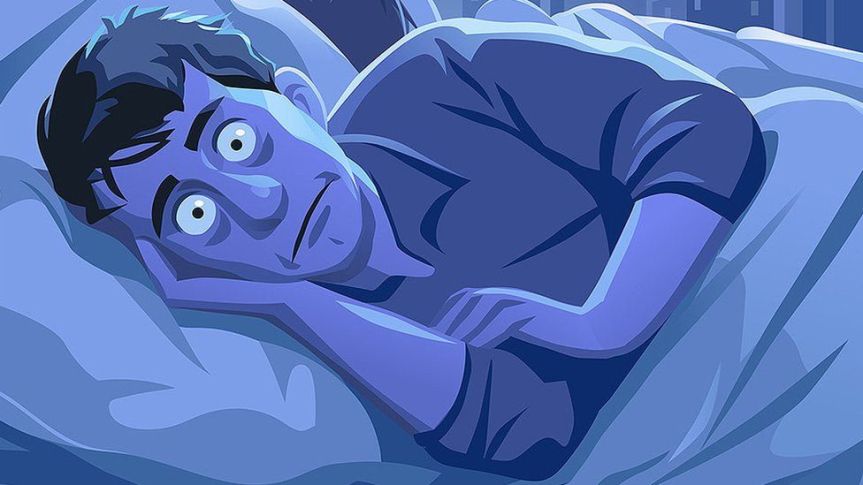
INSOMNIA

Insomnia, also known as sleeplessness, is a common sleep disorder that can make it hard for the person to fall asleep, hard to stay asleep or cause to wake up too early and not be able to get back to sleep. Insomnia is typically followed by daytime sleepiness, low energy, irritability and a depressed mood. It may result in an increased risk of motor vehicle collisions, as well as problems focusing and learning. How much sleep is enough varies from person to person, but most adults need seven to eight hours a night. Insomnia can occur independently or as a result of some another problem. Conditions that can result in insomnia include psychological stress, chronic pain, heart failure, hyperthyroidism, heart burn, menopause, certain medications and drugs such as caffeine, nicotine and alcohol. Other risk factors include working night shifts and sleep apnea.
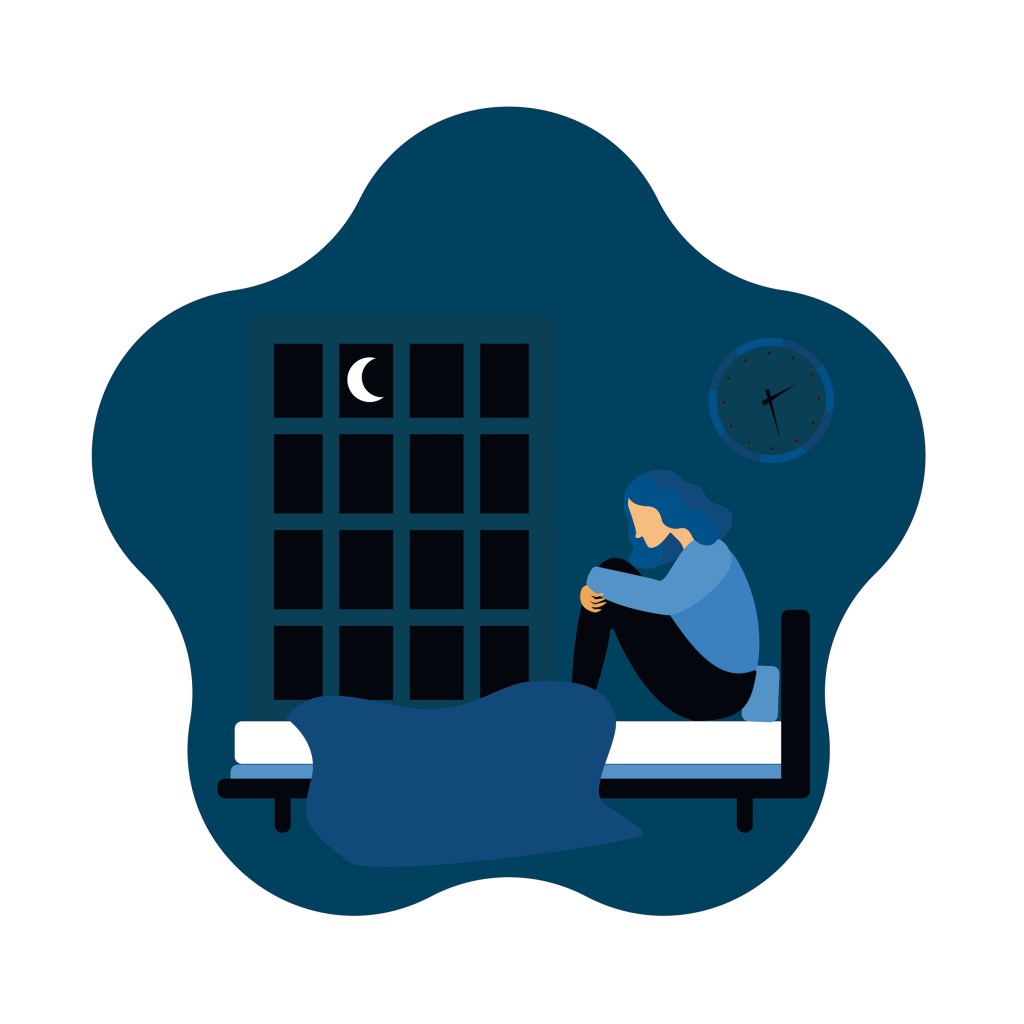
SYMPTOMS:-

Insomnia symptoms may include:-

  • difficulty falling asleep at night.
  • waking up during the night.
  • waking up too early.
  • not feeling well-rested after a night’s sleep.
  • daytime tiredness or sleepiness.
  • irritability, depression or anxiety.
  • difficulty paying attention, focusing on tasks or remembering.
  • ongoing worries about sleep.

CAUSES:-

Insomnia may be the primary problem or it may be associated with other conditions. Chronic Insomnia is usually a result of stress, life events or habits that disrupt sleep. Treating the underlying cause can resolve the insomnia, but sometimes it can last for years. Chronic Insomnia may also be associated with medical conditions or the use of certain drugs. Common causes of chronic insomnia include:-

  1. Stress- concerns about work, school, health, finances, family can keep the mind active and occupied every time, making it difficult to sleep.
  2. Travel or work schedule- the circadian rhythms of our body act as an internal clock, guiding such things as the sleep-wake cycle, metabolism and body temperature. Disrupting the body’s circadian rhythms can lead to insomnia.
  3. poor sleep habits- include an irregular bedtime schedule, naps, stimulating activities before bed, an uncomfortable sleep environment, watching smart phones or other screens.
  4. eating too much late in the evening- may cause the person to feel physically uncomfortable while lying down. Many people also experience heartburn, a backflow of acid and food from the stomach into the esophagus after eating, which may keep them awake.

Additional causes of Insomnia include:-

  1. Mental health disorders- anxiety disorders, such as post-traumatic stress disorder may also be the reason for disruption during sleep. Awakening too early can be a sign of depression.
  2. Medications- many prescription drugs can interfere with sleep such as certain antidepressants.
  3. Medical conditions- such as chronic pain, cancer, diabetes, heart disease, gastroesophageal reflux disease(GERD) etc.
  4. sleep related disorders.
  5. caffeine, nicotine and alcohol.

PREVENTION:-

Good sleep habits can help prevent insomnia and promote sound sleep:-

  • keep the bedtime and wake time consistent from day to day.
  • staying active- regular activities help to promote a good sleep.
  • check the medications to see if they may contribute to insomnia.
  • avoid or limit naps.
  • avoid or limit caffeine and alcohols.
  • keep yourself calm and relaxed when going to sleep.
How Insomnia Affects our Health???

Insomnia is a sleep disorder in which you have trouble falling and/or staying asleep.The condition can be short-term (acute) or can last a long time (chronic). It may also come and go. Acute insomnia lasts from 1 night to a few weeks. Insomnia is chronic when it happens at least 3 nights a week for 3 months or more. There are two types of insomnia primary and secondary. Primary insomnia: This means your sleep problems aren’t linked to any other health condition or problem.Secondary insomnia: This means you have trouble sleeping because of a health condition (like asthma, depression, arthritis, cancer, or heartburn); pain; medication; or substance use (like alcohol).

There are three different types of Insomnia:-

  • Acute insomnia. A brief episode of difficulty sleeping.
  • Chronic insomnia. A long-term pattern of difficulty sleeping.
  • Comorbid insomnia. Insomnia that occurs with another condition.
  • Onset insomnia. Difficulty falling asleep at the beginning of the night.
  • Maintenance insomnia. The inability to stay asleep.

Research shows that comorbid insomnia accounts for 85 to 90 percent of chronic insomnia. Insomnia also increases with age. Sometimes insomnia goes away after lifestyle factors such as family or work stress resolve. For more serious cases, addressing the underlying cause can improve your sleep quality.Treating insomnia is important because this condition can increase your risk for other health concerns.

What happens if someone suffers from Insomnia:-

  1. There is an increased risk for medical conditions such as strokes, asthma attacks, seizures, weak immune system, sensitivity to pain, inflammation, obesity, diabetes, high blood pressure, heart diseases, etc.
  2. There is an increased risk of mental health disorders like depression, anxiety, and confusion and frustration.
  3. There is an increased risk of accidents. Performance in school can be declined. It can affect our sex drive, memory, and judgement as well.
  4. There is a shortened life expectancy. Having insomnia can shorten your life expectancy. An analysis of 16 studies that covered over 1 million participants and 112,566 deaths looked at the correlation between sleep duration and mortality. They found that sleeping less increased risk for death by 12 percent, compared to those who slept seven to eight hours per night. A more recent study looked at the effects of persistent insomnia and mortality over 38 years. They found that those with persistent insomnia had a 97 percent increased risk of death.

Causes of Insomnia:-

There is primary Insomnia, which has no underlying cause, and secondary insomnia, which is attributable to an underlying cause. Some causes can be stress, jet lag, poor sleep habits, eating too late in the evening, not sleeping on a regular schedule due to work or travel. There are some medical causes as well, such as, mental health disorders, medications such as antidepressants or pain medications, conditions such as cancer, heart disease and asthma, chronic pain, restless leg syndrome, obstructive sleep apnea, etc.

Although it’s common to have insomnia from time to time, you should schedule an appointment with your doctor if the lack of sleep is negatively affecting your life. As part of the diagnostic process, your doctor will likely perform a physical exam and ask you about your symptoms. They will also want to know about any medications you take and your overall medical history. This is to see if there’s an underlying cause for your insomnia. If there is, your doctor will treat that condition first.

What we can do ourselves to treat Insomnia:-

There are many strategies for treating insomnia. Before you talk to your doctor about medications, try making lifestyle changes. Medications provide effective short-term results, but long-term use is associated with mortality. We can go for Melatonin Supplements. This over-the-counter hormone can help regulate sleep by telling your body that it’s time for bed. Higher melatonin levels make you feel sleepier, but too much can disrupt your sleep cycle and cause headaches, nausea, and irritability. Adults can take between 1 and 5 milligrams, an hour before bed. Talk to your doctor about dosage before taking melatonin, especially for children.

Sleep Medications. Talk to your doctor about sleep medications if lifestyle changes aren’t working. Your doctor will look for underlying causes and may prescribe sleep medication. They’ll also tell you how long you should take it. It’s not recommended to take sleeping pills on a long-term basis.

Hence, Insomnia affects our health really bad in the long go. At first we would don’t even know that something is wrong with us. So, it’s better to change our sleeping patterns and also doing little changes in our lifestyle.

Refrences:-

http://www.healthline.com