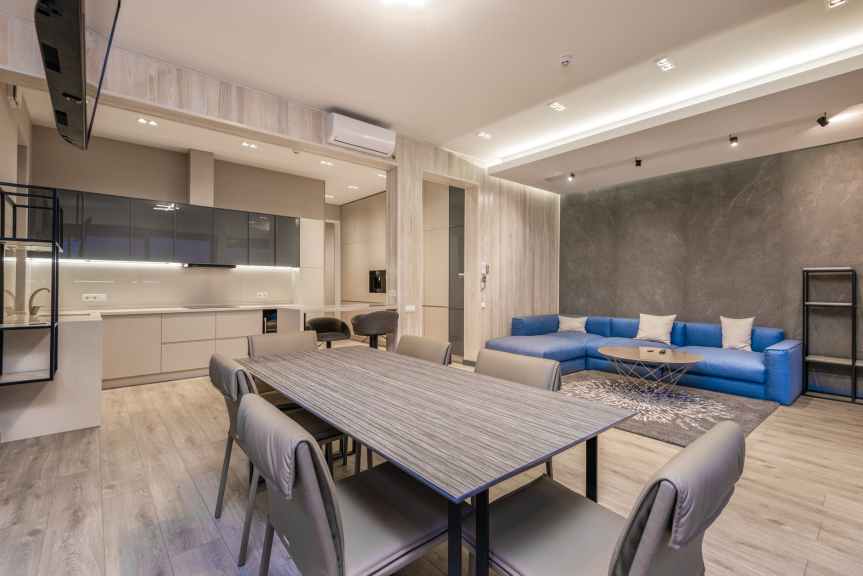
Transform Commercial Spaces with Stylish Glass Installations

Daily writing prompt
How do you feel about cold weather?

Glass installations are redefining commercial spaces, combining modern aesthetics with functionality. Whether you’re redesigning an office, a storefront, or a large retail environment, glass is steadily becoming a go-to material for architects and business owners alike. From sleek interiors to energy-efficient windows, the possibilities are endless. 

But what exactly makes glass installations so impactful, and how can they transform commercial spaces? This blog takes a closer look at the benefits of stylish glass installations and how they add measurable value to your commercial establishment. 

Why Glass is the Material of Choice 
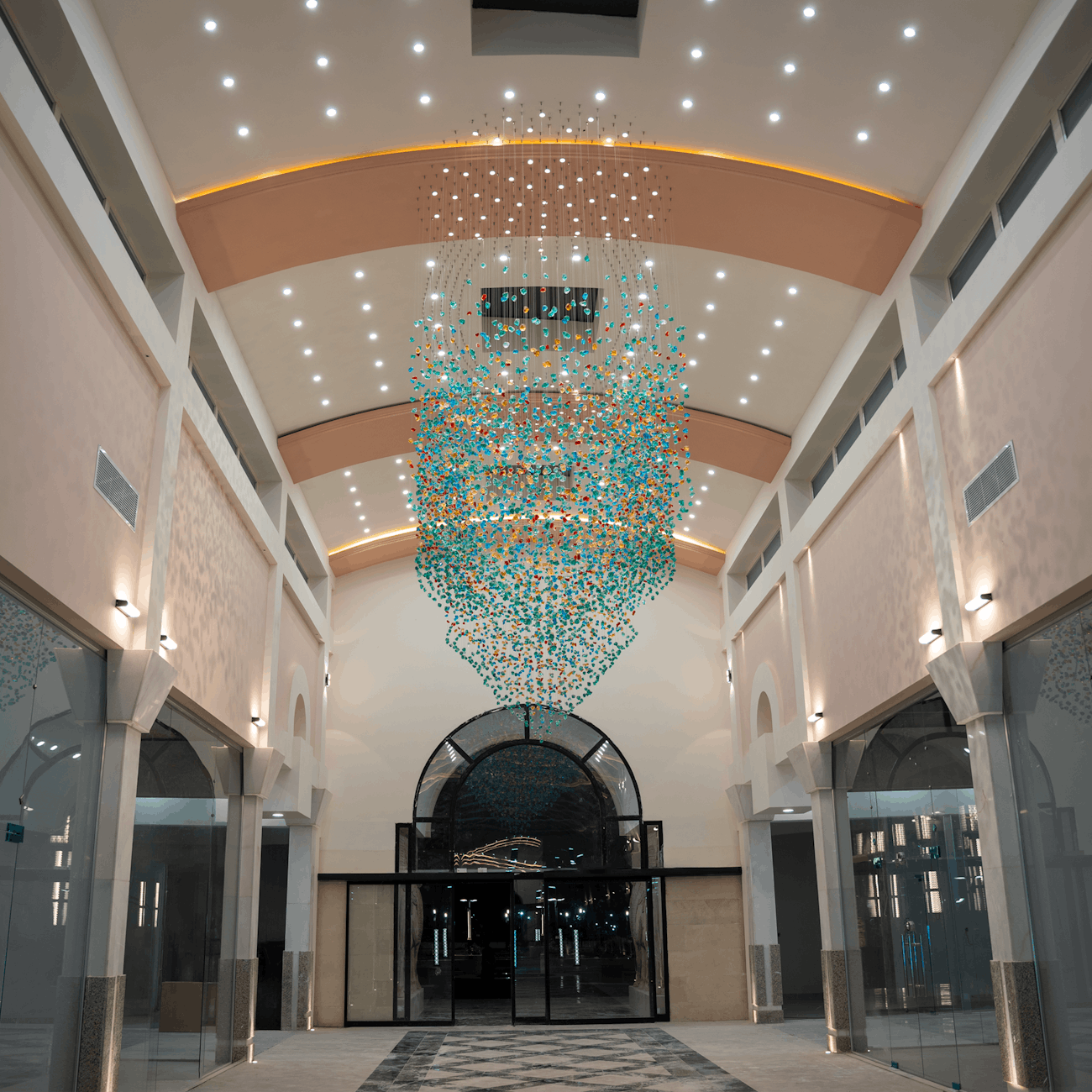
Photo by Ansar Muhammad on Pexels.com

1. A Modern Aesthetic for Professional Settings 

Glass installations instantly lend a contemporary look to any space. They create an open and inviting atmosphere by making spaces appear larger, brighter, and more polished. Imagine walking into a commercial building with floor-to-ceiling glass walls that allow natural light to flood in. It gives off a sense of professionalism and innovation that instills confidence in visitors and employees alike. 

For Michigan businesses looking to upgrade, commercial window installation has become a popular option for modernizing outdated office designs. 

2. Boost Employee Productivity & Satisfaction 

Natural light isn’t just a trend in design; it’s scientifically proven to enhance employee performance. Studies show that workplaces with ample daylight improve mood, reduce stress, and even increase focus. Adding glass windows or partitions can create a bright, airy ambiance while maintaining a sense of privacy in targeted areas. 

For example, frosted or tinted glass meeting rooms ensure confidentiality without making the walls feel restrictive or closed off. 

3. Energy Efficiency Done Right 

Stylish glass installations don’t just look great; they can significantly improve energy efficiency. High-quality glass installations, especially double-pane or low-emissivity (low-E) windows, help regulate indoor environments by preventing heat loss in winter and keeping interiors cool in summer. 

This is particularly beneficial for commercial spaces in Michigan, where fluctuating weather demands durable and energy-efficient solutions. Upgrading your windows can reduce electricity costs and promote sustainability

4. Better Connectivity Through Transparency 

Glass as a design element also fosters a sense of connectivity and collaboration. By replacing solid walls with transparent or semi-transparent glass partitions, teams can feel more connected while still enjoying their own distinct workspaces. 

For retail environments, glass storefronts visually connect your business to passing foot traffic. Clear, wide windows offer a sneak peek into what your store offers, creating an inviting first impression that draws customers inside. 

Innovative Glass Solutions for Any Commercial Application 

Glass Doors & Entrance Systems 

Upgrading your entrance with glass doors adds sophistication and functionality, offering an upscale appeal. Automatic or sliding glass doors ensure easy access while maintaining a seamless look. 

Glass entrances are particularly effective for businesses such as high-end boutiques, banks, and corporate offices where first impressions really matter. 

Interior Glass Walls & Partitions 

Transform the interior dynamics of your space with stylish glass partitions. Whether you’re crafting an open-concept office or dividing larger retail sections, glass walls provide flexibility without sacrificing light or openness. 

For added privacy, consider etched or frosted glass options. These provide a sleek, modern look while shielding sensitive areas from view. 

Custom Glass Storefronts 

Your storefront is a reflection of your brand, and nothing speaks volumes like a custom-designed glass storefront. Glass makes it easy to showcase products and entice new customers without overwhelming your space with heavy fixtures. 

Whether it’s a café, retail boutique, or beauty studio, your bespoke glass storefront can set you apart from competitors. 

Skylights & Overhead Glass Features 

Go beyond simple window installations and explore skylights or overhead glass panels. These design elements allow even more natural light into your space, creating a dramatic and refreshing effect. Ideal for spacious interiors such as showrooms, atriums, and event venues, overhead glass can be a real game-changer. 

What to Look for in Commercial Glass Installation 

To truly transform your space, the quality and expertise of the installation are crucial. When considering professionals for your commercial window installation in Michigan, keep these factors in mind:

  • Experience with Custom Designs: Ensure your installer understands your brand’s unique needs and delivers tailored glass solutions. 
  • Durability & Safety Standards: Commercial glass must meet building codes and safety regulations, guaranteeing long-term reliability. 
  • Energy Efficiency: Opt for installers who specialize in energy-efficient glass options with proven benefits like temperature regulation and reduced energy bills. 
  • Ongoing Support: Choose providers offering maintenance and post-installation support to ensure your investment lasts for years to come. 

Elevate Your Commercial Space Today 

Glass isn’t just a building material; it’s a design statement. Stylish glass installations bring a host of benefits, from enhanced aesthetics and natural light to improved energy efficiency and employee well-being. Whether you’re upgrading your office or reinventing your storefront, integrating glass in your designs can deliver unparalleled results. 

If you’ve been considering professional commercial window installation in Michigan, now is the perfect time to get started. Partner with expert installers who share your vision and watch as your space is transformed into a modern, functional work of art. 

Choosing the Right Fence: Styles, Materials, and Benefits

Daily writing prompt
Are you a leader or a follower?

A fence does more than define property lines—it offers privacy, enhances security, and adds curb appeal to your home. With so many fencing options available, selecting the right one can feel overwhelming. To make the best choice, it’s important to understand the styles, materials, and benefits each type of fence offers.

Photo by Ray Bilcliff on Pexels.com

1. Why Install a Fence?

Homeowners install fences for a variety of reasons. Whether it’s to keep pets safe, protect children, increase privacy, or simply add aesthetic charm, a fence plays both functional and decorative roles. The right fence can also increase your property value and reduce noise from nearby streets.

2. Popular Fence Styles

Privacy Fences

Tall and solid, privacy fences block the view into your yard. They’re ideal for suburban backyards or homes close to neighbors. Most are around 6 to 8 feet high and constructed from wood, vinyl, or composite materials.

Picket Fences

A classic choice for front yards, picket fences are known for their short height and spaced slats. They add charm and create a welcoming feel while offering minimal privacy. Picket fences are often made from wood or vinyl.

Split Rail Fences

Typically seen in rural settings, split rail fences have a rustic appeal. Made from wooden posts and rails, they work well for large properties, farms, or decorative purposes rather than security or privacy.

Lattice Fences

Lattice fences feature crisscrossed slats that provide partial privacy and support for climbing plants. They’re decorative and perfect for garden areas.

Modern Horizontal Fences

A newer trend in fencing, these feature horizontal slats that offer a sleek, contemporary look. They’re often made of wood or metal and used in upscale landscaping.

3. Fence Materials: Pros and Cons

Wood

Wood is a traditional and versatile option. It can be painted or stained in various colors and offers a warm, natural appearance.

  • Pros: Customizable, attractive, great for privacy
  • Cons: Requires maintenance, susceptible to rot or insect damage

Vinyl

Vinyl fencing is a low-maintenance alternative to wood. It’s available in various styles, including picket and privacy.

  • Pros: Durable, weather-resistant, low maintenance
  • Cons: Higher upfront cost, less natural appearance

Metal (Aluminum, Steel, Wrought Iron)

Metal fences range from lightweight aluminum to heavy-duty steel in Salt Lake City or wrought iron.

  • Pros: Strong, long-lasting, good for security
  • Cons: Can rust (except aluminum), limited privacy, often more expensive

Chain Link

Chain link fences are functional and budget-friendly, making them common in both residential and commercial settings.

  • Pros: Affordable, durable, easy to install
  • Cons: Offers little privacy, utilitarian appearance

Composite

Composite fencing combines wood fibers and plastic, offering the look of wood without the upkeep.

  • Pros: Low maintenance, eco-friendly, long lifespan
  • Cons: More expensive than wood, limited color options

4. Factors to Consider Before Choosing

When selecting a fence, keep the following in mind:

  • Purpose: Are you fencing for privacy, security, decoration, or pet containment?
  • Budget: Materials and installation vary widely in cost.
  • Maintenance: Wood needs regular staining or painting, while vinyl and metal require minimal upkeep.
  • Climate: Some materials withstand weather better than others. For example, vinyl handles moisture better than wood.
  • Local Regulations: Check with your homeowners’ association or municipality for height restrictions, material rules, and permit requirements.

5. Benefits of the Right Fence

Increased Privacy and Security

Fences help prevent trespassing, keep pets and kids safely inside the yard, and reduce outside visibility.

Enhanced Curb Appeal

The right style can complement your home’s architecture, boosting its appearance and possibly its resale value.

Noise Reduction

Certain fences, like solid wood or vinyl, can act as sound barriers, ideal if you live near a busy street.

Defined Property Boundaries

Fences help avoid disputes with neighbors and clearly mark where your land begins and ends.

Final Thoughts

Choosing the right fence involves balancing aesthetics, function, and budget. Whether you’re aiming for a cozy cottage feel with a picket fence or prioritizing security with a metal barrier, there’s a style and material to suit your needs. With careful consideration and proper installation, your fence will serve your home beautifully for years to come.

What are different Types and Design of Blinds

 One of the popular item to make home and offices look nice is blinds. Blinds are versatile window coverings that serve both functional and aesthetic purposes in homes and offices. They offer control over privacy, light, and temperature while also contributing to the overall interior design. Peterjohn.co.uk provides different types of Blinds come in various designs, allowing individuals to choose the perfect option to suit their needs and style preferences.

Here are some of the most popular types and designs of blinds:

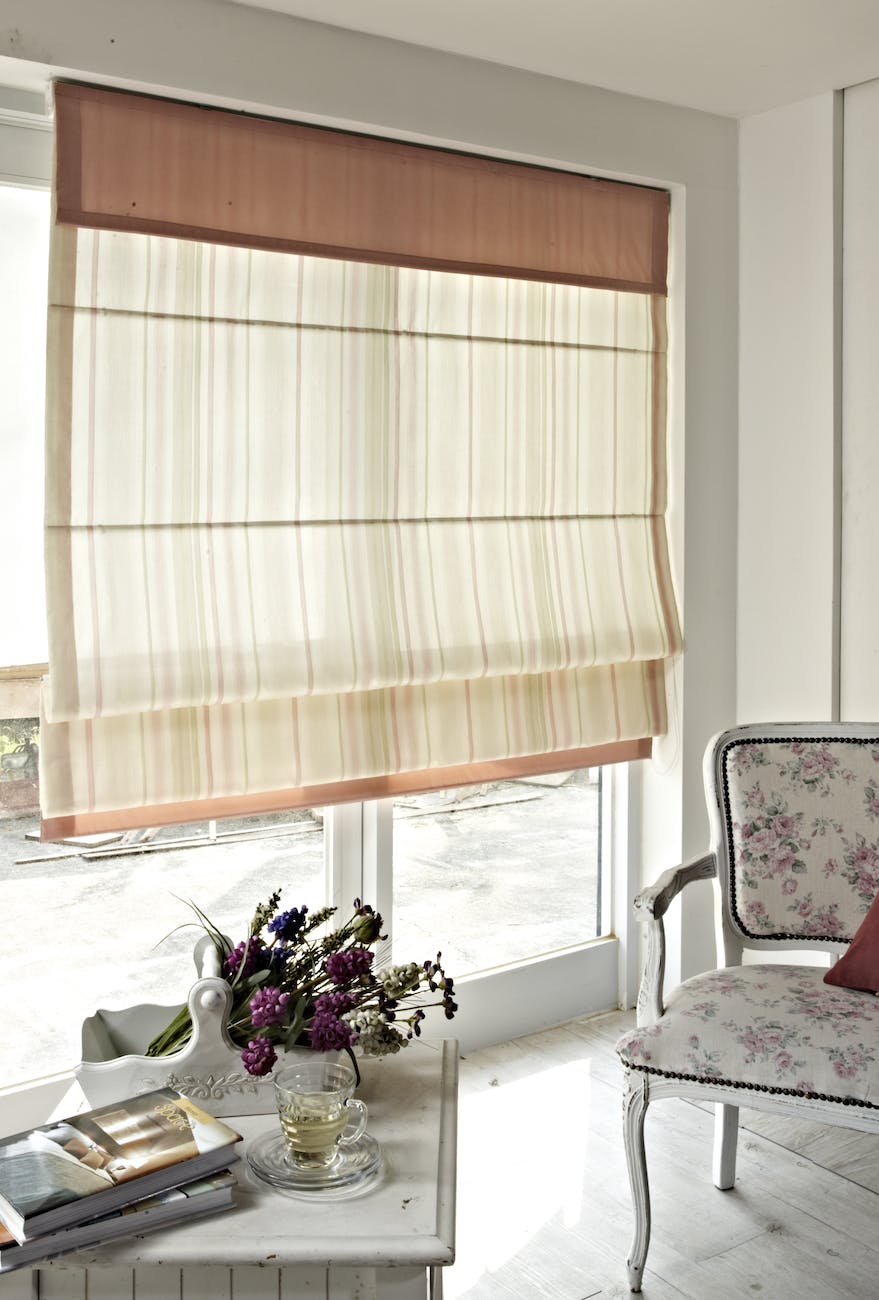
Photo by Pixabay on Pexels.com
  1. Vertical Blinds:
    • Vertical blinds consist of individual slats that hang vertically from a track.
    • They are an excellent choice for large windows and sliding glass doors.
    • Available in various materials, including fabric, vinyl, and wood, allowing for customization.
  2. Horizontal Blinds:
    • Horizontal blinds have slats that run horizontally and can be adjusted to control light and privacy.
    • Common materials include aluminum, wood, and faux wood.
    • Venetian blinds are a popular type of horizontal blind with wider slats.
  3. Roman Blinds:
    • Roman blinds are made of fabric that folds up into neat horizontal pleats when raised.
    • They create an elegant and soft look in any room and are great for bedrooms and living areas.
  4. Roller Blinds:
    • Roller blinds consist of a single piece of fabric that rolls up and down using a pulley system.
    • They are simple and functional and come in a wide variety of patterns and colors.
  5. Pleated Blinds:
    • Pleated blinds have a concertina-like structure and are made from pleated fabric.
    • They are perfect for adding texture and style to windows, especially in contemporary interiors.
  6. Cellular or Honeycomb Blinds:
    • These blinds are designed with a unique honeycomb structure that traps air, providing excellent insulation.
    • They are energy-efficient and help regulate indoor temperatures.
  7. Bamboo and Woven Wood Blinds:
    • These blinds are crafted from natural materials such as bamboo, reeds, and grasses.
    • They add a warm and earthy feel to interiors and are often used in eco-friendly designs.
  8. Panel Blinds:
    • Panel blinds consist of large fabric panels that slide horizontally along a track.
    • They are ideal for covering large windows and creating room dividers in open spaces.
  9. Motorized Blinds:
    • Motorized blinds can be controlled remotely or through a smart home system.
    • They offer convenience and can be programmed to adjust automatically based on time of day or sunlight levels.
  10. Blackout Blinds:
    • Blackout blinds are designed to block out all light and are perfect for bedrooms or home theaters.
    • They often have special light-blocking features and are available in various styles.
  11. Custom Blinds:
    • Many blinds can be customized to fit specific window sizes and design preferences.
    • Custom options include fabric choices, color, slat width, and decorative elements.

Blinds play a significant role in interior design, providing both functionality and aesthetics. When choosing blinds for your space, consider factors like light control, privacy, insulation, and style to find the perfect blinds that complement your decor and meet your needs.

Universal Design

Universal design is the approach of designing products and environment so that it can be used by broad number people irrespective of age, disability, ability, status in life and various other factors.

Usually, products are designed to be suitable for average users whereas products designed under the principle of universal design try to be suitable for the maximum number of users. The purpose of universal design is not to create a design that can work for 100 percent of the people because it is almost impossible to have a ‘One size fits all’ design. The purpose is to create a design that can serve solutions that are more inclusive. Designers have to look at those designs that push the boundaries as far out as possible without compromising the quality and integrity of the product.

There are many instances where a designer will have to choose between different designs and determine the more suitable design according to UD principles. For instance, if there is a choice to choose between a lever-design handle and a knob-design handle. It is preferable to choose the former rather than the latter as the lever design can accommodate more people’s daily usage. The lever design feature will be a more inclusive element compared to the latter. It can accommodate various usages like opening the door with closed fists or the elbow or so that a person can easily access the door while carrying something as well as people with finite strength.

There are briefly 7 Principles of Universal Design. These were developed in 1997 by a team of architects, designers, engineers, and environmental design researchers.  The team was led by the late Ronald Mace who was an internationally recognized American Architect and designer in North Carolina State University.

The seven principles are:

  • Equitable use

While designing, the product should be kept in mind that it should be accessible by every person including disabled people.  

  • Flexibility in use

The design needs to be configurable to accommodate everyone’s preferences, needs, and abilities.

  • Simple and intuitive

This means that the design should be easy to understand for everybody. The person can easily figure out a well-designed product or an environment without thinking too much about it.

  • Perceptible information

The design can communicate all of its necessary information to everybody irrespective of the environmental conditions or the user’s sensory abilities.

  • Tolerance for error

It refers to safety so that the design minimizes hazards, accidents or unintended actions.

  • Low physical effort

The design in use needs to be comfortable and efficient rather than being exhausting and fatiguing to use.

  • Size and space for approach and use

The design irrespective of user’s body size, posture, or mobility should not restrict anybody by its size or space.

Universal design can really make the lives of people much more comfortable, safer, and efficient in the long run. There are still many areas that are not designed well and poorly designed products, buildings or the environment can be a safety hazard as well. It is usually the job of a universal designer to design new products from the ground up and many also renovate existing designs to make them more accommodative and accessible.

References:

http://universaldesign.ie/What-is-Universal-Design/The-7-Principles/

https://www.washington.edu/doit/what-universal-design-0