Beyond the Gauge How Pressure Sensors are Transforming Industrial Automation

Pressure sensors are vital components in industrial automation, measuring the pressure of gases or liquids and converting it into electrical signals for systems and operators. They play a crucial role across various industries, ensuring safety, efficiency, and productivity by helping machines adapt to changing conditions. Understanding these sensors is essential for engineers and technologists in creating reliable systems.

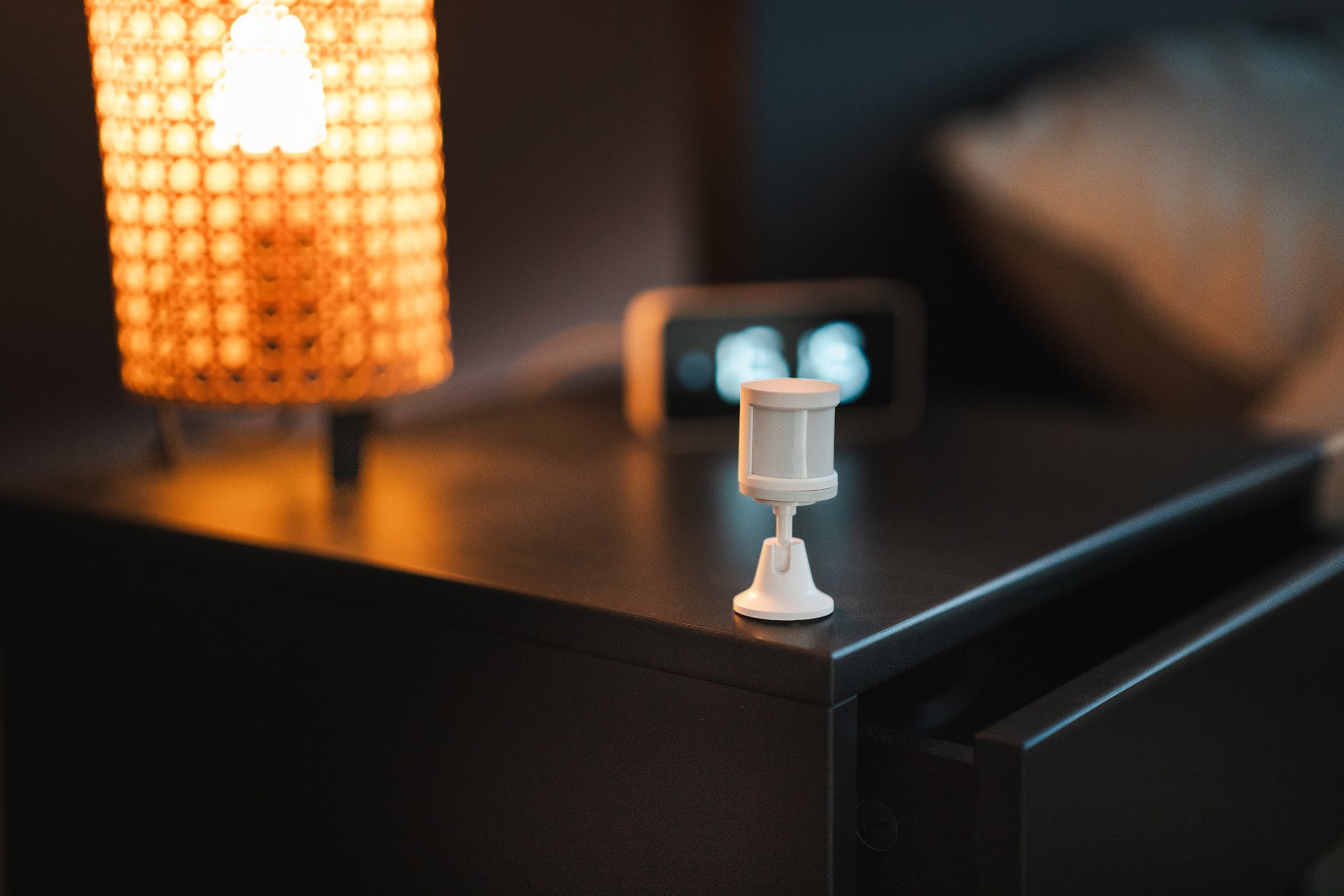
Photo by Julien Goettelmann on Pexels.com

Evolution of Pressure Sensor Technology

Pressure sensors have come a long way since their inception. Historically, they relied on simple mechanical components that would deform under pressure. Over time, advances in technology brought about electronic pressure sensors, which offer greater precision and reliability.

Major breakthroughs have marked the evolution of pressure sensors. The integration of microelectromechanical systems (MEMS) technology allowed sensors to become smaller, yet more powerful. Such advancements have been pivotal in automation, enabling smarter systems that adjust in real-time based on sensor feedback.

These technological strides have not only improved the accuracy of pressure sensors but have also broadened their applications. In industries where minute pressure differences can have significant implications, these advancements have been game-changers, paving the way for more sophisticated automation processes.

Innovative Applications of Pressure Sensors

Manufacturing Marvels

In the manufacturing sector, pressure sensors are integral to process control and quality assurance. Take, for example, a factory producing delicate electronic components. Here, pressure sensors ensure that the machinery operates within safe limits, maintaining the precise conditions needed to produce high-quality products consistently.

Oil and Gas Explorations

The oil and gas industry presents a challenging environment where pressure sensors play a crucial role. On offshore drilling rigs, these sensors monitor the pressure of drilling fluids, preventing blowouts and ensuring the safety of operations. This application not only enhances safety but also optimizes extraction processes, making them more efficient and cost-effective.

Aerospace Advancements

In aerospace, pressure sensors contribute significantly to flight safety and performance. They are used to monitor cabin pressure, fuel systems, and hydraulic circuits, ensuring that everything functions smoothly. The data collected helps airlines maintain their aircraft better, reducing downtime and enhancing passenger safety.

Automotive Innovations

The automotive industry also benefits significantly from pressure sensors and float switches. Modern vehicles use them in tire pressure monitoring systems, ensuring optimal tire performance and fuel efficiency.

Across these sectors, pressure sensors facilitate enhanced safety, efficiency, and productivity. By providing real-time data, they allow for immediate adjustments, reducing the risk of failures and optimizing processes.

Future Trends in Pressure Sensor Technology

The future of pressure sensor technology looks promising, with emerging technologies set to redefine industrial automation. Innovative materials and designs are making sensors more robust and versatile, allowing them to operate under extreme conditions.

One exciting development is the integration of IoT capabilities, enabling pressure sensors to communicate data wirelessly. This advancement opens up new possibilities for remote monitoring and predictive maintenance, helping industries reduce downtime and enhance operational efficiency.

Predictions for the global market suggest that pressure sensors will continue to grow in demand as industries push for smarter, more autonomous systems. The ongoing advancements in AI and machine learning will likely further integrate pressure sensors into complex decision-making processes, driving innovation in industrial automation.

Benefits and Challenges of Pressure Sensor Integration

The advantages of using pressure sensors in industrial automation are manifold. They provide critical data that helps improve process control, enhance safety, and boost efficiency. By facilitating real-time monitoring, they enable quick responses to system changes, reducing the risk of costly downtimes.

However, integrating pressure sensors into existing systems is not without challenges. Compatibility with legacy systems, sensor durability in harsh environments, and data management are common issues. To overcome these, engineers must carefully design and implement solutions that address these challenges while leveraging the benefits of modern pressure sensor technologies.

Conclusion

Now that you have a deeper understanding of pressure sensors and their applications, you can appreciate their significance in industrial automation. These small but powerful devices are driving advancements in various industries, ensuring safety, efficiency, and productivity.

Quant and Internet of Things: Next Generation of Connected Devices

 The world of technology is constantly evolving, and one of the most exciting advancements in recent years has been the integration of quantitative finance (Quant) with the Internet of Things (IoT). This powerful combination has paved the way for the next generation of connected devices that are revolutionizing industries across the globe. In this article, we will delve into the synergies between Quant, and IoT, exploring how they work together to drive innovation, enhance decision-making, and unlock new possibilities in various sectors. Discover Bitcoin trading through Bitcoin Sprint and use its trading features. Explore further!

Photo by Jakub Zerdzicki on Pexels.com

The Convergence of Quant and IoT

Understanding Quantitative Finance

Quantitative finance, commonly referred to as Quant, is a field that applies mathematical and statistical models to financial markets and investments. It involves the use of complex algorithms and data analysis techniques to predict market trends, evaluate risks, and optimize investment strategies. Quants employ advanced mathematical models to gain insights into financial markets and make data-driven decisions.

Unleashing the Potential of the Internet of Things

On the other hand, the Internet of Things (IoT) refers to the vast network of interconnected devices that collect and exchange data through the internet. These devices, embedded with sensors and actuators, can communicate with each other and perform specific tasks autonomously. IoT has found applications in various domains, including healthcare, manufacturing, transportation, and agriculture, to name a few.

The Intersection: Quant Meets IoT

Enhancing Decision-Making with Real-Time Data

The integration of Quant and IoT offers unprecedented opportunities to enhance decision-making processes. By leveraging IoT devices, real-time data can be collected from diverse sources, including financial markets, supply chains, and consumer behavior. Quants can then utilize this data to develop more accurate models and algorithms, enabling them to make informed investment decisions and predict market trends with greater precision.

Risk Management and Predictive Analytics

Another significant advantage of combining Quant with IoT lies in the realm of risk management and predictive analytics. With IoT devices monitoring various environmental factors and market indicators, financial institutions can obtain a comprehensive view of the risk landscape. This comprehensive data allows quants to identify potential risks and mitigate them proactively, thereby minimizing the impact of market volatility and unforeseen events.

Smart Devices and Automated Trading

IoT-powered smart devices can play a pivotal role in automating trading processes and executing trades based on predefined algorithms. By connecting financial data streams directly to trading platforms, quants can develop sophisticated algorithms that leverage real-time market insights. This automation reduces the need for manual intervention and enhances the efficiency and speed of trading operations.

Industry-Specific Applications

The marriage of Quant and IoT is transforming industries across the board. Let’s explore some of the industry-specific applications that are benefiting from this powerful synergy:

  • Healthcare

In the healthcare sector, Quant and IoT are revolutionizing patient care, remote monitoring, and personalized medicine. IoT-enabled wearable devices can collect vital signs, monitor patients’ health conditions, and transmit data to healthcare providers in real-time. Quants can then analyze this data to identify patterns, predict health risks, and develop personalized treatment plans, ultimately improving patient outcomes.

  • Manufacturing

In manufacturing, IoT devices embedded in machinery and production lines gather data on performance, maintenance needs, and supply chain logistics. By integrating Quant techniques, manufacturers can optimize production processes, minimize downtime, and reduce costs. Quants can identify bottlenecks, optimize inventory management, and predict equipment failures, enabling proactive maintenance and streamlined operations.

  • Transportation and Logistics

Quant and IoT are reshaping the transportation and logistics industry by enhancing supply chain visibility, optimizing routes, and improving fleet management. IoT sensors placed on vehicles and containers can capture real-time data on location, temperature, humidity, and other relevant parameters. Quants can leverage this data to optimize logistics operations, reduce delivery times, and identify cost-saving opportunities.

  • Agriculture

In agriculture, the combination of Quant and IoT is enabling precision farming, smart irrigation, and crop monitoring. IoT devices equipped with sensors can measure soil moisture, temperature, and nutrient levels, providing valuable data for farmers. Quants can analyze this data to optimize irrigation schedules, predict crop yields, and identify the best time for planting and harvesting, leading to increased productivity and resource efficiency.

Conclusion

As we have explored in this article, the integration of Quant and IoT is unlocking a new era of connected devices that are poised to transform industries worldwide. The ability to leverage real-time data, automate processes, and make data-driven decisions has immense implications for businesses and individuals alike. By embracing the power of Quant and IoT, organizations can stay ahead of the curve, drive innovation, and gain a competitive edge in an increasingly interconnected world.

AI is here to improve our lives

Artificial Intelligence is one of the most exciting creations of the modern world. Recently, Satya Nadella said that AI will help to get people together. He said so while giving a session during the World Economic Forum in Switzerland.

The advancements which we see around us in various fields will get even more advanced with the new improvements. Some of those we can already see in the form of ChatGPT. 

In recent times, AI has been able to change our surrounding in various ways. Various websites now have a bot that can talk to us and resolve our queries. The number of automated systems around us has also increased to a large extent. Automated systems are being used in various fields and places. 

There is also automation even in our house. The various IoT devices that we are buying are also communicating with us with the help of AI. The various assistants are answering our questions with the help of an AI. 

AI as a whole is making various sectors completely independent and the dependence on people is decreasing. Also, tech-related jobs are increasing. So indirectly AI is creating jobs in various fields. 

 AI has been able to make changes to the medical field also. Now, several robots help in performing complex surgeries which are generally difficult for surgeons. The diagnosis of diseases is also getting easier due to AI.

https://unsplash.com/photos/LIlsk-UFVxk

Now we even have several robots that help us in keeping our homes clean. The various cars are also having AI assistance in terms of self-driving technology. In the future, we will also see self-driving vehicles that will take us from one place to another.

AI has also done justice to the security sector. As of now, we have face recognition that scans and notifies the concerned authorities of any findings. The use of AI is now also helpful in terms of various fields like content writing and even coding. Now, computers are capable of writing codes and even rectifying errors in a completed program.

The use of AI has also helped in highly sensitive manufacturing sectors. For example, robots are being used in the automotive painting industry. It helps in removing the smallest of errors and the results are excellent. 

So, the upcoming decade is going to be more interesting. If we consider the fact that the last decade was the one in which technology simply exploded. Now, we have devices in our respective homes that are remote-controlled and can be operated from any were in the world. The Internet has pushed the boundaries with the things that we can do now with our gadgets. Now, we can even take consultations with a doctor over a video call.

The improvements in the features that technology offers us are automated, but there are still improvements that we need. There also needs to be clear that AI is not destroying jobs. The number of fields that get affected by AI also needs to ensure that the people who are using should also depend less on machines.

Startups to leverage " Deep Tech " to build solutions for local & global markets

 The Minister of Commerce and Industry, Consumer Affairs, Food and Public Distribution, Shri Piyush Goyal today called upon the Indian industry to aim for raising 75 unicorns in the 75 weeks to the 75th anniversary of Independence next year.

“We have added 43 unicorns added in 45 weeks, since the start of ‘Azadi ka Amrit Mahotsav’ on 12th March, 2021. Let us aim for atleast 75 unicorns in this 75 week period to 75th Anniversary of Independence,” he said, while releasing the NASSCOM Tech Start-up Report 2022.

Shri Goyal said Startup India started a revolution six years ago and today ‘Startup’ has become a common household term. Indian Startups are fast becoming the champions of India Inc’s growth story, he added.

“India has now become the hallmark of a trailblazer & is leaving its mark on global startup landscape. Investments received by Indian startups overshadowed pre-pandemic highs. 2021 will be remembered as the year Indian start-ups delivered on their promise, – fearlessly chasing opportunities across verticals – Edtech, HealthTech & AgriTech amongst others,” he said.

Shri Goyal lauded the ITES (Information Technology Enabled Services) industry including the Business Process Outsourcing (BPO) sector for the record Services exports during the last year.

“Services Export for Apr-Dec 2021 reached more than $178 bn despite the Covid19 pandemic when the Travel, Hospitality & Tourism sectors were significantly down,” he said.

Shri Goyal said the Prime Minister Shri Narendra Modi has declared 16th January as the National Startup Day, showing his commitment to take the innovation culture to every nook and corner of the country.

“We all celebrated this innovation spirit through Startup India Innovation Week, during the last week as part of ‘Azadi ka Amrit Mahotsav’. PM’s interaction with Startups a week ago has supercharged the courage of our innovators,” he said.

Shri Goyal said the Government has taken several steps to boost startup ecosystem, –

  • Removing problems of ‘Angel tax’, simplification of tax procedure & allowing self-certification and self-regulation towards which we are moving
  • Reducing burden of over 26,500 compliances
  • Decriminalization of 770 compliances

Shri Goyal said the New India is today being led by new troika of Innovation, Technology & Entrepreneurship (ITE), which in a way has grown further from the original ICE (Information, Communication & Entertainment).

“I remember when ICE was introduced many years ago, we were excited about the new information age. Today, that same vibrancy & excitement is witnessed in the way our startups are growing in the ITE areas,” he said.

Shri Goyal said India’s unique digital infrastructure – Aadhaar, Digilocker, Fastag, Cowin, UPI etc. have enabled Access & Affordability.

“The Cowin portal showed the world that Indian could run world’s largest vaccination programme efficiently & effectively, with complete mapping & monitoring done digitally. UPI has helped new age technologies in reaching the common man at affordable prices,” said Shri Goyal.

“The next “UPI moment” will be the ONDC (Open Network for Digital Commerce). The first-of-its-kind globally, ONDC to enable interoperability between eCommerce companies, providing equal opportunity to small & large players, will help control digital monopolies & make industry more inclusive for buyers & sellers alike, empowering MSMEs to unlock innovation & value,” he added.

Shri Goyal unveiled a five-point plan as the way forward for the NASSCOM:

     1. Emphasize on basic & core needs of people, – providing better access to financial          services, education & healthcare; solutions to problems of farmers, etc.

     2. Focus on High growth & Job creating sectors, – Advertising & Marketing, Prof. services, Fitness & Wellness (Yoga becoming popular globally), Gaming, Sports, Audio-Visual services

     3. More & more startups should leverage Deep tech to build solutions for local & global markets, – AI, IoT, Big Data, Data Analytics, Blockchain, Virtual Reality, 3D Printing, Drones, etc.

     4. We have a lot of potential in Startups from Tier-2 & 3 cities. If we give them more support & proper mentoring, they could also play a much greater in the years to come.

     5. India will assume G20 presidency in 2023 – suggest ideas on themes resonating with our vision to solve global issues.

Shri Goyal hoped this momentum of the Indian Startup ecosystem will continue in the current year and the years to come.

“While 2021 was a year in which we defied all odds, 2022 will be the breakthrough year which will unlock country’s exponential value. ‘India at 100’ will be renowned as a Startup nation. But as PM Modi said yesterday in his speech- the “Amrit Kaal,” the coming 25 years – are the period of utmost hard work, sacrifice and tapasya,” he said.

*****

internet of things (IoT)

The internet of things, or IoT, is a system of interrelated computing devices, mechanical and digital machines, objects, animals or people that are provided with unique identifiers (UIDs) and the ability to transfer data over a network without requiring human-to-human or human-to-computer interaction.

thing in the internet of things can be a person with a heart monitor implant, a farm animal with a biochip transponder, an automobile that has built-in sensors to alert the driver when tire pressure is low or any other natural or man-made object that can be assigned an Internet Protocol (IP) address and is able to transfer data over a network.

Increasingly, organizations in a variety of industries are using IoT to operate more efficiently, better understand customers to deliver enhanced customer service, improve decision-making and increase the value of the business.

How IoT works

An IoT ecosystem consists of web-enabled smart devices that use embedded systems, such as processors, sensors and communication hardware, to collect, send and act on data they acquire from their environments. IoT devices share the sensor data they collect by connecting to an IoT gateway or other edge device where data is either sent to the cloud to be analyzed or analyzed locally. Sometimes, these devices communicate with other related devices and act on the information they get from one another. The devices do most of the work without human intervention, although people can interact with the devices — for instance, to set them up, give them instructions or access the data.

Growing with IOT

Internet of Things (IoT)What it is and why it mattersThe Internet of Things (IoT) refers to a vast number of “things” that are connected to the internet so they can share data with other things – IoT applications, connected devices, industrial machines and more. Internet-connected devices use built-in sensors to collect data and, in some cases, act on it. IoT connected devices and machines can improve how we work and live. Real-world Internet of Things examples range from a smart home that automatically adjusts heating and lighting to a smart factory that monitors industrial machines to look for problems, then automatically adjusts to avoid failures.

Today’s World Who Uses It How It Works Next Steps History of the Internet of Things.The term “Internet of Things” was coined by entrepreneur Kevin Ashton, one of the founders of the Auto-ID Center at MIT. Ashton was part of a team that discovered how to link objects to the internet through an RFID tag. He first used the phrase “Internet of Things” in a 1999 presentation – and it has stuck around ever since.Ashton may have been first to use the term Internet of Things, but the concept of connected devices – particularly connected machines – has been around for a long time. For example, machines have been communicating with each other since the first electric telegraphs were developed in the late 1830s. Other technologies that fed into IoT were radio voice transmissions, wireless (Wi-Fi) technologies and supervisory control and data acquisition (SCADA) software. Then in 1982, a modified Coke machine at Carnegie Mellon University became the first connected smart appliance. Using the university’s local ethernet or ARPANET – a precursor to today’s internet – students could find out which drinks were stocked, and whether they were cold.

This research identifies the possible effects on society and the Internet of Things (IOT) represents a new age of computing where every imagination that you can consider item is ready with, or connected to a crafty devices allowing facts series and communication through the Internet. A systematic literature evaluation diagnosed four key privacy topics that represent problems associated with the gathering of society’ information thru the IOT: unauthorized investigation, out of control information technology and use, inadequate authentication and records security dangers. It has additionally found out tendencies, possibilities of IOT. At the identical time, but, the Internet of Things increases considerable challenges that could stand inside the manner of accumulating its potential profits. Attention-grabbing captions about the hacking of Internet-connected devices, research worries, and privacy suspicions have already got took public attention. Technical challenges remain and new approach, legal and improvement challenges are emerging. This specific report is aimed to help the Internet Society network navigate the communicate surrounding the Internet of Things in mild of the tough expectations approximately its potentials and dangers. The Internet of Things entails a wide set of ideas which are complicated and tangled from one of a kind viewpoints.

An example of a simple IOT, a tool now available in some houses which has a sensor and might decide when humans occupy positive rooms and regulate levels of heating, lighting fixtures and different capabilities in the house therefore. By broadening the Internet from “a network of interconnected computers to a community of interconnected items” (Commission of the European Communities 2009), the IOT will include a massive and complex network of gadgets. These gadgets will consist of sensors to degree the surroundings around them, actuators which physically act lower back into their environment consisting of commencing a door, processors to deal with and shop the extensive statistics generated, nodes to relay the information and coordinators to assist control units of those additives. Through this, it has the likely to especially enlarge, increase or even shift the relationship between humans and the world around them. In truth, many are hoping that the IOT will play a pivotal function in addressing many of today’s communal challenges which include a superior year’s society, deforestation, site visitors mobbing and recyclability. 

Any device, if it has an on and off switch then chances are it can be a part of the IoT. Very often the connected devices will have an I.P address. With Internet Protocol Version 6 (IPv6), assigning an IP address to billions of devices has become very much feasible.

Examples of ‘things’ which can be connected to internet include:

  • Connected Wearables – Smartwatches, Smart glasses, fitness bands etc.
  • Connected Homes – connecting household appliances to the network.
  • Connected Cars – vehicles that are connected to the internet.
  • Connected Cities – smart meters which analyse usage of water, gas, electricity etc connect cities to IoT

Operationally this means that we can define the Internet of Things as the seamless flow between the –

  • BAN (body area network): wearables,
  • LAN (local area network): smart home,
  • WAN (wide area network): connected car, and
  • VWAN (very wide area network): the smart city.

While security considerations are not new in the context of information technology, the attributes of many IoT implementations present new and unique security challenges. Addressing these challenges and ensuring security in IoT products and services must be a fundamental priority.Users need to trust that IoT devices and related data services are secure from vulnerabilities, especially as this technology become more pervasive and integrated into our daily lives. Poorly secured IoT devices and services can serve as potential entry points for cyber attack and expose user data to theft by leaving data streams inadequately protected.

The interconnected nature of IoT devices means that every poorly secured device that is connected online potentially affects the security and resilience of the Internet globally. This challenge is amplified by other considerations like the mass-scale deployment of homogenous IoT devices, the ability of some devices to automatically connect to other devices, and the likelihood of fielding these devices in unsecure environments.

A lightbulb that can be switched on using a smartphone app is an IoT device, as is a motion sensor or a smart thermostat in your office or a connected streetlight. An IoT device could be as fluffy as a child’s toy or as serious as a driverless truck. Some larger objects may themselves be filled with many smaller IoT components, such as a jet engine that’s now filled with thousands of sensors collecting and transmitting data back to make sure it is operating efficiently. At an even bigger scale, smart cities projects are filling entire regions with sensors to help us understand and control the environment. 

One key application of a smart home is to provide assistance for those with disabilities and elderly individuals. These home systems use assistive technology to accommodate an owner’s specific disabilities.Voice control can assist users with sight and mobility limitations while alert systems can be connected directly to cochlear implants worn by hearing-impaired users.They can also be equipped with additional safety features. These features can include sensors that monitor for medical emergencies such as falls or seizures.Smart home technology applied in this way can provide users with more freedom and a higher quality of life.

The Internet of Medical Things (IoMT) is an application of the IoT for medical and health related purposes, data collection and analysis for research, and monitoring.The IoMT has been referenced as “Smart Healthcare”,as the technology for creating a digitized healthcare system, connecting available medical resources and healthcare services.IoT devices can be used to enable remote health monitoring and emergency notification systems. These health monitoring devices can range from blood pressure and heart rate monitors to advanced devices capable of monitoring specialized implants, such as pacemakers, Fitbit electronic wristbands, or advanced hearing aids. Some hospitals have begun implementing “smart beds” that can detect when they are occupied and when a patient is attempting to get up. It can also adjust itself to ensure appropriate pressure and support is applied to the patient without the manual interaction of nurses. A 2015 Goldman Sachs report indicated that healthcare IoT devices “can save the United States more than $300 billion in annual healthcare expenditures by increasing revenue and decreasing cost.”Moreover, the use of mobile devices to support medical follow-up led to the creation of ‘m-health’, used analyzed health statistics.”

The IoT can assist in the integration of communications, control, and information processing across various transportation systems. Application of the IoT extends to all aspects of transportation systems (i.e. the vehicle,the infrastructure, and the driver or user). Dynamic interaction between these components of a transport system enables inter- and intra-vehicular communication,smart traffic control, smart parking, electronic toll collection systems, logistics and fleet management, vehicle control, safety, and road assistance.In Logistics and Fleet Management, for example, an IoT platform can continuously monitor the location and conditions of cargo and assets via wireless sensors and send specific alerts when management exceptions occur (delays, damages, thefts, etc.). This can only be possible with IoT technology and its seamless connectivity among devices. Sensors such as GPS, Humidity, and Temperature send data to the IoT platform and then the data is analyzed and then sent to the users. This way, users can track the real-time status of vehicles and can make appropriate decisions. If combined with Machine Learning, then it also helps in reducing traffic accidents by introducing drowsiness alerts to drivers and providing self-driven cars too.

Also known as IIoT, industrial IoT devices acquire and analyze data from connected equipment, operational technology (OT), locations and people. Combined with operational technology (OT) monitoring devices, IIoT helps regulate and monitor industrial systems.Also, the same implementation can be carried out for automated record updates of asset placement in industrial storage units as the size of the assets can vary from a small screw till the whole motor spare part and misplacement of such assets can cause a percentile loss of manpower time and money.

Digital control systems to automate process controls, operator tools and service information systems to optimize plant safety and security are within the purview of the IoT. But it also extends itself to asset management via predictive maintenance, statistical evaluation, and measurements to maximize reliability. Industrial management systems can also be integrated with smart grids, enabling real-time energy optimization. Measurements, automated controls, plant optimization, health and safety management, and other functions are provided by a large number of networked sensors.

There are numerous IoT applications in farming[68] such as collecting data on temperature, rainfall, humidity, wind speed, pest infestation, and soil content. This data can be used to automate farming techniques, take informed decisions to improve quality and quantity, minimise risk and waste, and reduce effort required to manage crops. For example, farmers can now monitor soil temperature and moisture from afar, and even apply IoT-acquired data to precision fertilisation programs.

Environmental monitoring applications of the IoT typically use sensors to assist in environmental protection by monitoring air or water quality, atmospheric or soil conditions, and can even include areas like monitoring the movements of wildlife and their habitats. Development of resource-constrained devices connected to the Internet also means that other applications like earthquake or tsunami early-warning systems can also be used by emergency services to provide more effective aid. IoT devices in this application typically span a large geographic area and can also be mobile.It has been argued that the standardization IoT brings to wireless sensing will revolutionize this area.

Internet of things is a forthcoming technology that takes benefit of internet to control or monitor devices, automobiles and other physical things associated to the internet. IOT provides users the capability to control more than digital things facilely over the cyber world. Increasingly investigators and inventors focuses on researching innovative IOT projects that could benefit the human beings and the society. From the literature review and the case study, it can be concluded that the experts all consent that the IOT will have generously huge impacts on the future. But how astronomically immense this impact will be is still a question. From the literature review, it already show that the connected customer experience is critical for the companies and the companies can make advantage of these data in the Incipient Product Development. And from the literature, it is concluded that the marketing power of the IOT is connectivity for better customer interactivity. As of mutual literature review and the case study, it can show that the IOT technology is introduced in the products. From the case study, it validates the theory in the literature review that digitalization and the IOT will dispense long term efficiencies and magnification opportunities in industries. And it withal substantiates that the companies could receive tremendous volume of the data from the customers. Ergo, the marketing power of the Internet of Things is connectivity for better customer interactivity. Albeit the technology of IOT is still developing, a plethora of pioneers in the market already commenced to utilize this incipient technology. The current IOT projects have been proposed on subsisting system amendments and incipient innovative solutions to different quandaries. With the emerging possibility of connecting more and more hardware to the cyber world, IOT researches are never ending and it will benefit to the mankind more and more in the future. It is exhilarating to visually perceive how the world will be transmuted by IOT.


Internet of Things(IoT)

The Internet of Things, or IoT, is a collection of interrelated computing systems, mechanical and digital computers, objects, animals, or individuals with unique identifiers (UIDs) and the ability to transmit data over a network without the need for human-to-human or human-to-computer interaction.

A device in the internet of things can be a human with a heart monitor implant, a farm animal with a biochip transponder, a vehicle that has built-in sensors that warn the driver when tire pressure is small or some other normal or man-made entity that can be given an Internet Protocol ( IP ) address that is capable of sending data over a network.

The IoT ecosystem consists of web-enabled smart devices that utilize embedded technologies, such as processors, sensors, and communication equipment, to capture, communicate, and respond to the data they obtain from their environments. IoT devices exchange sensor data obtained by linking to an IoT gateway or other edge node where data is either transmitted to the cloud to be processed or analyzed locally. Often, these devices interact with other similar devices and operate on the input they receive from each other. Devices do much of the work without human interference, but humans can communicate with the devices — for example, to set them up, send them directions, or access the data.

Now, a very important question of why we need IoT?

The Internet of Things allows people to live and function better and to have full influence on their lives. In addition to providing smart devices for home control, IoT is important for the enterprise. IoT offers businesses with a real-time glimpse into how their processes operate, offering visibility into everything from computer efficiency to supply chain and distribution activities.

IoT helps businesses to simplify operations and high labor costs. It also eliminates duplication and increases service quality, allowing it easier to produce and distribute products while ensuring consistency in consumer purchases.

Advantages of IoT

Some of the benefits of IoT are as follows:

  • Ability to view details from anywhere on any computer at any time;
  • Improved contact between linked electronic devices;
  • Pass data packets over the wired network saving time and money;
  • Automation of activities that can increase the efficiency of business services and the need for human interaction.

Disadvantages of IoT

  • If the amount of connected devices grows and more knowledge is exchanged between devices, the ability for hackers to access sensitive information is also growing.
  • Enterprises may potentially have to contend with large numbers — maybe even millions — of IoT devices, so gathering so handling data from all such devices would be difficult.
  • If there is a flaw in the network, it is possible that any linked computer would be compromised.
  • Because there is no universal IoT interface standard, it is challenging for products from various vendors to connect.

IoT benefits to organizations

The Internet of Things provides a range of opportunities to organizations. Many of the advantages are industry-specific, and others are common across various sectors. Some of the common benefits of IoT allow companies to:

  • Monitoring their total company processes;
  • Improving customer engagement (CX);
  • Save time and your money;
  • Enhance the efficiency of employees;
  • Integrate and change operating models;
  • Make sound company decisions;
  • Generate further money.

Here I’m concluding this. Hope you guys enjoy reading!

Emotion Recognition

Have you ever thought of any sort of interaction with any machine through emotion recognition? Yes, this is the area of the science which many want to uncover but still not able to encompass. With the constant advancement of Automated Emotion Evaluation(AEE), the emotion recognition technologies are trying to establish itself in the market. As we have a lot of advance technologies with us to make everything so easier and are still keen as mustard for more. This technology will definitely prove a boon for all of us.

Emotion recognition is a technique used in software that helps a computer to “sense” emotions on a human face through advanced image processing. Companies have been experimenting with integrating advanced algorithms with image processing techniques that have evolved in the last ten years to learn more about what the picture or video of a person’s face tells us about how he / she feels, and not only that, but also the possibility of mixed emotions a face may have.

AEE still influence a lot of great fields which are constantly developing like robotics, entertainment, education, and marketing.

  • in entertainment industries: to propose the most appropriate entertainment for the target audience
  • in education: used for improving learning processes, knowledge transfer, and perception methodologies
  • in marketing: to create specialized adverts, based on the emotional state of the potential customer
  • in robotics: to design smart collaborative or service robots which can interact with humans 

The literature presented in science attempts to classify the emotions, feelings, and set boundaries between emotions, mood, and their affects. According to the classifications done the definitions of some terms are:

  • “emotion” is a response of the organism to a particular stimulus (person, situation or event). Usually it is an intense, short duration experience and the person is typically well aware of it;
  • “affect” is a result of the effect caused by emotion and includes their dynamic interaction;
  • “feeling” is always experienced in relation to a particular object of which the person is aware; its duration depends on the length of time that the representation of the object remains active in the person’s mind;
  • “mood” tends to be subtler, longer lasting, less intensive, more in the background, but it can affect affective state of a person to positive or negative direction

The thesis also analyzes the concept of humanizing the Internet of Things and affective computing systems that have been validated by the systems developed by the authors of this analysis.Intelligent computers with human compassion are likely to make the planet a better place. The IoT sector is certainly moving ahead in recognizing human emotions thanks to advances in human emotion recognition (sensors and methods), computer vision, voice recognition, deep learning, and related technologies.

According to Stefan Winkler, CEO and Co-Founder of Opsis, the approach of his business is unique in that it provides fine-grained calculations in two dimensions: valence (positive vs. negative emotions) and anticipation (energy vs. passive expressions). This allows the machine to consider more emotions than the seven main ones – optimistic, sad, pleased, shocked, frightened, frustrated, and disgusted – in competing solutions.

Winkler noted that the understanding of feelings would only improve and improve the approval of consumers. “There have been several studies, such as Markets and Markets, that forecast that the Emotion Detection and Recognition Market will rise from US$ 6.72 billion in 2016 to US$ 36.07 billion by 2021, at a compound annual growth rate ( CAGR) of 39.9% between 2016 and 2021. Any recent high-profile acquisitions demonstrate the tremendous scope and increasing need for approaches for emotional identification. With all this high-profile takeover, A.I. is revealing. It’s set to grow, and these technologies are very much sorted out, “he said. “Our customers have been very receptive to this new avenue of recognition and understanding of the emotions of our customers.

Our clients, such as SP / SI, have shown interest in integrating feelings for a successful strategy and visualizing how consumers respond to their marketing strategies. OEM / SDK vendors are involved in integrating smart nation programs into their security approach. They expect that emotional awareness has a great potential to be incorporated in IoTs and Smart Nation for monitoring, wearable and end-sensing tools.