Curiosity (science)

• Why do we wake up from sleep?

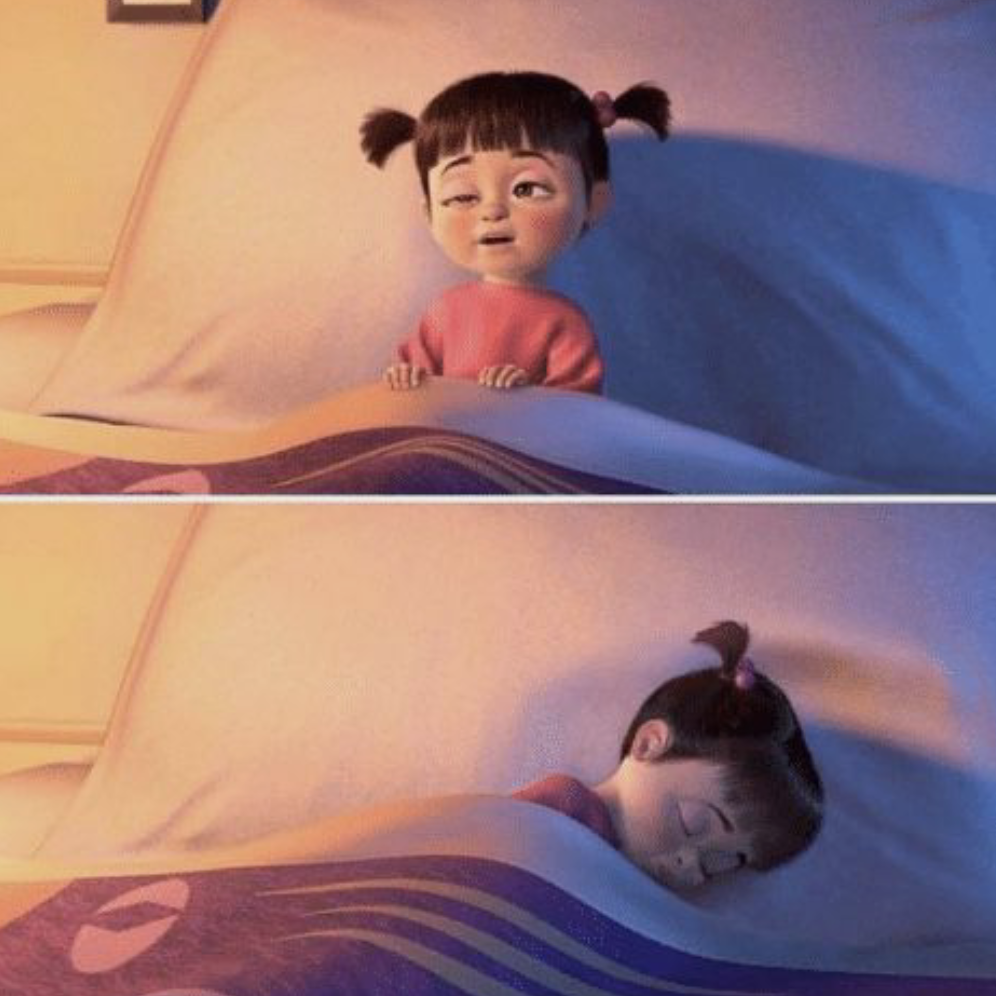
Sleep is essential to give the brain and nerves some rest. While we sleep, our bodies too, get a chance to recover from the fatigue caused by daily activities. When we are well rested, both physically and mentally, we wake up. Sometimes, we wake up because we feel cold or hungry or because a bad dream has made us afraid.

To sum up, we all have an internal body clock that tells our brain to wake our bodies up after a certain amount of time. However, some things or situations such as noise, temperature in the room or sunshine interrupt our sleep and wake us up too.
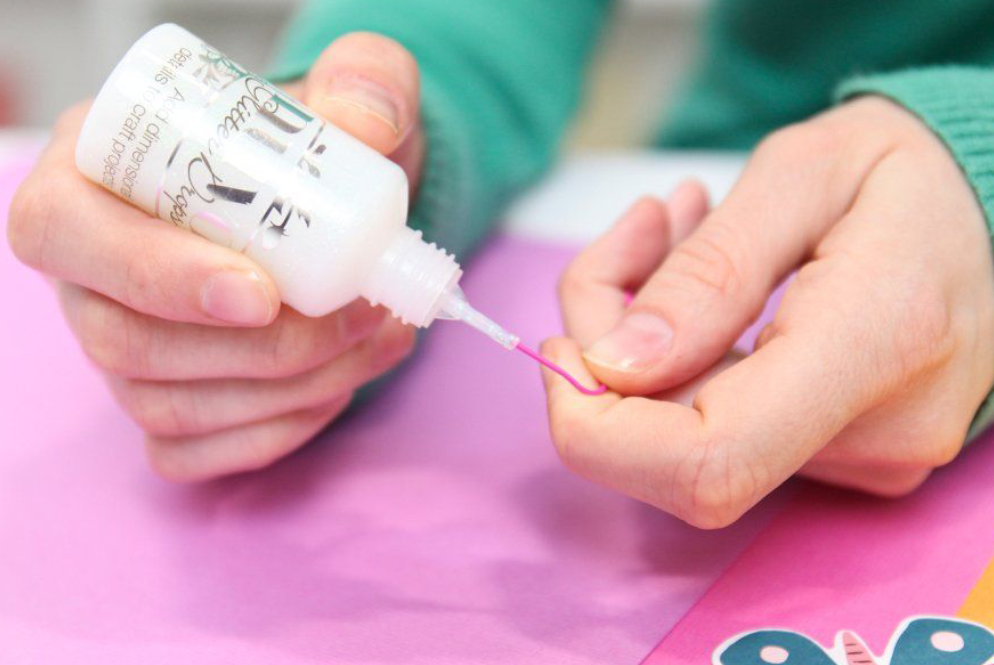
• Why doesn’t glue stick to the insides of the bottle?

The regular white glue that we use is made up of a variety of chemicals that are either sticky or stretchy. White glue also contains water. Water acts as a solvent that keeps the glue liquid until you want it to stick. When you put glue on a piece of paper, the water in it is exposed to air. The water eventually evaporates and as it does so, the glue dries and hardens and holds the things that need to be glued, stuck together.

When the glue is inside the bottle, there’s not enough air inside the bottle to cause the water to evaporate to make the glue sticky. The bottle protects the glue from the air and keeps the glue runny. This is also why if you’ve ever left the top off a glue bottle for a while, the next time you try to use the glue, it would have dried up.
• Why do the lights of a distant town appear to twinkle?

When you are traveling at night, the lights of towns in the distance appear to twinkle. This is because of the constant movement of air above towns. The air above towns is warm, as a result of the heat given off from buildings. Warm air keeps moving up to be replaced by cold air which then gets heated and rises. This constant movement of air is known as turbulence.

When we are near a town or in it, we don’t notice the turbulence because it is quite small and the lights are nearly. However, when we are some distance away, the lights are far away too. They appear as only pinpricks. The warm and cold air that make up the turbulence above the town have different densities and light passing through the layers is bent at different angles because of this difference. As a result it appears as though the lights of the distant town are twinkling.


• Why do clouds have different shapes?

Clouds are made up of tiny droplets of water vapour or ice particles or both. The shape of the cloud depends on its height and temperature. Cumuliform clouds are shaped liked mushrooms and are formed when rising warm air cools as it goes up. Stratiform clouds come in flat, dull layers and are formed when air sinks in a high pressure area, creating a layer of cold air near the ground that doesn’t rise or rises only very slowly. Cirriform clouds are clouds that have risen on a front or tropical cyclone and frozen into ice crystals at very high altitude. They look like thin hair. The shape of cloud also depends on the time of the day.

Towards evening, clouds tend to be thinner and flatter than during daytime. Changes in wind patterns also change the shapes of cloud.


Thank you for reading. Have a nice day!🌼

Curiosity (animals)

• Why don’t woodpeckers get a headache?

Have you ever seen woodpeckers striking trees with its long beaks? Woodpeckers hit the trees 20 times per second. Yet they don’t get a headache or any other head injury. The reason for thus is that woodpeckers are born with a helmet for the brain, which is formed of strong, thick muscles and sponge like bones in their skull. A woodpecker’s body too is specially designed to absorb the impact of the hit.

A millisecond before a woodpecker’s bill strikes on a tree dense muscles in the neck contract. Some of the force radiates down the neck muscles and protect the skull from a huge impact. A compressible bone in the skull offers a cushion effect too.

• Why aren’t spiders caught in their own webs?

Spiders spin their webs in a circular pattern that is spotted with sticky glue. When an insect brushes against these drops – each thread can carry several dozen per millimetre – it gets stuck and the spider rushes over to inject it with venom or cocoon it in silk. The question of course is how does the spider escape its own glue tracks? The answer lies in the fact is that the web is the spider’s home and it knows its way around the glue traps. There are some threads in the web that have no glue on them and the spider is careful to move only on these threads. It is also believed that spiders use an oily coating on their legs to protect themselves from getting stuck in their own webs!

Colourless rainbow

There are some rainbows that are colourless. They are called fogbows and are formed when the sun shines through a fog. The drops of water in the fog are too small to split up light into it’s different colours, so the fogbow is white in colour.

• What do we know about left handed animals?

Most people are right handed, though about one in ten among us is left handed. Animals like chimps, hump back whales and even toads favour one hand, paw, claw or fin over the other. Chimpanzees use both hands with ease, but have a preference for the right hand. Toads also prefer their right side to perform differ functions. Polar bears on the other hand, are left handed.

Some species of parrot such as the sulphur- crested cockatoo are entirely left handed, while others, including the king parrot are mainly right handed. The majority of parrots – including the budgie, galah and rainbow lorikeet use both claws comfortably. Female cats are more inclined to be right handed while male cats favour their left paws. The same is true for dogs. Interestingly, dogs wag their tails to the right when relaxed and to the left when agitated!

Thank you for reading. Have a nice day!🌼

Beverages from scratch…

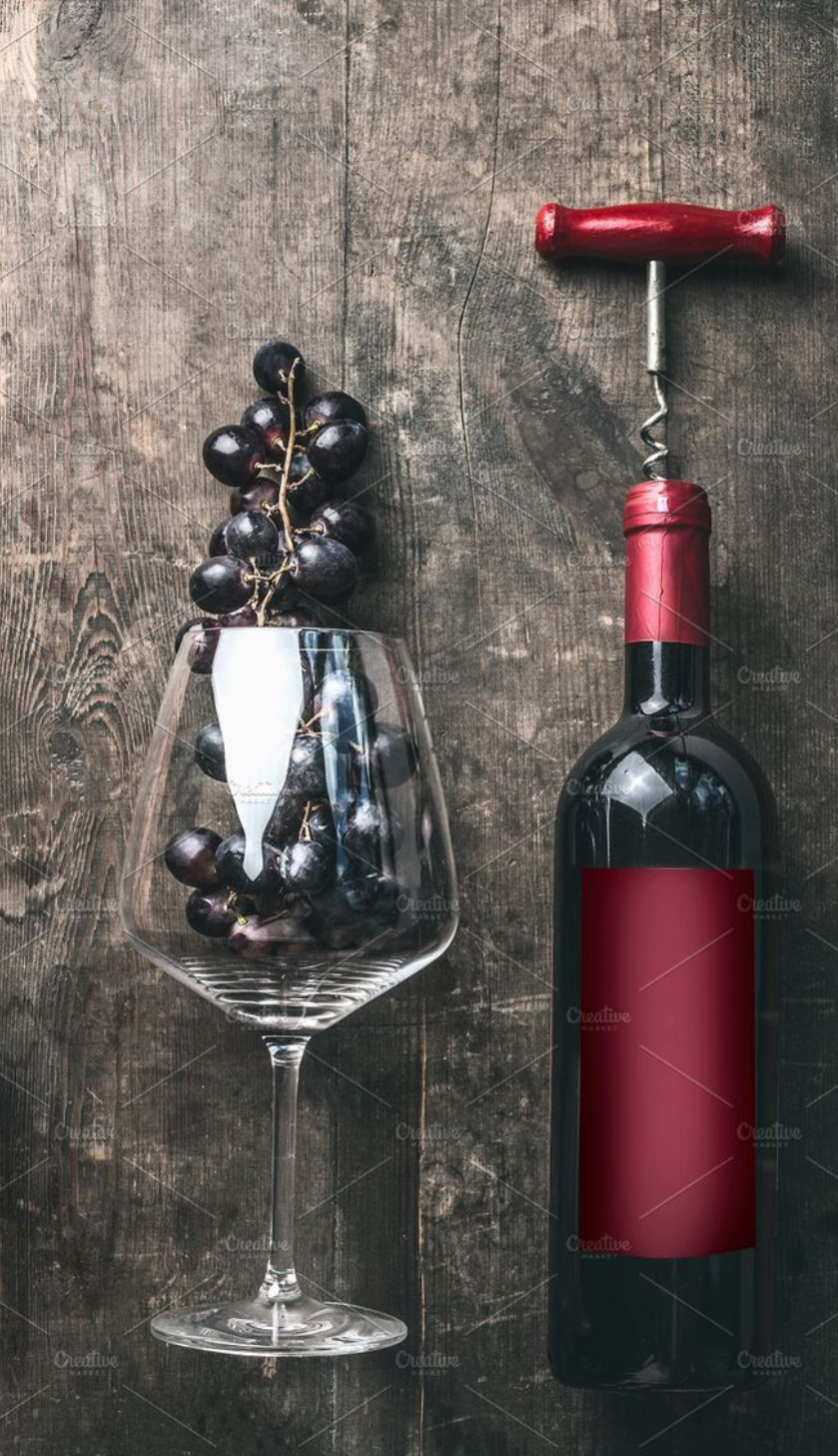
Wine

Wine is as old as civilization itself and it has a significant place in many ancient cultures. Many experts agree that wine probably dates to 6000 B.C., to Mesopotamia where wild vines grew in abundance. The popularity of wine eventually spread to Egypt, along the Nile Delta. Wine came to Europe with the spread of the Greek civilization around 1600 B.C. It was an important article of Greek commerce and Greek doctors including Hippocrates, were the among the first to prescribe it. The Greeks also learned to add herbs and spices to mask spoilage.

Starting about 1,000 B.C., the Romans made major contributions in classifying grape varieties and colours, observing and charting ripening characteristics, and popularizing the growing of vines and manufacturing of wines. As time progressed, the wealthy enjoyed the fruits of the vine. After the collapse of the Roman Empire, Europe’s wine industry was saved by the church as monks planted vines to provide wine for Mass. Before long, France emerged as a leader, with some of the world’s finest wines.

Did you know that an ancient Persian fable credits a lady of the court with the discovery of wine? This princess lost favour with the king and attempted to poison herself by eating some table grapes that had ‘spoiled’ in a jar. She became intoxicated and fell asleep. When she awoke, she found that she felt much more relaxed and stress free and wine was discovered!

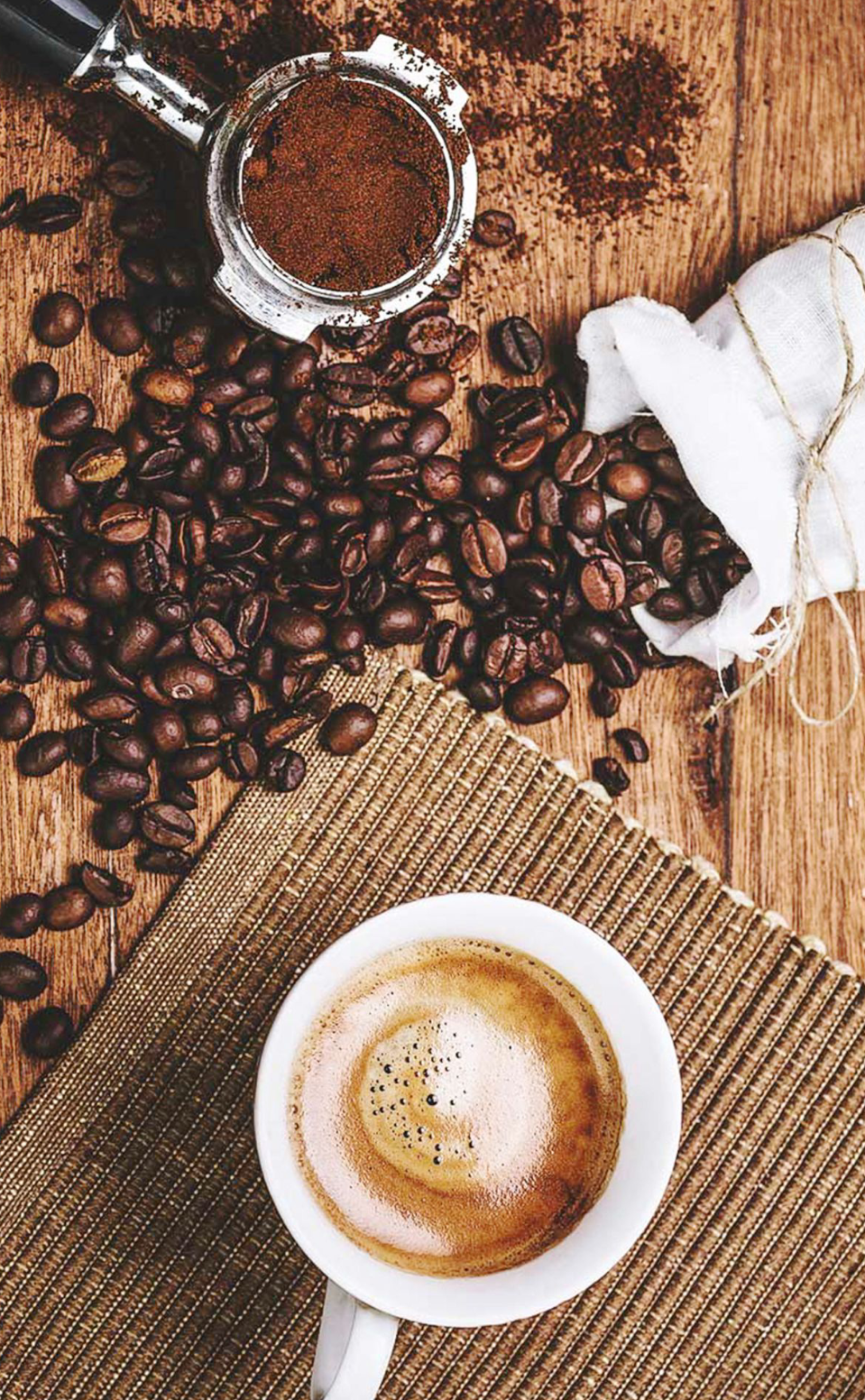
Coffee

According to legend, an Arabian shepherd named Kaldi found his goats dancing joyously around a dark green leafed shrub with bright red cherries in the southern tip of the Arabian Peninsula. Kaldi soon determined that it was the cherries on the shrub that were making them act this way. After trying the cherries himself, he learned of their powerful effect. These were coffee berries and monks at a local monastery started using a drink made of these berries to stay awake during extended hours of prayer. And so, coffee was born.

The ancient Ethiopians made balls of crushed coffee beans and fat to give them energy during long journeys. The coffee we are familiar with originated in Arabia, where roasted beans were first brewed around A.D. 1,000. Later, coffee was brought to the rest of Asia from where it was taken to Europe by a merchant from Venice.

Did you know that the name coffee is derived from the Arabic term ‘gahwa’ which means ‘that which prevents sleep’?

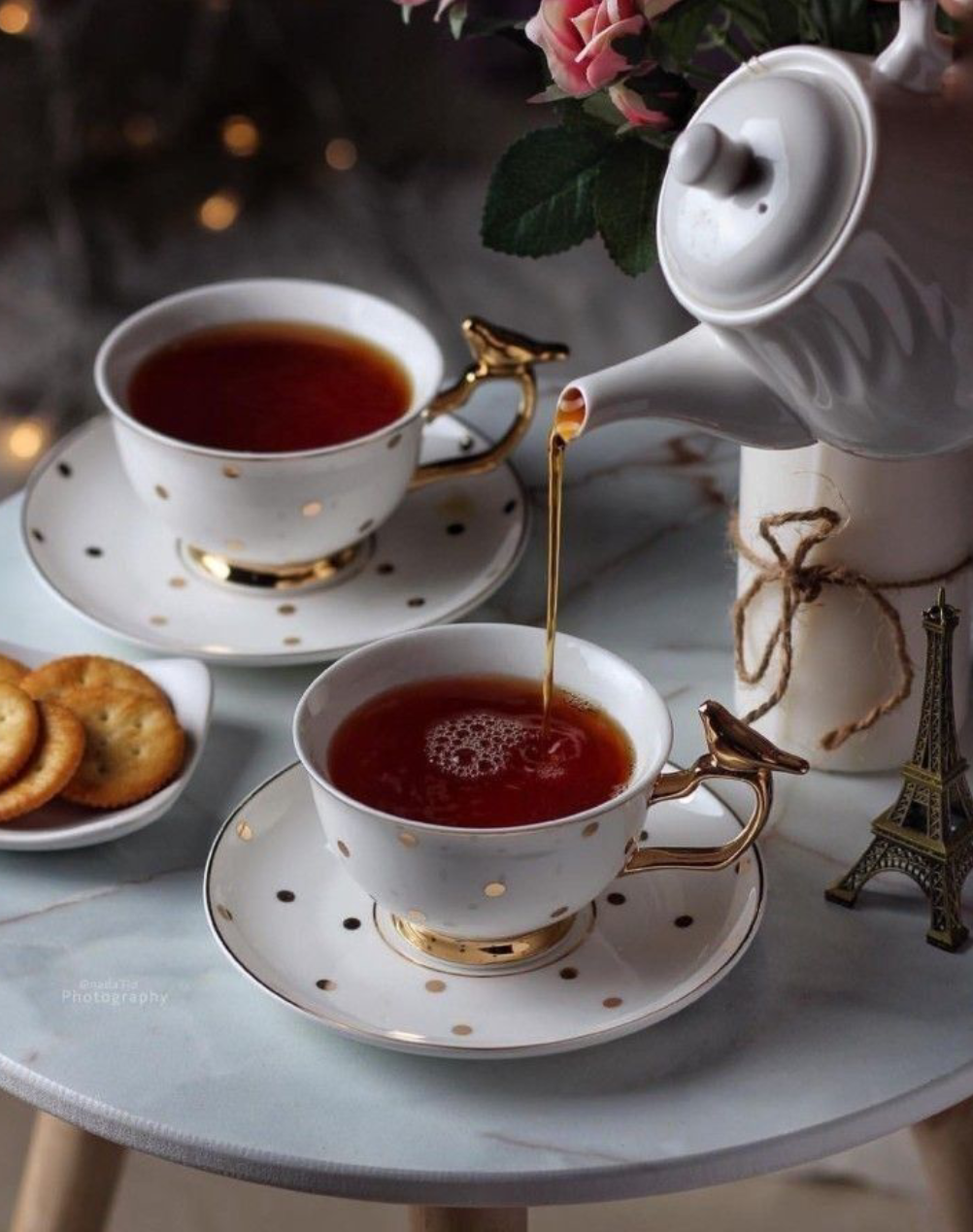
Tea

Did you know that tea is 5000 years old? According to legend, it was discovered in 2737 B.C., by a Chinese emperor when some tea leaves accidently blew into a pot of boiling water. The emperor was interested in the new liquid, drank some, found it very refreshing, and tea was created!

Tea consumption spread throughout Chinese society reaching into every strata. In time, drinking tea became part of the social and cultural life in the far East and India. Tea was introduced to India by the silk caravans travelling from the Orient to Europe. It was a Buddhist priest who brought the first tea seeds from China to Japan. In Japan, tea received almost instant imperial sponsorship, and spread rapidly from the royal court and monasteries to the other sections of Japanese society. Dutch traders and Portuguese missionaries brought tea into Europe and tea became an extremely fashionable drink in the court of Charles II of England. Tea has played a very important role in the history of England for it brought fortune to the British empire and at the same time, it was a tax levied on tea that led to the loss of her colonies in the New World.

Today, tea is grown on tea estates, and 70% of the tea we drink is grown in Sri Lanka, India, Indonesia, Kenya, Argentina and China. Amazing, we drink virtually the same tea today that the Chinese emperor drank the day he discovered it!

Carbonated soft drinks

Do you love fizzy soft drinks? Well, even the ancient Romans loved to drink the bubbling waters of mineral springs and they believed that this water was very good for health as well. Later, scientists discovered that it was the carbon dioxide in the water that caused these bubbles and tried to find a way to introduce this gas into plain water to give the same effect. Thanks to the efforts of such scientists as Joseph Riestley and John Nooth, this feat was accomplished and carbonated water was available for sale by the end of the 1700.

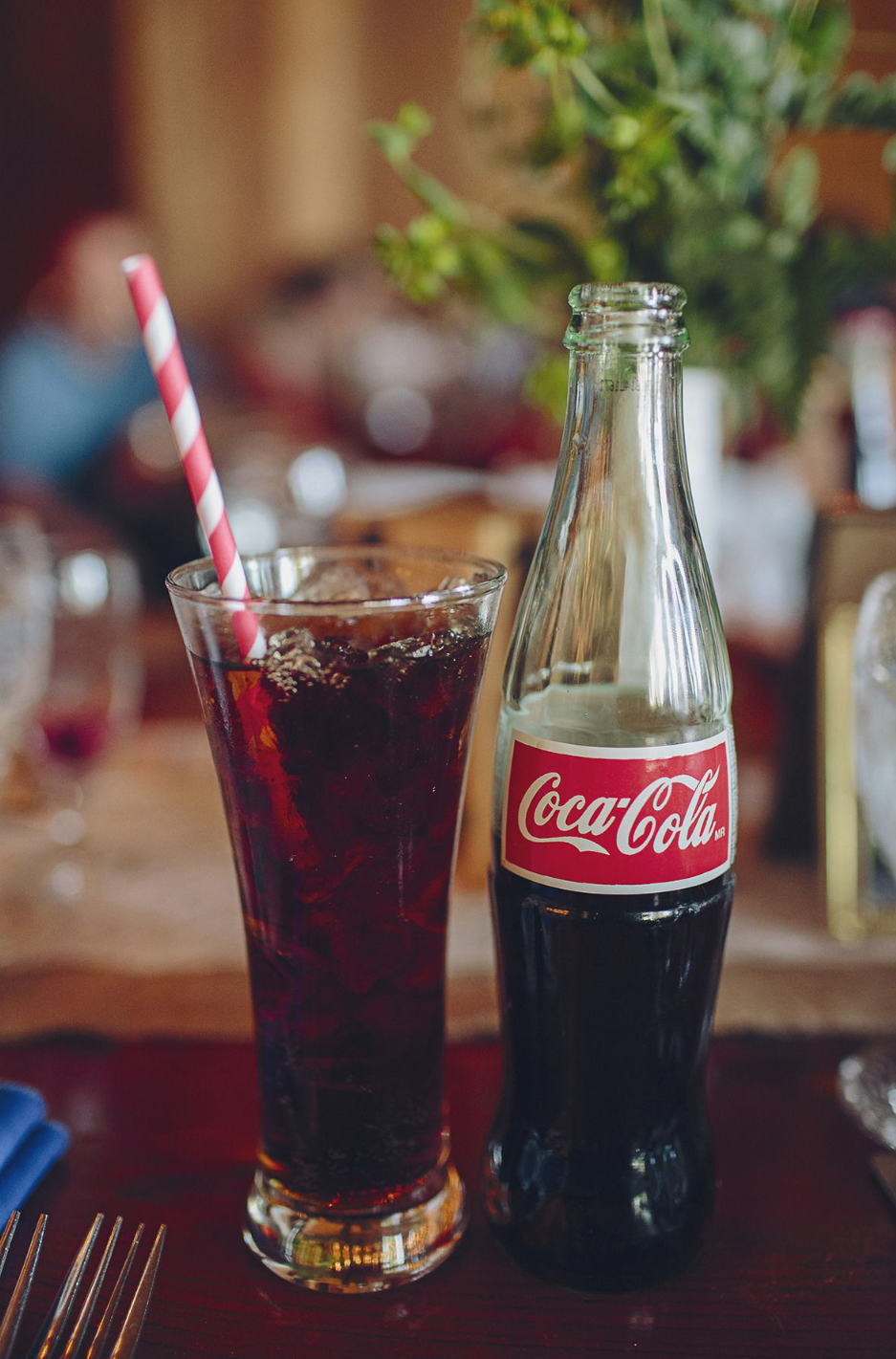
The next step was to flavour this sparkling water. In 1784, citric acid was developed from lemon juice and by 1833, carbonated lemonade was on sale in England. Soon, other flavours were introduced and in 1886, Coca Cola entered the market and created soft drink history.

Thank you for reading. Have a nice day!🌼

Food from scratch…

Noodles

A 4000 year old bowl of noodles unearthed in China is the earliest example ever found of one of the world’s most popular foods. Noodles have been a staple food in many parts of the world for at least 2000 years. But who inverted the noodle? This is a hotly contested topic – with the Chinese , Italian and Arabs all staking a claim.

Ice cream

The first ice cream was probably made by chance when someone left some milk outside on a cold night and it froze!

Alexander the great enjoyed ice cream made with milk, fruit juice, honey and snow in the 4th century B.C. and the Roman emperor Nero ordered ice to ne brought from the mountains and combined it with fruit toppings. The Chinese also had a method of making ice creams and some believe that ice cream came to Europe from China.

It was Quintus Maximus, a roman general, who first wrote down a recipe for ice cream. Marco Polo brought the Chinese recipe to Venice after his visit to Peking. The king of England, Charles I is supposed to have offered his chef a handsome reward to keep his ice cream recipe a secret!

You favourite ice cream cone was invented by a pastry maker Ernest Hamwi in 1904, at the World Fair in St. Louis. He put a scoop of ice cream on his pastry when an ice cream seller in a neighbouring stall ran out of dishes- and it became an instant hit!

Chocolate

Cocoa, from which chocolate is made is said to have originated in the Amazon atleast 4000 years ago. The origins of chocolate can be traced back to the ancient Mayan and Aztec civilization in central America, who first enjoyed ‘chocolatel’, a much prized spicy drink made from roasted cocoa beans, the Aztecs believed that the cocoa tree was a gift from their God, Quetzalcoatl. According to legend, He had been banished by the other gods for giving the tree to mankind, but he promised to return to them one day.

The Spanish, led by Hernando Cortez, invaded Mexico in the 16th century. When the Aztecs saw Cortez, they believed their god had returned and welcomed him with a golden cup of chocolate! When Cortez returned to Spain in 1528, he loaded his galleons with cocoa beans and equipment for making the chocolate drink. Soon ‘chocolate’ became a fashionable drink enjoyed by the rich in Spain.

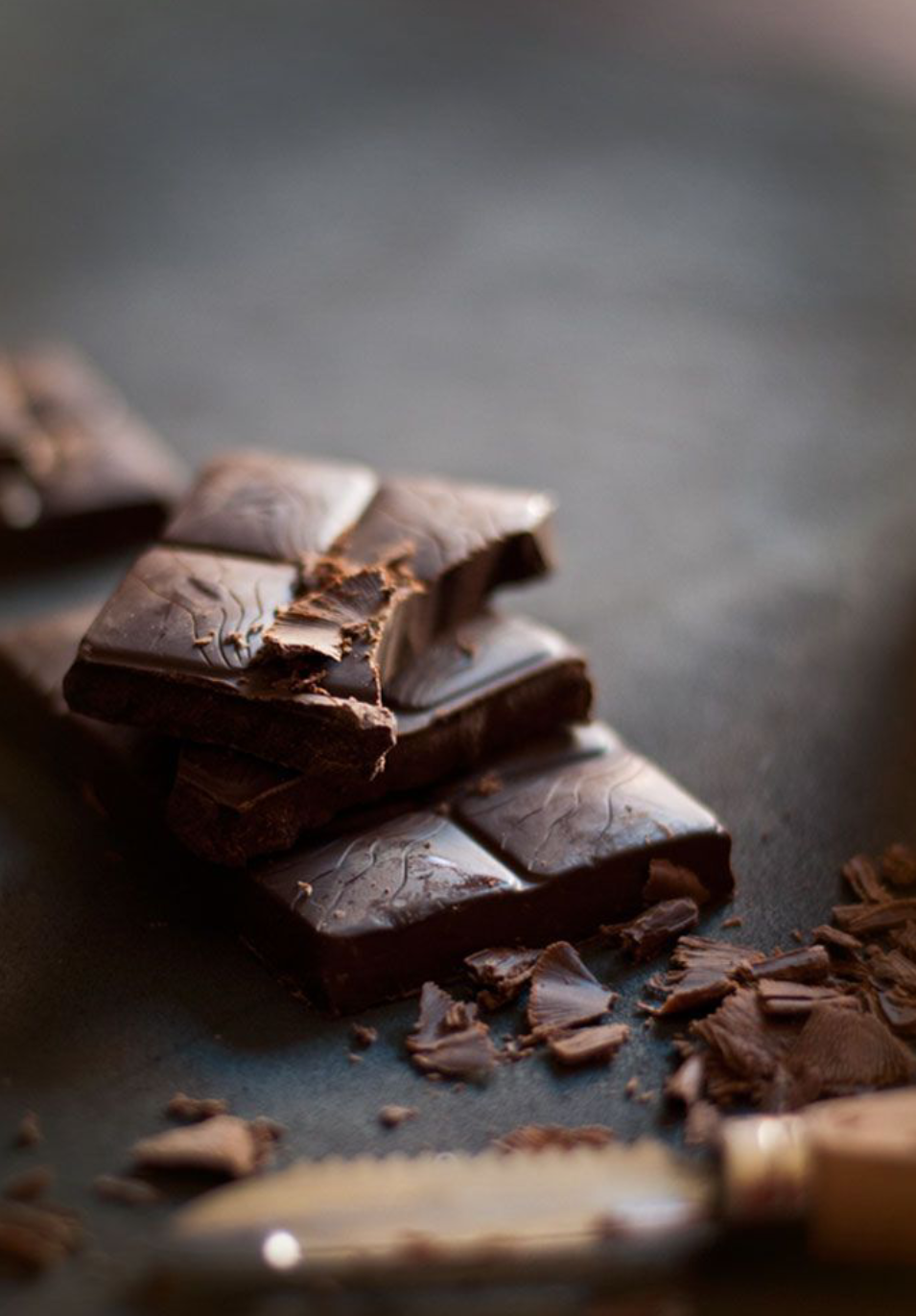
It was in 1847 that solid chocolate, as we know of today, was made by Fry and sons of Bristol by mixing sugar with cocoa powder and cocoa butter and your favourite treat was born.

Chewing gum

Thousands of years ago people chewed gum in it’s natural form. The most common ancient chewing gum was tree resin lumps, but people chewed various sweet grasses, leaves, grains and waxes also. The first commercial Chewing gum was made and sold in 1848 by John Bacon Curtis. He made a sticky, rubbery material from the spruce tree which could be chewed. In the 1860’s, Thomas Adams began selling chicle, a gum from the sapodilla tree of Mexico’s Yucatan desert.

Thank you for reading. Have a nice day!🌼

What it takes to become a PRO?

The Difference Between Professionals and Amateurs

It doesn’t matter what you are trying to become better at, if you only do the work when you’re motivated, then you’ll never be consistent enough to become a professional.

The ability to show up everyday, stick to the schedule, and do the work — especially when you don’t feel like it — is so valuable that it is literally all you need to become better 99% of the time.

I’ve seen this in my own experiences…

When I don’t miss workouts, I get in the best shape of my life. When I write every week, I become a better writer. When I travel and take my camera out every day, I take better photos.

It’s simple and powerful. But why is it so difficult?

The Pain of Being A Pro

Approaching your goals — whatever they are — with the attitude of a professional isn’t easy. In fact, being a pro is painful.

The simple fact of the matter is that most of the time we are inconsistent. We all have goals that we would like to achieve and dreams that we would like to fulfill, but it doesn’t matter what you are trying to become better at, if you only do the work when it’s convenient or exciting, then you’ll never be consistent enough to achieve remarkable results.

I can guarantee that if you manage to start a habit and keep sticking to it, there will be days when you feel like quitting. When you start a business, there will be days when you don’t feel like showing up. When you’re at the gym, there will be sets that you don’t feel like finishing. When it’s time to write, there will be days that you don’t feel like typing. But stepping up when it’s annoying or painful or draining to do so, that’s what makes the difference between a professional and an amateur.

Professionals stick to the schedule, amateurs let life get in the way. Professionals know what is important to them and work towards it with purpose, amateurs get pulled off course by the urgencies of life.

You’ll Never Regret Starting Important Work

Some people might think I’m promoting the benefits of being a workaholic. “Professionals work harder than everyone else and that’s why they’re great.” Actually, that’s not it at all.

Being a pro is about having the discipline to commit to what is important to you instead of merely saying something is important to you. It’s about starting when you feel like stopping, not because you want to work more, but because your goal is important enough to you that you don’t simply work on it when it’s convenient. Becoming a pro is about making your priorities a reality.

There have been a lot of sets that I haven’t felt like finishing, but I’ve never regretted doing the workout. There have been a lot of articles I haven’t felt like writing, but I’ve never regretted publishing on schedule. There have been a lot of days I’ve felt like relaxing, but I’ve never regretted showing up and working on something that is important to me.

Becoming a pro doesn’t mean you’re a workaholic. It means that you’re good at making time for what matters to you — especially when you don’t feel like it — instead of playing the role of the victim and letting life happen to you.

How to Become a Pro

Going about your work like a pro isn’t easy, but it’s also not as complicated or difficult as you might think. There are three steps.

1. Decide what you want to be good at.

Purpose is everything. If you know what you want, then getting it is much easier. This sounds simple, but in my experience even people who are smart, creative, and talented rarely know exactly what they are working for and why.

2. Set a schedule for your actions.

Once you know what you want, set a schedule for actually doing it.

You want to set a schedule based on actions you can do, not results that you want.

3. Stick to your schedule for one week.

Stop thinking about how hard it will be to follow a schedule for a month or a year. Just follow it for this week. For the next 7 days, don’t let distractions get in the way.

Setting a schedule doesn’t make you a professional, following it does. Don’t be a writer, be writing. Don’t be a lifter, be lifting. For one week, do the things you want to do without letting life get in the way. Next week, start again.

Once you get at the top there is no coming or looking back because when you reach there it becomes more of habit .that you cannot leave .

­­­­­­