Acid Attacks : The women in danger

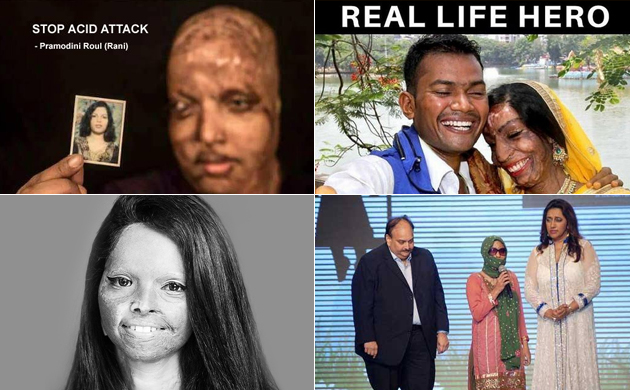
Acid Attacks …why??? The person you love if doesn’t love you back you will do the shameless act!!!!! Why People are mute .. why they don’t talk about this ruthless act…… The Perpetrators of these attacks throw corrosive liquids at their victims, usually at their faces, burning them, and damaging skin tissue , often exposing and sometimes dissolving the bones. Acid attacks can often lead to permanent blindness.

IN INDIA

In India, acid attacks are at an all-time high and increasing every year, with 250–300 reported incidents every year, while the “actual number could exceed 1,000, according to Acid Survivors’ Trust International”.

THE MOTIVES OF PERPETRATORS

Some of the most common motivations of perpetrators include:

Personal conflict regarding intimate relationships and sexual rejection
Sexual-related jealousy and lust
Revenge for refusal of sexual advances, proposals of marriage, and demands for dowry
Racial motivations
Social, political, and religious motivations
Gang violence and rivalry
Anti-minority discrimination
Conflicts over land ownership, farm animals, housing, and property
ARE WOMEN SAFE

Are women safe?????? I question again are women safe in our motherland. Every day each and every women wears a shroud of fear , staying alert and trying to fight all the odds of attacks. Maybe it’s molestation,attacks, rape , why!!!men why ?? Why do we forget we all came from the womb of some woman who fought for 9months just to give birth to someone who will make another woman’s life hell.. NO NO NO… We all have to fight against the odds of the men where our mother our sister our lover becomes a part of a ruthless act killing them mentally, Physically, emotionally and most importantly the way in which society see her changes …let’s us all come together to fight the demons and kill the devil’s threating our goddesses…I am taking vow of fighting the Maoists and I request all of you to be together to create a better place to live….

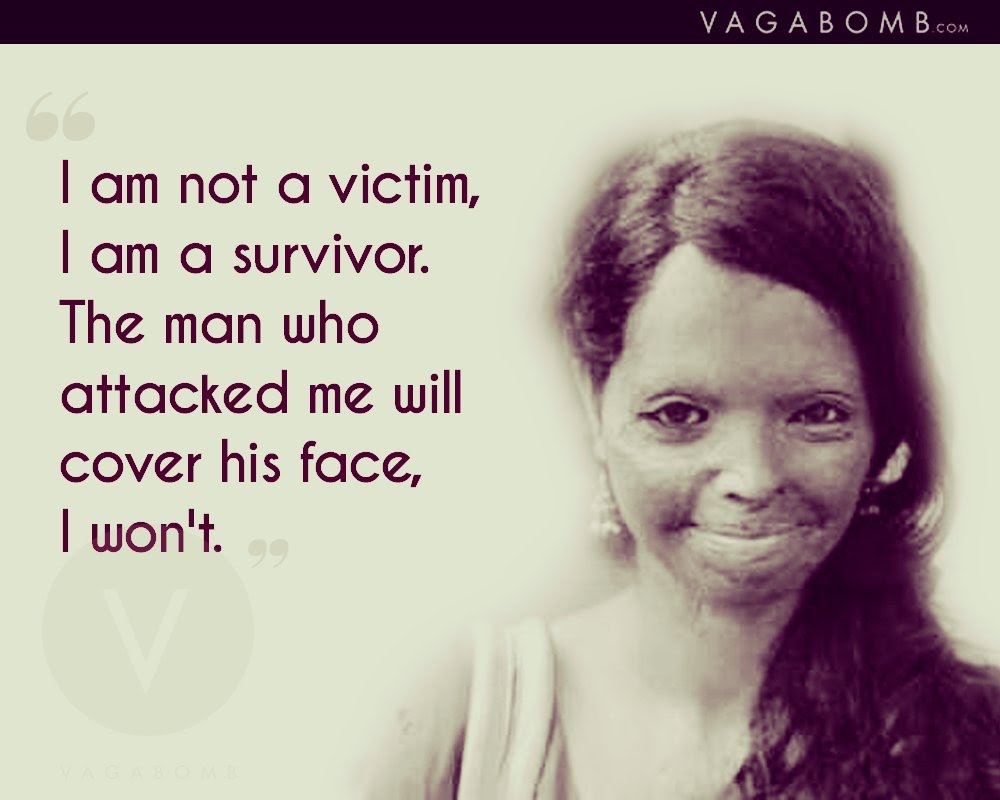
A Survivor : The Story of Lakshmi Agarwal

She was just a 15 year old girl . A girl , full of life . But what happened to her .

It’s her story . A story of a survivor.

She was powerful not because she wasn’t scared but because she went on so strongly, despite the fear.”

– Atticus

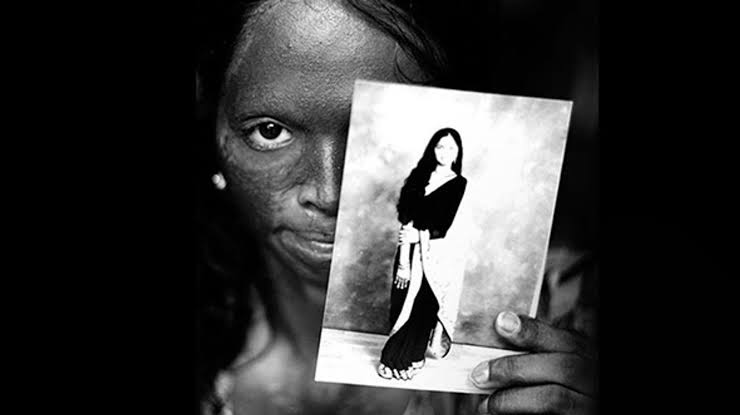
At the age of 15 , when a girl or a boy makes happy memories and learn about life . She was attacked in the market full of people . She was attacked because she rejected an old jerk of 32 years old.

A 32 year old proposed a marriage proposal to a 15 year old girl , who lives near the neighborhood. She ignored and rejected him and he planned an acid attack .

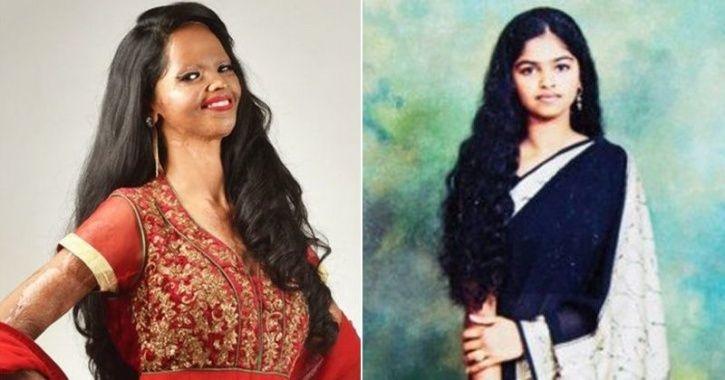
Her name is Lakshmi Agarwal , she was attacked at the age of 15 in 2005 in New Delhi after rejecting the romantic advances of Naeem Khan . She didn’t inform anyone about the scenario because she believed her parents and society would have blamed her and stopped her study .

After 10 months , Lakshmi was in the market and Naeem asked her again through message about the marriage proposal but she didn’t respond . And in no time , Kamran (Naeem’s older brother ) and his girlfriend attacked her with acid . He was in the motorcycle and his girlfriend Rakhi threw acid on Lakshmi , when Kamran called her name and she looked behind for response.

She fainted on the road and when she regain consciousness she went middle of the road asked for help and met with multiple accidents but no one stopped to help her . She was burning in fire and her skin was melting.

A man named Arun Singh called PCR and told police about the situation . Someone threw water to help her but it turned out opposite and the acid burnt her neck . Arun think it might be late , so he helped her on the backseat of his car , later the seat cover turned into black hole due to the acid .

Arun admitted her in the hospital , called police and her family . Lakshmi went through many surgeries and operations including eye surgery. Four days later Naeem Khan got arrested but was bailed after a month later .

Protests and media attention.

After many protests and media attention Naeem got life imprisonment .

Lakshmi’s story was one of the series in the Hindustan Times. Lakshmi was scared after the attack because most of her face and body parts were not same as before . But she didn’t loose hope ,she fought for justice , asked for help for the victims of acid attacks and pleaded the law for the ban on sale of acid.

Meanwhile government failed to frame policies on acid sale and chemical attacks .

Seriousness is not seen on the part of the government in handling the issue,” the bench headed by Justice RM Lodha.

In 2013 , the plea of Agarwal was heard and later claims that “ Acid is freely available in shops. Our own volunteers have gone and purchased acid easily. In fact, I have myself purchased acid,” she said. “We have launched a new initiative called ‘Shoot Acid’.

After , the law passed by Supreme court . Lakshmi founded NGO named Chhanv Foundation to help acid attack survivors in India.

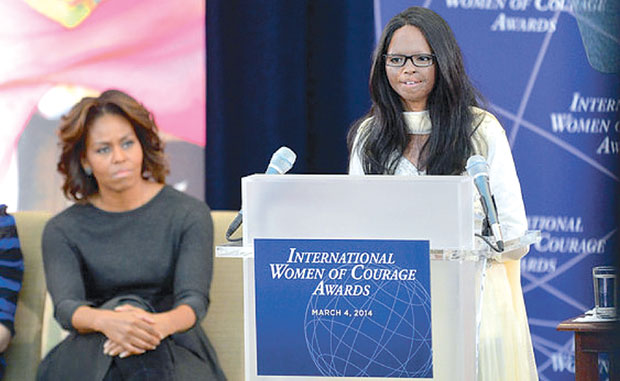
In 2019, she was honored with the International Women Empowerment Award from the Ministry of Women and Child Development, the Ministry of Drinking Water and Sanitation and UNICEF for her campaign of Stop Acid Sale. In 2014, she received the International Women of Courage award at the hands of First Lady Michelle Obama.

And the movie Chhapaak is based on her life and stars Deepika Padukone in her role.

“And one day she discovered that she was fierce, and strong, and full of fire, and that not even she could hold herself back because her passion burned brighter than her fears.”

– Mark Anthony

Link

“Indira Banerjee The only Women judge in Supreme Court at Present. “


India is a massive democratic and independent country .All men and women are equal in this era no discrimination of gender in any matter like employment business government jobs. Many women work in different different sector. Women and men are valued equally in societies that are safer and healthier. Equality between men and women is a fundamental human right. Gender equality benefits everyone.
Indira Banerjee is the best example for Women empowerment. Indira Banerjee is the only women judge in Supreme Court at present and she become the only 8th women Judge of the supreme Court.
List of 8 Female Judge in Supreme Court:-
1. Fathima Beevi (6 oct 1989 – 29 Apr 1992)
2. Sujata Manohar(8 Nov 1994 – 27 Aug 1999)
3. Ruma Pal (28 Jan 2000- 2 Jun 2006)
4. Gyan Sudha Mishra(30 Apr 2010 – 27 Apr 2014)
5. Ranjana Desai(13 Sept 2011 – 20 Oct 2014)
6. R. Banumathi (13 Aug 2014 – 19 july 2020)
7. Indu Malhotra (27 Apr 2017 -13 Mar 2021)
8. Indira Banerjee(27 Aug 2018- 23 Sep 2023)

Indira Banerjee, who was born on September 24, 1957, went to Loreto House in Kolkata for her education. She subsequently moved on to Presidency College for her Bachelor’s degree, and then on to Calcutta University for law school. In July 1985, she began working as a lawyer at Calcutta High School.
On February 5, 2002, she was named to the Calcutta High Court as a permanent judge. She was sent to the Delhi High Court in August of 2016. In April 2017, she succeeded Justice Sanjay Kishan Kaul as Chief Justice of the Madras High Court. Following Justice Kanta Kumari Bhatnagar, Justice Banerjee is the second woman to lead the chartered High Court.
Justice Banerjee’s name was suggested for elevation to the Supreme Court by the Supreme Court Collegium on July 16, and the Centre accepted it yesterday.
Justice Banerjee is the Supreme Court’s eighth female judge.

In addition, she releases a new album. With Justice R Banumathi and Justice Indu Malhotra already on the Supreme Court, Justice Indira Banerjee’s appointment brings the total number of female judges on the court to three, a number that has never been reached since the court’s creation in 1950.

In the judiciary, more women are needed.
It’s past time for those in charge of appointing judges to the high court and the Supreme Court to recognise the need of providing enough representation for women in the judiciary. Without diluting merit, the superior judiciary should have reserved seats for women, similar to the subordinate judiciary.
We should be concerned about more than just the economic consequences of the dearth of female (judges) in the employment. Women at all levels of the judiciary are critical in addressing certain issues that can have far-reaching social and political consequences: one, insufficient representation in the courts can exacerbate biases; second, a lack of women in courts raises questions about the courts’ legitimacy as representatives of the societies they serve; and third, the presence of women judges signals equality of opportunity for women.