Photography 101: Equipment

Photos are memories that you can visit every time you look at them. It could be on your phone, in a frame, or on your camera itself. With the advance in technology, we are able to take photos in mobiles at par with traditional DSLRs. The technology doesn’t stop evolving and it is amazing to see the quality of photos improve over time. But you want to take photos better, better composition and with a better angle. So what kind of equipment can enhance your photography to the next level?

1: A Camera

Of course, you cannot buy camera gear if you don’t have a camera. You don’t need to invest heavily into the camera but don’t cheap out on it either. Instead, buy a decent camera that you can use without worrying about the price. A camera is great around the house with family or with friends when out on a trip. It captures various memories for you to relish after your trips. It is an investment for your hobby. Of course, don’t buy a camera that is too advanced because it will be expensive as well as very hard to handle.

Click here to check out Beginner Cameras! 

2:  Tripod

Now a tripod is an investment. You need a sturdy tripod to shoot clear and sharp pictures. It also helps you with taking photos of places if you can’t hold it steady. If you want to improve your photography level, a tripod helps a lot. If you want to shoot a cinematic scene or take a long time lapse of sunrise/sunset/full moon nights or any shot that requires a long time for the camera to be held steady, a tripod enhances the stillness. There are many tripods in the market and Amazon also became one of the tripod sellers with their own brand.

Different Tripod sizes

3:  Memory Cards

Buying a memory card is essential for a DSLR camera. The camera uses the memory card to load photos onto. This memory card holds your memories until you pass it onto your computer. It is the delivery guy for your treasure. Due to its petite size, hold it carefully and store it with caution. You get memory card boxes for a few bucks that hold them carefully for you to transfer.

Now you know your way around your camera. You can switch from different modes and know when to change your ISO, shutter speed and also your aperture. You take beautiful shots and amazing photos but you want to improve your video shots and take them with more precision and cinematically. 

4: Lens

You keep taking photos but you don’t feel the spark or the connection you had with your shots, you have reached the end with your current lens. No matter how many shots you can take with your kit lens ( The lens that comes with the camera), there’s only so much you can do. It’s time to take a new lens to explore more with your camera. Your lens has more to do with the shots you want to take than with which lens you have to purchase. As a beginner, it’s always appreciated to ask your mentor or a friend who has been in photography a long time for advice on new lenses.

 Check this page out for more information on lenses

5: Basic Accessories

Now, you have all the equipment but if you don’t have the basic accessories, then how do you move the equipment from your home to the different places? Checklist these all items with the above ones so you don’t damage your equipment and carry them safely without any worries.

  • Camera Bag: You can purchase the camera bag while purchasing your camera and it’s pretty standard. You can carry your camera with your kit lens and it’s a nice place to hold your memory cards too.
  • Lens Cleaner: A lens cleaner is an absolute necessity if you are carrying around multiple lenses. It includes a lens cleaning liquid, a microfiber cloth and a small brush. Clean the dust with the brush, then apply the liquid and finish it up with the microfiber cloth
  • Sensor Cleaner: A sensor cleaner is also needed because you will be changing lenses on the camera when you are out and about. If the sensor has dust on, use the sensor cleaner to clean it and get it ready for the next shot.

Congratulations! You have the basic camera gear and the necessary skills to improve your Photography and Videography game! Remember, you don’t become the best instantly. Keep taking photos, keep taking shots, they may not always work but you will improve over time. Take your time, and don’t stop clicking!

How to become a graphic designer in India ?

Hello friends, today we are telling you about How to become a graphic designer, if you want to become a graphic designer, then what will you have to do for this and what are the things you have to do in this article, we will tell you about all this. You can become a graphic designer very easily and fulfil your dream.

Recently, if you want to make a better career, then the field of a graphic design can be very useful for you because the scope in this field is increasing every day, due to which we can expect great employment in it and if you want to become a graphic designer then For this, it is very important for you to have information about How to become a graphic designer, for information about it, you should read our article carefully.

How to become a graphic designer ?

How to become a graphic designer


If you have to do something new in the world of creativity and you are interested in work related to graphics, then the work of a graphic designer can prove to be very good for you and to become a graphic designer, you need to know some essential information about it. It is an art and with the help of Creativity and Software Tools, any type of design is prepared.

In today’s time, there is a need for graphic designers in every field and from the company’s logo to make their banners and posters etc., the work is also done by them and there are many different ways to earn money in this work. By adopting a graphic designer, one can earn up to lakhs of rupees.


Qualifications to become a Graphic Designer


If you want to become a Graphic Designer, then for this you must have at least passed out from any recognized school, only then you can become a Graphic Designer.

Courses to become a Graphic Designer


To become a Graphic Designer, you need to do this course after graduation and for this, there are many different types of courses that you can do and after doing these courses you can become a Graphic Designer.

  • B.Sc in multimedia
  • Certificate in 3D animation
  • advertising and visual communication
  • Applied Arts and Digital Arts
  • Graduate Diploma in Design
  • Diploma in Graphic Designing
  • Post Graduate Diploma in Design
  • Bachelor in Fine Arts
  • visual communication design

All these courses are related to graphic designing, you can do any of these courses as per your choice and when your course is completed, after that you can make a career as a graphic designer.

graphic designer course fees


Often many people want to know how much fee we have to pay to become a graphic designer, then for this, there may be different fees in all colleges or institutes, in this course the fee can be from 25 thousand rupees to 1 lakh rupees. You can get the correct information about fees only after contacting the respective college and according to which course you choose, the fees may be different.

Post Graphic Designer Jobs


If you want to become a graphic designer, then you need to know that if you become a graphic designer, then from which field you can earn money in it, we are talking to you about some ways by which you will be able to earn money.

  1. You can work as a graphic designer for a newspaper company and can get a job in this post.
  2. You can create a visual brand for any small, big company or organization etc.
  3. You can easily get a job in an advertising agency.
  4. You can also make a career in digital filmmaking.
  5. You can easily get a job in any book publishing house.
  6. You can get a job in the field related to the packing of products etc.
  7. You can start your graphic design work.
  8. You can provide online graphic designing services.
  9. You can get opportunities to get employment in the following different sectors, depending on your working experience and your talent, how big a company you can get a job for.

Other ways to become a Graphic Designer


If you want to become a graphic designer and you are not able to do its course, then you also have some other options which you can adopt and you can follow these methods for fulfilling your dream of becoming a graphic designer.

Online class – Recently you will get many types of online classes which make you do this course and the fees of online classes are also very less if you can join an online class then you can prepare for it by taking an online class.

Through YouTube – If you do not want to spend money, then you can take the help of youtube, in this you get many tutorials related to graphics, by which you can learn the work of graphic designer

And you can become a graphic designer.

Apart from doing this course to become a graphic designer, there are two ways by which you can do this course and become a graphic designer.

college for graphic designing


If you want to do the course of Graphic Designer and want the best college for it, then we are talking about the best college in India which is as follows

  • IIT, Guwahati
  • IIT, Mumbai
  • Arch College of Design, Jaipur
  • International Institute of Fine Arts, Modinagar
  • Arena Animation, Bangalore
  • National Institute of Design, Ahmedabad
  • Pearl Academy, Delhi
  • Maya Academy, Pune
  • Symbiosis Institute of Design, Pune

This is the best college in all of India and you have to give an entrance exam to take admission in it, if you clear it then after that you can get admission in these colleges and you can do your course from here.

Salary after becoming a Graphic Designer


Often every person wants to know how much salary can be given to him after becoming a graphic designer, then let us tell you that in this you can be given a salary ranging from Rs 15,000 to Rs 50,000, how much salary you will get, it depends on your work. It depends on the above, if you do your own business or provide online service, then you can earn more from it.

Conclusion – In this article, we have given you information about how to become a graphic designer , we hope that you have found the information given by us useful, if you like the information, then do share it with your friends and ask any kind of question-related to it. If you want, you can also tell us through a comment.

The Green Revolution in India

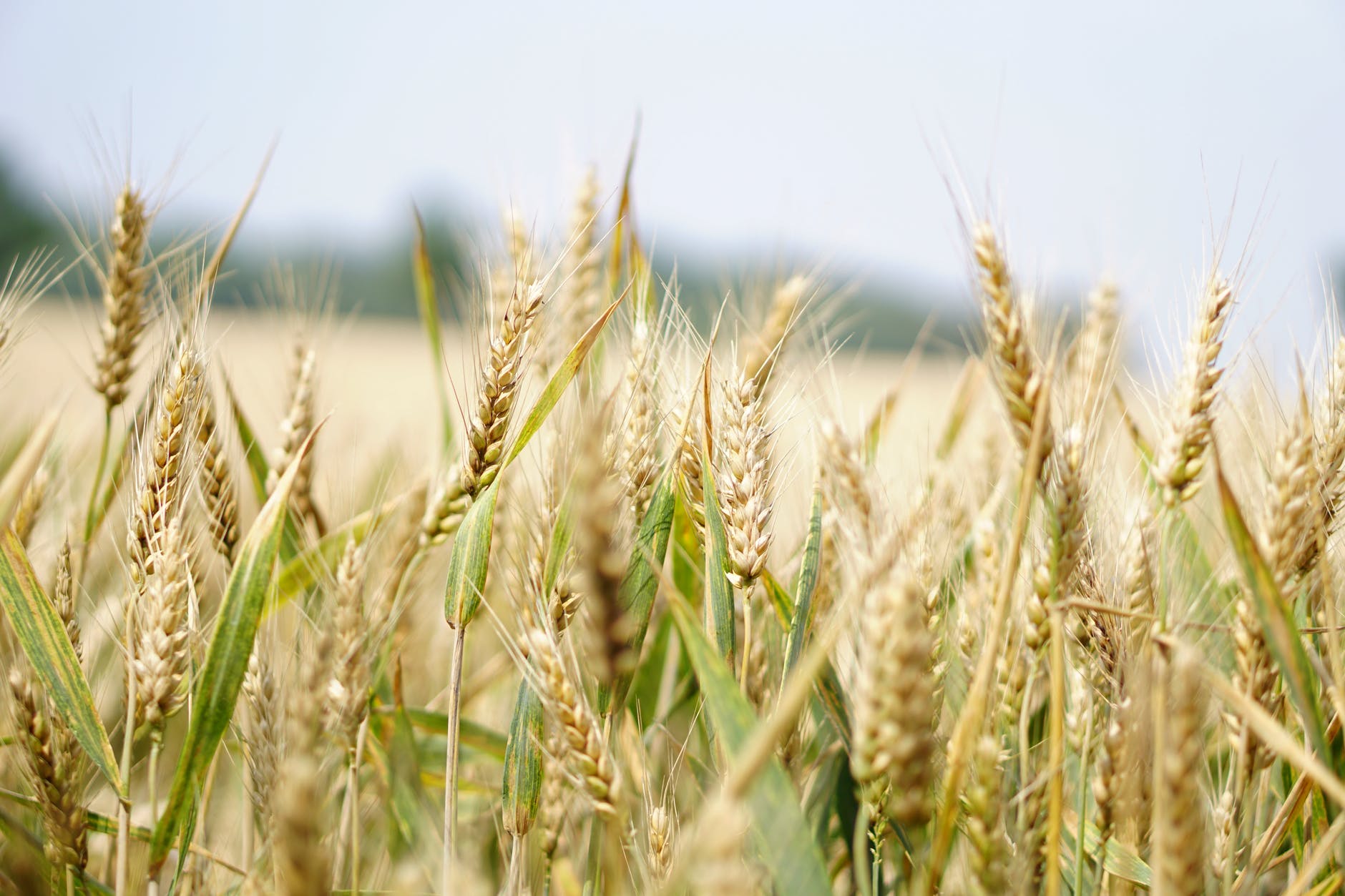
Photo by Pixabay on Pexels.com

The great increase in production of food grains(like rice and wheat) due to the introduction of high yielding varieties,to the use of pesticides, and to bettter management techniques is known as the Green Revolution in India.
A part of a larger initiative by Norman Borlaug, green revolution in India was founded by M.S Swaminathan. The aim was to increase agricultural productivity in the developing world with the use of technology and agricultural research. The Green Revolution started in 1965 with the first introduction of High yielding variety(HYV)seeds in Indian agriculture. The end result of the Green Revolution was to make India self sufficient when it came to food grains. The Green Revolution in India was first introduced in Punjab in the late 1960s as a part of a development program issued by international donor agencies and the government of India. During the British Raj, India’s grain economy hinged on a unilateral relation of exploitation. The Green Revolution resulted in increased production of food grains (especially wheatand rice) and was in large part due to the introduction into developing countries of new, high-yielding varieties, beginning in the mid-20th century with Borlaug’s work. Borlaug developed a short-stemmed (“dwarf”) strain of wheat that increased crop yields. Previously, taller wheat varieties would break under the weight of the heads if production was increased by chemical fertilizers. Borlaug’s short-stemmed wheat could withstand the increased weight of fertilized heads.Wheat production in Mexico multiplied threefold owing to this and other varieties.Following Borlaug’s success in Mexico, the Indian and Pakistani goverments requested his assistance. Borlaug began his agricultural revolution in Asia. With India and Pakistan facing food shortages due to rapid population growth, the importation of Borlaug’s dwarf wheat in the mid-1960s was a key element if Green Revolution in India and helped the country to become agriculturally self sufficient.

What are the main features of Green Revolution?
1) Introduction of new and high yielding variety of seeds
2) Increased use of fertilizers, pesticides and weedicides to reduce agricultural losses.
3) Increased application of fertilisers to enhance agricultural productivity.
4) Use of latest agricultural machinery like tractors, threshers and harvesters etc.
5) Use of disease resistant varieties so that production will enhance.

Pros and cons of Green Revolution
Pros:
1) increase in agricultural production
2) reduction in import of food grains
3) increase quality of food
4) increase tolerance to pests, diseases and weeds
5) prosperity of farmers and helps in rural employment
Cons:
1) expensive seeds
2) ecological problems like soil erosion, waterlogging, desertification etc.
3) creates lack of biodiversity
4) health impacts from increased pesticides and fertilisers
5) deforestation

The White Revolution in India

Photo by Engin Akyurt on Pexels.com

The revolution associated with a sharp increase in milk production in the country is called the White Revolution in India also known as Operation Flood. White revolution period intended to make India a self-dependent nation in milk production.
Verghese Kurien ,the founder of Amul introduced White revolution in India. He is known as the father of white revolution in India.
Operation Flood started the White Revolution in India and made our country self-sufficient in milk and this was achieved entirely through the cooperative structure.One of the largest of its kind, the programme objective was to create a nationwide milk grid. It resulted in making India one of the largest producers of milk and milk products, and hence is also called the White Revolution of India. It also helped reduce malpractices by milk traders and merchants. The White Revolution in India was successful in transforming the country from a milk deficient nation to a world leader in milk production. It helped dairy-farming become India’s largest self-sustaining industry and also, India’s largest rural employment provider.

Advantages and disadvantages of white revolution
Advantage:
1) ended imports of milk solids in India.
2) India started exporting milk powder to many foreign nations.
3) dairy industries and infrastructures modernised and expanded.
4) more employment in the field of dairy farming.
5) dairy needs are met locally.
Disadvantage:
1) since livestock are prone to many diseases, milk obtained from them during such conditions leads to disease spreading.
2) adulteration of milk and dairy products.

What is Cyberbullying and how to deal with it?

Photo by Valery on Pexels.com

Cyberbullying is a form of online harassment or bullying using electronic means.  It has become increasingly common, especially among teenagers. Cyberbullying includes sending, posting, or sharing negative, harmful, false, or mean content about someone else. It can include sharing personal or private information about someone else 
The most common places where cyberbullying occurs are:

• Social Media, such as Facebook, Instagram etc.

• Text messaging and messaging apps on mobile or tablet devices

• Online forums, chat rooms, and message boards, such as Reddit

• Email

• Online gaming communities

How we can stop or prevent cyberbullying?
1) Don’t respond to any emails, app messages, or text messages sent by cyberbullies.
2) Don’t be an accomplice by forwarding any of the messages to others kids.
3) Take screeshots as proof and evidence of cyberbullying.
4) If you are being bullied, tell an adult to get help solving the problem.

Bangladesh War 1971- One of the shortest wars in History

In 1971, India won the war against Pakistan that resulted in the birth of Bangladesh (then East Pakistan).
Pakistan lost half its country, its forces in the East, and had to publicly surrender to India. It was also the largest military surrender after World War II. 

So what happened during 1970s an internal crisis occured in Pakistan. So what happwned is when the 1st general elections took place a split occured between West Pakistan and East Pakistan. In West Pakistan , Zulfikar Ali Bhutto won the elections and in East Pakistan, the Awami league leaded by Sheikh Mujibur Rehman won . Now the bengali population that was in east Pakistan, they voted for Awami league because they were protesting against the dominance of West Pakistan and they were being treated as 3rd class citizens. But the Pakistan rulers in West and East Pakistan were not ready to accept this demovratic verdict.In 1971, Pakistani Army began to commit the genocide on innocent Bengali population, particularly in East Pakistan. So former Prime Minister Indira Gandhi decided to take action against Pakistan at the same time by give refuge to civilians from other side of the border. Throughout 1971, India had to bear the burden of some 80 lakh refugees who fled from East Pakistan and took shelter in India. After months of diplomatic tension and military build up a full scale war broke out between India and Pakistan on dec 1971. The war lasted 13 days and was one of shortest wars in history. The war ended after the Chief of Pakistani forces general AAK Niazi along with his troopes surrendered to Indian Army and Bangladesh’s Mukti Bahini.
General AAK Niazi signed the instrument of surrender in Dhaka marking the formation of East Pakistan as new nation of Bangladesh. Pakistan also lost half its territory after formation of Bangladesh.  On august 1972 India signed Shimla agreement with Pakistan under which the former agreed to release all the 93,000 Pakistani prisoners of war.

What is Cyber Crime?

Cyber crime is any criminal related activity done by a person using a computer or network. It can also be defined as any illegal activity done via the internet. Offences that are committed against individuals or group of individuals with a criminal motive to imtentionally harm the reputation of the victim or cause physical or mental harm using modern telecommunication networks such as Internet (e – mails, chat rooms, etc) and mobile phones(bluetooth, sms, mms) is termed as cyber crime.

Listed below are some ways to prevent Cyber Crime:

1)Strong password

Passwords should be of eight characters (including a combination of letters, numbers and symbols).

2) Ensure your software is up-to-date

3) Don’t fall for pop-ups

If an email or pop-up window asks you to enter username or password, don’t do it. Instead, open your browser and visit the site directly.

4) Secure your internet network with a strong encryption passwoed and a VPN

5) Educate yoir children about internet risks

Communicate with them and assure them that they can come to you if they face any stalking, bullying or online harassment.

6) Protect your financial data

Remember this: Legitimate banks or companies will never ask for any personal details or ask you to transfer money into an account.

7) If you fall victim to Cyber crime, then:

a) contact the banks or companies where the fraud occured.

b) place fraud alerts and get your credit reports

c) register complaint with cyber cell or local police station

The negative impact of Television and Internet on Children

Photo by cottonbro on Pexels.com

Children are being negatively impacted because of exposure to tv and internet. Today kids spend more time watching tv or on phone which tends to slow down thier metabolism rate. Infact browsing stuffs online to playing games all day can make  them dull and unproductive. Spending insignificant amount of time on tv and internet can make children suffer from lack of sleep and cause serious health problems. Henceforth, a healthy balance and strict timetable needs to be devised by parents which should restrict the amount of time a child spends on tv and internet. For instance, a child can watch educational videos on youtube which can help them to understand their lessons better or can watch news on tv to get equipped with current affairs apart from just playing games or watching cartoons. Limiting the amount of time being spent on tv and internet, parents can involve their children in other healthy activities such as practising yoga or taking up a sport or say learning a new musical instrument. That way a child can do better not only in his academics but can also excel in other creative artforms

A state in India that is free of patriarchy

Photo by Angshu Purkait on Pexels.com

Meghalaya – a state in northeastern India has always been a far cry from the rest of India.The state is home to the Khasi and the Garo people, two of the few tribes to follow a matriarchal structure of society.

In a country like India, where the status of women is considered to be lower to that of men, where daughters of the household are treated as paraya dhan who are supposed to get married one day and go to her husband’s family , and the patriarchal system that subjugates women, oppresses women and tells them that they are not up to the mark and not as important as men,the fact that there are societies with a culture of dominant women is a wonder in itself! Unlike many places in India, where the birth of a girl is accompanied by reactions ranging from subdued acceptance to outright rage, the birth of a girl in places like Shillong is celebrated with mirth and laughter.There is no disparity in the treatment of women in urban and rural households of the Khasis and the Garos.In Khasi marriages, the men go and live with the wife and her family which is in stark contrast to most other communities in India, which see tearful goodbyes between the woman’s family.
An interesting and little known fact is that Khasi children take the title of their mother and her clan. This effectively means there are no illegitimate children among them.
It is refreshing to know that such a rare scene exists in our own country. For a nation plagued by a mindset of misogyny, the culture and traditions found in Meghalaya serves as a beacon of hope and change.

The world's most important living animal

Photo by mostafa eissa on Pexels.com

This animal has got 5 eyes, lays upto 3000 eggs every single day and has wings that flaps over 11,000 times per minute. It has co existed with dinosaurs for atleast 35 million years and it is the 2nd most scientifically studied creature after humans. We humans call this creature as “bees.”
Here are some lesser known facts about bees and why we humans need them to survive-

1) 70 percent of the world’s agriculture depends on bees.
2) If we didn’t have bees to pollinate our plants, then plants will not produce and henceforth, there wouldn’t be enough food for the almost 8 billion people in the world.
3) Honey bees are responsible for every one out of three food bites that we take
4) No bees = No pollination and hence,
No plants = No food for livestock animals
Which further means no dairy products and hence no food for humans.
5) Most of our clothes are made up of cotton and if we don’t have bees, there will be no cotton plants.
6) Honey-bee is the only insect in the world that produces food humans can consume. It spends it’s lifetime producing only 1/12th teaspoon of honey.
7) Honey bees are smart too and they are trained by humans to detect bombs by sticking their tongues out when they sniff the aroma from explosives.
8) They can also detect illnesses in humans. They do so by smelling the illness on the breath in under 10 mins.

Bees, in many ways save humans and yet the most underrated being on planet earth but certainly the most important one.

Top foods that can boost your haemoglobin naturally

Photo by Ella Olsson on Pexels.com

Haemoglobin is an iron-rich protein found in our red blood cells, responsible for  carrying oxygen and transporting it to all parts of our body. A drop in level of haemoglobin can make it difficult for the body to get suffecient oxygen and one might exeperiemce dizziness, fatugue, pale skin, etc.
Listed below are some foods that can help maintain the level of haemoglobin in blood –

1) Beetroot
Beetroot is enriched with natural iron, magnesium, copper, phosphorus, and vitamins B1, B2, B6, B12 and C and can be consumed in either raw form or cooked. It helps in regeneration of red blood cells.

2) Green leafy vegetables
Green vegetables like spinach, celery, and ​ broccoli are rich vegetarian sources of iron and including them in your staole diet can help you increase your level of haemoglobin. They can also help you in weight loss and improve digestion.

3) Dates and raisins
Dates and raisins are packed with iron and vitamin C. Consuming a handful of raisins and two or three dates in the morning can provide you with instant energy and improve your hemoglobin levels.

4) Sesame seeds
Eating black sesame seeds is another great way of increasing your iron intake as they are loaded with iron, calcium, magnesium, copper, zinc, selenium and vitamin B6, E and folate

5) Take vitamin-C rich fruits
Vitamin C absorb iron more efficiently. Including oranges, lemon, sweet lime, strawberries, bell peppers, tomatoes, grapefruits, berries in your dietary plan will help in boosting haemoglobin levels.

Arrival of Dutch in India

The Dutch are the people of Holland (now the Netherlands). The Dutch arrived in India shortly after the Portuguese. The Dutch have long been experts in sea trading. The Dutch government granted the United East India Company of the Netherlands license to trade in the East Indies, including India, in 1602. Dutch India was more of a geographical location than a political authority. In comparison to the Portuguese and the English, the Dutch had the shortest presence in India of all the European colonial powers.

Dutch history in India
The Dutch East India Company was founded in 1602 and signified the Dutch entrance in India. They arrived in Andhra Pradesh’s Masulipatam (now Machilipatnam). From 1605 to 1825, they occupied the Indian subcontinent. Given the growing demand for Indian spices from Asia in Europe, the Dutch arrived to India with the intention of trading. The establishment of the Dutch East India Company marked the beginning of the modern multinational company (MNC). Following a pact between the Zamorin of Calicut and the Dutch chief, Steven Van der Hagen, Dutch trading in India began on November 11, 1604. The goal was to force the Portuguese off the Malabar Coast, but this was never achieved. The Dutch, on the other hand, soon built commercial facilities in various parts of India and traded cotton, textiles, silk, Indigo, and Golconda diamonds. In 1661, the Dutch conquered the Portuguese and took control of all of Malabar. They had now mastered the pepper trade and made tremendous profits selling pepper, which was known in Europe as “Black Gold.” In the 17th century, nothing could stop the Dutch from capturing Pondicherry from the French in 1693. In the East Indies, the Dutch became a large producer of sugar and coffee, as well as a big exporter of spices and textiles. During their time in India, the Dutch tried their hand at currency manufacture as well. They established mints in Cochin, Masulipatam, Nagapatam Pondicherry, and Pulicat as their trade grew. Furthermore, the Pulicat mint issued a gold pagoda with an image of Lord Venkateswara (god Vishnu). The Dutch minted coins that were all based on local coinages.

The Decline of Dutch power The Dutch East India Company began to fade in the mid-eighteenth century. It was characterised by poor corporate practices, corruption, and political upheaval. Martanda Verma, the formidable monarch of Travancore, defeated the Dutch in 1741 and reclaimed control of Malabar. The fourth Anglo-Dutch war, in which the British navy sunk Dutch ships and seized trading ports, resulted to their bankruptcy in 1799. Finally, the Anglo-Dutch Treaty of 1825 ended the Dutch dominance in India by transferring all Dutch assets to the British.

Arrival of Dutch in India

The Dutch are the people of Holland (now the Netherlands). The Dutch arrived in India shortly after the Portuguese. The Dutch have long been experts in sea trading. The Dutch government granted the United East India Company of the Netherlands license to trade in the East Indies, including India, in 1602. Dutch India was more of a geographical location than a political authority. In comparison to the Portuguese and the English, the Dutch had the shortest presence in India of all the European colonial powers.

Dutch history in India
The Dutch East India Company was founded in 1602 and signified the Dutch entrance in India. They arrived in Andhra Pradesh’s Masulipatam (now Machilipatnam). From 1605 to 1825, they occupied the Indian subcontinent. Given the growing demand for Indian spices from Asia in Europe, the Dutch arrived to India with the intention of trading. The establishment of the Dutch East India Company marked the beginning of the modern multinational company (MNC). Following a pact between the Zamorin of Calicut and the Dutch chief, Steven Van der Hagen, Dutch trading in India began on November 11, 1604. The goal was to force the Portuguese off the Malabar Coast, but this was never achieved. The Dutch, on the other hand, soon built commercial facilities in various parts of India and traded cotton, textiles, silk, Indigo, and Golconda diamonds. In 1661, the Dutch conquered the Portuguese and took control of all of Malabar. They had now mastered the pepper trade and made tremendous profits selling pepper, which was known in Europe as “Black Gold.” In the 17th century, nothing could stop the Dutch from capturing Pondicherry from the French in 1693. In the East Indies, the Dutch became a large producer of sugar and coffee, as well as a big exporter of spices and textiles. During their time in India, the Dutch tried their hand at currency manufacture as well. They established mints in Cochin, Masulipatam, Nagapatam Pondicherry, and Pulicat as their trade grew. Furthermore, the Pulicat mint issued a gold pagoda with an image of Lord Venkateswara (god Vishnu). The Dutch minted coins that were all based on local coinages.

The Decline of Dutch power The Dutch East India Company began to fade in the mid-eighteenth century. It was characterised by poor corporate practices, corruption, and political upheaval. Martanda Verma, the formidable monarch of Travancore, defeated the Dutch in 1741 and reclaimed control of Malabar. The fourth Anglo-Dutch war, in which the British navy sunk Dutch ships and seized trading ports, resulted to their bankruptcy in 1799. Finally, the Anglo-Dutch Treaty of 1825 ended the Dutch dominance in India by transferring all Dutch assets to the British.

Arrival of Portuguese in India

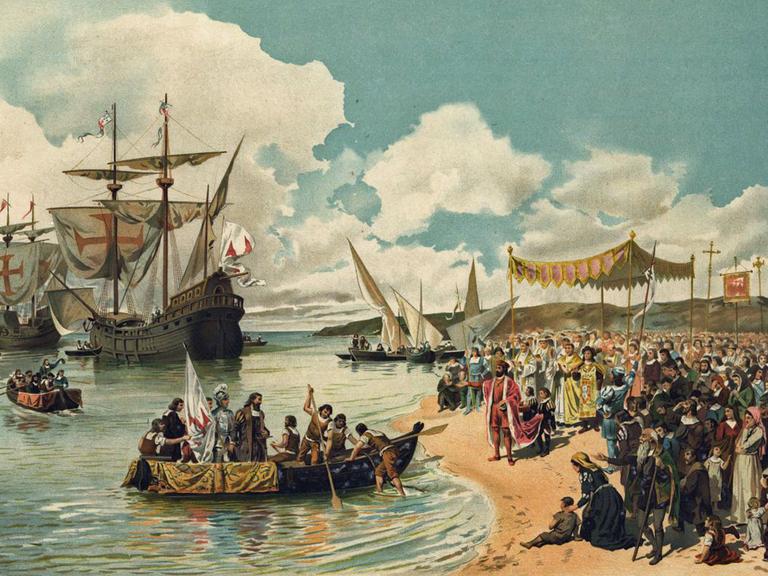
The Portuguese State of India was a Portuguese colonial state on the Indian Subcontinent. Vasco De Gama was the first Portuguese to set foot in India in 1498. However, Portuguese control in India is considered to have lasted from 1505 until 1961. Although Portuguese colonialism outlasted its English counterpart, it had little influence outside of its territories. The Portuguese were the first Europeans to arrive in India and the last to go.

Portugal’s Early Years in India
When Vasco da Gama arrived in Calicut on the Malabar Coast on May 20, 1498, Portuguese colonialism began in earnest. He met with the ruler of Calicut, the Zamorin, and received permission to trade in Calicut. But Vasco da Gama was unable to pay the customs duties and the cost of his merchandise. The Zamorin’s officials detained some of Vasco da Gama’s soldiers when the duties were not paid. This enraged him so much that he kidnapped some Indians and fisherman. However, the voyage was a success in the eyes of the Portuguese authorities in Lisbon. A sea path around the Ottoman Empire was discovered, and the expedition made a profit well in excess of its initial cost.

Expansion of Portuguese Colonialism
Vasco da Gama established a base of operations on the Malabar coast after further conflict with the Zamorin Kingdom. Francisco de Almeida, the first viceroy, placed his headquarters in what is now Cochin. Alfonso de Albuquerque, the second governer of the Portuguese territories in the East, was appointed in 1509. Off the coast of Calicut, a Portuguese fleet led by Marshal Fernão Coutinho arrives. Their orders were quite clear: destroy the Zamorin. The city was levelled and the palace of the Zamorins was taken, but the local soldiers rallied and attacked the invading Portuguese, forcing them to retreat and wounded Albuquerque. In 1510, Afonso de Albuquerque defeated the Sultanate of Bijapur, establishing Goa as a permanent settlement. It would later become the viceroy’s seat and the headquarters of the Portuguese colonial conquests in India. Modern-day Mumbai was likewise a colonial possession until 1661, when it was handed over to the British. From 1799 until 1813, the British conquered Goa for a brief while, eradicating the final vestiges of the inquisition. The capital was moved to Panjim, which was later renamed Nova Goa, in 1843, when it became the administrative center of Portuguese India. For the next century, Portuguese control would be limited to Goa and the enclaves of Diu and Daman.

Cause of Decline of Portugal in India
While the British granted independence to most of India, the Portuguese retained colonial colonies in India. Local anti-Portuguese demonstrations in Goa were violently suppressed. Despite repeated pleas from the Indian government, the Portuguese government, led by dictator António de Oliveira Salaza, refused to hand over its colonial holdings, saying that they were an intrinsic part of Portuguese territory. The invasion of Goa by the Indian troops took place in December 1961. The Portuguese attempted to resist against overwhelming odds, but were quickly crushed by the Indian Army. On December 19, 1961, the Governor of Portuguese India signed the Instrument of Surrender, freeing Goa after 450 years of Portuguese domination in India.

Arrival of Portuguese in India

The Portuguese State of India was a Portuguese colonial state on the Indian Subcontinent. Vasco De Gama was the first Portuguese to set foot in India in 1498. However, Portuguese control in India is considered to have lasted from 1505 until 1961. Although Portuguese colonialism outlasted its English counterpart, it had little influence outside of its territories. The Portuguese were the first Europeans to arrive in India and the last to go.

Portugal’s Early Years in India
When Vasco da Gama arrived in Calicut on the Malabar Coast on May 20, 1498, Portuguese colonialism began in earnest. He met with the ruler of Calicut, the Zamorin, and received permission to trade in Calicut. But Vasco da Gama was unable to pay the customs duties and the cost of his merchandise. The Zamorin’s officials detained some of Vasco da Gama’s soldiers when the duties were not paid. This enraged him so much that he kidnapped some Indians and fisherman. However, the voyage was a success in the eyes of the Portuguese authorities in Lisbon. A sea path around the Ottoman Empire was discovered, and the expedition made a profit well in excess of its initial cost.

Expansion of Portuguese Colonialism
Vasco da Gama established a base of operations on the Malabar coast after further conflict with the Zamorin Kingdom. Francisco de Almeida, the first viceroy, placed his headquarters in what is now Cochin. Alfonso de Albuquerque, the second governer of the Portuguese territories in the East, was appointed in 1509. Off the coast of Calicut, a Portuguese fleet led by Marshal Fernão Coutinho arrives. Their orders were quite clear: destroy the Zamorin. The city was levelled and the palace of the Zamorins was taken, but the local soldiers rallied and attacked the invading Portuguese, forcing them to retreat and wounded Albuquerque. In 1510, Afonso de Albuquerque defeated the Sultanate of Bijapur, establishing Goa as a permanent settlement. It would later become the viceroy’s seat and the headquarters of the Portuguese colonial conquests in India. Modern-day Mumbai was likewise a colonial possession until 1661, when it was handed over to the British. From 1799 until 1813, the British conquered Goa for a brief while, eradicating the final vestiges of the inquisition. The capital was moved to Panjim, which was later renamed Nova Goa, in 1843, when it became the administrative center of Portuguese India. For the next century, Portuguese control would be limited to Goa and the enclaves of Diu and Daman.

Cause of Decline of Portugal in India
While the British granted independence to most of India, the Portuguese retained colonial colonies in India. Local anti-Portuguese demonstrations in Goa were violently suppressed. Despite repeated pleas from the Indian government, the Portuguese government, led by dictator António de Oliveira Salaza, refused to hand over its colonial holdings, saying that they were an intrinsic part of Portuguese territory. The invasion of Goa by the Indian troops took place in December 1961. The Portuguese attempted to resist against overwhelming odds, but were quickly crushed by the Indian Army. On December 19, 1961, the Governor of Portuguese India signed the Instrument of Surrender, freeing Goa after 450 years of Portuguese domination in India.