

The Department of Animal Husbandry & Dairying (DAHD), Ministry of Fisheries, Animal Husbandry & Dairying, Government of India and host State Tamil Nadu conducted a “Regional Training of 21st Livestock Census on Software (Mobile & Web Application/ Dashboard) and Breeds for State and District Nodal Officers (SNO/DNO) of Tamil Nadu, Puducherry, A & N Island, and Lakshadweep”. The workshop was held today in Chennai, Tamil Nadu to train the State/District Nodal Officers of these states on newly launched mobile and web applications for conducting 21st Livestock Census which is scheduled during September-December 2024.
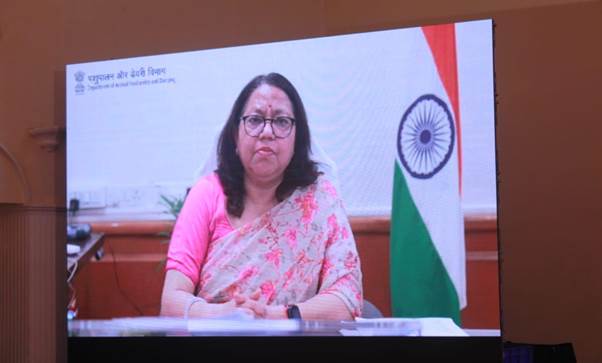
Smt. Alka Upadhyaya, Secretary, DAHD GoI conveyed her best wishes and greetings for the 21st Livestock Census virtually. She shared insights of the impact of Livestock Sector on the Indian Economy and the position of India in terms of global trade of livestock sector produce. She iterated that India’s livestock sector is a vital economic pillar, providing livelihoods for millions, contributing 5.5% to the national GDP, and supplying essential proteins. With a massive livestock population (53.6 crore) and global leadership in milk (1st) and egg (2nd) production, the sector is a powerhouse. She however mentioned that unlocking its full potential requires addressing challenges in productivity, infrastructure, and market access to tap into promising export opportunities.
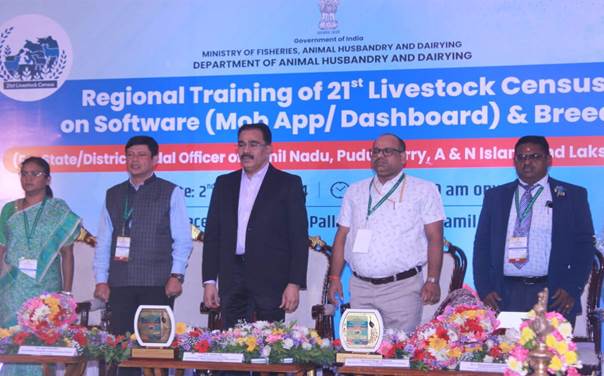
Additional Chief Secretary to Government, Department of Animal Husbandry, Dairying, Fisheries and Fishermen Welfare, Govt. of Tamil Nadu Dr. K Gopal inaugurated the workshop in the presence of Shri. Jagat Hazarika, Advisor (Statistics), Department of Animal Husbandry and Dairying, GoI, Shri V P Singh, Director, AHS, DAHD, GoI and Tmt. Mageswari Ravikumar, Director of Animal Husbandry and Veterinary Services, Govt. of TN.
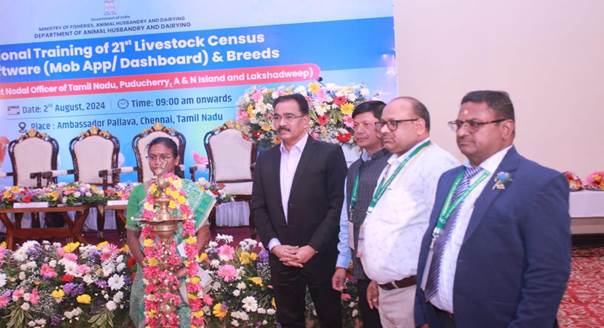
The ceremony commenced with the national anthem and the ceremonial lighting of the lamp. Addresses from these distinguished dignitaries marked the inauguration and set the stage for a collaborative effort towards the successful training of District and State level Nodal Offices for conducting the Livestock Census.
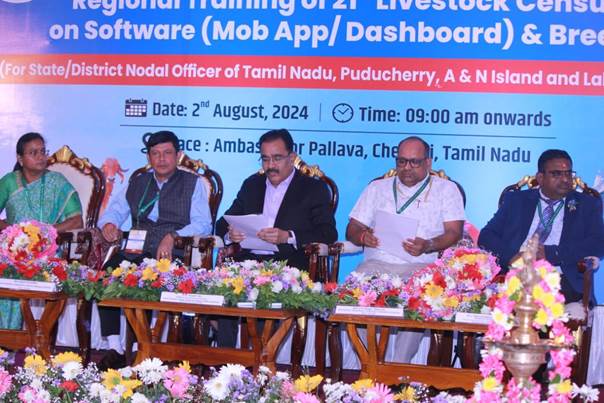
Dr. K Gopal addressed the workshop and highlighted the need for comprehensive training and capacity building at the grassroots level. He shared that Tamil Nadu is a key player in India’s animal husbandry and dairying sector, ranking among top states in milk production. The state boasts a significant livestock population and is a major contributor to national egg production through its robust poultry industry. He, however, highlighted that challenges like feed availability, animal diseases, and productivity enhancement need to be addressed to further boost the sector’s potential.
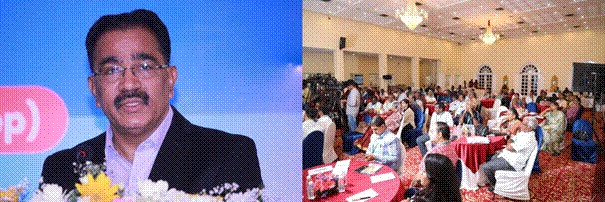
Sh. Jagat Hazarika highlighted the importance of this workshop in his address, underscoring the department’s commitment to leveraging technology for accurate and efficient data collection. He emphasized the collective responsibility of all stakeholders to ensure the success of the 21st Livestock Census, which will play a critical role in shaping the future policies and programs of the Animal Husbandry sector and urged them to leverage the latest technologies to ensure the success of the census.
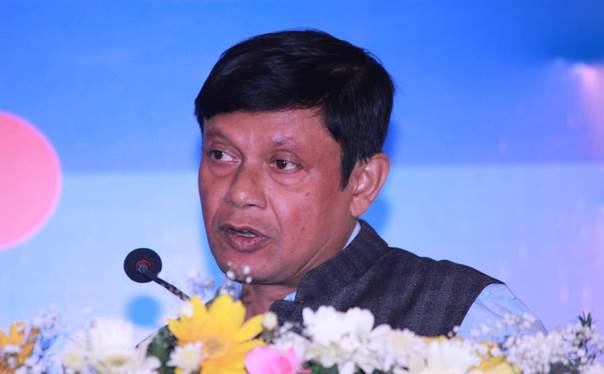
Tmt Mageswari Ravikumar emphasized the integration of sustainable practices within the livestock sector. She pointed out that the analysis and logical use of the data obtained after the livestock census will pave the way for formulating future departmental policies and implementing programs, as well as creating new schemes and generating employment in the field of animal husbandry for the benefit of livestock farmers. She also talked about the latest technologies developed by the Department of Animal Husbandry and Dairying (DAHD), such as the use of sex-sorted semen. She extended a warm welcome to delegates from all states and wished them a successful training session.
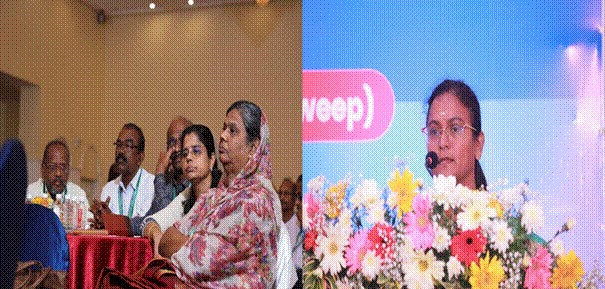
The workshop featured a series of sessions beginning with a brief description of the 21st Livestock Census by the Animal Husbandry Statistics Division, followed by a detailed presentation by the team from ICAR-National Bureau of Animal Genetic Resources (NBAGR) on the breed details of species to be covered in the census. The importance of accurate breed identification was emphasized, which is crucial for producing precise statistics used in various livestock sector programs and for the National Indicator Framework (NIF) of Sustainable Development Goals (SDG).
The workshop included detailed sessions on the methodologies and live application of software of 21stLivestock Census by Software team of Department of Animal Husbandry and Dairying, Govt of India trained on the mobile application and dashboard software for State and District Nodal Officers.These Nodal officers shall conduct training for enumerators at their respective District Head Quarters.
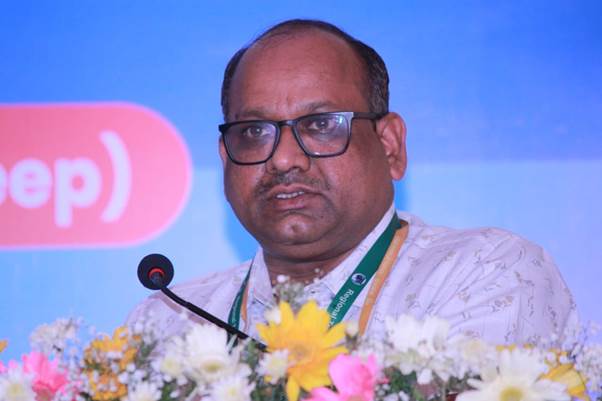
The workshop concluded with a vote of thanks by Sh. V.P. Singh, Director of the Animal Husbandry Statistics Division at the Department of Animal Husbandry & Dairying. In his address, he expressed gratitude to all the dignitaries and stakeholders for their presence and concluded with a hopeful note that the census operation would be successful.
******
 Eduindex