Let’s talk about period!

What is Menstruation or A Period?

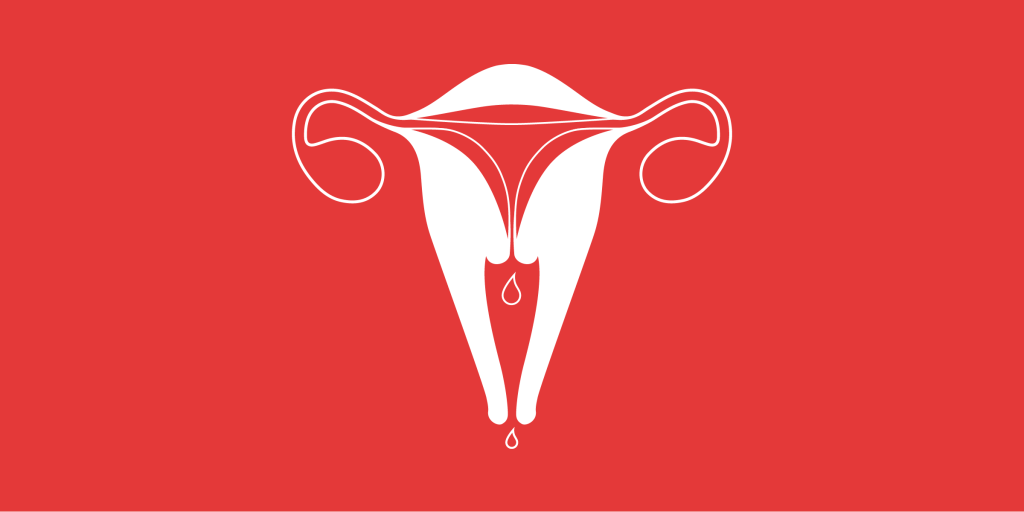
The level of estrogen and progesterone, reproductive hormones, climbs every month as the uterus prepares for pregnancy. The uterine lining becomes dense and spongy as a result of these hormones. This lining is made up of tissue and blood, much like everything else inside our bodies. It provides a variety of nutrients that help pregnancy progress. If there isn’t a pregnancy, progesterone levels drop, and the thick endometrial lining sheds and leaks out of the vaginal orifice. And Menstruation is the result.
Red Wedding . shark week . Time of the week . code red.
A slew of terms for one utterance – Menstruation. And not just human beings; Other mammals, such as Old World monkeys and apes, 3-5 kinds of bats, and the elephant shrew, have periods as well.

Only 121 million (roughly only 36% of the women) of India’s 336 million menstruating women use sanitary pads, according to the National Family Health Survey 2015-2016. Many women still refuse to use sanitary pads for a variety of reasons, including personal preference and familiarity, a lack of access to or affordability for high-quality commercial sanitary pads, and a lack of adequate knowledge regarding pads.

“More than a third of girls in South Asia miss school during their periods, as they lack access to toilets or pads, and many receive no education about menstruation before reaching puberty,”- A recent report by charity WaterAid and UNICEF revealed.

Because they cannot afford these expensive sanitary goods, many girls and women utilize a new soft cloth or some homemade product. Women may also use hay, ash sand, ash, wood shavings, newspapers, dried leaves, or plastic in extreme circumstances.

In both urban and rural India, qualitative investigations and surveys have revealed the most common reason for not using a sanitary pad is its high price. Pads from high-end commercial manufacturers can cost up to 1.5 times as much as pads from low-cost vendors. Quality sanitary pads are desirable, but the majority of girls from low-income homes cannot afford them.

TAX-FREE SANITARY PRODUCTS

“I am sure all mothers and sisters will be very happy to hear that sanitary pads are now 100 percent exempt from tax,” India’s interim finance minister, Piyush Goyal, at a news conference in New Delhi.
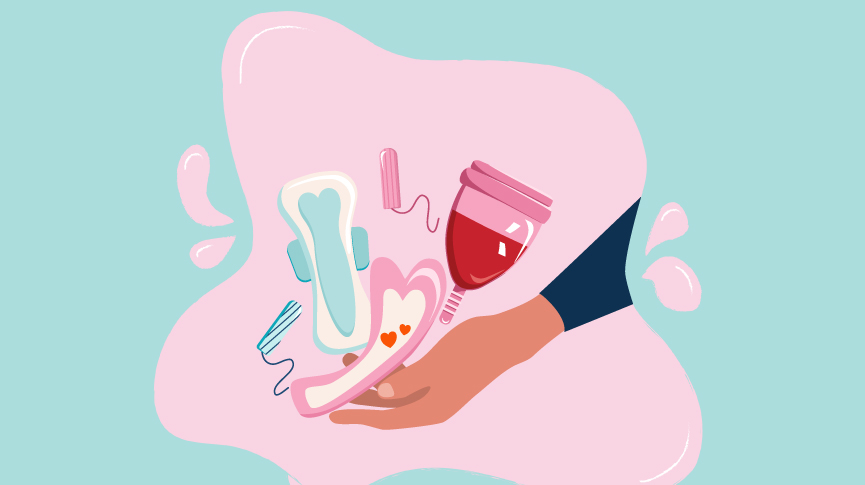
In 2018, India abolished its 12% tariff on all sanitary items, declaring tampons and sanitary napkins tax-free.

But is it enough?

A bundle of ten sanitary napkins, which used to cost roughly 100 rupees, will now cost around 88 rupees when the 12 percent GST is abolished. This could be a woman’s monthly outlay on menstrual products. However, given that 65.07% of India’s population lives in rural regions and relies on manual labor, with many of them subsisting on less than 120 rupees per day, the price of 88 rupees for a packet of sanitary napkins remains exorbitant.

Recently, The Period Products (Free Provision) (Scotland) Act 2021 was approved by the Scottish Government, making sanitary products free for all women and making Scotland the first country in the world to do so in the battle against “period poverty.” It is also the world’s first regulation requiring all public institutions to distribute menstrual sanitary goods, such as tampons and pads.

But why only in Scotland?
Periods are not a choice for women. They occur monthly and are a natural phenomenon. Therefore, every woman or girl who is menstruating deserves access to adequate sanitary products, regardless of her family’s income bracket.

It is high time for India and other countries to follow Scotland’s lead and make sanitary products free & accessible for their women.
A few tips to help relieve your period cramps

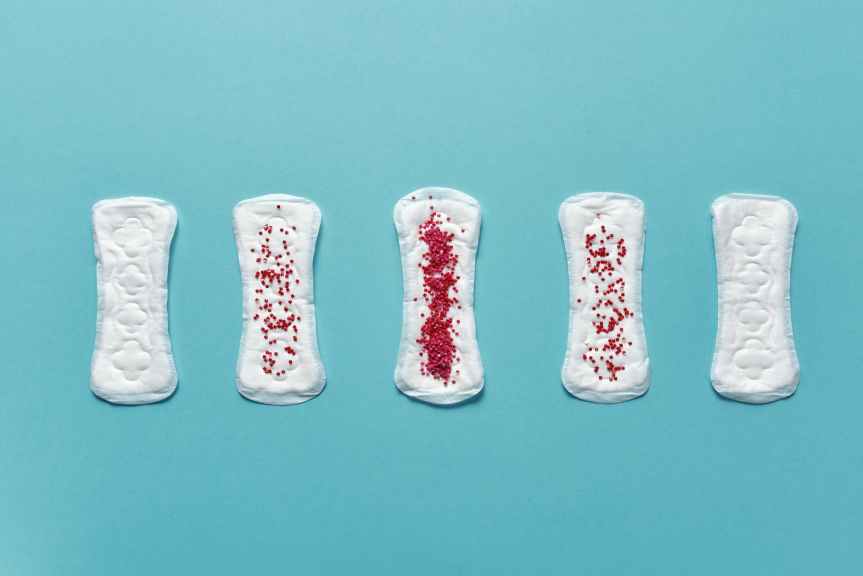
No one likes getting their periods. It comes with a lot of mood swings, bloating, cramps, and the will to die. Growing up, I have always searched for ways on how to make my period cycle less painful. I am here to share a few things that made me feel better. But every woman goes through different levels of pain. These might not work for all of them. But giving them a try would definitely make you feel better.

Get moving: When we are menstruating, we obviously don’t feel like getting up from our bed. But, exercising does release endorphins which help block pain receptors. Even taking a walk can be very helpful. I remember in lockdown when I would not really move so much. I had faced the worst cramps so, trust me moving does help.

Yoga: There are yoga poses you can try depending on which body part your cramps are at. You can always look up the internet to see what yoga pose would help relieve your cramp. Yoga does not even require you to move.

Stay hydrated: we are more dehydrated during our periods which leads to more cramps. So, it is best to increase our intake of water. It will also help reduce bloating. If you are not fond of the taste of water, you can try drinking fruit-infused water. You can also try eating water-based fruits such as cucumber and watermelon.

Do not skip meals: during our period, we often don’t feel hungry because we are already bloated. But skipping meals only makes it worse. We can then experience abdominal cramps.

Resting: during our cycle, we are more tired. So having a good sleep is very important. Sleeping will also make you feel well-rested. 

Avoiding a few foods: caffeine, alcohol, excess salty and, fatty food will make your cramps worse. So, you might want to skip on that. For all the people who cannot start their day without a morning coffee, you can try drinking ginger tea instead. I know it is not the best substitute, but ginger helps soothe muscles.

A few foods you can enjoy during your cycle:

Dark chocolates: This is by far my favorite tip because I love dark chocolates. Dark chocolates are a great source of iron, potassium, and magnesium. We must also avoid sugary food during our periods as it makes matters worse, so eating dark chocolate might help.

Banana: they are rich in potassium, and they help avoid bloating. I always eat bananas during my periods.

Leafy green vegetables: I personally do not like green leafy vegetables, but they do help in relieving cramps. What I like doing instead is drinking a green juice that has kale, spinach, lemon, ginger, and lettuce. It surprisingly does not taste bad.

Fruits: fruits are rich in all the vitamins that our body needs during our cycle. They can also help prevent your sugar cravings. If you crave ice cream. You can always try eating frozen fruits with dark chocolate syrups. It is tasty and fun to eat. You can also try dipping fruits in nut butter. Nut butter is also a great source of protein.

I know these tips seem like a lot of work because all we want to do is eat, sleep and eat junk food during our cycle. But, I try to avoid the foods that would make my cramps worse. I’d rather eat healthily and follow these tips than suffer in pain. So, you can give these tips a try.

Myths and Taboos around Menstruation

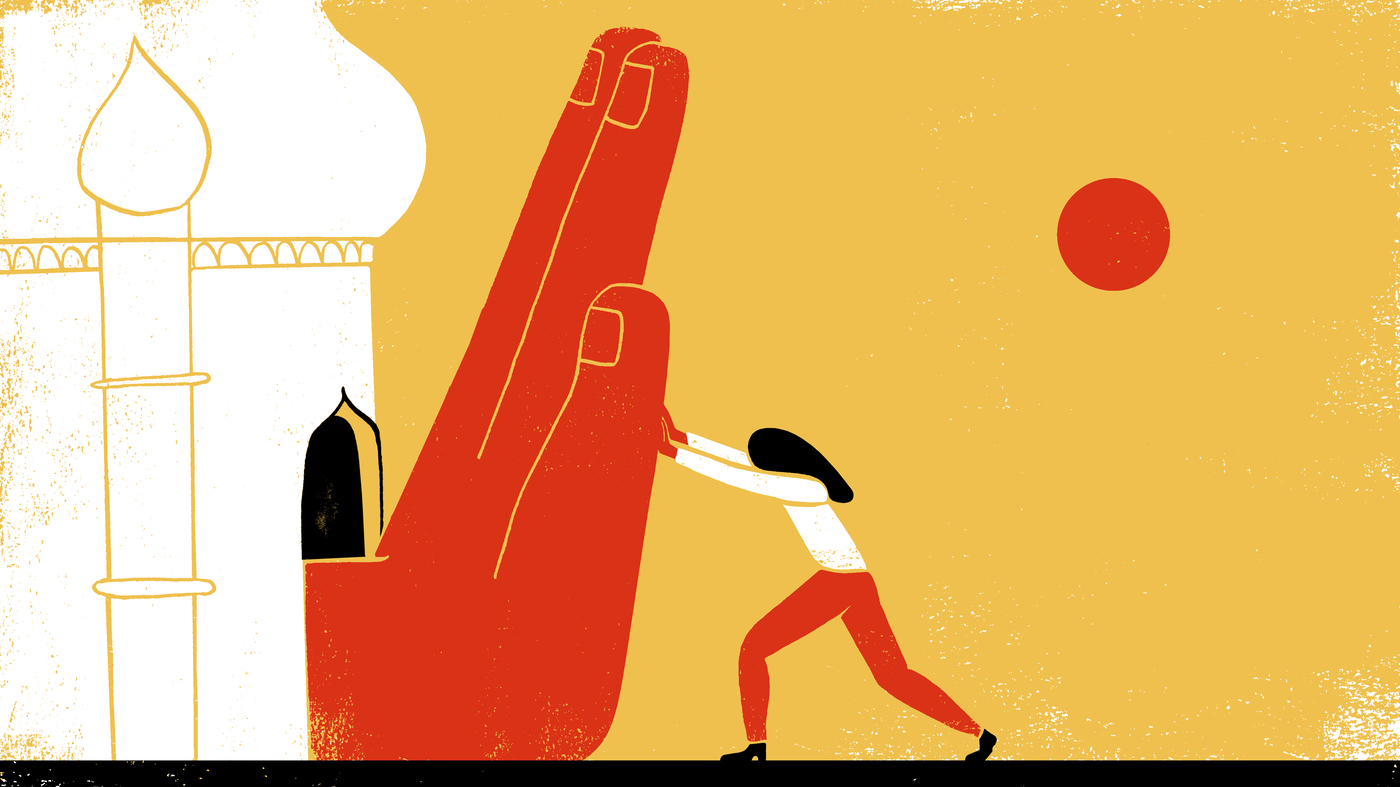
Menstruation has always been surrounded by taboos and myths that exclude women from many aspects of socio-cultural life. Not entering the temples and kitchens during menstruation is a major restriction for rural girls and women from orthodox families. They are believed to be unhygienic, inpure and unclean and hence their touch is considered to be contaminating.

“A menstruating woman is impure, she cannot enter holy places”

“Don’t enter the kitchen, don’t cook or touch the food, it will go sour”

Such taboos about menstruation present in many societies impact on girls’ and women’s emotional state, mentality and lifestyle and most importantly, health. About 23% of girls in India, mostly from less economically developed areas drop out of school when they begin menstruating. The monthly menstruation period also creates obstacles for female laborers. The gender – unfriendly work environment, infrastructure and the lack of adequate menstrual protection alternatives and clean, safe and private sanitation facilities for female workers undermine the right of privacy. Over 77% of menstruating girls and women in India use old cloth, which is often reused. This increases susceptibility to infection, putting them at the risk of being stigmatized.

The first and foremost strategy in this regard is raising the awareness among the adolescent girls related to menstrual health and hygiene. The need of the hour is to disseminate the same knowledge and normalize this concept among the male community, since most women shy away from discussing about it due to lack of support from their male partners and other family members. Provision of sanitary napkins and adequate facilities for sanitation and washing should be made available with the gender perspective.

We need to rise above all odds and link physical infrastructure and sanitation projects to health education and reproductive health programs and address the issue in more holistic ways because

Menstruation is a very normal biological phenomenon, and society should understand that women have the power of procreation just because of this virtue. TALK ABOUT IT!

Startup Stories – Nua Women

Nua women

Menstrual Hygiene:

Menstrual Hygiene is the area with the least awareness in India. It is pathetic to know that only 18% of women in India have access to better sanitary hygiene. The rest percentage of the women make use of economic alternatives to pads like cloths unaware of the side effects caused by them. This is primarily due to the fact that despite everyone knows about periods, their frequency they consider it a  disgrace when discussed in public. Pads that are primarily composed of synthetic material are constantly in contact with the skin surface causing rashes, infections, etc.

The Launch:

Nua women was launched in the year 2017 in Mumbai by Ravi Ramachandran and Swathi Kulkarni with the goal of making the menstruation cycle to be hassle-free. The market of sanitary pads in India enormous due to the population prevailed in here.  But it never remained as an untapped market.  Amidst the global competitors like Whisper, Stayfree, Nua Women was launched. Hence it was expected to make a Herculean effect to gain the attention of the audience and capture the market.

Novel Nua Women:

While certain startups were hustling to capture the market with their innovative market, Nua women choose either way. Following are the reasons for their triumph in India:

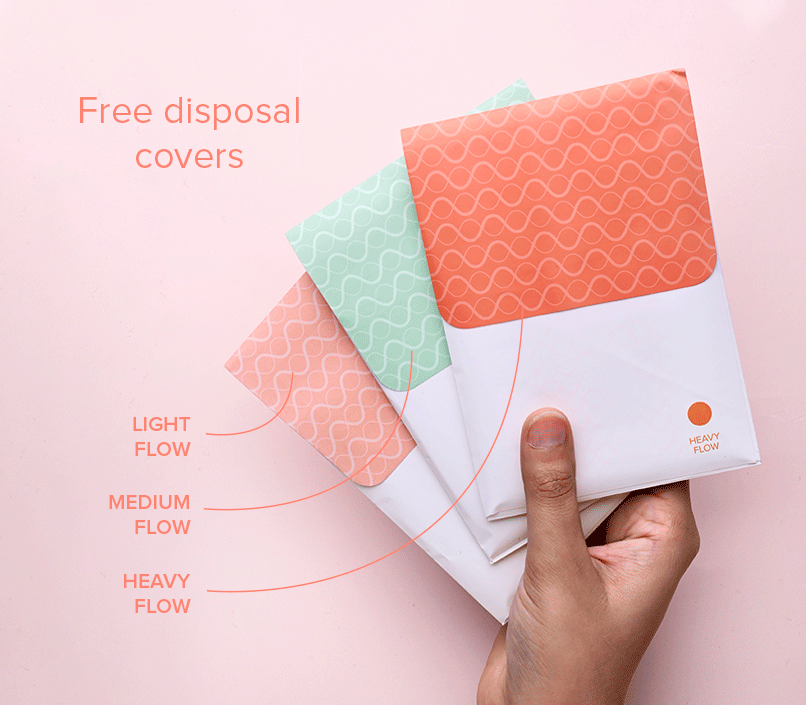
  • User experience: They understood their customers clearly at the early stage of its launch. Hence they ensured that they would provide not just a product but an experience. They came up with a plan where their users can choose pads according to their flow. Most of the women would have definitely wished for such a plan as the flow varies between day 1 to day 4. 
  • Marketing: While the primary pad brands were advertising with animations of pads, Nua women started to advertise by forming a community. In the community, women expressed thor period concerns, queries, and pains. The engagement was kept active and all their concerns were addressed. Social media played a vital role in the exposure of their product. This was one of the primary reasons for their initial funding by LIghtBox Ventures.

They also partnered with some women influencers and made promotional videos. The videos clearly explained their product and made very women connect it with their life. Their advertisement in partnership with the Youtube Sensation CheekyDNA won the Best Brand Integration Category Award at StreamCon.

  • Subscription: In the industrious world, everyone is running to balance their work and life. When the product is proven to reduce their time and efforts then it’s for sure a hit in the market. Women normally forget to refill their pads and in such cases, they use pads from their friends or from the sanitary vending machine at their workplaces. The change in brand may cause them discomfort. Hence Nua women came with a subscription plan where they can pay for a period of 3 months and pads will be automatically refilled every month.
  • Rash-free pads: Rashes are the most primary concern of women while purchasing a pad. Nua women customers are saying the rashes have considerably reduced after its usage. 
  • Stress-free Disposal: If you are the one who is irritated by the disposal of pads, Nua women has got your back. Every pad comes with a disposable cover and the way of disposal is smooth.

Funding Facts:

Initial Funding: Series A funding of 5.4 Million Dollars by LIghtBox Ventures in 2019.

Latest Funding: Pre Series B funding of 7.4 Milion Dollars by LightBox Ventures and Kae Capital in June 2021.

https://inc42.com/buzz/nua-raises-7-1-mn-in-funding-led-by-lightbox-ventures-kae-capital/

https://entrackr.com/2021/07/funding-in-indian-startups-this-week-28-june-03-july/

https://www.indiantelevision.com/iworld/over-the-top-services/divo-to-now-offer-digital-content-influencer-marketing-services-201221

https://www.vims.ac.in/blog/menstrual-hygiene/

https://inc42.com/startups/lightbox-nua-sanitary-napkins-women-wellness/

MENSTRUAL HYGIENE

Menstrual Health

Menstruation is one of the most significant processes a woman’s body undergoes. Therefore, it is no wonder that we tend to get flustered with the idea of getting our very first period, often forgetting to pay attention to the need for ensuring good menstrual hygiene. A UNICEF study shows that in India, inadequate awareness about menstrual hygiene compels 23% girls to drop out of schools after they start menstruating. This is a stage where girls are often confused and scared as to how to go about their first period since knowledge on basic hygienic practices towards menstruation is often not well addressed. Menstrual health and cleanliness are often neglected but they are extremely important for the health of any woman.

Some Important Factors

  • From sanitary pads, tampons to menstrual cups, each woman should choose a product that provides her maximum comfort. It must be kept in mind that only one method of sanitation must be used at a time; using multiple ones can lead to rashes, infections or even Toxic Shock Syndrome.
  • Girls getting their periods for the first time are bound to have a lot of concerns, which should be addressed right away. It is crucial to understand that they will require proper guidance to navigate their way towards comprehending the significance of menstrual hygiene. Approaching an expert or a doctor is always the right way to go about this.
  • Ensure that your body is relaxed and comfortable at all times. Choose comfort and be well-rested. Try to look past any age-old perceptions which indicate that women should not indulge in activities during these days. We must encourage women to be active and prove that periods do not get in the way of living lives. Comfort and hygiene can still go hand-in-hand during periods with the availability of an array of services and products in the market.
  • Bathe and wash yourself regularly. Bathing regularly during periods is important as it removes the excess blood that could cause an infection. It can also help alleviate the mood and reduce menstrual cramps. You can also relieve your period pain through mild heat therapy. For cleansing, a gentle foaming cleanser can be used to eliminate infection-causing bacteria, while preserving the good ones you need for a healthy vulva.
  • It is always beneficial to be ready beforehand with all the necessary supplies that you would require. Carrying a multi-purpose pouch containing intimate care kits will surely serve the need of the hour for ultimate comfort and convenience. After your first period, it is best to keep a track of the next period date through apps, which will regularly monitor your cycles

Menstrual Hygiene Day

World Menstrual Hygiene Day is observed on May 28. The main idea behind marking this day is to change the social stigma associated with menstruation. The date May 28 was chosen to observe the day because on an average the menstrual cycle for most women is 28 days and the menstruation period for most women is for five days. Hence, the date was kept as 28/5.  Never consider menstruation as a problem but never neglect hygiene during menstruation to stay happy and healthy. 

The period taboo

Women are often told to not do certain things while they are menstruating. These things vary from not going to a temple, not entering the kitchen, to being treated like an untouchable. There are many homes where they have separate rooms, utensils for women menstruating. Nobody enters the room nor do they touch the things used by them. You might find it hard to believe but these things still happen and what’s worse is they are “normalised”.

Menstruation is normal, every woman goes through it every single month. So, why is it still looked down upon? Menstruation has been around for as long as the very existence of human beings. But still, people treat it like a taboo. Here are some things that prove that periods are still taboo.

Why do the commercials of sanitary products show the period blood blue? 

It is considered fine to show blood in movies during a fight but when it comes to period blood it is suddenly “sensitive content”.

Why in schools did we hide the sanitary napkin like it was something illegal? 

This one time in school a female teacher during a bag checking, picked my sanitary napkin and asked what’s this?

Why are sanitary napkins packed in newspaper, or a black bag like we are hiding something? 

Why do we have to hide the fact that we are menstruating from our brothers or father?

Why are menstruation products still so expensive for the women? 

In a lot of places women still have to use newspapers, cloths, rags, hay, or leaves because they cannot afford the sanitary products. The world has come so far yet it fails to provide necessities to the women who cannot afford them.

  • In India, 88% of women don’t have access to menstrual products.
  • 23% of the girls drop out of school after they start menstruating.

Some girls don’t even receive education on menstruation because it is an “uncomfortable” topic to talk about.

The women go through a hard time while menstruating. A lot of women get very painful cramps, that even pain killers do not help. While women go through this, society decided to treat women as impure and dirty while they are already dealing with so much.

I fail to see the justice in that. Society needs to be supportive and not make the girl hate herself for getting her periods.

I know that not everyone suffers from the issues I talked about. But, the majority of the women are going through this. So, it is our responsibility to raise awareness. We need to start talking about it, raising awareness, supporting films like Padman and advertisements like bleeding red: where Radhika Apte shows period blood as red instead of blue.

 Let’s normalise menstruation and help the women out. Raising awareness will bring more and more light to the issues and that is how we will be able to create change. This article is not just for women. It is also for the men, as a men make sure that the females in your family, or your partner, or your female friends know they can talk to you about menstruation. It should be a normal topic and not an uncomfortable taboo.

Breaking taboos is hard but it is something that is needed to be done.

I may not be able to change the mindsets of the people who are older and like to stick to old norms. But, I know I will be able to change the mindsets of the future generation.

WHY MENSTRUAL CUPS ARE A NEED OF THE DAY?

Menstruation is one of the most natural and healthy affairs of a woman’s life. Though we live in a modern society, menstruation is still considered as a taboo and menstrual hygiene is of great concern. Majority of the women have been depending on menstrual products like sanitary pads, tampons etc for decades without knowing the health hazards behind their use. 

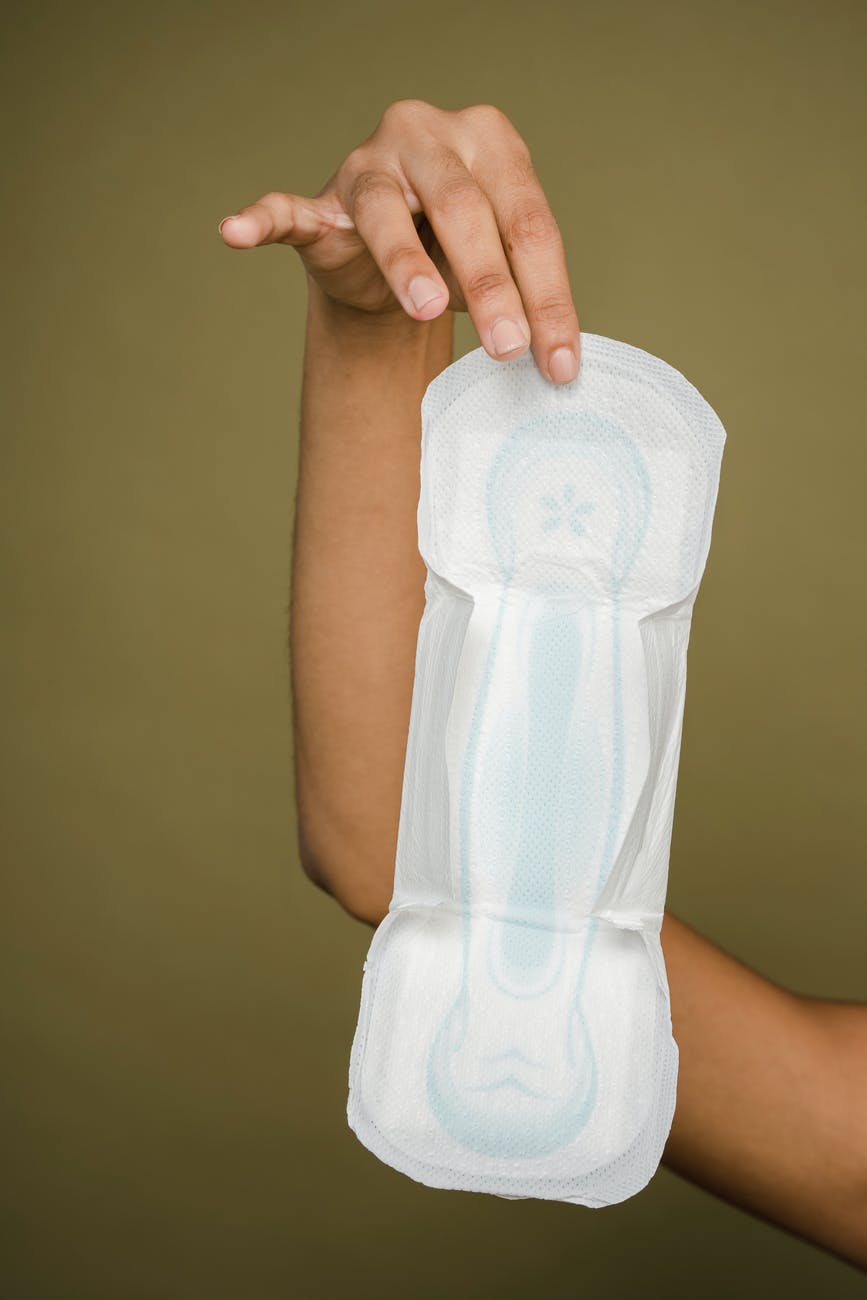
Sanitary napkin is one of the most widely used feminine hygiene products due to its convenience in usage and availability at an affordable cost. This ‘easy to use’ product is not only a potential threat to the environment but also causes severe health problems. These sanitary pads are made up of 90 per cent plastic that is non-biodegradable and non-recyclable which makes it difficult to be disposed of. The chemicals that are added for increasing absorption and reducing the odour can cause significant impacts on one’s health. Over time, the BPA present in the sanitary napkins and tampons along with other chemicals can enter one’s body and increase the risk of cancer in reproductive organs. The deodorants and fragrances directly enter the bloodstream and interfere with the embryonic development thus affecting one’s fertility.

Tampons are equally or more dangerous than sanitary napkins. The strings and applicators of tampons are made from polyethylene and polypropylene which makes them non-biodegradable. Studies have shown that longtime use of highly absorbent tampons can cause bacterial infections leading to fatal conditions like toxic shock syndrome. The disposal of the sanitary wastes is a big crisis as an average person who menstruates throws away up to 200 kg of menstrual products in their lifetime and they end up in landfills, on beaches or polluting our oceans for decades.

Menstrual cups come as an alternative for various problems generated by sanitary napkins and tampons. Unlike other products which absorb the menstrual blood, menstrual cups instead collect the discharge. They are made of medical-grade silicone or rubber which makes them easy to clean and durable for more than 5 years. This reusability of the menstrual cup itself is its major advantage which enables it to be cost beneficiary and eco-friendly. The proper use of a menstrual cup can reduce the chances of period hassles, rashes, skin infections and allows more physical movements without leakage. It can collect almost double the amount of blood than any other method making it more convenient to be used while travelling. Menstrual cups are getting more popular in western countries accounting its reusability and comfort. Proper practice and maintenance of hygiene can reduce the chances of risk caused by menstrual cups. The benefits of menstrual cups over other products makes it clear that they are a sustainable alternative barring certain drawbacks.

Sanitary Napkins: Saviour Of The Day, But Not In The Long Run

Menstruation can be very bothersome all by themselves. Period (No pun intended!). More for some people than others. And any conversation about menstruation is bound to include the topic of menstrual products. And for a large chunk of the female population, their go-to menstrual products are the sanitary napkins. Or as more commonly known, pads. Pads provide binding experience amongst the ladies. No kidding there. So many advantages of pads, doesn’t it seem too good to be true? Well, there is some news for you. Pads can be harmful too!

Under The Surface

Sanitary napkins, or more specifically the synthetic pads, are made up of components which are far from organic. Also, the organic compounds are not fool proof safe either. Going through these components, we have:

  • Dioxin: Contrary to the popular belief, the pure white colour of the pads are not due to cotton. Rather, the extra shine white is the final product of chlorine bleached fibres. A byproduct of this process, dioxin, has been pinpointed as a substantially damaging toxin for the human body, if in contact for a long period of time. The pelvic region has a quite sensitive skin, which has a higher absorption rate in comparison to the other regions. This makes the body more susceptible to absorbing dioxin, which also happens to be a carcinogen. Yup, cancer alerts! Substantial buildup of dioxin in the body increases the probability of having various forms of cancer. Another mention worthy fact is that dioxin stays in the body via fats and may remain upto 20 years. Apart from cancer, it is also the cause of pelvic inflammation, hormone dysfunction and some other problems.
  • Pesticides: Now, the first question that might pop in your head might be, where would pesticides be used in making pads? Well, the answer is, no, it is not used in the actual manufacturing process. But the cotton used to fill the pads sometimes has a substantial amount of synthetic pesticides in them, which unfortunately, is not totally removed during the making of sanitary napkins. Needless to say, they have their own set of adverse effects on the body, especially on the internal organs. On the gynaecological front, it may cause thyroid, hormonal malfunction, endometriosis or diabetes.
  • Plastic: The main purpose of using plastic is to make the pads leakproof and able to withstand a heavy blood flow. But sealing up the pad doesnt let the moisture escape, and combined with the body heat, it makes an ideal place for growth and multiplication of various microorganisms, most common of them being some bacterias and yeast. This in turn, leads to cases of vaginal allergies or infections. Apart from that, plastic is the main cause of period rashes and chafing.
  • Artificial fragrance enhancers: Blood in itself can be a gory sight. Adding unpleasant odour to this equation is a sure formula to have a bad mood through one’s menses. So, producers add odour neutralisers or artificial perfumes to the pads to provide a feeling of freshness. But at the end of the day, they too are harmful for the body. Apart from causing rashes, soreness or chaffing in the pelvic region, it can seriously interfere with one’s fertility, as for they are found to interfere with the foetal development.

All the components, by themselves and together, are also a threat to the environment. Every year, a sizable chunk of plastic pollution is contributed by the used pads. 

Tampons too, have some similar environmental and health effects. Apart from that, tampon use increases the risk of Toxic Shock Syndrome (TSS), which happens to be a rare but serious complication, caused by some particular bacterial infections.

The Alternate End

Obviously, all this information may distraught anyone who swore by these products. Now the next big question is, if not this, then what other options are there? To answer that, at present, menstrual cups, organic pads and reusable cloth pads are some alternatives available, to save the day! 

Period Leaves: Necessity For A Faction

Zomato, a restaurant aggregator and food delivery company, has been dominating the headlines of the tabloids since August. The reason? A landmark decision of introducing ‘period leaves’ for their women and transgender employees. On an annual basis, 10 leaves can be availed under this category. Regardless to say, this has stirred a full blown debate on and off the screens.

Though most of the people on Twitter have expressed support and elation over this progressive move, a faction of people have opposed the whole idea. The most common arguments that one will hear from the ‘against’ camp are about how women managed these with their sick/casual leaves. Or how the employers would be less inclined to include more female staff in the workforce, or consider them for an important position. Or, how there is a scope for the female employees to abuse these leaves and get an easy way out of commitments. 

Managing periods with casual leaves is a very ungrounded argument, for the labour policies vary drastically across different Indian states.  Under the Shops and Establishment Act, an employee working in Maharashtra has no sick leaves per say, and can avail a paid leave of upto 5 days for every 60 working days. On the other hand, an individual working in Assam can avail 12 sick leaves annually and has 16 earned leaves after 12 months of continuous service. This shows the glaring irregularity in the leave policies, which makes it very difficult for female employees of various regions to take menstrual leaves. Corporate sector needs to consider this, and seriously! Meanwhile, the government needs to find a ubiquitous solution too. As, this affects a significant working population of the public and private sector. The Menstruation Benefit Bill, introduced by Ninong Ering, a MP of Arunachal Pradesh in 2017, though didn’t see the light of the day, opened up the large avenue for consideration for the government. Bihar government has set an example here, by availing leaves of two days per month categorized ‘for biological reason’ since 1992.

We, as a society, have a flawed understanding about menstruation. As a result, most of the men, and sometimes women, consciously or otherwise, fail to acknowledge that menstrual conditions are far from universal. Each female experiences different kinds of pain and/or discomfort during their menstruation phase. Individuals with medical conditions endometriosis,dysmenorrhea, PCOS etc. suffer the worst brunt. Sometimes, even the travel to work elevates the pain and makes it unbearable. And trying to justify the gender bias on the basis of biological processes is a matter of regressive judgement. Now, a question might be possessed, is it constitutional? Especially when our Constitution stresses on equality. The answer is an undebated yes. Article 42 of the Constitution mandates “provision for just and humane conditions of work and maternity relief.” As a mid way solution, some companies have the provision of work from home, for those who have the desk jobs. This allows the female employees to work comfortably at their own convenience. Also, with the technological support available, attending meetings are also a possibility and in many companies, a reality. A bit of co-operation can go a long way for inclusivity of all the employees without any compromise on their health and well being. 

The naysayers made a special point regarding the field jobs, for it is more demanding and requires being in action all the time. Regarding this, journalist Barkha Dutt has argued how female employees have to work double hard in certain fields to prove their merit than their male counterparts. And the introduction of ‘period leave’ might leave them with an obvious disadvantage. While this is a valid concern and hence needs further discussion and deliberation, the moot point boils down to how this leave is an OPTION for those who are in dire need of it, and hence does not account for the blatant generalization that is being made.

At present, open conversation and sensitization about menstruation is a requirement. Because, the stigma attached with the leave prevents many women from availing it. With the taboo about menstruation in India, many women actually choose pain over the shame and embarrassment! The de-stigmatisation also creates an understanding and sense of empathy in the male counterparts. At the very least, individuals availing the leave deserve a ‘benefit of doubt’. Also, not everyone has the same pain threshold, so it is upon the females alone to decide if the pain is overbearing enough to avail the leaves. 

It is high time that menstruation is viewed just as a biological process, shedding all the social taboos attached to it. Then only, proper and inclusive discussions can be held regarding the validity of these leaves, where women from all spheres of economic development have their contribution.

Website referred:

https://paycheck.in/labour-law-india/leave-and-holidays/state-wise-leave-provision