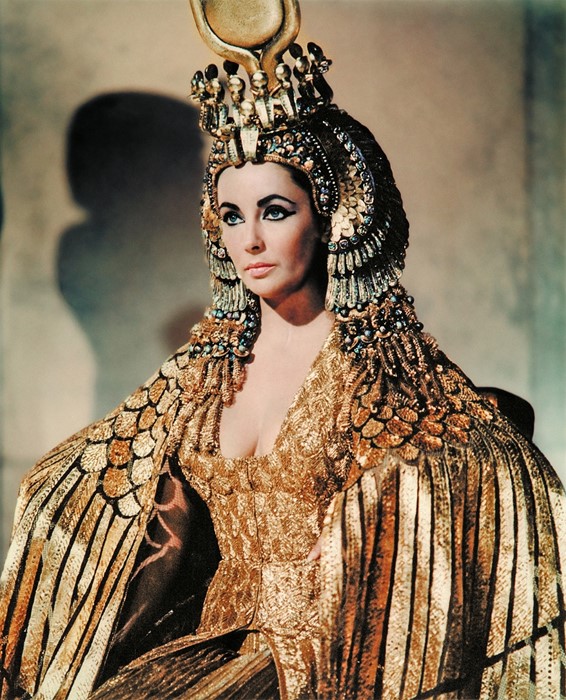
Cleopatra: The Queen, The Myth, The History

Introduction

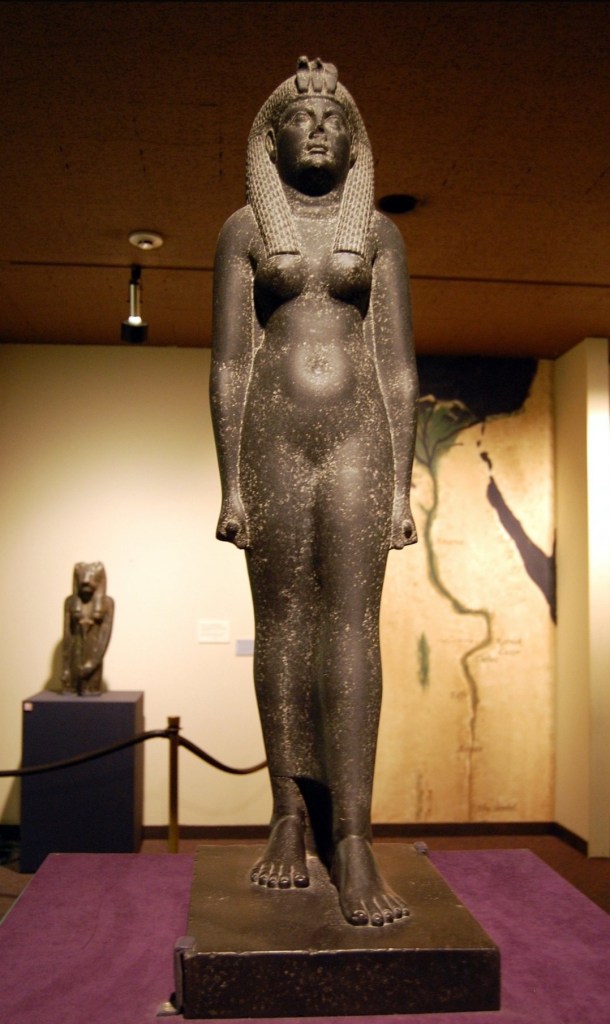
Statue of Cleopatra VII

The studies of History never ceases to amaze us with its unfolding secrets, bizarre facts and notable events that took place throughout ages. History has made many rulers popular, many famous and many infamous through their deeds during their ruling periods. But, Cleopatra VII of Egypt, still remains a fantasy for the connoisseurs of History for her incredible brain and beauty. In Today’s editorial, we’re going to discuss about Cleopatra, the empress of Egypt who enticed the world with her inevitable ruling skills and irresistible charm.
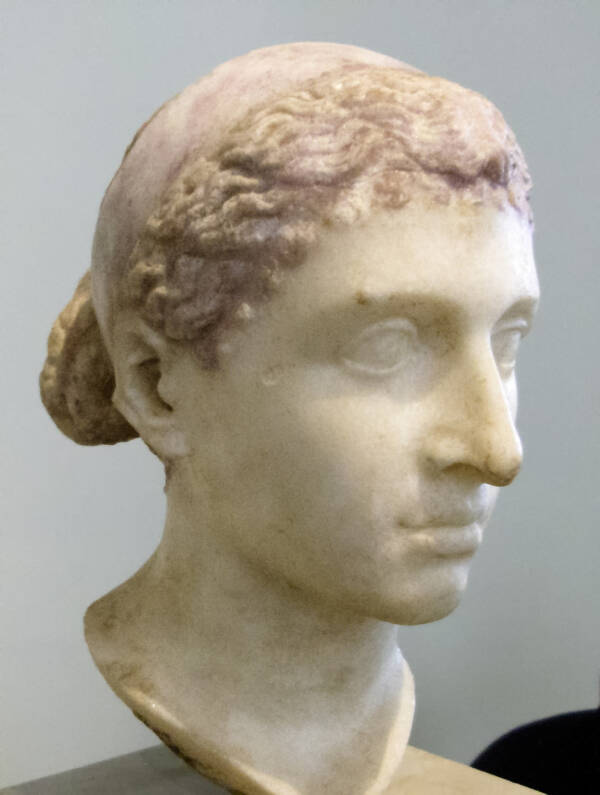
Cleopatra VII

Cleopatra: Who She Was

Cleopatra VII ruled ancient Egypt as co-regent (first with her father, then with her two younger brothers and finally with her son) for almost three decades. She was part of a dynasty of Macedonian rulers founded by Ptolemy, who served as general under Alexander the Great during his conquest of Egypt in 332 B.C. Well-educated and clever, Cleopatra could speak various languages and served as the dominant ruler in all three of her co-regencies. Her romantic liaisons and military alliances with the Roman leaders Julius Caesar and Mark Antony, as well as her supposed exotic beauty and powers of seduction, earned her an enduring place in history and popular myth.
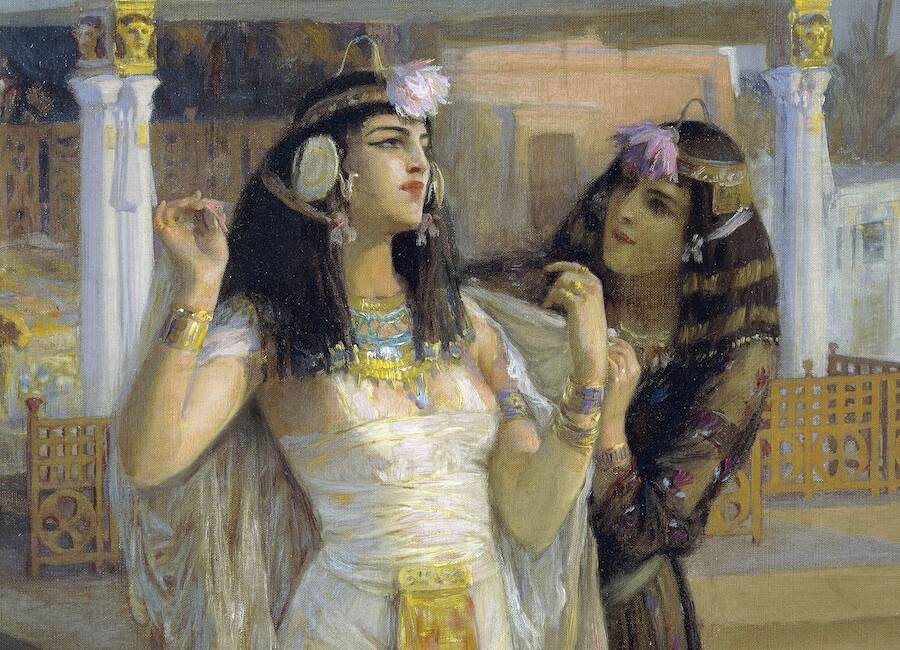
Artwork of Cleopatra, by Frederick Arthur Bridgman (1896)

Early Life and Ascension to The Throne

Cleopatra, in full Cleopatra VII Thea Philopator (born 70/69 BCE—died August 30 BCE, Alexandria) was the daughter of King Ptolemy XII Auletes. Cleopatra was destined to become the last queen of the Macedonian dynasty  that ruled Egypt between the death of Alexander the Great  in 323 BCE and its annexation by Rome in 30 BCE. The line had been founded by Alexander’s general Ptolemy, who became King Ptolemy I Soter  of Egypt. Cleopatra was of Macedonian descent and had little, if any, Egyptian blood. Coin portraits of Cleopatra show a countenance  alive rather than beautiful, with a sensitive mouth, firm chin, liquid eyes, broad forehead, and prominent nose. When Ptolemy XII died in 51 BCE, the throne passed to his young son, Ptolemy XIII, and daughter, Cleopatra VII. It is likely, but not proven, that the two married soon after their father’s death. The 18-year-old Cleopatra, older than her brother by about eight years, became the dominant ruler. Evidence shows that the first decree in which Ptolemy’s name precedes Cleopatra’s was in October of 50 BCE. Soon after, Cleopatra was forced to flee Egypt for Syria, where she raised an army and in 48 BCE returned to face her brother at Pelusium, on Egypt’s eastern border. The murder of the Roman general Pompey, who had sought refuge from Ptolemy XIII at Pelusium, and the arrival of Julius Caesar  brought temporary peace.
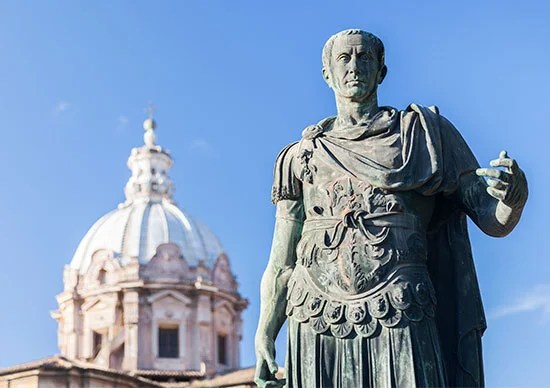
Statue of Julius Caesar in Rome, Italy

Cleopatra’s Romantic Roman Connection

Cleopatra realized that she needed Roman support, or, more specifically, Caesar’s support, if she was to regain her throne. Each was determined to use the other. Caesar sought money for repayment of the debts incurred  by Cleopatra’s father, Auletes, as he struggled to retain his throne. Cleopatra was determined to keep her throne and, if possible, to restore the glories of the first Ptolemies and recover as much as possible of their dominions, which had included southern Syria and PalestineCaesar and Cleopatra  became lovers and spent the winter besieged in Alexandria. Roman reinforcements arrived the following spring, and Ptolemy XIII fled and drowned in the Nile. Cleopatra, now married to her brother Ptolemy XIV, was restored to her throne. In June 47 BCE she gave birth to Ptolem Caesar  . The Child was believed to be Caesar’s child, and was known by the Egyptian people as Caesarion, or Little Caesar.
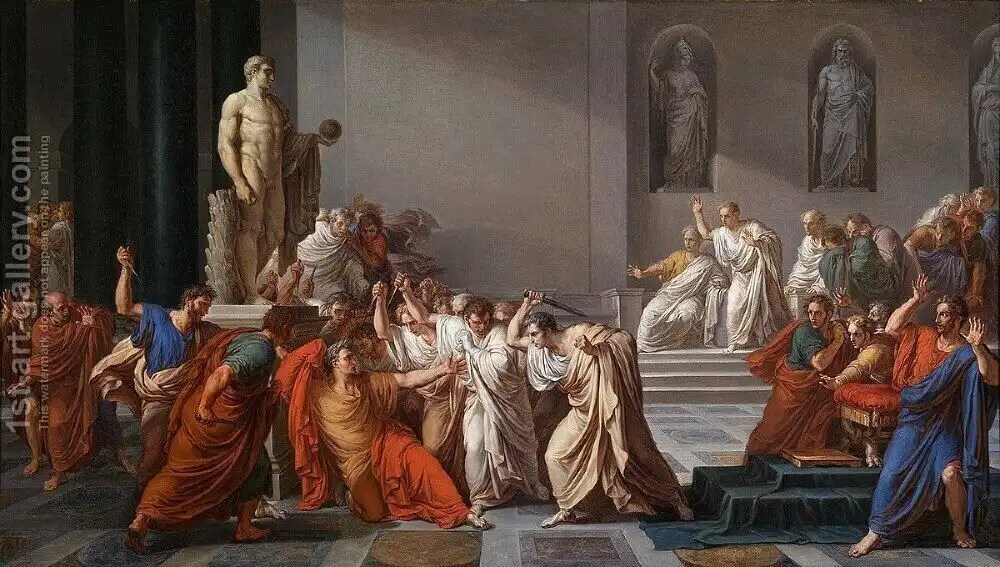
Assassination of Julius Caesar

Sometime in 46-45 B.C., Cleopatra traveled with Ptolemy XIV and Caesarion to Rome to visit Caesar, who had returned earlier. After Caesar was assasinated in March 44 B.C., Cleopatra went back to Egypt; Ptolemy XIV was killed soon after (possibly by Cleopatra’s agents) and the three-year-old Caesarion was named co-regent with his mother, as Ptolemy XV.
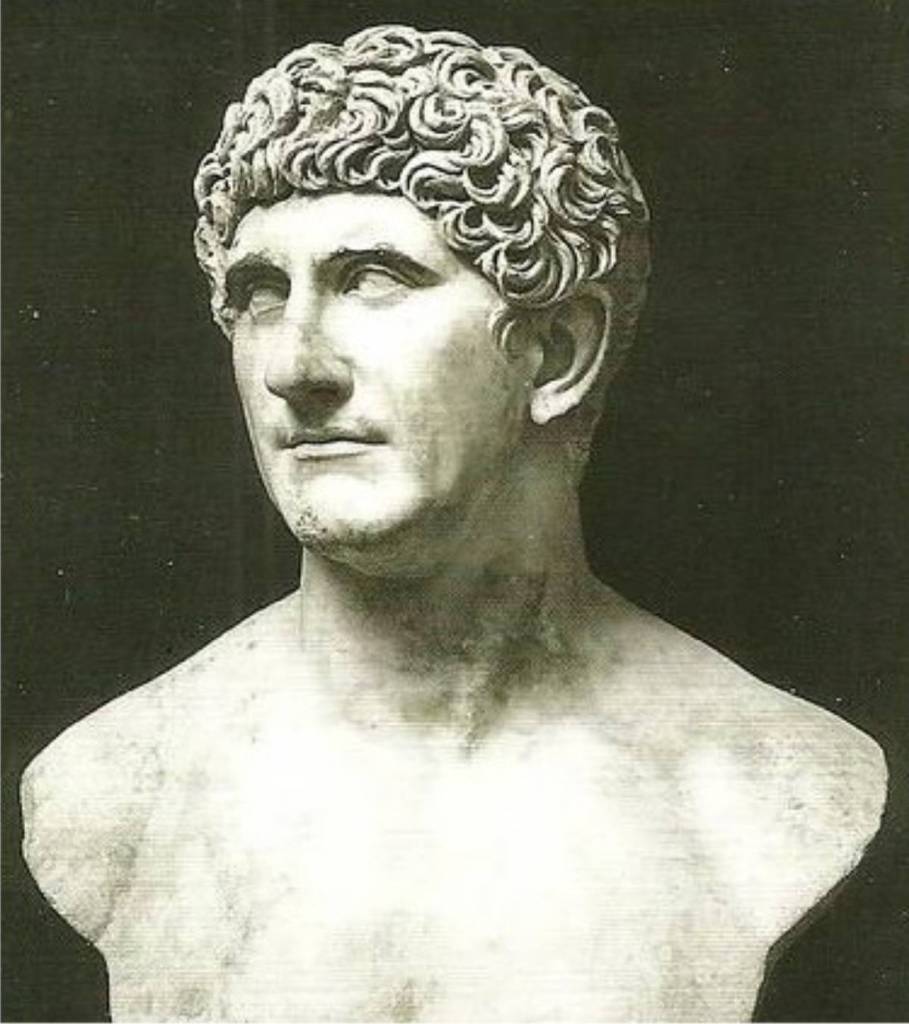
Mark Antony

Mark Antony: The Love of Cleopatra

When, at the Battle of Phillpi  in 42 BCE, Caesar’s assassins were routed, Mark Antony  became the heir apparent of Caesar’s authority—or so it seemed, for Caesar’s great-nephew and personal heirOctavian, was but a sickly boy. Antony, now controller of Rome’s eastern territories, sent for Cleopatra so that she might explain her role in the aftermath of Caesar’s assassination. She set out for Tarsus in Asia Minor  loaded with gifts, having delayed her departure to heighten Antony’s expectation. She entered the city by sailing up the Cydnus River in a barge while dressed in the robes of the new Isis. Antony, who equated himself with the God Dionysus, was captivated.
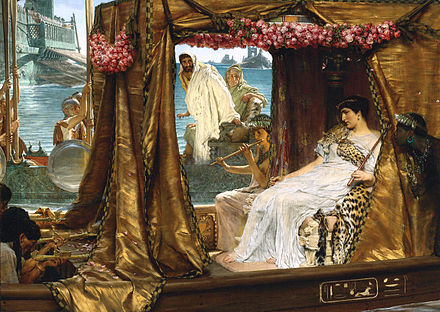
Decadent affair between Mark Antony and Cleopatra

In 40 BCE Cleopatra gave birth to twins, whom she named Alexander Helios and Cleopatra Selene

Cleopatra’s Death: The End

On September 2, 31 B.C., Octavian’s forces soundly defeated those of Antony and Cleopatra in the Battle of Actium . Cleopatra’s ships deserted the battle and fled to Egypt, and Antony soon managed to break away and follow her with a few ships. With Alexandria under attack from Octavian’s forces, Antony heard a rumour that Cleopatra had committed suicide. He fell on his sword, and died just as news arrived that the rumour had been false.
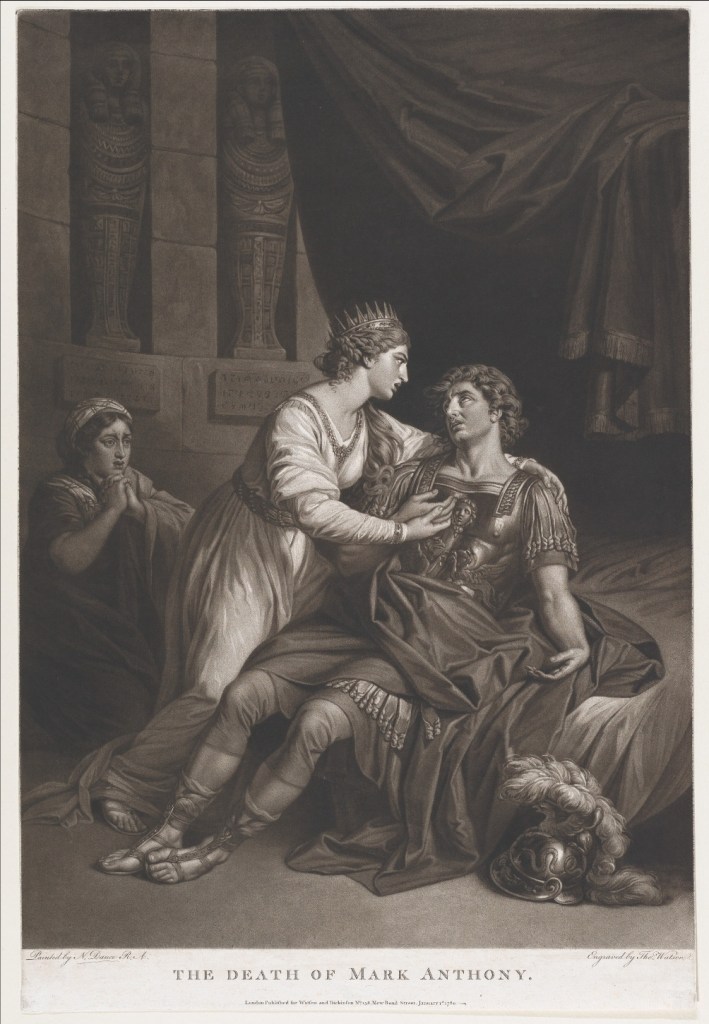
Mark Antony‘s Death

On August 12, 30 B.C., after burying Antony and meeting with the victorious Octavian, Cleopatra closed herself in her chamber with two of her female servants. The means of her death is uncertain, but Plutarch and other writers advanced the theory that she used a poisonous snake known as the asp, a symbol of divine royalty, to commit suicide at age 39. According to her wishes, Cleopatra’s body was buried with Antony’s, leaving Octavian (later Emperor Augustus I) to celebrate his conquest of Egypt and his consolidation of power in Rome.
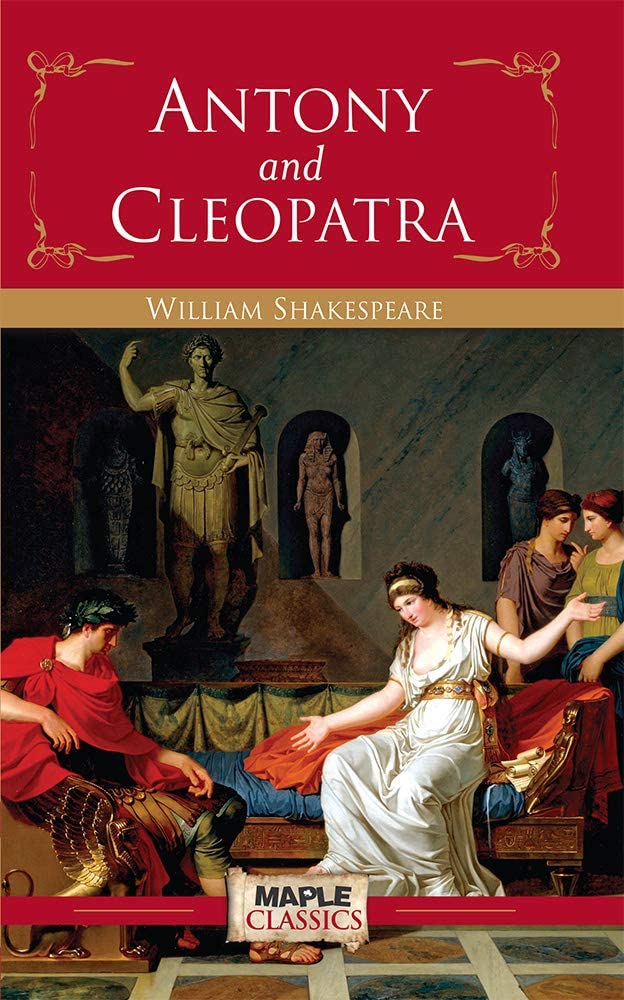
William Shakespeare‘s Antony and Cleopatra

Cleopatra: The Enchantress Throughout Ages

Cleopatra remains a charm to cultures having relevance even today. Her bizarre beauty hacks including pomegranate lip-tint and a bath regime curated out of jennet(female donkey) milk arestill a talk among Beauty enthusiasts. Her famous pearl in vinegar concoction drink stirs curiosity among people. Her life was made into various plays and movies. From Shakespeare stems a wealth of Cleopatra-themed art—plays, poetry, paintings, and operas. In the 20th century Cleopatra’s story was preserved and further developed through film.
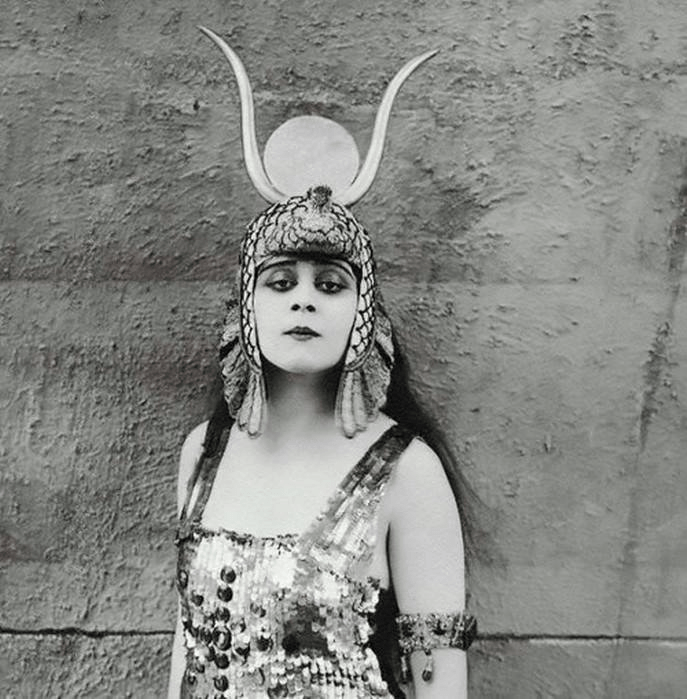
Theda Bara as Cleopatra (1917)
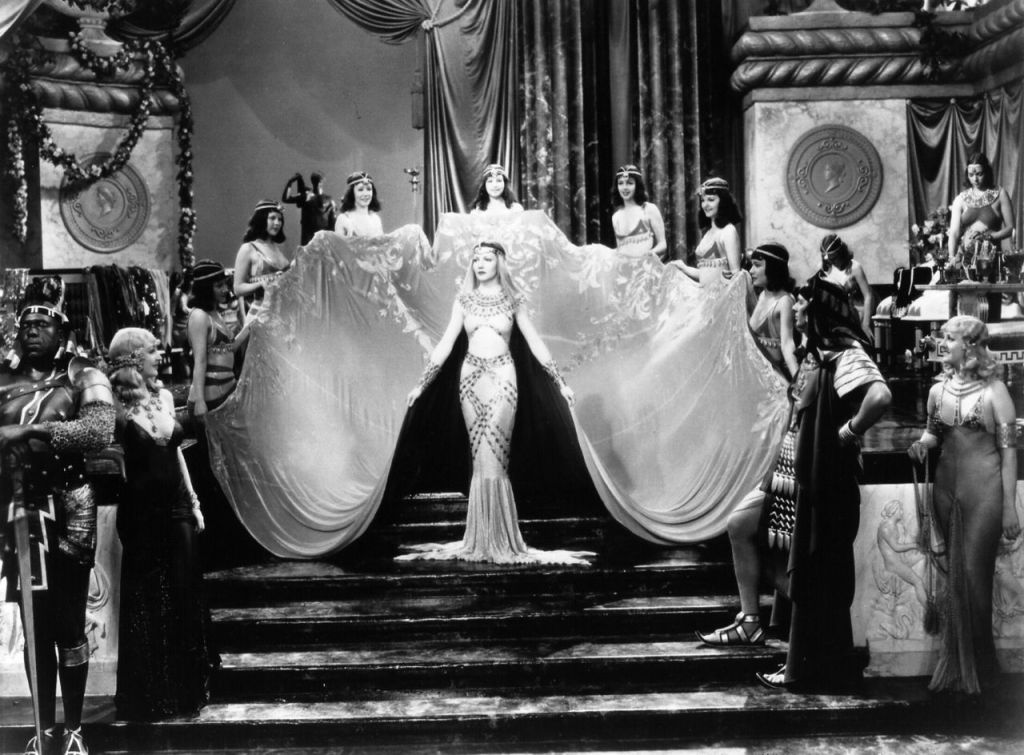
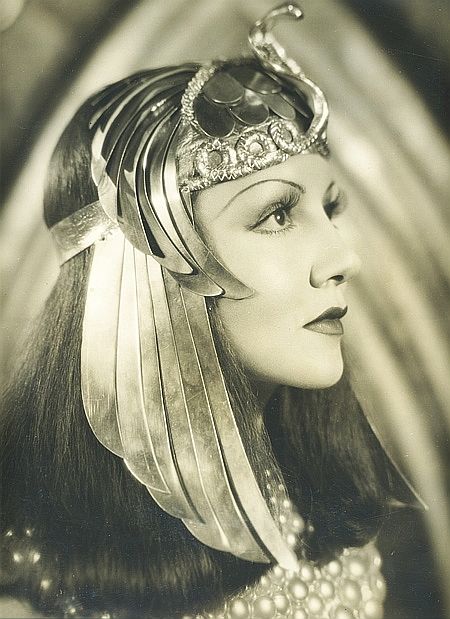
Claudette Colbert as Cleopatra (1934)
Cleopatra (1934)
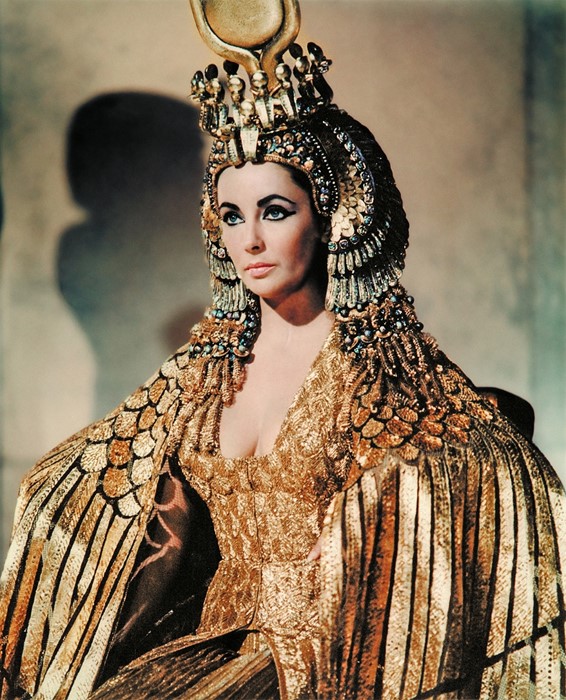
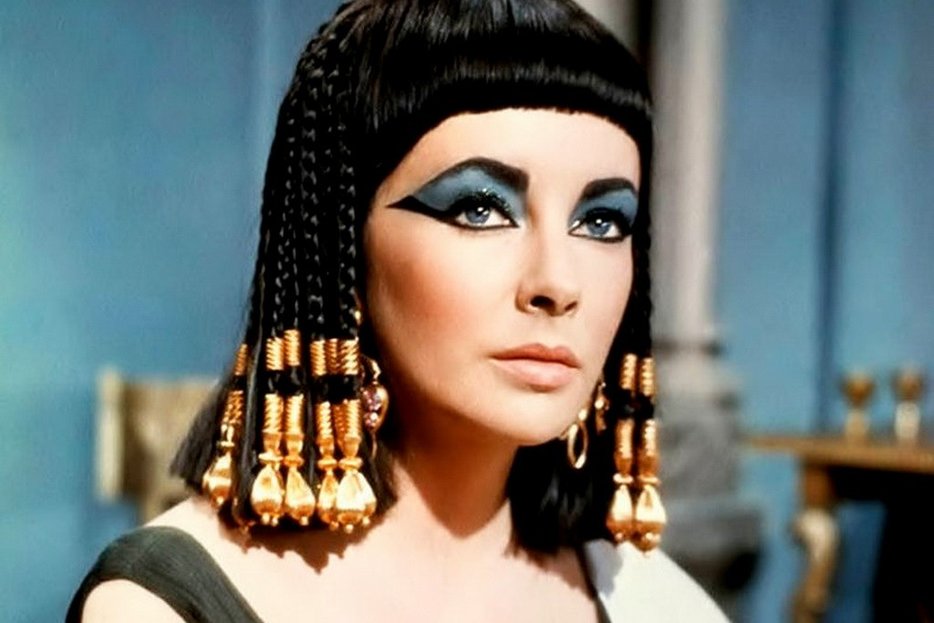
Elizabeth Taylor as Cleopatra (1963)
Cleopatra (1963)
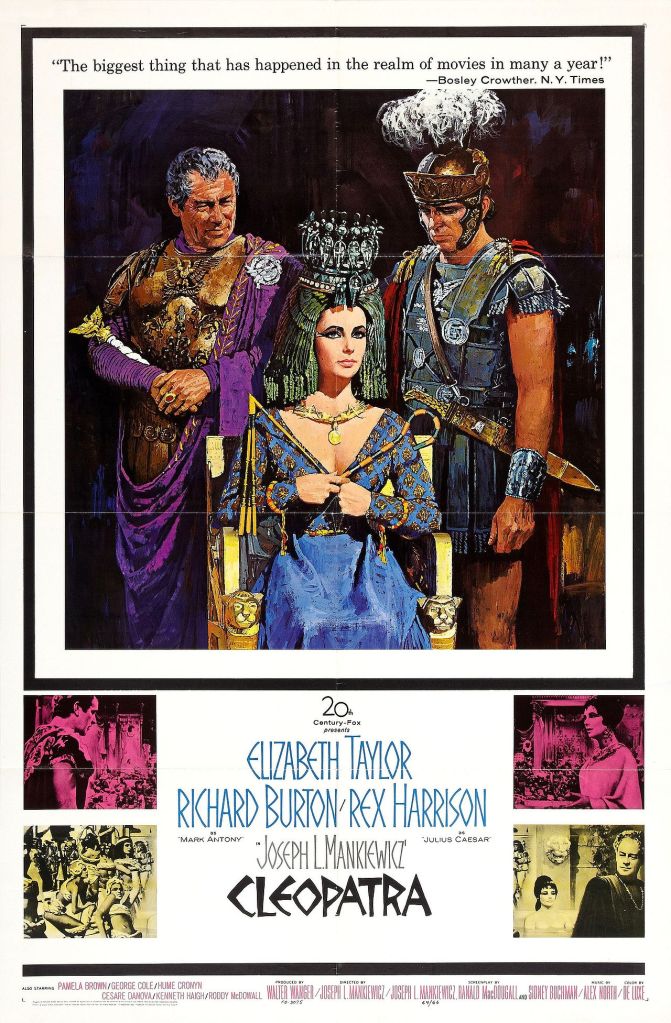
Cleopatra (1963) poster

Many actresses, including Theda Bara  (1917), Claudette Colbert  (1934), and Elizabeth Taylor  (1963), have played the queen, typically in expensive, exotic films that concentrate on the queen’s love life rather than her politics. Caesar and Cleopatra, four-act play by George Barnard Shaw , written in 1898, published in 1901, and first produced in 1906. It is considered Shaw’s first great play. Cleopatra, American epic movie, released in 1963, that was perhaps best known for its off-screen drama, notably production overruns that nearly bankrupted Twentieth Century-Fox  and the affair between stars Elizabeth Taylor  and Richard Burton.

Conclusion

A queen, an empress, a ruler, a passionate lover, a beauty with brainCleopatra was literally all in one. She’s definitely considered as one of the most celebrated queen recorded in World history. Tales of her rule and of her beauty still make her unforgettable to the modern Era of History learners. She was a legend, who is encrypted in History forever, with the never ending myths surrounding her life.

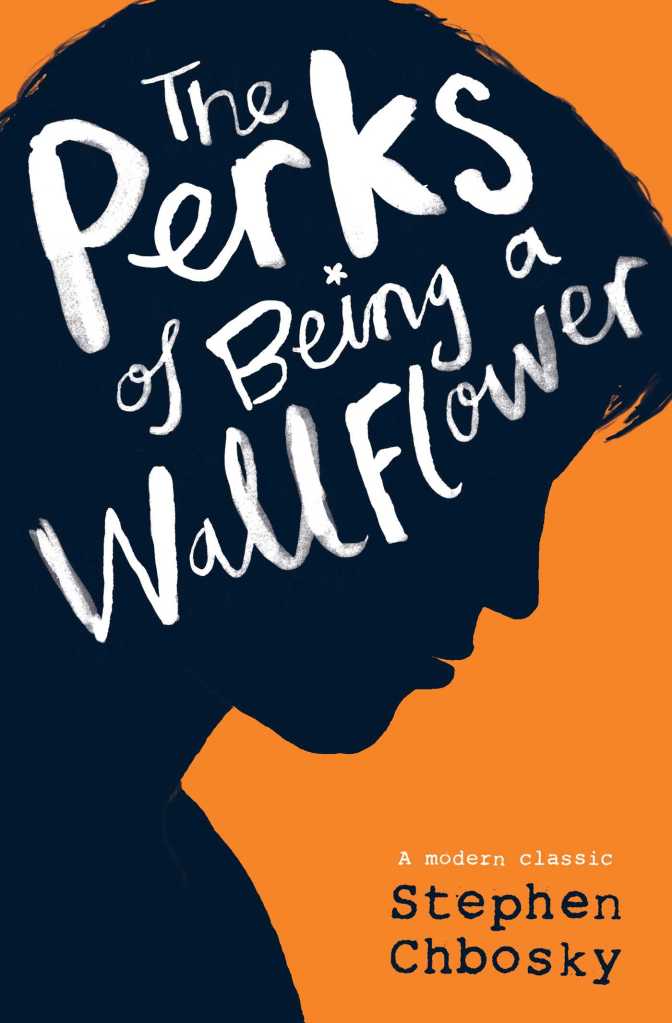
The Perks of Being A Wallflower: The Book Review

Cover of Perks of Being A Wallflower (1999)

Introduction

The Perks of Being A Wallflower(1999), is a modern age novel written by Stephen Chbosky. The novel is about the dilemma of passivity vs passion that marks the stunning debut of a provocative new voice in contemporary fiction. Stephen Chbosky has created this deeply affecting coming-of-age story, a powerful novel that would spirit the readers back to those wild and poignant roller coaster days known as growing up. The novel is later adapted to a movie under the same title in 2012.

About The Author

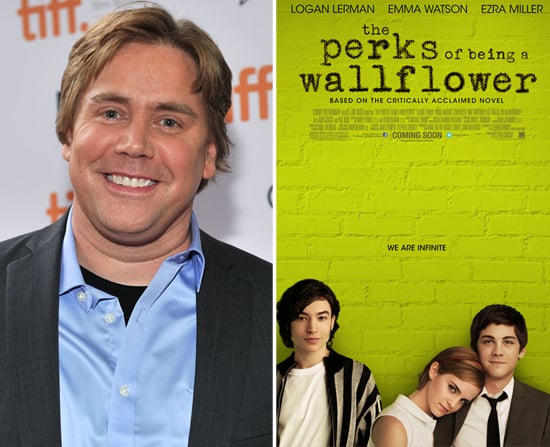
Stephen Chbosky is an American screenwriter, film producer, film director, novelist, television writer, and television producer. He is best-known for writing the bestseller The Perks of Being A Wallflower(1999), as well as for writing and directing the 2012 film adaptation of the book. Most recently, he directed the 2017 drama Wonder and the 2021 film adaptation of Dear Evan Hansen. His first psychological horror novel, Imaginary Friend, was published in October 2019.

Stephen Chbosky

Storyline of The Novel

The Perks of Being a Wallflower by Stephen Chbosky is narrated by fifteen-years-old Charlie, the titular ‘wallflower’, in a series of letters that he writes to a stranger, beginning the night before he starts his freshman year of high school in 1991. These letters catalogue Charlie’s attempts to “participate”, as he wanders wide eyed through a series of house parties and Rocky Horror Picture Show productions with his new, older friends. Along the way, Chbosky intelligently explores stock Young Adult themes such as mental health, substance abuse and sexuality, whilst simultaneously reminding the reader about how exciting it is to be young and idealistic.

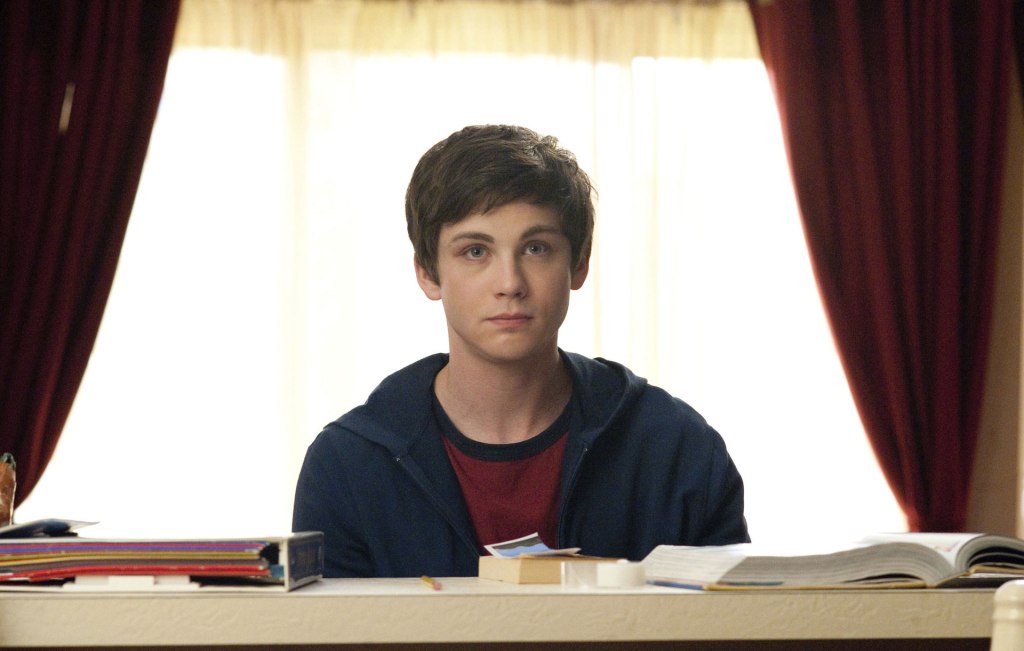
Logan Lerman as Charlie in Perks of Being A Wallflower (2012) movie

           Though shy and sensitive in nature, Charlie is an intelligent boy with unconventional thinking capabilities. His first letters starts with Charlie mentioning about suicide of his Middle School’s friend and death of his favourite aunt Helen and how these tragic incidents have took toll in his life. Charlie befriends two seniors Patrick and Sam and ends up indulging in alcohol and other drugs with Sam. In the meantime, Charlie also learns about his sister having relationship with an abusive guy and eventually getting pregnant. The flashback of his aunt dying in car crash stops haunting Charlie, as he starts enjoying company of his friends and Sam. While playing Truth and Dare, he is asked to kiss the prettiest girl in the room; he kisses Sam for which he faces neglect from the group. Overall this is a story filled with drama and lots of emotions, including, friendship, first love and teenage sexuality.

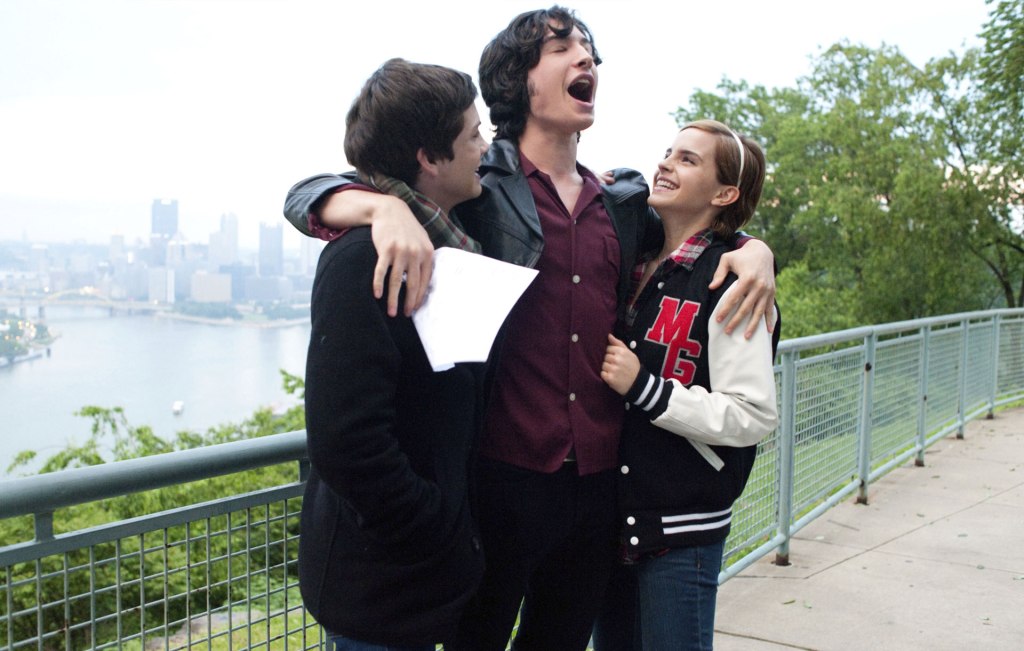
Logan Lerman as Charlie, Emma Watson as Sam and Ezra Miller as Patrick in Perks of Being A Wallflower movie

Analysis of The Storyline

Throughout the book, through the characters, the author seems to be attempting to answer some of the questions we all face at some time in our life. The author seems to be trying to find the reason why some good people chose bad people to love. This question is raised by Charlie to Mr. Bill and the answer he gives seems to be the central theme of the book “We accept the love we think we deserve”. This can be seen in various characters. Sam is in a relationship with a guy, who seems to consider that everything that is good about her, is good because of him. She seems to have gone through some tough times in her life, and the fact that she didn’t consider herself worthy, seems to have played a role in this.

Scene from Perks of Being A Wallflower movie

The whole book seems to be asking the reader to love themselves. The author, by writing the story as a series of letters, seems to be trying to speak to the readers, as if speaking to a friend, a friend he sees in high regard, no matter how they see themselves.

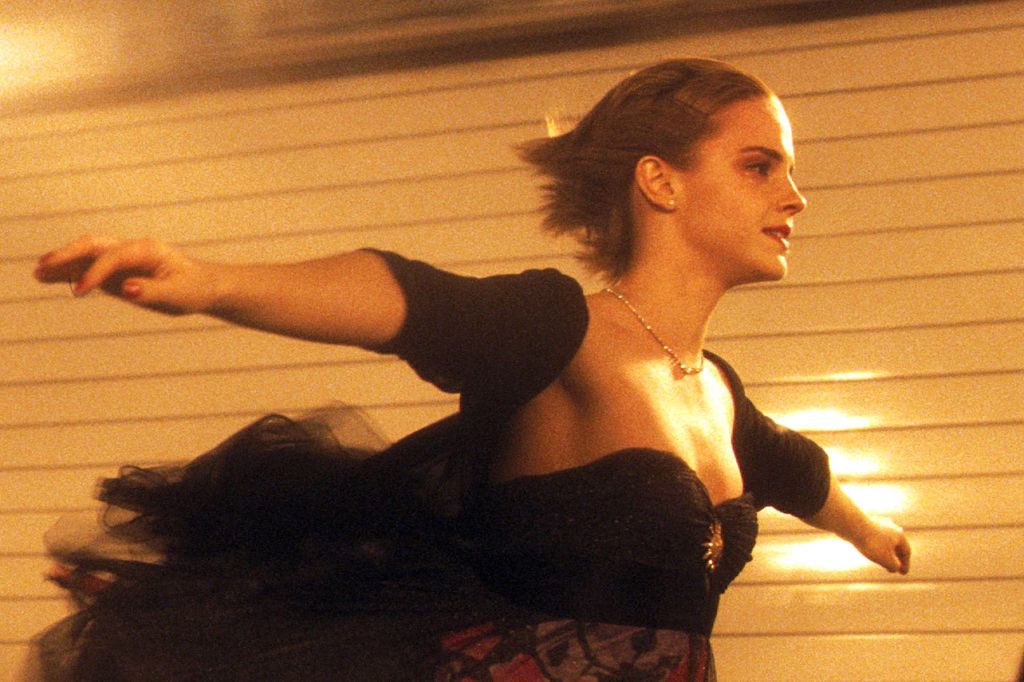
Iconic scene of Emma Watson in Perks of Being A Wallflower movie

Criticism of The Storyline

Charlie, the protagonist of the novel suffers extreme teenage crisis that sometimes breaks the readers’ hearts that all he had to handle alone inside his head. The book shows all the sides of being a teenager and isn’t afraid to cover mature themes. The book uses its more mature situations in order to relate to teenagers. Many teenagers have experienced these hardships either first hand or by hearing about them. The characters partake in activities that some may see as unwise. These are in the book however to add realism not to encourage or promote these acts. This book will most likely only be fully appreciated by older teenagers due to its unflinching depiction of teenage life. Before reading this book readers should know there are themes of sexual abuse and those that are sensitive to that topic should be cautious about reading this book. 

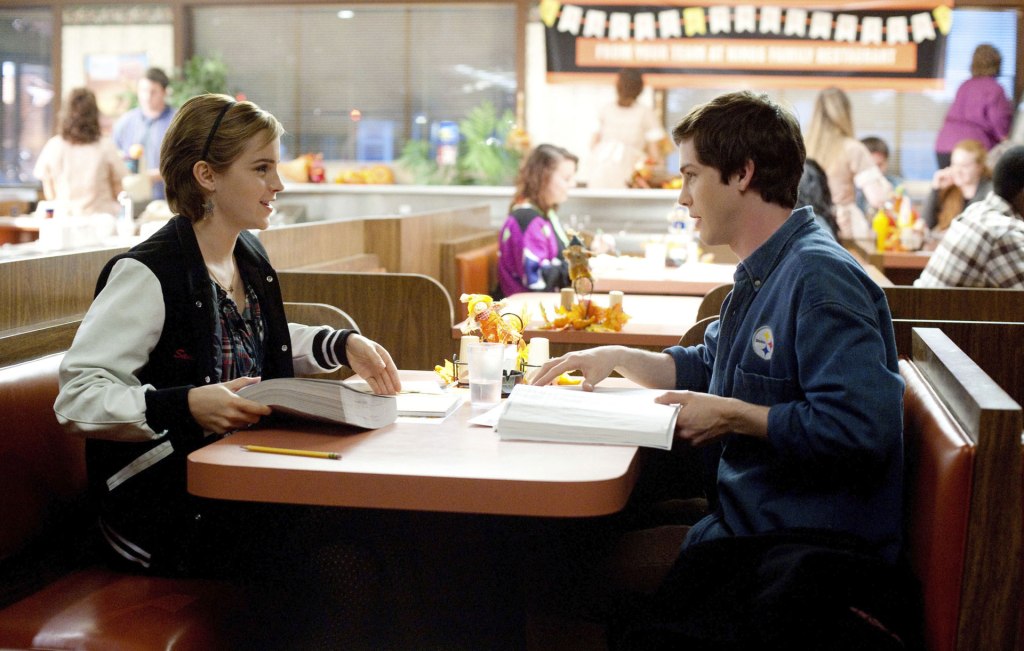
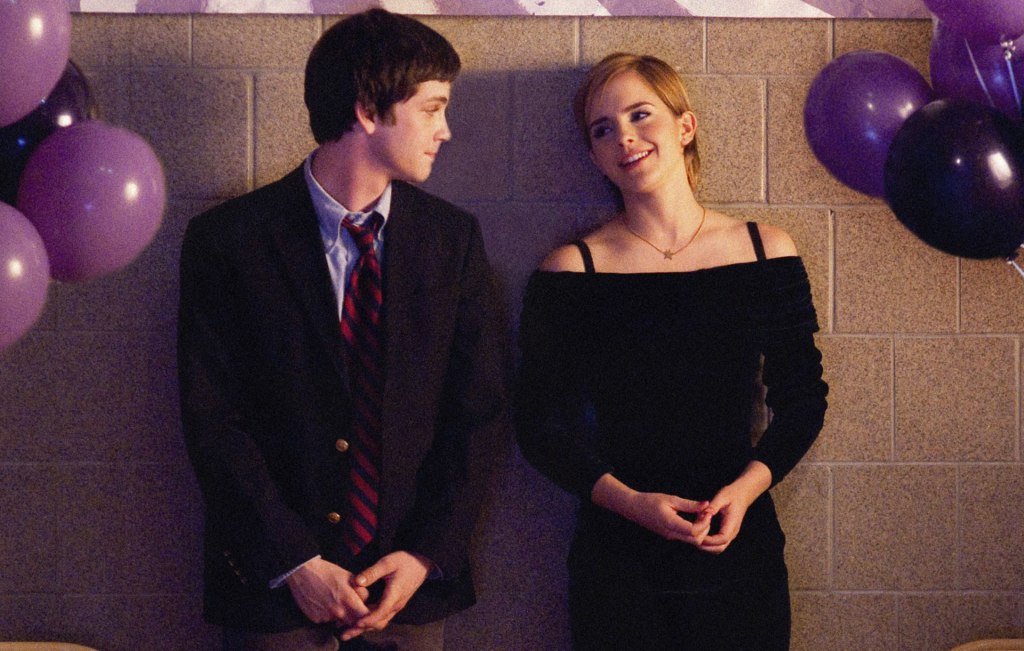
Logan Lerman and Emma Watson in Perks of Being A Wallflower (2012)

Conclusion

The book has received love all over from many of its readers for its very realistic portrayal of teenage life, complex characters, and thought-provoking commentary from Charlie. This book displays a wide range of emotions. Its relatable and complex characters allow the readers to feel the same emotions the characters are feeling. The book’s use of journal entries to tell its story helps the reader connect to Charlie and it adds to the realism, which makes this book an absolute winner.

Dhamaka’ movie review: Sound of social implosion

The disturbing thoughts swim in the conscience as one could clearly hear the sound of social implosion in Ram Madhvani’s compelling thriller, lined with commentary on media ethics


In the week of big public apology, comes a film where a common man seeks repentance from a powerful minister for not being able to do his duty. A gutsy idea that fills you with nervous energy, the film is an official remake of a Korean flick but, closer home, it reminds you of the angry common man of ‘A Wednesday’.

In the Neeraj Pandey film, the desperate everyman threatened to bomb Mumbai, here the despairing migrant crosses the line. The film makes you wonder what has changed in the last decade. Perhaps, the trust of the marginalised has been breached. Perhaps, it was reflected during the mass exodus from big cities to villages during the pandemic. It is not that the last man standing in the row was getting attention earlier but he was not being fed hope by a section of rapacious media. His trust was not being played with 24×7.

What seems like a ‘usual’ terror attack/ hostage situation to him that he intends to milk, quickly turns personal as his estranged wife (Mrunal Thakur) is reporting from ground zero. Even as the threat lurks into the newsroom, the remnant of journalism left in his system is smoked out by a hard-nosed producer Ankita Malaskar (Amruta Subhash). For her, truth and news are two different things.

In the ensuing moral battle, it becomes increasingly clear who is the bigger villain of the piece. But, at the same time, the narrative also becomes increasingly predictable. As the taut thriller starts getting flaccid, you start picking up faults in the plot. When a film takes a high moral ground, the margin to slip also reduces. When a film that seeks to expose the artifice of prime-time news starts looking staged, it pains.


The set design and cinematography are top-notch but the functioning of the newsroom, the motivations of the ‘villain’, and the actions of the officer of the anti-terror unit (Vikas Kumar) leave you unsated. After taking you to the edge of the seat, the climax is a tad disappointing. A few more drafts, a little more sharpness would have helped. No such issue with Amruta who excels in a minutely observed character that exemplifies the state of a section of electronic news media.


Karthik has been astutely cast in the role of the hollow television anchor fattened by opportunism, teleprompter, and TRPs. Like in ‘Love Aaj Kal’, he plays the ‘straying’ part well but when it comes to the transformation, he fumbles. Thankfully, that portion is short here.

Dhamaka is currently streaming on Netflix.

PORTRAYAL OF WOMEN IN INDIAN MEDIA

Media plays such a major role in the lives of human beings. Over the last decade, media has become a powerful tool that mirrors social life of commoners and celebrities. However, the role that media plays in portraying gender democracy is still a matter of debate. Media has a significant impact on how social and cultural norms relating to women form and evolve. Over the past couple of decades audiences have been exposed to women in strong and independent roles in the media. This propagates the sense that western modernity and increased presence of free market promotes gender equality in a India.

PORTRAYAL OF WOMEN IN DAILY SOAPS

  • It does seem a little bizarre to see contemporary TV serials and soaps projecting women more as models of expensive costumes, jewellery or heavy sarees. 
  • Moreover, the stereotypes used such as a wronged wife, a dominating mother-in-law, bitter relationships between sister-in-laws, portray women in conflicting roles.
  •  Also, daily soaps fail to include all the career options that are now being taken up by Indian women, new modes of lifestyle being adopted and remain stuck up in certain deep-rooted notions that are hard to be erased.
Mother-in-laws are often portrayed as ill wishers of the daughter-in-laws

PORTRAYAL OF WOMEN IN ADVERTISEMENTS

PAST SCENARIOPRESENT SCENARIO
1. In the past, women were portrayed as subjects of mockery and were allotted with submissive roles in television commercials. 1. In the present scenario, women are often shown playing lead roles in television commercials.
2. Women were deliberately depicted subordinate to their male counterparts. 2. Males and females are equally portrayed in brand endorsements.
3. The looks of a women were made use of, to endorse a product. Hence, females were said to be openly objectified in advertisements. 3. Women are rarely seen doing stereotypical roles, instead they are shown as heads of a family, position holders at workplace, achievers of glory in sports and ultimately independent.
TVC IN THE PAST ‘Stereotypical role’
CURRENT TVC – ‘Portrayal of gender equality’

PORTRAYAL OF WOMEN IN MOVIES

  • Bollywood has shaped and expressed the changing scenarios of modern India.
  • It has influenced the way in which people perceive various aspects of the society. 
  •  Despite the progress that bollywood films have made and the, things haven not changed much for Indian women, as objectification of women still continues in most of the Indian movies.
  • In many movies of present times, female characters are needlessly under represented. Also, publisizing vulgar lyrics and dances in the name of item songs is very derogatory for women.
  •  Women are shown as helpless victims or cunning villains. Generally, the lead hero is the one who solves everyone’s including heroine’s problems.
  • Movies depict actresses as unrealistically beautiful. This causes a lot of trauma and insecurity in the female audience. Laymen are generally unaware about the number of beautification surgeries and make up procedures which the actresses undergo to look perfect.
  • In movies, stalking and eve-teasing is depicted as love in Indian movies. In many movies, female characters are attracted towards these abusers. Due to this, several young men indulge into harassing women in the name of love.
Stalking and eve teasing is often normalized in Bollywood movies

In conclusion, we can say that media has successfully stereotyped women in a negative way. It is true that women’s participation and presentation has advanced in various dimensions of social and political life but we still have a long way to go. It is high time that we learn to voice our disapproval against such practices and stand up for positive portrayals of women. The real women inspirations of India shall be depicted on all such platforms.

The admirable women of India

Thappad And The Volume It Speaks

Thappad: Bas Itni si Baat? Is a Hindi Movie directed by Anubhav Sinha, starring Taapsee Pannu as the main lead, Amrita. Some other cast of the movie include Pavil Gulati as Vikram Sabharwal, Amrita’s husband, Tanvi Azmi as Sulekha Sbharwal: Amrita’s mother-in-law, Kumud Mishra and Ratna Pathak Shah as Amrita’s Father and Mother and many other artists.


The movie’s main plot revolves around the orthodox Indian belief that woman should bear the responsibility of protecting her marriage and for that sake bearing any form of injustice or violence that she is faced upon with, in a silent and obedient manner. Thappad movie subtly touches the hearts and minds of the audience as it conveys a strong moral message that is highly needed in today’s world. This makes the movie stand out from the regularly entertainment-based movies that are preferred by the present generation in great demands.


The movie starts off by showing the dedicated house-wife Amrita who puts forth the needs of her husband and his family before her own wishes. Her husband Vikram, who is a workaholic is seen to prioritize himself and his needs before Amrita’s and expects Amrita to do the same. The story takes a major turn when Vikram slaps Amrita in the party organized at home, in anger and frustration due to some promotional issues in his company.
After this, the movie rolls forward with the decision of Amrita to take some time off from Vikram and his family in order to sort out her overwhelming feelings that occur after the slap incident. Thereby Amrtita deciding to return to her own home.


This whole plot raises not only a question of ethics and moral rights but also gender inequality.
The female characters in the movie are trodden and looked down upon by their own husbands and in-laws, just for the reason that they are females, thereby highlighting the thinking of Indians towards female.


The movie shows how even when a woman faces inequality in her marriage, the society and her own family expects and teaches her to bear the inequality and domestic violence all for the sake of protecting her marriage. We see the mother-in-law making comments like, “log Kya kahenge” and “Aaurto ko thoda sehna siklhna chaqhiye.” Throughout the story when Amrita suffers from the dilemma after the slap, no one comes for her comfort and neither does anyone blame or tell Vikram that he is at fault. Again, highlighting the concept of Man to be always right no matter what he does in his marriage.


Amrita’s fight doesn’t start because of a single slap, but the story perfectly weaves the injustice that she has been bearing up and moving on all along. It’s just that it takes that one slap for Amrita to realise how she has been living all along in her marriage. How she had to kill her only wish in life, which was to have respect and be happy. She realises how after her marriage all she did was become a submissive housewife. Though Vikram plays the negative role, who even after slapping his wife thinks that it was just an act due to heat of the moment and does not feel sorry for his action, is still empathised towards the end as he finally realises his mistake. This portrays how parents play a major role in the upbringing of children, as they are the first teachers from whom they learn the right and wrong in life.
Another gruesome scene that wrecks the heart of the audience is when the female lawyer is being raped by her own husband. One who does not know the definition of rape might not consider this as rape, however the definition of Rape is having sex with another person forcefully and without the consent of the other person. This applies even in relationships and to married couples. The female lawyer clearly denies the husband’s approach to have sex with him, however she finally gives up her struggle to resist when her husband forces himself upon her. The outline drawn from here is how women are expected to please and be sex objects for their men. A disgusting conventional ideology that still pertains in India is how husbands have the right to do whatever they like with their wives even when the wives do not agree to it.


The movie satisfies to a great extent and conveys a very important message that how women should stand for their own happiness and respect even if it means going against the odds. It also talks about how the preaching’s of the society are not always right. Although I liked the movie on a whole, but I was a bit disappointed by the ending of the movie. According to me, it ended on a positive note, with Vikram realising his mistakes. This may make the audience lose faith in the concept of fighting for their rights because it’s not always going to be this easy for your significant other to realise his fault. Also, the ending in a way hints the possibility of Amrita and Vikram getting back together ion future which may not always happen in every case. Apart from this, I feel the movie was great and is a really nice movie to watch and teach the present generation.

Movie Review- The Perfect Date

Movie The perfect date

In olden days love was simple , yet turned out to be the most beautiful one. But as the technology developed and world became modernized day after the other , people expected same out of love. They wanted something unique and exquisite out of love. In this process they fail to understand the real version of their partners. They struggle to unleash the real version of their inner soul to their soulmates(find another word). Most people are attracted by the gifts and gestures by their partners with no clue how they feel about the same. This is the reason why we are getting a feeling that love is complicated.

Driven by Dreams:

The hero is a young high school lad who has 3 important dreams

  1. To get admission in Yale University
  2. To have the most popular girl in the city as his girlfriend
  3. To have his own luxury car
    He works after his school in a subway shop to save money for his education. Disheartened by the fact that he is not able to save enough money for his expenditure , he is desperate to find ways that will fetch him more money. Once he was offered money to take a girl called Celia to a date. That’s when an idea sparkled in his mind. With the help of his friend he built an app where girls can book him for a date with their expectations out of him so that he can match them on the date.

Realisation:

The idea worked out. Bookings started to pour down from all over the city and he was overwhelming with the success. He changed himself everyday according to the expectations of the girl he dates. He also starts to date the most popular girl in the city.But at one point of time he realises he has lost the ones who have loved him for who he was without any expectations. Things he did to bring back things normal and the ways he cherished what he had in his life unfolds thereafter.

Love is all about accepting the person for who they are at the moment . Anything that is force fed will not last longer. Also there is no time for that you must fall in love. You can take your own time to figure things out.

https://www.npr.org/2019/04/12/712246447/the-perfect-date-a-teen-romcom-by-any-other-name-is-reasonably-swee

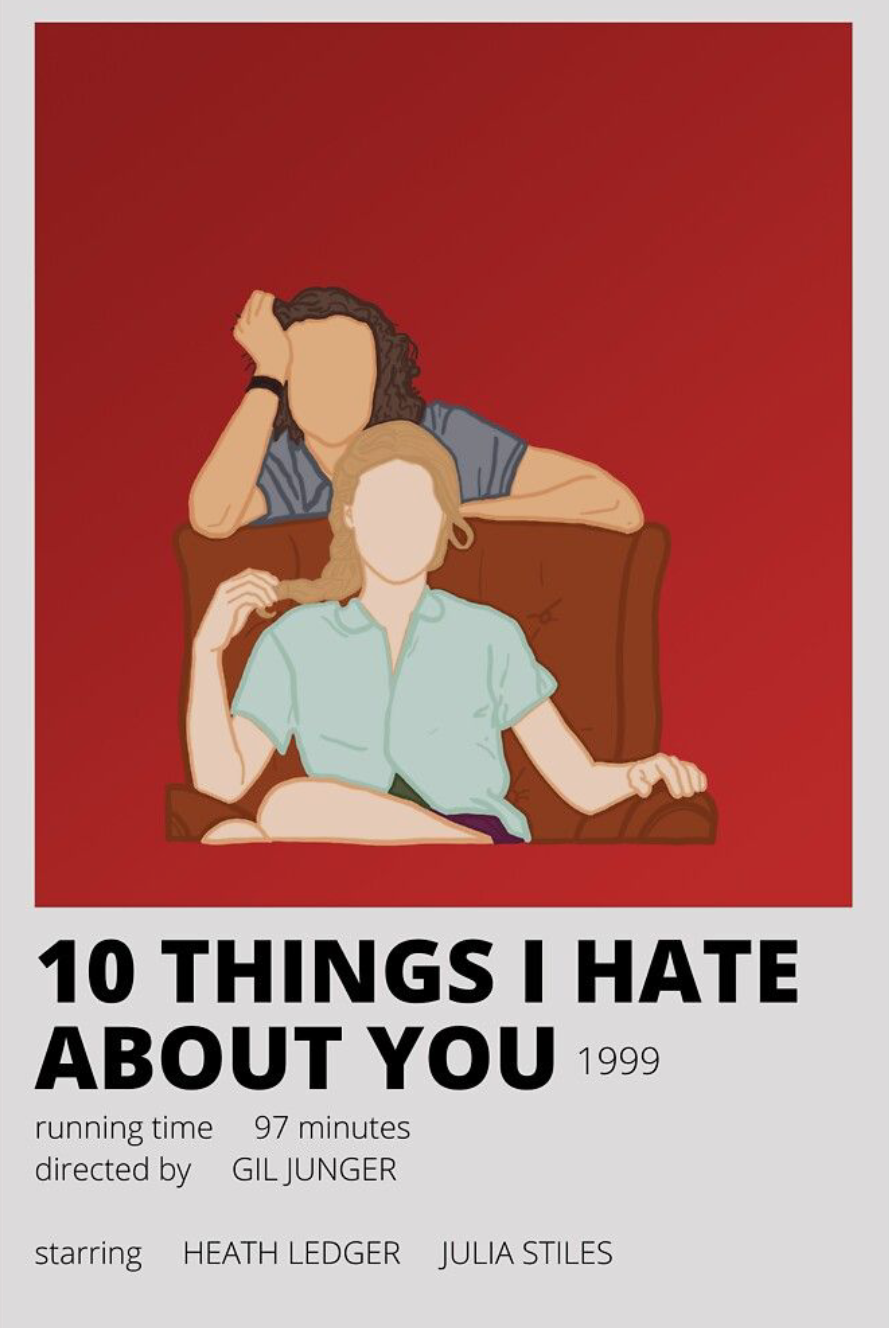
10 things I hate about you (who hasn’t seen this movie) and 10 reasons I’ll give to convince you to watch it.

Directed by: Gil Junger
Production company: Touchstone pictures
Running time: 1 hour 39 minutes worth your time.
Based on: Shakespeare’s ‘Taming of the shrew’.


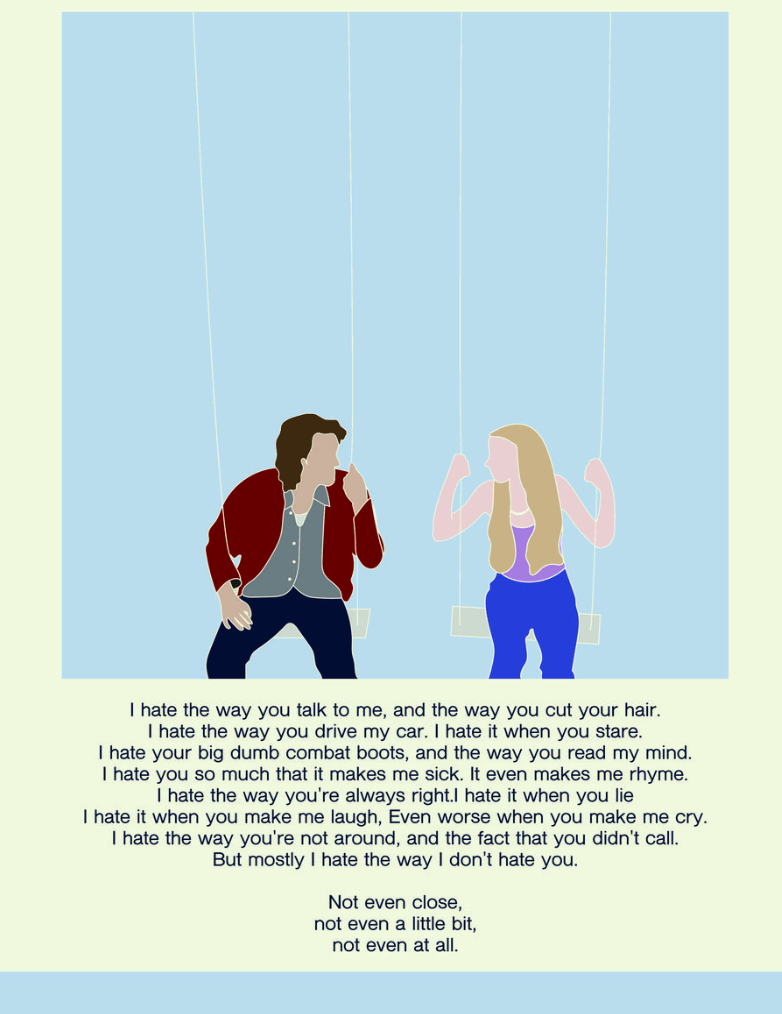
A newcomer at Padua high school ( filmed at Stadium High School, Washington), Cameron falls in love (at first sight) with Bianca the beautiful. Rich and handsome but dumb Joey has his eyes on Bianca as well. Kat is the older sister of Bianca who doesn’t care about social life. Their strict father won’t let Bianca date unless her sister does. In order to take Bianca out Cameron along with his geek friend Michael makes Joey to pay bad boy Patrick to take Kat out. Things don’t go as smoothly as planned but that’s the fun part. Patrick’s ways to impress Kat is reason 1. Reason 2 is that fight that happens. Reason 3 love can make bad boys turn soft. Check out the movie for details.


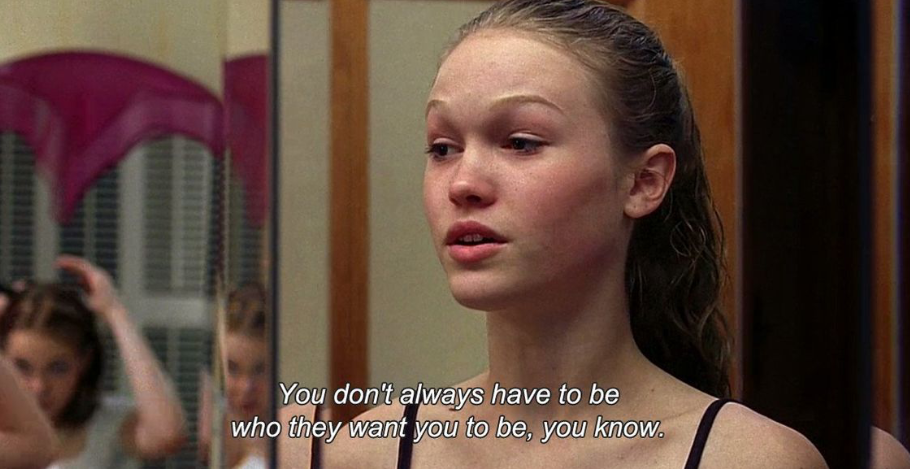
Reason 4, the cast: Heath Ledger as Patrick Verona10/10 actor, Julia Stiles as the savage Kat Stratford damn I worship her, Larisa Oleynik as Bianca Stratford perfect for the role, Joseph Gordon-Levitt as Cameron James again perfect for the role. Rest of the cast is irreplaceable as well.


I am seriously obsessed with this movie. I have literally watched this one multiple times and have the whole script learnt by heart. I suggest anyone whom I cross paths with to watch this. Reason 5, it is definitely hands down one of the best rom com out there.

Reason 6,


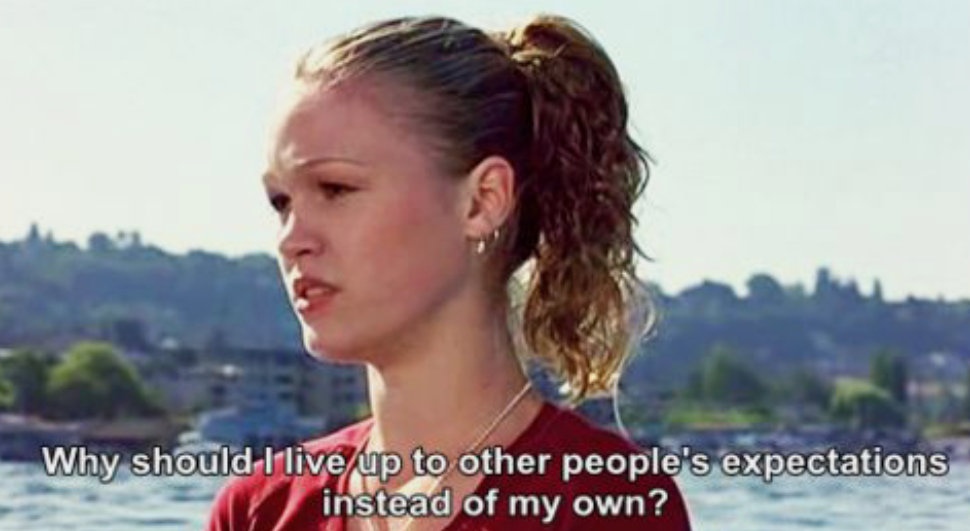
Reason 7, “Patrick Verona: See, first of all, Joey is not half the man you are. Secondly, don’t let anyone, ever, make you feel like you don’t deserve what you want. Go for it!”

Reason 8, (lesson learnt)

Reason 9, (lesson learnt)

This can totally be a movie for your family night. Who doesn’t love a rom com plus it has Heath Ledger. Though the movie does contain a few slang words but that’s mild. Trust me it will leave you smiling at the end all satisfied.

Reason 10, 7.3/10 IMDb rating and 11/10 from me.

Thank you for reading. Have a nice day!

Shrestha Dutta is a high school pass out (batch 2019-2020) from DeNobili school Dhanbad, Jharkhand. She is a design aspirant and currently preparing for NIFT entrance exam.
Shrestha is passionate about art, books, movies, fashion. Team Marvel (cinematic universe). She is a normal teenager who has a lot of questions about life. She is an optimistic and happy person in general.

“Bulbul” movie review

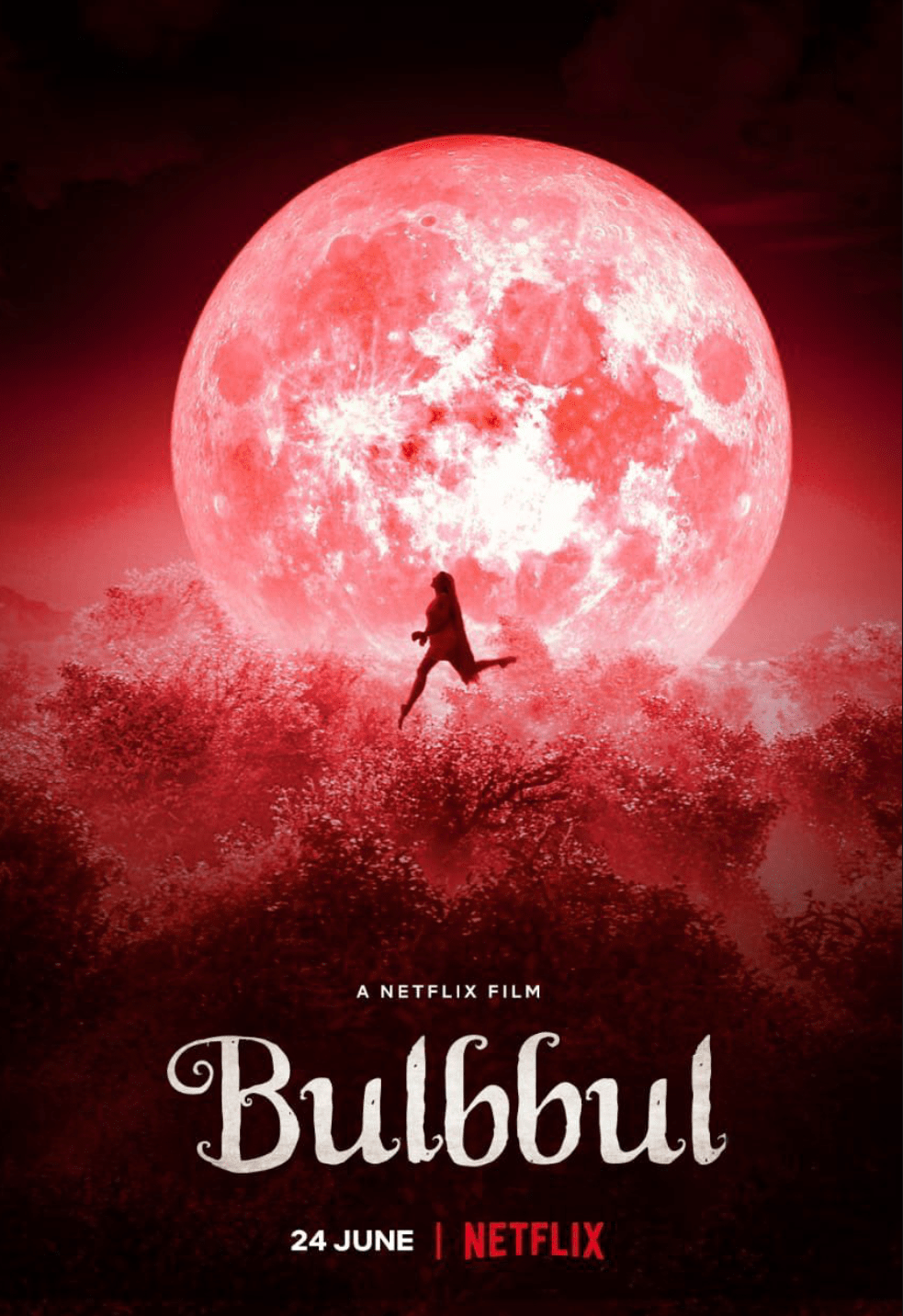
I saw this Hindi movie recently and I would like to give my opinion on it. “Bulbbul” was recently released on Netflix on 24 June, 2020 by the production company ‘Clean Slate Films’. A supernatural horror produced by Anushka Sharma and directed by Anvita Dutt Guptan. It is roughly based on Rabindranath Tagore’s “The Broken Nest” which is based on his own life incidents.


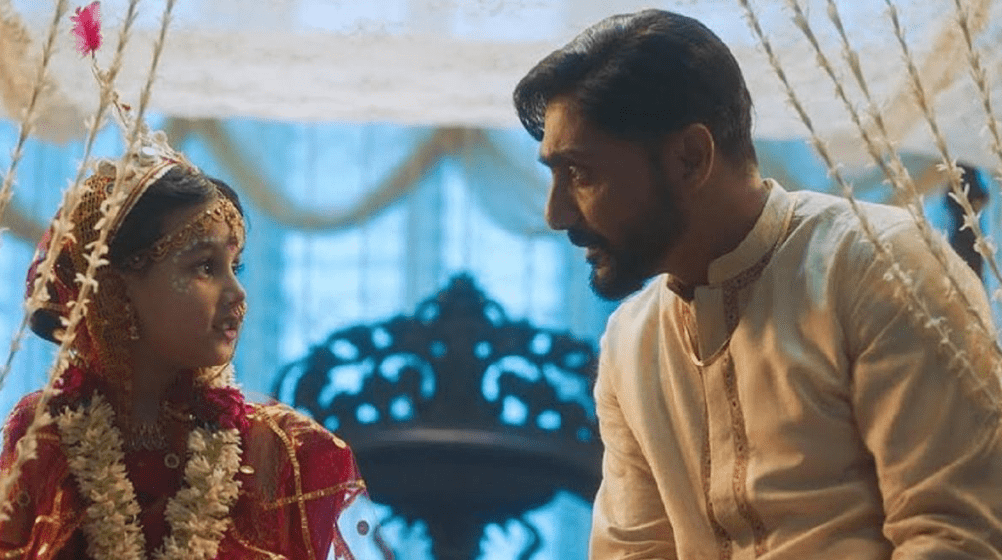
The movie is set in 18th or 19th century Bengal. It doesn’t have many characters. Our main characters are Bulbbul, a child who is barely five years old when she gets married to Indranil, also known as ‘Bado thakur’. Indranil has two brothers namely Mahendra, his mentally challenged identical twin and Satya, the youngest close to Bulbbul’s age which is the reason why they become close friends which becomes a matter of concern for her husband. Bulbbul grows up to be an enigmatic woman. We see how men in her village are brutally being killed by some witch or chudail.


Basically the film takes us on a journey of Bulbbul’s growth from an innocent child bride to a strong woman who runs her own household.
The character of Bulbbul is played by Tripti Dimri. In my opinion, I don’t think anyone could have done a better job playing the role. Though not from a Bengali background she does a pretty great job in giving us those typical Bengali vibes. Rahul Bose as Indranil (as well as Mahendra) does a pretty great job too. Handling two very different roles at the same time is not easy but he did it. Avinash Tiwary acts as Satya; another great work. Paoli Dam as Mahendra’s wife, Binodini. Parambrata Chatterjee as Sudip, the village doctor. I feel the cast was great. Each one of them did a wonderful work and I cannot imagine anyone else replacing them.
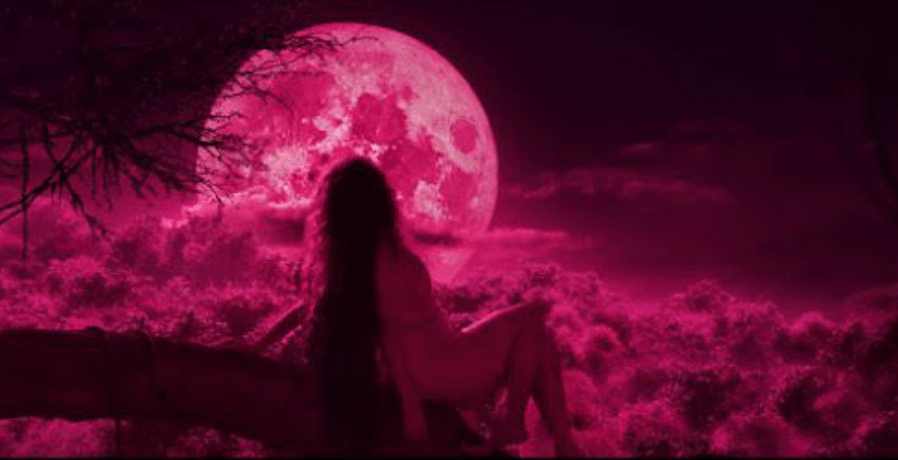
The music is exceptionally good, gives you goose bumps every time you listen to it not because it scares you but it feels like there’s a story behind everything screaming to be heard. Hats off to Amit Trivedi. It gives a special essence to the movie. Another thing I loved was the cinematography. Scenes where the witch or the chudail was to be, the screen would turn red telling us to hold on to our seats for something is about to happen. It has a feminist theme. It shows how women change themselves due to past abuse. Paoli Dam’s character had this dialogue “Badi havelion me bade raaz hote hai” translates to “big havelis have big secrets”. This explains a lot about the chudail. One would understand when they see the movie.
Lesson I learnt was innocence is a pure thing taking that away from someone is sinful.
The movie is family friendly except a couple of scenes but I think it’s high time little girls need to be made aware what the real world holds.
It has a 4.3/5 audience rating. I would totally give it a 4.5/5 just because there is this one thing that it becomes predictable midway. Apart from that it is a masterpiece and a change from regular Indian thriller.

Thank you for reading. Have a nice day!

Best Fantasy movies of all Time

Our Best fantasy movies of all time include Hollywood and Bollywood both. Creating fascinating worlds and outstanding characters features plenty of appeals. It can’t just be a substituted version of our reality. Think more sword and sorcerer, as against different dimension. Fantasy movies are full of magical elements, myth, wonder, escapism, and thus the extraordinary. Humans are depicted as different races like goblins etc.

Everyone thinks fantasy stories are a bit like the Lord of the Rings or Harry potter. Fantasy may be a component of our lifestyle. Fantasy takes us away from our monotonous lives and allows us to enjoy adventure and spectacle, and to imagine a much better world. Movies usually do the same.

Here are some powerful heroic fantasy movies, perhaps the best fantasy movies we will ever see in all of our life time.

Godzilla: King of Monsters

The story follows the valiant efforts of the crypto-zoological agency Monarch.  Its members face off against a cell of god-sized monsters, including the mighty Godzilla. Godzilla strikes with Mothra, Rodan, and his ultimate nemesis, the three-headed King Ghidorah. This is one of the best fantasy movies one should watch.

The Head Hunter

The head hunter is one film on this list that screams fantasy. The premise is simple: an individual (Christopher Rygh) who hunts monsters and takes their heads as trophies. He went in search to kill the one that took his daughter’s life. The highest Hunter has all the quality elements required of a fantasy film. There’s an excellent quest on horseback in medieval armour. In inclusion, actual -like monsters abound. Though it can lack unique elements it visuals made it fantastic.

Thor: Ragnarok

Chris Hemsworth wouldn’t devour as Marvel’s breakout comedy star when he was the first cast as Thor, God of Thunder. But he clothed to be one of the only things about this never-ending mega-franchise. He’s tall, brawny and impossibly handsome, but there’s a self-mocking sparkle in his eye. We would love to include his movie in the list of best fantasy movies of all time.

Hemsworth’s wry toughness evokes the young Sean Connery as Bond, raising an eyebrow at the corniness around him. When he bumbles and stumbles, there’s slight of Grant to his discomfort. And when he’s playing things more or less straight, there’s mean gayness to his reactions. All this humanizes an actor who’s perpetually in peril of being treated as a life-sized action figure.

Kong: Skull Island

Bill Randa joins forces with a map-surveying mission to travel to an uncharted island in Southeast Asia. They’re amid a military escort, courtesy of Lt. Col. Preston and his intrepid helicopter brigade. Along with the soldiers, surveyors, and geologists, like Victor Nieves, who have no idea what they’re certain when the island seems to be home to all or any or any sorts of giant, flesh-eating creatures. And a humongous ape, aka Kong, is at the very best of the natural phenomenon. When the

Helicopters reach and start dropping bombs, Kong takes them out, killing much of the expedition and stranding the rest of them. Soon the crew is split; with Packard assail getting vengeance, while Conrad and Weaver encounter Marlow, an American pilot who’s been surviving among the island’s native people since WWII. Marlow explains that Kong is that the king and guardian of the island which it’s the slithering underground creatures that are the important danger.

PK

PK is that the maximum amount a philosophy as a movie. It takes the unique alien theme, tells the story equally from the lonely alien’s eyes – sometimes, evoking the gorgeous story the tiny Prince – as from his human narrator’s. Starting with the alien’s desperation, PK apprehends the fears and falsehoods that humans weave around faith. PK got baffled when PK decides to wish for his remote, He was not aware of whom he should ask for help.

PK features brave scenes – money extracted at temples, coconuts offered in confusion at a church, god-men dispensing tortuous advice – and powerful lines, including a Muslim girl, bravely asserting, “Itna chota nahin ho sakta hamara Khuda, ki use hamare school jaane pe aitraaz ho”.Capturing faith scrounged into hate, PK’s sterling message, directed sensitively, stands out.

Stardust

Although this film isn’t truly high fantasy one, there are enough fantastical elements within the story to preserve its inclusion on this list. Although the earth is full-clad tolerably, during this case it’s the characters that make it stand out. Besides the fact that it introduced mainstream audiences to the person without fear, the chemistry between Cox and Danes is one of the things that holds the film together. But, no matter how you slice it, fallen stars, evil witches, dead brothers, and a cross-dressing pirate bring a wickedly blast.

Black Panther

Black Panther would always be the best-looking Marvel movie yet. Supersaturated with vivid futurism and as bold and riotous as a rack of dashiki print shirts. I think that what makes a superb movie, regardless of genre, isn’t necessarily the action, or how the actors look, but character and this movie delivers. T’Challa was an amazing protagonist with relate-ability and likability that stayed consistent in war. I liked  T’Challa’s sister and his ex-girlfriend. Killmonger, the villain of the film, deserves credit for his sympathy for others of his race who’ve suffered discrimination from Europeans through history up to the present. He is one of the reasons we were forced to include this movie in the best fantasy movies of all-time list.

Sparsh

Sparsh is a movie starring Naseeruddin shah and Shabana Azmi in lead roles and directed by Sai Paranjpye . A beautiful movie which depicts the life of a visually impaired person who is self made and do not like taking favors from normal people. Anyone who had seen the names of these two brilliant actors will realize then itself that surely its going to be a meaningful movie with a lesson to learn. This movie was released in 1980, though it was not a commercial hit but yes this movie got a national film award for best feature film in hindi.

Anirudh played by Naseeruddin Shah is the principal of a school for blind children, in the movie his character is portrayed as a man who is lonely and does not need help for most of his work. He meets Kavita played by Shabana Azmi in a part  and Anirudh comes to know that she is a classical singer.  He met her and told her that his school is looking for a music teacher and a volunteer who can read and teach handicrafts. Kavita who was widowed recently after three years of marriage ,she wanted to do something  so as to keep her mind away from her sorrows so she accepts the offer. Though she was asked to come to the school for just 2 days in a week but she liked the environment and started coming everyday .  She developed friendship with Anirudh, he also liked her presence. Their love blossomed and they decide to get engaged, both of them were happy but they s had some differences in their thoughts. Anirudh sometimes felt what Kavita was doing for him was just a compromise and once she enters his life, he would start becoming dependent on her for everything. As the days were advancing this thought of him became more and more firm, he did not want Kavita to regret her decisions so he decides to call off the engagement. When Anirudh told Kavita about his decision Kavita was confused because he refused to tell the reason behind taking this step, because for her this marriage was not a compromise rather it was a new beginning, it was  time to move on from the past sorrows and nevertheless she loved Anirudh but she accepts his decision.

Kavita continues to come to school and teach the students, she now had only one aim in her life that was to teach new skills to the students. She bought many new things and also discussed issues with Anirudh. Once when the entrance door of the school was shut as some cleaning process was going on inside, the students were asked to sit in the garden. As Kavita came she noticed that none of the students were reading books all were  wasting their time, so she asked a student that why isn’t he reading a book, so he told her that all books in the library has been read by him and his friends at least two or three times there are no new books that he could read. Kavita addressed this problem to Anirudh for that he reflected light to the very serious issue, though the number of books being published for normal people is enormous only 10-20% of those books are being converted to braille. He also said that only text books are converted to  braille script and not the fictional books, When Kavita listened to this she decided to convert fictional books to braille script . By this gesture of Kavita , Anirudh was really impressed. Then he gradually realizes his mistake and makes an attempt to sort things out with Kavita.

A simple movie which justifies with the name sparsh means touch and feel the inner soul.