AIIMS Bilaspur’s Milestones and Development Progress

Union Minister of Health and Family Welfare and Minister of Chemicals and Fertilizers, Shri Jagat Prakash Nadda, visited the All-India Institute of Medical Sciences (AIIMS) Bilaspur, Himachal Pradesh to review the institute’s progress and evaluate the implementation of important healthcare initiatives. The Health Minister visited facilities of the institute and enquired about availability of various patient care services and their functioning. Shri Jagat Prakash Nadda also congratulated everyone for Jan Aushadhi Diwas. Senior officials from the Ministry of Health and Family Welfare and AIIMS Bilaspur were present on the occasion.

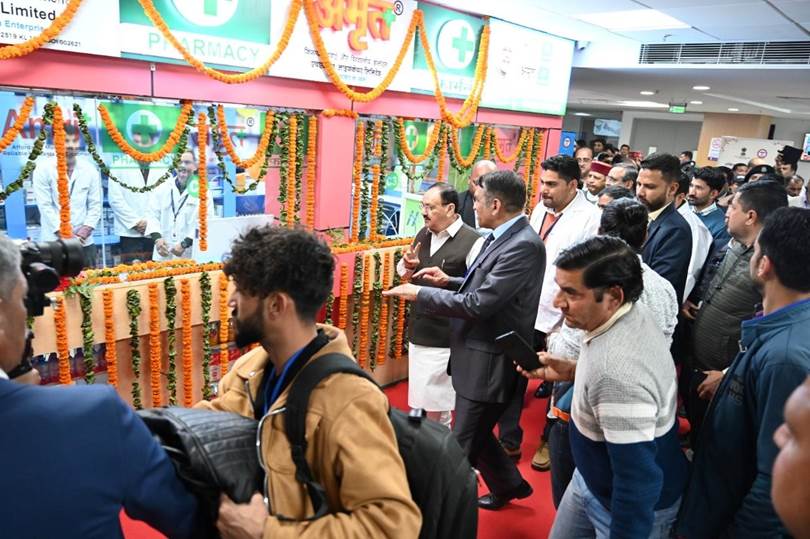
Shri J. P. Nadda laid down the foundation stone of Regional VRDL (Viral Research and Diagnostic Laboratory), inaugurated the Nuclear Medicine Facility at AIIMS Bilaspur, an additional Amrit Pharmacy Unit-3 at AIIIMS Bilaspur (HP). Union Health Minister also visited the site for Vishram Sadan

Shri Nadda praised the remarkable growth of AIIMS Bilaspur since its foundation was laid by the Prime Minister Shri Narendra Modi on October 3, 2017. The review meeting was attended by Shri Anurag Thakur, MP, Shri Jai Ram Thakur, Ex-Chief Minister of HP and Leader of opposition, HP, H.P., Sh. Srikant Sharma, Former Minister and MLA, U.P., Sh. Randhir Sharma, Sh. Jeet Ram Katwal, Sh. Trilok Jamwal, Members of Legislative Assembly, Bilaspur, H.P., and the officials from AIIMS Bilaspur and the State Government.

Addressing the gathering remarks, Shri Nadda reiterated the government’s commitment to continue fortifying the healthcare infrastructure in the region. He expressed his profound pleasure with the advancements made by AIIMS Bilaspur within a short span of its establishment. He stressed that the people of Himachal Pradesh and beyond would continue to benefit greatly from the top-notch medical education and healthcare services provided by AIIMS Bilaspur with the help and active cooperation of the Government of India and Himachal Pradesh.

AIIMS Bilaspur Unveils State-of-the-Art Nuclear Medicine Facility

Shri J. P. Nadda has officially inaugurated the Nuclear Medicine Facility at AIIMS Bilaspur, marking a significant milestone in the region’s healthcare capabilities. This advanced facility is equipped with cutting-edge technology, including PET/CT, SPECT/CT, SPECT radio-pharmacy/hot lab, and a Low-Dose Therapy (LDT) Ward, with an investment of Rs. 30.43 crore. With these in-house state-of-the-art facilities, the department will be able to synthesize most of the necessary radiopharmaceuticals, enabling a wide range of diagnostic investigations such as renal scans, liver scans, bone scans, thyroid scans, cardiac scans, gastro-intestinal scans, and cancer imaging.
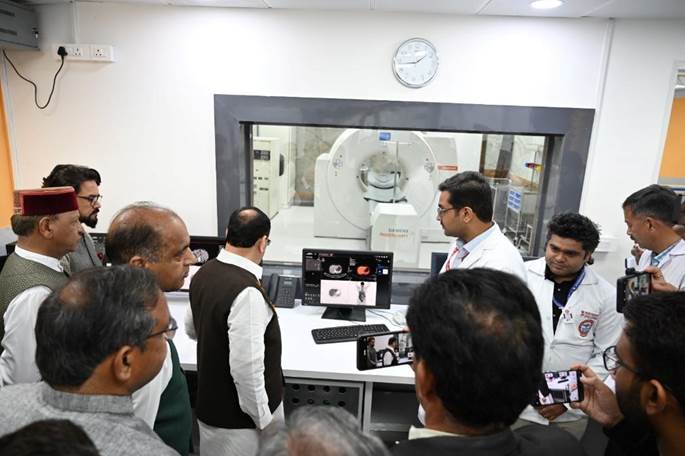
In addition to comprehensive diagnostic services, the facility will also provide low-dose radionuclide therapy for patients suffering from thyroid cancer, prostate cancer, neuro-endocrine cancer, liver cancer, and those experiencing bone and joint pain. Shri Nadda mentioned that  “these services will be offered at significantly lower prices compared to the private sector, and patients enrolled in the PMJAY and Himcare insurance schemes, as well as those living below the poverty line, will receive these services free of charge”. The dedicated ward will facilitate day-care treatment for patients with low-risk thyroid cancer, prostate cancer, and other conditions at minimal costs.

Union Health Minister has highlighted the significance of the newly established SPECT/CT and PET/CT facilities at AIIMS Bilaspur, describing them as transformative for patients in Himachal Pradesh. This local availability is expected to significantly lower healthcare costs and minimize travel times for patients seeking advanced diagnostic services.. Furthermore, the Nuclear Medicine Facility will enable the synthesis and evaluation of new radiopharmaceuticals for research purposes, with plans to establish a High Dose Therapy (HDT) Ward in the future. This initiative underscores AIIMS Bilaspur’s commitment to enhancing healthcare access and quality for the community it serves.

Union Health Minister Shri Nadda also visited the site for Vishram Sadan. The 250 bedded facility is being built at the project cost of Rs. 13.57 Crore. In the near future, the bed capacity will be enhanced to 500 beds. He reviewed the progress of the construction at site. The institute is situated in a remote hilly terrain with no facilities for the stay of the patient’s attendees in the nearby area. The beneficiaries to AIIMS are coming from Himachal Pradesh and the adjoining states of Punjab and Haryana. The Vishram Sadan will help the poor and needy, requiring shelter, besides protection from biting cold, harsh summer and incessant rains during monsoon,during treatment of patients suffering from cancer, cardiac and other disorders requiring treatment at AIIMS Bilaspur (H.P.). Their stay in the Vishram Sadan will save multiple visits and expenditure from their far away residences. This will also help in diagnosis and treatment in a single visit resulting in rapid recovery, reduced load on hospital services, improved healthcare delivery, better patient satisfaction and reduced out of pocket expenditure of the individuals visiting the institute.

AIIMS Bilaspur Launches Additional Amrit Pharmacy Unit to Enhance Patient Care

This new unit is designed to address the increasing patient load and aims to provide affordable medications to all patients, thereby reducing waiting times and enhancing overall patient care.

Unit-3 will cater specifically to outpatient department (OPD) patients from various specialties, including Cardiology, Neurology, Endocrinology, Oncology, and Eye departments. Additionally, it will serve inpatient department (IPD) patients under the Ayushman Bharat and Himcare schemes, as well as those enrolled in other government insurance programs, offering services on a credit basis.

 The Amrit Pharmacy Unit-3 will not only supply essential medicines, surgical supplies, and consumables but will also provide high-end items such as implants, medical devices, stents, pacemakers, and oncology medications at significantly discounted rates, ensuring that patients receive the best possible care around the clock.This initiative reflects AIIMS Bilaspur’s commitment to making healthcare more accessible and affordable, ultimately improving the health and well-being of the community it serves.
AIIMS Bilaspur Marks a Milestone with the Foundation Stone Laying of Regional VRDL. This facility will be one of 11 regional VRDLs among a total of 165 across India, equipped with a state-of-the-art Biosafety Level 3 laboratory, advanced sequencing capabilities, and comprehensive diagnostic and research facilities. The establishment of the Regional VRDL is poised to play a pivotal role in diagnosing viral illnesses and other infectious diseases, addressing the evolving epidemiology of both known and emerging viral threats.

.
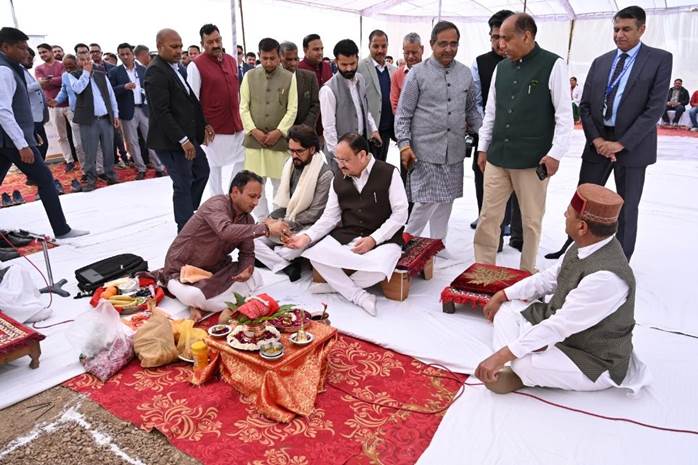
The Regional VRDL will not only enhance the capacity for timely identification of viral infections but will also provide localized expertise and services that are often lacking in smaller or remote healthcare settings. It aims to track disease outbreaks, improve understanding of disease epidemiology through robust surveillance and reporting systems, and bolster public health preparedness. Additionally, the laboratory will focus on training and capacity building in diagnostic procedures, pathogen handling, and outbreak management, fostering collaborative research to create a cohesive network for viral and infectious disease research and diagnostics. To date, 12 research staff have been recruited, and facilities for serological services and molecular testing against over 35 pathogens have been established.
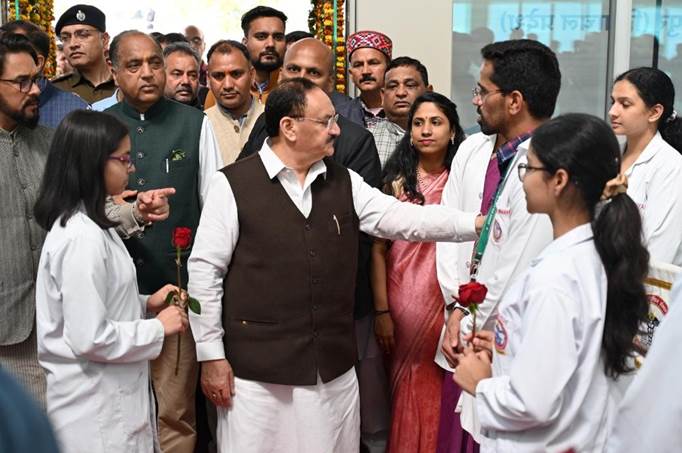
During the event, Shri Nadda also took the opportunity to engage with specialist DM and MCH students currently undergoing training in various departments at AIIMS Bilaspur. He encouraged them to embrace their roles with dedication and commitment to serving the nation, emphasizing the importance of their contributions to healthcare and public health. The establishment of the Regional VRDL marks a significant step forward in enhancing health security and research capabilities in the region, ultimately benefiting the communities of northern India. Shri Nadda also extended his heartfelt congratulations to AIIMS Bilaspur on the successful recruitment of 35 new faculty members, who are set to join the institution soon. He said that, “This influx of talent is poised to significantly enhance the academic landscape and clinical capabilities of AIIMS Bilaspur” .

AIIMS Bilaspur Enhances Disaster Response Capabilities with Allocation of BHISHM Cubes under Pradhan Mantri Aarogya Maitri Bhishm Scheme. Each set comprises two mother cubes, each containing 33 RF-tagged mini-cubes filled with essential medical and surgical supplies, designed to support up to 200 casualties during mass disasters. These cubes can be deployed through various transport methods, including air, water, land, and even drones, ensuring rapid response in critical situations. The investment for each set is approximately 3 crore rupees, reflecting a commitment to improving emergency healthcare infrastructure.

In addition to disaster preparedness, AIIMS Bilaspur is set to enhance its facilities and educational offerings. A state-of-the-art indoor stadium, costing around 4.90 crore rupees, has been approved for use by faculty, students, and staff, equipped with modern amenities for various indoor sports. Furthermore, starting in the 2025 academic session, the institute will introduce a diploma course in Emergency Medical Technician (EMT), initially accepting 10 students, with plans to expand intake in the future. This initiative aims to train skilled technicians who will provide critical care during patient transport. Additionally, AIIMS Bilaspur is preparing to launch comprehensive cancer services, including bone marrow transplants and stem cell therapy, thereby broadening access to advanced treatment options. Recent review meetings have focused on the institute’s achievements and future goals, emphasizing its dedication to improving healthcare services in Himachal Pradesh.

In his concluding remarks, Shri Nadda reiterated the government’s commitment to continue fortifying the healthcare infrastructure in the region. He expressed his profound pleasure with the advancements made by AIIMS Bilaspur within a short span of its establishment. He stressed that the people of Himachal Pradesh and beyond would continue to benefit greatly from the top-notch medical education and healthcare services provided by AIIMS Bilaspur with the help and active cooperation of the Government of India and Himachal Pradesh.

****

Prime Minister Shri Narendra Modi interacted with students during the 1st episode of Pariksha Pe Charcha 2025

Daily writing prompt
What movies or TV series have you watched more than 5 times?

Pariksha Pe Charcha 2025 has redefined student engagement, transforming into a dynamic, interactive experience that is resonating deeply with students, teachers, and parents across the country. Moving beyond the traditional Town Hall format, this edition fosters meaningful, two-way conversations, equipping young minds with practical strategies, life skills, and a fresh perspective on learning.

The eighth edition began on 10 February 2025 in the serene surroundings of Sunder Nursery, New Delhi, where Prime Minister Shri Narendra Modi connected with 36 students from across India. In a free-flowing, insightful discussion, he explored themes like Nutrition & Wellness, Mastering Pressure, Leadership, and 360º Growth, offering real-world wisdom on tackling academic challenges with confidence. His words inspired students to think beyond exams, embrace curiosity, and develop a mindset geared for lifelong learning.

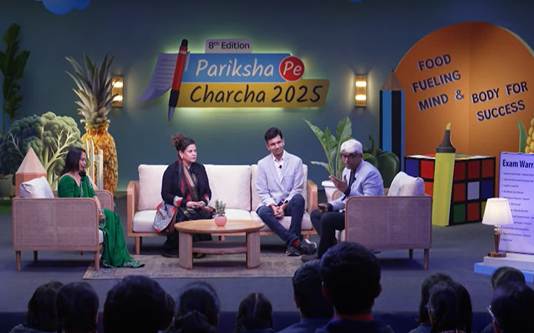
In today’s engaging fourth episode, leading nutrition experts Shonali Sabherwal, Rujuta Diwekar, and Revant Himatsingka—popularly known as the Food Pharmer—interacted with students on the vital role of nutrition in staying healthy and stress-free during exams.

They emphasized the power of superfoods like millets such as jowar, bajra, and ragi, which are packed with fibre, protein, and essential nutrients. These grains, they explained, help sustain energy levels and sharpen focus, making them a must-have in every student’s diet.

Shonali Sabherwal highlighted the link between a balanced diet, quality sleep, and concentration. She urged students to opt for light, nutritious meals to maintain focus and avoid sluggishness. Her golden rule? Ghar ka khana (home-cooked food) is always the best! She also suggested smart swaps for unhealthy snacks, like beetroot juice instead of soda and sweet potato chips instead of packaged snacks.

Rujuta Diwekar explained the benefits of rice and served students with delicious, exam-friendly recipes. From vegetable biryani and curd rice to homemade chakli and chaas/lassi, she explained why these wholesome foods are ideal for maintaining energy and mental clarity.

Revant Himatsingka talked about another crucial aspect of exam preparation—setting realistic goals. He warned against the stress and disappointment of unrealistic expectations, urging students to take a practical, step-by-step approach instead. He echoed the wisdom of Prime Minister Shri Narendra Modi, who encourages young minds to focus on setting attainable targets.

The session also saw participation from students beyond India, who had their queries answered by the experts. Many students later shared their experiences, calling the session eye-opening, enjoyable, and incredibly helpful in understanding the role of good nutrition in exam success.

On 12th February 2025 renowned actor Deepika Padukone interacted with around 60 in the second episode of the 8th edition of Pariksha Pe Charcha. Deepika shared how addressing mental health challenges can be empowering and spoke about the valuable lessons she learned from her own struggles.

On 13th February 2025, tech and finance took center stage as Gaurav Chaudhary (Technical Guruji) and Radhika Gupta (MD & CEO, Edelweiss Mutual Fund) introduced students to Artificial Intelligence and Machine Learning. They explored practical applications of AI tools, including ChatGPT and AI-powered image generation, while also discussing financial literacy – a crucial skill for future success.

55th IFFI’s Closing Film ‘Dry Season’ is a Tale of Humanity, Sustainability, and Generational bonds

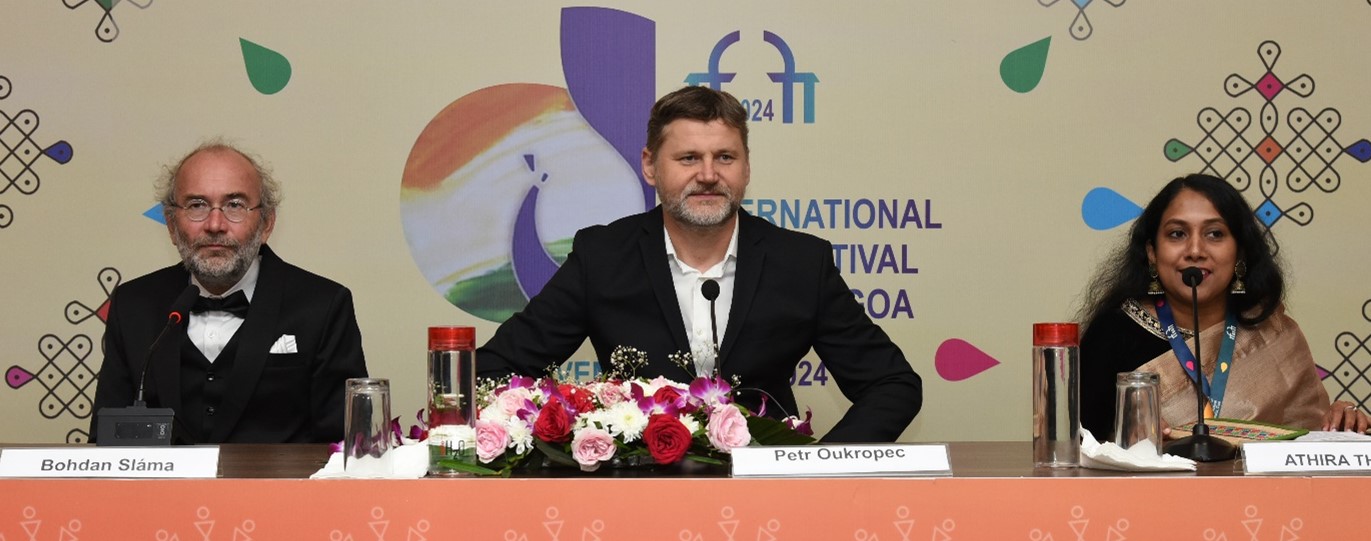
The Press Conference for the much-anticipated closing film ‘Dry Season’ (originally titled Sukho), directed by the acclaimed Bohdan Sláma and produced by Petr Oukropec, was held as part of the 55th International Film Festival of India (IFFI) in Goa. Organized by the Press Information Bureau, the event highlighted the film’s poignant exploration of environmental and generational challenges.

Set amidst verdant fields, the story follows Josef, a fifty-year-old farmer striving for an alternative lifestyle with his wife Eva and their three children. Josef’s clash with Viktor, a profit-driven agribusiness owner, intensifies as a dry summer leaves the village without drinking water, sparking tensions between their families, complicated further by Viktor’s strained bond with his returning son.

Director Bohdan Sláma reflected on the universal bond between humans and the environment, underlining the need to protect natural resources as a reflection of safeguarding the human spirit. He spoke about the meticulous journey of crafting the screenplay, which took three years and underwent 11 revisions, and expressed gratitude for the collaborative efforts of the cast and producers that enriched the filmmaking process.

Producer Petr Oukropec shared the complexities of financing and creating art-house cinema in smaller nations, emphasizing the significance of international collaborations. He lauded the film’s relevance, resonating with global audiences by addressing themes of sustainability, family, and generational divides.

The filmmakers urged younger audiences to take ownership of their future, as the narrative serves as a mirror to pressing contemporary issues. Concluding the session, Bohdan Sláma expressed hope that Dry Season would spark meaningful conversations, not just in India but across the world, reminding audiences of the delicate balance between humanity and nature.

Watch the Press Conference here:

* * *

PIB IFFI CAST AND CREW | Rajith/Supriya/Ashwani/Darshana | IFFI 55 – 114

Poetry Depicting the Plight of the Rural Migrants

Daily writing prompt
What technology would you be better off without, why?

By Shashikant Nishant Sharma

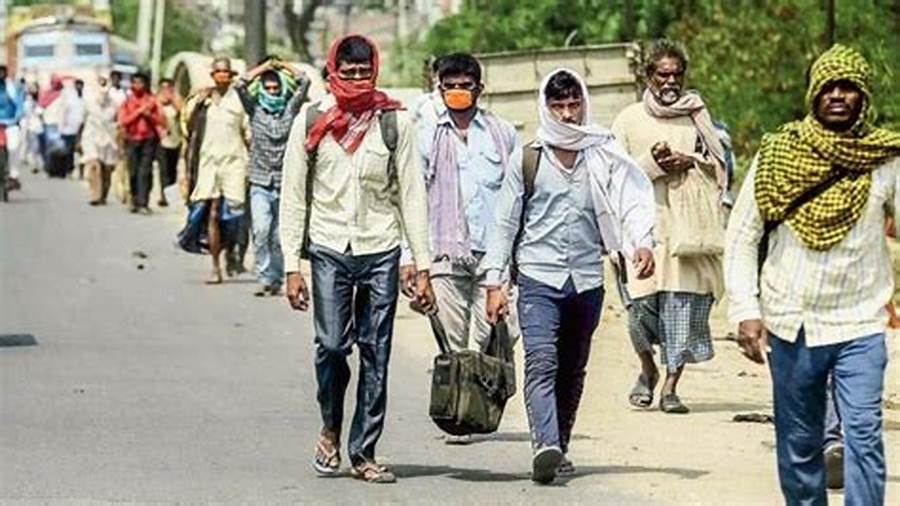
In the vast expanse of fields they toil,

The rural migrants, their hopes embroiled.

Leaving their homes, their villages behind,

Seeking better prospects, a new life to find.

Through dusty roads and uncertain trails,

They journey forth, their spirit never fails.

Dreams in their eyes, determination their guide,

They face the challenges with an unwavering stride.

From sunup to sundown, their hands never rest,

Working the soil, giving it their best.

Yet, their economic status remains a plight,

As they battle hardships, day and night.

Their labor fuels the cities’ bustling might,

Yet their own pockets struggle, a constant fight.

They build the skyscrapers, brick by brick,

But their own dreams seem just out of reach.

Their wages are meager, their earnings slim,

Struggling to provide, their chances seem grim.

But within their hearts, resilience resides,

A burning fire that no hardship can hide.

They yearn for a future where opportunities abound,

Where their efforts and sacrifices are truly renowned.

A world where their economic status can rise,

And their aspirations can touch the skies.

Let us not forget their struggles, their plight,

For they are the backbone, the true source of light.

Together, let’s work towards a better tomorrow,

Where rural migrants find solace from their sorrow.

For every field they sow, every harvest they reap,

Deserves a fair share, a promise we must keep.

So, let us join hands, bridge the divide,

And empower their dreams, side by side.

For in their hands lies the potential untold,

To transform their lives, to break the mold.

May their economic status find new heights,

As they journey towards prosperous sights.

‘Reviewing Films: From Critiquing to Reading Cinema’ 

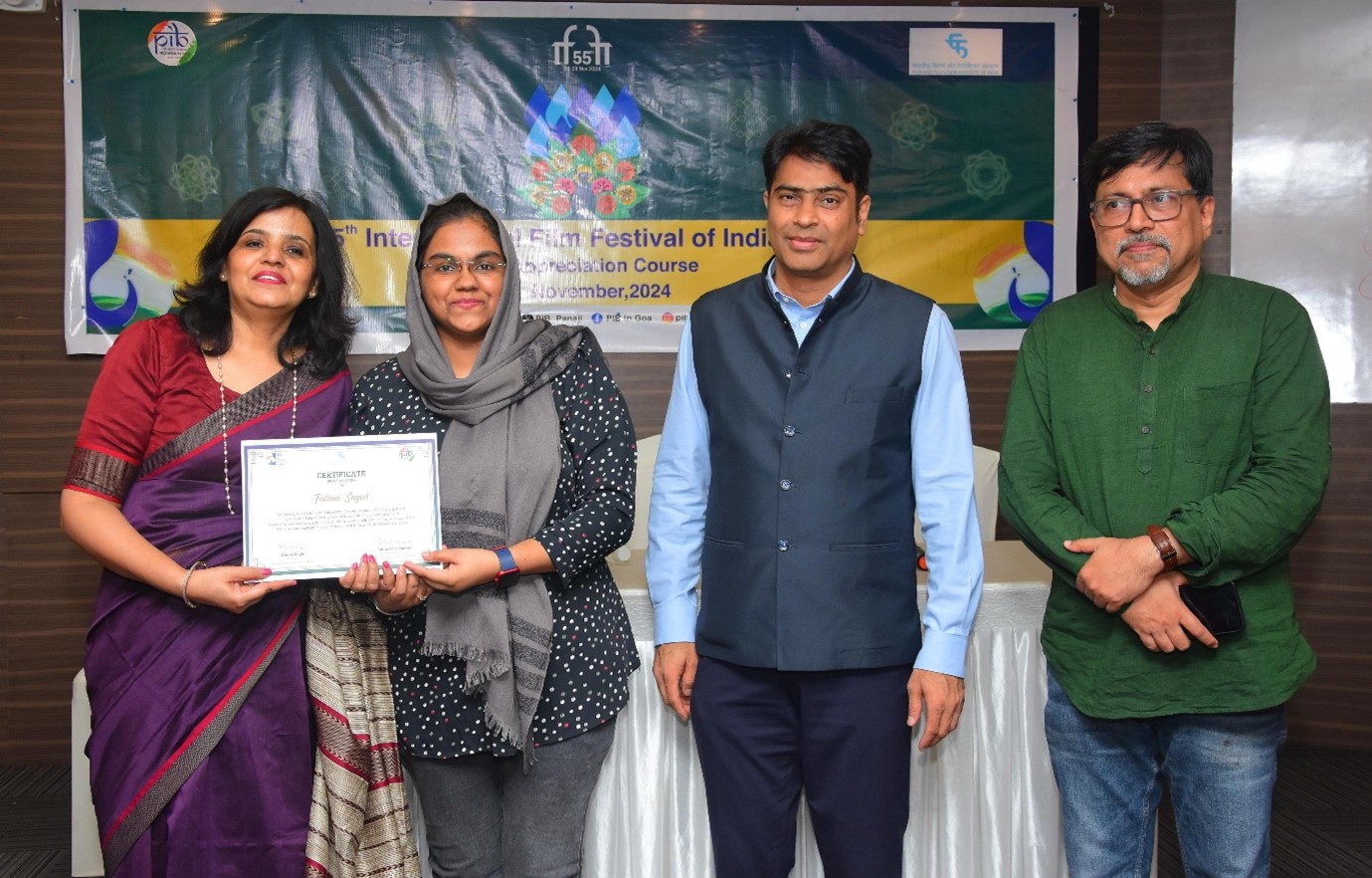
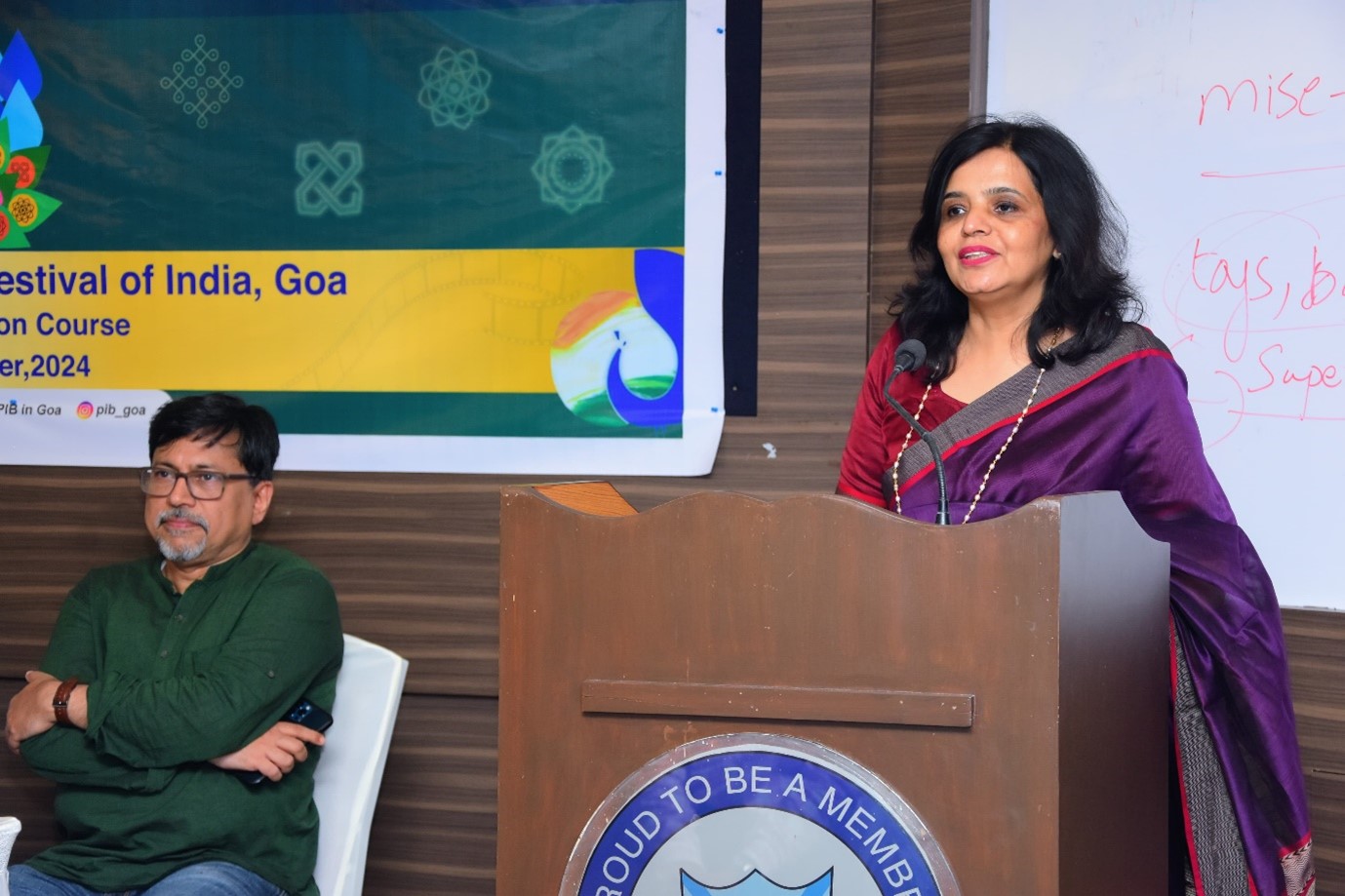
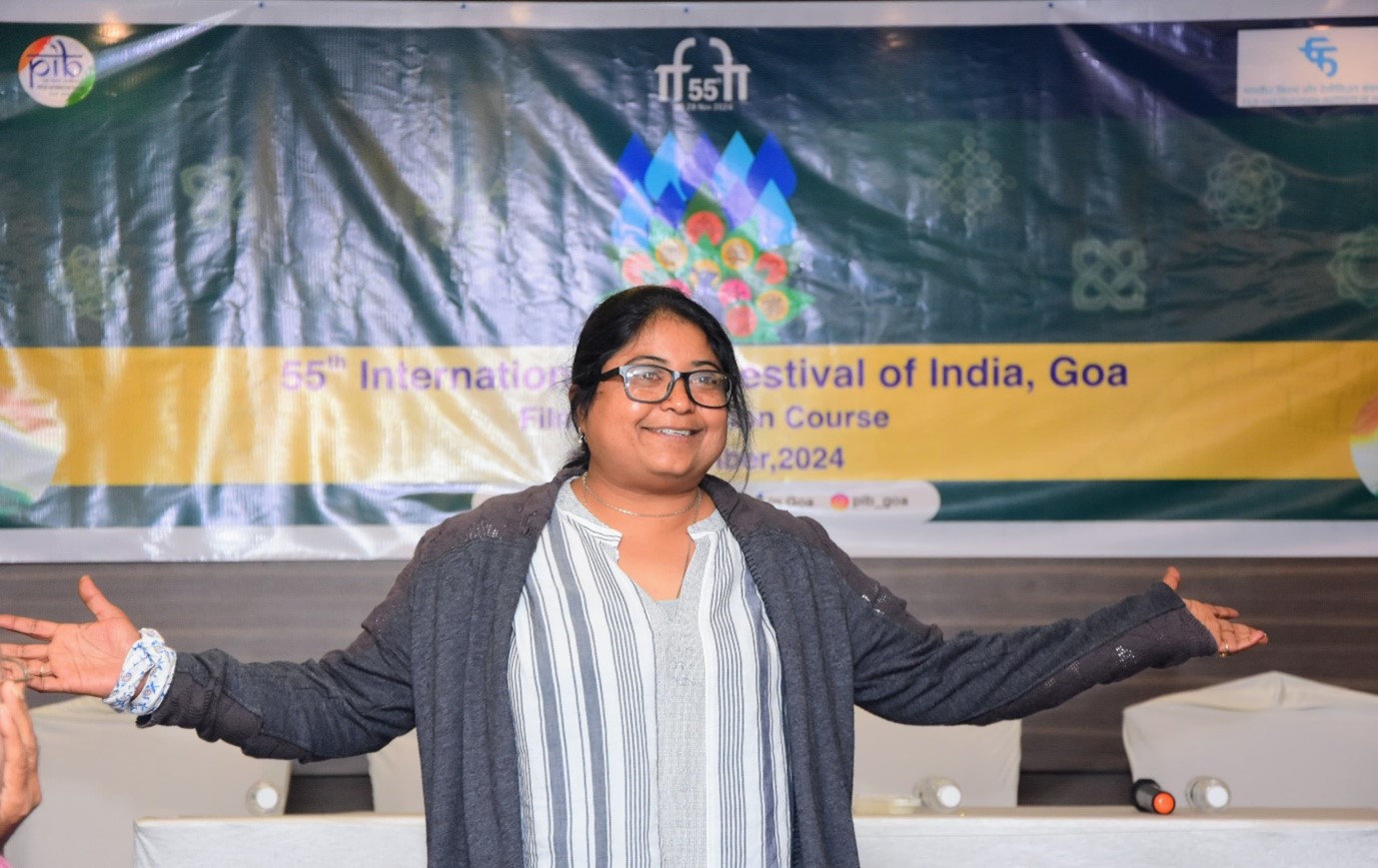
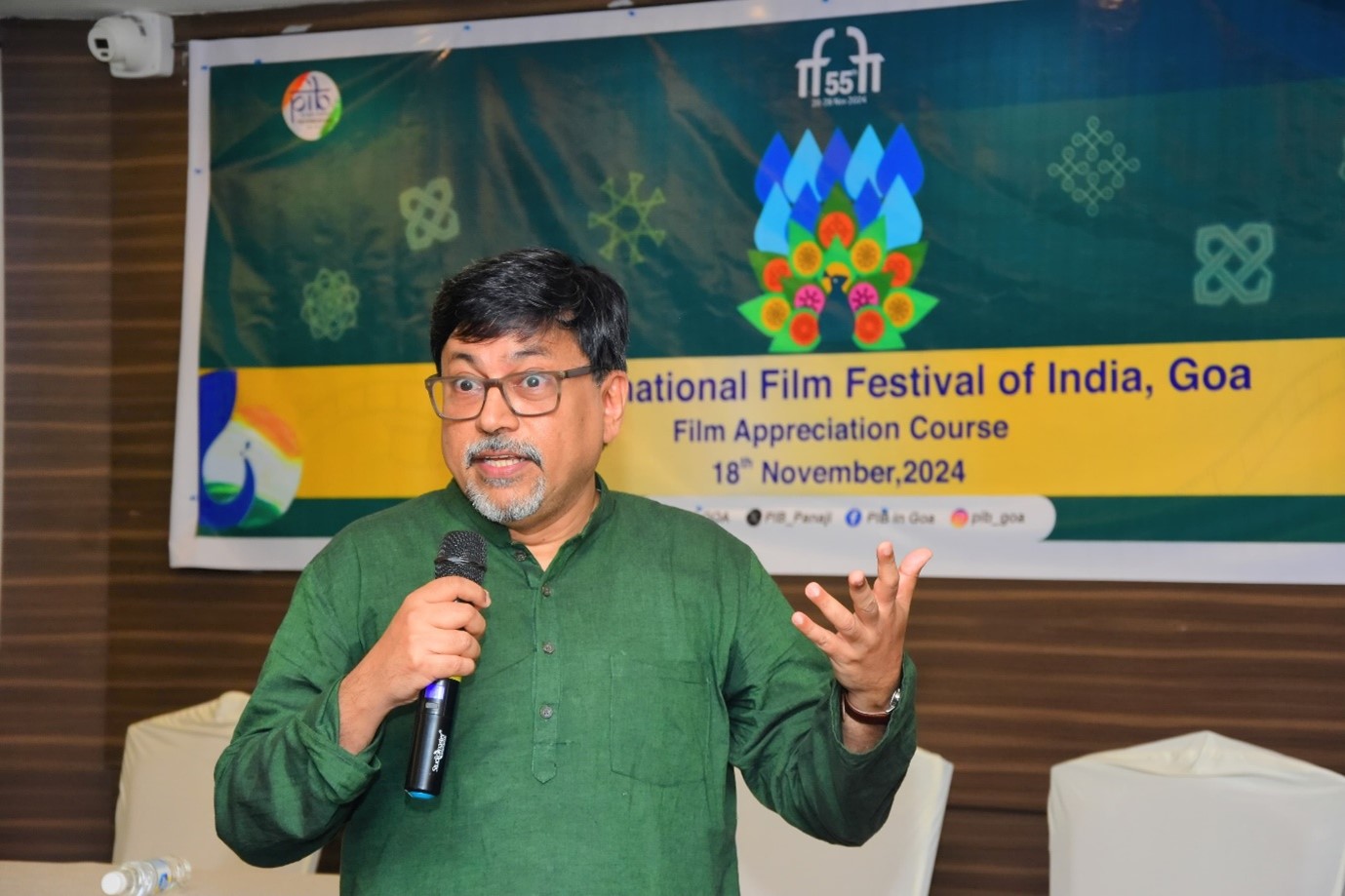
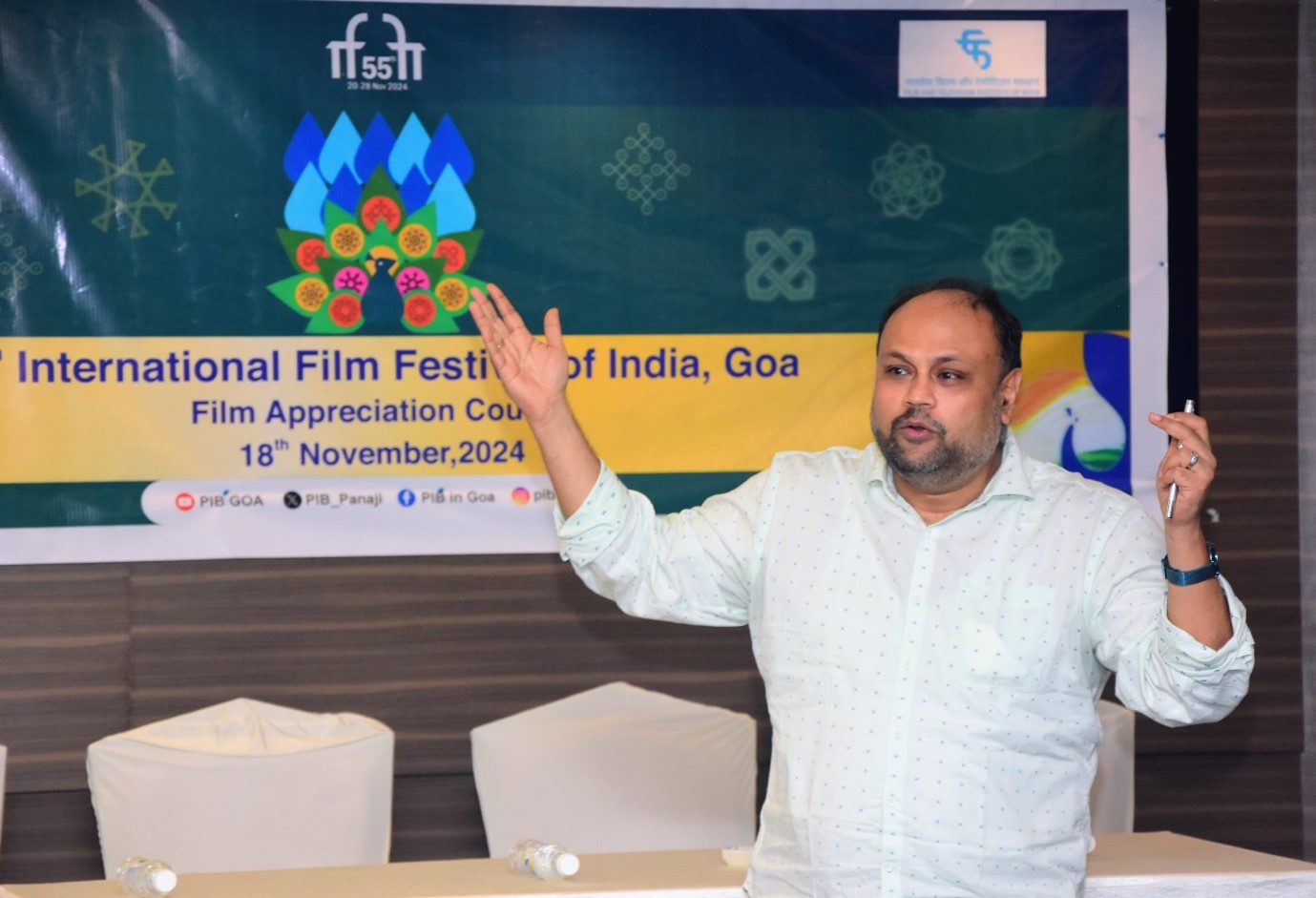
The Press Information Bureau (PIB), Ministry of Information & Broadcasting, in collaboration with the Film and Television Institute of India (FTII), Pune, organised an engaging Film Appreciation Course on ‘Reviewing Films: From Critiquing to Reading Cinema’ for media delegates on the sidelines of the 55th International Film Festival of India (IFFI) in Goa. The course was organized exclusively for IFFI media delegates focused on exploring the various aspects of the art and craft of films and the importance of learning to read the films in an informed manner. The course was led by industry experts such as Dr. Indranil Bhattacharya, Prof. Amlan Chakraborty, and Ms. Malini Desai from FTII, Pune.

The participants were introduced to ‘Principles of Film Analysis,’ by Prof. Dr. Indranil Bhattacharya. This was followed by a session on ‘Editing as an Artistic Tool’ led by Prof. Amlan Chakraborty. In another engaging session, Prof. Malini Desai explored the significance of ‘Lighting as a Dramatic Tool.’   

Prof. Amlan Chakraborty also highlighted the importance of film appreciation, stating that “Film appreciation is not just about admiration but about understanding. Every film is designed to impact its audience. Some films stay with you, and you need to ask why.” He illustrated the deeper sociological meanings embedded within films illustrating the example of India’s official entry for Oscars 2025, Lapata Ladies.

Later, Prof. Bhattacharya conducted a special session focused on the analysis of short films, offering participants valuable insights into the structure and storytelling techniques of short-form cinema.

Managing Director, NFDC Shri Pritul Kumar thanked the Media for their active participation and stressed the significant role played by media in promoting films. Speaking about the importance of understanding films, he mentioned, “the Film Appreciation Course will be really helpful in delving deep into the world of films which will enrich the media in understanding and writing about them.”

Director General West Zone, M/o I&B. Ms. Smita Vats Sharma while addressing the participants informed that “the course was open to media across India, including both Goan and all-India representatives as Media plays a critical role in the celebration of cinema and taking the films across the country and the world, and hence this course has been timed during IFFI to facilitate our media professionals.” She also thanked FTII for their invaluable support in making this possible.

Joint Director, PIB Mumbai, Sayyid Rabeehashmi emphasized the need to not only celebrate films but also delve into their intricate details.

Speaking about the significance of such initiatives, Prof. Malini Desai emphasized, “Media plays an essential role in exchanging ideas and helping the world understand the art of cinema. And as filmmakers we are also communicating our perspectives to the audience. This interaction between media and filmmakers – both of whom are into ‘communication’ greatly enriched our understanding about each others’ perspective.”

Appreciating the initiative, journalist and participant, Ms. Harshita from Screen Grafia who has been covering IFFI since 1999, said that “this is a great initiative by the Ministry to educate film journalists. It will expand their knowledge about films. I hope this course is repeated in future editions too.”

Shri Satyendar Mohan, a Veteran Journalist who has been attending IFFI since four decades expressed that “I’ve been attending IFFI since 1983. This session was very informative and educational. It will help journalists appreciate films on a much deeper level, adding immense value to the 55th IFFI.”

The event concluded with a Valedictory Session. Certificates were distributed to more than 30 media delegates who attended the session, acknowledging their efforts in advancing their understanding of film appreciation.

* * *

12 amazing performances by child actors

Most of the times, artforms are considered as the medium for adults. But there are some films which proved it is not so. There are some great films were told from the perspective of children. From simple life lessons to biggest events in world history, all these films have amused the viewers by the stunning performances of child actors. When we experience such great performances from children, the impact is several times bigger.

Let us check such films:

Jojo rabbit

Jojo Rabbit is a 2019 comedy-drama film written and directed by Taika Waititi, adapted from Christine Leunens’s 2008 book Caging Skies. Roman Griffin Davis portrays the title character, Johannes “Jojo” Betzler, a ten-year-old Hitler Youth member who finds out that his mother (Scarlett Johansson) is hiding a Jewish girl (Thomasin McKenzie) in their attic. He must then question his beliefs while dealing with the intervention of his imaginary friend (Waititi), a fanciful version of Adolf Hitler with a comedic stance on the politics of the war.

Capernaum

Capernaum is a 2018 Lebanese drama film directed by Nadine Labaki and produced by Khaled Mouzanar. The film stars Syrian refugee child actor Zain Al Rafeea as Zain El Hajj, a 12-year-old living in the slums of Beirut. Capernaum is told in flashback format, focusing on Zain’s life, including his encounter with an Ethiopian immigrant Rahil and her infant son Yonas, and leading up to his attempt to sue his parents for child neglect.

Children of heaven

Children of Heaven is a 1997 Iranian family drama film written and directed by Majid Majidi. It deals with a brother and sister, and their adventures over a lost pair of shoes. It was nominated for the Academy Award for Best Foreign Language Film in 1998.

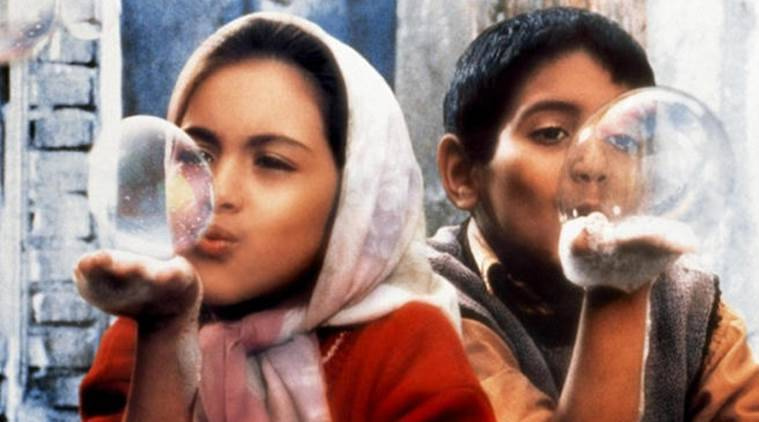
The white balloon

The White Balloon is a 1995 Iranian film directed by Jafar Panahi, with a screenplay by Abbas Kiarostami. The film is on the BFI list of the 50 films you should see by the age of 14. The film is about a brother and sister and has several intense scenes.

Machuca

Machuca is a 2004 Chilean film written and directed by Andrés Wood. Set in 1973 Santiago during Salvador Allende’s socialist government until shortly after General Augusto Pinochet’s military coup in 1973, the film tells the story of two pupils: Gonzalo Infante comes from a rich family with a European background, while Pedro Machuca comes from an indigenous background and lives in very poor conditions. They meet at an elite, English-language Catholic school, where the director, Father McEnroe, is developing a social integration project.

Belfast

Belfast is a 2021 British coming-of-age drama film written and directed by Kenneth Branagh. The film chronicles the life of a working-class Ulster Protestant family from the perspective of their nine-year-old son Buddy during The Troubles in Belfast, Northern Ireland. Buddy’s father Pa works overseas in England, while the family—Ma, elder brother Will, and paternal grandparents Granny and Pop—live in Belfast.

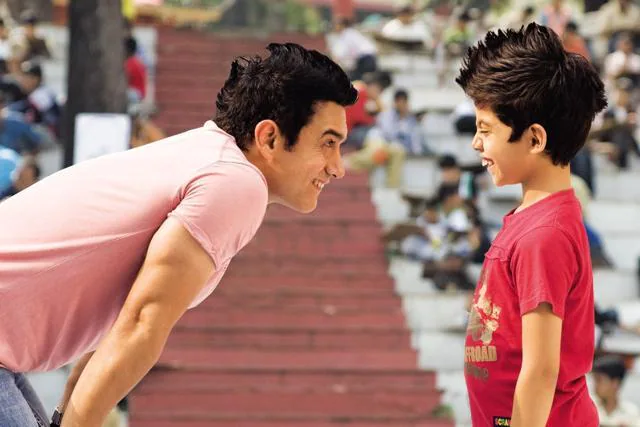
Tare Zameen par

Taare Zameen Par (transl. Stars on land), also known as Like Stars on Earth in English, is a 2007 Indian Hindi-language drama film produced and directed by Aamir Khan. The film stars Khan himself, along with Darsheel Safary. The film explores the life and imagination of Ishaan (Safary), an 8-year-old dyslexic child. Although he excels in art, his poor academic performance leads his parents to send him to a boarding school. Ishaan’s new art teacher Nikumbh suspects that he is dyslexic and helps him to overcome his reading disorder.

Kakka muttai

Kaaka Muttai is a 2015 Indian Tamil-language comedy-drama film written, directed and filmed by M. Manikandan. The film’s storyline revolves around two slum children of Chennai, whose desire is to taste a pizza.

Life is beautiful

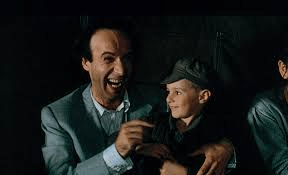
Life Is Beautiful is a 1997 Italian movie directed by and starring Roberto Benigni, who co-wrote the film with Vincenzo Cerami. Benigni plays Guido Orefice, a Jewish Italian bookshop owner, who employs his fertile imagination to shield his son from the horrors of internment in a Nazi concentration camp.

 Cinema paradiso

Cinema Paradiso is a 1988 coming-of-age drama film written and directed by Giuseppe Tornatore. Set in a small Sicilian town, the film centers on the friendship between a young boy and an aging projectionist who works at the titular movie theatre.

Central station

Central Station is a 1998 Brazilian–French drama film directed by Walter Salles and starring Fernanda Montenegro and Vinícius de Oliveira. The screenplay, adapted by João Emanuel Carneiro and Marcos Bernstein from a story by its director Walter Salles, tells the story of a young boy’s friendship with a jaded middle-aged woman

Sixth sense

The Sixth Sense is a 1999 American supernatural psychological thriller film written and directed by M. Night Shyamalan. It stars Bruce Willis as a child psychologist whose patient (Haley Joel Osment) can talk to the dead. The film established Shyamalan and introduced the cinema public to his traits, most notably his affinity for surprise endings

Political correctness in movies

Have you ever got disturbed while watching movie? Have you ever thought about the absurdity of some scenes in movies? Have you ever wondered about the need of a so called “item dance” in movies? If yes, then this article will help you in your way ahead.

Films are always considered as a medium of entertainment and stating this argument many of the film makers have taken the liberty to do whatever they like, ignoring the great impact it could have on the society. By putting forth the shallow argument that people are looking for commercial movies, they have shut the doors of political correctness.

All of you would have found some scene or the other incorrect in most of the so-called “mass movies”. Objectification of women as well as men, denial of choice, body shaming, sexist jokes, establishment of caste supremacy and several other disturbing trends are being normalised in movies these days.

The filmmakers should realise the impact these could have on the society, particularly the younger population, as the heroes themselves are endorsing these practices.

Most of the commercial movies these days will have the central character from a high caste family, with his friends always being inferior to him. The hero could love any woman based on her looks and she is obliged to love him back without any freedom to choose or else the hero could adopt any means from stalking to making suicide threats. Also, the hero is always glorified by pointing out the inefficiencies of his friends. Most of the songs would also be means for objectification.

This do not signify that all movies are wrong. There are several movies which uphold political correctness. Let us look into some such movies:

The great Indian Kitchen

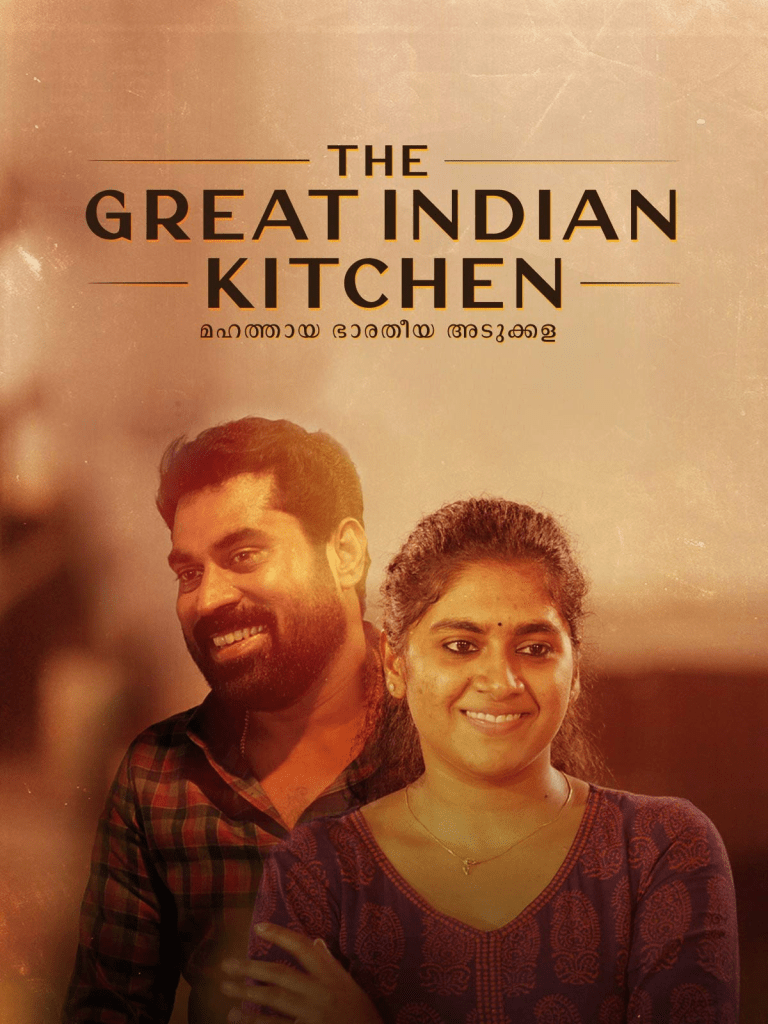
The Great Indian Kitchen is a 2021 Indian Malayalam-language drama film written and directed by Jeo Baby. The film tells the story of a newlywed woman who struggles to be the submissive wife that her husband and his family expect her to be. The central characters are not given names, which is the biggest political idea. Just like the name signifies, it mainly happens inside the kitchen and clearly shows the monotonous lives of Indian wives and finally ends with the wife breaking the chains of marriage.

Thappad

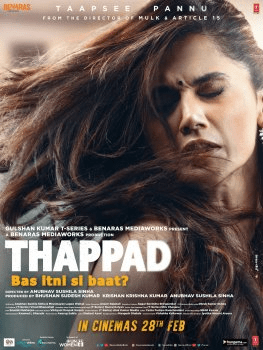
Thappad is a 2020 Indian Hindi-language drama film directed by Anubhav Sinha, which he also co-produced with Bhushan Kumar of T-Series. The film, starring Taapsee Pannu, was released in theatres on 28 February 2020.Amrita Sandhu and Vikram Sabharwal are happily married. Amrita is a sparkling woman and a homemaker, who is shown to spend her days looking after Vikram and the house. As the story progresses, she comes to some realizations and gradually breaks the marriage which had cost her self-respect and passion.

Pink

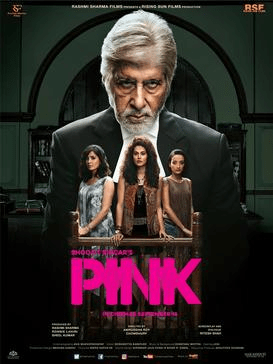
Pink is a 2016 Indian Hindi-language legal thriller film directed by Aniruddha Roy Chowdhury and written by Shoojit Sircar, Ritesh Shah and Aniruddha Roy Chowdhury. Pink features an ensemble cast, which includes Taapsee Pannu, Kirti Kulhari, Andrea Tariang, Amitabh Bachchan, Angad Bedi, Tushar Pandey, Piyush Mishra, and Dhritiman Chatterjee. It clearly put forwards the statement, “no means no, whoever says it”.

Visaranai

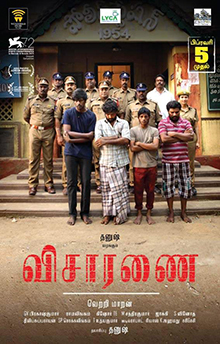
Visaranai is a 2015 Indian Tamil-language crime drama film written and directed by Vetrimaaran. The film deals with lives of two men before and after thrown into a Kafkaesque scenario in which they get tortured for confession. The film strongly stands against the encounter. The story is an eye opener for all those who blindly supports encounter.

Ishq

Ishq is a 2019 Indian Malayalam language thriller film written by Ratheesh Ravi and directed by Anuraj Manohar. The film revolves around the life of a man from Kochi, named Sachi and his girlfriend, Vasudha. The story mainly revolves around the moral policing that they had to face. But the more than that it ends with the message that virginity is not the ultimate measure of a woman’s worth.

The great success of these movies clearly explains the acceptance for these movies. It shows that audience are ready to accept movies which deals with serious topics.

The advent of OTT platforms and the receptive audience have encouraged filmmakers to experiment with their creations. The extent of criticism in the era of social media has also instilled fear in many. Even though it is the case, the film industry needs a revamp. It should be updated

The Rashomon Effect

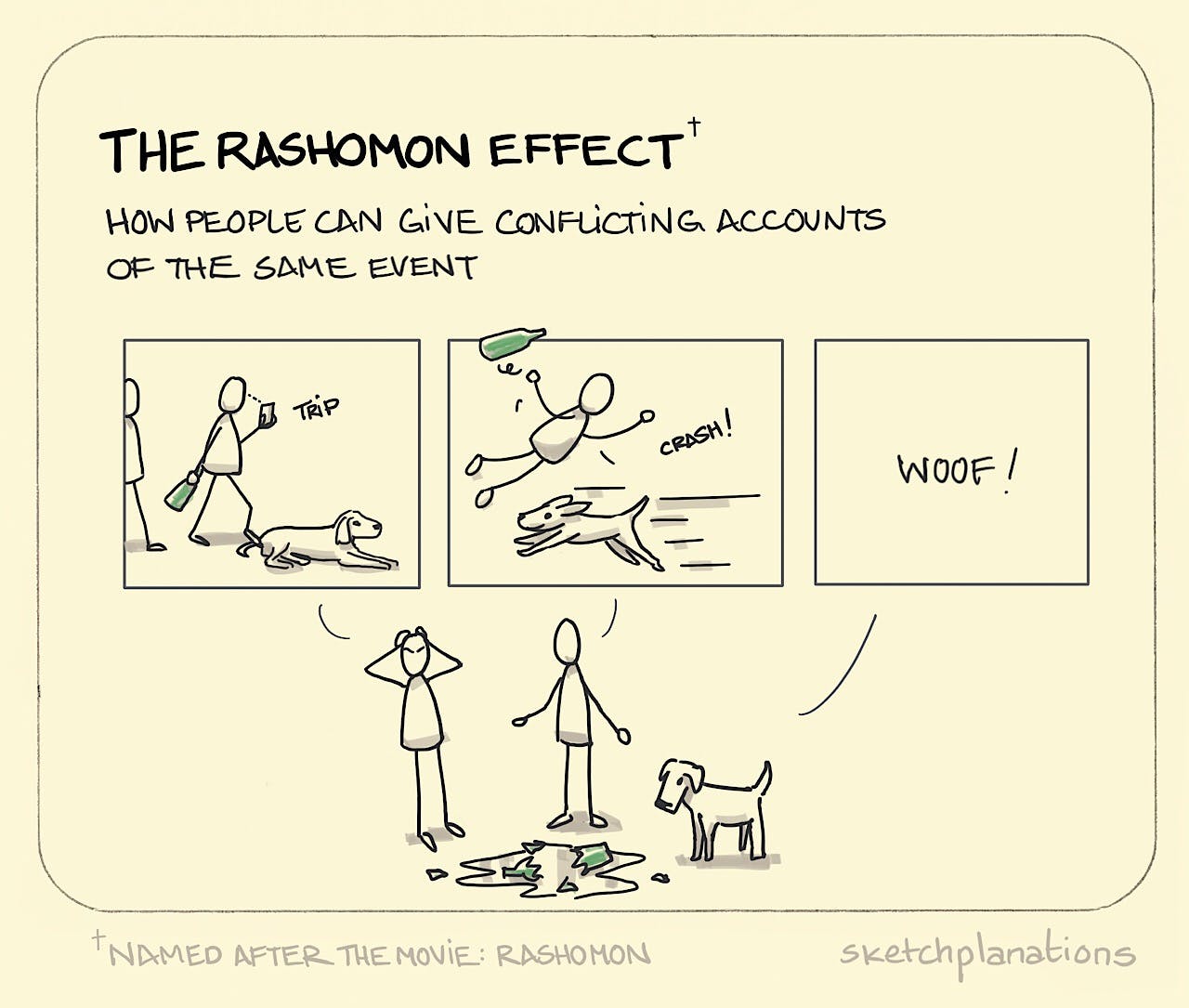
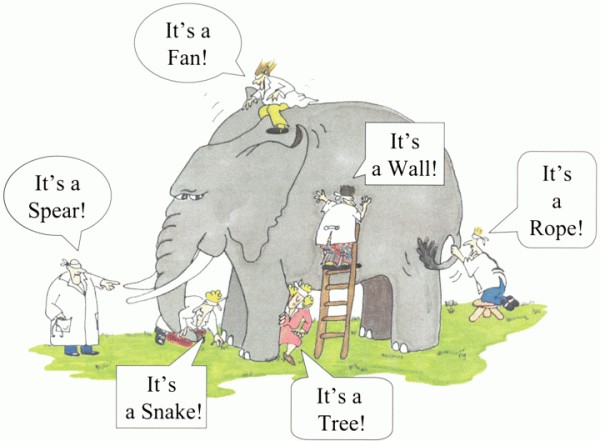
Ever heard multiple sides to a story from eye witnesses and had a tough time deciding which one is true or which to believe? Such a conundrum is brought about by subjective views, observer bias, perspective and memory of the observer. All these parameters can be summed into a single word known as The Rashomon. The Rashomon effect refers to an instance when the same event is described in significantly different (often contradictory) ways by different people who were involved.

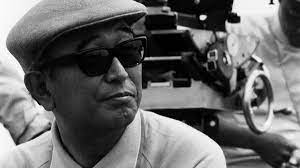
This phenomenon first came to be observed in a book called “in a grove “by Japanese author, Reyonosuke Akutagawa written in the early 1920’s. This was later adapted and made into a movie, by Japanese filmmaker Akira Kurosawa, who directed the 1950 film Rashomon, giving the effect its name. The plot revolves around which four different people provide contradictory accounts of a samurai’s murder, despite all having witnessed the crime. Each witness tale is varied from another, yet so very plausible, that a definite conclusion cannot be drawn, embroiling all of them.

The film explored the issues of the unreliability when depending on witness testimony explores a situation using a similar literary device, wherein the story is told through the viewpoints of different characters who supply conflicting stories. Whether the people’s competing explanations are different because of the fallacy of memory or because of self-serving interests varies. This film became revolutionary with how one understands the human mind, justice and the truth. It since then has become a cultural metaphor and is synonymous with happenings of everyday events as it’s not a sci-fi or an abnormal event, but a very natural course of nature that seems very striking .

Conditions and characteristics.

Not every story will have The Rashomon effect. It mostly occurs when there is no gripping and final evidence but a lot of eyewitnesses and when there is a pressure to achieve closure and coercion to find the truth. In both the movie and the book, no side of a person’s view is given more emphasis and all are shown in an equal scale, each testimony bearing its own truth and plausibility. The script and story writing does tell the audience how to feel or what to believe. The audience had to decide that for themselves making it engaging and deceiving at the same time. Such a premise has conflict as a driving. Conflict in a story drives a plot forward, reveals character, and engages an audience. The Rashomon Effect is based on contradicting reports of the same event and search for the truth through these reports can be a driving force of conflict for a story. The use of an unreliable narrator is another feature, opposed to the presentation from a more objective point of view. This allowed audiences to see the characters as they were and value neutral. To top it off, an ambiguous ending after such a mind boggling series of events, looks like the right justice to this type of storytelling. Our realization that none of the witnesses are reliable leaves us with more questions than answers. While most films at the time had a clear ending, the ending of Rashomon has no clear resolution. This unconventional decision left audiences baffled.  It can be frustrating to some as it subverts from its unorthodox counterparts but , it is not ambiguous for the sake of mystery or confusion, but rather to reiterate themes and larger concepts like the intricacy of the human brain.

Conclusion

Research studies have found that when people form a memory, a visual experience is often influenced by external cues, internal prejudice and past experiences. While a few are completely individualistic, most are universal. An example of this is egocentrism, i.e., having a positive view on their actions but disregard to the other person . it is a subconscious act , most of the times, and these psychological phenomenon means that the rashomon effect can  pop up anywhere.

The Rashomon effect finally boils down to the minutiae and can range from studies of anthropology and biology to the general public analyzing a historic world event. In conclusion this broke a psychobiological barrier of having the right answer to every crisis and rather shifted the focus to versions of the same event that can tell us about the time, place and people involved, how to go about different mind-sets, backgrounds and biases. It emphasized on the fact that sometimes, the objective truth cannot always be obtained and that it is normal to have an obscure, vague ending, which should be embraced and valued in certain circumstances.

Schindler’s Ark: The Book Review

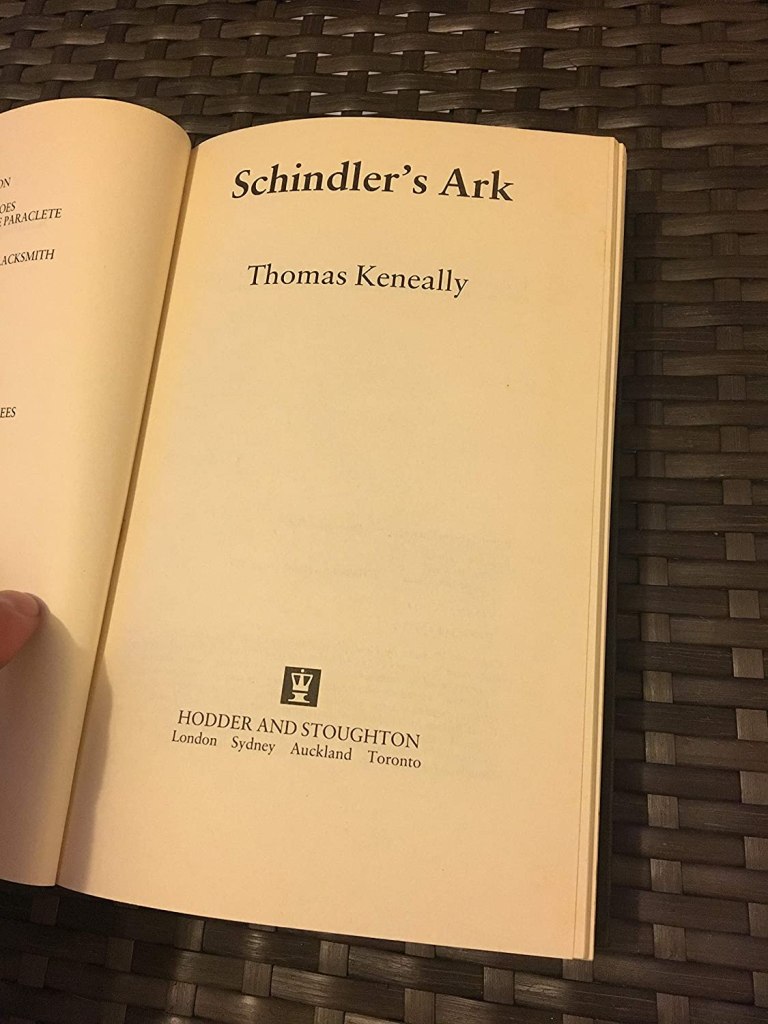
First Printed Edition of Schindler’s Ark

Introduction

Australian author Thomas Keneally‘s novel first “Schindler’s Ark” (later republished as Schindler’s List) brought the story of Oskar Schindler’s rescue of Jewish people during the Nazi Holocaust, to international attention in 1982, when it won the Booker Prize. It was made by Steven Spielberg into the Oscar-winning film Schindler’s Listin 1993, the year Schindler and his wife were named Righteous Among the Nations.

Schindler’s Ark later republished as Schindler’s List

About The Author

Thomas Michael Keneally, (born 7 October 1935) is an Australian novelist, playwright, essayist  and actor.  Keneally’s first story was published in The Bulletin  magazine in 1962 under the pseudonym Bernard Coyle. By February 2014, he had written over 50 books, including 30 novels. He is particularly famed for his Schindler’s Ark  (1982) (later republished as Schindler’s List), the first novel by an Australian to win the Booker Prize and is the basis of the film Schindler’s List. He had already been shortlisted for the Booker three times prior to that: 1972 for The Chant of Jimmie Blacksmith, 1975 for Gossip from the Forest, and 1979 for Confederates. Many of his novels are reworkings of historical material, although modern in their psychology and style.

Thomas Keneally

Storyline of The Novel

The story of the novel is based on true events, on account of the Nazi Holocaust during World War II. Oskar Schindler, (born April 28, 1908, Svitavy [Zwittau], MoraviaAustria-Hungary  [now in the Czech Republic]—died October 9, 1974, Hildesheim, West Germany), German industrialist who, aided by his wife and staff, sheltered approximately 1,100 Jews from the Nazis  by employing them in his factories, which supplied the German army during World War II.

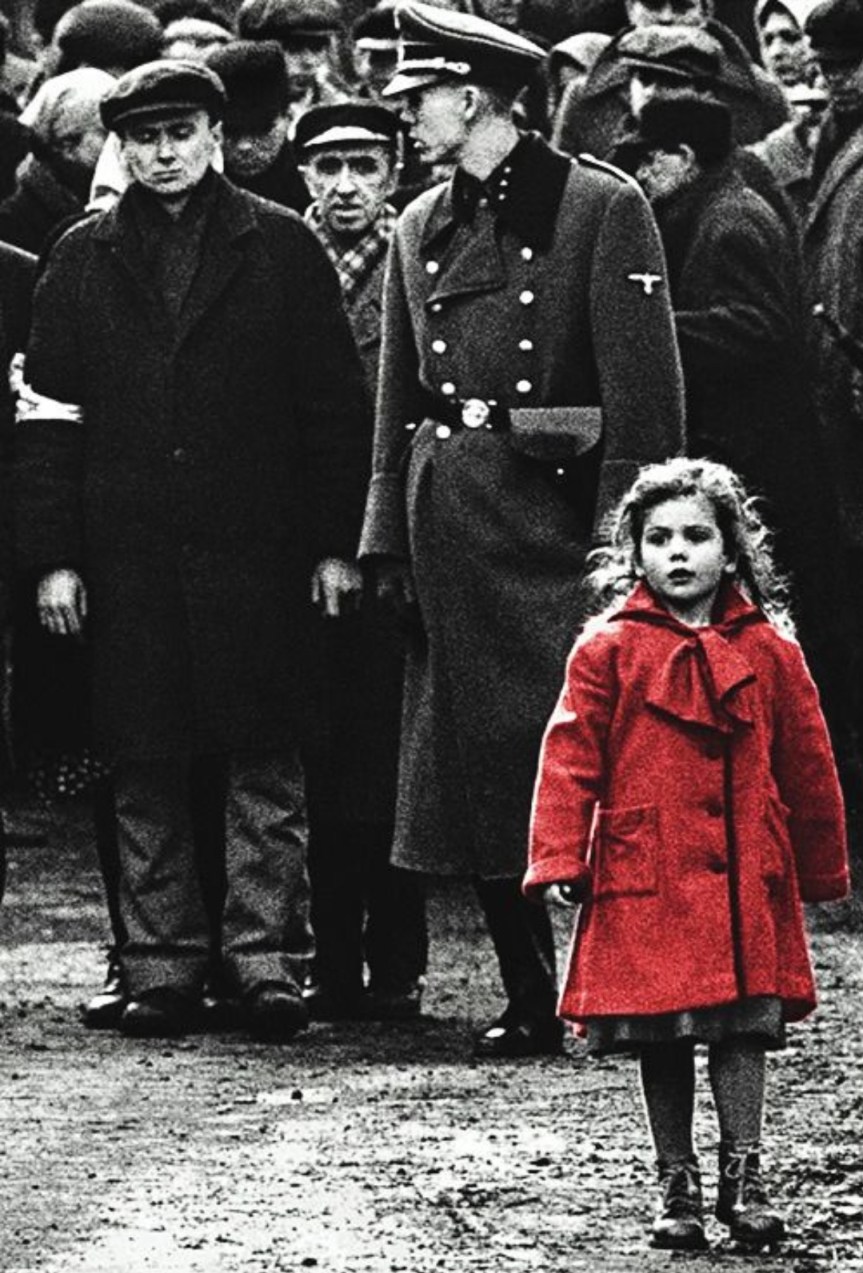
Poster of Steven Spielberg‘s movie Schindler’s List (1993)

In the shadow of Auschwitz, a flamboyant German industrialist grew into a living legend to the Jews of Kraków. He was a womaniser, a heavy-drinker and a bon viveur, but to them he became a saviour. This is the extraordinary story of Oskar Schindler, who risked his life to protect Jews in Nazi-occupied Poland and who was transformed by the war into a man with a mission, a compassionate angel of mercy.

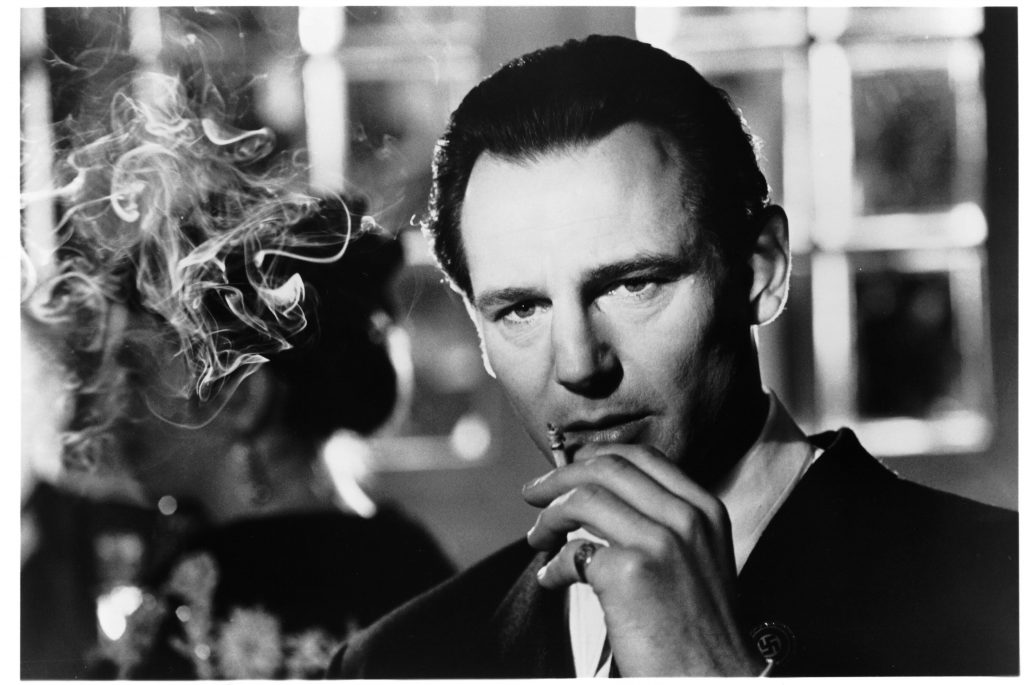
Liam Neeson as Oskar Schindler in Schindler’s List (1993)

Analysis of The Storyline

The novel introduced a vast and diverse cast of characters. However, the focus of the narrative was between Oskar Schindler and Amon Goeth. In the story, there was a dichotomy between what is essentially good and what is evil, that was personified by these two primary characters. Goeth represented everything evil. The war churned out a selfish and heartless sadist who found delight in inflicting pain on the Jews. Ironically, he lusted after his Jewish maid. Schindler, on the other hand, was portrayed as the Good German. He didn’t believe everything that the Nazi regime was saying against the Jews. He was, however, a man of contradictions. Despite being depicted as the epitome of goodness, he lived a self-indulgent lifestyle, which included proclivity towards the bottle and women. His infidelities have been a constant source of pain for his wife, Emilie. He also uses his connections to gain the upper hand in negotiations; it would also be a seminal part of his campaign to save the Jews.  

Ralph Fiennes as Amon Goeth in Schindler’s List (1993)

Criticism of The Storyline

The amount of research poured to recreate the story of Oskar Schindler was astounding. And the starting point to this is as interesting as the novel itself. As noted in the Author’s Note, a chance encounter in 1980 led to the novel. Schindler’s motivation for protecting his workers was rarely ever clear, especially at the start. Questions still hound his true intentions. He, after all, brazenly took advantage of the cheap labour the Jews offered at the start of his enterprise. Is Schindler an anti-hero? The answer can be found in Keneally’s extensive research. Through interviews with surviving Schindlerjuden and different Second World War archives, he managed to identify the point in which Schindler decided to protect the Jews. While horseback riding on the hills surrounding Kraków, he witnessed an SS Aktion unfold on the Jewish ghetto below. The Jews were forcefully taken out of their houses. Those who resisted were shot dead, even in the presence of children. Witnessing the atrocious acts firsthand turned Schindler’s stomach. It was then that he resolved to save as many Jews as he can.

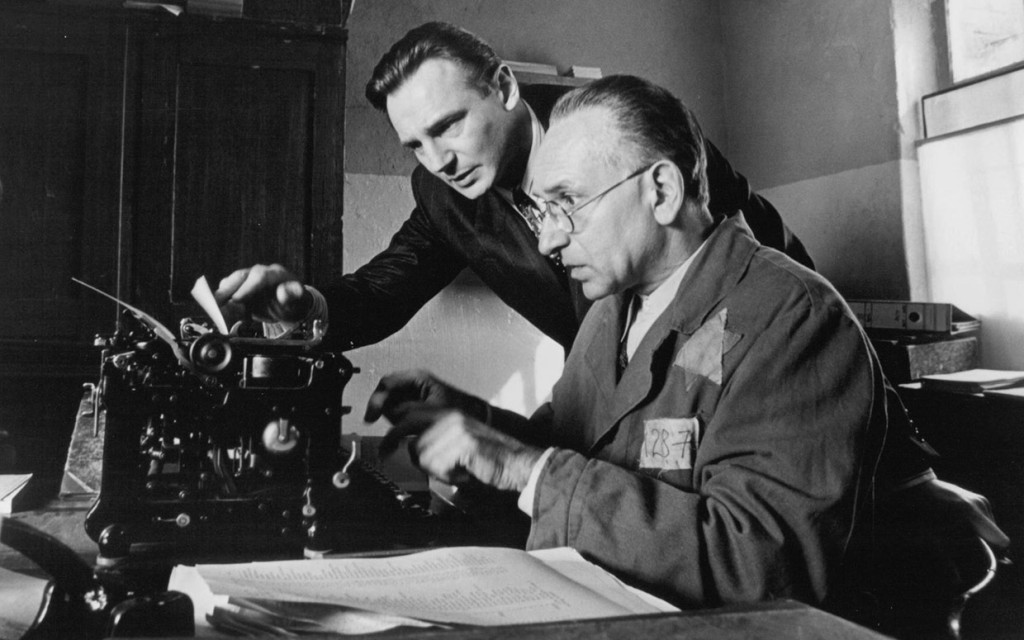
Scene from Schindler’s List (1993)

Overall, what didn’t work was the manner in which Keneally related the story of Oskar Schindler. As the story moved forward, it became clearer that Keneally was unsure of how to deliver the story. His resolve to remain loyal to Oskar’s story was commendable. He endeavored to do just that but it never fully came across. The result was an amalgamation of fiction and historical textbook. The strange mix muddled the story and the result was a perplexing work of historical fiction. It is without a doubt that one of the darkest phases of contemporary human history is the Second World War. Nobody expected that the meteoric ascent of Der Führer, Adolf Hitler, in the German political ladder would lead to a devastation of global scale. As the Axis forces march towards and beyond their boundaries, they would leave death and destruction in their wake, stretching from Europe, to the Pacific, and to the Far East. The consequences of the war would resonate well beyond its time. With genocides, concentration camps, and slave labour commonplace, the war was a reflection of the human conditions. Its peak, the Holocaust, exhibited the extent of the darkest shades of the human spirit. It was a grim portrait.

Indeed, the Second World War brought out the worst in humanity. However, in times of darkness, there are those among us who rise to the occasion. One of them is Oskar Schindler whose story was related by Thomas Keneally in his nonfiction novel, Schindler’s List (1982).

Conclusion

While Keneally‘s dramatization of this great man’s exploits is lacking in novelistic shape or depth, the brutality and heroism are satisfyingly, meticulously presented–as plain, impressive, historical record; and if admirers of Keneally’s more imaginative work may be disappointed, others will find this a worthy volume to place beside one of the several Wallenberg biographies.

A MACBETHIAN ANALYSIS OF JOJI

Malayalam movies are getting wider audience attention since the development of OTT platforms. Even before that Malayalam film industry was also considered as one of the best industries among Indian film industries. Joji (2021) is one of such movie which gained worldwide attention through its plot, making and casting. This 2021 film was written by Shyam Pushkaran and directed by Dileesh Pothan. In the title itself the makers said it is ” inspired from Shakespeare’s Macbeth”.

The plot revolves around a wealthy family of three sons, their father , daughter in law and grandson Poppy in Kerala. Joji , the character played by Fahad Faasil is the youngest son of the family is the protagonist of the movie who has a negative shade. Joji along with his elder brothers Jomon and Jaison lead a submissive life under their dominating father Panachel Kuttappan. Bincy (Unnimaya Prasad) is the daughter in law of the family. Though the father of the family is old, he is fit and active in the family affairs. The elder sons aids him in agriculture and business, but Joji is financially dependent on the father and running unsuccessful ventures, where Bincy, wife of Jaison manages the household chores and is always in the kitchen. As the movie progresses Kuttappan meets with an accident while engaging in affairs in pond and become paralyzes. However Kuttappan returns home bed ridden and unable to speak. Joji was happy for this but his other brothers arrange for his last rites. But after a surgery the father’s condition gets improved. At this all both sons ask money from him for their ventures , but he rejects. Here, we can see that Bincy is the brain behind these actions by Joji and Jaison. Bincy shares her frustration and also triggers Joji by saying that ” your good days will be wasted on this kitchen slab”. Joji finally decides to kill the father. Then Joji replaces father’s daily medication, and this is witnessed by Bincy. Bincy and Jaison too secretly wishes for the death of their father. Finally the father, Kuttappan dies soon. After the death, Dr Felix, a family friend presides for the partition of the dead father’s estate. After this an encounter with an employer of the plantation results in the death of Jomon. This was also a murder by Joji. Over the next few days the family members finds that Joji is the killer of Jomon, but Joji denies the claim. Towards the end Joji attempts suicide by firing the same air gun he used for killing Jomon. In the suicide note left by Joji he blames the family members and society for all his acts. In the final scenes we can see that Joji survives in the hospital bed , while the police officer asks Joji to confess his crime by blinking his eyes, Joji forcefully does not blink and at this the movie comes to an end.

While analyzing Joji in the light of Macbeth, Joji can be identified as Macbeth, with his aim towards power. The tragic flaw of Macbeth was over ambition. Here Joji’s character also shows this same ambition and power and he needed independence from the dominating power of his father. Macbeth’s ambition began from the moment, when he witnessed and heard the witches. Their prediction was one of the reason for his change. In the same way Dr Felix addressed Joji as “rich” and this triggered Joji. Whereas the character of Bincy (Unnimaya) who is Joji’s sister in law, resembles all the characteristics of Lady Macbeth. By being a mute witness to Joji’s acts, she agrees to all his acts. While Joji longs for power and money, Bincy’s motive behind these acts are independence from the patriarchal family. Like Macbeth and Lady Macbeth, Joji and Bincy are the powerful characters who shares same dependence. Bincy clearly knows the state of mind of Joji. That’s why she says to Joji in his father’s funeral to “wear a mask and come”. Whereas other son Jomon is loyal to their father like Banquo, who was loyal to King Duncan, and in many ways Macbeth’s opposite.

After the murder Joji feels the same kind of frustration and confusion, which Macbeth felt. But on the other hand Bincy is portrayed as powerful than Joji. The dream of dead father, resembles Macbeth’s three apparitions and visions. His soliloquies in the closed room (Joji’s Palace) also resembles that of Macbeth’s. But he was not ready to reveal and confess his crime, that’s why he blamed the society for all his acts. There is a slight deviation in the characteristics of Joji from Macbeth. Macbeth is the one who always was the winner, and this made him greed. He believed that with his greatness in the battlefield he deserves the throne of Scotland. But on the other hand Joji is the one who is an engineering dropout, who doesn’t have any ambition, but only greed.

Towards the end Macbeth is stripped of “honor, love, obedience, troops of friends” and there is a kind of sympathy towards Macbeth in the end. But in this film, the police says to Joji that “you didn’t die, so it is trouble for you and us as well”. Even though Joji resembles the plot and narrative aspect of theatre, there are a lot of variations. With the praiseworthy performance of Fahad Fasil, Unnimaya, Sunny and other casts, Joji fits in the universe of Macbeth. Dileesh Pothan brilliantly fits Macbeth in the twenty first century universe with Joji’s palace. The music and cinematography makes this film a classic one.

No Boundaries

Today, as soon as the sun comes up the only hot topic that people could pick from the news sections that could give some respite to the evil, gossip loving person inside them is the update about humans living in the b-town. Right from the first cup of tea of the day, people want their dose of rumors, some true other false about the celebrities working in the movie industry of India specifically and others in general, to the last meal of the day, all these gossip sharing beings care about is the latest scandal that happened even a second ago. Indians have been so passionate about the tiniest of the details about every big or small event taking place in the lives of the actors specially working in the Hindi film industry that they sometimes even take offence when an actor is not that public about their personal lives. They become so indulged the lives of the bollywood stars that they hardly have any track of their own lives.

With the new paparazzi culture developing ever so fast in India, the curiosity of next move of these stars have risen to another level. With paparazzi capturing them in the local city just as they move, it has become easier for people to track them and go all gala over them. Each passing day the craze for the knowledge about the movie actors increase. Every new project of their favorite celebrity works like an energy drink for their gossip loving minds. A slightest of fire of affair of two celebrities is enough to burn the house of reality to ashes and believe the rumor. The information about whose dating whom, whose getting married to whom, who is having kids with whom, who is getting most approval on their auditions, whose been rejected most often, who is into drugs and who follows which god or religion, serves as the chilly-flakes on their freshly ordered pizza only to burn their tongues later.

This toxic behavior of following every detail in their beloved celebrity life which eventually turns into obsession is harmful for both the celebrity and the people obsessed with them. These followers become so involved into the lives of these big town stars that they are affected to the extreme levels when they learn the reality about one or other of these actors which is definitely different from what they had expected it to be. They literally worship these actors to the extent that they even become ready to give up their lives just so to have a selfie with them. With the deaths of some famous and really admired stars this year the deaths of their fans in their remembrance has lead to the shocking and unexpected toxicity that this following to the nook culture has developed. People need to back out from this over involvement, fascination, passion for the celebrity they follow so as to give them and themselves the space for breathing into the healthy culture of loving and admiring someone but not getting so engrossed that they turn into some maniac follower who knows no boundaries.

Picture Credits: https://bit.ly/2ZbrY4j

Valuable Lessons taught by Superhero Movies

What was the first superhero movie you watched in the theatre? For me, it was Spider Man (2002) with Tobey Maguire portraying Peter Parker. Spider-Man has remained a classic in my head. It’s not the only movie that sticks in my mind. There are a lot of superhero movies that came into existence and many of them are great. The best part of these movies is that they entertain us and at the same time teach us lessons. It’s like when we go to a school and we learn various things in various subjects. It’s also the same way that a movie helps us learn lessons in an entertaining way.

Lesson 1: With great powers comes great responsibilities 

This dialogue is one of my favourites and the name of the film is spider man which was released in 2002, he could have used his power for his personal gains but instead, he used his power to save people from many evil incidents. He could have easily teamed up with criminals to steal some money so that he could improve his financial situation but instead, he risked his life to make his city a safe place to live for everyone. Without expecting anything in return he uses his superpower to serve mankind. This teaches a lot in real life, when we achieve something through our hard work it doesn’t mean we will start exploiting other people instead we can use our power or wealth to help the needy or weak person. For example, if an Individual studies hard and do great in the UPSC exam. He or she eventually becomes an IAS or IPS officer so that individual uses their position for the welfare of the people. 

Lesson 2: Teamwork 

Many of us have watched Justice League, X-men or Marvel movies where the theme is Teamwork. We see our favourite superhero isn’t fighting alone with the villains instead they work as a team to defeat the supervillains. The same thing goes for us in real life, we always need a team whether it is in a school project or in college assignments we do need a team so that every member looks at the expertise of their work and it eases our load of work. Every member has an important role to play in their field of work. 

Lesson 3: Your past doesn’t decide your future

If we see an example of Natasha commonly known as Black Widow, she was trained as an assassin in KGB and she felt guilty of the innocent lives she took while on her missions but instead she moved on from her past life and tried to be the best version of herself and let other people come in her life and also she teams up with avengers to save millions of lives. For us in real life also we all made mistakes in our life, but it doesn’t mean we should be hard on ourselves instead we should learn from our previous mistakes and move on from our past and try to be the best version of ourselves. 

Lesson 4: Never give up  

We have commonly seen our superheroes are fighting the extraterrestrial super villains which they haven’t fought before but instead of giving up, they fight them instead and eventually turns into victory. The same thing we have to apply in our lives is to never give up in any situation, if we are starting our blog or a startup just do it. We may face several challenges or difficulties but we have to be persistent in our goal and achieve it. 

Lesson 5: Everyone is unique 

In our favourite superhero movies whether it be Justice League, X-Men or Avengers every character has their unique abilities and powers just like Tony stark is highly Intelligent and Thor is extremely powerful. In real life also this same thing applies in our lives, we shouldn’t compare ourselves with other people because everyone is different, unique and best in their ways. Every Individual has their talent and passion which makes them different from other people.

Mini Movie Review|It touched the hearts but not the brains

A character played by Kirti Sanon personifies surrogacy through Mimi who was aspired to chase her dreams but couldn’t fulfill it.

Nothing like you are expecting!!

Cast: Kirti Sanon, Pakaj Tripathi, Sai Tamhankar, Supriya Pathak, Manoj Pahwa

Director: Laxman Utekar

In a patriarchal society like India, women have always been under the umbrella of the community. It’s barely seen in the families who support a girl’s dream and accept her to be a dancer.

The movie begins with the introduction of a foreign couple who came to India in the search of a surrogate. After long hours of work, they were finally able to find a girl with the help of the driver (a role played by Pankaj Tripathi) in a hotel. Mimi(the girl) was a dancer and getting influenced by its flexibility they decided to offer her 20 lakhs to be the surrogate. Being an ambitious 25-year old woman agrees to take the risk for the same of becoming a famous Bollywood actress. She decides to live at her friend’s house by convincing the parents saying, she is going to a film shoot. With the required procedure, Mimi becomes the surrogate, and for the first four months, she was having a good time with the pregnancy. However, after eight months tests revealed that the baby is suffering from some mental disorder. This news outraged the couple and they decided not to accept the baby after birth and told Mimi to abort. This became the turning point in her life. She sacrificed all her dreams by deciding to give birth to the child and raise him. Later, the couple returned to her after 2 years when they came to know that the baby was born healthy. Mimi refused to give the child back and in the end, they decided to adopt a girl.

Message

  • A girl is also born with a dream and her character is not decided with what she pursues but what she is.
  • The support of family is crucial in the darkest times. Mimi faced all the criticisms from society but her parents never let her alone and accepted her as she was.
  • Killing is not an option. It’s not the fault of a child to be born unhealthy.
  • One loyal friend is more important than a group of unloyal ones. The driver and the friend were with Mimi till the end, helping her go through all the difficulties with a smile.

Every coin has two sides. Even though the movie won the hearts of the audience, it faced several criticisms like not following the laws related to a sensitive topic of surrogacy, using the term casually, and disrespect towards the decision of abortions.

It played with the emotions well, yet failed to manipulate the thoughts.

10 Greatest Movie Adaptations From Books That You Should Definitely Watch

The adaptation is the ultimate high-wire act in Hollywood. And adapting everything from classic literature to modern pop hits has resulted in the unfortunate debate of “which is better, the movie or the book?” when, more often than not, both the source material and the adaptation are worth the time because they tend to enhance rather than detract from one another.

Photo by Anastasia Shuraeva on Pexels.com

1. The Godfather: The novel by Mario Puzo is an engrossing, dark thriller that fascinates, horrifies, and entertains readers. The first two films adapted from the novel by Francis Ford Coppola elevate the tragic storey into operatic successes that are widely regarded as two of the best pictures ever produced. Both films were nominated for Academy Awards for Best Picture and Best Adapted Screenplay (Part II being the first sequel to do so).

2. Little Women: Regardless of Greta Gerwig’s shocking lack of Oscar nominations this year, there’s no denying that her adaptation of Louisa May Alcott’s classic novel (spoilers ahead!) was outstanding. Gerwig gives the story a simple twist by envisioning Jo as the author of the classic Little Women. This changes the story into one of creative desire and achievement, and it breathes new life into a classic without diluting its essence.

3. The Color Purple:  Steven Spielberg directed a fantastic adaptation of Alice Walker’s novel, one that is both storyline and character accurate to the book. This is a significant accomplishment because Spielberg relies heavily on his actors to express most of the emotional material through their performances, whereas in the novel, we are privy to Celie’s inner thoughts and feelings. This film is a must-see due to the outstanding performances by the actors.

4. Harry Potter: Despite being eight films lengthy, the Harry Potter film series has four directors and two credited screenwriters, and it had to cut J.K. Rowling’s plot down by a bit. The films, on the other hand, remain fairly accurate to both the plot and the character development that is Rowling’s actual genius, following the same progression from a frivolous children’s tale to the darker, more ethically complicated storey found in the later books. They’re perfect adaptations for fans who can’t wait to see the amazing things they’ve just read about.

5. Great Expectations: Charles Dickens’ writings are large, contain a lot of information, and are generally structured in a serial format, so adapting them to the screen is always a challenge. But, even after all these years, David Lean’s 1946 version of Great Expectations remains highly praised; Lean’s script manages to condense the plot and characters into two fast hours without losing anything. The picture feels current and genuine to the text while being more than seven decades old.

6. The Lord of the Rings: In a broad sense, Peter Jackson’s trilogy of films are fairly loyal to J.R.R. Tolkien’s classic epic fantasy novels — Jackson condensed the tale a lot, but few people complained that there wasn’t enough Tom Bombadil in there. With the use of breakthrough CGI, Jackson was able to show the most famous fantasy universe ever conceived in a realistic, plausible manner while maintaining the primary themes of hope, heroism, and despair.

7. The Devil Wears Prada: Miranda Priestly is one of cinema’s greatest villains, and despite Lauren Weisberger’s novel’s success, the picture is a step forward. The novel, which was optioned before it was even finished, finishes on a totally different emotional note, but the film sharpens Miranda’s character to a coal-black point and provides a more satisfying conclusion to the storey.

8. The Social Network: The Accidental Billionaires, a nonfiction book by Ben Mezrich, is a strong, engaging, and well-researched account of Facebook’s birth and the various characters involved, as well as a sharp, critical look at the world of privilege around Harvard University. The screenplay by Aaron Sorkin and the director by David Fincher expand on that great foundation to create an outstanding character study — a film that easily blends remarkable visual flair with modern technology (some people still believe Armie Hammer has a twin) and razor-sharp storytelling.

9. Crazy Rich Asians: Kevin Kwan’s delightful, sarcastic love comedy was released in 2013, and it was transformed into a sizzling motion film directed by Jon M. Chu just five years later. The film was an instant smash, depicting the inner workings, intimacies, and complex demands of Singaporean high society. It was nominated for multiple Golden Globe Awards and received excellent accolades from critics, which piqued people’s interest in the novel.

10. Breakfast At Tiffany’s: Truman Capote’s darker, more brutal novella remains a cultural classic because to the legendary adaptation. Capote’s moving, tragic, and finally beautiful narrative of a woman striving to manufacture glamour out of the ruins of her life is a heart-warming, tragic, and ultimately beautiful story. Despite the fact that the film toned down the sadness, prostitution, and LGBT undertones, it ends on a hopeful note of romance, each scene is dramatic, unforgettable, and kind of genius.

Indian actors who proved their mettle in Hollywood.

Hollywood movies and American television are replete with extraordinary talent from all over the world. Several actors from India have been part of celebrated movies and shows that come out of Hollywood. From renowned Indian actors such as Irrfan, Om Puri and Nasiruddin Shah, to younger actors such as Dhanush, there is no dearth of talent when it comes to brilliant talent out of India.Actors from India have made waves in Hollywood for many years now, but there are a few stand-out names among them all, both old and new. Take a look at the list of five such indian actors who played a prominent role in Hollywood movies.

1.Irrfan Khan

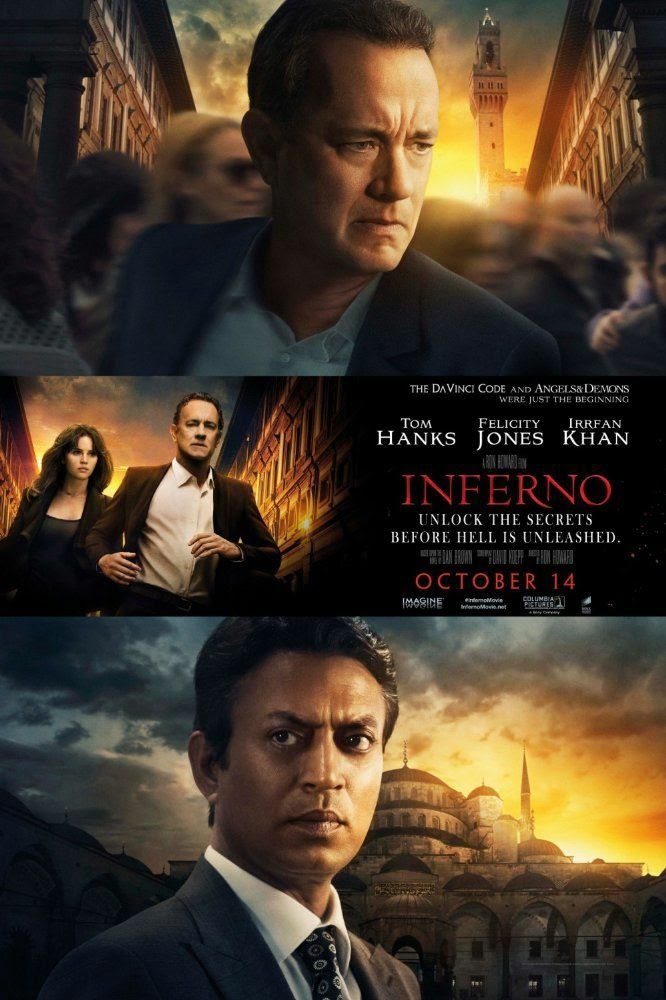
Irrfan Khan was an actor who defined brilliance.The late actor was well-regarded for his varied roles in Bollywood, having starred in dramas, comedies and indie films too. Cited in the media as one of the finest actors in Indian cinema, Khan’s career spanned over 30 years and earned him numerous accolades, including a National Film Award, an Asian Film Award, and six Filmfare Awards. In 2011, he was awarded the Padma Shri, India’s fourth highest civilian honour The late actor’s rendezvous with Hollywood started with A Mighty Heart and The Darjeeling Limited. In 2006, he starred in the lead role alongside Tabu in Mira Nair’s The Namesake. Other movies that he has starred in are Slumdog MillionaireThe Amazing Spider-Man in 2012, Jurassic WorldLife of Pi and Inferno.

2.Anupam Kher 

Anupam Kher is an Indian actor and the former Chairman of Film and Television Institute of India. He has appeared in over 500 films predominantly in Hindi language, and many plays .Apart from being extremely popular in Bollywood and opting for roles that make his versatility evident, Kher was seen playing the role of court-mandated therapist, Dr. Cliff Patel in the romantic comedy movie “Silver Linings Playbook” (2012). He was also seen in ‘Bend it like Beckham’ playing the role of a quintessential Indian father.Kher also appeared in Hotel Mumbai, based on the true events of the horrific 26/11 attacks in Mumbai when terrorists took over several key spots in India’s financial capital, including the celebrated Taj Mahal hotel. In the movie, Kher played the head chef who decides not to escape the hotel when the window of opportunity presents itself and stays back to help the guests who are still trapped inside.

3.om puri

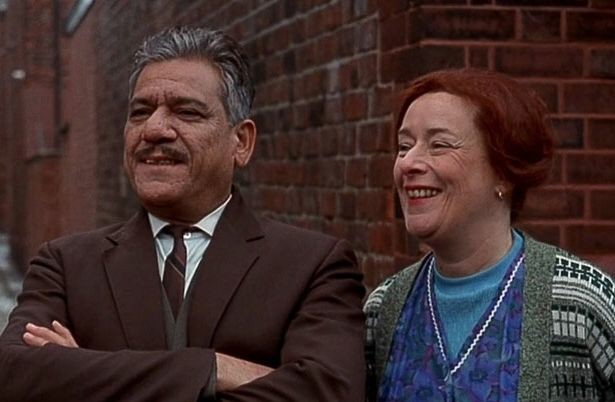
Another veteran Indian actor was Om Puri, known for his roles in Indian arthouse movies. The actor appeared in a number of Hollywood movies, from the Tom Hanks-Julia Roberts starring movie, Charlie Wilson’s War, The Hundred-Foot Journey, where he starred alongside Dame Helen Mirren, and the comedy-drama, East Is East . Om Puri was one of the few actors whose work has travelled from Bollywood to British and Pakistani cinema. The actor was part of Richard Attenborough’s Academy Award-winning film Gandhi. He was also part of Roland Joffe’s City of Joy, Mike Nichols’s Charlie Wildon’s War, Michael . Puri was also paid homage at Oscar Awards 2017.Puri was awarded Padma Shri, the fourth highest civilian award of India, in 1990.In 2004, he was made an honorary Officer of the Order of the British Empire.

4.Aishwarya Rai

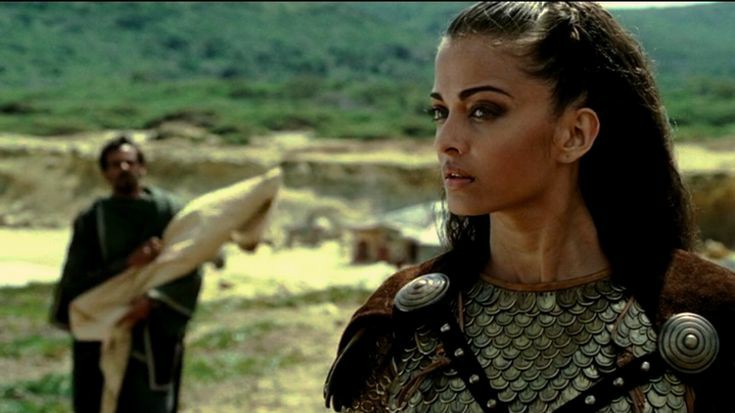
The lovely Aishwarya Rai is one of the most popular Indian celebrities the world over & was one of the first of her generation of Indian actors to have crossed over to Western projects, with lead roles in movies like Gurinder Chadha’s Bride & Prejudice, Provoked, The Last Legion with Colin Firth and Ben Kingsley, and as the femme fatale in the comedy-drama, The Pink Panther 2.Rai is touted as one of the most beautiful actresses in commercial Indian cinema and has, for years, been on the jury for the Cannes Film Festival.Rai has received numerous accolades, including two Filmfare Awards, and was honoured with the Padma Shri by the Government of India in 2009 and the Ordre des Arts et des Lettres by the Government of France in 2012. She has often been cited in the media as “the most beautiful woman in the world”

5.Ali fazal

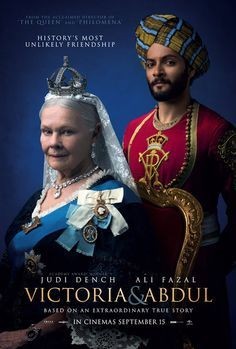
Ali Fazal’s Bollywood journey is filled with hits and misses. However, he had done some notable projects in Hollywood. The actor has starred in Fast and Furious 7 and went on to play the lead in Victoria and Abdul alongside Judi Dench. One star who is slowly making inroads in the West is the versatile Ali Fazal. The actor, who is well known for his role in crime thriller web show ‘Mirzapur’, starred alongside Dame Judi Dench in ‘Victoria & Abdul’. He will soon be seen in ‘Death on the Nile’, a Hollywood adaptation of the Agatha Christie novel of the same name.