India and Bhutan on Air quality, Climate change, Forests, Natural resources, renewable energy sources and wildlife

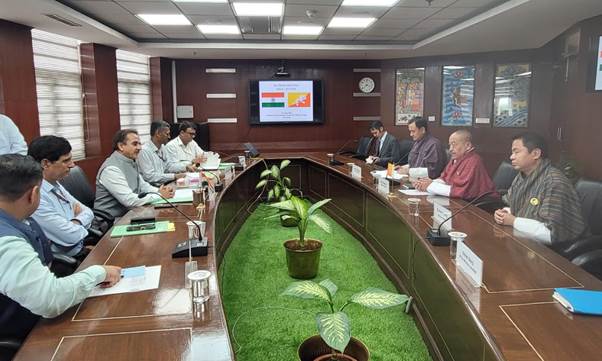
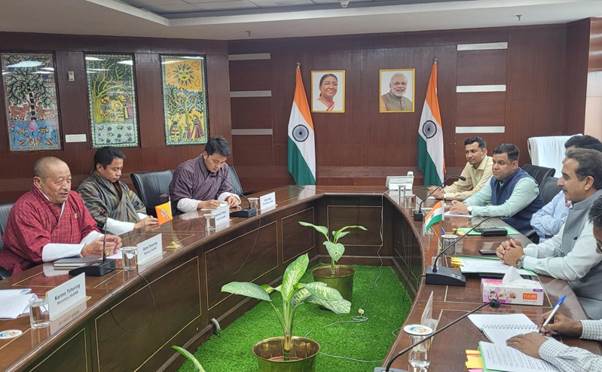
 A delegation from the Royal Government of Bhutan, headed by Mr Gem Tshering, Minister of Energy and Natural Resources, Government of Bhutan met Shri Kirti Vardhan Singh, Union Minister of State for Environment, Forest and Climate Change and discussed issues related to air quality, climate change, forests, natural resources, wildlife and renewable energy.

Shri Kirti Vardhan Singh thanked the Bhutanese Minister on joining the International Big Cat Alliance, a global initiative of India. He stated that both countries share same geography, ecosystem, as well as common values of democracy. He further stated that climate change is a common concern for both the countries.

Mr. Tshering informed about successfully hosting the Sustainable Finance for Tiger Landscape Conference in April 2024 in Paro. He stated that Bhutan is already a carbon negative country and obtains its major share of energy from hydropower.

Both sides agreed to work together in the areas of climate change, air quality, forest, wildlife management, and capacity building in the field of environment and climate change. India suggested to hold the Joint Working Group Meeting.

****

Thirty Minerals Listed as Critical Minerals for India

 The Ministry of Mines had constituted a Committee on 01.11.2022 to identify the critical and strategic minerals. The Committee had, inter-alia, recommended to establish a National Institute or “Centre of Excellence on Critical Minerals” (CECM). The purpose of CECM is to periodically update the list of critical minerals for India, preferably every three years, and to notify the critical mineral strategy from time to time. The committee has recommended 30 minerals are critical for the country, out of which 24 minerals are included in the list of critical and strategic mineral in Part D of Schedule 1 of MMDR Act.

A joint venture company namely Khanij Bidesh India Ltd. (KABIL) has been incorporated with the equity contribution from three Central Public Sector Enterprises namely, National Aluminium Company Ltd, Hindustan Copper Ltd and Mineral Exploration and Consultancy Ltd with the objective to ensure consistent supply of critical and strategic minerals to Indian domestic market. On basis of commissioned study and selection criteria, KABIL has initiated engagement with several state owned organizations of the shortlisted source countries through Ministry of External Affairs and the Indian Embassies in countries like Argentina and Australia to acquire mineral assets overseas primarily the critical & strategic minerals.

The Central Government has further amended the Mines and Minerals Development and Regulation Act, 1957 (MMDR Act, 1957) through the MMDR Amendment Act, 2023, whereby 24 critical and strategic minerals have been inserted in part D to the Schedule-I of the MMDR Act, 1957 which have been identified as critical and strategic minerals for the country. Further, the amended Act has also empowered Central Government to auction critical and strategic minerals blocks. Government of India has launched first tranche of auction of these minerals on 29th November, 2023 for 20 blocks. The details of the blocks are at Annexure.

In addition, the Ministry of Mines under its ‘Science and Technology Programme’ provides grants for Promotion of Research and Innovation in Start-ups and MSMEs in Mining, Mineral Processing, Metallurgy and Recycling Sector (S&T-PRISM). One of the thrust areas under S&T-PRISM includes focus on extraction of strategic and critical

minerals at elemental level. 

Furthermore, the Ministry is also actively involved in Mineral Security Partnership (MSP) and other multilateral/ bilateral partnerships with various countries to secure the critical mineral demand of India. Under India’s G20 presidency, recognizing the significance of the role of critical minerals in global energy transition the Ministry of Mines got it included in the G20 New Delhi Leaders’ Declaration.

Annexure


The details of Critical Mineral Blocks which have been notified for auction are as detailed below:


Sl No

Block Name

State

Mineral

ML/

CL

1

Chutia-Nauhatta Glauconite Block

Bihar

Glauconite

CL

2

Pipradih-Bhurwa Glauconite Block

Bihar

Glauconite

CL

3

Genjana Nickel, Chromium and PGE Block

Bihar

Nickel, Chromium and  PGE  

CL

4

Kundol Nickel and Chromium Block

Gujarat

Nickel & Chromium  

CL

5

Muskaniya-Gareriatola-Barwari Potash Block

Jharkhand

Potash

CL

6

Dudhiasol East Nickel and Copper Block

Odisha

Nickel and Copper 


ML


7

Babja Graphite and Manganese Block

Odisha

Graphite and Manganese 

ML

8

Biarapalli Graphite and Manganese Block

Odisha

Graphite  and Manganese 

ML

9

Akharkata Graphite Block

Odisha

Graphite

CL

10

Vellakal Central (Segment-A) Molybdenum Block

Tamil Nadu

Molybdenum Ore

CL

11

Nochchipatti Molybednum Block

Tamil Nadu

Molybdenum Ore

CL

12

Velampatti North A & B  Molybdenum Block

Tamil Nadu

Molybdenum Ore

CL

13

Kurunjakulam Graphite Block

Tamil Nadu

Graphite

CL

14

Iluppakudi Graphite Block

Tamil Nadu

Graphite

CL

15

Mannadipatti Central Molybdenum Block

Tamil Nadu

Molybdenum

CL

16

Marudipatti (Central) Molybdenum Block

Tamil Nadu

Molybdenum

ML

17

Kurchha Glauconite Block

Uttar Pradesh

Glauconite

CL

18

PahadiKalan – Gora Kalan Phosphorite Block

Uttar Pradesh

Phosphorite

CL

19

Salal-Haimna Lithium, Titanium and Bauxite (Aluminous Laterite) Block

UT: Jammu and Kashmir

Lithium, Titanium and Bauxite(Aluminous Laterite) 

CL

20

Katghora Lithium and REE Block

Chhattisgarh

Lithium and REE

CL


This information was given by Union Minister of Coal, Mines and Parliamentary Affairs Shri Pralhad Joshi in a written reply in Rajya Sabha today.

****

Various initiates by the world community in safeguarding natural resources

Montreal
Protocol 

It was finalized in the year 1987
and adopted on 15 September 1987. It is a multilateral environmental agreement
and this protocol is the only UN treaty ever up to date which was
initially approved by only 46 countries but now it is ratified by all 197 UN
member countries/states. This protocol regulates the production and consumption
of man-made chemicals which can deplete the ozone layer. 


Kyoto
Protocol

Second commitment of Kyoto
Protocol (2013-2020), bridges the gap between the end of the first
commitment and the start of the second commitment with further emission cuts.
The Kyoto Protocol is an international agreement within the United Nations
Framework Convention on Climate Change (UNFCCC), which commits its Annex
B-Parties (the countries which have adopted the targets to reduce the
greenhouse emissions) with legally binding emission reduction commitments.

Paris
Agreement

It is an agreement within
the United Nations Framework Convention on Climate Change (UNFCC) which focuses
on reducing the greenhouse gas emissions. It is replaced by its predecessor,
the Kyoto protocol which is also the international treaty for similar purposes
and its second commitment expires this year i.e. 2020. The Paris Agreement came
into force on 4th November 2016 and has been signed by 197 countries and as of
November 2019- 187 countries have confirmed. India has also given its consent
to this agreement. In the whole world, India stands at third after China and
the US when it comes to the emission of the greenhouse effect according to May
2019.

Vienna
Convention for the Protection of the Ozone Layer
1985

Initially, this convention was agreed in 1985 and it came into force on
22 September 1988. It is a multilateral agreement. Montreal protocol comes
under this convention. This convention was formed with a purpose to globally
monitor and report on the ozone depletion. Under this convention, it made
structures for the improvement of protocols and also for taking a more binding
action.


Convention
on Biological Diversity, 1992 (CBD)

This convention provides a legally binding framework which
came into force in 1993 with a purpose to conserve the biodiversity and use
biodiversity feasibly. The main objective of this convention is to encourage
those actions which will lead to a sustainable or viable future. The governing
body of this convention is the Conference of the Parties (COP).

Convention
on International Trade in Endangered Species of Wild Fauna and Flora (CITES)

This convention is an international agreement between the
countries and entered into force in 1975 which aims to protect wildlife from
over-exploitation due to international trade. Basically under this agreement,
the government regulates the traded wildlife and its products that it does not
threaten the survival of the species in the wild, for example, leather goods,
animals, food etc.

Convention
on Long-Range Transboundary Air Pollution (CLRTAP)

This convention came into force on 16th March 1983. This
convention aims that the contracting parties should make efforts to protect the
environment against the adverse effects of the pollution, to ensure that the
parties take several and necessary steps to fight against the release of the
air pollutants and also to create committees for the further progress and
imposition of the convention.

Convention
on the Conservation of Migratory Species of Wild Animals (CMS)

This convention is
an international treaty under the aegis of the United Nations Environment
Programme. It came into force on 1st November 1983. Since 1983 India is a party
to this convention. The primary focus of this convention is to provide for the
conservation and sustainable use of migratory animals and their
habitats. This convention tries to complement and co-operate the
provisions with a number of international organisations, NGOs, corporate sector
etc.

Convention
on the Conservation of Migratory Species of Wild Animals (CMS)

This convention came
into force on 1st January 2005 and as of February 2018, only 39 Council of
Europe member states have ratified the Convention. 

The motive of this convention is to
protect and manage the landscapes and to organise the international
co-operation on landscape issues. The parties of this convention in order to
implement the provision should undertake the activities which are set to raise
public awareness, defining the quality of landscapes etc.

Ramsar
Convention on Wetlands

This convention is an intergovernmental treaty adopted on 2nd
February 1971 and it entered into force on 21 December 1975. It provides a
framework for international and national cooperation so that they can achieve
sustainable development throughout the world by taking efforts towards the
conservation and judicious/wise use of the wetlands. As of January 2016, 170
nations have joined the Convention as Contracting Parties. 

The Ramsar convention under its
fourth strategic plan set off a period from 2016-2024 with almost the same
objectives mentioned earlier.

Stockholm
Convention on Persistent Organic Pollutants

This convention is a legally binding international treaty
which was adopted on 22nd May 2001 in Sweden and it came into force on 17th May
2004. Its objective is to protect human health and the environment from the
dangerous outcomes from the organic pollutants (Pesticides, Industrial
chemical, Aldrin etc.). POPs are the chemicals that remain intact in the
environment for long periods and it gets widely distributed in the overall area
which collects or gathers the fatty tissue of the living organisms which are
toxic to the humans and wildlife. These POPs circulates globally which in
result can cause damage wherever they travel. 

United
Nations Framework Convention on Climate Change (UNFCCC)

It is an international environmental
treaty which was adopted on 9th May 1992, and it was opened for signature at
the United Nations Conference on Environment and Development. It is also known
as Rio de Janeiro Earth Summit or Rio summit. It came into force on 21st
March  1994. Almost every country on earth has ratified this convention.

It is an agreement made on climate
change and mainly focuses on the prevention of dangerous actions or
interference by humans on climate change or on the environment. The parties
also agreed towards the stabilization of the greenhouse gas emissions. Every party/country
by signing to this convention have dedicated themselves to do the regular
reporting regarding the level of greenhouse emissions and also their initiation
to reduce the interference. 

World
Heritage Convention

This convention was adopted by the United Nations Educational,
Scientific and Cultural Organisation (UNESCO) in 1972 and as of 31st January
2016- 193 state parties (including India) have ratified to this convention. The
primary objective of this convention is to protect the world’s natural and
cultural heritage. It also manifests an idea that few places are so important
that their protection is not only the responsibility of a single nation, but is
also the duty of the international community as a whole, and not only for this
generation but for all those to come. 


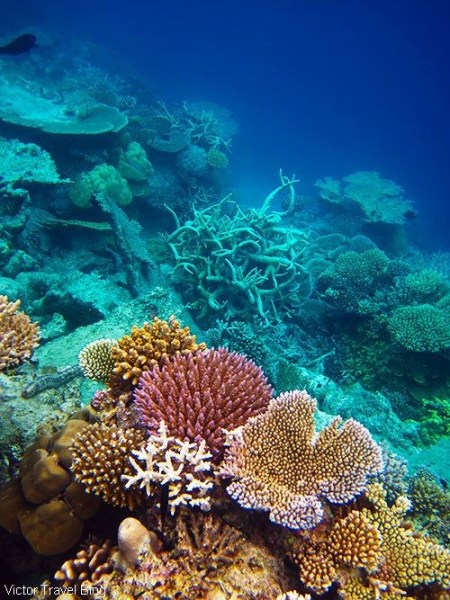
Marine Biology

The ocean’s beauty, mystery, and variety of life, are the main attractions for people to study marine biology. Marine biology is the more general science of biology applied to the sea. Most of the disciplined in biology are represented in marine biology. Marine biology has many branches, viewpoints, and approaches. It is also closely related to oceanography, the scientific study of the oceans. Geological oceanographers study the sea floor, chemical oceanographers study ocean chemistry, and physical oceanographers study waves, tides, currents, and other physical aspects of the sea.


Life on earth is believed to be originated in the sea, therefore the study of marine life teaches us much about all life on earth, not just in the sea. Marine life helps determine the very nature of our planet. Marine organisms produce much of the oxygen we breathe and help regulate the earth’s climate. Thus, to make full and wise use of the sea’s living resources, to solve any kind of problems marine organisms may create, and to predict the effects of human activities on the life of the sea, we must learn all we can about marine life. In addition, marine organisms provide clues to the earth’s past, the history of life, and even our own bodies that we must learn to understand. This is the challenge, the adventure, of marine biology.

From the first time people saw the ocean, they started to learn about marine life. Archaeologists have found ancient harpoons and simple fishbooks of bone or shell. While they gathered food, people learned through experience which things were good to eat and which were bat-tasting or harmful. Knowledge of the ocean and its organisms expanded as people gained skills in seamanship and navigation.

The Phoenicians were the first accomplished Western navigators and by 2000 B.C. they were sailing around the Mediterranean Sea, Red Sea, Black Sea, eastern Atlantic Ocean, and Indian Ocean. Ancient Greeks had considerable knowledge of nearshore organisms in the Mediterranean region. They even used an electric ray (Torpedo) to deliver the first electrical simulation therapy. During the 4th century B.C., the Greek philosopher Aristotle described many forms of marine life. He even recognized, among other things, that gills are the breathing apparatus of fish. Therefore, Aristotle is considered by many the first marine biologist. During the 9th and 10th centuries the Vikings continued the exploration of the northern Atlantic Ocean and they discovered Vinland, what we now call North America. Furthermore, Arab traders and people in the Far East also continued to explore and learn about the sea.

During the Renaissance, a lot of voyages of exploration began by the Europeans. Christopher Columbus rediscovered the “New World” in 1492. In 1519 Ferdinand Magellan embarked on the first expedition to sail around the globe. Fairly accurate maps, especially of places outside Europe, began to appear for the first time. The explorers were soon interested and curious about the ocean they sailed and the things that lived in it. James Cook, an English sea captain, was one of the first to make scientific observations along the way and to include a full-time naturalist among his crew. Furthermore, Cook was the first to make use of a chronometer” that enable him to prepare reliable charts.

By the nineteenth century it was common vessels to take a naturalist along to collect and study the life forms that were encountered. Perhaps the most famous of these shipboard naturalists was the Englishman, Charles Darwin. He sailed around the world on HMS Beagle for five years, horribly seasick most of the time. The Beagle’s primary mission was to map coastlines, but Darwin used the opportunity to make detailed observations of all aspects of the natural world. This set off a train of though that led him, years later, to propose the theory of evolution by natural selection”. Darwin made many other contributions to marine biology. He explained, for example, the formation of the distinctive rings of coral reef called atolls.


“I felt the full breadth and depth of the ocean around the sphere of the Earth, back billions of years to the beginning of life, across all the passing lives and deaths, the endless waves of swimming joy and quiet losses of exquisite creatures with fins and fronds, tentacles and wings, colorful and transparent, tiny and huge, coming and going. There is nothing the ocean has not seen.”

-Sally Andrew

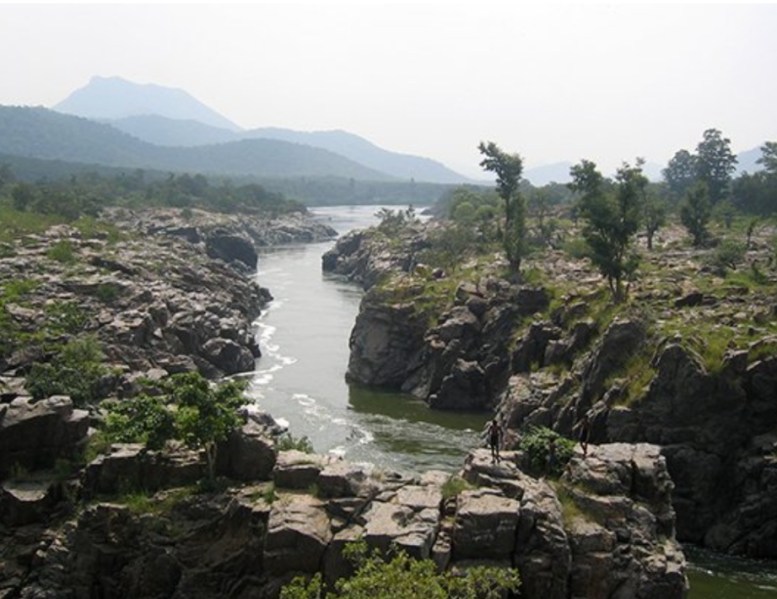
CAUVERY RIVER

The Kaveri is an Indian river flowing through the states of Karnataka and Tamil Nadu. The Cauvery River rises in the Western Ghats and flows in eastwardly direction passing through the states of Karnataka, Tamil Nadu, Kerala and Pondicherry before it drains into Bay of Bengal.The total length of the river from source to its outfall into Bay of Bengal is about 800 km.The Cauvery basin extends over states of Tamil Nadu, Karnataka, Kerala and Union Territory of Puducherry draining an area of 81,155 Sq.km which is nearly 2.7% of the total geographical area of the country with a maximum length and width of about 560 km and 245 km.


Cauvery river is the largest river in tamil nadu occupying 765 km.The Kaveri is a sacred river to the people of South India and is worshipped as the Goddess Kaveriamma. The primary uses of the Kaveri is providing water for irrigation, water for household consumption and the generation of electricity.In February 2020, Tamil Nadu assembly passed bill to declare Cauvery Delta as Protected Agricultural Zone, includes Thanjavur, Thirvarur, Nagapattinam and five blocks in Cuddalore and Pudukottai. The bill fails to include Tiruchirappalli, Ariyalur and Karur which are geographically included in the Cauvery Delta.The cauvery river is the main source for the delta region for irrigation.It ends in the bay of Bengal.

On 22 June 2018, despite opposition from Karnataka, the Central government constituted the Cauvery Water Regulation Committee (CWRC) as per the provisions in the Kaveri Management Scheme laid down by the Supreme Court.

Acting on the Supreme Court’s direction, the Centre constituted a Cauvery Water Management Authority (CWMA) on 1 June 2018 to address the dispute over sharing of river water among Tamil Nadu, Karnataka, Kerala and Puducherry.The central government failed to adhere with the top court’s deadline of within six weeks of deliverance of judgement.

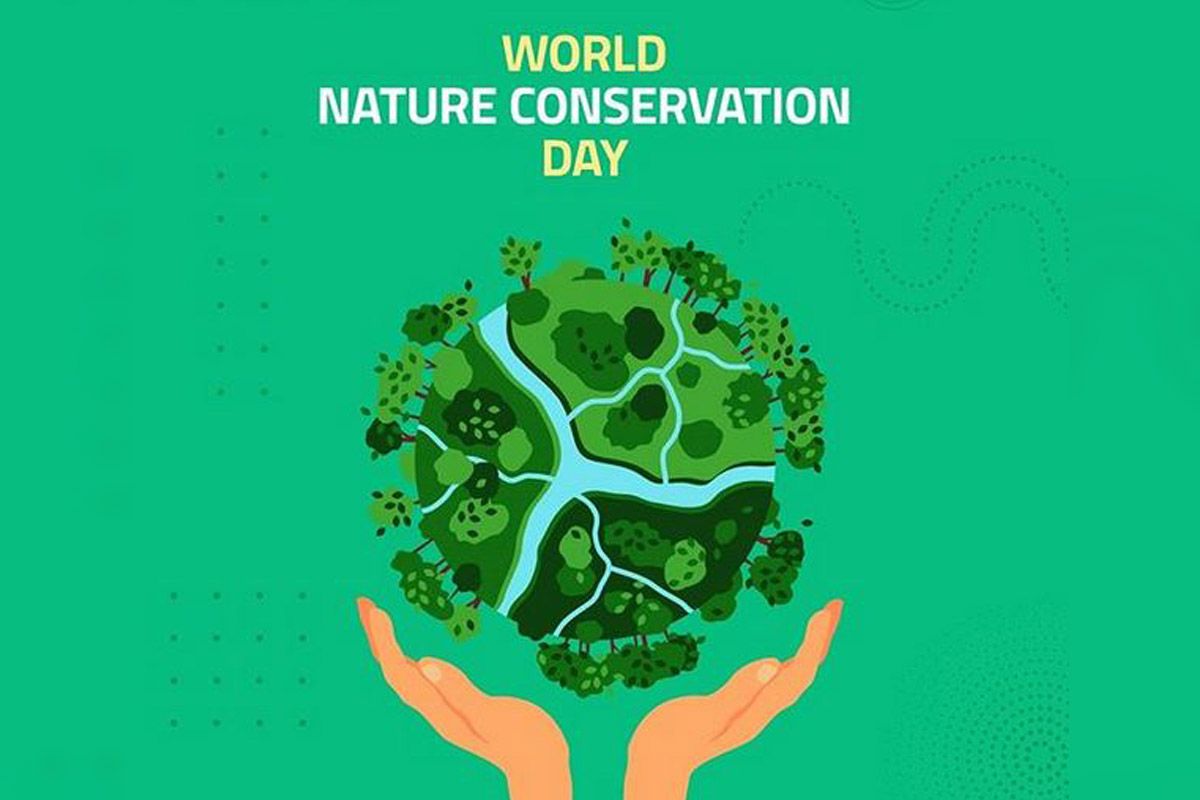
WORLD NATURE CONSERVATION DAY – JULY 28

“Earth provides enough to satisfy every man’s needs, but not every man’s greed.” ― Mahatma Gandhi

July 28 is celebrated as “World’s Nature Conservation Day” and reminds us that healthy environment is the foundation of a stable and productive society. This day is observed every year and is celebrated to educate people about the best techniques and practices adopted in different areas of the world to protect and preserve our natural resources as our planet has limited amount of resources left but the reliance on these resources is increasing day by day. This day aims to create and increase the awareness about the importance of natural resources and environment. It shows how we can live sustainably. This day encourages the people to save and protect the natural resources of earth because they are depleting in a rapid rate and are getting exploited and even misused.

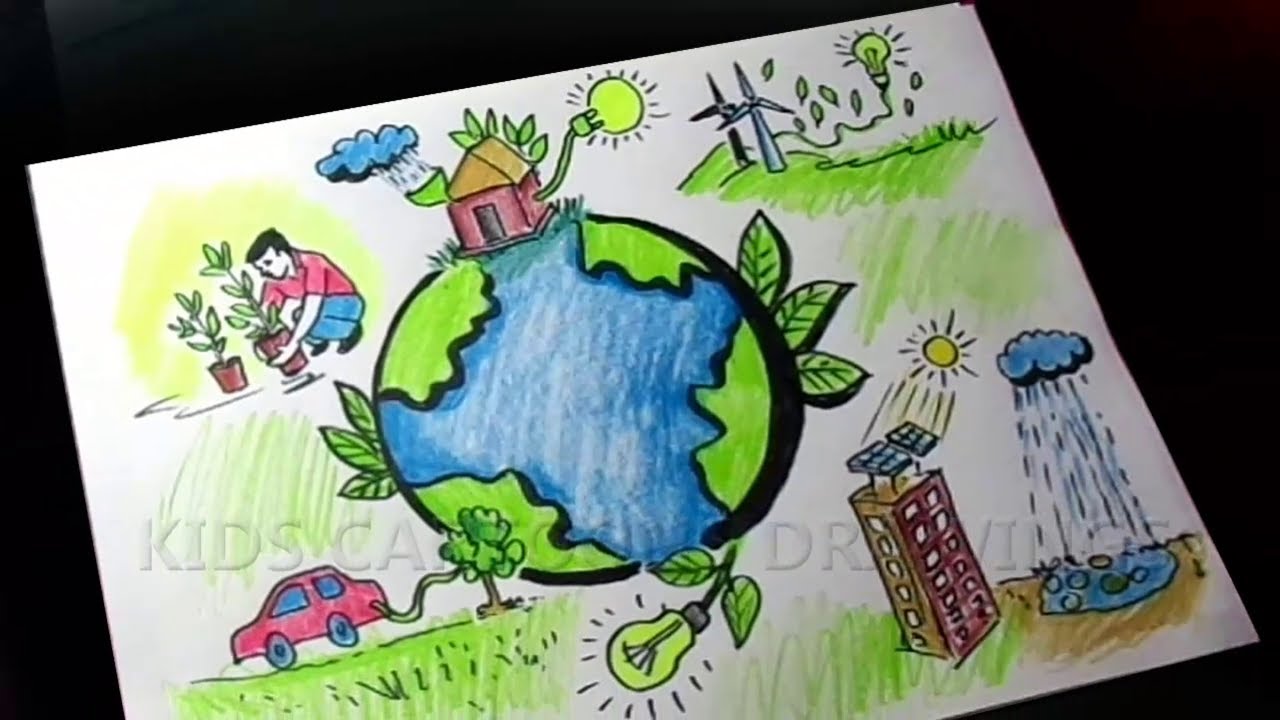
This day recognizes that a healthy environment is the most vital part of stable and productive society. And sustainable practices are important for maintaining this stability and this environment for the future generations as well. The day reminds us about our responsibility as the child of the planet and urges us to be responsible and practice sustainable living practices and bring small changes in our lifestyle which can bring sustainability in our life style and lives. This day motivates us to find alternatives which could decrease our dependency on the natural resources.

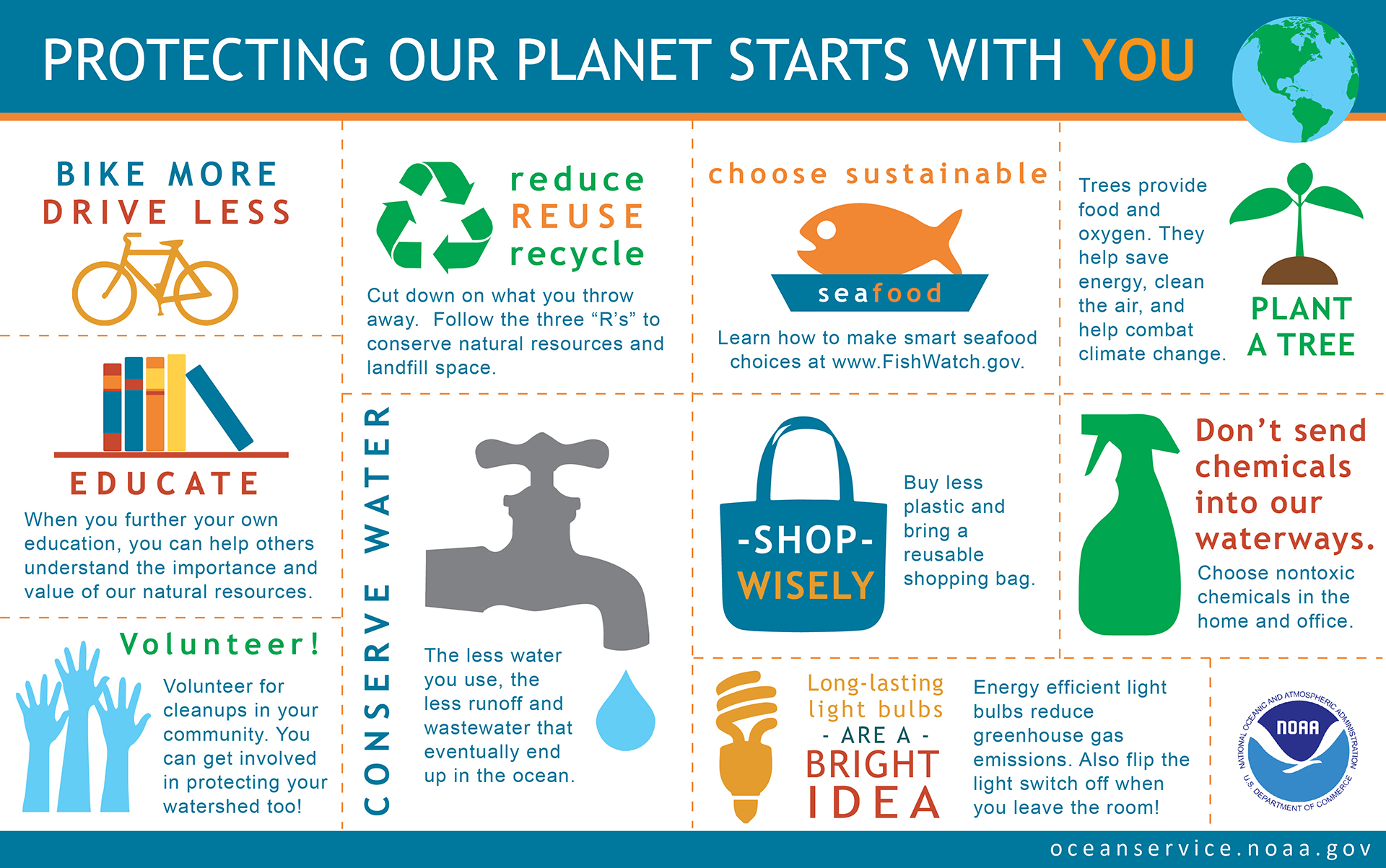
This day ensures sustainability of present and future generation. How can we help in conserving the nature ? Lets have a look!

  1. WATER CONSERVATION: Everything starts from home and can be done by using less water while showering and bathing. By practicing Rain water harvesting methods in home to reduce our dependency on other water sources and rely on rain water without wasting it. It is important to conserve water because it is estimated that 2050 we may run out of water.
  2. PLANTING OF TREES : This helps in preventing soil erosion and promoting greenery. Home gardening, kitchen garden etc. can be practiced at home and at any scale for planting trees. Green roof is also one such initiative which helps in promoting greenery at homes. Spending few minutes in planting and amid nature can greatly promote mental well being too.
  3. WASTE MANAGEMENT : Reduce, reuse and recycle waste. Practice rainwater harvesting and using wastewater treatment plants for treating the waste water. This waste water when treated can be used in landscaping purpose. Organics can also be used.
  4. SUSTAINABLE COMMUNICATION : Sustainable communication can help in reducing the carbon footprint and lessen the pollution. It is good if people use public transport and sustainable modes of transport while commuting to different places as fewer vehicles will ensure lesser pollution.
  5. Reduce your electricity consumption; switch off electrical appliances when not in use, or every time you walk out of a room.
  6. REDUCE PAPER USE : Saving papers means saving trees and in todays digital age, all the devices are capable of taking notes which saves the need of print outs.
  7. AVOID SINGLE USE OF PLASTIC : The plastics which we are using are getting discharged into the oceans and grasslands or forests etc. which is destroying the lifeforms, ecosystem as well as the natural resources. Single use plastic consumption has increased during the pandemic and the amount of gloves and face masks being used is also increasing. Landfills are getting filled with the large amount of plastics which is polluting the environment.

The main objective of the day is to be live, promotive consciousness and mindful living. The aim is reduce overexploitation of resources and reduce the non-essential travel and play our part of role in building a sustainable future.

Mother Nature and Man

Article by – Shishir Tripathi

Intern at Hariyali Foundation
In collaboration with
Educational News

“Nature is Mighty
Nature is Strong
Nature is always usually right
Nature is rarely ever wrong
Nature is Beauty
Nature is Moody
Nature is Smart
Nature always has the Greater Part
Nature is Blue
Nature is Green
Nature is every Color Possibly Seen
Nature is True
Nature is Beaming
Nature is Dreaming”

The whole world is moving at a very faster pace at present. Man thinks that he with his inventions in science and other fields too; he has conquered the world and can survive on its own as he has made all the artificial things and inventions for all his luxuries. But, human beings must not forget the fact that they are born out of Nature not the vice versa.

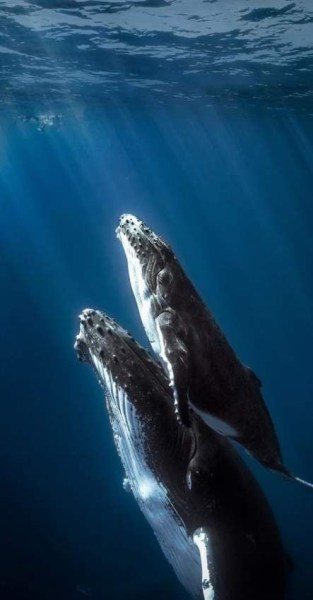
Human beings have taken all the resources available in nature for granted as if they would have produced them on their own. Nations made international borders and divided the oceans, mountains, plateaus, etc and thought as if they owned it. But nature and its organisms do not consider any of these borders at all. A whale swimming in South Pacific Ocean can go each day each hour to South Atlantic Ocean on its own. Similarly a bird flying in Arunachal Pradesh can go on its own to China without asking anyone. Humans can make rules amongst their own selves and can follow but Mother Nature can’t be forced to accept such rules.

Human beings always thought that they are superior to all the other organisms on Earth forgetting the fact that each organism is dependent on the other for survival through a food chain. If any of the creatures of the food chain goes extinct or gets endangered then surely the entire food chain and food web gets disrupted and the other creatures have to bear the imbalances of the Nature.

Human beings consume everything at present right from eggs, meat, chicken, beef and what not. And in countries like China people consume bats, frogs, cockroaches, dogs and many other creatures. Due to the presence of laws and a proper system regarding punishments to those who kill people, otherwise human beings would start consuming other fellow human beings. The hunger and greed of man at present is increasing day by day. There are vegetable products and other foods than non- vegetarian stuffs, but still the man had and will be consuming the poor organisms like goats, chicks, fishes, pigs, etc. these creatures have no life of their own and are produced just to get consumed by such wicked, hungry human beings.

Humans extract each and every tinge of all the materials that Nature has been providing from years.oil wells in Arabic Nations are getting empty day. As millions of litres oil is consumed by the whole world in running automobiles and other machineries, showing a situation of excess demand and lesser and lesser supply. Similarly, the water resources too including ground water and surface water too are used recklessly without any limitations. Due to such reasons, some regions of the world face water scarcity. Similarly untreated smoke discharged from various factories is again the cause of polluted air in different cities of the world and is contributing towards increasing global temperatures.

And if one tries to list all such activities of man in which he harms nature, the list will never be ending. Human beings must realize that in their every deed filled with greed, the nation is surely going to react in ten times much harsh ways in the form of landslides, excessive rainfall, tsunamis, earthquakes, climate change with adverse situations, etc. Humans should realize the real meaning of sustainable development, only then they can survive peacefully without any such problems. Use of resources should be done in such an efficient way that the resources should get preserved for the future generations and also the usage at present must not harm any creature and the natural heritage too.

That’s why it is rightly said that Nature can enough for one’s need but not for everyone’s greed.

Plastic – The slow poison.

Lately plastic has taken over the world. People often believe that all of this has happened in the recent few years, but the truth is everything takes time to happen and gradually makes its impact, and the same is with plastic.

Commercial (fully synthetic) plastic was first introduced in the year 1907 when Belgian-American chemist Leo Baekeland created Bakelite, the first real synthetic, mass-produced plastic. This breakthrough made people think, that it was going to be a great positive change for the industrial years ahead. The creation which was believed to be a boon for the world now appears to be a curse. A curse that is not only harming human life but every other life form on the planet.

Though there are many movements and initiatives taken by several organizations and governments of various countries going on, the effect of plastic is now on the verge where, either in some years it’ll be irreversible or we would have completely eradicated it.

From Mount Everest to the bottom of the sea, plastics are found to be persistent polluters of many environmental niches. Whether being mistaken for food by animals, flooding low-lying areas by clogging drainage systems, or simply causing significant aesthetic blight, plastics have attracted increasing attention as a large-scale pollutant.

The latest reports from the UN show how the consumption and demand for plastic have increased over the years. From the 1950s to the 70s, only a small amount of plastic was produced, so plastic waste was relatively manageable. By the 1990s, the plastic waste generation had more than tripled in two decades, following a similar rise in plastic production. In the early 2000s, the output of plastic waste rose more in a single decade than it had in the previous 40 years. Today, about 300 million tonnes of plastic waste is produced every year. That’s nearly equivalent to the weight of the entire human population.

Around the world, one million plastic drinking bottles are purchased every minute, while up to 5 trillion single-use plastic bags are used worldwide every year. In total, half of all plastic produced is designed to be used only once and then thrown away.

Researchers estimate that more than 8.3 billion tonnes of plastic have been produced since the early 1950s. About 60% of that plastic has ended up in either a landfill or the natural environment.

Since the 1950s, the rate of plastic production has grown faster than that of any other material. A shift away from the production of durable plastic, and towards plastics that are meant to be thrown away after a single use has also been seen. More than 99% of plastics are produced from chemicals derived from oil, natural gas, and coal, all of which are dirty, non-renewable resources. If current trends continue, by 2050 the plastic industry could account for 20% of the world’s total oil consumption. Scientists have also claimed that if the use of plastic is not reduced, then by the year 2050 oceans would contain more plastic than fish.

Single-use plastic products are everywhere For many of us, they’ve become integral to our daily lives.

The use of plastic needs to be reduced, and the improvement of plastic waste management is now a necessity. Only 9% of all plastic waste ever produced has been recycled. About 12% has been incinerated, while the rest 79% has accumulated in landfills, dumps, or the natural environment.

The government and various organizations are doing their work by introducing various rules to regulate the use of plastic and organizing events to make people aware of the impacts plastic is making on this planet. But this is not enough, we need more to prevent our environment from going into a state, from where it’s revival won’t be possible. Each and every individual needs to take charge. It is often asked that “How can an individual make an impact globally by just reducing their consumption of plastic”, the answer is if each and every individual decides to take up their responsibility then we won’t need a bigger change, these small changes would eventually make a bigger impact than any other move can.

But the questions are, are we willing to make a change? are we ready to start working instead of just speaking? are we ready to pledge that we are going to make this world a better place to live in for our future generations, or are going to make it worse enough for them to struggle to survive? The answers to all these questions lie inside us, we just need to bring them out.

” It is us who has to decide, whether we protect what we have, or we and every other thing we cherish is going to be history”

See yaa..

India is full of Natural Resources but are we conscious of this fact ?

A country’s economy largely depends on the amount and preciousness of the natural resources it possesses. Yes, industries and agricultural factors do contribute the economy, but these are all secondary factors. If we concentrate on India particularly, we will see that the main economy of India heavily depends on these natural resources. The cultivable land in India almost comprises 57 percent of the whole land area. The water resources are plenty, having several major rivers crisscrossing across the country. However though these are important natural resources for any country, let us concentrate on the mineral resources which are abundantly found in India.  

Here’s a list of some of the mineral resources that are abundantly found in India and their use :  

• Coal (India is the fourth largest producer of industrial and domestic coal) – Mainly used in the power generation sector.  

• Bauxite – Aluminium, whose usage ranges from making planes to utensils, is extracted from this ore.  

• Manganese – This is mainly used in the manufacture of ferromanganese and steel.  

• Titanium ore – Used in the steel industry, among others.  

• Petroleum – Mainly used as a fuel for running vehicles.  

• Limestone – Used in the cement industry.  

• Thorium (the Kerala beaches account for the world’s largest thorium deposits) – Used as a fuel in nuclear power plants  

• Iron ore – Used for manufacturing raw iron which is used for making heavy machines for industries.  

• Mica – Used in condensers, transformers, electronic tubes, and radio or radar circuits.  

• Chromite – Used in the manufacture of stainless steel.  

• Natural gas – Used a fuel for vehicles.  

• Diamonds – Their main usage is for making jewelleries and cutting glass.  

Coal :  

India has the fourth largest coal reserves in the world. The total amount of coal reserves in India is expected to be around 267 billion tons. It is also one of the top nations in the world when it comes to the usage of energy derived from coal in heavy industries. The notable areas in India where coal is found and, as a result mined are – Orissa, Chhattisgarh, Jharia, Nagpur and Chandrapur, Raniganj, Jharkhand, Neyveli, Singrauli and Umaria coalfields. The coal found in India has high ash contents and low calorific coal. However these are combustion friendly and needless to say this is the reason behind the underground fires which occur in a few mining districts. Almost 94 percent of the coal produces is from the Government sector companies. In the 2011-12 period the total production has been reported to be around 680million tons, while the demand was 731million tons.  

This vast use of this singular reserve has led to its depletion in recent years, and it has been predicted that India will run out of its coal reserves within 2040. This stresses the need to employ new mining technologies and the use of alternative fuels to run the heavy industries.   

Petroleum :  

India ranks next to China in terms of its oil reserves in the Asia-Pacific region, china being the leading producer. Most of these reserves are located along the western coast of India, namely Mumbai High and the north-east region of the country. Though underdeveloped, some reserves have been recently found in the Bay of Bengal along the eastern coast of India and in Rajasthan. The sector is dominated by the state-owned enterprises, namely Oil and Natural Gas Corporation.   

The usage is much more than the production, and this result in India having to import oil from foreign nations to meet its rising consumption levels. Statistics show that India is a net importer of oil, as 70percent of its oil needs is imported from countries like Saudi Arabia and Iran. The rest 30percent is produced within the country. This is because the demand for oil is somewhere around 3million barrels per day, whereas the production is only a meagre 500 thousand.   

Natural Gas :  

As of April 2010, India has an approximately 1437 cubic metres of natural gas. Of this a huge percentage comes from the Mumbai High reserves. Assam, Andhra Pradesh and Gujarat also have reserves which produce considerable amount of natural gas. In terms of production volume, ONGC is the leading producer of natural gas in India. Among the private enterprises, Reliance Industries play a big role in this sector due to the large reserve found in the Krishna Godavari basin. India has to import small amounts from Qatar and likewise nations. At this level of production and consumption, the reserves are predicted to last for around 29 years.  

Iron ore :  

Possessing one of the richest reserves of iron ore in the world, India holds a leading position in the world in terms of its iron ore production. The haematite deposits found in India are spread throughout the country, though the huge deposits are concentrated in a few regions like Chikkamagaluru, Singhbhum etc. Many iron and steel industries are located near these mines. The nearness of the industries not only reduces transportation costs but also reduces the times taken to produce the final products. The ores found in Goa are mainly shipped to Japan. Export of iron is mainly done from the ports of Vishakhapatnam, Marma Goa, Paradip and Kolkata. At present the deposits are quite vast, but some calculations indicate that the exponential rise in consumption in coming years may make these reserves seem finite in the near future.   

Bauxite :  

India is one of the leading producers of bauxite in the world. The reserves account for 7.5 percent of the world’s total deposits; however the aluminium output is only 3 percent. This indicates the lack of infrastructure which dominates the Indian market. The state-owned NALCO is the largest company dealing with bauxite ores. The acquiring of INDAL by Hindalco Industries accounted for a steep rise in the aluminium production of the country in the last year.   The extensive deposits will take a long, long time to get replenished.