Eduindex (www.eduindex.org) invites universities, colleges, institutes, and academic organizations to share their latest educational news, achievements, and campus events for publication on its widely read education news portal. Eduindex serves as a trusted digital platform dedicated to showcasing developments in higher education, research, innovation, and academic excellence from India and across the globe.
If your institution is actively engaged in academic, research, or community-oriented initiatives, this is an excellent opportunity to highlight your work, enhance institutional visibility, and reach students, scholars, policymakers, and education professionals.
🎓 What Kind of Educational News Can You Submit?
Eduindex welcomes authentic, informative, and institutionally verified news, including but not limited to:
Conferences, seminars, workshops, and webinars
Faculty Development Programs (FDPs) and training initiatives
Academic collaborations and MoUs
Research achievements, funded projects, and patents
Student achievements, competitions, and innovations
Convocation ceremonies and academic milestones
Social outreach, extension activities, and community engagement
New academic programs, departments, or infrastructure launches
Rankings, accreditations, and awards received
📝 Submission Guidelines (Important)
To ensure credibility and quality, contributors are requested to follow these guidelines carefully:
✅ 1. Official Email Requirement
The news must be sent from the official email ID of your university/college/institution (e.g., @university.ac.in, @college.edu, @institute.org)
Submissions from personal email IDs may not be considered.
Subject Line (Suggested): 👉 Educational News Submission – [Name of Institution]
🌟 Why Publish Your News on Eduindex?
📢 National and international visibility
🏫 Strengthens your institution’s digital presence
📚 Documents academic and research activities
🤝 Builds credibility among students, scholars, and collaborators
🌐 Permanent online record of institutional achievements
Eduindex acts as a bridge between institutions and the academic community, ensuring that meaningful educational initiatives receive the recognition they deserve.
📌 Call to Action
Universities and colleges are encouraged to regularly share their educational updates and become active contributors to Eduindex. By publishing your news, you contribute to a collective archive of academic progress and innovation.
📨 Send your educational news today from your official email along with at least one event photograph to: News@eduindex.org
Let your institution’s academic journey inspire the wider education community. 🎓✨
Bhushan Ramkrishna Gavai, popularly known as BR Gavai, took oath as the 52nd Chief Justice of India. Justice Gavai was elevated as a Judge of the Supreme Court on May 24, 2019. He took oath on May 14, 2025, and is the first Buddhist (by faith) to lead the nation’s judicial system in the coveted post. He is the Second Scheduled Caste (SC) after K. G. Balakrishnan to head the Indian judiciary. As an Indian and senior citizen, I am proud of him when I observed on TV channels that he touched his mother’s feet to take her blessings, which indicates his value and high character. Notably, our most significant strength is our democracy because of our Constitution, which was formulated under the leadership of Dr Ambedkar Sab. I wish to mention here at the same time that India and Pakistan gained independence in 1947, but Pakistan had a fragile democracy, so from time to time, it experienced army rule, and in 1971, Bangladesh was created.
On the other hand, India is a pluralistic society with different religions, cultures, languages, castes, etc.; people live amicably. Even Chinese, Europeans, and many Muslims praised India because of its diversity, as I was in many countries as a resource person. I wish to add a few lines about Justice Gavai (source: http://www.news18.com/, Mahima Joshi ). He was born on November 24, 1960, in Amravati, Maharashtra. He enrolled as a lawyer on March 16, 1985, and worked with the late Raja S Bhonsale, former Advocate General and High Court judge, until 1987.
He started independent practice at the Bombay High Court in 1987 and appeared before the Nagpur Bench from 1990 onward. Justice Gavai was then appointed Assistant Government Pleader and Additional Public Prosecutor at the Bombay High Court, Nagpur Bench, in August 1992, and later became the Government Pleader and Public Prosecutor in January 2000.
He was elevated as an Additional Judge of the Bombay High Court in November 2003 and became a permanent judge on November 12, 2005. During his tenure, he presided over benches at Mumbai, Nagpur, Aurangabad, and Panaji and handled cases of different types.
It is worth mentioning that during his tenure as an apex court judge in the last six years, Justice Gavai was part of around 700 benches dealing with matters about a range of subjects.
I congratulate him on his new assignment and hope he will bring more and more laurels through his activities.
The rising cost of higher education has put a strain on the finances of families across the nation, creating a barrier to accessing college for many students. Scholarships, especially those awarded during high school, can play a pivotal role in overcoming this barrier, offering students the chance to lessen the burden of tuition fees and other college-related expenses. Identifying and applying for scholarships early in one’s high school career can lead to significant financial relief down the line. Keep reading to uncover the vital steps and strategies that high school students can deploy to reduce college expenses through scholarships.
Understanding the Importance of High School Scholarships in College Funding
As tuition rates climb, the pursuit of high school scholarships has morphed into a crucial strategy for prospective college students. These scholarships can cover a portion or even the entirety of tuition costs, depending on the award’s value. They offer a form of financial aid that doesn’t require repayment, unlike student loans, making them a highly attractive option.
Furthermore, high school scholarships can diminish the need for part-time jobs during college, allowing students to focus more on their studies and extracurricular activities. They also serve as a recognizant of academic or personal achievement, bolstering a student’s resume and college applications. In some cases, the prestige associated with scholarships can pave the way for additional opportunities, such as internships or research positions.
Meritorious and need-based scholarships can have far-reaching implications for students from economically challenged backgrounds. They act as a leveling field, providing equal opportunities for quality education regardless of a family’s financial standing. Scholarships reward initiative and hard work, encouraging other students to strive for excellence in their academic endeavors. The early pursuit of scholarships for juniors in high school is an excellent first step on this rewarding journey.
Exploring Types of Scholarships Available to High School Students
High school students may be surprised by the diversity of scholarships accessible to them, each with its own set of criteria and benefits. Academic scholarships are among the most well-known, typically awarded based on exceptional grades, test scores, or other scholarly achievements. These can spring from schools, private organizations, or federal and state governments.
Athletic scholarships are another type, earmarked for students who excel in sports. Universities often offer such scholarships to recruit top talent to their athletic programs. Creative merits, such as those in arts, music, and writing, can also be recognized through scholarships, supporting students with specific talents and aspirations in these fields.
Community service scholarships reward students who have made significant contributions through volunteer work, signaling a commitment to civic engagement and leadership. Additionally, many organizations support scholarships aimed at minority groups, intending to cultivate diversity and equal opportunity in higher education environments.
Strategies for Successfully Applying to High School Scholarships
Securing scholarships requires a strategic approach that begins with thorough research and organization. Students should start by mapping out scholarships that align with their strengths, interests, and career goals. This targeted approach can increase the chances of success and avoid the wastage of effort on unlikely matches.
Preparation is the key to a strong scholarship application. Students should collate all necessary documents, such as transcripts, letters of recommendation, and personal statements, well in advance of deadlines. It’s also essential to tailor applications to reflect the values and objectives of the awarding body, showcasing a well-rounded candidate.
Essays are a critical component of many scholarship applications, giving students the platform to articulate their achievements, aspirations, and the impact the scholarship will have on their futures. These essays should be crafted with care, undergoing multiple drafts and revisions to refine their messaging and clarity.
How to Integrate Scholarship Hunting Into Your High School Education Plan
Integrating scholarship hunting into a student’s high school education plan calls for a proactive and well-organized approach. Students should start early, identifying potential scholarship opportunities as soon as possible, even as early as their freshman year. Keeping abreast of scholarship deadlines and requirements should become a regular part of their educational routine.
High school counselors can be invaluable resources in the scholarship search, helping to identify opportunities that fit a student’s profile. They can also provide guidance on the application process and offer support in preparing necessary documents or practicing for interviews.
Academics should remain a priority, but students should also seek experiences that could strengthen their scholarship applications. Participating in clubs, sports, volunteer work, or internships could provide personal growth and also material for compelling applications that resonate with scholarship committees.
Overall, scholarships can dramatically transform a student’s college experience, alleviating financial pressures and broadening opportunities for personal and academic growth. By understanding the types of scholarships available, adopting successful application strategies, and managing awards effectively, students can step confidently into adulthood, well-equipped to succeed.
The Ministry of Education, Department of Higher Education, launched PM-YUVA 3.0 -Prime Minister’s Scheme for Mentoring Young Authors, an Author Mentorship programme to train young and budding authors (below 30 years of age) in order to promote reading, writing and book culture in the country, and project India and Indian writings globally on 11th March, 2025. In view of the significant impact of the first two editions of PM-YUVA Scheme with large scale participation from young and budding authors in 22 different Indian languages and English, PM-YUVA 3.0 is now being launched.
The launch of PM-YUVA 3.0 (Young, Upcoming and Versatile Authors) is in tune with the Prime Minister’s vision to encourage the youth to understand and appreciate India’s rich culture, heritage and contribution of visionaries in the development and growth of the country.PM-YUVA 3.0 intends to bring to the fore the perspectives of the young generation of writers on the themes:1) Contribution of Indian Diaspora in Nation Building; 2) Indian Knowledge System; and 3) Makers of Modern India (1950-2025) in an innovative and creative manner. This scheme will thus help to develop a stream of writers who can write on a spectrum of subjects to promote Indian heritage, culture and knowledge system.
NEP 2020 has emphasised on the empowerment of the young minds and creating a learning ecosystem that can make the young readers/learners ready for leadership roles in the future world. India tops the chart in youth population being 66% of the total, waiting to be tapped for capacity building and thereby nation building. With the purpose of mentoring a new generation of young creative writers, there is an imminent requirement to take initiatives at highest level, and in this context, PM-YUVA 3.0 will go a long way in laying the foundation of the future leaders of the creative world.
The National Book Trust, India, under the Ministry of Education as the Implementing Agency, will ensure phase-wise execution of the Scheme under well-defined stages of mentorship. The books prepared under this scheme will be published by National Book Trust, India, and translated into other Indian languages, fostering cultural and literary exchange while promoting ‘Ek Bharat Shreshtha Bharat’. The selected young authors will engage with esteemed writers, participate in literary festivals, and contribute to a diverse body of work that reflects India’s rich heritage and contemporary progress.
The scheme aims to cultivate a new generation of writers who can articulate the contributions of the Indian diaspora in nation-building, highlighting their peaceful integration and influence across political, economic, and socio-cultural spheres. It will also emphasise on the role of Indian Knowledge System in preserving historical wisdom, generating new opportunities, and synthesising indigenous knowledge for national development. Through this initiative, young authors will explore the impact of visionaries in various fields like education, science, economy, social empowerment, etc. thereby presenting a comprehensive narrative of India’s growth and resilience.
The Schedule of PM-YUVA 3.0 (Young, Upcoming and Versatile Authors) is as follows:
Announcement of the Scheme 11 March 2025.
A total of 50 authors will be selected through an All India Contest to be conducted through https://www.mygov.in/ from 11 March 2025 – 10 April 2025.
The number of authors to be selected as per the theme:
1) Contribution of Indian Diaspora in Nation Building – 10 authors
2) Indian Knowledge System – 20 authors
3) Makers of Modern India (1950-2025) – 20 authors
The received proposals would be evaluated in April 2025.
The list of selected authors will be announced in May- June 2025.
The young authors will be trained by eminent authors/mentors from 30 June – 30 December 2025.
Under the mentorship, a National Camp will be held for the PM-YUVA 3.0 Authors during the New Delhi World Book Fair 2026.
The two-day Visitor’s Conference at Rashtrapati Bhavan concluded today.
The Conference deliberated on the themes – Flexibility in academic courses, Credit Sharing and Credit Transfer with multiple entry and exit options; Internationalisation efforts and collaboration; Translation Research and Innovation related to converting research or innovation into useful products and services; Effective student selection processes and respecting student choices in context of NEP; and Effective assessments and evaluation. The outcome of deliberations was presented before the President of India, Smt Droupadi Murmu.
In her concluding remarks, the President said that our national goal is to make India a developed country before the end of the first half of this century. To achieve this goal, all stakeholders of the educational institutions and students would have to move forward with a global mindset. Young students would make a more effective identity for themselves in the 21st century world with the strengthening of internationalisation efforts and collaborations. Availability of excellent education in our higher education institutions would decrease the tendency to study abroad. Our young talent would be better utilized in nation building.
The President said that India is moving towards becoming the third largest economy in the world. Being self-reliant is the hallmark of a truly developed, large and strong economy. Self-reliance based on research and innovation would strengthen our enterprises and economy. Such research and innovation should get every possible support. She highlighted that in developed economies, the academia-industry interface appears strong. Due to continuous exchange between the industry and higher education institutions, research work remains linked to the needs of the economy and society. She urged the heads of institutions of higher learning to make institutional efforts to have continuous discussions with senior people of industrial institutions in mutual interest. She said that this would benefit the teachers and students doing research work. She also told them that connecting the laboratories of educational institutions with local, regional, national and global needs should be their priority.
The President said that it is imperative and challenging to have an education system that is system-based and flexible according to the special talents and needs of the students. In this context, there is a need to remain constantly alert and active. Appropriate changes should continue to take place based on experience. Empowering students should be the objective of such changes.
The President said that a nation becomes strong and developed only on the strength of characterful, sensible and capable youth. In educational institutions, the character, prudence and capability of our young students are developed. She expressed confidence that the heads of institutions of higher learning would achieve the proud ideals of higher education and would present a bright future to the young children of Mother India.
Union Minister for Education Shri Dharmendra Pradhan, while addressing the gathering, expressed his gratitude to President Smt. Droupadi Murmu for her guidance and words of inspiration during the inauguration and the concluding session. He also expressed gratitude to academic leaders for their active participation and meaningful discussions at the Visitor’s Conference. He noted that their diverse perspectives and forward-thinking ideas had enriched the confluence and contributed to shaping a roadmap for the country’s bright future.
Highlighting the collective responsibility of shaping India’s education system, he emphasized that the swift and large-scale implementation of NEP 2020 should be a national mission.
Acknowledging the challenges ahead, he affirmed that with collective efforts, a shared vision, and strong commitment, the education system could be redefined, paving the way for a knowledge-driven, self-reliant Bharat on its journey to becoming a developed country by 2047.
He further underscored the significance of students as the most important stakeholders and the backbone of the education system.
Reiterating the vision of Prime Minister Shri Narendra Modi, he stressed the importance of prioritizing students’ interests by investing in their education, equipping them with the right skills, empowering them to dream big, and supporting them in achieving their aspirations—not merely as an academic obligation but as a duty toward the nation.
Union Minister of State for Education & Development of the North Eastern Region, Dr. Sukanta Majumdar presented the Vote of Thanks. Secretary, Department of Higher Education, Dr. Vineet Joshi presented the summary of the session. Shri Amit Khare, Advisor to the Prime Minister and Smt. Deepti Umashankar, Secretary to the President were also graced the occasion. Officials of the President’s house, Ministry of Education and Heads of Higher Education Institutes were also present at the event.
In addition to summing up the key takeaways of the five sessions, Dr. Joshi, in his speech, stated that the conference had served as a platform that brought together visionary leaders, educationists, and policymakers to deliberate on the future of higher education in India. He highlighted that the National Education Policy (NEP) 2020, which is a transformational reform rooted in ancient Indian principles, upholds the pursuit of knowledge (Gyan), wisdom (Pragyaa), and truth (Satya) as the highest human goals. He emphasized the five key pillars of NEP 2020, which are Learner-Centric Education, Digital Learning, Academic Research and Internationalization, Industry-Institute Collaboration, and Indian Knowledge Systems. The policy is aimed at creating a holistic, inclusive, high-quality, and accessible education ecosystem, he also added.
Session Summary:
Session 1:
The theme of the 1st Session was Flexibility in academic courses, Credit Sharing and Credit Transfer with multiple entry and exit options. The session summary was presented by Prof. Anand Bhalerao, Vice-Chancellor of the Central University of Rajasthan. He informed the key snippets of the deliberation, which were, The Need for Academic Flexibility; Credit Sharing and Transfer: A Pathway to Student Mobility; Global Best Practices as a Model for India; Multiple Entry and Exit Options Will Democratize Higher Education; and Challenges in implementation and the way forward. The Session also focused on areas of focus such as institutional readiness, Inter-university coordination, technology and infrastructure, Quality Control, and Regulatory Framework. He also informed the recommendations of the Panel which were strengthening policy and regulatory framework, building digital infrastructure for credit transfer, enhancing university collaboration and partnership, capacity building for faculty and administrators, ensuring student awareness and engagements and fostering industry collaboration and skill development.
Session 2:
The theme of the 2nd session was Internationalization efforts and collaborations and Prof. M. Jagadesh Kumar, Chairman, UGC, presented the summary. He highlighted the great potential that India has for the Internationalization of Education. Three kinds of Internationalization were discussed during the deliberation, which were encouraging Indian institutions to set up campuses outside India, the potential India has to attract international students and providing high-quality international education to Indian students in India. He especially highlighted how discussions were carried out on keeping Global South in focus. He also emphasized how Institutes can implement NEP2020, introducing the Indian Knowledge System to international students to present a unique opportunity.
Session 3:
The theme of the 3rd session was Translation Research and Innovatio. Prof. Govindan Rangarajan, Director, Indian Institute of Science (IISc) Bangalore, presented the session summary for this session. He highlighted a few challenges the HEIs face in translational research and innovation from Lab to Land. He showed the link between Science (Know-Why), Engineering (Know-How) and ‘Technology’ (Show-How). Emphasizing the importance of fundamental research, he listed the factors important for changing the faculty mindset (Publications to Products); not diluting fundamental research; link between Product patents and research papers; inspiring to solve local problems (society, industry); Translational research fellowships etc. The factors needed for building the necessary ecosystem; How to attract and partner with industry (Trust & Track record); were also discussed during the deliberation, he informed.
Session 4:
The theme of the 4th session was Effective student selection processes and respecting student choices in the context of NEP for which the session summary was presented by Prof. Manindra Agrawal, Director, IIT Kanpur.
Session 5
The theme of the 5th session was Effective Assessment & Evaluation for which the session summary was presented by Dr. K Radhakrishnan, Former Chairman, ISRO and Chairman, BoG IIT Kanpur. He elaborated on the context of the discussion, which was Technology, which is advancing exponentially and pervading (Including Pedagogy); Imperative for the multidisciplinary mind; Holistic Development of Students; Outcome-based education; and transforming the key Enablers, which are faculty, programme, and institutions. He elaborated on the facets of holistic development of studies, which include intellectual, aesthetic, social, physical, extracurricular Arts, Sports, emotional, ethical, and value-based education. He also elaborated on the discussion that took place on five dimensions of outcome-based education, which were Knowledge Acquisition (Recall); Application of Knowledge (Problem-Solving); Analytical Ability (Decipher Patterns, Trends, Critical Thinking); Synthesis (New Ideas from Multi-farious inputs); and Learning how to learn.
Click here to see the President’s speech in Hindi:
In her inaugural address, the President said that the level of development of any country is reflected in the quality of its education system. She told the heads of the institutions of higher learning that they have a crucial role in achieving the goal of establishing India as an important centre of the knowledge economy. She highlighted the need to pay a lot of attention to research along with education. She said that the Government of India has established the National Research Fund with a very good objective. She expressed confidence that institutions of higher learning would make good use of this important initiative and encourage research.
The President said that the ambition of our higher education community should be that researchers from our institutions get recognition at the world level, patents of our institutions can bring change in the world, and students from developed countries choose India as a preferred destination for higher education.
The President said that students from India enrich the world’s leading educational institutions and developed economies with their talent. She emphasised the need of making efforts to utilize their talent in our country. She stated that our national goal of establishing India as a Global Knowledge Super Power would be achieved only when the world community is eager to adopt the work being done in our laboratories.
The President said that many higher education institutions of our country have global brand value. The students of these institutions get big responsibilities in the best institutions and companies of the world. However, all our institutions should move ahead very fast. The leadership of heads of institutions of higher learning would be recognised by developing and utilising the immense talent of our large youth population.
The President said that along with excellence, social inclusion and sensitivity should also be an essential aspect of our education system. No economic, social, or psychological limitation of any kind should be a hindrance in getting higher education. She said that heads and teachers of institutions of higher learning should take care of young students, remove any insecurity from their minds and provide them moral and spiritual strength. She urged them to make every possible effort to provide counselling and inspiration to students and spread positive energy in the campuses.
The President said that our country has a rich tradition of scientific achievements. The branches and sub-branches of Indian knowledge and science have flourished in every region of the country. It would be very useful to rediscover the invaluable but extinct streams of knowledge and science by doing intense research. She stated that it is the responsibility of the higher education ecosystem to find ways to use such organically grown knowledge systems in today’s context.
The President said that educational institutions shape the future of the nation. Young students learn from the conduct of our policy makers, teachers, heads of institutions, and senior students. She expressed confidence that with their global thinking, the heads of higher learning institutions would prepare a generation of builders of a developed India.
During the inaugural session, the President presented the eighth Visitor’s Awards in the categories of Innovation, Research, and Technology Development.
The Visitor’s Award for Innovation was given to Prof Saripella Srikrishna, Banaras Hindu University, for developing Novel Indigenous Innovation in Quantum Technology to boost the National Green Hydrogen Mission.
The Visitor’s Award for Research in the field of Physical Sciences was conferred upon Prof Ashwini Kumar Nangia, University of Hyderabad, for his seminal research in the discovery and development of high bioavailability drugs and pharmaceuticals with enhanced efficacy at affordable cost.
The Visitor’s Award for Research in Biological Sciences was jointly presented to Prof Rina Chakrabarti, University of Delhi and Prof Raj Kumar, Central University of Punjab. Prof Chakrabarti has been conferred the Award for her research contributions to Sustainable Freshwater Aquaculture while Prof Raj Kumar has been presented the Award for his research contributions to exploring various cancer hallmarks and the development of synthetic anticancer lead molecules.
The Visitor’s Award for Technology Development was presented to Dr Venkateswarlu Chintala, Gati Shakti Vishwavidyalaya, for his research contributions to the petrol and diesel production at commercial scale from landfill municipal mixed plastic waste.
Tomorrow, the Conference will deliberate on issues such as – Flexibility in academic courses, Credit Sharing and Credit Transfer with multiple entry and exit options; Internationalisation efforts and collaboration; Translation Research and Innovation related to converting research or innovation into useful products and services; Effective student selection processes and respecting student choices in context of NEP; and Effective assessments and evaluation. The outcome of these deliberations will be presented before the President in the closing session of the Conference.
Shri Dharmendra Pradhan, while presenting the opening remarks, expressed his gratitude to the President, Smt. Droupadi Murmu, for guiding the academic fraternity with constant guidance, steady support, and visionary leadership. He also congratulated all the distinguished recipients of the 8th Visitor’s Awards.
Shri Pradhan mentioned that Smt. Droupadi Murmu’s leadership has always shown the way forward in breaking new ground in education, achieving national educational priorities, navigating the ever-evolving learning landscape, as well as taking significant strides toward making India the epicentre of knowledge, research, and innovation.
He urged the participants of the Conference to share their concerns, discuss best practices, and envision the future of higher education. He also highlighted that NEP 2020 stands at the heart of today’s discussions, a transformative blueprint reshaping the country’s education system.
The Minister urged everyone to create an ecosystem that empowers the youth, strengthens the workforce, and accelerates India’s journey toward Viksit Bharat 2047.
Expressing his gratitude to Prime Minister Shri Narendra Modi for his clarion call of Viksit Bharat by 2047, the Minister said the nation ought to be self-reliant, innovative, and knowledge-driven. Education must go beyond degrees; it must create thinkers, innovators, solution-givers, and job creators, for which the implementation of NEP 2020 in letter and spirit is essential, he noted. He emphasized the importance of rising above institutional silos to ensure that NEP 2020 translates into real and long-lasting impact.
He stressed the importance of working collaboratively and sharing best practices to optimize academic strength, strengthen policies, and execute them well with a real impact on the ground.
Showing his optimism, he said that academic institutions will emerge as the lighthouse of Viksit Bharat, anchoring the developmental journey in the Amrit Kaal and beyond. He also expressed confidence that the Visitor’s Conference will provide a clear roadmap for holistically transforming the education system, empowering the youth, strengthening the workforce, and establishing India’s higher education ecosystem as a global benchmark.
Ministry of Education organised Post Budget Webinar on the theme ‘Investing in People’, today. The Prime Minister Shri Narendra Modi delivered a special address at the inaugural session. Union Education Minister Shri Dharmendra Pradhan along with Secretary, Department of School Education & Literacy (DoSEL), Shri Sanjay Kumar; UGC Chairman Professor M. Jagadesh Kumar ; Secretary, Dept. of Higher Education, Shri Vineet Joshi; Secretary, Ministry of Health and Family Welfare Smt. Punya Salila Srivastava; Secretary Labour & Employment Ms. Sumita Dawra participated in the session.
The webinar brought together experts from the government, industry, and academia to discuss key reforms in job creation, academic flexibility, credit mobility, and future-ready skills—paving the way for a highly skilled and globally competitive workforce in line with Viksit Bharat 2047.
Speaking about the webinar, Shri Pradhan said that investment is one of the engines outlined in the Union Budget 2025-2026 which will turbocharge our journey to Viksit Bharat by 2047. He further said that the insightful special address by the Prime Minister Shri Narendra Modi has put forth new ideas for realising aspirations, future-proofing our population, accelerating inclusive development and ensuring benefits of Union Budget reaches every citizen of the country.
He expressed his gratitude to the Prime Minister for drawing attention to the vast potential of ‘Education Tourism’ and its key role in facilitating employment-linked growth and development. The Minister assured that the academic community will engage in comprehensive deliberations to chart out a strong roadmap for moving ahead in this direction. He further said that, together, with the spirit of jan-bhagidari and right investment in right direction, academia and industry will work together for bridging skills gap, harnessing demographic dividend, leveraging AI in education, catalysing research landscape and strengthening deep-tech start-up ecosystem for a future-ready workforce, stronger economy and Viksit Bharat.
Prof M. Jagadesh Kumar opened the session by emphasizing the transformative role of higher education. He highlighted that the implementation of NEP 2020 provided a unique opportunity to reshape India’s higher education landscape. During the webinar, Prof M. Jagadesh Kumar, Chairman, UGC stated that the policy was not merely reformative but transformative, designed to empower youth with the skills, knowledge, and adaptability required to thrive in the 21st century. He stressed that investing in people through quality education, research, and innovation was central to building a self-reliant, inclusive, and globally competitive economy.
Shri Sanjay Kumar stated that education is fundamentally about investing in people. He acknowledged the broad perspective provided by the UGC Chairman on higher education and noted that the 2025-26 Budget included key announcements regarding the establishment of 50,000 Atal Tinkering Labs in government schools over the next five years and the provision of broadband internet connectivity to government schools in rural areas. He further highlighted a significant trend observed over the last decade, noting that the proportion of female teachers has increased. He mentioned that in 2014-15, male teachers comprised 52 percent of the total, while female teachers accounted for 48 percent. By 2025, these figures have reversed, with female teachers now making up 52 percent and male teachers 48 percent, reflecting a move towards greater gender parity in the education sector.
The discussions reinforced the need for strategic investments in human capital to ensure sustainable economic growth, social equity, and global leadership. The government remained committed to fostering a skilled workforce, ensuring India’s continued rise as an innovation and technology hub.
Prime Minister’s address the Post-Budget Webinar on boosting job creation- Investing in People, Economy, and Innovation
National Curriculum Framework (School Education) 2023 has strongly recommended the inclusion of environmental education as an inter-disciplinary area of study in the school education. Accordingly, Environmental Education has been an integral component of school education, which is evident from the existing curriculum for school education. Concepts and concerns related to environment have been infused appropriately in different subject disciplines at all stages of school education.
Topics related to Environmental Education in the existing science textbooks for classes VI to XII are provided in the following table:
Sl. No.
Class & Subject
Name of Chapter
1
Curiosity Textbook of Science, Grade 6
Diversity in the living world, Nature’s Treasures
2
VII Science
Forests: Our Lifeline
3
VII Science
Wastewater Story
4
VIII Science
Coal and Petroleum
5
VIII Science
Conservation of Plants and Animals
6
X Science
Our Environment
7
XII Biology
Organisms and Populations
8
XII Biology
Ecosystem
9
XII Biology
Biodiversity and Conservation
NCERT has also prepared supplementary materials for students and teachers related to environmental education. Some of the resource materials are provided below:
Sl. No.
Title of Resource Material
1
Project Books in Environmental Education for Classes VI to X (Hindi, English and Urdu version)
2
Water: Every Drop Counts (Activity book for Primary, Upper Primary and Secondary Stages) (Hindi and English)
3
Teachers’ Handbook in Environmental Education for the Higher Secondary Sage
The Department of Education in Science and Mathematics (DESM), NCERT organizes National Science Exhibition every year wherein the theme or sub-theme invariably includes environment component. This event provides opportunity to students to provide solutions for environmental problems—present and future in the form of exhibits/ models such as on waste management, conservation of resources, green technologies, etc. The DESM also organizes the Rashtriya Avishkar Saptah every year during which students in middle and secondary stages in different parts of the country participate in the event and perform experiments/ activities on the theme assigned for the year such as testing of water quality, soil quality, conservation of water, tree plantation etc. Such experiments/ activities promote learning-by-doing and at the same time develop environmental awareness amongst students.
The National Education Policy (NEP) 2020 emphasizes the critical importance of integrating environmental awareness and sustainability principles into school curricula. The Policy aims to sensitize students to environmental / climate change concerns and inculcate among students the values, attitudes, behaviour and skills essential to address environmental challenges, thus preparing them to contribute to a sustainable future.
In alignment with this vision, Eco Clubs serve as a critical platform within schools, providing students with the opportunity to develop practical skills and knowledge for the responsible use of natural resources. Through participation in activities such as optimizing water usage, minimizing waste generation, recycling, and conducting plantation drives, students learn sustainable practices that they can implement both within and beyond the school environment. Eco Clubs empower students to act as environmental ambassadors, extending their impact to their families and communities by promoting sound environmental behaviour, such as reducing single-use plastics, conserving water, and participating in eco-friendly initiatives. Through these engagements, students gain a profound understanding of the shared responsibility to preserve and protect our planet, thereby advancing NEP 2020’s objective of nurturing environmentally conscious citizens for a sustainable India. The activities of Eco Clubs have been integrated with Mission LiFE, leading to their renaming as “Eco Clubs for Mission LiFE.” All the activities of Eco Clubs have been aligned with the seven themes of Mission LiFE (Save Energy, Save Water, Say No to Single Use Plastic, Adopt Sustainable Food Systems, Reduce Waste, Adopt Healthy Lifestyles and Reduce E-waste).
The National Education Policy 2020 (NEP 2020) announced on 29.07.2020 is the first education policy of the 21st century and aims to address the many growing developmental imperatives of our country. The Policy proposes the revision and revamping of all aspects of the education structure, including its regulation and governance, to create a new system that is aligned with the aspirational goals of 21st century education, including SDG-4, while building upon India’s traditions and value systems.
NEP 2020 envisions an education system rooted in Indian ethos that contributes directly to transforming India, that is Bharat, sustainably into an equitable and vibrant knowledge society, by providing high-quality education to all, and thereby making India a global knowledge superpower. Towards this, a number of transformative changes have taken place both in school and higher education after announcement of National Education Policy (NEP 2020).
Further recognizing research as core requisite for better education in line with vision of NEP 2020 Anusandhan National Research Foundation has been established which aims to provide high-level strategic direction for research, innovation and entrepreneurship in the fields of natural sciences including mathematical sciences, engineering and technology, environmental and earth sciences, health and agriculture. It also seeks to promote scientific and technological interfaces of humanities and social sciences.
Ministry of Education has also been implementing various schemes to promote research and development in the Higher Educational Institutes of the Country which includes Prime Minister’s Research Fellowship scheme(PMRFs), Impacting Research Innovation and Technology (IMPRINT), Scheme for Trans-Disciplinary Research for India’s Developing Economy (STRIDE), Scheme for promotion of Research and Academic Collaboration (SPARC), National Initiative for Design Innovation (NIDI) and Scheme for Transformational and Advanced Research in Sciences (STARS). Also, PM-USHA aims at funding the State Government Universities and Colleges so as to improve the overall quality, including ‘Research Innovation and Quality Improvement’.
In pursuance to Para 60 of the Budget Announcement 2023-24 regarding “Centres of Excellence for Artificial Intelligence” for the vision of “Make AI in India and make AI work for India”, Government has approved three Centres of Excellence (CoE) in Artificial intelligence (Al), one each in the areas of health, agriculture and sustainable cities with a total financial outlay of Rs. 990.00 Cr over the period of FY 2023-24 to FY 2027-28. Further, a Centre of Excellence in Artificial Intelligence for Education with a total outlay of Rs. 500 crore has been included in the Budget Speech 2025-26.
Various schemes/projects/programmes of Ministry of Education have been aligned with NEP 2020 to realise the vision of making India a developed Nation by 2047.
The Department of School Education and Literacy is implementing an integrated centrally sponsored scheme for School education- Samagra Shiksha. The scheme treats school education holistically, without segmentation from pre-primary to class XII in alignment with the recommendations of the National Education Policy (NEP) 2020 and aims to ensure that all children have access to quality education with an equitable and inclusive classroom environment which should take care of their diverse background, multilingual needs, different academic abilities and make them active participants in the learning process.
Under Samagra Shiksha, financial assistance is provided to States and UTs for implementation of various provisions of Samagra Shiksha Scheme including free uniform to eligible children at elementary level, free textbooks at elementary level, reimbursement under RTE Act, various qualitative components development of primers/textbooks for tribal language, teaching learning materials, transport/escort facility up to secondary level, special training for age appropriate admission of out of school children and residential as well as non-residential training for older children, seasonal hostels / residential camps, special training centers, age-appropriate residential and non-residential training, support to Out of School Children (16 to 19 years) for completion of education through NIOS/SIOS, Holistic Progress Card, bilingual teaching material and books.
Further, financial assistance is also provided to the States and UTs for opening/strengthening of new schools upto senior secondary level, construction of school buildings & additional classrooms, development/strengthening of school infrastructure in northern border areas under Vibrant Village Programme, setting up, up-gradation and running of Kasturba Gandhi Balika Vidyalayas, setting up of Netaji Subhash Chandra Bose Avasiya Vidyalayas, construction of hostels for PVTGs under PM-JANMAN, construction of hostels under Dharti Aaba Janjatiya Gram Utkarsh Abhiyan for unsaturated ST population, strengthening of teacher education and strengthening of DIETs/BRCs/CRCs, provision of ICT and digital interventions.
Under the student-oriented component for the children with special needs, financial assistance is provided for identification and assessment of children with special needs, aids and appliances, braille kits and books, appropriate teaching learning material and stipend to girl students with disability etc. It also has provisions for creation of differently-abled friendly infrastructure such as ramps, ramps with handrails and differently-abled friendly toilets for barrier free access in schools. Further, to improve the identification of CwSN, the Government has introduced the Prashast App for early screening and identification of CwSN in regular schools. Teacher capacity building programs are being undertaken under NISHTHA in hybrid mode to train general teachers to address the learning needs of CwSN.
The New India Literacy Programme (NILP) popularly known as ULLAS – targets non-literates aged 15 years and above who have missed formal schooling and provide educational opportunities to them to make them literate. It is being implemented from FY 2022-23 to 2026-27. A dedicated ULLAS App has been created for registering learners and volunteer teachers. Till now, over 2.20 crore learners and more than 40 lakh volunteer teachers have registered on the app. The App also contains TLM in the form of ULLAS primers in all languages.
The Scheme supports creation and strengthening of infrastructure like, School buildings, Additional Classrooms, Toilets, Drinking Water, Ramp and Handrails, electrifications, Boundary wall, Science labs, Library Rooms, Computer Rooms, and Major Repairs works as per state requirements.
To bridge the gap between rural and urban areas in educational access, digital initiatives like ICT Labs, Smart Classrooms, PM e-Vidya including DIKSHA and SWAYAM PRABHA DTH-TV Channels are also being supported under the scheme.
The annual plans are prepared by the States and UTs as per their requirements/ priority including creation/ strengthening of infrastructure, support to teachers’ salary etc. and same is reflected in their respective Annual Work Plan and Budget (AWP&B) Proposals. These plans are then appraised and approved by the Project Approval Board (PAB) in the Department of School Education & Literacy in consultation with the States and UTs as per the programmatic and financial norms of the scheme and physical and financial progress of the State for the interventions approved earlier.
The Department of Fisheries, under the Ministry of Fisheries, Animal Husbandry and Dairying (MoFAH&D) is organizing a Fisheries Startup Conclave 2.0 on 8th March 2025 in Hyderabad, Telangana. The event will be graced by Union Minister, Shri Rajiv Ranjan Singh, MoFAH&D and Ministry of Panchayati Raj, along with Minister of State, Shri George Kurian, MoFAH&D and Ministry of Minority Affairs and Minister of State, Prof. S.P. Singh Baghel, MoFAH&D and Ministry of Panchayati Raj. The event will also witness participation from government officials, Fisheries Startups and Entrepreneurs.
The Startup Conclave 2.0 will bring together key stakeholders to discuss and promote innovation in the fisheries sector. Deliberations on startup opportunities in fisheries/aquaculture along with e- commerce prospects in the sector will also be held. Startup conclave 2.0 will also witness the launch of the National Fisheries Digital Platform (NFDP) Mobile App, a transformative initiative aimed at streamlining digital access to fisheries-related services and resources. The Fisheries Startup Grand Challenge 2.0 will also be unveiled, reinforcing the government’s commitment to fostering entrepreneurship and technological advancements in the sector. Additionally, the distribution of Entrepreneur Model approvals to fisheries startups will recognize and support emerging enterprises, further strengthening the fisheries startup ecosystem. The technical feedback & interaction session will provide a platform for in-depth discussions on the fisheries ecosystem in India and key initiatives undertaken by National Fisheries Development Board (NFDB) and Indian Council of Agricultural Research (ICAR) along with experience sharing by fisheries startups.
India’s fisheries and aquaculture sector sustains 3 crore livelihoods and drives employment across the value chain. Since 2015, the Government has invested ₹38,572 crore through initiatives like the Blue Revolution Scheme, FIDF, PMMSY, and PM-MKSSY to promote sustainable growth. The rapid growth of India’s fisheries and aquaculture sector has fuelled the rise of over 300 fisheries startups, driving innovation and efficiency. These startups leverage advanced technologies such as blockchain, IoT, and AI to develop commercially viable solutions that address grassroots challenges, enhance productivity, ensure traceability, and improve value chain efficiencies. The Department of Fisheries has launched multiple initiatives to foster innovation and support fisheries startups. The Matsya Manthan series serves as a platform for knowledge exchange and collaboration among stakeholders, facilitating discussions on emerging trends and best practices. To strengthen the fisheries startup ecosystem, the Department has established dedicated incubation centers. LINAC-NCDC Fisheries Business Incubation Centre (LIFIC) in Gurugram, the first of its kind under PMMSY, was inaugurated in 2021. A Business Incubation Centre for Fisheries and Aquaculture has been set up at Guwahati Biotech Park, Assam with a total outlay of Rs 9 crore. Additionally, three premier institutions—MANAGE Hyderabad, ICAR-CIFE Mumbai, and ICAR-CIFT Kochi—have been notified as incubation centers under Department of Fisheries to support at least 100 fisheries start-ups, cooperatives, FPOs, and SHGs. To further strengthen the fisheries startup ecosystem, the Department conducts regular stakeholder consultations, addressing challenges, offering financial assistance, and shaping policy interventions to drive growth in the sector.
Union Minister of Health and Family Welfare and Minister of Chemicals and Fertilizers, Shri Jagat Prakash Nadda, visited the All-India Institute of Medical Sciences (AIIMS) Bilaspur, Himachal Pradesh to review the institute’s progress and evaluate the implementation of important healthcare initiatives. The Health Minister visited facilities of the institute and enquired about availability of various patient care services and their functioning. Shri Jagat Prakash Nadda also congratulated everyone for Jan Aushadhi Diwas. Senior officials from the Ministry of Health and Family Welfare and AIIMS Bilaspur were present on the occasion.
Shri J. P. Nadda laid down the foundation stone of Regional VRDL (Viral Research and Diagnostic Laboratory), inaugurated the Nuclear Medicine Facility at AIIMS Bilaspur, an additional Amrit Pharmacy Unit-3 at AIIIMS Bilaspur (HP). Union Health Minister also visited the site for Vishram Sadan
Shri Nadda praised the remarkable growth of AIIMS Bilaspur since its foundation was laid by the Prime Minister Shri Narendra Modi on October 3, 2017. The review meeting was attended by Shri Anurag Thakur, MP, Shri Jai Ram Thakur, Ex-Chief Minister of HP and Leader of opposition, HP, H.P., Sh. Srikant Sharma, Former Minister and MLA, U.P., Sh. Randhir Sharma, Sh. Jeet Ram Katwal, Sh. Trilok Jamwal, Members of Legislative Assembly, Bilaspur, H.P., and the officials from AIIMS Bilaspur and the State Government.
Addressing the gathering remarks, Shri Nadda reiterated the government’s commitment to continue fortifying the healthcare infrastructure in the region. He expressed his profound pleasure with the advancements made by AIIMS Bilaspur within a short span of its establishment. He stressed that the people of Himachal Pradesh and beyond would continue to benefit greatly from the top-notch medical education and healthcare services provided by AIIMS Bilaspur with the help and active cooperation of the Government of India and Himachal Pradesh.
AIIMS Bilaspur Unveils State-of-the-Art Nuclear Medicine Facility
Shri J. P. Nadda has officially inaugurated the Nuclear Medicine Facility at AIIMS Bilaspur, marking a significant milestone in the region’s healthcare capabilities. This advanced facility is equipped with cutting-edge technology, including PET/CT, SPECT/CT, SPECT radio-pharmacy/hot lab, and a Low-Dose Therapy (LDT) Ward, with an investment of Rs. 30.43 crore. With these in-house state-of-the-art facilities, the department will be able to synthesize most of the necessary radiopharmaceuticals, enabling a wide range of diagnostic investigations such as renal scans, liver scans, bone scans, thyroid scans, cardiac scans, gastro-intestinal scans, and cancer imaging.
In addition to comprehensive diagnostic services, the facility will also provide low-dose radionuclide therapy for patients suffering from thyroid cancer, prostate cancer, neuro-endocrine cancer, liver cancer, and those experiencing bone and joint pain. Shri Nadda mentioned that “these services will be offered at significantly lower prices compared to the private sector, and patients enrolled in the PMJAY and Himcare insurance schemes, as well as those living below the poverty line, will receive these services free of charge”. The dedicated ward will facilitate day-care treatment for patients with low-risk thyroid cancer, prostate cancer, and other conditions at minimal costs.
Union Health Minister has highlighted the significance of the newly established SPECT/CT and PET/CT facilities at AIIMS Bilaspur, describing them as transformative for patients in Himachal Pradesh. This local availability is expected to significantly lower healthcare costs and minimize travel times for patients seeking advanced diagnostic services.. Furthermore, the Nuclear Medicine Facility will enable the synthesis and evaluation of new radiopharmaceuticals for research purposes, with plans to establish a High Dose Therapy (HDT) Ward in the future. This initiative underscores AIIMS Bilaspur’s commitment to enhancing healthcare access and quality for the community it serves.
Union Health Minister Shri Nadda also visited the site for Vishram Sadan. The 250 bedded facility is being built at the project cost of Rs. 13.57 Crore. In the near future, the bed capacity will be enhanced to 500 beds. He reviewed the progress of the construction at site. The institute is situated in a remote hilly terrain with no facilities for the stay of the patient’s attendees in the nearby area. The beneficiaries to AIIMS are coming from Himachal Pradesh and the adjoining states of Punjab and Haryana. The Vishram Sadan will help the poor and needy, requiring shelter, besides protection from biting cold, harsh summer and incessant rains during monsoon,during treatment of patients suffering from cancer, cardiac and other disorders requiring treatment at AIIMS Bilaspur (H.P.). Their stay in the Vishram Sadan will save multiple visits and expenditure from their far away residences. This will also help in diagnosis and treatment in a single visit resulting in rapid recovery, reduced load on hospital services, improved healthcare delivery, better patient satisfaction and reduced out of pocket expenditure of the individuals visiting the institute.
AIIMS Bilaspur Launches Additional Amrit Pharmacy Unit to Enhance Patient Care
This new unit is designed to address the increasing patient load and aims to provide affordable medications to all patients, thereby reducing waiting times and enhancing overall patient care.
Unit-3 will cater specifically to outpatient department (OPD) patients from various specialties, including Cardiology, Neurology, Endocrinology, Oncology, and Eye departments. Additionally, it will serve inpatient department (IPD) patients under the Ayushman Bharat and Himcare schemes, as well as those enrolled in other government insurance programs, offering services on a credit basis.
The Amrit Pharmacy Unit-3 will not only supply essential medicines, surgical supplies, and consumables but will also provide high-end items such as implants, medical devices, stents, pacemakers, and oncology medications at significantly discounted rates, ensuring that patients receive the best possible care around the clock.This initiative reflects AIIMS Bilaspur’s commitment to making healthcare more accessible and affordable, ultimately improving the health and well-being of the community it serves.
AIIMS Bilaspur Marks a Milestone with the Foundation Stone Laying of Regional VRDL. This facility will be one of 11 regional VRDLs among a total of 165 across India, equipped with a state-of-the-art Biosafety Level 3 laboratory, advanced sequencing capabilities, and comprehensive diagnostic and research facilities. The establishment of the Regional VRDL is poised to play a pivotal role in diagnosing viral illnesses and other infectious diseases, addressing the evolving epidemiology of both known and emerging viral threats.
.
The Regional VRDL will not only enhance the capacity for timely identification of viral infections but will also provide localized expertise and services that are often lacking in smaller or remote healthcare settings. It aims to track disease outbreaks, improve understanding of disease epidemiology through robust surveillance and reporting systems, and bolster public health preparedness. Additionally, the laboratory will focus on training and capacity building in diagnostic procedures, pathogen handling, and outbreak management, fostering collaborative research to create a cohesive network for viral and infectious disease research and diagnostics. To date, 12 research staff have been recruited, and facilities for serological services and molecular testing against over 35 pathogens have been established.
During the event, Shri Nadda also took the opportunity to engage with specialist DM and MCH students currently undergoing training in various departments at AIIMS Bilaspur. He encouraged them to embrace their roles with dedication and commitment to serving the nation, emphasizing the importance of their contributions to healthcare and public health. The establishment of the Regional VRDL marks a significant step forward in enhancing health security and research capabilities in the region, ultimately benefiting the communities of northern India. Shri Nadda also extended his heartfelt congratulations to AIIMS Bilaspur on the successful recruitment of 35 new faculty members, who are set to join the institution soon. He said that, “This influx of talent is poised to significantly enhance the academic landscape and clinical capabilities of AIIMS Bilaspur” .
AIIMS Bilaspur Enhances Disaster Response Capabilities with Allocation of BHISHM Cubes under Pradhan Mantri Aarogya Maitri Bhishm Scheme. Each set comprises two mother cubes, each containing 33 RF-tagged mini-cubes filled with essential medical and surgical supplies, designed to support up to 200 casualties during mass disasters. These cubes can be deployed through various transport methods, including air, water, land, and even drones, ensuring rapid response in critical situations. The investment for each set is approximately 3 crore rupees, reflecting a commitment to improving emergency healthcare infrastructure.
In addition to disaster preparedness, AIIMS Bilaspur is set to enhance its facilities and educational offerings. A state-of-the-art indoor stadium, costing around 4.90 crore rupees, has been approved for use by faculty, students, and staff, equipped with modern amenities for various indoor sports. Furthermore, starting in the 2025 academic session, the institute will introduce a diploma course in Emergency Medical Technician (EMT), initially accepting 10 students, with plans to expand intake in the future. This initiative aims to train skilled technicians who will provide critical care during patient transport. Additionally, AIIMS Bilaspur is preparing to launch comprehensive cancer services, including bone marrow transplants and stem cell therapy, thereby broadening access to advanced treatment options. Recent review meetings have focused on the institute’s achievements and future goals, emphasizing its dedication to improving healthcare services in Himachal Pradesh.
In his concluding remarks, Shri Nadda reiterated the government’s commitment to continue fortifying the healthcare infrastructure in the region. He expressed his profound pleasure with the advancements made by AIIMS Bilaspur within a short span of its establishment. He stressed that the people of Himachal Pradesh and beyond would continue to benefit greatly from the top-notch medical education and healthcare services provided by AIIMS Bilaspur with the help and active cooperation of the Government of India and Himachal Pradesh.
Mumbai is set to host WAVES 2025 Summit, an event poised to position India at the forefront of the global creator economy. Chief Secretary, Government of Maharashtra, Ms. Sujata Saunik and Secretary, Ministry of Information and Broadcasting, Government of India, Shri Sanjay Jaju co-chaired a high-level meeting today, 07th March 2025 with officials from various Government departments for the successful execution of WAVES 2025. The Government of Maharashtra has assured its full support, ensuring world-class infrastructure, hospitality, and logistics to make the event a landmark occasion.
Chief Secretary, Government of Maharashtra, Ms Sujata Saunik directed that a State Level Committee be formed for this global Summit. She also stated that each department of the administration will work in coordination seamlessly for the success of the Summit.
Speaking on the occasion, Secretary, Ministry of Information and Broadcasting, said, “This Summit is a global platform for the Media and Entertainment sector. The main aim of this Summit is to develop the Indian media and entertainment sector by connecting it to its global media counterparts.”
The meeting covered key points such as forming a joint coordination committee and arranging logistics and outdoor publicity. The meeting also formulated a comprehensive outreach plan, with the Ministry of Information and Broadcasting leading the effort to invite global leaders, individuals of eminence and industry representatives. Officials gave special attention to ensuring security, emergency services, and seamless connectivity for all delegates attending the event. A dedicated senior nodal officer will oversee coordination efforts to guarantee smooth execution.
Senior officials from both the Government of India and Government of Maharashtra attended the meeting to establish seamless coordination across logistics, hospitality, cultural activities, and administrative support, ensuring the highest standards of event management and global participation.
Principal Director General, PIB Shri. Dhirendra Ojha, Director General, Central Bureau of Communication, Shri. Yogesh Baweja, Joint Secretary, Ministry of Information and Broadcasting, Sanjeev Shankar, Joint Secretary, Ministry of Information and Broadcasting, C. Senthil Rajan, Joint Secretary, Ministry of Information and Broadcasting, Shri Ajay Nagbhushan and nodal officers from Press Information Bureau, National Film Development Corporation of India, All India Radio, Doordarshan, and the WAVES Council attended the meeting. Officials from the Government of Maharashtra included the Municipal Commissioner of Brihan Mumbai Municipal Corporation, the Additional Chief Secretary of Cultural Affairs, the Principal Secretary of Tourism, and the Chief Executive Officer of MIDC, along with senior officials from various key departments.
Following the meeting, Secretary, Ministry of Information and Broadcasting and senior officials conducted a detailed recce of the logistical arrangements to assess readiness for WAVES 2025.
Keep an eye on this ground-breaking summit, where industry titans will converge to shape the future of the digital and creative economies. https://wavesindia.org/
* * *
PIB TEAM WAVES 2025 | Nikita Joshi/ Dhanalakshmi/ Dharshana |
The first World Audio Visual & Entertainment Summit (WAVES), a milestone event for the Media & Entertainment (M&E) sector, will be hosted by the Government of India in Mumbai, Maharashtra, from May 1 to 4, 2025. Whether you’re an industry professional, investor, creator, or innovator, the Summit offers the ultimate global platform to connect, collaborate, innovate and contribute to the M&E landscape. WAVES is set to magnify India’s creative strength, amplifying its position as a hub for content creation, intellectual property, and technological innovation. Industries and sectors in focus include Broadcasting, Print Media, Television, Radio, Films, Animation, Visual Effects, Gaming, Comics, Sound and Music, Advertising, Digital Media, Social Media Platforms, Generative AI, Augmented Reality (AR), Virtual Reality (VR), and Extended Reality (XR).
Namami Gange Programme’, is an Integrated Conservation Mission, approved as ‘Flagship Programme’ by the Union Government in June 2014 with budget outlay of Rs.20,000 Crore to accomplish the twin objectives of effective abatement of pollution, conservation and rejuvenation of National River Ganga.
The Government of India (GoI) launched the Namami Gange Programme (NGP) in 2014-15 for the rejuvenation of river Ganga and its tributaries with a budgetary outlay of ₹ 20,000 crore, for five years, up to March 2021 and has been further extended to March 2026 with a budgetary outlay of ₹ 22,500 crore.
The National Ganga Plan (CS) has been allocated a financial outlay of ₹3,400 crore[1] for the year 2025-26. This investment aims to enhance sewage treatment capacity, improve water quality, and regulate industrial waste discharge to rejuvenate the Ganga River and achieve prescribed bathing standards by 2025.
Ganga: Lifeline of India
The Ganga River, one of the most sacred rivers in the world, faces significant threats from excessive water abstraction and pollution. As a vital part of India’s cultural heritage and a key resource for sustenance, the river’s health is of paramount importance. To address these challenges, the Namami Ganga program was launched with the twin objectives of effectively reducing pollution and conserving and rejuvenating River Ganga.
The Ganga River Basin
The Ganga River basin is the largest in India, encompassing 27% of the country’s land mass and supporting about 47% of its population. Spanning over 11 states, the basin covers nearly 27% of India’s total geographical area. The majority of the basin, around 65.57%, is used for agriculture, while water bodies cover 3.47% of the area. Despite receiving 35.5% of the total water input in terms of precipitation, the Ganga River Basin is the second most water-stressed basin in India, following the Sabarmati Basin, with only 39% of the average per capita annual rainwater input among major Indian river basins. [2]
Vision
The vision for Ganga rejuvenation revolves around restoring the river’s wholesomeness, defined by ensuring “Aviral Dhara” (Continuous Flow), “Nirmal Dhara” (Unpolluted Flow), and maintaining its geological and ecological integrity. A comprehensive Ganga River Basin Management Plan (GRBMP) was developed by a consortium of seven IITs, emphasizing an Integrated River Basin Management (IRBM) approach with multi-sectoral and multi-agency interventions.
Key Interventions
Pollution Abatement (Nirmal Ganga): Addressing and reducing the sources of pollution in the river.
Improving Ecology and Flow (Aviral Ganga): Enhancing the ecological health and continuous flow of the river.
Strengthening People-River Connect (Jan Ganga): Fostering a deeper connection between the people and the river through community engagement and awareness.
Facilitating Research and Policy (Gyan Ganga): Promoting diversified research, scientific mapping, studies, and evidence-based policy formulation
Over the years, concerted efforts made by NMCG are beginning to find success in restoring the pristine glory of the river.
A comprehensive total of 492 projects, valued at 40121.48 Crore, have been launched.
Among these, 307 projects have reached completion and are now operational.
An impressive 206 projects addressing Sewage Infrastructure have been set in motion.
A substantial fund of 33003.63Crore has been sanctioned for these sewage infrastructure projects.
Of these, 127 sewerage projects have been successfully completed, playing a pivotal role in mitigating pollution.
Additionally, 56 projects dedicated to Biodiversity & Afforestation have been undertaken.
These projects have received a funding commitment of over ₹ 905.62 Crore.
Notably, 39 projects focused on biodiversity and afforestation have been successfully concluded, augmenting the ecological equilibrium of the Ganga basin.
Government’s Recent Initiatives for a Pollution Free Ganga[4]
In a major step towards tackling pollution, the 60th Executive Committee Meeting of the National Mission for Clean Ganga (NMCG) approved the interception and diversion of the Durga Drain and the construction of a 60 MLD capacity sewage treatment plant (STP) in Varanasi, Uttar Pradesh, at a cost of ₹274.31 crore. This project, based on the hybrid annuity model, includes a 75 MLD capacity main pumping station and other essential structures, ensuring long-term wastewater management and pollution control.
Additionally, a significant project was approved to prevent the flow of untreated sewage into Varuna, a major tributary of the Ganga, in Bhadohi. With an investment of ₹127.26 crore, this initiative will establish three STPs with capacities of 17 MLD, 5 MLD, and 3 MLD, along with an extensive sewer network to tap four major drains and prevent pollution. This project follows the Design-Build-Operate-Transfer (DBOT) model, ensuring sustainable operation and maintenance over the next 15 years.
A National Framework for Safe Reuse of Treated Water has been developed by NMCG to guide States in formulating their reuse policies and to establish economic models for the reuse of treated wastewater. NMCG has also issued a guidance handbook for urban policymakers and city officials on safely reusing treated water, which aims to conserve freshwater resources and promote sustainable water management practices. [5]
Seven Biodiversity Parks in seven districts(Mirzapur, Bulandshahar, Hapur, Budaun, Ayodhya, Bijnore and Pratapgarh) of Uttar Pradesh and 5 priority wetlands in Uttar Pradesh (3), Bihar (1) and Jharkhand (1) have been sanctioned.
NMCG, through the State Forest Department, has implemented a forestry intervention project along the main stem of river Ganga. 33,024 hectares area have been afforested with an expenditure of about ₹ 398 crore.
A total of 143.8 lakhs of Indian Major Carp (IMC) fingerlings have been ranched in the Ganga since 2017 to conserve fish biodiversity and prey base for river Dolphins, and ensure the livelihood of fishers in the Ganga basin under the special project implemented by Central Inland Fisheries Research Institute (CIFRI).
A total of 203 number of sewerage infrastructure projects costing ₹ 32,613 crore have been taken up for remediation of polluted river areas with treatment capacity of 6,255 Million Litres per Day (MLD).127 STP projects with a capacity of 3,446 MLD have been completed and made operational.
For industrial pollution abatement, 3 nos. of Common Effluent Treatment Plants (CETPs) have been sanctioned, i.e., Jajmau CETP (20 MLD), Banther CETP (4.5 MLD), and Mathura CETP (6.25 MLD). Two projects, Mathura CETP (6.25 MLD) and Jajmau CETP (20 MLD) have been completed.
Conclusion
The National Mission for Clean Ganga (NMCG) strives to deploy the best available knowledge and resources globally for Ganga rejuvenation. With significant progress achieved in various interventions, the programme continues to strive towards its goal of ensuring a clean and thriving Ganga for future generations.
The CSIR-National Institute of Science Communication and Policy Research, New Delhi (CSIR-NIScPR), in collaboration with the CNRS- Department for Open Research Data, Open Science, Publications, Research Data and High Performance Computing, Paris (CNRS-DDOR), organized a two-day Indo-French Seminar on “Open Horizons: Integrating Open Access, Open Data, and Computational Innovation” on March 5-6, 2025 at CSIR-NIScPR, Satsang Vihar Campus, New Delhi-110067.
Glimpses of Indo-French Seminar
This significant seminar was organized to deliberate on how India and France are taking a stride towards open access, open data and open science; how digital technologies and Open Source platform offer great promise in implementing an information-driven approach to advance science, promote collaborations, increase transparency and utilize tools for partnerships between science and society. The seminar was attended by researchers, scientists, and policymakers from India and France; provided a unique opportunity for open access information sharing and networking opportunities.
The inaugural session was attended by esteemed dignitaries from India and France with Dr. Antoine Petit, Chairman and CEO, CNRS, France; Prof. Ranjana Aggarwal, Director, CSIR-NIScPR; Prof. Nitin Seth, Director, CEFIPRA; Dr. Srinivasa Reddy, Director, CSIR-IICTon the dais.
“We are delighted to organize this event with CNRS, France, to promote open science and research data sharing,” said Prof. Ranjana Aggarwal, Director, CSIR-NIScPR setting the tone for the conference. Describing the relevance of the event she said, “This seminar marks an important step towards fostering international collaboration and advancing sharing of scientific research for all sections of the society.” She also mentioned “One Nation One Subscription” initiative of Indian Government and its role in providing open access to larger number of stakeholders.
Prof. Nitin Seth, Director, Indo-French Centre for the Promotion of Advanced Research (CEFIPRA) recollected how they started with 1-2 calls annually to now with so many several dedicated partnerships in S&T between the two countries. He also shared his views about the expectations from this seminar. “Open access made scientific knowledge accessible, it brings a lot of opportunities”, Dr. Srinivasa Reddy, Director CSIR-IICT shared his thoughts in theinaugural session. He also mentioned the collaborations CEFIPRA has had with CSIR-IICT from last several years.
From the National Centre for Scientific Research (CNRS), Dr. Antoine Petit, Chairman and CEO; Dr. Sylvie Rousset, Senior Scientist & Head, Open Research Data Department (DDOR) gave a brief of CNRS and DDOR, its objectives functions and roles they are playing in making open access of articles and data, a norm in scientific research. Dr. Kasturi Mandal, CSIR-NIScPR and Dr. Sylvie Rousset, CNRS-DDOR provided the overview of the program of two days seminar like topics of discussions, and takeaways from the sessions.
The first session of the seminar was designed on theme “Policies for Open Access, Open science in France and in India” was, chaired by Prof. Vivek Kumar Singh, Senior Adviser, NITI Aayog, Govt. of India. Dr. Marin Dacos from the French Ministry of Higher Education and Research discussed the benefits of open science like increase in academic efficiency, reproducibility, prevention of duplication, and increasing citation. He also shared highlights of French open science policies in the country. Dr. Remya Haridasan from the PSA Office, Govt. of India, discussed flagship ‘One Nation One Subscription’ (ONOS) initiative in detail like why it was needed, the impact it has on science dissemination and the hurdles faced by the stakeholders during the implementation. The other speakers who shared their thoughts on open science and data includes Dr. Sylvie Rousset and Mr. Mukesh Pund Chief Scientist, CSIR-NIScPR.
The second session was based on topic “Open Access: A Diversity of Routes”. The session was chaired by Prof. Anirban Chakraborti, School of Computational and Integrative Sciences (SCIS), JNU, New Delhi. Dr. Bénédicte Kuntziger, CCSD, CNRS, during his talk said, “At CCSD, we promote open access through HAL, the French national open access repository, ensuring long-term, barrier-free access to publications. Notably, 167,751 full-text documents were deposited in 2024 alone, bringing the total to over 1.4 million full-text documents available through HAL as on January 2025”, he added. Dr. Françoise Rousseau, Couperin Consortium shared the model through which they negotiate with major science publishers to advance open science. Other speakers including Dr. Subbiah Arunachalam from DST-CPR, IISc Bangalore, presented an overview of open access in India, highlighting the country’s progress in promoting open access to research and Dr. Geetha Vani Rayasam, Head, CSIR-HRDG presented a perspective on open source and drug discovery, highlighting the potential of open source approaches in accelerating drug discovery and development.
The third session of day 1 was extension of session 2 under the theme “Open Access: A Diversity of Routes (Part II)”. Session was chaired by Dr. Laurence El Khouri from CNRS-DDO. The speakers including Dr. Lidia Borrell-Damian, Science Europe discussed the benefits of Diamond Action Plan which proposes to align and develop common resources for the entire Diamond OA ecosystem. Prof. Rajeswari Raina from Shiv Nadar University asked researchers and policy makers to think step ahead while saying it’s not about one scheme, one nation or one sector, we have to see the global aspects and thus need to set the horizons and limits of open access at global level. Dr. Raphael Tournoy from Episciences discussed the importance of Overlay Journals.
All the sessions of day 1 concluded with Q&A, where experts answered questions from the audience and shared their insights on the future of open science. This was followed by Felicitation of the guests and speakers of the event.
The second day of the India-France seminar on Open Science and Research Data concluded successfully, featuring insightful discussions and presentations on computational innovation, research evaluation, and open data sharing.The day’s proceedings began with a session on “R&D in Computational Innovation and Open Source Software,” chaired by Dr. Avinash Kshitij, Principal Scientist, CSIR-NIScPR. The speakers included- Prof. Roberto Di Cosmo, INRIA, who discussed the “Software Heritage initiative. Prof. P. K. Suri, Delhi Technological University, delivered a talk on “Data Standardization in Agricultural.Dr. Sridhar Gautam, ICAR-Indian Institute of Horticultural Research, spoke on “Advancing R&D with Open Source Software, Open Access, and Open Data”.Sh. G Mayli Muthu Kumaran Deputy Director General, National Informatics Center (NIC) discuss on the computational innovation and open source and elaborated on the initiative towards the R&D in computational innovation at NIC. This was followed by a session on “Reforming the Evaluation of Research,” which featured presentations from:Dr. Lidia Borrell-Damian, Science Europe, discussed “Reforming Research Assessment and CoARA Initiative”. Dr. Vinayak, Principal Scientist, CSIR-NIScPR spoke on “Some New Methods for Measuring Phases of Science.” Dr. Moumita Koley from IISc, Bengaluru, discussed on the topic “Rethinking Research Assessment: Building an Efficient and Innovative Research Ecosystem in India” and Dr. Nishy. P, CSIR-NIIST, spoke on “Open Source for Research Evaluation and Future Trends”.
The seminar also featured a session on “Open Data Sharing,” with presentations from Ms. AlkaMisra, Deputy Director General, NIC, who discussed the “Open Data sharing initiative of Govt. of India”. Dr. Marin Dacos, French Ministry of Higher Education and Research, presented “An ecosystem for sharing and opening research data” and Dr. Naresh Kumar, Chief Scientist, CSIR-NIScPR, presented his talk on “Sharing data in Science.
The seventh session of the seminarhaving a panel discussion on “Future for Open Science, Open Data, and Open Source,” featuring experts from various fields, including Dr. Sujit Bhattacharya; Dr. Laurence El Khouri, CNRS-DDOR; Dr. Roberto Di Cosmo, INRIA Software Heritage; Dr. Deepali Kuberkar, Tata Memorial Hospital; Dr. Kasturi Mandal, CSIR-NIScPR, New Delhi; Dr. Yogesh Dhoble, CSIR-IPU, New Delhi and Dr. Sandhiya Lakshmanan, CSIR-NIScPR.
The Indo-French Joint Seminar concluded with the valedictory session during which Dr. Naresh Kumar, Scientists, CSIR-NIScPR delivered the welcome address and highlights of the two-days intense deliberation on the Open Science, Open Source and Open Data in the R&D in Computational Innovation. Prof. Anirban Chakraborti from JNU address the need of balanced approach in moving towards the conduct of Open Science, Dr. Laurence and Dr Avinash Kshitij summarise the two-days deliberation amongst the 6 different topics, Mr.Mukesh Pund, CSIR-NIScPR shows his gratitude towards the Indian and French speakers, scholars, delegates and the all individuals involved in different roles during his address for Vote of Thanks.
About CSIR-NIScPR
The CSIR-National Institute of Science Communication and Policy Research (NIScPR) is a premier institute in India, engaged in science communication, STI based policy studies and research.
About CNRS
The French National Centre for Scientific Research (CNRS) is a government-funded research organization, dedicated to advancing scientific knowledge and innovation in France and globally.





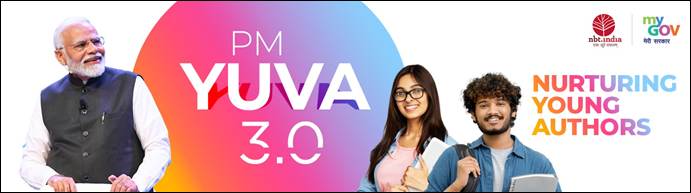


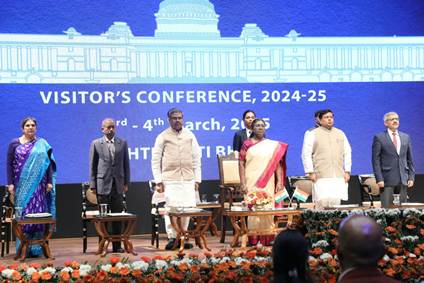
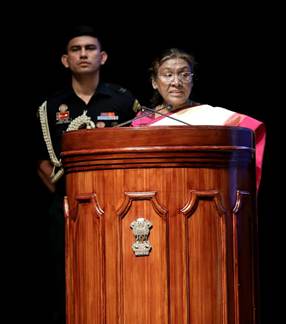


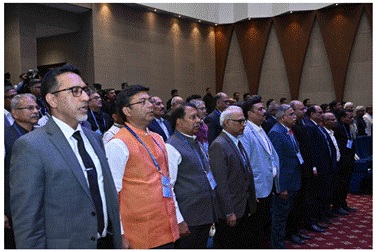
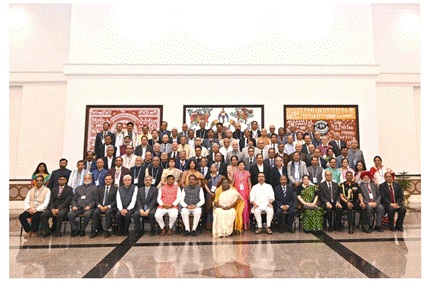
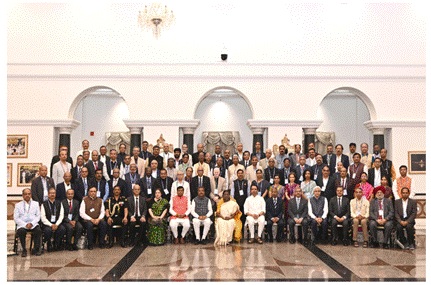
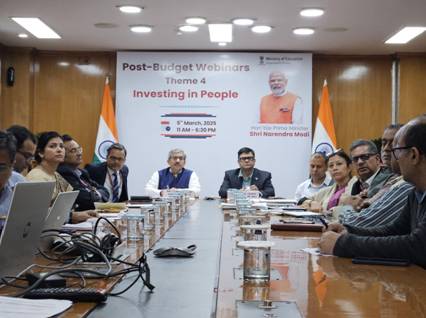
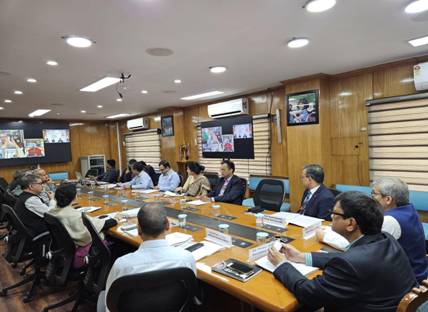


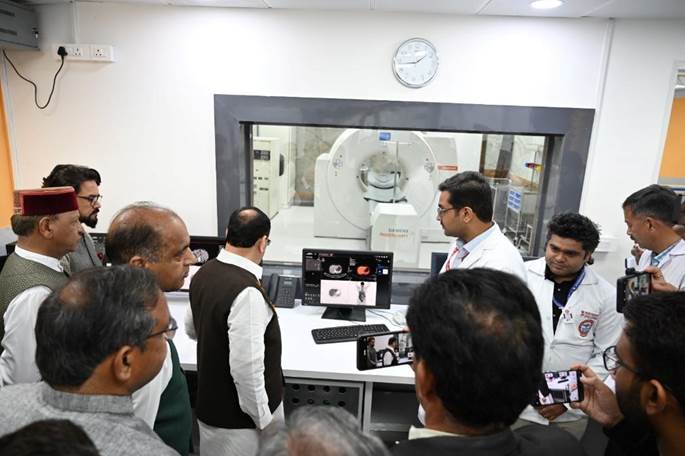
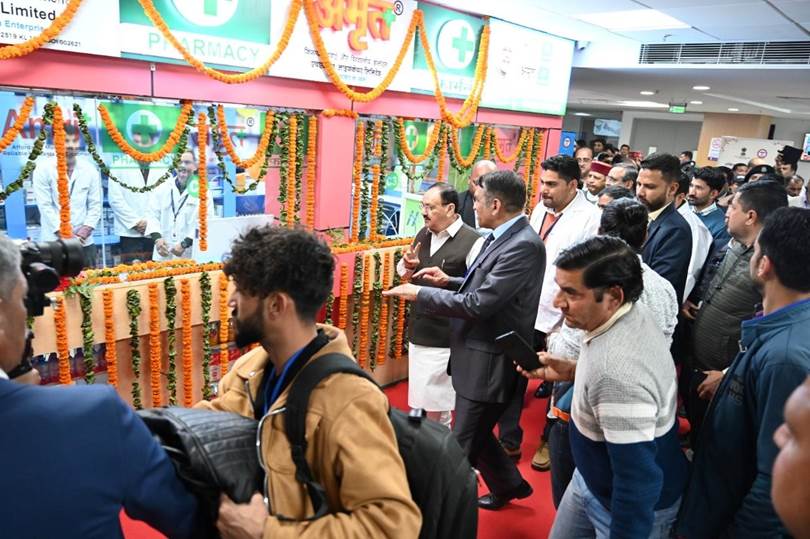
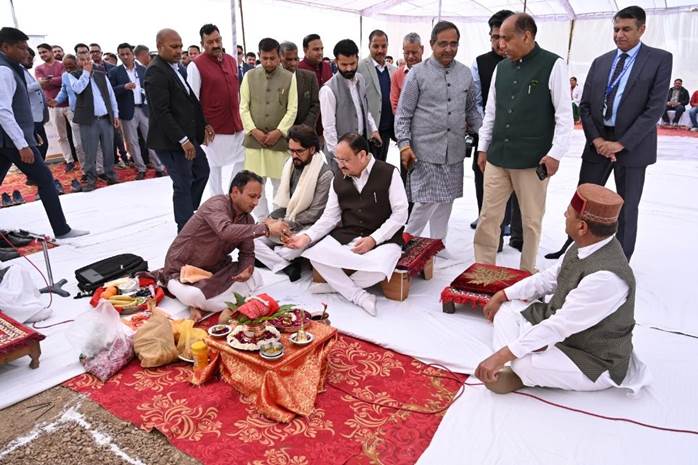
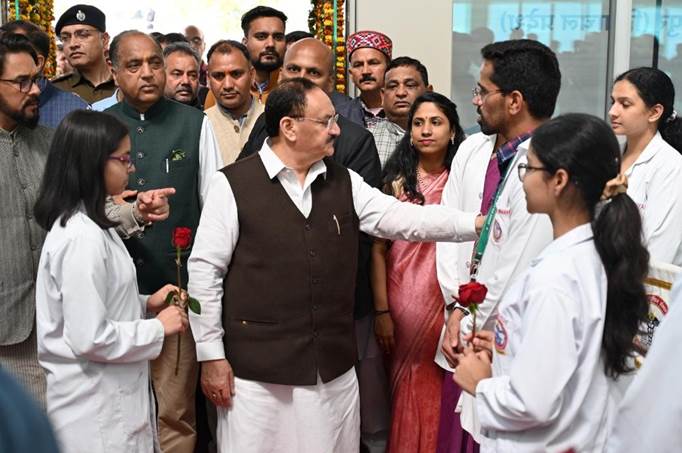


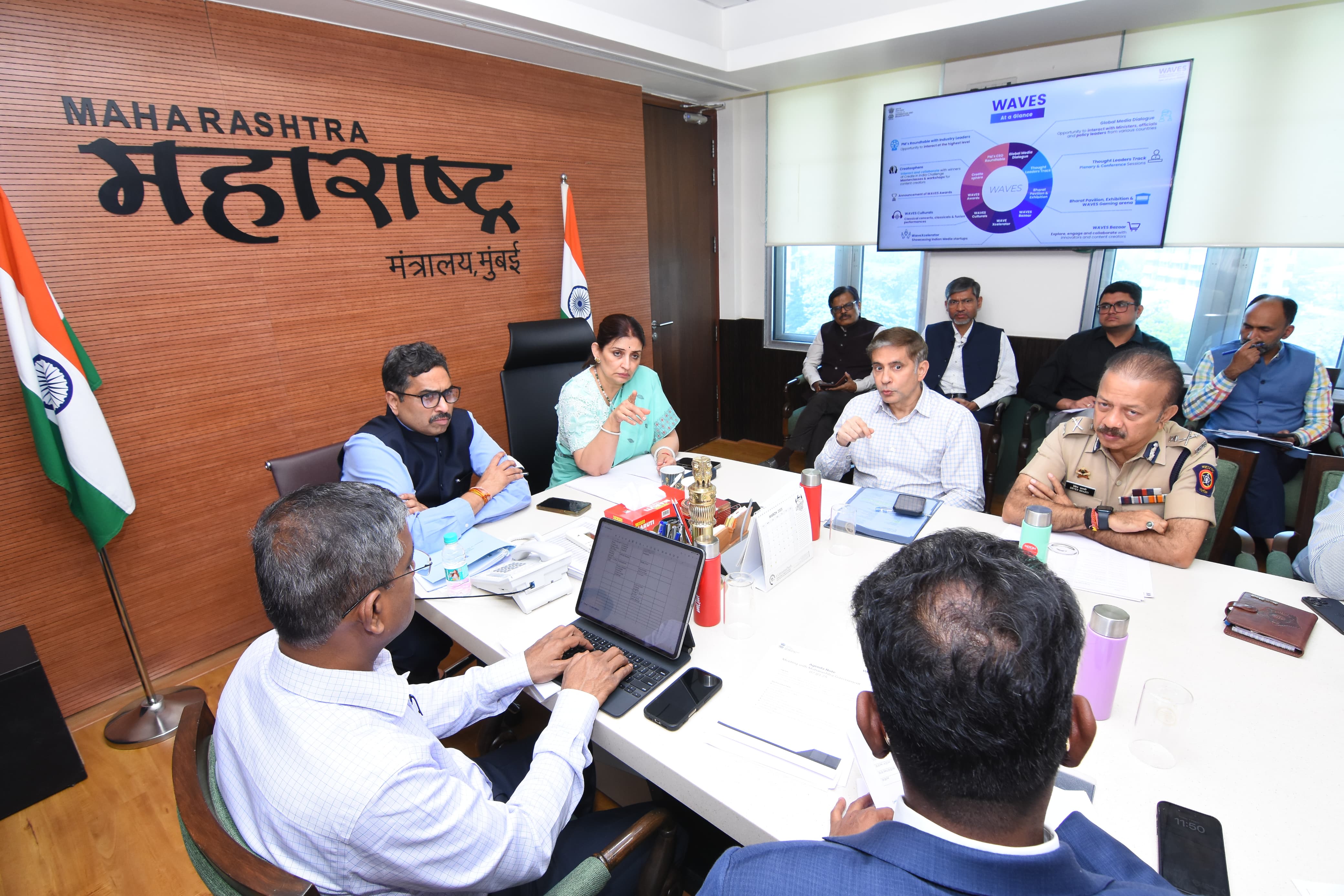
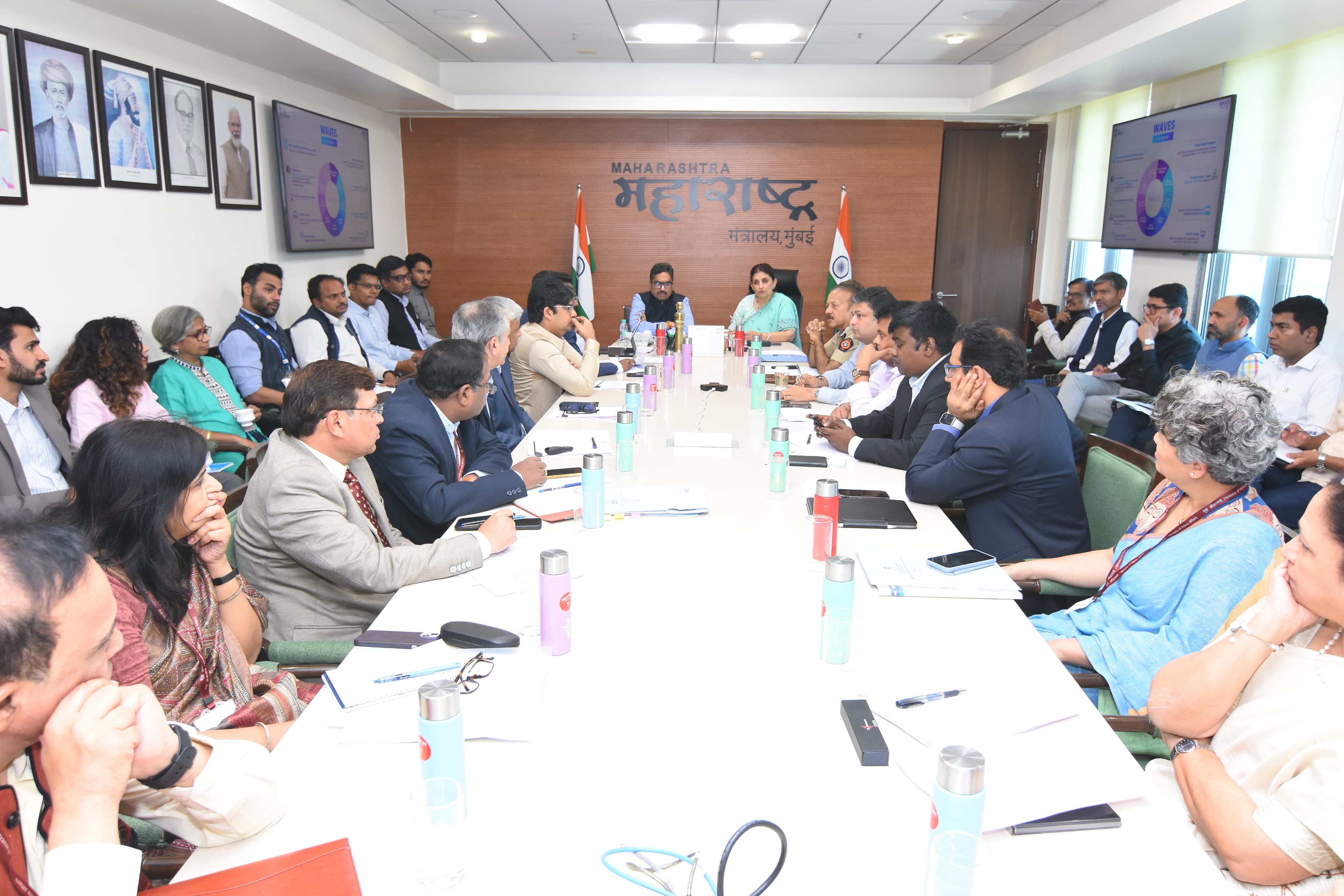

 /
/




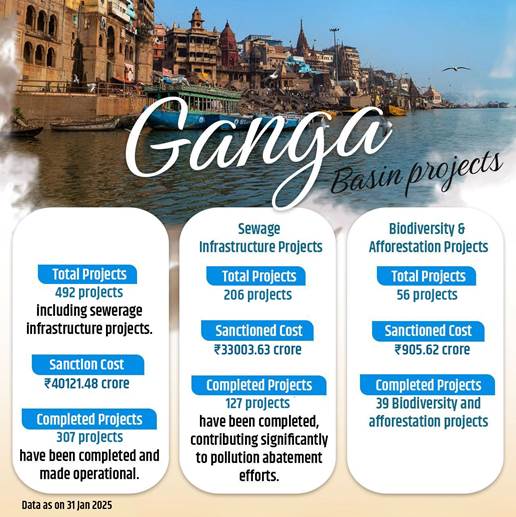
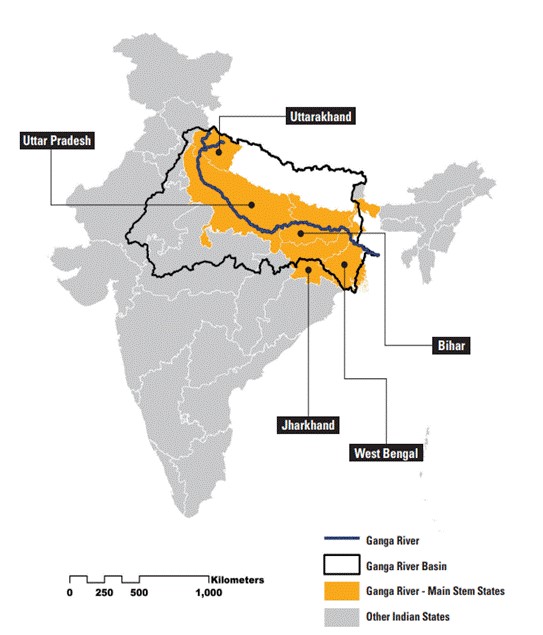

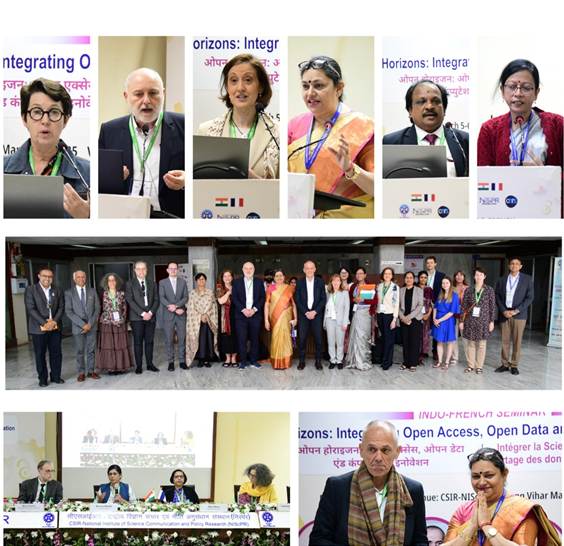
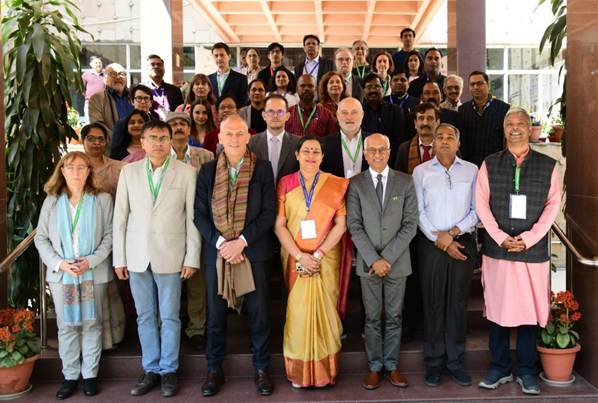
 Eduindex
You must be logged in to post a comment.