Singapore is home to some of the top schools offering a diverse range of educational approaches, including local and international curricula. Here are a few highly regarded schools:
International Community School (Singapore) – This Christian school offers a U.S.-based college preparatory curriculum for kindergarten through high school, with a strong emphasis on values and community. It’s well-known for academic rigor and extracurricular opportunitiesWhich School Advisor.
Tanglin Trust School – Established in 1925, Tanglin provides a British-based education with options for A-levels or the International Baccalaureate (IB) Diploma Programme. It’s a well-established institution with a long history in SingaporeWhich School Advisor.
Dunman High School – Known for academic excellence and a wide array of co-curricular activities, Dunman focuses on holistic development and leadership in its students. It has strong science and humanities programsHereSingaporeTutor City.
Nanyang Girls’ High School – One of Singapore’s top girls’ schools, offering an education that fosters leadership and character development alongside academic success. It emphasizes both personal growth and service to the communityHereSingapore.
UWC South East Asia – Part of the United World Colleges network, UWCSEA offers an IB-based education and is known for its holistic approach, offering extensive extracurricular activities in the arts, sports, and moreWhich School Advisor.
These ib schools in singapore, among others, highlight Singapore’s commitment to providing a high-quality education system that caters to a wide range of interests and talents.
After completing 10th grade, students have a variety of options to consider for further education and career paths. Here are the top ten exams and streams that students can pursue after 10th:
Overview: Students can choose to enroll in Science, Commerce, or Arts streams. The choice largely depends on their interests and career aspirations.
Key Focus: Subjects vary by stream, with Science focusing on Physics, Chemistry, and Mathematics, Commerce on Business Studies and Accountancy, and Arts on subjects like History and Psychology.
2. National Institute of Open Schooling (NIOS)
Overview: NIOS offers a flexible education system where students can complete their secondary education through open schooling.
Key Focus: It is suitable for students who prefer self-paced learning or need to balance other commitments.
3. Diploma Courses
Overview: Various technical and vocational diploma courses are available, including Engineering, Hotel Management, and Nursing.
Key Focus: These courses provide practical knowledge and skills for specific industries, often requiring an entrance exam.
4. ITI (Industrial Training Institute)
Overview: ITI courses focus on technical skills in fields such as electrician, plumbing, and welding.
Key Focus: Students learn specific trades, enhancing employability in skilled labor sectors.
5. Joint Entrance Examination (JEE)
Overview: JEE is a national-level exam for admission into engineering programs in prestigious institutions like IITs and NITs.
Key Focus: It tests students on Physics, Chemistry, and Mathematics.
6. National Eligibility cum Entrance Test (NEET)
Overview: NEET is the entrance exam for students aiming to pursue undergraduate medical courses (MBBS, BDS).
Key Focus: The exam assesses knowledge in Biology, Chemistry, and Physics.
7. Common Entrance Test (CET)
Overview: Various states in India conduct CETs for admission into professional courses, including engineering and medical programs.
Key Focus: Depending on the state, the CET may cover subjects like Mathematics and Science.
8. Commerce Stream Entrance Exams
Overview: For students interested in pursuing Commerce, exams for BBA (Bachelor of Business Administration) programs are available.
Key Focus: These exams often assess aptitude in Mathematics, English, and Logical Reasoning.
9. Creative Arts Entrance Exams
Overview: Students interested in pursuing Fine Arts, Design, or Performing Arts can take entrance exams specific to these fields.
Key Focus: Exams may include practical assessments, portfolios, and interviews.
10. Foreign Language and Vocational Courses
Overview: Students can opt for foreign language courses or vocational training that offer specialized skills.
Key Focus: These courses enhance language proficiency or provide practical skills for various careers.
Conclusion
Choosing the right path after 10th grade is crucial for a student’s future. It’s important to assess personal interests, strengths, and career goals when considering these options. Each of these exams and courses opens different avenues for higher education and career opportunities.
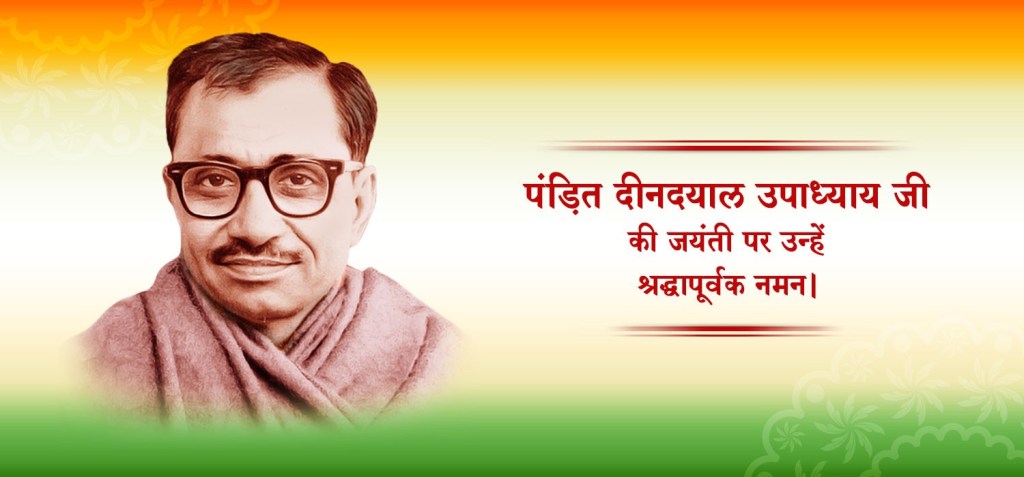
Pandit Deendayal Upadhyaya (1916–1968) was an Indian politician, philosopher, economist, and thinker, who played a significant role in shaping the political and ideological framework of modern India. He was a key leader in the Bharatiya Jana Sangh (the precursor to the Bharatiya Janata Party, or BJP) and is best known for his formulation of the concept of “Integral Humanism”—a philosophy that sought to define India’s political and socio-economic direction post-independence.
Early Life and Education
Deendayal Upadhyaya was born on September 25, 1916, in the small town of Chandrabhan (now renamed Deendayal Dham) in Mathura district, Uttar Pradesh. His early life was marked by tragedy, as he lost his parents at a young age, and he was raised by his maternal uncle. Despite financial hardships, Upadhyaya was an excellent student, excelling academically. He attended high school in Sikar, Rajasthan, where he earned a scholarship, and later completed his graduation from Sanatan Dharma College, Kanpur. He pursued further studies at St. John’s College, Agra.
However, despite excelling academically, Upadhyaya was drawn towards nationalist politics and social work, influenced by the ideas of Rashtriya Swayamsevak Sangh (RSS), a Hindu nationalist volunteer organization that focused on nation-building and social welfare.
Political Career
Pandit Deendayal Upadhyaya’s formal political journey began when he joined the RSS in the late 1930s. Deeply committed to the cause of Hindutva (Hindu nationalism), he worked as a full-time “pracharak” (propagator) for the RSS. His dedication to nationalist ideals was evident as he worked tirelessly to expand the influence of the organization in different parts of India.
In 1951, when Syama Prasad Mookerjee founded the Bharatiya Jana Sangh (BJS), Deendayal Upadhyaya was one of its key founding members. He became the party’s General Secretary, a post he held for nearly two decades, contributing to the growth of the party. He was instrumental in defining the ideological framework of the Jana Sangh, emphasizing a vision of India rooted in its indigenous culture, values, and self-reliance.
Integral Humanism
The most important contribution of Pandit Deendayal Upadhyaya to Indian political thought is his doctrine of “Integral Humanism” (Ekatma Manav Darshan). Delivered as a series of lectures in 1965, Integral Humanism was proposed as an alternative to both Western capitalism and socialism. According to Upadhyaya, both these systems were incompatible with Indian culture and failed to meet the holistic needs of human beings.
Core principles of Integral Humanism:
Holistic Development of Human Beings: Upadhyaya believed that human development must address both material and spiritual needs. Western ideologies focused too much on material prosperity, neglecting the spiritual and cultural aspects of human life.
Socio-Economic Model Based on Indian Traditions: Upadhyaya advocated for an economic model rooted in Indian values, emphasizing decentralized governance and self-reliance (Swadeshi). He was against the blind adoption of Western economic policies and called for a system that balanced economic growth with ethical living.
Harmony between Individual and Society: He stressed that individual aspirations should align with the well-being of society as a whole. He argued for a balance between individual rights and societal duties, avoiding both excessive state control and extreme individualism.
Focus on Indigenous Solutions: Upadhyaya’s vision was fundamentally based on the cultural and spiritual ethos of India. He believed that India must evolve a political and economic system that is not an imitation of the West but instead arises from its own traditions, culture, and spiritual heritage.
Integral Humanism continues to serve as the ideological foundation of the BJP today, which sees it as a guiding principle for national development and governance.
Political Leadership and Influence
Deendayal Upadhyaya’s leadership in the Bharatiya Jana Sangh was marked by his focus on organizational discipline and ideological clarity. Although he was not a mass leader like some of his contemporaries, his influence lay in his intellectual contributions and behind-the-scenes work in strengthening the party structure. He became the President of the Bharatiya Jana Sangh in 1967, but his tenure was tragically short-lived due to his untimely death.
Despite the challenges faced by the Jana Sangh in competing with larger political entities like the Congress, Upadhyaya’s vision helped solidify the party’s role as the voice of Hindu nationalism and cultural conservatism in Indian politics. His emphasis on a politics of ethics, discipline, and indigenous values resonated with many, laying the groundwork for the later rise of the BJP.
Mysterious Death
Pandit Deendayal Upadhyaya’s life was cut short under mysterious circumstances. On February 11, 1968, his body was found near the railway tracks in Mughal Sarai (now Deendayal Upadhyaya Junction) under suspicious circumstances. The circumstances of his death remain unclear to this day, leading to various theories and speculations. His untimely death was a great loss to Indian politics, as many believe he had much more to offer in terms of thought leadership and political guidance.
Legacy
Pandit Deendayal Upadhyaya’s legacy lives on through the political ideology he helped shape. The Bharatiya Janata Party (BJP), which emerged from the Bharatiya Jana Sangh, regards him as a key figure in its ideological foundation. His thoughts on Integral Humanism continue to influence Indian politics, particularly in the realm of governance, self-reliance, and national identity.
Several institutions, programs, and initiatives have been named in his honor, reflecting the continued relevance of his ideas. The government of India, especially under the leadership of BJP, has launched numerous schemes bearing his name, including Deen Dayal Antyodaya Yojana (for poverty alleviation) and Deen Dayal Upadhyaya Grameen Kaushalya Yojana (for rural employment).
Conclusion
Pandit Deendayal Upadhyaya was a thinker and politician who left an indelible mark on Indian political thought through his advocacy of a distinctive Indian philosophy, Integral Humanism. His ideas continue to inspire contemporary political discourse in India, especially within the Hindutva movement and the broader framework of Indian governance. His focus on the integration of material and spiritual development, as well as the promotion of an indigenous economic and political system, makes him a key figure in the intellectual history of modern India.
NICDC Logistics Data Services Ltd. (NLDSL) announces the launch of Unified Logistics Interface Platform (ULIP) Hackathon 2.0, a competitive event aimed at fostering innovation and developing digital solutions to tackle pressing challenges in the logistics industry. The Hackathon was officially launched at an event held under the chairmanship of Shri Rajeev Singh Thakur, Additional Secretary, Department for Promotion of Industry and Internal Trade (DPIIT), at Vanijya Bhawan.
The launch event witnessed more than 1800 attendees joining the kick-off physically and virtually, reflecting widespread industry interest in the initiative. Hackathon 2.0 marks a significant step in leveraging innovation and technology to reshape and streamline India’s logistics and supply chain sector.
Building on the success of ULIP Hackathon 1.0, which resulted in the development of cutting-edge solutions, Hackathon 2.0 invites developers, start-ups, and industry players to come together once again. The focus of this year’s hackathon is on addressing key logistics challenges such as sustainability, complex supply chain processes, unified documentation, andmultimodal logistics optimization.
Speaking on the occasion, Shri Rajeev Singh Thakur, said, “We are excited to launch ULIP Hackathon 2.0, an initiative that fosters creativity, problem-solving, and collaboration. With the tremendous success of Hackathon 1.0, we are confident that this year’s event will generate even more innovative solutions to shape the future of India’s logistics ecosystem.”
As part of its ongoing commitment to transforming the logistics sector, NLDSL also announced the launch of the Track Your Transport (TYT) application powered by ULIP. This app is designed to empower small-scale transporters and traders by addressing various facets of logistics management, from providing tracking of cargo via all modes to verification of vehicles and drivers. TYT eliminates the need for heavy IT infrastructure investments, making it a cost-effective and user-friendly tool for the unorganized sector.
Shri Rajat Kumar Saini, CEO & MD, NICDC and Chairman, NLDSL highlighted that the TYT app is a key milestone in their efforts to bring digital empowerment to small traders and transporters. He stated, “The app provides the tools necessary to enhance operational efficiency and visibility, ensuring that small players can compete on a level playing field with the rest of the industry.”
Track Your Transport app can be accessed via the web at http://www.trackyourtransport.in or downloaded through Android, iOS, and Digital India App Stores.
About ULIP:
ULIP is a digital gateway that allows industry players to access logistics-related datasets from various Government systems through API-based integration. Currently, the platform integrates with 37 systems from 10 ministries via 118 APIs, covering over 1800 data fields. Private sector participation in ULIP has been instrumental in amplifying its impact, with over 1000 companies registered on the ULIP portal (www.goulip.in). Additionally, these companies have developed over 100 applications, leading to more than 54 crore API transactions.
About NLDSL:
NICDC Logistics Data Services Ltd. (NLDSL) has been at the forefront of transforming India’s logistics sector through its innovative solutions like Logistics Data Bank (LDB) and ULIP. By leveraging advanced technology, NLDSL has enhanced efficiency, transparency, and digitization within the industry.
The company was established on December 30, 2015, with the primary objective of harnessing Information and Communication Technology (ICT) to enhance efficiency in the Indian logistics sector. It is a joint venture between Government of India represented by National Industrial Corridor Development and Implementation Trust (NICDIT) and Japanese IT major NEC Corporation.
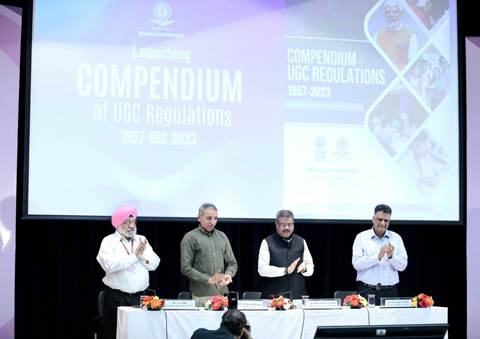
Union Minister for Education, Shri Dharmendra Pradhan, inaugurated a one-day workshop on the Institutional Development Plan for Higher Education Institutes. He also released the UGC Compendium of Regulations (1957-2023) as a single, accessible & reliable source of all UGC rules. Shri Sanjay Murthy, Secretary, Department of Higher Education, Ministry of Education; Dr. N.S. Kalsi, Former Chairman, NCVET and Chairman of the Committee working on formulating the IDP Guidelines; Shri M. Jagadesh Kumar, Chairman, UGC; Vice-Chancellors, Nodal Officers, and other dignitaries were also present at the event.
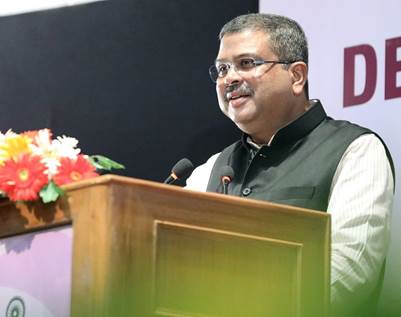
Shri Dharmendra Pradhan, while addressing the audience said the Higher education Institutes of the country will play a crucial role in realising the vision of Prime Minister Shri Narendra Modi of Viksit Bharat by embracing the core values and spirit of NEP 2020.
He also talked about the role of the HEIs in redefining the purpose and structure of education, empowering youth and making them future-ready, doubling the gross enrolment ratio, bringing a vast majority of the population under the higher education net, effectively utilising demographic advantage, achieving academic, research & innovation excellence and also the way forward for transforming 5000 HEIs into centres-of-excellence through holistic and inclusive approaches.
Shri Pradhan also said that education will propel India from being a consuming economy to becoming a producing economy. The institutional development plan should focus on enhancing the competencies of our vast demography, facilitating learner-centric and multidisciplinary education, integrating Bharatiya Bhasha in higher learning, prioritising innovation, entrepreneurship and job-creation as an outcome, capacity building of teachers and achieving the global standard of research & development, he added.
He also said that education must address 21st-century aspirations and create solutions for local and global challenges. The world looks at India’s talent pool for new models and solutions to challenges of our age, he stated He exhorted the academic fraternity to work in a focused and time-bound manner to reinvent their institutions, transforming the higher educational landscape and achieving national priorities.
Speaking on the relevance and importance of the workshop Shri K. Sanjay Murthy elaborated on the ambitious plan the Ministry of Education had presented to the Prime Minister as part of the social group with the vision for the next twenty-five years. Talent and competency would be needed to back up the tremendous work that would take place and the institutions must rise to the demand to meet the talent requirements, he added. He also emphasized the Future of Work and that the IDP must focus on enhancing the quality of the institutes. Introduction of the IDP will also help the institutes to be at par with the universities of the world, he said.
About the Workshop:
The workshop on Institutional Development Plan (IDP) brings together higher education institutions to discuss strategies for institutional growth and development. The compendium will serve as a valuable resource for institutions as they develop and implement their IDP. Over 170 representatives from HEIs across India are participating in this workshop. Aligning with the National Education Policy (NEP) 2020, the IDP provides institutions with a clear roadmap to develop their vision, mission and goals for a future-ready education system.
Through the two thematic sessions, the participants will have the opportunity to learn about governance enablers, financial planning and management, human resources and supportive-facilitative enablers, networking and collaboration enablers, physical enablers, digital enablers, and research and intellectual property enablers, innovative funding models, and curriculum development. Renowned experts from industry, academia, and government will share their insights and experiences on these critical areas.
In each session, different universities will share their best practices for creating their IDP. In a separate Q&A session, Chairman UGC, Former Chairman, NCVET and the speakers from the Panels will address the queries of the participants.
About UGC Compendium:
To provide a single source of reference to all the stakeholders, UGC has prepared a Compendium of all UGC Regulations, Rules and Notifications from 1957-2023. The compendium includes 15 Rules, 87 Regulations, and 28 Notifications covering a wide range of topics, including inspection, the fitness of institutions for grants, return of information, budget and accounts, establishments, affiliation, autonomy, accreditation, admission & fees, specification of degrees, and other miscellaneous matters. The compendium provides a one-stop reference for all regulatory requirements, ensuring that institutions can easily access and comply with UGC guidelines. This is expected to streamline operations and support informed decision-making, creating an environment of compliance and best practices. This compendium having more than 1100 pages, is available in the form of a PDF and e-book on the UGC website.
About IDP:
Institutional Development Plan (IDP) Guidelines were launched by UGC on 6th February 2024. The IDP Guidelines will help institutions make a strategic Institutional Development Plan with the joint participation of Board members, institutional leaders, faculty, students and staff based on which institutions will develop initiatives, assess their progress, and reach the goals set therein.
Younis Khan is one of the most distinguished and accomplished cricketers in Pakistan’s cricket history. Born on November 29, 1977, in Mardan, Khyber Pakhtunkhwa, Pakistan, Younis is renowned for his technical prowess, resilience, and ability to perform under pressure. Over his international career, which spanned from 2000 to 2017, he earned a reputation as one of the finest Test batsmen in the world, known particularly for his consistency and ability to play in challenging conditions.
Early Life and Career Beginnings
Younis Khan grew up in a family passionate about cricket. His early cricketing years were spent playing in the streets of Mardan, and later, he moved to Karachi, where his professional career took off. His talent was evident from an early age, and after impressive performances in domestic cricket, he was called up to the Pakistan national team.
International Debut
Younis made his international debut for Pakistan in February 2000 in a One-Day International (ODI) against Sri Lanka, and a month later, he played his first Test match against the same opposition. Although he started his career on a relatively low note in ODIs, it was in Test cricket where he truly shone. He scored a century (107 runs) in just his second Test match, signaling his potential as a world-class player.
Rise to Prominence
Younis Khan’s rise in Test cricket was marked by his impeccable technique, strong temperament, and ability to adapt to different playing conditions around the world. Over the years, he became Pakistan’s most reliable middle-order batsman, especially known for his ability to play long innings. Younis played some of his best cricket in foreign conditions, with many of his centuries coming in challenging overseas tours, which earned him great respect globally.
Captaincy and Leading Pakistan to Glory
In 2009, Younis Khan was appointed captain of the Pakistan cricket team, a role that came with immense pressure and expectations. His leadership was instrumental in guiding Pakistan to one of its greatest triumphs—the ICC World Twenty20 Championship in 2009. Under Younis’ leadership, Pakistan won the T20 World Cup, defeating Sri Lanka in the final. This victory was significant as it gave the country a reason to celebrate amidst various challenges and unrest at the time.
Although his captaincy tenure was not without challenges, with ups and downs in the team’s performance and some internal conflicts, Younis’ stature as a player remained untarnished.
Achievements in Test Cricket
Younis Khan’s legacy is most closely associated with his outstanding performances in Test cricket. He is the highest run-scorer for Pakistan in Tests, amassing 10,099 runs in 118 matches at an average of 52.05, with 34 centuries and 33 half-centuries. He remains the only Pakistani player to score over 10,000 runs in Test cricket, a milestone he achieved in 2017 during a series against the West Indies.
One of Younis Khan’s most remarkable achievements came in 2015 when he scored his 30th Test century, surpassing Javed Miandad’s long-standing record of 8,832 runs to become Pakistan’s leading run-scorer in Test cricket. He also holds the record for most centuries by a Pakistani in Test cricket, with 34 centuries to his name.
His most famous innings includes a triple century (313) against Sri Lanka in 2009, one of the highest individual scores by a Pakistani in Test matches. He was also known for his incredible ability to perform in the fourth innings of Test matches, an area where many batsmen struggle. Younis scored five centuries in the fourth innings, the most by any player in the history of Test cricket.
Versatility and Adaptability
Younis Khan’s success in different conditions is a testament to his versatility and adaptability. He scored runs in every major cricket-playing nation, including difficult tours in Australia, England, South Africa, and the West Indies. His ability to play both pace and spin with equal competence made him a complete batsman.
He was particularly skilled at playing on difficult, turning tracks in the subcontinent, often rescuing Pakistan from precarious situations with his patience and composure at the crease. His ability to graft innings and build partnerships made him a pivotal figure in Pakistan’s batting lineup for over a decade.
Retirement and Post-Retirement Role
Younis Khan retired from international cricket in 2017 after Pakistan’s historic Test series win against the West Indies. His farewell was emotional, as he left the game as one of Pakistan’s greatest ever cricketers. His retirement marked the end of an era, leaving a significant void in Pakistan’s batting lineup.
After retirement, Younis Khan remained actively involved in the development of cricket in Pakistan. He took up coaching roles, notably becoming the batting coach for the Pakistan national team in 2020. His experience and knowledge of the game are seen as valuable assets for grooming young cricketers in the country. Additionally, he has been involved in various philanthropic and sports development initiatives.
Legacy and Impact
Younis Khan’s contributions to Pakistan cricket extend beyond his statistics. He is admired for his professionalism, dedication to fitness, and his exemplary work ethic. His ability to inspire and mentor younger players has made him a respected figure in Pakistan cricket circles.
One of Younis’ defining characteristics has been his humility and down-to-earth personality. Despite his numerous achievements, he always remained grounded, often crediting his success to the team and the support of his fans.
Honors and Awards
Younis Khan received numerous awards throughout his career. He was awarded Pakistan’s highest civilian honors, including the Sitara-i-Imtiaz, in recognition of his services to cricket. His name is etched in cricket history as one of Pakistan’s all-time greats, and his legacy will continue to inspire future generations of cricketers.
Personal Life
Younis Khan is known to be a private person when it comes to his personal life. He has a wife, Amna, and they have children together. Younis has often credited his family for being his support system throughout his career, especially during tough times.
In summary, Younis Khan’s cricketing journey is one of hard work, perseverance, and excellence. He is remembered as one of Pakistan’s finest players, a cricketing legend who set new standards for Pakistan’s future generations of cricketers.
The Union Public Service Commission (UPSC) Civil Services Examination (CSE) is one of India’s most prestigious and challenging competitive exams. It is the gateway to a career in the Indian Administrative Service (IAS), Indian Police Service (IPS), Indian Foreign Service (IFS), and other central services, collectively known as the All India Services. The exam is conducted annually by the UPSC and is known for its rigorous selection process, which aims to recruit the best candidates for the country’s civil services.
1. Overview of the UPSC Civil Services Examination
The UPSC Civil Services Examination is designed to assess a candidate’s intellectual abilities, critical thinking, decision-making skills, and overall aptitude for public service. The exam is conducted in three stages: the Preliminary Examination (Prelims), the Main Examination (Mains), and the Personality Test (Interview).
Importance of UPSC CSE
Entry into the All India Services: Success in the UPSC CSE leads to recruitment into some of the most coveted positions in the Indian government, including IAS, IPS, IFS, and other central services.
High Prestige and Responsibility: Civil servants in India play a crucial role in policy formulation, implementation, and administration, impacting millions of lives.
Diverse Career Opportunities: The services offer a wide range of roles, from district administration and law enforcement to foreign diplomacy and economic policy.
2. Exam Structure
The UPSC CSE is conducted in three stages, each testing different aspects of a candidate’s knowledge, skills, and personality.
1. Preliminary Examination (Prelims)
The Prelims is the first stage of the examination and serves as a screening test for the Mains.
Objective: The Prelims assess the candidate’s knowledge of current affairs, general studies, and basic concepts in various subjects.
Papers: The Prelims consist of two papers, both of which are objective in nature (multiple-choice questions):
Paper I – General Studies (GS):
Subjects: Indian history, geography, polity, economy, environment, science and technology, current affairs, and general knowledge.
Marks: 200 marks
Duration: 2 hours
Paper II – Civil Services Aptitude Test (CSAT):
Subjects: Comprehension, logical reasoning, analytical ability, decision-making, problem-solving, basic numeracy, and data interpretation.
Marks: 200 marks
Duration: 2 hours
Note: The CSAT paper is qualifying in nature, with candidates needing to secure at least 33% to qualify for the Mains.
Negative Marking: There is a penalty of 1/3rd of the marks assigned to a question for each incorrect answer.
Cut-off: Only the marks obtained in Paper I are considered for determining the cut-off for selection to the Mains.
2. Main Examination (Mains)
The Mains is the second stage of the UPSC CSE and is more comprehensive, testing the candidate’s in-depth knowledge and understanding of various subjects.
Objective: The Mains assess the candidate’s intellectual depth, ability to express ideas clearly, and grasp of various subjects relevant to public administration and governance.
Papers: The Mains consist of nine papers, out of which seven are considered for ranking, while two are qualifying in nature:
Paper A – Indian Language (Qualifying):
Subjects: Candidates can choose any one of the languages included in the Eighth Schedule of the Indian Constitution.
Marks: 300 marks
Duration: 3 hours
Note: This paper is not applicable to candidates from northeastern states who can opt for English as the qualifying paper.
Paper B – English (Qualifying):
Marks: 300 marks
Duration: 3 hours
Paper I – Essay:
Objective: Tests the candidate’s ability to articulate thoughts and opinions on a given topic.
Marks: 250 marks
Duration: 3 hours
Paper II – General Studies I (GS I):
Subjects: Indian heritage and culture, history, geography of the world and society.
Marks: 250 marks
Duration: 3 hours
Paper III – General Studies II (GS II):
Subjects: Governance, constitution, polity, social justice, and international relations.
Marks: 250 marks
Duration: 3 hours
Paper IV – General Studies III (GS III):
Subjects: Technology, economic development, biodiversity, environment, security, and disaster management.
Marks: 250 marks
Duration: 3 hours
Paper V – General Studies IV (GS IV):
Subjects: Ethics, integrity, and aptitude.
Marks: 250 marks
Duration: 3 hours
Paper VI & VII – Optional Subject Papers I & II:
Subjects: Candidates can choose one optional subject from a list provided by UPSC. The subject has two papers.
Marks: 250 marks each (500 marks total)
Duration: 3 hours each
Total Marks: 1750 marks (for the seven ranking papers).
Language: The Mains papers can be written in either English or any of the languages listed in the Eighth Schedule of the Indian Constitution.
3. Personality Test (Interview)
The Personality Test, commonly known as the Interview, is the final stage of the UPSC CSE.
Objective: The Interview assesses the candidate’s personality traits, including mental alertness, critical powers of assimilation, clear and logical exposition, balance of judgment, and leadership qualities.
Format: The Interview is conducted by a panel of experts who ask questions on various topics, including the candidate’s Detailed Application Form (DAF), current affairs, and hypothetical scenarios.
Marks: 275 marks
Language: The Interview can be conducted in English or any other language preferred by the candidate.
3. Eligibility Criteria
To be eligible for the UPSC Civil Services Examination, candidates must meet certain criteria related to nationality, age, educational qualification, and the number of attempts.
1. Nationality
For IAS and IPS: Candidates must be citizens of India.
For Other Services: Candidates can be citizens of India, subjects of Nepal or Bhutan, Tibetan refugees (who came to India before January 1, 1962), or persons of Indian origin who have migrated from specific countries.
2. Age Limit
Minimum Age: 21 years as of August 1 of the year of examination.
Maximum Age: 32 years (for General category candidates).
Age Relaxation:
5 years for SC/ST candidates.
3 years for OBC candidates.
Additional relaxation for candidates from certain categories like Ex-servicemen, and persons with disabilities (PwD).
3. Educational Qualification
Degree Requirement: Candidates must hold a bachelor’s degree from a recognized university or possess an equivalent qualification.
Final Year Students: Candidates in the final year of their degree program can also apply, provided they can submit proof of passing the degree examination along with the Mains application.
4. Number of Attempts
General Category: 6 attempts.
OBC Category: 9 attempts.
SC/ST Category: Unlimited attempts until the upper age limit.
PwD Candidates: 9 attempts (for General and OBC candidates), unlimited attempts for SC/ST candidates.
4. Application Process
Online Registration: Candidates must apply online through the official UPSC website. The notification for the exam is typically released in February or March.
Application Fee: The fee is generally INR 100 for General and OBC candidates, with exemptions for SC/ST, PwD, and female candidates.
Examination Centers: Candidates can choose their preferred exam centers from the list provided by UPSC.
5. Preparation Strategy
Given the vast syllabus and the competitive nature of the exam, a strategic approach to preparation is essential for success in the UPSC Civil Services Examination.
Understanding the Syllabus and Exam Pattern
Familiarity with Syllabus: The first step is to thoroughly understand the syllabus for both Prelims and Mains, including optional subjects.
Focus on NCERT Books: NCERT textbooks from class 6 to 12 are considered fundamental for building a strong foundation, especially for General Studies.
Study Material and Resources
Standard Reference Books: In addition to NCERTs, candidates should refer to standard books like Laxmikanth for Indian Polity, Spectrum for Modern Indian History, and the Economic Survey for Indian Economy.
Newspapers and Magazines: Regular reading of newspapers like The Hindu or The Indian Express, along with magazines like Yojana and Kurukshetra, is crucial for staying updated with current affairs.
Online Resources and Coaching: Many candidates supplement their preparation with online resources, coaching classes, and test series to stay on track and get expert guidance.
Practice and Revision
Regular Practice: Answer writing practice is crucial for Mains preparation, while practicing mock tests is essential for the Prelims.
Test Series: Joining a test series helps in understanding the exam pattern, improving time management, and identifying weak areas.
Revision: Regular revision is key to retaining information, especially for subjects
Karnataka is home to some of India’s most prestigious universities, known for their academic excellence, research output, and innovative programs. Here are the top universities in Karnataka:
Indian Institute of Science (IISc), Bangalore: One of India’s premier research institutions, renowned globally for its contributions to science, engineering, and research.
National Institute of Technology Karnataka (NITK), Surathkal: A top engineering institute known for its strong academic programs and research in engineering, technology, and sciences.
University of Mysore, Mysore: One of the oldest universities in India, offering a wide range of undergraduate, postgraduate, and doctoral programs in arts, sciences, commerce, and social sciences.
Visvesvaraya Technological University (VTU), Belgaum: A leading technical university that affiliates engineering colleges across Karnataka and offers programs in engineering, technology, and management.
Manipal Academy of Higher Education (MAHE), Manipal: A prominent private university known for its programs in medicine, engineering, management, and humanities, with a strong focus on research and international collaborations.
Christ University, Bangalore: A well-regarded private university offering diverse programs in arts, science, commerce, law, and management, known for its holistic approach to education.
Bangalore University, Bangalore: A major public university offering a wide range of programs in arts, science, commerce, law, and management, with a strong emphasis on research and community engagement.
Jain University, Bangalore: A leading private university known for its programs in engineering, management, humanities, and sports, with a focus on entrepreneurship and innovation.
Karnataka State Law University (KSLU), Hubli: A specialized university focused on legal education, offering undergraduate and postgraduate law programs.
Jawaharlal Nehru Centre for Advanced Scientific Research (JNCASR), Bangalore: A multidisciplinary research institution known for its advanced research in science and engineering.
These universities are recognized for their academic rigor, research contributions, and strong industry connections, making them top choices for students in Karnataka and beyond.
Eduindex News (www.eduindex.org) is a prominent platform dedicated to bringing the latest updates and insights from educational institutions across the globe. As a reliable source of information, Eduindex News covers a wide array of topics that resonate with students, educators, researchers, and policymakers.
This platform offers in-depth coverage of campus news, including academic achievements, research breakthroughs, and educational events. Whether it’s the unveiling of new academic programs, collaborations between universities, or policy changes affecting education, Eduindex News ensures that readers stay informed about the latest trends and developments.
Eduindex News also highlights the voices of students and educators by featuring interviews, opinion pieces, and expert analyses. By providing a global perspective on education, the platform bridges the gap between institutions from different regions, fostering a better understanding of the diverse approaches to learning and teaching.
With a commitment to delivering accurate and timely news, Eduindex News has become a go-to resource for anyone interested in education-related topics. Its focus on global coverage ensures that readers can gain insights into the evolving landscape of education, making it an essential platform for staying connected with educational trends worldwide.
The Vice-President, Shri Jagdeep Dhankhar today expressed concerns over recent public statements by people holding constitutional positions urging the Supreme Court “to invoke jurisdiction to give wings to a narrative aimed at destroying our economy”.
Addressing the first batch of Joint Masters/LL.M degree in IP Law and Management at NLU, Delhi today Shri Dhankhar said, “…..Jurisdiction of institution is defined by the Indian Constitution, be it legislature, be it executive, be it judiciary. Jurisdiction of courts is decided. Look around the globe, look at the Supreme Court in the U.S., the highest court in the U.K. or other formats.
Has there been suo-motu cognisance even once? Has a remedy been created beyond what is provided in the Constitution? The Constitution provides original jurisdiction, appellate jurisdiction. It provides review also.
But we have curative! I got extremely worried when a person holding a constitutional position, just last week, declared in a well-publicised media; I would say campaign, beseeching the Supreme Court to suo-motu invoke jurisdiction to give wings to a narrative aimed at destroying our economy”, he added
Shri Dhankhar also urged the youth to neutralise forces that prioritise partisan or self-interest over national welfare, emphasising that such actions undermine the nation’s rise.
Addressing the gathering at the NLU Delhi, Shri Dhankhar Highlighted the overwhelming presence of coaching centres and their advertisements in newspapers, which often feature the same successful faces to attract more students.
“..Extravaganza of coaching centres, advertisements all over the newspaper, page one, page two, page three, putting boys and girls who made it and same faces being used by multiple organisations. Advertisement, look at the extravaganza, the cost, every penny of that advertisement has come from those young boys and girls who are in pursuit of securing a future for themselves”, he added.
Shri Dhankhar lamented that every penny of those advertisements come from those young boys and girls who are in pursuit of securing a future for themselves.
Advocating for breaking free from the silos of civil service jobs, Shri Dhankar encourages youth to look beyond the conventional career paths and explore more lucrative and impactful careers.
“..Why should we be in that silo? We know the opportunities are limited. We have to look away and find there are enormous vistas of opportunities, far more lucrative, that enable you to contribute massively. And this can happen in disability technologies, it can happen in space, it can happen in the ocean blue economy”, added Shri Dhankhar.
Referring to Bharat as the gold mine of Intellectual property and Vedas, ancient scriptures as the foundation of Indian philosophy, spirituality, and sciences. The Vice President described them as prime examples of India’s intellectual treasure. He urged everyone to embrace the Vedas in their physical form, emphasising their potential to enrich lives and provide solutions to everything.
Invoking the timeless wisdom of the Rig Veda, stating, “Let noble thoughts come to us from all sides.”, Shri Dhankhar highlighted that this verse from the Rig Veda encapsulates the essence of intellectual property—emphasising the free flow of ideas and knowledge for societal betterment. The Vice President urged that instead of citing modern figures, we should draw inspiration from our authentic sources, reinforcing the profound relevance of our ancient wisdom in today’s intellectual and economic landscape.
Emphasising the critical role of intellectual property (IP) law and management in driving innovation and economic growth, particularly underscoring the need to protect both modern creative endeavours and our ancient knowledge, Shri Dhankhar indicated that IP has become a cornerstone of international trade in globalised era and noted that for a nation like India, with its vast population, strong IP protection is essential for attracting foreign investment and enabling technology transfer.
Acknowledging India’s significant strides in strengthening its IP regime, Shri Dhankhar stated that India’s legislative framework has been progressively aligned with international standards, ensuring robust protection. He underscored that India’s IP regime is carefully crafted to comply with the World Trade Organization’s TRIPS and other bilateral and regional agreements, reinforcing the nation’s commitment to innovation and global trade.
Smt. Himani Pande, Additional Secretary, DPIIT, Ministry of Commerce & Industry, Prof. (Dr.) G.S. Bajpai, Vice Chancellor, National Law University Delhi, Prof. (Dr.) V K Ahuja, Director, Indian Law Institute, students and other dignitaries were also present on the occasion.
The occurrence of rape incidents involving tourists in India is a deeply concerning issue that has significant repercussions, not only for the victims and their families but also for the reputation and image of the country as a tourist destination. These incidents tarnish the perception of “Incredible India,” which is known for its rich cultural heritage, diverse landscapes, and warm hospitality. However, the prevalence of such crimes casts a shadow over these positive attributes and raises serious questions about safety and security for visitors.
Firstly, each incident of rape involving tourists erodes trust and confidence in India as a safe destination. Travelers, especially women, may become apprehensive about visiting the country due to fear for their personal safety. This fear can deter potential tourists from choosing India as their travel destination, resulting in a significant loss for the tourism industry. Moreover, repeated incidents contribute to negative media coverage, amplifying the perception of India as an unsafe place for tourists.
Secondly, the failure to effectively address and prevent these crimes reflects poorly on the authorities’ ability to ensure the safety of visitors. It highlights systemic issues such as gaps in law enforcement, inadequate infrastructure, and cultural attitudes towards gender-based violence. The lack of swift and decisive action to address these underlying issues undermines the credibility of India’s commitment to ensuring the well-being of tourists.
Additionally, the impact of rape incidents on the victims cannot be overstated. Beyond the physical and emotional trauma they endure, these incidents often result in long-lasting psychological effects, shattered confidence, and a reluctance to seek justice in a foreign legal system. The failure to provide adequate support and justice for victims further damages the perception of India as a compassionate and just society.
To mitigate the tarnishing of India’s image and restore trust in its tourism sector, comprehensive measures are required. This includes improving safety infrastructure, increasing police presence in tourist areas, enhancing awareness and sensitivity training for law enforcement officials, and implementing stringent legal measures to ensure swift and effective prosecution of perpetrators. Additionally, promoting a culture of respect and gender equality is essential to address the root causes of violence against women.
In conclusion, the occurrence of rape incidents with tourists in India not only inflicts harm on the victims but also undermines the country’s reputation as a welcoming and safe destination. Addressing these issues requires concerted efforts from the government, law enforcement agencies, tourism stakeholders, and society as a whole to ensure that India remains truly incredible in every aspect.
References
Dubey, P. (2018). No Nation for Women: Reportage on Rape from India, the World’s Largest Democracy. Simon and Schuster.
Kennedy, K. M., & Flaherty, G. T. (2015). The risk of sexual assault and rape during international travel: implications for the practice of travel medicine. Journal of travel medicine, 22(4), 282-284.
Thomas, T. K., & Mura, P. (2019). The ‘normality of unsafety’-foreign solo female travellers in India. Tourism Recreation Research, 44(1), 33-40.
Rao, N. (2012). The dark side of tourism and sexuality: trafficking of Nepali girls for Indian brothels. In Sex and tourism (pp. 155-165). Routledge.
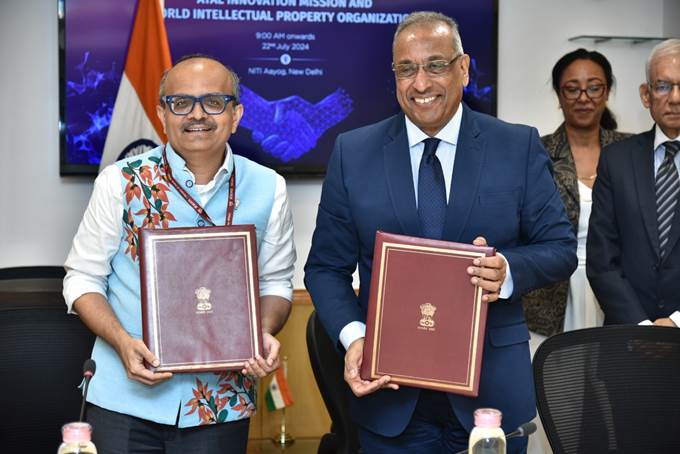
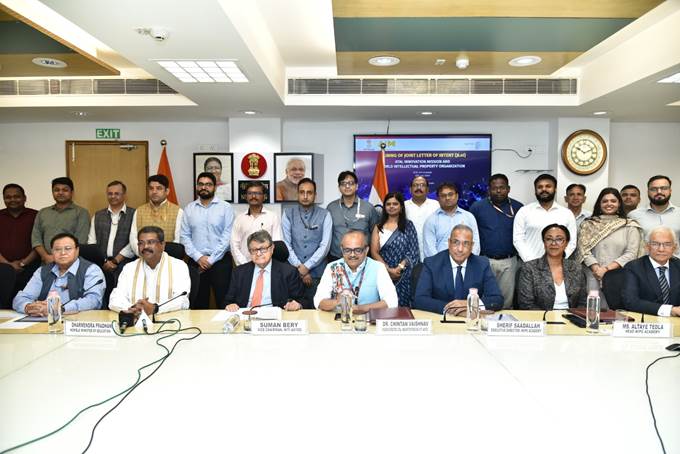
A high-level delegation from World Intellectual Property Organization (WIPO) comprising of Mr. Sherif Saadallah, Executive Director, WIPO Academy and Ms. Altaye Tedla, Head WIPO Academy visited NITI Aayog for signing of a Joint Letter of Intent (JLoI) between Atal Innovation Mission (AIM) and WIPO. The JLoI is aimed at building programs for Innovation, Entrepreneurship & Intellectual Property (IP) for countries in the Global South.
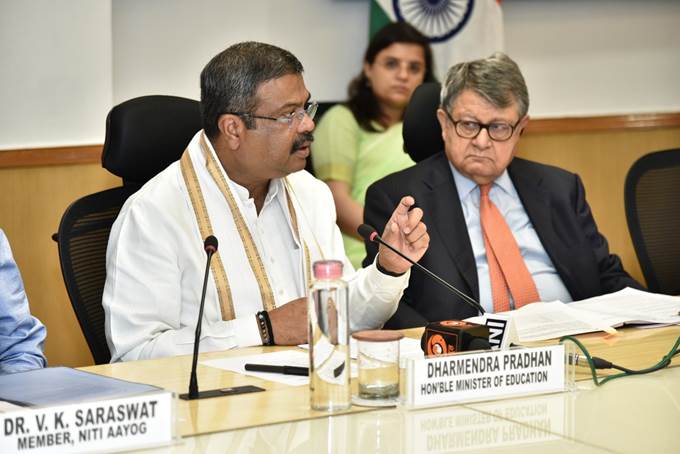
Shri Dharmendra Pradhan, Cabinet Minister for Education and Skill Development and Entrepreneurship in the Government of India graced the occasion with his presence. From NITI Aayog the dignitaries present included Shri Suman Bery, Vice Chairperson, NITI Aayog, Dr. V.K. Saraswat, Member NITI Aayog, and Dr. Chintan Vaishnav, Mission Director, Atal Innovation Mission.
Shri Dharmendra Pradhan Cabinet Minister for Education and Skill Development and Entrepreneurship, Government of India said “I am very pleased to see that India’s innovation ecosystem is going global. Innovation is India’s strength. This pathbreaking partnership between AIM and WIPO will take the best of India’s innovation models to countries that are on similar development trajectories, and will enhance understanding and awareness about IPR right from the school-level and unlock the innovation potential of the world as well as foster inclusive and sustainable economic growth.
Mr. Sherif Saadallah, Executive Director, WIPO Academy during his address said – “Intellectual property (IP) is a powerful catalyst for innovation and creativity, essential for addressing development of youth and achieving the Sustainable Development Goals. Our focus on youth is an integral part of our work to build a more inclusive global IP ecosystem, and our partnership with Atal Innovation Mission demonstrates WIPO’s commitment to ensure youth’s participation in innovation and creativity so that IP ecosystems are utilized by a wider demographic, fostering a more innovative and creative global economy.”
Last year, Mr. Daren Tang, Director General, WIPO had visited the AIM ecosystem and advocated for Atal Tinkering Labs (ATL) and Atal Incubation Centers (AIC) to be a good template for innovation and entrepreneurship through South-South cooperation. His observations prompted WIPO to invite Dr. Chintan Vaishnav, Mission Director AIM to showcase these flagship initiatives earlier this year in front of the member nations at the Committee on Development and Intellectual Property (CDIP) at the WIPO headquarters in Geneva, Switzerland. The agreement signed today has transpired from these conversations.
Speaking at the occasion, Shri Suman Bery Vice Chairperson, NITI Aayog said “WIPO’s recognition of India’s entrepreneurship development model is a proud moment for India and NITI Aayog which hosts the Mission. This deepens an already productive relationship between NITI Aayog and WIPO on national competitiveness”
As one of the specialized agency of the United Nations, WIPO is the nodal institution that releases the Global Innovation Index (GII) annually. As per the GII 2023 report, India had retained the 40th position of 132 economies featured in the GII ranking. As per WIPO Report 2022, India has experienced sixth straight year of growth in patent filing, posting the highest growth of 31.6% globally. Importantly, a substantial increase in resident filings was the main driver of growth overall in 2022.
Dr. V.K. Saraswat, Member NITI Aayog in his address underlined that, “In the last few years, India has made huge strides in its entrepreneurial journey in line with our international aspirations in this domain. This partnership between AIM and WIPO would help position India as a global leader in innovation, leveraging our vast talent pool and dynamic market to attract international investments. This partnership can be a game changer in fostering a culture of IP-led Innovation and hence safeguarding the future of our nation’s technological advancements.”
Sharing his thoughts on the importance of this JLoI, Dr. Chintan Vaishnav, Mission Director Atal Innovation Mission said, “It is our hope that the AIM-WIPO partnership will benefit many nations for whom models such as Atal Tinkering Labs and Atal Innovation Centres are needed to build their innovation ecosystems. The experience of the two sides coming together helps us make these models significantly more holistic as now Innovation & Entrepreneurship meets Intellectual Property (IP) in a serious way.”
The WIPO delegation is on a 4 day visit to India, and will take part in a workshop on Intellectual Property in Innovation organised at AIC GGSIPU, Dwarka, on 23rd July. The delegates will also interact with school students from Atal Tinkering Labs and Industry Experts from FICCI, NASSCOM, PHDCCI among others during their visit.
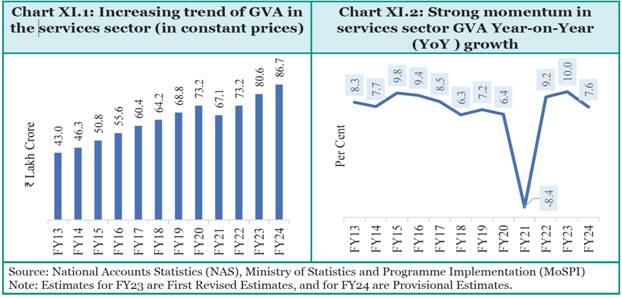
“Through the vicissitudes of the last three decades, the services sector stood as the bulwark of India’s economic growth. Aided by the focus on policy and procedural reforms, physical infrastructure and logistics, all significant business, personal, financial and infrastructure-based services have emerged strongly from the pandemic… However, the transformation lies in the fast-paced shift towards digital services like online payments, e-commerce, and entertainment platforms, as well as the increase in the demand for high-tech services as inputs in other productive activities.”This was highlighted in Economic Survey 2023-2024 tabled in Parliament by Union Minister for Finance and Corporate Affairs, Smt. Nirmala Sitharaman today.
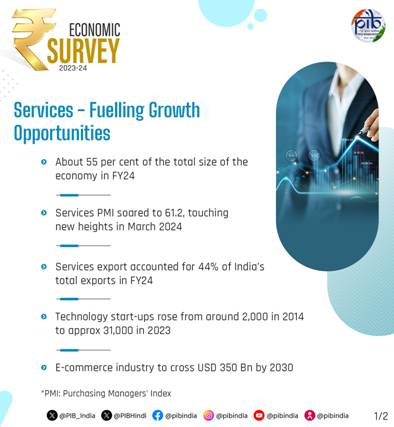
The services sector continues to be a significant contributor to India’s growth, accounting for about 55 per cent of the total size of the economy in FY24, states Economic Survey. The significant domestic demand, rapid urbanization, expansion of e-commerce platforms generated heightened requirements for logistics, digital related services are important factors which have determined the domestic demand of services. The Economic Survey further states that the Government has played a crucial role in fostering the growth and competitiveness of India’s services by creating an enabling environment, promoting investment, enhancing skills and facilitating market access.
Gross Value Added (GVA) in the services sector
The contribution of the services sector to the overall GVA has increased significantly in the last decade. Globally, India’s services sector witnessed a real growth of more than 6 percent and the services exports constituted 4.4 per cent of the world’s commercial services exports in 2022.
For a decade before COVID, the services sector’s real growth rate consistently exceeded the overall economic growth. Post-COVID, the services sector’s growth, spurred by non-contact intensive services, primarily financial, information technology and professional services, outpaced overall GVA growth in FY23 and FY24, reclaiming its role in driving the economy’s upward trajectory.
The Survey further states that as per the Provisional Estimates, the services sector is estimated to have grown 7.6 percent in FY24. The gross GST collection reached ₹20.18 lakh crores in FY24, marking 11.7 per cent increase from the previous year, underscoring robust domestic trading activity.
Purchasing Managers’ Index (PMI)- Services
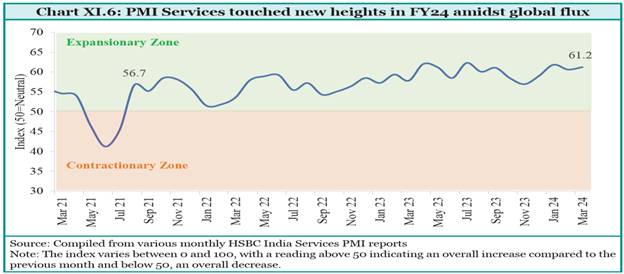
Business activity in the services sector in the country transcended the obstacles of the pandemic and other disruptions worldwide. In March 2024, services PMI soared to 61.2, marking one of the sector’s most significant sales and business activity expansions in nearly 14 years. As can be seen from Chart XI.6 (below), the services PMI has remained above 50 since August 2021, implying continuous expansion for the last 35 months.
Trade in the services sector
Post-pandemic, services exports have maintained a steady momentum and accounted for 44 per cent of India’s total exports in FY24 the survey notes. India ranked fifth in services exports, with other countries being the European Union (excluding intra-EU trade), the United States, the United Kingdom, and China.
India’s growing reputation as the preferred destination for Global Capability Centres (GCCs) by multinational corporations has significantly boosted software and business services exports. India’s share in digitally delivered services exports globally increased to 6.0 per cent in 2023 from 4.4 per cent in 2019.This rise in services exports, coupled with a fall in imports, led to an increase in net services receipts on a YoY basis during FY24, which helped cushion India’s current account deficit.
Financing Sources for Services Sector Activity
The services sector fulfils its financing needs domestically through
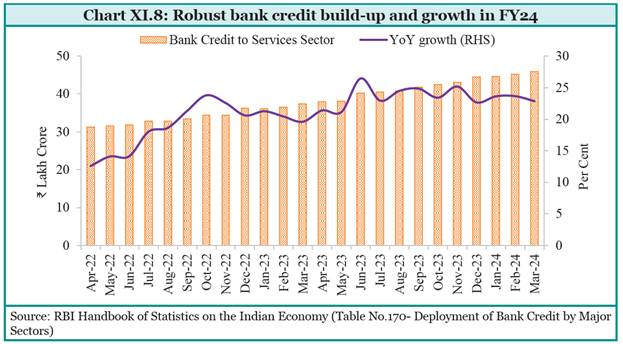
Credit from domestic banks and capital markets: FY24 witnessed an upward trajectory of credit inflow in the services sector, with YoY growth rates surpassing the 20 per cent mark each month since April 2023.
Internationally through Foreign Direct Investment (FDI) and External Commercial Borrowings (ECBs): The services sector accounted for 53 per cent share in total external commercial borrowing (ECB) inflows in FY24. The sector received inflows of USD 14.9 billion in FY24, thereby registering a YoY growth of 58.3 per cent.
India’s social and institutional progress in recent years has been achieved through an empowering approach to welfare as the new approach focuses on transforming the implementation and cost effectiveness of the Government programmes. The approach comprises targeted implementation of reforms for last-mile service delivery and affordable social security schemes for the unorganized sector workers through schemes such as Atal Pension Yojana (APY). This was stated by the Economic Survey 2023-24 tabled by Union Minister for Finance and Corporate Affairs Smt. Nirmala Sitharaman in the Parliament today.
Decline in Multidimensional Poverty
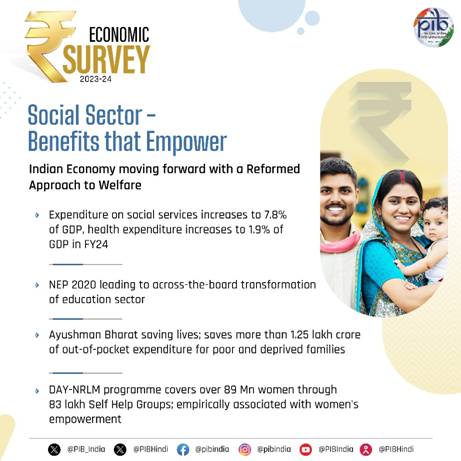
The expenditure on social services has increased from 6.7 % of GDP in 2017-18 to 7.8 % of GDP in 2023-24. The enhanced economic thrust along with better implementation of programmes has led to a sharp decline of Multidimensional Poverty with (National) Multidimensional Poverty Index (MPI) nearly halving from 0.117 in 2015-16 to 0.066 in 2019-21. Resultantly, 13.5 crore Indians are estimated to have escaped multidimensional poverty between 2015-16 and 2019-21, the Economic Survey 2023-24 noted.
The trend is driven by rural India, with the most significant improvements occurring in states like Bihar, Madhya Pradesh, Uttar Pradesh, Odisha and Rajasthan. Uttar Pradesh registered the most significant decline in the number of poor people, with 3.43 crore people escaping multidimensional poverty between 2015-16 and 2019-21.
Reduced Inequality and Decline in Rural-Urban divide
The Economic Survey also points out that the results of various initiatives in the social sector have translated into reduced inequality. The Gini coefficient has declined from 0.283 to 0.266 for the rural sector and from 0.363 to 0.314 for the urban sector in the past decade.
Similarly, the rural-urban divide has also declined considerably, as the difference between rural and urban monthly per capita consumption expenditure (MPCE) declined from 83.9 % in 2011-12 to 71.2 % in 2022-23.
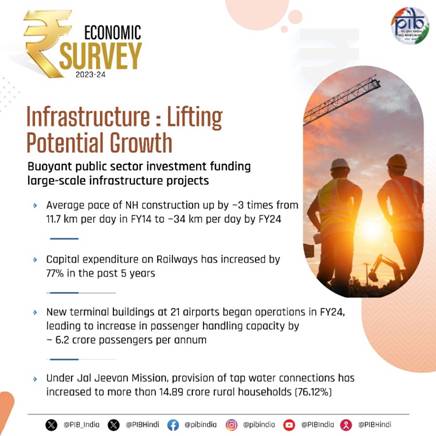
With increased public investment over the last five years, India has witnessed significant expansion in physical and digital connectivity and social infrastructure including sanitation and water supply helping to improve quality of life of the people, states the Economic Survey 2023-24 tabled by Union Minister of Finance and Corporate Affairs, Smt Nirmala Sitharaman in Parliament today. The Survey notes that the foremost among the responses initiated by the Union Government to overcome the pandemic-driven slowdown in the economy was increase in capital expenditure, aimed particularly at the creation of high quality physical and social infrastructure facilities. Keeping the momentum going over the last five years, the Survey says, capital expenditure of the Government has seen an almost three-fold increase in FY24, relative to FY20 levels. It added that the major beneficiaries of this step-up are key foundational assets like roads and railways.
ROAD INFRASTRUCTURE:
The Economic Survey observes that strategic planning and step-up in public investment have resulted in the upgradation of the road network system into a resilient and efficient infrastructure. The capital investment by the Government and private sector rose from 0.4 per cent in FY15 to about 1.0 per cent of GDP (around ₹3.01 lakh crore) in FY24. The sector has attracted its highest-ever private investment in FY24 as the private sector capitalises on a conducive policy environment, mentions the Survey.
Referring to the significant progress in the development of national highways, the Survey says that the development of national highways, over the last ten years, has increased by 1.6 times from 2014 to 2024. It states that the Bharatmala Pariyojana has significantly expanded the national highway network, increasing the length of high-speed corridors by 12 times and 4-lane roads by 2.6 times between 2014 and 2024. Further, the Survey notes that the efficiency of highway construction has improved due to the systematic push through the corridor-based National Highway development approach. The average pace of NH construction increased by 3 times from 11.7 km per day in FY14 to 34 km per day by FY24, it states. The survey observes that the remarkable improvement of the NH network has brought about substantial advancements in logistics efficiency which is evidenced by the consistently rising India’s ranking in the World Bank’s ‘Logistics Performance Index, from 54 in 2014 and 44 in 2018, to 38 in 2023.
To further enhance logistic efficiency, the Economic Survey has mentioned that the Ministry of Road Transport & Highways (MoRT&H) has dedicated Multi-Modal Logistics Parks (MMLP). It says that a total of six multimodal logistics parks (MMLPs) have been awarded until FY24, and ₹2,505 crore have been awarded for dedicated multimodal logistics parks (MMLPs) in FY24. Further, it stated, seven MMLPs are planned to be awarded in FY25.
RAILWAYS INFRASTRUCTURE
According to Economic Survey 2023-24, Indian Railways, with over 68,584 route km (as of 31st March 2024) and 12.54 lakh employees (as of 1st April 2024), is the fourth largest network in the world under single management. Survey states that the capital expenditure on Railways has increased by 77 per cent over the past 5 years (₹2.62 lakh crore in FY24) with significant investments in the construction of new lines, gauge conversion, and doubling.
The Survey notes that the Railways has achieved its highest-ever production for both locomotives and wagons in FY24. Survey states that 51 pairs of Vande Bharat have been introduced until March 2024. The fast pace of infrastructure augmentation has been the result of a substantial increase in financial allocation along with close project monitoring and regular follow-up with stakeholders for expeditious land acquisition and clearances, the Survey observes.
The Survey has also mentioned about the initiatives undertaken by Railways for providing clean environment in and around railway stations and trains, such as replacement of conventional toilets with bio-toilets on coaches leading to clean tracks, segregation of bio-degradable/non bio-degradable waste, solid waste management and discouraging use of single use plastic.
The key focus areas for Railways, according to Economic Survey 2023-24 include fast capacity augmentation, modernisation of rolling stock and maintenance, improving quality of services and energy efficiency. In line with this, the Survey states that the investments are prioritised in areas like dedicated freight corridors, high-speed rail, modern passenger services like Vande Bharat, Amrit Bharat Express, Aastha Special Trains, high-capacity rolling stock and last-mile rail linkages. Projects for three major corridors viz. (1) High-traffic density corridors, (2) Energy, Mineral and Cement Corridors and (3) Rail Sagar (port connectivity) corridors are also planned to reduce logistics cost and carbon footprint, the Survey said. As per the Survey, Railways has also planned to reduce its carbon footprint primarily through sourcing of its energy requirements through renewable energy sources and the expected requirement of installation of renewable capacity by 2029-30 is around 30 Giga Watts. Other strategies mentioned by Survey include shifting from diesel to electric traction, promotion of energy efficiency and afforestation.
















 Eduindex
You must be logged in to post a comment.