A Step-by-Step Guide: How to Register an NGO in India

 Non-Governmental Organizations (NGOs) play a crucial role in addressing social issues, advocating for change, and providing essential services to communities across India. However, establishing an NGO requires navigating through various legal procedures and regulatory requirements. In this guide, we will walk you through the step-by-step process of registering an NGO in India, ensuring compliance with the necessary laws and regulations.

Step 1: Choose the Type of NGO:
Before initiating the registration process, it’s essential to determine the type of NGO you want to establish. In India, NGOs can be registered under different legal structures, including Trust, Society, or Section 8 Company (under the Companies Act, 2013).

Step 2: Decide on the Name and Objectives:
Select a unique and meaningful name for your NGO that reflects its mission and values. Ensure that the chosen name complies with the guidelines provided by the Registrar of Societies or the Ministry of Corporate Affairs, depending on the selected legal structure. Define clear objectives and goals that align with the intended activities of the NGO.

Step 3: Draft the Memorandum of Association (MOA) and Rules/Bylaws:
For Trusts: Prepare the Trust Deed outlining the objectives, governing rules, and regulations of the NGO.
For Societies: Draft the Memorandum of Association and Rules & Regulations, specifying the objectives, membership criteria, management structure, etc.
For Section 8 Companies: Create the Memorandum and Articles of Association, detailing the objectives, rules, and regulations governing the NGO’s operations.
Ensure that the documents are drafted carefully and in accordance with the relevant laws and regulations.

Step 4: Obtain Digital Signatures (for Section 8 Companies):
If registering as a Section 8 Company, obtain Digital Signatures for the proposed Directors of the NGO. Digital Signatures are mandatory for filing electronic forms with the Ministry of Corporate Affairs.

Step 5: Apply for Name Reservation:
Submit an online application for name reservation to the Registrar of Societies (for Trusts and Societies) or the Ministry of Corporate Affairs (for Section 8 Companies). Ensure that the proposed name complies with the prescribed guidelines and is not identical or similar to existing organizations.

Step 6: Prepare and Submit Registration Documents:
Gather all necessary documents, including the MOA, Rules/Bylaws, identity proofs, address proofs, etc., as specified by the respective registration authority.
For Trusts and Societies: Submit the registration documents to the Registrar of Societies or the concerned State Government department.
For Section 8 Companies: File the incorporation documents with the Registrar of Companies (ROC) along with the Digital Signatures and requisite fees.
Ensure that the documents are accurately filled out and duly signed by the authorized representatives.

Step 7: Verification and Approval:
Once the registration documents are submitted, the concerned authority will verify the application and documents submitted. This may involve scrutiny of the organization’s objectives, governance structure, and compliance with legal requirements.

Step 8: Receive Certificate of Registration:
Upon successful verification and approval, the Registrar of Societies or the ROC will issue the Certificate of Registration. This certificate serves as legal proof of the NGO’s existence and enables it to commence its activities.

Conclusion:
Registering an NGO in India is a multi-step process that requires careful planning, documentation, and compliance with legal requirements. By following the steps outlined in this guide and seeking professional assistance if needed, aspiring social entrepreneurs can establish their NGOs and contribute meaningfully to society. Remember, the journey doesn’t end with registration – it’s just the beginning of your organization’s quest to make a positive impact on the lives of others.

Environmental Activism

_The Power of Environmental Activism: Fighting for a Sustainable Future_
Environmental activism has been a crucial force in raising awareness about the importance of protecting our planet. From climate change to conservation, environmental activists have been instrumental in pushing for policy changes and inspiring individuals to take action. In this article, we’ll explore the history of environmental activism, its impact, and the ways in which individuals can get involved.
_History of Environmental Activism_
The modern environmental movement began in the 1960s and 1970s, with the publication of Rachel Carson’s book “Silent Spring” and the establishment of organizations like the Sierra Club and Greenpeace. Since then, environmental activism has grown into a global movement, with activists fighting for causes such as climate justice, deforestation, and wildlife conservation.
_Impact of Environmental Activism_
Environmental activism has led to numerous victories, including:
1. _Legislation and policy changes_: Activists have pushed for laws and regulations protecting the environment, such as the Clean Air Act and the Paris

Agreement.

2. _Public awareness and education_: Activists have raised awareness about environmental issues, inspiring individuals to make lifestyle changes and demand action from governments and corporations.
3. _Grassroots movements_: Activists have organized protests, petitions, and campaigns, mobilizing communities and creating a sense of urgency around environmental issues.
_Ways to Get Involved in Environmental Activism_
1. _Join an organization_: Look for local or national organizations working on environmental issues that align with your values.
2. _Attend events and protests_: Participate in rallies, marches, and other events to show your support and raise your voice.
3. _Volunteer_: Offer your time and skills to environmental organizations or initiatives.
4. _Make lifestyle changes_: Reduce your carbon footprint by adopting sustainable habits, such as reducing energy consumption, using public transportation, and reducing waste.
5. _Educate yourself and others_: Stay informed about environmental issues and share your knowledge with others.
_Conclusion_
Environmental activism is crucial in the fight against climate change, conservation, and other environmental issues. By understanding the history, impact, and ways to get involved, individuals can join the movement and make a difference. Together, we can create a sustainable future for all.

What are Functions of NOGs

 Non-governmental organizations (NGOs) play diverse and critical roles across various sectors and communities worldwide. Here are some of their key functions:

Advocacy and Lobbying

NGOs often advocate for specific causes or issues, lobbying governments, businesses, and other organizations to effect policy changes or address social, environmental, or humanitarian concerns.

Service Provision

Many NGOs directly provide services and support to communities in need. This can include healthcare, education, disaster relief, poverty alleviation, and more.

Research and Policy Analysis

NGOs conduct research and analyze policies to better understand complex issues and inform decision-making processes. They often provide data-driven insights to governments and other stakeholders.

Capacity Building

NGOs build the capacity of individuals, communities, and local organizations by providing training, resources, and technical assistance. This empowers communities to address their own challenges and sustain positive change.

Awareness Raising and Education

NGOs raise awareness about social, environmental, and humanitarian issues through campaigns, workshops, publications, and other educational activities. They aim to inform and engage the public to drive positive action and change attitudes.

Monitoring and Evaluation

NGOs monitor the implementation of policies and programs, as well as their impact on communities and the environment. This helps ensure accountability, transparency, and effectiveness in addressing social needs and promoting sustainable development.

Human Rights Protection

NGOs work to protect and promote human rights by advocating for legal reforms, supporting victims of rights violations, and raising awareness about human rights issues on local, national, and international levels.

Environmental Conservation and Sustainability

NGOs engage in environmental conservation efforts, such as wildlife protection, habitat restoration, climate change mitigation, and sustainable resource management. They often collaborate with governments, businesses, and local communities to promote eco-friendly practices.

Conflict Resolution and Peacebuilding

NGOs play a vital role in conflict resolution and peacebuilding by facilitating dialogue, promoting reconciliation, and providing humanitarian assistance in conflict-affected areas. They work to address root causes of conflicts and promote sustainable peace.

Community Development

NGOs support community development initiatives by fostering social cohesion, economic empowerment, and infrastructure development in marginalized or underserved communities. They often collaborate closely with local stakeholders to identify needs and implement solutions.

Overall, NGOs contribute significantly to addressing social, environmental, and humanitarian challenges, often filling gaps left by governments and the private sector. Their diverse functions and grassroots approach make them indispensable actors in advancing social justice, human rights, and sustainable development globally.

Role of NGO in Social Transformation

 Non-Governmental Organizations (NGOs) play a pivotal role in social transformation by addressing various issues and working towards positive change in communities. Their impact extends across a spectrum of areas, contributing significantly to societal development. Here are key roles that NGOs play in fostering social transformation:

  1. Community Empowerment:
    NGOs often work at the grassroots level, empowering communities by providing them with resources, knowledge, and skills. Through education, vocational training, and awareness campaigns, NGOs enable individuals to take charge of their lives and contribute to the overall development of their communities.

  2. Advocacy and Awareness:
    NGOs act as advocates for social issues, raising awareness about pressing concerns such as poverty, gender inequality, environmental issues, and human rights violations. By amplifying marginalized voices, NGOs work to influence policies and bring about positive change on a broader scale.

  3. Education and Skill Development:
    Many NGOs focus on education as a key driver of social transformation. They establish schools, organize workshops, and provide educational resources to underserved communities. Additionally, NGOs often emphasize skill development programs to enhance employability and economic independence.

  4. Healthcare Initiatives:
    NGOs play a crucial role in healthcare, especially in regions with limited access to medical facilities. They organize health camps, provide medical services, and conduct awareness programs on issues such as hygiene, sanitation, and preventive healthcare measures.

  5. Human Rights Protection:
    NGOs actively work towards protecting human rights and ensuring justice for marginalized or vulnerable groups. They may offer legal aid, advocate for policy changes, and raise awareness about human rights violations to bring about social justice.

  6. Environmental Conservation:
    Many NGOs are dedicated to environmental causes, working to address climate change, deforestation, pollution, and other ecological issues. By promoting sustainable practices and engaging in conservation efforts, NGOs contribute to a healthier and more sustainable future.

  7. Gender Equality and Women’s Empowerment:
    NGOs champion gender equality by addressing issues such as gender-based violence, unequal access to education and healthcare, and economic disparities. Through awareness campaigns, training programs, and policy advocacy, NGOs strive to create a more equitable society.

  8. Poverty Alleviation:
    Poverty remains a pervasive challenge, and NGOs are actively involved in poverty alleviation programs. These initiatives may include microfinance projects, vocational training, and community development programs aimed at uplifting economically disadvantaged populations.

  9. Disaster Relief and Rehabilitation:
    NGOs play a crucial role in providing immediate relief and long-term rehabilitation in the aftermath of natural disasters or conflicts. Their rapid response teams often work on the ground, providing essential services, shelter, and support to affected communities.

  10. Crisis Intervention and Social Services:
    NGOs provide essential social services, including counseling, rehabilitation, and support for individuals facing crises such as domestic violence, substance abuse, or mental health challenges. They contribute to building resilient communities through their intervention programs.

In summary, NGOs serve as catalysts for social transformation by addressing multifaceted challenges and fostering sustainable development. Their diverse roles contribute to building inclusive, equitable, and thriving societies, making them indispensable agents of positive change.

Benefits of Working with NGO

 Collaborating with a Non-Governmental Organization (NGO) offers a multitude of benefits, both personally and professionally. Here are some key advantages of working with an NGO:

  1. Fulfillment of Social Responsibility:

    • Contributing to a cause: Working with an NGO allows you to actively participate in addressing social issues and contributing to positive change. It provides a sense of purpose and fulfillment as you align your efforts with a cause that resonates with your values.
  2. Skill Development and Networking:

    • Diverse roles and responsibilities: NGOs often operate with limited resources, providing opportunities to wear multiple hats and develop a broad skill set. You may find yourself involved in project management, fundraising, advocacy, communication, and more.
    • Networking opportunities: Engaging with an NGO exposes you to a diverse network of individuals, including professionals, activists, and volunteers. Building these connections can open doors to new opportunities and collaborations.
  3. Personal Growth and Learning:

    • Exposure to real-world challenges: NGOs often work on the front lines of social issues, exposing you to the realities of the challenges faced by communities. This hands-on experience fosters personal growth, resilience, and adaptability.
    • Continuous learning: Working with an NGO offers a dynamic environment where you are continually learning, adapting to new situations, and gaining a deeper understanding of social issues.
  4. Global Perspective:

    • Exposure to global issues: Many NGOs operate on an international scale, allowing you to gain insights into global challenges and solutions. This exposure broadens your perspective and fosters a more comprehensive understanding of diverse cultures and societies.
  5. Advocacy and Impact:

    • Platform for advocacy: NGOs often serve as platforms for advocating social change. By working with an NGO, you have the opportunity to amplify your voice and contribute to shaping policies and practices that impact communities.
    • Tangible impact: NGOs are driven by a mission to create positive change. Being part of such an organization allows you to witness and contribute to tangible outcomes, making a meaningful difference in the lives of individuals and communities.
  6. Sense of Community and Belonging:

    • Shared values: NGOs attract individuals who are passionate about similar causes. Working with like-minded people creates a sense of community and belonging, fostering a positive and supportive work environment.
  7. Professional Development and Resume Enhancement:

    • Resume enrichment: Involvement with an NGO enhances your resume by showcasing your commitment to social responsibility and your ability to work in diverse and challenging environments.
    • Leadership opportunities: NGOs often provide leadership roles, allowing you to develop and showcase your leadership skills, which can be valuable for future career advancement.
  8. Positive Impact on Mental Health:

    • Altruistic satisfaction: The sense of altruism gained from working with an NGO can positively impact mental well-being, providing a deeper sense of purpose and satisfaction in your professional life.

In summary, collaborating with an NGO offers a holistic and enriching experience, providing not only professional growth but also the satisfaction of contributing to positive social change.


Skill Development Initiative for Underprivileged Women, Hamari Pahchan NGO’s

In the realm of social change, women stand as pillars of resilience, strength, and transformation. Hamari Pahchan NGO has embarked on a transformative journey, dedicated to empowering women and fostering their financial independence through the dynamic Skill Development Programme.

The Imperative of Women’s Empowerment: At the core of societal progress lies the empowerment of women—an endeavor that Hamari Pahchan NGO champions with unwavering commitment. The organization recognizes that investing in women’s education and economic empowerment is not just a choice but a crucial step toward creating a positive ripple effect that benefits everyone.

Navigating Challenges Faced by Underprivileged Women: The path to women’s empowerment is riddled with challenges, especially for those facing economic hardships. Underprivileged women often encounter barriers such as limited access to resources, restricted educational opportunities, and entrenched societal norms that confine them to lower-paying jobs. Hamari Pahchan acknowledges these hurdles and is determined to dismantle them.

Hamari Pahchan NGO’s Response: Enter the SKILL DEVELOPMENT PROGRAMME—a beacon of hope and catalyst for change. This initiative conducts workshops and training sessions, addressing the unique needs of underprivileged women and equipping them with skills essential for securing better employment opportunities and financial independence.

Addressing Skill Gaps: The NGO begins its journey by conducting thorough surveys to identify skill gaps within the target communities. This meticulous approach allows Hamari Pahchan to tailor its training programs, ensuring they directly address the specific needs of the women they aim to empower. It’s not just about teaching skills; it’s about instilling the confidence to apply those skills in real-world scenarios.

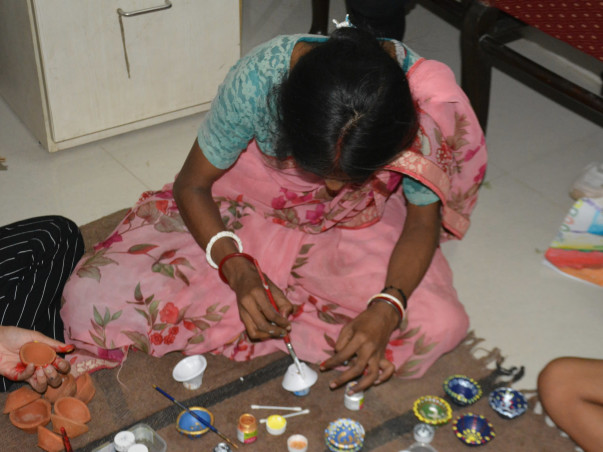
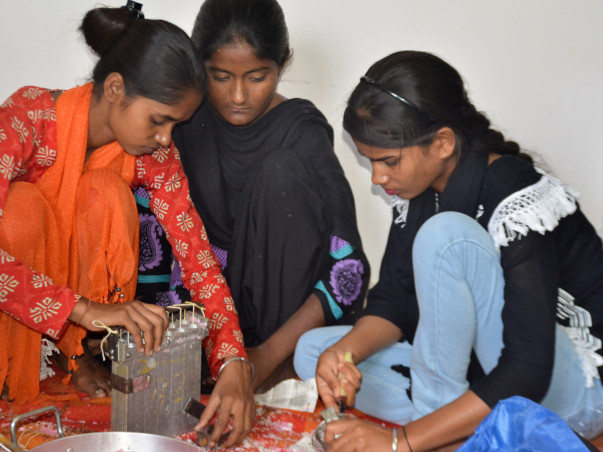
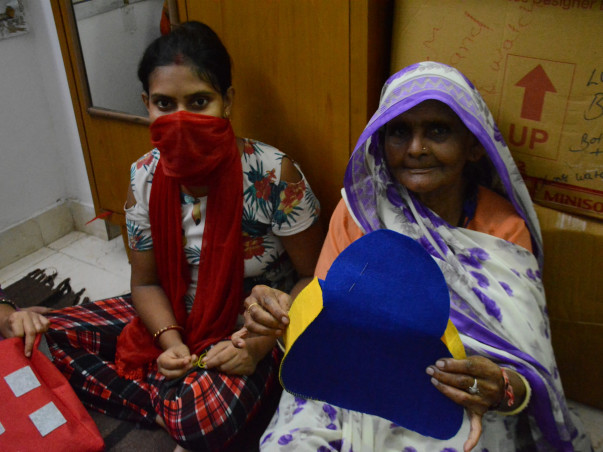
Diverse Skill Development Initiatives: The Skill Development Programme embraces diversity, offering workshops in makeup, handicrafts, knitting, sewing, embroidery, candle and diya making, music, and more. By presenting a wide array of skills, Hamari Pahchan ensures that women have the autonomy to choose paths aligned with their passions and aptitudes.

A Platform for Empowerment: Beyond imparting skills, the NGO provides a platform for unemployed women to showcase and sell their products. This not only boosts their confidence but also creates a sustainable income stream. The proceeds from these sales directly contribute to the financial security and independence of the women involved.

Professional Training and Certification: Hamari Pahchan goes the extra mile by engaging skilled professionals to conduct training sessions. Participants not only gain practical skills but also receive certificates upon completion, validating their capabilities and enhancing their employability.

In the tapestry of Hamari Pahchan NGO’s Skill Development Programme, each thread symbolizes a step toward women’s empowerment and financial independence. By addressing skill gaps, providing diverse training opportunities, and creating platforms for economic growth, the NGO sparks a ripple effect that transforms not just individual lives but entire communities. As we applaud the strides made, let’s unite in supporting initiatives like https://hamaripahchan.org/, where women are architects of their destinies. Together, we can break barriers, empower women, and weave a future where every woman possesses the tools to carve her unique path to success.

Paving the Path to Success: Securing an Internship at Track2Training

In today’s competitive world, internships have become invaluable stepping stones for students and aspiring professionals to gain real-world experience and enhance their skillsets. Track2Training, a renowned and esteemed organization, offers exciting opportunities for internships in various fields. This essay will outline the essential steps and strategies to successfully secure an internship at Track2Training.

Step 1: Understand Track2Training’s Mission and Values
Before embarking on your journey to secure an internship at Track2Training, take the time to understand the organization’s mission, values, and areas of expertise. Familiarize yourself with their website, blog posts, and social media channels to grasp their work culture, achievements, and ongoing projects. This knowledge will not only demonstrate your genuine interest but also help you align your goals with the company’s vision.
Step 2: Tailor Your Application Materials
Crafting a tailored and compelling application is crucial to stand out among other applicants. Carefully review the internship requirements and qualifications, and highlight your relevant skills, experiences, and achievements. Customize your resume, cover letter, and any additional documents to showcase your passion for the field and demonstrate how your unique attributes align with Track2Training’s values.
Step 3: Network and Connect
Networking plays a pivotal role in the internship application process. Leverage your existing connections, join relevant online communities, and attend career fairs or events where you might meet Track2Training representatives or employees. Engage in meaningful conversations, express your interest in the organization, and seek advice from individuals who have previously interned at Track2Training or worked in a similar capacity.
Step 4: Demonstrate Your Skills and Expertise
In addition to your application materials, consider showcasing your skills and expertise through a portfolio or personal website. Depending on the field you are interested in, you can share relevant projects, articles, or creative works that reflect your capabilities. A well-curated portfolio can leave a lasting impression on recruiters and demonstrate your dedication to your craft.
Step 5: Prepare for the Interview
If your application stands out, you may be invited for an interview. Thoroughly research Track2Training’s current projects, recent achievements, and the internship role you applied for. Prepare thoughtful questions to ask during the interview, showcasing your genuine interest and enthusiasm. Practice common interview questions and rehearse your responses to present yourself confidently and professionally.
Step 6: Showcase Your Passion and Enthusiasm
During the interview, emphasize your passion for the field and your eagerness to contribute to Track2Training’s mission. Demonstrate your ability to adapt, learn, and collaborate with others in a team-oriented environment. Highlight any previous experiences that align with the internship’s responsibilities, and share your long-term career goals to showcase your commitment to personal and professional growth.
Conclusion:
Securing an internship at Track2Training is an exciting opportunity to grow, learn, and contribute to a reputable organization in your field of interest. By understanding Track2Training’s mission, tailoring your application materials, networking, showcasing your skills, and preparing diligently for the interview, you can increase your chances of standing out among other applicants and secure the coveted internship position. Remember that persistence, dedication, and an authentic passion for your chosen field will undoubtedly be noticed and appreciated by the selection committee. So, take the leap, and let your journey to success with Track2Training begin!
Send your resume to contact@track2training.com 

Role of NGOs in India

    Role of NGOs in India

NGO means non-Governmental organization, which is a voluntary group with social mission. These organization are independent from government. These are non-profitable organization whose mission is to fight the social issues and do charity for public good. They have high degree of public trust which make them more concerned about the society. People join NGOs as their member to work for the welfare of society from their end by keeping the goal of NGO as their primary concern. NGOs receive funding from the government, an individual, or an organization.

NGOs were first called in Article 71 in the charter of newly formed United Nation in 1945. NGOs activity includes environment, social advocacy, human rights, consumer protection, health, development, etc. They work at different level like local, regional, national, international, etc.

Different NGOs work in different form like providing charity (beneficiaries provide input) to the needy people, providing healthcare and education services, by participating in the cause in the form of money, land, material, etc., by aware and empowering the poor people to understand the social, political, economical factor which affects their lives.

Different NGOs in India

1.   CHILDLINE India foundation

CHILDLINE aims to reach out to every child in need and ensure their rights and protection. There four Cs model – Connect, Catalyse, Collaborate and Communicate – is the system that enables them to reach out to more and more children, every year.

2.  Pratham

Pratham is one of the largest NGO in India that provides innovative learning to improve the quality of education in the country. It focuses on high-quality, low-cost interventions to address the gaps in the education system. Pratham partners with several state governments to help children acquire foundational skills. Their programs have successfully reached millions of children every year.

3.   Smile Foundation

Smile Foundation wants to bring about change in the lives of the underprivileged society by enabling civil society to engage proactively in the change process.Smile Foundation aims to empower the lower strata of society especially children and women through relevant education, innovative healthcare and market-focused livelihood programs.

4.   CRY (Child rights and you)

Their vision is that every child is happy, healthy and creative and whose rights are protected and honoured in an equal and dignified society. They want to enable people to take responsibility and make them aware of their potential for action and change. It wants people to commit to helping secure, protect and honor the rights of Indian children.

5.      Nanhi kali

This education NGO aims to positively impact India’s development by educating girls and encouraging people to contribute to a worthy cause. Nanhi Kali has ensured that 90% of girls in their program successfully complete their schooling till Class X. Project Nanhi Kali supports underprivileged girls by providing them daily academic assistance through Academic Support Centres, Annual Supplies Kit and Digital Tablets to secondary school girls.

Thus, The numbers of NGOs are not limited. There are a lot NGOs who are working to reframe the society and it’s our responsibility to support them in their good cause. As much as we become responsible, the quality of life of needy people will increase. If we share a little part of what we have we can build a great nation.

LADLI FOUNDATION


LADLI FOUNDATION


Ladli Foundation is an internationally recognized non-profit organization. It is known for its innovative action research initiatives and effective community outreach at the grassroots level.

Foundation is also listed by the Niti Aayog – The highest policy-making body of the Government of India.

Driven by concerns of gender equality as an integral and critical dimension of human rights, Ladli Foundation became a reality in 2012 for working as a grassroots social catalyst.

Officially associated with government departments and Delhi Police, Ladli has been known to bring positive reformative changes in society through its unique initiatives at the grassroots level, bringing direct benefits to program recipients.

Further, in acknowledging its well-meaning endeavors, Ladli Foundation gained the reputed Special Consultative Status in the United Nations Economic and Social Council.

Recently the organization was recognized by the United Nations Secretary-General Mr. António Guterres during the 65th Session of Commission on the Status of Women for raising the voice to prioritize the agenda of Women’s Health and elimination of Child Marriages in developing countries for achieving Gender Equality (SDG5).

With a mission of building a gender-sensitized inclusive society with equal access to basic, essential amenities and services- healthcare, education, workforce participation by women- the foundation has been diligently working in 50 districts across 10 states in India.

Ladli foundation have taken many initiatives for unprivileged and illiterate women and children who are living in slum areas. This foundation is created to make society for developing in every field. Ladli scheme has been started to spread awareness about the safety and importance of girls. Along with it, the Ladli scheme has been started with the aim of increasing the trend of registering girl child after her birth and promoting the education of girl child. This organization also contribute to those women who have skills and talents by making homemade crafts and food items. By this, the organization helps to take the products to the market. There are certain many privileges which are given by Ladli Foundation: – 1. To provide education to poor girls, getting 50 poor girls married in a year and includes all work like bearing all the expenses. 2. Preventive and Primary healthcare is given to the needed ones. 3. Education and skill development is practiced for the children who cannot afford school fees. 4. Making campaigns and providing all the necessities to the poor people. This was spread among millions through media and it was praised by our honorable Home Minister of India Sh. Rajnath Singh. There were many initiatives taken by Ladli Foundation: – 1. Foundation have diagnosed nearly 57,000 girls and women in the country at various locations. 2. Used to approach and sensitize the affected women to counsel and educate them. 3. Under Ladli Foundation’s Scheme initiative, they sensitize both mother and daughter because there is no barrier for discussions related to any such issues faced by a girl. Equally, it aims to create awareness among the global community about the significance of scientifically proven Indian traditional practices for advancing sustainable living for achieving United Nations sustainable development goals.


Business of NGO’s

India, a country of 1.5 billion people has a long tradition of social service, social reform and voluntary agencies. This tradition was further cultivated with the emergence of NGOs that cropped up soon after independence when Mahatma Gandhi made a plea for dissolving the Indian National Congress (the political party which came into power upon Independence), and transforming it into a Lok Sevak Sangh (Public Service Organization). The plea however, rejected did not halt the formation of NGO’s in India. Many followers of Gandhi established voluntary agencies to work closely with the governmental programs on social and economical issues. These agencies organized handicrafts and village industries, rural development programs, credit cooperatives, educational institutions, etc.

But in 1960, the NGO’s went through a second phase of transformation when governmental programs seemed to be inadequate to deal with the deprived sections of India. These grass roots organizations worked at the micro-level with limited resources and lack of coordination to deal with issues such as bonded labourers, landless farmers, poverty etc. With the coming of economic reforms and introduction of the Sixth Five Year Plan (1980-1985), the government identified new areas in which NGOs as new participants could participate in the developmental process of country.

These areas included:

  • Optimal utilization and development of renewable source of energy, including forestry through the formation of renewable energy association at the block level.
  • Family welfare, health and nutrition, education and relevant community programs in the field.
  • Health for all programs
  • Water management and soil conservation
  • Social welfare programs for weaker sections
  • Implementation of minimum needs program
  • Disaster preparedness and management (i.e. for floods, cyclones, etc)
  • Promotion of ecology and tribal development, and
  • Environmental protection and education.

With the opening of avenues in the job sector today NGO is considered as a viable option for many to take it up as a profession.

An NGO stands for Non-government organization. The term originated from the United Nations and is normally used to refer to organizations which are established for some specific purpose but do not form part of the government and are not conventional for-profit business. In the cases in which NGOs are funded totally or partially by governments, the NGO maintains its non-governmental status by excluding government representatives from membership in the organization. NGO’s pursue some wider social aim that has political aspects, but are not overtly political organizations such as political parties Today; India has a vigorous NGO sector. Although there has been no complete census of NGOs, it is estimated that about 25,000 to 30,000 are active in India.

A decade ago, NGOs were fairly peripheral in the global as well as national platform but now they participate actively in various political, economical and social matters. The involvement of NGOs in making decisions on the environment, sustainable development and human rights have increased the legitimacy and transparency of intergovernmental deliberations. NGOs come in all sizes, shapes, ideologies, nationalities, organizing structures and styles. Some focus on mere local issues while some address issues that span the entire globe. Their very diversity reflects the complexity of these organizations.

NGO may be a ubiquitous term, but it is used to describe an array of groups and organizations – from activist groups to development organizations delivering aid and providing essential public services. Few NGOs are research-driven policy organizations, looking to engage with decision-makers. Still others act as watchdogs, casting a critical eye over events like domestic violence or female infanticide. In a nutshell, NGOs encompass everything from charities and relief agencies to political parties; think tanks and academic centers to community organizations; cultural associations to continent wide farmers’ networks; women’s groups to environmental federations; social movements to human rights and religious groups.

Some of the noted NGOs organizations are the International Red Cross, Oxfam Care, Amnesty International, World Federation of United Nations Associations, etc. In India, Smile Foundation, Help Age India, Goonj, Udaan are some of the prominent ones. Many of us view NGOs as promoting socially responsible activities and engaging in philanthropic efforts. What is less known is that several are also partnering with major corporations around the globe to fund themselves ? With the retreat of the state from a number of public functions and regulatory activities, NGOs have begun to fix their sights on powerful corporations – many of which can rival entire nations in terms of their resources and influence.

On the surface, such partnerships may seem strange, since historically business and NGOs have had a somewhat traditional relationship (mostly instigated by the NGOs). But enlightened companies and a few business-friendly NGOs have realized that their interests are more often aligned than not, and they have much to gain from working with one another. With funding or aid becoming an important factor NGOs want to make a big impact so they choose their corporate partners carefully. They look for opportunities where they can participate in a partnership and make a transformative change.

NGOs are also seeking promotion and publicity for their efforts. They insist on being able to communicate the results from corporate projects in the hope that it will spur other companies and industries to adopt similar practices. But sometimes, NGOs often communicate in language that is not relevant for business. Many companies are also reluctant to engage with NGOs because they don’t know where to start, or they consider themselves to be too far behind, and fear they will be ostracized for it. Another concern is the cost of these “partnerships.” Both sides should also clearly spell out their objectives, and identify the outcomes they have in mind to define success, and avoid shocks down the road.

Some research has shown that many are still toddlers and only a few NGOs know how to communicate effectively with business. Businesses cannot relate to goals (however noble) related to climate change and oceans and making the world a better place. They need to know how an NGO can solve their business problems, in language that relates to their objectives and challenges. And with the coming of globalization now NGOs can also be more open to, and pro-active in forming, partnerships with business. NGOs have played a major role in pushing for sustainable development at the international level. Much of the credit for creating these trends can be taken by NGOs. But how should the business world react to NGOs in the future or should they hold out hope those NGOs can sometimes be helpful partners?

Public surveys reveal that NGOs often enjoy a high degree of public trust, which can make them a useful tool but not always sufficient for the concerns of society and stakeholders. Not all NGOs are comfortable to collaborate with the private sector. Some will prefer to remain at a distance, by monitoring, publicizing, and criticizing in cases where companies fail to take seriously their impacts upon the wider community. However, many are showing a willingness to devote some of their energy and resources to working alongside business, in order to address corporate social responsibility. But the paradoxical situation is that with the long-term aid people get aid for being poor. Poor people get extra food and other benefits. But those struggling out of poverty get little or no assistance.

While society by and large would agree that NGOs benefit the world from a social perspective, we suspect most of the business community would say that NGOs’ objectives are not aligned with their own. NGOs in general, and the activist ones in particular, need to do a better job of communicating their value proposition in language that business understands, and business needs to be more receptive to listening to, and working with NGOs.

NGOs want to be heard. Most have noble ideals and goals and want to make a difference. Even if business does not partner with them, it should listen when they come knocking the doors.

POOR vs RICH

We live in a society comprised of two classes called the rich and the poor with a lot of differences between them. These are also referred to as the dos and don’ts of the society. The rich make up barely 40% of the population and have control over 60% of the resources while 60% of the population makes use of the remaining 40% of the resources. However, the divide between rich and poor, despite all ‘isms’ such as communism, capitalism, and socialism keeps growing all the time making the condition of the poor worse than it has all along been. However, the financial condition is not the only difference between the rich and the poor.

• Control of Life:

• Rich believe they are in control of their lives.

• Poor feel they are subject to various of life and life controls events taking place in their lives.

• Money:

• Investing in schemes to make more money is like a game for rich.

• The poor are all the time terrified of investing in the stock market with the result that more often than not, they lose money.

• It is apparent to all that the poor are playing not to lose money while the rich are playing to win more.

• Opportunities and Obstacles:

• Rich people see the opportunities while poor see the obstacles first.

• Poor keep thinking how they will overcome these obstacles whereas rich keep their focus on opportunities as they have the resources to overcome obstacles easily.

• Dreaming:

• Rich dream big and, therefore, strike rich.

• Poor dream small with the result that they have to remain content with whatever they get.

• Doers and Dreamers:

• Rich are doers; they take concrete steps to fulfill their dreams.

• Poor just dream about their dreams.

• Company:

• The company of rich people includes rich and successful.

• Poor people have the company of unsuccessful and daydreamers.

• This difference in company proves vital in deciding the future of the rich and the poor.

Track2Training NGO – An initiative for Development

NGOs or the Non-Governmental organizations are generally non-profit organizations working independent of the government. Their main aim is to provide basic amenities to the needy or the people living in poverty. They basically work towards uplifting the society. There are many sectors of the society that do not get the representation and are left to deal on their own. This is where NGOs come into play. They take up social responsibilities and raise awareness about these issues and organize fundraisers so that donation can be collected to meet the standard services. There are various programs being organized by the government itself for the poor people but it is hard to believe that the benefits will be able to reach each and every marginalized member of the society. There are certain other forces needed to make this come true. They shed light on the unacceptable conditions of living. Through their various programs, they create opportunities for the children to learn and grow. Providing education and giving them vocational training or skill-based training can create a diverse work force in the future. It will also help to mitigate the issues of unemployment. Apart from providing free education, they are also involved in large scale distribution of food, clothing items and even strive to provide shelter to many. NGOs try to branch out using microfinance, sustainable development and holistic programs as the foundation. They can also focus on providing health care or medical facilities in general to the people as well as sanitation needs should be dealt with. Many people feel that NGOs may not add much to the society as they are expected to. There are some benefits and advantages to all and there may be places where NGOs fail to play their part but their multi-sector approach is underestimated. They have helped people deal with certain issues that were usually not talked about. They have established a complex and dynamic approach to poverty and many of them have been doing great in terns of their objectives and goals. There are certain NGOs in India itself that strive to eradicate poverty, or work towards helping children dealing with malnutrition. NGOs are able to see the shortcomings of the current system and understand the needs . This poverty alleviation will require a lot of time. It is a lengthy and tedious process but NGOs have taken a step for the implementation of this initiative. They promote community sustainable development. Track2Training is working for the development of rural areas and skills in youth for future jobs.

Keepers of the Dead

My mother always tells me about the devils and the angles, about the good and the bad people, about how we should do good deeds and always walk on the right path. Since, I have heard endless stories about ruthless people, about how has the world become so selfless and mean, staying in their comfort zones, not at all concerned about the outer world and sitting happily and scrolling feeds on Instagram, this signifies that instead of caring about each other, we just want to think about ourselves, about our money and other stuff, but recently I came across a story about the superhumans who are helping the needy people and helping them to attain peace.

Shaheed Bhagat Singh Seva Dal, an NGO in Delhi which is working as the guardians of the earth and performing the last rites of many who have no one else to do so with their own hands. This is not something which everyone can do, it needs guts to perform such tasks during this time of pain and suffering. They have also been distributing masks and food to the needy throughout the day and night.

New Delhi: NGO conducts 'Langar Sewa' for workers of quarantine ...
todayheadlinesnews.com

In a place like Delhi, where people spend crores on marriages, there are some people who don’t have the right to die in peace, with a proper cremation or a burial, says Jitendra Singh Shunty, who founded the NGO in 1996.

Many people and NGO’s have come up to help the needy during this lockdown period, they have lend a helping hand and worked as saviors for these poor people who have lost all hope to live happily, but there are some who follow the wrong path, who have still not understood that this is the time where we have to unite together and help each other, they should not care about their wealth and life because one day we all have to leave this earth and rest in peace. So in order to rest in peace we should let others rest in peace. People like Jitendra Singh are doing a remarkable job. It is not easy to stand for others during this crisis. These self-sacrificing people also deserve praise, but unfortunately not many people know about this because media is busy covering useless topics. They are busy disturbing people who are in extreme agony.

Helping others is the way we help ourselves- Oprah Winfrey