15th annual convocation of Veer Surendra Sai University of Technology at Burla, Sambalpur, Odisha

 The President of India, Smt Droupadi Murmu graced and addressed the 15th annual convocation of Veer Surendra Sai University of Technology at Burla, Sambalpur, Odisha, today (November 21, 2023).

Speaking on the occasion, the President said that the development of our country depends on the contribution of youth. Students graduating from this university will be responsible for constructing roads, buildings, dams and factories using the latest technologies. As engineers, they will be the architects of progress. As innovators, they will be bridges between imagination and reality. She stated that in the rapidly progressing world, the skill and knowledge that they have acquired in this institution are going to be the bedrock upon which their future as well as the future of the nation will be built.

The President was happy to note that a special Satellite Launch Vehicle developed by the students of the Veer Surendra Sai University of Technology has been successful on an experimental basis. It received appreciation from ISRO and a Memorandum of Understanding has been signed between the University and ISRO for further research. She also noted that an Innovation and Incubation Center has been established in the campus of this university. She appreciated students and faculty members of the University for their Creative Work.

The President said that we have set a target to make India a developed country before 2047. She added that technology can accelerate the pace of development. Therefore, technocrats and engineers will play an important role in making India a developed nation.

The President advised students to be mindful of the fact that their success will not solely be measured by their personal achievements. She said that it will also be measured by the positive impact they will make on the lives of others. She urged them to make every effort for excellence, not just for personal gain, but also for the progress of the Nation. She also urged them to strive to become agents of positive change, advocates of diversity and champions of integrity.

The President said that we should not forget our traditional values while embracing technical advancements. The National Education Policy – 2020 focuses on mother tongue, tradition and culture. She emphasised that the development of the country should be inclusive and dedicated to the entire humanity. She said that we must always remember the values inherent in our culture to make development humanity friendly.

***

Silver Jubilee Celebrations of Santhigiri Ashram

 Dr. Sashi Tharoor, Hon’ble Member of Parliament, Shri A.N. Radhakrishnan, State General Secretary, BJP, Prof. K.V. Thomas, Special Representative, Govt. of Kerala, Shri P.K. Das, National Executive Member, BJP, Swami Jnana Thapaswi, General Secretary, Santhigiri Ashram, Swami Chaitanya Jnana Thapaswi, President, Santhigiri Ashram, Shri Gokulam Gopalam, President of All India Malayali Association.

Let me indicate and unfold my heart, ever since I landed here, I cannot describe in words the kind of feeling I had. Sublimity in action. Every moment I spent so far here, will be etched in my memory forever.

Dear brothers and sisters, I would leave this place fully surcharged, energized, motivated and inspired to follow the principles that Santhigiri Ashram is following and espousing. I take it as a personal accomplishment and a matter of great honour, that I am associated with Santhigiri Ashram on this momentous occasion.

On the journey of 25 years, it has traversed so much, with so much impact and appreciation, changing lives of the people for the better. On this occasion of dedication of the Silver Jubilee Centre of Kerala-based Santhigiri Ashram in New Delhi, I congratulate everyone associated with the Organisation.

My good wishes on this auspicious occasion to every person associated with various centres, nationally and globally, of Santhigiri Ashram. I have gathered that it has been a remarkable journey. 25 years is not a long time to make that kind of impact but what I have gathered, what I have come to know and what I have seen myself is that you are catalysing a big social change and hand-holding those who need your assistance, giving succour to those who need it for sure.

In changing Bharat, home to 1/6th of humanity, you are playing a pivotal role by engaging in skill development that empowers the people.

Brothers and sister, you are an epicentre of wholesome change. What we need in this country today is a mind-set that reflects our civilizational ethos. Rather than empower the pocket of a person, it is required that we empower their minds, we empower their faculties and that you are doing imminently in a better fashion by empowering human resource through skill development. My congratulations to you!

Your recognition by Government of India as a social and scientific research organisation, is befitting. It also indicates that Government of India is acting on very objective parameters that it has chosen such an institute, such a place, for this recognition.

Brothers and sisters, while doctor Shashi Tharoor happens to be Member of Parliament from an area very close to the Ashram in Kerala, my home State also has a great connection with Ashram.

Parnasala-the monument in the shape of full bloomed Lotus in Makrana white marble, is a final resting place of the founder of Santhigiri Ashram. The marble is from my home State. It is a divine coincidence that lotus and marble from Makrana also came to be reflected globally during G20 and also that became motto of G20, widely claimed and enthused all Indians all over the world and carried to the world a message of which you happen to be an epicentre. Nothing is more important in life than to preserve our culture and contribute to the health of the people. If we go to our Upanishads, one of the Upanishads has plethora of information about health and no country in this world can have what we have, a civilizational ethos of thousands of years, uparalleled, for all to see.

What is required is that we all believe in them. This is a historic time for Bharat. The world is changing very fast, rise of Bharat is unstoppable, the rise is incremental, the rise has been acclaimed by global institutions. If IMF today says our Bharat is the rising economy among large economies, if it says India is a favourite destination of investment and opportunity, it is on the account of the action which you people have taken.

You have contributed spinally to the mood of the nation by arriving at situation. It is like endeavours of your kind, it is like a contribution of people at large that in a decade, Bharat traversed from fragile 5 to big five and in 2022, we have great distinction of becoming 5th largest global economy overtaking UK and France. In matter of time by 2030, we would overtake Japan and Germany to become the third largest global economy.

All this because of one aspect: there is emergence of an ecosystem that allows every person in the country to unleash his or her energy to fully exploit talent and potential to realise dreams and aspirations. It is gratifying to note that you are massively contributing by skill development to help people realise their dreams and aspirations, to help a person who might have lost hope, is a divine activity, you are engaged in this divinity.

Brothers and sisters, no culture in the world can take pride in that kind of sublimity of civilizational growth that we in Bharat can take. Our spine is our culture ‘Vasudhaiva Kutumbakam’ the word, the expression defines our philosophy over the ages and we treat the world as one family.

In this perspective, very rightly the theme of India G20 Presidency reflecting ‘One Earth, One Family, One future’, this was highly impactful and applauded by one and all.

We are a country that not only just preaches, we preach after practicing and that happened when we faced pandemic COVID. Your Ashram was engaged 24×7 to help people who need assistance but at a global level, our Bharat assisted with Vaccine Maitri about 100 countries and to many of them vaccine was given as a contribution to their health.

When we are 1/6 of humanity, it is our obligation that will keep this planet in a healthy state, a state which we can pass on to the future generation.

We are trustees but there are concerns that we overlook. I have been saying for a long time that nothing can be more inappropriate and condemnable that some informed minds, knowledgeable people, monetizing ignorance of people for political equity; that cannot be allowed. An informed mind has to be spiritual and an informed mind has to be nationalist, non-exploiter.

Your Ashram is engaged in empowerment of women. Empowerment of women is critical to growth of humanity. Empowerment of women is not an option, it is the only way and that is why on September 21, there was an epochal development. Several efforts were made over a period of three decades, for one reason or the other the efforts could not fructify. On 21st September, Bharat had one third reservation for women in Lok Sabha and State legislature. The reservation is horizontal and vertical indicating that it is socially equitable.

It is in that context, I said that some people who know when it can fructify, who knew that it cannot happen in 2024 elections, they have made an issue of it and therefore I say intelligent minds must not absorb silence. They must give befiting reply and neutralize such sinister narratives that seek to monetize ignorance of the people for getting petty political equity. I am sure what you are doing is full of sublimity and things will go in the right direction.

I have come to know another very important aspect. It fills me with honour and pride to acknowledge that new Sanyasins chosen to walk the enlightened path, this is not easy, this is a great sacrifice, this is a divine call and two of them hail from the daily Ashram.

Brothers and sisters, in an era where life pace is relentless and materialism pervasive and who knows better than people around. They have lost all sense of being humane, of being kind, reflecting compassion. They are engaged in materialism, reckless exploitation of natural resources. They think their political empowerment, their fiscal power can determine how much natural resources they need to consume.

I have no hesitation in saying that to be a good Indian, to be a good member of this planet, we have to realize the planet is not only for human beings, it is for all living beings, it is not exclusive to us. There has to be optimum utilisation of natural resources. Your pocket, your fiscal power, your fiscal muscle cannot determine how much gas, petrol you will use. That sense has to be inculcated.

I am at the right place to make this point and I am sure message going from this place will carry greater credibility and conviction.

We remember Eklavya because Eklavya could not find a Guru, so he had a Guru, the guru was not aware of it. By merely having that situation he could go to that height. We have to re discover Guru- Shishya Parampara. गुरु बिना कोई ज्ञान नहीं है, गुरु बिना ज्ञान होकर भी हम अज्ञानी रहते हैं.

I travelled to Kerala where there is primary Santhigiri Ashram, to pay my regards to my teacher Miss Ratnavali Nair. I have no difficulty in saying that my biological birth was in a village but my real birth was handled by my Guru. That is the capacity of the gurus.

Another aspect is that we had forgotten the kind of reservoir we have, the depth we have in health management. It is soothing to know that on a very wide scale this is being globally accepted now. The efforts of the Santhigiri Ashram when it operates Ayurveda Panchkarma training centres are indeed notable. These centres are not limited to the benefit of some. The messages are taken across to the millions, it’s a game changer and will define our future healthcare.

A country can rise not only on the strength of industries or infrastructure. We are having world class infrastructure but our country will attain great heights when its youth have an ecosystem which provides them level playing field, which provide them with opportunities that allow them to channelise their energy by acting in a manner that their aptitude is translated into ground reality. That is the situation we are bringing in the country today. Our rise is expandable on this account. The kind of contribution that Ashram is making is commendable. I congratulate everyone associated with the Ashram that such an effort must get widely disseminated and it is emulative for others.

True progress is not to be reckoned in terms of wealth, your big house, your big car. True progress is happiness, joy and that comes when you are healthy. A healthy mind is essential for doing anything which is great. You may be possessed of great attitude, talent, skill, but if you are not healthy, you can’t contribute.

These days increasingly we are having another facet of health and that is mental health. Ashram is doing a good job but I would urge the Ashram that mental health issue is staring us in the face. It is writing on the wall. We need to be innovative to find solutions to that by serious counselling and hand holding so that people don’t lose hope.

In a society where people lose hope, the society cannot rise like a plateau it rises like a pyramid.  In a country what we are having is inclusive development that includes all.

Can you imagine in a country where 400 million people could not think of having a bank account, are having functional bank accounts. Can you imagine a country where every household that is in a need of gas connection and the number runs into more than 100 million, the government has made available. Dr Shashi will find out that in 1989 when I was elected to parliament in Lok Sabha I had great power in my hand because I could give 50 gas connections to individuals in a year. Look what the government has done and therefore let us not have the approach, to see everything from political stance. When there are issues of governance we have to dictate our actions with high degree of objectivity.

As Vice-President of the country it is my obligation to be part of Rajya Sabha, the Upper House. What would you expect of that house is that we engage in dialogue, debate, deliberation and discussion, that will be your expectation. But when I see with my own open eyes, with pain and anguish, that disruption and disturbance has been weaponised.

There will have to be a narrative in society to neutralize such kind of tendencies and nation has a role to play. Your silence will resonate in the ears of future generation, if you don’t break it and tell the people to do the duty for which they have been sent to Parliament.

Progress blossoms only with holistic development. I see that all around. I am son of a farmer, I could not imagine all my life that in a country like ours there will be farmers, number being more than 110 million, who will be receiving thrice a year benefit of government installments. Government giving instalments is not my concern, government being fully equipped to send money is not my concern, my pride is that the farmer in a distant village is fully technology-equipped to receive the benefit.

We have some of the finest brains in Parliament, they have seen the world. They know global developments. They know that in 2022 per capita data consumption of Internet in Bharat was more than that of USA and China taken together. Why should they be on back foot? A political commitment or belief in a political ideology cannot bind you to that level, that you don’t recognise nationalism, that is very fundamental to imagine the kind of revolution that has taken in this country technologically to every village. That is why in 2022, 46% of digital transactions were in Bharat. Our digital transactions were four times the combined transactions of USA, France, Germany, UK.

I would therefore appeal to political fraternity, it is good to be in politics, it is good to play politics as your party demands. Be a stakeholder in politics but also keep nation above politics. We cannot allow narratives that demean, taint, tarnish our country on untenable grounds. People leave this country only to demean us. Our country has had enough of people with iconic status on parameters which are baffling. You have to work for a system where only the deserving ones get that slot.

Brothers and sisters, I take great pride in sharing with you that Padma awards have been awarded for the last few years. The awardees were not known. But everyone after the award has been given has only one thing to say: the award has been given to the right person. Recognition of the right person in society is fundamental. You are doing a great job. We owe it to the nation. We owe it to humanity to appreciate your work. I know you don’t want appreciation. You can continue without appreciation. But the failure of the concerned people to appreciate good work is not a good thing in society. We must appreciate everything that is taking place in the national interest, in the interest of humanity, and in the welfare of needy people. And that is what you are doing.

Friends, this centre is a testament to comprehensive care. I have seen it during my brief interaction. I got surcharged. I am profoundly moved to dedicate the Silver Jubilee Centre to humanity. A sanctuary where professional training and spiritual growth converge, promising a future illuminated by holistic well-being and enlightened progress. Brothers and sisters, this stands as a poignant testament to the Ashram’s enduring commitment to serve and heal the wounded hearts of humanity.

I once again wish Santhigiri Ashram and all the well-wishers the best in their endeavours. In the time I had, I offer my sincere prayers for one nation, one world. I conclude—I’m emotive. What I have seen with my eyes, what I have felt—everything was pristine, sublime, authentic, with full commitment, no self-interest, only giving to society at large. Please continue with it.

Thank you.

****

36th Annual Conference and Literary Festival of All India Santali Writers’ Association at Baripada, Odisha

 The President of India, Smt Droupadi Murmu graced the inaugural session of the 36th Annual Conference and Literary Festival of All India Santali Writers’ Association at Baripada, Odisha today (November 20, 2023). 

Speaking on the occasion, the President appreciated writers and researchers who are contributing to the Santhali language and literature. She appreciated that All India Santali Writers’ Association has been promoting Santhali language since its establishment in 1988. She noted that use of Santhali language has been increased in government and non-government sectors, after its inclusion in the Eighth Schedule of the Constitution on 22 December, 2003. She remembered former Prime Minister, Shri Atal Bihari Vajpayee, on the occasion, during whose tenure Santhali language was included in the Eighth Schedule.  

The President said that most of the Santhali literature was available in the oral tradition. Pandit Raghunath Murmu has not only invented the Ol Chiki script, but he has also further enriched the Santhali language by composing plays like ‘Bidu Chandan’, ‘Kherwal Bir’, ‘Darege Dhan’, ‘Sido- Kanhu – Santhal Hool’. She highlighted that many Santhali writers are enriching Santhali literature with their works. She said that it is a matter of pride that Damayanti Besra and Kali Pada Saren – popularly known as Kherwal Saren – have been honoured with Padma Shri in 2020 and 2022 respectively for education and literature. 

The President said that authors are vigilant watchdogs of society. They make society aware and guide it through their work. Many litterateurs showed path to our national movement during the freedom struggle. She urged writers to continuously create awareness in the society through their writings. She stressed that creating awareness among the people of tribal communities is an important task. She said that building a strong and vigilant society is possible only through continuous awareness. 

The President said that literature is a mirror of the culture of a community. She said that natural co-existence of humans with nature is seen in the tribal lifestyle. She added that the tribal communities believe that the forest does not belong to them but they belong to the forest. She highlighted that today climate change is a huge problem and nature-friendly living is very important to tackle this issue. She urged writers to write about the lifestyles of tribal communities so that other people could know about the life values of tribal society. 

The President said that India is a beautiful garden of different languages and literatures. She added that language and literature are the subtle threads that bind the nation together and literature is enriched by extensive exchange between different languages which is possible through translations. She said that readers of Santhali language should also be introduced to the literature of other languages through translation. She underlined the need for similar efforts to make Santhali literature reach the readers of other languages. 

The President said that there is a need to keep children engaged in self-study right from the beginning. She added that that anyone can become a good reader by doing self-study since childhood. She highlighted the need to create entertaining and comprehensible children’s literature. She stated that emphasis should be laid on creating interesting children’s literature not only in Santhali literature but in all Indian languages.

***

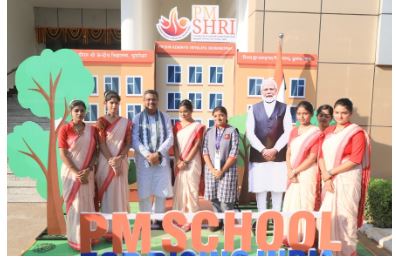
37 PM SHRI Kendriya Vidyalayas and 26 PM SHRI Jawahar Navodaya Vidyalayas in Odisha

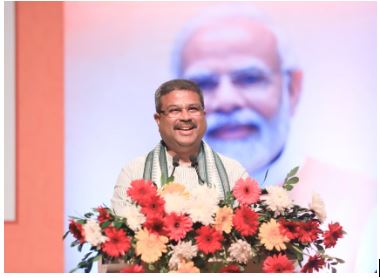
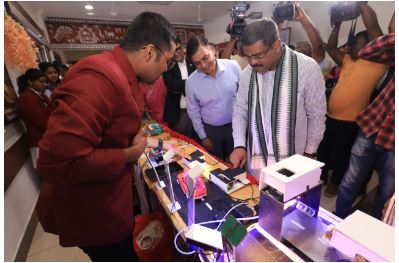
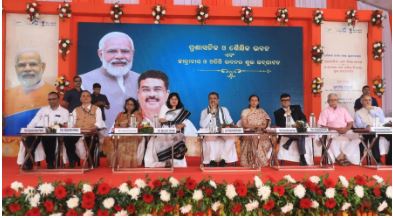
 Union Minister for Education and Skill Development & Entrepreneurship, Shri Dharmendra Pradhan launched 37 PM SHRI Kendriya Vidyalayas and 26 PM SHRI Jawahar Navodaya Vidyalayas in Odisha. Dignitaries, officials, academicians, and students were also present at the event.

 While speaking at the event ,Shri Pradhan expressed his gratitude for Prime Minister Shri Narendra Modi and said, these schools will work in full spirit of the National Education Policy 2020 and provide quality education to the students with comprehensive and inclusive education. He also informed that about 800 government schools in Odisha will be developed into PM Shri Schools and more than Rs. 1600 crore will come. He also requested the Chief Minister of Odisha Shri Naveen Patnaik to sign an MoU to implement the PM Shri Yojana in Government Schools of Odisha through which, two writing schools in every block and urban area of Odisha will be developed into PM Shri Schools.

 Shri Pradhan stated that to achieve the goal of a developed India by 2047, the education sector of the country needs to move forward. For that, rural children should be educated in the 21st century to prepare them for the future, he commented.

 Earlier in the day, the Minister inaugurated the administrative and academic building, dormitory and guest house at the Oriental Language Centre of the Indian Language Institute, Bhubaneswar. Shri Pradhan, while speaking at the event, highlighted the importance of the development projects that will help to expand the facilities for training Odia, Shantali, Bengali, and Maithili. 

 Shri Pradhan also emphasized the unique identity of the Odia language, stating the sweetness of the language spoken in Sambalpur and Ganjam and the elegance of the language in Mayurbhanj and Dhenkanal. He also mentioned that the tribes of Odisha have different languages. 

 The Minister also informed that on the occasion of the Bharatiya Bhasha Diwas, to be celebrated on the birth anniversary of freedom fighter, eminent Tamil poet Mahakabi Chinnaswamy Subramania Bharati, on 11 December, lecture and essay competition on Odia language will be organised in all schools and colleges, to encourage the new generation.

 Expressing his gratitude to Prime Minister Shri Narendra Modi for implementing the National Education Policy 2020, Shri Pradhan mentioned that priority has been given to teaching not only language as a subject but also other subjects in the mother tongue. When children read texts in the language they speak and listen to at an early stage, their ability to research, reason and analyse is enhanced, he commented. 

 PM SHRI schools will showcase the implementation of the National Education Policy 2020 and emerge as exemplar schools shaping the path towards a brighter future for students. They will create holistic and well-rounded individuals equipped with key 21st-century skills.

Image

Image

Image

Image

***

Pakhala Divas – A unique festival of Odisha

Being from Odisha and being raised in a different state, I have always been curious about my ground culture and traditions. One of such interesting festival celebrated in Odisha is Pakhala Divas. The article will discuss more about its History, Significance & celebration of Pakhala Divas in Odisha.

Pakhala Divas is a unique festival celebrated in the eastern state of Odisha, India. It is celebrated on March 20th every year, marking the beginning of summer in the state. The festival is dedicated to Pakhala, a traditional dish made of rice, water, and curd.

Source – pragativadi.com

History of Pakhala Divas

The history of Pakhala Divas dates back to ancient times when Odisha was ruled by the Kalinga dynasty. During those times, Pakhala was a staple food for farmers and laborers who used to work in the scorching heat. The dish is prepared by mixing cooked rice with water and sour curd and kept overnight. This process allows the rice to ferment and gives it a unique taste and aroma.

The tradition of celebrating Pakhala Divas started in the 1990s when a group of social activists in Odisha came together to revive the traditional food culture of the state. They realized that the younger generation was losing interest in traditional dishes and were adopting western food habits. To promote traditional food habits, they organized the first Pakhala Divas in 1992.

Significance of Pakhala Divas

Pakhala Divas has significant cultural and social significance in Odisha. It is celebrated to promote the traditional food culture of the state and to create awareness among the younger generation about the health benefits of traditional food. Pakhala is a healthy dish that is rich in probiotics, which is beneficial for the digestive system. It also helps to keep the body hydrated during the scorching summer heat.

The festival also promotes the sense of community and togetherness. People in the state come together to share the meal with their friends and family, and it is a symbol of unity and brotherhood. It is also an occasion to express gratitude towards farmers and laborers who work hard to provide us with food.

Celebration of Pakhala Divas

Pakhala Divas is celebrated with great enthusiasm and fervor in Odisha. People prepare Pakhala in their homes and offer it to their friends and family members. They also distribute the dish to the poor and needy. In many parts of the state, restaurants and food joints offer free Pakhala to the public on this day.

Several cultural programs and events are also organized to mark the occasion. People dress up in traditional attire and participate in cultural activities such as folk dances and songs. The festival also includes competitions and games, including cooking competitions, pakhala-eating competitions, and quiz competitions related to traditional food culture.

Maa Kalijai Temple; Beauty of Chilika Lake

Chilika Lake is a brackish water lagoon located in the state of Odisha, India. It is the largest coastal lagoon in India and the second largest in the world. The lake is spread over an area of 1,100 square kilometers and has a unique ecosystem that supports a wide variety of flora and fauna. It is home to over 160 species of birds, including several migratory species that visit the lake during the winter months. The lake is also home to a variety of fish, crustaceans, and other aquatic animals. The lake’s ecosystem is highly productive, and it supports the livelihoods of thousands of people who depend on the lake for fishing, farming, and other activities.

Chilika Lake is also an important tourist destination and is known for its natural beauty and biodiversity. Visitors can take boat rides on the lake and observe the various bird species and other wildlife that inhabit the area. The lake is also home to several small islands that are popular among tourists.

Hisory of Maa Kalijai Temple

Kalijai Temple is a famous Hindu temple located on an island in Chilika Lake in the state of Odisha, India. The temple is dedicated to the goddess Kalajai, who is considered to be an incarnation of the goddess Kali.

According to legend, a newly married girl (named Jaai) and her father were on their way to meet her husband. Her in-house law’s was on an island in Chilika Lake, so they had to take a boat across the lake to get there. The coast of Odisha is prone to cyclones, and during this boat trip, they encountered a severe cyclone, causing their boat to capsize in Chilika Lake. Except for the girl Jaai, all of the boatmen and her father survived this incident. They looked for her but couldn’t find her. After the untimely death of that newlywed girl, she became the Goddess of the people who lived nearby, and she is still worshipped as an Excerpt of Kali. And, this is how the place got its name.

The temple is located on an island in the middle of Chilika Lake, and can only be reached by boat. Visitors to the temple can enjoy the scenic boat ride across the lake and take in the natural beauty of the area. The temple is also home to a variety of wildlife, including several species of birds, which can be seen on the island and in the surrounding water.

The Kalijai Temple is a popular pilgrimage site for devotees of the goddess Kalijai, who come from all over India to offer prayers and seek blessings. The temple is particularly crowded during the annual festival of Kalijai, which is held in the month of November and attracts thousands of devotees.

The temple is also a popular tourist attraction, and visitors can explore the temple complex and learn about the history and legends associated with the temple. The beautiful architecture of the temple, the scenic surroundings, and the spiritual atmosphere make it a must-visit destination in Odisha.

Story of Dharmapada – Legend of Konark Temple

The Sun Temple of Konark was built around the 13th century and took 12 years and 12000 artisans to complete. Generations have grown up hearing the immortal story of the little child prodigy-Dharmapada, who could only add the finishing touches to the construction work of Konark Temple and gave his life to save twelve thousand artisans. The throngs of people were stunned to learn that a 12-year-old boy could master the intricacies of building a temple in Odisha that modern architects find incomprehensible.

Picture Courtesy – Sadhana Khamari

The construction work of Sun Temple of Konark was over seen by Sibei Samantray Mahapatra and Bishu Maharana as the chief architect. The soil on which the temple was to be built was originally in such poor condition that the chief architect, Bishu Maharana, who was entrusted with the project, became very upset. There was an agreement between the king and the workers that no one would be allowed to leave until the entire project was completed. 

As the construction progressed, the chief architect Bishu Maharana and his workers encountered difficulties in repositioning the Kalasha (temple crown stone). Meanwhile, the chief architect’s son, ‘Dharmapada,’ came to see his father because he had been away from home for a long time. Dharmapada was born a month after his father’s departure, and it had been twelve years, he had never seen his father and his mother never told him much about his father.  On his 12th birthday, he asked his mother for a gift, and she told him about his father and his responsibility to build the Konark Sun Temple near the sea. Dharmapada decided to visit his father and arrived at the construction site after a long journey. He went to the site and didn’t take long to spot his father. After meeting his father and other artisans, he discovered that they were dissatisfied and faced a major problem. 

The versatile boy could have known about the real flaw in the final stage of construction from the manuscripts he read as a child. It was only through his sheer genius that the stone that would fit the temple as the key stone or Kalash and keep the temple together could be designed. When his father showed him the structure, he hurried to make the correct stone with him. The key stone was correctly placed and the work was completed within a few hours.

However, the workers on the construction site were afraid that the king would be furious if he found out that a 12-year-old child had completed the work while twelve thousand artisans had failed to do so. The sensitive child climbed and gradually reached the temple’s peak. As the first ray of light appeared, the child jumped into the sea and gave his life to save 12000 lives, including his father’s. The example of supreme sacrifice laid down by the little child has been passed down through the generations as a tale of inspiration, brilliance, and self-sacrifice for the greater good of society.

5 must-visit places in Bhubaneshwar


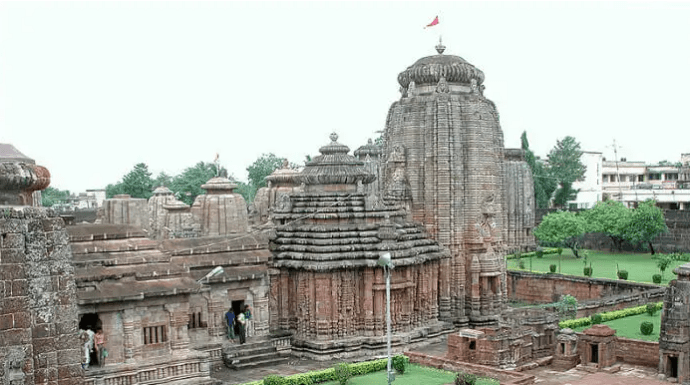
Lingaraja Temple

This image has an empty alt attribute; its file name is image-58.png

The 54m-high Lingaraj Mandir dedicated to Shiva dates from 1090 to 1104 – though some parts are more than 1400 years old–and is surrounded by several smaller temples and shrines. The granite block within, representing Tribhubaneswar (Lord of Three Worlds), is bathed daily with water, milk and bhang (marijuana). The main gate, guarded by two mustachioed yellow lions, is a spectacle in itself as lines of pilgrims approach with offerings in hand. The temple is closed to non-Hindus.

Given the high compound wall, foreigners can view the temple’s interiors only from a viewing platform (this may also include Hindu foreigners). Face the main entrance, walk right, then follow the wall around to the left and find the viewing platform on your left, just before you reach Chitrakarini Temple. There is occasional aggressive hassling for ‘donations’ at the viewing platform. The money will not go to the temple, so stand your ground and do not pay.

Location: Lingaraj Road, Old Town Bhubaneswar, Odisha
Timings: 5:00 AM to 9:00 PM
Entry Fees: No entry fee

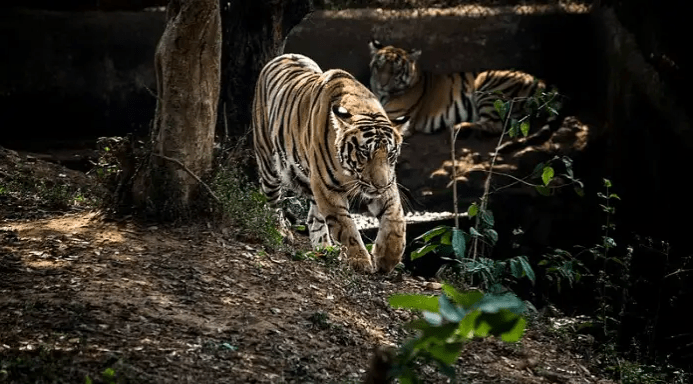
Nandankanan Zoological Park

This image has an empty alt attribute; its file name is image-54.png

Spread over 400 hectares in the Chandaka forest lies the impressive Nandankanan Zoological Park. Located on the banks of Kanjia Lake, this zoo is home to over 67 kinds of mammals, 81 species of birds and 18 varieties of reptiles. It was the first zoo in India to join the World Association of Zoos and Aquariums (WAZA) and also houses a botanical garden. Visitors can see black panthers, white tigers, gharial crocodiles and many other animals, birds and reptiles in an attempt to maintain the natural balance of nature against the growing urbanisation of Bhubaneswar.

Price: Budget

Opening hours: 7.30am-5.30pm (April–September), 8am-5pm (October–March); Closed Monday.

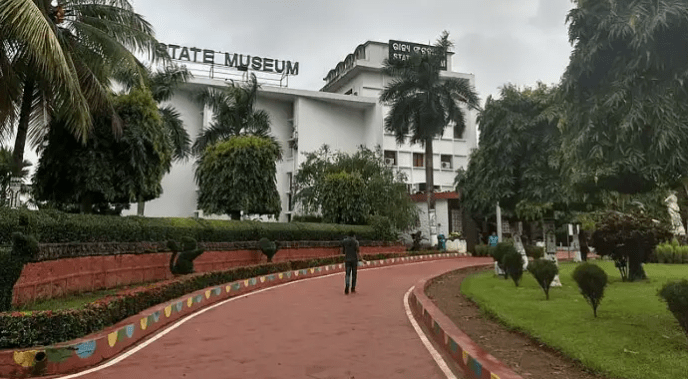
Odisha State Museum

This image has an empty alt attribute; its file name is image-55.png

Wondering what to do in Bhubaneswar? Visit Odisha State Museum, which houses a treasure trove of artifacts emphasizing the magnificent history of the state and the families which ruled it for centuries. The museum, established in the year 1948, houses the best collection of erratic palm-leaf manuscripts, scroll paintings, folk musical instruments, and Bronze Age tools.

Location: Near Lewis Road, Kalpana Square, BJB Nagar Bhubaneswar, Odisha
Timings: 10 AM to 5.00 PM
Entry Fees: INR 10 for Indians and INR 50 for foreigners

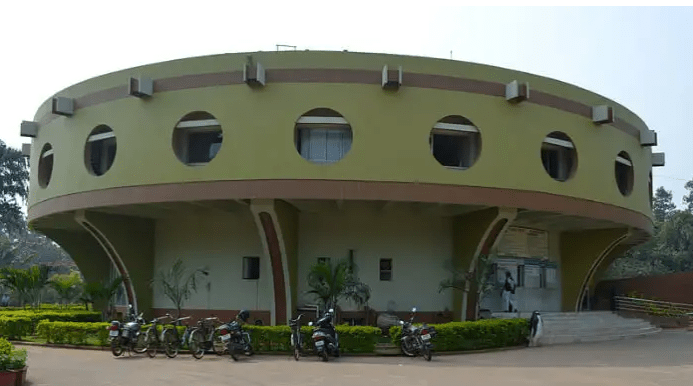
Pathani Samanta Planetarium 

This image has an empty alt attribute; its file name is image-56.png

The Pathani Samanta Planetarium was recognized to create awareness of astrophysics, astronomy, and space science. Multiple shows, workshops, regular conferences about outer space are organized here. There is an extensive library with an impressive number of books from the field of astronomy, science and technology are there.

Location: Sachivalaya Marg Acharya Vihar, Bhubaneswar, Odisha
Timings: 1.00 PM to 5:45 PM
Entry Fees: INR 30

Udayagiri & Khandagiri Caves

This image has an empty alt attribute; its file name is image-57.png

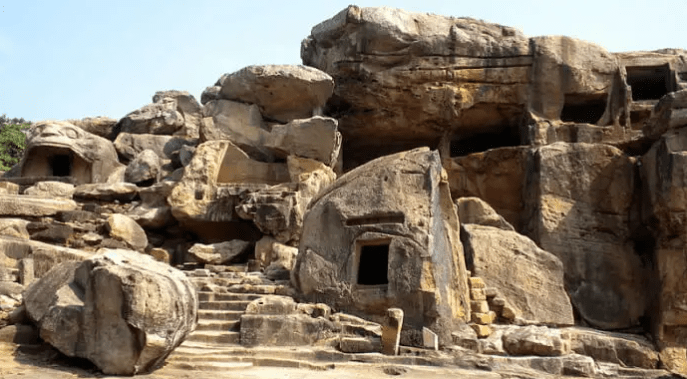
Udayagiri and Khandagiri caves are located six kilometres to the west of Bhubaneswar. These caves offer a brief look into the history of Jain religion and Kalinga Empire. The names of these caves were derived from the hills on which they are located. The caves have been numbered according to the Archaeological Survey of India, Hatigumpha, and Ganesha Gumpha are the most popular in the area. Cave 1 is decked out by sculptural wall painting with carved figures of athletes, women, elephants, and geese carrying flowers.

Location: Khandagiri, Bhubaneswar, Odisha
Timings: 9.00 AM to 6.00 PM
Entry Fees: INR 15 for Indians and INR 200 for foreigners

7 intriguing facts of Jagannath Puri

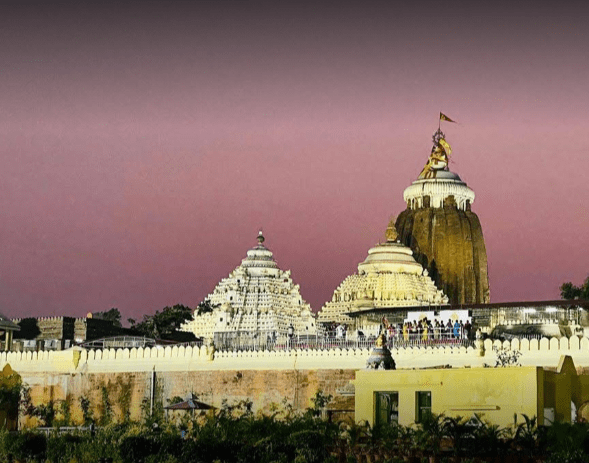
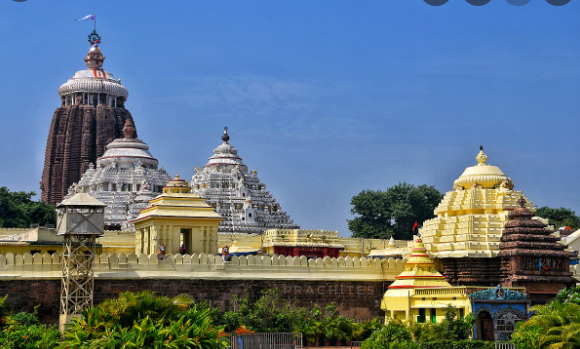
 Shri Jagannath’s Temple in Puri has uttermost importance for the Hindu devotees as it is one of the Char-Dham pilgrimages i.e. Puri, Dwaraka, Badrinath, and Rameshwar. This temple is famous for its annual Rath Yatra, but that’s not the sole reason people worship Lord Jagannath and Devi Subhadra and elder brother Lord Balabhadra.

Jagannath Puri is also famous for the mysteries and undefinable facts that catch the traveler’s eye worldwide. Devotees believe that all these are blessings of Lord Jagannath, and people who consider these as myths should visit the place themselves and find themselves dumbfounded. So, here are some most intriguing facts about Jagannath Puri.

1. No birds, no planes fly above the Lord

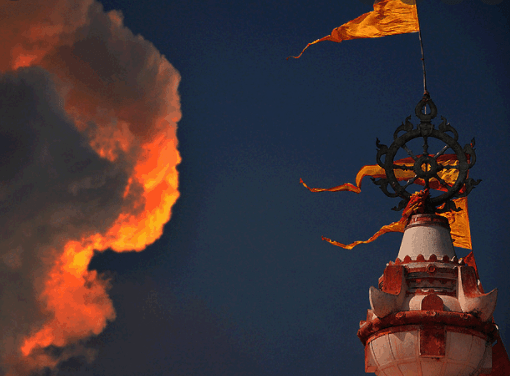
They say no one’s above God, so nothing flies above it. It’ll leave you surprised to encounter such a divine miracle that no birds, no planes fly above the temple. This is a rare contrast compared to other temples, as we have always seen birds resting on the top of temples are other entities. The temple is considered as a no-fly zone, not by any state government orders but by the Lord himself. And this phenomenon apparently has no scientific explanation.

2. Flag defying the power of wind

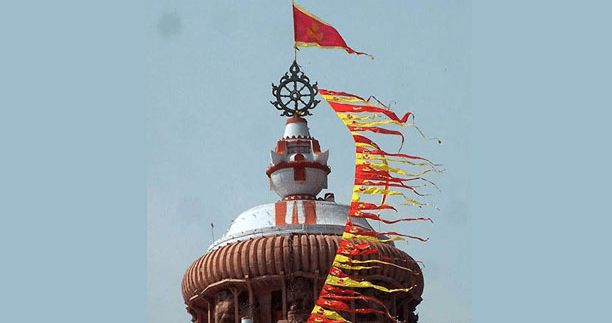
All of us know that any cloth flows towards wind direction, be it the sails of ship or the kites we flew in our childhoods. But here, the flag that flies atop of the Jagannath temple is an exception to this common principle. No scientific explanations reason the flag flow in the opposite direction of wind.

3. Mute oceans

Odisha Tourism : Puri Beach
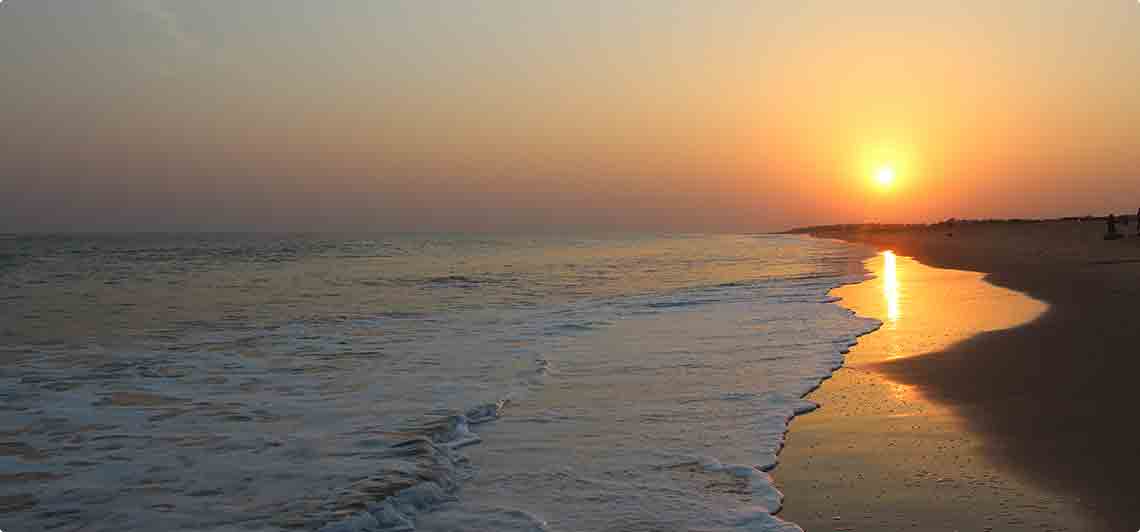
As soon as you step inside the main door, i.e. Singha Dwara entrance of the temple, you can’t hear the burble of water. And this phenomenon is more prominent in the evenings. But once you step out the audibility of water returns. It’s said that Devi Subhadra wished for serenity inside the temple walls and by this her wish was duly fulfilled.

4. Neela Chakra at the pinnacle

The riddle of Neela Chakra (Blue wheel) has still been unsolved. First, just think about the fact, how did the wheel made of 8 different alloys and a 36 feet circumference get up there at the pinnacle with just a human force of that century. Second, the view of this wheel doesn’t really depend on the direction that we look at it from. It’s like it was designed to look the same from all directions.

5. The temple casts no shadows

Every small object/thing/ peoples have shadows. But ever wondered what if something doesn’t have a shadow? The temple Jagannath Puri doesn’t cast any shadow on any part of the day under sunlight. If this is not a miracle, what would it be; just an unexplained phenomenon with no scientific reason to back up.

6. The magical techniques to cook

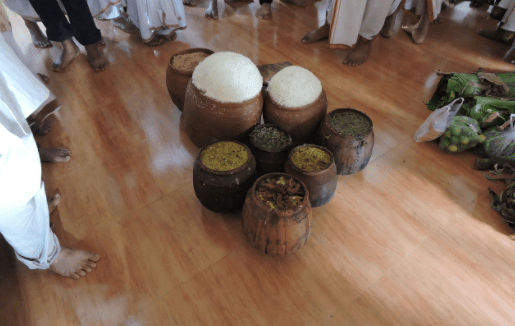
The traditional methods for cooking the mahaprasadam have been preserved here from the start. They place exactly 7 pots, one above the other on the firewood. Enchantingly, the upper pot gets cooked first, followed by the rest in order.

7. Mahaprasad never goes vain here

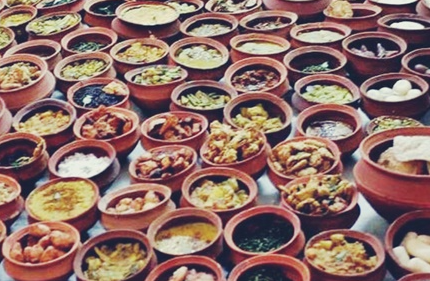
In India, wasting food is considered as a bad sign; the temple crew lives by this same. So, here at Jagannath temple the food is never futile, even if the crowd of devotees may vary from 2,000 to 2,00,000. Miraculously, the Parsadam prepared every day is never wasted, not even a bite. Could this be an effective management or the Lord’s will?

After reading such celestial facts, you might want to see them yourself. So, do not forget to check these facts on your next trip to Odisha and share your experience with me.

Hockey World Cup gives hope to the Indian Hockey Team

In the ongoing Hockey World Cup, India is performing well. They have been able to win their first match against Spain. In their second game, India managed to draw the game against England. 

They are being hopeful that they will likely break the 48 years of drought. For that, they will have to win the match against Wales on 19th January. But for this win, they will have to take a big lead. 

In this edition of the World Cup, there are 16 teams. Those have been divided into a group of 4. So, there are four groups namely A to D. India is in group D along with England, Spain and Wales. 

On the competitive front, Belgium and Australia are the favourites to lift the cup in this edition. The tournament is being played for the second time in a row in India. Bhubaneswar and Rourkela are the cities, which are hosting the games.

Currently, on the points table, India and England have 4 points each. But England is on top as they have won the match by a bigger margin.

For this tournament, Odisha has spent an amount of 10.98 billion rupees for the financial year 2022-23. This money has been used to build a new stadium in Rourkela and a facelift to the existing one in Bhubaneswar.

https://unsplash.com/photos/TPZiORGCRBg

The amount has been used to also beautify the two cities. For the unknowns, the stadium that has been built in Rourkela is the biggest Hockey stadium in the world. The stadium can accommodate 20,000 people at the same time.

The matches in the tournament are also going completely packed. The matches are also getting attention on the live telecast the last time India won the Hockey World Cup was in 1975. During that tournament, the final was between India and Pakistan. 

But this time, India has performed well in the Olympics also. They have been previously the Olympic Gold medallist for 8 times. So, the Indian Hockey team is going to give a tough fight to whichever team they will face in the tournament. 

On the player’s front, Hardik Singh did encounter an injury during the match against England. But there is nothing to worry and coach Reid did ensure that he is alright. 

In recent times, the Indian government is also putting in the effort to promote various games other than cricket. States especially, Odisha have been able to promote the hockey game to a great extent. It has also been able to present itself as a state that has given sports equal importance as any other field like education. There have also been good players in the Indian Hockey team from Odisha at a regular pace. 

So, now we will need to patiently wait for the finals to see whether the Indian team manages to lift the World Cup this time or not. The tournament can end in favour of any team, but this event will surely make India a worthy contender for the future several tournaments in various other sports.

Odisha and Agriculture – A Literature Review

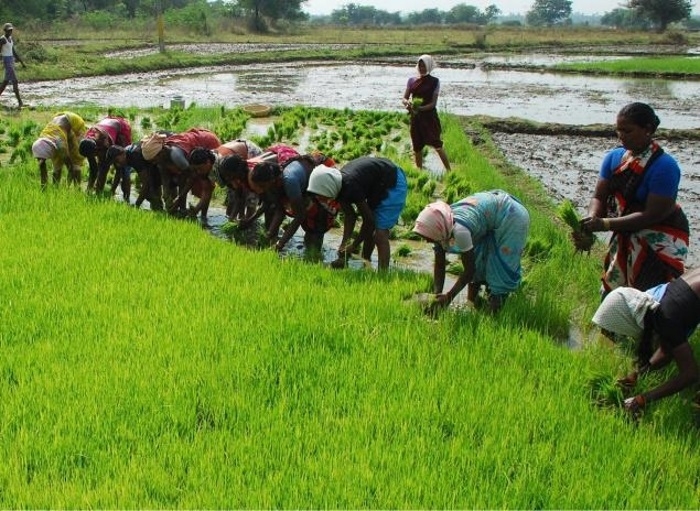
Odisha is primarily an Agrarian State. Agriculture is the mainstay of the majority of the population. Though agriculture sector contributes only about 26 per cent to the Gross State Domestic Product (GSDP), almost more than 70% of the population is dependent on it. In spite of such low contribution, the labour force has not yet move out of this sector which ultimately results in low per capita income in this sector.

Agriculture in Odisha is characterized by low productivity due to sporadic rainfall, disrupted irrigation facilities as well as due to the fact that the state is prone to various natural calamities (Pattanayak & Nayak, 2003). Various literatures have studied cropping pattern of the state and have indicated that the cropping pattern of the state is changing over the years. Various studies have also confirmed that Odisha have not only experienced low productivity but also declining productivity. Agriculture plays a major role in providing a source of livelihood to a large proportion of population. Its development becomes important as it still remains the sector where majority of the workers are concentrated. It provides raw materials to various agro-based industries and also ensures food security-the basic necessity of life.

A number of studies have examined and analysed the agrarian structure and conditions of the country in terms of cropping pattern, determinants of cropping pattern, conditions of the agricultural labourers among many others. Given below is the review of few studies that have discussed various aspect of agrarian conditions in their work. The relevance of these works increase keeping in mind the point that they have brought out successfully many key issues in agriculture and how cropping pattern of a region or the country reflects the infrastructure of a place. The study of these literature have been undertaken to get a clear picture of the subject concerned and an insight of different lenses through which agrarian conditions of the country have been looked upon, before embarking on the study.

Despite the changes made in the macroeconomic policy framework and trade liberalisation, Bhalla and Singh (2009: 34, 43, 44), argued that the agricultural sector in India neither experienced any significant growth subsequent to the initiation of economic reforms in 1991 nor did it derive the expected benefits from trade liberalisation. They further asserted that, when compared with the immediate pre-liberalisation period (1980-83 to 1990-93), agricultural in India recorded a visible deceleration in its growth rates of aggregate yield and output and the process of agricultural diversification during the post-liberalisation period (1990-93 to 2003-06). There are different reasons for its slowdown but decline in public investment in irrigation and water management and thus limited irrigation facilities can be said to affect it the most.

Mruthynajay and Praduman (2003: 159) argued that the cropping pattern strategy followed in post green revolution period has led to narrowing down the base of agricultural production. In terms of allocation of acreage, the cropping pattern in the agricultural scenario of India has been skewed towards food grain. Though area under non- food grain has increased, food grains are still dominant (Ghosh, 2011: 115). The cropping pattern changes revealed that area under different crops was strongly linked with decline in cost of production due to-government subsidies, improved irrigation facilities-hence increase in cropping intensity of certain crops such as that of rice and wheat (Mruthynajay and Praduman, 2003: 163). High yield of crops and subsequent expansion and substitution are also the major reasons for such a change post green revolution with rice, wheat, mustard and cotton emerging as main crops for the farmers with area under coarse cereals declining (Ghosh, 2011: 119). The expansion of area under such crops as well as substitution of coarse cereals resulted in narrowing of the base of production, and crops such as pulses and oilseeds were not given due attention. Thus, the success attained in food crop production post green revolution has also caused serious crop imbalances in the cropping pattern, widened regional disparities, increased instability in production and unplanned import of commodities. So, there is a need to re-examine green revolution strategy keeping in mind the crops and areas that were bypassed so far (Mruthynajay and Praduman, 2003: 165).

The cropping pattern in Orissa is such that most of the districts of Orissa are experiencing a lateral movement towards crop specialisation and crop diversification, but over the years, crop specialisation can be noticed, where about 50% of Gross Cropped area is under paddy due to high yield, improved irrigation facilities and changes in the food habits of people (Pattanayak and Nayak 2004: 6, 13). The adoption of modern varieties of rice (HYV) in Orissa, its degree of adoption is inversely related to the farm size while its intensity of adoption is proportional to its farm size and varies with access to modern inputs. These are positively associated with borrowing since lack of investible cash retard the process of diffusion of modern technologies while tenancy is negatively associated, for the moneylenders feel that the adoption of HYVP would reduce the dependency of tenants on them (Sarap and Vashisht,1994: 90, 92).

However, holding other factors constant, Pattanayak and Nayak (2004: 5, 10, 19) argued that the contribution of agriculture in primary sector and in Gross State Domestic Product has declined but the labour force has not move out of the primary sector in post- reform period in Orissa. The districts are diverging as far as agricultural productivity is concerned and asserted that this variation is due to variation in the use of inputs amongst the districts. The skewed distribution of land, small size of operational holding, high incidence of share tenancy and rural poverty are few of many factors which negatively affect the agricultural productivity. The long-term solution lies in improved agricultural productivity and conscious policy decisions to reduce inter district disparity.

Regarding change in labour demand, Lahiri (1970: A-111, A-114) confirms the general belief that demand for agricultural labour has increased due to High Yielding Varieties Programme (HYVP). There was a high variability amongst different states with respect to total labour required and hired labour as well as contribution to labour days was quite low in pre HYVP days; but on the basis of the data gathered, figures revealed that the introduction of HYVP led to the increase in demand for labours. He further makes a point that changes in the demand for agricultural labour are unable to completely explain the changes in the wage levels of agricultural workers. Since demand for agricultural labours are seasonal, season-wise analysis of wage level would to an extent give a picture of wage-demand relation. Post HYVP, demand for labour has increased; and regarding the changes in cropping pattern- it has been noticed that the tendency has been to shift towards only few crops such as that of paddy and wheat and ignoring other crops. Thus, the study of these literature brings forth the point that post green revolution, many new technologies came forth, but the strategy followed was concentrated to few crops and few developing regions causing regional imbalances. Another major debate that came forth is that the post reform period instead of witnessing growth in agricultural output as it was meant to, have faced declining productivity and growth. These phenomena were observed both at all India level as well as in Odisha.

Image credit: News Bharti

Retrieved from: Google

5 top places to visit in Bhubaneshwar

Lingaraja Temple

The 54m-high Lingaraj Mandir dedicated to Shiva dates from 1090 to 1104 – though some parts are more than 1400 years old–and is surrounded by several smaller temples and shrines. The granite block within, representing Tribhubaneswar (Lord of Three Worlds), is bathed daily with water, milk and bhang (marijuana). The main gate, guarded by two mustachioed yellow lions, is a spectacle in itself as lines of pilgrims approach with offerings in hand. The temple is closed to non-Hindus.

Given the high compound wall, foreigners can view the temple’s interiors only from a viewing platform (this may also include Hindu foreigners). Face the main entrance, walk right, then follow the wall around to the left and find the viewing platform on your left, just before you reach Chitrakarini Temple. There is occasional aggressive hassling for ‘donations’ at the viewing platform. The money will not go to the temple, so stand your ground and do not pay.

Location: Lingaraj Road, Old Town Bhubaneswar, Odisha
Timings: 5:00 AM to 9:00 PM
Entry Fees: No entry fee

Nandankanan Zoological Park

Spread over 400 hectares in the Chandaka forest lies the impressive Nandankanan Zoological Park. Located on the banks of Kanjia Lake, this zoo is home to over 67 kinds of mammals, 81 species of birds and 18 varieties of reptiles. It was the first zoo in India to join the World Association of Zoos and Aquariums (WAZA) and also houses a botanical garden. Visitors can see black panthers, white tigers, gharial crocodiles and many other animals, birds and reptiles in an attempt to maintain the natural balance of nature against the growing urbanisation of Bhubaneswar.

Price: Budget

Opening hours: 7.30am-5.30pm (April–September), 8am-5pm (October–March); Closed Monday.

Odisha State Museum

Wondering what to do in Bhubaneswar? Visit Odisha State Museum, which houses a treasure trove of artifacts emphasizing the magnificent history of the state and the families which ruled it for centuries. The museum, established in the year 1948, houses the best collection of erratic palm-leaf manuscripts, scroll paintings, folk musical instruments, and Bronze Age tools.

Location: Near Lewis Road, Kalpana Square, BJB Nagar Bhubaneswar, Odisha
Timings: 10 AM to 5.00 PM
Entry Fees: INR 10 for Indians and INR 50 for foreigners

Pathani Samanta Planetarium 

The Pathani Samanta Planetarium was recognized to create awareness of astrophysics, astronomy, and space science. Multiple shows, workshops, regular conferences about outer space are organized here. There is an extensive library with an impressive number of books from the field of astronomy, science and technology are there.

Location: Sachivalaya Marg Acharya Vihar, Bhubaneswar, Odisha
Timings: 1.00 PM to 5:45 PM
Entry Fees: INR 30

Udayagiri & Khandagiri Caves

Udayagiri and Khandagiri caves are located six kilometres to the west of Bhubaneswar. These caves offer a brief look into the history of Jain religion and Kalinga Empire. The names of these caves were derived from the hills on which they are located. The caves have been numbered according to the Archaeological Survey of India, Hatigumpha, and Ganesha Gumpha are the most popular in the area. Cave 1 is decked out by sculptural wall painting with carved figures of athletes, women, elephants, and geese carrying flowers.

Location: Khandagiri, Bhubaneswar, Odisha
Timings: 9.00 AM to 6.00 PM
Entry Fees: INR 15 for Indians and INR 200 for foreigners

Rath Yatra: The world famous Cart Festival

Puri Jagannath Rath Yatra, 12 July, 2021

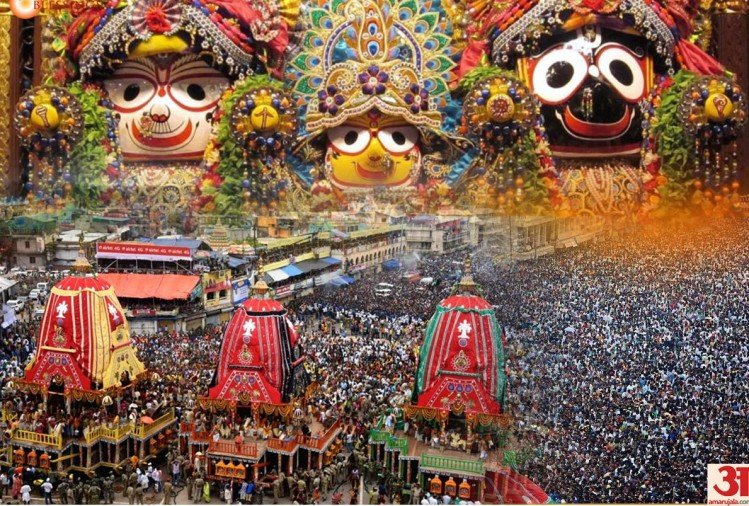
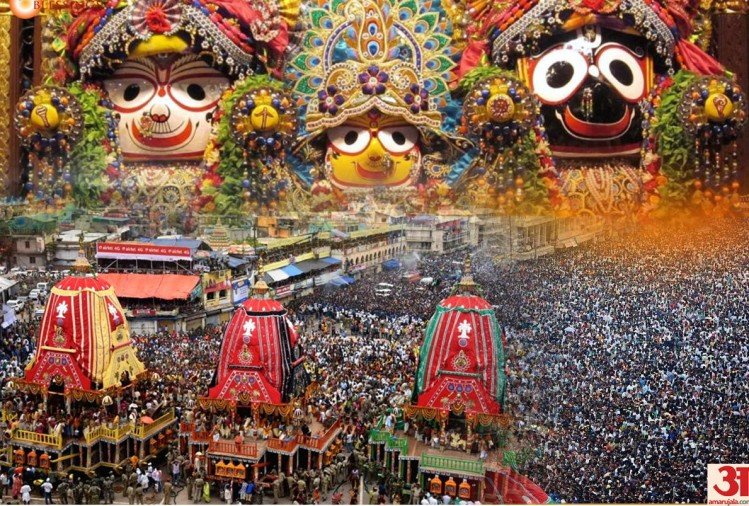
Rath Yatra, also known as “Car Festival” or “Chariot Festival” is an annual festival which takes place in Puri, Odisha, a state in India. It is famous for being a crowd puller. Every year millions of people arrive in the city to take part in the festival.

This Hindu festival is associated with Lord Jagannath, a form of Lord Vishnu (not to be confused with avatar).

Every year Lord Jagannath visits his birthplace- Gundicha temple, via Mausi Maa temple (maternal aunt’s temple).

The festival is about Lord Jagannath, his brother Lord Balaram, sister Goddess Subhadra along with the eternal wheel Sudarshan Chakra journey and visits to his birthplace. It is a seven days’ visit and on the last day when he returns home, he stops for a short while at his maternal aunt’s home, the Mausi Maa temple.

Each of the deities has a chariot of its own.

Lord Jagannath

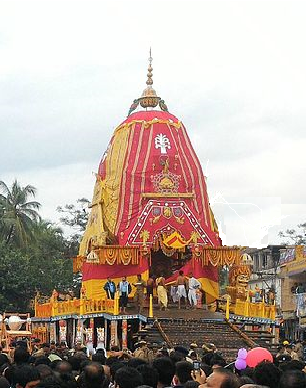
Lord Jagannath’s Chariot is the largest of all with 16 wheels and 4 white horses.  The name of the chariot is Nandighosha, also known as Garudadhwaja and Kapiladhwaja. The Chariot is also recognised by its red and yellow colour which are most commonly associated with Lord Vishnu among the Hindus. The guardian of the chariot is Garuda and the name of the charioteer is Daruka. The gatekeepers are Jaya and Vijaya. The Lord is accompanied by the deity Madanmohan. Among all the chariots Lord Jagannath’s chariot is the tallest since he’s the most powerful one even if he’s the middle one. The emblem of his flag is the Sudarshana Chakra.

Nandigosha Rath

Lord Balabhadra

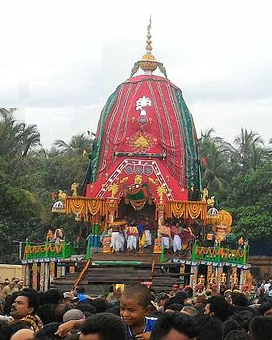
Lord Balabhadra is the second most powerful among the three siblings, hence the second-largest chariot. His chariot has 14 wheels and 4 horses. His chariot is recognised by the red and bluish-green colour combination and black horses. The emblem of the flag on His chariot is a palm tree. The guardian of his chariot is Vasudev and the charioteer is Matali. The gatekeepers are Nanda and Sunanda. His chariot is called Taladhwaja, also known as Langaladhwaja. He is accompanied by Ramakrishna.

Taladhwaja Rath

Goddess Subhadra

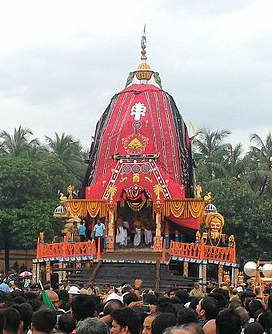
Goddess Subhadra is the sister. Along with her brothers, she too travels to Lord Jagannath’s birthplace in her red and black chariot, black being associated with the Goddess. Her chariot, Darpadalana, also known as Devadalana or Padmadhwaja has 12 wheels and 4 red horses. Her guardian is Jayadurga and charioteer is Arjun. She is accompanied by the eternal wheel, Sudarshana. The eternal wheel travels with Her, on Her chariot for Her safety. Her gatekeepers are Ganga and Jamuna.

Darpadalana Rath

The Yatra (The Journey)

The Rath Yatra takes place starts from a specific place and follows a fixed path. The procession progresses down the Bada Danda, a 3km long road. The chariots are drawn by the many devotees who assemble on this holy day at the Bada Danda. The deities reach their destination, the Gundicha temple, before nightfall. They stay in their respective chariots for the entire night and enter the temple the next day. For the following 7 days, they stay there after which they come back. On the day the deities return many rituals like Suna Besha take place.  

Once they return to their abode in Puri the Rath Yatra ends.  

Note: All images have been taken from https://en.wikipedia.org/wiki/Ratha_Yatra_(Puri)

RATH YATRA

Rath Yatra is a Hindu festival associated with Lord Jagannath. It is held at Puri in the state of Odisha, India. It is the oldest rath yatra in the whole world, and it’s description can be found in Brahma Purana, Padma purana, etc. It is among the most famous Vaishnavite rituals in India and abroad, so, usually witnessed much fervour and enthusiasms among devotees who come to pray- Lord Jagannath, Lord Babhadra and Lordess Subhadra.

For the festival, in the Lord Jagannath Puri Rath Yatra, special chariots are built every year, and this year has been no different. But, this year due to corona restrictions, no devotee’s are allowed during the most awaited Rath Yatra, even though Lord Jagannath is one of the principal deities in the state of Odisha. Though, this year the chariot pullers who had participated in the procession had been tested Covid-19 negative and had been fully vaccinated before the festival.