The Government of India will be celebrating the International Women’s Day on 8th March, 2025. The Ministry of Women & Child Development (MWCD) is holding a national level conference at Vigyan Bhawan, New Delhi on the theme “Nari Shakti Se Viksit Bharat”. The President of India Smt. Droupadi Murmu will inaugurate the National Conference. The event will also be graced by Minister for Women and Child Development, Smt. Annpurna Devi, and Minister of State, Smt. Savitri Thakur, along with senior officials and distinguished guests. On this occasion, mega campaign through #SheBuildsBharat is also being organised.
The event will witness the participation of women officers from the armed forces and para military forces and Delhi police along with My Bharat volunteers, Anganwadi Workers, ASHA workers, Self Help Group members etc. Additionally, lady officers from various Ministries/ Departments have been invited to participate in the event. The event will also mark the presence of representatives from international organizations such as the World Bank, UNICEF, UN Women, UNDP, UNFPA etc.
After the inaugural session, the day will continue with a valuable high Level Panel Discussion.
On the sidelines of the above event, three technical sessions will be organized to bring together renowned women leaders from STEM, business, sports, media, and governance.
Trailblazers and Luminaries – Looking Back and Forging Ahead on the 50th Anniversary of International Women’s Day
This session will bring together renowned women leaders from STEM, business, sports, media, and governance to share their experiences and inspire future generations.
Capitalizing on Women Power – Breakthroughs in Financial Inclusion
This session will focus on financial inclusion, entrepreneurship, and empowering women in the economy.
Women in Leadership – Panchayat to Parliament
A dedicated discussion on policies and frameworks to accelerate gender equality through political leadership.
A unique Digital Media and Interactive Zone will engage participants through real-time discussions, multimedia exhibits, and storytelling initiatives, showcasing the contributions of women in shaping a progressive India.
The proceedings will be livestreamed on Doordarshan, Webcast link, the Ministry of Women, and Child Development’s social media platforms and World Bank Live for widespread reach and engagement.
The Government of India, under the visionary leadership of Prime Minister Shri Narendra Modi, remains steadfast in its mission to empower women through transformative policies and initiatives. As India moves forward on the path of development, Nari Shakti will continue to be the cornerstone of a self-reliant and prosperous Bharat.
Discussions around shaping the contours of India’s industrial policy in light of the evolving geopolitical landscape, the role of Production Linked Incentive (PLI) schemes in driving manufacturing competitiveness, India’s green transition and inclusive sustainability in shaping India’s industrial policy and creating resilient global supply chains was at the central of the international conference organised by the Centre for Trade and Investment Law (CTIL).
The international conference was based on the theme “Navigating the Future: Industrial Policy and Global Competitiveness” organised by the Centre for Trade and Investment Law (CTIL), established by the Ministry of Commerce and Industry, Government of India, in collaboration with the Centre for International Trade and Business Laws, NALSAR University of Law and the World Trade Institute, University of Bern, together with the WTO India Chairs Programme. The international conference was held during 17th to 19th January 2025 at the NALSAR University of Law, Hyderabad.
Importantly, the conference discussed the role of WTO disciplines in ensuring that industrial policy measures do not negate the core principle of the ruled-based international trading system. The conference featured key insights into the current geopolitical landscape and energy transition.
The central theme of the conference ‘Navigating the Future: Industrial Policy and Global Competitiveness’ was explored through a series of panel discussions and technical sessions. The inaugural sessions featured discussions on the resurgence and evolution of industrial policy, metrics to measure its impact, and their compatibility with WTO rules in a changing global context. Prof. James J. Nedumpara, Head, CTIL, in his welcome speech, highlighted the relevance of the conference theme and the importance of green industrial policy in fostering innovation and technology in the current global context. This was followed by the presidential address delivered by Prof. Srikrishna Deva Rao, Vice Chancellor of NALSAR University of Law. Shri. Ujal Singh Bhatia and Professor Peter Vanden Bosche, former members of the WTO Appellate Body, also emphasised the need for an in-depth examination of the linkages between trade policy and industrial policy.
Shri Dammu Ravi, Secretary (Economic Relations), Ministry of External Affairs, during his address highlighted that emerging economies can play a catalyzing role in energy transition and pioneer an economic transformation. The Secretary emphasised the role that India can play in the global critical raw material supply chains and underscored that any strategy for value chain integration must be focused on creating value within India, including creating employment opportunities.
In the plenary session, Shri Montek Singh Ahluwalia, Former Deputy Chairman of the Planning Commission highlighted the global shift from free trade to protectionism in response to challenges from China’s rise and evolving U.S. policies. Shri. Ahluwalia emphasized the need for clear, cost-effective interventions in critical sectors, transparency in initiatives like PLIs, and adherence to WTO rules, as part of a balanced approach to security and economic priorities.
Several renowned scholars and policy experts of in the field of international trade and policy including Dr. Werner Zdouc, former Director of the Appellate Body, Mr. Sumanta Chaudhuri, Head Trade Policy, CII, Dr. Pritam Banerjee, Head, Centre for WTO Studies, Prof. Henry Gao, Professor, Singapore Management University, Professor Abhijit Das, former Head, Centre for WTO Studies, Dr. Alicia Gracia, Senior Fellow at Brugel, Dr. Isabelle Van Damme, Director, World Trade Institute, Dr. Rosmy Joan, Associate Professor, NALSAR University, among others spoke in the programme.
In the inaugural session, CTIL launched its monthly investment law newsletter, ‘Investment Law Compass: Navigating through the Global Investment Framework’ which aims to highlight the developments in the investment law landscape and transform it into an accessible and insightful journey for enthusiasts and professionals alike. The newsletter will be available online at www.ctil.org.in.
At the valedictory address, Professor James J Nedumpara reflected on the rich discussions on industrial policy and its various dimensions over the three days and highlighted that the conference was enriched by global participation. He extended his felicitations to the co-collaborators NALSAR and WTI and congratulated them on the successful conclusion of the Conference.
***
Daily writing prompt
What is your middle name? Does it carry any special meaning/significance?
The Prime Minister Shri Narendra Modi participated in the Winter Tourism Program after flagging off a trek and bike rally at Harsil, Uttarakhand. He also performed pooja and darshan at the winter seat of Maa Ganga in Mukhwa. Addressing the gathering, he expressed his deep sorrow over the tragic incident in Mana village and extended his condolences to the families of those who lost their lives in the accident. He said the people of the nation stand in solidarity during this time of crisis, which has provided immense strength to the affected families.
“The land of Uttarakhand, known as Devbhoomi, is imbued with spiritual energy and blessed by the Char Dham and countless other sacred sites”, said the Prime Minister, highlighting that this region serves as the winter abode of the life-giving Maa Ganga. He expressed his gratitude for the opportunity to visit again and meet the people and their families, calling it a blessing. He emphasized that it is by Maa Ganga’s grace that he had the privilege of serving Uttarakhand for decades. “Maa Ganga’s blessings guided me to Kashi, where I now serve as a Member of Parliament”, said Shri Modi, recalling his statement in Kashi that Maa Ganga had called him and shared his recent realization that Maa Ganga has now embraced him as her own. The Prime Minister described this as Maa Ganga’s affection and love for her child, which brought him to her maternal home in Mukhwa village and had the honor of performing darshan and puja at Mukhimath-Mukhwa. Remarking on his visit to the land of Harsil, expressing his fond memories of the affection shown by the local women, whom he referred to as “Didi-Bhuliyas”, Shri Modi highlighted their thoughtful gestures of sending him Harsil’s rajma and other local products. He expressed his gratitude for their warmth, connection, and gifts.
The Prime Minister recalled his visit to Baba Kedarnath, where he had declared that, “this decade would be the decade of Uttarakhand”. He remarked that the strength behind those words came from Baba Kedarnath himself and highlighted that, with Baba Kedarnath’s blessings, this vision is gradually becoming a reality. Emphasizing that new avenues for Uttarakhand’s progress are opening up, fulfilling the aspirations that led to the state’s formation, Shri Modi noted that the commitments made for Uttarakhand’s development are being realized through continuous achievements and new milestones. He added, “winter tourism is a significant step in this direction, aiding in harnessing Uttarakhand’s economic potential” and congratulated the Uttarakhand government for this innovative effort and extended his best wishes for the state’s progress.
“Diversifying and making the tourism sector a year-round activity is important and necessary for Uttarakhand”, said the Prime Minister, remarking that there should be no “off-season” in Uttarakhand, and tourism should thrive in every season. He mentioned that currently, tourism in the hills is seasonal, with a significant influx of tourists during March, April, May, and June. However, he added that the number of tourists drops drastically afterward, leaving most hotels, resorts, and homestays vacant during winters. He pointed out that this imbalance leads to economic stagnation for a large part of the year in Uttarakhand and also poses challenges to the environment.
“Visiting Uttarakhand during winters offers a true glimpse of the divine aura of Devbhoomi”, said Shri Modi, highlighting the thrill of activities like trekking and skiing that winter tourism in the region provides. He stressed that winters hold special significance for religious journeys in Uttarakhand, with many sacred sites hosting unique rituals during this time. He pointed out the religious ceremonies in Mukhwa village as an integral part of the region’s ancient and remarkable traditions. The Prime Minister noted that the Uttarakhand government’s vision for year-round tourism will provide people with opportunities to connect with divine experiences. He underlined that this initiative will create year-round employment opportunities, significantly benefiting the local population and the youth of Uttarakhand.
“Our governments at Center and state are working together to make Uttarakhand a developed state”, said the Prime Minister, remarking on the significant progress achieved in the past decade, including the Char Dham All-Weather Road, modern expressways, and the expansion of railways, air, and helicopter services in the state. He also mentioned that the Union Cabinet had recently approved the Kedarnath Ropeway Project and the Hemkund Ropeway Project. He noted that the Kedarnath Ropeway will reduce the travel time from 8-9 hours to approximately 30 minutes, making the journey more accessible, especially for the elderly and children. Shri Modi emphasized that thousands of crores of rupees will be invested in these ropeway projects. He extended his congratulations to Uttarakhand and the entire nation for these transformative initiatives.
Underlining the focus on developing eco-log huts, convention centers, and helipad infrastructure in the hills, Shri Modi said, “tourism infrastructure is being newly developed in locations such as Timmer-Sain Mahadev, Mana village, and Jadung village”. He added that the Government has worked to ensure the erstwhile emptied villages of Mana and Jadung in 1962, have been restored. He noted that as a result, the number of tourists visiting Uttarakhand has increased significantly over the past decade. He shared that before 2014, an average of 18 lakh pilgrims visited the Char Dham Yatra annually, which has now risen to approximately 50 lakh pilgrims each year. The Prime Minister announced that this year’s budget includes provisions to develop 50 tourist destinations, granting hotels at these locations the status of infrastructure. He emphasized that this initiative will enhance facilities for tourists and promote local employment opportunities.
Emphasising the Government’s efforts to ensure that border areas of Uttarakhand also benefit from tourism, the Prime Minister said, “villages once referred to as the “last villages” are now being called the “first villages” of the country”. He highlighted the launch of the Vibrant Village Program for their development, under which 10 villages from this region have been included. He noted that efforts have begun to resettle Nelong and Jadung villages and mentioned the flagging off of a bike rally to Jadung from the event earlier. He also declared that those building homestays will be provided benefits under the Mudra Yojana. Shri Modi appreciated the Uttarakhand government’s focus on promoting homestays in the state. He highlighted that villages deprived of infrastructure for decades are now witnessing the opening of new homestays, which is boosting tourism and increasing the income of local residents.
Making a special appeal to people from all corners of the country, particularly the youth, Shri Modi highlighted that while much of the country experiences fog during winters, the hills offer the joy of basking in sunlight, which can be turned into a unique event. He suggested the concept of “Gham Tapo Tourism” in Garhwali, encouraging people from across the country to visit Uttarakhand during winters. He specifically urged the corporate world to participate in winter tourism by organizing meetings, conferences, and exhibitions in the region, emphasizing the vast potential of the MICE sector in Devbhoomi Uttarakhand. The Prime Minister remarked that Uttarakhand provides opportunities for visitors to recharge and re-energize through yoga and Ayurveda. He also appealed to universities, private schools, and colleges to consider Uttarakhand for students’ winter trips.
Pointing out the significant contribution of the wedding economy, worth thousands of crores, the Prime Minister reiterated his appeal to the people of the country to “Wed in India” and encouraged prioritizing Uttarakhand as a destination for winter weddings. He also expressed his expectations from the Indian film industry, noting that Uttarakhand has been awarded the title of the “Most Film-Friendly State.” He emphasized the rapid development of modern facilities in the region, making Uttarakhand an ideal destination for film shootings during winters.
Shri Modi underscored the popularity of winter tourism in several countries and emphasized that Uttarakhand can learn from their experiences to promote its own winter tourism. He urged all stakeholders in Uttarakhand’s tourism sector, including hotels and resorts, to study these countries’ models. He called on the Uttarakhand government to actively implement actionable points derived from such studies. He stressed the need to promote local traditions, music, dance, and cuisine. The Prime Minister remarked that Uttarakhand’s hot springs can be developed into wellness spas, and serene, snow-covered areas can host winter yoga retreats, urging the Yoga gurus to arrange a yoga camp in Uttarakhand annually. He also suggested organizing special wildlife safaris during the winter season to establish a unique identity for Uttarakhand. He emphasized adopting a 360-degree approach and working at every level to achieve these goals.
The Prime Minister emphasized that alongside developing facilities, spreading awareness is equally important and appealed to the country’s young content creators to play a vital role in promoting Uttarakhand’s winter tourism initiative. Mentioning the significant contribution of content creators in boosting the tourism sector, Shri Modi urged them to explore new destinations in Uttarakhand and share their experiences with the public. He suggested the State Government to organize a competition of making short films by content creators to promote tourism in Uttarakhand. He concluded by expressing confidence that the sector will witness rapid growth in the coming years and congratulated Uttarakhand for its year-round tourism campaign.
The Chief Minister of Uttarakhand, Shri Pushkar Singh Dhami, Union Minister of State for Road Transport and Highways, Shri Ajay Tamta were present among other dignitaries at the event.
Background
The Uttarakhand government has initiated a Winter Tourism programme this year. Thousands of devotees have already visited the winter seats of Gangotri, Yamunotri, Kedarnath, and Badrinath. The programme is aimed to promote religious tourism and boost the local economy, homestays, tourism businesses, among others.
The Annual Status of Education Report (ASER) 2024 is a nationwide rural household survey that reached 649,491 children in 17,997 villages across 605 rural districts in India. Further, ASER surveyors visited 15,728 government schools with primary sections. 8,504 were primary schools and 7,224 were schools which also had upper primary or higher grades.
Key Findings for Pre-primary (age group 3-5 years)
Enrollment in pre-primary institutions
Among children aged 3-5 years, enrollment in some type of pre-primary institution (Anganwadi centre, government pre-primary class, or private LKG/UKG) has improved steadily between 2018 and 2024.
Among 3-year-olds, enrollment in pre-primary institutions increased from 68.1% in 2018 to 77.4% in 2024. Gujarat, Maharashtra, Odisha, and Telangana have achieved near-universal enrollment for this age group.
Among 4-year-olds, the all-India figure for enrollment in pre-primary institutions increased from 76% in 2018 to 83.3% in 2024. In 2024, enrollment rates in pre-primary for this age exceed 95% in states like Gujarat, Maharashtra, Karnataka, Tamil Nadu, and Odisha.
Among 5-year-olds, this figure also showed big increases, rising from 58.5% in 2018 to 71.4% in 2024. The states with enrollment exceeding 90% in pre-primary institutions for this age include Karnataka, Gujarat, Maharashtra, Kerala, and Nagaland.
Type of pre-primary institution
Anganwadi centres continue to be the biggest provider of services in pre-primary age group in India.
Approximately one-third of all 5-year-olds attend a private school or pre-school in 2024. This figure was 37.3% in 2018, fell to 30.8% in 2022, and returned to 37.5% in 2024.
Age of entry to Standard (Std) I
The proportion of children who are “underage” (age 5 or below) is decreasing over time. In 2018, this figure was 25.6%, in 2022 it stood at 22.7%, and in 2024, nationally the percentage of underage children in Std I was at its lowest ever at 16.7%. On average, this proportion has either declined or remained stable across all states in India.
Key Findings for Elementary (age group 6-14 years)
Enrollment
Overall school enrollment rates among the 6-14 age group have exceeded 95% for close to 20 years. This proportion has stayed almost the same, from 98.4% in 2022 to 98.1% in 2024. Across all states, enrollment in this age group is above 95% in 2024.
In 2018, 65.5% of children in the 6-14 age group in India were enrolled in government schools. By 2024, the all-India figure increased to 66.8%.
Reading
Std III: The percentage of Std III children able to read Std II level text was 20.9% in 2018. This figure increased to 23.4% in 2024. The improvement in government schools is higher than the corresponding recovery for private schools. Following a decline in Std III reading levels in government schools in most states in 2022, all states haveshown a recovery in 2024. States with more than a 10-percentage point increase in this proportion between 2022 and 2024 in government schools include Himachal Pradesh, Uttarakhand, Kerala, Uttar Pradesh, Haryana, Odisha, and Maharashtra.
Std V: Reading levels improved substantially among Std V children, especially for those who are enrolled in government schools. The proportion of Std V children in government schools who can read a Std II level text fell from 44.2% in 2018 to 38.5% in 2022 and then recovered to 44.8% in 2024. In 2024, Mizoram (64.9%) and Himachal Pradesh (64.8%) had the highest proportions of Std V children in government schools able to read Std II level text. States with over a 10-percentage point increase in this proportion in government schools include Uttarakhand, Uttar Pradesh, Gujarat, and Tamil Nadu.
Std VIII: Reading levels increased among children enrolled in Std VIII in government schools, which fell from 69% in 2018 to 66.2% in 2022 but then rose to 67.5% in 2024. Government schools in states such as Gujarat, Uttar Pradesh, and Sikkim show notable improvements.
Arithmetic
Std III: The all-India figure for children in Std III who are able to do a numerical subtraction problem was 28.2%. This figure has increased to 33.7% in 2024. Among government school students, this figure went from 20.9% in 2018 to 27.6% in 2024. For private school students, this number showed a smaller improvement since 2022. Government schools across most states have shown gains since 2022, with over 15-percentage point increases recorded in states like Tamil Nadu and Himachal Pradesh.
Std V: At the all-India level, the proportion of children in Std V who can do a numerical division problem has also improved. This figure was 27.9% in 2018 and then rose to 30.7% in 2024. This change is also driven mainly by government schools. States with the showing most improvement (more than 10-percentage points) in government schools include Punjab and Uttarakhand.
Std VIII: The performance of Std VIII students in basic arithmetic remains similar to earlier levels, going from 44.1% in 2018 to 45.8% in 2024.
Key Findings for Older children (age group 15-16 years)
Enrollment
The proportion of 15-16-year-old children who are not enrolled in school dropped sharply from 13.1% in 2018 to 7.9% in 2024 at the all-India level.
Digital literacy
Access to smartphones is close to universal among the 14-16 age group. Almost 90% of both girls and boys report having a smartphone at home. More than 80% report knowing how to use a smartphone.
Of the children who could use a smartphone, 27% of 14-year-olds and 37.8% of 16-year-olds reported having their own phone.
82.2% of all children in the 14-16 age group reported knowing how to use a smartphone. Of these, 57% reported using it for an educational activity in the preceding week while 76% said that they had used it for social media during the same period. While the use of a smartphone for educational activities was similar among girls and boys, girls were less likely than boys to report using social media (78.8% of boys as compared to 73.4% of girls). Kerala stands out in this respect, with over 80% children who reported that they used the smartphone for educational activity and over 90% using it for social media.
Among children who used social media, knowledge of basic ways to protect themselves online was relatively high. 62% knew how to block or report a profile, 55.2% knew how to make a profile private, and 57.7% knew how to change a password.
Key Findings of School Observations
Foundational Literacy and Numeracy (FLN) activities
Over 80% of schools had received a directive from the government to implement Foundational Literacy and Numeracy (FLN) activities with Std I-II/III, both in the previous as well as in the current academic year. A similar proportion had at least one teacher who had received in-person training on FLN.
More than 75% schools had received Teaching Learning Material (TLM) and/or funds to make or purchase TLM for FLN activities.
More than 75% schools reported implementing a school readiness program for students prior to entering Std I, in both the previous and the current academic year.
More than 95% schools reported having distributed textbooks to all grades in the school, a substantial increase over 2022 levels.
Student and teacher attendance
Student and teacher attendance in government primary schools show small but consistent improvements since 2018. Average student attendanceincreased from 72.4% in 2018 to 75.9% in 2024.
Average teacher attendanceincreased from 85.1% in 2018 to 87.5% in 2024. This trend is largely driven by changes in teacher and student attendance in Uttar Pradesh.
Small schools and multigrade classrooms
The proportion of government primary schools with less than 60 students enrolled shows a sharp increase, rising from 44% in 2022 to 52.1% in 2024. More than 80% primary schools in these states are small schools: Jammu and Kashmir, Himachal Pradesh, Uttarakhand, Nagaland, and Karnataka.Himachal Pradesh has the highest proportion of small Upper primary schools at 75%.
Two-thirds of Std I and Std II classrooms in primary schools were multigrade, with students from more than one grade sitting together.
School facilities
Nationally, all Right to Education-related indicators included in ASER have shown small improvements between 2018 and 2024 levels. For example, the fraction of schools with useable girls’ toilets increased from 66.4% in 2018 to 72% in 2024.
The proportion of schools with drinking water available increased from 74.8% to 77.7%, and the proportion of schools with books other than textbooks being used by students increased from 36.9% to 51.3% over the same period.
Sports-related indicatorsremain at close to the levels observed in 2018. For example, in 2024, 66.2% schools have a playground, similar to 66.5% in 2018.
Union Minister for Education Shri Dharmendra Pradhan lauded the Budget 2025-26, emphasizing it as a budget that takes everyone together and prioritizes welfare, well-being, and empowerment of all citizens while firmly placing India on the path to achieving the goal of developed India by 2047. The Minister expressed his gratitude to the Prime Minister Shri Narendra Modi and Finance Minister Smt. Nirmala Sitharaman for a visionary and futuristic Budget.
Shri Dharmendra Pradhan said that this Budget is aiming to cater to the comprehensive requirements, right from childhood to youth, who would be leading from the front in realizing the Viksit Bharat agenda in 2047 and beyond.
He further stated that the Budget announcements encompass today’s entire youth demographic, who will lead the nation for the next 25 years. This will strengthen the Bhartiya Gyan Parampara within our education system and foster a global community, he added.
The Minister highlighted that the Budget 2025-26 emphasizes investing in people and facilitating all-round development of India’s human capital. He noted that with “Gareeb, Yuva, Annadata, and Naari” as the pillars, this budget would uplift sentiments of the poor and middle class, accelerate spending, catalyze investments, and spur growth. He emphasized that it would remove regional imbalances, build rural prosperity, nurture research, innovation and entrepreneurship, invigorate the education and skilling landscape, and lead to employment-led development.
The Minister expressed gratitude for continuing with bigger and bolder investments in education, skilling, research, and innovation, stating that this budget represents another big leap towards empowering India’s population with more opportunities for world-class education and building capacities of human capital.
The Minister informed that the total budget allocation for the Ministry of Education has reached ₹128,650 crore, marking a 6.22% increase over BE 2024-25.
Union Education Minister informed that Fifty thousand Atal Tinkering Labs (ATL) will be set up in Government schools in next 5 years to cultivate the spirit of curiosity and innovation, and foster a scientific temper among young minds. With this, students of all Government secondary schools will have access to ATL. The Union Budget also proposes to provide Broadband connectivity to all Government secondary schools and primary health centres in rural areas under the BharatNet project, he added.
Shri Pradhan informed that the total number of students in 23 IITs has increased 100 per cent from 65,000 to 1.35 lakh in the past 10 years. Additional infrastructure will be created in the 5 IITs started after 2014 to facilitate education for 6,500 more students. Hostel and other infrastructure capacity at IIT, Patna will also be expanded, he further added.
Shri Pradhan said that with the aim to help students understand their subjects better, it is proposed to implement a Bharatiya Bhasha Pustak Scheme to provide digital-form Indian language books for school and higher education.
The Union Minister also informed that five National Centres of Excellence for skilling will be set up with global expertise and partnerships to equip youth with the skills required for “Make for India, Make for the World” manufacturing. The partnerships will cover curriculum design, training of trainers, a skills certification framework, and periodic reviews.
Shri Pradhan highlighted that the fourth AI Centre of Excellence in Education, envisioned in the Budget 2025-26, aims to revolutionize India’s educational system from pre-primary to professional and research levels. By harnessing artificial intelligence, it seeks to address disparities and inefficiencies, ensuring equitable and high-quality education across the nation. This Centre of Excellence in Artificial Intelligence for Education will be established with a total outlay of ₹500 crore, he added
The Minister informed the allocation of Rs 20,000 crore to implement private sector driven Research, Development and Innovation. In the next five years, under the PM Research Fellowship scheme, provision of ten thousand fellowships for technological research in IITs and IISc with enhanced financial support is also proposed in the Budget, he added.
The Minister informed that a Gyan Bharatam Mission for survey, documentation and conservation of our manuscript heritage with academic institutions, museums, libraries and private collectors will be undertaken to cover more than 1 crore manuscripts. A National Digital Repository of Indian knowledge systems for knowledge sharing will also be set up.
D/o School Education & Literacy
The Budget Allocation for the FY 2025-26 of ₹ 78572 Cr is the highest ever for the Department of School Education & Literacy.
There has been an overall increase of ₹ 5074 Cr (7%) in the Budget Allocation of Department of School Education and Literacy in the FY 2025-26 from BE 2024-25. As compared to RE of FY 2024-25, there has been an increase of ₹ 11,000 Cr (16.28 %).
The highest ever Budget Allocation may be seen in the Autonomous Body of Kendriya Vidyalaya Sangathan (KVS) at Rs. 9,503 Cr. Allocation in KVS has increased by ₹ 201.17 Cr as compared to Budget allocation of FY 2024-25. There has been an increase of ₹ 776 Cr (9%) as compared to RE of FY 2024-25.
Budget Allocation of FY 2025-26 in Flagship Schemes have increased i.e Samagra Shiksha (by ₹ 3750 Cr), PM-POSHAN (by ₹ 32 Cr) and PM-SHRI (by ₹ 1450 Cr) with respect to Budget Allocation (BE) of FY 2024-25. As compared to RE 2024-25, allocation in Samagra Shiksha has increased by ₹ 4240 Cr (11%), allocation in PM-POSHAN has increased by ₹ 2500 Cr (25 %) and allocation in PM-SHRI has increased by ₹ 3000 Cr (66%).
Out of the overall Budget Allocation in FY 2025-26 of ₹ 78,572 Cr, the Scheme allocation is ₹ 63,089 Cr and Non-Scheme Allocation is ₹ 15,483 Cr.
Increase in Scheme Allocation in BE 2025-26 is ₹ 5284 Cr (9.14 %) as compared to BE 2024-25. As compared to RE 24-25, increase in Scheme Allocation is ₹ 10248 Cr (19%) and non-Scheme allocation has increased by ₹ 752 Cr (5%) in BE 2025-26.
Fifty thousand (50,000) Atal Tinkering Labs (ALT) will be set up in Government schools in next five years to cultivate the spirit of curiosity and innovation, and foster a scientific temper among young minds.
Broadband connectivity will be provided to all Government secondary schools under BharatNet project in the next three years.
Department of Higher Education, Ministry of Education
The overall Budget Allocation in FY 2025-26 is Rs. 50077.95 Cr out of which Scheme allocation is Rs. 6990.88 Cr and Non- Scheme allocation is Rs. 43087.07 cr.
There has been an overall increase of Rs. 2458.18 Cr (5.16%) in the Budget Allocation of Department of Higher Education in the FY 2025-26 with respect to FY 2024-25.
Allocations to Major Autonomous Bodies under Higher Education
The total Allocation of Autonomous Bodies in 2025-26 increased to Rs. 42732 Cr from Rs. 39777.40 in 2024-25. There is increase of 7.42%
Allocation in Central Universities has been kept at Rs. 16691.31 Cr, against Rs. 15928 Cr in 2024-25 which is Rs 763.31 Cr more i.e. 4.79 % increase.
UGC has been allocated Rs.3335.97 Cr in 2025-26, against Rs. 2500 Cr in 2024-25 which is Rs. 835.97 Cr more i.e. 33.44 % increase.
IITs have been allocated Rs. 11349.00 Cr in 2025-26, against Rs. 10324.50 Cr in 2024-25 which is Rs. 1024.50 Cr more i.e. 9.92% increase.
For NITs, Rs.5687.47 Cr has been allocated in FY 2025-26, against Rs.5040 Cr in 2024-25 increasing the allocation by Rs. 647.47 Cr i.e. 12.85% increase.
Deemed Universities have been allocated Rs.604 Cr in 2025-26, against Rs.596 Cr in 2024-25 increasing the allocation by Rs. 8 Cr i.e. 1.34% increase.
IIMs have been allocated Rs.251.89 Cr in 2025-26, against Rs. 212.21 Cr in 2024-25 increasing the allocation by Rs. 39.68 Cr i.e. 18.70% increase.
IIITs have been allocated Rs.407.00 Cr in 2025-26, against Rs.315.91 Cr in 2024-25 increasing the allocation by Rs. 91.09 Cr i.e 28.83 % increase.
Grants for Promotion of Indian Languages have been allocated Rs.347.03 Cr in 2025-26, against Rs.310.10 Cr in 2024-25 increasing the allocation by Rs. 36.93 Cr i.e. 11.91% increase.
Union Minister for Education, Shri Dharmendra Pradhan, met with a delegation from the University of Southampton and the British Council in India today in New Delhi. Also present at the meeting were Secretary of the Department of Higher Education, Shri Vineet Joshi; President and Vice-Chancellor of the University of Southampton, Prof. Mark E. Smith; Country Director of the British Council in India, Ms. Alison Barrett MBE; along with other officials from the Ministry.
Shri Dharmendra Pradhan highlighted that as a globally top-100 university and the first foreign institution to establish a campus in India, the University of Southampton Delhi NCR campus will provide high-quality education rooted in research, innovation, and real-world applications for both Indian and international students. He emphasized that this initiative marks a crucial step in India’s journey toward the internationalization of education, supporting the Study in India program and advancing global education standards domestically, as envisioned in NEP 2020.
During the discussion, Prof. Smith briefed the Minister on the progress of the University of Southampton’s Delhi NCR campus.
RakshaMantri Shri Rajnath Singh and Minister for Education Shri Dharmendra Pradhan felicitated the Super-100 winners of Veer Gatha 4.0 in New Delhi on January 25, 2025. Among the 100 winners, 66 are girls from different parts of the country. During the felicitation ceremony, each winner was presented with a cash prize of Rs. 10,000, a medal and a certificate. These Super-100 are among the approx. 10,000 Special Guests, who will be witnessing the Republic Day Parade at Kartavya Path on January 26, 2025.
In his address, RakshaMantri congratulated the winners and appreciated the joint efforts of Ministry of Defence and Ministry of Education towards achieving Veer Gatha’s objective of connecting the youth with the glorious history of the country’s bravehearts. He acknowledged the pan-India participation of over 1.76 crore students in this fourth edition of the Project, stating that it is providing recognition to the bravehearts through education. He commended the intelligence, enthusiasm and patriotism of the students who participated in the competition.
Expressing delight over the fact that 2/3rd of the Super-100 winners of Veer Gatha 4.0 are girls, Shri Rajnath Singh made special mention of a Class 10 student named ‘Nemneineng’ from Manipur, who had lost her parents when she was a child. RakshaMantri commended her perseverance for not giving up her studies despite numerous difficulties and securing a place among the winners.
Explaining the true meaning of a ‘hero’ to the students present on the occasion, RakshaMantri asserted that a hero works for the upliftment of the nation; whose work gives a new direction to the society. He added that the youth are future heroes of India and they will play a major role in making India ‘Viksit Bharat’ by 2047, as envisioned by the Government, led by Prime Minister Shri Narendra Modi.
“India’s stature has grown on the global stage due to the Prime Minister’s dynamic leadership. Today, when we speak on any international forum, the whole world listens. This has been made possible due to the hard work of every Indian, including our brave soldiers, scientists and young ignited minds. We have a major young population of about 50 crore youth. How can a country with such creative minds not develop?,” Shri Rajnath Singh asked the students.
RakshaMantri exhorted them to continue taking inspiration from bravehearts such as freedom fighters Bhagat Singh, Chandrashekhar Azad, Ashfaqulla Khan and courageous soldiers, whose bravery and sacrifice will never be forgotten. He termed the sense of national pride as the most crucial aspect for the development of any country.
Shri Rajnath Singh encouraged students to not feel afraid in the face of challenges and continue moving forward towards their goals with confidence & good intent. He urged them to never allow the feeling of ego creep into their hearts, even when they touch greater heights. Always remaining polite and modest is the key, he said.
Speaking on the occasion, Minister for Education Shri Dharmendra Pradhan emphasised that initiatives like Veer Gatha educate school students about the valour and sacrifices of the brave gallantry award winners while nurturing the creativity of young minds. He highlighted the record-breaking participation of 1.76 crore students from over 2.5 lakh schools who engaged in activities such as drawing, painting, and essay writing, paying heartfelt tributes to the heroes for their immense service and sacrifice to the nation.
The Minister of Education also noted that this initiative would help instil values of patriotism, grit, and national pride, inspiring students to contribute to the nation’s progress. Congratulating every student who participated with enthusiasm and respect for the gallantry award winners, he lauded the Super-100 awardees for their success. Wishing them a bright future, he remarked that their enthusiasm and creativity would serve them well in life.
During the event, ParamVir Chakra Awardee Subedar Major Sanjay Kumar shared his inspiring experience from the 1999 Kargil War, urging students to embody the values of bravery, selflessness and integrity in their lives. “True bravery lies not only in combat but in standing up for what is right in everyday life,” he said, inspiring the young participants.
RakshaRajyaMantri Shri Sanjay Seth, Chief of Defence Staff General Anil Chauhan, Chief of the Naval Staff Admiral Dinesh K Tripathi, Chief of the Air Staff Air Chief Marshal AP Singh, Secretary, Department of School Education & Literacy Shri Sanjay Kumar, Secretary (Defence Production) Shri Sanjeev Kumar, Secretary, Department of Defence R&D and Chairman DRDO Dr Samir V Kamat, Vice Chief of the Army Staff Lt Gen NS Raja Subramani and other senior officials attended the event.
Pariksha Pe Charcha (PPC), an initiative by Prime Minister Shri Narendra Modi to transform exam-related stress into a festival of learning, witnessed unprecedented growth in its 8th edition. Pariksha Pe Charcha (PPC), an initiative by Prime Minister Shri Narendra Modi to transform exam-related stress into a festival of learning, witnessed unprecedented growth in its 8th edition. Since its beginning in 2018, PPC has evolved into a nationwide movement, garnering a staggering 3.56 crore registrations for its 8th edition in 2025. This also marks a significant increase from the 7th edition, which saw 2.26 crore registrations, reflecting a remarkable surge of 1.3 crore registrations.
Pariksha Pe Charcha has not only become a popular program but has also transformed into a “Jan Andolan” (people’s movement), resonating deeply with students, teachers, and parents across the country. The initiative’s focus on addressing exam stress and encouraging students to view examinations as a festival – “Utsav” – has struck a chord with people from all walks of life. The overwhelming participation in PPC reflects a growing awareness and acceptance of the importance of mental well-being and holistic education. The program’s interactive format, which involves open dialogue between students, teachers, and the Prime Minister, has further contributed to its success.
To further strengthen PPC as a “Jan Andolan,” a series of engaging activities were conducted from 12th January 2025 (National Youth Day) to 23rd January 2025 (Netaji Subhash Chandra Bose Jayanti) at the school level. These activities, conducted across States/UTs, aimed to engage students, parents, and teachers in celebrating PPC as a festival. A total of 1.42 crore students, 12.81 lakh teachers, and 2.94 lakh schools participated. These activities were designed to reduce stress, improve focus, and enhance performance during exams and beyond. Students were encouraged to participate in a diverse range of activities, including indigenous games like Kho-Kho and Kabaddi, short-distance marathons, creative meme competitions, engaging Nukkad Natak performances, and eye-catching poster-making. They were also encouraged to share their experiences through student testimonials, participate in student-led discussions, and engage in yoga and meditation sessions to cultivate relaxation and mindfulness. Schools organized plays developed by students, conducted workshops, and invited special guests to share their insights.
Culminating these activities, screening of glorious inspirational stories of valour and sacrifice, the “Bharat Hai Hum” series was conducted on 23rd January 2025. Thereafter, a quiz competition based on the series “Bharat Hai Hum” was conducted across 567 Kendriya Vidyalayas nationwide. A total of 55,961 students participated, including 17,408 from Kendriya Vidyalayas, 4,567 from Jawahar Navodaya Vidyalayas, 5,542 from PM SHRI Schools, 18,394 from CBSE-affiliated schools, and 10,050 from State Board schools. Prizes were awarded to the winners, and all participants received a copy of the book “Exam Warriors,” authored by the Prime Minister of India. This initiative not only tested the students’ knowledge but also reinforced the valuable lessons imparted through the “Bharat Hain Hum” series.
Pariksha Pe Charcha 2025 has once again proven to be a resounding success, solidifying its position as a pivotal initiative in fostering a positive and supportive learning environment for students across India.
Union Minister for Education, Shri Dharmendra Pradhan, launched the registration portal for the 3rd edition of Kashi Tamil Sangamam (KTS). The Minister, while addressing a press conference, announced that KTS 3.0 will commence on 15th February 2025 in Varanasi, Uttar Pradesh. This 10-day-long event will conclude on 24th February 2025, he added. The portal, kashitamil.iitm.ac.in – hosted by IIT Madras, will accept registrations till 1st February 2025, he added.
Secretary, Ministry of Education, Shri Sanjay Kumar; Principal DG, PIB, Shri Dhirendra Ojha; Additional Secretary, Higher Education, Ministry of Education, Shri Sunil Kumar Barnwal; Chairman, Bhartiya Bhasha Samiti, Shri Chamu Krishna Shastry, and other officials also attended the Press Conference.
Shri Pradhan, while interacting with the media, said that the inseparable bonds between Tamil Nadu and Kashi are set to come alive through Kashi Tamil Sangamam 3.0.
The Minister highlighted that Kashi Tamil Sangamam, a brainchild of Prime Minister, Shri Narendra Modi, is an inspirational initiative to celebrate the timeless bonds between Tamil Nadu and Kashi, strengthen the civilisational links and further the spirit of Ek Bharat Shrestha Bharat.
Shri Pradhan said that Kashi Tamil Sangamam will be a celebration of one of India’s most revered sages—Maharishi Agasthyar. Maharishi Agasthyar’s legacy is deeply woven into India’s cultural and spiritual fabric, Shri Pradhan highlighted. His intellectual brilliance is the bedrock of Tamil language and literature as well as our shared values, knowledge traditions and heritage, he added.
Shri Pradhan said, that this year, Kashi Tamil Sangamam holds a special significance as it is coinciding with the Mahakumbh, and it is also the 1st Sangamam after the ‘Pran Pratishtha’ of Shri Ram Lalla in Ayodhya.
With Maharishi Agasthyar as the central theme and Mahakumbh and Shri Ayodhya Dham as the backdrop, Kashi Tamil Sangamam 3.0 will offer a divine experience and bring Tamil Nadu and Kashi—the two timeless centres of our civilisation and culture, more closer than ever, he said.
Shri Pradhan encouraged people of Tamil Nadu to participate in Kashi Tamil Sangamam 3.0 wholeheartedly.
An exhibition on the different facets of Sage Agasthyar and his contributions to world of Health, Philosophy, Science, Linguistics, Literature, Polity, Culture, Art, particularly to Tamil and Tamil Nadu, etc. and Seminars, workshops, book release, etc. will be organised at Kashi during KTS 3.0. Competitions and other awareness programs in Tamil Nadu prior to KTS 3.0 will be organised in a befitting manner in major cities of India and abroad where there is considerable Tamil diaspora.
This year, the government has decided to bring around 1000 delegates from Tamil Nadu under five categories/groups: (i) Students, Teachers, and Writers; (ii) Farmers and Artisans (Vishwakarma Categories); (iii) Professionals and Small Entrepreneurs; (iv) Women (SHG, Mudra Loan beneficiaries, DBHPS Pracharaks); and (v) Start-up, Innovation, Edu-Tech, Research. This year, an additional group of around 200 students of Tamil origin studying in various CUs will be a part of this event to enliven the bond between Kashi and Tamil Nadu. Participation of youth in all categories will be encouraged this year.
The duration of the tour will be 8 Days (4 for travel, 4 at site). The first group will leave Tamil Nadu on 13th February 2025 and the last group will return to Tamil Nadu on 26th February 2025.
The objective of the Kashi Tamil Sangamam is to rediscover, reaffirm, and celebrate the age-old links between Tamil Nadu and Kashi—two of the country’s most important and ancient seats of learning.
Kashi Tamil Sangamam is being organized by the Ministry of Education, Govt. of India in collaboration with other ministries including Culture, Textiles, Railways, Tourism, Food Processing, I&B etc. and the Govt. of UP. The programme aims to provide an opportunity for scholars, students, philosophers, traders, artisans, artists and people from other walks of life from the two regions to come together, share their knowledge, culture and best practices and learn from each other’s experience. It also aims to make the youth aware and experience cultural oneness. The endeavour is in sync with NEP 2020’s emphasis on integrating the wealth of Indian Knowledge Systems with modern systems of knowledge. IIT Madras and BHU are the two implementing agencies for the programme.
The Government has so far celebrated the Kashi Tamil Sangamam on two occasions earlier; i.e., for one month in 2022 and for a fortnight in 2023 and around 4000 delegates from Tamil Nadu have been a part of this event. In both the editions of KTS, there were overwhelming responses from people of Tamil Nadu and Uttar Pradesh. IIT Madras will be the sender institution and BHU the receiving institution, as in the earlier editions. IIT Madras will call for applications for participation through a portal, which was launched today.
KTS 2.0 was inaugurated by Prime Minister Shri Narendra Modi at Varanasi on 17th December, 2023, with the first-ever real-time, app-based translation of a part of the Prime Minister’s speech in Tamil for the benefit of visiting Tamil delegates.
Union Minister for Home Affairs and Cooperation, Shri Amit Shah, will preside over a book release function on 2nd January 2025 in New Delhi as the Chief Guest. Union Minister for Education, Shri Dharmendra Pradhan will be the Guest of Honour. Eminent authors, academicians, officials of the Ministry and other dignitaries will also be present at the event
The book, titled ‘Jammu Kashmir and Ladakh: Through the Ages’ seeks to present the story of Jammu Kashmir and Ladakh. The title attempts to document the story of Jammu Kashmir and Ladakh from a perspective and format that enables an overview for both the subject specialist and those less conversant. It is presented in seven sections that cover over three thousand years of the region’s history. Each illustration selected for inclusion has been done with care, being representative of an age, its importance and contribution to the larger historical canvas of Indian history. Published in Hindi and English, this book is the result of collaborative efforts of the National Book Trust, India, and the Indian Council of Historical Research.
Union Minister for Education, Shri Dharmendra Pradhan, launched the registration portal for the 3rd edition of Kashi Tamil Sangamam (KTS). The Minister, while addressing a press conference, announced that KTS 3.0 will commence on 15th February 2025 in Varanasi, Uttar Pradesh. This 10-day-long event will conclude on 24th February 2025, he added. The portal, kashitamil.iitm.ac.in – hosted by IIT Madras, will accept registrations till 1st February 2025, he added.
Secretary, Ministry of Education, Shri Sanjay Kumar; Principal DG, PIB, Shri Dhirendra Ojha; Additional Secretary, Higher Education, Ministry of Education, Shri Sunil Kumar Barnwal; Chairman, Bhartiya Bhasha Samiti, Shri Chamu Krishna Shastry, and other officials also attended the Press Conference.
Shri Pradhan, while interacting with the media, said that the inseparable bonds between Tamil Nadu and Kashi are set to come alive through Kashi Tamil Sangamam 3.0.
The Minister highlighted that Kashi Tamil Sangamam, a brainchild of Prime Minister, Shri Narendra Modi, is an inspirational initiative to celebrate the timeless bonds between Tamil Nadu and Kashi, strengthen the civilisational links and further the spirit of Ek Bharat Shrestha Bharat.
Shri Pradhan said that Kashi Tamil Sangamam will be a celebration of one of India’s most revered sages—Maharishi Agasthyar. Maharishi Agasthyar’s legacy is deeply woven into India’s cultural and spiritual fabric, Shri Pradhan highlighted. His intellectual brilliance is the bedrock of Tamil language and literature as well as our shared values, knowledge traditions and heritage, he added.
Shri Pradhan said, that this year, Kashi Tamil Sangamam holds a special significance as it is coinciding with the Mahakumbh, and it is also the 1st Sangamam after the ‘Pran Pratishtha’ of Shri Ram Lalla in Ayodhya.
With Maharishi Agasthyar as the central theme and Mahakumbh and Shri Ayodhya Dham as the backdrop, Kashi Tamil Sangamam 3.0 will offer a divine experience and bring Tamil Nadu and Kashi—the two timeless centres of our civilisation and culture, more closer than ever, he said.
Shri Pradhan encouraged people of Tamil Nadu to participate in Kashi Tamil Sangamam 3.0 wholeheartedly.
An exhibition on the different facets of Sage Agasthyar and his contributions to world of Health, Philosophy, Science, Linguistics, Literature, Polity, Culture, Art, particularly to Tamil and Tamil Nadu, etc. and Seminars, workshops, book release, etc. will be organised at Kashi during KTS 3.0. Competitions and other awareness programs in Tamil Nadu prior to KTS 3.0 will be organised in a befitting manner in major cities of India and abroad where there is considerable Tamil diaspora.
This year, the government has decided to bring around 1000 delegates from Tamil Nadu under five categories/groups: (i) Students, Teachers, and Writers; (ii) Farmers and Artisans (Vishwakarma Categories); (iii) Professionals and Small Entrepreneurs; (iv) Women (SHG, Mudra Loan beneficiaries, DBHPS Pracharaks); and (v) Start-up, Innovation, Edu-Tech, Research. This year, an additional group of around 200 students of Tamil origin studying in various CUs will be a part of this event to enliven the bond between Kashi and Tamil Nadu. Participation of youth in all categories will be encouraged this year.
The duration of the tour will be 8 Days (4 for travel, 4 at site). The first group will leave Tamil Nadu on 13th February 2025 and the last group will return to Tamil Nadu on 26th February 2025.
The objective of the Kashi Tamil Sangamam is to rediscover, reaffirm, and celebrate the age-old links between Tamil Nadu and Kashi—two of the country’s most important and ancient seats of learning.
Kashi Tamil Sangamam is being organized by the Ministry of Education, Govt. of India in collaboration with other ministries including Culture, Textiles, Railways, Tourism, Food Processing, I&B etc. and the Govt. of UP. The programme aims to provide an opportunity for scholars, students, philosophers, traders, artisans, artists and people from other walks of life from the two regions to come together, share their knowledge, culture and best practices and learn from each other’s experience. It also aims to make the youth aware and experience cultural oneness. The endeavour is in sync with NEP 2020’s emphasis on integrating the wealth of Indian Knowledge Systems with modern systems of knowledge. IIT Madras and BHU are the two implementing agencies for the programme.
The Government has so far celebrated the Kashi Tamil Sangamam on two occasions earlier; i.e., for one month in 2022 and for a fortnight in 2023 and around 4000 delegates from Tamil Nadu have been a part of this event. In both the editions of KTS, there were overwhelming responses from people of Tamil Nadu and Uttar Pradesh. IIT Madras will be the sender institution and BHU the receiving institution, as in the earlier editions. IIT Madras will call for applications for participation through a portal, which was launched today.
KTS 2.0 was inaugurated by Prime Minister Shri Narendra Modi at Varanasi on 17th December, 2023, with the first-ever real-time, app-based translation of a part of the Prime Minister’s speech in Tamil for the benefit of visiting Tamil delegates.
Jammu, Jan 14, 2025: Sahaj Sabharwal, a celebrated author, social media influencer, and motivational speaker from Jammu, proudly represented Jammu and Kashmir at the prestigious Viksit Bharat Young Leaders Dialogue 2025, held at Bharat Mandapam, New Delhi, on January 10th, 11th, and 12th. The event, organized by the Ministry of Youth Affairs and Sports, featured the Hon’ble Prime Minister Shri Narendra Modi, who addressed 3,000 select youth leaders chosen from over 30 lakh participants nationwide.
Sahaj Sabharwal was invited as a Special Invitee – Youth Icon, providing him with a platform to share his valuable insights and inspire young leaders. The dialogue, centered around ten core themes for India’s progress, focused on the nation’s vision to become a Viksit Bharat by 2047. Sahaj’s participation served as a beacon of motivation for the emerging leaders, encouraging them to contribute innovative ideas for the nation’s development.
A multi-talented individual, Sahaj has authored three impactful books—Poems by Sahaj Sabharwal, Pedagogical Thoughts Made Facts, and Anecdote. As a content creator, singer, rapper, blogger, and vlogger, Sahaj has collaborated with over 150 brands and garnered widespread recognition for his contributions to literature, social work, and motivational speaking. His aim remains to make India proud through his work, while empowering youth to take active roles in society.
During the event, Sahaj had the privilege of interacting with key national figures such as Shri Mansukh Mandaviya, Minister of Labour and Employment, Minister of Youth Affairs and Sports Rakshatai Khadse, Ritesh Agarwal (CEO of OYO Rooms), international cricket coach Jonty Rhodes, and Prime Minister of India, Narendra Modi. These interactions enriched Sahaj’s experience, adding new perspectives and knowledge to the overall discourse.
The Viksit Bharat Young Leaders Dialogue serves as a crucial initiative to empower youth in shaping India’s future through leadership and civic engagement. With Sahaj Sabharwal representing Jammu and Kashmir, the region continues to showcase its rich talent and potential on the national stage.
If democracy and economy is to flourish then there is a need to have a good mechanism to detect and prevent the rise of crony capitalism in India. This can be done only if multi pronged strategies are adopted for this. Our legal system should work in close collaboration with the academia to ensure that good practices are evolved and new policies are adopted to make our democracy and economy work independently yet in a holistic manner to enhance the quality of life of the millions of India who have faith in our constitution.
Crony capitalism refers to a situation where businesses and individuals with close relationships to the government are given preferential treatment and advantages, often resulting in unfair competition and the misallocation of resources. India has faced several cases of crony capitalism over the years. The 2G spectrum scam, which came to light in 2010, involved the irregular allocation of 2G mobile spectrum licenses by the government. The scam resulted in a loss of billions of dollars to the exchequer. It was alleged that the licenses were sold at significantly undervalued prices to select companies with close ties to politicians and government officials. The coal scam, also known as “Coalgate,” involved the improper allocation of coal blocks by the government between 2004 and 2009. It was alleged that the coal blocks were allocated to private companies without following proper procedures, resulting in significant financial losses to the government. Many companies linked to politicians and influential individuals were accused of benefiting from the scam. The Commonwealth Games held in Delhi in 2010 were marred by allegations of corruption and mismanagement. It was alleged that contracts for various infrastructure projects related to the Games were awarded to companies close to influential politicians and government officials at inflated prices. The irregularities and misappropriation of funds led to public outrage and investigations. The Adarsh Housing Society scam, which surfaced in 2010, involved the illegal construction of a high-rise residential building in Mumbai. The building was initially intended to be a housing project for war veterans and widows, but it was alleged that influential individuals, including politicians and bureaucrats, obtained flats in the building through fraudulent means. The scam highlighted the nexus between politicians, bureaucrats, and real estate developers. Vijay Mallya, the former chairman of Kingfisher Airlines, faced allegations of crony capitalism and financial irregularities. It was alleged that he received preferential treatment from banks and politicians, including access to loans and financial assistance, despite the deteriorating financial health of his airline. Mallya left India in 2016 and is currently facing extradition from the United Kingdom.
These are just a few instances of alleged crony capitalism in India. It’s important to note that allegations are not proof of guilt, and legal proceedings and investigations are often ongoing in such cases. Curbing the rise of crony capitalism requires a comprehensive approach involving various stakeholders, including the government, regulatory bodies, and civil society. We need to enhance transparency in decision-making processes and public procurement. Government should implement measures such as e-auctions, online portals, and open bidding systems to ensure a level playing field for all businesses. There is a need to establish effective mechanisms to hold public officials and politicians accountable for any corrupt practices or undue favors. Time has come when a system of robust regulatory framework can be implemented and enforced strictly in conjunction with regulations and laws to prevent the abuse of power and manipulation of the system. While planning we must ensure that regulatory bodies have adequate resources and independence to perform their duties effectively. Regularly review and update regulations to address emerging challenges and loopholes. The competition commission of India should act in a progressive manner to foster a competitive market environment by breaking up monopolies and promoting fair competition. Encourage the entry of new players, both domestic and foreign, in various sectors. Empower competition commissions to monitor and take action against anti-competitive practices. The dress of Anna Hazare can be realized only by implementing and enforcing strong anti-corruption laws. All government departments should try to establish specialized anti-corruption agencies with adequate resources and independence to investigate and prosecute corruption cases. Encourage whistleblowing and protect whistleblowers from retaliation. Promote a culture of integrity and ethics in both public and private sectors. As envisioned by the makers of the constitution of India, we should ensure judicial independence and expedite the resolution of commercial disputes. Establish specialized courts to handle cases related to corruption and economic offenses. Streamline legal procedures and reduce the backlog of cases to ensure timely justice. On the pattern of Atal Bihari Vajpayee Institute of Good Governance and Policy Analysis (AIGGPA) as set up by the government of Madhya Pradesh to strengthen institutions and promote good governance practices at all levels. Encourage transparency in political funding and electoral processes. Implement effective measures to prevent the misuse of public funds and resources. After the setting up of the AIGGPA, in Madhya Pradesh there has been enhancement in the efficiency and accountability of government institutions and bodies in the state of Madhya Pradesh.
We should encourage the active participation of civil society organizations, non-governmental organizations, and the media in monitoring and exposing instances of crony capitalism. All institutions must support investigative journalism and protect the freedom of the press. Foster a culture of public scrutiny and accountability in the youths so that they can be the next leaders and businessmen. Government must implement robust financial and corporate governance practices. Enhance disclosure requirements for companies, particularly those related to beneficial ownership and related-party transactions. We must encourage adoption of auditing and accounting standards to ensure accurate and reliable financial reporting. To ensure transparency and fair competition in PPP projects we must encourage close collaboration of the public and private sectors in delivery of services. We must develop clear guidelines and criteria for project selection and bidding processes. Implement effective monitoring and evaluation mechanisms to prevent favoritism and ensure accountability in PPP projects. Government should undertake structural economic reforms to reduce excessive government intervention and promote market competition. Simplify and streamline regulatory processes to facilitate ease of doing business. Government must encourage entrepreneurship, innovation, and investment in sectors that promote inclusive growth. It’s important to note that curbing crony capitalism is a complex and ongoing process that requires consistent efforts and the involvement of all stakeholders. It necessitates a commitment to integrity, transparency, and ethical governance from both the government and the private sector.
References
Khatri, N. (2016). Definitions of cronyism, corruption, and crony capitalism. Crony capitalism in India: Establishing robust counteractive institutional frameworks, 3-7.
Gandhi, A., & Walton, M. (2012). Where do India’s billionaires get their wealth?. Economic and Political Weekly, 10-14.
Gowda, M. R., & Sharalaya, N. (2016). Crony capitalism and India’s political system. Crony Capitalism in India: Establishing robust counteractive institutional frameworks, 131-158.
Gupta, V. (2016). Indian administrative service and crony capitalism. Crony Capitalism in India: Establishing Robust Counteractive Institutional Frameworks, 177-205.
Kapil S. K. (2023). The Anatomy of Crony Capitalism in India. Economic and Political Weekly, vol LVIII no 20, 23-27
Shah, M. (2021). Reading KN Raj in the Age of Free Market Fundamentalism. Economic & Political Weekly, 56(14), 33.
Varma, A., Hu, B., & Bloomquist, L. (2016). Family oligarchies and crony capitalism in india. Crony Capitalism in India: Establishing Robust Counteractive Institutional Frameworks, 159-176.
The ASEAN-India and Thailand trade relations have witnessed significant growth over the years, leading to positive impacts on the economies of the participating countries. This paper highlights the benefits and opportunities arising from the flourishing trade relations between India, Thailand, and ASEAN countries, including enhanced market access, increased trade volume, and strengthened economic ties. The study also sheds light on the challenges faced by the ASEAN-India and Thailand trade relations, such as non-tariff barriers and limited infrastructure. The paper concludes that the ASEAN-India and Thailand trade relations have the potential to be a driving force for economic growth and regional integration, and recommends measures to further enhance the trade and investment ties between the regions.
Keywords:
ASEAN, India, Thailand, Trade Relations, India and Thialand
The aim of the Association of Southeast Asian Nations (ASEAN) is to promote economic, political, and security cooperation among its member countries in Southeast Asia. ASEAN was established on August 8, 1967, with the signing of the ASEAN Declaration, also known as the Bangkok Declaration. The founding members of ASEAN were Indonesia, Malaysia, the Philippines, Singapore, and Thailand. Brunei Darussalam joined in 1984, Vietnam in 1995, Laos and Myanmar in 1997, and Cambodia in 1999.
ASEAN’s role in Asia is significant. It is a regional organization that fosters economic integration and cooperation, political stability, and social progress among its member states. ASEAN plays an important role in promoting peace, security, and stability in the region, as well as in enhancing regional economic growth and development. ASEAN also serves as a platform for dialogue and cooperation between the member states and with other countries in the region and beyond. It has established several partnerships with countries such as China, Japan, South Korea, India, and the United States, among others.
In recent years, ASEAN has become increasingly important in the evolving regional security architecture of Asia, particularly with the rise of China and its growing influence in the region. ASEAN-led forums such as the East Asia Summit (EAS) have become key platforms for discussing security issues in the region, including the South China Sea disputes.
India and Thailand share a long-standing historical and cultural relationship that dates back several centuries. India and Thailand have been trading partners for over two thousand years, with cultural and economic exchanges flourishing during the ancient times along the land and sea routes. In recent times, India and Thailand have developed a strong strategic partnership based on shared values and interests. The two countries have close economic ties, with Thailand being one of India’s important trading partners in the ASEAN region. The total trade between India and Thailand stood at USD 13.76 billion in 2020-21.
India’s main exports to Thailand include gems and jewelry, machinery, iron and steel, organic chemicals, and vehicles. Thailand’s main exports to India include pearls, precious stones, electrical machinery, boilers, machinery, and parts. India and Thailand also cooperate in areas such as defense, security, tourism, and cultural exchanges. In the defense sector, the two countries have been conducting joint military exercises, and Thailand has purchased military hardware from India.
Tourism is another area of cooperation, with over a million tourists from each country visiting the other annually before the COVID-19 pandemic. Cultural exchanges between the two countries are also vibrant, with several cultural festivals and events being held in each other’s countries. India and Thailand also collaborate in regional forums such as ASEAN, BIMSTEC, and the Mekong-Ganga Cooperation. The two countries share a commitment to promoting regional integration and connectivity in the region.
The 13th Meeting of the India Thailand Joint Trade Committee (JTC) took place in New Delhi today. Ms. Auramon Supthaweethum, the Director General of Department of Trade Negotiations, Ministry of Commerce of Thailand, and Ms. Indu C. Nair, the Joint Secretary, Department of Commerce, Ministry of Commerce & Industry, India, co-chaired the meeting. This was the first in-person meeting of the JTC since its revival in 2020, after a 17-year hiatus.
Thailand is an important trading partner for India in the ASEAN region, with a total trade of USD 16.89 Billion in 2022-23, accounting for 13.6% of India’s total trade with ASEAN. India exports gems and jewelry, mechanical machinery, auto and auto components, and agricultural products, especially marine products, to Thailand.
During the meeting, the chairs reviewed the current status of bilateral trade and discussed the need to identify new potential products and priority sectors to expand bilateral trade. They also discussed market access issues and technical barriers faced by exporters and agreed to resolve them through regular and sustained bilateral discussions. India raised concerns about the restrictions it faces in exporting marine, poultry, and meat products.
Both sides identified several potential commodities and sectors for a stronger partnership, such as value-added marine products, smartphones, electric vehicles, food processing, and pharmaceuticals. They also agreed that there is a vast scope for collaboration in the service sector and decided to explore establishing mutual recognition/cooperation arrangements in nursing, accounting, audio-visual, and medical tourism. The meeting also reviewed the progress of the ongoing efforts to connect India’s Unified Payment Interface (UPI) with Thailand’s Prompt Pay Service and the settlement of trade transactions in local currency.
Some recommendations for enhancing the India and Thailand trade relations are:-
Strengthen bilateral economic engagement through the establishment of joint ventures, investment, and technology transfer.
Enhance connectivity between the two countries by improving transport links, including air and sea connectivity.
Promote cooperation between small and medium enterprises (SMEs) in both countries to enhance trade and investment.
Work towards establishing mutual recognition/cooperation arrangements in various sectors, including nursing, accounting, audio-visual, and medical tourism.
Address trade barriers and technical issues faced by exporters through regular and sustained bilateral discussions.
Explore the possibility of signing a Free Trade Agreement (FTA) to further enhance economic engagement between the two countries.
Overall, there is significant potential for India and Thailand to deepen their trade and economic partnership. By addressing trade barriers, promoting cooperation in key sectors, and enhancing connectivity between the two countries, India and Thailand can further strengthen their relationship and realize the untapped potential of their trade and economic ties.
References
Sivadasan, S. K., Susheel, M. A., & Bindu, C. (2012). India-Thailand Bilateral Trade A Review against the Backdrop of the Framework Trade Agreement. ABAC Journal, 32(3).
Asher, M. G., & Sen, R. (2005). India-East Asia integration: A win-win for Asia. Economic and Political Weekly, 3932-3940.
Chenoy, A. M. (2023). The Multipolar Global Political Economy. Economic & Political Weekly, 58(2), 31.
Francis, S. (2011). A sectoral impact analysis of the ASEAN-India free trade agreement. Economic and Political Weekly, 46-55.
Marwah, R. (2020). Reimagining India–Thailand Relations: A Multilateral and Bilateral Perspective.
Nataraj, G., & Sekhani, R. (2015). China’s One Belt One Road: An Indian Perspective. Economic and Political Weekly, 67-71.
Sen, R., Asher, M. G., & Rajan, R. S. (2004). ASEAN-India economic relations: current status and future prospects. Economic and Political Weekly, 3297-3308.
The caste system in India has been a defining feature of its society for centuries. Rooted in ancient traditions, the caste system categorizes individuals into distinct social groups based on their birth, determining their occupation, social status, and even personal relationships. While some proponents argue that it provides a sense of identity and order, a critical examination of the caste system reveals its inherent flaws, perpetuation of discrimination, and hindrance to social progress.
Social Inequality and Discrimination:
The caste system reinforces a rigid social hierarchy that categorizes individuals into four main varnas (castes) – Brahmins (priests), Kshatriyas (warriors and rulers), Vaishyas (merchants and farmers), and Shudras (laborers). Additionally, there are numerous subcastes and Dalits (formerly known as untouchables) who are marginalized and subjected to severe discrimination. This system institutionalizes inequality and denies equal opportunities, social mobility, and basic human rights to those born into lower castes.
Occupational Limitations:
One of the key features of the caste system is the hereditary nature of occupations. Individuals are expected to follow the occupation associated with their caste, regardless of their interests, skills, or aspirations. This restricts social and economic progress, preventing individuals from pursuing professions of their choice and contributing to a lack of innovation and entrepreneurship within society.
Discrimination against Dalits:
The Dalits, historically regarded as the lowest caste, face extreme social exclusion, violence, and economic marginalization. They are subjected to inhumane treatment, denied access to public spaces, and suffer from limited opportunities for education and employment. Despite legal protections and affirmative action policies, discrimination against Dalits continues to persist, perpetuating a cycle of oppression and injustice.
Inter-caste Marriages and Social Stigma:
The caste system maintains a strong influence on personal relationships, particularly marriage. Inter-caste marriages are often met with opposition, leading to social stigma, ostracization, and sometimes even violence. This rigid enforcement of caste boundaries hampers the development of a cohesive and inclusive society and curtails the freedom of individuals to choose their life partners based on love and compatibility.
Impediment to National Unity and Progress:
The caste system fragments Indian society along caste lines, leading to division and social unrest. The caste-based politics that emerge from this system further exacerbate these divisions, hindering collective progress. Instead of focusing on issues such as poverty, education, and healthcare, political leaders often exploit caste-based identities for electoral gains, impeding the nation’s overall development.
The caste system in India, while deeply ingrained in the country’s social fabric, poses significant challenges to equality, justice, and progress. Its perpetuation leads to social inequality, discrimination, and the denial of basic human rights. Addressing the caste system’s deep-rooted issues requires concerted efforts from society, policymakers, and educational institutions to promote inclusivity, eradicate discrimination, and create a more equitable and just society for all. Only by challenging and dismantling the caste system can India realize its full potential as a diverse and united nation.
References
Bidner, C., & Eswaran, M. (2015). A gender-based theory of the origin of the caste system of India. Journal of Development Economics, 114, 142-158.
Dehalwar, K., & Sharma, S. N. (2024). Politics in the Name of Women’s Reservation. Contemporary Voice of Dalit, 2455328X241262562.
Dehalwar, K., & Sharma, S. N. (2024). Social Injustice Inflicted by Spatial Changes in Vernacular Settings: An Analysis of Published Literature.
Ogbu, J. U. (2020). The consequences of the American caste system. The school achievement of minority children, 19-56.
Olcott, M. (1944). The caste system of India. American Sociological Review, 648-657.
Srinivas, M. N. (2017). Mobility in the caste system. In Structure and change in Indian society (pp. 189-200). Routledge.
Stevenson, H. N. C. (1954). Status evaluation in the Hindu caste system. The Journal of the Royal Anthropological Institute of Great Britain and Ireland, 84(1/2), 45-65.




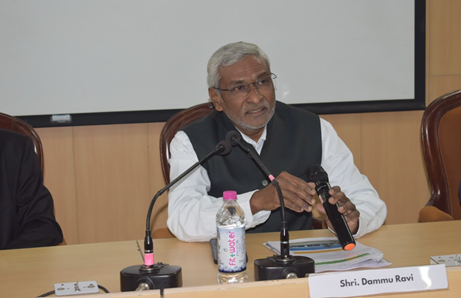
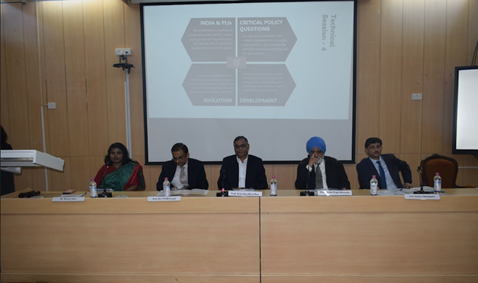


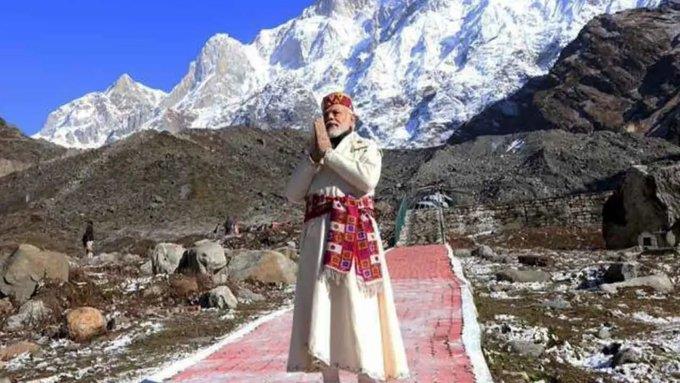



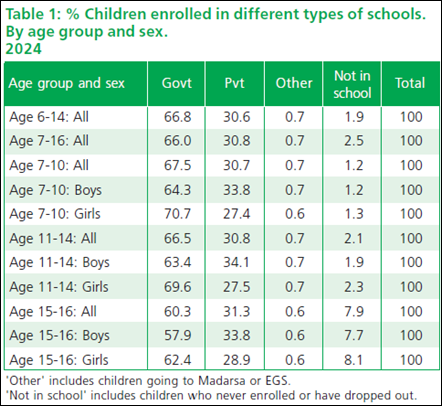




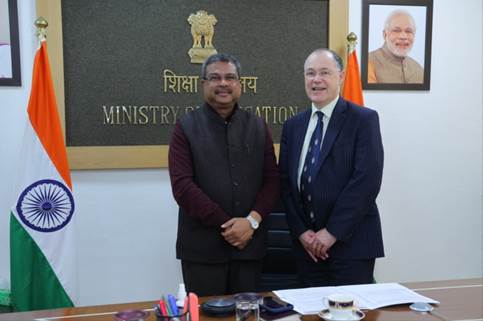
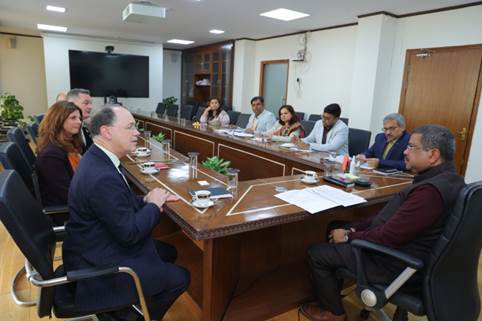


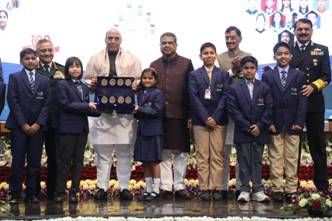
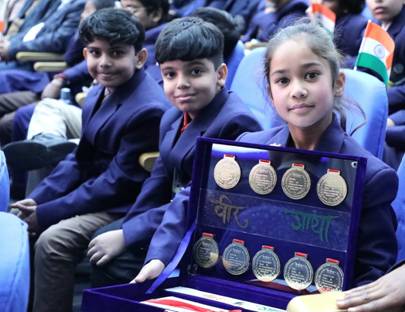


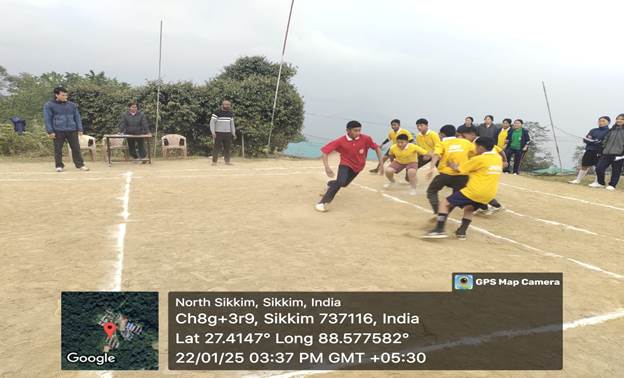
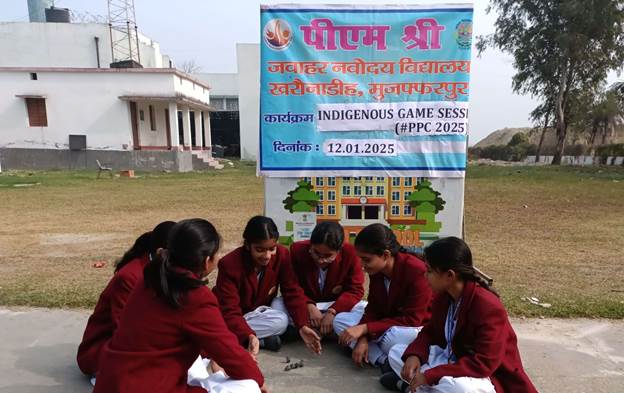
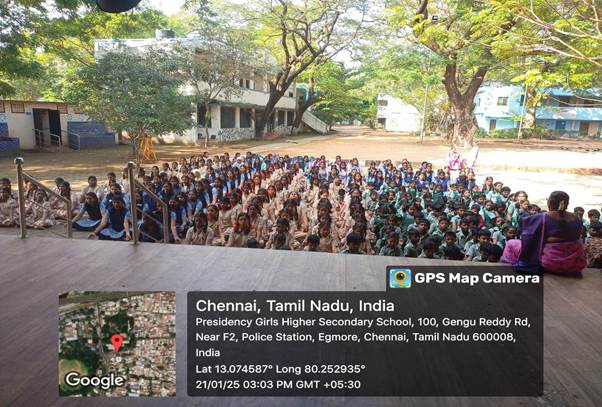
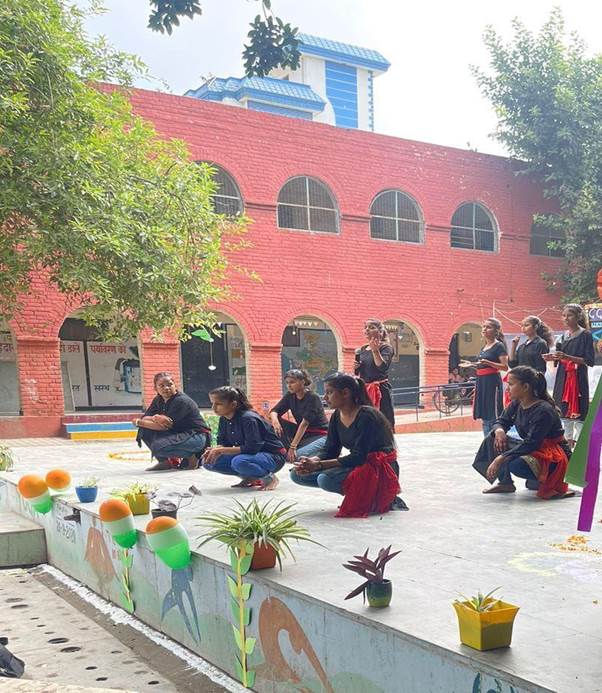
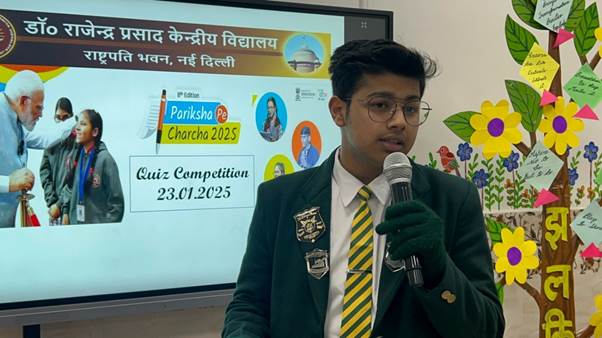
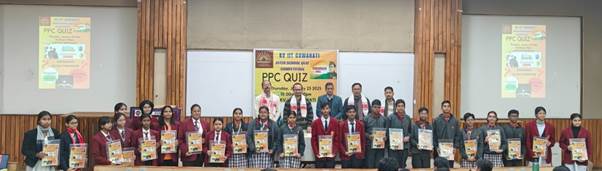


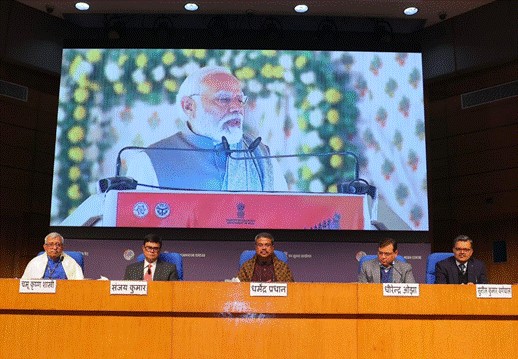
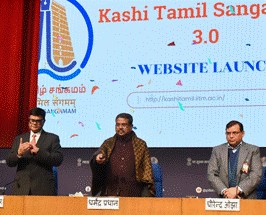
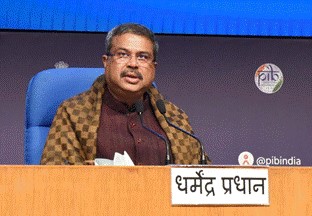


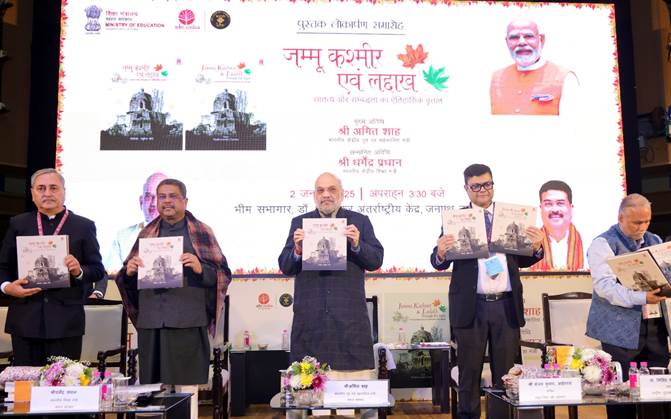


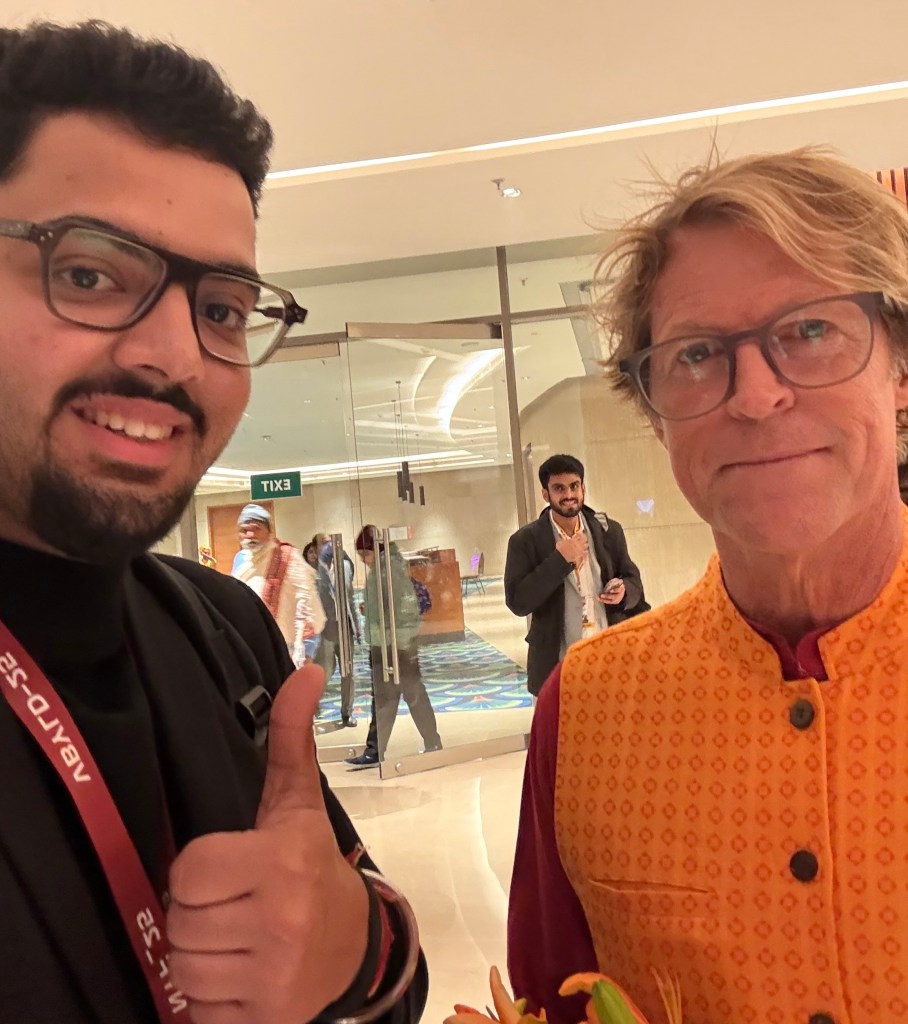
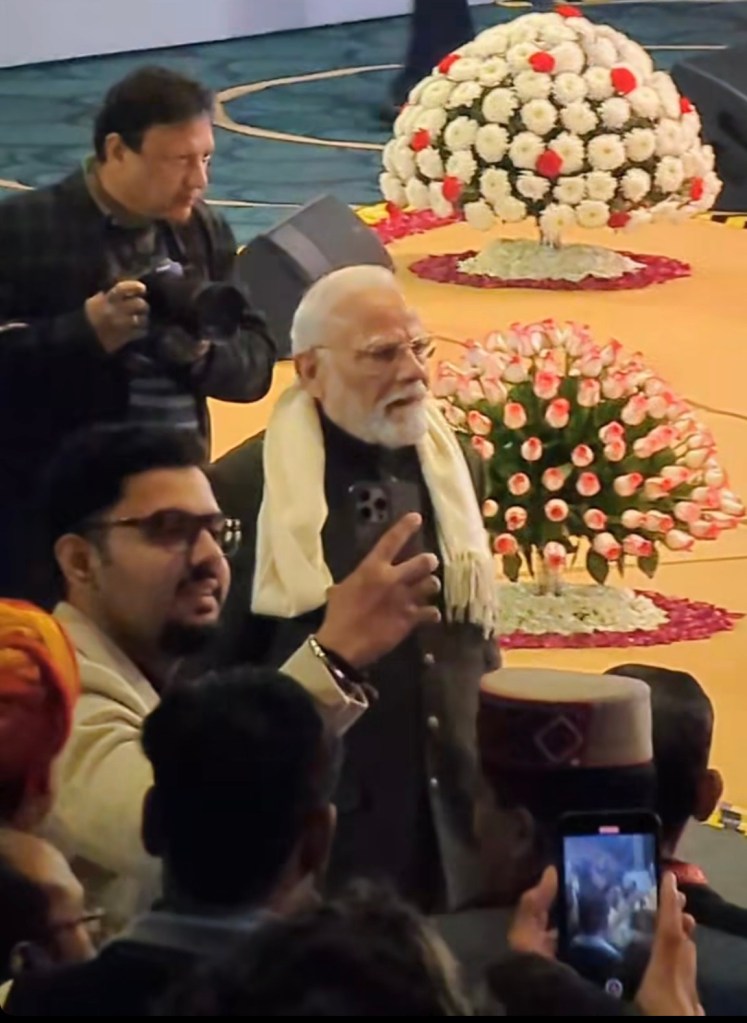
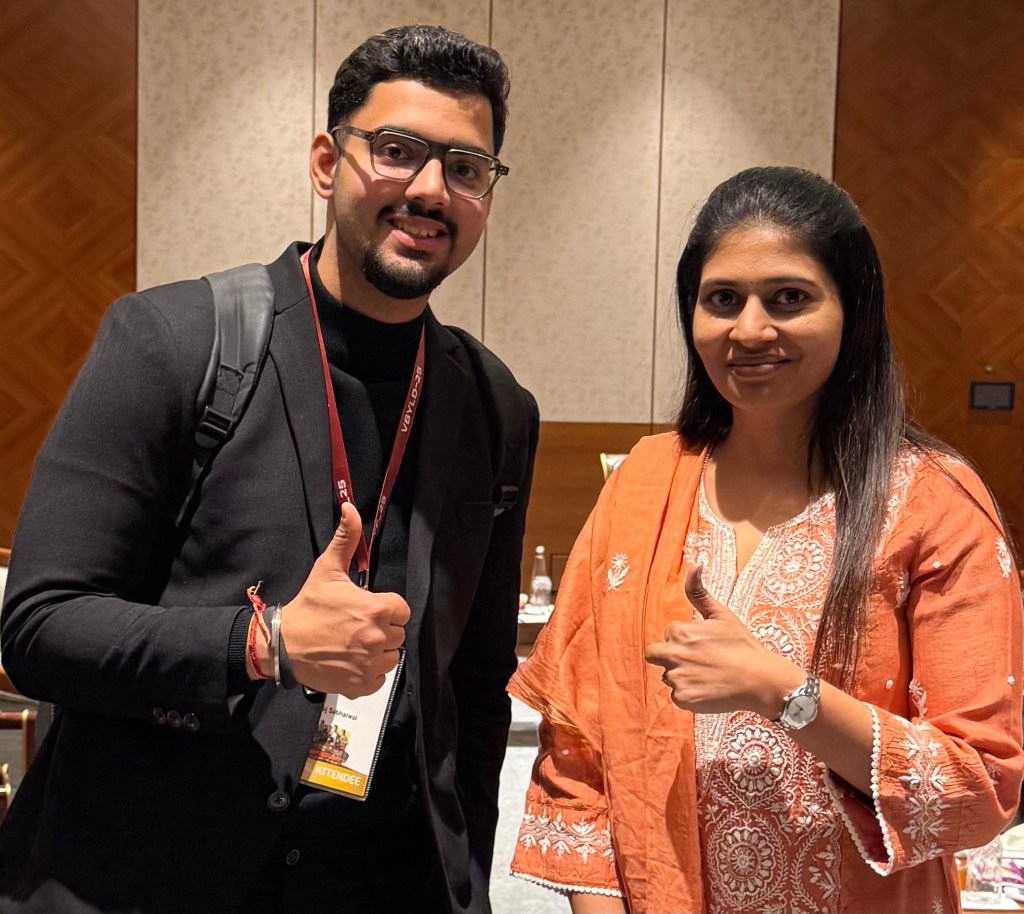





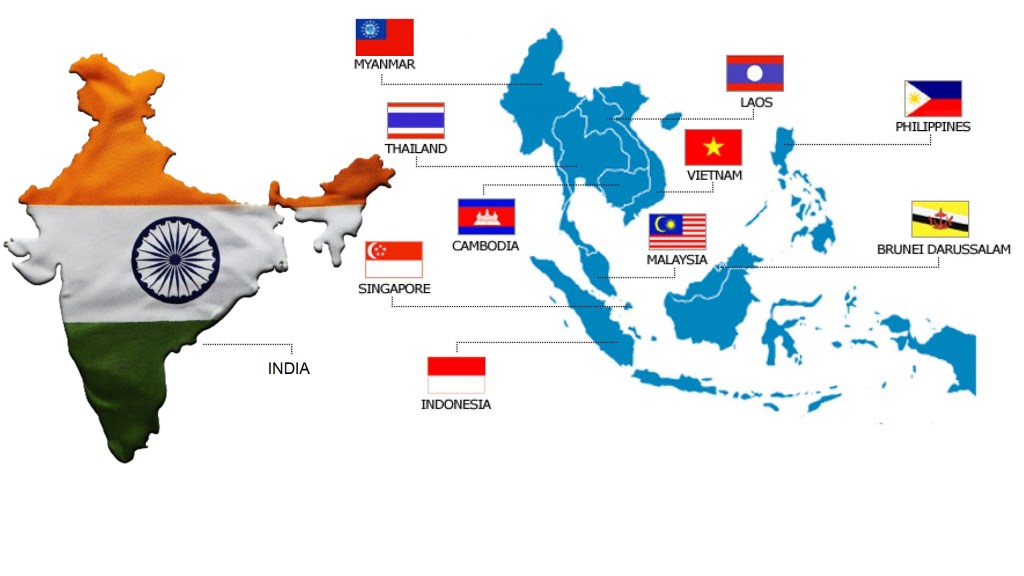


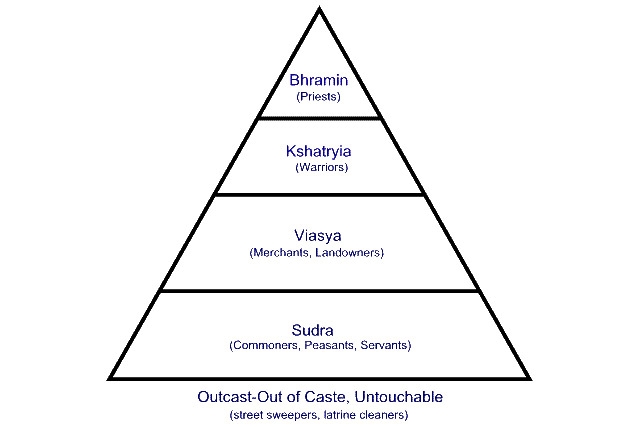
 Eduindex
You must be logged in to post a comment.