Out of sight out of mind

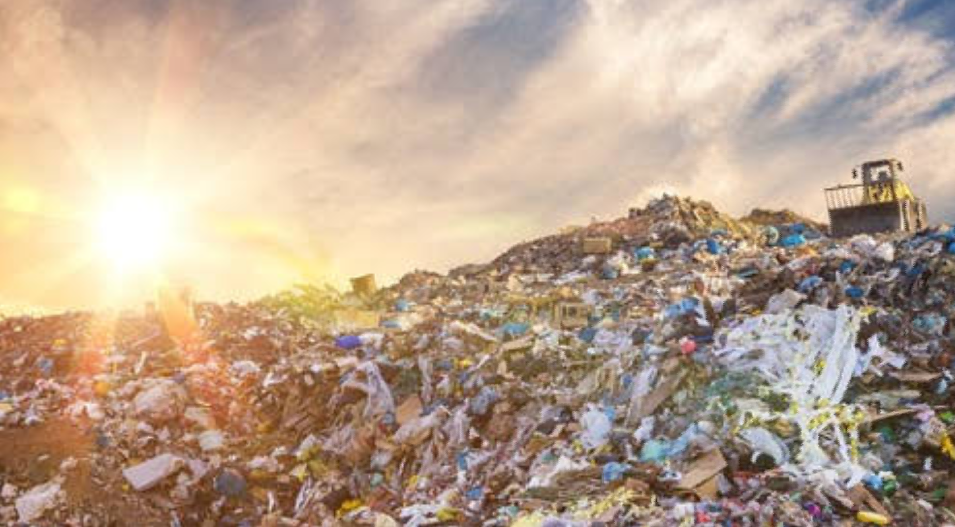
The world has so much problem with the waste production and dumping and landfills. We need more space. Why not send it to outer space? You know take some amount of trash at a time and send it to space and let it go. Sounds easy but turns out it isn’t that easy.

First of all it costs a LOT to send a spaceship into the space. We would need a large number of rocket launches to actually get rid of the insane amount of garbage the world produces(1.2 trillion kg). That way, the rise in air pollution… unimaginable. Also, complex infrastructure requirements! We need a lot more launch pads.

Suppose we do find a way to manage the costs and send a rocket filled with trash to be thrown out in the space. Imagine if some technical issue occurs and it blasts. It would rain burning plastic. Not good for the environment.

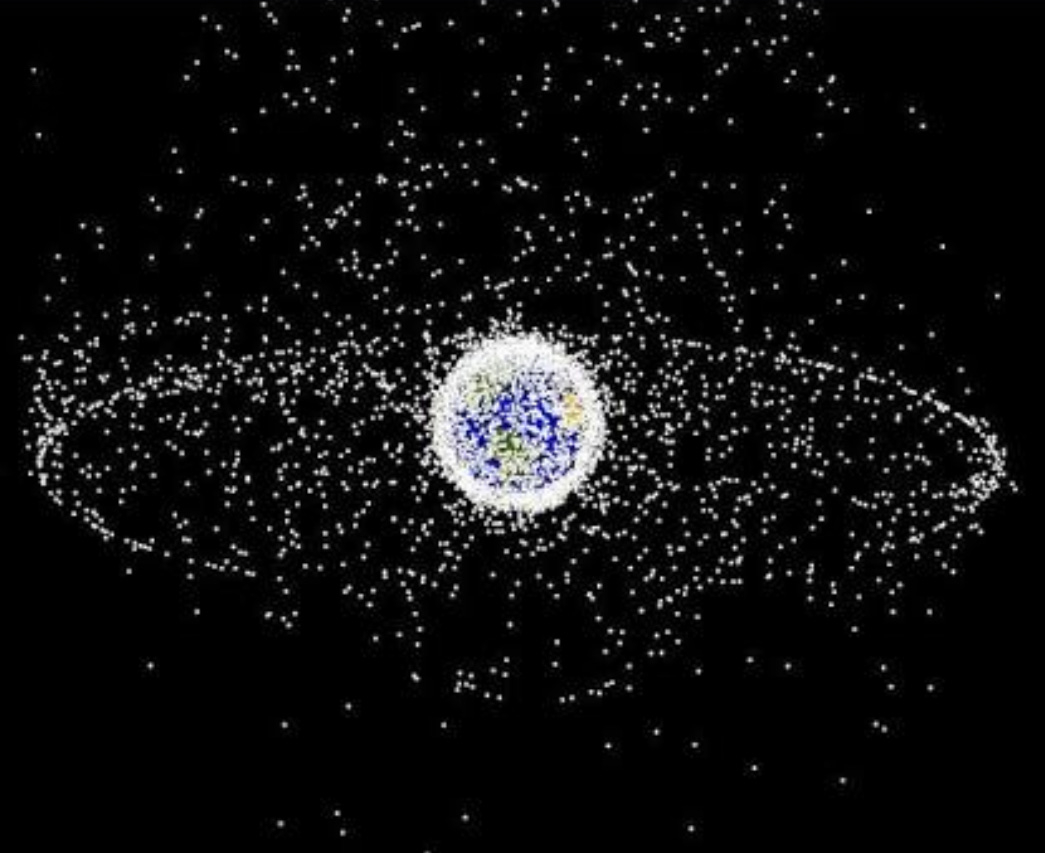
Even if we throw it out, the accumulation would make our atmosphere so dense that it would be a toxic world to live in. Also we couldn’t use satellites plus space travel would be tough. What if it comes floating back. Gross sight.

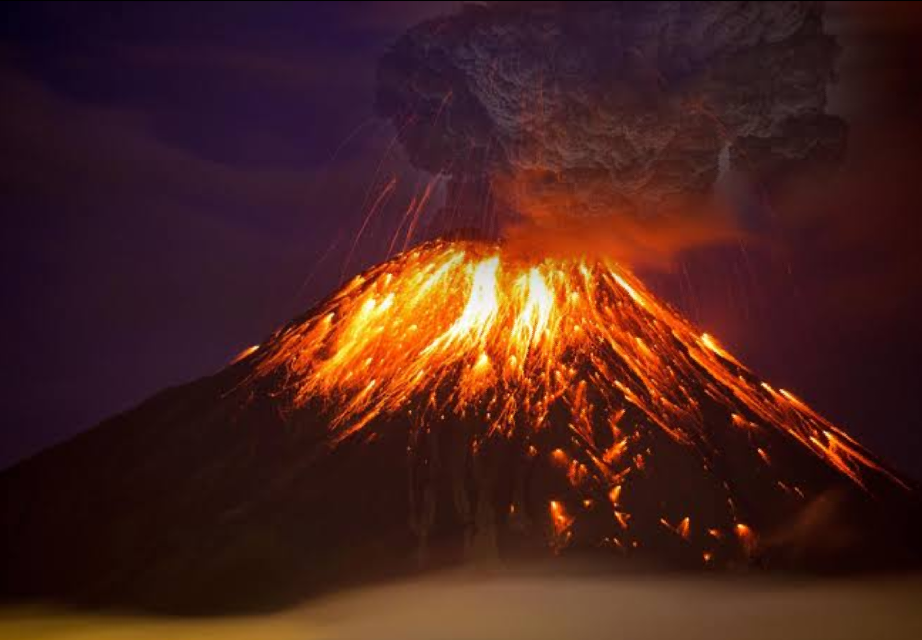
There’s another thing we could do. Burn the trash in the volcanoes. Trash incinerators have filters to filter out poisonous gases. In case of volcanoes filtering is not possible so again toxic world. Besides throwing something in the lava, disturbing the surface, would instantly trigger a chain reaction leading to an explosion. So not an option.

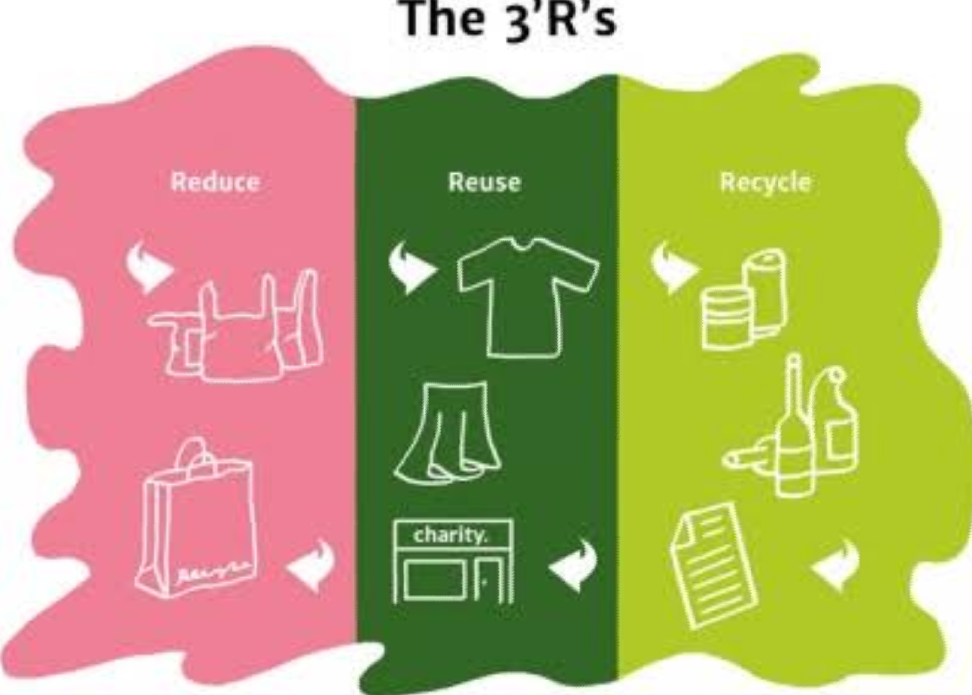
Guess we have to find other sources to convert the trash into some kind of energy. Maybe some day. Till then we need to manage our trash and follow the three R’s. (Reuse, Recycle, Reduce)

Thank you for reading. Have a nice day!

Environmental Pollution

Pollution is the presence of particles or elements in a natural environment and thereby degrading the quality of it. It causes adverse changes to natural environment. Pollution is caused by contaminants and they can be of various types. Contaminants can be particles like chemical substances, gases or energy. They can be foreign substances or naturally occurring ones. Depending on the kind of contaminants and the environment, there are different forms of pollution – air pollution, light pollution, litter, noise pollution, plastic pollution, soil contamination, radioactive contamination, thermal pollution, visual pollution, and water pollution.

Pollution exists mainly in urban societies. The burning of coal and wood increase carbon content in air and make the cities the primary sources of pollution. The Industrial Revolution had brought an infusion of untreated chemicals and wastes into local water resources which supplied water to the people. Early instances include the time when King Edward I of England banned the burning of sea-coal by proclamation in London in 1272, after its smoke became a problem.

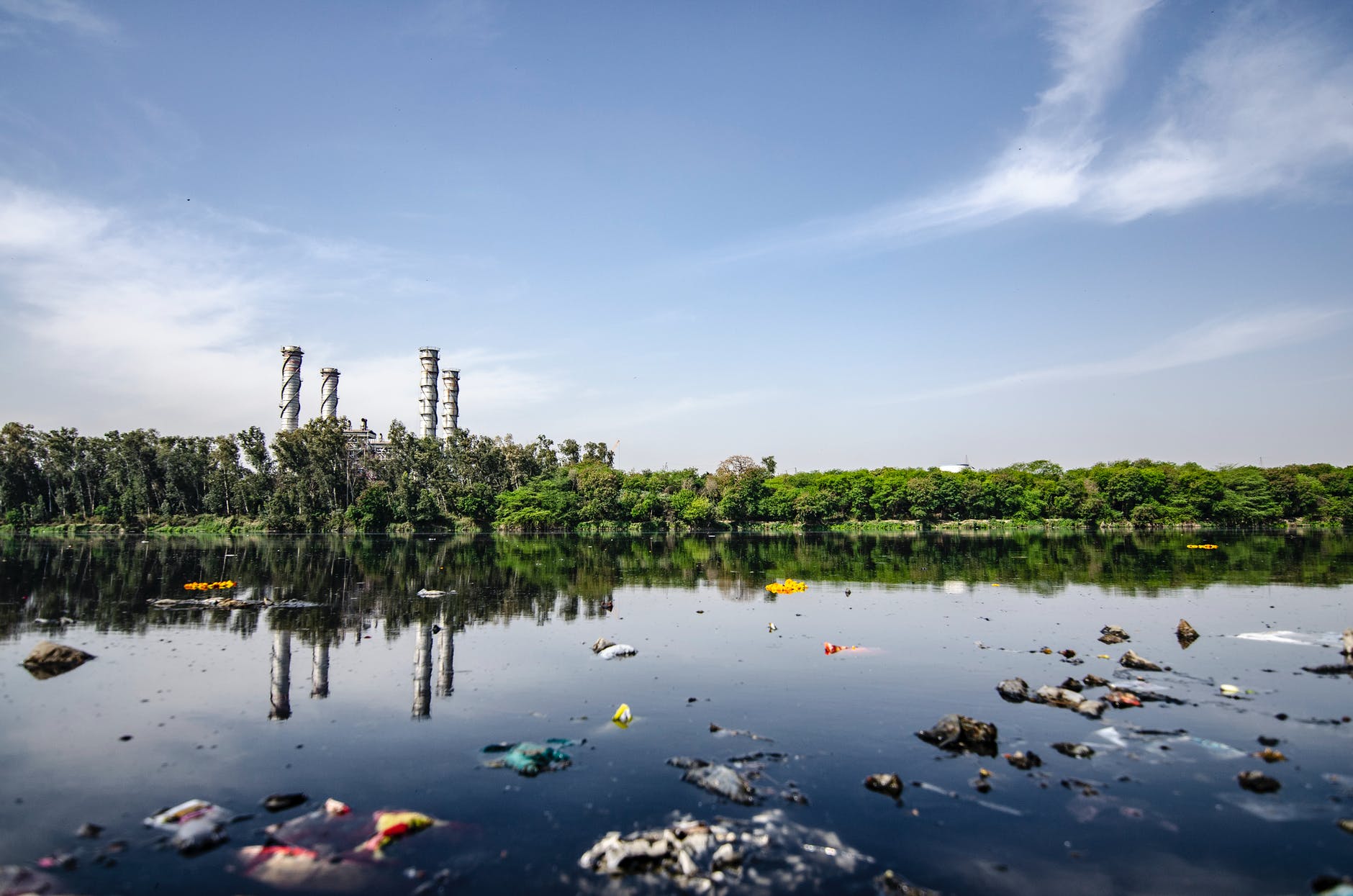
Photo by Yogendra Singh on Pexels.com

The major forms of pollution are described as follows:

Air pollution – It is caused by the release of chemicals and particulates into the atmosphere. Common gaseous pollutants are carbon monoxide, sulfur dioxide, chlorofluorocarbons (CFCs) and nitrogen oxides which are produced by industry and motor vehicles.

Electromagnetic pollution – It is caused due to the overabundance of electromagnetic radiation in their non-ionizing form, like radio waves, etc. Nowadays people are constantly exposed to these radiations.

Light pollution – It includes light trespass, over-illumination and astronomical interference. There have been instances when over illumination of a natural environment by artificial lights have caused birds to be awake at night. It disturbs their natural time cycle.

Noise pollution – It includes noise from all sorts of sources like roadway noise, aircraft noise, industrial noise as well as high-intensity sonar.

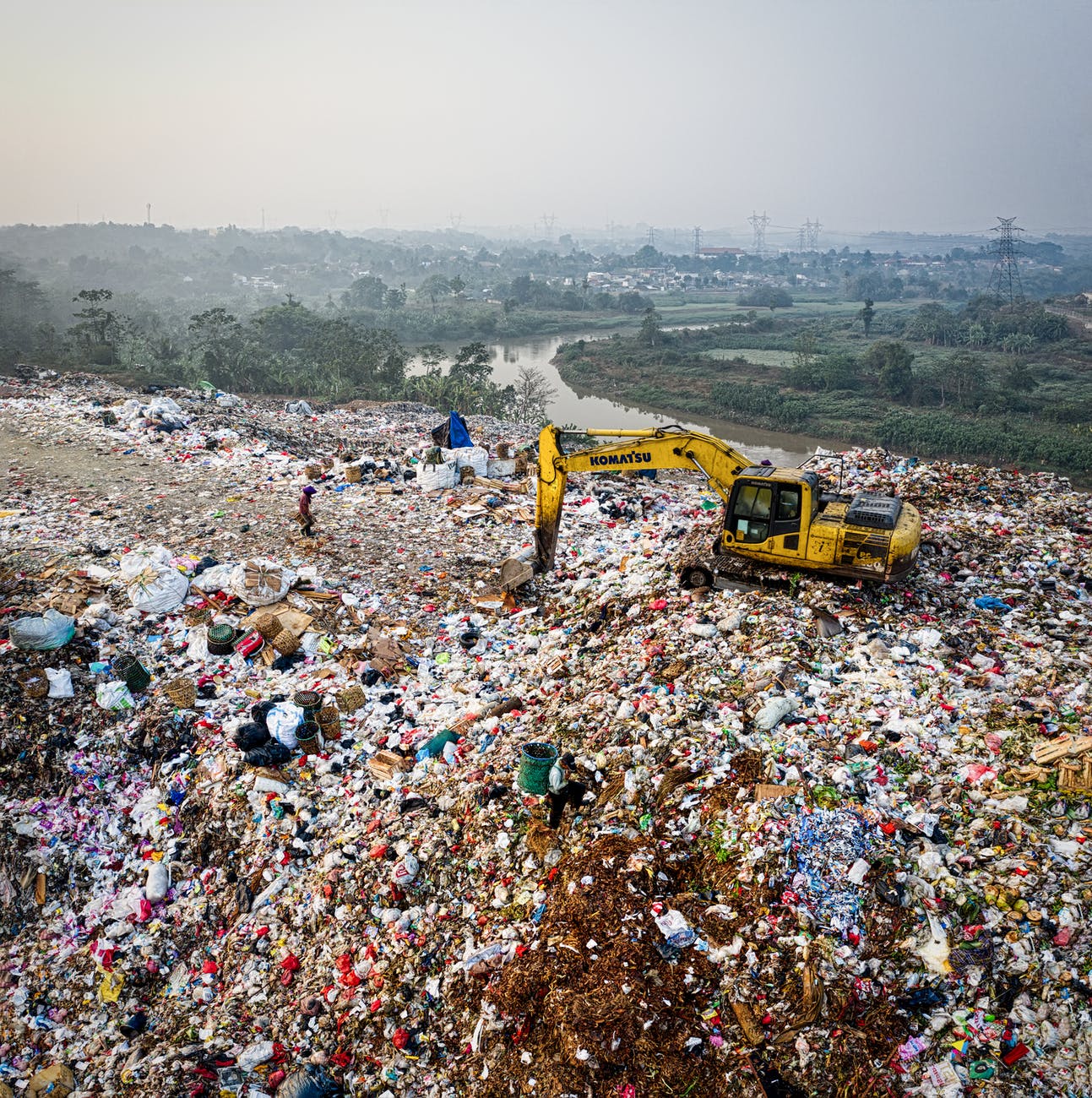
Photo by Tom Fisk on Pexels.com

Plastic pollution – This involves the accumulation of plastic products and microplastics in the environment and thereby affecting the wildlife, wildlife habitat, and humans.

Soil contamination – It is caused by chemicals released by spills or underground leakages. Among the most significant soil contaminants are hydrocarbons, heavy metals, MTBE herbicides, pesticides and chlorinated hydrocarbons.

Radioactive contamination – This has increased the 20th century due to activities in atomic physics, such as nuclear power generation and nuclear weapons research, manufacture and deployment.

Thermal pollution – This is a temperature change in natural water bodies. The most common reason is human influence. For example, the use of water as coolant in a power plant.

Visual pollution – It refers to the presence of overhead power lines, motorway billboards, scarred landform, open storage of trash, municipal solid waste or space debris.

Water pollution – It is caused by the discharge of wastewater from commercial and industrial factories into surface waters resources. It also includes discharges of untreated domestic sewage, and chemical contaminants, such as chlorine, treated sewage; pesticides and fertilizer components reaching water bodies through irrigation water. Groundwater pollution is caused from waste disposal including pit latrines and septic tanks; eutrophication and littering.

With growing evidence of local and global pollution, more and more people have started getting informed over time. Issues such as global warming and climate change have also developed in recent years. These have given rise to environmentalism and environmental movements. There are environmental activists who work to raise awareness and to limit human impact on the environment.


Lake Karachay: Most polluted place on earth

Look at the environment and there may be several sources of contamination — streams full of harmful substances from agricultural operations, waterways overflowing with field waste, garbage floating out from landfills, city sky filled in smog. Also, ecosystems that appear to be untouched can suffer the effects of emissions from sources located hundreds or thousands of miles away.

Pollution can create muddy fields, poison wetlands, and rivers, or destroy plants and animals. People are also routinely affected by pollution. Long-term exposure to air pollution, for example, can lead to chronic respiratory disorders, lung cancer, and other diseases. Toxic chemicals that accumulate in the top predators can make certain animals unsafe to eat. More than one billion people do not have access to safe water, and 2.4 billion do not have proper sanitation, placing them at risk of contracting deadly diseases.

Lake Karachay is located in the southern Ural mountains in Central Russia. In approx 1951, the Soviet Union used this site to dump radioactive waste and today it is filled and acts as near-surface permanent and dry nuclear waste storage facility. According to a report by Washington D.C. based on the Worldwatch Institute of Nuclear Waste, it is the most polluted open-air place from a radiological view.

The lake accumulated nearly 4.44 exabecquerels (EBq) of radioactivity is less than one square mile of surface, including 3.6 EBq of cesium-137 and 0.74 EBq of strontium-90. In contrast, the Chernobyl catastrophe emitted 0.085 EBq of Caesium-137, a significantly smaller volume, and over a thousand square miles. (The cumulative release of Chernobyl is estimated to be between 5 and 12 EBq of radioactivity, but ultimately only caesium-134/137 contributes to soil exposure because the remainder is too short-lived). As a result, the lake is biologically 42 times more radioactive than Chernobyl.

As of December 2016, the state of the lake is fully packed with unique concrete blocks, rock and gravel. It was fully refilled in November 2015 and then tracked until the final layer of rock and soil was laid. Monitoring results revealed a “strong decrease in the surface accumulation of radionuclides” after 10 months. A decades-long surveillance system for surface water was planned to be implemented soon afterward.

So here I am concluding this article. Hope you guys enjoyed it!

Global warming

Global warming  is a term almost everyone is familiar with. But, its meaning is still not clear to most of us. So, Global warming refers to the gradual rise in the overall temperature of the atmosphere of the Earth. There are various activities taking place which have been increasing the temperature gradually. Global warming is melting our ice glaciers rapidly. This is extremely harmful to the earth as well as humans. It is quite challenging to control global warming; however, it is not unmanageable. The first step in solving any problem is identifying the cause of the problem. Therefore, we need to first understand the causes of global warming that will help us proceed further in solving it. In this essay on Global Warming, we will see the causes and solutions of Global Warming.

Causes of Global Warming

Global warming has become a grave problem which needs undivided attention. It is not happening because of a single cause but several causes. These causes are both natural as well as manmade. The natural causes include the release of greenhouses gases which are not able to escape from earth, causing the temperature to increase. Further, volcanic eruptions are also responsible for global warming. That is to say, these eruptions release tons of carbon dioxide which contributes to global warming. Similarly, methane is also one big issue responsible for global warming.

After that, the excessive use of automobiles and fossil fuels results in increased levels of carbon dioxide. In addition, activities like mining and cattle rearing are very harmful to the environment. One of the most common issues that are taking place rapidly is deforestation.

So, when one of the biggest sources of absorption of carbon dioxide will only disappear, there will be nothing left to regulate the gas. Thus, it will result in global warming. Steps must be taken immediately to stop global warming and make the earth better again

Global Warming Solutions

As stated earlier, it might be challenging but it is not entirely impossible. Global warming can be stopped when combined efforts are put in. For that, individuals and governments, both have to take steps towards achieving it. We must begin with the reduction of greenhouse gas. Furthermore, they need to monitor the consumption of gasoline. Switch to a hybrid car and reduce the release of carbon dioxide. Moreover, citizens can choose public transport or carpool together. Subsequently, recycling must also be encouraged For instance, when you go shopping, carry your own cloth bag. Another step you can take is to limit the use of electricity which will prevent the release of carbon dioxide. On the government’s part, they must regulate industrial waste and ban them from emitting harmful gases in the air. Deforestation must be stopped immediately and planting of trees must be encouraged.

In short, all of us must realize the fact that our earth is not well. It needs to treatment and we can help it heal. The present generation must take up the responsibility of stopping global warming in order to prevent the suffering of future generations. Therefore, every little step, no matter how small carries a lot of weight and is quite significant in stopping global warming.

Environmental Pollution

Today, Environmental pollution is occurring on a vast and unprecedented scale around the globe. People are becoming increasingly aware of the threat posed by environmental pollution and government are enacting legislation to protect the environment.

Environment pollution is the introduction of pollutants into the natural environment, and causes adverse effects to the ecosystem. Today’s pollution is integrally related to economic production, modern technology, life-styles, the sizes of human and animal populations, and a host of other factors. This is the result of increased production of waste products, rapid urbanization, over consumption and over exploitation of natural resources, unplanned sewage and waste disposal from industries and cities etc.

Environmental Pollution may be of the following types : Air pollution , Noise pollution , Water pollution , Soil pollution , Thermal pollution and Radiation pollution. These affect both the living and non-living components of the environment bringing about drastic changes to the physical environment causing community wide problems by polluting the air, water, land , adversely affecting the health of human and animals and damaging plants and property.

Environmental stress on the human body increases with many medical experts fearing a terminal increase in infectious disorders because viruses and other organisms may increase through food processing plants or water treatment as the quality of water and food at the intake deteriorates. Also pollution has caused the deterioration of structural materials like marble and limestone along with having adverse effects on the atmospheric conditions as it is contributes to the depletion of the ozone layer, global warming, acid rain etc.

Factors affecting environmental pollution include:

1.Growing and releasing large number of certain chemicals principally from burning fossil fuels that are now significantly altering the natural systems on a global scale.

2. Population growth is one of the prominent factors that affects the degradation of the environment. This is because as the people multiply and the space available to each individual becomes smaller day by day, so does the demand per person increases day by day along with the increase in amount of waste we throw away leading to an over consumption and over utilization of resources and hence posing a grave threat to the environment.

3.Steady increase in the use and release of toxic substances to the environment. Over the past couple of decades, many national and international projects and programs on river water quality management and assessment on the perspective of conservation were conducted as many lakes and rivers were found to highly polluted with fertilizers, organic wastes, radioactive substances and other chemicals.

Careless management of natural resources is disrupting the ecological process so much that the earth’s life supporting capacity is substantially threatened. Hence , a combined effort to control pollution has to be made by all government agencies, industrialists, agriculturalists, scientists and by every single individual. To address the serious pollution challenges of decades ahead, several large-scale social and technological transitions are needed. These transitions include shifting away from fossil fuels and waste-intensive technologies, bringing our most sophisticated science to bear, altering prices and other economic incentives and progressing to a stable world population.