Steps taken by the government to make power sector viable and profitable

 The Union Minister for Power and New & Renewable Energy has informed about the steps taken by the government for the modernization of the nation’s electricity market.

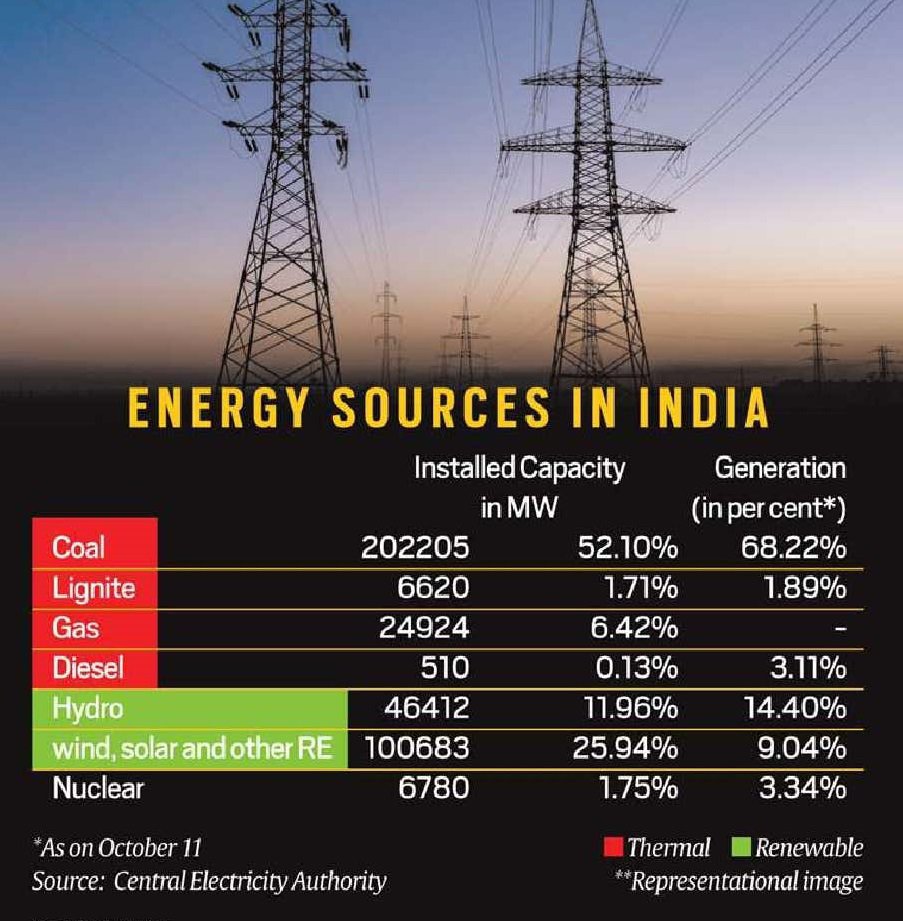
The power demand in the country has gone up by 50.8 percent in energy terms from 2013-14 to 2022-23. The peak demand has gone up from 135,918 MW in 2013-14 to 243,271 MW in September 2023. We have been able to meet the increase in demand because we added 196,558 MW of capacity between 2014 to 2023 which includes 104,059 MW of renewable energy capacity.  The details of the quantum of power generated in the country during the last three years and the current year 2023-24 (till December 2023) are given below.

The details of total quantity of power produced in the country in the last three years and the current year 2023-24 (till December 2023)


 (All figures are in Million Units)

Fuel

2020-21

2021-22

2022-23

2023-24 (up to Dec)

THERMAL

COAL

950937.55

1041487.43

1145907.58

932258.66

DIESEL

126.31

117.24

229.71

300.5

HIGH SPEED DIESEL

0

0

0

0

LIGNITE

30505.68

37094.04

36188.34

24324.57

MULTI FUEL


NAPTHA

101.41

0

0.83

0

NATURAL GAS

50842.59

36015.77

23884.21

23903.53

THERMAL Total

1032513.54

1114714.48

1206210.67

980787.26

NUCLEAR

43029.08

47112.06

45861.09

36263.36

HYDRO

150299.52

151627.33

162098.77

114757.77

Bhutan Import

8765.5

7493.2

6742.4

4672.1

Renewable Energy Sources (excluding large hydro)

147247.508

170912.297

203552.685

172488.39

Grand Total

1381855.15

1491859.37

1624465.61

1308968.88


In order to accommodate the substantial capacity addition, the Government of India planned and added 1,89,052 circuit kilometers (ckm) of transmission lines, in the same period (2013-14 to 2022-23) connecting the whole country into one grid running on one frequency with the capability of transferring 1,16,540 MW from one corner of the country to another, also further integrating the whole country into one national market.


We have introduced new products in the Exchange for Renewable Energy such as the Green Day Ahead Market and the Green Term Ahead Market.


India has one of the fastest growing Renewable Energy Capacities in the world and has emerged as the most favoured destination for investment in Renewables in the world.  Government has constructed Green Energy Corridors and put in place 13 Renewable Energy Management Centres. Presently, Renewable Energy Capacity is 180,800 MW and 103,660 MW is under installation.


Government has made concerted efforts to make Power Sector viable. The AT&C losses have come down from 25.72% in 2014-15 to 15.40% in 2022-23.  All current payment of Gencos are up-to-date and the legacy dues of Gencos have come down from Rs. 1,39,947 crores as on 03.06.2022 to Rs. 49,451 crores as on 31.01.2024.  The subsidy payment to DISCOMS on account of subsidies announced by State Government are up-to-date.


In order to reduce the AT&C losses, the Government of India has implemented the following steps:


  1. Provided funds under DDUGJY and IPDS to install meter on unmetered connections; and installed covered wire in loss prone areas to make theft difficult;


  1. Put in place energy accounting and energy audit system;
  2. Revised prudential norms to ensure that no loans are given by REC/PFC to DISCOMs which are making losses, unless they draw up a plan to reduce the losses, get their State Government approval on it and file it with the Government of India; and follow up on these steps;


  1. Put in place a merit order despatch system to ensure that cheaper power is despatched first;


  1. Reduced the late payment surcharge to reduce the burden on the DISCOMs;


  1. Put in place rules to ensure that if the Genco is not paid for the power supplied, the access to the power exchange of the defaulting DISCOMs is automatically cut off;


  1. Put in place an incentive of an additional borrowing space of 0.5% of GDP for the State, if the DISCOMs puts in place loss reduction measures;


  1. Provided that no funds will be given under RDSS to loss making DISCOMs unless they put in place measures to reduce their losses; and


  1. Put in place Rules to ensure that the tariff is up-to-date.


As a result of the above measures, the power sector has become viable and profitable.

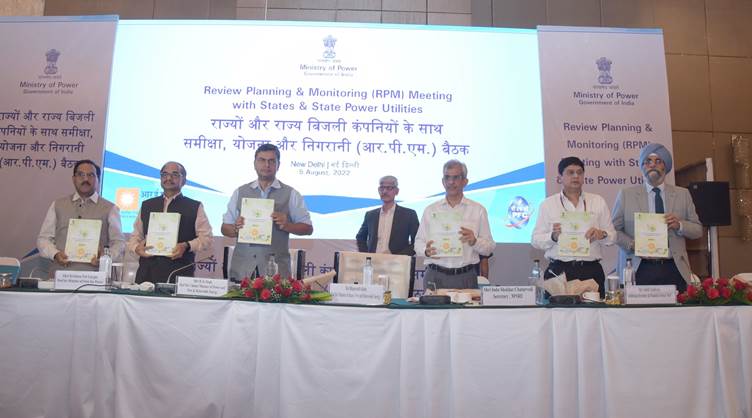
Review Planning & Monitoring (RPM) meeting held with States and State Power Utilities

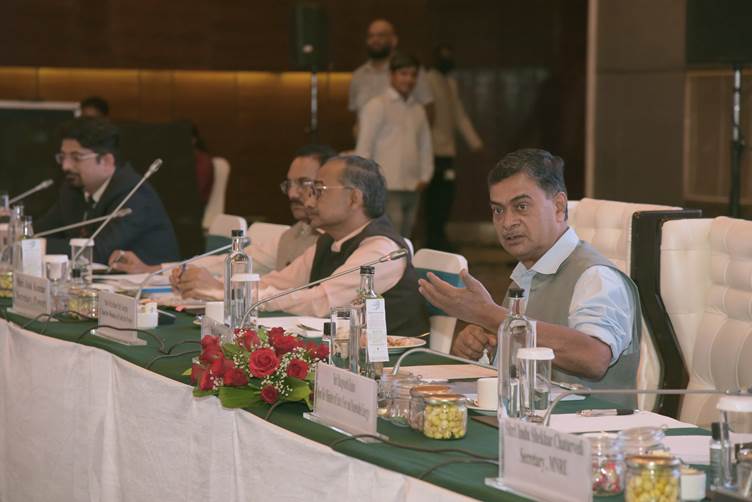
 The Review Planning & Monitoring (RPM) meeting with States and State Power Utilities was held on 05.08.2022 at New Delhi, under the chairmanship of Hon’ble Union Minister of Power and New & Renewable Energy Sh. R. K. Singh in presence of Hon’ble Minister of State for Power and Heavy Industries Shri Krishan Pal Gurjar. Secretary (Power), Secretary (New & Renewable Energy) along with other senior officials from Ministry of Power, Ministry of New & Renewable Energy, Power Sector CPSEs and Power / Energy Departments of various States and State Power Utilities were present in the meeting.

The meeting deliberated on several issues of national importance in the Power Sector with underpinnings of Sectoral viability and Sustainability, building upon Hon’ble Prime Minister’s address on 30th July, 2022 on the occasion of Ujjwal Bharat Ujjwal Bhavishya celebrations. These included liquidation of Government Department electricity dues and subsidy dues; progress on prepaid Smart metering in Government departments; establishing robust systems of Energy accounting and subsidy accounting and timely and advance payments thereof; timely fixation of regular and true-up tariffs; timely finalisation of Utility accounts; Progress of Feeder & DT metering; progress on Revamped Distribution Sector Scheme (RDSS); and compliance in regard to Electricity (Late Payment Surcharge and Related Matters) Rules, 2022.

During the meeting, Hon’ble Union Minister launched the (i) 10th Integrated Rating of Power Distribution Utilities, (ii) 1st Consumer Service Rating of DISCOMs and (iii) Bharat eSmart Mobile Application (BeSMA).

Integrated  Rating  exercise  is  being  carried  out annually since 2012 with the aim of evaluating performance of utilities on a range of parameters covering financial sustainability, performance excellence and external environment and their ability to sustain improvements year over year. The methodology for the rating has been comprehensively reviewed and revised in the current rating exercise, which is the 10th one in the series. The rating now lays a higher emphasis on financial performance, while also assessing operational efficiencies and external ecosystem of DISCOMs. The rating will now be dynamic in nature based on triggers having impact on DISCOM financials. Private DISCOMs and State Power Departments have also been included for comprehensive sectoral coverage. The details can be been accessed at urjadrishti.com.


Taking forward the multiple reform measures centred around ensuring the best-in-class services to electricity consumers across the country, Hon’ble Union Minister also launched the first ever Consumer Service Rating of DISCOMs (CSRD) for the FY 2020-21. The report captures the current status of consumer services across various DISCOMs. It delves into key parameters of consumer services such as operational reliability, connection services, metering, billing and collection services, fault rectification and grievance redressal. The DISCOMs have been rated across various identified parameters on a seven-point scale. The intent is to enable sharing of best practices of top performing DISCOMs as well as to help other DISCOMs in identifying critical areas for enhancing performance. The report is available at recindia.nic.in.

As a step towards enhancing consumer empowerment, a free-to-use Mobile app for prepaid smart meters was also launched for the nationwide rollout of smart metering. This mobile App would build up on the data of the Smart meters and would provide essential information to consumers in regard to their usage and balance electricity remaining, both in terms of Units and Monetary terms. The App would enable consumers to access real time information pertaining to their electricity usage and receive alerts & notifications. The App provides multiple options and gateways like UPI, net banking, credit & debit card etc. for payment and recharge through Mobile phones with ease. This mobile app is aimed at achieving consumer delight by enabling them achieve a command over their electricity usage in almost real time, while also helping them in electricity usage as per their needs, altering consumption behaviour to achieve energy efficiency, as well as help them in lowering their bills. This App would be available to all the Distribution Utilities free of charge once they place a requirement to the Ministry of Power. While the App is amenable to a top level customisation as per specific Utility needs, O&M for 10 years would also be free for the DISCOMs. The mobile app is built on strong security measures and is adequately equipped to protect individual data.


These initiatives would pave the path towards an efficient and sustainable power distribution sector.

****

NG

Operation Cactus by Indian Armed Forces which saved Maldives freedom.

Operation Cactus, led by the Indian Armed Forces in 1988, to stop a group of Maldives mercenaries led by businessman Abdullah Rutufi, and armed mercenaries of the Tamil Elam People’s Liberation Organization (PLOTE), a separatist Tamil organization in Sri Lanka. It’s strategy was to overthrow the government in the Maldivian island republic.

Thier were two coup attempr done before 1988.The 1980 and 1983 coup attempts against President Maumoon Abdul Game were not considered serious, but the third coup attempt in November 1988 surprised the international community. About 80 armed PLOTE mercenaries boarded a speedboat from a Sri Lankan cargo ship hijacked in the capital Male before dawn. A similar number has previously invaded Male in the guise of a visitor. The mercenaries soon gained control of the capital. This includes major government buildings, airports, ports, television and radio stations. The mercenaries then marched to the presidential residence, where President Gayoom lived with his family. However, before they arrived at the presidential residence, President Gayoom was escorted to the Defense Minister’s house by a Maldivian national security forces. The Secretary of Defense then took the president to a safe home.

Meanwhile, the mercenaries occupied the presidential residence and managed to take the Maldivian Minister of Education hostage. President Gayoom called on Sri Lanka and Pakistan government to intervene in the military, but both refused to help because of lack of military power. The president then demanded Singapore’s intervention, but Singapore refused for the same reason. He then contacted the United States and was told that it would take a couple of days for the US military to reach the Maldives from the nearest military base in Diego Garcia, which was almost 1000 km away. The president then contacted Britain and who advised them to seek help from India. After that, President Gayoom sought help from the Indian government. India soon accepted their request and an emergency meeting was convened at the Secretariat Building in New Delhi. Within 16 hours of SOS, India was ready for thier missions.

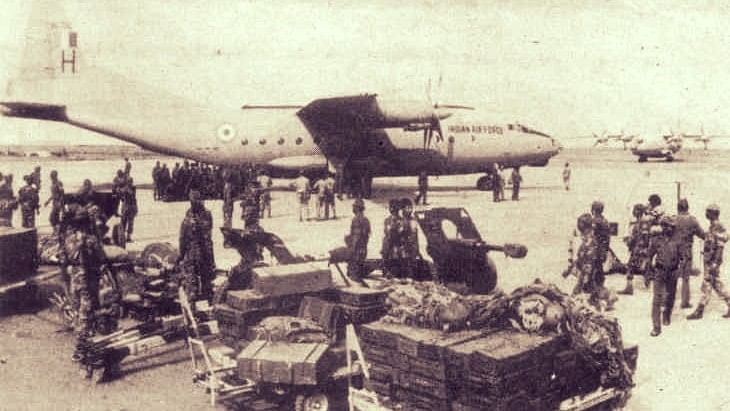
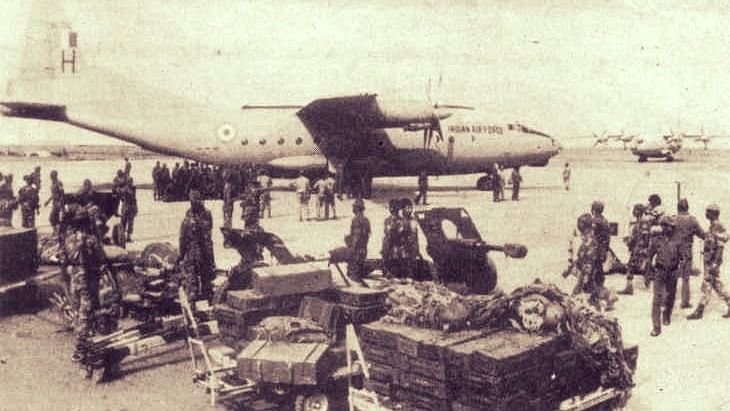
Rejaul Karim Laskar, a member of India’s then ruling party, the Indian National Congress, said that intervention of India in coup d’etat was necessary because without India’s intervention, outsiders powers were tempted to intervene and establish base in the Maldives. . Therefore, India intervened through “Operation Cactus”. On the night of November 3, 1988, the Ilyushin Il-76 aircraft of the Indian Air Force took elements of the 50th Independent Parachute Regiment, the 6th Parachute Regiment Battalion, and the 17th Parachute Field Paratrooper Regiment under Brigadier General Farsala from Agra Air. He flew non-stop for over 2,000 kilometers (1,240 miles) and landed at Male International Airport on Hulhule Island. Indian Army paratroopers arrived in Hulhule nine hours after President Gayoom proceedings.

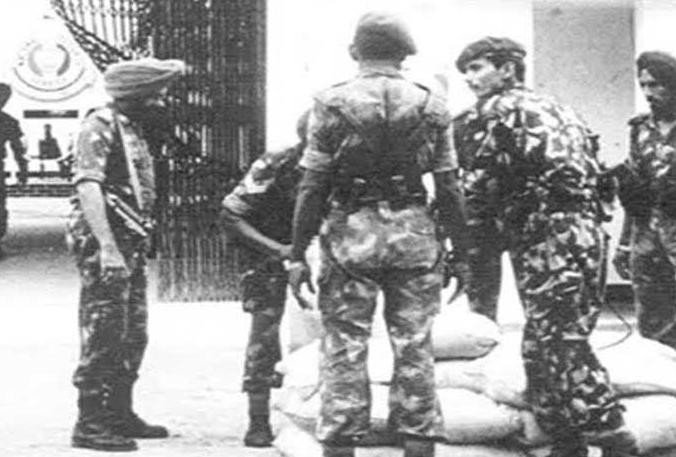
Indian paratroopers quickly secured an airfield and sailed to Male on a confiscated boat to rescue President Gayoom . Paratroopers handed over control of the capital to President Gayoom ‘s government within hours. Some of the mercenaries fled to Sri Lanka on a hijacked cargo ship. Those who could not arrive at the ship in time were immediately rounded up and handed over to the Maldivian armed Forces and government. According to reports, 19 people died in battle, most of them mercenaries. The dead included two hostages killed by mercenaries. And Operation Cactus took 18 hours for Indian Armed Forces from start to finish. Indian Navy frigate Godavari and Betwa intercepted a cargo ship off Sri Lanka and captured mercenaries. The swift intervention and accurate intelligence of the Indian Army was able to successfully subdue the coup attempted in the island nation.

“Black Tiger” Of India Ravindra Kaushik.

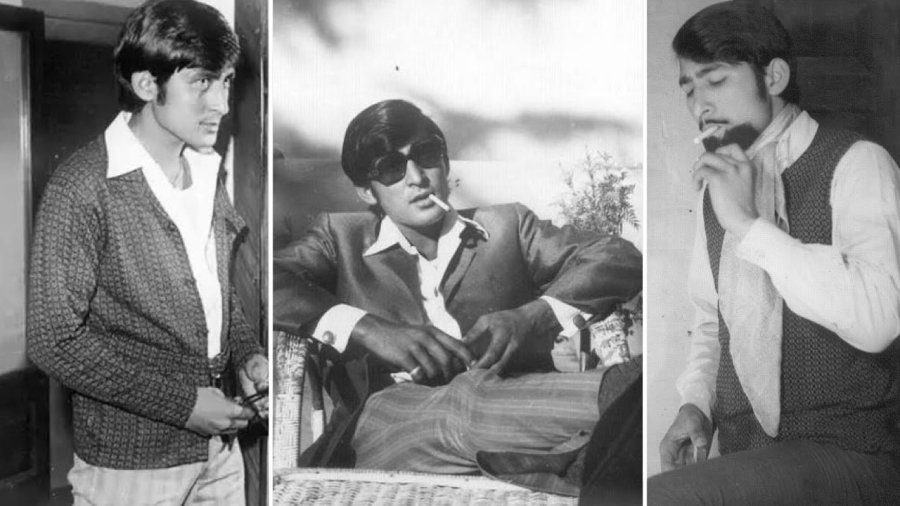
Ravindra Kaushik who served in (R&AW) ,famously known as Black Tiger was born in Sri Ganganagar, Rajasthan on 11 April 1952 in a Brahmin family.
Ravindra during his graduation days used to do drama plays and during this time Kaushik displayed his talent at the national level dramatic meet in Lucknow, Uttar Pradesh, which was witnessed by officials from the Research and Analysis Wing. After which he was contacted and offered a job of being an undercover Operative for Research and Analysis Wing in Pakistan.

After agreeing to work for R&AW Kaushik was given extensive training in Delhi for two years. He underwent circumcision so he could pass as a Muslim. He was taught Urdu, given Islamic religious education and acquainted with the topography and other details about Pakistan. Being from Sri Ganganagar, a city near Rajasthan’s border with Punjab, he was well versed in Punjabi, which is widely understood in Punjab and Pakistan as well., India. In 1975, at the age of 23, He was sent to Pakistan.
Kaushik was given the cover name “Nabi Ahmed Shakir” and entered Pakistan in 1975. He was successful in getting admission in Karachi University and from where he completed his LLB. He then joined Pakistan Army as a commissioned officer and eventually promoted to the rank of a major. While living in Pakistan under his cover he married a local girl named Amanat, the daughter of a tailor in one of the army units, and with whom he fathered a boy .

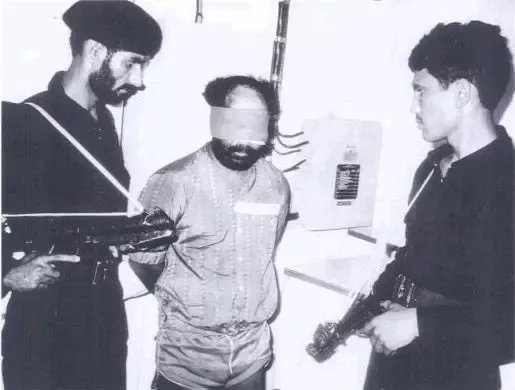
From 1979 to 1983, while working as an officer, he passed on valuable information to R&AW which was of great help to India. He was given the title of ‘Black Tiger’ by India’s then home minister late S. B. Chavan.

In September 1983, R&AW sent a low-level operative, Inyat Masih, to get in touch with Kaushik. However, Masih was caught by Joint Counterintelligence Bureau of Pakistan’s ISI and blew Kaushik’s cover. Kaushik was then captured, tortured for two years at an interrogation center in Sialkot. He was given the death sentence in 1985. His sentence was later commuted to a life term by the Supreme Court of Pakistan. He was kept in various jails in various cities, including Sialkot, Kot Lakhpat and in Mianwali jail for 16 years. He managed to secretly send letters to his family in India, which revealed his poor health condition and the trauma faced by him in Pakistani jails.He also adresses his thoughts on his country and department. In one of his letters he wrote:
“Kya Bharat jaise bade desh ke liye kurbani dene waalon ko yahi milta hai?” (Is this what people who sacrifice their lives for a big country like India get?”
In November 2001, he was caused with pulmonary tuberculosis and heart disease in Central Jail Mianwali in Pakistan.
He served for Research and Analysis Wing from 1975 to 1983.

“Writing about magic is harder than writing about spies because you’re dealing with something that doesn’t really exist.”

-Anthony Horowitz

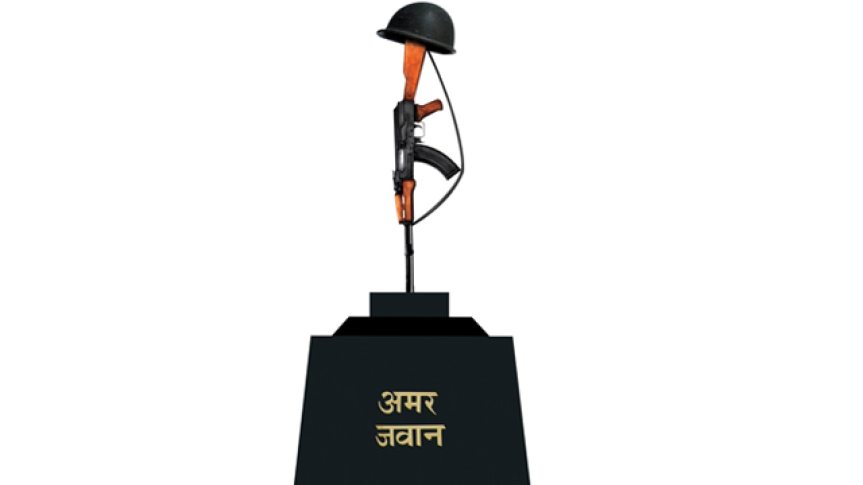
No use of ‘Martyr’ word in Army for death of on duty soldier .

History of the use of the word martyr:
The government has claimed for nearly a decade that the word “martyr” has not been officially recognized. In 2013 and 2014, in response to RTI’s request, the Ministry of Home Affairs revealed that the words “martyr” and “shahid” were not defined anywhere by the Government of India.
In December 2015, then Home Affair Minister Kireen Rijiju said in Lok Sabah that it is advised that the word “martyr” is not refer to any of the victims of the Indian army. He added that such terms were not used by Central Armed Police Forces (CAPF) and Assam Rifles personnel either.
In December 2021, Minister of State Home Nityanand Rai told Rajya Sabha again that there was no formal term like “martyr.”


Objections to the use of martyrs’ words:
The word “martyr” has religious implications and has historically been used to refer to people making sacrifices for their religious beliefs like in Christianity . The word “Shahid”, which is used as a Hindu alternative to the word “Martyr”, also has a religious meaning and is associated with the Islamic concept of Shahadat. The word “martyr” is said to be derived from the Greek word “martur”. In various dictionaries, “martyr” is defined as a person who is willing to die as a punishment for refusing to abandon religion.
Since the Indian army is not affiliated with any religion and does not sacrifice their lives for religious principles, the use of such words for their sacrifice is found wrong,including the supreme leader of the army. Using words like martyr may not be correct in context to armed forces especially in India according to many legal experts and prominent officers of army and retired officers.

Steps Taken By Government To Stop Use Of Martyr Word:
Despite the repeated assertions of the government about the word martyr having no official recognition, it was mostly used in government statements issued by various PR Officers for the defence services and the CAPFs. Many senior serving and retired officers also used it frequently to describe the death of soldiers in action. Thus, the word remained in common use.
The Army in 2022 issued a letter to all its commands asking them to abstain from using the word martyr as it may not be appropriate for soldiers who die in the line of duty. They have been, instead, asked to use phrases such as killed in action, supreme sacrifice for the nation, battle casualty, laid down their lives,veergati etc.

“Either I will come back after hoisting the tricolor, or I will come back wrapped in it, but I will be back for sure. “

-Late Captain Vikram Batra (PVC)

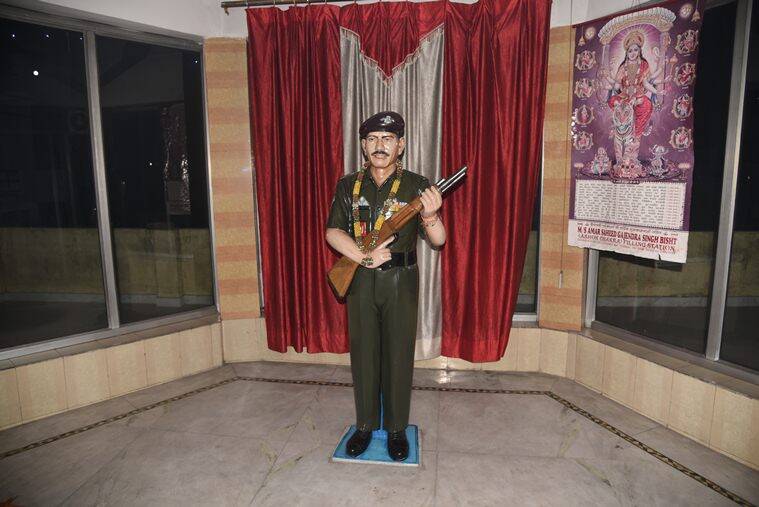
A warrior who can not be forgotten Hav. Gajender Singh Bisht.

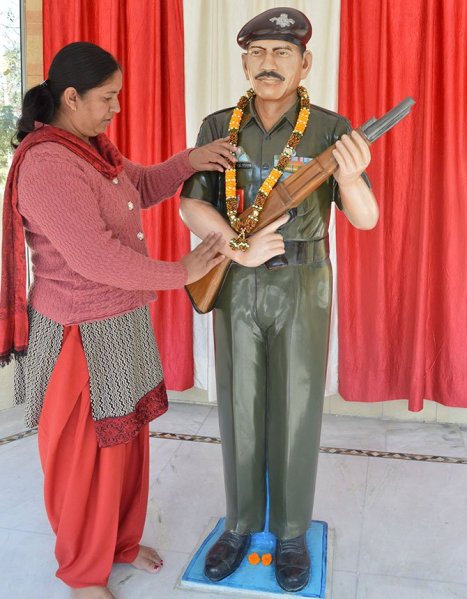
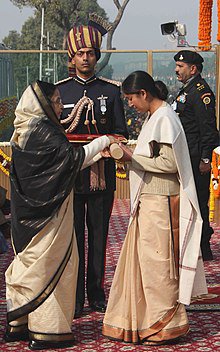
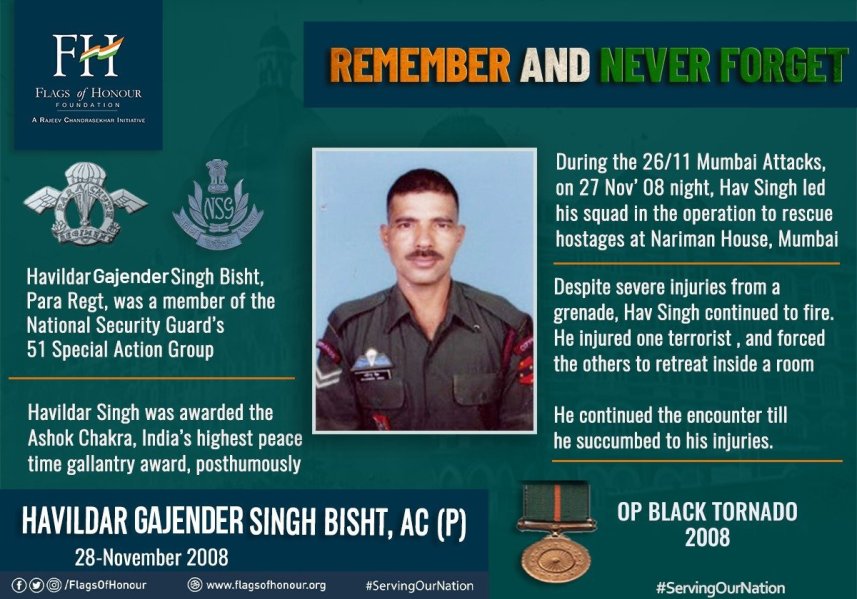
Havaldar Gajender Singh Bisht was an NSG commando who was martyred in the 2008 Mumbai attack. His bravery received the Ashoka Chakra Award from the President of India on January 26, 2009, on the Anniversary of the Republic of India.
He was born on 1 July,1972 in Dehradun, Uttarakhand.

He persued his education from the Janata Inter College in Naya Gaon.As a student he used to participate in every event organised in the school, sports or cultural activities. But he had a particular interest in boxing. Havaldar Gajendra Singh joined Garhwal Rifles in 1991 and later decided to become part of the 10 Para (Special Forces). Havaldar Gajendra also actively participated in Operation Kargil in 1999. Havaldar Gajendra was a trained commander of the Indian Army Special Forces, but he was commissioned to serve the National Security Guard’s Elite Special Action Group.
Gajendra Singh Bisht was a member of the 51st Special Action Group of the National Guard. He was part of a team of NSG Command rushed to the roof of Nariman’s house to neutralize an terrorist inside the building who had at least six hostages.


According to NSG Secretary Jyoti Krishna Dutt, Bisht led one of the teams entering the building. The team was hit by a violent terrorist attack and returned to fire while trying to contain the situation. Terrorists also threw some grenades at Commando. At this point,Bisht had the opportunity to retire with his team. But he realized they needed to seize this opportunity and went forward with thier mission.Instead of turning his back on the militants, he made the way to other troops instead, despite the grenades being thrown. He suffered multiple gunshot wounds in the process, but moved forward and was eventually injured. This allowed his team to secure a dominant position in the encounter. On the night of November 27, 2008, Havildar Gajender Singh Bisht led his army in an operation to rescue hostages from terrorists at the Nariman House in Mumbai. While securing the Nariman House during Operation Black Tornado, Bisht got fatally injured at Jewish center attack and died.

Agnipath Scheme a new vision for future India?


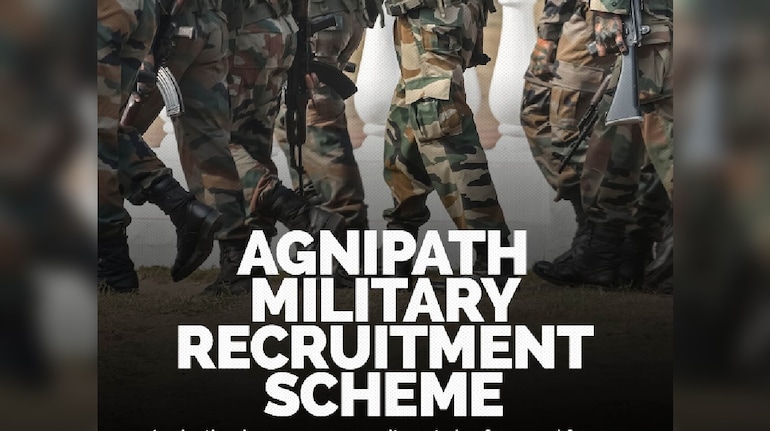
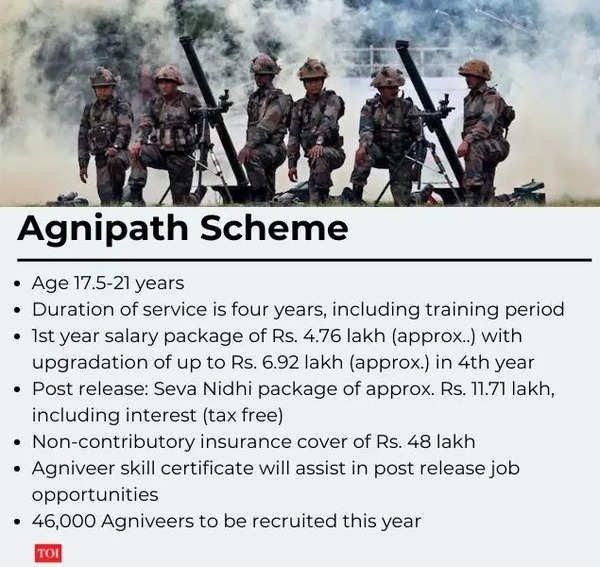
The Agnipath Program is a new program launched by the Government of India on June 14, 2022 to recruit soldiers under Corporal into three armies. The Agnipath program will be the only means of recruiting the military. All new employees will only be hired for 4 years. The personnel hired under this system are called Agniveers, a new military rank. The introduction of this system has been criticized for lack of consultation and open debate. The program is scheduled to start in September 2022. The Agnipath program was approved by the Government of India in June 2022 and will be implemented from September 2022. The announcement was made on June 14, 2022. This program is intended for both male and female applicants between the ages of 17.5 and 21. In widespread protests against the Agnipath program, the central government raised the cap from 21 to 23, but only in 2022. Recruitment under this program is held twice a year by the Indian Army, Indian Navy, and Indian Air Force. The available posts are below the executive list. The Agnipath program is the only way to serve in the army.


New employees, under the Agnipath scheme will be called “Agniveers,”who will have a four-year tenure, including six months of training followed by a 3.5-year deployment. After leaving the service, they have the opportunity to apply to continue in the army. Less than 25 percent of the retired group’s total strength is selected for the permanent roster. Employees who retire after four years of work are not eligible for a pension, but will receive a lump sum of approximately Rs 11,71,000 at the end of their tenure. The Government of India plans to hire 45,000-50,000 new employees each year through this program. In September 2022, 46,000 young people will be hired through this program. Prior to the start of the Agnipath program, soldiers were in the army for more than 15 years of service on a lifetime pension. As of 2019, there was no military recruitment for three years. The Government of India quoted the COVID-19 pandemic in India tye reason for no recruitment. Meanwhile, 50,000 to 60,000 soldiers continued to retire each year, leading to labor shortages and beginning to affect the military’s operational capabilities.


On June 16, 2022, fierce protests took place in several Indian states, where military candidates who were preparing for the armed forces were angry at the new system, demanding its rollback, and damaging public property. By June 17, 12 trains had been fired, affecting the movement of 300 trains. 214 trains were canceled, 11 trains were detoured, and 90 trains ended short of their destination. This scheme does not include long-term holdings, pensions and other benefits that existed in the old scheme. Individuals who wanted to join the army were disappointed with the rules of the new system. Of particular concern were short tenure, no early retirement pension, and an age limit of 17.5-21 years, making many of the current candidates unsuitable for serving in the Indian Army.

On June 20, a national strike called Bharat Bandh was summoned by a protesting organization calling for the withdrawal of the program. The call was made via social media without naming the organization. More than 600 trains were canceled due to a strike. Section 144 was imposed in parts of Rajasthan, Punjab, Uttar Pradesh and Haryana.

Shortage in Indias Power Supply.

India has the fourth largest coal deposit in the world. It is the second largest fossil fuel producer after China and is home to Coal India, the world’s largest coal mining mine, which accounts for 80% of domestic production. Already allocated coal block mining capacity exceeds expected demand in 2030 by approximately 15% to 20%.


So why are India’s power plants facing coal shortages each year, leading to widespread power outages, exposing parts of the country to darkness and endangering industry?
There are several factors. India has a long time policy of minimizing coal imports. In February 2020, Coal Minister Pralhad Joshi announced that the country would stop importing steam coal from 2023 to 2024.
Mr Joshi said the Ministry of Coal will work with the Ministry of Railways and the Ministry of Shipping to allow Coal India, prisoners and commercial miners to discharge more coal from their supply by 2030. And the coal supply at power plants is running out at an alarming rate. The Department of Energy is currently blaming the decline in coal imports due to the current crisis. In 2018-19, 21.4 million tonnes of coal were imported for mixing, down to 23.8 million tonnes in 2019-20 and 8.3 million tonnes in 2021-22.


Power plant coal inventories have fallen by about 13% since April, reaching pre-summer lows. And for the first time since 2015, Coal India will import fuels used by state-owned and private power companies. The Ministry of Energy said almost all states showed that multiple state bids for coal imports would cause confusion and that the decision was made after calling for centralized procurement by Coal India.
Imported coal costs five times as much as domestic mining, so the center is being pushed back by the state.
Recently, the government has also pressured utilities to increase imports to mix with local coal. Last year, after a two-year break, three tranches of coal auctions were held and nine blocks were successfully awarded.

In September 2021, the Ministry of Coal issued a strict warning to owners of confined coal blocks, stating that their mines should increase production or face restrictions on coal supply by the CIL.
The ministry has discovered that these mines are producing below target.

Of the 43 coal mines outsourced to private companies in the energy, steel and metals sectors, none have met their annual production targets.
On May 6, Coal India announced that it would provide the private sector with 20 closed and abandoned underground coal mines and reopen and operate its revenue sharing model.

According to journalist Shreya Jai the current power supply chain does not seem ready to handle periods of high growth and state discos cannot pay gencos, but the power supply chain starts with state discos and needs repairs. Railroads, on the other hand, are struggling to align the thermal power industry’s demands for faster coal supply with those from other industries. Rakes must be prepared to meet the growing demand for almost all other bulk commodities, from cement and steel to sand and edible grains. By strengthening the value chain of the electric power sector, it is possible to resolve the coal supply-demand mismatch in the long run.

Integration of Indian States of Independent India.

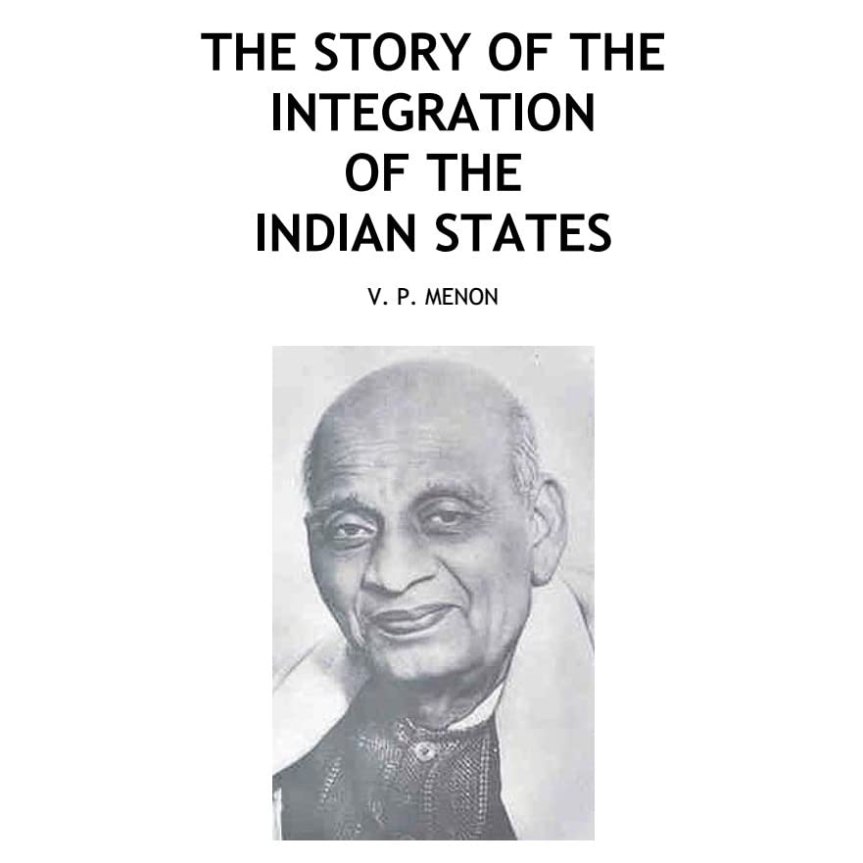
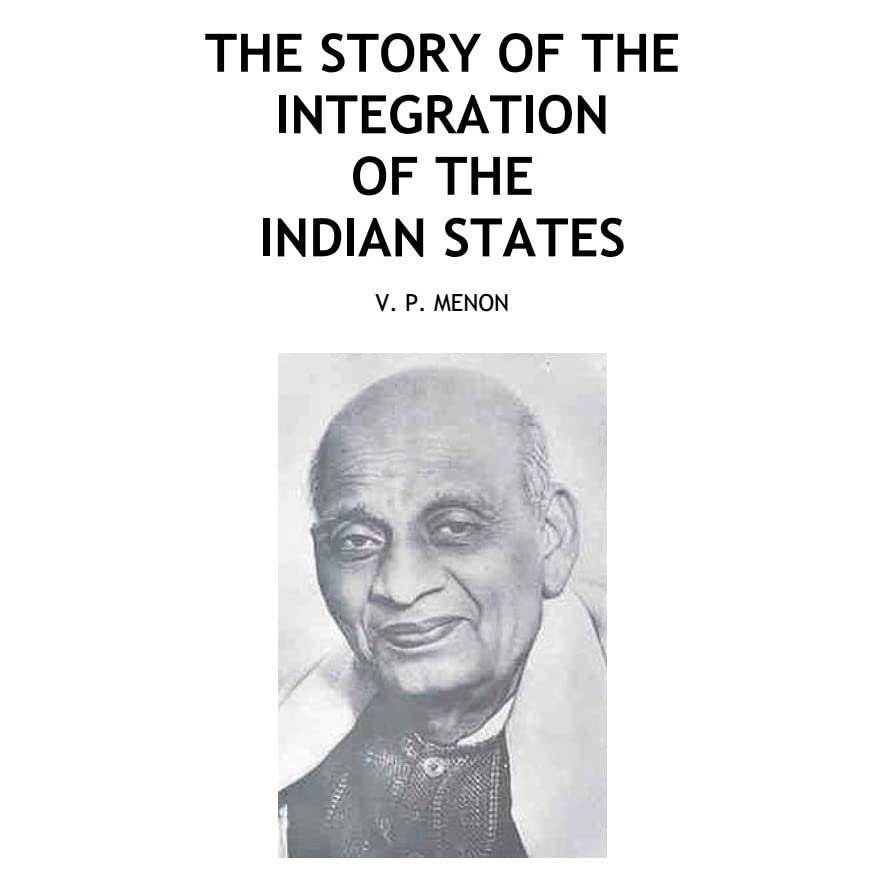
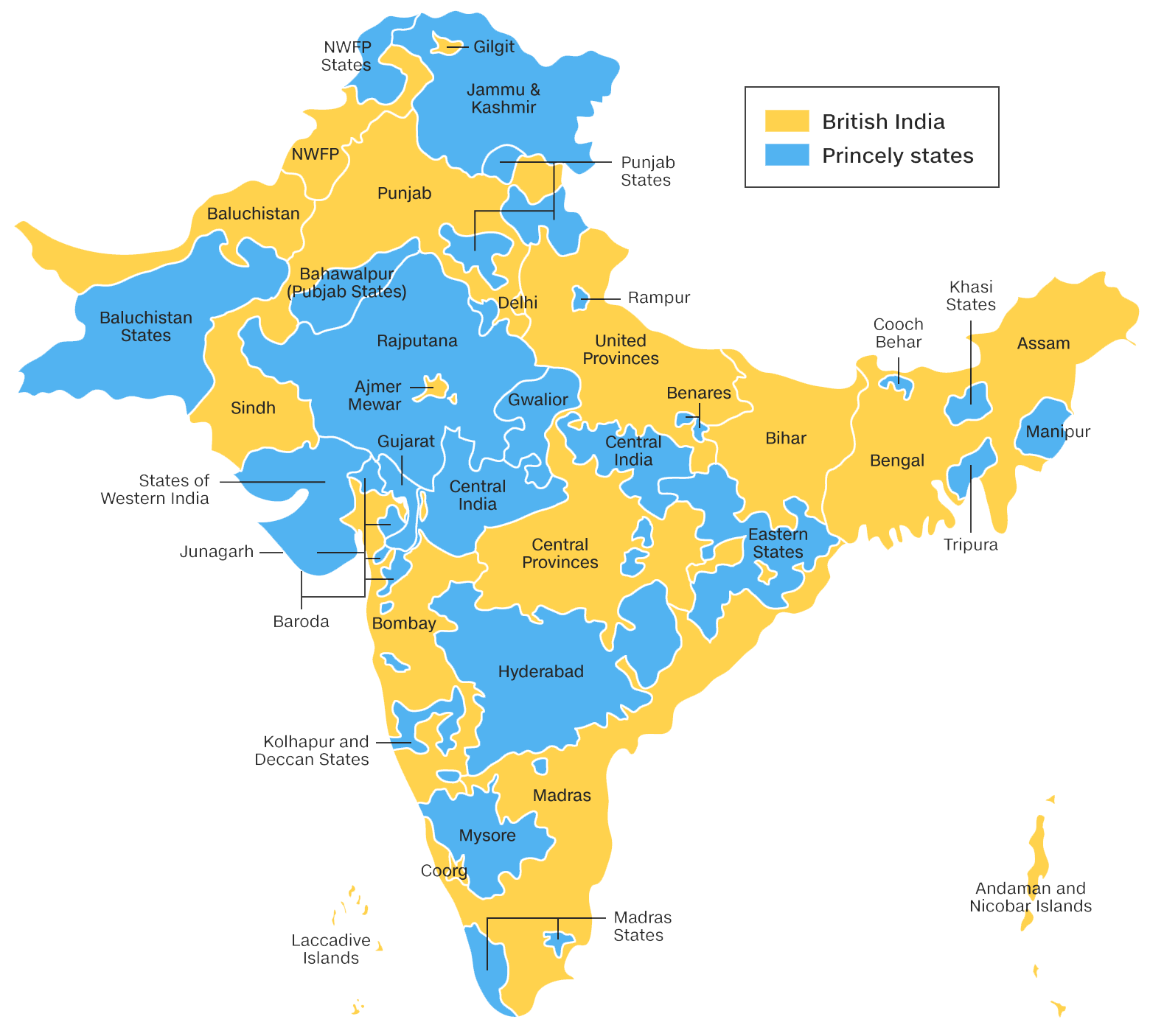
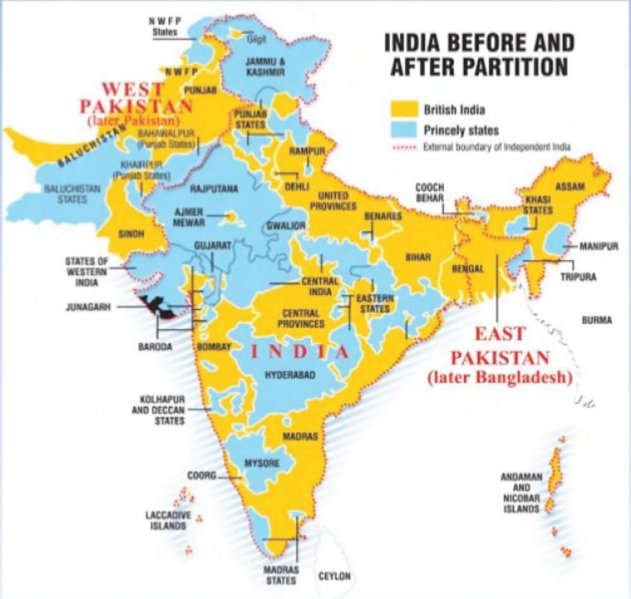
Sardar Vallabhbhai Patel played an important role in the integration of the princely state into the Dominion of India. This achievement laid the foundation for Patel’s popularity in the post-independence era. He is still remembered as the man who united India today. In this respect he is compared to Otto von Bismarck, who united many German states in 1871. The June 3 plan gave more than 565 princely states the option of joining India or Pakistan or choosing independence. Most Indian nationalists and the masses were afraid that most people and territories would be fragmented without the participation of these states. Parliament and British officials considered Patel to be the best man on a mission to secure the conquest of the princely state from Indian rule. According to Gandhi only Patel could solve this problem. Patel had practical insight and determination to accomplish monumental work. Patel asked V.P. Menon, a senior official involved in the division of India, to become his right-hand man as Principal Secretary of State. Patel used a social gathering and informal setting to involve most monarchs and invite them to their home in Delhi for lunch and tea. At these meetings, Patel stated that there was no essential conflict between Congress and the prince’s order. Patel aroused the patriotism of the Indian monarchs and urged them to embrace the independence of their country and act as responsible rulers who care for their people’s future. He persuaded the rulers of 565 states about the impossibility of independence from the Republic of India, especially in the face of rising opposition from their subject. He proposed favorable conditions for the merger, including the creation of a secret purse for the descendants of the ruler. Patel encouraged the rulers to act patrioticly, and to thought about his states people and their futur, but he did not rule out violence. He emphasized the need for the princes to join India in good faith and gave them to sign the membership certificate until August 15, 1947. All but three states were willing to join the Indian Union. Only Jammu and Kashmir, Junagad and Hyderabad were States which were tough to brought under Indian Dominion.


Junagadh being situated in Gujrat it was very important for Patel to bring it under Indian’s dominion. This was also important because there was the super-rich Somnath Temple (a temple where different stones were their including emeralds, diamonds, and gold which were looted by Mohd. Ghazni) in the Kathiawar district. Bieng under the pressure from Sir Shah Nawas Bhutto, a Nawab who joined Pakistan. However, it was far from Pakistan, with 80% of its state population being Hindus.Patel combining diplomacy and power, Pakistan invalidated Pakistan’s accession and demanded that Nawab join India. Patel sent troops to occupy the three principalities of Junagadh to show his determination. After widespread protests and the formation of the civilian government, or Aarzi Hukumat, both Bhutto and Nawab fled to Karachi, and under Patel’s orders, Indian troops and police forces invaded the state. A later organized referendum resulted in 99.5% of the votes in favor of the merger with India. After taking over, Patel, who spoke at the University of Bahauddin in Junagad, emphasized his sense of urgency regarding Hyderabad. He believes this is more important to India than Kashmir.


Hyderabad was the largest of the princely states and which included States parts of which are now Telangana, Arndra Pradesh, Karnataka and Maharashtra. Its ruler, Nizam Osman Ali Khan, was Muslim, but more than 80% of the population of state was Hindu. Nizam called for independence or accession to Pakistan. Under Kasim Razvi, an army of Nizam-faithful Islamic troops called Razakar urged Nizam to confront India and at the same time organize an attack on the people of India’s soil. The standstill agreement was signed by Lord Mountbatten’s in desperate efforts to avoid the war, but Nizam refused to trade and changed his position. At a cabinet meeting in September 1948, Patel emphasized that India should stop speaking and reconciled Nehru and Governor Chakravarti Rajgoparachari with military action. After preparation, Patel ordered the Indian troops to invade Hyderabad (in his position on behalf of the Prime Minister) when Nehru traveled to Europe. This action, called Operation Polo, in which thousands of Razakar troops were killed , but Hyderabad was secured and integrated into the Republic of India. Mountbatten and Nehru’s main goal was to avoid forced annexation to prevent the outbreak of Hindu and Muslim violence. Patel argued that if Hyderabad was allowed to survive as an independent state surrounded by India, the government’s fame would decline and neither Hindus nor Muslims would feel reassured in their empire. After defeating the Nizam, Patel held him as the head of state of the ritual and met with him. India had 562 princely states after addition of Junagarh, Heydrabad and Jammu& Kashmir.

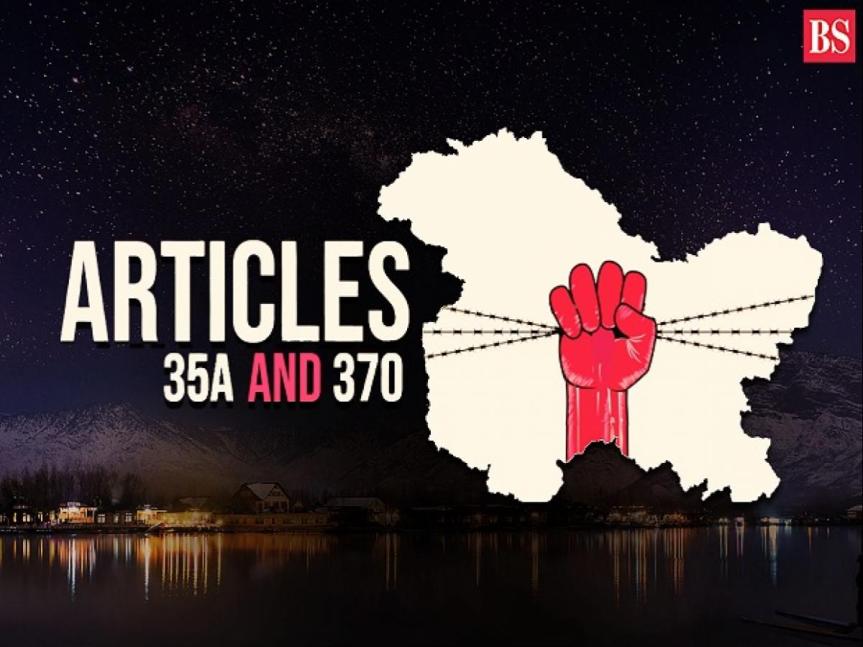
Article 370 & Article 35A

Article 370
The first accession of Jammu and Kashmir, like all other princely states, involved three issues: defense, diplomacy, and communications. All princely states were invited to send representatives to the Constitutional Parliament, which drafted the Constitution across India. They were also encouraged to establish a constituent parliament for their own state. Most states were unable to establish a parliament in time, but some states, especially Saurashtra Union, Travancore-Cochin, and Mysore. The State Department had drafted a model state constitution, but on May 19, 1949, the governors and Chief ministers of each state met in the presence of the State Department and agreed that no separate state constitution was needed. They accepted the Indian Constitution as their own constitution. The state in which the elected constituent council proposed some changes that were accepted. Therefore, the status of all states has been placed on par with the status of ordinary Indian states. In particular, this meant that the subjects available for legislation by central and state governments were consistent and same throughout India.

In the case of Jammu and Kashmir, state politicians have decided to establish a separate constitutional council for the state. Representatives of the Indian Constitutional Assembly applied only the provisions of the Indian Constitution corresponding to the original accession documents to the state, and demanded that the state Constitutional Assembly decide on other matters. The Government of India agreed to the request shortly before its meeting with the other states on 19 May. Therefore, Article 370 was included in the Constitution of India, which provided that other provisions of the Constitution empowering the central government would apply to Jammu and Kashmir only with the approval of the State Constitutional Assembly.This was a “provisional provision” because it was applicable until the State Constitution was enacted and adopted. However, the State Constitutional Assembly was dissolved on January 25, 1957, and did not recommend the abolition or amendment of Article 370. This article was considered an integral part of the Indian Constitution, as confirmed by various recent April 2018 rulings by the Supreme Court of India and the Supreme Court of Jammu & Kashmir.

Article 35A
Article 35A of the Constitution of India was a provision authorized by state to define the “permanent residents” of Jammu and Kashmir State and to give them special rights and privileges. It was added to the Constitution by an Executive Order, the 1954 Constitutional Order (application to Jammu and Kashmir). It was issued by the President of India under Article 370. Jammu & Kashmir has these privileges, the ability to acquire land and real estate, vote and participate in elections, pursue government employment, and receive the benefits of other governments such as higher education and medical expenses. Defined to include. Non-permanent residents of the state were not eligible for these “privileges”, even if they were Indian citizens.

The Power Sector of India

Following the independence of India in 1947 the decades of economic planning placed significant emphasis on the development of the power sector in the country. India has the fifth largest generation capacity in the world with an installed capacity of 152 GW as on 30 September 2009, which is about 4 percent of global power generation. The top four countries, viz., the US, Japan, China and Russia together consume about 49 percent of the total power generated globally.  

The average per capita consumption of electricity in India is estimated to be 704kWh during 2008-09. However, this is fairly low when compared to that of some of the developed and emerging nations such as the US (~15,000 kWh) and China (~1,800 kWh). The world average stands at 2,300 kWh2. The Indian government has set ambitious goals in the 11th five-year plan for power sector owing to which it is poised for significant expansion. Electricity generation capacity with utilities in India had grown from 1713 MW in December 1950 to over 124,287 MW by March 2006 (CEA, 2006a). However, per capita electricity consumption remains much lower than the world average and even lower than some of the developing Asian economies. Total installed capacity for power in India as on 31.12.06 was 127,753 MW and Government of India plans to add capacity of 100,000 MW by 2012.   

India had been traditionally depending on thermal power as a major source of power generation, which constitutes about 65% of current capacity. Balance is contributed by Hydel power (26%), Nuclear (3 %) and Renewable energy (6%). Some of the major sectors of power generation are :

Coal : At 51%, Coal is the single-largest source of energy at the disposal of the power sector. By 2011– 12, demand for coal is expected to increase to 730 MMT p.a., creating a supply shortage of over 50 MMT. India has the fourth largest proven coal reserves in the world, pegged at 96 billion tones, creating an investment opportunity of USD 10 – 15 billion over the next 5 years.   

Oil : The demand for oil which is currently the second most important source of energy – is expected to grow from 119 MTOE in 2004 to 250 MTOE in 2025 at an annual growth rate of 3.6%. However, domestic production for the corresponding period is expected to increase at approximately 2.6% only. As a result, our reliance on oil imports is likely to increase from its present level of 72% to 90% by 2025. To combat this issue, the government has opened up the domestic oil sector for private participation under the New Exploration Licensing Policy (NELP). Under the competitive bidding process prescribed under the NELP, investment commitments of USD 8 billion towards oil exploration projects have already been received.   

Natural Gas : India has vast reserves of natural gas. More than 700 billion cubic meters of natural gas have been discovered in the last decade alone. Demand for Natural Gas is expected to grow at a CAGR of 12% over the next 5 years to reach 279 MMSCMD by 2012. It is mainly because of three reasons: Rising popularity of compressed natural gas (CNG) as an alternative source of automotive fuel; increased penetration through availability of “piped gas” at residences; and imminent depletion of traditional energy sources such as coal and oil.  

Hydro Power : With its intricate network of rivers, substantial opportunities for generation of hydro-power exist in India. Only 22% of the 150 GW hydroelectric potential in the country has been harnessed so far. Private participation will play a key role in meeting the target requirement of an additional 45 GW over the next 10 years.  

Wind Energy : India is the 4th largest country in the world in terms of installed wind energy. India’s potential of wind power is pegged at 45,000 MW while its current capacity stands at only 7,660MW. Tax incentives, including availability of accelerated depreciation @ 80% under WDV method on cost incurred on setting up of wind turbine generators have resulted in significant private investment in this area  

Solar Energy : Despite the prevalence of an inherent advantage in the form of solar insulation, the potential for solar energy is virtually untapped in India. India’s installed solar – based capacity stands at a mere 100MW compared to its present potential of 50,000MW. Based on the substantial investment opportunities that exist in this sector, it is estimated that by 2031–32, solar power would be the single largest source of energy, contributing 1,200 MTOE i.e. more than 30% of our total expected requirements.   

Nuclear Energy : By 2032, the government plans to raise the contribution of nuclear energy from the current level of less than 3% to around 10% of the country’s installed capacity. The signing of the Indo-US nuclear deal has created significant opportunities for several players across the entire power supply chain, with an estimated investment opportunity of USD 10 billion over the next five years.   

Further, India has among the world’s largest reserves of alternative nuclear fuel – thorium. Accordingly, substantial investment opportunities are also likely to arise once commercial production based on thorium becomes feasible. Over 87% of the current installed capacity in the country is by the government; with the state governments having lion’s share of over 52% and the balance by central (federal) government. Due to the initiative of government of India to encourage Public Private Partnerships in power sector, share of private companies’ power generation capacity has gone up to steadily to 17,112.62 MW, about 13 % of the installed capacity.

With Government of India opening up Ultra Mega Power Projects (UMPP) for private investments, a number of private companies, including overseas companies, have been increasingly showing interest in investing in power projects.   State-owned Power Finance Corporation, which is the nodal agency for the UMPP, has set up nine Special Purpose Vehicles (SPVs) to conduct preliminary studies and obtain government approval for the planned projects. Once these SPVs will become operational it will generate a capacity of 36,000 MW power. Renewable energy offers a huge potential as a physical target of 15,000 MW with an outlay of Rs.39, 250 million is proposed for grid interactive / distributed renewable power generation during 2007-12. The total investment required would be about Rs. 600 billion.  
In the Constitution of India “Electricity” is a subject that falls within the concurrent jurisdiction of the Centre and the States. The Electricity (Supply) Act, 1948, provides an elaborate institutional frame work and financing norms of the performance of the electricity industry in the country. The Act envisaged creation of State Electricity Boards (SEBs) for planning and implementing the power development programmes in their respective States.   

The Act also provided for creation of central generation companies for setting up and operating generating facilities in the Central Sector. The Central Electricity Authority constituted under the Act is responsible for power planning at the national level. In addition the Electricity (Supply) Act also allowed from the beginning the private licensees to distribute and/or generate electricity in the specified areas designated by the concerned State Government/SEB. During the post independence period, most of the States have established State Electricity Boards. In some of these States separate corporations have also been established to install and operate generation facilities. In the rest of the smaller States and UTs the power systems are managed and operated by the respective electricity departments. In a few States private licenses are also operating in certain urban areas.  

It is evident that the deficit in power availability in India is a significant impediment to the smooth development of the economy. In this context, bridging the gap in demand and supply has become critical and consequently, large projects are being undertaken in different segments of the sector i.e. 

  • Generation : In order to provide availability of over 1000 units of per capita electricity by year 2012, it has been estimated that need-based capacity addition of more than 100,000 MW would be required.
  • Transmission : The current installed transmission capacity is only 13 percent of the total installed generation capacity. With focus on increasing generation capacity over the next 8-10years, the corresponding investments in the transmission sector is also expected to augment. The Ministry of Power plans to establish an integrated National Power Grid in the country by 2012 with close to 200,000 MW generation capacities and 37,700 MW of inter-regional power transfer capacity. 
  • Distribution : While some progress has been made at reducing the Transmission and Distribution (T&D) losses, these still remain substantially higher than the global benchmarks, at approximately 33 percent. In order to address some of the issues in this segment, reforms have been undertaken through unbundling the State Electricity Boards into separate Generation, Transmission and Distribution units and privatization of power distribution has been initiated either through the outright privatization or the franchisee route; results of these initiatives have been somewhat mixed. 

While there has been a slow and gradual improvement in metering, billing and collection efficiency, the current loss levels still pose a significant challenge for distribution companies going forward. The story remains pretty much the same in power transmission and distribution space. The central and the state utilities own nearly 40 percent and 60 percent, respectively of the total transmission lines of 2.7 million circuit kilometers (ckm). Power Grid Corporation of India Ltd (PGCIL), the central transmission utility (CTU), is the largest transmission company in India. Similarly, in distribution, the SEBs own nearly 95 percent of the distribution network.  

However, there are some challenges facing the Indian power sector which is expected to grow at 10 per cent but is currently going through a critical phase as the existing capacity is ageing very fast. The most important cause of the problems being faced in the power sector is the irrational and not remunerative tariff structure. Although the tariff is fixed and realized by SEBs, the State Governments have constantly interfered in tariff setting without subsidizing SEBs for the losses arising out of State Governments desire to provide power at concessional rates to certain sectors, especially agriculture.

If the SEBs were to continue to operate on the same lines, their internal resources generation during the next ten years will be negative, being of the order of Rs.(-) 77,000 crore. This raises serious doubts about the ability of the States to contribute their share to capacity addition during the Ninth Plan and thereafter. This highlights the importance of initiating power sector reforms at the earliest and the need for tariff rationalization.   

The power sector was predominantly dominated by the thermal power plants, whose share was expected to rise up to 75 per cent from the current 64 per cent in the coming years. But after 2013, there might be some shortage due to capacity addition. As India has not witnessed such a large scale of implementation before, there is a need to review and enhance project execution capabilities to help ensure targets are met.   

This strongly necessitates employing a comprehensive project management structure to address the major challenges of the power sector projects and to be able to deliver them as per the planned targets. Historical records also indicate the presence of a weak project management structure which does not assess all the key project aspects.