2nd World Local Production Forum in Netherlands

 The Indian delegation led by Shri Bhagwant Khuba, Union Minister of State for Chemicals and Fertilizers participated in the Second World Local Production Forum (WLPF) held in Hague, Netherlands today. This meeting is being organized from 6 to 8 November 2023. The World Local Production Platform is a platform created at the initiative of WHO with the aim of increasing access to medicines and other health technologies.


Shri Khuba said in his address that this meeting provides a crucial opportunity to share experiences, challenges and successes in the development and manufacturing of diagnostic countermeasures. He said that we must collaborate further to identify innovative approaches that will enable sustainable and equitable access to these critical tools.

The Minister further said that 21st century has seen frequent epidemics and pandemics like COVID-19, revealing vulnerabilities in global supply chain and inequities in accessing quality medical countermeasures. Inadequate diagnostic tools worsened outbreaks, emphasizing the necessity of enhancing cooperation for sustainable, affordable diagnostic countermeasures to improve global access to them. Countries worldwide have realized the importance of collaboration between multiple sectors for achieving equity in providing novel solutions.

Shri Khuba informed that the pharmaceutical industry in India is one of the largest globally, earning India the title of the ‘Pharmacy of the World.’ Indian pharmaceutical companies have become reliable and affordable suppliers of high-quality drugs, significantly improving healthcare access worldwide. He said that India provides approximately 60% of the global vaccine supply, accounts for 20-22% of generic exports and serves over 200 countries through its pharmaceutical exports. Numerous Indian organizations have played a pivotal role in promoting innovation and entrepreneurship that act as a landscape for innovative mind and ultimately boosts health sector.

The minister said that the government is providing funding, mentoring, incubation space etc, and acts as a bridge between academia and industry, to ensure timely translation of innovations into commercial ventures”.

The Minister also said, “currently, local production faces significant challenges as it seeks to address the critical issue of translating research into product development. Lack of technology transfer stands out as a formidable barrier. Validation, production, and distribution are daunting hurdles, requiring efficient coordination to bring innovative healthcare technologies to market. Capacity building in regulatory systems and skilled technical manpower are necessary ingredients. The Forum must focus on marketing, upscaling regional manufacturing, efficient procurement and delivery systems, and repurposing existing infrastructure for efficient coordination during health emergencies. Last-mile delivery to ensure that the benefits of innovations reach those who need them most and guarantee equitable access to essential healthcare products”.

During his visit, Mr. Khuba also met the Minister of Public Health of Surinam Dr. Amar N. Ramadhin and discussed about quality health care. He also visited Eindhoven to take part in Kannada Rajyotsava 2023 Celebrations of Shrigandha Holland Kannada Balaga.

***

Mastering One Thing at a Time

Many people have multiple areas of life they would like to improve. For example, I would like to reach more people with my writing, to lift heavier weights at the gym, and to start practicing mindfulness more consistently. Those are just a few of the goals I find desirable and you probably have a long list yourself. The problem is, even if we are committed to working hard on our goals, our natural tendency is to revert back to our old habits at some point. Making a permanent lifestyle change is really difficult. Recently, I’ve come across a few research studies that (just maybe) will make these difficult lifestyle changes a little bit easier. As you’ll see, however, the approach to mastering many areas of life is somewhat counterintuitive.

Too Many Good Intentions

If you want to master multiple habits and stick to them for good, then you need to figure out how to be consistent. How can you do that? Well, here is one of the most robust findings from psychology research on how to actually follow through on your goals: Research has shown that you are 2x to 3x more likely to stick with your habits if you make a specific plan for when, where, and how you will perform the behavior. For example, in one study scientists asked people to fill out this sentence: “During the next week, I will partake in at least 20 minutes of vigorous exercise on [DAY] at [TIME OF DAY] at/in [PLACE].” Researchers found that people who filled out this sentence were 2x to 3x more likely to actually exercise compared to a control group who did not make plans for their future behavior. Psychologists call these specific plans “implementation intentions” because they state when, where, and how you intend to implement a particular behavior. This finding is well proven and has been repeated in hundreds studies across a broad range of areas. For example, implementation intentions have been found to increase the odds that people will start exercising, begin recycling, stick with studying, and even stop smoking. However (and this is crucial to understand) follow-up research has discovered implementation intentions only work when you focus on one thing at a time. In fact, researchers found that people who tried to accomplish multiple goals were less committed and less likely to succeed than those who focused on a single goal.

What Happens When You Focus on One Thing

When you begin practicing a new habit it requires a lot of conscious effort to remember to do it. After awhile, however, the pattern of behavior becomes easier. Eventually, your new habit becomes a normal routine and the process is more or less mindless and automatic. Researchers have a fancy term for this process called “automaticity.” Automaticity is the ability to perform a behavior without thinking about each step, which allows the pattern to become automatic and habitual. But here’s the thing: automaticity only occurs as the result of lots of repetition and practice. The more reps you put in, the more automatic a behavior becomes. For example, this chart shows how long it takes for people to make a habit out of taking a 10-minute walk after breakfast. In the beginning, the degree of automaticity is very low. After 30 days, the habit is becoming fairly routine. After 60 days, the process is about as automatic as it can become.

The most important thing to note is that there is some “tipping point” at which new habits become more or less automatic. The time it takes to build a habit depends on many factors including how difficult the habit is, what your environment is like, your genetics, and more.

That said, the study cited above found the average habit takes about 66 days to become automatic.

Conclusion

  1. You are 2x to 3x more likely to follow through with a habit if you make a specific plan for when, where, and how you are going to implement it. This is known as an implementation intention.
  2. You should focus entirely on one thing. Research has found that implementation intentions do not work if you try to improve multiple habits at the same time.
  3. Research has shown that any given habit becomes more automatic with more practice. On average, it takes at least two months for new habits to become automatic behaviors.

The counterintuitive insight from all of this research is that the best way to change your entire life is by not changing your entire life. Instead, it is best to focus on one specific habit, work on it until you master it, and make it an automatic part of your daily life. Then, repeat the process for the next habit.

Story of the two most expensive spices

Saffron

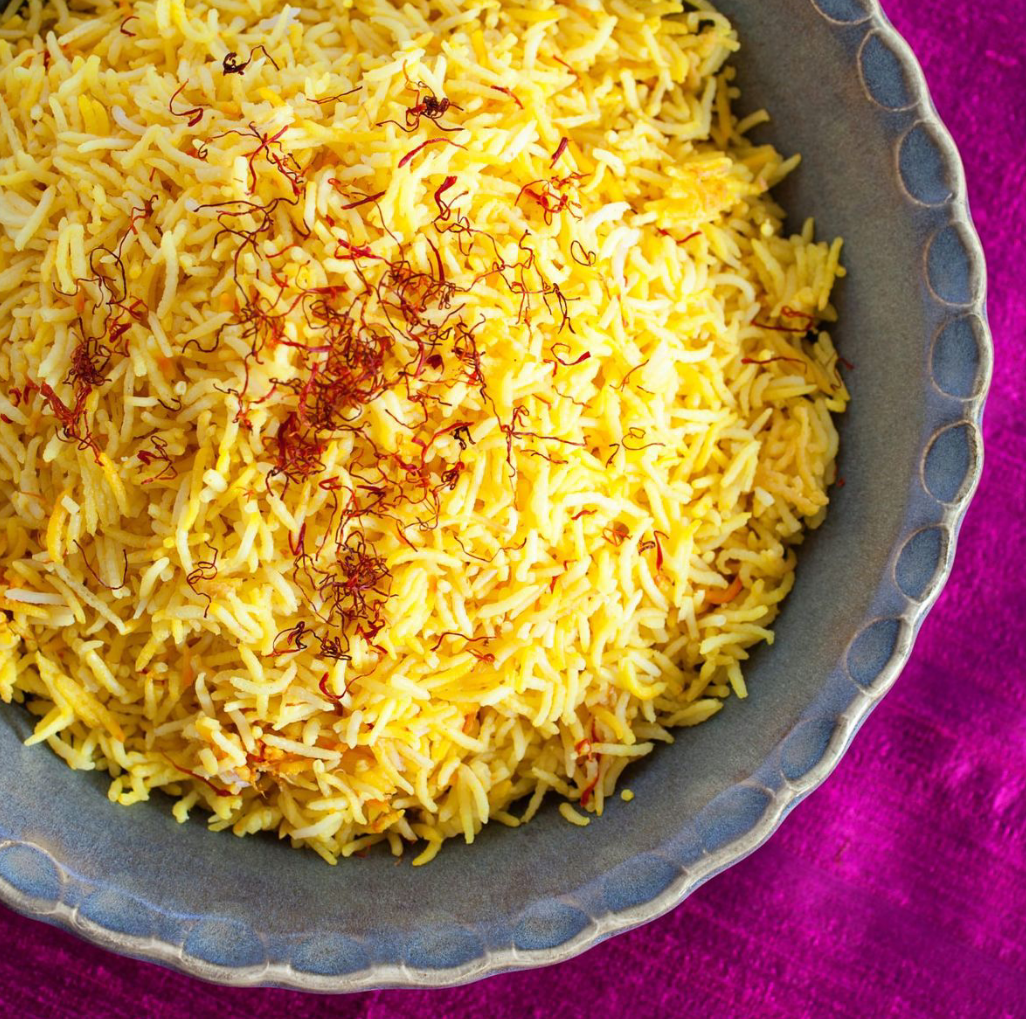
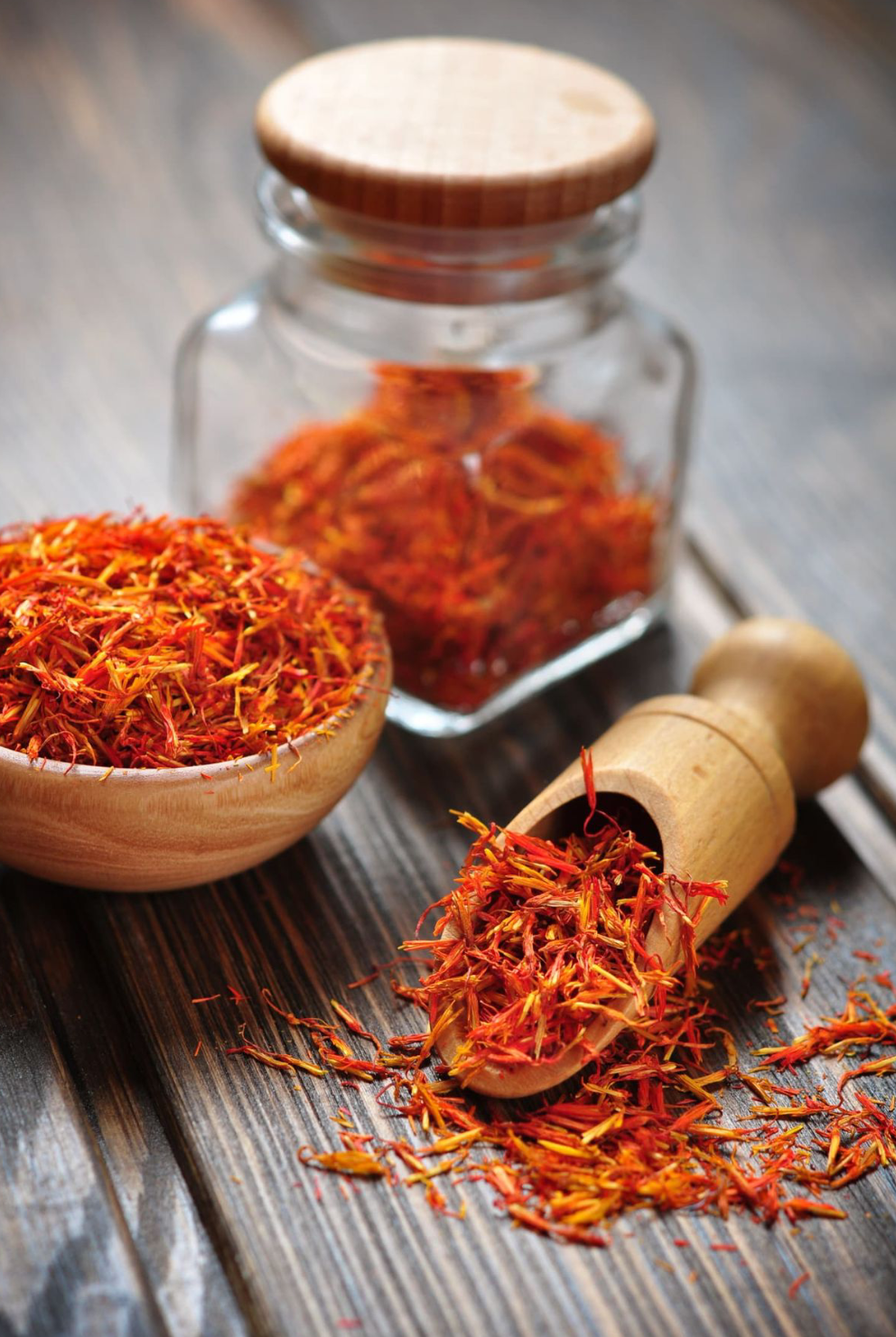
One pound of saffron costs you $5000. It is the most expensive spice next comes vanilla. Saffron is a complicated spice to harvest. Harvesting saffron needs a lot of hand work to pick up the flowers, separate the saffron that is the dried stigma or the female part of the flower. Saffron comes from the saffron crocus flower and each flower has 3 stigmas. The yield of saffron is very low. One pound of saffron requires 170000 flowers. These flowers bloom over a six week period from late September to early December. There is a specific time to day to harvest them. High relative humidity and sunlight can break the chemical structure in the saffron. Early morning is preferably the best time to harvest them.

90% of the world’s saffron is grown in arid fields in Iran. It is so because workers are available and for cheap. But it’s mostly like slavery. Most workers are women getting five dollars a day. Not only Iran, it’s grown in Morocco, Spain, Italy, the Netherlands, Afghanistan, India and even in United States. Though many Americans have never eaten saffron, the US imports large amount of saffron. Saffron has a resistance to cold weather.

Over centuries saffron has proven useful in many situations. Most commonly used in cooking. Middle east Asian countries have a lot of food containing saffron. When saffron is broken down it creates a golden dye. Which is how when used in cooking it gives a different kind of colour and taste and smell to it.

Saffron contains some chemical components which are really expensive like picrocrocin, crocin and safranal. These are the main components responsible for the taste, smell and colour.

People have tried passing turmeric, red marigold petals, and lily flower stigma as saffron. But the flavour and dye is totally different. In large quantities, saffron can be a potent happiness inducing narcotic. Research suggests it may help reduce the symptoms for Alzheimer’s, depression and PMS.

Vanilla

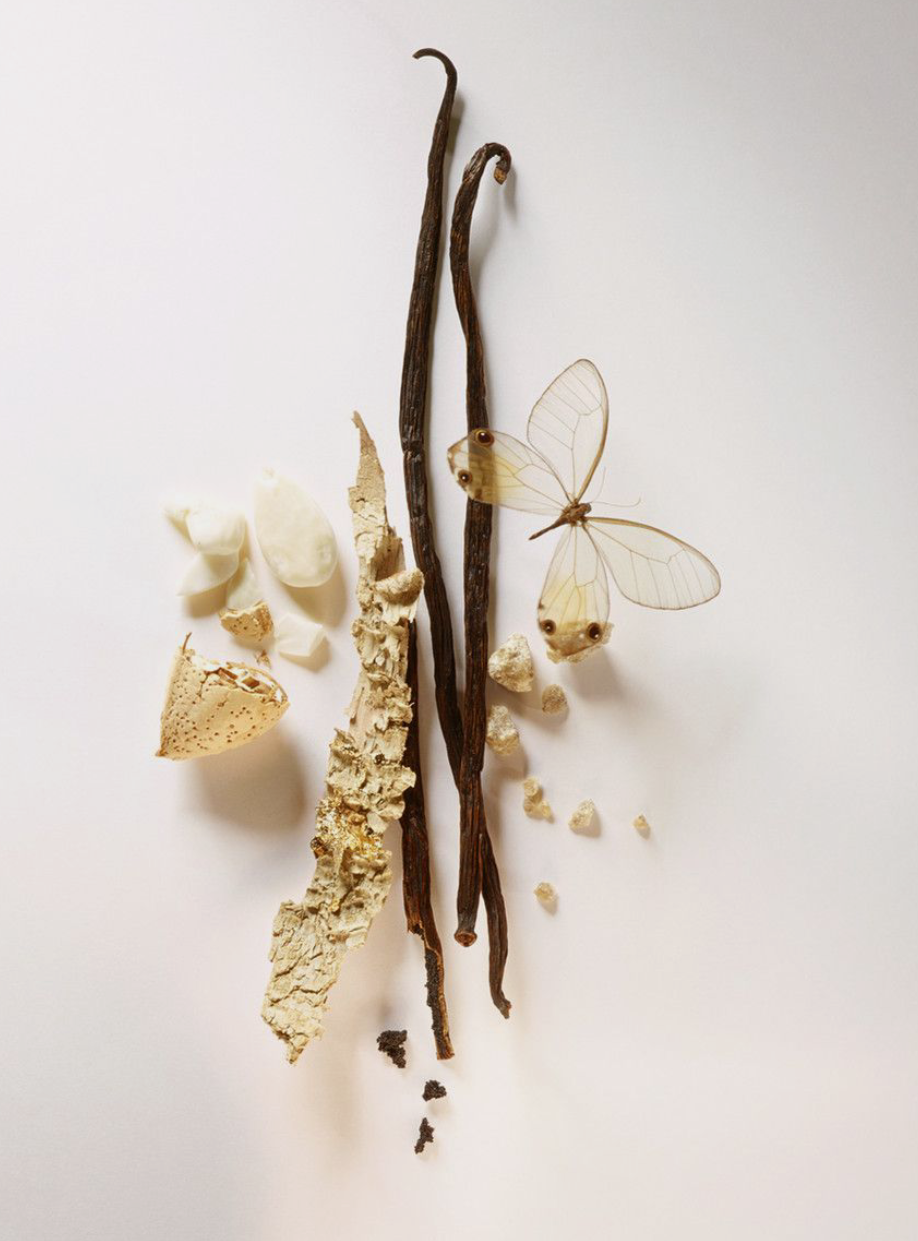
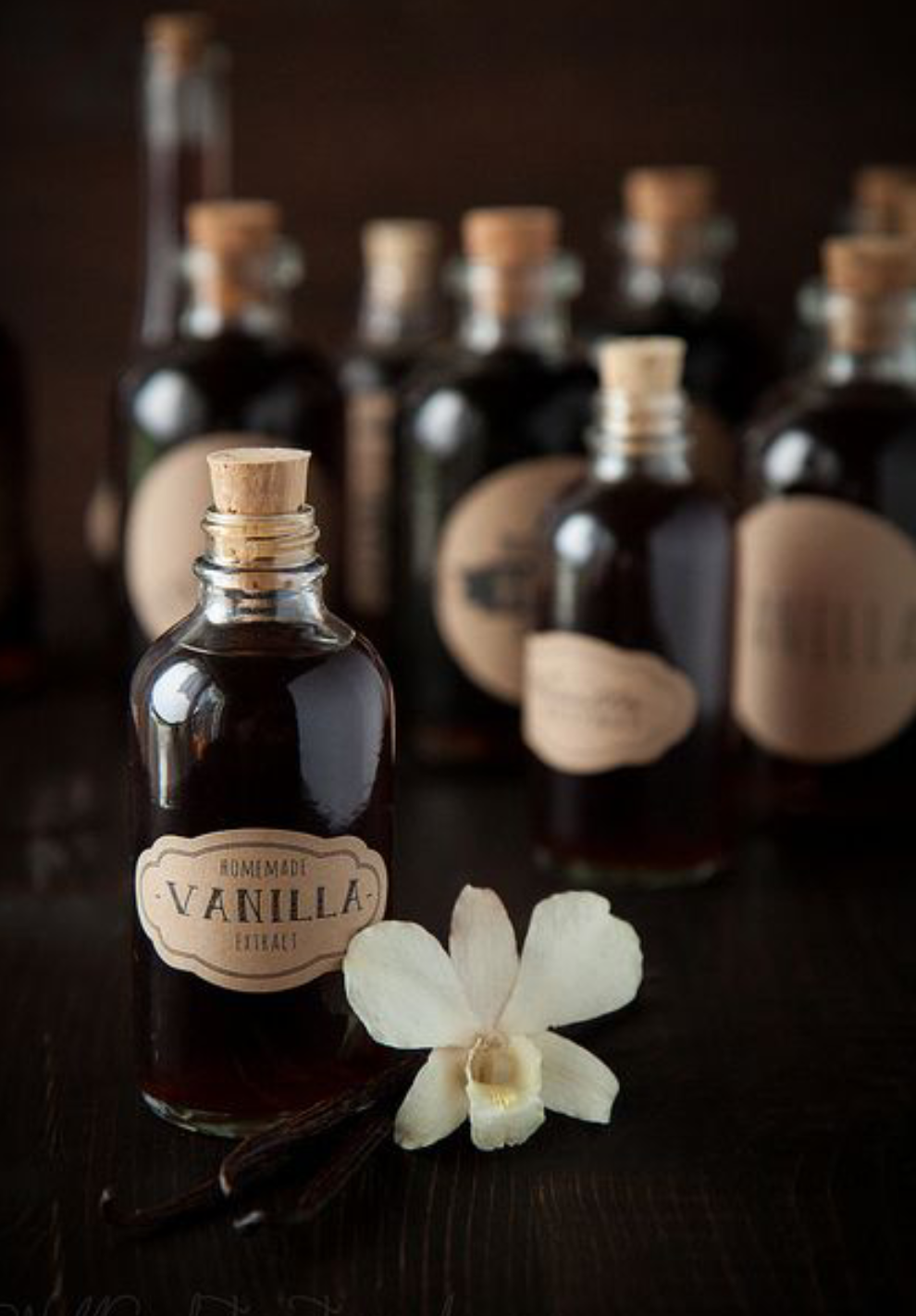
From ice cream to cakes and even perfume, vanilla is the go-to flavour of the world. In recent years, the price of natural vanilla has shot up. At one point it was more expensive than silver by weight. 80% of the world’s vanilla is grown in the perfectly suited climate of the north east region of Madagascar. It’s the country’s primary export crop. In 2014, vanilla was $80 a kilo. Three years later it was $600. Today its around $500. The price rise is due in part to global demand. The trend of eating naturally means that food companies have shunned synthetic flavouring in favour of the real deal.

Price fluctuations affect producers of agricultural commodities everywhere but vanilla is particularly volatile. In just a few weeks the price can jump or plummet by over 20%. Liberalisation is one reason for such movements. The Malagasy government once regulated the vanilla industry and it’s price. But now the price is negotiated at the point of sale which makes for a freer market but a more volatile one. It’s also a tiny industry. A single cyclone can knock up the entire crop within Madagascar. It’s also a difficult and delicate crop to grow.

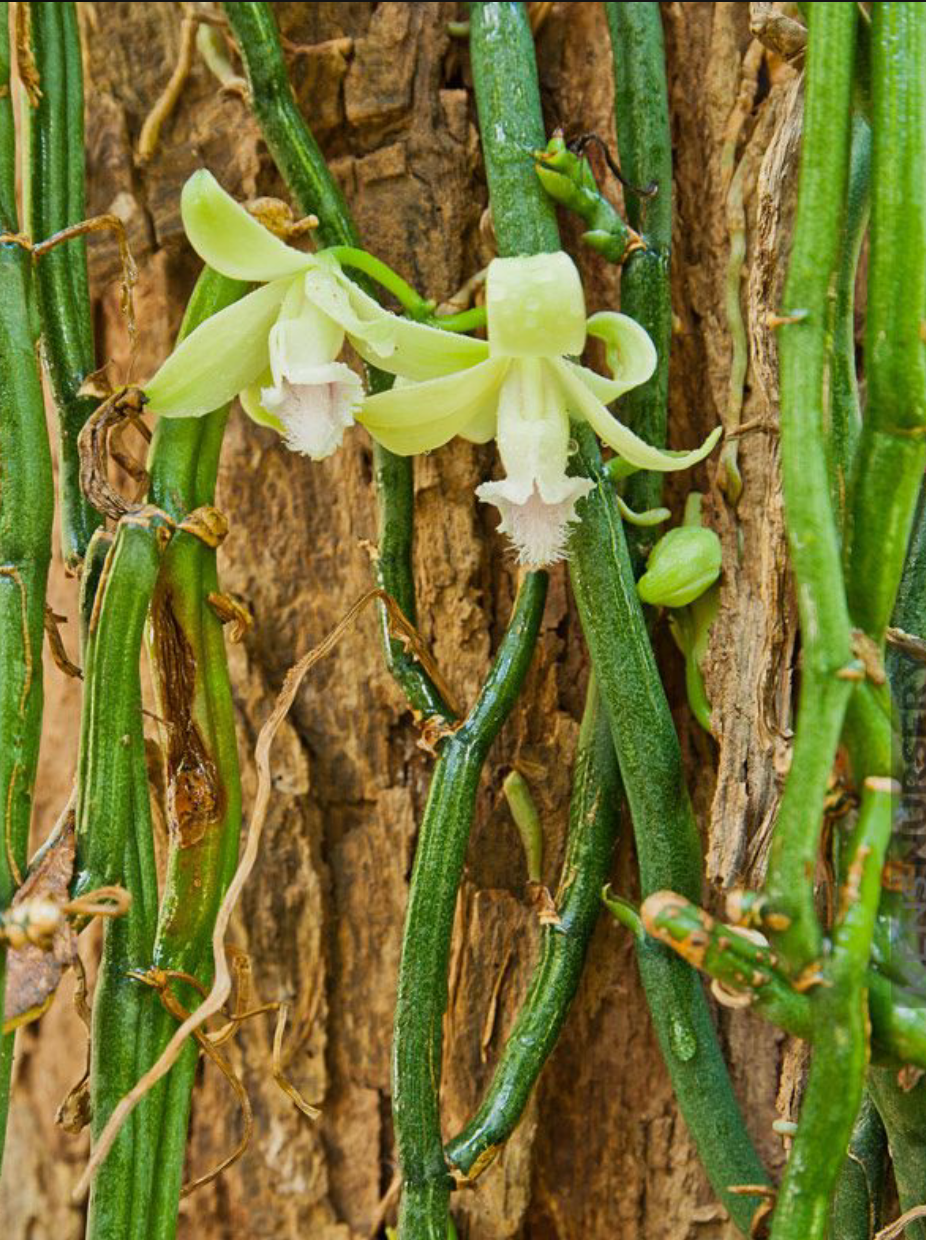
Vanilla is an orchid that needs to be hand pollinated. This is a really labour intensive practice. It takes roughly six months to grow it on the vine and then six months of manual post harvesting. The interesting thing about vanilla is that it needs to be taken off the vine when it is almost rotted!

The growers have to contend with another problem. Thieves are targeting vanilla crops. So Malagasy now have to sleep out in their vanilla fields. They can’t rely on those who are changed from the state to protect them or their crops. Some farmers have resorted to harvesting the beans before they’re ripe but this produces a poorer quality vanilla and ultimately pushes down the price. The combination of deteriorating quality and high prices is having an effect. The vanilla price bubble may burst. If the price continues to stay high there’s a number of scenarios that will play out. Continuation of current situation will cause an unstable market. Otherwise the corporate sectors step in, try to regulate the market in some way that may stabilise prices and also quality. Or the market may crash out.

Big buyers that provide vanilla are now working directly with farmers in a bid to gain greater control over quality. Other companies have started to look elsewhere for their natural vanilla. Indonesia, Uganda and even the Netherlands are growing the crop. For a century Madagascar has enjoyed a near monopoly on vanilla. But this industry maybe in line for radical overhaul.

Thank you for reading. Have a nice day!🌼

Silk Industry

Silk is a natural protein fiber produced from the silk glands of silkworms and some form of which can be woven into textiles. Making in triangular prism pattern make silk fabric appearance shimmering which allows silk cloth to refract incoming light at different angles which resultant to produce different colors.

Silk is considered as one of the most expensive and luxurious fabric available in today’s fashion world. These days wearing any dress or accessory in silk fabric has become a society status. For women silk is the material that flaunts and patronizes their beauty. Because of its unique soft gleaming quality, silk fabric is called as Royal garment which was discovered by Chinese. In ancient time it was the fabric of aristocrats and the royals and was the garment exclusively for them.

Merely mentioning silk fabric causes the mind to think luxury. Royal garment has now turned to the chosen material for fashion. From expensive wedding dresses, men’s shirt to tie, from silk sarees or shiny suit-dupatta, silk is the material for it. In fact a little touch of silk just renders the right kind of impression to the whole outfit.

Historically, sericulture was introduced for the first time, into China in 27th Century B.C. In fact, raising silk worms was one of the many chores of the farm women in China. From China, silk was exported via the Silk Route.

To know about how silk is made and the history behind the production of silk is absolutely fascinating. The technique of silk production is called as ‘Sericulture’ that comprises cultivation of mulberry, silkworm rearing and post cocoon activities leading to production of silk yarn.  The farmers collect these cocoons and deliver them to the factory, where they are subject to filature operations.

There are innumerable varieties of silk but only few types of commercially valuable natural silk.

Types of silk are :

  • Chiffon
  • China Silk
  • Crepe de Chine
  • Charmeuse
  • Jacquard
  • Douppioni
  • Noil
  • Raw silk
  • Tussar
  • Shantung

The process of making silk is delicate and involves a number of steps :

  • The first step is to sort the cocoons according to color, size, shape and texture
  • Then, the cocoons are made to go through a serious of hot and cold immersions. In this way, the sericin (the gummy substance that holds the fibroin strands in the silk filament together) is softened
  • Once this is done, the filament is unwound from the cocoon and combined to produce a thread of raw silk. This is the process of reeling. Usually, three to ten strands are reeled at a time
  • Finally the skeins, into which the filament was reeled, are packed into bundles called books which are then put into bales to be exported to the mill
  • In the mill, the silk fiber is woven into silk fabric, using either a hand loom or a power loom.

India is the second largest producer of silk after China and the largest consumer of silk in the world. According to reports available, sericulture was introduced into India about 400 years back and the industry flourished as an agro-industry. As per the 2001-02 records, India produced 17550 MT of silk. India is known for mainly five types of silk namely, Mulberry silk, Tasar, Oak tasar, Eri, Muga. In India, mulberry silk is produced mainly in the states of Karnataka, Andhra Pradesh, Tamil Nadu, Jammu & Kashmir and West Bengal, while the non-mulberry silks are produced in Jharkhand, Chattisgarh, Orissa and north-eastern states.

The public sector organizations in the textile industry are governed by the Ministry of Textiles of Government of India. This ministry offers a wide range of employment opportunities through different public sector organizations, autonomous and statutory bodies, advisory bodies and textile research associations are working under its control. To lift up this sector and for its overall development of sericulture and silk industry, Central Silk Board was established in 1949 as a statutory body under government of India is a national organization. Headquarter of central silk board is located in Bangalore.

The India silk industry is an integral part of the Indian Textile Industry and is among the oldest industries in India. The silk industry in India engages around 60 lakh workers and it involves small and marginal farmers. There is a lot of scope for doing extensive research work in the field of textile for those who want to do something different and dedicate themselves in making new inventions. Indian silk industry is flourishing and has lots of job openings for talented and skilled human resource.

Textile jobs primarily fall into the following categories –

  • Textile design jobs
  • Textile pattern makers
  • Fabric jobs
  • Apparel jobs
  • Knitting jobs

Other related jobs for professionals mostly prevalent in textile sector are Marketing professionals, Technical professionals, Process development professionals, Packaging professionals, Administrative and Finance professionals. Different courses related to this sector are offered in India. Candidates having any specialized degree in their hands can easily find employment in silk industry.

In developing countries, like India, agriculture and agro-based industries play a vital role in the improvement of rural economy. Globally, silk production is around 70,000 to 90,000 M.T. and the demand for silk is annually increasing by 5%. With the increase in population and also with the increased demand for fashionable clothing items due to fast changing fashion designs in developed countries, the demand for silk is bound to increase even more. International Trade Council is involved in its work to help developing countries to improve their exports.

On the other hand, Sericulture provides gainful employment, economic development and improvement in the quality of life to the people in rural area and therefore it plays an important role in anti poverty programme and prevents migration of rural people to urban area in search of employment.

The Leather Industry

The Leather Industry holds a very prominent place in the Indian economy and is one of the oldest manufacturing industries in India. It provides employment to about 2.5 million people in the country and has an annual turnover of approximately USD 5,000,000.

India is one of the best destinations in the world for investing in the leather industry because it is abundant with raw materials in the form of huge population of cattle. India accounts for 21% of the world’s cattle and buffalo and 11% of the world’s goat and sheep population.

Apart from the easy availability of raw materials, investors are able to enjoy easy and abundant supply of skilled manpower, world-class technology, competent and favourable environmental standards, and the devoted support of allied industries.

Leather is a durable and flexible material created via the tanning of putrescible animal rawhide and skin, primarily cattle hide.

Several leading international leather goods manufacturing brand names, such as Hugo Boss, Tommy Hilfiger, Versace, Guess, and DKNY, have invested in India and are engaged in sourcing leather goods from India.

Leather Industry in India is a mixture of both the organized and the unorganized sectors. About 75% of the leather output in India is generated by the small, cottage and artisan sectors (unorganized). Leather making dates back to pre-historic age.  However, the modern method of leather production was introduced to India by the English and the French in 1857.

Traditionally, the leather industry in India produces hides and skins. However, there are also the secondary leather industries such as leather shoes, leather garments and other leather goods such as ladies’ bags, gloves, travel cases, wallets, belts and desktops. 

Over the years the leather industry in India has undergone drastic change from being a mere exporter of raw materials in the early 60’s and 70’s to now becoming an exporter of finished, value-added leather products.

The main reason behind the transformation is the several policy initiatives taken by the government of India. Indian leather industry has attained a prominent place in the Indian export and has become the top 7 industries that earn foreign exchange for the country. After the liberalization of Indian economy in 1991, the leather industry has flourished consistently in several ways and has contributed heavily to the Indian exchequer.

The government of India in its Foreign Trade Policy for 2000–2009 has identified the leather industry as a focus sector in view of its immense potential for export growth and triggering employment generation prospects.

Investment opportunities in the leather industry lie in different segments related to the industry, which include tanning and finishing of leather products, manufacturing of leather garments, manufacturing of leather footwear and footwear parts, and manufacturing of leather goods, such as harness and saddlery amongst a host of other opportunities.

However, the footwear industry in particular holds greater potential for investments in India. India produces approximately 700 million pairs of leather footwear every year and accounts for an 18% share of the total Indian leather export. After footwear manufacturing, leather goods or products, such as wallets, travel wares, belts, and handbags offer great returns on investment.

The structure of the leather industry is spread in different segments, namely, tanning & finishing, footwear & footwear components, leather garments, leather goods including saddlery & harness, etc.

Indian Leather Goods Industry : Items produced by this sector include, in addition to bags, handbags, hand gloves and industrial gloves, wallets, ruck sacks, folios, brief cases, travelware, belts, sports goods, upholstery and saddlery goods. With products ranging from designer collections to personal leather accessories, this sector has a share of 20.53 per cent in the leather industry, while maintaining an average growth rate of 11 per cent recorded in the last five years.

Indian Saddlery Industry : India is one of the largest producers of saddlery and harness goods in the world. The saddlery industry was established in the 19th century primarily to cater to the needs of military and police. From then on initiatives were taken to develop, the industry and today there are over 150 units in the organised sector, out of which approximately 105 are 100% export oriented units. Kanpur, in the state of Uttar Pradesh, is a major production centre for saddlery goods in India accounting for more than 95% of the total exports of saddlery items from India. The major importers of Indian saddlery are Germany, USA, UK, France, Scandinavia, Netherlands, Japan, Australia and New Zealand.

Indian Leather Garments Industry : The Leather Garment Industry occupies a place of prominence in the Indian leather sector.  The product classification of leather garments comprise of jackets, long coats, waist coats, shirts, pant/short, children garments, motorbike jackets, aprons and industrial leather garments. The major export destination of leather garments from India is Germany.

Tanning is the process of converting putrescible skin into non-putrescible leather, usually with tannin, an acidic chemical compound that prevents decomposition and often imparts colour. With tanning and finishing capacity for processing 1192 million pieces of hides and skins per annum spread over different parts of the country, most of which is organised along modern lives, the capability of India to sustain a much larger industry with its raw material resource is evident.

In order to augment the domestic raw material availability, the Government of India has allowed duty free import of hides and skins from anywhere in the world. It is an attraction for any foreign manufacturer who intends to shift his production base from a high cost location to low cost base.

There are over 2,000 tanneries in India. Many of them are scattered in small scale and cottage sector all over India especially West Bengal, Tamil Nadu, Maharashtra and Uttar Pradesh. It is anticipated that the leather industry in India will generate an estimated USD 7 billion by 2011.  It is no wonder that India is one of the top exporters of leather along with France and the UK. 

The major production centres for leather and leather products are located at Chennai, Ambur, Ranipet, Vaniyambadi, Trichi, Delhi, Dindigul in Tamil Nadu, Kolkata in West Bengal, Kanpur in Uttar Pradesh, Jalandhar in Punjab, Bangalore in Karnataka and Hyderabad in Andhra Pradesh.

There exists a large raw material base in the Indian leather industry. This is on account of population of 194 million cattle, 70 million buffaloes and 95 million goats. According to the latest census, India ranks first among the major livestock holding countries in the world. In respect of 48 million sheeps, it claims the sixth position. These four species provide the basic raw material for the leather industry. The annual availability of 166 million pieces of hides and skins is the main strength of the industry.
 
India is the world’s second largest producer of footwear ; its production estimated over 700 million pairs per annum. At about USD 300 million per year, footwear accounts for 18 percent share of total exports of leather exports.

Various types of shoes produced and exported from India include dress shoes, casuals, moccasins, sports shoes, horacchis, sandals, ballerinas, and booties. Most of the modern footwear manufacturers in India are already supplying to well establish brands in Europe and USA.

Generally there are three types of leather which is sold in three forms : Full-grain leather, Corrected-grain leather and Suede.

There are a number of processes whereby the skin of an animal can be formed into a supple, strong material commonly called Leather like Vegetable-tanned leather, Chrome-tanned leather, Aldehyde-tanned leather, Synthetic-tanned leather, Alum-tanned leather and Raw.

Today the share of the value added finished products in the total exports from leather sector are 80% as against 20% in 1970s. The top ten Indian leather exporters are : Tata International Ltd., Florind Shoes Ltd., Punihani International, Farida Shoes Ltd., Mirza Tanners Ltd., T. Abdul Wahid & Company, Hindustan Lever Ltd., Super House Leather Ltd., RSL Industries Ltd., Presidency Kid Leather Ltd and Indian Leather Footwear Industry.

Even though most of the leather and leather products from the industry in India are exported, the leather shoe manufacturers or exporters in India for instance, will import soles, insoles, shoe lasts, counters, toe puffs, polishers and stiffeners. The value of such imported items can make up to 10% to 20% of the total value of the leather goods. 

India being one of the top exporters of leather is facing few challenges in the Leather Industry :

  • Historically, the slaughter of cattle in India is banned in respect of the government legislation due to the animal’s sacred status.  Leather producers wait for the cattle to die from natural causes such as old age, starvation or diseases.  Unfortunately, cattle with diseases cannot produce high quality leather.
  • Cattle died from natural causes must be quickly processed to prevent decay and hide deterioration. This makes it challenging for leather producers because the dead cattle must be processed wherever the carcass is found instead of doing it within a leather production facility.
  • For vegetable dyed leather, the supply of chrome salts used in leather production is limited in supply to the leather producers. When producers tried to switch to a chemical dye, PCP (Pentachlorophenol), it was eventually banned in India due to the chemical being a carcinogen.
  • Apart from this effluent management, non-tariff barriers, quality specifications and cost of compliance to various standards hinder the export growth of the Indian leather industry.

However, going by the future forecast of the Indian leather industry gives ample scope to the sector to progress. With its rich resource base of raw hides, skins and human capital the industry has the capability to increase its share in global leather trade. The global leather industry is in the process of shifting its manufacturing base from developed to developing nations. This provides an opportunity for increased flow of foreign direct investment (FDI) into India.

In such a scenario, factors like abundance of leather, increasing awareness for quality, manufacturing know-how and designing capabilities all work in favour of India. 

CHEESE- introduction and production

Cheese is a most commonly used dairy product which is a product derived from milk. Cheese is available in the market in various textures, forms and flavors. It is basically the product of coagulation of milk protein, casein. Cheese is said to be a concentrated form of two major products i.e. Milk protein (casein) and Milk fat. Combination of these two results in the production of cheese which is very much liked by everyone nowadays.
The other ingredients of cheese besides milk are a particular, selective strain of a bacterium, a milk clotting agent and some amount of sodium chloride (to give a salty flavor).
Various types of cheese are present in the market which is basically due to the variation in its basic constituents. No new ingredient is actually added in forming the new type of cheese. Just a basic variation in the already present ingredients can help. Sometimes there is a need to add new additional ingredients which give rise to completely different variety of cheese. It has also been observed and noted that the change in any environmental conditions surrounding the manufacture and subsequent ripening of cheese also affects its manufacturing and thus type.
BASIC CHEESE MANUFACTURING PROCESS –
The basic cheese manufacturing process consists of 3 main stages – Curdling, Curd processing and ripening. All different varieties of cheese can be manufactured at different levels of manufacturing means some cheese can be made in the first step while some needs all the 3 steps to completely occur.

  1. CURDLING –
    It is the first and the most important step in the production of cheese. In this step, there is a separation of milk into solid curds and liquid whey. Usually, this step is achieved by the addition of acidifying (souring) agent in milk and adding the enzyme RENNET. The acidification can also be achieved by directly adding some acidic agent such as vinegar. But most commonly for this acidification purpose, a starter bacteria is used which converts milk sugars into lactic acid and without even the addition of any acidic substance, the acidification is achieved. The common starter bacteria which are used are from Lactococcus, Lactobacillus, or Streptococcus families. Swiss cheese requires the addition of Propionibacter Sherman, which is used to produce Carbon dioxide bubbles during ageing resulting in the hole like structure of Swiss cheese.
    Some fresh cheeses are curdled only the acidification process, but most cheeses require the addition of enzyme, rennet which sets the cheese as strong and rubbery. It also allows the curdling step at low acidity.
  2. CURD PROCESSING
    Till this step, the cheese has now set into a very moist gel. Some soft types of cheeses are essentially complete in the first step. They are just drained, salted and packaged. But from other cheeses, which are not been prepared in the single step, the curd is cut into small cubes which allows the remaining water to drain off from the individual pieces of curd itself.
    Some harder cheeses are then heated at a normal temperature which deliberately forces out the whey from the cut curds. This step changes the taste and flavor of the cheese. Apart from providing a salty flavor to cheese, salting has some other benefits also like it prevents cheese from spoiling, it drains out moisture and also it is used in firming he cheese’s texture in an interaction with its proteins. Different cheeses have different processes of getting texture.
  3. RIPENING
    Most of the cheeses are already prepared in the last step, some of which are not prepared yet are of harder varieties and more rubbery in texture which is completely attained in this step. In this step, the cheeses are left to rest under controlled conditions. This step is also known as AGING. This step may take several years to complete. As a cheese ages, the microbes and the enzymes secreted by them transform its texture and also intensify the flavor. This transformation is more of a result of the breakdown of casein proteins and milk fat into a complex mixture of amino acids, amines and fatty acids.