33 Khelo India Centres across Rajasthan

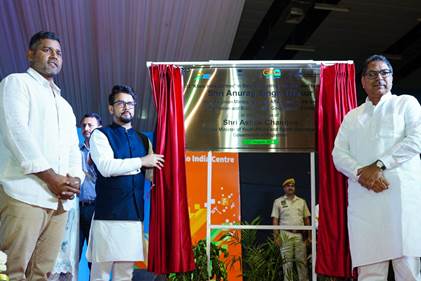
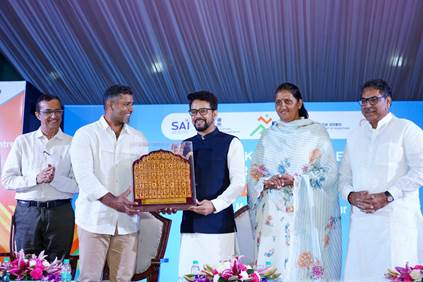
 The Union Minister of Youth Affairs and Sports, Sh. Anurag Singh Thakur inaugurated 33 Khelo India Centres in the State of Rajasthan this morning at the Sawai Mansingh Stadium in Jaipur. The Union Minister announced that a National Center of Excellence with a dedicated Sports Science Centre will be set up in Rajasthan along with additional 18 Khelo India centres, thus taking the total number of Khelo India centres in the State to 51.


It was also announced that  Competitions will be organised  between the Khelo India Centers while Coaching the Coaches programme will also be extended to the Khelo India Center.  Coaches as well & the KIC coaches will be trained by getting them attached with our national & international coaches.

Also present in the event was Sh. Ashok Chandna, Minister of Youth Affairs and Sports, Govt. Of Rajasthan, as well as other eminent dignitaries from the State, YAS Ministry and SAI.

Addressing the event, Shri Anurag Singh Thakur mentioned, “We want all States to grow in terms of sports. When State Governments work in tandem with Central Govt with a unanimous vision for sports, more medals will come for India.

“Success of the Khelo India scheme as well as the Target Olympic Podium scheme has resulted in the highest number of medals internationally over the last few years, be it in Olympics or Paralympics or Commonwealth Games or a historic event like a Thomas Cup win. Antim Panghal too created history by becoming U20 wrestling world champion twice. In chess too, Praggnanandhaa reached the final of the FIDE World Cup. This is an unbelievable phase for Indian sports. In 60 years, there were only 18 medals at the World University Games. This year itself, we won 26 medals in the tournament.”

Mentioning the importance of Khelo India, the Minister added, “The Khelo India games have a big role to play in all of this success. Every year, so many athletes participate in the Youth, University and Winter Games, and the exposure is taking them to big competitions. Through these Khelo India Centres, I am hopeful that more and more athletes from Rajasthan will be moulded from here. The present, past and future athletes are also getting equipped through these.”

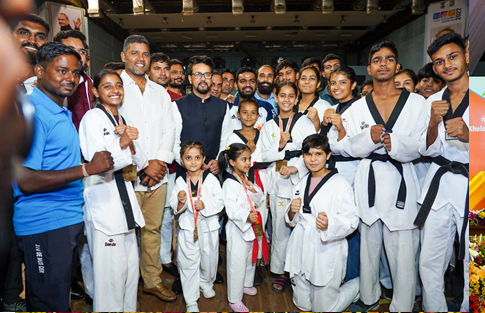
Currently, over 17,000 Athletes are getting trained in KICs and 699 Past Champion Athletes are already hired across the country. The total number of Khelo India Centres currently notified across India is 960, out of which 715 are operational KICs. The total number of KICs notified in Rajasthan is 33, out of which 32 KICs are operational. These KICs are specific training centres looking after sports disciplines like cycling, basketball, wushu, hockey and more.

In order to augment the utilisation of existing sports infrastructure available at schools, organizations and other eligible agencies at the block or district level, the small Khelo India Centres assist in the strengthening of the sports ecosystem at the grassroots level. In the KICs, Past Champion Athletes become coaches and mentors for youngsters, run the sports training centre in an autonomous manner and earn their livelihood. Under the Khelo India Scheme, initial and annual financial support is also provided to these past champions as well as these centres for running the sports training, coaching and operations.

*****

Jaipur : The Pink City of India.

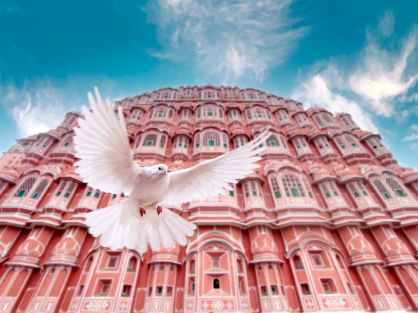
The capital of Rajasthan, the largest state in the country, Jaipur is all about its glorious history. It is also widely known as the Pink City. The name is derived from the fact that the erstwhile area of Jaipur which is now the area around the HawaMahal, was built of pink sandstone. The narrow streets, the colourful clothing, the lovely aromas bursting forth from the food, the vast number of palaces speak volumes of the deep rooted culture of the city.
Maharaja Sawai Jai Singh II invoked the artisans from all over the world and facilitated them with all the things they required, to help in creating the exotic city of beautiful architecture as Jaipur. Today, Jaipur is a hub for rich wedding destinations. Royal weddings are organized here. Exquisite destinations are specially designed for marriages, and offer an experience of one of its kind. Jaipur’s forts, monuments, and museums can be read about further.

Some of the best monuments and sites to visit in pink city are.

Amber/Amer Fort.
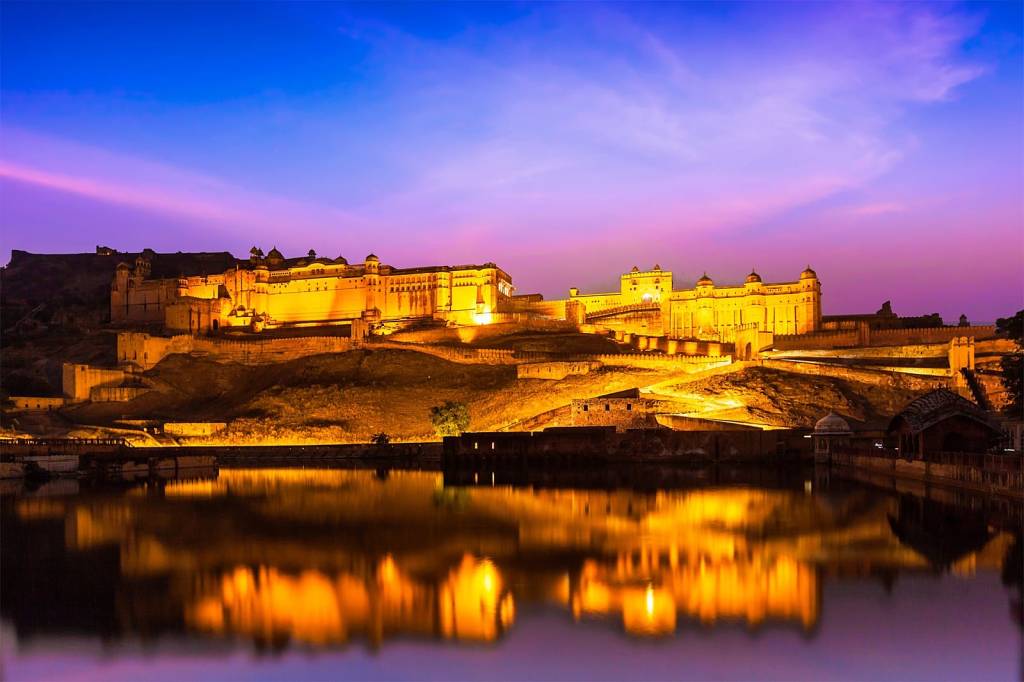
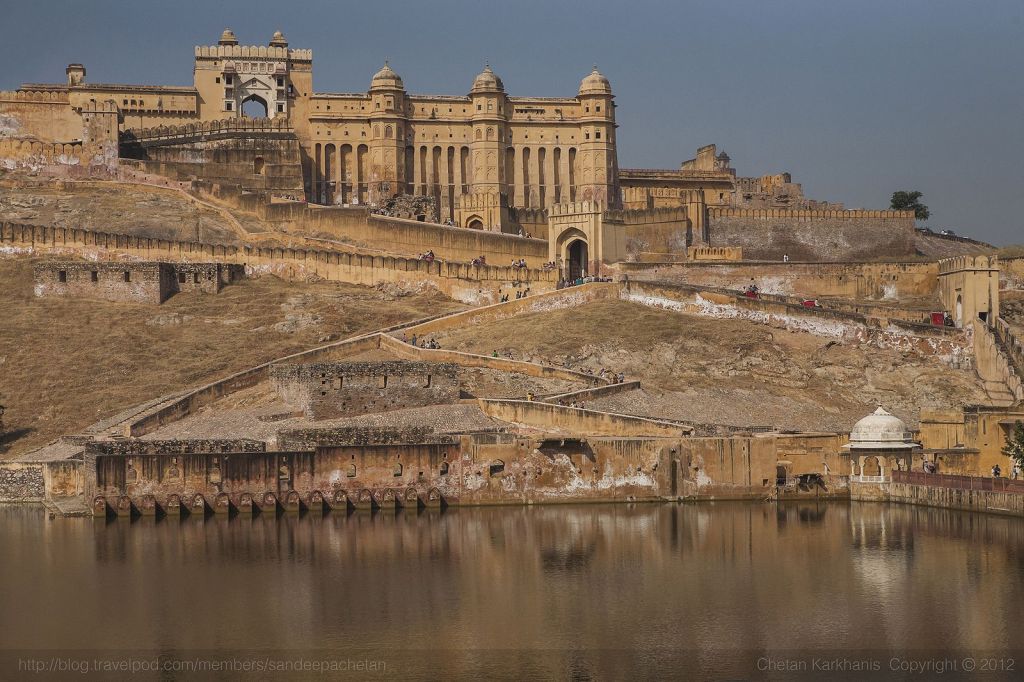
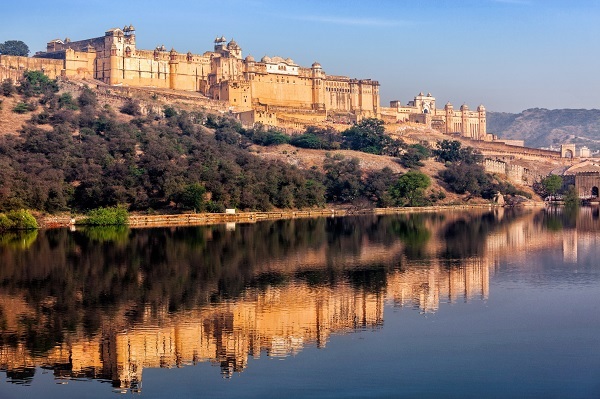
At a distance of 13 km from Jaipur Junction Railway Station, Amer Fort or Amber Fort is located in Amer near Jaipur. It is one of the best-preserved forts in Rajasthan, The architecture of Amer Fort is influenced by both Hindu and Muslim styles. Among the famous tourist places in Jaipur, Amer Fort was built using red sandstone and overlooks Maota Lake which is the main water source to the Palace.

City Palace.
City Palace, Jaipur was constructed between 1729-1732, in Jaipur as it paints the picture of heritage and rich culture. Sawai Jai Singh II has started the work of this palace, exclusively the exterior architecture of the building. Moving from Amber, he has moved to the Jaipur city because of the increase in water shortage problem which resulted in an inadequate supply of water to people.

Nahargarh Fort.
Nahargarh is one of three forts in the vicinity of the “Pink City” of Jaipur. Despite its prominence, the fort remained sadly neglected until recent years, resulting in visitors frequently overlooking it in favor of iconic and well-preserved Amber Fort on the opposite end of the ridge. Extensive restoration works and some exciting new attractions have revitalized the fort though, making it one of the top tourist places in Jaipur.

Jai Garh Fort.
Situated on one of the mountains of the Aravalli Range, Jaigarh Fort is a landmark structure in Jaipur. The strategically designed Jaigarh Fort was fundamentally built to protect the Amer Fort from any attack. Jaigarh Fort is popular for numerous reasons and the two most prominent are its mesmerizing architecture, which is a fusion of Rajputana and Mughal style, and for being the hub of artillery during the Mughal era.

Jantar Mantar.
Jantar Mantar is one of the finest monuments and striking creations by astronomers and architectures. It is a compilation of architectural astronomical devices which provided accurate astronomical results. It has even struck the modern approach of science. Jantar Mantar is the most well-known observatories amongst all the buildings formed during the sovereignty of Maharaja Sawai Jai Singh II.

Hawa Mahal.
Hawa Mahal was built by Maharaja Sawai Pratap Singh in 1799 and was designed by architect Lal Chand Usta as a ‘Rajmukut’. The Hawa Mahal was built specifically for Rajput members, and especially for women, so that the royal ladies could watch the daily drama dance in the street below, as well as have a beautiful view of the city from the window.

Central Museum
Central museum is also known as ‘Albert museum’ or ‘Government Central Museum’. This is the oldest museum of the city and was constructed in 1876 beneath the command of Lt. Swinton Jacob. Initially the building was a town hall. But on the order of Maharaja Madho Singh it was transformed into an art museum.

Covid Cases on the rise in post-Diwali week


NEW DELHI: The end of the Diwali week marked a steady increase in new Covid-19 infections. India recorded 80,614 new cases of the coronavirus this week. With 10,789 new cases in the last 24 hours.

While cases in the southern states, namely Kerela and Tamil Nadu continue to gradually drop, a number of states observed a significant spike in cases. Jammu & Kashmir recorded a 34% increase in new cases in the past week.


Other states where the count increased in the current week are Karnataka, with a 17% increase, Maharashtra, Punjab, Delhi, Uttar Pradesh, Bengal, Rajasthan. Experts claim the increase in cases is a result of increased contact among people in the festive period. A major credit for the over-all spike can also be credited to increase in population in the markets. As most people connect the festival with an incentive to shop.

-Ananya Kaushal

India's Best School – Ratnavati School In Rajasthan

Hello, friends! In terms of historical architecture, I consider Rajasthan to be the most beautiful state of India. Here, you can find forts, palaces and mansions each more grand and beautiful than the last. This state is also rich culturally. The folk dance and folk music here and the Rajasthani cuisine, they’re all unparalleled. As well as the lakes, desert, camel safari. So it’s not surprising that Rajasthan is a very popular tourist destination for foreigners. But behind this facade of beauty, lies a harsh truth. Friends, Rajasthan is the worst state in the country in terms of female literacy. Only 57% of the females in the entire state are literate. They can read and write. Do you know the name of the country we’re living in? Country, as in? Do you know which country we live in? Which country do we live in? 

Rajasthan. Because of female illiteracy, female unemployment is also very high. According to a study, 73% of women in Rajasthan are jobless. Do you teach this to your children? So you teach it to your daughter.  You don’t teach it to your son. Why? Because my daughter will have to do these chores. Many people hide this bitter truth with a veil. And look the other way. But there are some brave people who try to bring about a change. In Rajasthan’s Jaisalmer, one such change was successfully introduced. Come, the Gem of India is not an individual. 

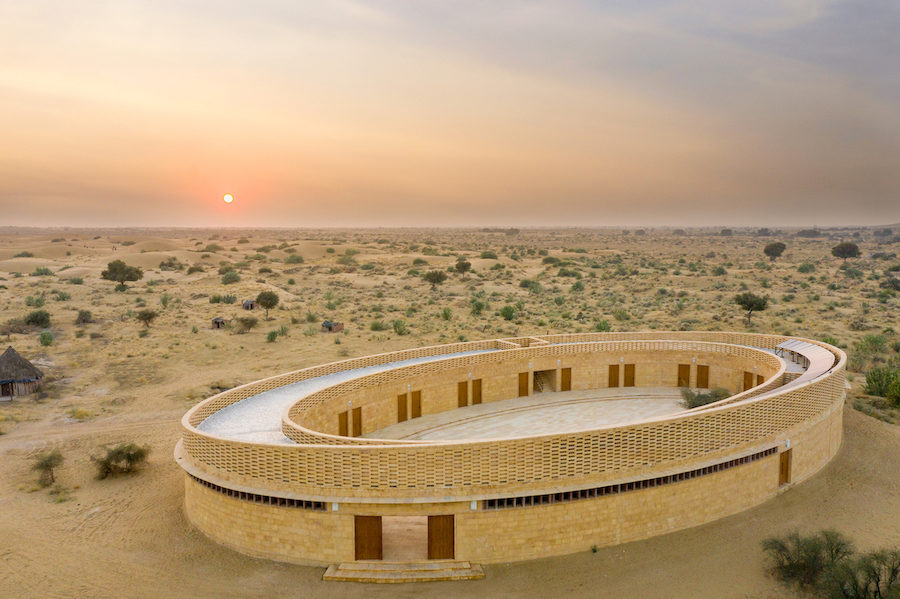
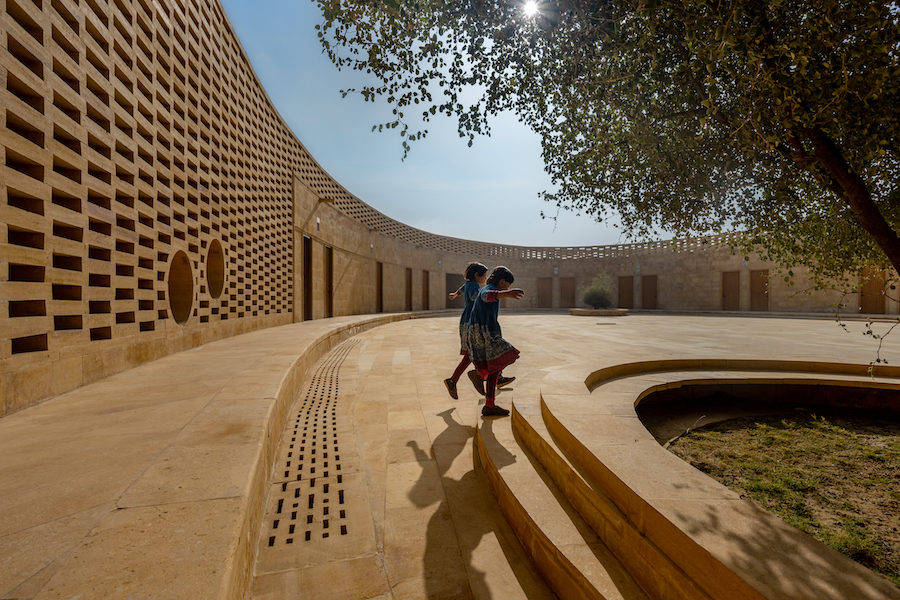
It is a school building. About 40 km from the city of Jaisalmer, there is a popular tourist spot known as Sam Sand Dunes. A few kilometres before this Sam desert, there is a village. This new school is built near this village. What’s special about the school is that not only is it a completely free school, to educate girls from below the poverty line, but the building of this school is also an architecture marvel. Look at this building. Look, at how beautiful it is. It is built in a futuristic-modern style. The building also looks minimalistic. Additionally, the traditional architecture of Rajasthan has also been used in it. To top it all, this is a sustainable building. There are solar panels on the roof of this building. There are no ACs inside. Instead, traditional architecture is used in the building in such a way that the stones used to build it, will keep it cool from the inside. And the design of this building, will help to cool down the interiors. Who built this school? And how? .

There’s a non-profit organisation, CITTA. Its founder is Michael Daube. He had a dream to build a school like this. So really it’s kind of, it didn’t happen like an epiphany, but it did mould like a chess game. It was kind of like realising ‘in the next 20 moves, what’s gonna happen?’ and really kinda mapping out the ripple effects of this. Talking about implementing dreams, the supervisor of this project is Chahat Jain. When our reporter Vijeta Dahiya was on site to film this school, the school hadn’t opened up then. At least, hadn’t completely opened up. Teachers were being recruited. For Class 1 through Class 10th. The plan is, there will be 40 girls in each class, in total, 40 x 10 400 girls would be given free education in this school. Everything will be free. Their transport facility. The transport from their homes to the school and back will be free. Their education. Their books and uniforms will be free. They would also get free lunch at school. About the curriculum of the school, Chahat has experience in handling several such projects. 

So, keeping holistic development in the forefront, he has designed a curriculum for the girls. Things like the local textile, singing, dance forms we included these in the curriculum so that the children can be proud of their heritage and the slowly fizzling out artforms can be protected and revived. It will be a holistic development of the child. It also includes computer skills, third languages that a child should normally know. To fulfill this dream, Michael had local support as well. Like, the support of Chaitanya Raj Singh Bhati who belongs to the erstwhile Royal family of Jaisalmer. And his mother, Mrs Raseshwari Rajya Laxmi was also on the Board of Directors of the CITTA India. Another member of the Board of Directors is Manvendra Singh Shekhawat. He is a hotelier. And a co-founder of the NGO I Love Jaisalmer.

 It was Manvendra who had contributed the land to build this school. While doing so, he had put forth a condition to the architect, that two berry bushes that were there, should not be harmed. They shouldn’t be removed. And the school should be built around them. Now at the centre of the school, those two berry bushes are proudly thriving. The architect used lime for the walls of the school. And the ceiling has been raised quite a bit. And windows at placed near the top. All these things improve air circulation. And the temperature remains cool inside. Not only solar panels are installed on the roof for generating electricity, but there is also a rainwater harvesting system in this building. It is a wholesome package of Sustainability and Eco-friendliness. The architect of this building is Diana Kellogg. And impressively, she didn’t charge anything for designing this building. Same with the costume designer.

 The costume designer that designed the uniforms for the girls, did not charge for this. To design the uniforms, what he did was that he went in and found local textiles like Ajrakh. Then it’s an age-old It’s one of the oldest block printing techniques in the world, and most complex. It’s one thing to design a building. But to actually build it with the design is the biggest challenge. And many local contractors refused to work on it. Because they looked at this complicated design and it was unlike anything they had ever done before so they decided to not do it. After a long search they found one contractor. Karim Khan. He implemented this plan and made it possible in real life. He helped in its building. This place is in the middle of a desert. There’s nothing around. It took us 2 years to build this. We used to work here even at 50°C temperatures. We had to carry food and water with us. One couldn’t find anything for miles here. This was a challenge for us. How could the girls study in those conditions? That’s why we build this school. So Diana and Karim Khan coordinated and local labourers were employed for this project and finally, this building was completed within one year. Once the school was built, Parag Ji takes care of the security of the school. And Raju Ji and Mange Khan see to the cleanliness of the school. From Michael to Raju this is the entire team that is enabling this dream to come true. After the school was ready their team carried out publicity of the school in the nearby villages.

 And the Chief of the nearby village also joined the CITTA team. We conducted a small event on behalf of the school, on behalf of the school’s management on behalf of Mr Shekhawat and the other members of the Board. Distributing ice cream among kids, that was really successful. Then we had another event on Republic Day, Many villagers attended that, adults as well as kids, We had a magic show there. The magic show was a huge success. It was great, all of us enjoyed it. 

How can someone sleep on a cloud? To make this whole project possible the money came through charitable donations. As I said, this is an NGO. You too can donate to it if you want to. They claim that all contributions are used for the education of the girls. The link to donate will be in the description below, in case you’re interested. We’re giving free education to the girls. They’ll get food and a uniform as well. The medium of instruction will be English. Teachers will come from Jaisalmer. The kids will be picked up and dropped off at home. That’s about the school. Now we want that the women in the neighbourhood of our students, like you their mother or their elder sister, we want to do something for them as well. Two more buildings are being built like the school building In it, we will provide training to women. Like what your mother-in-law was working on. 

You will get to learn something new. And we’ll even pay you for learning. Since you’ll work hard to learn. So we intend to support the women and girls around here. The most exciting thing is that, friends, while only one building has been built by now, but in reality, this entire project, called the Gyaan Centre, three buildings will be built in total. The two other buildings are yet to be built. Here, in the computer animation, you can see how the other two buildings will look. In one of the buildings, there will be a Women’s Cooperative. 

India's Best School – Ratnavati School In Rajasthan

Hello, friends! In terms of historical architecture, I consider Rajasthan to be the most beautiful state of India. Here, you can find forts, palaces and mansions each more grand and beautiful than the last. This state is also rich culturally. The folk dance and folk music here and the Rajasthani cuisine, they’re all unparalleled. As well as the lakes, desert, camel safari. So it’s not surprising that Rajasthan is a very popular tourist destination for foreigners. But behind this facade of beauty, lies a harsh truth. Friends, Rajasthan is the worst state in the country in terms of female literacy. Only 57% of the females in the entire state are literate. They can read and write. Do you know the name of the country we’re living in? Country, as in? Do you know which country we live in? Which country do we live in? 

Rajasthan. Because of female illiteracy, female unemployment is also very high. According to a study, 73% of women in Rajasthan are jobless. Do you teach this to your children? So you teach it to your daughter.  You don’t teach it to your son. Why? Because my daughter will have to do these chores. Many people hide this bitter truth with a veil. And look the other way. But there are some brave people who try to bring about a change. In Rajasthan’s Jaisalmer, one such change was successfully introduced. Come, the Gem of India is not an individual. 

It is a school building. About 40 km from the city of Jaisalmer, there is a popular tourist spot known as Sam Sand Dunes. A few kilometres before this Sam desert, there is a village. This new school is built near this village. What’s special about the school is that not only is it a completely free school, to educate girls from below the poverty line, but the building of this school is also an architecture marvel. Look at this building. Look, at how beautiful it is. It is built in a futuristic-modern style. The building also looks minimalistic. Additionally, the traditional architecture of Rajasthan has also been used in it. To top it all, this is a sustainable building. There are solar panels on the roof of this building. There are no ACs inside. Instead, traditional architecture is used in the building in such a way that the stones used to build it, will keep it cool from the inside. And the design of this building, will help to cool down the interiors. Who built this school? And how? .

There’s a non-profit organisation, CITTA. Its founder is Michael Daube. He had a dream to build a school like this. So really it’s kind of, it didn’t happen like an epiphany, but it did mould like a chess game. It was kind of like realising ‘in the next 20 moves, what’s gonna happen?’ and really kinda mapping out the ripple effects of this. Talking about implementing dreams, the supervisor of this project is Chahat Jain. When our reporter Vijeta Dahiya was on site to film this school, the school hadn’t opened up then. At least, hadn’t completely opened up. Teachers were being recruited. For Class 1 through Class 10th. The plan is, there will be 40 girls in each class, in total, 40 x 10 400 girls would be given free education in this school. Everything will be free. Their transport facility. The transport from their homes to the school and back will be free. Their education. Their books and uniforms will be free. They would also get free lunch at school. About the curriculum of the school, Chahat has experience in handling several such projects. 

So, keeping holistic development in the forefront, he has designed a curriculum for the girls. Things like the local textile, singing, dance forms we included these in the curriculum so that the children can be proud of their heritage and the slowly fizzling out artforms can be protected and revived. It will be a holistic development of the child. It also includes computer skills, third languages that a child should normally know. To fulfill this dream, Michael had local support as well. Like, the support of Chaitanya Raj Singh Bhati who belongs to the erstwhile Royal family of Jaisalmer. And his mother, Mrs Raseshwari Rajya Laxmi was also on the Board of Directors of the CITTA India. Another member of the Board of Directors is Manvendra Singh Shekhawat. He is a hotelier. And a co-founder of the NGO I Love Jaisalmer.

 It was Manvendra who had contributed the land to build this school. While doing so, he had put forth a condition to the architect, that two berry bushes that were there, should not be harmed. They shouldn’t be removed. And the school should be built around them. Now at the centre of the school, those two berry bushes are proudly thriving. The architect used lime for the walls of the school. And the ceiling has been raised quite a bit. And windows at placed near the top. All these things improve air circulation. And the temperature remains cool inside. Not only solar panels are installed on the roof for generating electricity, but there is also a rainwater harvesting system in this building. It is a wholesome package of Sustainability and Eco-friendliness. The architect of this building is Diana Kellogg. And impressively, she didn’t charge anything for designing this building. Same with the costume designer.

 The costume designer that designed the uniforms for the girls, did not charge for this. To design the uniforms, what he did was that he went in and found local textiles like Ajrakh. Then it’s an age-old It’s one of the oldest block printing techniques in the world, and most complex. It’s one thing to design a building. But to actually build it with the design is the biggest challenge. And many local contractors refused to work on it. Because they looked at this complicated design and it was unlike anything they had ever done before so they decided to not do it. After a long search they found one contractor. Karim Khan. He implemented this plan and made it possible in real life. He helped in its building. This place is in the middle of a desert. There’s nothing around. It took us 2 years to build this. We used to work here even at 50°C temperatures. We had to carry food and water with us. One couldn’t find anything for miles here. This was a challenge for us. How could the girls study in those conditions? That’s why we build this school. So Diana and Karim Khan coordinated and local labourers were employed for this project and finally, this building was completed within one year. Once the school was built, Parag Ji takes care of the security of the school. And Raju Ji and Mange Khan see to the cleanliness of the school. From Michael to Raju this is the entire team that is enabling this dream to come true. After the school was ready their team carried out publicity of the school in the nearby villages.

 And the Chief of the nearby village also joined the CITTA team. We conducted a small event on behalf of the school, on behalf of the school’s management on behalf of Mr Shekhawat and the other members of the Board. Distributing ice cream among kids, that was really successful. Then we had another event on Republic Day, Many villagers attended that, adults as well as kids, We had a magic show there. The magic show was a huge success. It was great, all of us enjoyed it. 

How can someone sleep on a cloud? To make this whole project possible the money came through charitable donations. As I said, this is an NGO. You too can donate to it if you want to. They claim that all contributions are used for the education of the girls. The link to donate will be in the description below, in case you’re interested. We’re giving free education to the girls. They’ll get food and a uniform as well. The medium of instruction will be English. Teachers will come from Jaisalmer. The kids will be picked up and dropped off at home. That’s about the school. Now we want that the women in the neighbourhood of our students, like you their mother or their elder sister, we want to do something for them as well. Two more buildings are being built like the school building In it, we will provide training to women. Like what your mother-in-law was working on. 

You will get to learn something new. And we’ll even pay you for learning. Since you’ll work hard to learn. So we intend to support the women and girls around here. The most exciting thing is that, friends, while only one building has been built by now, but in reality, this entire project, called the Gyaan Centre, three buildings will be built in total. The two other buildings are yet to be built. Here, in the computer animation, you can see how the other two buildings will look. In one of the buildings, there will be a Women’s Cooperative. 

India's Best School – Ratnavati School In Rajasthan

Hello, friends! In terms of historical architecture, I consider Rajasthan to be the most beautiful state of India. Here, you can find forts, palaces and mansions each more grand and beautiful than the last. This state is also rich culturally. The folk dance and folk music here and the Rajasthani cuisine, they’re all unparalleled. As well as the lakes, desert, camel safari. So it’s not surprising that Rajasthan is a very popular tourist destination for foreigners. But behind this facade of beauty, lies a harsh truth. Friends, Rajasthan is the worst state in the country in terms of female literacy. Only 57% of the females in the entire state are literate. They can read and write. Do you know the name of the country we’re living in? Country, as in? Do you know which country we live in? Which country do we live in? 

Rajasthan. Because of female illiteracy, female unemployment is also very high. According to a study, 73% of women in Rajasthan are jobless. Do you teach this to your children? So you teach it to your daughter.  You don’t teach it to your son. Why? Because my daughter will have to do these chores. Many people hide this bitter truth with a veil. And look the other way. But there are some brave people who try to bring about a change. In Rajasthan’s Jaisalmer, one such change was successfully introduced. Come, the Gem of India is not an individual. 

It is a school building. About 40 km from the city of Jaisalmer, there is a popular tourist spot known as Sam Sand Dunes. A few kilometres before this Sam desert, there is a village. This new school is built near this village. What’s special about the school is that not only is it a completely free school, to educate girls from below the poverty line, but the building of this school is also an architecture marvel. Look at this building. Look, at how beautiful it is. It is built in a futuristic-modern style. The building also looks minimalistic. Additionally, the traditional architecture of Rajasthan has also been used in it. To top it all, this is a sustainable building. There are solar panels on the roof of this building. There are no ACs inside. Instead, traditional architecture is used in the building in such a way that the stones used to build it, will keep it cool from the inside. And the design of this building, will help to cool down the interiors. Who built this school? And how? .

There’s a non-profit organisation, CITTA. Its founder is Michael Daube. He had a dream to build a school like this. So really it’s kind of, it didn’t happen like an epiphany, but it did mould like a chess game. It was kind of like realising ‘in the next 20 moves, what’s gonna happen?’ and really kinda mapping out the ripple effects of this. Talking about implementing dreams, the supervisor of this project is Chahat Jain. When our reporter Vijeta Dahiya was on site to film this school, the school hadn’t opened up then. At least, hadn’t completely opened up. Teachers were being recruited. For Class 1 through Class 10th. The plan is, there will be 40 girls in each class, in total, 40 x 10 400 girls would be given free education in this school. Everything will be free. Their transport facility. The transport from their homes to the school and back will be free. Their education. Their books and uniforms will be free. They would also get free lunch at school. About the curriculum of the school, Chahat has experience in handling several such projects. 

So, keeping holistic development in the forefront, he has designed a curriculum for the girls. Things like the local textile, singing, dance forms we included these in the curriculum so that the children can be proud of their heritage and the slowly fizzling out artforms can be protected and revived. It will be a holistic development of the child. It also includes computer skills, third languages that a child should normally know. To fulfill this dream, Michael had local support as well. Like, the support of Chaitanya Raj Singh Bhati who belongs to the erstwhile Royal family of Jaisalmer. And his mother, Mrs Raseshwari Rajya Laxmi was also on the Board of Directors of the CITTA India. Another member of the Board of Directors is Manvendra Singh Shekhawat. He is a hotelier. And a co-founder of the NGO I Love Jaisalmer.

 It was Manvendra who had contributed the land to build this school. While doing so, he had put forth a condition to the architect, that two berry bushes that were there, should not be harmed. They shouldn’t be removed. And the school should be built around them. Now at the centre of the school, those two berry bushes are proudly thriving. The architect used lime for the walls of the school. And the ceiling has been raised quite a bit. And windows at placed near the top. All these things improve air circulation. And the temperature remains cool inside. Not only solar panels are installed on the roof for generating electricity, but there is also a rainwater harvesting system in this building. It is a wholesome package of Sustainability and Eco-friendliness. The architect of this building is Diana Kellogg. And impressively, she didn’t charge anything for designing this building. Same with the costume designer.

 The costume designer that designed the uniforms for the girls, did not charge for this. To design the uniforms, what he did was that he went in and found local textiles like Ajrakh. Then it’s an age-old It’s one of the oldest block printing techniques in the world, and most complex. It’s one thing to design a building. But to actually build it with the design is the biggest challenge. And many local contractors refused to work on it. Because they looked at this complicated design and it was unlike anything they had ever done before so they decided to not do it. After a long search they found one contractor. Karim Khan. He implemented this plan and made it possible in real life. He helped in its building. This place is in the middle of a desert. There’s nothing around. It took us 2 years to build this. We used to work here even at 50°C temperatures. We had to carry food and water with us. One couldn’t find anything for miles here. This was a challenge for us. How could the girls study in those conditions? That’s why we build this school. So Diana and Karim Khan coordinated and local labourers were employed for this project and finally, this building was completed within one year. Once the school was built, Parag Ji takes care of the security of the school. And Raju Ji and Mange Khan see to the cleanliness of the school. From Michael to Raju this is the entire team that is enabling this dream to come true. After the school was ready their team carried out publicity of the school in the nearby villages.

 And the Chief of the nearby village also joined the CITTA team. We conducted a small event on behalf of the school, on behalf of the school’s management on behalf of Mr Shekhawat and the other members of the Board. Distributing ice cream among kids, that was really successful. Then we had another event on Republic Day, Many villagers attended that, adults as well as kids, We had a magic show there. The magic show was a huge success. It was great, all of us enjoyed it. 

How can someone sleep on a cloud? To make this whole project possible the money came through charitable donations. As I said, this is an NGO. You too can donate to it if you want to. They claim that all contributions are used for the education of the girls. The link to donate will be in the description below, in case you’re interested. We’re giving free education to the girls. They’ll get food and a uniform as well. The medium of instruction will be English. Teachers will come from Jaisalmer. The kids will be picked up and dropped off at home. That’s about the school. Now we want that the women in the neighbourhood of our students, like you their mother or their elder sister, we want to do something for them as well. Two more buildings are being built like the school building In it, we will provide training to women. Like what your mother-in-law was working on. 

You will get to learn something new. And we’ll even pay you for learning. Since you’ll work hard to learn. So we intend to support the women and girls around here. The most exciting thing is that, friends, while only one building has been built by now, but in reality, this entire project, called the Gyaan Centre, three buildings will be built in total. The two other buildings are yet to be built. Here, in the computer animation, you can see how the other two buildings will look. In one of the buildings, there will be a Women’s Cooperative. 

ROYAL PALACES OF RAJASTHAN

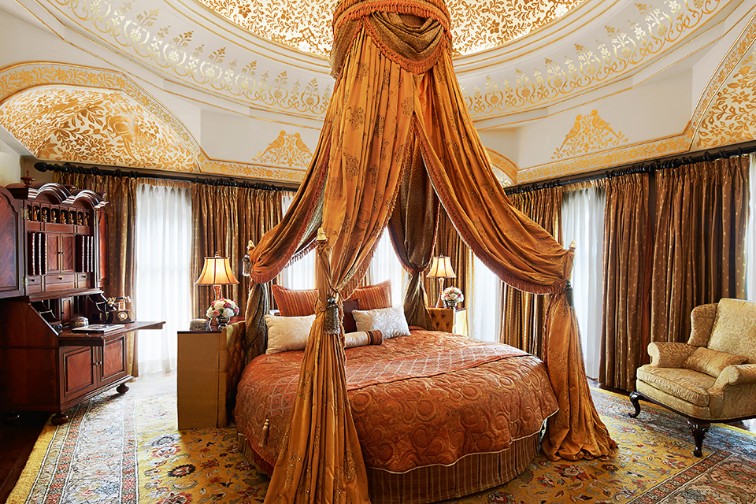
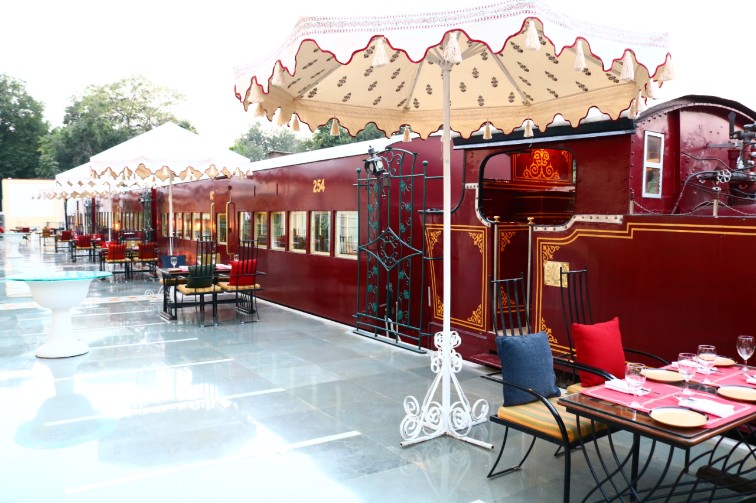
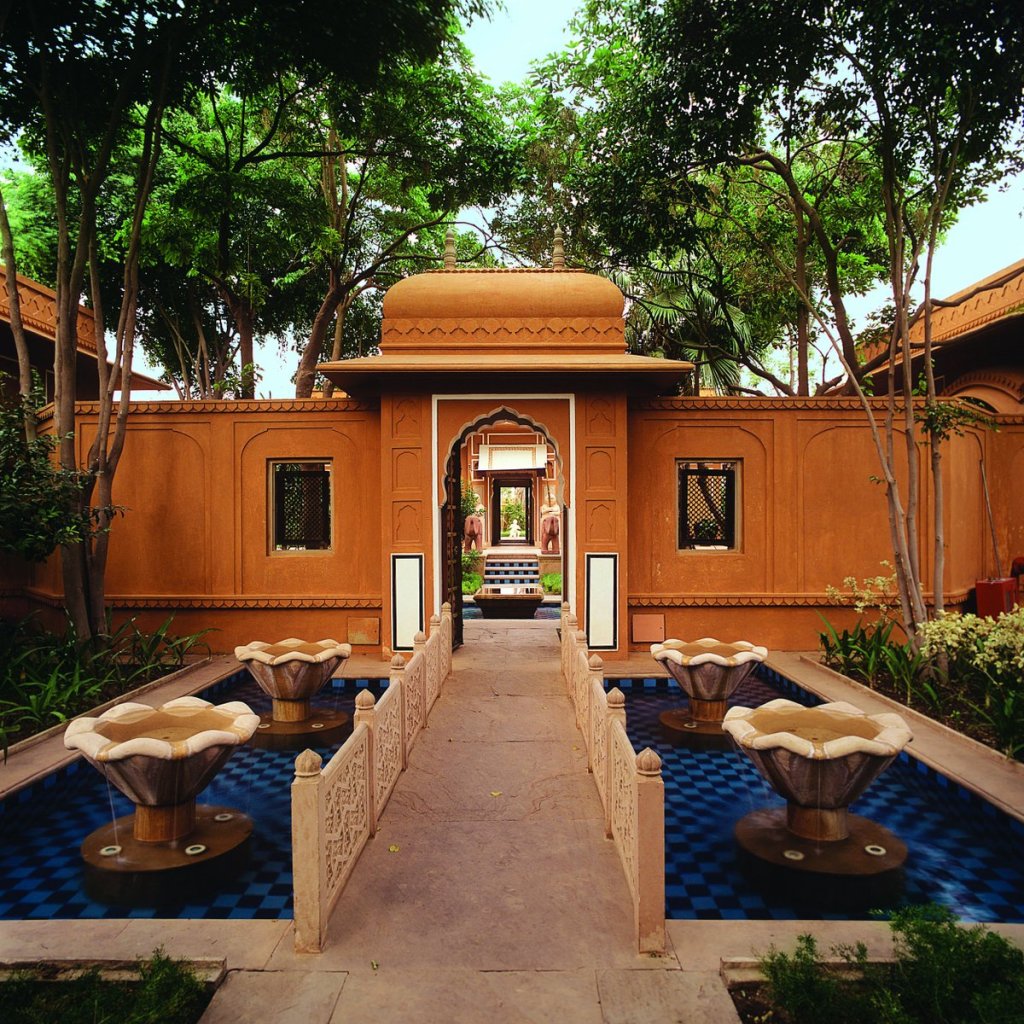
Rajasthan often dubbed as the “Land of Kings,” enchants visitors with its opulent & grand palaces, majestic forts, and a myriad of historical landmarks. The princely state still retains the essence of its rich history, powerful & extravagant Kings, and abundance of grandeur. It is the perfect place to feel like a Modern-day King or Queen & experience the warmest hospitality. The Grand Palaces of Rajasthan redefines royalty & hospitality like no other.

umaid bhawan palace, Jodhpur

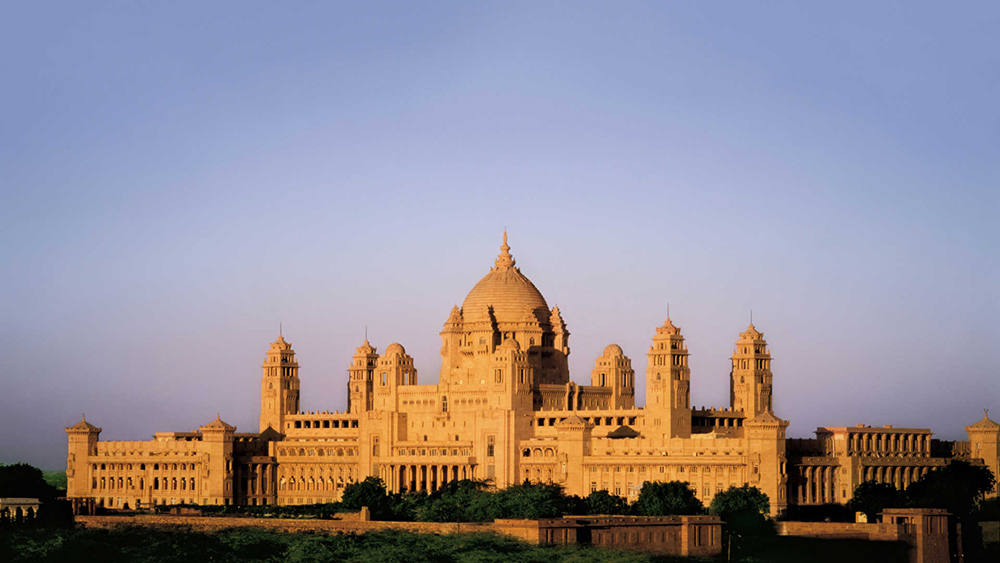
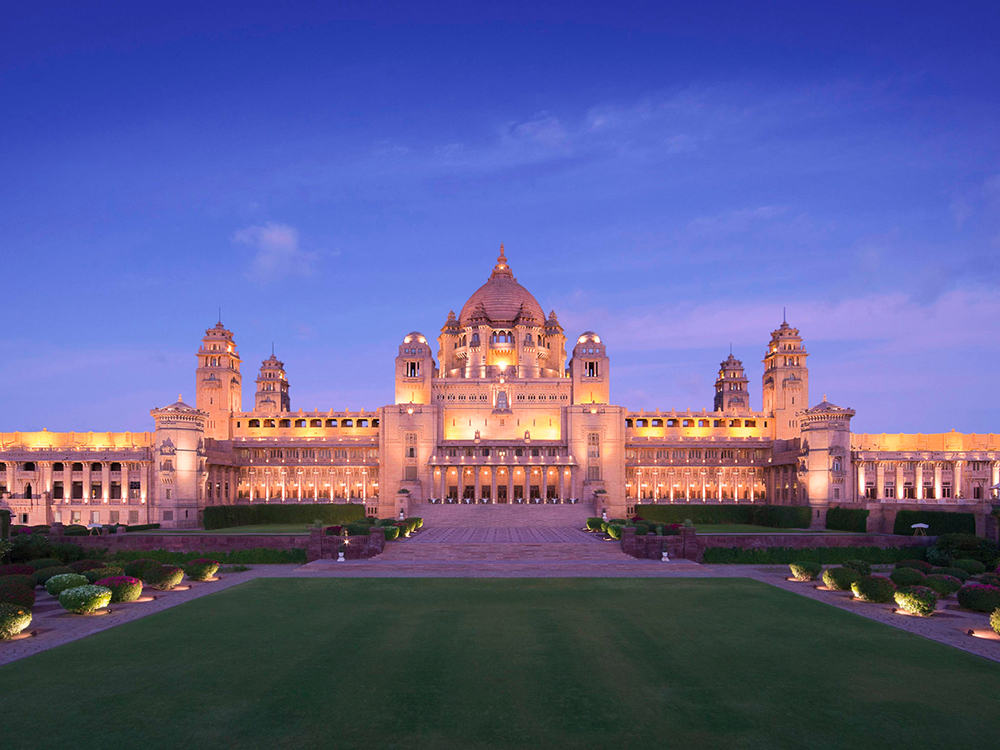
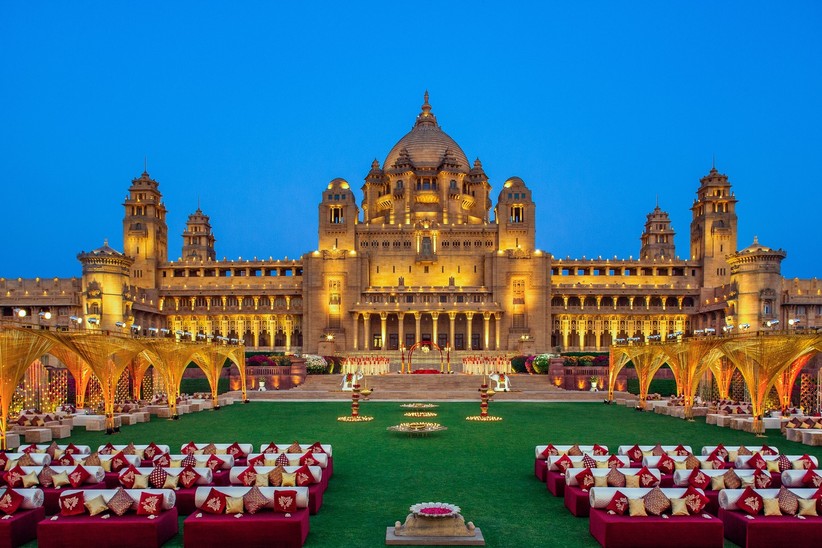
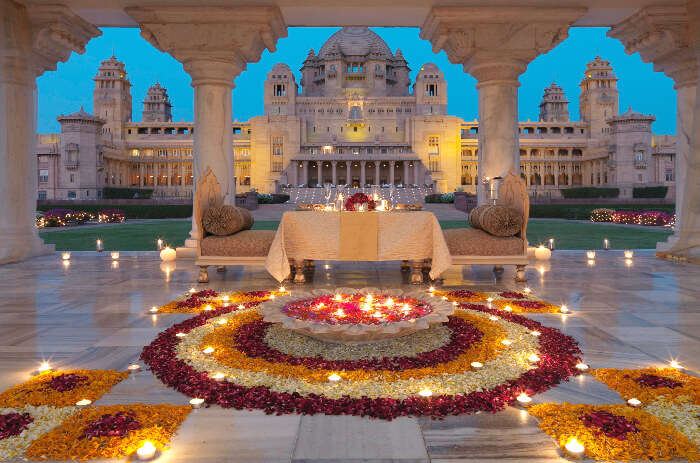
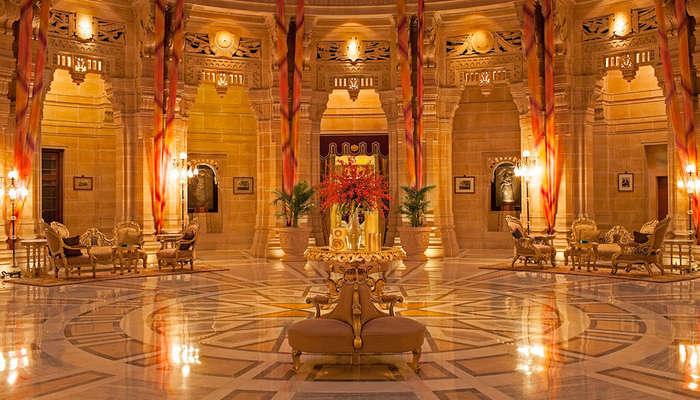
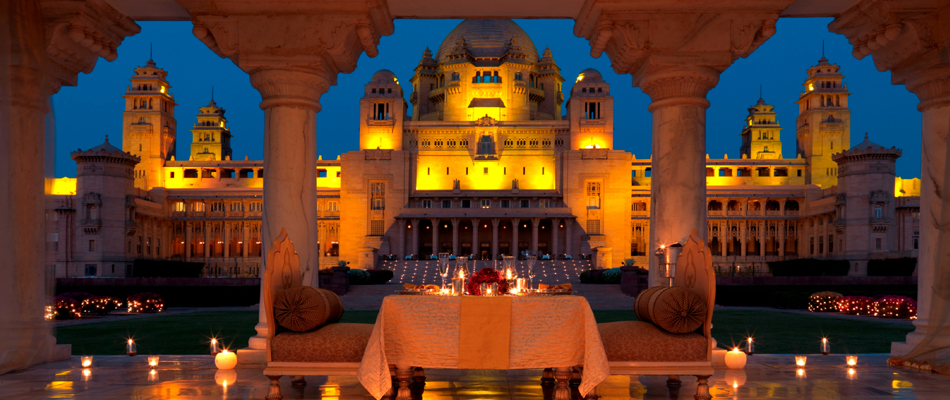
The Umaid Bhawan Palace, designed by legendary Edwardian architect Henry Lanchester, is a fusion of eastern and western architectural styles. The palatial suites and rooms, ornately carved balconies, open terraces, stunning courtyards, and lush green lawns take guests back in time to the days of Royal kings and queens. The hotel’s ambiance is reminiscent of a lavish palace, and the exotic and delectable Rajasthani cuisine offers a delightful culinary experience.

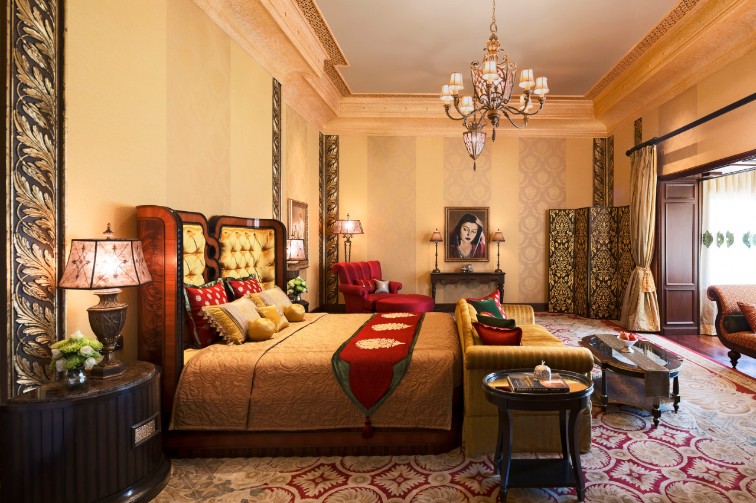
The Maharani Suite, the most spectacular and regal of the Palace suites, was historically the private residence of the erstwhile Maharani of Jodhpur, and its pink, black, and chrome tones reflect her personalized aesthetic. The Mehrangarh fort and imperial grounds are best enjoyed from its expansive balcony. It has a spectacular bedroom, a relaxing living area, a lavish dining room, and a large bathroom with a jacuzzi. The luxuries include a huge walk-in closet, dressing area, private kitchenette, in-suite spa, and steam room.

The Maharaja Suite, once the personal suite of the erstwhile Maharaja of Jodhpur, retains a charm of the past. It has a spectacular sitting room, dining room, a secret bar, a magnificent bedroom, a steam room, and a spa. The Grand Royal Suites,  once earmarked for visiting royalty, are fashioned in the influential Art Deco style. With its unique color palette and princely passion theme, each suite is one-of-a-kind.

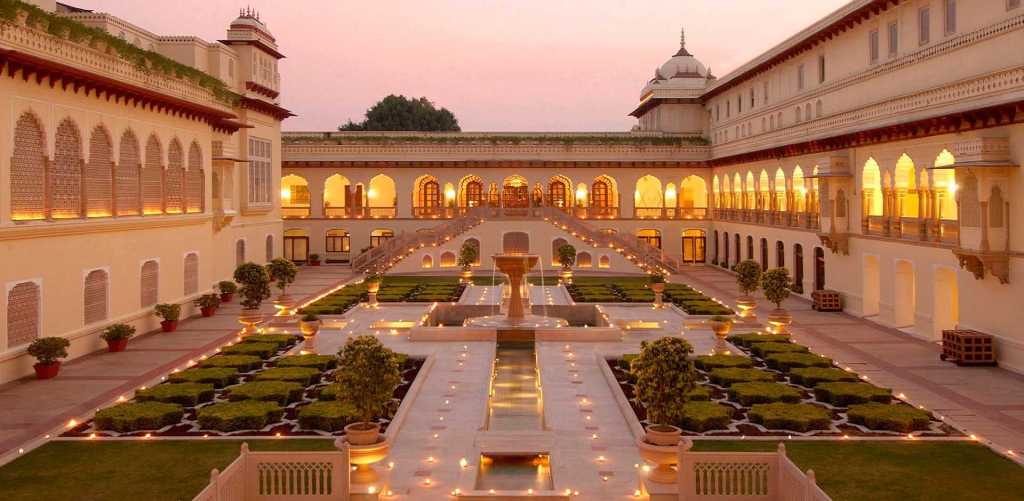
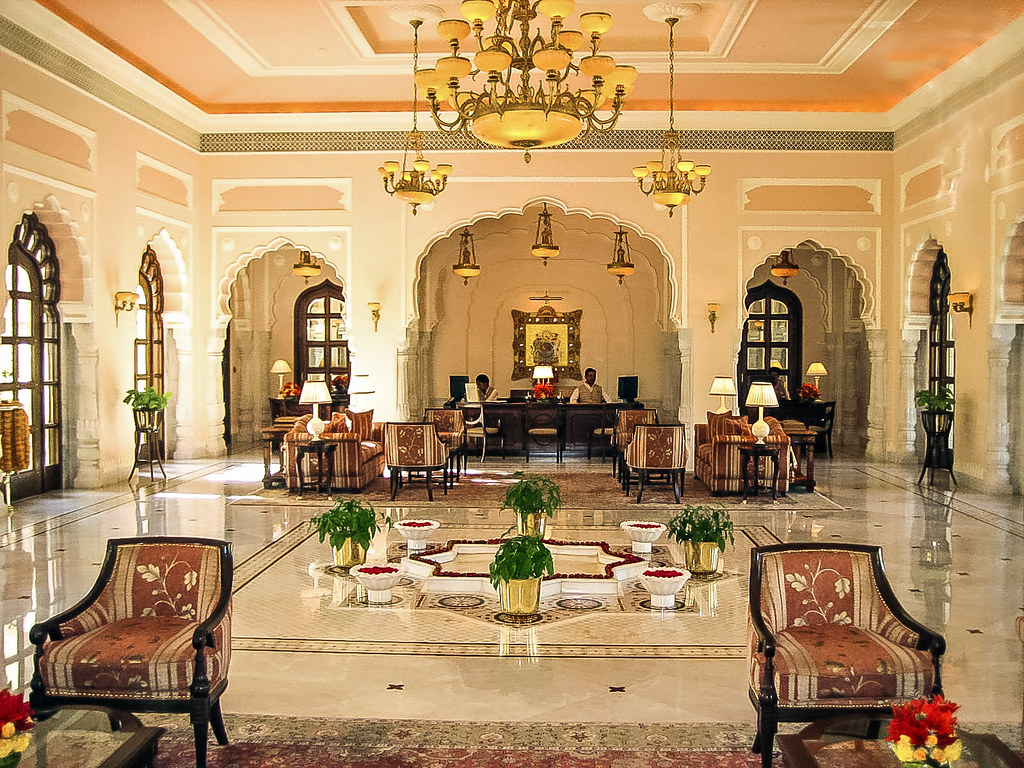
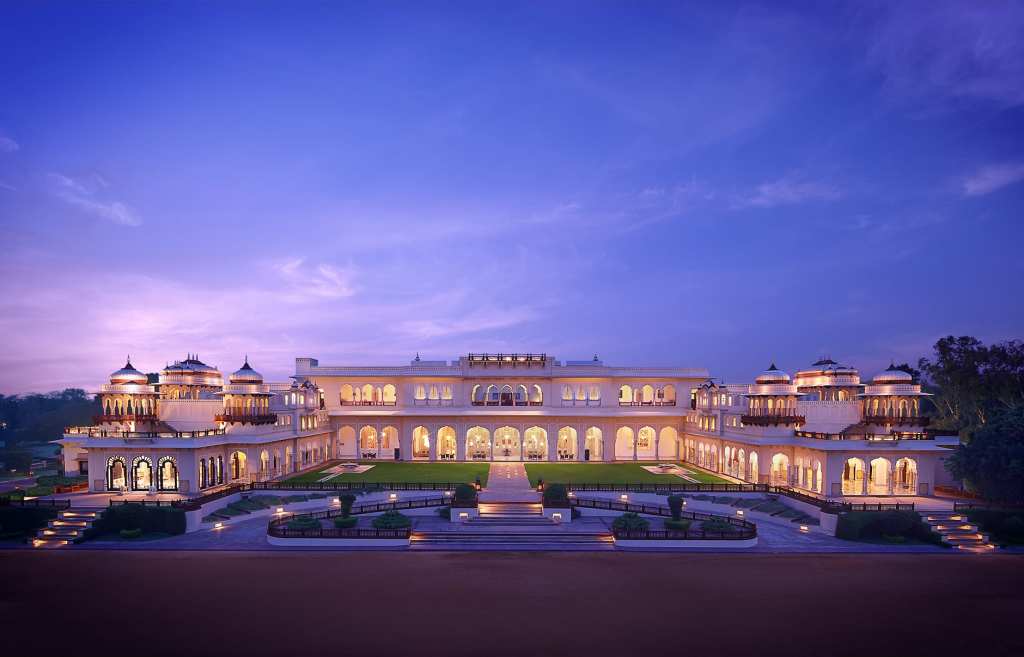
The Rambagh Palace, Jaipur

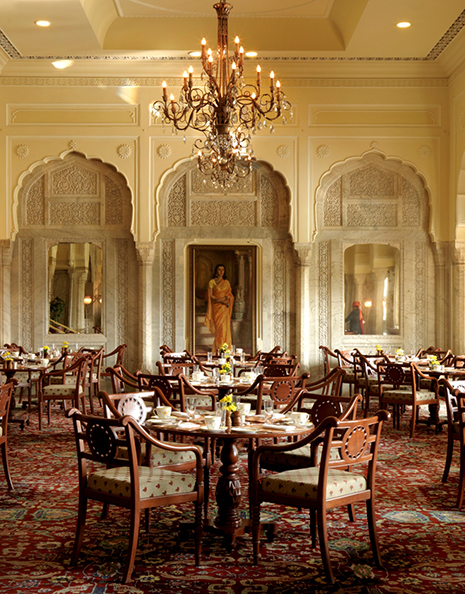
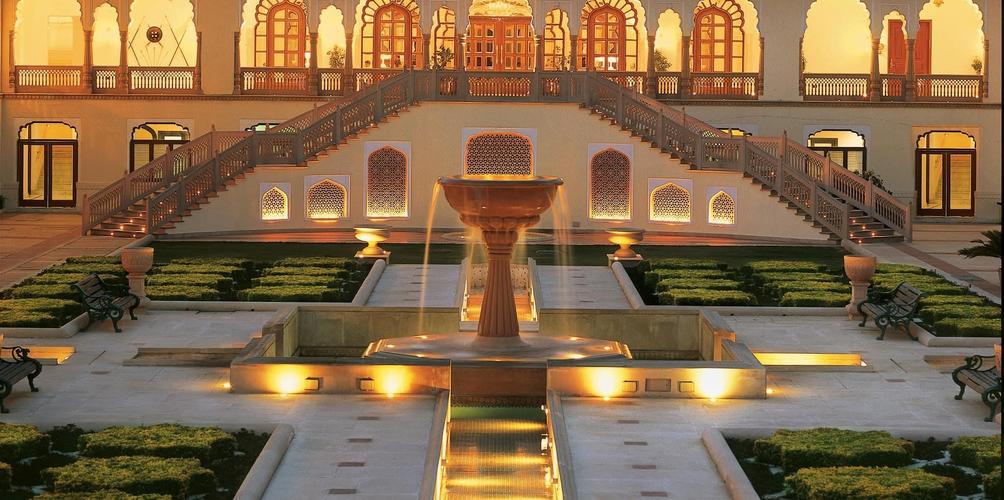
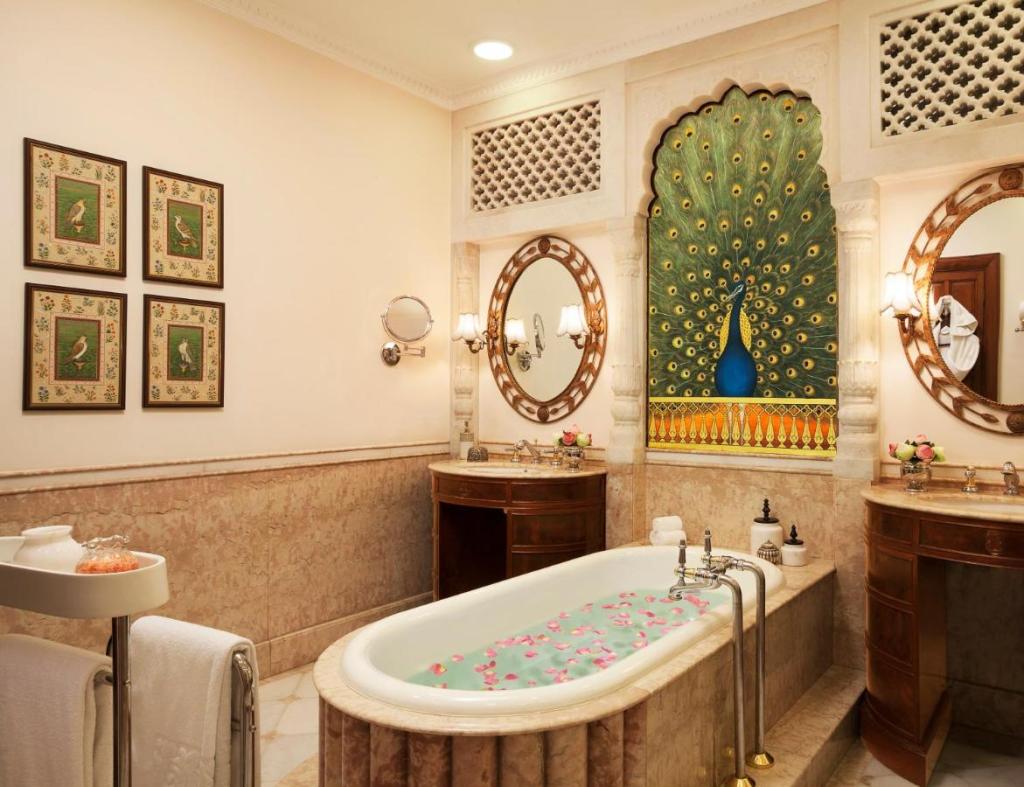
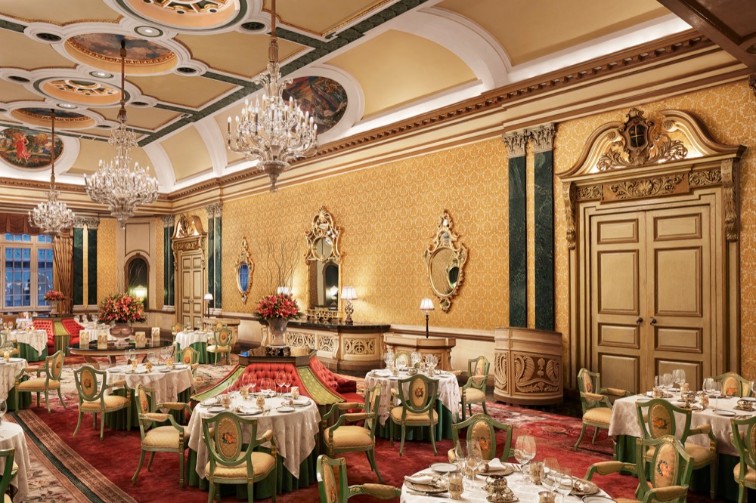
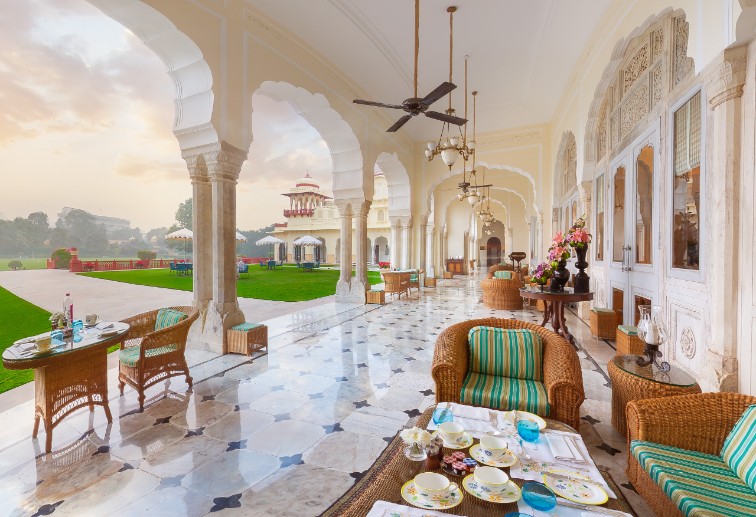
Designated as the official residence of the Maharaja of Jaipur in 1925, The Rambagh Palace has been abode to several generations of royals since then. The palace is luxuriously embellished with hand-carved marble, sandstone balustrades, cupolas, cenotaphs, as well as magnificent Mughal Gardens. The visitors are served a regal Indian feast in Suvarna Mahal, a former palace ballroom with shimmering enormous crystal chandeliers designed in the 18th-century French style.

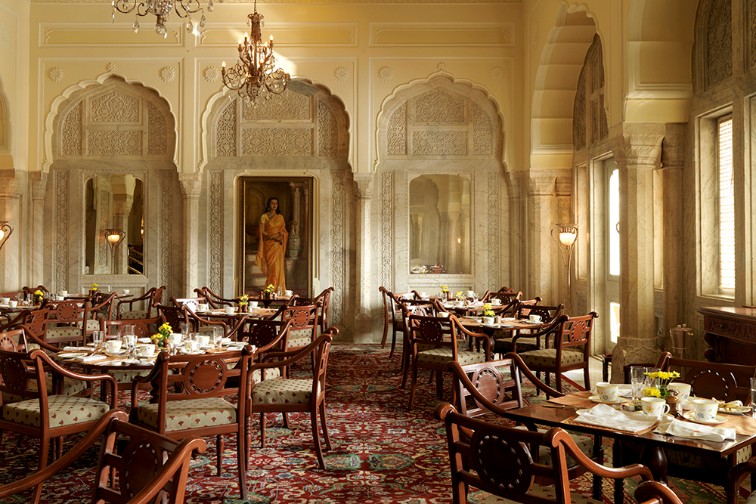
Visit Rajput Room, an all-day dining restaurant, or Verandah Café for a variety of cuisines. Savor Mediterranean delicacies at Steam, a lounge bar, or relax in the Polo Bar, featuring trophies and memorabilia from the Jaipur polo team on exhibit. To take your royal getaway to the next level, luxuriate in signature treatments at the Jiva Grande Spa, experience the goodness of the ancient Indian wellness therapies. It has hosted several famous faces over the years, including Lord Louis Mountbatten, Prince Charles, and Jacqueline Kennedy.

Taj Lake Palace, Udaipur

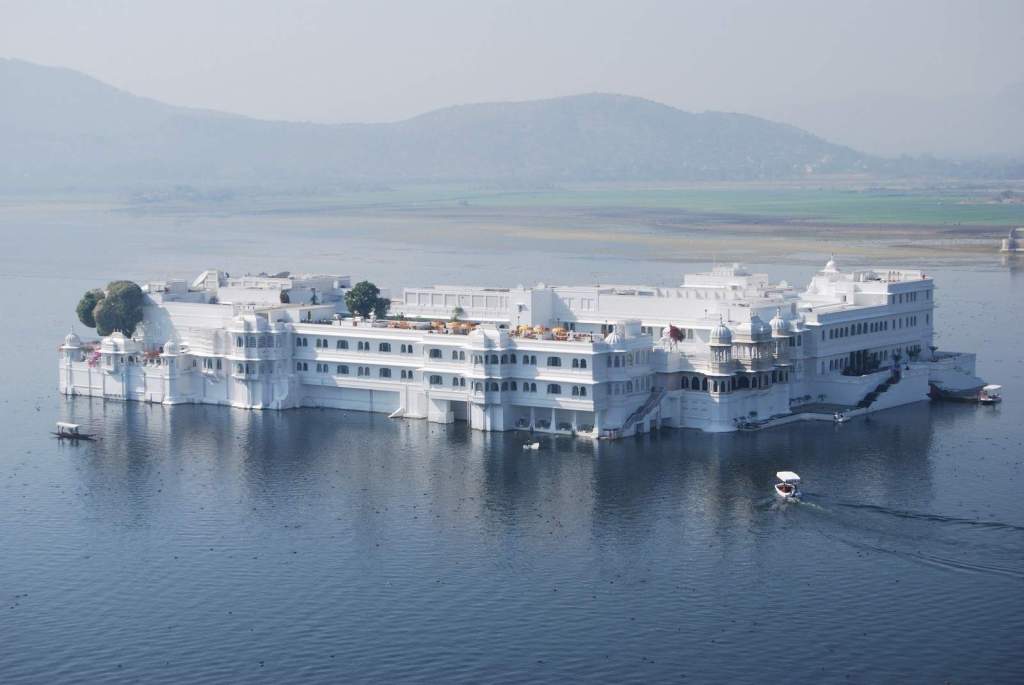
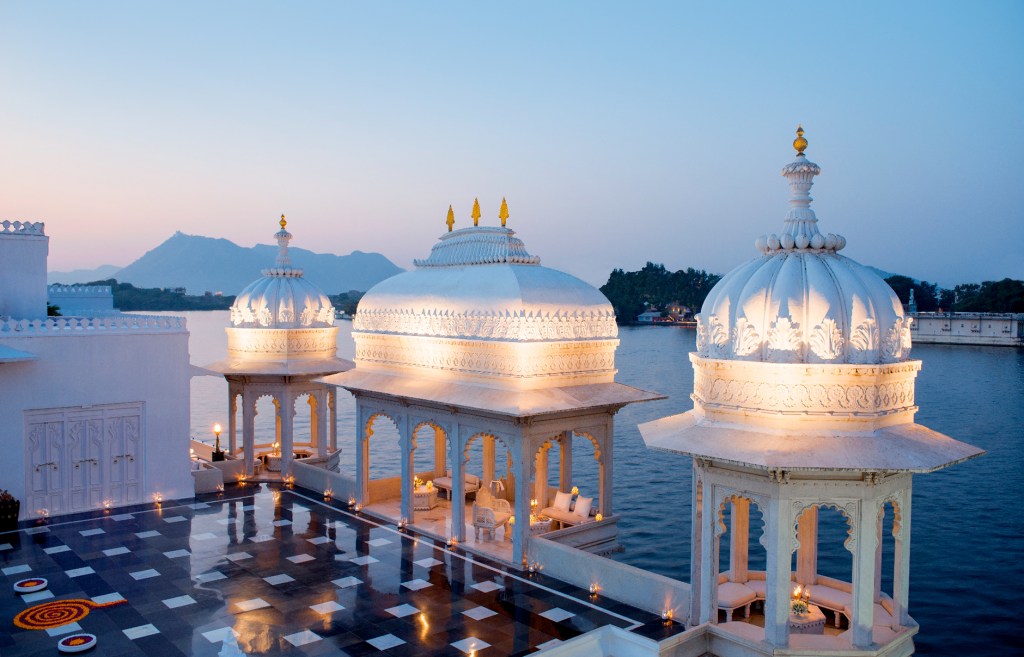
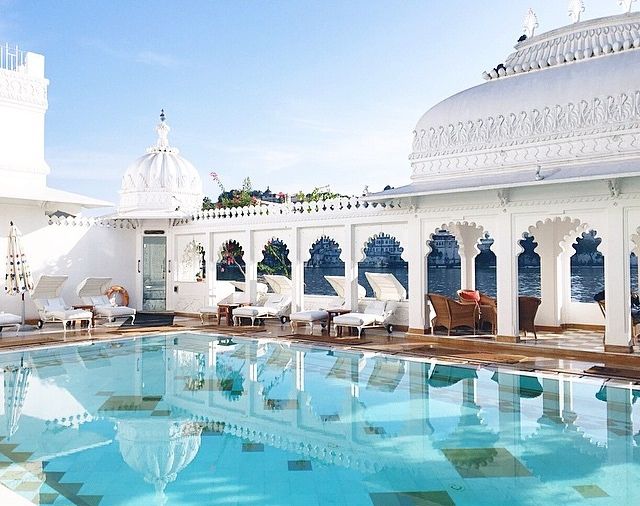
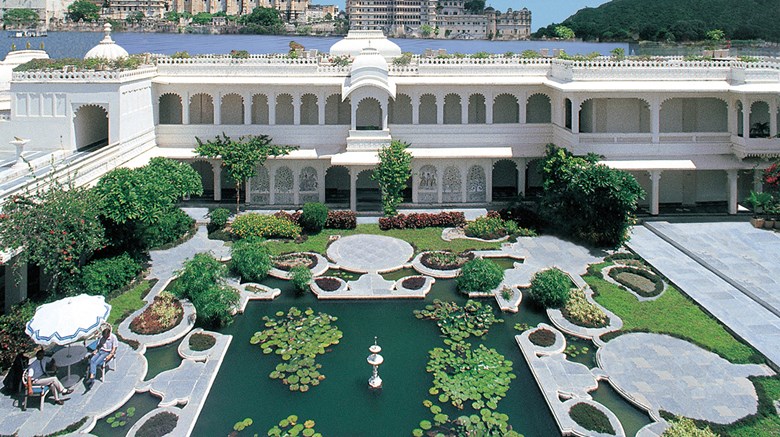
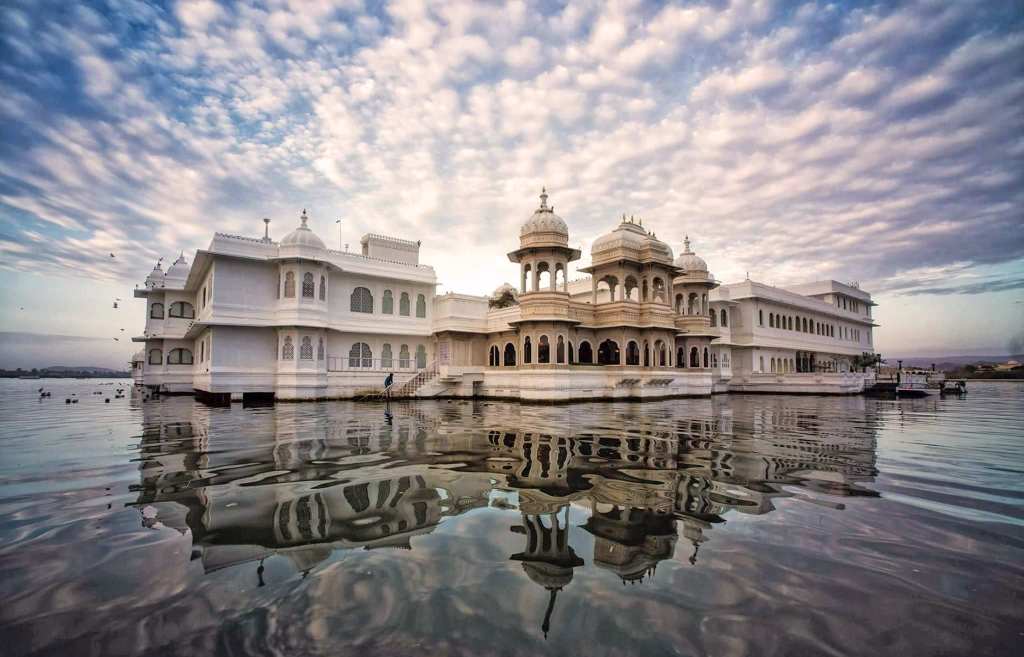
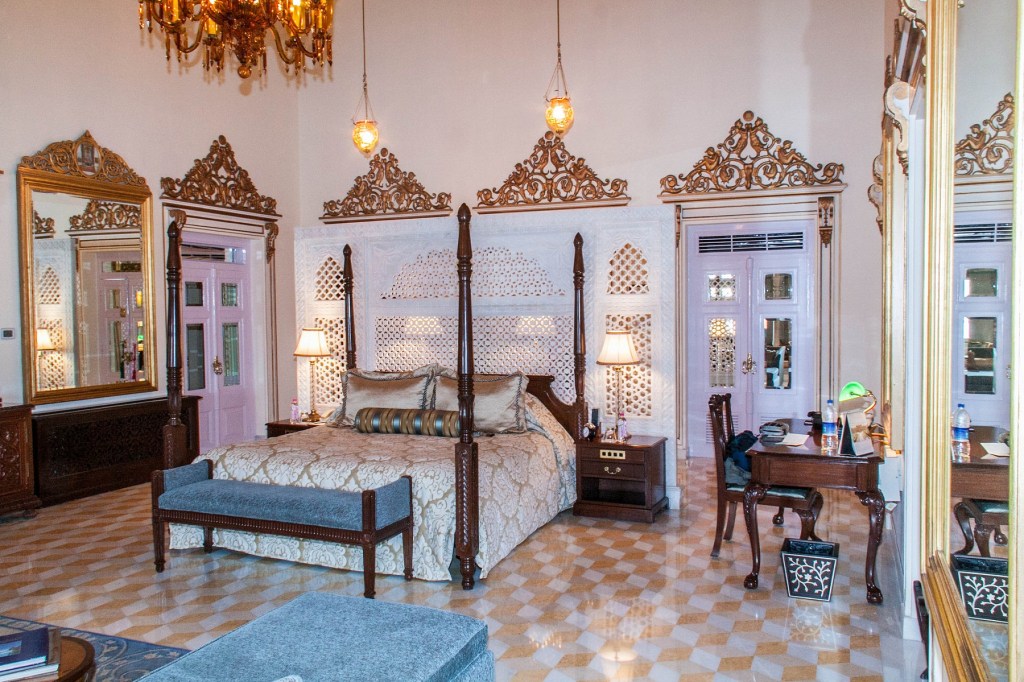
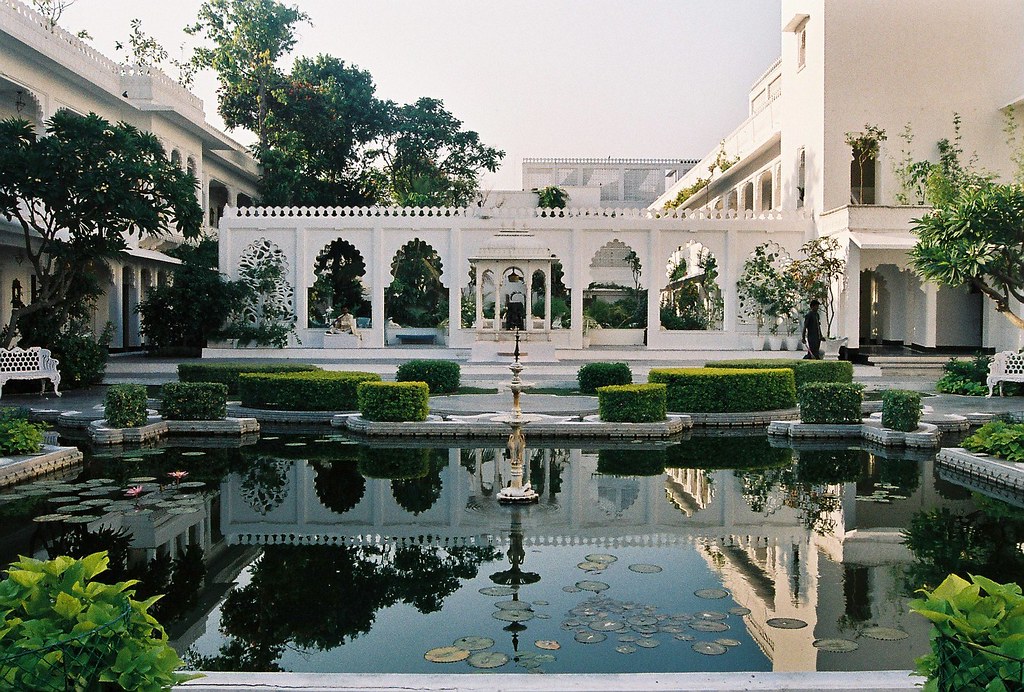
The awe-inspiring Taj Lake Palace, originally known as the Jag Niwas, stands like a mirage in the heart of Lake Pichola. The elegant marble palace was built between 1743 and 1746 and served as the Maharana Jagat Singh II of the Mewar royal dynasty’s winter residence. The white and black marble walls of this exquisite palace are embellished with semi-precious stones and carved niches. The palace’s interiors are decorated with beautiful gardens, fountains, and pillared patios, and gorgeous courtyards with peacocks strolling by, evoking the grandeur of the past. The Royal Butlers, the descends of the original palace attendants, provide unparalleled splendor and hospitality to the guests.

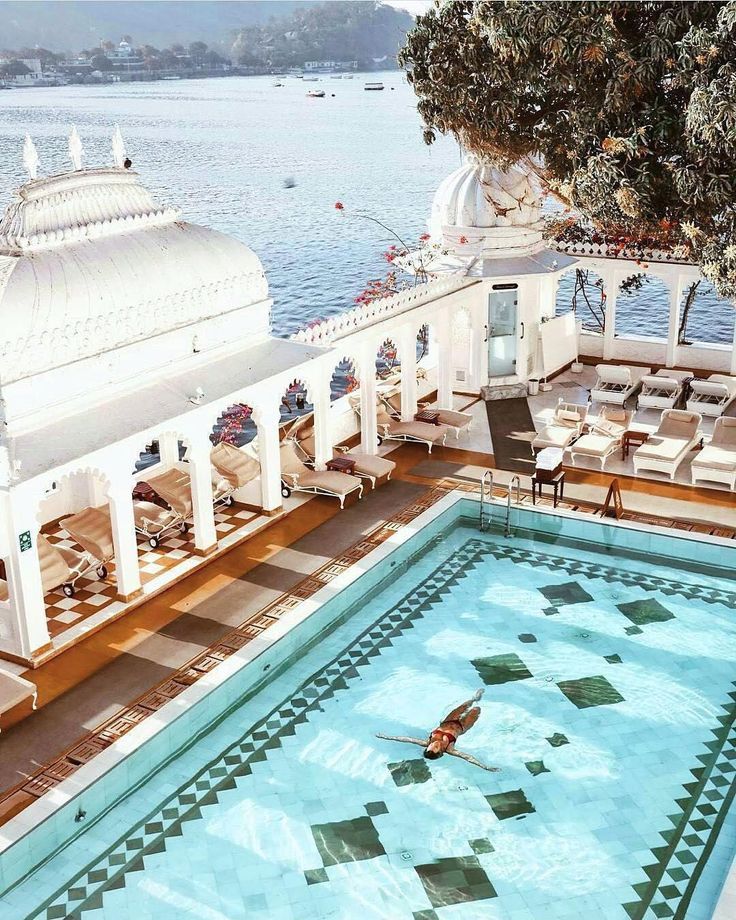
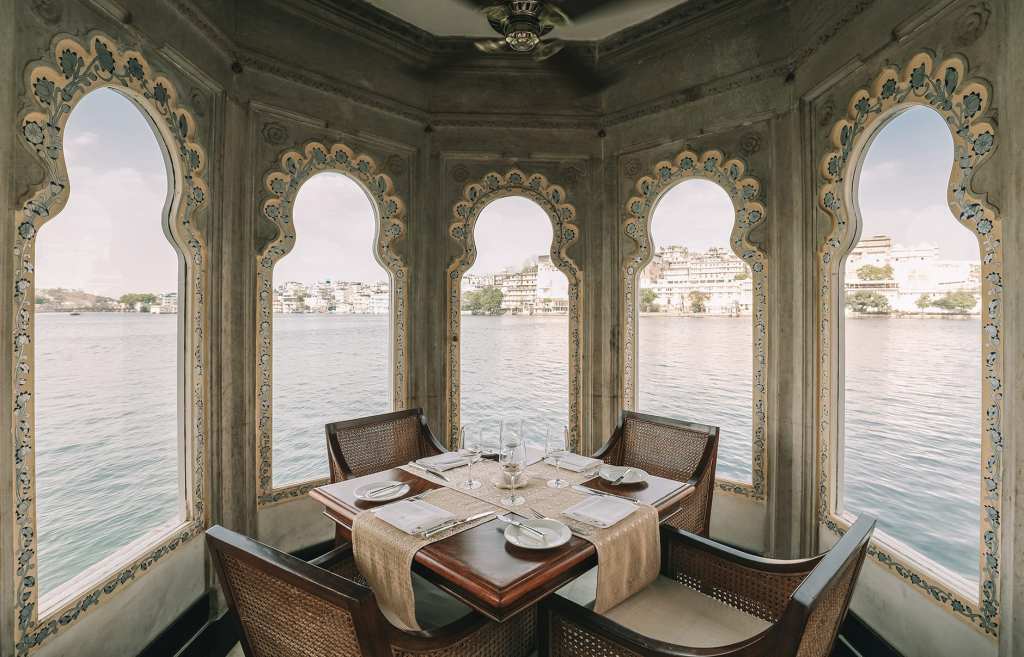
It has 66 deluxe rooms and 17 royal suites, with spectacular views of the lake surrounding the property and The Udaipur city. An ideal place for witnessing sunsets and sunrises. At Neel Kamal, you can savor authentic Rajasthani cuisine while enjoying the spectacular scenery. Modern European cuisine is served at Bhairo, an open-air restaurant. The hotel’s plush and glamorous bar, Amrit Sagar, offers a diverse assortment of premium spirits, wines, and unique cocktails. The world-famous Taj Lake Palace has hosted numerous memorable film shootings, including the James Bond film Octopussy. It has entertained notable figures such as Jacqueline Kennedy, Lord Curzon, Queen Elizabeth II, and Vivien Leigh.

Amer Fort, Amer

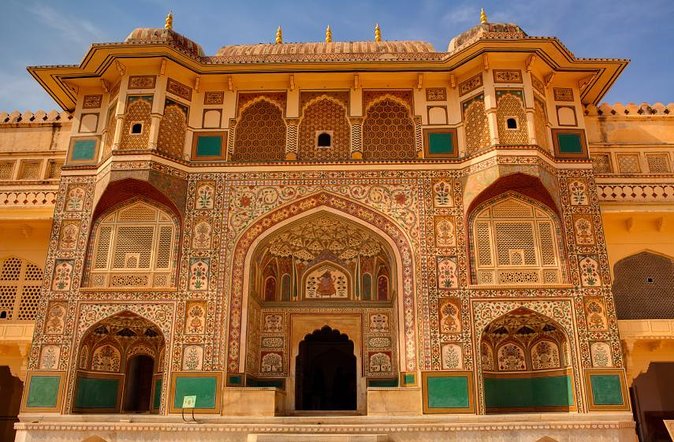
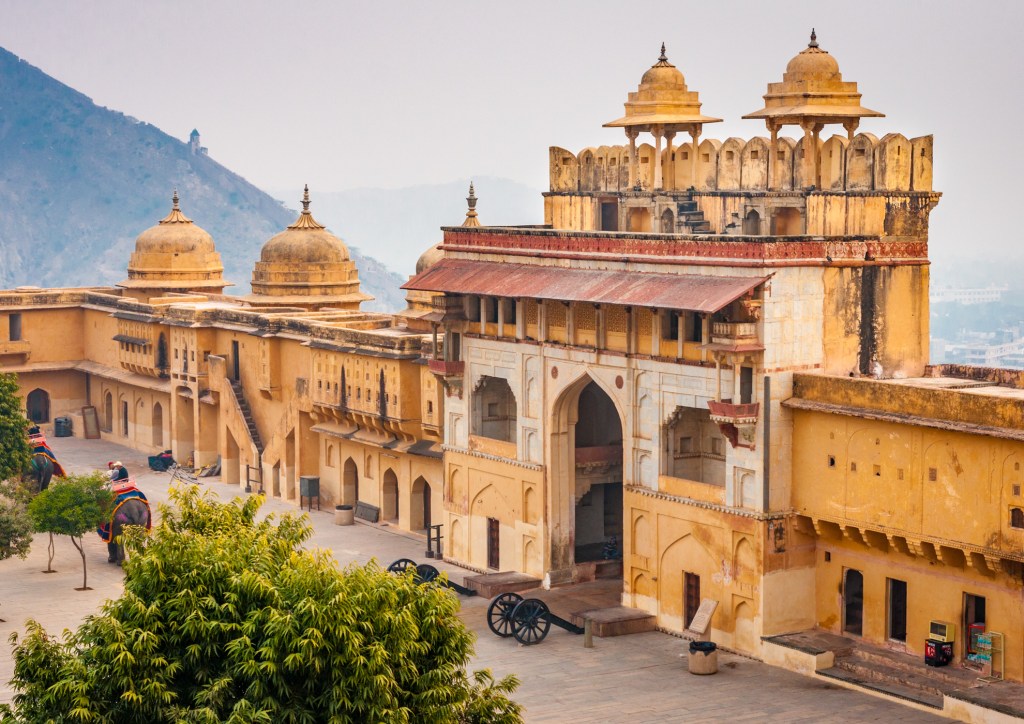
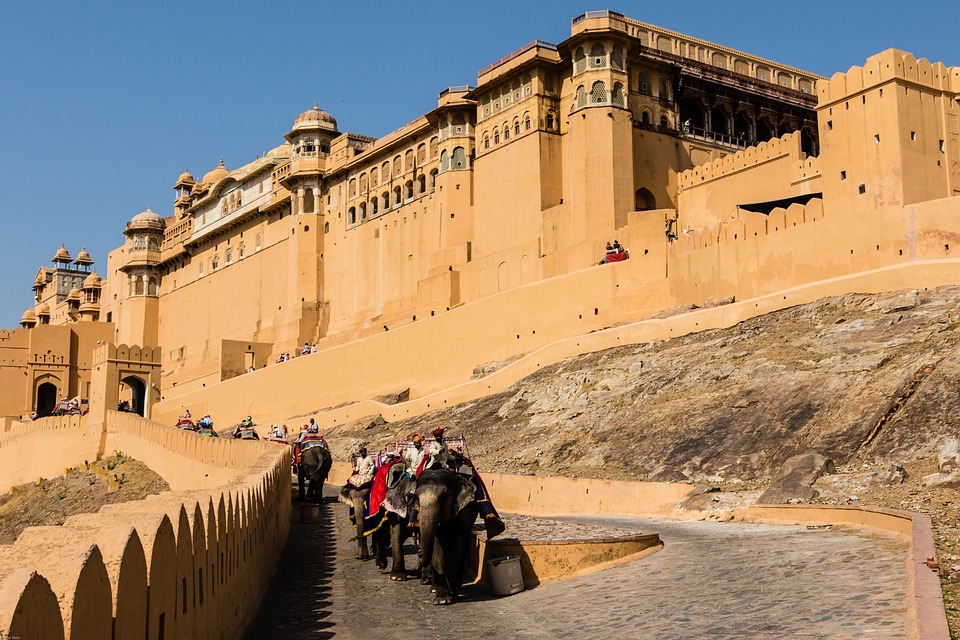
The colossal Amer (palace) Fort, one of Jaipur’s most popular tourist destinations, sits atop a tiny hill. One can either walk uphill, ride an elephant, take a jeep, golf cart or drive its vehicle to the top entrance. In 2013, the fort was declared a UNESCO World Heritage Site. Its architecture is a unique blend of Rajput and Mughal influences. The majestic Amer Fort is a sprawling former royal residence built of pale yellow and pink sandstone and white marble. The fort is split into 4 portions, each with its very own courtyard. At the Amer Fort, there are dozens of sites to explore, like the diwan-e-aam, such mandir, and the Sheesh Mahal. Amer Fort has underground tunnels connecting it to Jaigarh Fort. A segment of these restored tunnels is now open to the public.

The main courtyard, known as Jaleb Chowk, is located at the entrance. The king’s warriors used to gather and parade here. Inside the fort, ascend the grand staircase from the Jaleb Chowk courtyard to the second courtyard, which contains the Diwan-e-Aam (Hall of Public Audience) with its many pillars. The king’s former private rooms are located in the third courtyard, reached through the exquisite mosaic Ganesh Pol. It comprises 2 structures split by a large decorative garden. The Diwan-e-Khas (Hall of Private Audiences) is the most beautiful area of the fort, with its walls adorned with elaborate mirror work. As a result, it’s also known as Sheesh Mahal (Hall of Mirrors). The Jas Mandir contains exquisite floral motifs with glass in them.

The Oberoi Rajvilas, Jaipur

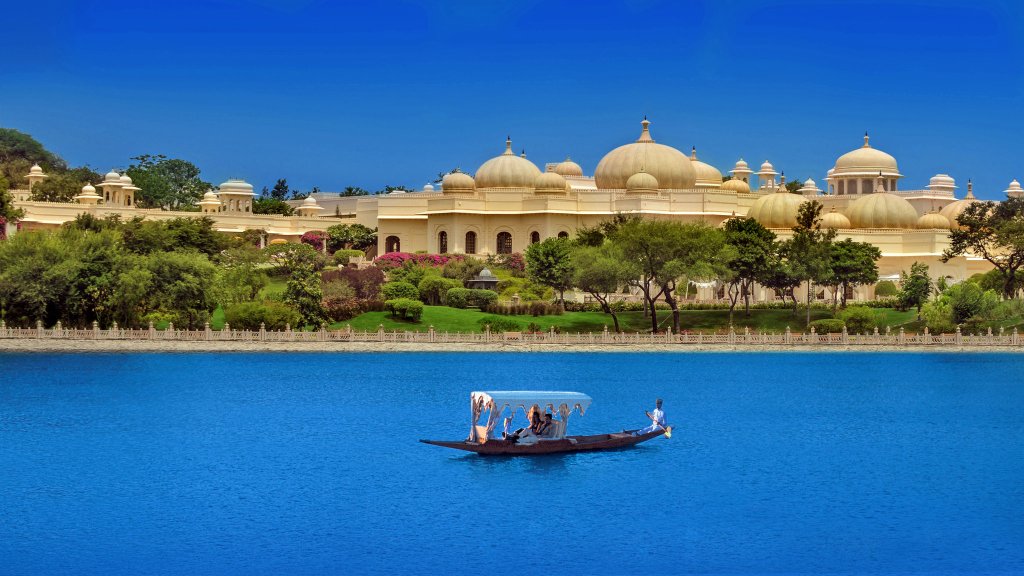
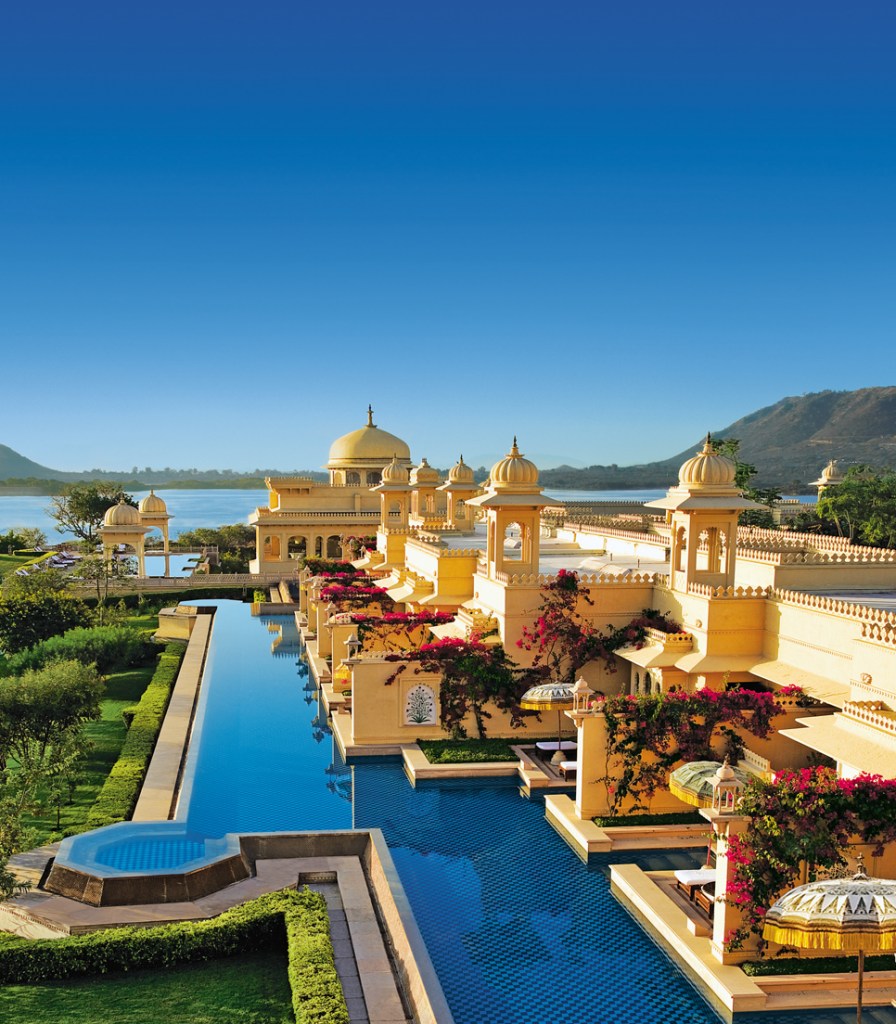
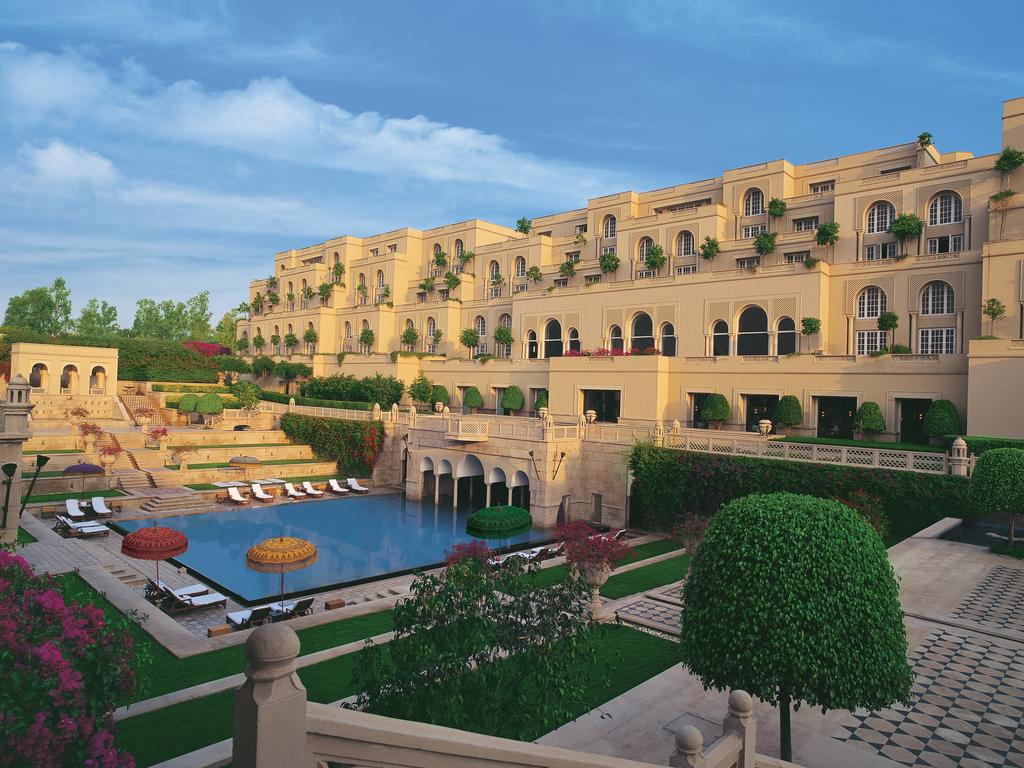
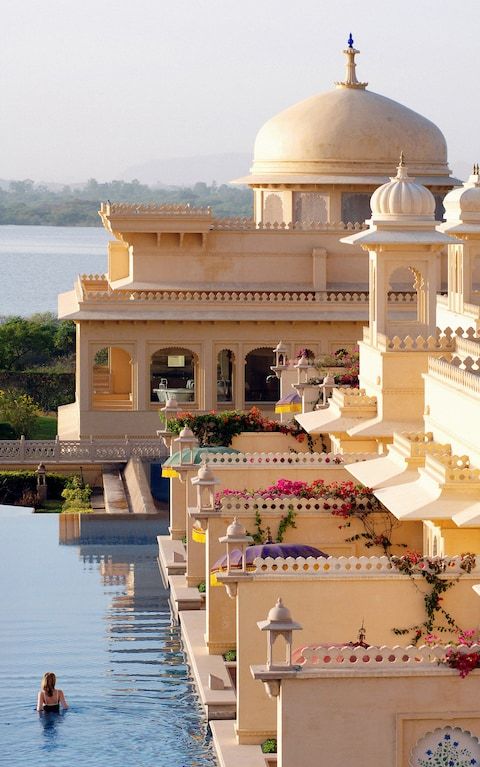
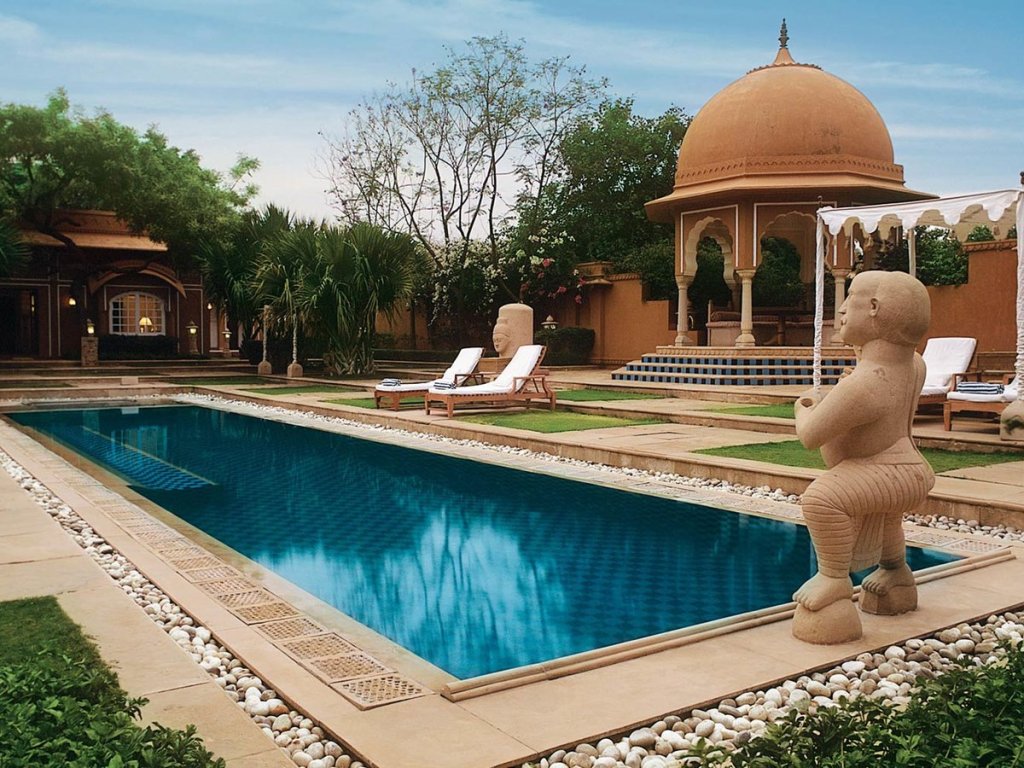
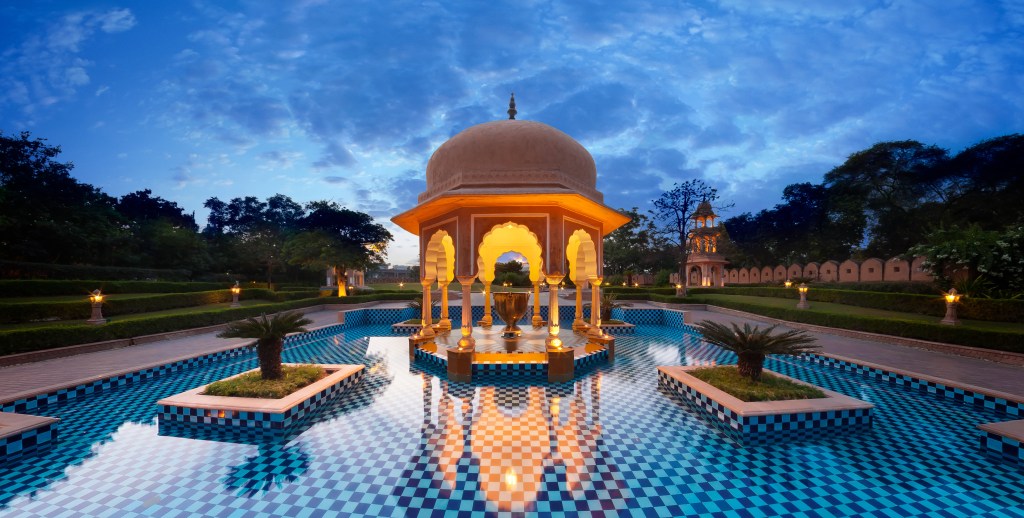
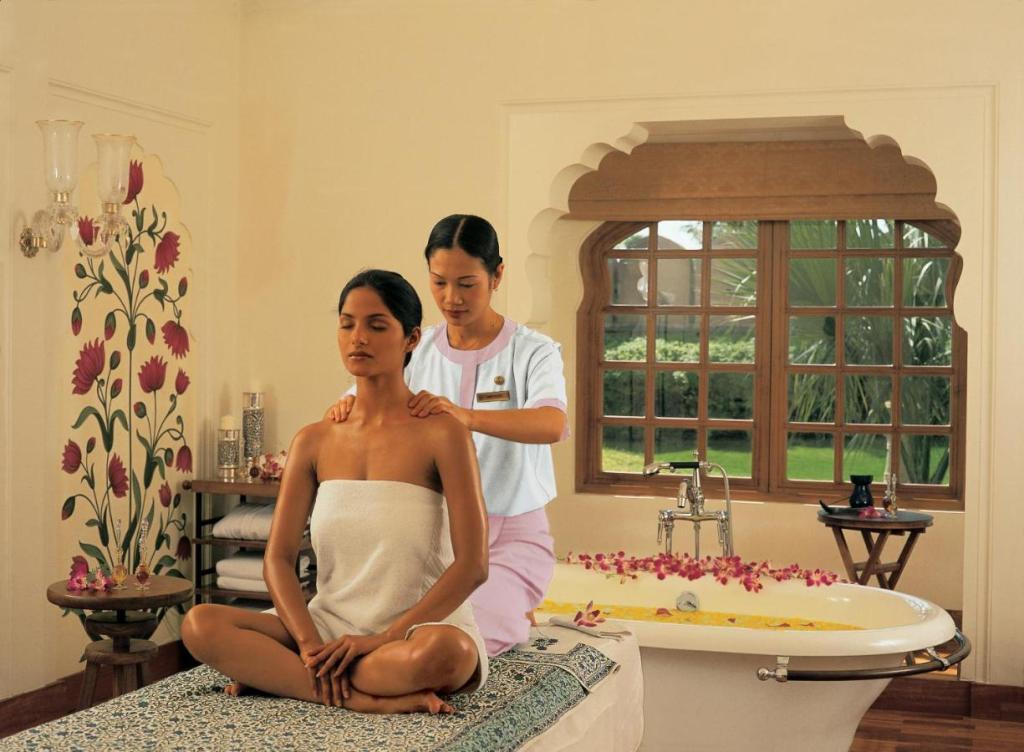
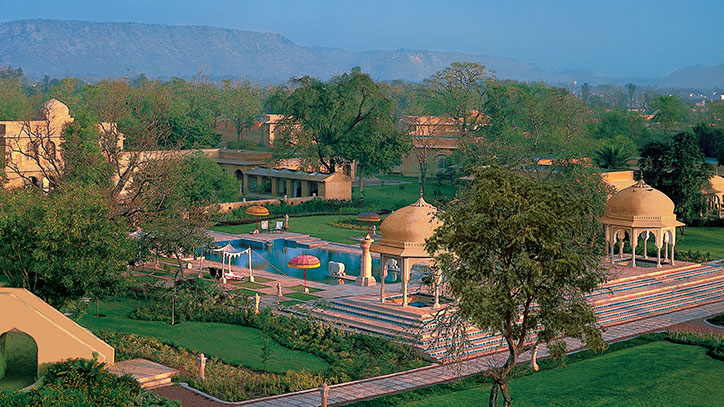
The Oberoi Rajvilas, set in 32 acres of prime settings, beautifully recreates the splendor of Rajasthani royals. LCD TVs, DVD players, satellite television, and wired and wireless broadband Internet access are available in all of the property’s rooms, tents, and villas. Butler service is accessible 24 hours a day. The fully air-conditioned luxury tents set this property apart. Each tent has its very own patio and garden, both surrounded by a mud wall. The tents are light and airy on the inside, with colonial touches like a free-standing claw-footed bathtub and a separate shower. In addition to a state-of-the-art fitness facility, flood-lit tennis courts, and an outdoor pool in a magnificent garden setting, there’s also a spa with a full suite of massage and spa treatment options.

Inside it is ‘The Surya Mahal’ (Sun Palace) a fine dining restaurant, open 24 hours a day. During the day, it is bright with natural light. After dark, the phosphorescent moon twinkles in the alfresco courtyard, and the crystal chandelier twinkles in the main hall. Western, Mediterranean, Asian, and Indian cuisines are included on the menu.

Rajwada Library Bar, a great place to grab an aperitif or a post-dinner drink. Pour a fine wine, a traditional cocktail, or a single malt whisky into your glass.  Attend one of the bi-weekly interactive history sessions, all while enjoying the regal appearances of past Maharajas depicted in lithographs on the walls.


Beauty of Bhangarh Fort

Located at the border of the Sariska Tiger Reserve in the Alwar district of RajasthanBhangarh Fort is a 17th-century fort, famous all over India for being the ‘Most haunted site in India’. Because of the various ghostly encounters and incidents in the fort premises, communities have sprung up far distant from the fort, due to the fear of whatever lies inside. Even the Archaeological Survey of India or the ASI has blocked the locals and sightseers from entering the fort at nighttime. Several legends have attested to the paranormal happenings inside the fort.

The first myth claims that a king called Madho Singh built the Bhangarh fort after getting due approval from a hermit called Bala Nath who lived there; having accepted to a condition which stated that the umbra of the fort must never descend upon the house of the hermit. But as destiny would have it, one of the aspiring heirs of Madho Singh affixed to the walls vertically, thereby creating its looming obscuration to cover the dwelling of the hermit, cursed the fort after the huge construction and its shadow overpowered his home. The fort was doomed within no time. The alleged prophecy stood fulfilled, and the Bhangarh Fort became haunted.

Another myth tells of a black sorcerer or wicked saint who fell in love with a princess from the fort town and tried to use a love potion to win her heart. However, the princess detected suspicion and hindered the entire plot of the black magician by throwing the potion onto a boulder, which then rolled down toward the magician, physically crumpling him. Before taking his last breath, he cursed the fort, declaring it would end up in a quandary in which no one could endure—as it is today.

No one is permitted to enter the fort after sunset or before sunrise. The complete panorama is subsumed by a covering of gloom and a chilling emptiness once the last ray of daylight bids adieu until the next morning. There are several local stories about the paranormal activities in the fort. It depends on a person whether he should believe it or not. It is said that the apparitions wander in Bhangarh Fort at night and various unusual sounds are detected. Also, as it is said, anyone who enters the fort at nightfall would not be able to return in the morning. People perpetually sense as if their actions are being observed, and the air is filled with a dizzying burden. A board put up by the Archaeological Survey of India warns the visitors not to venture inside the premises of the fort during the dark hours.

On the bright side the fort is decently maintained, for the most section, Bhangarh’s remains today hold different noble constructions, including several temples, public chambers, and the royal palace. Upon entry, visitants will flounder into a variety of temples, including a Hanuman temple, a Ganesh temple, and a Someshwar temple. These constructions, embellished with elaborate carvings and statues, are reasons that Bhangarh is worth touring for not just the spooks.

Supreme Court firmed for ‘The voice of dissent’

Rebel congress MLAs Sachin Pilot and 18 others voices get heard by the Supreme Court of India. The apex court sternly said that in democracy a voice of dissent cannot be suppressed.The court also allowed the Rajasthan High Court to go ahead and pronounce it’s ruling on the 19 MLAs’ petition, but said that, the verdict will remain subject to the final order of the SC.

The “Lakshman rekha”

A three-judge bench of Justices Arun Mishra, BR Gavai and Krishna Murari, was hearing the special leave petition filed by the assembly speaker CP Joshi. The SLP is against the interim order of the High court on a plea of 19 rebel MLAs. The Top Court said, ‘‘it is the matter of just one day. Why can’t you wait?’’ The Court also questioned, ‘‘why the Speaker, a neutral person, should approach the court at all.’’

Representing the Rajasthan Speaker, Senior Advocate Kapil Sibal argued that, it is the top court’s duty to ensure that all constitutional authorities act within the “Lakshman rekha” drawn for each one of them.

Responding to his argument Justice Arun Mishra asked, “Assume a leader has lost the faith of persons. While remaining in party they cannot be disqualified. Then this will become a tool and no one can raise their voice. Can a person elected by people not express his dissent? Voice of dissent cannot be suppressed. In a democracy, can somebody be shut down like this?”

Judiciary vs. Legislative

Quoting the famous Kihoto Hollohan case in 1992, Kapil Sibal said that, speaker had sent the notice to the dissident MLAs to give them a chance to explain their action as to why there are holed up in a hotel? And if the speaker will satisfy with their explanation, he will not disqualify them. But no judicial authority can interfere till the speaker make his final decision in the disqualification proceedings.

Mr. Sibal also listed the reasons for starting the disqualification proceedings, against Sachin Pilot and 18 others. He said that these19 MLAs did not attend party meetings and conspired to destabilise their own government in the state.The bench said that, ‘‘this is not a simple matter and these MLAs are elected representatives.’’

It should be noted here that, Speaker CP Joshi has filed the SLP, alleging that the high court cannot interdict the disqualification proceedings undertaken by him under 10th schedule of the Constitution. The Bench of the apex court said that the plea of the speaker raises important questions and requires prolonged hearing. The top court has fixed July 27, the date for the hearing. The top court will consider the question of whether courts can interfere with the disqualification proceedings initiated by the speaker at an interim stage before the speaker takes a decision on the disqualification plea.

Most UNDER-RATED Holiday DESTINATIONS in INDIA

Osian, Rajasthan

Adventure Activities & Sports in Rajasthan - Rajasthan Tourism

Osian village in Jodhpur district in Rajasthan is a delight for those who love historical architecture and the fact that you get to see all of it in an oasis in the Thar Desert makes it a double whammy. The 8th to 11th century temples there make this village a must-visit destination.

Tarkarli, Maharashtra

MTDC RESORT TARKARLI (Maharashtra) - Resort Reviews & Photos ...

Frankly, almost any beach on the Konkan coast could have qualified for this spot. Tarkarli, in Sindhudurg district in Maharashtra, with its pristine waters, long and narrow beaches with Shuru trees in the background, managed to earn some extra points. It’s one of the most peaceful and non-commercialized beaches in India.

Gavi, Kerala

Gavi, Kerala - Wikipedia

We usually associate trekking with mountains and hills. But this is one wildlife trek you wouldn’t want to miss. Located in Pathanamthitta district in Kerala, on the highway connecting Kollam and Madurai, Gavi is part of the Periyar Tiger Reserve. It is said that the only two gopher trees in India can be found in Gavi.

Kasar Devi/Crank’s Ridge, Uttarakhand

Kasar Devi Temple Almora - Timings, Entry Fees, Location, Facts

If you’re interested in the hippie-way of life but are tired of the huge number of tourists in Himachal Pradesh, you need to make it a point to visit Kasar Devi village near Almora in Uttarakhand. Crank’s Ridge, or Hippie Hill as the locals call it, on the way to Kasar Devi temple is also a historical place for hippies. Legends like Allen Ginsberg, Bob Dylan and Cat Stevens are some of the few people who visited this place during the peak of the Hippie movement in the sixties.

Lonar Crater, Maharashtra

Lonar Crater Lake | District Buldhana, Government of Maharashtra ...

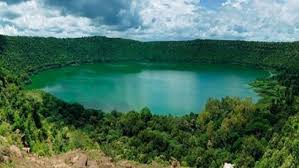
Located in Buldana district in Maharashtra, the Lonar Crater Lake was formed around 570,000 years ago due to a meteor impact. Owing to its high concentration of carbonate salts it’s categorized as a saline soda lake. So, it’s a soda lake formed by a crater.

Krem Mawmluh & Krem Ri Blai, Meghalaya

Travelstruck - Krem Mawmluh & Krem Ri Blai, Meghalaya... | Facebook

Cave exploration hasn’t taken off in a big way in India, which is really surprising considering there are so many options to do so in this country. Krem Mawmluh and Krem Ri Blai, in Mehgalaya, are natural horizontal and vertical caves respectively. Make it a point to visit them at least once in your life.

Ziro, Arunachal Pradesh

Arunachal Pradesh Itinerary Service - Dibrugarh Ziro Pasighat ...

Ziro is a town in the Lower Subansiri district in Arunachal Pradesh and it has been hosting the Ziro Festival of Music for the past three years. But here’s the thing – the quaint little town is so attractive, that even without a crowd pulling event, it would find a spot on this list.

Wayanad, Kerala

GRASSROOTS WAYANAD (Kalpetta, Kerala) - Guesthouse Reviews, Photos ...

This piece of trivia goes out especially to those trying to escape the city life for a while – Wayanad district is only 3.79% urbanized. Yep, lots of greenery here. Ancient history geeks can also trip out on the Edakkal caves where they can see actual pictorial writings from the Neolithic period.

Unakoti, Tripura

Unakoti - Wikipedia

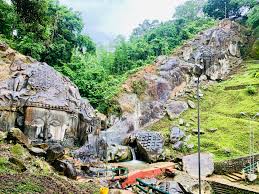
The stone carvings in Unakoti in Tripura are one of the most detailed ones in India and yet, this place is rarely visited. As per Hindu mythology, when Lord Shiva was going to Kashi along with one crore gods and goddesses, he made a night halt at this location. He asked all of them to wake up before sun rise. It is said that in the morning, except Shiva himself, no one else woke up on time. So Shiva set out for Kashi on his own cursing the others to become stone images. Perfect for both spirituality and history enthusiasts, this is truly one of the most underrated places in the country.

Rajasthan Crisis on the door of SC

Rajasthan Political crisis has knocked the door of Supreme Court. Speaker of the state assembly, CP Joshi has filed the Special Leave Petition to the Apex court challenging the High Court order. The SC is likely to hear the matter on 23rd july.

Judiciary vs. Legislature

Former Deputy Chief Minister of state, Sachin Pilot and eighteen other rebel congress MLAs were served disqualification notices by the state assembly to the dissidents for “anti-party activities” last week. Against this notice Pilot and his supporter MLAs approached the High Court. On July 21st the HC granted some relief and had requested to the Speaker to extend the period given to the Pilot and his camp to reply the notice till the evening of July 24.

Differing to the decision of the High Court, Speaker C.P Joshi called a press conference and showed his displeasure against the HC order. Joshi said, “There should be no conflict between the judiciary and the legislature. The role of everyone in the parliamentary system is well defined. The Supreme Court gave instructions in 1992 to stop Aya Ram Gaya Ram culture, in which the Speaker has the right to disqualify members for defection. No one has the right to interfere in the process.”

He also said that, “In 1992, the constitutional bench of the Supreme Court made it clear that under the anti-defection law, the speaker has the right on the issue of disqualification. No one can interfere in the Speaker’s decision,” adding further he said, ‘‘whatever judgment the court has given, I have respected till now. However, does this respect and acceptance mean that one authority overlaps the role of the other?”

Drama in the SC

After filing of Special Leave Petition by the Speaker, Pilot camp has also filed a caveat in the SC, asking to be heard before the court takes a decision on the Speaker’s request.The apex court will hear the matter on July 23rd.  Congress leader and Senior Advocate Kapil Sibal will represent the Speaker in this case. From Pilot’s camp Mukul Rohatgi, will be their lawyer.

What is Special Leave Petition?

Special Leave Petitions or SLP is filed in the Supreme Court only when any substantial question of law is involved or gross injustice has been done. This is a “residual power” given to the Supreme Court by the Constitution of India under article 136.

It provides the aggrieved party a special permission to be heard in Apex court. It can be appealed against any judgment or order of any Court or tribunal in the territory of India, except the military court.

SLP is not a right to the aggrieved party but the Supreme Court has privilege to grant special leave. The SC may also refuse to grant the leave to appeal by exercising its discretion.

The Politics Of PHONE TAPPING

The ghost of phone tapping in Indian Politics has returned, this time in Rajasthan. After releasing three audio clips by the congress, BJP has alleged the state government of doing illegal phone tapping. BJP spokesperson Sandeep Patra has asked for a CBI probe. Patra accused, chief minister Ashok Gehlot of “manufacturing lies” and undertaking “illegal measures like phone-tapping” to save his government. He said that, “The Congress has a history of phone-tapping.”

On the other hand Bahujan Samaj Party chief Mayawati named Ashok Gehlot, a serial offender and alleged him of acting illegally. Mayawati called for President’s rule in the state. While the Congress has refuted the claims of phone tapping and said that the audio clips were sourced from the social media.

Political History of Phone Tapping

Tapping of phones for political gain is illegal but not rare in Indian Politics. Be it in 2010 phone tapping case between then IPL Chief Lalit Modi and NCP supremo Sharad Pawar, in 2017 Kerala, in 2018 Karnataka or in 2019 Chhattisgarh. Even the phones of Rashtrapati Bhavan had also been bugged.  

Last year hearing the matter of Chattisgarh Phone Tapping case, the Supreme court of India had remarked that, ‘No Privacy Left For Anybody’. The bench of justices Arun Mishra and Indira Banerjee, had sternly said that, ‘‘what is the need to do (things) like this? No privacy is left for anybody. What is happening in this country?”

Procedure for Phone Tapping:

Though the country has seen various infamous instances of phone tapping, but there are laws which allows phone tapping in certain circumstances legal. Under entry 31 of the Union List of the Constitution and Entry 7 of the Federal List of the Government of India Act, 1935, telephonic along with other communication devices is mentioned. And both the Central government and the State government has the right to tap phones of people under Section 5 (2) of the Indian Telegraphic Act, 1885.

  1. Section 69 of the Information Technology Act, 2000, empowers the central government or a state government to intercept, monitor or decrypt or cause to be intercepted or monitored or decrypted, any information generated, transmitted, received or stored in any computer resource in the interest of the sovereignty or integrity of the country.
  2.  This power of interception is to be executed as per the provisions of law, rules and Standard Operating Procedures (SoPs), approved by the Union Home Secretary in case of central government and by the Home Secretary of the state concerned in case of the state government.
  3. Only ten agencies are authorised for phone tapping: (i) Intelligence Bureau, (ii) Central Bureau of Investigation, (iii) Enforcement Directorate, (iv) Narcotics Control Bureau, (v) Central Board of Direct Taxes, (vi) Directorate of Revenue Intelligence, (vii) National Investigation Agency, (viii) R&AW, (ix) Directorate of Signal Intelligence and (x) Delhi Police Commissioner.
  4. Such authorities must seek permission from the Home Ministry before they tap the calls of the person. In the application to the Ministry, the agency has to mention reasons and the needs for tapping the phone calls. In the case of State, the permission has to be taken from State Home secretary.
Remedies:

  1. Unauthorized tapping or interception is a violation of the right to privacy, and the aggrieved party can file a complaint with the National Human Rights Commission.
  2. The aggrieved party can also file an FIR against unauthorized tapping.
  3. The aggrieved person can also move to the Court against the person doing any unauthorized act under Section 26 (b) of the Indian Telegraphic Act.

The Law of Defection

Merely just four months have passed and congress once again in the brink of “losing” one more state after “winning” the election.

First, Jyotiraditya Scindia in Madhya Pradesh and Now Sachin Pilot in Rajasthan. The oldest political party of country is facing a severe crisis as never been seen before. After the disagreement on various issues Sachin Pilot has openly come against the party leadership in Rajasthan. Congress’s top brass is trying to amend things but also sternly stated that if Pilot and his supporters will revolt against the party or try to topple the government in state with the help of BJP, they will have to face the disciplinary action.

The Anti defection law

There was a time in Indian politics when a “netaji” from haryana MLA Gaya Lal changed his party not once or twice but thrice in a single day. After that the phrase “aaya raam, gaya raam” became popular in political circuit. The trend to leave a party and join a new or again leave that, had become a trend. Several parties in India continued to be involved in this type of political horse-trading to grab the power.

To end this trend, an anti defection law was passed in 1985. The law was inserted by the 52nd constitutional amendment Act in the Tenth Schedule. It lays down the process by which legislators may be disqualified on grounds of defection by the presiding officer/Speaker of a legislature based on a petition by any other member of the house. The law applies to both Parliament and state assemblies.
Important Features of the law

• A legislator is deemed to have defected if he either voluntarily gives up the membership of his party or disobeys the directives of the party leadership on a vote. This rule implies on them too who abstain from the voting or vote against the party whip on any issue.  
•A person shall be disqualified for being a member of either House of Parliament if he is so disqualified under the Tenth Schedule.

• A person shall be disqualified for being a member of the Legislative Assembly or Legislative Council of a State if he is so disqualified under the Tenth Schedule.

Exception under the law

The law allows a party to merge with into another party, but at least two-thirds of its legislators are in favour of the merger.

If a new political party is created by the elected members of one party.

Those members of the party who haven’t accepted the merger between the two parties and opted to perform as a separate group from the time of such a merger.
In such a scenario, neither the members who decide to merge, nor the ones who stay with the original party will face disqualification.

This law has certainly  been able to curb the defection to a great extent. But In recent years what happened in Goa, Karnataka & MP are some fresh examples of the loopholes of this law. This shows that the law needs a relook in order to plug these loopholes. Though one cannot deny that this law has served as one of the most important legislation  Indian Parliament has enacted.