Workspace beautification initiatives at Shastri Bhavan

Shri Sanjay Kumar, Secretary, Department of School Education & Literacy (DoSEL), Ministry of Education, inaugurated a series of initiatives implemented by the Department under Special Campaign 4.0 on 28.10.2024 including a revamped garden space at Shastri Bhavan. These initiatives include the installation of eco-friendly recycled plastic benches and rejuvenation of the garden area, adornment of walls with paintings etc. undertaken in collaboration with Bisleri International under its CSR Programme.

The garden area at Shastri Bhavan, New Delhi now dons a completely revamped, green and pleasant look. The entire garden patch has been uplifted by putting grass cover, placement of lights with covers made from recycled plastic, repairing and painting of tree guards and setting up of circular sitting areas around trees carved from recycled plastic.

During the event, Shri Sanjay Kumar also explored new initiatives within the building where the traditional furniture in the common sitting areas for visitors has been replaced with sustainable benches and tables crafted from recycled plastic. These benches not only providing good utility but also catching the attention of one and all with serene colour and striking message which reads, ‘Bench made from recycled plastic’. These benches also feature paintings by Mouth and Foot Painting Artists (MFPA). Further enhancing the eco-friendly environment, rows of potted plants have been placed throughout corridors and common areas. It is intended that these natural additions, purify the air and provide a calming ambience at the workplace.

The occasion also witnessed the unveiling of vibrant corridors adorned with paintings by MFPA. The paintings not only enhance the ambience but also add a spirit of inclusivity.

At the Ministry’s Conference hall, beautiful artwork has been placed showcasing the Indian Institute of Science and Banaras Hindu University skilfully painted by artists from National Bal Bhavan. The conference hall also has exhibits of vibrant photographs capturing the spirit of school education from schools across the country. These inspiring images embody the Department’s mission to make quality education accessible to every child.

Aligned with the goals of Special Campaign 4.0, these initiatives highlight the importance of cleanliness, waste reduction and recycling while serving as an educational tool to promote environmental responsibility.

DoSEL is also proud to share the remarkable success of Special Campaign 4.0. So, far 32,037 cleanliness campaigns have been conducted by schools and institutions nationwide. The enthusiastic participation of these institutions is setting a strong example, furthering the message of Swachhata and inspiring others to take action.

As of 29.10.2024, the following milestones have been achieved:

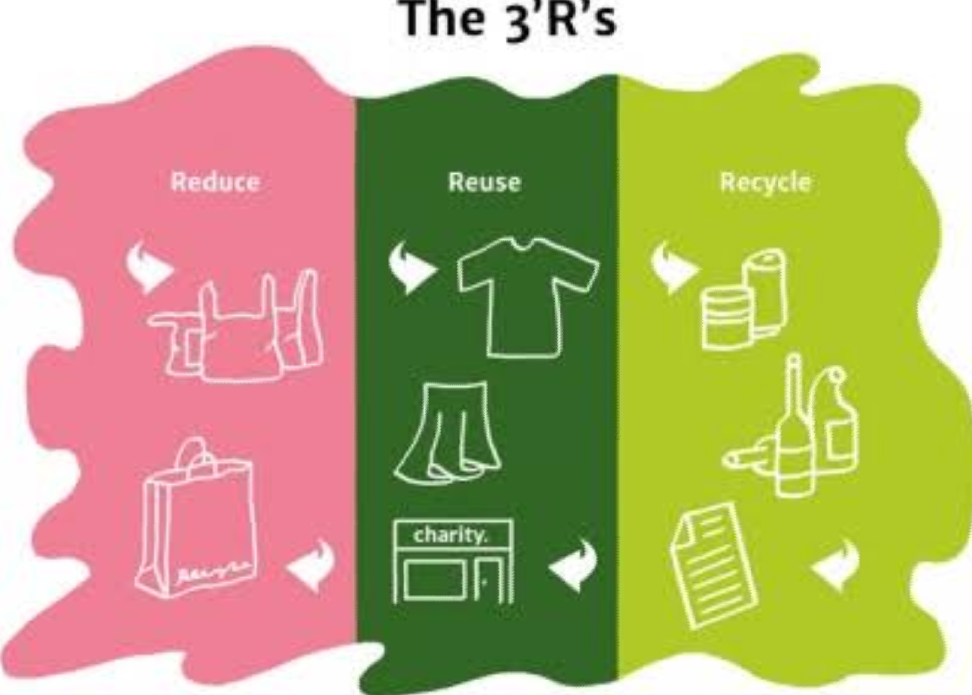
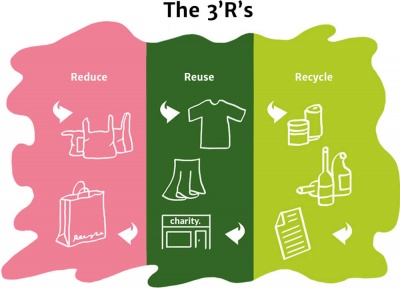
  • Imparting of environmentally friendly practices to students, following the 3 R formula: Reduce, Reuse, and Recycle. Students are also taught to create arts and craft from waste materials and design functional pieces from salvaged items.
  • 1,44,338 sq. feet of space has been freed up and put to productive alternative use.
  • Out of 61,100 physical files identified for review, all have been examined. So far, 40,106 files have been marked for weeding, with 38,997 already weeded out.

The enthusiastic participation of institutions and schools in Special Campaign 4.0 is significantly contributing to the promotion of Swachhata and environmental sustainability.

****
BATTLE AGAINST PLASTIC

“It’s just one straw, it’s just one plastic cup, it’s just one plastic bag”

7.8 billion people

Do you ever wonder where “away” is when you throw stuff “away”?

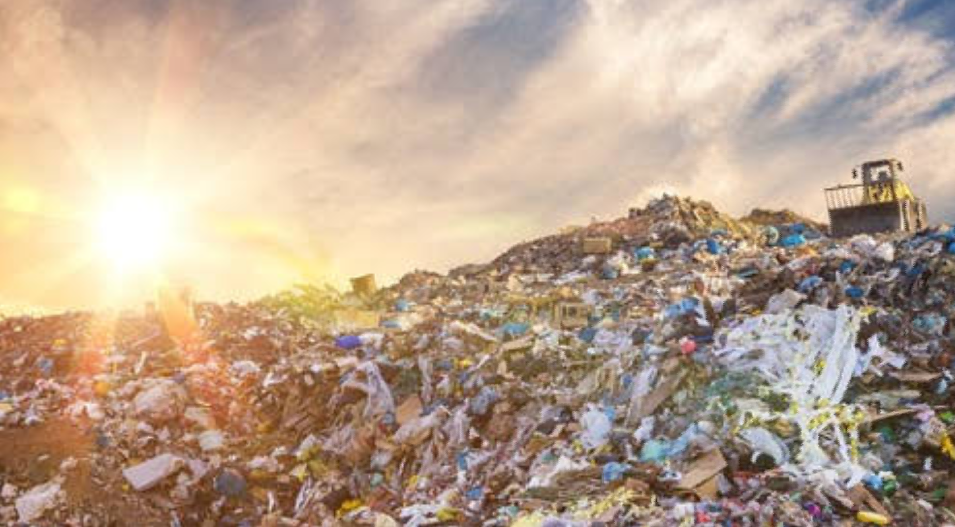
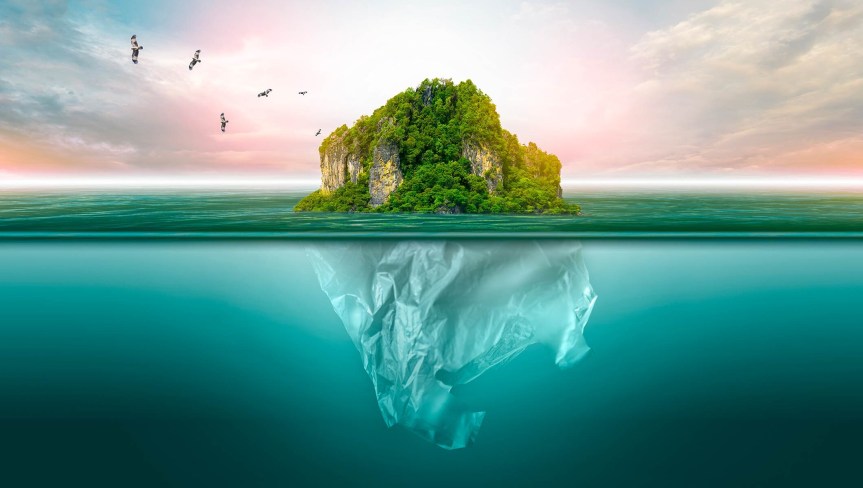
There is no waste that does not degrade in nature. Humans, on the other hand, invented plastic, which, due to its qualities, will always be considered “unnatural” in the ecosystem. Plastic production is low-cost, and the material’s possibilities are limitless. Because of its widespread use, plastic virtually always finds up in the environment, resulting in more plastic pollution. Every day, you come into contact with many sorts of plastic, such as a lunch box or, more commonly, a plastic bag. Plastic pollution has reached every corner of the world. It’s made its way to the depths of our oceans, isolated forest routes, Arctic ice, and island beaches where turtles lay their eggs. And the amount of plastic waste in the oceans is so large that it is referred to as the “7th continent”. By next decade, there will be more plastic in the oceans than fish, if current trends continue. We don’t know how long these plastic will take to degrade (or if it will ever degrade), but we do know that once it’s in our soil, rivers, and oceans, it’s impossible to remove. Away from the seas, plastic waste is a major issue, overflowing landfills, clogging rivers, and polluting the environment through open burning or cremation. Some plastics also contain and absorb harmful substances, putting wildlife and humans at risk.

Now, the first thing which comes to our mind when we think of a solution to this problem is recycling. But truth is only minimal percent of plastic is recycled on a global scale. Even in advanced nations, household plastic recycling rates are frequently less than 50%, with very little of it being transformed back into packaging. The majority of “recycled” packaging waste gets down cycled into lower-value or non-recyclable products, only delaying the plastic’s final trip to the landfill.

What are our options now? Short-term objectives could include reducing needless packaging that is difficult or impossible to recycle and increasing the use of reusable and refillable methods for carrying and storing goods. We’ll need to adjust our consuming habits in the long run.

The most effective strategy to combat this problem is to alter our mindsets and habits with these challenging but really useful methods:

The classroom is an excellent place to begin discussing this problem and possible solutions. Kids may improve their science knowledge and leadership skills while also learning how to make the world a better place. Educators have the power to encourage students to make a difference in the world.

By volunteering or protesting: Citizen Activists are cleaning up riverbanks, parks, and beaches in their communities, and using these events to identify the polluting firms.

There are inventive methods to prevent single-use plastics whether you’re arranging a dinner, a picnic, or even a large-scale community event.

Plastic can pollute the environment if it is not properly managed, yet it also has several benefits, such as resistance. As a result, many plastic things can be reused or adapted to new uses. It is critical to explore how plastic things can be repurposed before discarding them. And support restaurants, food chains, shops that choose to reuse.

The battle against plastic is long and hard but it’s our battle to fight, so that the generations ahead don’t have to bear the consequences of our mistake.

Out of sight out of mind

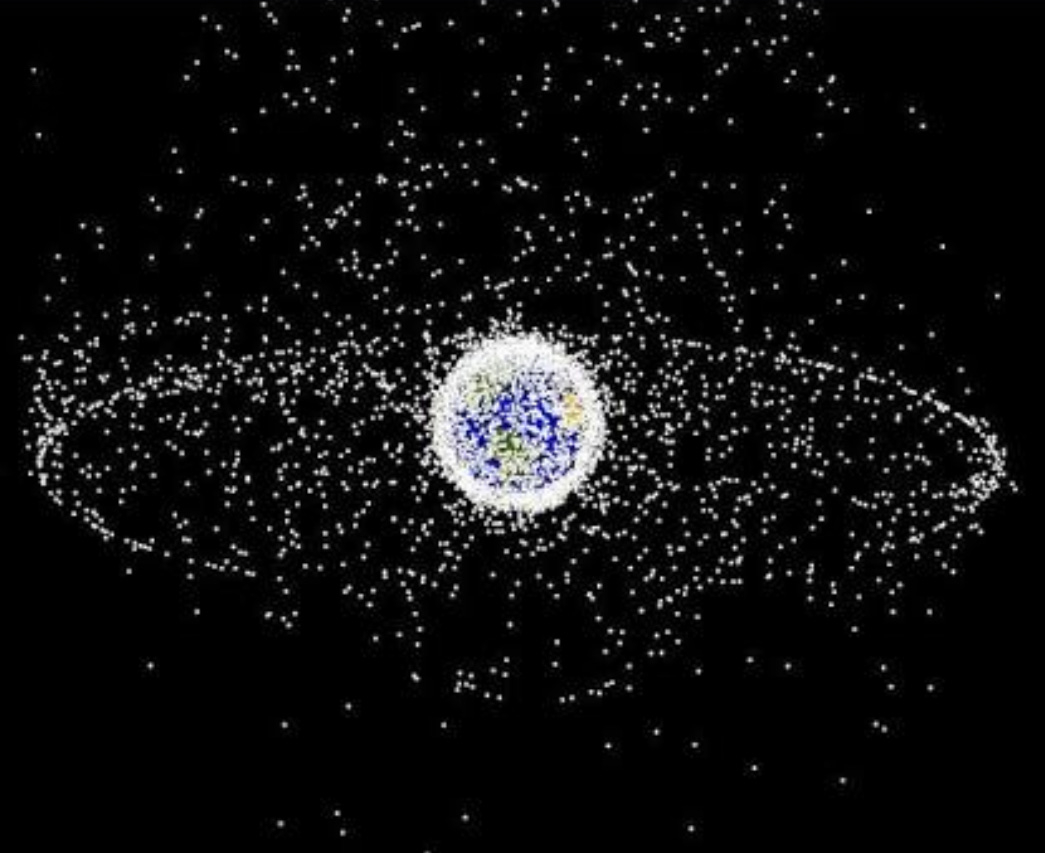
The world has so much problem with the waste production and dumping and landfills. We need more space. Why not send it to outer space? You know take some amount of trash at a time and send it to space and let it go. Sounds easy but turns out it isn’t that easy.

First of all it costs a LOT to send a spaceship into the space. We would need a large number of rocket launches to actually get rid of the insane amount of garbage the world produces(1.2 trillion kg). That way, the rise in air pollution… unimaginable. Also, complex infrastructure requirements! We need a lot more launch pads.

Suppose we do find a way to manage the costs and send a rocket filled with trash to be thrown out in the space. Imagine if some technical issue occurs and it blasts. It would rain burning plastic. Not good for the environment.

Even if we throw it out, the accumulation would make our atmosphere so dense that it would be a toxic world to live in. Also we couldn’t use satellites plus space travel would be tough. What if it comes floating back. Gross sight.

There’s another thing we could do. Burn the trash in the volcanoes. Trash incinerators have filters to filter out poisonous gases. In case of volcanoes filtering is not possible so again toxic world. Besides throwing something in the lava, disturbing the surface, would instantly trigger a chain reaction leading to an explosion. So not an option.

Guess we have to find other sources to convert the trash into some kind of energy. Maybe some day. Till then we need to manage our trash and follow the three R’s. (Reuse, Recycle, Reduce)

Thank you for reading. Have a nice day!

Raising an ECO-FRIENDLY Generation

We as a generation were born with resources available to us at a switch of a button. But would that be the same considering our irresponsible usage?

Let’s make a few lifestyle changes and teach our kids to become eco-friendly and live in a sustainable environment and household.

  • WATER CONSERVATION:
Cropped image of woman putting toothbrush under water - Stock ...

Do not encorage your kids to take long showers. Teach them to take a bucket water bath and advice them on keeping the taps shut. If they brush their teeth with running tap water, show them how water is needed only while rinsing the mouth. Tell them the importance of water in our lives and how it is essential to survive.

  • PAPER WASTAGE:
Using Technology To Reduce Paper Waste - Food & Nutrition Magazine

Encourage your children to use both sides of the paper. Tell them how papers are made from trees and the importance of trees in our lives. Adopt paper savvy techniques like using of eco-friendly notebooks and e-newspapers instead of hardback papers.

  • PLANT TREES, INHALE FRESH:
How to start your own tree planting project — TreeSisters

Plant trees in your backyard with them. You can teach them the art of gardening and also tell them about compost pits. It is a good hobby for your kids to row up nurturing a living organism and to be compasssionate towards others.

  • BEST OUT OF WASTE:
Best Out Of Waste Ideas : Best Things Made From Car Tyres

Making interesting and useful objects at home from waste will be a good bonding activity. One can make creative items like newspaper wall hangings, old plastic bottles can be made into show pieces or pen stands,etc.Show them how to reusee than discarding and hence creating less wastage.

  • REUSE- REDUCE -RECYCLE:
Reduce, Reuse, Recycle - Knowledge Bank - Solar Schools

Use tote bags or bins when shopping, say no to the plastic shopping bag. Select packaging that does not have a lot of excess waste. Use dinnerware that can be washed instead of paper plates and plastic ware. Only buy things that you will use in the immediate future.

Give your discards a chance at a second life by holding a yard sale or donating items to Goodwill, the Salvation Army, Habitat for Humanity, or other charitable outlets.  Contact schools and nursery schools to find out different types of items they reuse for art projects.  Donate used books to the Library.  Several organizations take used cars and even boats.