Keyword Research for YouTube: Finding Topics That Actually Convert

Creating content for YouTube isn’t just about posting videos and hoping for views. With over two billion users worldwide, the platform is crowded, and standing out requires a strategy. One of the most critical elements of that strategy is keyword research. Knowing which topics to target ensures your videos reach the right audience and, more importantly, convert viewers into subscribers, customers or clients.

For businesses in Dubai, partnering with an experienced digital marketing agency like Dominate Online can help optimise YouTube campaigns while aligning them with broader SEO goals. Their expertise in SEO services in Dubai ensures your content doesn’t just get views; it delivers results.

Why Keyword Research Matters on YouTube

YouTube is the second-largest search engine after Google, meaning people actively search for content they want to watch. Posting videos without considering search intent is like shouting in a crowded room. You might be heard, but likely by the wrong people.

Keyword research allows you to:

  • Understand what your audience is searching for.
  • Identify gaps in existing content.
  • Target queries that drive engagement and conversions.

When done correctly, keyword research turns your YouTube strategy from guesswork into a structured plan that aligns with your business objectives.

Tools for YouTube Keyword Research

Several tools can simplify the process of finding high-performing keywords:

  • YouTube Autocomplete: Typing a search query in the YouTube search bar reveals suggestions based on real user searches.
  • Google Trends: Helps identify trending topics and compare search volume for different queries.
  • TubeBuddy & VidIQ: Paid tools that offer detailed keyword analytics, competition scores and topic suggestions.
  • Keyword Planner (Google Ads): Provides search volume data and insights that can be applied to YouTube content planning.

Using these tools in combination gives you both a broad overview of trends and detailed data for targeting specific queries.

How to Identify Topics That Convert

Not all keywords are created equal. Some generate views, others drive engagement or conversions. To find topics that actually convert, consider these factors:

1. Search Intent
Focus on the ‘why’ behind a search. Are viewers looking for tutorials, reviews, comparisons or entertainment? Align your video format with intent to increase the likelihood of engagement.

2. Competition
High search volume is great, but it often comes with fierce competition. Look for mid-volume keywords with lower competition, which are easier to rank for and often attract more targeted viewers.

3. Relevance
The topic should align with your brand and the audience you want to attract. Irrelevant content might generate views, but it won’t lead to meaningful results.

4. Engagement Potential
Keywords tied to topics that spark comments, shares or subscriptions are highly valuable. Consider trending topics or content gaps where your unique perspective can stand out.

Structuring Content Around Keywords

Once you identify the right keywords, integrating them naturally into your video content is key. Include primary keywords in:

  • Video title
  • Description
  • Tags (sparingly)
  • Video script (spoken naturally)
  • Thumbnail text

For example, a Dubai-based marketing agency producing a video on SEO could title it: ‘Keyword Research for YouTube: How Dubai Businesses Can Dominate Online’. Including location-based keywords, along with branded mentions, helps the video reach both local and targeted audiences.

Using Analytics to Refine Your Strategy

Keyword research isn’t a one-and-done task. Monitor analytics for:

  • Watch time
  • Click-through rate (CTR)
  • Engagement metrics (likes, comments, shares)
  • Subscriber growth

These insights show which keywords and topics perform best, allowing you to adjust future content and focus on what actually converts.

For businesses aiming to grow their online presence in Dubai, leveraging Dominate Online SEO services in Dubai ensures your YouTube strategy aligns with overall digital marketing goals, maximising both visibility and ROI.

Tips for Consistent YouTube Growth

  1. Plan Content Calendars Around Keywords: Map out weekly or monthly content based on high-performing search queries.
  2. Mix Evergreen and Trending Topics: Evergreen content provides long-term value, while trending topics capture timely interest.
  3. Engage With Your Audience: Encourage comments and respond promptly. This engagement signals to YouTube that your content is valuable.
  4. Cross-Promote Content: Share videos across social media and embed them on your website to increase reach and backlinks.
  5. Test and Iterate: Use analytics to determine what works and refine your approach continuously.

Conclusion

Keyword research is the cornerstone of YouTube success. By understanding search intent, evaluating competition and targeting relevant topics, businesses can create videos that attract viewers and convert them into loyal subscribers or customers.

Partnering with experts like Dominate Online ensures your content strategy is optimised from the ground up. With Dominate Online SEO services in Dubai, your YouTube efforts align with broader marketing goals, ensuring visibility, engagement and measurable results.

Invest time in proper keyword research, structure your content carefully, and continually refine your approach. With the right strategy, your YouTube channel can go beyond views and clicks, it can become a powerful engine for growth.

2 PhD Candidates for the project “Climate Citizenship

Daily writing prompt
What experiences in life helped you grow the most?

Vacancy

2 PhD Candidates for the project “Climate Citizenship

Vacancy number15477Job typePhD positionsHours (in fte)1,0External/ internalExternalLocationLeidenPlaced on18 February 2025Closing date31 March 2025 38 more days to apply

Apply now

Leiden University’s Institute of Cultural Anthropology and Development Sociology (CADS) is looking for

2 PhD Candidates for the project “Climate Citizenship (4 years, full time)

We welcome applications for two PHD candidates for the research project “Climate Citizenship: Infrastructures, Environments, and Democracy in the Era of Climate Change,” funded by a European Research Council Starting Grant (ERC-StG).

Climate Citizenship explores how adapting environments to climate change through new forms of nature-based infrastructure reshapes people’s relationships with each other and the state. Examples range from green roofs and vertical gardens to urban parks, flood plains and more ambitious efforts to transform landscapes. The project treats these infrastructures as social and political as well as environmental experiments. It asks: when and how do they stimulate behavioural change, create new alliances between stakeholders, or transform the division of rights and responsibilities within a society?

As a PhD candidate, you will conduct ethnographic research on these questions in either the Louisiana Delta (the United States) or the Tokyo Bay area (Japan). You will employ an “ecographic” research design, combining ethnographic methods with those from the ecological sciences in order to track how new forms of climate adaptation alter both environment and society. Your primary supervisor will be the project’s Principal Investigator, Dr. Andrew Littlejohn. The project is hosted by Leiden University’s Institute of Cultural Anthropology & Development Sociology.

What you will do
You will conduct independent ethnographic research in either the Louisiana Delta (the United States) or Tokyo Bay area (Japan) within the frame of this project:

  • You will conduct ethnographic research, entailing at least 10 months of fieldwork in one of the two research sites, using an “ecographic” protocol developed together with the Postdoc;
  • Submit a PhD thesis, publish at least one peer-reviewed journal article, and produce one work of audio-visual media;
  • Co-produce a podcast series designed for a public audience on the results of the project;
  • Participate in the meetings and proceedings of the project (e.g. reading groups, seminars, workshops) and wider activities of the Institute of Cultural Anthropology & Development Sociology, including training requirements of the institute and faculty;
  • Co-organise and participate in academic and public events, such as an international conference organized by the project.


You will be part of a team comprising two PhD candidates, a postdoctoral researcher, and the PI. The entire team is expected to reside in the Netherlands and work from Leiden for the duration of the project, except during fieldwork.

Where you will work
The Faculty of Social and Behavioural Sciences consists of five institutes: Centre for Science and Technology Studies, Cultural Anthropology and Development Sociology, Education and Child Studies, Political Science, and Psychology. The faculty has approximately 7000 students and 1000 staff members. Within the institutes, not only education is provided but also groundbreaking research is conducted that pushes the boundaries of our understanding of human behaviour and societal structures. What makes our faculty unique is the diversity of research topics, the various styles of teaching, and the way professional support is organized; this provides you with the opportunity to explore and develop your interests and expertise. Visit our website for an impression: Welcome to the Leiden Faculty of Social and Behavioural Sciences – Leiden University.

Leiden University’s Institute of Cultural Anthropology and Development Sociology (CADS)
Leiden University’s Institute of Cultural Anthropology and Development Sociology concentrates on ‘global vulnerability and social resilience’. The institute has three main themes: diversity, sustainability, and digitalisation. CADS is dedicated to making a real-world impact, not just studying change, but also working with communities to promote positive change through education and research. We use a unique approach that blends qualitative, quantitative, audiovisual, and digital methods based on ethnographic fieldwork.

With our unique blend of interdisciplinary interests, comparative regional studies, and social science research methods, we emphasize our role in the extensive collaborative network within Leiden University. In both our research and education, we engage in extensive interdisciplinary and international networks.

What you bring

  • (Research) Master’s degree in Cultural Anthropology or another relevant social science;
  • Excellent research skills as demonstrated by an outstanding master’s thesis or research papers;
  • Enthusiasm, passion, and commitment for long-term fieldwork in the United States or Japan;
  • Speaking, reading, and writing skills in Japanese in the case of research in Japan, for example as demonstrated by the Japanese-Language Proficiency Test;
  • Excellent command of English (speaking and writing);
  • Independent work attitude and demonstrable ability to work in a team.

Some interest and/or experience in ecological and acoustic research methods and outputs is an advantage but not a requirement.

What we offer
Our goal is to work together to create a transparent and inclusive work environment in which everyone feels welcome and appreciated. Our organisation is always evolving, and we need your ideas for improvement and innovation to take us further. We want to devote attention to your personal development.

You can expect an enjoyable job within the socially relevant world of education and research. The University’s challenging and international work environment is located just steps away from Leiden’s lively city centre or the bustling city centre of The Hague. We also want to work with you to devote attention to your health and vitality, for example with the fun activities we organise through Healthy University.

We also offer:

  • A temporary employment contract for (38 hours per week) as a PhD candidate, initially for a period of 1 year, with the possibility of extension for 3 years after a positive evaluation. This contract falls under the Collective Labour Agreements (CLA) of Dutch Universities;
  • A salary of a minimum of € 2,901 and a maximum of € 3,707 gross per month, based on a full-time appointment (38 hours) (scale P); with increments based on the CLA.
  • A holiday allowance (8%), an end-of-year bonus (8,3%), and an attractive pension scheme at ABP;
  • Flexible working hours: as a standard, you are entitled to a minimum of 29 leave days on the basis of a full-time working week of 38 hours;
  • If your work allows it, hybrid working is possible within the Netherlands;
  • A home-working allowance (day and internet allowance) and attention for good workplaces. The University will also provide you with a laptop and a mobile telephone (if applicable for the position).


For more information about employment conditions, see:
https://www.universiteitleiden.nl/werken-bij/sollicitatieprocedure-en-arbeidsvoorwaarden

What we find important
Promoting an inclusive community is central to Leiden University’s values and vision. Leiden University aims to be an inclusive community in which all students and staff members feel valued and respected and are able to develop to their full potential. Diversity in experiences and perspectives enriches our teaching and strengthens our research. High-quality education and research mean inclusive education and research.

Want to apply or find out more?
If you want to apply straight away, click the application button.
If you would like more information about what the job entails, please contact: Dr. Andrew Littlejohn, Assistant Professor at a.l.littlejohn@fsw.leidenuniv.nl

You can apply until March 31, 2025; applications will be processed immediately.
Online interviews will be held with shortlisted candidates in April 2025. The intended starting date is August 2025.

To apply, please submit:

  • A motivation letter (maximum 2 pages), explaining your motivation for pursuing a PhD and for working in the climate citizenship project, indicating where you would like to do research (U.S. or Japan) and how your experience and skills make you suitable;
  • A curriculum vitae (CV) (maximum 2 pages);
  • Copies of academic transcripts from prior study at Bachelor’s and Master’s levels;
  • A short research statement, explaining how you imagine addressing the subproject’s questions (maximum 500 words);
  • Names and contact details of two referees.


To help us get to know each other better, we follow a number of steps in the application procedure. For more information, see:
https://www.universiteitleiden.nl/werken-bij/sollicitatieprocedure-en-arbeidsvoorwaarden

  • A pre-employment screening (references, diplomas, certificate of good conduct (VOG) may be part of the selection procedure.
  • Acquisition in response to this vacancy is not appreciated. If you nevertheless choose to send us CVs, no rights can be derived from this. -Hybrid

Why You Should Visit Eduindex.org Daily for Educational News

Daily writing prompt
Describe the most ambitious DIY project you’ve ever taken on.

In today’s fast-paced digital world, staying updated with the latest educational trends, research developments, and academic opportunities is crucial for students, educators, and researchers. Eduindex.org is your one-stop destination for all things education, offering timely and relevant news across various domains. Here’s why you should make it a habit to visit Eduindex News daily and follow our WhatsApp channel for instant updates.

1. Comprehensive Coverage of Educational News

Eduindex News provides a wide range of educational updates, including:

  • Latest research findings and academic papers.
  • University admissions, scholarships, and funding opportunities.
  • Government policies related to education.
  • Online learning resources and technology trends in education.
  • Interviews with top educators and scholars.

2. Timely and Reliable Information

We ensure that the news published on Eduindex.org is well-researched and verified from credible sources. Whether you are looking for information on faculty development programs, peer-reviewed journals, or eBook publications, you can trust our platform to provide accurate and up-to-date information.

3. Opportunities for Researchers and Scholars

For academicians and researchers, Eduindex News offers exclusive insights into research publication opportunities, edited book proposals, and call for papers from reputed journals like the International Journal of Research (IJR). Our platform also highlights discounted publication offers for scholars from developing countries and NGOs.

4. Daily Updates via WhatsApp Channel

To ensure you never miss an important update, Eduindex News has launched an exclusive WhatsApp channel. By subscribing, you will:

  • Receive daily educational news directly on your phone.
  • Get notified about upcoming academic conferences and workshops.
  • Access publication discounts and research funding alerts.
  • Stay ahead with the latest trends in online education and eBook publishing.

5. User-Friendly and Ad-Free Experience

Unlike many news portals cluttered with ads, Eduindex.org ensures a clean and user-friendly reading experience. Our website is optimized for easy navigation, making it convenient for readers to access educational content anytime, anywhere.

How to Join Our WhatsApp Channel?

Following our WhatsApp channel is simple and free! Click the link below and subscribe to get educational news delivered instantly to your device.

📌 Join Eduindex WhatsApp Channel Now

Final Thoughts

If you are passionate about education and want to stay informed about academic opportunities, Eduindex.org is the ultimate platform for you. Make it a habit to visit our website daily and subscribe to our WhatsApp channel to stay updated with the latest in the world of education.

🚀 Stay informed, stay ahead – with Eduindex News!

Interaction of MANIT Director and Experts with PhD Scholars

Daily writing prompt
What bores you?

Date: 12th February 2025
Venue: Vivekanand Conference Hall, MANIT Bhopal

Bhopal, 12th February 2025 – An interactive session between the Director, esteemed experts, and PhD scholars of MANIT was conducted at the Vivekanand Conference Hall. The session focused on providing guidance on crucial aspects of research, including research metrics, journal selection, societal and industrial relevance of research, and the importance of timely completion of PhD programs.

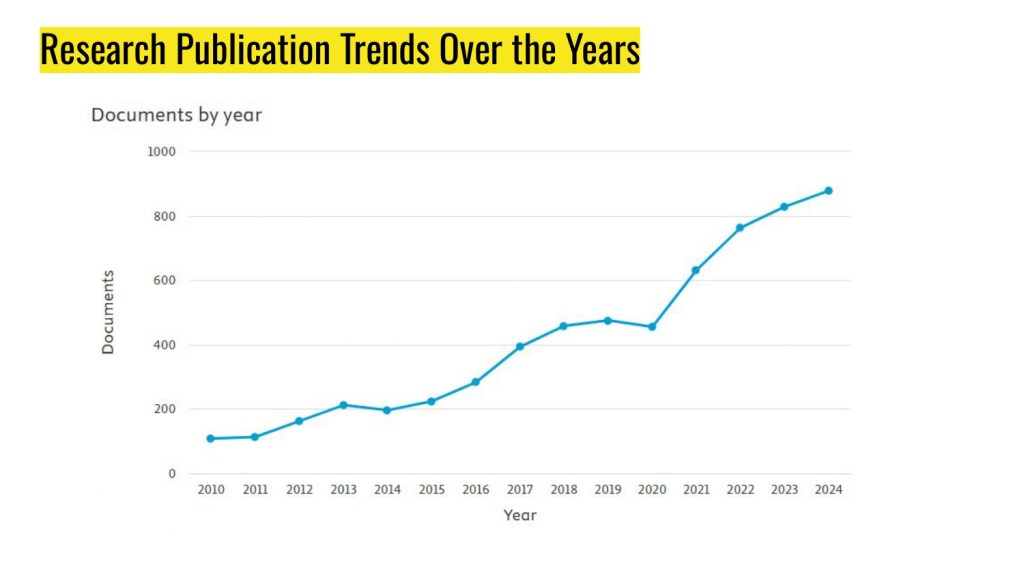
Fig. Research Publication Trends of MANIT indexed in Scopus

The session began with a discussion on the basics of research metrics, where the significance of impact factor, h-index, citation index, and other evaluation parameters was highlighted. Scholars were advised to focus on the quality and novelty of their research rather than solely on numerical metrics. Following this, scholars presented their research progress and received constructive feedback from the experts. The importance of structured research planning and setting regular milestones was emphasized to ensure timely completion.

Experts then provided guidance on selecting reputable journals based on indexing, peer-review standards, and relevance to the research domain. Scholars were encouraged to avoid predatory journals and aim for Scopus, Web of Science, and UGC-CARE-listed journals. The discussion also underscored the need to align research with real-world problems and societal needs. Opportunities for collaboration with industries and governmental bodies were explored to enhance practical applications, and scholars were encouraged to explore patents, technology transfers, and start-up ideas arising from their research.

One of the key concerns addressed was the timely completion of PhD programs and avoiding the ‘slow poison’ of prolonged stipend dependency. The adverse effects of extended PhD durations and over-reliance on stipends were highlighted, and scholars were motivated to complete their research within the stipulated timeframe to contribute effectively to academia, industry, or policy-making. The importance of skill development and networking for post-PhD career opportunities was also stressed.

The session was highly interactive and insightful, offering scholars valuable perspectives from the Director and experts. The discussion reinforced the importance of quality research, timely completion, and the broader impact of scholarly work on society and industry. Scholars were encouraged to remain dedicated, innovative, and socially responsible in their research endeavors.

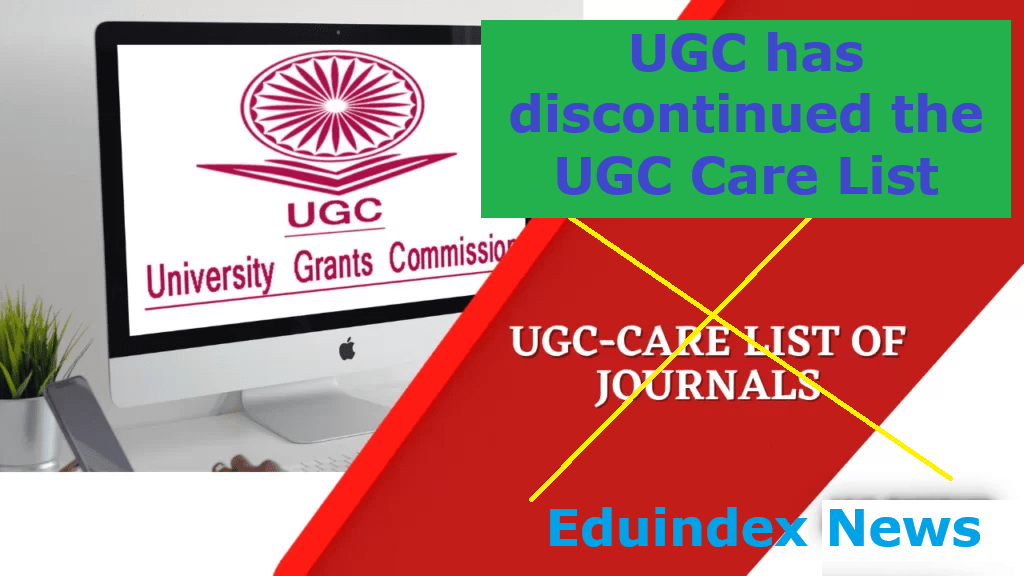
UGC discontinues CARE Journal Listing, suggests new parameters to ensure quality, transparency, and relevance

Daily writing prompt
Share one of the best gifts you’ve ever received.

The University Grants Commission (UGC) has officially announced the discontinuation of its UGC-Consortium for Academic and Research Ethics (CARE) journal listing. This significant shift marks a transition toward a more decentralized and flexible framework for evaluating academic journals.

Introduction of Suggestive Parameters for Journal Selection

In lieu of the UGC-CARE list, the UGC has developed a set of suggestive parameters aimed at guiding faculty members and students in selecting credible and peer-reviewed academic journals for research and publication. These parameters were meticulously crafted by a panel of experts and academicians and have now been made publicly available for feedback. Stakeholders, including Higher Educational Institutions (HEIs) and faculty members, are invited to share their opinions by February 25, 2025, via email at journal@ugc.gov.in.

This decision follows the recommendations made by an expert committee and was formalized during the UGC’s 584th meeting on October 3, 2024. The new guidelines are intended to replace the previous CARE system outlined in the Public Notice dated November 28, 2018.

Focus on High-Quality Research and Institutional Review Mechanisms

To foster high-quality research, HEIs are encouraged to adopt these suggestive parameters and customize them based on their academic requirements. The UGC recommends that institutions establish internal review committees to ensure compliance with these evolving quality benchmarks. This move aims to empower institutions to take ownership of journal evaluation processes while promoting scholarly excellence.

Rationale Behind Discontinuing the UGC-CARE List

Mamidala Jagadesh Kumar, Chairman of the UGC, explained that the UGC-CARE list was initially introduced in 2018 to address concerns over the proliferation of predatory journals and to ensure that only reputable publications were recognized for faculty selections, promotions, and research funding applications. However, the system faced numerous challenges, including:

  • Over-centralization and bureaucratic delays in updating the journal list.
  • Lack of transparency in decision-making processes.
  • Exclusion of respected journals, particularly those in Indian languages, while less credible ones were included.
  • Pressure on researchers to publish exclusively in UGC-CARE listed journals.

NEP 2020 and the Shift Toward Decentralization

The National Education Policy (NEP) 2020 highlighted the need to reduce heavy regulation in academic publishing. In response, the UGC formed an expert committee in December 2023 to review the UGC-CARE scheme. Based on its recommendations, the UGC decided to discontinue the central list and encourage HEIs to develop their own robust mechanisms for evaluating journals.

“This new approach provides institutions with greater flexibility,” stated Prof. Kumar. “It allows them to develop models that align with academic norms and the specific needs of various disciplines. Researchers will no longer be bound by a centralized list of journals.”

Combating Predatory Journals and Protecting Academic Standards

Under the new system, HEIs will bear the responsibility for combating predatory journals by establishing credible evaluation mechanisms. This will help protect the academic reputation of institutions and maintain scholarly integrity. Experienced faculty members are expected to mentor younger researchers in identifying legitimate journals and avoiding predatory ones.

A Step Toward Academic Freedom and Autonomy

The discontinuation of the UGC-CARE list is seen as a step toward restoring academic freedom and institutional autonomy. “By transferring the responsibility for journal evaluation back to HEIs, the UGC has empowered institutions and researchers to make publication choices that best suit their disciplines and target audiences,” Prof. Kumar emphasized.

HEIs will also need to accommodate emerging and interdisciplinary fields by creating dynamic evaluation models that recognize journals beyond traditional indexing frameworks. This adaptability is crucial to addressing the rapidly evolving landscape of academic publishing.

Stakeholder Engagement and Feedback

The UGC encourages stakeholders to carefully review the proposed parameters and provide their feedback before the deadline. This inclusive approach aims to foster a collaborative environment for enhancing academic publishing standards.

For further information, stakeholders are advised to refer to the UGC’s official communications and actively participate in shaping the future of academic journal evaluation in India.

PhD Research Grant in UK

Pursuing a PhD in England offers a wealth of funding opportunities to support your academic journey. Here are some of the top grants and scholarships available:

1. UK Research and Innovation (UKRI) Scholarships

UKRI, through its seven Research Councils, provides substantial funding for PhD students across various disciplines. These scholarships typically cover tuition fees and offer a stipend for living expenses. For the academic year 2022/23, the minimum stipend is £16,062, with potential adjustments for inflation.

2. Commonwealth Scholarships

Administered by the Commonwealth Scholarship Commission, these scholarships are designed for students from Commonwealth countries. They cover tuition fees, travel costs, and provide a living allowance. Eligibility and application deadlines vary based on the specific scholarship category.

3. University Scholarships and Studentships

Many universities in England offer their own scholarships and studentships to attract talented PhD candidates. These awards can cover tuition fees, provide stipends, or offer grants for research expenses. Prospective students should explore the specific funding opportunities available at their chosen institutions.

4. Charitable Trusts and Foundations

Several charitable organizations, such as the Wellcome Trust and Leverhulme Trust, offer grants and scholarships for PhD students, particularly in specialized research areas. These grants can provide significant financial support, including stipends that may exceed standard rates.

5. Doctoral Loans

The UK government offers doctoral loans to help cover course fees and living costs. Eligible students can borrow up to £25,000, with repayment terms based on income thresholds.

6. International Scholarships

For international students, various scholarships are available to support PhD studies in England. These include awards from the British Council and other organizations dedicated to fostering global academic collaboration.

When considering PhD funding, it’s essential to research each opportunity’s specific eligibility criteria, application deadlines, and funding provisions. Engaging with potential supervisors and university departments can also provide valuable insights into available funding avenues tailored to your research interests.

PhD Guidance Service

Eduindex News: Your Trusted Partner for Comprehensive PhD Guidance Services

Embarking on a PhD journey is an intellectually rewarding but highly challenging endeavor. It requires not only academic excellence but also meticulous planning, rigorous research, and a disciplined approach. Recognizing the unique challenges faced by scholars, Eduindex News offers a comprehensive range of PhD guidance services designed to make this journey smoother and more successful.

Whether you’re just beginning to conceptualize your research topic or preparing for your thesis defense, Eduindex News provides end-to-end support to help scholars achieve their academic goals. Here’s a detailed overview of how their services can transform your PhD journey.

1. Assistance in Research Topic Selection

Choosing the right research topic is one of the most critical steps in a PhD journey. Eduindex News offers:

Expert Consultation: Guidance from experienced academicians and subject-matter experts to help you identify a unique and impactful research topic.

Trend Analysis: Insights into emerging trends and gaps in your field to ensure your research adds value.

Feasibility Assessment: Evaluating the practicality and scope of your chosen topic based on available resources and time constraints.

2. Proposal Writing Support

A well-crafted research proposal lays the foundation for your PhD. Eduindex News helps scholars in:

Drafting Proposals: Structuring your proposal with clear objectives, methodologies, and expected outcomes.

Formatting and Compliance: Ensuring the proposal aligns with your university’s guidelines and academic standards.

Review and Refinement: Providing feedback to make your proposal concise, compelling, and research-worthy.

3. Thesis Writing and Structuring

Writing a PhD thesis is a time-consuming and labor-intensive task. Eduindex News offers:

Chapter-Wise Guidance: Detailed support for each chapter, including literature review, methodology, results, and discussion.

Content Development: Assisting in framing arguments, presenting data, and drawing meaningful conclusions.

Editing and Proofreading: Ensuring your thesis is free from grammatical errors, redundancies, and formatting issues.

4. Research and Data Analysis

Analyzing data and presenting it effectively is crucial for a successful PhD. Eduindex News provides:

Quantitative and Qualitative Analysis: Assistance in analyzing data using statistical tools such as SPSS, R, and Python.

Survey Design and Execution: Guidance on designing surveys and collecting data effectively.

Interpretation of Results: Helping scholars draw accurate conclusions and present their findings coherently.

5. Journal Publication Assistance

Publishing research papers in reputed journals is a key requirement for many PhD scholars. Eduindex News supports you in:

Journal Selection: Identifying the most suitable journals in your field of study.

Manuscript Preparation: Formatting and editing manuscripts to meet journal standards.

Submission Support: Managing the submission process and addressing reviewer comments.

6. Preparing for Viva Voce

The thesis defense is often a nerve-wracking experience for scholars. Eduindex News helps you prepare through:

Mock Viva Sessions: Conducting practice sessions to boost your confidence and refine your presentation skills.

Question Preparation: Anticipating potential questions and helping you craft convincing answers.

Presentation Design: Creating professional slides to effectively showcase your research work.

7. Ethical and Plagiarism Compliance

Maintaining academic integrity is paramount in PhD research. Eduindex News ensures:

Plagiarism Checks: Utilizing advanced software to ensure originality.

Ethical Compliance: Guiding you on ethical research practices and ensuring adherence to institutional norms.

Citations and Referencing: Providing support in accurate citation and bibliography creation using tools like EndNote and Zotero.

8. Transforming Thesis into Books

For scholars who wish to share their research with a broader audience, Eduindex News offers:

Content Refinement: Adapting your thesis into a publishable book format.

Publishing Support: Guiding you through the book publishing process, including ISBN allocation and distribution.

Marketing Assistance: Promoting your book to reach a wider academic and general audience.

Why Choose Eduindex News for PhD Guidance?

Eduindex News stands out as a trusted partner for PhD scholars due to its:

Experienced Team: A panel of academicians, editors, and research experts with vast experience in various domains.

Customized Services: Tailored solutions to meet the specific needs of each scholar.

Global Reach: Supporting scholars across diverse fields and institutions worldwide.

Timely Delivery: Commitment to meeting deadlines without compromising on quality.

Affordable Pricing: Competitive rates to make high-quality guidance accessible to all scholars.

Conclusion

Completing a PhD is no small feat, and having the right guidance can make a world of difference. Eduindex News offers a holistic suite of services that cover every aspect of your PhD journey—from selecting a topic to publishing your work. With their expert support, you can overcome challenges, meet academic standards, and achieve your scholarly aspirations with confidence.

Let Eduindex News be your partner in academic success and unlock the full potential of your PhD journey!

Writing a Good Case Study: A Comprehensive Guide

Case studies are powerful tools used across various fields to provide real-world examples, demonstrate the application of theories, or offer detailed insights into specific scenarios. A well-written case study can inform, persuade, and educate its audience effectively. This article outlines the essential steps and tips for crafting an engaging and informative case study.

What is a Case Study?

A case study is an in-depth analysis of a particular situation, event, or individual. It often focuses on solving a problem, exploring an idea, or showcasing success stories. Case studies are widely used in academia, business, medicine, social sciences, and other fields to provide detailed insights that might not be evident through general research.

Key Elements of a Good Case Study

1. Clear Objectives
Define the purpose of your case study. Are you aiming to educate, persuade, or analyze? A clear objective ensures the case study remains focused and relevant.

2. Relevant Subject Matter
Choose a topic or case that resonates with your target audience and aligns with your objectives. For businesses, this could mean selecting a client or project that showcases your strengths.

3. Well-Defined Problem
Clearly articulate the problem or challenge faced by the subject of the case study. This creates context and sets the stage for your analysis.

4. Evidence-Based Analysis
Use reliable data, research, and testimonials to back up your claims. The evidence should be presented in a logical manner to support your conclusions.

5. Structured Format
A well-organized case study is easy to read and understand. The typical structure includes:

Introduction: Overview of the case and objectives.

Background: Context and setting.

Problem Statement: Clear identification of the issue.

Solution: Detailed explanation of the approach taken.

Results: Outcomes supported by data or testimonials.

Conclusion: Summary and key takeaways.

6. Engaging Narrative
Tell a compelling story. A case study should not only inform but also engage the reader. Use a narrative style that connects with the audience emotionally and intellectually.

Steps to Write a Good Case Study

1. Research and Preparation

Identify the subject or case.

Gather all relevant information, including data, interviews, and documents.

Understand the audience and tailor the content to their needs.

2. Define the Core Message

Focus on the main takeaway you want the readers to have. This will guide the narrative and ensure the case study is cohesive.

3. Create an Outline

Plan the structure of your case study. An outline helps organize thoughts and ensures all critical elements are included.

4. Write the Draft

Start with a compelling introduction to grab attention.

Provide sufficient background information for context.

Clearly define the problem.

Explain the solution in detail, highlighting its unique aspects.

Present the results with supporting evidence, such as charts, quotes, or before-and-after comparisons.

5. Edit and Refine

Review for clarity, accuracy, and coherence.

Remove unnecessary details and jargon.

Proofread for grammatical errors and typos.

6. Add Visuals

Incorporate images, graphs, and infographics to enhance understanding and break up the text.

7. Finalize and Format

Use headings, subheadings, and bullet points for readability.

Ensure the formatting aligns with your branding or style guidelines.

Tips for Writing an Impactful Case Study

1. Use Real Data: Authentic data builds credibility and reinforces the case study’s effectiveness.

2. Focus on Results: Highlight measurable outcomes to demonstrate the success of the solution.

3. Be Concise: Avoid unnecessary details that may overwhelm the reader.

4. Include Quotes and Testimonials: Real voices add authenticity and depth.

5. Use a Conversational Tone: Engage the reader with a friendly yet professional tone.

Examples of Good Case Studies

1. Business Case Study
How a small business increased revenue by 50% using a specific marketing strategy.
Focus on the challenges, strategic steps, and results.

2. Medical Case Study
A unique diagnosis and treatment plan for a rare condition.
Include patient history, diagnostic process, treatment, and outcomes.

3. Academic Case Study
Analyzing the impact of a policy change in a community.
Provide a balanced view with supporting research.

Conclusion

Writing a good case study requires a balance of storytelling, analytical thinking, and clarity. By focusing on the problem, solution, and results while maintaining a structured and engaging narrative, you can create a case study that educates, persuades, and leaves a lasting impression on your audience. Whether for academic purposes or professional use, the principles outlined in this guide will help you craft a compelling case study that stands out.

Research Paper Editing Services

Daily writing prompt
Are you more of a night or morning person?

Research paper editing services offered by Eduindex.org are designed to assist students, researchers, and academic professionals in enhancing the quality of their research papers, dissertations, and academic articles. Their services focus on improving clarity, grammar, structure, and overall coherence of academic writing, helping to ensure that the final document is polished and ready for submission to journals, conferences, or academic institutions.

Eduindex.org offers a range of editing services, including:

  1. Grammar and Punctuation Check: Ensuring that the research paper adheres to proper grammar and punctuation rules, enhancing readability and professionalism.
  2. Structure and Organization: Reviewing the overall structure of the paper, ensuring logical flow, appropriate headings, and subheadings for easy comprehension.
  3. Clarity and Conciseness: Editing the content to make it clearer and more concise, removing redundant phrases and unnecessary jargon.
  4. Formatting: Ensuring the paper is formatted according to the required citation style (APA, MLA, Chicago, etc.) and meets specific institutional or publication guidelines.
  5. Referencing and Citations: Checking references and citations to ensure they are correctly formatted and consistent with the required style.
  6. Plagiarism Check: Providing a thorough plagiarism check to ensure the originality of the research paper.

How to Contact Eduindex.org for Research Paper Editing:

To make use of their professional editing services, you can reach out to the team at Eduindex.org by sending an email to editor@eduindex.org. You can share your research paper and any specific requirements or concerns you have regarding the editing process. The editorial team will respond with a tailored solution and discuss the next steps, including pricing and deadlines.

By availing of their editing services, researchers and students can ensure that their academic work is of the highest quality, increasing the chances of successful publication or submission.

ESCI Journals of Clarivate: An In-Depth Overview

Daily writing prompt
Do you or your family make any special dishes for the holidays?

ESCI stands for the Emerging Sources Citation Index, a research database managed by Clarivate, which is a global leader in research analytics. The ESCI was launched in 2015 as part of Web of Science, a platform that includes several well-known citation indices, such as the Science Citation Index (SCI), Social Sciences Citation Index (SSCI), and Arts & Humanities Citation Index (AHCI).

ESCI journals represent a category of scholarly journals that are in the process of being evaluated for inclusion in the more prestigious citation indices, such as SCI or SSCI. These journals are typically emerging or have demonstrated an increasing impact in their respective fields but have not yet achieved the citation levels or broad recognition necessary for inclusion in the more established indices.

In this article, we will dive into the following aspects of ESCI journals within Clarivate’s Web of Science:

  1. What is ESCI?
  2. Criteria for ESCI Journal Inclusion
  3. Differences Between ESCI and Other Citation Indices
  4. Importance of ESCI Journals
  5. How ESCI Affects Researchers and Authors
  6. How Journals Get Indexed in ESCI
  7. List of ESCI Journals and their Scope
  8. ESCI Journals and Academic Career Progression

1. What is ESCI?

The Emerging Sources Citation Index (ESCI) is an index introduced by Clarivate Analytics (formerly Thomson Reuters) to serve as a middle ground between unindexed journals and those included in well-established citation indices like the Science Citation Index (SCI) or the Social Sciences Citation Index (SSCI).

ESCI includes journals that may not yet meet the rigorous standards for the established indices but are still recognized as valuable sources of scholarly content. These journals often focus on emerging fields, new interdisciplinary research, or regional content that may not yet have global visibility but is still highly relevant to specific academic or scientific communities.

Inclusion in ESCI signals that a journal is considered to have academic merit and is on track to potentially gain recognition in broader academic circles. However, it does not yet have the citation impact that journals in SCI or SSCI indices typically do.

2. Criteria for ESCI Journal Inclusion

Clarivate has a set of standards for selecting journals for inclusion in the ESCI. While the specific criteria are not fully disclosed, the following factors are generally considered:

  • Academic Quality: Journals must demonstrate scholarly rigor in their editorial process, peer-review practices, and the quality of articles they publish. This includes having professional editorial boards, following international standards for peer review, and ensuring transparency in publishing practices.
  • Relevance: ESCI journals should have a subject focus that is emerging or growing, offering high relevance to a specific academic community or niche research area. These could include rapidly developing disciplines, innovative interdisciplinary research, or underrepresented geographical or linguistic regions.
  • Citation Potential: Journals are evaluated for their citation potential. Although ESCI journals may not have extensive citation data initially, they are expected to grow in influence and impact. This is a key distinction between ESCI journals and those indexed in more established indices, which typically have higher citation numbers and long-term academic impact.
  • Publication Frequency and Editorial Content: ESCI journals are expected to maintain a regular publication schedule, typically with a certain minimum number of issues published per year. The editorial content must align with scholarly communication practices, including original research articles, reviews, and other accepted types of scholarly work.
  • International Coverage: Clarivate typically prefers journals that have an international scope or appeal, but regional journals that demonstrate a strong impact within a particular academic or geographic community may also be included.

3. Differences Between ESCI and Other Citation Indices

Clarivate’s citation indices, like SCI, SSCI, and AHCI, are highly selective and include journals that have achieved a certain level of citation impact, which is typically a sign of broad recognition and influence within their respective disciplines. ESCI, on the other hand, includes journals that may not yet have reached these citation thresholds but show promise and potential for future growth. Here’s a comparison:

AspectESCISCI/SSCI/AHCI
Citation ImpactEmerging, but lower citation impact compared to SCI/SSCIEstablished journals with high citation counts
Journal SelectionBased on quality and potential for growthBased on long-term citation performance and prestige
ScopeNew or emerging fields, interdisciplinary, or regional journalsEstablished fields with broad global reach and historical significance
Indexing RequirementsJournals must show academic merit but have limited citation historyJournals must demonstrate sustained academic impact and citation frequency
AudienceNiche, emerging scholarly communitiesGlobal, well-established academic communities

4. Importance of ESCI Journals

While ESCI journals may not have the same level of global recognition as those indexed in SCI or SSCI, they play a vital role in the academic publishing ecosystem. Here are several reasons why ESCI journals are important:

  • Supporting Emerging Research: ESCI serves as a platform for emerging or niche research areas that may not yet have significant visibility but are rapidly growing or developing. These journals can contribute to advancing knowledge in areas such as new technologies, interdisciplinary fields, or research that is regionally important.
  • Increasing Journal Diversity: By including journals from different regions and less mainstream disciplines, ESCI helps diversify the global academic publishing landscape. It provides a voice for scholars working in underrepresented fields or regions.
  • Providing Access to Scholarly Work: ESCI journals offer access to high-quality research in emerging fields. This is particularly useful for researchers looking for cutting-edge topics or early-stage developments that haven’t yet been widely covered by established journals.
  • Facilitating Journal Growth: For journals indexed in ESCI, the index serves as a stepping stone to recognition in SCI or SSCI. ESCI inclusion increases a journal’s visibility, helping it attract higher-quality submissions and more citations over time.

5. How ESCI Affects Researchers and Authors

For researchers and authors, publishing in ESCI journals offers both opportunities and challenges:

Opportunities:

  • Early Career Exposure: Researchers, especially those working in emerging or niche fields, can gain early exposure by publishing in ESCI journals. These journals may provide a platform to showcase new and innovative ideas that may not yet fit into larger, more established journals.
  • Increased Visibility: Inclusion in ESCI provides visibility in Web of Science, a globally recognized academic database. Articles published in ESCI journals are discoverable and citable, providing researchers with the opportunity to gain recognition for their work.
  • Potential for Future Recognition: ESCI journals are often viewed as stepping stones to inclusion in more prestigious citation indices like SCI or SSCI. Authors can contribute to the growth and development of these journals, helping them eventually achieve broader recognition.

Challenges:

  • Limited Citation Impact: Due to the emerging nature of ESCI journals, articles published in these journals may not initially receive the same level of citation as those in more established journals. This could affect researchers looking to build their citation profiles early in their careers.
  • Recognition and Prestige: While ESCI inclusion is a positive step, some academic institutions or funding bodies may prioritize journals indexed in more prestigious indices. For authors aiming for high recognition, publishing in ESCI journals may not have the same weight as publishing in SCI or SSCI journals.

6. How Journals Get Indexed in ESCI

Journals that wish to be indexed in ESCI must undergo a thorough evaluation process conducted by Clarivate’s editorial team. This process includes:

  1. Submission of Application: Journals must submit a formal application to Clarivate for inclusion in the ESCI, providing detailed information about their editorial policies, peer-review process, citation practices, and impact potential.
  2. Evaluation: Clarivate evaluates the journal’s editorial content, citation metrics, publishing frequency, and overall quality. This involves an assessment of factors like editorial board composition, adherence to best publishing practices, and the journal’s relevance within its academic field.
  3. Decision and Inclusion: If the journal meets the necessary criteria, it is included in ESCI. Inclusion is based on the overall potential for the journal to grow in citation impact and academic influence.
  4. Ongoing Monitoring: Once a journal is included in ESCI, it is continuously monitored for performance. Clarivate reviews journals on an ongoing basis to ensure they continue to meet the necessary standards for inclusion.

7. List of ESCI Journals and Their Scope

The ESCI includes thousands of journals from various disciplines, including:

  • Sciences: Emerging areas in fields such as biotechnology, environmental science, materials science, and engineering.
  • Social Sciences: New research areas in sociology, anthropology, psychology, education, and business.
  • Arts and Humanities: Journals that focus on niche topics in literature, cultural studies, philosophy, and history.

A detailed list of ESCI journals can be found on the Web of Science platform, where journals are categorized by subject and scope.

8. ESCI Journals and Academic Career Progression

For academic researchers, publishing in ESCI journals can be an important step in their career progression, especially for early-career scholars. ESCI inclusion demonstrates that a journal has academic merit and is being taken seriously within the scholarly community.

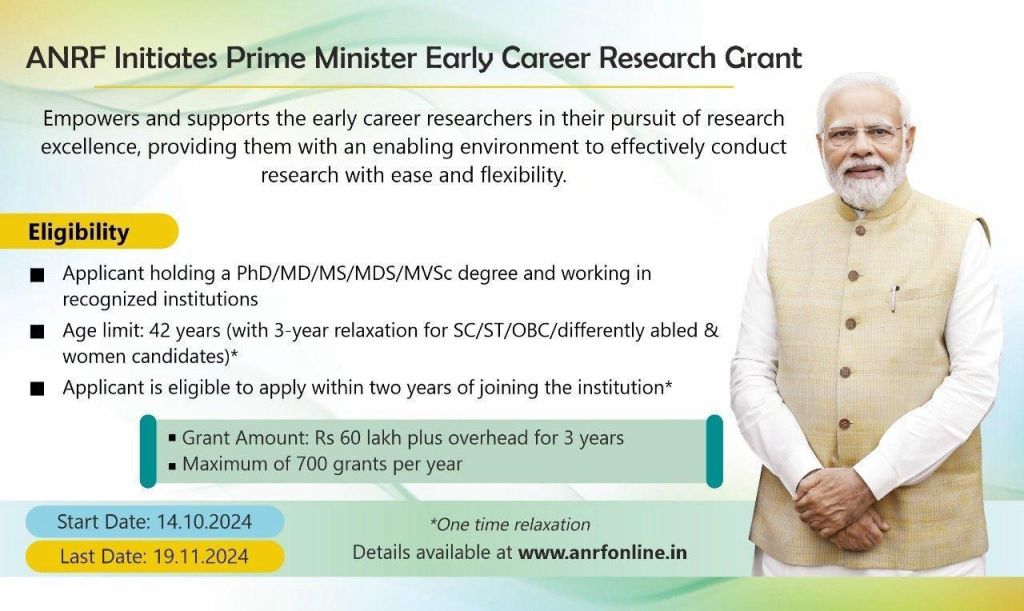
Prime Minister Early Career Research Fund

The Prime Minister’s Early Career Research Award (PMECRA) is a prestigious grant designed to support young researchers in India, encouraging them to pursue innovative and groundbreaking research in various fields of science, technology, and other disciplines. The program was introduced as part of the Indian government’s broader effort to promote research and innovation, especially among early-career scientists and academicians.

Objectives of the PMECRA:

1. Promote Young Talent: PMECRA aims to recognize and support young researchers with strong academic credentials and innovative ideas, providing them the necessary financial resources to carry out cutting-edge research.

2. Encourage Independent Research: The program enables early-career scientists to establish themselves as independent researchers, free from the constraints of traditional academic hierarchies, and fosters self-driven innovation.

3. Boost Research Capacity in India: The program is part of a larger national strategy to bolster research output in India, contributing to India’s standing as a global hub of scientific and technological advancement.

4. Support Interdisciplinary Research: PMECRA encourages interdisciplinary research that has the potential for high societal impact, covering a broad range of fields such as biotechnology, environmental sciences, information technology, and more.

Eligibility Criteria:

1. Age Limit: The applicant must generally be below the age of 40 years.

2. Academic Qualifications: Applicants should have a Ph.D. or equivalent degree in their respective fields of research.

3. Employment: The researcher must hold a regular academic or research position in a recognized university, institute, or laboratory in India.

4. Experience: Early career typically refers to researchers with 2–8 years of post-Ph.D. experience.

5. Research Focus: The applicant’s research proposal must align with the scientific priorities of the government, focusing on high-impact research areas with potential applications.

Funding and Benefits:

Research Grant: PMECRA offers substantial funding, typically ranging from ₹25 lakhs to ₹1 crore, depending on the scope of the research project. This grant can be used for various research-related activities such as purchasing equipment, hiring research assistants, covering travel expenses, and publishing research results.

Duration: The funding is usually provided for a period of three to five years, allowing researchers adequate time to develop their ideas and produce meaningful results.

Flexibility: The fund supports both basic and applied research, giving researchers flexibility in their approach while focusing on areas of national importance.

Selection Process:

1. Call for Proposals: The program typically invites research proposals annually. Interested candidates must submit detailed proposals outlining their research objectives, methodologies, expected outcomes, and budget estimates.

2. Evaluation: Proposals are evaluated by a panel of experts from various academic and scientific fields. The evaluation criteria include the novelty of the research, its feasibility, the researcher’s track record, and the potential impact of the project on society or industry.

3. Interview: Shortlisted candidates may be called for an interview, where they will present their research ideas to a panel of experts.

4. Final Selection: Based on the review process, a select number of candidates are awarded the grant, which is disbursed in installments depending on the research progress.

Importance of PMECRA:

Empowering Early Career Researchers: PMECRA provides a vital platform for early-career researchers to establish themselves in the competitive academic world, gain visibility, and build a solid foundation for future research opportunities.

Addressing National Challenges: By supporting research in areas of national importance, PMECRA helps address key challenges faced by India in sectors such as healthcare, agriculture, energy, and environmental sustainability.

Promoting Innovation and Creativity: The grant fosters a culture of innovation by encouraging researchers to explore new ideas, technologies, and methodologies that can lead to significant scientific breakthroughs or technological innovations.

Challenges:

Competition: Due to its prestigious nature, PMECRA is highly competitive, with only a small percentage of applicants receiving funding.

Grant Utilization: Managing large grants and ensuring that funds are used efficiently for research purposes can be a challenge, especially for those with limited administrative experience.

Conclusion:

The Prime Minister’s Early Career Research Award is a pivotal initiative aimed at fostering the next generation of researchers in India. By providing financial resources, mentorship, and independence, the PMECRA program serves as a cornerstone in shaping India’s future scientific and technological landscape. The award not only benefits individual researchers but also contributes to the broader goal of making India a leader in innovation and research on the global stage.

Survey and Schedule

*Survey and Schedule: A Comprehensive Guide*

A survey and schedule are essential tools in various fields, including research, construction, and project management. In this article, we will delve into the world of surveys and schedules, exploring their definitions, types, benefits, and best practices.
*What is a Survey?*
A survey is a systematic process of collecting data and information from a sample of individuals, groups, or organizations. It involves asking questions, observing behaviors, or gathering data through various methods to gain insights, understand trends, and make informed decisions.
*Types of Surveys*
1. *Questionnaire Survey*: Uses a set of questions to collect data through online or offline forms.
2. *Interview Survey*: Involves face-to-face or phone interviews to gather data.
3. *Observational Survey*: Observes behavior, actions, or phenomena without direct interaction.
4. *Experimental Survey*: Manipulates variables to study cause-and-effect relationships.
*What is a Schedule?*
A schedule is a timeline or calendar that outlines tasks, activities, or events in a logical and sequential manner. It helps plan, coordinate, and manage time-sensitive projects, ensuring timely completion and meeting deadlines.
*Types of Schedules*
1. *Project Schedule*: Outlines tasks, milestones, and deadlines for a specific project.
2. *Production Schedule*: Manages production workflows, timelines, and resources.
3. *Maintenance Schedule*: Plans routine maintenance, repairs, and upkeep.
4. *Training Schedule*: Organizes training sessions, courses, and workshops.
*Benefits of Surveys and Schedules*
1. *Informed Decision-Making*: Surveys provide valuable insights, while schedules ensure timely execution.
2. *Improved Planning*: Schedules help plan resources, tasks, and timelines.
3. *Enhanced Productivity*: Surveys identify areas for improvement, while schedules optimize workflows.
4. *Better Time Management*: Schedules ensure timely completion, reducing delays and costs.
*Best Practices*
1. *Clear Objectives*: Define survey goals and schedule purposes.
2. *Well-Designed Instruments*: Craft effective survey questions and schedule templates.
3. *Pilot Testing*: Test surveys and schedules before implementation.
4. *Flexibility*: Allow for adjustments and changes as needed.
5. *Communication*: Share survey findings and schedule updates with stakeholders.
In conclusion, surveys and schedules are powerful tools that, when used effectively, can drive informed decision-making, improve planning, enhance productivity, and ensure timely completion of projects. By understanding their types, benefits, and best practices, individuals and organizations can harness their potential to achieve success.

PhD Topics for Urban Design

Here are some futuristic and innovative topic ideas in urban design:

Futuristic Topics:
1. Vertical Cities: Designing sustainable, high-density cities with vertical farming, transportation, and living spaces.
2. Smart City Infrastructure: Integrating AI, IoT, and data analytics to create efficient, responsive, and sustainable urban systems.
3. Autonomous Vehicle Cities: Redesigning urban spaces for self-driving cars, hyperloops, and advanced transportation systems.
4. Climate-Resilient Cities: Designing cities to adapt to rising sea levels, extreme weather events, and changing climate conditions.
5. Urban Robotics: Integrating robots and automation into urban design for maintenance, transportation, and public services.
Innovative Topics:
1. Inclusive Urban Design: Creating accessible, equitable, and engaging public spaces for diverse communities.
2. Urban Agriculture: Integrating farming, gardens, and green spaces into urban design for sustainable food systems.
3. Water-Sensitive Urban Design: Managing water resources, flood resilience, and aquatic ecosystems in urban planning.
4. Public Space Revitalization: Transforming underutilized or neglected public spaces into vibrant community hubs.
5. Urban Microclimates: Designing urban spaces to mitigate the urban heat island effect and create comfortable microclimates.
Other Good Topics:
1. Sustainable Urban Mobility: Designing efficient, eco-friendly transportation systems and infrastructure.
2. Urban Regeneration: Revitalizing neglected or declining urban areas through innovative design and planning.
3. Community Engagement in Urban Design: Involving citizens in the design process to create more responsive and inclusive public spaces.
4. Urban Ecology: Integrating ecological principles and biodiversity into urban design and planning.
5. Resilient Urban Design: Creating cities that can adapt to and recover from natural disasters, economic shocks, and social crises.
These topics should inspire interesting and thought-provoking discussions in urban design!

Bibliometric Analysis Research Tool

 Bibliometric analysis is a statistical method used to analyze books, articles, and other publications. This type of analysis helps in understanding the impact and influence of research outputs within a particular field. Bibliometric tools are essential for researchers, librarians, policymakers, and academic institutions to assess the performance and quality of research.

Key Aspects of Bibliometric Analysis

  1. Quantitative Measurement:
    Bibliometric analysis uses quantitative data to assess the productivity and impact of publications. Common metrics include:

    • Citation Count: The number of times a publication is cited by other works.
    • h-index: A metric that attempts to measure both the productivity and citation impact of the publications of a scientist or scholar.
    • Impact Factor: A measure reflecting the yearly average number of citations to recent articles published in a journal.
    • Co-authorship: Analyzing collaboration patterns among authors, institutions, or countries.
  2. Visualization:
    Tools like VOSviewer, CiteSpace, and Bibliometrix allow researchers to visualize bibliometric data. Visualization techniques include:

    • Co-citation Analysis: Identifying how frequently two publications are cited together.
    • Keyword Co-occurrence: Identifying the most common keywords in a set of publications.
    • Citation Networks: Mapping the connections between different works and their citations.
  3. Trend Analysis:
    Bibliometric tools can help identify emerging trends and patterns in research. For example, tracking the frequency of specific keywords over time can reveal shifts in research focus.

  4. Research Performance Evaluation:
    Institutions and funding agencies use bibliometric analysis to evaluate the performance of researchers and research groups. This can help in decisions regarding funding, promotions, and awards.

  5. Identifying Key Researchers and Institutions:
    Bibliometric tools help in identifying influential researchers, institutions, and countries in a specific research area. This information is crucial for forming collaborations and understanding the competitive landscape.

  6. Assessing Journal Quality:
    Researchers and institutions often use bibliometric tools to assess the quality and impact of academic journals. Metrics like the Impact Factor, SCImago Journal Rank (SJR), and h-index of journals are used to determine where to publish.

Popular Bibliometric Analysis Tools

  1. VOSviewer:
    VOSviewer is a free software tool used for constructing and visualizing bibliometric networks. It supports the creation of various maps, such as co-authorship, citation, and co-citation maps. VOSviewer’s strength lies in its ability to handle large datasets and its user-friendly interface for visualizing networks.

  2. CiteSpace:
    CiteSpace is a Java-based application that focuses on analyzing and visualizing trends and patterns in scientific literature. It is particularly strong in detecting emerging trends and identifying critical points in the development of a research area.

  3. Bibliometrix:
    Bibliometrix is an R package that provides tools for comprehensive science mapping analysis. It allows researchers to conduct a variety of analyses, including citation analysis, collaboration analysis, and thematic mapping.

  4. Scopus and Web of Science (WoS):
    Scopus and WoS are two of the most widely used databases for bibliometric analysis. Both platforms offer tools for citation tracking, author profiling, and impact analysis.

  5. Google Scholar Metrics:
    Google Scholar Metrics provide a simple way for authors to gauge the visibility and influence of recent articles in scholarly publications. It provides metrics such as the h-index and i10-index.

  6. Publish or Perish:
    This software retrieves and analyzes academic citations. It uses data from Google Scholar to compute several citation metrics, including the total number of papers, total citations, and the h-index.

Applications of Bibliometric Analysis

  1. Research Planning and Policy Making:
    Governments and institutions use bibliometric analysis to inform research funding decisions and develop strategic plans.

  2. Academic Performance Evaluation:
    Bibliometric data is frequently used in academia to evaluate the performance of researchers, departments, and institutions.

  3. Identifying Research Gaps:
    Researchers use bibliometric analysis to identify gaps in existing literature and areas that require further investigation.

  4. Benchmarking:
    Academic institutions and research organizations use bibliometric data to benchmark their performance against competitors.

  5. Literature Reviews:
    Bibliometric analysis is a powerful tool for conducting systematic literature reviews, as it allows researchers to map out the development of a research field and identify key publications.

Limitations of Bibliometric Analysis

  1. Data Quality:
    Bibliometric analysis is only as good as the data it relies on. Inaccuracies in citation data or author affiliations can lead to misleading results.

  2. Overemphasis on Citation Metrics:
    Citation metrics do not always reflect the quality or significance of research. High citation counts can sometimes be due to controversial findings or self-citations.

  3. Field-Specific Differences:
    Different academic fields have varying publication and citation practices, which can make it difficult to compare performance across disciplines.

  4. Language Bias:
    English-language publications tend to dominate bibliometric databases, potentially marginalizing research in other languages.

  5. Time Lag:
    Bibliometric data often has a time lag, as it takes time for publications to accumulate citations.

Conclusion

Bibliometric analysis is a powerful tool for assessing research impact and trends. While it has its limitations, the insights provided by bibliometric tools are invaluable for researchers, institutions, and policymakers. The continued development of these tools and methodologies will likely enhance their accuracy and applicability, making them even more integral to the academic and research landscape.