Learn and Collaborate with Track2Training

Track2Training offers comprehensive skill development programs for researchers, academics, and professionals, focusing on enhancing their skills in:

1. Research Methodology: Developing robust research designs, data analysis, and statistical techniques.
2. Academic Writing: Improving writing quality, clarity, and structure for publications and grant proposals.
3. Communication: Enhancing presentation, networking, and science communication skills.
4. Grant Writing: Crafting compelling proposals to secure funding.
5. Project Management: Effective planning, execution, and monitoring of research projects.
6. Data Analysis and Visualization: Mastering tools and techniques for data interpretation and presentation.
7. Leadership and Mentorship: Developing skills to guide and support research teams.
8. Time Management and Productivity: Optimizing workflow and minimizing stress.
9. Publishing and Journal Management: Navigating the publication process and editorial responsibilities.
10. Interdisciplinary Collaboration: Fostering partnerships across disciplines and industries.
Track2Training’s skill development programs include:
– Workshops and webinars
– One-on-one coaching and mentoring
– Online courses and tutorials
– Peer review and feedback sessions
– Access to resources and toolkits
By investing in skill development with Track2Training, researchers and academics can:
– Enhance their research quality and impact
– Boost their career prospects and advancement
– Stay updated on best practices and industry trends
– Network and collaborate with peers and experts
– Achieve greater productivity and work-life balance

Value of ISBN for Conference Proceedings

Daily writing prompt
What are your favorite emojis?

The International Standard Book Number (ISBN) is a unique identifier for books, allowing for more efficient marketing and distribution. ISBNs are pivotal in the publishing world, extending their utility to the realm of academic and professional conferences. This article explores the significance of ISBNs for conference proceedings, emphasizing their role in cataloging, credibility, and accessibility.

Photo by Angelika Siafa on Pexels.com

What is an ISBN?

An ISBN is a numeric identifier that is unique to each edition and variation (except reprints) of a book or book-like resource. The ISBN system was developed to provide a universal, standardized method to identify and track books in the international marketplace (International ISBN Agency, 2017).

ISBN for Conference Proceedings

Conference proceedings compile the contributions of participants at conferences, workshops, and symposia, often serving as a detailed record of the presented work. The assignment of an ISBN to these proceedings consolidates several benefits:

  1. Standardization and Cataloging
    • ISBNs facilitate the standardization and systematic cataloging of conference proceedings in bookstores, libraries, and databases. This standardization ensures that each entry is recognized globally and can be accessed through international library systems.
    • As explained by the U.S. ISBN Agency (n.d.), each ISBN corresponds to a specific publisher, title, edition, and format, aiding in efficient data management and retrieval.
  2. Accessibility and Distribution
    • With an ISBN, conference proceedings can be distributed more broadly, reaching a global audience. This distribution is not limited to physical copies; digital versions also benefit from ISBNs, making them readily available through e-book retailers and digital libraries (Smith, 2015).
    • The ease of access provided by ISBNs helps in disseminating knowledge shared during conferences, thus extending the educational impact and fostering further academic and professional collaboration.
  3. Credibility and Recognition
    • Assigning an ISBN to conference proceedings lends credibility and a sense of legitimacy to the published work (Thompson, 2019). It signals that the content has passed certain publishing standards and is worthy of public and academic recognition.
    • This credibility is crucial for researchers and professionals who cite these proceedings in further studies or use them as references, ensuring that their sources are reliable.
  4. Archival Value
    • ISBNs help in the archival process of conference proceedings, making them easier to catalog and store in academic archives and libraries. This archival is essential for historical documentation and longitudinal studies, providing a traceable record of academic progress and discourse over time (Johnson & Wilmington, 2018).
  5. Ease of Citation
    • For academic work, ease of citation is imperative. ISBNs provide a straightforward way to reference conference proceedings, which is essential for authors who need to cite these sources in subsequent publications (Davis, 2021).
    • Standard bibliographic details associated with ISBNs facilitate correct and consistent citations across various fields and publications.

Conclusion

The use of ISBNs for conference proceedings is more than a mere administrative formality; it is a strategic approach to enhancing the visibility, accessibility, and impact of scholarly work. By providing a standardized system for identification, ISBNs not only aid in the effective distribution and cataloging of academic materials but also enhance their credibility and archival quality. As the academic community continues to globalize, the importance of such standardization only grows, underlining the critical role of ISBNs in scholarly communication.

References

  • International ISBN Agency. (2017). ISBN Users’ Manual – International edition (7th ed.). Retrieved from [https://www.isbn-international.org/content/isbn-users-manual]
  • U.S. ISBN Agency. (n.d.). What is an ISBN? Retrieved from [https://www.isbn.org/what-is-an-isbn]
  • Smith, J. (2015). Digital distribution of academic journals and its impact on scholarly communication. Journal of Academic Publishing, 6(3), 95-112.
  • Thompson, R. (2019). The role of ISBNs in the promotion of academic knowledge. University of California Press.
  • Johnson, L., & Wilmington, S. (2018). Archiving and academic success: The role of digital repositories in preserving conference proceedings. Journal of Library Science, 44(2), 158-174.
  • Davis, M. (2021). Effective referencing of conference proceedings in academic papers. Journal of Academic Research, 11(1), 134-150.

Proofreading and Grammar Checking Services for Scholars

body {
font-family: Arial, sans-serif;
line-height: 1.6;
margin: 20px;
}

    h1 {
        color: #333;
    }

    img {
        max-width: 100%;
        height: auto;
        margin-bottom: 15px;
    }

    .rating {
        display: inline-block;
        unicode-bidi: bidi-override;
        color: #888;
        font-size: 24px;
        height: 1em;
        position: relative;
    }

    .rating span {
        display: inline-block;
        position: absolute;
        overflow: hidden;
        color: #FFD700;
    }

    .rating input {
        display: none;
    }

    .rating label {
        cursor: pointer;
        width: 1em;
        font-size: 24px;
        text-align: center;
        line-height: 1.6;
    }

    .rating label:before {
        content: '★';
    }

    .rating input:checked ~ label,
    .rating input:checked ~ label ~ label {
        color: #FFD700;
    }


<h1>We understand the significance of your research papers and the tireless effort you invest in producing high-quality work. At Pen2Print.org, we recognize the need for flawless academic writing, and we are excited to introduce our Research Paper Proofreading and Grammar Checking Service tailored just for you.</p><div class="separator" style="clear: both;font-size: medium;font-weight: 400;text-align: center"><a href="https://blogger.googleusercontent.com/img/b/R29vZ2xl/AVvXsEgymc9XlHX3LSc0V6FFlfTbzHPWvpAw82STOYh5OacgRRxLQDvb4ODuppx9ikER0EOl9yScQkzr0soywYxnoV6kbJ_g0hqyxwDIWERi1eigujbeP1sFdEZJvUl53xYbrYt1it1Pz7RGUILUOZgx8zDqZ6m7Ib5nbz4dxWTkCXmxduHS-3EBfJ_NznH_fKU/s1412/Proofreading1.webp" style="margin-left: 1em;margin-right: 1em"><img border="0" height="422" src="https://blogger.googleusercontent.com/img/b/R29vZ2xl/AVvXsEgymc9XlHX3LSc0V6FFlfTbzHPWvpAw82STOYh5OacgRRxLQDvb4ODuppx9ikER0EOl9yScQkzr0soywYxnoV6kbJ_g0hqyxwDIWERi1eigujbeP1sFdEZJvUl53xYbrYt1it1Pz7RGUILUOZgx8zDqZ6m7Ib5nbz4dxWTkCXmxduHS-3EBfJ_NznH_fKU/w640-h422/Proofreading1.webp" width="640" /></a></div><br style="font-size: medium;font-weight: 400" /><p style="font-size: medium;font-weight: 400">

🔍 Why Choose Pen2Print.org?

Expertise: Our team comprises seasoned professionals with a keen eye for detail and a deep understanding of academic writing standards. They have extensive experience in various fields and are well-equipped to enhance the clarity and coherence of your research papers.

Quality Assurance: We are committed to delivering top-notch services that go beyond mere grammar and spelling checks. Our experts will meticulously review your paper, ensuring logical flow, proper citations, and adherence to academic conventions.

Affordability: We believe that academic support should be accessible to all scholars. That’s why we offer our comprehensive proofreading and grammar checking services at an unbeatable price of just $20 per paper.

🚀 How to Get Started:

  1. 📧 Send an email to editor@pen2print.org: Initiate the process by reaching out to our dedicated editorial team. Attach your research paper and provide any specific instructions or concerns you may have.

  2. 🕒 Receive a Quick Response: Our team will promptly respond to your email, confirming the receipt of your paper and discussing any additional details if necessary.

  3. 📝 Experience Expert Proofreading: Once your requirements are clarified, our experts will get to work, ensuring your paper is polished to perfection while maintaining the integrity of your research.

  4. Receive the Final Document: Within the agreed timeframe, you’ll receive your proofread and grammar-checked paper, ready to make a powerful impact in the academic world.

🌐 About Pen2Print.org:

Pen2Print.org is a trusted platform committed to supporting scholars and researchers in their academic endeavors. With a focus on quality, affordability, and timely delivery, we aim to elevate the standard of your research papers.

Don’t let grammatical errors and overlooked mistakes undermine your hard work. Let Pen2Print.org be your partner in achieving academic excellence. Send us your research paper today and experience the difference!

📧 Contact Us:
Email: editor@pen2print.org
Website: www.pen2print.org

🌟 Unlock the Potential of Your Research with Pen2Print.org – Your Gateway to Academic Success! 🌟

Transform Your Thesis into a Published Book with Edupub!

body {
font-family: Arial, sans-serif;
line-height: 1.6;
margin: 20px;
}

    h1 {
        color: #333;
    }

    img {
        max-width: 100%;
        height: auto;
        margin-bottom: 15px;
    }

    .rating {
        display: inline-block;
        unicode-bidi: bidi-override;
        color: #888;
        font-size: 24px;
        height: 1em;
        position: relative;
    }

    .rating span {
        display: inline-block;
        position: absolute;
        overflow: hidden;
        color: #FFD700;
    }

    .rating input {
        display: none;
    }

    .rating label {
        cursor: pointer;
        width: 1em;
        font-size: 24px;
        text-align: center;
        line-height: 1.6;
    }

    .rating label:before {
        content: '★';
    }

    .rating input:checked ~ label,
    .rating input:checked ~ label ~ label {
        color: #FFD700;
    }


<h1>Are you a dedicated scholar who has poured countless hours into your thesis, dissertation, or project report? Do you wish to take your academic accomplishments to the next level, gaining recognition, respect, and a broader readership for your valuable research? Look no further than Edupub – your gateway to becoming a published author and making a lasting impact in the academic community.</p><div class="separator" style="clear: both;text-align: center"><a href="https://blogger.googleusercontent.com/img/b/R29vZ2xl/AVvXsEiTpR_SLKlsttQfew25ayVRiExwA-622YIQRCSUNX_RsZXRH42xmE9eYtQFMSUdRE1hn_Tv9N4Diu2BcRg2ELI4463cX0qLMv-Sb7KmY8Xx6ohUAZqu6xymVT2kmafqDl6Y8BPsrS7E2V5t5dyTviejVKbv7olxCbyLs9UGCaX1-7ZUftNyjpbov0Jv4FA/s2000/Thesis-to-Book.png" style="margin-left: 1em;margin-right: 1em"><img border="0" height="320" src="https://blogger.googleusercontent.com/img/b/R29vZ2xl/AVvXsEiTpR_SLKlsttQfew25ayVRiExwA-622YIQRCSUNX_RsZXRH42xmE9eYtQFMSUdRE1hn_Tv9N4Diu2BcRg2ELI4463cX0qLMv-Sb7KmY8Xx6ohUAZqu6xymVT2kmafqDl6Y8BPsrS7E2V5t5dyTviejVKbv7olxCbyLs9UGCaX1-7ZUftNyjpbov0Jv4FA/s320/Thesis-to-Book.png" width="226" /></a></div><p><span style="--tw-border-spacing-x: 0;--tw-border-spacing-y: 0;--tw-ring-color: rgba(69,89,164,.5);--tw-ring-offset-color: #fff;--tw-ring-offset-shadow: 0 0 transparent;--tw-ring-offset-width: 0px;--tw-ring-shadow: 0 0 transparent;--tw-rotate: 0;--tw-scale-x: 1;--tw-scale-y: 1;--tw-scroll-snap-strictness: proximity;--tw-shadow-colored: 0 0 transparent;--tw-shadow: 0 0 transparent;--tw-skew-x: 0;--tw-skew-y: 0;--tw-translate-x: 0;--tw-translate-y: 0;border: 0px solid rgb(217, 217, 227);color: var(--tw-prose-bold);font-weight: 600">Why Transform Your Thesis into a Book?</span>

Your academic work is a culmination of in-depth research, critical thinking, and a passion for knowledge. However, the impact of your findings doesn’t have to be confined to the academic realm. By converting your thesis into a book, you unlock the potential to reach a wider audience, including students, professionals, and enthusiasts interested in your field. A published book not only enhances the visibility of your research but also solidifies your status as an authoritative voice in your area of expertise.

Edupub: Your Trusted Publishing Partner

Edupub is a reputable publishing platform committed to promoting academic excellence and providing scholars with a platform to showcase their work. With a proven track record of supporting emerging and established academics, Edupub is dedicated to ensuring your research receives the recognition it deserves.

Benefits of Publishing with Edupub:

  1. ISBN as Book: Edupub provides each published work with a unique ISBN, transforming your thesis into an officially recognized book.

  2. Be a Published Author: Embrace the title of a published author, gaining the respect and admiration of your peers and the wider academic community.

  3. Recognition for Your Work: Edupub understands the value of your research. By publishing with us, you ensure that your contributions are acknowledged on a global scale.

  4. Broad Readership: Your published book will be available for reading on renowned platforms like Amazon and Google Books, making your research accessible to a diverse and extensive audience.

  5. Presence on Publisher Sites: Your work will be featured on Edupub’s official website, as well as other associated publisher sites like edupediapublications.com and books.pen2print.org.

How to Get Started:

  1. Send Your Manuscript: Submit your thesis, dissertation, or project report to editor@pen2print.org or editor@edupub.org Our experienced editorial team will guide you through the publication process.

  2. Expert Guidance: Benefit from the expertise of our editorial team, ensuring your work meets the highest standards of quality and academic rigor.

  3. Global Exposure: Watch your research gain visibility on major platforms, reaching a global audience eager to engage with and learn from your insights.

Seize the Opportunity – Make Your Mark with Edupub!

Don’t let your hard work remain confined to academic circles. Take the transformative step of converting your thesis into a book with Edupub. Become a published author, elevate your academic profile, and contribute to the broader dissemination of knowledge. Your journey towards greater recognition and respect in the academic community starts here!

Your Web Page


<h1>Your Web Page Content</h1>

<!-- Replace the URL in the "src" attribute with the URL of the page you want to embed -->

Free Book Reviews Publication on EduPub

 Title: [Book Title]

Author: [Author’s Name]

Image: [Attach an image of the book cover]

Rating: ⭐⭐⭐⭐⭐ (out of 5 stars)


Introduction:
Begin your review by introducing the book. Include information about the author and any relevant background that might add context to the book.

Summary:
Provide a brief summary of the book without giving away too many spoilers. Highlight the main plot points, characters, and any unique elements that make the book stand out.

Strengths:
Discuss the aspects of the book that impressed you the most. This could include the writing style, character development, plot intricacy, or any themes that resonate strongly.

Weaknesses:
Be constructive in pointing out any shortcomings you noticed. This could be areas where the plot seemed weak, character development was lacking, or any elements that could have been improved.

Characterization:
Evaluate the characters in the book. Are they well-developed and relatable? Do they undergo significant growth or change throughout the story?

Writing Style:
Comment on the author’s writing style. Is it engaging and easy to follow? Does it contribute to the overall enjoyment of the book?

Themes:
Discuss any themes explored in the book. How effectively does the author convey these themes, and do they resonate with the reader?

Conclusion:
Summarize your overall thoughts on the book. Would you recommend it to others? Who do you think would enjoy this book the most?


Feel free to customize this template based on the specific book you are reviewing. Once you’ve written your review, you can submit it along with the book cover image to the provided email address editor@edupub.org

Publish your book as a Kindle eBook

 Publishing a book has transformed drastically in the digital age, and one of the most accessible and rewarding avenues is through Kindle eBook publication. This platform not only offers convenience but also presents a myriad of opportunities for authors to reach a global audience while reaping significant benefits.

The advent of Kindle Direct Publishing (KDP) has revolutionized the way authors bring their works to the world. Transitioning from a paperback manuscript to a Kindle eBook offers numerous advantages, not least of which is the potential to earn more revenue. Kindle eBooks enable authors to earn up to 70% royalties on sales, providing a lucrative incentive to publish in this format. Additionally, enrolling in KDP Select allows authors to tap into the KDP Select Global Fund, further enhancing potential earnings.

Ease of publication is another compelling reason to opt for Kindle eBook format. Utilizing an existing paperback manuscript and cover, authors can seamlessly create their eBook. The conversion process is straightforward, eliminating the need for extensive reformatting or redesigning. This ease expedites the publication process, allowing authors to focus more on their writing and less on technical intricacies.

Moreover, Kindle eBooks offer authors a broader reach and increased visibility. With Kindle Unlimited and the Kindle Owners’ Lending Library, authors gain access to a vast pool of readers subscribed to these services. This expanded readership base not only increases the likelihood of book sales but also introduces the author’s work to a diverse audience, fostering a loyal readership.

The benefits of publishing a book as a Kindle eBook extend beyond monetary gains. The digital nature of these publications enables readers to access books anytime, anywhere, fostering convenience and accessibility. Kindle’s portability ensures that readers can carry an entire library in a single device, promoting greater engagement with the author’s work.

Furthermore, Kindle eBooks offer authors the flexibility to update and revise their content effortlessly. Unlike printed books, digital editions can be modified, allowing authors to make corrections or updates promptly. This agility ensures that readers receive the most current and accurate version of the author’s work.

Get published as Traditional publication, send mail to editor@pen2print.org

We will provide ISBN and and help in publishing your book on Kindle and Amazon.

In conclusion, publishing a book as a Kindle eBook presents a multitude of advantages for authors. From higher royalties and ease of publication to increased visibility and reader accessibility, the Kindle platform offers an enticing avenue for authors to share their stories with a global audience. Embracing the digital landscape through Kindle eBook publication not only enriches the author’s experience but also enhances the reading experience for audiences worldwide.

Empowering Authors: A Guide to Seamless Book Design, Publishing, and Global Distribution

 In the dynamic world of literature, the journey from penning down thoughts to presenting a polished book for the world to read is an exhilarating adventure. One integral aspect of this journey is the design of the book cover and interiors, as well as the choice between publishing formats. With the advent of user-friendly design tools and comprehensive publishing platforms, authors now have the power to shape their literary creations effortlessly and make them accessible globally.

Design Your Book with Ease:

Gone are the days when designing a book cover and interiors required extensive knowledge of graphic design. Today, authors can embrace their creativity without the need for specialized skills, thanks to easy-to-use design tools and templates. These tools offer a plethora of customizable options, enabling authors to craft unique, eye-catching covers that reflect the essence of their work. The intuitive interfaces of these tools allow authors to experiment with various elements, ensuring that the final design resonates with their artistic vision.

Authors can personalize every aspect of their book’s interior, from font styles to page layouts, creating an immersive reading experience. The days of relying solely on professional designers are over – the power to design is now in the hands of the author.

Publishing as Paperback and eBook:

The decision to publish a book as a paperback or an eBook is no longer an either-or scenario. Authors can now cater to a diverse audience by opting for both formats. The paperback version provides the tactile pleasure of holding a physical book, while the eBook version offers the convenience of digital accessibility. By choosing both, authors can maximize their reach and cater to the preferences of various readers.

Publishing in multiple formats is not just about accommodating reader preferences; it’s also a strategic move to enhance visibility and market penetration. In a world where readers consume literature through different mediums, providing options ensures that authors can engage with a broader audience.

Distribute Your Book Worldwide:

Once a book is beautifully designed and published in multiple formats, the next crucial step is distribution. A global audience awaits, and authors can now effortlessly sell their creations in over 30,000 stores across 150+ countries. This expansive distribution network is made possible through the collaboration of publishing platforms with various retailers, both online and offline.

Authors no longer need to worry about the logistics of global distribution – it’s all taken care of seamlessly. From renowned bookstores to online marketplaces, the book becomes available to readers worldwide, transcending geographical boundaries. This extensive reach not only increases the potential for sales but also fosters a diverse readership.

The landscape of book design, publishing, and distribution has undergone a transformative shift, empowering authors to take charge of their literary destinies. With accessible design tools, the ability to publish in multiple formats, and global distribution networks, the journey from the inception of an idea to a widely read book has become more straightforward and rewarding.

Aspiring authors are no longer confined by the limitations of traditional publishing processes. The tools and platforms available today offer the means to unleash creativity, connect with readers on a global scale, and turn a literary vision into a tangible reality. It’s an exciting era for authors, where the power to design, publish, and distribute is firmly in their hands.

Send your request to editor@pen2print.org

Top 10 Resources for Authors to Improve Writing

There are numerous services available to authors aiming to enhance their writing skills, refine their manuscripts, and navigate the publishing landscape. Here are ten standout services that provide valuable resources for writers seeking improvement:

  1. Grammarly: A widely used writing tool that helps authors improve grammar, punctuation, and style. It offers suggestions for clarity, tone, and conciseness, aiding in refining the overall quality of writing.

  2. Scrivener: A versatile writing software designed specifically for authors, Scrivener assists in organizing and structuring manuscripts. It offers features for outlining, note-taking, and drafting, streamlining the writing process.

  3. ProWritingAid: Similar to Grammarly, ProWritingAid is a comprehensive writing assistant that checks grammar, style, and readability. It provides in-depth reports and suggestions for improving writing quality.

  4. MasterClass: Offers online courses taught by renowned authors across various genres. These classes provide insights into the craft of writing, offering techniques, advice, and inspiration from seasoned professionals.

  5. The Writing Cooperative: A community-driven platform that offers resources, articles, and writing advice from a diverse group of authors. It fosters a supportive environment for writers to learn, share experiences, and grow.

  6. Writer’s Digest University: Provides online workshops, webinars, and courses covering different aspects of writing, including fiction, non-fiction, publishing, and marketing. These courses are taught by industry experts and offer practical knowledge for writers.

  7. Hemingway Editor: A writing tool that highlights complex sentences, passive voice, and readability issues. It aims to simplify and clarify writing, encouraging concise and impactful prose.

  8. LitReactor: Offers a variety of online workshops and courses focused on different aspects of writing, such as plot development, character creation, and genre-specific techniques. It provides a platform for writers to refine their skills.

  9. Critique Circle: An online platform where writers can receive feedback on their work from a community of fellow writers. It offers a supportive environment for critique and improvement.

  10. Your Local Writing Center or Workshops: Many cities and communities have writing centers or workshops offering in-person classes, critique groups, and resources for writers. These can provide invaluable face-to-face interaction and personalized feedback.

Each of these services caters to different facets of writing improvement, whether it’s grammar and style refinement, structuring manuscripts, gaining knowledge through courses, receiving feedback from peers, or engaging with a supportive writing community. Authors can benefit significantly by exploring these services to hone their craft and advance their writing careers.

Top Ten Free Publication Services for Authors

 There’s a wealth of publication services available for aspiring authors and seasoned writers alike, each offering distinct features and benefits. Here’s a glimpse into ten notable publication services that have made their mark in the literary world:

  1. Amazon Kindle Direct Publishing (KDP): As one of the most popular self-publishing platforms, KDP allows authors to publish and distribute eBooks and paperbacks globally. Its user-friendly interface, extensive reach, and royalty structure make it a go-to choice for many independent authors.

  2. IngramSpark: Renowned for its wide distribution network, IngramSpark enables authors to publish print and eBooks. It offers access to various distribution channels, including bookstores, libraries, and online retailers, making it a preferred choice for authors aiming for broad market reach.

  3. Smashwords: Focused on eBooks, Smashwords provides authors with a platform to publish and distribute their works across multiple retailers. It offers formatting tools, marketing options, and a broad distribution network, empowering authors to reach diverse audiences.

  4. Draft2Digital: Similar to Smashwords, Draft2Digital streamlines the eBook publishing process, providing authors with tools to format manuscripts, distribute across various platforms, and manage royalties. Its user-friendly interface and distribution options make it a convenient choice.

  5. BookBaby: Offering a comprehensive suite of services, BookBaby assists authors in self-publishing eBooks, print books, and audiobooks. It provides editing, design, and distribution services, catering to authors looking for a one-stop solution.

  6. Lulu: Lulu provides a platform for authors to self-publish print books and eBooks. It offers customizable publishing packages, printing services, and distribution options, catering to authors seeking control over the publishing process.

  7. Blurb: Known for its high-quality printing, Blurb specializes in enabling authors to create and publish print books, photo books, and magazines. It offers design tools and distribution services, emphasizing visual content and professional printing.

  8. Kobo Writing Life: Kobo Writing Life is an eBook publishing platform catering to authors interested in reaching Kobo’s global audience. It provides easy eBook creation tools, distribution options, and promotional opportunities within the Kobo ecosystem.

  9. Wattpad: Popular among writers and readers, Wattpad allows authors to publish stories serially, fostering a community-driven approach to storytelling. It provides exposure to a vast audience and engagement through reader interaction.

  10. Reedsy: More than just a publishing platform, Reedsy offers a marketplace connecting authors with professional editors, designers, marketers, and other publishing services. It provides a curated experience for authors seeking professional assistance throughout the publishing journey.

Each of these publication services caters to specific needs and preferences of authors, offering a range of tools, distribution networks, and support systems. Choosing the right service depends on an author’s goals, genre, publishing format, and desired level of control over the publishing process. Ultimately, authors benefit from exploring these options to find the service that aligns best with their vision for their work.

Significance and Art of Book Reviews

 Book reviews stand as vibrant reflections of literary critique, offering a glimpse into a reader’s interpretation, evaluation, and analysis of a written work. They serve as guiding beacons, navigating prospective readers through the labyrinth of literature, aiding in informed choices amidst a vast sea of options. These critical assessments not only illuminate the content of a book but also provoke discussions, foster connections, and contribute significantly to the literary ecosystem.

At their core, book reviews are multifaceted mirrors reflecting the myriad dimensions of a literary work. They encapsulate the essence of the narrative, delve into character depth, dissect thematic elements, and scrutinize the author’s style and craftsmanship. A well-crafted review transcends a mere synopsis; it unveils the nuances and intricacies, exposing the strengths and weaknesses while providing a comprehensive understanding of the book’s essence.

Moreover, book reviews serve as catalysts for intellectual discourse. They initiate conversations among readers, fostering a community where diverse perspectives coalesce. Readers engage in debates, share insights, and embark on journeys of intellectual exploration, amplifying the experience beyond the solitary act of reading. These discussions not only enrich individual interpretations but also contribute to a collective understanding of the literary landscape.

The art of crafting a compelling book review requires a delicate balance between objectivity and subjectivity. Reviewers navigate the terrain of personal opinion while maintaining an objective stance, offering a fair evaluation that respects both the author’s intent and the reader’s experience. A well-articulated review acknowledges the subjective nature of reading preferences while providing a reasoned analysis that aids readers in making informed choices.

Furthermore, the impact of book reviews transcends the realm of individual readership. They wield considerable influence in shaping literary trends, amplifying the visibility of authors and their works. A glowing review can catapult a book into the limelight, propelling it towards bestseller status and garnering the attention it deserves. Conversely, critical reviews, when constructive and insightful, serve as valuable feedback for authors, fostering growth and refinement in their craft.

In the digital age, the landscape of book reviews has evolved, proliferating across various platforms. From traditional print publications to online forums, social media, and dedicated book blogs, the avenues for sharing opinions have expanded exponentially. This democratization of reviewing empowers readers, allowing diverse voices to contribute to the rich tapestry of literary critique.

However, amidst this abundance of opinions, the integrity of book reviews stands as a cornerstone. Authenticity, honesty, and ethical responsibility are paramount. Reviewers bear the responsibility of offering genuine assessments, free from external influences or biases, maintaining the trust bestowed upon their insights.

In conclusion, book reviews serve as invaluable gateways into the literary universe, offering guidance, sparking discourse, and shaping the literary landscape. Their significance lies not only in elucidating the essence of a book but also in fostering a community bound by a shared love for literature. As readers, reviewers, and contributors to this vibrant tapestry of critique, we honor the diverse narratives that enrich our lives and perpetuate the timeless allure of the written word.

Send your book reviews for publication to editor@pen2print.org

ISBN no for Conference Proceedings

 Using ISBNs (International Standard Book Numbers) for conference proceedings and reports provided by Eduindex offers numerous advantages that significantly benefit both the organizers and participants. These benefits range from enhancing the credibility and accessibility of the proceedings to streamlining cataloging and distribution processes.

Firstly, assigning ISBNs to conference proceedings and reports lends them a unique identification code, allowing for easy and precise cataloging in libraries, databases, and book-selling platforms. This distinct identifier aids researchers, scholars, and students in efficiently locating and referencing these materials, contributing to increased visibility and recognition within academic circles.

Moreover, the inclusion of ISBNs elevates the perceived quality and credibility of conference proceedings. It establishes a level of professionalism and standardization, signaling that the content has undergone a formal process and adheres to publishing norms. This, in turn, enhances the reputation of the conference and its contributors, fostering a greater willingness among academics to participate and engage with the scholarly work presented.

Another advantage lies in the improved accessibility and global reach facilitated by ISBNs. These unique numbers enable easy dissemination of conference proceedings across various platforms and geographic locations. This accessibility encourages wider readership and knowledge dissemination, transcending geographical boundaries and ensuring that valuable research reaches a broader audience.

The streamlined process of obtaining ISBNs through Eduindex further adds to the advantages. The affordable cost and prompt allotment within a week of the request make it convenient for conference organizers to ensure their proceedings are properly registered and identified, without incurring significant expenses or delays.

In conclusion, the utilization of ISBNs in conference proceedings and reports offered by Eduindex offers a multitude of benefits. From enhancing credibility and visibility to facilitating efficient cataloging and global accessibility, the inclusion of these unique identifiers significantly augments the value of academic content. For those interested in availing themselves of these benefits, reaching out to editor@pen2print.org can be the first step toward acquiring ISBNs and maximizing the impact and reach of scholarly work.

Book Review Writing

 If you love to read, at some point you will want to share a book you love with others. You may already do this by talking about books with friends. If you want to share your ideas with more people than your circle of friends, the way you do that is by writing a review. By publishing the reviews you write, you can share your ideas about books with other readers around the world.

It’s natural for young readers to confuse book reviews with book reports, yet writing a book review is a very different process from writing a book report. Book reports focus on the plot of the book. Frequently, the purpose of book reports is to demonstrate that the books were read, and they are often done for an assignment.

A book review is a totally different task. A book review’s purpose is to help people decide whether or not the book would interest them enough to read it. Reviews are a sneak peek at a book, not a summary. Like wonderful smells wafting from a kitchen, book reviews lure readers to want to taste the book themselves.

This guide is designed to help you become a strong book reviewer, a reader who can read a book and then cook up a review designed to whet the reading appetites of other book lovers.

Form: What should the review look like?

How Long Should It Be?

The first question we usually ask when writing something is “How long should it be?” The best answer is “As long as it takes,” but that’s a frustrating answer. A general guideline is that the longer the book, the longer the review, and a review shouldn’t be fewer than 100 words or so. For a long book, the review may be 500 words or even more.

If a review is too short, the review may not be able to fulfill its purpose. Too long, and the review may stray into too much plot summary or lose the reader’s interest.

The best guide is to focus less on how long to write and more on fulfilling the purpose of the review.

How Do You Create A Title?

The title of the review should convey your overall impression and not be overly general. Strong titles include these examples:

  • “Full of action and complex characters”
  • “A nail-biter that will keep you up all night”
  • “Beautiful illustrations with a story to match”
  • “Perfect for animal lovers”

Weak titles may look like this:

  • “Really good book”
  • “Three stars”
  • “Pretty good”
  • “Quick read”

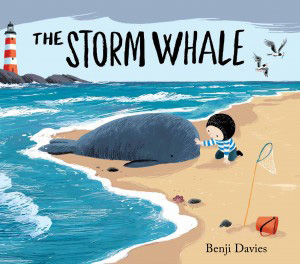
The Storm Whale cover

How Should It Begin?

Although many reviews begin with a short summary of the book (This book is about…), there are other options as well, so feel free to vary the way you begin your reviews.

In an introductory summary, be careful not to tell too much. If you retell the entire story, the reader won’t feel the need to read it him/herself, and no one appreciates a spoiler (telling the end). Here are some examples of summaries reviewers from The New York Times have written:

“A new picture book tells a magically simple tale of a lonely boy, a stranded whale and a dad who rises to the occasion.”

“In this middle-grade novel, a girl finds a way forward after the loss of her mother.”

“Reared by ghosts, werewolves and other residents of the hillside cemetery he calls home, an orphan named Nobody Owens wonders how he will manage to survive among the living having learned all his lessons from the dead. And the man Jack — who killed the rest of Nobody’s family — is itching to finish the job.”

“In vivid poems that reflect the joy of finding her voice through writing stories, an award-winning author shares what it was like to grow up in the 1960s and 1970s in both the North and the South.” Other ways to begin a review include:

  • Quote: A striking quote from the book (“It was a bright cold day in April, and the clocks were striking thirteen.”) can make for a powerful beginning. This quote begins George Orwell’s novel 1984.
  • Background: What makes this book important or interesting? Is the author famous? Is it a series? This is This is how Amazon introduces Divergent: “This first book in Veronica Roth’s New York Times bestselling Divergent trilogy is the novel the inspired the major motion picture.”
  • Interesting Fact: For nonfiction books in particular, an interesting fact from the book may create a powerful opening for a review. In this review of The Middle East by Philip Steele, Zander H. of Mid-America Mensa asks, “Did you know that the Saudi Arabia’s Rub’ al-Khali desert reaches temperatures of 140 degrees Fahrenheit in the day and plummets to the freezing point at night?”
  • Explanation of a term: If a word or phrase in the book or title is confusing or vitally important to understand, you may wish to begin the review explaining that term.

Process: What should I write about?

Deciding what to say about the book can be challenging. Use the following ideas as a guide, but remember that you should not put all of this into a single review — that would make for a very long review! Choose the things that fit this particular book best.

General Information
What the reader ought to know

  • What kind of book is it? (Picture book? Historical fiction? Nonfiction? Fantasy? Adventure?)
  • Does the book belong to a series?
  • How long is the book? Is it an easy or a challenging read?
  • Is there anything that would be helpful for the reader to know about the author? For instance, is the author an expert in the field, the author of other popular books, or a first-time author?
  • How does the book compare to other books on the same topic or in the same genre?
  • Is the book written in a formal or informal style? Is the language remarkable in any way?
  • What ages is the book geared to?
  • Is the book written in normal prose? If it is written in poetic form, does it rhyme?

Plot
What happens?

Writing about the plot is the trickiest part of a review because you want to give the reader a feel for what the book is about without spoiling the book for future readers. The most important thing to remember is that you must never give away the ending. No one likes a spoiler.

One possibility for doing this is to set up the premise (A brother and a sister find themselves lost in the woods at the mercy of an evil witch. Will they be able to outsmart her and escape?). Another possibility is to set up the major conflict in the book and leave it unresolved (Sometimes the waiting is the hardest part or He didn’t know what he stood to lose or Finding your purpose in life can be as easy as finding a true friend.)

Try to avoid using the tired phrase “This book is about…” Instead, just jump right in (The stuffed rabbit wanted more than anything to live in the big old house with the wild oak trees.)
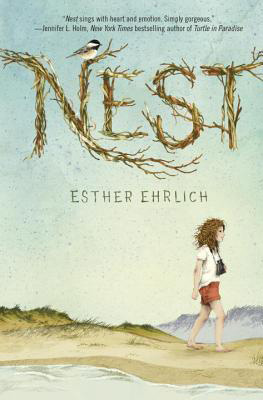
The Storm Whale cover

Characters
Who lives in the book?

Reviews should answer questions about the characters in fiction books or non-fiction books about people. Some possible questions to answer include:

  • Who are the main characters? Include the protagonist and antagonist.
  • What makes them interesting?
  • Do they act like real people act or are they too good or too evil to be believable?
  • Are they human?
  • What conflicts do they face?
  • Are they likeable or understandable?
  • How do they connect with each other?
  • Do they appear in other books?
  • Could you relate to any of the characters in the story?
  • What problems did the main characters face?
  • Who was your favorite character, and why?
  • We learn about characters from things they do and say, as well as things other characters say about them. You may wish to include examples of these things.

Theme
What is the book about at its heart?

What is the book really about? This isn’t the plot, but rather the ideas behind the story. Is it about the triumph of good over evil or friendship or love or hope? Some common themes include: change, desire to escape, facing a challenge, heroism, the quest for power, and human weaknesses.

Sometimes a book will have a moral — a lesson to learn. If so, the theme is usually connected to that moral. As you write about the theme, try to identify what makes the book worth reading. What will the reader think about long after the book is finished? Ask yourself if there any particular lines in the book that strike you as meaningful.

Setting
Where are we?

The setting is the time and place the story occurs. When you write about the setting in a review, include more than just the location. Some things to consider:

  • Is the book set in the past, present or future?
  • Is it set in the world we know or is it a fantastical world?
  • Is it mostly realistic with elements of fantasy (animals that can talk, for example)?
  • Is the setting unclear and fuzzy, or can you easily make the movie in your mind?
  • How much does the author draw you into the setting and how does s/he accomplish that?
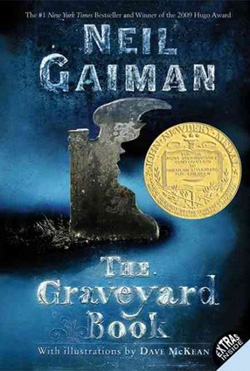
The Storm Whale cover

Opinion & Analysis
What do you really think?

This is where the reviewer shares his/her reactions to the book that go beyond the essential points described above. You may spend half of the review on this section. Some possible questions to address include:

  • Why do you think other readers would enjoy it? Why did you enjoy it (if you did) or why didn’t you (if you didn’t).
  • What ages or types of readers do you think would like the book?
  • How does it compare with other books that are in the same genre or by the same author?
  • Does the book engage your emotions? If a book made you laugh or cry or think about it for days, be sure to include that.
  • What do you like or dislike about the author’s writing style? Is it funny? Is it hard to follow? Is it engaging and conversational in tone?
  • How well do you think the author achieved what s/he was going for in the writing of the book? Do you think you felt what the author was hoping you would feel?
  • Did the book feel complete, or did it feel as though key elements were left out?
  • How does the book compare to other books like it you’ve read?

Are there parts that are simply not believable, even allowing for the reader’s understanding that it is fiction or even fantasy?

  • Are there mistakes?
  • Would you describe the book as for entertainment, self-improvement, or information?
  • What was your favorite part of the book?
  • Would you have done anything differently had you been the author?
  • Would any reader enjoy this book? If not, to what ages or type of reader would it appeal?

Special situations: Nonfiction and young reviewers

Some of the tips and ideas above work best for fiction, and some of it is a little too complicated for very young reviewers.

Nonfiction
What to do if it’s real

When reviewing a book of nonfiction, you will want to consider these questions:

  • What was the author’s purpose in writing the book? Did the author accomplish that purpose?
  • Who is the target audience for the book?
  • What do you think is the book’s greatest value? What makes it special or worthwhile?
  • Are the facts shared accurate?
  • Is the book interesting and hold your attention?
  • Would it be a useful addition to a school or public library?
  • If the book is a biography or autobiography, how sympathetic is the subject?
  • Is it easy to understand the ideas?
  • Are there extra features that add to the enjoyment of the book, such as maps, indexes, glossaries, or other materials?
  • Are the illustrations helpful?

Young Reviewers
Keeping it simple

Reviewing a book can be fun, and it’s not hard at all. Just ask yourself these questions:

  • What is the book about? You don’t need to tell the whole story over — just give an idea of what it’s about.
  • Do you think other people would like it?
  • Did you think it was funny or sad?
  • Did you learn something from the book?
  • l Did you think it was interesting?
  • Would you want to read it again?
  • Would you want to read other books by the same author or about the same subject?
  • What was your favorite part?
  • Did you like the pictures?

Remember! Don’t give away the ending. Let’s keep that a surprise.

General Tips & Ideas

Use a few quotes or phrases (keep them short) from the book to illustrate the points you make about the book. If there are illustrations, be sure to comment on those. Are they well done? Has the illustrator done other well-known books?

Make sure you include a conclusion to the review — don’t leave it hanging. The conclusion can be just one sentence (Overall, this book is a terrific choice for those who…).

You can use the transition word handout at the end of the Writer’s Toolbox to find ideas for words to connect the ideas in your review. If you would like to read some well-written reviews, look for reviews of books for young people at The New York Times or National Public Radio.

Rating Books
How to award stars?

Most places you post reviews ask you to rate the book using a star system, typically in a range of from one to five stars. In your rating, you should consider how the book compares to other books like it. Don’t compare a long novel to a short poetry book — that’s not a valid comparison.

It’s important to remember that it’s not asking you to only give five stars to the very best books ever written.

  • 5 Stars: I’m glad I read it or I loved it (this doesn’t mean it was your favorite book ever).
  • 4 Stars: I like it. It’s worth reading.
  • 3 Stars: It wasn’t very good.
  • 2 Stars: I don’t like it at all.
  • 1 Star: I hate it.

Remote notary New York services for online document signing

 Remote notary in New York is a process by which a notary may use an electronic video system to authenticate a document, without being physically present in the same location as the signer of the document (more information here https://onenotary.us/online-notary-new-york/). This allows individuals to complete the notarization process from the comfort of their own home or office, and it has become especially popular during the COVID-19 pandemic. New York State adopted remote notarization in 2020, following the passage of a law allowing for remote notarization during declared emergencies.

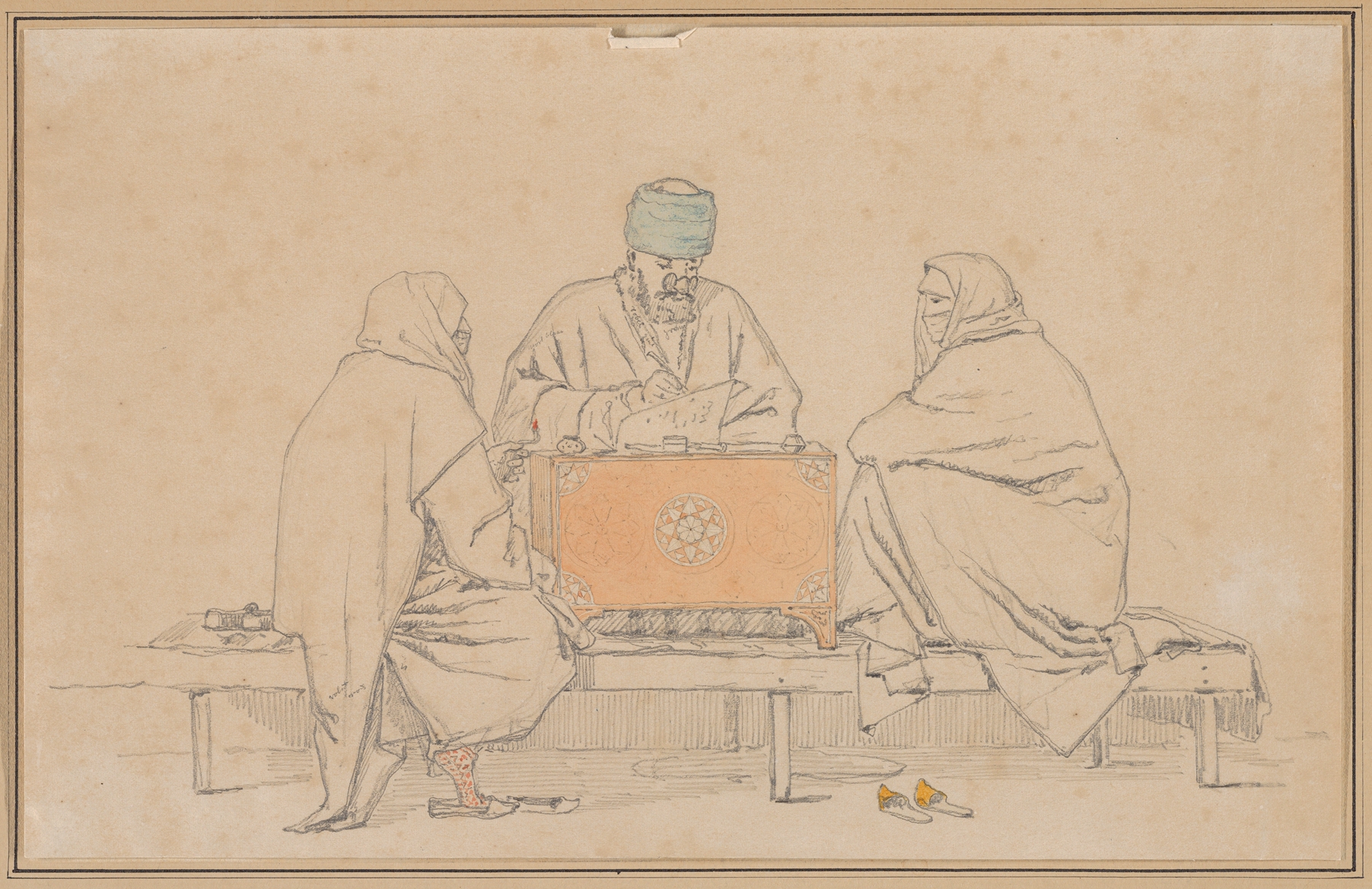
A Turkish Notary and Two Women by Martinus Ru00f8rbye is licensed under CC-CC0 1.0

Under this law, visual conferencing technology that satisfies certain conditions, such as real-time audio and video communication between the notary public and the signer, is permitted for remote notarizations in New York. Remote notarizations in New York require a notary public to be approved by the state’s Department of State and to follow the state’s prescribed processes and regulations. Remote notarization is not available for all types of documents and there are certain restrictions and limitations that apply. However, remote notarization is a convenient and accessible option for many people who need to notarize documents in the Big Apple.

How to find a New York remote notary?

To find a remote notary in New York, you can try the following:

  • Online search. You can use search engines like Google or Bing to find remote notaries in New York. You can try searching for phrases like “remote notary services in New York,” “virtual notary public New York,” or “online notary public New York” to find notaries who deliver electronic notarization services.
  • Notary directories. There are several online directories of notaries public that allow you to search for notaries in your area. Some directories, also allow you to filter your search to find notaries who offer remote notarization services.
  • Financial institutions that are close to where you live. Some financial institutions, such banks and credit unions, provide consumers with access to notary services, some of which allow for remote notarization. If you are interested in distant notarial services and what is required, you may reach out to your bank or credit union.
  • Mobile notary services. Some notaries public offer mobile notary services, which means they can travel to your location to perform notarization services. You can contact a mobile notary and ask if online notarization is one of the services they provide.

Once you have found a remote notary in New York, make sure to verify that they are authorized to perform distant notarizations and ask about their fees and requirements. It’s also a good idea to check reviews and testimonials from previous clients to ensure the notary is reliable and professional.

Is a virtual notary public better than a physical one?

Traditional notarization provides a higher level of security and verification, as the notary public can physically witness the signing of the document and verify the identity of the signer. This can be reassuring for individuals who are dealing with important or sensitive documents. Traditional notarization is also more widely recognized and accepted in certain industries and jurisdictions. In the end, whether you choose to use a conventional or remote notary public relies on the specific requirements and preferences that you have. It’s possible that using a remote notary public is the best choice for you if you’re searching for flexibility and ease of use. If you need a greater degree of protection and verification, or if your document has to be witnessed in person, a conventional public notary may be the preferable option for you.

BharOS : India&#39;s indigenous mobile Operating System.

With the advent of the smartphone era, majorly two OS (Operating System) which are Google’s Android and Apple’s iOS have been dominating the market. India has a population of more than 140 crore people and smartphone users account for more than 75 crores and we are dependent on the big tech giants for OS services. Also, the problem with renowned names such as android and iOS is that they come primarily with pre-installed apps and users have limited alternatives to switch to, which creates the issue with user privacy. So, there is a need for our own indigenous OS for Indian smartphone users. An IIT Madras Incubated organization has developed BharOS, a made in India Operating System.

BharOS is an AOSP (Android Open Source Project) Operating System based on the Linux kernel. It is developed by JandKops (JandK Operations Private Limited), which is a non-profit organization incubated at Indian Institute of Technology Madras.

BharOS is basically a really clean fork of AOSP that provides an NDA (No Default Apps) setting, which means that users do not have to keep or use pre-installed apps in this mobile operating system. NDA is key as many pre-installed apps that currently ship with other smartphones can slow down the device or take a toll on battery life by acting as bloatware. Going with an NDA design for BharOS was intentional as it will let users have more control over the apps on their mobile phones based on the user’s trust in the app and the kind of data they store on their phone.

BharOS also provides access to a Private App Store Service called PASS, which is a list of apps that have been thoroughly vetted and have been verified to comply with businesses’ privacy and security needs.

BharOS would offer NOTA (Native Over the Air) updates, meaning that security updates and bug fixes will be automatically installed rather than users having to check for updates and implement them on their own.

As of now, BharOS is not rolled out for public use but developers claimed that they have given access to the OS to certain organizations with stringent privacy and security requirement. BharOS developers claim that BharOS is better than both Android and iOS in terms of features and security. On top of that, they also claim that BharOS could even improve the battery life of the device. It will also allow users to install apps of their interest and will ship with an India-based app store. BharOS is a contribution towards the idea of a self-reliant India or ‘Atmanirbhar Bharat’ by creating a secure OS environment for India-based users.

India to become a hub of drone technology.

Union Information and Broadcasting Minister Anurag Thakur this week said that India will become a hub of drone technology and the country will require at least 1 lakh drone pilots by next year. He was speaking at the gathering after flagging of the ‘Drone Yatra 2.0’, in Chennai.

Stating that India will require at least 1 lakh pilots in 2023, he said that each pilot will earn at least Rs 50-80 thousand a month. “If you take the Conservative Average even Rs 50,000 × 1 lakh youth × 12 months = Rs. 6000 crores a year worth employment could be created in the Drone sector,” he said

Apart from this, Industries and Government agencies which use Drones will also be impacted. He appreciated the that Garuda Aerospace’s plan to make one lakh ‘Made in India’ drones in the next two years.

Garuda’s Drone Skilling & Training Conference which is to be conducted in 775 districts across the country hopes to reach 10 lakh Youth. With an aim to train 1 lakh Youth to significantly impact not just the Drone ecosystem or generate employment for Youth, but hopes to create a massive impact in agriculture, mining, government departments and Other industries.

While noting that currently there are over 200 drone start-ups operating in the country, the minister said that this number will increase to generate lakhs of new job opportunities for the youth.